Applying Multiple Machine Learning Models to Classify Mild Cognitive Impairment from Speech in Community-Dwelling Older Adults


Abstract
1. Introduction
2. Materials and Methods
2.1. Participants
2.2. Speech Elicitation and Transcription
2.3. Audio Feature Extraction and Integration
2.4. Data Processing and Model Construction
2.5. Statistical Analyses
3. Results
3.1. Demographic Data
3.2. Processing and Analysis of Raw Audio Data
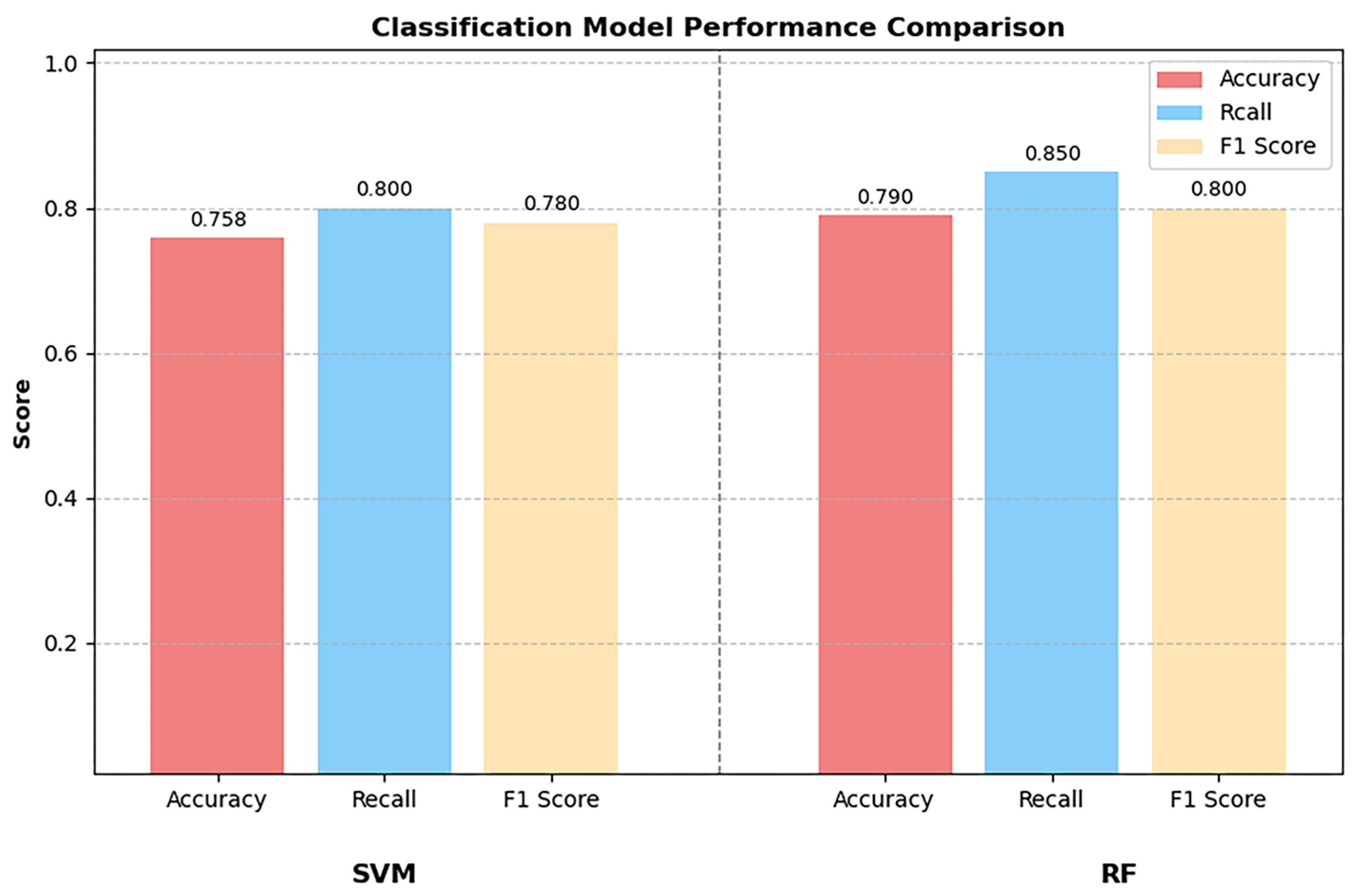
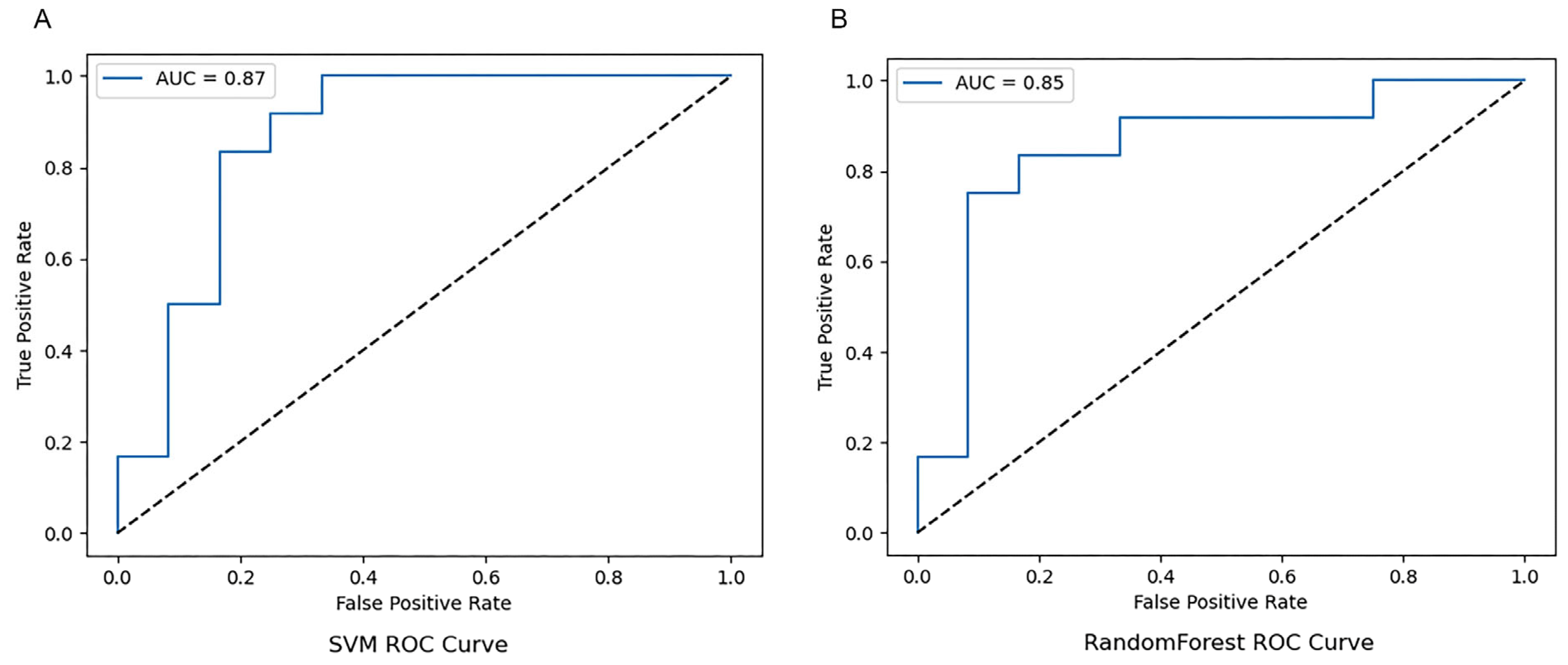
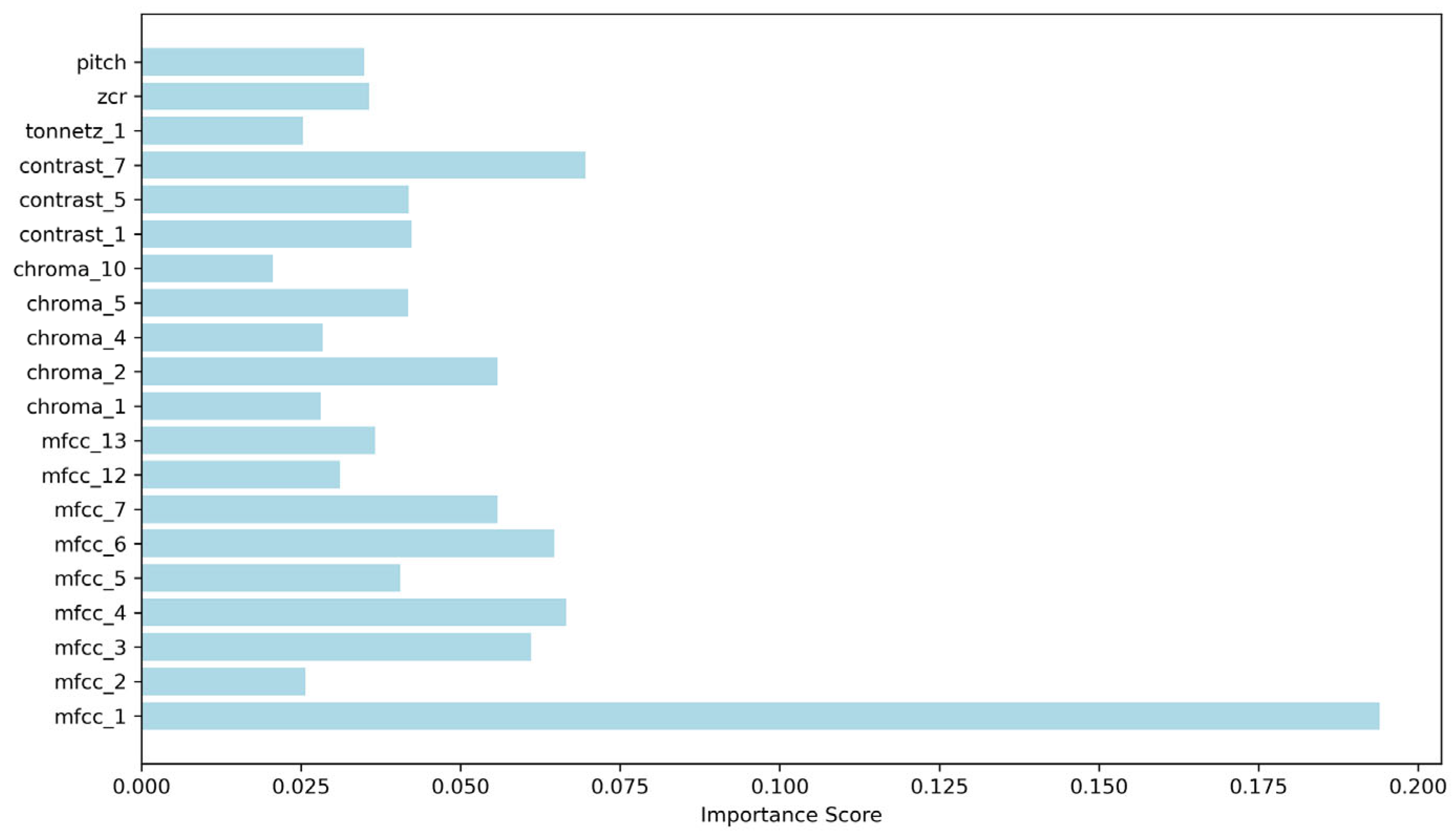
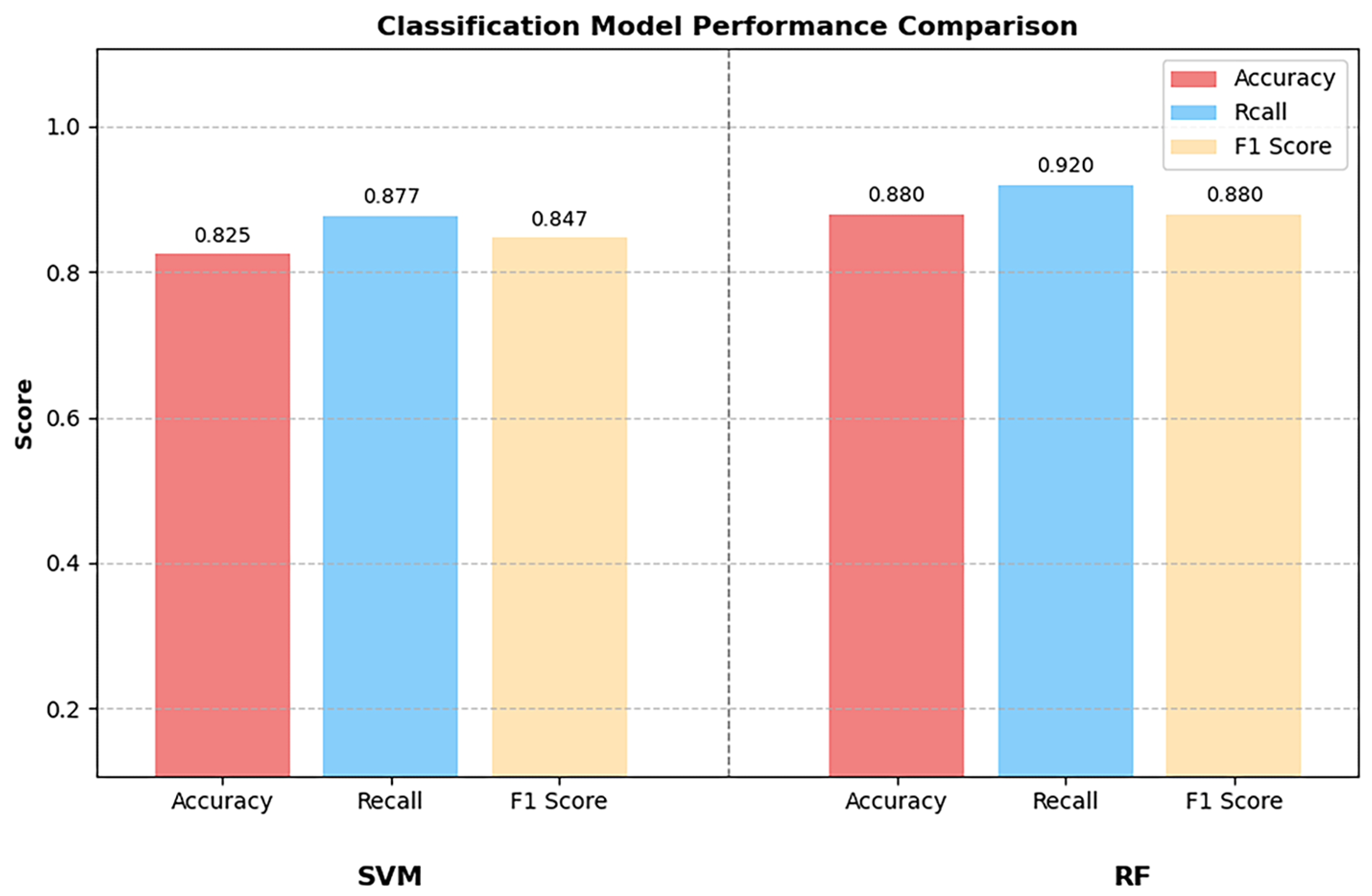
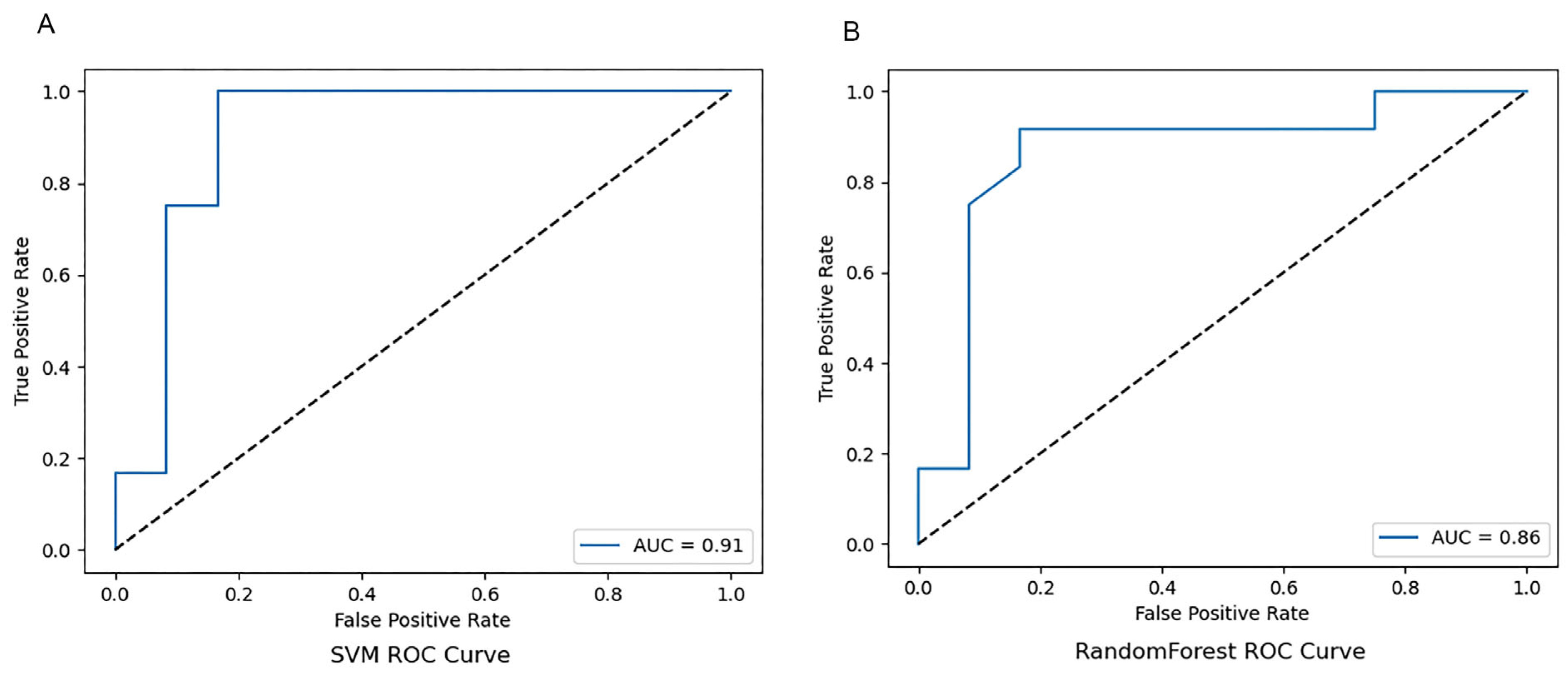
3.3. SFS-Optimised Speech Classification Features and Analysis of RF and SVM Models
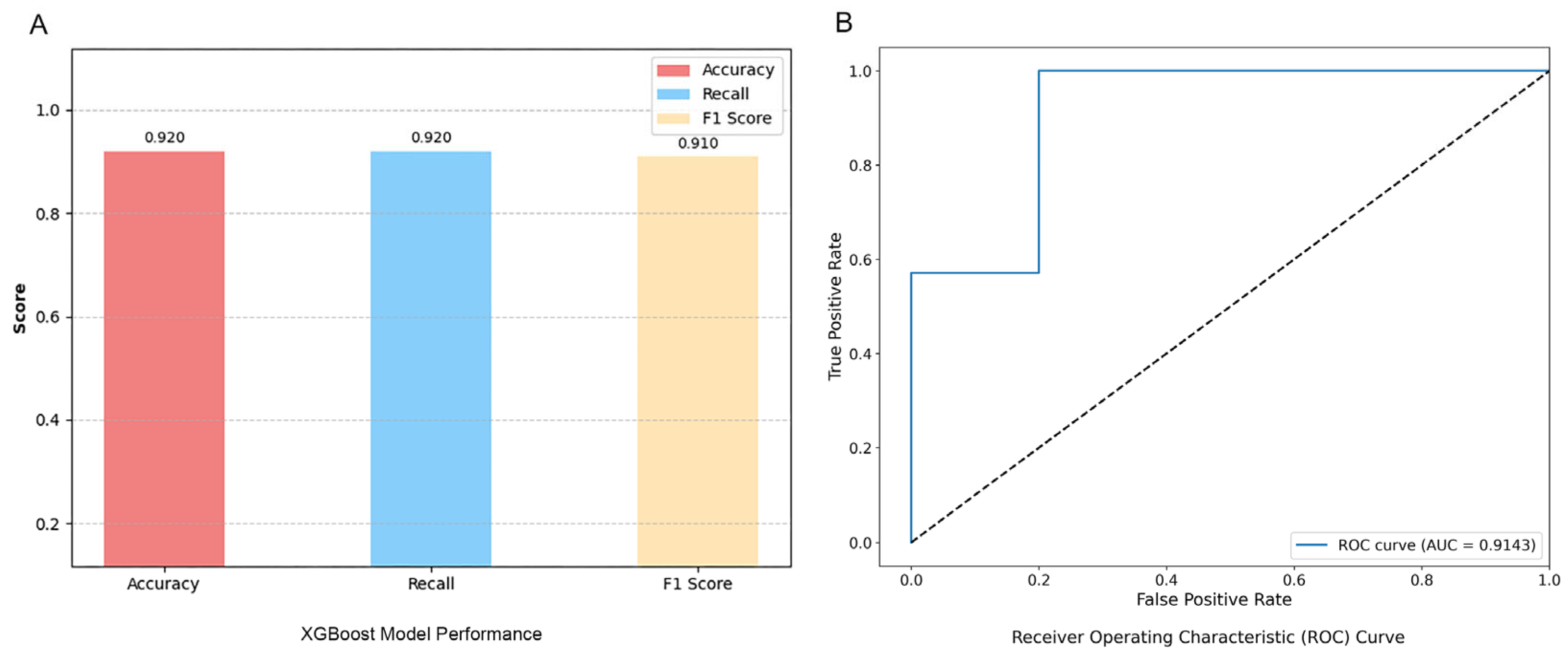
3.4. XGBoost Model Evaluation
4. Discussion
5. Strengths and Limitations
Author Contributions
Funding
Institutional Review Board Statement
Informed Consent Statement
Data Availability Statement
Conflicts of Interest
References
- Alsuhaibani, M., Pourramezan Fard, A., Sun, J., Far Poor, F., Pressman, P. S., & Mahoor, M. H. (2025). A review of machine learning approaches for non-invasive cognitive impairment detection. IEEE Access, 13, 56355–56384. [Google Scholar] [CrossRef] [Scilit]
- Antony, D., Sheth, P., Swenson, A., Smoller, C., Maguire, K., & Grossberg, G. (2025). Recent advances in Alzheimer’s disease therapy: Clinical trials and literature review of novel enzyme inhibitors targeting amyloid precursor protein. Expert Opinion Pharmacotherapy, 26(1), 63–73. [Google Scholar] [CrossRef] [Scilit] [PubMed]
- Chau, H.-H., & Chau, Y. (2024, June 14–16). Audio-based classification of mild cognitive impairment using XGBoost. 2024 IEEE 6th Eurasia Conference on Biomedical Engineering, Healthcare and Sustainability (ECBIOS), Tainan, Taiwan. [Google Scholar]
- Devahi, A. S. E. S., Sangha, S. S., Priyadarshinee, P., Thilakan, J., Tan, I. F. X., Clarke, C. J., Lon, S. K., Quin, Y. W., & Jer-Ming, C. (2025). Linguistic and audio embedding-based machine learning for Alzheimer’s dementia and mild cognitive impairment detection: Insights from the PROCESS challenge. arXiv, arXiv:2510.03336. [Google Scholar]
- Filiou, R.-P., Bier, N., Slegers, A., Houzé, B., Belchior, P., & Brambati, S. M. (2019). Connected speech assessment in the early detection of Alzheimer’s disease and mild cognitive impairment: A scoping review. Aphasiology, 34(6), 723–755. [Google Scholar] [CrossRef] [Scilit]
- Garcia-Cordero, I., Sedeño, L., Babino, A., Dottori, M., Melloni, M., Martorell Caro, M., Sigman, M., Herrera, E., Manes, F., García, A. M., & Ibáñez, A. (2019). Explicit and implicit monitoring in neurodegeneration and stroke. Scientific Reports, 9(1), 14032. [Google Scholar] [CrossRef] [Scilit]
- Garcia-Gutierrez, F., Alegret, M., Marquié, M., Muñoz, N., Ortega, G., Cano, A., De Rojas, I., García-González, P., Olivé, C., Puerta, R., & García-Sanchez, A. (2024). Unveiling the sound of the cognitive status: Machine Learning-based speech analysis in the Alzheimer’s disease spectrum. Alzheimer’s Research Therapy, 16(1), 26. [Google Scholar] [CrossRef] [Scilit]
- Gerke, O., Hermansson, R., Hess, S., Schifter, S., Vach, W., & Hoilund-Carlsen, P. F. (2015). Cost-effectiveness of PET and PET/computed tomography: A systematic review. PET Clinics, 10(1), 105–124. [Google Scholar] [CrossRef] [Scilit]
- Haider, F., de la Fuente, S., & Luz, S. (2020). An assessment of paralinguistic acoustic features for detection of Alzheimer’s dementia in spontaneous speech. IEEE Journal of Selected Topics in Signal Processing, 14(2), 272–281. [Google Scholar] [CrossRef] [Scilit]
- Hason, L., & Krishnan, S. (2022). Spontaneous speech feature analysis for Alzheimer’s disease screening using a random forest classifier. Frontiers Digital Health, 4, 901419. [Google Scholar] [CrossRef] [Scilit]
- Ismail, A. M. A., & Morsy, M. M. (2025). Effect of Baduanjin exercise on lipid profile, blood pressure, and thyroid-stimulating hormone in elderly with subclinical hypothyroidism and mild cognitive impairment: A randomized-controlled trial in women. Geriatric Nursing, 64, 103434. [Google Scholar] [CrossRef] [Scilit]
- Jafari, Z., Andrew, M. K., & Rockwood, K. J. (2025). Diagnostic utility of speech-based biomarkers in mild cognitive impairment: A systematic review and meta-analysis. Age Ageing, 54(10), afaf316. [Google Scholar] [CrossRef] [Scilit]
- Konig, A., Satt, A., Sorin, A., Hoory, R., Toledo-Ronen, O., Derreumaux, A., Manera, V., Verhey, F., Aalten, P., Robert, P. H., & David, R. (2015). Automatic speech analysis for the assessment of patients with predementia and Alzheimer’s disease. Alzheimers Dementia, 1(1), 112–124. [Google Scholar] [CrossRef] [Scilit]
- Kuchibhotla, S., Vankayalapati, H. D., & Anne, K. R. (2016). An optimal two stage feature selection for speech emotion recognition using acoustic features. International Journal of Speech Technology, 19(4), 657–667. [Google Scholar] [CrossRef] [Scilit]
- Mayblyum, D. V., Becker, J. A., Jacobs, H. I., Buckley, R. F., Schultz, A. P., Sepulcre, J., Sanchez, J. S., Rubinstein, Z. B., Katz, S. R., Moody, K. A., & Vannini, P. (2021). Comparing PET and MRI biomarkers predicting cognitive decline in preclinical Alzheimer disease. Neurology, 96(24), e2933–e2943. [Google Scholar] [CrossRef] [Scilit]
- Mmadumbu, A. C., Saeed, F., Ghaleb, F., & Qasem, S. N. (2025). Early detection of Alzheimer’s disease using deep learning methods. Alzheimers Dementia, 21(5), e70175. [Google Scholar] [CrossRef] [Scilit]
- Nasreddine, Z. S., Phillips, N. A., Bédirian, V., Charbonneau, S., Whitehead, V., Collin, I., Cummings, J. L., & Chertkow, H. (2005). The montreal cognitive assessment, MoCA: A brief screening tool for mild cognitive impairment. Journal American Geriatrics Society, 53(4), 695–699. [Google Scholar] [CrossRef] [Scilit]
- Oldan, J. D., Jewells, V. L., Pieper, B., & Wong, T. Z. (2021). Complete evaluation of dementia: PET and MRI correlation and diagnosis for the neuroradiologist. AJNR American Journal Neuroradiology, 42(6), 998–1007. [Google Scholar] [CrossRef] [Scilit] [PubMed]
- Perez-Toro, P. A., J Ferrante, F., Pérez, G., Tee, B. L., de Leon, J., Nöth, E., Schuster, M., Maier, A., Slachevsky, A., Gorno-Tempini, M. L., & Ibáñez, A. (2025). Automated speech markers of Alzheimer dementia: Test of cross-linguistic generalizability. Journal of Medical Internet Research, 27, e74200. [Google Scholar] [CrossRef] [Scilit] [PubMed]
- Petersen, R. C. (2000). Mild cognitive impairment: Transition between aging and Alzheimer’s disease. Neurologia, 15(3), 93–101. [Google Scholar] [CrossRef] [Scilit] [PubMed]
- Remya, M. S., Raman, R., Sankaran, R., Namboodiri, V., & Nedungadi, P. (2025). Artificial intelligence for speech classification and enhancement of speech and language disorders: Techniques, applications, and future directions. IEEE Access, 13, 177136–177159. [Google Scholar] [CrossRef] [Scilit]
- Rosen-Lang, Y., Zoubi, S., Cialic, R., & Orenstein, T. (2024). Using voice biomarkers for frailty classification. Geroscience, 46(1), 1175–1179. [Google Scholar] [CrossRef] [Scilit]
- Ruzi, R., Pan, Y., Ng, M. L., Su, R., Wang, L., Dang, J., Liu, L., & Yan, N. (2025). A speech-based mobile screening tool for mild cognitive impairment: Technical performance and user engagement evaluation. Bioengineering, 12(2), 108. [Google Scholar] [CrossRef] [Scilit]
- Salari, N., Lotfi, F., Abdolmaleki, A., Heidarian, P., Rasoulpoor, S., Fazeli, J., Najafi, H., & Mohammadi, M. (2025). The global prevalence of mild cognitive impairment in geriatric population with emphasis on influential factors: A systematic review and meta-analysis. BMC Geriatrics, 25(1), 313. [Google Scholar] [CrossRef] [Scilit] [PubMed]
- Saleem, T. J., Zahra, S. R., Wu, F., Alwakeel, A., Alwakeel, M., Jeribi, F., & Hijji, M. (2022). Deep learning-based diagnosis of Alzheimer’s disease. Journal of Personalized Medicine, 12(5), 815. [Google Scholar] [CrossRef] [Scilit] [PubMed]
- Scheltens, P., De Strooper, B., Kivipelto, M., Holstege, H., Chételat, G., Teunissen, C. E., Cummings, J., & van der Flier, W. M. (2021). Alzheimer’s disease. The Lancet, 397(10284), 1577–1590. [Google Scholar] [CrossRef] [Scilit]
- Shah, Z., Sawalha, J., Tasnim, M., Qi, S.-A., Stroulia, E., & Greiner, R. (2021). Learning language and acoustic models for identifying Alzheimer’s dementia from speech. Frontiers in Computer Science, 3, 624659. [Google Scholar] [CrossRef] [Scilit]
- State Bureau of Statistics. (2025). Statistical bulletin on the national economic and social development of the People’s Republic of China in 2024. Available online: https://www.stats.gov.cn/sj/zxfb/202502/t20250228_1958817.html (accessed on 12 October 2025).
- Toumaj, S., Heidari, A., Shahhosseini, R., & Jafari Navimipour, N. (2024). Applications of deep learning in Alzheimer’s disease: A systematic literature review of current trends, methodologies, challenges, innovations, and future directions. Artificial Intelligence Review, 58(2), 44. [Google Scholar] [CrossRef] [Scilit]
- Tracy, J. M., Ozkanca, Y., Atkins, D. C., & Hosseini Ghomi, R. (2020). Investigating voice as a biomarker: Deep phenotyping methods for early detection of Parkinson’s disease. Journal of Biomedical Informatics, 104, 103362. [Google Scholar] [CrossRef] [Scilit]
- Ververidis, D., & Kotropoulos, C. (2005, September 4–8). Sequential forward feature selection with low computational cost. 2005 13th European Signal Processing Conference, Antalya, Turkey. [Google Scholar]
- Yang, X., Hong, K., Zhang, D., & Wang, K. (2024). Early diagnosis of Alzheimer’s Disease based on multi-attention mechanism. PLoS ONE, 19(9), e0310966. [Google Scholar] [CrossRef] [Scilit]
- Zhang, C., Guo, W., & Dai, H. (2024). Automatic detection of mild cognitive impairment using high-dimensional acoustic features in spontaneous speech. arXiv, arXiv:2408.16732. [Google Scholar] [CrossRef] [Scilit]
- Zhao, Q., Du, X., Chen, W., Zhang, T., & Xu, Z. (2023). Advances in diagnosing mild cognitive impairment and Alzheimer’s disease using (11)C-PIB- PET/CT and common neuropsychological tests. Frontiers in Neuroscience, 17, 1216215. [Google Scholar] [CrossRef] [Scilit] [PubMed]
- Zhao, X., Wen, H., Xu, G., Pang, T., Zhang, Y., He, X., Hu, R., Yan, M., Chen, C., Wu, X., & Xu, X. (2024). Validity, feasibility, and effectiveness of a voice-recognition based digital cognitive screener for dementia and mild cognitive impairment in community-dwelling older Chinese adults: A large-scale implementation study. Alzheimers Dementia, 20(4), 2384–2396. [Google Scholar] [CrossRef] [Scilit] [PubMed]




| Variables | MCI (n = 65) | HCs (n = 55) | Total (n = 120) | Statistical Value | p Value |
|---|---|---|---|---|---|
| Age, years | 68.1 (10.5) | 66.8 (9.7) | 67.4 (10.1) | t = −0.70 | 0.484 |
| Educational level, years | 13.7 (5.2) | 15.7 (4.5) | 14.0 (4.9) | t = −0.68 | 0.497 |
| Sex, n (Male/Female) | 36/29 | 21/34 | 57/63 | χ2 = 3.534 | 0.060 |
| MoCA score | 23.6 (1.8) | 28.1 (1.2) | 25.7 (1.5) | −16.32 | <0.001 |
Disclaimer/Publisher’s Note: The statements, opinions and data contained in all publications are solely those of the individual author(s) and contributor(s) and not of MDPI and/or the editor(s). MDPI and/or the editor(s) disclaim responsibility for any injury to people or property resulting from any ideas, methods, instructions or products referred to in the content. |
© 2026 by the authors. Licensee MDPI, Basel, Switzerland. This article is an open access article distributed under the terms and conditions of the Creative Commons Attribution (CC BY) license.
Share and Cite
Zhao, R.; Zhu, Z.; Huang, Z. Applying Multiple Machine Learning Models to Classify Mild Cognitive Impairment from Speech in Community-Dwelling Older Adults. J. Intell. 2026, 14, 17. https://doi.org/10.3390/jintelligence14020017
Zhao R, Zhu Z, Huang Z. Applying Multiple Machine Learning Models to Classify Mild Cognitive Impairment from Speech in Community-Dwelling Older Adults. Journal of Intelligence. 2026; 14(2):17. https://doi.org/10.3390/jintelligence14020017
Chicago/Turabian StyleZhao, Renqing, Zhiyuan Zhu, and Zihui Huang. 2026. "Applying Multiple Machine Learning Models to Classify Mild Cognitive Impairment from Speech in Community-Dwelling Older Adults" Journal of Intelligence 14, no. 2: 17. https://doi.org/10.3390/jintelligence14020017
APA StyleZhao, R., Zhu, Z., & Huang, Z. (2026). Applying Multiple Machine Learning Models to Classify Mild Cognitive Impairment from Speech in Community-Dwelling Older Adults. Journal of Intelligence, 14(2), 17. https://doi.org/10.3390/jintelligence14020017