Article

AFB-GPSR: Adaptive Beaconing Strategy Based on Fuzzy Logic Scheme for Geographical Routing in a Mobile Ad Hoc Network (MANET)

by
Raneen I. Al-Essa
and
Ghaida A. Al-Suhail
*
Department of Computer Engineering, College of Engineering, University of Basrah, Basrah 61004, Iraq
*
Author to whom correspondence should be addressed.
Computation 2023, 11(9), 174; https://doi.org/10.3390/computation11090174

Submission received: 25 June 2023 / Revised: 19 August 2023 / Accepted: 25 August 2023 / Published: 4 September 2023
(This article belongs to the Special Issue Intelligent Computing, Modeling and its Applications)

Abstract

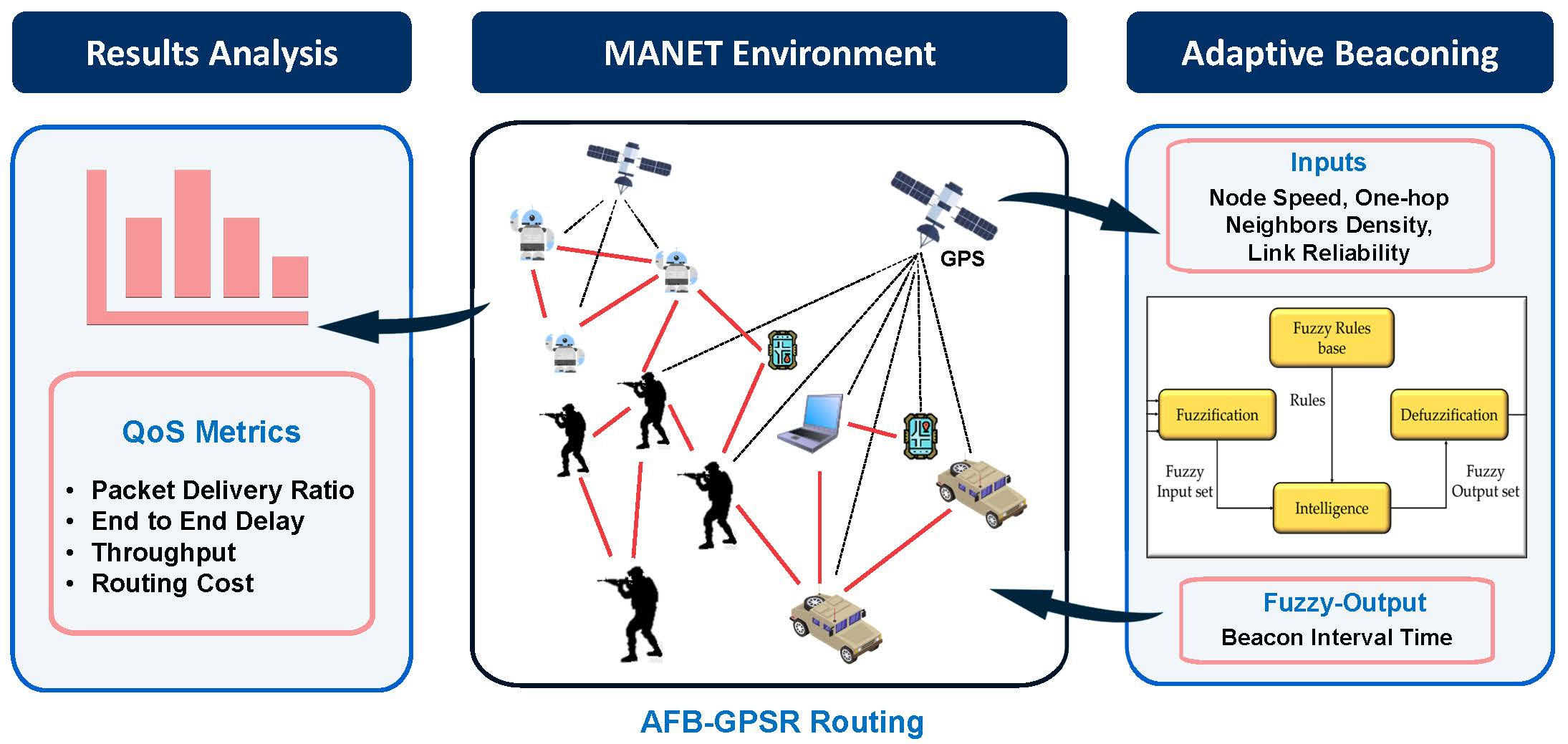
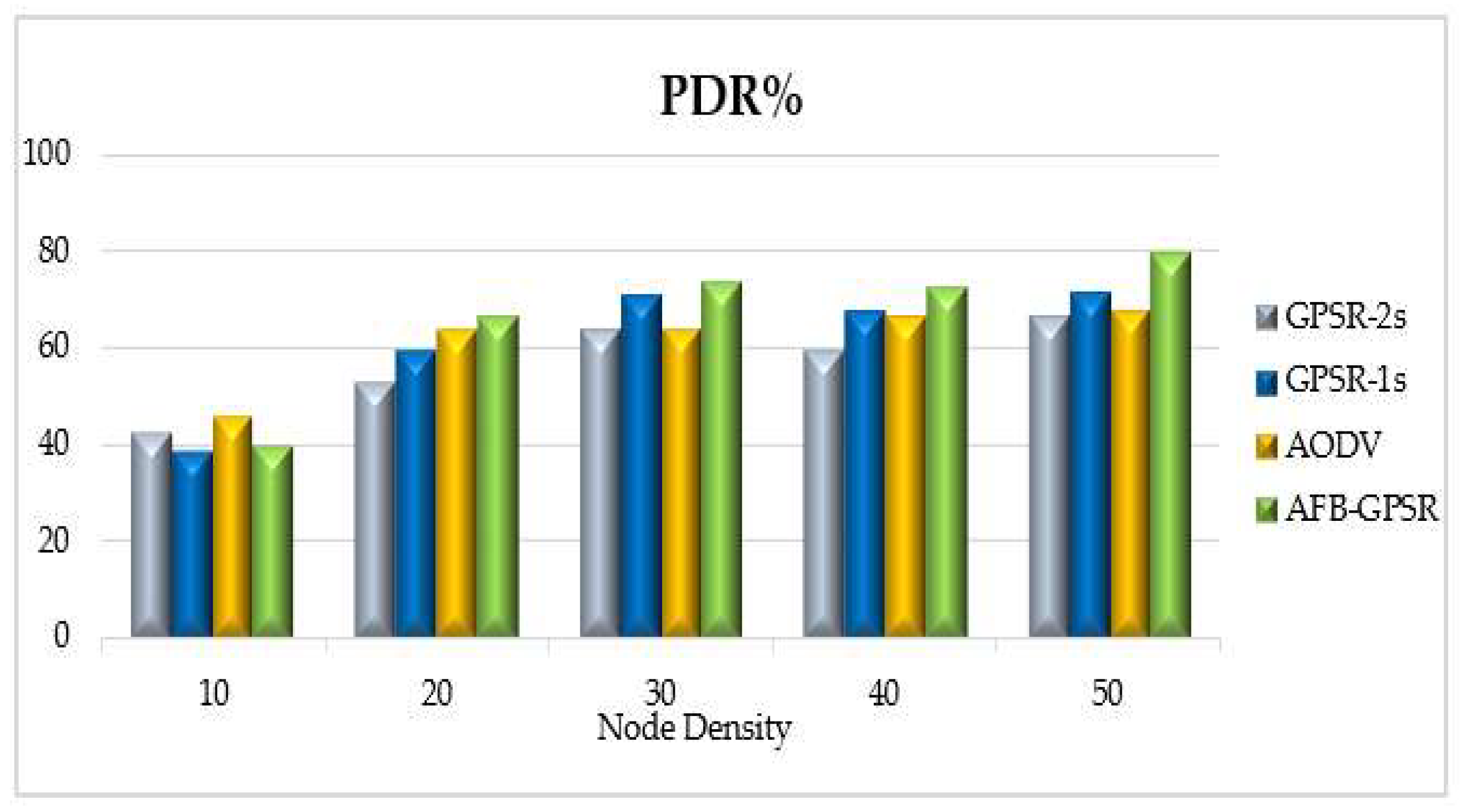
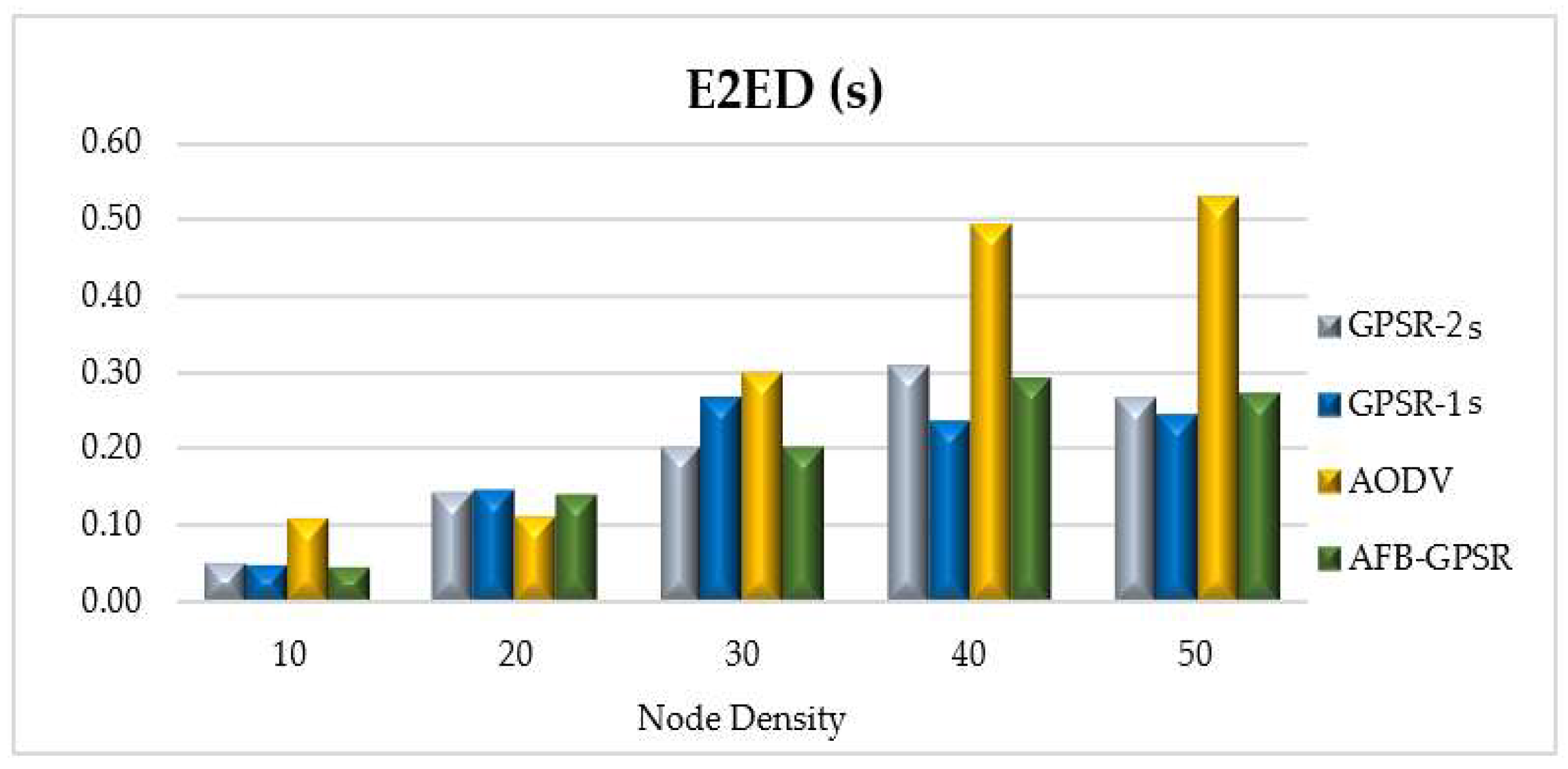
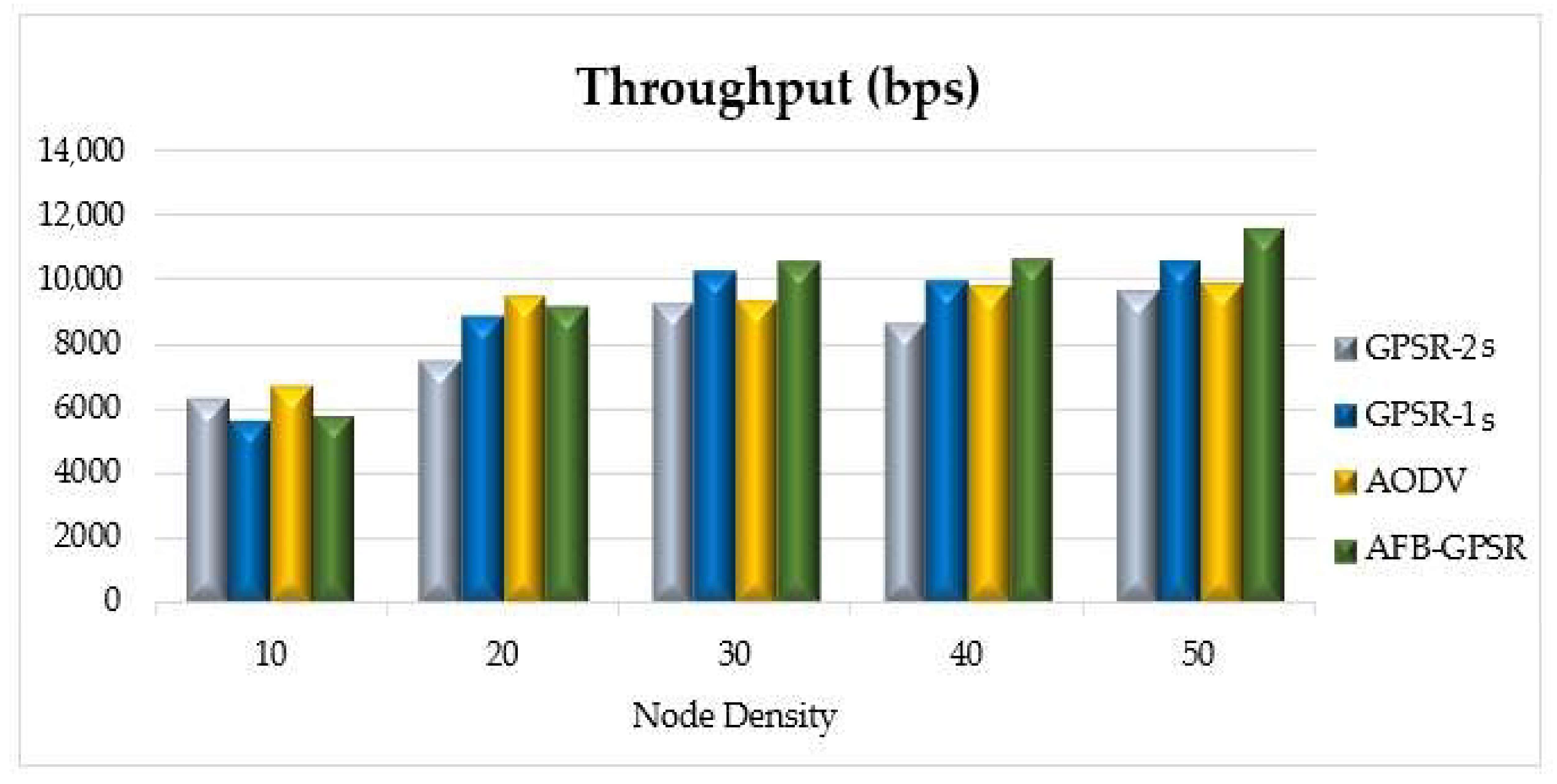
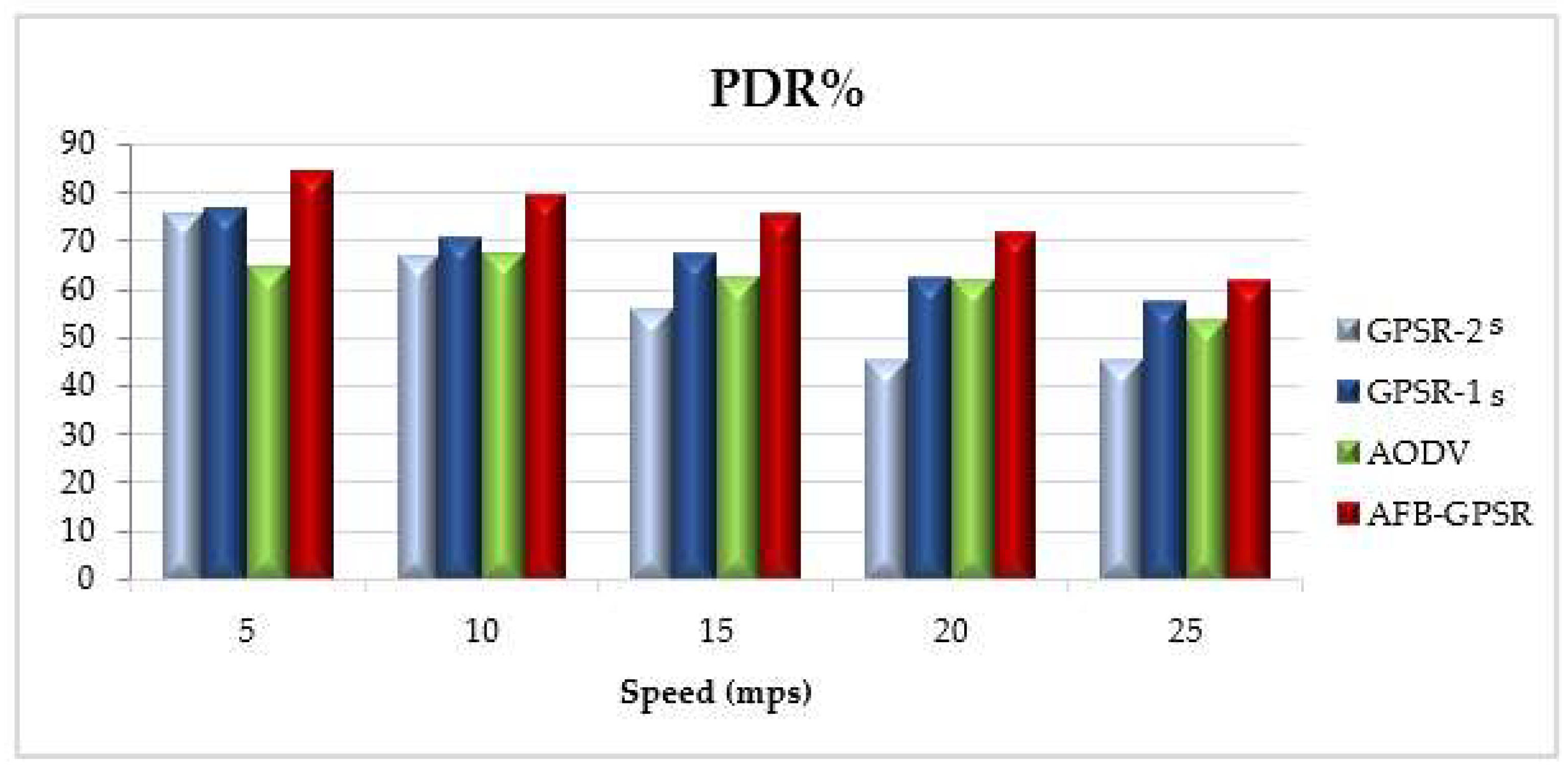
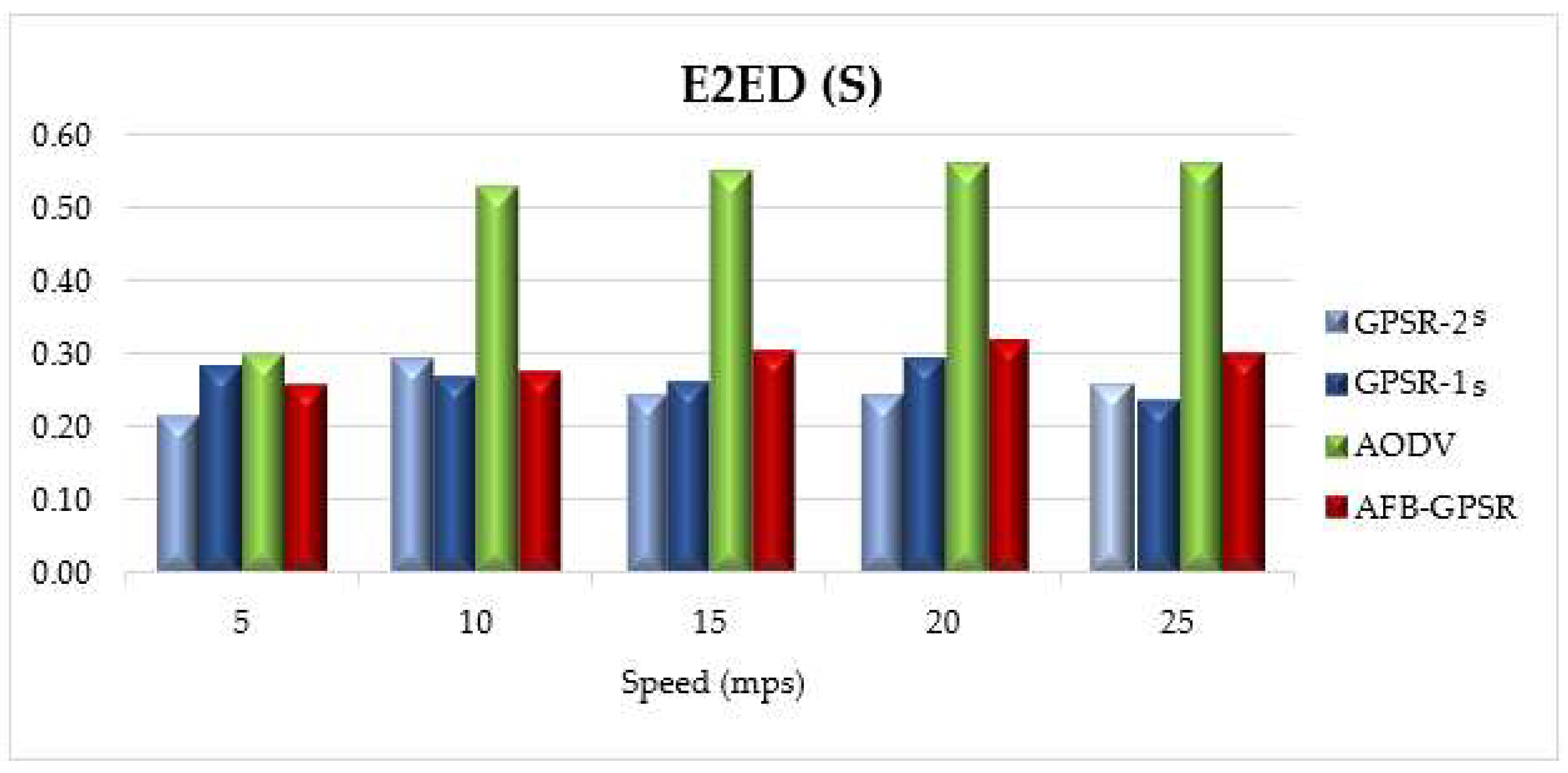
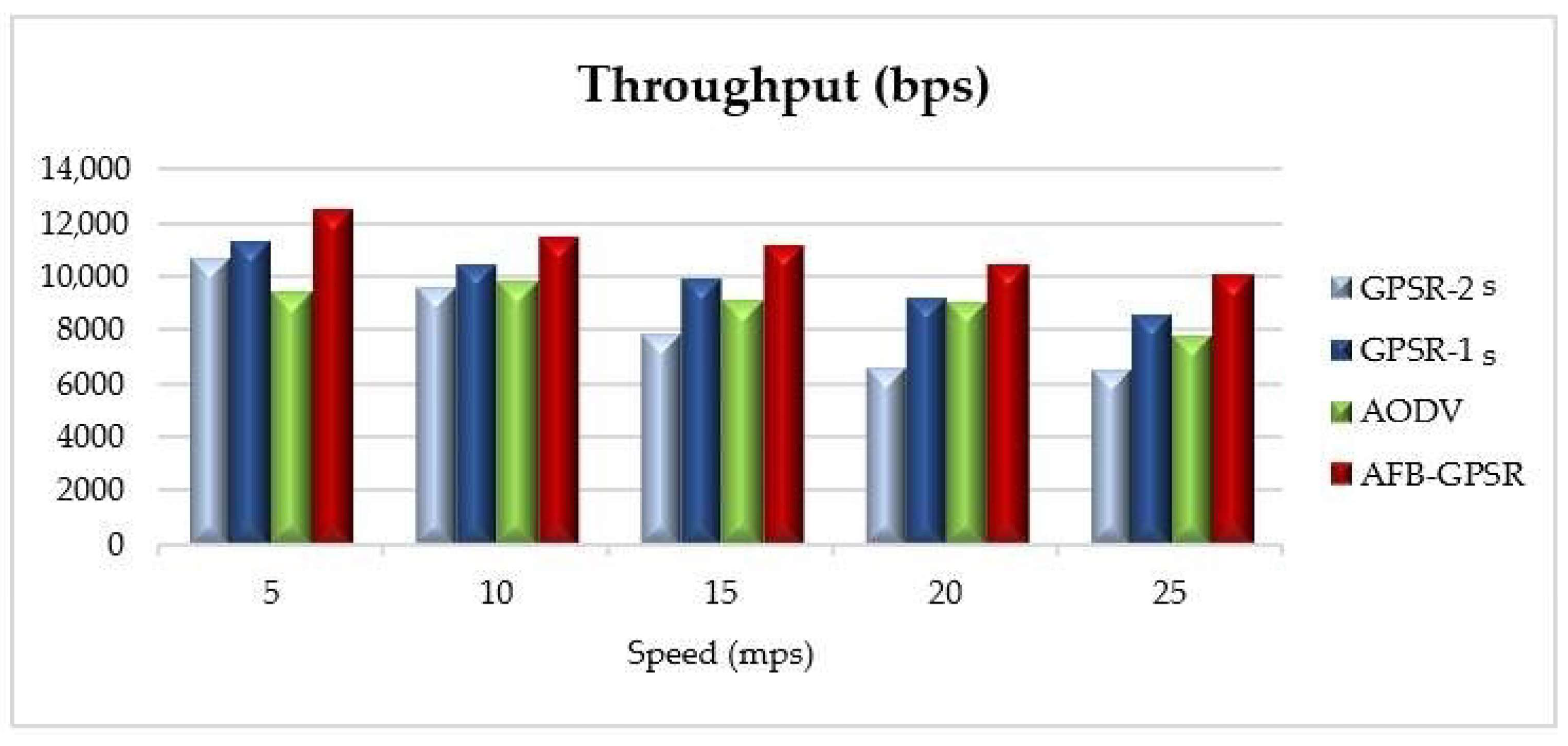
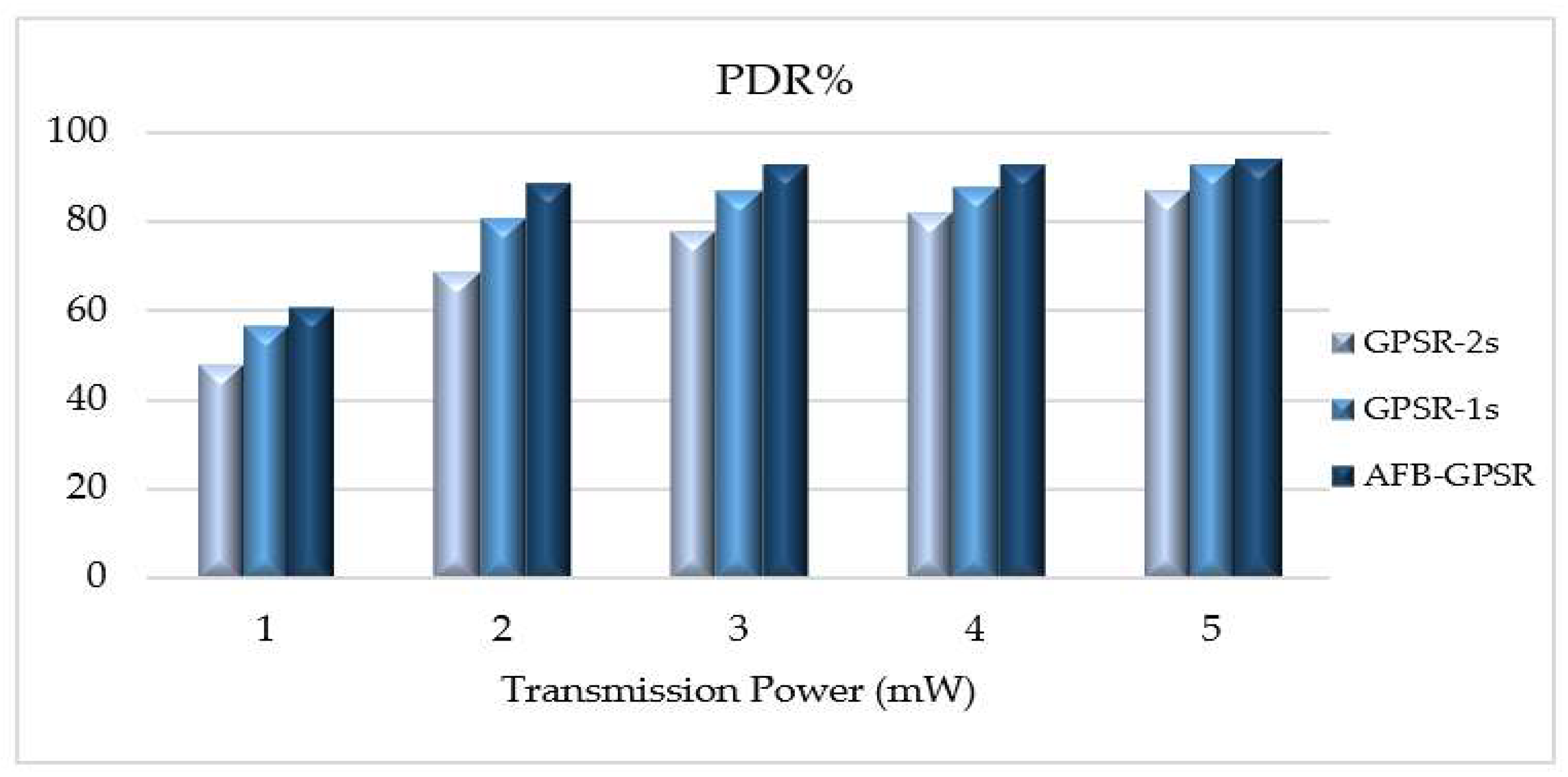
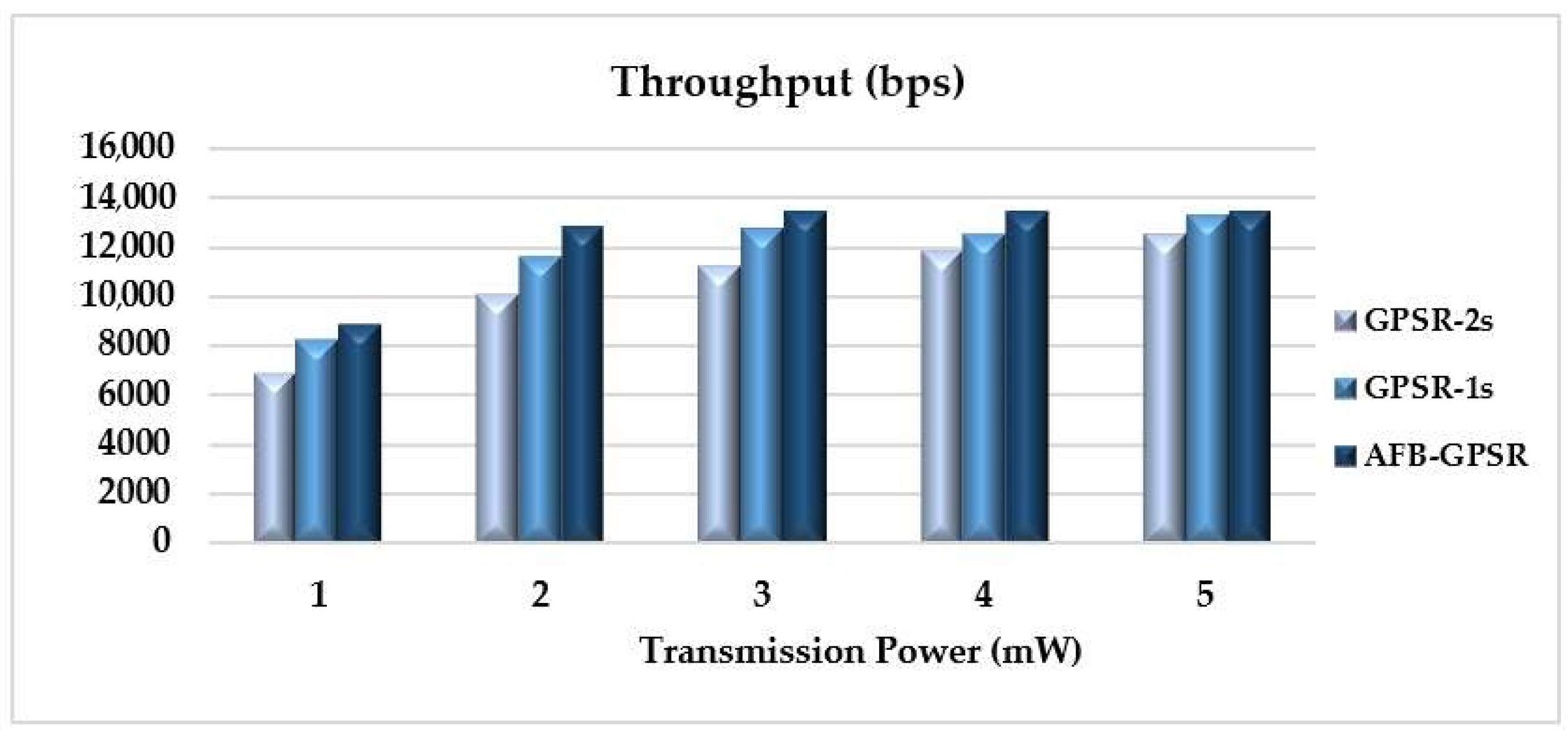
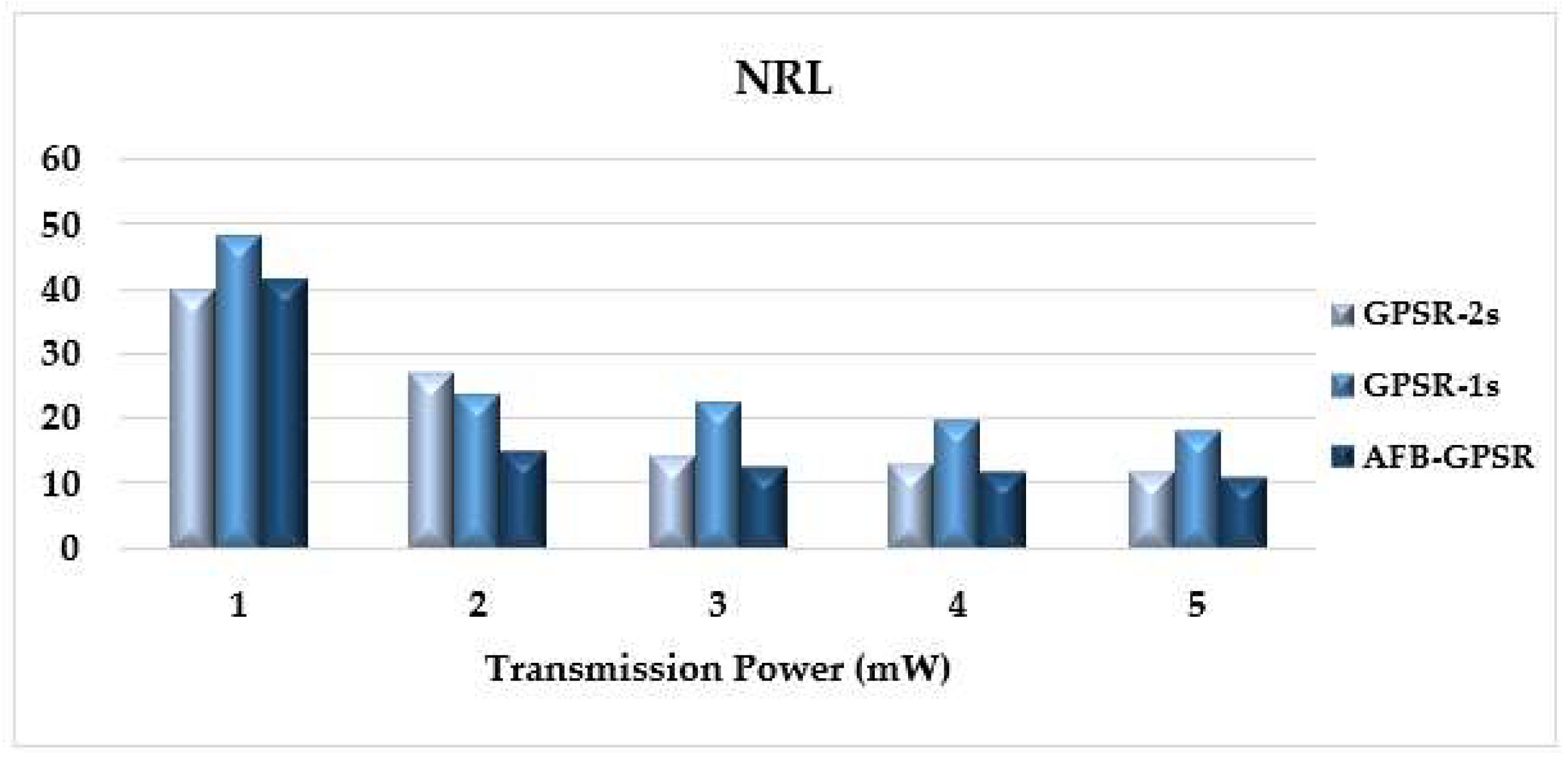
In mobile ad hoc networks (MANETs), geographical routing provides a robust and scalable solution for the randomly distributed and unrestricted movement of nodes. Each node broadcasts beacon packets periodically to exchange its position with neighboring nodes. However, reliable beacons can negatively affect routing performance in dynamic environments, particularly when there is a sudden and rapid change in the nodes’ mobility. Therefore, this paper suggests an improved Greedy Perimeter Stateless Routing Protocol, namely AFB-GPSR, to reduce routing overhead and increase network reliability by maintaining correct route selection. To this end, an adaptive beaconing strategy based on a fuzzy logic scheme (AFB) is utilized to choose more optimal routes for data forwarding. Instead of constant periodic beaconing, the AFB strategy can dynamically adjust beacon interval time with the variation of three network parameters: node speed, one-hop neighbors’ density, and link quality of nodes. The routing evaluation of the proposed protocol is carried out using OMNeT++ simulation experiments. The results show that the AFB strategy within the GPSR protocol can effectively reduce the routing overhead and improve the packet-delivery ratio, throughput, average end-to-end delay, and normalized routing load as compared to traditional routing protocols (AODV and GPSR with fixed beaconing). An enhancement of the packet-delivery ratio of up to 14% is achieved, and the routing cost is reduced by 35%. Moreover, the AFB-GPSR protocol exhibits good performance versus the state-of-the-art protocols in MANET.
Keywords: adaptive beaconing; geographical routing; AFB-GPSR; fuzzy logic; MANET; OMNeT++ adaptive beaconing; geographical routing; AFB-GPSR; fuzzy logic; MANET; OMNeT++
Graphical Abstract