Systematic Review

Cultural Tourism Marketing Model Based on Multivariate Analysis in Geographic Information System: A Systematic Review of the Literature


by
Rudi Rosadi
1,2,*,
Budi Nurani Ruchjana
1,
Atje Setiawan Abdullah
2 and
Rahmat Budiarto
3
1
Department of Mathematics, Faculty of Mathematics and Natural Sciences, Universitas Padjadjaran, Bandung 45363, Indonesia
2
Department of Computer Science, Faculty of Mathematics and Natural Sciences, Universitas Padjadjaran, Bandung 45363, Indonesia
3
College of Computing and Information, Al-Baha University, Alaqiq 65779-7738, Saudi Arabia
*
Author to whom correspondence should be addressed.
Information 2026, 17(1), 31; https://doi.org/10.3390/info17010031 (registering DOI)
Submission received: 1 December 2025 / Revised: 31 December 2025 / Accepted: 31 December 2025 / Published: 2 January 2026

Abstract

The growth of cultural tourism is one of the key areas supporting Indonesia’s policy direction for 2025–2030. This focus aligns with Pillar 8 of the Sustainable Development Goals (SDGs), which promotes decent work and economic growth. Based on previous observations, the factors influencing cultural tourism marketing are inherently multivariate, making it feasible to construct a model based on multivariate analysis. Several multivariate analysis methods have been frequently employed in prior studies, including Exploratory Factor Analysis (EFA), Confirmatory Factor Analysis (CFA), Principal Component Analysis (PCA), Logistic Regression, and Cluster Analysis, among others. Another significant factor influencing cultural tourism is the growing interconnectedness of information technology services, such as various web-based information system applications including Geographic Information System (GIS), which are often used as tools in cultural tourism marketing strategies. This systematic literature review formulates a hypothesis regarding the integration of multivariate analysis with GIS, suggesting that combining multivariate analysis models with GIS provides a more comprehensive spatial understanding of the distribution of tourist interests and enhances the planning of sustainable cultural tourism marketing strategies.

1. Introduction

Cultural development has become a central focus of Indonesia’s national agenda. In line with this commitment, the Government of Indonesia (RI) enacted Law Number 5 of 2017 on the Advancement of Culture, which emphasizes culture as a fundamental foundation for national development. This law stipulates that promoting and valuing national culture is not merely a matter of heritage preservation but also a strategic investment in shaping the nation’s future and strengthening its civilization [1].
Cultural advancement is an essential component that significantly contributes to improving the welfare of communities. According to the Indonesia Sustainable Development Goals (SDGs) Roadmap Towards 2030, under Pillar 8 on decent work and economic growth, Indonesia possesses vast potential in its natural, cultural, historical, and social resources. A strategic policy direction for 2025–2030 focuses on diversifying tourism by enhancing both the quality and quantity of various tourist destinations. Previous studies also highlight policies related to cultural advancement that emphasize increasing community participation rooted in local values [2].
Cultural tourism is a valuable asset, representing one of the major sectors capable of generating foreign exchange for the region and increasing the Regional Original Gross Domestic Product (GDP) [3]. Several studies have employed multivariate analysis to examine factors that enhance or support cultural tourism marketing strategies. For instance, refs. [4,5] utilized Exploratory Factor Analysis (EFA) and Confirmatory Factor Analysis (CFA) to identify dimensions of emotional and behavioral experiences, as well as the motivations and benefits of stakeholder participation that influence the promotion of cultural tourism. These factors are interrelated and mutually influential, implying that tourism marketing strategies must consider them collectively. Based on these observations, it is evident that cultural tourism marketing factors constitute a clear example of multivariate data, and that multivariate analysis is an effective approach to understanding the relationships among these factors and how they collectively shape marketing strategies.
This systematic literature review aims to identify key factors influencing tourism marketing, particularly cultural tourism, and to highlight gaps identified in previous studies. To achieve these objectives, cultural tourism marketing will be examined in relation to multivariate analysis and Geographic Information System (GIS)-based models. The role of information technology is essential in tourism marketing, as evidenced by previous studies [6,7], which have demonstrated the significant potential of GIS in developing sustainable tourism marketing strategies. This raises an important question: what outcomes might arise if a cultural tourism marketing model based on multivariate analysis were integrated with GIS?

2. Materials and Methods

2.1. Data Sources

The present study began with a systematic search for publications indexed in three selected databases, namely Scopus, Dimensions, and Google Scholar. The search was conducted in three stages, using a variety of keywords with a specific focus on publications from the last ten years (2015–2025). Only articles and conference papers written in English were included. The search was limited to the following categories: Commerce; Management; Tourism and Services; Tourism; Commercial Services; Marketing; Information and Computing Sciences; History, Heritage, and Archaeology; Heritage, Archive, and Museum Studies; Language, Communication, and Culture; SDG 8 (Decent Work and Economic Growth); and SDG 11 (Sustainable Cities and Communities).
A summary of the search results obtained from the three filtering stages is presented in Table 1. It should also be noted that the keywords column in Table 1 represents the specific search terms used in this study.
  • (Multivariate OR “K-Means” OR PCA OR PCR OR regression OR “ Principal Component Analysis” OR “Principal Component Regression” OR “factor analysis”) AND “Cultural” AND “Tourism” AND “marketing”
  • (GIS OR “Geographic Information System”) AND “Cultural” AND “Tourism” AND “Marketing”
At this stage, separate searches were conducted:
  • A: illustrates the extent of the literature on topic A.
  • B: illustrates the extent of the literature on topic B.
  • A & B: identifies the intersection of the literature that is directly relevant to the research.
This approach helps to determine whether the combined topic has been extensively researched or remains underexplored. Conducting a direct search for A & B alone would result in the loss of context regarding the individual scope of the literature on topics A and B.

2.2. Study Selection

The literature selection process followed the Preferred Reporting Items for Systematic Reviews and Meta-Analyses (PRISMA) guidelines [8]. A total of n = 1372 articles were retrieved from the three selected databases, including 136 articles from Scopus, 501 articles from Dimensions, and 1095 articles from Google Scholar. Subsequently, a semi-automatic selection process was adopted to identify and remove a total of 280 duplicate entries, A total of 113 publications with missing publisher information and 104 non-articulated items were removed.
After this stage, the number of articles eligible for screening was n = 1235. The PRISMA flowchart summarizing the selection process is presented in Figure 1.
The next stage involved semi-manual screening, in which titles and abstracts were filtered using multivariate-related keywords and multivariate methods such as PCA, regression, clustering, and GIS. This process yielded 1093 articles that focused solely on multivariate analysis or GIS, There was no integration between the two. During the retrieval stage, a total of 142 articles were retrieved, 33 articles were excluded due to empty or inaccessible links, leaving 109 articles. Among these, 69 articles focused on spatial analysis, resulting in 40 articles selected for further manual review.
A related study conducted in 2024 analyzed 45 articles, of which 4 met the eligibility criteria. Combining these with the current selection resulted in a total of 44 articles ready for review. The complete PRISMA flowchart is presented in Figure 1.

2.3. Bibliometric Analysis

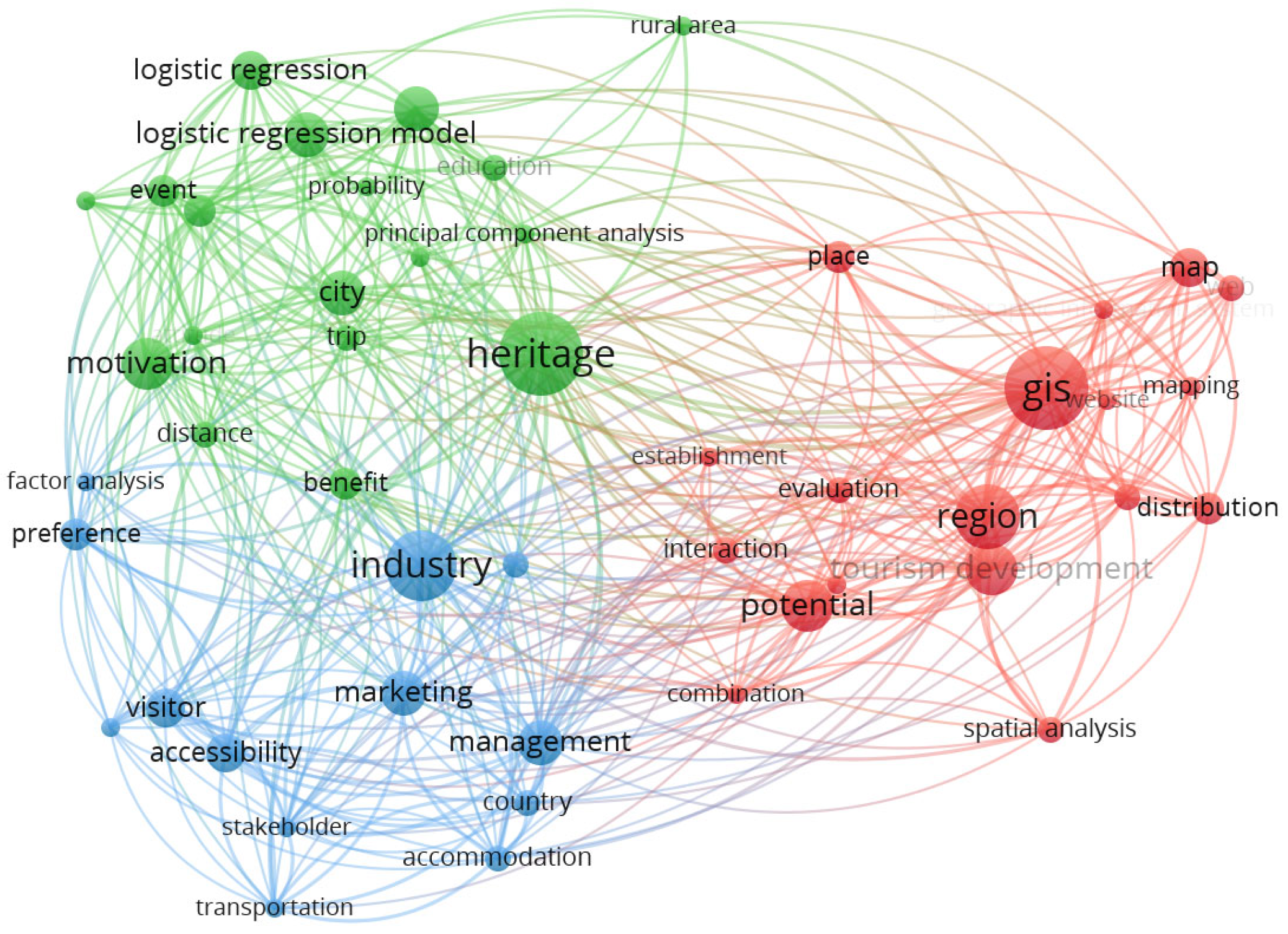
The subsequent stage involved conducting a bibliometric analysis on the 44 selected articles, using a minimum keyword occurrence threshold of three. The results of the analysis are presented in Figure 2.
As shown in the figure, three distinct clusters were identified: Cluster 1 (red) is dominated by the term GIS; Cluster 2 (blue) is characterized by the terms marketing, industry, and management; Cluster 3 (green) is dominated by the terms heritage, logistic regression model, and motivation.
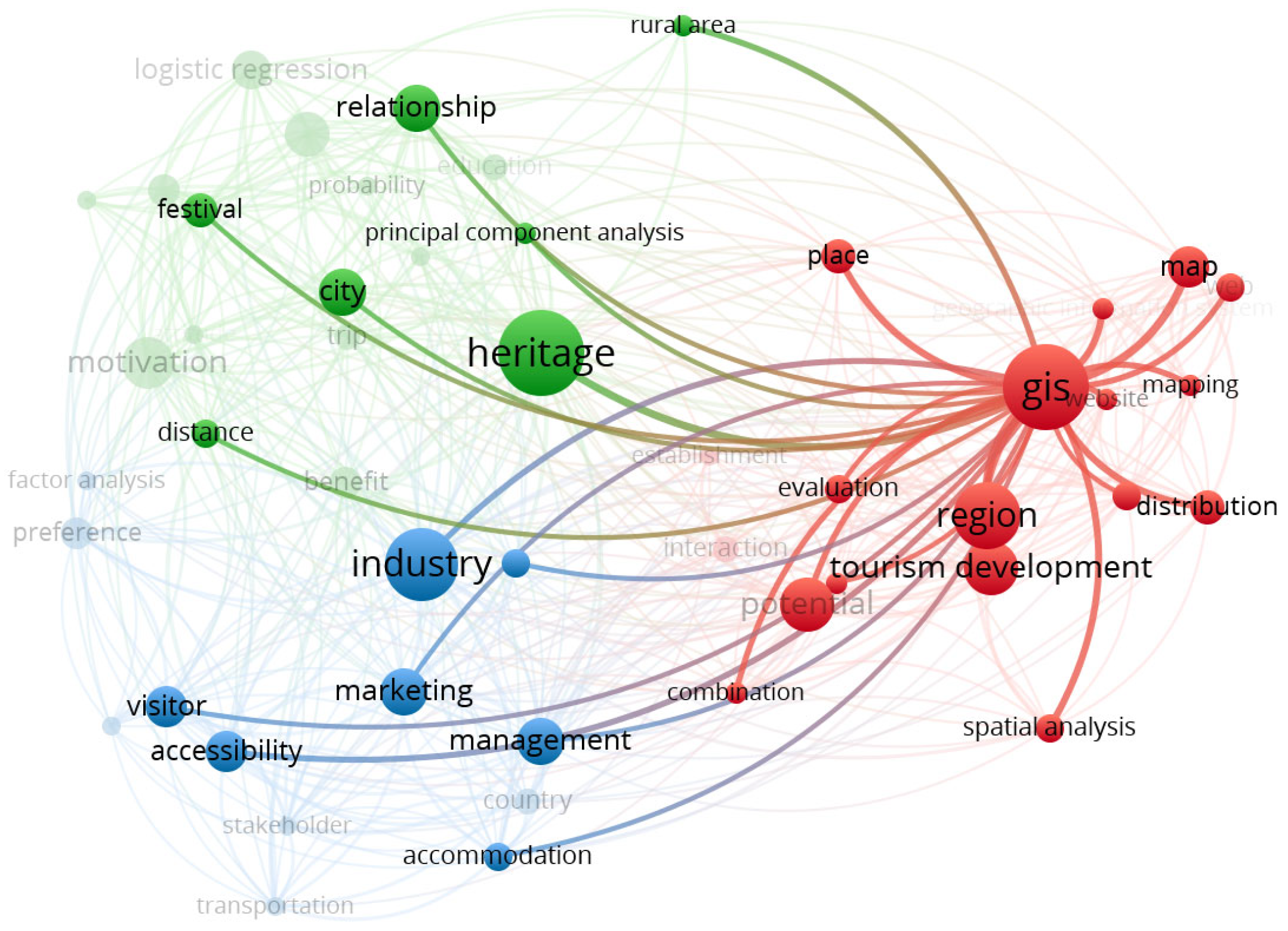
Figure 3 presents the results of the bibliometric analysis for the term GIS. From the results, it can be observed that in Cluster 1, the term GIS is consistently associated with concepts such as spatial analysis, tourism development, and mapping. The findings also reveal interconnections with Cluster 2, which includes terms such as industry, marketing, accessibility, among others, and Cluster 3, which features terms such as heritage and PCA.
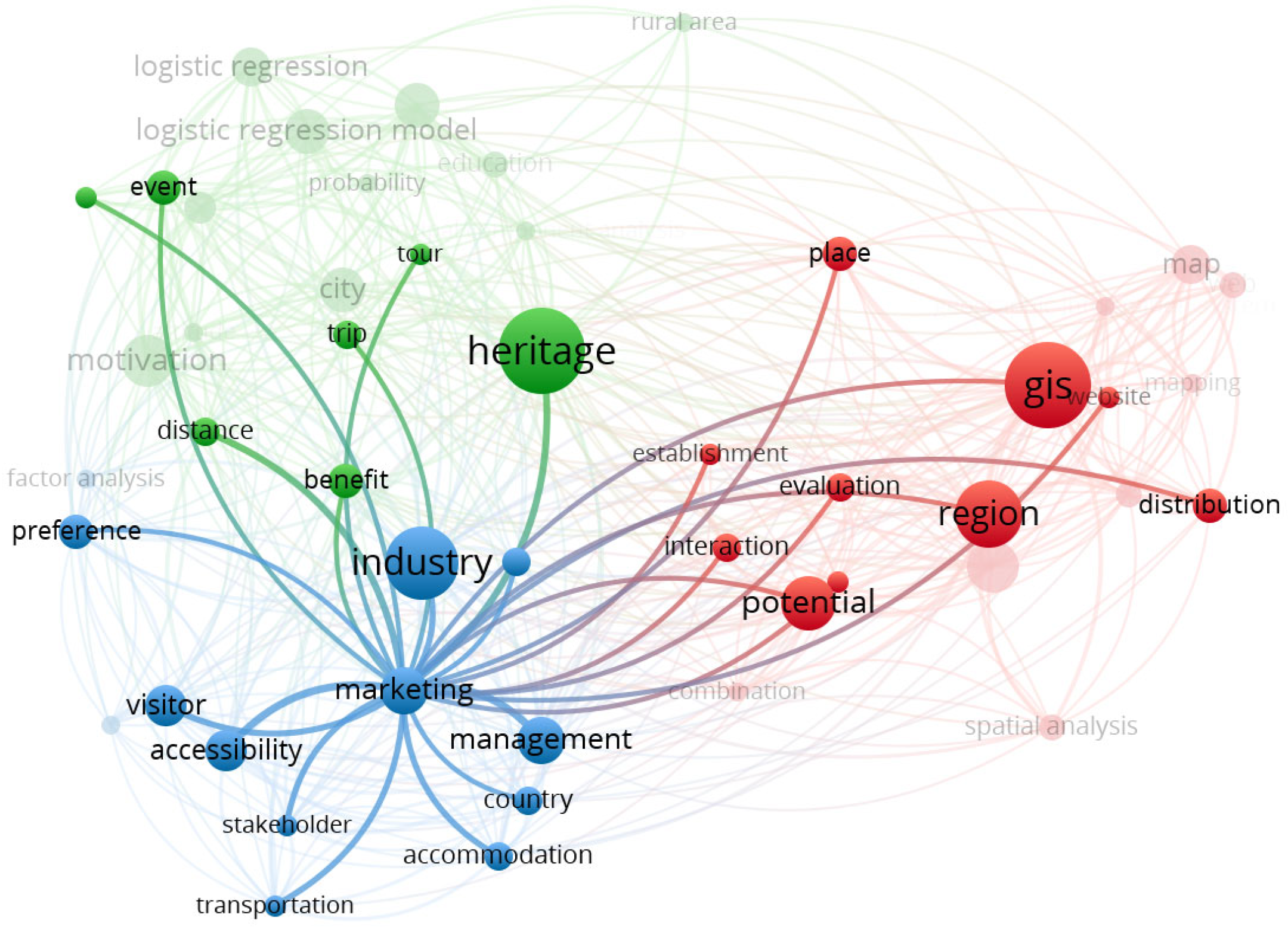
Considering the findings on cultural tourism marketing based on multivariate analysis in the context of GIS, several terms were found to be infrequently associated with GIS-related concepts. This indicates that these areas are still rarely combined in existing studies. The underrepresented terms include logistic regression models, motivation, factor analysis, and others. Figure 4 presents the results of the bibliometric analysis for the term marketing in Cluster 2.
From the figure, it can be observed that marketing-related terms were consistently associated with preference, management, accessibility, accommodation, and other related concepts.
Cluster 2 is associated with terms such as heritage, event, trip, benefit, distance, and tour, while Cluster 1 is connected with terms such as GIS, distribution, region, place, and others. In the context of cultural tourism marketing based on multivariate analysis integrated with GIS, several terms remain rarely connected to marketing concepts, indicating that these aspects have not been frequently studied simultaneously. The underrepresented terms include PCA, logistic regression model, motivation, factor analysis, spatial analysis, and others.
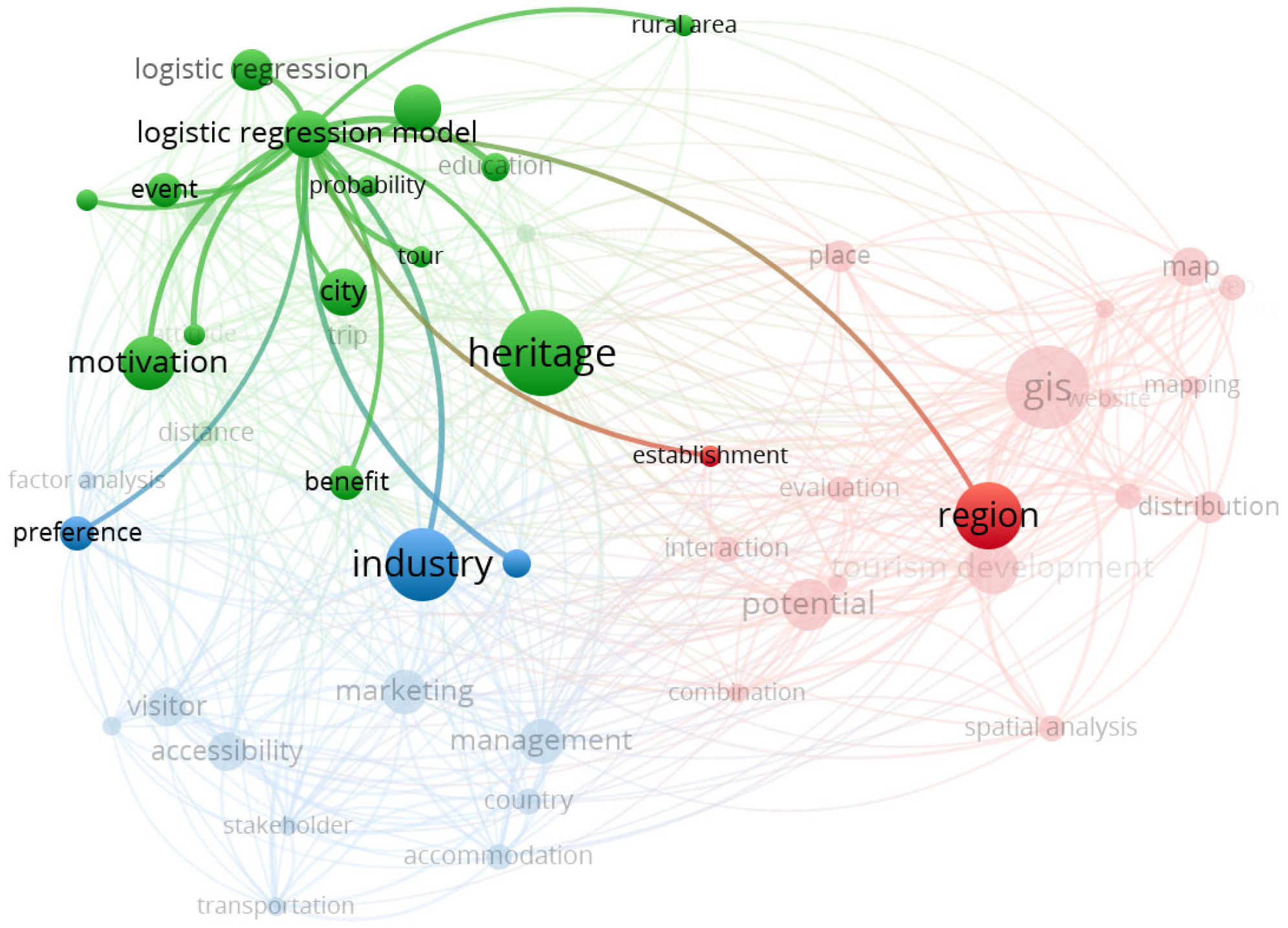
Figure 5 presents the results of the bibliometric analysis for Cluster 3, focusing on the term logistic regression model, which represents a key method in multivariate analysis. This cluster includes terms such as probability, city, heritage, tour, benefit, region, industry, and others. However, in the topic of cultural tourism marketing based on multivariate analysis in GIS, several terms such as PCA, marketing, GIS, spatial analysis, and others remain seldom associated, suggesting that these relationships have been rarely explored simultaneously in previous studies.

3. Results

3.1. Multivariate Analysis and GIS Are Frequently Employed in Cultural Tourism Marketing

Based on the 44 selected articles, the application of multivariate analysis and GIS in studies related to cultural tourism marketing has been clearly identified. The studies demonstrating the use of various multivariate analysis methods and GIS are summarized in Table 2. As presented, several multivariate analysis techniques were commonly adopted across different cultural tourism marketing studies, including Exploratory Factor Analysis (EFA), Confirmatory Factor Analysis (CFA), Principal Component Analysis (PCA), Regression Analysis or Logistic Regression (LR), and Cluster Analysis (CA). In addition, information technology tools such as web-based Information Systems (SI-Web) and GIS were also frequently utilized.

3.2. Findings and Key Factors/Variables from Selected Studies

Multivariate analysis has generally been applied to identify relationships among factors influencing cultural tourism marketing. In the context of this study, several selected articles employed logistic regression to examine these relationships and analyze the corresponding outcomes. Table 3 presents a summary of the articles that utilized the logistic regression method.
Furthermore, several articles employed the Cluster Analysis method. Table 4 presents the factors, variables, and findings from the selected articles.
Several other articles utilized data management based on web-based Information Systems and GIS as supporting tools in cultural tourism marketing, as summarized in Table 5.

4. Discussion

Based on the results from the selected articles, several gaps were identified concerning multivariate analysis and GIS-based tourism marketing models, as follows:
  • The majority of the reviewed studies utilized GIS primarily for mapping cultural tourism locations. However, few have deeply integrated multivariate analysis methods (e.g., regression, PCA, cluster analysis) to develop cultural tourism marketing strategies that combine spatial and non-spatial data.
  • Numerous existing models were found to remain descriptive in nature, limited to mapping locations and presenting basic statistics. In this context, predictive models based on multivariate analysis—particularly those including variables related to Regional Original Income and other factors supporting cultural tourism marketing in specific areas—remain largely unexplored.
  • Most of the studies examined were conducted in developed countries or well-known tourism destinations. Only a few focused on developing multivariate and GIS-based models in developing or underpromoted tourism regions, specifically those with rich cultural potential.
  • The majority of study results lack practical implementation recommendations for marketing strategies, such as determining advertising locations, optimizing social media campaigns, or implementing location-based promotions. Most studies remained confined to spatial analysis outputs without advancing toward actionable marketing decisions.

4.1. Hypotheses

In this study, the hypothesis functions as an analytical framework for evaluating the extent to which evidence from prior literature supports or refutes the initial assumptions, thereby enabling conclusions to be drawn from recurring patterns of findings. As presented in Table 3 and Table 4, multivariate analysis was employed to examine various factors, including socio-demographic, socio-economic, lifestyle, motivation, destination quality, facilities, services, tourism, and personal characteristics. The results indicate that these factors exert a significant influence on tourists’ interest in visiting cultural destinations. Furthermore, as shown in Table 5, the use of web-based applications and GIS demonstrates that GIS serves as an effective tool for visualizing tourist attractions, enhancing management, improving accessibility, and increasing visitor interactivity. The system also effectively supports sustainable tourism marketing strategies, aligning with the objectives of the 8th pillar of the Sustainable Development Goals (SDGs). Based on these findings, the following hypotheses were formulated:
Hypothesis 1:
H1a.
The literature indicates that, based on multivariate analysis models, socio demographic, socio-economic, lifestyle, motivation, destination quality, facilities, tourism services, and personal behavior factors do not have a significant influence on tourists’ visit intentions.
H1b.
The literature indicates that, based on multivariate analysis models, socio-demographic, socio-economic, lifestyle, motivation, destination quality, facilities, tourism services, and personal behavior factors have a significant influence on tourists’ visit intentions.
Hypothesis 2:
H2a.
The literature suggests that the utilization of Web Apps and Web GIS does not exert a significant impact on tourism management effectiveness or on the implementation of sustainable tourism marketing strategies aligned with SDG Pillar 8.
H2b.
The literature suggests that the utilization of Web Apps and Web GIS exerts a significant impact on tourism management effectiveness and on the implementation of sustainable tourism marketing strategies aligned with SDG Pillar 8.
When multivariate analysis is combined with GIS, the hypothesis can be stated as:
Hypothesis 3:
H3a.
The integration of multivariate analysis models with GIS does not significantly improve the spatial understanding of the distribution of tourists’ visitation intentions, nor does it support the planning of sustainable cultural tourism marketing strategies.
H3b.
The integration of multivariate analysis models with GIS offers a significantly enhanced spatial understanding of the distribution of tourists’ visitation intentions and supports the development of sustainable cultural tourism marketing strategies.

4.2. Conceptual Framework

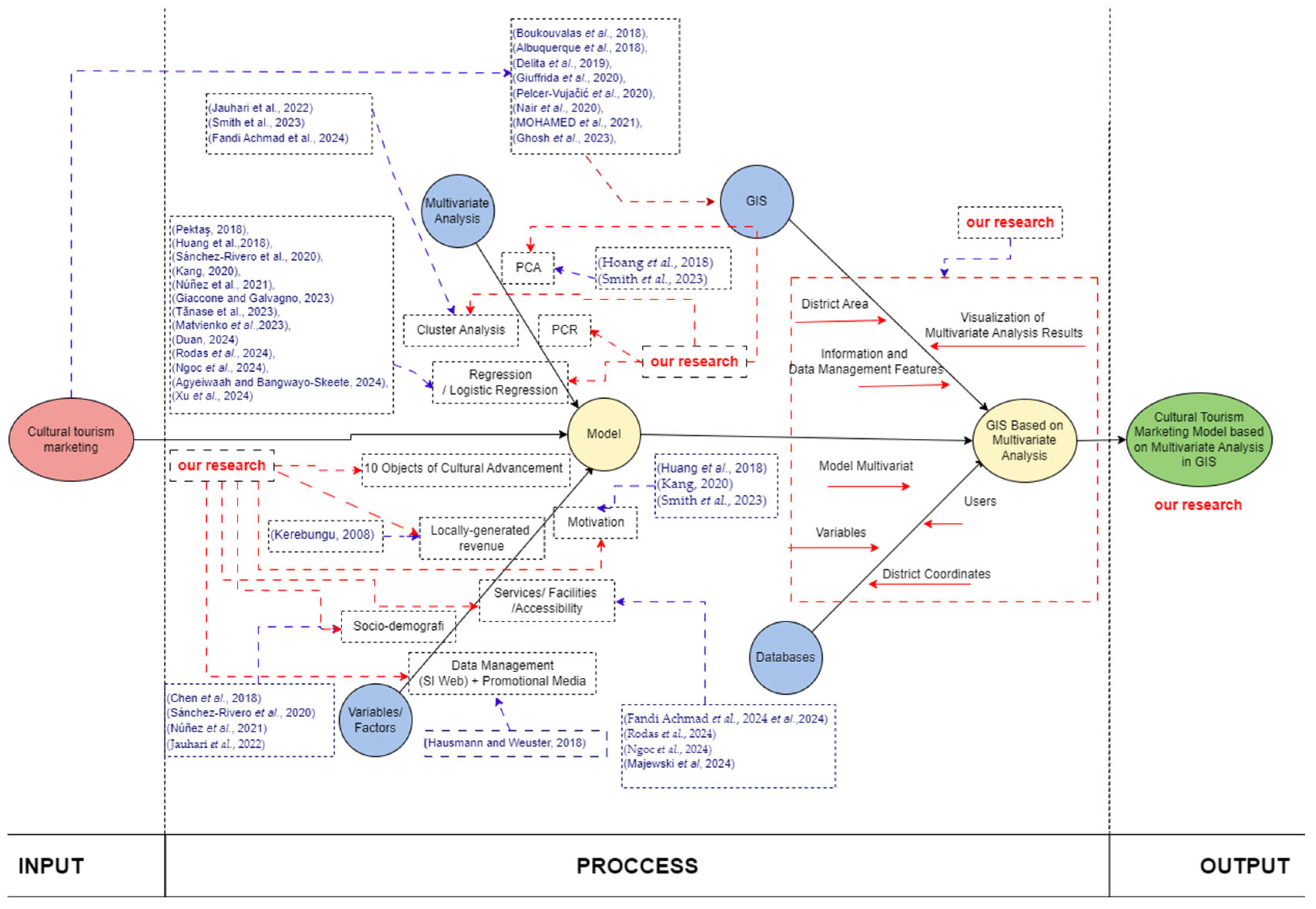
Based on the formulated hypotheses and the identified research gaps in tourism marketing models employing multivariate analysis and GIS, this preliminary study develops a conceptual framework aimed at addressing these gaps by integrating multivariate analysis-based models with GIS. The research was conducted in two distinct stages.
The first stage involved the development of a model based on multivariate analysis. Specifically, Principal Component Regression (PCR) was applied, following Principal Component Analysis (PCA). This stage required the selection of several variables representing key supporting factors for cultural tourism marketing, which were adopted from previous studies. Local income was used as the dependent variable, while the independent variables included motivation [28,30,47], services and accessibility [24,36,37,45], socio-demographic factors [4,29,32,43], SI-Web and promotional media [9], as well as the number of cultural objects (10 cultural assets) owned by each sub-district in Sumedang Regency, West Java, Indonesia.
The second stage focused on the development of a Web GIS application using software development methodologies, particularly a prototyping approach. This stage aimed to provide both a cultural tourism destination information system and a visualization platform for the results of the multivariate analysis-based model. The outputs are expected to serve as input for stakeholders, especially local government authorities, in formulating cultural tourism marketing strategies. The study was conducted in Sumedang Regency, West Java, Indonesia, an area with significant cultural tourism potential but relatively under-promoted. Sub-districts were used as the smallest unit of analysis. The conceptual framework developed through this process is presented in Figure 6.

5. Conclusions

A systematic literature review was conducted on the topic of cultural tourism marketing models in GIS, utilizing a total of 1732 articles retrieved from Scopus, Dimensions, and Google Scholar. The selection process followed the PRISMA method, resulting in the inclusion of 48 articles eligible for in-depth review.
Based on this review, four primary research gaps were identified: (1) limited studies integrating multivariate models with GIS; (2) insufficient exploration of multivariate-based predictive models, such as those involving specific regional income variables as dependent variables; (3) a lack of investigations conducted in developing tourism regions or areas with hidden potential, particularly those rich in cultural tourism attractions but under-promoted; (4) the absence of implementation recommendations for marketing strategies derived from previous findings.
In this study, a conceptual framework integrating a multivariate analysis-based model with GIS was successfully developed. In addition to incorporating factors and variables identified in previous studies, the model included ten cultural advancement objects and local revenue as the dependent variable. It is also important to note that GIS software development followed a prototyping methodology, enabling a relatively rapid development cycle.
The present systematic literature review led to the formulation of the following hypotheses regarding the integration of multivariate analysis and GIS: H0: the integration of multivariate analysis models with GIS does not significantly improve the spatial understanding of the distribution of tourists’ visitation intentions, nor does it support the planning of sustainable cultural tourism marketing strategies; H1: the integration of multivariate analysis models with GIS offers a significantly enhanced spatial understanding of the distribution of tourists’ visitation intentions and supports the development of sustainable cultural tourism marketing strategies.

Author Contributions

Writing—original draft preparation, R.R.; writing—review and editing, R.R., B.N.R., A.S.A. and R.B.; conceptualization and methodology, R.R. and A.S.A.; supervision, B.N.R., A.S.A. and R.B.; literature review and analysis, all authors; funding acquisition, B.N.R. All authors have read and agreed to the published version of the manuscript.

Funding

This study was funded by Riset Disertasi Doktor Unpad (RDDU) or Doctoral Research Dissertation 2024 (contract number 2002/UN6.3.1/PT.00/2024).

Institutional Review Board Statement

Not applicable.

Informed Consent Statement

Not applicable.

Data Availability Statement

No new data were created or analyzed in this study.

Acknowledgments

The authors thank to the Rector, the Directorate of Research and Community Engagement (DRHPM), as well as the Studies Center for Modeling and Computation, Faculty of Mathematics and Natural Sciences, Universitas Padjadjaran. Also, thanks to the reviewers for their valuable reviews of this paper.

Conflicts of Interest

The authors declare no conflicts of interest.

References

  1. Undang-Undang Republik Indonesia. Undang-Undang Nomor 5 Tahun 2017 Tentang Pemajuan Kebudayaan; Sekretariat Negara Republik Indonesia: Jakarta, Indonesia, 2017. [Google Scholar]
  2. Kementerian PPN/Bappenas. Peta Jalan SDGs Indonesia Menuju 2030; Kementerian PPN/Bappenas: Jakarta, Indonesia, 2021. [Google Scholar]
  3. Kerebungu, F. Pengembangan industri pariwisata budaya dalam meningkatkan pendapatan asli daerah (PAD) kota Manado. J. Apl. Manaj. 2008, 1, 289–295. [Google Scholar]
  4. Chen, Y.C.; King, B.; Lee, H.-W. Experiencing the destination brand: Behavioral intentions of arts festival tourists. J. Destin. Mark. Manag. 2018, 10, 61–67. [Google Scholar] [CrossRef]
  5. Mandić, A.; Séraphin, H.; Vuković, M. Engaging stakeholders in cultural tourism Living Labs: A pathway to innovation, sustainability, and resilience. Technol. Soc. 2024, 79, 102742. [Google Scholar] [CrossRef]
  6. Albuquerque, H.; Costa, C.; Martins, F. The use of Geographical Information Systems for Tourism Marketing purposes in Aveiro region (Portugal). Tour. Manag. Perspect. 2018, 26, 172–178. [Google Scholar] [CrossRef]
  7. Giuffrida, S.; Gagliano, F.; Giannitrapani, E.; Marisca, C.; Napoli, G.; Trovato, M.R. Promoting research and landscape experience in the management of the archaeological networks. A project-valuation experiment in Italy. Sustainability 2020, 12, 4022. [Google Scholar] [CrossRef]
  8. Haddaway, N.R.; Page, M.J.; Pritchard, C.C.; McGuinness, L.A. PRISMA2020: An R package and Shiny app for producing PRISMA 2020-compliant flow diagrams, with interactivity for optimised digital transparency and Open Synthesis. Campbell Syst. Rev. 2022, 18, e1230. [Google Scholar] [CrossRef] [PubMed]
  9. Hausmann, A.; Weuster, L. Possible marketing tools for heritage tourism: The potential of implementing information and communication technology. J. Herit. Tour. 2018, 13, 273–284. [Google Scholar] [CrossRef]
  10. Constantin, D.L.; Reveiu, A. A Spatial Analysis of Tourism Infrastructure in Romania: Spotlight on Accommodation and Food Service Companies. REGION 2018, 5, 1–16. [Google Scholar] [CrossRef]
  11. Boukouvalas, L.; Grigorakakis, G.; Tsatsaris, A. Cultural Routes in Kynouria of Arcadia: Geospatial Database Design and Software Development for Web Mapping of the Spatio-Historical Information. Heritage 2018, 1, 142–162. [Google Scholar] [CrossRef]
  12. Hoang, H.T.T.; Truong, Q.H.; Nguyen, A.T.; Hens, L. Multicriteria Evaluation of Tourism Potential in the Central Highlands of Vietnam: Combining Geographic Information System (GIS), Analytic Hierarchy Process (AHP) and Principal Component Analysis (PCA). Sustainability 2018, 10, 3097. [Google Scholar] [CrossRef]
  13. Delita, F.; Sugiharto; Sidauruk, T.; Yenni, N.; Damanik, M.R.S. GIS application in mapping of tourism attractions in samosir district north sumatera province. J. Phys. Conf. Ser. 2019, 1175, 012226. [Google Scholar] [CrossRef]
  14. Yang, Z.; Yin, M.; Xu, J.; Lin, W. Spatial evolution model of tourist destinations based on complex adaptive system theory: A case study of Southern Anhui, China. J. Geogr. Sci. 2019, 29, 1411–1434. [Google Scholar] [CrossRef]
  15. Pelcer-Vujačić, O.; Krevs, M.; Ćatović, Z. Mapping Cultural Heritage: CLIO MAP, Montenegro. Euro-Mediterr. Conf. 2020, 12642, 525–532. [Google Scholar] [CrossRef]
  16. Liu, Y. A study on spatial layout of tourist attractions based on POI: Taking sichuan province as an example. In Proceedings of the ISBDAI ’20: Proceedings of the 2020 2nd International Conference on Big Data and Artificial Intelligence, Johannesburg, South Africa, 28–30 April 2020. [Google Scholar] [CrossRef]
  17. Nair, P.; Singh, D.P.; Munoth, N. Data Cataloging of the heritage-based villages through geographic information system (GIS). In Proceedings of the 2020 10th International Conference on Cloud Computing, Data Science & Engineering (Confluence), Noida, India, 29–31 January 2020; IEEE: New York, NY, USA, 2020; pp. 375–379. [Google Scholar] [CrossRef]
  18. Mohamed, R.A.; Abd El Gawad, Z.Y.; Voda, M. USING WEB GIS FOR MARKETING HISTORICAL DESTINATION CAIRO, EGYPT. Geogr. Tech. 2021, 16, 193–204. [Google Scholar] [CrossRef]
  19. Thornton, M.; Howard, L.; Martin, W.M. Attracting a geographically diverse patient base: Who is willing to travel for hospital care? Int. J. Pharm. Healthc. Mark. 2022, 16, 561–578. [Google Scholar] [CrossRef]
  20. Mansour, S.; Alahmadi, M.; Abulibdeh, A. Spatial assessment of audience accessibility to historical monuments and museums in Qatar during the 2022 FIFA World Cup. Transp. Policy 2022, 127, 116–129. [Google Scholar] [CrossRef]
  21. Chen, Y.; Li, Y.; Gu, X.; Yuan, Q.; Chen, N.; Jin, Q. Evaluation and Spatiotemporal Differentiation of Cultural Tourism Development Potential: The Case of the Middle and Lower Reaches of the Yellow River. ISPRS Int. J. Geo-Inf. 2023, 12, 461. [Google Scholar] [CrossRef]
  22. Ghosh, A.; Mandal, R.; Chakrabarty, P. Inclusive Tourism Adopted to Geosites: A Study in the Ajodhya Hills of West Bengal in India. Tour. Hosp. 2023, 4, 321–335. [Google Scholar] [CrossRef]
  23. Tan, X.; Liu, Z.; Shi, L.; Huang, X. Geospatial analysis of sports tourism resources in China’s urban clusters: A case study of the Sichuan-Chongqing region utilizing GIS and the geographic detector. Front. Sports Act. Living 2024, 6, 1496469. [Google Scholar] [CrossRef]
  24. Majewski, L.; Frieser, A.; Lang-Novikov, K.; Woltering, M. Mapping the Distance: An Analysis of Visitor Travel Distance to German National Parks and Biosphere Reserves. Raumforsch. Und Raumordn. 2024, 82, 384–404. [Google Scholar] [CrossRef]
  25. Yang, D.; Liu, X. A Framework for Mapping Urban Spatial Evolution: Quantitative Insights from Historical GIS and Space Syntax in Xi’an. Sustainability 2025, 17, 3113. [Google Scholar] [CrossRef]
  26. Hysenaj, M.; Tahiri, D. Forecasting Regional Tourism Flows in Albania using ARIMA and Spatial Analysis: A Data-Driven Approach based on National Accomodation Statistic. Geogr. Tech. 2025, 20, 179–189. [Google Scholar] [CrossRef]
  27. Pektaş, F. THE EFFECT OF LIFESTYLE ON THE DEMAND FOR ALTERNATIVE TOURISM. Int. J. Manag. Econ. Bus. 2018, 14, 187–198. [Google Scholar] [CrossRef]
  28. Huang, Z.; Kong, Y.; Zhou, C. A study on relationship between sports tourism motivation and tourists’ re-visiting intention: Based on Logistic model. In Proceedings of the 2nd International Conference on Economics and Management, Education, Humanities and Social Sciences (EMEHSS 2018), Wuhan, China, 29–30 March 2018; Atlantis Press: Paris, France, 2018. [Google Scholar] [CrossRef]
  29. Sánchez-Rivero, M.; Rodríguez-Rangel, M.C.; Fernández-Torres, Y. The identification of factors determining the probability of practicing Inland water tourism through logistic regression models: The case of Extremadura, Spain. Water 2020, 12, 1664. [Google Scholar] [CrossRef]
  30. Kang, R. Using logistic regression for persona segmentation in tourism: A case study. Soc. Behav. Personal. Int. J. 2020, 48, 1–16. [Google Scholar] [CrossRef]
  31. González-Sánchez, A.; Monge-Martínez, J.; Ballesteros-López, L.; Armas-Arias, S. Logistic regression model and decision trees to analyze changes in tourist behavior: Tungurahua case study. XV Multidiscip. Int. Congr. Sci. Technol. 2021, 406, 210–221. [Google Scholar] [CrossRef]
  32. Núñez, J.C.G.; Fuentes, L.R.R.; Monroy, H.C. The determinants of tourism expenditure in Mexican households: Applying a model of logistic regression. Int. J. Tour. Policy 2021, 11, 311. [Google Scholar] [CrossRef]
  33. Tănase, M.O.; Nistoreanu, P.; Dina, R.; Georgescu, B.; Nicula, V.; Mirea, C.N. Generation Z Romanian Students’ Relation with Rural Tourism—An Exploratory Study. Sustainability 2023, 15, 8166. [Google Scholar] [CrossRef]
  34. Giaccone, S.C.; Galvagno, M. Exploring the relationship between attendees’ motivation, satisfaction and loyalty in the context of a home-grown festival. Sinergie 2023, 41, 171–191. [Google Scholar] [CrossRef]
  35. Duan, J. Identification and Influence of Tourism Consumption Behavior Based on Artificial Intelligence. Informatica 2024, 48, 135–150. [Google Scholar] [CrossRef]
  36. Rodas, A.; Benavides, L.; Armijos, S.; Andrade, A.; Guamán Guevara, A.R.; Guamán-Guevara, F. Understanding motivational determinants of gastronomic tourism during peak seasons. Empirical evidence from Latacunga City in Central Ecuador. Misc. Geogr. 2024, 28, 101–111. [Google Scholar] [CrossRef]
  37. Ngoc, H.N.; Omar, S.I.; Chau Ngan, N.N. Effects of Tourist Motivation on Tourism Planning: A Case Study of Domestic Tourists in Vietnam. Plan. Malays. 2024, 22, 168–182. [Google Scholar] [CrossRef]
  38. Agyeiwaah, E.; Bangwayo-Skeete, P.F. Segmenting and predicting prosocial behaviours among tourists: A latent class approach. Curr. Issues Tour. 2024, 27, 2462–2481. [Google Scholar] [CrossRef]
  39. Xu, D.; Bu, N.; Luo, J. What Determines Destination Choice of Bridal Photography Tourists? J. China Tour. Res. 2024, 20, 498–520. [Google Scholar] [CrossRef]
  40. Danthanarayana, C.P.; Amarawansha, T.G.A.H.C.; Gamage, P.G.M.S.K. Entrepreneurs Motivation for Selecting Homestay Businesses: Special Reference to Ella, Sri Lanka. Smart Innov. Syst. Technol. 2021, 222, 677–690. [Google Scholar] [CrossRef]
  41. Vareiro, L.; Ribeiro, J.C.; Remoaldo, P.C. What influences a tourist to return to a cultural destination? Int. J. Tour. Res. 2019, 21, 280–290. [Google Scholar] [CrossRef]
  42. Drummond, F.J. The role of tourism in small town cultural and creative industries clustering: The Sarah Baartman District, South Africa. In Urban Tourism in the Global South: South African Perspectives; Springer: Berlin/Heidelberg, Germany, 2021. [Google Scholar] [CrossRef]
  43. Jauhari, A.; Anamisa, D.R.; Mufarroha, F.A. Analysis of clusters number effect based on k-means method for tourist attractions segmentation. J. Phys. Conf. Ser. 2022, 2406, 012024. [Google Scholar] [CrossRef]
  44. Sánchez-Rivero, M.; Rodríguez-Rangel, M.C.; Ricci-Risquete, A. K-Means segmentation of tourism accommodation based on the active use of websites: Its application to an emerging destination (extremadura, Spain). J. Vacat. Mark. 2023, 29, 654–669. [Google Scholar] [CrossRef]
  45. Achmad, F.; Abdillah, I.T.; Amani, H. Decision-Making Process for Tourism Potential Segmentation: A Case Study Analysis. Int. J. Innov. Enterp. Syst. 2024, 7, 19–30. [Google Scholar] [CrossRef]
  46. Zhou, X.; Chen, Z. Destination attraction clustering: Segmenting tourist movement patterns with geotagged information. Tour. Geogr. 2023, 25, 797–819. [Google Scholar] [CrossRef]
  47. Smith, M.K.; Pinke-Sziva, I.; Berezvai, Z. The relative importance of culture in urban tourism: Implications for segmentation. Consum. Behav. Tour. Hosp. 2023, 18, 157–173. [Google Scholar] [CrossRef]
  48. Matvienko, V.; Atamanova, E.; Shabalina, T. Economic diversification of tourist experience industry for enhancing domestic potential of monoterritories. E3S Web Conf. 2023, 431, 07013. [Google Scholar] [CrossRef]
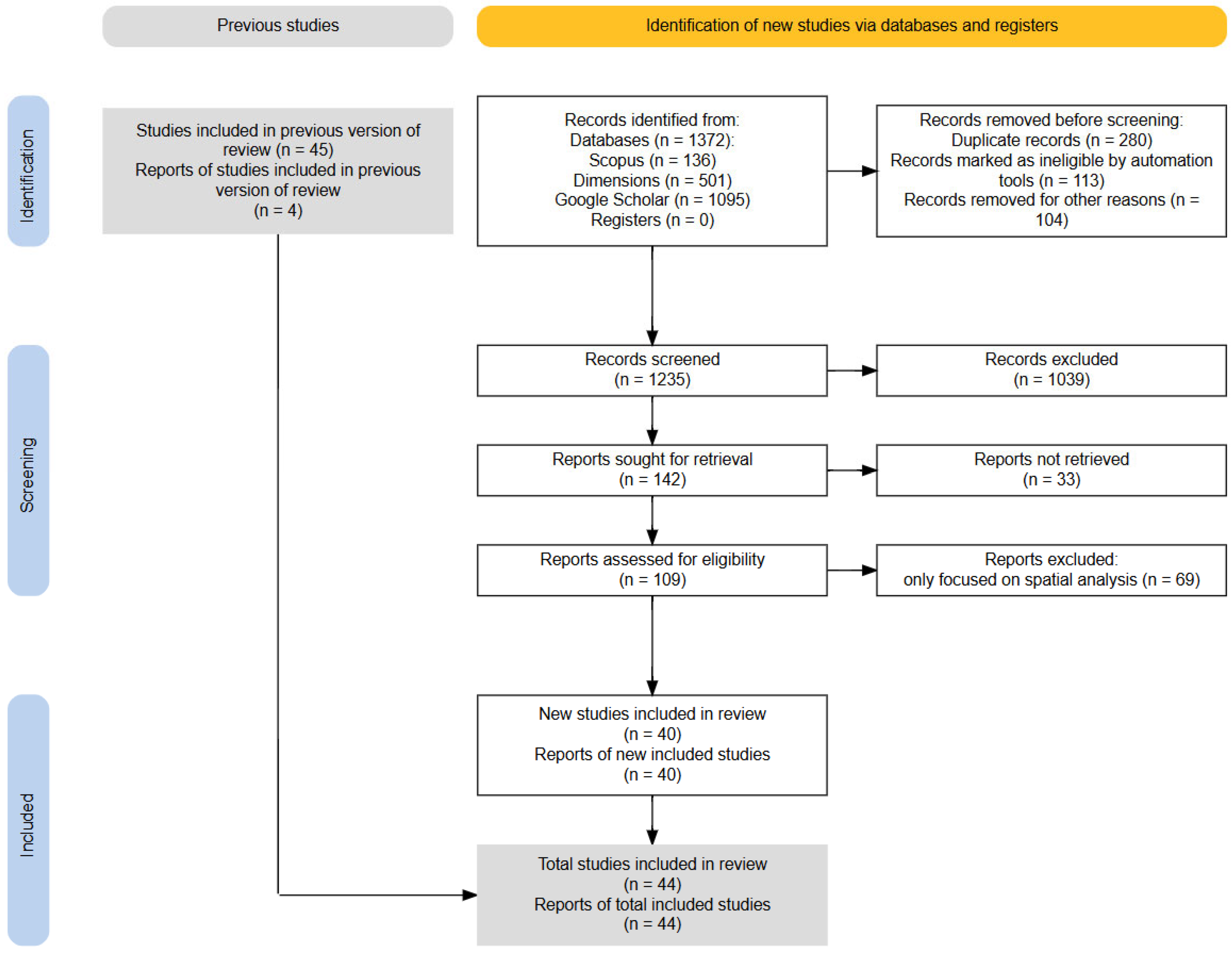
Figure 1. PRISMA Flow Diagram of the Literature Selection Process.
Information 17 00031 g001
Figure 2. Bibliometric Analysis for Cultural Tourism Marketing Model Topics Based on Multivariate Analysis Model in GIS.
Information 17 00031 g002
Figure 3. Bibliometric Analysis of Cluster 1: The Term “GIS”.
Information 17 00031 g003
Figure 4. Bibliometric Analysis of Cluster 2: The Term “Marketing”.
Information 17 00031 g004
Figure 5. Bibliometric Analysis of Cluster 3: The Term “Logistic Regression Model”.
Information 17 00031 g005
Figure 6. Conceptual Framework Cultural Tourism Marketing model based on Multivariate Analysis in GIS [4,6,7,9,11,12,13,15,17,18,22,24,27,28,29,30,32,33,34,35,36,37,38,39,43,44,45,47,48].
Information 17 00031 g006
Table 1. Number of Publications Retrieved from Three Databases Using Three Types of Keywords.
KeywordsScopusDimensionsGoogle Scholar
A134313482
B2142469
A & B046144
Table 2. Methods on Multivariate Analysis and GIS based on selected articles.
No.AuthorsMultivariate Analysis MethodsSI Web 2GIS
EFA/CFAPCAR/LR 1CA
1[9] -
2[6,7,10,11,12,13,14,15,16,17,18,19,20,21,22,23,24,25,26] -
3[27,28,29,30,31,32,33,34,35,36,37,38,39]
4[4,5,40]
5[41,42,43,44,45,46]
6[47]
7[48]
1 R/LR: Regression/Logistic Regression. 2 SI Web: Web-Based Information System Application.
Table 3. Factors used and the Results using the Logistic Regression Method on Selected Articles.
AuthorsFactors/VariablesFindings/Results
[8,27,28,29,30,31,32,33,36,37,41,47]Socio-demographic, economic, lifestyle, motivation, destination quality, facilities, services, attractions, personal (characteristics)There is a significant relationship between these factors and tourists’ visitation to cultural tourism sites.
Table 4. Factors and Key Findings from Selected Articles Employing the Cluster Analysis Method.
AuthorsFactors/VariablesObjectives/Results/Findings
[38]Tourist interest behaviorThree segments of prosocial behavior were identified:
  • Self-centered: Travelers with low interest in prosocial behavior.
  • Intermediate: Travelers with moderate interest in prosocial behavior.
  • Philanthropist: Travelers with a high interest in prosocial behavior.
[43]Visitor demographics: gender, age, employment status, education, and marital statusThe data were segmented into three clusters: High Cluster (C1), Medium Cluster (C2), and Low Cluster (C3). The results of this segmentation are expected to assist local governments in mapping tourist attractions that have not been optimally utilized or visited.
[45]Telecommunications, electricity resources, transportation, waste management, location, clean water sources, supporting industries, spatial (spatial location), hospitality, security & safety.The results of clustering and mapping tourism potential can serve as a basis for making more structured and measurable decisions in the development of tourism assets.
[47]Demographics and characteristics of touristsCultural activities remain a primary motivation for urban travelers, with 43% of respondents categorized within the cultural traveler segment. Segmentation by Age and Travel Status: Older and female travelers exhibited a greater tendency to show interest in heritage sites and museums, whereas younger travelers demonstrated a stronger preference for nightlife and festivals.
Table 5. Utilization of Web Applications and GIS as Tools to Support Cultural Tourism Marketing.
No.AuthorsMethods/Web Apps/GISObjectives/Results/Findings
1[6,7,11,13,15,17,18,22]Web Apps, Web GIS,
  • Displays a distribution map of tourist attractions
  • Enhances accessibility, interactivity, and visitor engagement
  • Promotes cultural education and awareness
  • Supports promotion and marketing efforts
  • Facilitates cultural tourism planning and management
  • Effectively supports sustainable tourism marketing strategies
  • Enables iterative creation of visualizations, data attributes, content, and cultural heritage categories
Disclaimer/Publisher’s Note: The statements, opinions and data contained in all publications are solely those of the individual author(s) and contributor(s) and not of MDPI and/or the editor(s). MDPI and/or the editor(s) disclaim responsibility for any injury to people or property resulting from any ideas, methods, instructions or products referred to in the content.