Article

Schema Understandability: A Comprehensive Empirical Study of Requirements Metrics

by
Tanu Singh
1,
Vinod Patidar
1,*,
Manu Singh
2 and
Álvaro Rocha
3,*
1
School of Computer Science, UPES, Dehradun 248007, Uttarakhand, India
2
School of Computing Science and Engineering, Galgotias University, Greater Noida 203201, Uttar Pradesh, India
3
ISEG, University of Lisbon, 1649-004 Lisboa, Portugal
*
Authors to whom correspondence should be addressed.
Information 2025, 16(2), 155; https://doi.org/10.3390/info16020155
Submission received: 26 December 2024 / Revised: 9 February 2025 / Accepted: 14 February 2025 / Published: 19 February 2025
(This article belongs to the Special Issue Editorial Board Members’ Collection Series: "Information Systems")

Abstract

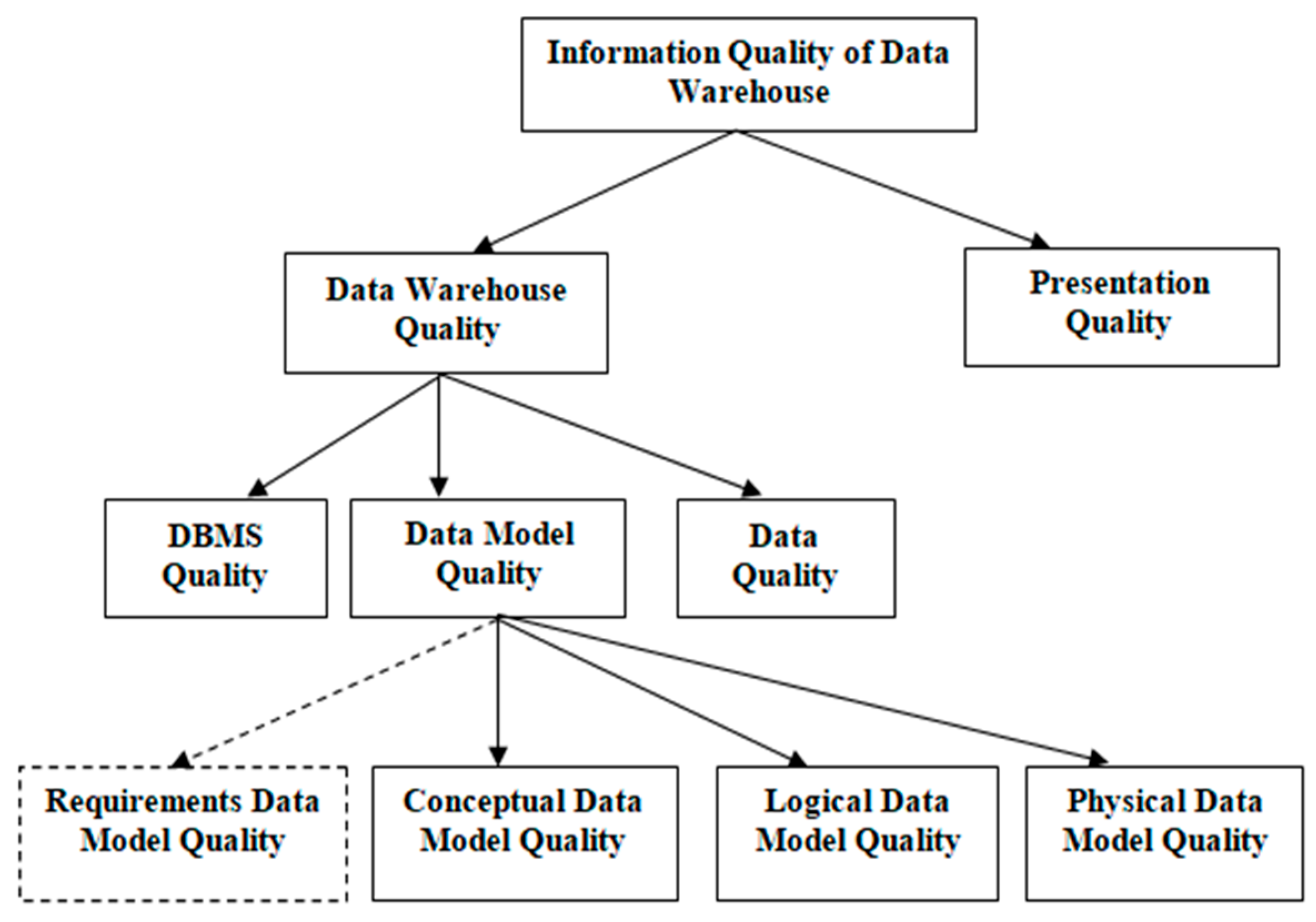
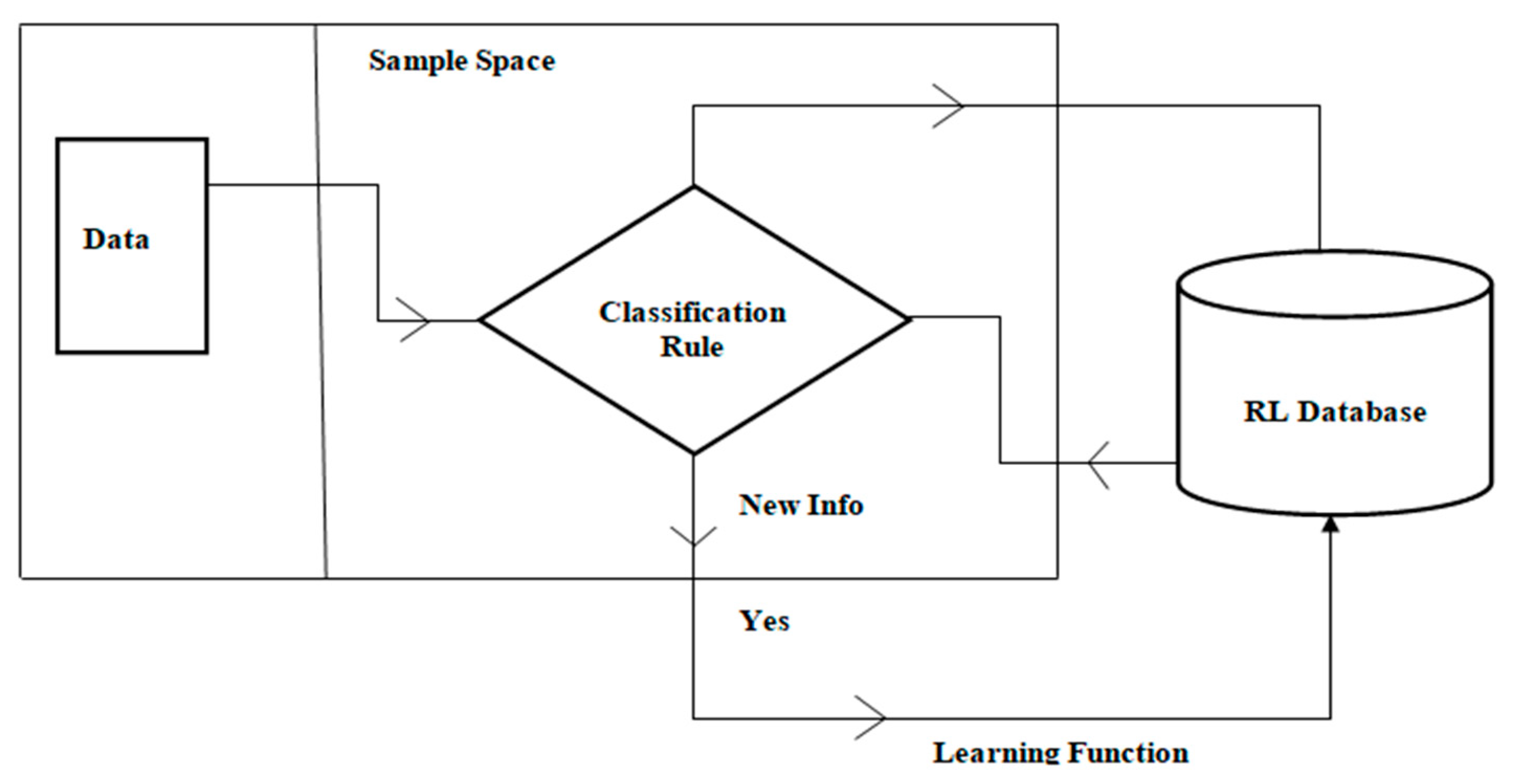
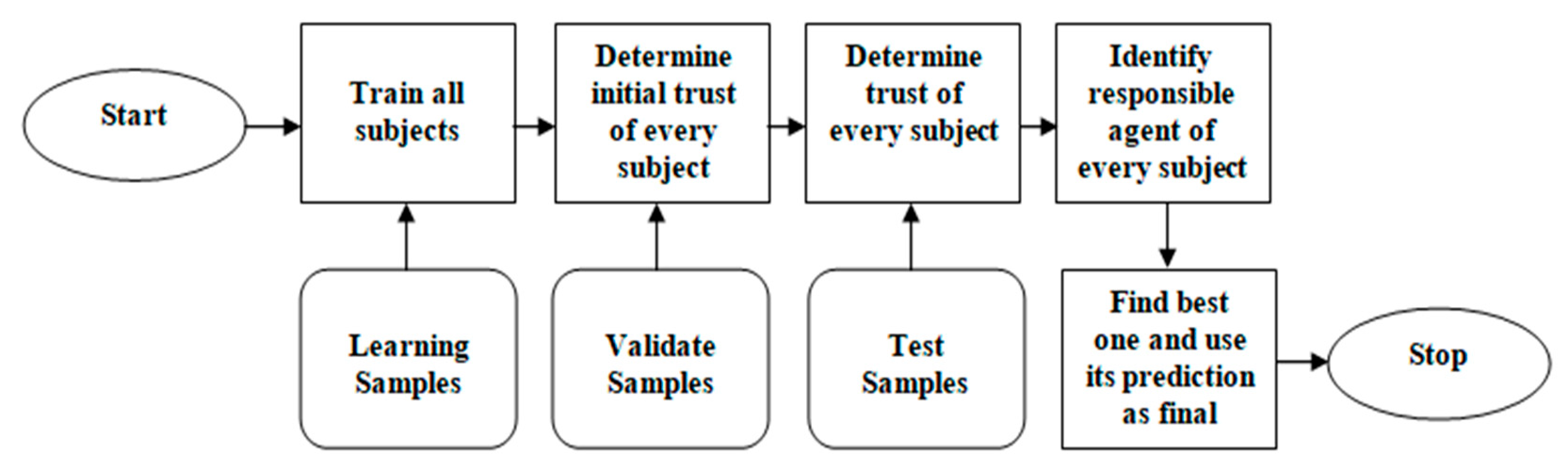
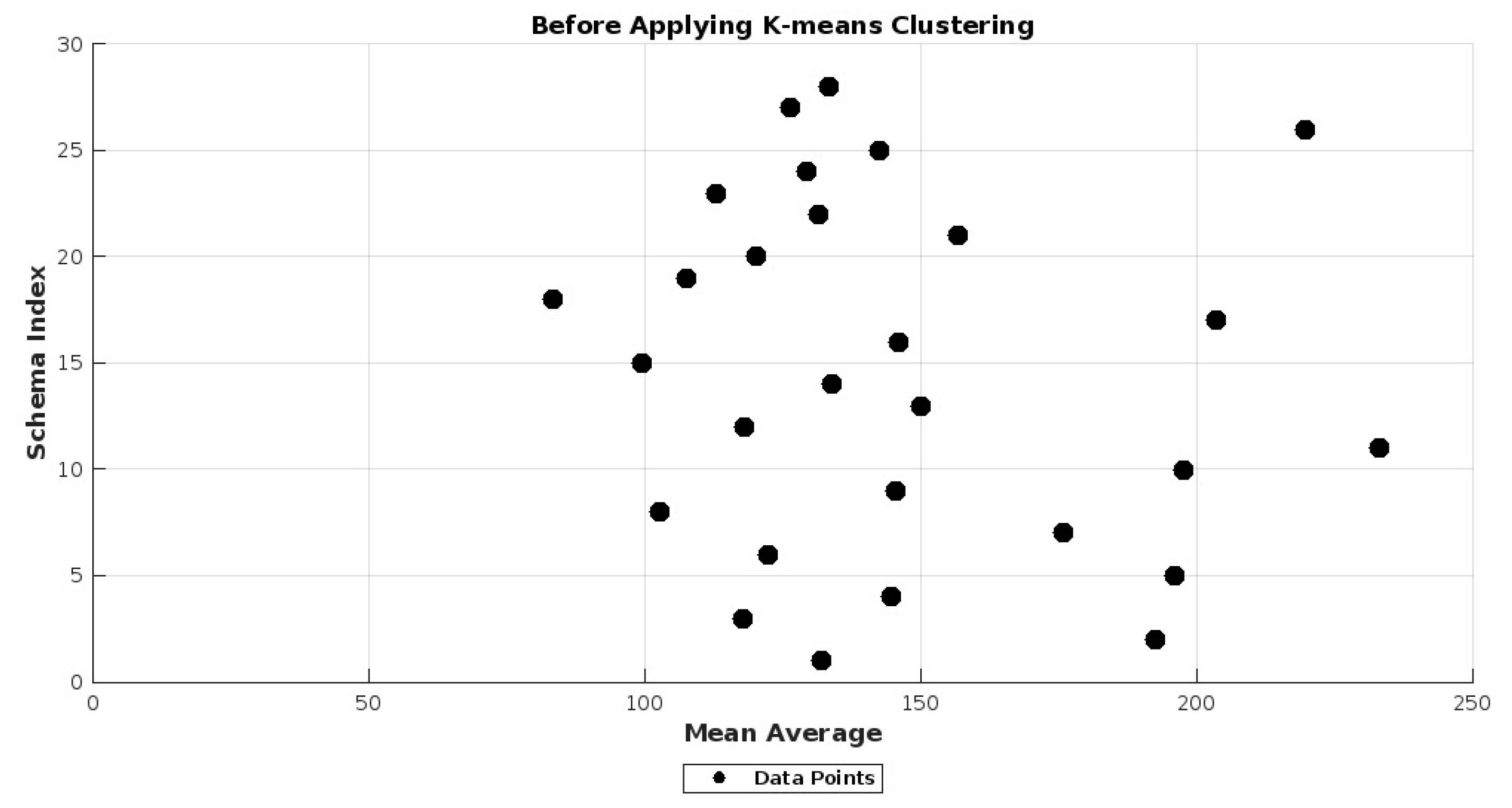
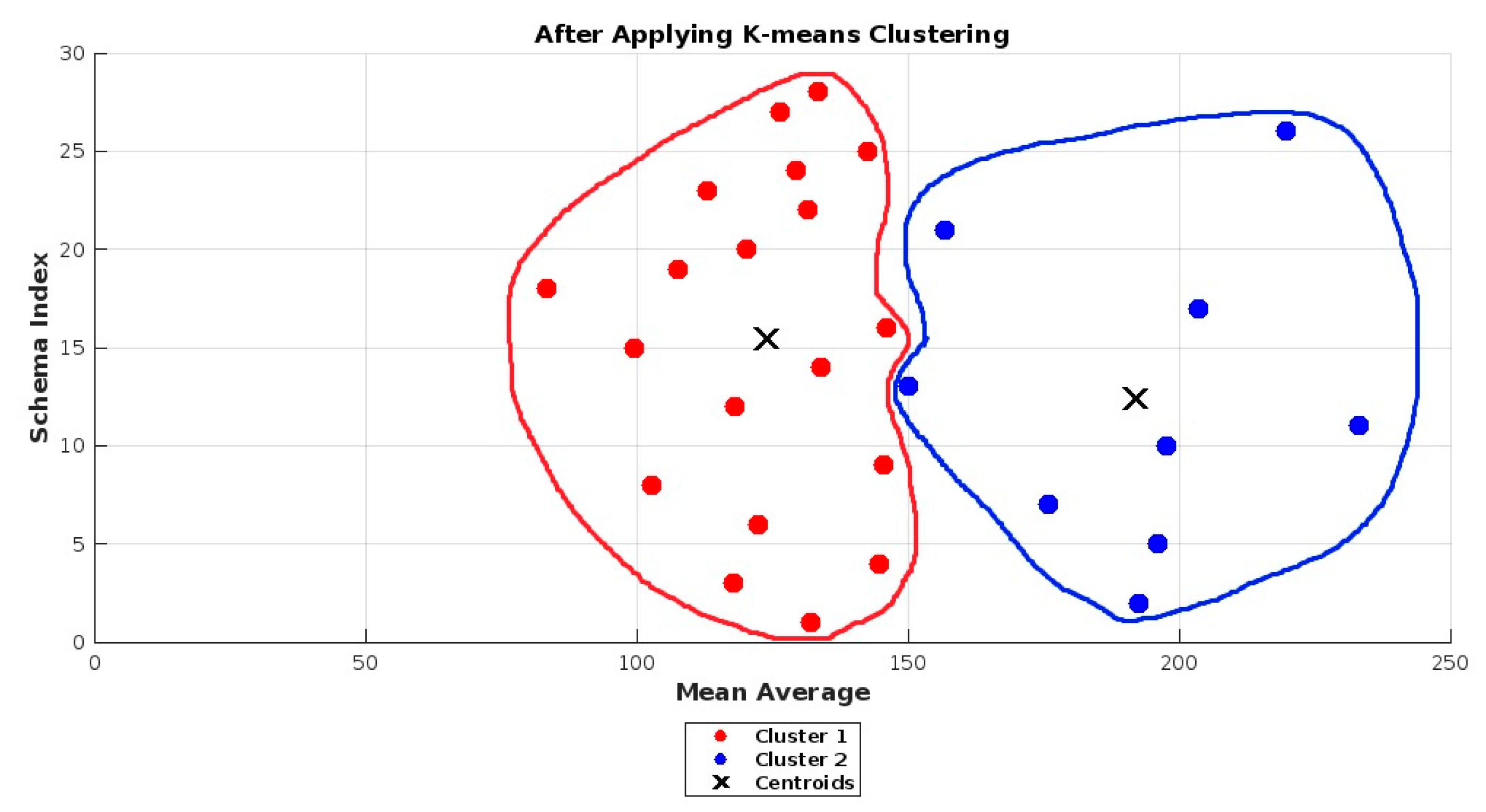
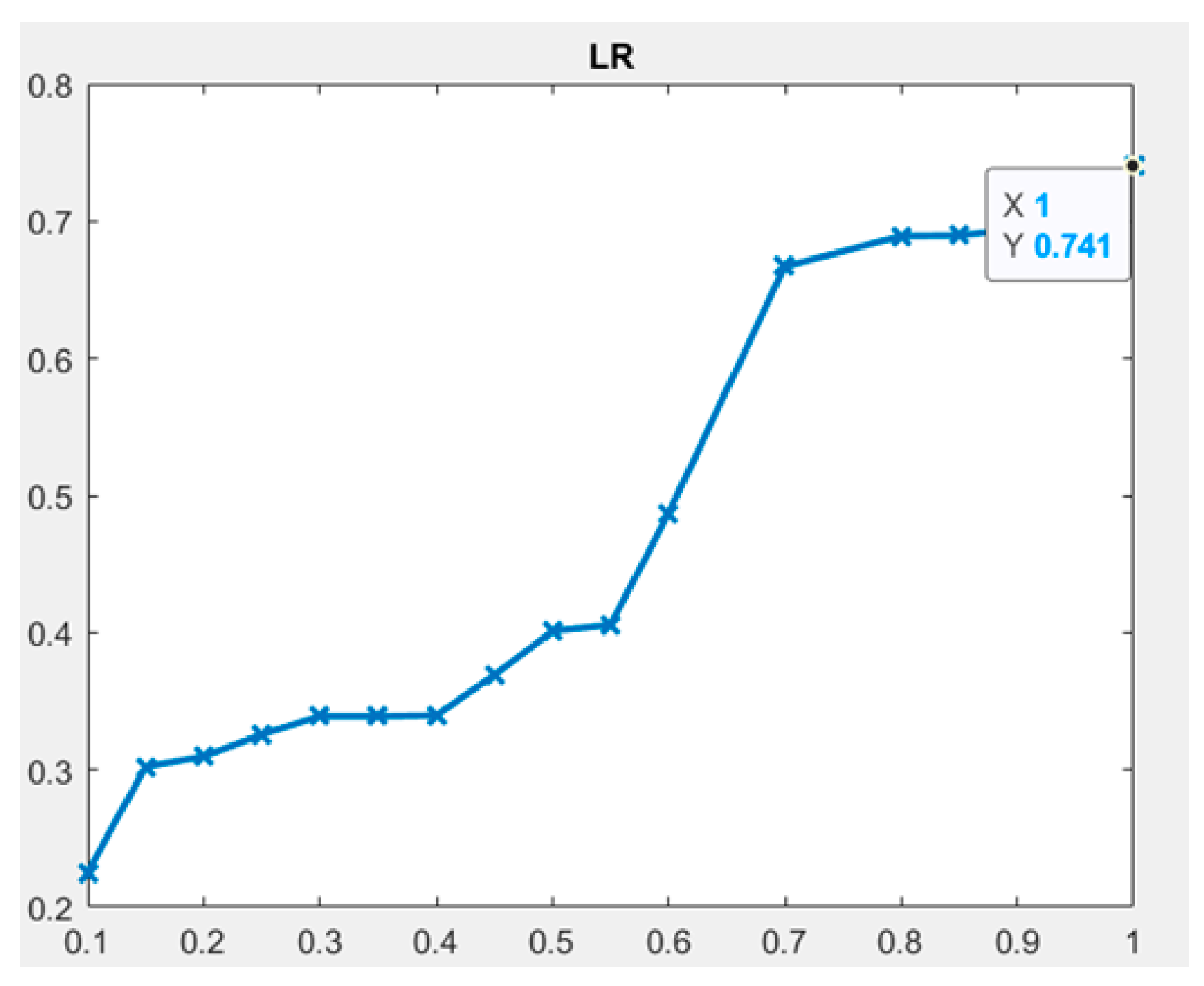
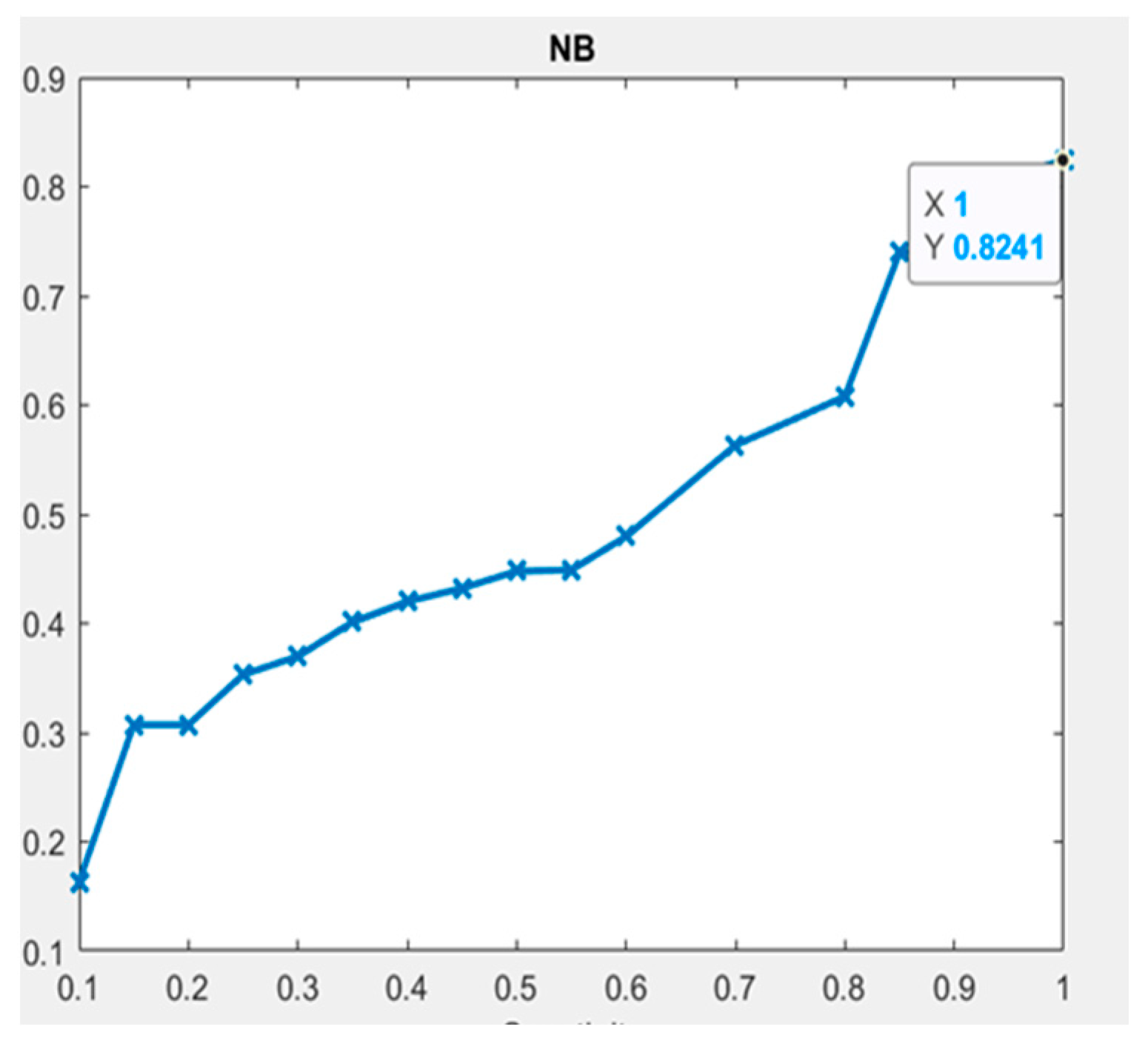
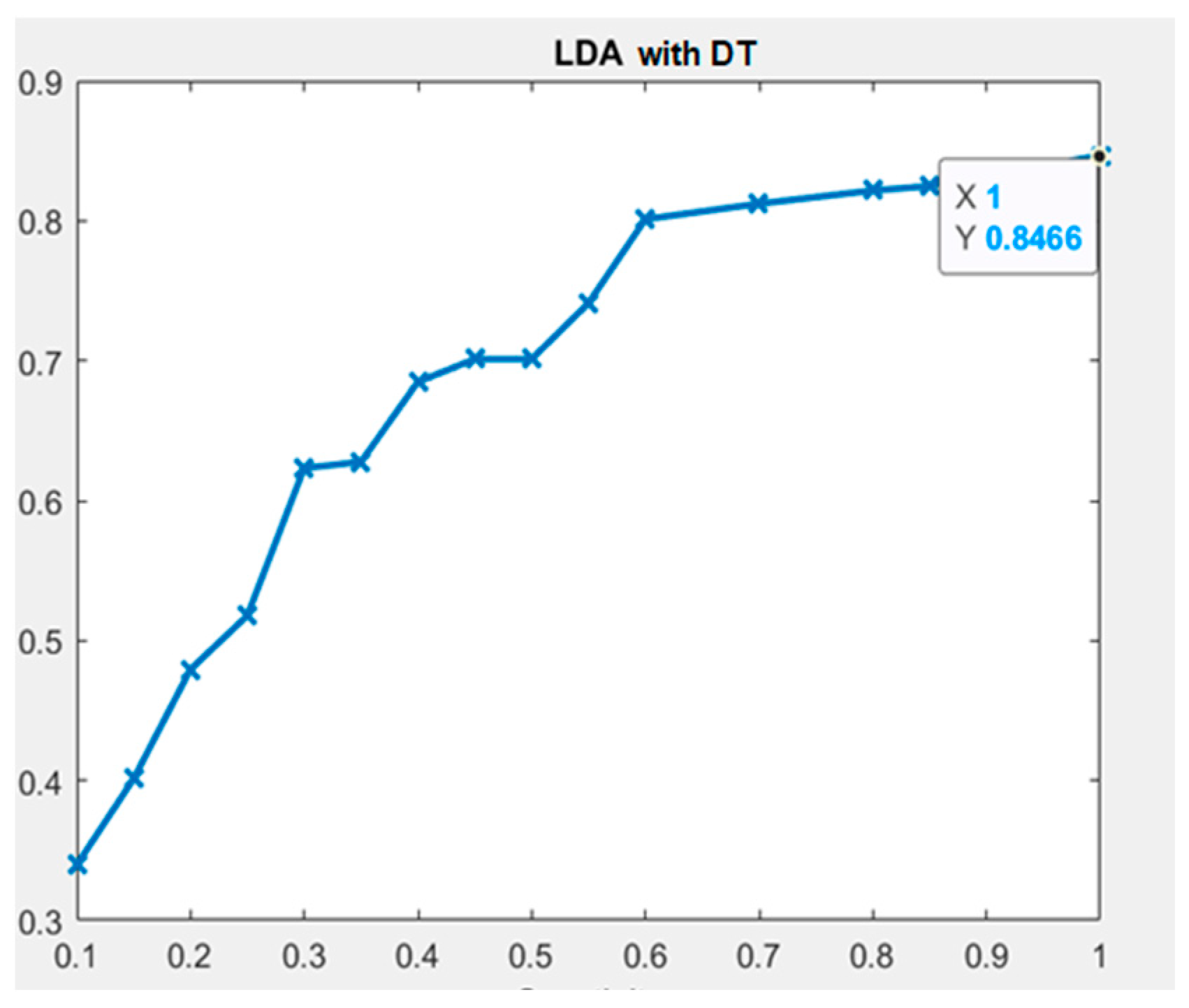
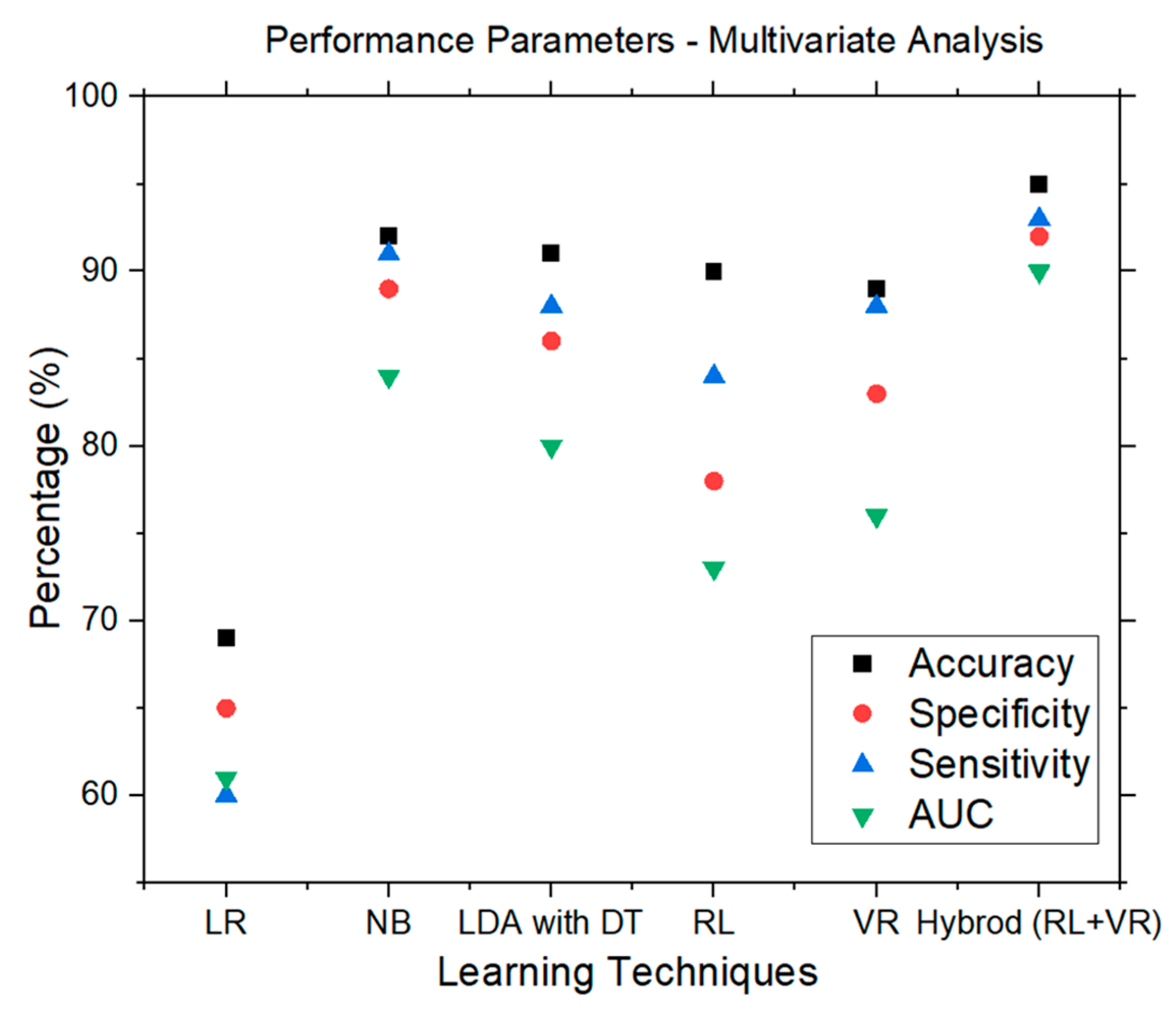
Ensuring high-quality data warehouses is crucial for organizations, as they provide the reliable information needed for informed decision-making. While various methodologies emphasize the importance of requirements, conceptual, logical, and physical models in developing data warehouses, empirical quality assessment of these models remains underexplored, especially requirements models. To bridge this gap, this study focuses on assessment of requirements metrics for predicting the understandability of requirements schemas, a key indicator of model quality. In this empirical study, 28 requirements schemas were classified into understandable and non-understandable clusters using the k-means clustering technique. The study then employed six classification techniques—logistic regression, naive Bayes, linear discriminant analysis with decision tree, reinforcement learning, voting rule, and a hybrid approach—within both univariate and multivariate models to identify strong predictors of schema understandability. Results indicate that 13 out of 17 requirements metrics are robust predictors of schema understandability. Furthermore, a comparative performance analysis of the classification techniques reveals that the hybrid classifier outperforms other techniques across key evaluation parameters, including accuracy, sensitivity, specificity, and AUC. These findings highlight the potential of requirements metrics as effective predictors of schema understandability, contributing to improved quality assessment and the development of better conceptual data models for data warehouses.
Keywords: data warehouse; requirements engineering; information quality; requirements metrics; requirements schemas; understandability; statistical techniques; machine learning techniques; k-means clustering technique data warehouse; requirements engineering; information quality; requirements metrics; requirements schemas; understandability; statistical techniques; machine learning techniques; k-means clustering technique