


Article

The Relationship Between Information Technology Dimensions and Competitiveness Dimensions of SMEs Mediated by the Role of Innovative Performance

Department of Accounting, Faculty of Economics and Administrative Sciences, Ferdowsi University of Mashhad, Mashhad 9177948951, Iran
*
Authors to whom correspondence should be addressed.
Information 2025, 16(12), 1100; https://doi.org/10.3390/info16121100
Submission received: 21 October 2025 / Revised: 21 November 2025 / Accepted: 8 December 2025 / Published: 11 December 2025

Abstract

This study evaluated the relationship between information technology (IT) and competitiveness (CP), emphasizing the different dimensions of IT capabilities, including customer relationship management (CRM) and human resource management (HRM). Also, the mediating role of innovative performance (IP) was examined in the link between IT use and CP. Data were collected in 2023 through a standard questionnaire, whose validity and reliability were confirmed by experts and statistical tests. Then, 172 valid responses were analyzed after determining the minimum sample size using Cochran’s formula. SPSS version 25 was used for descriptive analyses and preliminary tests, while SmartPLS 3.3.3 was utilized for structural equation modeling and hypothesis testing. The findings indicated that the use of IT components enhances CP, and IP mediates this relationship. This research contributes to the theoretical development of innovation management and IT by highlighting the transmission mechanism of IP rather than focusing solely on the direct relationship. This study, conducted among Iranian small and medium-sized enterprises (SMEs), also fills a gap in global literature, especially in developing countries, and offers practical insights.

1. Introduction

Around 90% of global businesses, more than 50% of employment, and about one-third of global GDP are small and medium-sized enterprises (SMEs) [1,2]. About 30% of Iran’s production is generated by SMEs, which represent 99.9% of all business units [3,4]. SMEs produce jobs, decrease poverty, and promote regional development [5], yet their rapid growth in emerging countries has increased competition [6]. Globalization, technology, and digital transformation have changed competitive dynamics, making traditional managerial techniques insufficient to retain long-term competitive advantage [7,8]. In production, administration, customer engagement, and human resource development, companies that resist adopting new technologies often lose market share. Today, SMEs need to be more robust in information technology (IT) to enhance their competitiveness [9]. In recent years, competitive advantage has increasingly been based on knowledge-based activities rather than access to physical production factors. Competition encourages firms to reduce costs, enhance product quality, innovate, and improve performance. Innovative Performance (IP) and Customer Relationship Management (CRM) have emerged as fundamental tools for enhancing competitiveness in this context.
It is clear that IT is increasingly important to the success of organizations, but there are several research gaps. Previous studies have focused on the direct effects of IT on corporate performance, while the underlying mechanisms, especially innovation performance, have been understudied [10,11,12]. Secondly, the evidence from developing countries remains limited, particularly in countries like Iran, where SMEs are constrained by institutional constraints, sanctions, digital infrastructure challenges, and environmental uncertainty. These factors may have a significant impact on the relationship between IT–innovation–competitiveness [7,13]. Furthermore, studies rarely examine CRM and HRM together within a framework that integrates IT-IP-competitiveness.
This study proposes several contributions to address these gaps. From a theoretical viewpoint, the study extends the primarily direct-effect-based research by introducing IP as a key mediating mechanism for IT’s strategic value to be channeled into Competitiveness (CP). This approach aligns with recent empirical work showing that innovation capabilities play a crucial role in transforming digital investments into competitive advantage [14,15,16]. This study offers unique empirical evidence from Iranian SMEs, a setting that has received little attention in international research on IT and innovation. These findings contribute to our understanding of how SMEs can leverage CRM and HRM technologies to improve innovation and competitiveness in resource-constrained, turbulent environments. From a methodological perspective, by operationalizing IT capabilities through two distinct dimensions—CRM and HRM—this research provides a more granular explanation of how IT-driven organizational functions contribute to strategic outcomes.
Additionally, this research adds to previous studies by placing IT–IP–competitiveness in an economy characterized by financial instability, environmental turmoil, and institutional constraints. The mechanisms of influence may be fundamentally altered in Iran as opposed to stable economies, where IT adoption is often strategic and growth-oriented. The study integrates evidence from emerging economies such as Turkey and India [15,17], which similarly shape SME competitiveness. It situates Iranian SMEs within the broader theoretical framework of digital adoption under institutional pressures.
These considerations led to the main objectives of this study: (1) to determine whether IT (CRM and HRM) leads to higher CP in SMEs, and (2) to examine whether IP mediates this relationship.
Towards these objectives, the remainder of this article is arranged in the following manner: Section 2 presents the theoretical foundations and develops the research hypotheses; Section 3 discusses the methodology, sampling design, and measurement method; Section 4 discusses the empirical results of structural equation modeling; and Section 5 discusses the results, benchmarking evidence, limitations, and implications for researchers and practitioners.

2. Theoretical Principles, Literature Review, and Hypothesis Development

2.1. Competitiveness (CP)

Since the corporate scene is changing frequently, sustainable CP is essential for long-term success and survival [18]. CP is based on “competing” for market dominance. To gain a lasting competitive edge, a company must reduce operational costs, capture opportunities, and respond to challenges [19]. Customer satisfaction and sustainable profitability are both critical elements of effective competition. This ability is achieved by offering products and services that customers perceive to deliver greater value than those of competitors.
In this study, the study focuses on three main dimensions of CP, which are product CP, firm operations and strategy, and supply chain (SCH) [20].

2.1.1. Supply Chain (SCH)

Companies increase customer satisfaction and improve operational efficiency to gain a competitive advantage [21]. SCH performance focuses on reducing costs, on-time delivery, and increasing customer satisfaction. In today’s business environment, competition has moved from the level of individual companies to that of SCHs that connect suppliers with manufacturers. It is vital for SCH management to provide superior customer service, reduce costs, and reduce cycle times. A SCH is a network of people, activities, information, and resources that deliver value to customers and have a significant impact on an organization’s financial performance [16].
Business performance can be impacted by disruptions within today’s SCHs, which operate in an environment of increasing uncertainty and competition [22]. SCHs have also become more flexible, transparent, and efficient as a result of the Fourth Industrial Revolution [23].

2.1.2. Operation and Strategic Management of a Company (OSMC)

The strategy can be defined as follows: “The ability to adapt the company’s internal capabilities to the opportunities in the market.” [24] consider strategy as conditional decisions made in interaction with other claimants and value creators.
Since the early studies of Porter [25], two opposing strategic positions have been identified: cost leadership and differentiation. In terms of achieving and maintaining a competitive advantage, these two general business strategies are fundamentally different. Through a cost leadership strategy, a company strives to provide customers with products and services at a lower cost than competitors. In contrast, a differentiation strategy aims to create “higher value for customers than that created by competitors”. The lower costs of an effective cost leader are reflected in lower prices for the customer [26]. In order to create a compelling differentiator, one must use “brand image, service, distribution, quality, and product attributes” [27].

2.1.3. Product Competition (PC)

The Internet, globalization, and new technologies have changed how people shop and made things easier and harder for businesses in the global market [28]. Marketing plans are necessary for businesses to raise their CP [29]. It is also important for companies to consider the laws and cultural needs of each country. A good marketing plan is very important for getting people to know about your brand, beating your competitors, and making more sales [30]. Product CP conveys the ability to maintain a position counter to competitors [31].

2.1.4. Critical Assessment of the Literature

Although prior studies provide valuable insights into competitiveness, several limitations remain. In most existing research, supply chain factors, operational strategy, or product competition are isolated without considering their interactions. Additionally, researchers are not able to agree as to whether internal capabilities (e.g., strategic alignment) or external market pressure play a greater role in shaping CP. Most research has focused on digital infrastructures in developed economies, leaving a gap in understanding competitiveness in emerging or unstable situations. Even fewer studies have looked at the ways in which digital tools and IT-based competencies become competitive advantages, as the majority of this research has focused on competitiveness as an outcome of operational or strategic variables.
This research addresses these gaps by examining competitiveness through an integrated framework that links IT, innovation performance, and multi-dimensional competitiveness in SMEs.

2.2. Information Technology (IT)

IT plays a crucial role in companies’ success, as the business environment is constantly changing. To gain a competitive advantage, IT must be aligned with the company’s strategic plans, so that the three dimensions of communications, infrastructure, and human resources as “IT capabilities” have a significant impact on strategic alignment [11]. This alignment has been important to senior managers for years, and there are differences in public and private companies. Sutrisno et al. [32] argue that businesses must learn how to manage information tools and processes in order to fully exploit information [32]. These capabilities are divided into three parts: technology infrastructure, operations, and knowledge, which influence the creation of strategic value from IT spending [33]. Increasing the productivity, managerial effectiveness, and skill development of private and public companies has been achieved with the help of IT [34]. In this study, IT has been examined in two aspects: CRM and HRM as its two main components.
In the context of SMEs, CRM and HRM represent two critical domains through which IT capabilities are operationalized. Using CRM systems, companies can collect, process, and analyze customer information to improve service quality and customer retention. HRM-related IT tools, on the other hand, support digital workflow automation, employee coordination, knowledge sharing, and capability development. CRM-based and HRM-based technologies influence an organization’s digital readiness, influencing its innovation capability and competitiveness. In this sense, considering CRM and HRM as complementary dimensions of IT is theoretically in line with resource-based views and digital capability literature.

2.2.1. Customer Relationship Management (CRM)

The companies must regularly communicate with them about products and brands to maintain profitable relationships with customers. They also use solutions like comprehensive CRM, which includes various philosophies, systems, and tools [35]. This approach can reduce advertising costs and increase company profitability by focusing on customer loyalty and retention. Various aspects, such as marketing, management, and IT, can be used to assess CRM, which requires coordination between people, processes, and technologies for an effective implementation [36].
The CRM’s goal is to create long-term relationships and shared value between the company and its customers to provide a comprehensive and integrated view of customers for companies using analytical tools, manage relationships uniformly regardless of communication channels, and improve related processes. This approach increases customer satisfaction, improves service, better segmentation, and personalized service delivery [37]. Čierna and Sujová [38] defined CRM as changing a company’s approach from product-centric to customer-centric.

2.2.2. Human Resource Management (HRM)

Today, commercial companies widely use IT to obtain maximum profit [39]. Accordingly, numerous studies have shown that IT brings significant benefits to various companies. Achieving these benefits requires having expert human resources in IT [40]. As a result, this makes perfect sense, since human resources are the primary source of technology in all businesses. Human resources are essential in achieving any business company’s vision and mission [41,42], in which IT and human power are determining and inseparable factors complementing each other to form a unified whole [43]. In the absence of any of these factors, a business will also fail to achieve its goals for success [44]. For a business to increase profits, increase customer loyalty, and become a market leader, IT-oriented human resources are essential [45]. Continuous creativity and innovation are examples of the ability to adapt and improve in the market [46].
In a company, HRM is responsible for directing and developing human resources [47]. The process includes planning, recruitment, selection, training, development, performance evaluation, compensation, and employee relations. Human resources are considered valuable and strategic assets for the company’s success in the human resources management framework [48].
To achieve the business’s goals, human resources management ensures that the right people with the right education and credentials are in the right place at the right time [49]. Effective management practices maximize employee potential, improve performance, and preserve their happiness and well-being [50]. Since HRM fosters an efficient, inviting, and sustainable working environment, it is crucial to a company’s long-term success.

2.2.3. IT as an External Enabler Within Institutional Contexts

The context in which firms operate has a significant influence on how information technologies operate, enabling them to function both as internal organizational resources and external enablers. Emerging economies are impacted by structural factors such as regulatory frameworks, digital infrastructure, macroeconomic pressures, and governmental policies. According to Jahanbakht and Ahmadi [13], external enablers—including technological changes and non-technological institutional shifts—play a crucial role in shaping innovation activities within Iran’s entrepreneurial and digital ecosystem.
This perspective indicates how IT in Iranian SMEs functions within an environment that is influenced by sanctions, infrastructure constraints, and policy-specific limitations, all of which contribute to innovation and competitiveness. In emerging economies, IT’s role in shaping organizational performance is enhanced by incorporating institutional and environmental insights.

2.3. Innovative Performance (IP)

In terms of product, service, and process innovations, intellectual property (IP) refers to the ability of an organization to develop and implement new innovations. The concept refers to the extent to which the organization is able to utilize new ideas and turn them into tangible outcomes [51]. IP is not limited to technological innovation, but includes organizational, process, and behavioral innovation. At different levels, this variable indicates the organization’s innovative capacity.
Various dimensions of IP have been proposed in the research literature. There are three primary dimensions of innovation, according to some researchers [52]. Innovation can refer to introducing new products or services, to altering production methods, management techniques, or employee methods, or to altering organizational structures, including the implementation of new management practices. In some classifications, marketing innovation is also considered a separate dimension.
The organizational level IP is sometimes measured in the form of an index. A contemporary model indicates that this index includes innovations in organizational structure (such as communication mechanisms), as well as human resources (such as training and empowerment of employees), and operational and production processes [53].

Contradictions and Gaps in Innovation Performance Research

Although many studies emphasize the positive role of IT in driving innovation, the evidence is not uniform. In some cases, digital systems are viewed as enhancing creativity and knowledge integration, and enhancing process flexibility, while others see them as enhancing system rigidity, resistance to change, and complexity. Moreover, most empirical studies focus on large firms, leaving SMEs underrepresented, particularly in volatile environments. There is also a limited understanding of how CRM- and HRM-based IT tools specifically shape innovation performance. The present study contributes to resolving these inconsistencies by examining these mechanisms within an emerging economy context.

2.4. Hypothesis Development

2.4.1. Explaining the Relationship Between Information IT and CP

To stand out in competitive markets, companies always seek techniques that give them a competitive advantage. In non-competitive markets, to gain a competitive advantage, it was suggested that techniques that require a lot of hard work and effort be used, but nowadays, most of the techniques rely on IT and do not require much hard work. In recent years, due to the critical and extensive role that IT plays in the competitive market, many have decided to find out how IT can create a sustainable competitive advantage, which is the primary source of CP for the company.
Porter [25] believes that companies can achieve a competitive advantage by using two strategies: price leadership and differentiation.
This research discusses two aspects of IT: CRM and HRM. It will also discuss the importance and relationship between these two dimensions and CP.
CRM is one of the fundamental aspects of business, which attracts interest from SMEs [54] as a business strategy to understand, anticipate, and manage the needs of the company’s current and potential customers. SMEs should use some structured CRM solutions to increase their CP at a low cost. Large companies should focus on using their physical and human potential to improve the quality of customer relationships [35]. According to Bojanowska [35], Alrubaiee and Al-Nazer [55], Venturini and Benito [56], CRM makes companies more competitive.
Their products and services must be differentiated and continuously improved in order to compete successfully in the corporate environment. CP can be maintained by ensuring that employees are productive. Employees are the most valuable resource of companies. The assets of a company, except for people, must be used by humans to create value [57]. Having the right people at the right time in the right place is vital to any company’s survival and success. In order to improve business performance, recruit new charismatic employees, and develop the mindset and behavior of employees, HRM is viewed as one of the most important success factors. CP of businesses is increased by HRM according to Ologunde et al. [58].
According to the stated contents, the first hypothesis of the research is:
H1: 
There is a positive and significant relationship between IT and CP in SMEs.
H1a: 
There is a positive and significant relationship between CRM and CP in SMEs.
H1b: 
There is a positive and significant relationship between HRM and CP in SMEs.

2.4.2. The Relationship Between IT and IP

Technology has permeated all areas of life [59]. Applying IT in companies is essential to achieving goals. Today, it is impossible to imagine a company that can achieve its goals without using IT. Companies benefit from information technology by being able to react promptly and correctly to current changes and developments.
In recent decades, there has been a significant focus on using IT to enhance innovation processes. Particularly, IT is argued to support knowledge-based innovation activities [10,12,60]. On the other hand, some studies have shown that IT has disadvantages in innovation performance due to the flexibility and complexity of systems [61]. In the literature, the paradox of IT, which can have positive and negative effects on innovation, is not well understood, since few studies have examined how IT affects innovation performance [62,63]. Therefore, the second hypothesis of the current research is:
H2: 
IT and IP in SMEs have a positive and significant relationship.
H2a: 
CRM and IP in SMEs have a positive and significant relationship.
H2b: 
HRM and IP in SMEs have a positive and significant relationship.

2.4.3. The Role of IP in the Relationship Between IT and CP

Research suggests that firms can achieve sustainable competitive advantage through the effective use of IT [64]. In this regard, one of the effective mechanisms in transferring the effect of IT to CP is the IP of companies, which can play a mediating role in this relationship. IT provides a suitable platform for the formation of innovation in processes, products, and services by providing flexibility, increasing the speed of decision-making, and improving the flow of information [65].
IP distinguishes companies from competitors and creates a different position in the minds of customers, especially in today’s competitive environment [53]. The introduction of new products, the development of new technologies, and the implementation of innovative product lines are examples of IP that increase market share and profitability for companies.
CP can also be maintained by providing innovative services and products by employees. In addition, recent studies have emphasized the need for integrating innovation with HRM practices and strengthening organizational capabilities to maintain a competitive position [66]. In addition, research such as Yu et al. [67] confirms the possibility of creating a sustainable PC through a synergy between IT and IP.
H3: 
IP mediates the relationship between IT and CP.

2.5. Research Conceptual Model

Figure 1—Conceptual research model illustrating the direct and mediating relationships among the study variables.
The proposed conceptual model illustrates how IT, operationalized through CRM and HRM, influences CP both directly and indirectly. SME’s IT capabilities are transformed into enhanced competitive outcomes through IP. Through integrating technological, organizational, and performance perspectives, this framework offers a coherent framework to test empirical hypotheses and provides insights into how IT-driven capabilities shape innovation and competitiveness in resource-constrained environments.

3. Methodology

3.1. Sample and Implementation Method

In this research, SMEs located in Mashhad City were considered the statistical population. Firms with 1–50 employees were classified as small, and those with 51–250 employees were classified as medium. The total population consisted of 300 firms. In this study, random sampling was used as a method of sampling. A minimum sample size of 169 respondents was calculated using Cochran’s formula.
A total of 300 questionnaires were distributed in 2023 to senior managers via email and face-to-face.
A total of 198 responses were received. After screening for missing data, straight-lining, and inconsistent answer patterns, 26 questionnaires were excluded. The data analysis was completed with 172 valid and usable responses.
Using independent samples t-tests, the first 30% of respondents (IT, IP, and CP) and the last 30% of respondents (CP) were compared to assess non-response bias. No significant differences were found (p > 0.10), indicating that non-response bias is not a concern in this study.
A data screening process included distributing questionnaires (300), receiving questionnaires (198), excluding questions with insufficient or inconsistent data (26), and verifying valid responses (172).
Regarding respondent authenticity, we appreciate the reviewer’s insightful comment. To address this concern, we implemented several measures to ensure that only senior managers and decision-makers completed the questionnaire.
The survey instructions clearly stated that managers or supervisors must complete the questionnaire. A second method of in-person distribution involved delivering questionnaires directly to managers during site visits, which prevented administrative personnel from completing them.
According to the collected data, all valid responses were provided by persons with management positions (e.g., CEO, marketing manager, financial manager).
During the screening process, questionnaires with inconsistent demographic data or non-managerial information were removed.
In this way, we can ensure that the final dataset accurately reflects the responses of the intended managerial population.
In this study, the dataset comes from a broader survey project previously conducted by the authors [2]. The present research, however, employs an entirely different conceptual framework, analysis model, and theoretical focus, making it an independent scientific contribution.

3.1.1. Statistical Test for Sample Size Adequacy

A post hoc power analysis was conducted using the G*Power 3.1 software to ensure that the final sample size was adequate for PLS-SEM. We used guidelines for calculating effect size, significance level, and number of variables (including control variables).
Statistical power of 80% is required by 98 samples, and 80% power is required by 123 samples.
Hair Jr et al. [68] report that the sample size in this study exceeds the recommended threshold, which provides adequate power for testing the structural relationships in the model. Thus, the sample size is appropriate for PLS-SEM analysis.

3.1.2. Economic Context and Data Validity Considerations

There were significant economic fluctuations in Iran during the time of data collection, including an unstable exchange rate and broader market uncertainty. A number of precautions were taken to ensure that these external disruptions did not affect the validity of the responses. We first operationalised the questionnaire on organisational capabilities—such as IT use, innovation activities, and competitiveness—as structural and rather stable constructs, lower loaded with short-term economic shocks. Second, the respondents were chosen from among senior-level managers because they manage in a climate of turbulent economic conditions and hence would be more likely to provide stable and experience-based evaluations. Finally, all surveys were reviewed for instances of careless answering, straight-lining, or discrepancies that may suggest bias due to stress or context. Any instances that met this criterion were eliminated. Also, non-response bias testing (early versus late respondents) revealed no significant differences (p > 0.10) in key data quality or response behavior.

3.2. Measurement of Variables

Table 1 provides a summary of the research variables, their roles in the model, questionnaire sources, and the number of items for each variable.
The questionnaire items were adapted from the original sources (Table 1). This table also includes all constructs and sub-dimensions, item codes, and complete item wordings.
The items were rated from 1 (strongly disagree) to 5 (strongly agree) on a five-point Likert scale.
Our questionnaire was reviewed by five academic experts in management and information systems, who each have more than ten years of research experience. Their comments were incorporated to refine the clarity and relevance of the items.
The full list of measurement items is presented in Table 1.

3.3. Justification for Using PLS-SEM

In addition to methodological reasons, PLS-SEM was chosen for several reasons.
First, a non-normal distribution was shown in the data based on skewness and kurtosis values, making PLS-SEM more appropriate than covariance-based SEM, which requires multivariate normality.
Second, the research model includes multiple latent variables and sub-dimensions (IT, CRM, HRM, CP, and IP), resulting in a relatively complex structural model. PLS-SEM is well-suited for such predictive and exploratory models.
In addition, the sample size (n = 172) is sufficient for PLS-SEM, but may not be sufficient for covariance-based SEM, which typically requires larger samples.
Due to its methodological alignment with methodological recommendations for non-normal data, predictive research goals, and moderate sample sizes, PLS-SEM is a preferred choice for non-normal data.

3.4. Reliability and Validity of the Measurement Model

An evaluation of the measurement model was conducted before testing the hypotheses. Table 2 presents the results of Cronbach’s alpha, composite reliability (CR), AVE, and factor loadings for all constructs and their sub-dimensions.

3.4.1. Reliability

The overall Cronbach’s alpha coefficient was 0.902, indicating high internal consistency. A Cronbach’s alpha value over 0.70 appears to be the common threshold for constructs. There was also a higher composite reliability (CR) than 0.70, confirming the reliability of the latent variables. With Cochran’s formula, the required sample size is 169 per 95% confidence level (p = 0.5, Q = 0.5) and a margin of error of 5%, which yields a sample size of 169 according to Cochran’s formula.

3.4.2. Convergent Validity

Convergent validity was assessed using AVE. Table 2 shows that the measurement model has an AVE of 0.7486, exceeding the minimum threshold of 0.50 [73].
In addition, all factor loadings for all indicators were above the recommended minimum loading level (0.70) for most indicators; therefore, the measurement model is found to be convergent.

3.4.3. Construct Structure

Measures involved two sub-dimensions of IT (CRM, HRM), three sub-dimensions of CP (competition, operations, and supply chain), and four sub-dimensions of IP (training, financial rewards, non-financial rewards, and technical innovation). Each dimension was computed by averaging its indicators. In terms of internal consistency, Cronbach’s alpha values for the sub-dimensions range from 0.715 to 0.939.
Table 2 provides the detailed reliability and validity results.

3.5. Control Variables

The structural model’s robustness was increased by including several demographics and organizational characteristics as control variables.
A typical control variable that is used in IT-performance and competitiveness research is the respondent’s gender, work experience, company type, age, educational level, and managerial position.
A structural model was constructed using all control variables as predictors. Based on the research findings, no significant association was found between the control variables. Therefore, they do not alter the direction or significance of the main hypothesized relationships.
It is important to include these controls to enhance the methodological rigor and ensure that IT and IP do not have a significant effect on competitiveness based on differences in demographic or organizational factors.

4. The Findings

Combining descriptive and inferential analysis was used to analyze the dataset. A number of descriptive measures were used, including frequency distributions, percentages, means, and standard deviations. Using SmartPLS 3.3.3, we evaluated the measurement model and structural model using partial least squares structural equation modeling (PLS-SEM).

4.1. Summary of Demographic Findings

Respondents were asked seven initial questions about their demographic characteristics. Of the 172 valid responses, more than two-thirds were male, representing more than two-thirds of the sample (Table 3). Among respondents with a graduate degree, most had a master’s degree.
In terms of age distribution, it appears a considerable proportion of employees were relatively young. The highest number of participants were between 26 and 30 years old, followed by those between 20 and 25 and those between 31 and 35. A review of organizational roles shows that a notable number of respondents selected the “other positions” category, while senior accountants, financial managers, and CEOs were also significantly represented in the sample.
The majority of respondents reported less than five years of employment experience, while another substantial portion reported six to ten years. Smaller shares were attributed to those with more extended tenure.
Lastly, an assessment of the size of the companies revealed that more than half employed fewer than 50 employees. Other organizations were classified as medium-sized. The demographic patterns provide a clear overview of the respondents’ profiles and the organizational context within which the study variables were measured.
Table 3. The demographic information.
VariableCategoryFrequency (n = 172)Percentage (%)
 Gender Male12773.8
Female4526.2
Age20–25 years4325
26–30 years5431.4
31–35 years3620.9
Education LevelAbove 35 years3922.7
Diploma or below42.3
Associate degree148.1
Bachelor’s degree6236
Master’s degree7644.2
PhD169.3
Work Experience≤5 years6034.9
6–10 years5129.7
11–15 years3118
>15 years3017.4
Position in CompanySenior Accountant2916.9
CEO2414
Technology Manager1810.5
Financial Manager2414
Other7744.6
Firm SizeSmall (1–50 employees)9454.7
 Medium (51–250 employees)7845.3
Source: Research Calculations.

4.2. Inferencing Data

Table 4 presents the Pearson correlation coefficients among the latent constructs of the study. CRM and HRM showed significant associations with the IT construct at the 99% confidence level with correlation values of 0.866 and 0.872, respectively [74]. A significant positive correlation (0.510) was also observed between CRM and HRM themselves, indicating that the two organizational capabilities tend to develop in parallel, although the magnitude of the relationship suggests that HRM is slightly more strongly aligned with IT than CRM.
A 1% significance level indicates significant correlations between PC, OSMC, and SCH components with the overall CP construct—0.716, 0.776, and 0.713, respectively. Moreover, these dimensions are positively correlated, suggesting that they contribute to a firm’s competitive position. Operational and strategic management capabilities (OSMC) are the most strongly associated with CP.
For IP four indicators were examined. CIP, WIP, NIP and TIP have a significant positive relationship with the IP construct at 99% trust (β = 0.798 (C), 0.836 (W), 0.795 (N), and 0.69 (T). The results suggest that financial incentives have the greatest influence on innovation, followed closely by employee development and non-financial motivation.
Considering that the data were collected from a single source at a single point in time, we assessed the possibility of common method variance (CMV). In accordance with Kock [75], SmartPLS 3.3.3 was used for the full collinearity VIF approach. The results showed that all latent variables exhibited VIF values below 3.3, indicating that CMV is unlikely to bias the study’s findings. In addition, several procedural remedies were applied during questionnaire design, including ensuring respondent anonymity, randomizing the order of items, and using varying item formats, which further minimized the likelihood of CMV.
Due to the multiple independent variables involved in the MANCOVA procedure, covariance-based techniques were applied for the following stages. A Kolmogorov–Smirnov test was conducted prior to conducting this analysis [76]. The outcomes of this test are reported in Table 5. All constructs satisfy the normality assumption, since the null hypothesis assumes each variable has a normal distribution.
The homogeneity of regression slopes is another key requirement for covariance analysis [74]. To examine this assumption, the interaction effects between the pre-test scores and the research variables were evaluated in the post-test model. It was statistically non-significant for all interaction terms, showing a similar regression slope for all groups. According to Table 6, there are no significant interactions supporting the hypothesis that regression-slopes are homogeneous. As a result, the F-test indicates that the condition is satisfied, and the covariance analysis can be carried out as appropriate.
In Table 6, all essential assumptions in employing covariance analysis were met for testing the research hypotheses [74]. According to Table 7, ANCOVA results were one-way. According to the analysis of variance, all research hypotheses can be accepted if the significance levels exceed the 0.05 threshold.
According to Table 8, the F-statistic for the first three hypotheses and the remaining hypotheses are significant at the 99% confidence level. At the 95% level of confidence, IP mediates the impact of IT on competitive power by mediating the impact of IP on innovation performance.
The structural model was evaluated using PLS-SEM recommended procedures [68]. Table 9 presents the estimates for the CP model (CM Model) as the first step of the analysis. A statistically significant coefficient associated with the IT construct is 0.268 at 99% confidence. First research hypothesis is supported by this finding that IT enhances competitive power in a positive way.
Table 9. Fitting the structural equations of the research hypotheses.
CP ModelIP Model
VariableCoefficientp-ValueConf. IntervalCoefficientp-ValueConf. Interval
IT0.26800.150.3850.23800.1150.361
Gender−0.0320.697−0.1940.130.10.247−0.0690.269
Experience−0.0130.809−0.1190.093−0.0050.933−0.1150.106
Company Type0.0370.648−0.1210.195−0.0290.729−0.1950.136
Age0.0170.749−0.0860.119−0.0630.247−0.1710.044
Education0.0120.793−0.0750.0990.0230.623−0.0680.114
Constant1.44500.8222.0670.9120.0060.2621.563
Source: Research Calculations.
The effect of IT on innovation performance remains significant at the 1% level in the second model (IP Model), with an estimated coefficient of 0.238. As a result of this study, the second hypothesis is empirically supported, as IT is a key driver of innovation performance. Moreover, the Durbin-Wu-Hausman test was used to establish that the IT variable is not prone to endogeneity problems.
The fourth hypothesis is analyzed in Table 10. IT and IP were entered as independent predictors in the first model, and both variables were statistically significant. In the second model, the interaction term IT×IP was added to further assess the mediating mechanism. Despite greater significance in the interaction term than in IT or IP, the coefficients for IT and IP (0.068) were positive and significant at the 99% confidence level.
Table 10. Fitting the structural equations of the third hypothesis of the research.
Model 1
VariableCoefficientp-ValueConf. Interval
IT0.22200.1020.343
IP0.1990.020.0310.366
IT*IP0.0680.004  
Gender−0.0520.524−0.2110.107
Experience−0.0120.827−0.1160.092
Company Type0.0420.599−0.1140.197
Age0.0290.58−0.0730.13
Education0.0080.861−0.0780.093
Constant1.26700.6451.89
Source: Research Calculations.
As a result of these results, the fourth hypothesis is confirmed, confirming that innovation performance mediates the relationship between IT and competitive power. Variance Accounted For (VAF) value 0.25 suggests partial mediation, which indicates that while IT directly enhances competitiveness, some of it is transmitted through innovative performance.
According to Table 11, the dependent variable of both sub-hypotheses H1a and H1b is CP. In the first specification, the influence of CRM on CP is assessed, while the second specification examines the effect of HRM. Based on the estimated coefficients, CRM and HRM have positive and statistically significant impacts on competitive power. There is a significant difference between CRM and HRM coefficients, with HRM having a slightly higher magnitude. CRM coefficients were computed to be 0.233 and HRM coefficients to be 0.246.
Table 11. Effect of CRM and HRM on Competitiveness.
VariablesCRM ModelHRM Model
Coefficientp-ValueCoefficientp-Value
Crm0.2330.000  
Hrm  0.2460.000
Gender−0.0310.739−0.0420.643
Experience−0.0440.451−0.0390.506
Companytype0.0180.8370.0600.500
Age0.0420.4520.0400.479
Position−0.0200.466−0.0170.523
Education0.0180.7180.0100.845
Constant2.6460.0002.5750.000
R27.729.41
Obs172172
F Test3.040.0053.540.001
Source: Research Calculations.
The results of sub-hypotheses H1b and H2b are shown in Table 12. IP is the dependent variable in both hypotheses. In the first model, CRM influences IP, while in the second model, HRM influences IP. At 99% confidence level, both organizational capabilities contribute positively and significantly to innovation performance. Compared with HRM, CRM has a slightly stronger effect. Specifically, the coefficients for CRM and HRM are 0.242 and 0.231, respectively.
Table 12. Effect of CRM and HRM on Innovative Performance.
VariablesCRM ModelHRM Model
Coefficientp-ValueCoefficientp-Value
Crm0.2420.000  
Hrm  0.2310.000
Gender0.1040.2990.0900.367
Experience−0.0450.487−0.0410.521
Companytype−0.0570.561−0.0140.884
Age−0.0300.628−0.0330.599
Position−0.0410.168−0.0400.178
Education0.0220.6840.0150.781
Constant2.6620.0002.6820.000
R28.508.20
Obs172172
F Test3.270.0033.180.004
Source: Research Calculations.

4.3. Additional Analysis

Separate examinations of the study hypotheses for SME allowed for the execution of supplementary analyses. Both sets of data were used to evaluate the first three hypotheses (Table 13). A 99% confidence level estimate of the IT variable for small firms was 0.314. The coefficient for medium-sized firms was calculated as 0.199 at a 95% confidence level. The results indicate that IT has a significant impact on CP for small and medium-sized organizations at a level of 99% to 95% confidence. In both groups, CP was also significant and positive, indicating a positive relationship between firm performance and competitiveness.
For medium-sized firms, the coefficient of IT was estimated at 0.329 at the 99% confidence level and 0.143 at the 90% confidence level in the second model (IP Model). Small and medium-sized firms both experience an increase in innovative performance as a result of information technology at the 90% confidence level. The coefficient of the CP variable was also positive and significant in both groups, indicating that firm performance improves IP.
To conduct additional analysis, the third hypothesis was tested separately for small and medium-sized firms. As shown in Table 14, in Model 1, the coefficients of the IT and IP variables are positive and statistically significant for small firms, whereas for medium-sized firms only the coefficient of IT is significant. Furthermore, the interaction term (IT × IP) is significant only for small firms, with a coefficient of 0.068 at the 99% confidence level.

5. Discussion and Conclusions

According to this study, IT—implemented through CRM and HRM—significantly impacts SME competitiveness (CP). According to Bojanowska [35], Alrubaiee and Al-Nazer [55], Venturini and Benito [56], Ologunde, Monday and James-Unam [58], all of these studies emphasize the strategic value of technology in enhancing customer orientation, efficiency, and competitiveness. It is also consistent with Karr-Wisniewski and Lu [61], who suggest that IT adoption can enhance firms’ capacity to generate and implement new ideas.
However, the findings are not entirely universal. Karabulut [77] reported weaker or contradictory relationships between IT and innovation or competitive outcomes. These inconsistencies highlight an important conceptual point: the effectiveness of IT is not identical across all geographical or institutional contexts. The evidence from more stable economies suggests that IT can only contribute to performance when firms have adequate complementary resources, organizational readiness, and innovation-oriented cultures. These mechanisms are often altered or weakened in emerging economies due to structural and institutional constraints. Therefore, the literature reinforces the IT’s effectiveness contextualization rather than assuming uniform global outcomes.
Iranian SMEs, which face volatile economic conditions, currency fluctuations, and technological limitations, may adopt IT more as a survival mechanism than as a strategic positioning tool. The IT-IP-CP pathway in other countries may differ in magnitude due to this context. Accordingly, while the positive relationships found in this study are meaningful, they should be interpreted cautiously and within the boundaries of Iran’s institutional and environmental conditions.
By enhancing consumer understanding, boosting employee performance, and enabling adaptive decision-making, these results imply that CRM and HRM systems can boost innovation capabilities and competitiveness. When it comes to creating new goods, staying adaptable, and responding to market volatility, SMEs play a crucial role. In addition to investing in IT infrastructure, managers of small and medium-sized enterprises (SMEs) in Iran should put money into organizational strategies that encourage innovation and learning.
The results of this study must be interpreted within the context of Iran’s volatile macroeconomic and institutional environment. The SMEs of Iran often face survival pressures, currency instability, and technology restrictions. A more stable economy could have different patterns in IT adoption, IP, and CP than a more unstable one. In this context, generalizability should be considered context-dependent. Research in the future should incorporate environmental moderators (such as market turbulence or institutional uncertainty) to assess how external factors affect IT–IP–CP.

5.1. Benchmarking with Comparable Emerging Economies

Consistent with the findings of this study, the efficacy of IT skills is shaped by institutional constraints and technological limitations in other developing nations. Information system capabilities, according to research in Turkey [15], greatly boost company performance by making decision-making and business process efficiency much better. Similar studies in India have demonstrated that technology adoption and ICT use improve productivity, operational performance, and competitiveness among SMEs [14,17]. Although Iranian SMEs face unique institutional pressures, the mechanism in which CRM- and HRM-based IT capabilities support innovation performance and competitiveness is common across emerging markets. Thus, the study contributes to the growing body of literature that emphasizes the role of digital technologies in shaping organizational outcomes.

5.2. Practical Implications

CRM and human resources management increase CP for SMEs in Mashhad industrial towns when the first hypothesis is confirmed. SMEs should establish and apply customer relationships and HRM. To succeed in today’s complex, competitive, and changing economic environment, companies need to establish long-term relationships with their customers, understand their expectations and demands, and fulfill them. Applying CRM to information gathering makes it possible to identify crucial and profitable customers and work towards increasing customer loyalty.
Considering that the second assumption that IT increases innovation in small and medium-sized companies is confirmed, it is suggested that these companies deploy IT because information increases IP in the shadow of using technology.
According to the third hypothesis, IP is a critical factor in explaining the relationship between IT use and CP. SMEs are suggested to use IT to increase CP and IP in the current economic environment, which is the primary concern of companies because IT increases IP and CP, and IP increases CP.

5.3. Limitations of the Research

While this study provides valuable insights into how CRM- and HRM-based IT capabilities impact innovation and competitiveness in SMEs, several limitations must be acknowledged:
  • Classification of SMEs.
A limited access to financial data made it impossible to categorize firms into small and medium-sized enterprises. A more accurate classification may be based on alternative indicators (e.g., sales volume, total assets).
2.
Lack of ownership structure data.
Our analysis was limited because the relationship between subsidiaries and parent companies among SMEs was not transparent. Because of this limitation, we are unable to understand how corporate structures may influence IT adoption or innovation.
3.
Lack of industry-level data.
In the absence of industry information, comparative analysis between sectors (e.g., manufacturing versus services) was not possible. Most Mashhad SMEs are engaged in homogenized service-dominated sectors, which may limit fluctuations due to missing industry controls.
4.
Context specificity and limited generalizability.
The findings reflect the unique institutional and macroeconomic conditions of Iranian SMEs—particularly sanctions, infrastructure constraints, and regulatory limitations. These contextual specificities limit generalizability beyond similar environments.
5.
Potential self-report bias under economic instability.
Iran’s volatile environment may have led respondents to overestimate innovation or competitiveness. In spite of anonymity, confidentiality, and multiple-item validated scales being implemented to reduce bias, inflation cannot be completely eliminated. A data triangulation approach should be used in future research (e.g., sales growth, patent records, export intensity).

5.4. Further to the Study

Since the results confirmed the mediating role of IP on the relationship between the use of IT and CP in SMEs, future research should consider factors affecting CP like artificial intelligence, blockchain, internet of things, and metaverse.
Future studies are suggested to investigate this issue: What factors prevent companies from using IT?
It is also suggested that future studies should examine the effect of international sanctions on company CP.

Author Contributions

Conceptualization, A.A., M.M. and M.S.; methodology, A.A.; software, A.A.; validation, M.M. and M.S.; formal analysis, A.A.; investigation, A.A.; resources, M.M.; data curation, A.A.; writing—original draft preparation, A.A.; writing—review and editing, M.M. and M.S.; visualization, A.A.; supervision, M.M.; project administration, M.M. All authors have read and agreed to the published version of the manuscript.

Funding

This research received no external funding. The authors did not receive any grant, financial support, or APC funding for this study.

Institutional Review Board Statement

This study utilized non-sensitive, anonymous surveys targeting business professionals (not vulnerable populations) and involved no deceptive practices, with a focus on organizational rather than individual data. It was reviewed and approved by the Faculty of Economics and Administrative Sciences, Ferdowsi University of Mashhad, and therefore did not require separate ethics committee approval.

Informed Consent Statement

Verbal consent was obtained rather than written because the data were collected remotely (online/telephone), making it impractical to obtain written signatures. Additionally, the study in-volved minimal risk and did not require collection of any sensitive personal information.

Data Availability Statement

The dataset generated and analyzed during this study contains sensitive information about participating firms and cannot be publicly shared due to confidentiality restrictions. However, anonymized data are available from the corresponding author upon reasonable request.

Acknowledgments

The authors would like to thank the managers and employees of the SMEs who participated in the survey.

Conflicts of Interest

The authors declare no conflicts of interest. The funders had no role in the design of the study; in the collection, analyses, or interpretation of data; in the writing of the manuscript; or in the decision to publish the results.

Abbreviations

The following abbreviations are used in this manuscript:
SMEsSmall And Medium-Sized Enterprises 
ITInformation Technology 
CPCompetitiveness
IPInnovative Performance 
CRMCustomer Relationship Management 
HRMHuman Resource Management 
SCHSupply Chain 
PCProduct Competition 
OSMCOperation And Strategic Management Of The Company
CIPEmployee Training
WIPFinancial Rewards And Incentives 
NIPNon-Financial Rewards 
TIPTechnical Innovation
CMVCommon Method Variance 
PLS-SEMPartial Least Squares Structural Equation Modeling 

References

  1. Garg, C.P.; Kashav, V. Modeling the supply chain finance (SCF) barriers of Indian SMEs using BWM framework. J. Bus. Ind. Mark. 2022, 37, 128–145. [Google Scholar] [CrossRef]
  2. Homayoun, S.; Salehi, M.; ArminKia, A.; Novakovic, V. The mediating effect of innovative performance on the relationship between the use of information technology and organizational agility in SMEs. Sustainability 2024, 16, 9649. [Google Scholar] [CrossRef]
  3. Central Bank of Iran. Central Bank of Iran—Official Website. Available online: https://www.cbi.ir (accessed on 20 October 2025).
  4. Statistical Center of Iran. Statistical Center of Iran—Official Website. Available online: https://www.amar.org.ir/english (accessed on 20 October 2025).
  5. Gherghina, Ș.C.; Botezatu, M.A.; Hosszu, A.; Simionescu, L.N. Small and medium-sized enterprises (SMEs): The engine of economic growth through investments and innovation. Sustainability 2020, 12, 347. [Google Scholar] [CrossRef]
  6. Goel, R.K.; Yadav, C.S.; Vishnoi, S.; Rastogi, R. Smart agriculture–Urgent need of the day in developing countries. Sustain. Comput. Inform. Syst. 2021, 30, 100512. [Google Scholar] [CrossRef]
  7. Kwarteng, P.; Appiah, K.O.; Addai, B. Influence of board mechanisms on sustainability performance for listed firms in Sub-Saharan Africa. Future Bus. J. 2023, 9, 85. [Google Scholar] [CrossRef]
  8. Pérez-Gómez, P.; Arbelo-Pérez, M.; Arbelo, A. Profit efficiency and its determinants in small and medium-sized enterprises in Spain. BRQ Bus. Res. Q. 2018, 21, 238–250. [Google Scholar] [CrossRef]
  9. Hasanah, A.U.; Shino, Y.; Kosasih, S. The role of information technology in improving the competitiveness of small and sme enterprises. IAIC Trans. Sustain. Digit. Innov. (ITSDI) 2022, 3, 168–174. [Google Scholar]
  10. Dong, J.Q.; Yang, C.-H. Information technology and innovation outcomes: Is knowledge recombination the missing link? Eur. J. Inf. Syst. 2019, 28, 612–626. [Google Scholar] [CrossRef]
  11. Sharma, S.; Behl, R. Strategic alignment of information technology in public and private organizations in India: A comparative study. Glob. Bus. Rev. 2023, 24, 335–352. [Google Scholar] [CrossRef]
  12. Trantopoulos, K.; von Krogh, G.; Wallin, M.W.; Woerter, M. External knowledge and information technology. MIS Q. 2017, 41, 287–300. [Google Scholar] [CrossRef]
  13. Jahanbakht, M.; Ahmadi, F. Empirical assessment of external enablers on new venture creation: The effect of technologies and non-technological change in Iran digital entrepreneurship. J. Entrep. Emerg. Econ. 2025, 17, 819–850. [Google Scholar] [CrossRef]
  14. Anjum, A. Information and communication technology adoption and its influencing factors: A study of indian SMEs. Humanit. Soc. Sci. Rev. 2019, 7, 1238–1253. [Google Scholar] [CrossRef]
  15. Aydiner, A.S.; Tatoglu, E.; Bayraktar, E.; Zaim, S. Information system capabilities and firm performance: Opening the black box through decision-making performance and business-process performance. Int. J. Inf. Manag. 2019, 47, 168–182. [Google Scholar] [CrossRef]
  16. Wang, Z.; Gao, L.; Wang, W. The impact of supply chain digitization and logistics efficiency on the competitiveness of industrial enterprises. Int. Rev. Econ. Financ. 2025, 97, 103759. [Google Scholar] [CrossRef]
  17. Anjum, A. Impact of technology adoption on the performance of small and medium enterprises in India. J. Soc. Sci. Res. 2018, 857–867. [Google Scholar] [CrossRef]
  18. Kahveci, E. Digital transformation in SMEs: Enablers, interconnections, and a framework for sustainable competitive advantage. Adm. Sci. 2025, 15, 107. [Google Scholar] [CrossRef]
  19. Jahanshahi, A.A.; Bhattacharjee, A. Competitiveness improvement in public sector organizations: What they need? J. Public Aff. 2020, 20, e2011. [Google Scholar] [CrossRef]
  20. Ajitabh, A.; Momaya, K. Competitiveness of firms: Review of theory, frameworks and models. Singap. Manag. Rev. 2004, 26, 45–61. [Google Scholar]
  21. Kannan, V.R.; Tan, K.C. Just in time, total quality management, and supply chain management: Understanding their linkages and impact on business performance. Omega 2005, 33, 153–162. [Google Scholar] [CrossRef]
  22. Azadegan, A.; Syed, T.A.; Blome, C.; Tajeddini, K. Supply chain involvement in business continuity management: Effects on reputational and operational damage containment from supply chain disruptions. Supply Chain Manag. Int. J. 2020, 25, 747–772. [Google Scholar] [CrossRef]
  23. Lagorio, A.; Zenezini, G.; Mangano, G.; Pinto, R. A systematic literature review of innovative technologies adopted in logistics management. Int. J. Logist. Res. Appl. 2022, 25, 1043–1066. [Google Scholar] [CrossRef]
  24. Porter, M.; Santo, B.; Waterman, R.; Chukhno, A.; Shnypko, O. Improving the competitiveness of balneological, spa and wellness centres by implementing innovative strategies (on the example of Varna municipality). In Proceedings of the Competitive Model of Innovative Development of Ukraine’s Economy, Kropyvnytskyi, Ukraine, 7–8 December 2023. [Google Scholar]
  25. Porter, A.L.; Roessner, J.D.; Jin, X.Y.; Newman, N.C. Changes in national technological competitiveness: 1990, 1993, 1996 and 1999. Technol. Anal. Strateg. Manag. 2001, 13, 477–496. [Google Scholar]
  26. Henderson, B.D. Henderson on Corporate Strategy; Abt Books: Cambridge, MA, USA, 1979. [Google Scholar]
  27. Hambrick, D.C. High profit strategies in mature capital goods industries: A contingency approach. Acad. Manag. J. 1983, 26, 687–707. [Google Scholar] [CrossRef]
  28. Skare, M.; Soriano, D.R. How globalization is changing digital technology adoption: An international perspective. J. Innov. Knowl. 2021, 6, 222–233. [Google Scholar] [CrossRef]
  29. Farida, I.; Setiawan, D. Business strategies and competitive advantage: The role of performance and innovation. J. Open Innov. Technol. Mark. Complex. 2022, 8, 163. [Google Scholar] [CrossRef]
  30. Sudirjo, F. Marketing strategy in improving product competitiveness in the global market. J. Contemp. Adm. Manag. (ADMAN) 2023, 1, 63–69. [Google Scholar] [CrossRef]
  31. Kuncoro, W.; Suriani, W.O. Achieving sustainable competitive advantage through product innovation and market driving. Asia Pac. Manag. Rev. 2018, 23, 186–192. [Google Scholar] [CrossRef]
  32. Sutrisno, S.; Ausat, A.M.A.; Permana, B.; Harahap, M.A.K. Do Information Technology and Human Resources Create Business Performance: A Review. Int. J. Prof. Bus. Rev. 2023, 8, 14. [Google Scholar] [CrossRef]
  33. Chakravarty, A.; Grewal, R.; Sambamurthy, V. Information technology competencies, organizational agility, and firm performance: Enabling and facilitating roles. Inf. Syst. Res. 2013, 24, 976–997. [Google Scholar] [CrossRef]
  34. Alrjoub, A.M.S.; Al Qudah, L.A.M.; Al Othman, L.N.; Bataineh, A.; Aburisheh, K.E.; Alkarabsheh, F. Information Technology and its Role in Improving the Quality of Financial Control due to Corona Pandemic: The Jordanian Income Tax as A Case Study. Int. J. Prof. Bus. Rev. 2023, 8, 40. [Google Scholar] [CrossRef]
  35. Bojanowska, A. Improving the competitiveness of enterprises through effective customer relationship management. Ekon. I Prawo. Econ. Law 2017, 16, 359–370. [Google Scholar] [CrossRef]
  36. Sun, Y.; Wang, P. The E-Commerce Investment and Enterprise Performance Based on Customer Relationship Management. J. Glob. Inf. Manag. (JGIM) 2022, 30, 15. [Google Scholar] [CrossRef]
  37. Chalmeta, R. Methodology for customer relationship management. J. Syst. Softw. 2006, 79, 1015–1024. [Google Scholar] [CrossRef]
  38. Čierna, H.; Sujová, E. Differentiated customer relationship management–a tool for increasing enterprise competitiveness. Manag. Syst. Prod. Eng. 2022, 30, 163–171. [Google Scholar] [CrossRef]
  39. Ausat, A.M.A. The Application of Technology in the Age of COVID-19 and Its Effects on Performance. Apollo J. Tour. Bus. 2023, 1, 14–22. [Google Scholar] [CrossRef]
  40. Ausat, A.M.A.; Suherlan, S. Obstacles and solutions of MSMEs in electronic commerce during COVID-19 pandemic: Evidence from Indonesia. BASKARA J. Bus. Entrep. 2021, 4, 11–19. [Google Scholar] [CrossRef]
  41. Almeshref, Y.; Khwanda, H. Information Systems Effect on Enabling Knowledge Management. Int. J. Prof. Bus. Rev. 2022, 7, 23. [Google Scholar] [CrossRef]
  42. Ausat, A.M.A.; Al Bana, T.; Gadzali, S.S. Basic capital of creative economy: The role of intellectual, social, cultural, and institutional capital. Apollo J. Tour. Bus. 2023, 1, 42–54. [Google Scholar] [CrossRef]
  43. Subagja, A.D.; Ausat, A.M.A.; Suherlan, S. The role of social media utilization and innovativeness on SMEs performance. J. IPTEKKOM (J. Ilmu Pengetah. Teknol. Inf.) 2022, 24, 85–102. [Google Scholar] [CrossRef]
  44. Tarigan, I.M.; Harahap, M.A.K.; Sari, D.M.; Sakinah, R.D.; Ausat, A.M.A. Understanding Social Media: Benefits of Social Media for Individuals. J. Pendidik. Tambusai 2023, 7, 2317–2322. [Google Scholar]
  45. Chong, W.Y.; Hong, P.H.K.; Teck, T.S. Small and Medium-Sized Businesses in Malaysia Can Look Forward to the Future of Co-Creation, a Literature Review. Int. J. Prof. Bus. Rev. 2022, 7, 25. [Google Scholar] [CrossRef]
  46. Hopia, N.; Maryam, N.; Saiddah, V.; Gadzali, S.S.; Ausat, A.M.A. The Influence of Online Business on Consumer Purchasing in Yogya Grand Subang. J. Educ. 2023, 5, 10297–10301. [Google Scholar]
  47. Rustiawan, I.; Amory, J.D.S.; Kristanti, D. The importance of creativity in human resource management to achieve effective administration. J. Contemp. Adm. Manag. (ADMAN) 2023, 1, 144–149. [Google Scholar] [CrossRef]
  48. Susantinah, N.; Krishernawan, I. Human resource management (HRM) strategy in improving organisational innovation. J. Contemp. Adm. Manag. (ADMAN) 2023, 1, 201–207. [Google Scholar] [CrossRef]
  49. Ryketeng, M.; Syachbrani, W. Optimising human resources capacity: Driving adoption of latest technology and driving business innovation amidst the dynamics of the digital era. J. Contemp. Adm. Manag. (ADMAN) 2023, 1, 229–236. [Google Scholar] [CrossRef]
  50. Agustian, K.; Pohan, A.; Zen, A.; Wiwin, W.; Malik, A.J. Human resource management strategies in achieving competitive advantage in business administration. J. Contemp. Adm. Manag. (ADMAN) 2023, 1, 108–117. [Google Scholar] [CrossRef]
  51. Wang, C.L.; Ahmed, P.K. The development and validation of the organisational innovativeness construct using confirmatory factor analysis. Eur. J. Innov. Manag. 2004, 7, 303–313. [Google Scholar] [CrossRef]
  52. OECD. Oslo Manual: Guidelines for Collecfing and Interprefing Innovafion Data, 3rd ed.; OECD Publishing: Paris, France, 2005. [Google Scholar]
  53. Damanpour, F.; Aravind, D. Organizational structure and innovation revisited: From organic to ambidextrous structure. In Handbook of Organizational Creativity; Elsevier: Amsterdam, The Netherlands, 2012; pp. 483–513. [Google Scholar]
  54. Buttle, F.; Maklan, S. Customer Relationship Management: Concepts and Technologies; Routledge: London, UK, 2019. [Google Scholar]
  55. Alrubaiee, L.; Al-Nazer, N. Investigate the impact of relationship marketing orientation on customer loyalty: The customer’s perspective. Int. J. Mark. Stud. 2010, 2, 155. [Google Scholar] [CrossRef]
  56. Venturini, W.T.; Benito, Ó.G. CRM software success: A proposed performance measurement scale. J. Knowl. Manag. 2015, 19, 856–875. [Google Scholar] [CrossRef]
  57. Fitz, J. The Roi of Human Capital: Measuring the Economic Value of Employee Performance; Amacom: New York, NY, USA, 2000. [Google Scholar]
  58. Ologunde, A.O.; Monday, J.U.; James-Unam, F.C. The impact of strategic human resource management on competitiveness of small and medium-scale enterprises in the Nigerian hospitality industry. Afr. Res. Rev. 2015, 9, 264–276. [Google Scholar] [CrossRef]
  59. Máchová, R.; Volejníková, J.; Lněnička, M. Impact of e-government development on the level of corruption: Measuring the effects of related indices in time and dimensions. Rev. Econ. Perspect. 2018, 18, 99. [Google Scholar] [CrossRef]
  60. Garriga, H.; Von Krogh, G.; Spaeth, S. How constraints and knowledge impact open innovation. Strateg. Manag. J. 2013, 34, 1134–1144. [Google Scholar] [CrossRef]
  61. Karr-Wisniewski, P.; Lu, Y. When more is too much: Operationalizing technology overload and exploring its impact on knowledge worker productivity. Comput. Hum. Behav. 2010, 26, 1061–1072. [Google Scholar] [CrossRef]
  62. Gómez, J.; Salazar, I.; Vargas, P. Does information technology improve open innovation performance? An examination of manufacturers in Spain. Inf. Syst. Res. 2017, 28, 661–675. [Google Scholar] [CrossRef]
  63. Turulja, L.; Bajgorić, N. Innovation and information technology capability as antecedents of firms’ success. Interdiscip. Descr. Complex Syst. INDECS 2016, 14, 148–156. [Google Scholar] [CrossRef]
  64. Chen, Y.; Wang, Y.; Nevo, S.; Jin, J.; Wang, L.; Chow, W.S. IT capability and organizational performance: The roles of business process agility and environmental factors. Eur. J. Inf. Syst. 2014, 23, 326–342. [Google Scholar] [CrossRef]
  65. Zhou, K.Z.; Wu, F. Technological capability, strategic flexibility, and product innovation. Strateg. Manag. J. 2010, 31, 547–561. [Google Scholar] [CrossRef]
  66. Azizi, M.R.; Atlasi, R.; Ziapour, A.; Abbas, J.; Naemi, R. Innovative human resource management strategies during the COVID-19 pandemic: A systematic narrative review approach. Heliyon 2021, 7, e07233. [Google Scholar] [CrossRef] [PubMed]
  67. Yu, X.; Nguyen, B.; Chen, Y. Internet of things capability and alliance: Entrepreneurial orientation, market orientation and product and process innovation. Internet Res. 2016, 26, 402–434. [Google Scholar] [CrossRef]
  68. Hair, J.F., Jr.; Hult, G.T.M.; Ringle, C.M.; Sarstedt, M.; Danks, N.P.; Ray, S. Partial Least Squares Structural Equation Modeling (PLS-SEM) Using R: A Workbook; Springer Nature: Cham, Switzerland, 2021. [Google Scholar]
  69. Sin, L.Y.; Tse, A.C.; Yim, F.H. CRM: Conceptualization and scale development. Eur. J. Mark. 2005, 39, 1264–1290. [Google Scholar] [CrossRef]
  70. Sarmad, Z.; Hijazi, E.; Bazargan, A. The role of attention to human resources management measures in improving the performance of agricultural production cooperatives in Gilan province. Res. Method Behav. Sci. 2013. [Google Scholar]
  71. Morgan, N.A.; Katsikeas, C.S.; Vorhies, D.W. Export marketing strategy implementation, export marketing capabilities, and export venture performance. J. Acad. Mark. Sci. 2012, 40, 271–289. [Google Scholar]
  72. Li, Y.; Zhao, Y.; Liu, Y. The relationship between HRM, technology innovation and performance in China. Int. J. Manpow. 2006, 27, 679–697. [Google Scholar]
  73. Fornell, C.; Larcker, D.F. Evaluating structural equation models with unobservable variables and measurement error. J. Mark. Res. 1981, 18, 39–50. [Google Scholar] [CrossRef]
  74. Tabachnick, B.; Fidell, L.; Ullman, J. Using Multivariate Statistics; Pearson: London, UK, 2019; Volume 5, pp. 544–561. [Google Scholar]
  75. Kock, N. Common method bias in PLS-SEM: A full collinearity assessment approach. Int. J. E-Collab. (IJEC) 2015, 11, 1–10. [Google Scholar] [CrossRef]
  76. Ghasemi, A.; Zahediasl, S. Normality tests for statistical analysis: A guide for non-statisticians. Int. J. Endocrinol. Metab. 2012, 10, 486. [Google Scholar] [CrossRef]
  77. Karabulut, A.T. Effects of innovation types on performance of manufacturing firms in Turkey. Procedia-Soc. Behav. Sci. 2015, 195, 1355–1364. [Google Scholar] [CrossRef]
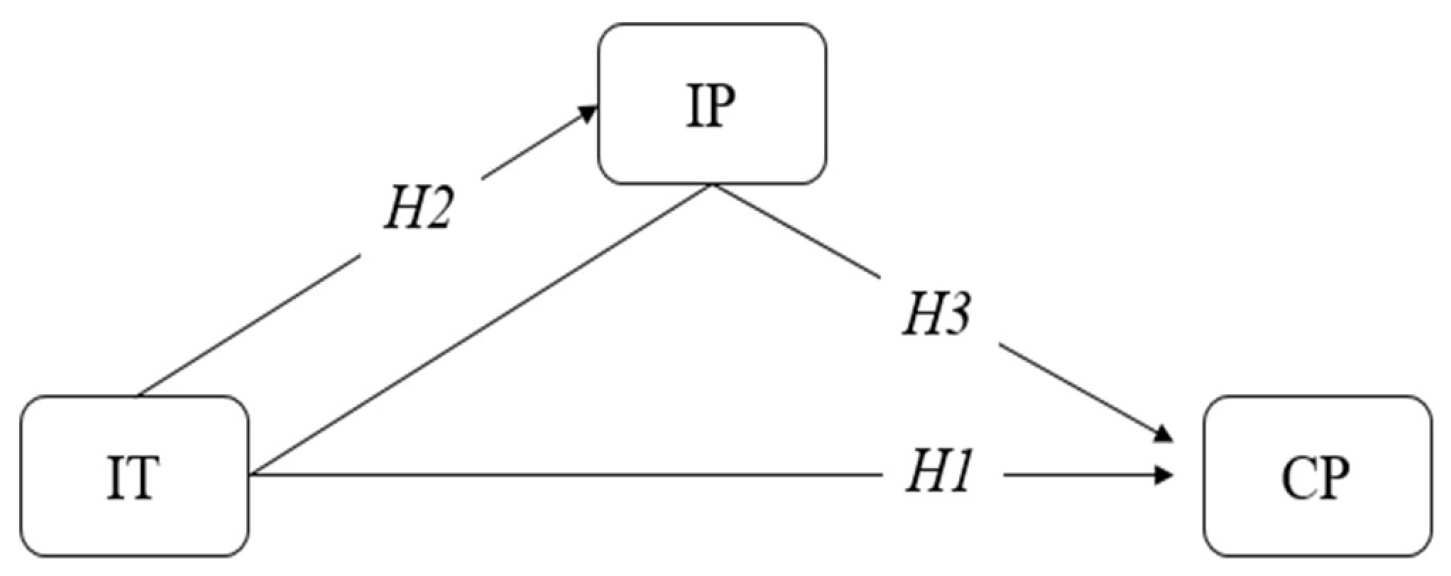
Figure 1. Proposed conceptual model of the study.
Information 16 01100 g001
Table 1. Description of Study Variables and Measurement Details.
ConstructSub-DimensionCodeItem Source
 Information  Technology (IT)CRMIT1The company provides customized services/products for key customers.[69,70];
IT2Customer needs are identified through IT-based systems.
IT3Software systems have been implemented for sales and service processes.
IT4IT systems are used to improve customer loyalty.
IT5Customer information is collected through IT tools (systems/software).
HRMIT6Using software provides accurate information for daily decisions.
IT7Digital automation systems are used to automate administrative tasks.
IT8Organizational IT systems are well-known to employees.
IT9Communication with managers and other departments occurs through IT systems.
IT10The company supports having IT specialists to solve technical issues.
Competitiveness (CP)CompetitionCP1The company faces strong local (domestic) competition.[25,71]
CP2Market prices for the company’s products are high.
CP3Foreign (international) competition is fierce for the company.
Operations & StrategyCP4On-time delivery of products/services is emphasized.
CP5A system has been developed to support marketing activities.
CP6A knowledge-based system is designed to understand international markets.
CP7Improving production process skills is emphasized.
Supply ChainCP8We emphasize the use of high-quality materials from local suppliers.
CP9Cooperation with suppliers in product design is emphasized.
CP10Local suppliers are being controlled by the company. 
 CP11It is important for suppliers to deliver products on time.
Innovation Performance (IP)Employee TrainingIP1The company has invested in employee training in recent years.[72]
IP2The company emphasizes professional employee development.
IP3Employees are encouraged to learn systematically and through practice.
Financial RewardsIP4The company has increased financial rewards for employees.
IP5The company provides economic benefit opportunities for employees.
IP6The company assures employees’ families regarding future income.
Non-financial RewardsIP7Employees can gain social acceptance, respect, and esteem in the company.
IP8Employees have opportunities to take innovation challenges.
IP9Employees have opportunities for personal development.
IP10Mistakes during innovation processes are not blamed.
IP11Employees and leaders are highly trusted.
IP12Among coworkers, the company promotes kindness.
Technical InnovationIP13New ideas are regularly introduced into the production process.
IP14R&D cycles for new products are shorter.
IP15Significant improvements occur in company technology.
IP16Production equipment is frequently updated.
Source: Research findings.
Table 2. Reliability and validity questionnaire.
Cronbach’s AlphaComposite Reliability CoefficientAVE
0.9020.8580.746
ComponentsQuestionsCronbach’s AlphaFactor Analysis
Information Technology100.8990.872–0.941
Customer relation management50.9070.869–0.964
Human resources management50.8910.879–0.997
Competitiveness110.9280.750–0.934
Competition40.9110.874–0.972
Company operations and strategy30.9360.762–0.974
Supply chain40.9390.883–0.924
Innovative performance160.8720.812–0.910
Staff training30.9380.772–0.974
Rewards and financial incentives30.8890.835–0.917
Non-financial rewards and incentives60.9020.693–0.914
Technical innovation40.7150.685–0.857
Source: Research Calculations.
Table 4. Correlation matrix of hidden research variables.
TipNipWipCipIpSCHOSMCPCCPHrmCrmIT
IT           1
Crm          10.866 ***
Hrm         10.510 ***0.872 ***
CP        10.346 ***0.325 ***0.386 ***
PC       10.716 ***0.310 ***0.271 ***0.335 ***
OSMC      10.380 ***0.776 ***0.346 ***0.312 ***0.379 ***
SCH     10.326 ***0.226 ***0.713 ***0.1130.137 *0.144 *
Ip    10.157 **0.443 ***0.278 ***0.397 ***0.307 ***0.300 ***0.349 ***
CIp   10.798 ***0.179 **0.361 ***0.265 ***0.365 ***0.344 ***0.294 ***0.367 ***
Wip  10.556 ***0.836 ***0.1030.332 ***0.211 ***0.292 ***0.158 **0.1090.154 **
Nip 10.592 ***0.488 ***0.795 ***0.0790.241 ***0.189 **0.230 ***0.219 ***0.213 ***0.249 ***
Tip10.464 ***0.447 ***0.338 ***0.690 ***0.1150.451 ***0.188 **0.342 ***0.217 ***0.326 ***0.312 ***
Source: Research Calculations. * The correlation coefficient is significant at the 0.05 percent level. ** The correlation coefficient is significant at the 0.01 percent level. *** The correlation coefficient is significant at the 0.001 percent level.
Table 5. Normality test of variables.
Variablesp-ValueVariablesp-Value
 Tr 0.925Nip0.946
Crm0.948Tip0.913
Hrm0.732  
CP0.902  
Ccm0.98  
OSMC0.976  
SCH0.713  
Wip0.613  
Source: Research Calculations.
Table 6. Results of regression slope homogeneity test.
Sum of RootsMean of RootsDegree of FreedomStatisticSignificance
Impact of information technology on small and medium enterprises’ competitiveness1.4001.40010.6800.409
Innovative performance of small and medium enterprises as a result of information technology2.1702.17010.5500.415
Information technology and competitiveness are mediated by innovative performance10.22310.22310.6210.783
Source: Research Calculations.
Table 7. One-way covariance test results.
HypothesesSourceSum of RootsMean of RootsF StatisticDfSignificanceOTA
Impact of information technology on small and medium enterprises’ competitivenessPre-test*error group41.9421.0230.82210.6840.130
9.1141.224    
Innovative performance of small and medium enterprises as a result of information technologyPre-test*error group13.5560.0190.74010.7550.090
13.3580.019    
Information technology and competitiveness are mediated by innovative performancePre-test*error group31.1170.7240.90010.6380.130
46.1690.804    
Source: Research Calculations.
Table 8. The results of the intergroup effects test.
HypothesesSum of RootsMean of RootsF StatisticDegree of FreedomSignificance
Impact of information technology on small and medium enterprises’ competitiveness3.6893.6892.16910.004
The impact of information technology on the innovative performance of small and medium enterprises6.7526.7529.40010.000
Innovative performance of small and medium enterprises as a result of information technology4.5804.5804.58010.047
Source: Research Calculations.
Table 13. Structural Equation Estimates for the First Two Hypotheses for Small and Medium-Sized Firms.
VariableMedium FirmsSmall Firms
IP ModelCP ModelIP ModelCP Model
 CoefficientCoefficientCoefficientCoefficient
IT0.329 ***0.199 **0.143 *0.314 ***
CP0.215 *0.253 **0.291 ***0.190 *
Gender0.137–0.027–0.086–0.220
Experience–0.0090.010.110.038
Age–0.0570.065–0.0650.046
Education0.065–0.0110.044–0.011
Constant0.904 **1.799 ***0.894 *1.107 **
* p < 0.10, ** p < 0.05, *** p < 0.01.
Table 14. Structural Equation Estimates for the Third Hypothesis for Small and Medium-Sized Firms.
Small FirmsMedium Firms
VariableModel 1Model 1
CoefficientCoefficient
IT0.222 ***0.164 *
IP0.199 **0.117
IT*IP0.068 ***0.235
CP0.141 *0.235 *
Gender–0.0520.112
Experience–0.012–0.004
Company Type0.042–0.046
Age0.0290.07
Education0.0081.694
Constant1.267 ***0.235 ***
* p < 0.10, ** p < 0.05, *** p < 0.01.
Disclaimer/Publisher’s Note: The statements, opinions and data contained in all publications are solely those of the individual author(s) and contributor(s) and not of MDPI and/or the editor(s). MDPI and/or the editor(s) disclaim responsibility for any injury to people or property resulting from any ideas, methods, instructions or products referred to in the content.


