Article

Partial Practical Secularization from Below as a Soft Yet Unhappy Process
Department of Sociology, Anthropology & Media Studies, American University of Beirut, Beirut 1107 2020, Lebanon
Religions 2026, 17(8), 901; https://doi.org/10.3390/rel17080901
Submission received: 7 June 2026 / Revised: 12 July 2026 / Accepted: 24 July 2026 / Published: 28 July 2026
(This article belongs to the Special Issue Political Secularism, Religious Reform and International Relations)

Abstract

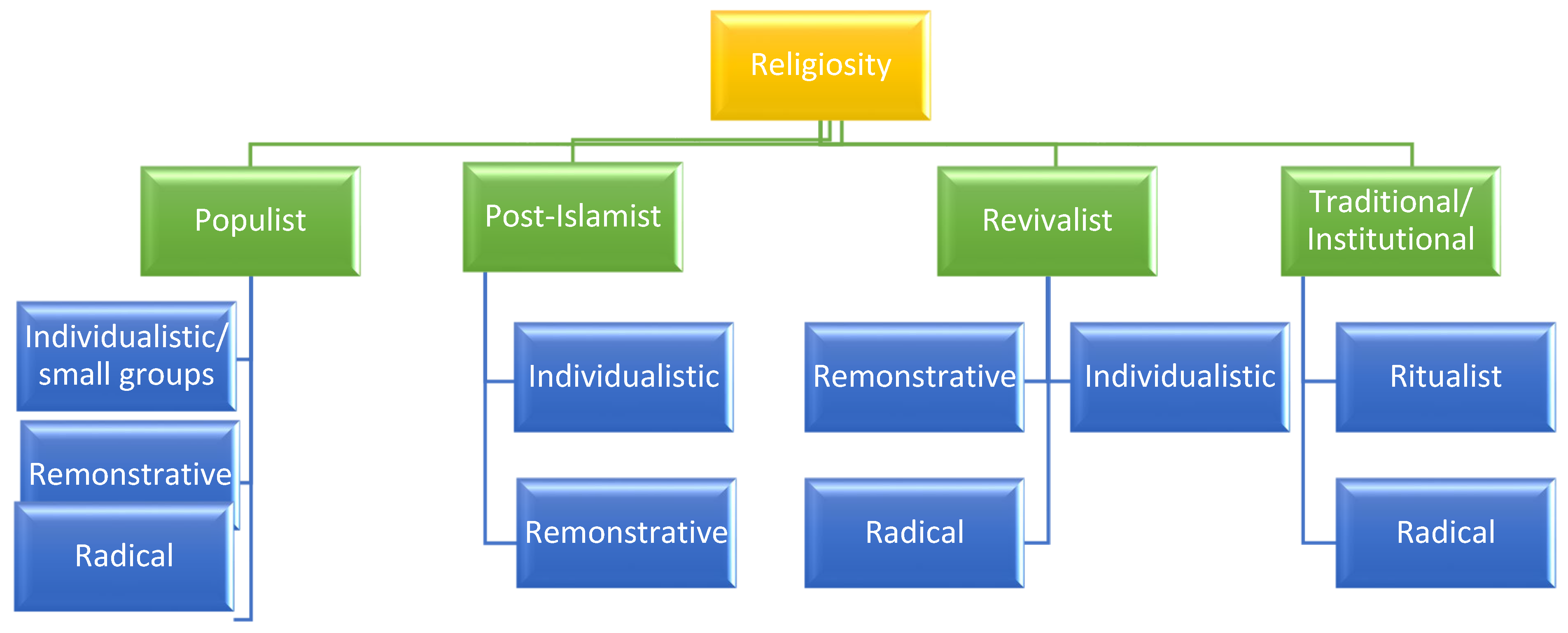
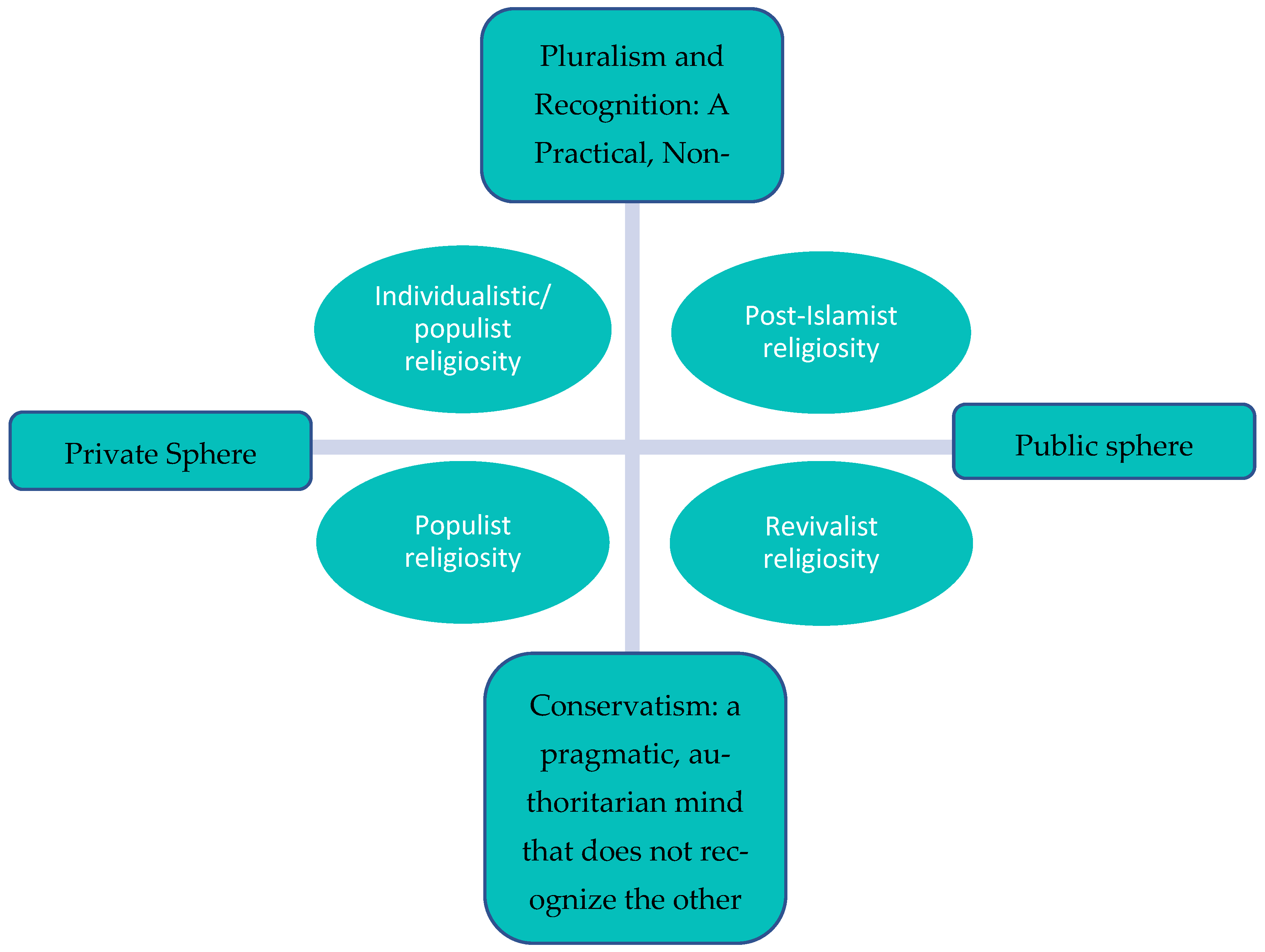
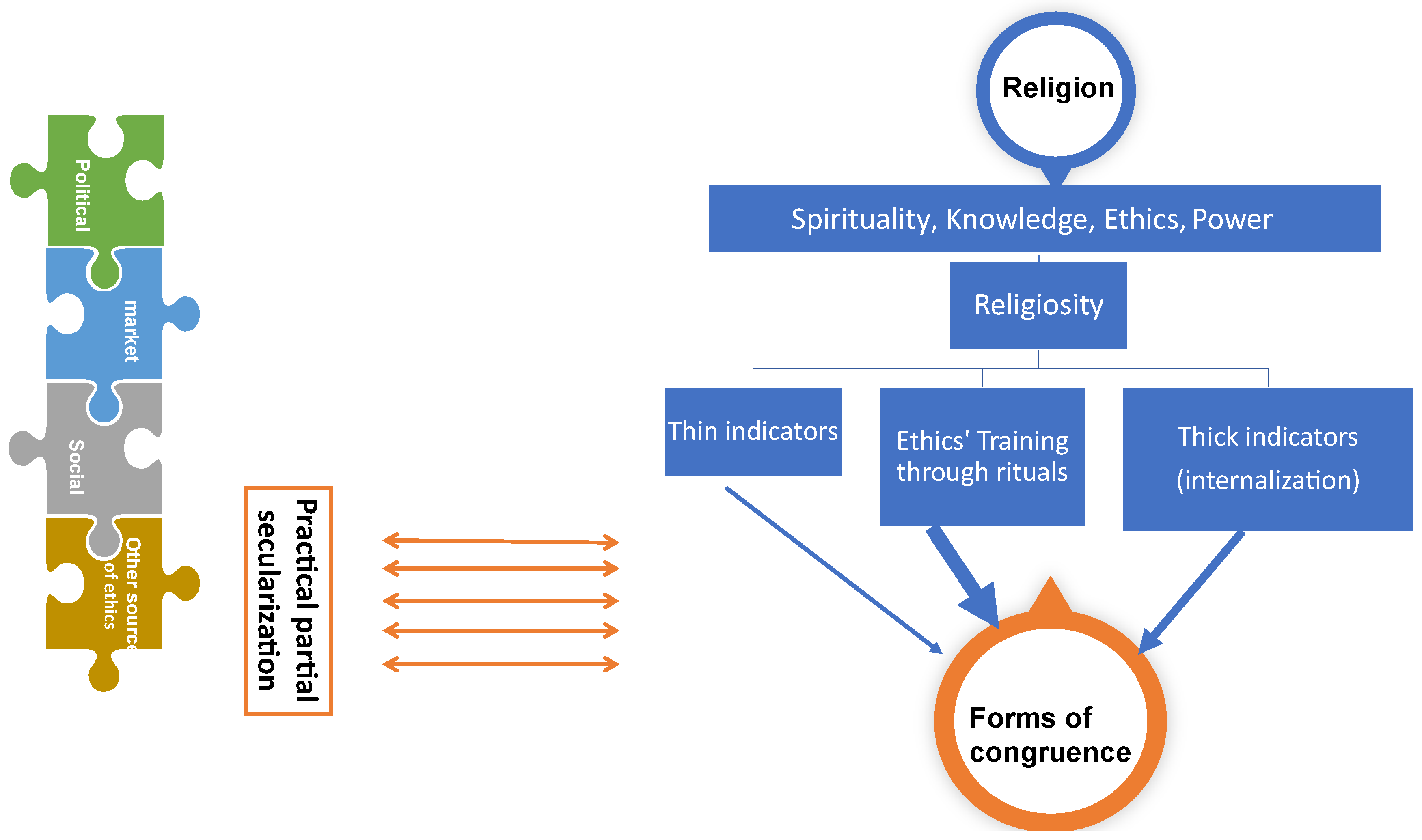
This article challenges conventional understandings of secularization in the Arab world by arguing that significant forms of secularization can emerge even in the absence of institutional secularism. Drawing on data from the Religion in Public Life survey, conducted in Jordan, Lebanon, Egypt, and Tunisia with approximately 5400 respondents, the study develops the concept of partial practical secularization from below. Rather than focusing on state-led separation between religion and politics, the article examines how ordinary citizens negotiate the boundaries between religious and secular spheres in everyday life. The findings reveal widespread religiosity across the four countries, yet also demonstrate growing differentiation between religion and other domains of social life. This differentiation is reflected in five areas, as follows: the prioritization of moral reasoning over ritual observance in social relations, critical engagement with inherited jurisprudential traditions, increasing tolerance toward religious diversity, distinctions between civil affairs and religious authority, and the rise of individualized forms of religiosity. The article identifies four ideal types of religiosity—institutional/traditional, revivalist, post-Islamist, and popular religiosity—each associated with distinct orientations toward pluralism, democracy, and public life. Building on these findings, the article proposes the concept of religious congruence, understood as the relationship between religious beliefs, practices, ethical dispositions, and their interaction with political, social, and economic spheres. The Arab world, it argues, is experiencing a form of “soft yet unhappy” secularization characterized by a pragmatic coexistence between religious moral frameworks and civil institutions. This process neither privatizes religion nor eliminates its public significance, but instead reconfigures its role within increasingly pluralistic post-secular societies.
Keywords: secularization; secularism; religiosity; Arab world secularization; secularism; religiosity; Arab world