

Article

Chemical and Bioactivity Profiling of the Invasive Macroalga Rugulopteryx okamurae Collected in Southern Portugal Supporting Biotechnological Valorisation Approaches


by
Amandine D’Unienville
1,
Lucas Lasnel
1,
Wadi Macquigneau
1,
Riccardo Trentin
2,
Adriana C. S. Pais
3,4,
Maria João Rodrigues
1,
Sónia A. O. Santos
3 and
Luísa Custódio
1,*
1
Centro de Ciências do Mar do Algarve (CCMAR/CIMAR LA), Campus de Gambelas, Universidade do Algarve, 8005-139 Faro, Portugal
2
Department of Biology, University of Padova, Via U. Bassi 58/B, 35131 Padova, Italy
3
CICECO—Aveiro Institute of Materials, Chemistry Department, University of Aveiro, 3810-193 Aveiro, Portugal
4
CESAM—Centre for Environmental and Marine Studies, University of Aveiro, 3810-193 Aveiro, Portugal
*
Author to whom correspondence should be addressed.
J. Mar. Sci. Eng. 2026, 14(7), 683; https://doi.org/10.3390/jmse14070683
Submission received: 3 February 2026 / Revised: 27 March 2026 / Accepted: 30 March 2026 / Published: 7 April 2026
(This article belongs to the Special Issue Selected Feature Papers in Marine Environmental Science)

Abstract

The invasive brown macroalga Rugulopteryx okamurae has rapidly expanded across the Mediterranean–Atlantic region, generating severe ecological impacts. Nevertheless, the considerable amount of biomass available creates opportunities for valorisation within circular bioeconomy frameworks. This study provides an integrated characterization of the chemical profile and bioactivities of freshly collected floating biomass of R. okamurae from southern Portugal. Proximate composition was determined, and lipophilic (hexane) and hydrophilic (water) extracts were analyzed by GC–MS and spectrophotometric methods. Antioxidant activity was assessed using complementary radical-scavenging, reducing power, and metal-chelation assays, and enzyme inhibition was evaluated against targets associated with neurodegenerative, metabolic, and dermatological disorders. The lipophilic fraction was dominated by long-chain alkanes (≈101 mg/g extract) and sterols, particularly fucosterol (≈43 mg/g extract), but exhibited low radical-scavenging capacity (no EC50 reached in DPPH or ABTS assays), and no relevant enzyme inhibition. In contrast, the water extract contained measurable phlorotannins (6.61 mg PGE/g extract) and showed moderate antioxidant (ABTS: EC50 = 5.17 mg/mL; FRAP: EC50 = 0.78 mg/mL) and enzyme inhibition activities (BChE: IC50 = 5.17 mg/mL; tyrosinase: IC50 = 0.78 mg/mL). Compared with previous studies on R. okamurae, this work applies a systematic fractionation of biomass from southern Portugal into polar and non-polar fractions and, for the first time, correlates the resulting detailed chemical profiles with multiple bioactivities. This approach revealed a clear functional differentiation between fractions, with bioactivity being mainly associated with polar metabolites. Overall, these findings highlight the value of structured extraction strategies for biomass valorisation and support the sustainable management of R. okamurae.

1. Introduction

Marine macroalgae are widely acknowledged as versatile biological resources owing to their capacity to yield structurally diverse metabolites with broad biotechnological relevance, underpinning applications across the food, pharmaceutical, cosmetic and bioenergy sectors [1,2,3]. Among them, Rugulopteryx okamurae (E.Y. Dawson) I.K. Hwang, W.J. Lee & H.S. Kim (Dictyotales, Phaeophyceae), originally described as Dilophus okamurae, has drawn considerable attention both for its invasive nature and for its potential as a source of high-value bioactive compounds [4,5,6].
Rugulopterix okamurae is native to the northwestern Pacific (Japan and Korea). It was first detected in European waters in 2002 in the lagoon of Thau (France), although without producing blooms. In 2015, it was recorded near the Strait of Gibraltar, exhibiting large biomass accumulations along the coast. Since then, it has expanded rapidly along the Spanish Mediterranean and Atlantic coasts, the Azores archipelago, and the southern Portuguese mainland, including the Algarve [4,5,6]. Its pronounced ecological plasticity, rapid growth, and capacity to generate extensive biomass accumulations have caused severe disruption of native benthic communities and rising socioeconomic costs, particularly in coastal regions heavily reliant on tourism and small-scale fisheries.
In response to its rapid expansion, R. okamurae was included in the European Union’s list of invasive alien species in 2022 [4]. In Portugal, a national management framework has since been established to coordinate monitoring, removal, and biomass valorisation efforts, particularly in regions where ecological impacts are most pronounced [6]. These regulatory measures reflect increasing recognition of the ecological and socioeconomic risks associated with this species and highlight the need for sustainable management and utilization strategies. In this context, biotechnological valorisation has emerged not only as an economic opportunity but also as a management strategy that converts problematic biomass into useful products, including biofertilizers, bioenergy, bioplastics, and bioactive extracts [7]. This approach is consistent with circular bioeconomy principles and with EU policy directives that promote nature-based solutions for invasive species management [8,9]. However, effective valorisation depends on robust, site-specific chemical and bioactivity data to identify the most relevant metabolite classes and the most suitable functional applications. Without such evidence, management-oriented utilization strategies remain largely speculative.
Rugulopterix okamurae contains a diverse array of primary and secondary metabolites, including polysaccharides, fatty acids (FA), proteins, polyphenols, fucoxanthin, terpenoids, alginates, and essential minerals, and displays relevant bioactivities, such as antioxidant and anti-inflammatory, e.g., [4,5,6,10,11,12,13,14,15]. However, comprehensive studies linking chemical composition and bioactivity in Portuguese populations remain scarce. Previous studies have addressed specific aspects of R. okamurae, including its nutritional potential as cattle feed and its effects on methane mitigation using Azorean biomass [12], as well as the optimization of extraction conditions for antioxidant and anti-inflammatory extracts [13] and the characterization of its lipidic fraction [14], both using biomass collected in the Algarve. To date, no study has investigated R. okamurae from Portugal using an integrated framework that combines proximate composition, detailed gas chromatography–mass spectrometry (GC–MS) profiling of lipophilic compounds, quantitative analysis of water-extractable phlorotannins, and a broad panel of enzyme inhibition assays. The present work addresses this gap by providing a structured chemical and bioactivity characterization of floating summer biomass from southern Portuguese waters. By systematically differentiating hydrophilic and lipophilic fractions, this work seeks to establish correlative links between chemical composition and multi-target bioactivity profiles. Proximate composition and pigment levels were determined, and hydrophilic and lipophilic extracts were obtained using water and hexane, respectively. These extracts were evaluated for total phenolic content and antioxidant properties using complementary assays targeting radical scavenging and metal chelation. Enzyme inhibitory activity was assessed against acetylcholinesterase (AChE) and butyrylcholinesterase (BChE), α-glucosidase, α-amylase, pancreatic lipase, tyrosinase, and elastase. The lipophilic extract was profiled by GC–MS, while the hydrophilic extract was characterized for phlorotannin content. Given the well-documented seasonal and intra-population variability in macroalgal metabolite profiles, the present study should be interpreted as a detailed chemical and bioactivity snapshot of summer floating biomass from southern Portugal rather than an exhaustive species-wide characterization.

2. Materials and Methods

2.1. Chemicals

The following compounds and standards were obtained from Sigma-Aldrich (Darmstadt, Germany): 1,1-diphenyl-2-picrylhydrazyl (DPPH); 2,2′-azinobis(3-ethylbenzothiazoline-6-sulfonic acid) (ABTS); fatty acid methyl ester (FAME) standards (Supelco® 37 Component FAME Mix); acetylcholinesterase (AChE, EC 3.1.1.7) from electric eel; butyrylcholinesterase (BChE, EC 3.1.1.8) from horse serum; acetylthiocholine iodide; butyrylthiocholine iodide; lipase (EC 3.1.1.3); elastase (EC 3.4.21.36); tyrosinase (EC 1.14.18.1); α-glucosidase (EC 3.2.1.20) from Saccharomyces cerevisiae; α-amylase (EC 3.2.1.1) from porcine pancreas; 5,5-dithiobis(2-nitrobenzoic acid) (DTNB); galanthamine; pyridine (≥99.5% purity); N,O-bis(trimethylsilyl)trifluoroacetamide (99% purity); trimethylchlorosilane (99% purity); tetracosane (99% purity); palmitic acid (≥99% purity); stigmasterol (95% purity); sclareol (98% purity); phytol (≥97% purity); δ-tocopherol (≥90% purity); 2,4-dimethoxybenzaldehyde (DMBA, 98% purity); and phloroglucinol (≥99% purity). Merck (Darmstadt, Germany) supplied the Folin–Ciocalteu phenol reagent and the solvents used for chemical analyses, including ethanol, methanol, chloroform, acetone, methanol/acetyl chloride (20:1), sulfuric acid, and phenol, as well as Bradford reagent. Additional reagents and solvents were purchased from VWR International (Leuven, Belgium).

2.2. Collection of Biomass

Biomass was collected in July 2023 from the intertidal zone (approximately 30 cm vertical extent) at Praia de Alvor (Portimão, southern Portugal; 37.1213° N, 8.5984° W). In the laboratory, the samples were rinsed sequentially with freshwater and distilled water to remove organic and inorganic debris, then frozen, freeze-dried for three days, ground into a fine powder, and stored at −20 °C until analysis. Sampling was restricted to floating biomass collected in summer; therefore, its biochemical profile may differ from that of attached thalli, stranded material, or biomass collected in other seasons.

2.3. Proximate Composition

Biomass was analyzed for moisture, ash, protein, carbohydrate, and lipid contents. Moisture was determined by oven-drying fresh samples at 90 °C for 96 h, and the weight loss was expressed as a percentage of the initial fresh weight (FW). Ash content was determined by incinerating dried biomass in pre-weighed crucibles at 525 °C for 5 h in a muffle furnace and expressed as a percentage of dry weight (DW). Total protein was quantified from freeze-dried biomass (250 mg), extracted three times with 5 mL of 80% ethanol at 80 °C for 30 min, followed by centrifugation at 5000 rpm for 10 min. The pooled supernatants were analyzed using the Bradford method [16], with absorbance measured at 595 nm and bovine serum albumin (BSA) as the standard. Lipids were extracted using a modified Bligh and Dyer method [17]. Briefly, freeze-dried biomass (8 mg) was pre-hydrated with distilled water and sequentially extracted with methanol and chloroform. After phase separation by centrifugation, the chloroform layer was collected and evaporated under a fume hood, and lipid content was expressed as a percentage of DW. Carbohydrates were estimated by difference, as the residual fraction obtained after subtracting ash, protein, and lipid contents from 100% DW. This proximate approach provides an indirect estimate, does not distinguish between soluble sugars and structural polysaccharides, and may accumulate analytical error from the quantified fractions. Energy content was estimated using Atwater factors (4 kcal/g for proteins and carbohydrates, and 9 kcal/g for lipids) [18].

2.4. Pigments

Chlorophyll a, chlorophyll c, and total carotenoids were quantified using a modified acetone extraction method. Briefly, 20 mg of freeze-dried biomass was ground with 1 mL of 90% (v/v) acetone and sterilized sea sand to aid tissue disruption. After homogenization, the mixture was centrifuged at 10,000 rpm for 20 min at room temperature (RT, approx. 20 °C). The supernatant was collected and, if needed, adjusted to 1 mL with 90% acetone. Absorbance was measured from 400 to 750 nm using a Thermo Scientific GENESYS 50 UV–Vis spectrophotometer (Waltham, MA, USA). Pigment concentrations were calculated using specific absorption wavelengths and equations described by Bai et al. [19].
Chlorophyll a (mg/g) = [(11.85 E664 − 1.54 E647 − 0.08 E630) × V]/(1000 × W)
Chlorophyll c (mg/g) = [(24.52 E630 − 7.60 E647 − 1.67 E664) × V]/(1000 × W)
Ex = Ax − A750
where V is the extract volume (mL), W is the sample weight (g), and Ax is the absorbance at x nm.

2.5. Total Phenolics Content (TPC)

TPC was determined as previously described [20]. Briefly, 20 mg of freeze-dried biomass was ground in a mortar and extracted three times with 1 mL of 80% methanol. The extracts were incubated overnight at 4 °C, after which the solvent was evaporated. The dried residue was then reconstituted in 80% methanol to a final concentration of 10 mg/mL. For the assay, 20 µL of extract was mixed with 100 µL of Folin–Ciocalteu reagent in a 96-well microplate and incubated for 10 min at room temperature. Subsequently, 100 µL of sodium carbonate solution (75 g/L) was added. After 90 min of incubation at room temperature, absorbance was measured at 725 nm. Phloroglucinol was used for calibration, and the results were expressed as mg phloroglucinol equivalents (PGE)/g extract DW.

2.6. Preparation of the Extracts

Hydrophilic and lipophilic compounds were sequentially extracted from freeze-dried algal biomass by solid–liquid extraction, as previously described [21,22]. Briefly, the biomass was first extracted overnight with distilled water (1:40, w/v) under constant stirring at room temperature. The residual biomass was then subjected to a second extraction with n-hexane under the same conditions to recover apolar metabolites. Both extracts were filtered through Whatman No. 4 filter paper to remove suspended particles. The aqueous extract was freeze-dried and reconstituted in distilled water to obtain a stock solution of 50 mg/mL. The hexane extract was evaporated under reduced pressure and re-dissolved in dimethyl sulfoxide (DMSO) to a final concentration of 100 mg/mL. All extracts were stored at −20 °C until analysis.

2.7. Chemical Profiling of the Extracts

2.7.1. Gas Chromatography-Mass Spectrometry (GC-MS) Analysis

The lipophilic hexane extract was analyzed by GC–MS after derivatisation of hydroxyl and carboxyl groups to their corresponding trimethylsilyl (TMS) ethers and esters, as previously described [23]. Briefly, approximately 20 mg of extract and 0.3 mg of tetracosane, used as an internal standard, were dissolved in 250 µL of pyridine. Then, 250 µL of N,O-bis(trimethylsilyl)trifluoroacetamide and 50 µL of trimethylchlorosilane were added, and the samples were derivatised at 70 °C for 30 min. GC–MS analysis was performed using a GCMS-QP2010 Ultra system (Shimadzu, Kyoto, Japan) equipped with a DB-1 J&W capillary column (30 m × 0.32 mm i.d.; 0.25 µm film thickness), with helium as carrier gas at a linear velocity of 40 cm/s, following previously reported conditions [23]. The oven temperature program was as follows: 80 °C for 5 min, increased at 2 °C/min to 260 °C, then at 2 °C/min to 285 °C, with a final hold of 8 min. The injector temperature, transfer-line temperature, and split ratio were set at 250 °C, 290 °C, and 1:50, respectively. Compounds were identified as TMS derivatives by comparison of their mass spectra with commercial libraries (Wiley 275, NIST14, and NIST17) and published data [24,25]. Quantification was based on external calibration curves prepared with representative standards (stigmasterol, palmitic acid, phytol, sclareol, and δ-tocopherol), using the internal standard for response normalization. Results are expressed as mg/g extract and represent the mean of three concordant GC–MS injections.

2.7.2. Phlorotannins Quantification (DMBA Assay)

Phlorotannin content in the water extract was quantified using a DMBA-based spectrophotometric assay, as previously described [25]. In a 96-well plate, 50 µL of the water extract was mixed with 250 µL of a working solution consisting of a 1:1 mixture of DMBA (2%, w/v) and hydrochloric acid (6%, v/v) prepared in glacial acetic acid. After incubation for 60 min at RT in the dark, absorbance was recorded at 520 nm using a Thermo Scientific Multiskan™ FC microplate reader (Waltham, MA, USA). Quantification was performed using a linear calibration curve of phloroglucinol (98% purity) (1.1–21.3 µg/mL). Results were expressed as mg phloroglucinol equivalents (PGE) per g of extract. All measurements were performed in quintuplicate, and background absorbance from solvents and sample color was subtracted.

2.8. Evaluation of the In Vitro Antioxidant Properties of the Extracts

Extracts were initially screened at 10 mg/mL. Absorbance was measured using a Biochrom™ EZ Read 400 microplate reader (Cambridge, UK), and antioxidant activity was expressed as percentage inhibition relative to the negative control containing the corresponding solvent. When inhibition exceeded 50% at 10 mg/mL, at least nine serial concentrations were tested to determine the half-maximal effective concentration (EC50, mg/mL). Results are therefore presented as percentage inhibition and, when applicable, as EC50 values.

2.8.1. Radical-Scavenging Activity (RSA) on DPPH

DPPH radical scavenging activity was evaluated as previously described [26]. Briefly, 22 µL of extract was mixed with 200 µL of DPPH solution in ethanol (120 µM) in flat-bottom 96-well microplates and incubated in the dark at room temperature for 30 min. Absorbance was then measured at 492 nm. Butylated hydroxytoluene (BHT, 1 mg/mL) was used as the positive control.

2.8.2. RSA on ABTS

The RSA against the ABTS radical was evaluated as described by Pereira et al. [26]. A stock solution of ABTS•+ (7.4 mM) was obtained by reacting equal amounts of ABTS with potassium persulphate (2.6 mM), in darkness and RT (≈20 °C), for 12–16 h. The ABTS•+ solution was then diluted with ethanol to obtain an absorbance of 0.7 at 734 nm. For the assay, the extracts (10 μL) were mixed with 190 μL of ABTS•+ in 96-well flat-bottom microtitration plates and incubated in darkness at RT for 6 min. Absorbance was read at 734 nm using BHT (1 mg/mL) as the positive control.

2.8.3. Ferric Reducing Antioxidant Power (FRAP)

The ability of the extracts to reduce Fe3+ to Fe2+ was assayed by mixing 50 μL of the samples with 50 μL of potassium ferricyanide (1% in water) and 50 μL of distilled water in 96-well flat-bottom microtitration plates [26]. The mixture was incubated in darkness at 50 °C for 20 min. Then, 50 μL of 10% TCA (trichloroacetic acid in water) and 10 μL of ferric chloride solution (FeCl3, 0.1% in water) were added. After 10 min of incubation at RT (≈20 °C), the absorbance was measured at 700 nm. An increase in the absorbance of the reaction mixture indicated increased reducing power. Results were expressed as inhibition (%) relative to the positive control (BHT) at 1 mg/mL.

2.8.4. Copper Chelating Activity (CCA)

CCA was determined by the method described previously [26]. Briefly, 30 μL of the samples were mixed in 96-well microplates with 200 μL of 50 mM sodium acetate buffer (pH 6), 6 μL of pyrocatechol violet (4 mM in water) and 100 μL of copper sulphate (50 μg/mL in water). The absorbance was measured at 620 nm using EDTA (1 mg/mL), a synthetic metal chelator, as a positive control.

2.8.5. Iron Chelating Activity (ICA)

ICA was determined by measuring the formation of the Fe2+ ferrozine complex [26]. The extracts (50 µL) were mixed with 200 μL of distilled water and 30 μL of iron (II) chloride solution (FeCl2, 0.1 mg/mL in water) in 96-well microplates. After 30 min of incubation at RT (≈20 °C), 12.5 μL of ferrozine solution (40 mM in water) was added. The change in color was measured in a microplate reader at 562 nm, using EDTA (1 mg/mL) as a positive control.

2.9. Enzyme Inhibition

Enzyme inhibitory activity was initially evaluated at an extract concentration of 10 mg/mL. Absorbance was measured using a Biochrom™ EZ Read 400 microplate reader, and inhibition was expressed as a percentage relative to the negative control containing the corresponding solvent. When inhibition exceeded 50% at 10 mg/mL, the half-maximal inhibitory concentration (IC50) was determined by testing a dilution series of the extract.

2.9.1. Inhibition of AChE and BChE

The inhibitory effects of the extracts on AChE and BChE were assessed using the Ellman method [27]. Briefly, 20 µL of each extract was mixed with 140 µL of 0.02 M sodium phosphate buffer (pH 7.0) and 20 µL of enzyme solution (10 U/mL of AChE or BChE in buffer) in 96-well microplates, and incubated at RT (≈20 °C) for 15 min. The reaction was initiated by adding 10 µL of the substrate (acetylthiocholine or butyrylthiocholine iodide, 4 mg/mL in buffer) along with 20 µL of DTNB (1.2 mg/mL in ethanol). Enzymatic activity was monitored at 450 nm by measuring the formation of the yellow 5-thio-2-nitrobenzoate anion, resulting from the reaction of DTNB with thiocholine. Galantamine (1 mg/mL) was used as a positive control [7].

2.9.2. Inhibition of Tyrosinase

The inhibitory activity against tyrosinase (from Saccharomyces cerevisiae) was evaluated according to the method described previously [27] using L-tyrosine as the substrate. In 96-well microplates, 70 µL of each extract was mixed with 30 µL of tyrosinase solution (333 U/mL in phosphate buffer, pH 6.5) and incubated at RT (≈20 °C) for 5 min. Then, 110 µL of L-tyrosine (2 mM in buffer) was added, followed by a 30 min incubation at RT. Absorbance was measured at 492 nm using a microplate reader. Arbutin (1 mg/mL) was used as a positive control.

2.9.3. Inhibition of α-Amylase

The α-amylase inhibitory activity was evaluated following the method described by Harboub et al. [27]. In 96-well microplates, 40 µL of each extract was mixed with 40 µL of α-amylase solution (100 U/mL in 0.1 M sodium phosphate buffer, pH 7.0) and 40 µL of 0.1% starch solution (prepared in the same buffer). After incubation at 37 °C for 10 min, the reaction was stopped by adding 20 µL of 1 M HCl, followed by 100 µL of iodine solution (5 mM I2 + 5 mM KI in distilled water). Absorbance was measured at 580 nm. Acarbose (10 mg/mL) was used as a positive control.

2.9.4. Inhibition of α-Glucosidase

The inhibitory activity against α-glucosidase (from Saccharomyces cerevisiae) was evaluated according to the method described by Harboub et al. [27]. In 96-well microplates, 50 µL of each extract was mixed with 100 µL of enzyme solution (1.0 U/mL in 0.1 M sodium phosphate buffer, pH 7.0) and incubated at 25 °C for 10 min. Subsequently, 50 µL of p-nitrophenyl-α-D-glucopyranoside (pNPG, 5 mM in the same buffer) was added, and the mixture was incubated for 5 min at 25 °C. Absorbance was measured at 405 nm and acarbose (10 mg/mL) was used as a positive control.

2.9.5. Inhibition of Lipase

The inhibitory activity against porcine pancreatic lipase was assessed following the method described by McDougall et al. [28], adapted to 96-well microplates. Briefly, 20 µL of each extract was mixed with 200 µL of Tris-HCl buffer (100 mM, pH 8.2), 20 µL of enzyme solution (10 mg/mL), and 20 µL of 4-nitrophenyl dodecanoate (5.1 mM in ethanol) as substrate. After incubation at 37 °C for 10 min, absorbance was measured at 410 nm. Orlistat (1 mg/mL in absolute ethanol) was used as a positive control.

2.9.6. Inhibition of Elastase

The inhibitory activity against porcine pancreatic elastase was evaluated according to the method described by Azmi et al. [29], adapted for 96-well microplates. Briefly, 50 µL of the extracts were mixed with 100 µL of Tris-HCl buffer (0.2 M, pH 8.0) and 25 µL of substrate solution (N-Succinyl-Ala-Ala-Ala-p-nitroanilide, 10 mM in buffer). The mixture was incubated at RT for 15 min, followed by the addition of 25 µL of elastase solution (0.3 U/mL in buffer). After 15 min incubation at RT, absorbance was measured at 410 nm. Ascorbic acid (10 mg/mL) was used as a positive control.

2.10. Statistical Analysis

Results are presented as mean ± standard error of the mean (SEM) of at least three replicates; the exact number of replicates is indicated in each case. The replicate numbers indicated throughout the manuscript refer to technical replicates and repeated analyses of extracts prepared from pooled biomass, as specified for each assay. Statistical analyses were performed using one-way ANOVA followed by Tukey’s HSD test when significant differences were detected (p < 0.05). All analyses were carried out using the XLSTAT statistical package (v.2015.6.01.23865, Addinsoft, New York, NY, USA). EC50 (half maximal effective concentration) and IC50 (half maximal inhibitory concentration) values were calculated using GraphPad Prism v5.0.

3. Results

3.1. Proximate Composition of the Biomass

The proximate composition of R. okamurae biomass is presented in Table 1. Moisture content was 82.5% and ash represented 18.8% of DW. Total lipids accounted for 5.26% DW, while protein content was 98.6 mg/g DW (9.86%). Total carbohydrates, calculated by difference, were 660.8 mg/g DW (66.1%). Based on the proximate composition, the biomass provided 351 kcal/100 g DW.

3.2. Pigments

Chlorophyll a was the predominant photosynthetic pigment (4.92 ± 1.45 mg/g DW), whereas chlorophyll c was detected at lower levels (0.70 ± 0.34 mg/g DW). Total carotenoid content was 1.20 ± 0.07 mg/g DW.

3.3. Total Phenolics

Total phenolic content was 0.66 ± 0.02 mg GAE/g DW.

3.4. Chemical Characterization of the Lipophilic Extract by GC-MS

Most compounds were identified as their trimethylsilyl derivatives, except for linear diterpenes and alkanes, which required no derivatisation. Table 2 lists the identified metabolites, grouped into major chemical families along with their quantified levels (mg/g extract, DW).
Figure 1 shows the relative contribution of each family to the overall lipophilic profile. The extract contained mainly alkanes, fatty acids (FA), sterols, terpenoids, monoglycerides, and a small number of minor compounds. Alkanes represented the most abundant family in this extract; however, due to the high similarity of fragmentation patterns, it was not possible to assign precise structures to the 21 individual alkanes detected.
FA accounted for 5.72% of the total lipophilic content (Table 1). Approximately 67% of these were SFAs, dominated by hexadecanoic acid (32.8%) and tetradecanoic acid (9.3%). MUFA represented 23% of total FA content, with oleic acid being the most abundant (10.1%). Sterols were also major constituents of the hexane extract. Fucosterol was the dominant sterol (43.3 ± 1.25 mg/g extract, DW), accounting for 27.8% of all quantified lipophilic compounds. Other sterols, such as campesterol, were also present at lower levels. Terpenoids were present in smaller amounts, notably the linear diterpenes neophytadiene and phytol. Other minor metabolites included 6,10,14-trimethyl-2-pentadecanone and γ-tocopherol (vitamin E).

3.5. Phlorotannin’s Content in the Hydrophilic Extract

The water extract of R. okamurae was analyzed to determine its phlorotannin content, and results were expressed as phloroglucinol equivalents (PGEs). The extract contained 6.61 ± 0.69 mg PGEs/g extract (DW).

3.6. In Vitro Antioxidant Properties of the Extracts

Results on the antioxidant properties of R. okamurae extracts are summarized in Table 3. Overall, the hydrophilic extract displayed higher antioxidant activity than the lipophilic (hexane) extract in most assays assessing radical scavenging and reducing power. The highest response was observed in the ABTS assay, where the water extract showed the lowest EC50 value (5.17 mg/mL). In the FRAP assay, the hydrophilic extract was again more active, with an EC50 of 0.78 mg/mL. In contrast, metal-chelating activity was greater in the hexane extract, which recorded the lowest EC50 value in the CCA assay (8.14 mg/mL).
For the same column, different letters are significantly different (Multiple Comparisons of Means: Tukey Contrast, 95% family-wise confidence level).

3.7. Enzymatic Inhibitory Properties of the Extracts

The enzyme inhibitory activity of the water and hexane extracts of R. okamurae is presented in Table 4. The water extract showed the strongest effect against BChE, with an IC50 of 5.17 mg/mL, and also inhibited tyrosinase, with an IC50 of 0.78 mg/mL. No relevant inhibitory activity was observed for either extract in the other enzyme assays.

4. Discussion

4.1. Proximate Composition of the Biomass

The determination of proximate composition is essential to assess the nutritional quality, biochemical variability, and biotechnological potential of macroalgal biomass, as it provides a baseline framework for comparing populations and evaluating suitability for downstream applications.
The moisture content of R. okamurae (82.5%) was lower than the value reported for the same species collected in the Azores [13]. This difference likely reflects environmental, seasonal and geographic influences, including local hydrodynamic conditions, exposure regimes, and water retention capacity, while remaining within the range typically described for Phaeophyceae. Ash content (18.8%) was consistent with previously reported values for R. okamurae from different locations, suggesting a broadly similar mineral composition across populations [4].
Total protein content in R. okamurae is known to be variable and generally falls within the low-to-moderate range when compared with other macroalgae [30]. In this work, protein levels were slightly lower than those reported for the same species from other regions [4], potentially reflecting environmental or seasonal effects. Nevertheless, R. okamurae is characterized by a high-quality amino acid profile, with essential amino acids, particularly leucine, phenylalanine, and valine, accounting for approximately 32% of the total amino acid composition [31].
Previous studies on R. okamurae have mainly reported soluble carbohydrate contents as major constituents, reaching about 60–75% of biomass [31,32], although much lower values (7.9–8.8%) have also been described, likely due to differences in extraction and analytical methods [33,34,35]. In the present work, carbohydrates were estimated as total carbohydrates by difference, rather than by direct extraction of soluble sugars. Therefore, the value obtained here (66.1%) is not directly comparable with previously reported soluble carbohydrate levels [31,32,33,34]. This result is, however, consistent with the upper range previously reported for this species and likely reflects the contribution of structural polysaccharides that are not captured in soluble carbohydrate assays. Overall, these findings highlight the need to clearly distinguish between soluble and total carbohydrate determinations when comparing biochemical profiles across studies.
Based on proximate composition and Atwater conversion factors, the biomass yielded 351 kcal/100 g DW, representing the theoretical gross energy of its organic fraction. This value reflects the contribution of proteins, lipids, and carbohydrates estimated by difference, while excluding the mineral fraction. However, in brown macroalgae, a substantial part of the carbohydrate pool corresponds to structural polysaccharides such as alginates and fucoidans, which have limited digestibility [36]. In R. okamurae, this interpretation is supported by recent work demonstrating successful alginate extraction, with a reported yield of 18.0% [11], suggesting that a relevant fraction of the biomass is present as structural rather than readily digestible carbohydrate. Therefore, the calculated value likely overestimates metabolizable energy. Although caloric values for R. okamurae have not been previously reported, macroalgae are generally regarded as low-energy foods on a fresh-weight basis because of their high water and mineral contents, together with the prevalence of poorly digestible polysaccharides [36]. Accordingly, the value obtained here should be interpreted primarily as a theoretical biochemical estimate for dry biomass rather than a direct nutritional indicator. Future studies should incorporate digestibility assays or in vitro simulations to better estimate biologically available energy.

4.2. Pigments

The quantification of chlorophylls and carotenoids provides insight into both the physiological status of R. okamurae and its potential as a source of bioactive pigments. The pigment levels obtained in this work were markedly higher than those reported by El Madany et al. [37] for Moroccan populations of R. okamurae (chlorophyll a: 0.264 mg/g DW; chlorophyll c: 0.065 mg/g DW; carotenoids: 0.021 mg/g DW), despite the use of comparable extraction conditions. These differences are therefore more likely explained by biological and ecological factors than by methodology. In the present study, biomass was collected floating at the water surface during summer, whereas El Madany et al. [37] analyzed attached thalli collected in spring from shallow subtidal habitats. Seasonal timing, light exposure, hydrodynamic conditions, and biomass physiological status likely contributed to the higher pigment concentrations observed here.
Overall, the pigment profile suggests a well-developed and responsive photosynthetic apparatus in R. okamurae, consistent with its ability to cope with fluctuating coastal conditions and sustain high productivity. These findings also highlight the strong influence of environmental context on pigment allocation, emphasizing the need for caution when comparing biochemical data across regions and seasons.
From a biotechnological perspective, the relatively high chlorophyll and carotenoid contents suggest that floating summer biomass may represent a physiologically enriched material. Brown algal carotenoids, including fucoxanthin, are known for their antioxidant and photoprotective properties and may have applications in nutraceutical, cosmetic, and functional food sectors [38]. However, this potential remains preliminary and requires compound-specific characterization, safety assessment, and techno-economic validation. Therefore, these results should be viewed mainly as a physiological baseline supporting future valorisation studies of R. okamurae biomass.

4.3. Total Phenolics

The assessment of TPC provides insight into the allocation of secondary metabolites in R. okamurae. The value obtained in this study is below the range commonly reported for this species (approximately 3–9 mg/g DW) [4], supporting the view that R. okamurae is relatively poor in phenolic compounds compared with other brown macroalgae. By contrast, the higher TPC values reported by El Madany et al. [37], using ethyl acetate, methanol, and chloroform for the extraction procedure, highlight the strong effect of extraction selectivity, since phenolics, particularly phlorotannins, are more efficiently recovered with solvents of intermediate polarity.
The lower TPC observed in this work likely reflects the quantification of a readily extractable polar fraction, while underestimating phenolics bound to the cell wall matrix or associated with structural polysaccharides and proteins. Accordingly, extraction strategy strongly influences the apparent phenolic yield. In contrast, other brown macroalgae, including Fucus, Sargassum, and Cystoseira spp., often show TPC values above 50 mg/g−1 DW [39,40], indicating marked interspecific differences that may relate to ecological roles such as herbivore deterrence, UV protection, and oxidative stress mitigation.
Overall, these results show that phenolic accumulation is highly species-dependent and strongly influenced by both ecological conditions and extraction methodology. Although R. okamurae does not appear phenolic-rich under the conditions tested, optimized extraction strategies may still enable recovery of relevant bioactive phenolic fractions.

4.4. Chemical Characterization of the Lipophilic Extract by GC-MS

The GC–MS analysis of the hexane extract provides a more detailed characterization of the lipophilic metabolites of R. okamurae. In the present extract, alkanes were the dominant chemical family. Long-chain alkanes of biological origin have attracted increasing interest for their potential biotechnological applications, particularly as precursors for advanced biofuels, biolubricants, and biodegradable materials [41,42]. More broadly, long-chain n-alkanes (C27–C33) have been reported in aquatic plants and some algal taxa, although their occurrence is often influenced by environmental conditions and, in some cases, may also reflect terrestrial inputs [43]. In other organisms, these compounds have been associated with functions such as surface hydrophobicity, desiccation tolerance, and antifouling capacity [44], although such roles remain untested in R. okamurae.
The identification of individual alkanes in the present study is constrained by overlapping mass fragmentation patterns, and higher-resolution analytical approaches, such as GC × GC or HRMS, would be required to confirm their composition and origin. Available evidence for R. okamurae remains limited. For instance, a recent study on FA profiling reported the presence of n-pentadecane in this species, but at relatively low levels and without taxonomic relevance [45]. Similarly, a recent work highlighted the scarcity of data on volatile compounds in R. okamurae, although aliphatic hydrocarbons were identified as the main volatile class in one study, with pentadecane as the predominant compound [46]. Therefore, although alkanes were prominent in this particular hexane extract, this should not yet be considered a general biochemical feature of the species. Their broader relevance in R. okamurae requires further confirmation through targeted studies.
The FA profile observed here is broadly consistent with previous reports for R. okamurae, particularly in the predominance of saturated FA and the relevance of palmitic and myristic acids. In the study by Guil-Guerrero et al. [45], palmitic acid was consistently the major FA, while myristic acid was also among the main saturated components; oleic and arachidonic acids were likewise recurrent constituents. The recent lipidomic study of Algarve beach-cast biomass further confirmed palmitic, oleic, arachidonic, and eicosapentaenoic acids as major lipophilic constituents [14]. In the present work, hexadecanoic acid (32.8%), tetradecanoic acid (9.3%), and oleic acid (10.1%) followed the same general pattern, supporting the consistency of these compounds as relevant components of the lipophilic fraction of R. okamurae.
However, some differences were also evident. Compared with Guil-Guerrero et al. [45], our extract showed a stronger predominance of saturated FA and a lower relative contribution of PUFA. Likewise, compared with the Algarve lipidomic study [14], our hexane extract contained a higher proportion of SFA and, beyond FA, was strongly marked by sterols, particularly fucosterol, whereas the previous work also highlighted carotenoids and terpenoids among the relevant lipophilic metabolites. These differences likely reflect both biological and methodological factors, including sample origin, biomass condition, collection period, and especially the extraction approach, since the present work analyzed a hexane extract rather than a total lipid fraction. Overall, the comparison confirms palmitic, myristic, oleic, and arachidonic acids, together with fucosterol, as recurrent lipophilic constituents of R. okamurae, while underscoring that their relative abundance is sensitive to extraction strategy and sampling context.
Sterols were other relevant components of the lipophilic extract, with fucosterol emerging as the most abundant compound, a finding fully consistent with its well-established role as the predominant sterol in brown macroalgae [22]. The high abundance of fucosterol in R. okamurae suggests that this species may serve as a valuable natural source of this bioactive sterol, which has been widely associated with anti-inflammatory, cholesterol-modulating, and dermo-protective effects [47]. The presence of additional sterols, such as campesterol, further highlights the biochemical richness of the species.
Minor terpenoid components, including neophytadiene and phytol, were also detected. Although present in low amounts, these compounds are noteworthy because of their reported bioactivities and relatively limited occurrence in nature [22,48,49,50]. Their presence further supports the chemical diversity of R. okamurae. Overall, the lipophilic profile expands current knowledge of the species’ composition and highlights sterols, terpenoids, and tocopherols as compound families of potential biotechnological interest, reinforcing the value of detailed chemical characterization within future biorefinery approaches.

4.5. Phlorotannin’s Content in the Hydrophilic Extract

The quantification of phlorotannins in the aqueous extract of R. okamurae provides new biochemical information for this species, since previous studies had not reported quantitative values for water-extractable phlorotannins. Although their presence had been suggested previously, reported yields were low and mostly obtained from ethanol–water systems optimized for alginate and mannitol recovery, where phlorotannins were considered secondary components [51]. Their detection in a purely aqueous extract indicates that R. okamurae contains a highly polar, water-soluble phlorotannin fraction that may have been underestimated before. This likely reflects methodological rather than biological differences, as phlorotannins are difficult to detect with conventional F–C assays and HPLC approaches. Overall, these results confirm phlorotannins as a measurable component of the chemical profile of R. okamurae and highlight the importance of the extraction strategy for their detection.
When considered in the broader context of brown macroalgae, the phlorotannin content of R. okamurae falls within the lower range reported for Phaeophyceae. Fucales are typically characterized by high phlorotannin levels, whereas several Dictyotales, including Padina pavonica, usually contain lower amounts [25]. The value obtained here is consistent with this pattern, suggesting that phlorotannin biosynthesis in R. okamurae may be less pronounced than in other brown algae.
Given the ecological roles of phlorotannins in herbivore defense, UV protection, and cell wall reinforcement [25], the relatively modest levels detected here may reflect a species-specific ecological strategy. However, this interpretation should be made cautiously, as the present dataset is based on biomass collected at a single site and during a single season, and therefore represents only a spatial and temporal snapshot of the biochemical profile of R. okamurae. Environmental conditions, growth stage, and seasonal variation are all known to influence phlorotannin accumulation in brown algae and may have contributed to the values observed in this study.

4.6. Antioxidant Properties

The evaluation of antioxidant activity is important to assess the redox-protective capacity of R. okamurae biomass and its potential as a source of oxidative stress–modulating compounds. In this study, antioxidant activity was assessed using complementary spectrophotometric assays based on different reaction mechanisms.
Reports on the antioxidant activity of R. okamurae remain limited. The ABTS activity observed here was higher than that reported for Moroccan populations, in which lower activities were found for ethyl acetate, methanol, and chloroform extracts [37]. This difference may reflect variations in biomass condition, season, and ecological context, as the material analyzed here consisted of freshly collected floating summer thalli. Other studies have also reported antioxidant activity for R. okamurae using ABTS, DPPH, or FRAP assays [13,47], although direct comparison is constrained by differences in extraction procedures, data normalization, and reporting formats.
The antioxidant activity detected likely results from the combined contribution of several metabolite classes. Carotenoids are well known for their capacity to quench reactive oxygen species [52], and the relatively high pigment levels found here may have played a major role in the observed activity. Although TPC was modest, low phenolic content is consistent with the general profile of R. okamurae, and even small amounts of phlorotannin-derived compounds may still contribute. In addition, the lipophilic fraction contains compounds of recognized antioxidant relevance, including fucosterol, γ-tocopherol, and minor terpenoids [53].
Overall, the antioxidant activity of R. okamurae appears to reflect a multifactorial chemical profile, with pigments and lipophilic metabolites likely making the main contribution, while phenolics play a secondary role. These findings support further exploration of this invasive species as a source of multifunctional antioxidant fractions, although future studies should address extraction standardization and mechanistic validation.

4.7. Enzymatic Inhibition

The in vitro enzyme inhibition assays provide exploratory information on the capacity of R. okamurae extracts to interact with selected enzymatic targets under controlled conditions. Overall, inhibition was modest across extracts. The water extract showed comparatively higher activity against BChE and moderate tyrosinase inhibition, although the effects remained limited. Since BChE is a relevant target in neurodegenerative research [54], these results may be of biochemical interest, but they do not indicate pharmacological relevance without further validation.
The comparatively higher activity of the water extract suggests a contribution from polar constituents. Water-soluble phlorotannins are plausible candidates, as they have been reported to inhibit both cholinesterases and tyrosinase [55,56]. However, this association remains correlative, particularly given the low inhibition observed. Other polar metabolites present in this complex fraction, including low-molecular-weight phenolics, peptides, organic acids, or polysaccharide-associated compounds, may also contribute weakly or additively.
By contrast, the lipophilic extract showed minimal inhibition. This is consistent with its composition, dominated by long-chain alkanes, which are generally considered metabolically inert [57], and saturated fatty acids, which typically show low affinity for cholinesterases and tyrosinase [58]. Although fucosterol was also detected and has been reported to inhibit AChE and BChE [59], its effect in the crude extract was likely limited by low intrinsic potency and matrix-related constraints. Overall, the enzyme inhibition observed in R. okamurae appears to be mainly associated with the polar metabolome, while remaining modest at the crude extract level.

4.8. Valorisation Constraints, Scalability and Strategic European Context

The bioactive profile of R. okamurae supports its consideration as a biomass resource for valorisation, particularly for the recovery of antioxidant-rich and enzyme-interacting fractions. In practical terms, these results suggest potential for uses in ingredient-oriented sectors such as nutraceuticals, cosmetics, or other non-food bioactive formulations, although this remains at an early stage. At the European level, valorisation is increasingly regarded as a complementary route for managing invasive biomass, with the dual aim of reducing ecological burden and creating circular-economy opportunities, provided that secondary impacts are avoided [4].
More broadly, invasive macroalgae are often discussed as “blue growth” resources because their harvesting may simultaneously contribute to impact mitigation and provide feedstock for value-added products [7]. For R. okamurae, however, the step from laboratory evidence to industrial use remains limited. Recent assessments highlight the absence of pilot-scale integration of collection, processing, and valorisation, the uneven maturity of different applications, and the lack of techno-economic and life-cycle assessment (LCA) data needed to judge real feasibility [4].
A major limitation is biomass variability, since macroalgal composition changes with season, origin, and environmental conditions. Accordingly, the present dataset, based on floating summer biomass from a single site in southern Portugal, should be interpreted as context-specific rather than representative of the species as a whole, which may limit the generalization of the biochemical profile reported here. Future work should therefore include multi-site and multi-season sampling, together with the definition of chemical or bioactivity markers for quality standardization.
A further limitation concerns biomass supply stability. Although invasive blooms may provide abundant feedstock, the availability of R. okamurae is inherently dependent on environmental conditions and invasion dynamics and may decrease markedly if those conditions shift. Therefore, valorisation should be considered a flexible and adaptive complement to management, rather than a strategy based on guaranteed long-term biomass availability.
Scale-up is further constrained by extraction yield, solvent choice, energy demand, purification requirements, and operational factors such as collection, transport, drying, stabilization, and storage [4]. In this context, biorefinery approaches may offer a more realistic route forward by linking the recovery of higher-value fractions to bulk applications such as biomaterials or bioenergy, thereby improving overall process viability [60].
Regulatory requirements also remain a practical barrier for market-oriented products. Relevant EU frameworks require attention to safety, compositional reproducibility, and intended use, which means that extraction strategies should be aligned from the outset with the regulatory destination of each product stream [6]. Overall, although valorisation is a promising complement to management strategies for R. okamurae, progress toward practical deployment will depend on broader spatiotemporal profiling, bioassay-guided fractionation, mechanistic validation, and pilot-scale studies supported by techno-economic and LCA assessment.

5. Conclusions

This study provides a structured chemical and bioactivity characterization of R. okamurae biomass from southern Portugal, highlighting functional differences between polar and non-polar fractions. The combination of systematic fractionation, chemical profiling, and multi-target in vitro screening enabled a comparative assessment of how extraction polarity shapes bioactivity patterns. The limited activity of the lipophilic extract and the comparatively stronger responses in the polar fraction suggest a greater contribution of hydrophilic metabolites to the antioxidant and enzyme-inhibitory effects observed under the present conditions. However, as these results are based on crude extracts and in vitro assays, they should be interpreted as indicative of bioactive potential rather than evidence of specific applications. Further work is needed to isolate active compounds, clarify mechanisms of action, assess matrix effects, and validate bioactivity in relevant in vivo models. In addition, since the analyzed biomass was collected at a single site and season, the results are context-dependent and may not fully represent the variability of the species across its distribution range. Overall, this study establishes a methodological framework for linking extraction polarity to chemical composition and bioactivity in invasive macroalgae, and provides baseline data to support future targeted valorisation strategies.

Author Contributions

A.D.: Investigation; L.L.: Investigation; W.M.: Investigation; R.T.: Investigation; A.C.S.P.: Investigation, Writing—original draft, Writing—review & editing; M.J.R.: Conceptualization, Methodology; S.A.O.S.: Investigation, Writing—original draft, Writing—review & editing; L.C.: Funding acquisition, Supervision, Validation, Resources, Methodology, Writing—review & editing. All authors have read and agreed to the published version of the manuscript.

Funding

This study received Portuguese national funds from FCT—Foundation for Science and Technology through contracts UID/04326/2025, UID/PRR/04326/2025 and LA/P/0101/2020 (DOI:10.54499/LA/P/0101/2020), and from the operational programs CRESC Algarve 2020 and COMPETE 2020 through contract EMBRC.PT ALG-01-0145-FEDER-022121. This research was also funded by REVALGAE (EAPA_0130/2024, Interreg Atlantic Area), co-funded by the European Union. In Portugal, national co-funding was provided by APA—Agência Portuguesa do Ambiente. M.J.R. was supported by the FCT program contract (UIDP/04326/2020).

Data Availability Statement

The datasets generated and analyzed during the current study are available from the corresponding author on reasonable request.

Acknowledgments

During the preparation of this manuscript, the authors used Grammarly 1.2.220 and ChatGPT-4 to enhance language clarity and readability. All content was subsequently reviewed and edited by the authors, who take full responsibility for the final version of the manuscript.

Conflicts of Interest

The authors declare no conflicts of interest.

References

  1. Kalasariya, H.S.; Pereira, L.; Patel, N.B. Pioneering Role of Marine Macroalgae in Cosmeceuticals. Phycology 2022, 2, 172–203. [Google Scholar] [CrossRef]
  2. Panchal, S.K.; Brown, L. Review: Ageing, Health and Macroalgae. Med. Res. Arch. 2024, 12, 1–11. [Google Scholar] [CrossRef]
  3. Renuka, N.; Ratha, S.K.; Kader, F.; Rawat, I.; Bux, F. Insights into the potential impact of algae-mediated wastewater beneficiation for the circular bioeconomy: A global perspective. J. Environ. Manag. 2021, 297, 113257. [Google Scholar] [CrossRef] [PubMed]
  4. Figueroa, F.L.; Vega, J.; Flórez-Fernández, N.; Mazón, J.; Torres, M.D.; Domínguez, H.; Pereira, L. Challenges and opportunities of the exotic invasive macroalga Rugulopteryx okamurae (Phaeophyceae, Heterokontophyta). J. Appl. Phycol. 2025, 37, 579–595. [Google Scholar] [CrossRef]
  5. Barcellos, L.; Pham, C.K.; Menezes, G.; Bettencourt, R.; Rocha, N.; Carvalho, M.; Felgueiras, H.P. A concise review on the potential applications of Rugulopteryx okamurae macroalgae. Mar. Drugs 2023, 21, 40. [Google Scholar] [CrossRef]
  6. Matos, M.; Custódio, L.; Reis, C.P. Marine invasive algae’s bioactive ingredients as a sustainable pathway in cosmetics: The Azores Islands as a case study. Mar. Drugs 2024, 22, 575. [Google Scholar] [CrossRef]
  7. Susano, P.; Silva, J.; Alves, C.; Martins, A.; Pinteus, S.; Gaspar, H.; Goettert, M.I.; Pedrosa, R. Mitigating the negative impacts of marine invasive species—Sargassum muticum: A key seaweed for skincare products development. Algal Res. 2022, 62, 102634. [Google Scholar] [CrossRef]
  8. Pinteus, S.; Lemos, M.F.L.; Alves, C.; Neugebauer, A.; Silva, J.; Thomas, O.P.; Botana, L.M.; Gaspar, H.; Pedrosa, R. Marine invasive macroalgae: Turning a real threat into a major opportunity—The biotechnological potential of Sargassum muticum and Asparagopsis armata. Algal Res. 2018, 34, 217–234. [Google Scholar] [CrossRef]
  9. Giakoumi, S.; Katsanevakis, S.; Albano, P.G.; Azzurro, E.; Cardoso, A.C.; Cebrian, E.; Deidun, A.; Edelist, D.; Francour, P.; Jimenez, C.; et al. Management priorities for marine invasive species. Sci. Total Environ. 2019, 688, 976–982. [Google Scholar] [CrossRef]
  10. García Cervantes, M.M.; Carmona-Fernández, M.; Gomes-Bispo, A.; Cardoso, C.; Afonso, C.; Guil-Guerrero, J.L.; Bandarra, N.M. Geography and seasonality as factors affecting lipid classes and anti-inflammatory activity of Rugulopteryx okamurae, an invasive seaweed in Southwest Europe. Algal Res. 2026, 95, 104618. [Google Scholar] [CrossRef]
  11. Santana, I.; Félix, M.; Cabezudo, S.; Guerrero, P.; Bengoechea, C. Assessment of Rugulopteryx okamurae seaweed as source of sustainable alginate gels with polyphenols from orange peel. J. Clean. Prod. 2026, 544, 147722. [Google Scholar] [CrossRef]
  12. Nunes, H.P.B.; Maduro-Dias, C.; Carvalho, J.; Borba, A. A sustainable approach to managing invasive macroalgae: Assessment of the nutritional profile and the potential for enteric methane mitigation of Rugulopteryx okamurae. Oceans 2024, 5, 662–671. [Google Scholar] [CrossRef]
  13. Paulo, C.; Matos, J.; Afonso, C.; Cardoso, C. Overcoming Extraction Hurdles and Assessing Biological Activity in a Major Invasive Seaweed Species in Europe, Rugulopteryx okamurae. Mar. Drugs 2025, 23, 141. [Google Scholar] [CrossRef]
  14. Trentin, R.; Macquigneau, W.; Braga, T.; Moro, I.; Rodrigues, M.J.; Custódio, L. Invasive but valuable: Exploring the lipidome of Rugulopteryx okamurae for biotechnological applications. J. Appl. Phycol. 2026, 38, 633–646. [Google Scholar] [CrossRef]
  15. García-Cervantes, A.M.; Prates, J.A.M.; Guil-Guerrero, J.L. Overview of Primary and Secondary Metabolites of Rugulopteryx okamurae Seaweed: Assessing Bioactivity, Scalability, and Molecular Mechanisms. Mar. Drugs 2025, 23, 351. [Google Scholar] [CrossRef]
  16. Sissolak, B.; Zabik, C.; Saric, N.; Sommeregger, W.; Vorauer-Uhl, K.; Striedner, G. Application of the Bradford Assay for Cell Lysis Quantification: Residual Protein Content in Cell Culture Supernatants. Biotechnol. J. 2019, 14, e1800714. [Google Scholar] [CrossRef]
  17. Bligh, E.G.; Dyer, W.J. A Rapid Method of Total Lipid Extraction and Purification. Can. J. Biochem. Physiol. 1959, 37, 911–917. [Google Scholar] [CrossRef]
  18. FAO. Human Energy Requirements: Report of a Joint FAO/WHO/UNU Expert Consultation; Food and Agriculture Organization of the United Nations: Rome, Italy, 2003; Available online: https://www.fao.org/3/y5686e/y5686e00.htm (accessed on 2 January 2026).
  19. Bai, M.-D.; Cheng, C.-H.; Wan, H.-M.; Lin, Y.-H. Microalgal Pigments Potential as Byproducts in Lipid Production. J. Taiwan Inst. Chem. Eng. 2011, 42, 783–789. [Google Scholar] [CrossRef]
  20. Bratkič, K.; Rodrigues, M.J.; Castañeda-Loaiza, V.; Pereira, C.; Ratão, I.; Quintas, C.; Čanžek Majhenič, A.; Jeko, J.; Cziáky, Z.; Custódio, L. Physicochemical, Nutritional, and Antioxidant Properties of Yogurt Fortified with Carpobrotus edulis (L.) N.E. Br. Fruit Peel Extracts. Appl. Food Res. 2025, 5, 100962. [Google Scholar] [CrossRef]
  21. Custódio, L.; Soares, F.; Pereira, H.; Rodrigues, M.J.; Barreira, L.; Rauter, A.P.; Alberício, F.; Varela, J. Botryococcus braunii and Nannochloropsis oculata Extracts Inhibit Cholinesterases and Protect Human Dopaminergic SH-SY5Y Cells from H2O2-Induced Cytotoxicity. J. Appl. Phycol. 2015, 27, 839–848. [Google Scholar] [CrossRef]
  22. Trubetskaya, A.; Haseneder, R.; Herdegen, V.; Leimbrock, L.; Pisano, I.; Joseph, Y.; Vogt, C.; Kaschabek, S.R.; Zuber, J. Integrated Analytical Approach to Micro- and Macroalgae: Tailored Extraction Strategies for Sustainable Biorefineries. ACS Omega 2026, 11, 4605–4618. [Google Scholar] [CrossRef]
  23. Santos, S.A.O.; Oliveira, C.S.D.; Trindade, S.S.; Abreu, M.H.; Rocha, S.S.M.; Silvestre, A.J.D. Bioprospecting for Lipophilic-like Components of Five Phaeophyta Macroalgae from the Portuguese Coast. J. Appl. Phycol. 2016, 28, 3151–3158. [Google Scholar] [CrossRef]
  24. Santos, S.A.O.; Trindade, S.S.; Oliveira, C.S.D.; Parreira, P.; Rosa, D.; Duarte, M.F.; Ferreira, I.; Cruz, M.T.; Rego, A.M.; Abreu, M.H.; et al. Lipophilic Fraction of Cultivated Bifurcaria bifurcata R. Ross: Detailed Composition and In Vitro Prospection of Current Challenging Bioactive Properties. Mar. Drugs 2017, 15, 340. [Google Scholar] [CrossRef]
  25. Lopes, G.; Sousa, C.; Silva, L.R.; Pinto, E.; Andrade, P.B.; Bernardo, J.; Mouga, T.; Valentão, P. Can Phlorotannins Purified Extracts Constitute a Novel Pharmacological Alternative for Microbial Infections with Associated Inflammatory Conditions? PLoS ONE 2012, 7, e31145. [Google Scholar] [CrossRef]
  26. Pereira, C.G.; Rodrigues, M.J.; Nawrot-Hadzik, I.; Matkowski, A.; Custódio, L. Seasonal and Geographic Dynamics in Bioproperties and Phytochemical Profile of Limonium algarvense Erben. Molecules 2024, 29, 481. [Google Scholar] [CrossRef] [PubMed]
  27. Harboub, N.; Mighri, H.; Bennour, N.; Pereira, C.; Fernandes, E.; Castañeda-Loaiza, V.; Custódio, L.; Abdellaoui, R.; Akrout, A. Phenolic Profile, Cytotoxicity and In Vitro Antioxidant and Enzyme Inhibitory Properties of the Edible Halophyte Sarcocornia fruticosa from Southeastern Tunisia. Food Biosci. 2024, 62, 105126. [Google Scholar] [CrossRef]
  28. McDougall, G.J.; Kulkarni, N.N.; Stewart, D. Berry Polyphenols Inhibit Pancreatic Lipase Activity In Vitro. Food Chem. 2009, 115, 193–199. [Google Scholar] [CrossRef]
  29. Azmi, N.; Hashim, P.; Hashim, D.M.; Halimoon, N.; Nik Majid, N.M. Anti-Elastase, Anti-Tyrosinase and Matrix Metalloproteinase-1 Inhibitory Activity of Earthworm Extracts as Potential New Anti-Aging Agents. Asian Pac. J. Trop. Biomed. 2014, 4, S348–S352. [Google Scholar] [CrossRef]
  30. Holdt, S.L.; Kraan, S. Bioactive Compounds in Seaweed: Functional Food Applications and Legislation. J. Appl. Phycol. 2011, 23, 543–597. [Google Scholar] [CrossRef]
  31. Cebrián-Lloret, V.; Cartan-Moya, S.; Martínez-Sanz, M.; Gómez-Cortés, P.; Calvo, M.V.; López-Rubio, A.; Martínez-Abad, A. Characterization of the Invasive Macroalgae Rugulopteryx okamurae for Potential Biomass Valorisation. Food Chem. 2024, 440, 138241. [Google Scholar] [CrossRef] [PubMed]
  32. Ferreira-Anta, T.; Flórez-Fernández, N.; Torres, M.D.; Mazón, J.; Domínguez, H. Microwave-Assisted Hydrothermal Processing of Rugulopteryx okamurae. Mar. Drugs 2023, 21, 319. [Google Scholar] [CrossRef]
  33. Vega, J.; Catalá, T.S.; García-Márquez, J.; Speidel, L.G.; Arijo, S.; Cornelius, N.; Kunz, N.; Geisler, C.; Figueroa, F.L. Molecular Diversity and Biochemical Content in Two Invasive Alien Species: Looking for Chemical Similarities and Bioactivities. Mar. Drugs 2023, 21, 5. [Google Scholar] [CrossRef] [PubMed]
  34. Córdoba-Granados, J.J.; Jiménez-Hierro, M.J.; Zuasti, E.; Ochoa-Hueso, R.; Puertas, B.; Zarraonaindia, I.; Hachero-Cruzado, I.; Cantos-Villar, E. Biochemical Characterization and Potential Valorization of the Invasive Seaweed Rugulopteryx okamurae. J. Appl. Phycol. 2025, 37, 567–577. [Google Scholar] [CrossRef]
  35. Singh, A.; Pal, B.; Singh, K.S. Carbohydrate and Pigment Composition of Macroalgae in a Kelp-Dominated Arctic Fjord. Reg. Stud. Mar. Sci. 2024, 77, 103644. [Google Scholar] [CrossRef]
  36. Ismail, M.M.; El Zokm, G.M.; Miranda-Lopez, J.M. Nutritional, Bioactive Compounds Content, and Antioxidant Activity of Brown Seaweeds from the Red Sea. Front. Nutr. 2023, 10, 1210934. [Google Scholar] [CrossRef]
  37. El Madany, M.; Hassoun, M.; Belmehdi, O.; Sakar, E.H.; Asraoui, F.; Mghili, B.; El Aamri, F.; El Mtili, N. Invasive Biomass Algae Valorization: Rugulopteryx okamurae as a Sustainable Source of Natural Antioxidants. Egypt. J. Aquat. Biol. Fish. 2023, 27, 267–283. [Google Scholar] [CrossRef]
  38. Olaniran, A.F.; Folorunsho, J.O.; Akinsanola, B.A.; Taiwo, A.E.; Iranloye, Y.M.; Okonkwo, C.E.; Osemwegie, O.O. Application of Astaxanthin and Carotenoids Derived from Algae for the Production of Nutraceuticals, Pharmaceuticals, Additives, Food Supplement and Feed. In Next-Generation Algae: Volume II: Applications in Medicine and the Pharmaceutical Industry; Adetunji, C.O., Oloke, J.K., Dwivedi, N., Ummalyma, S.B., Dwivedi, S., Hefft, D.I., Adetunji, J.B., Eds.; Wiley-Scrivener: Salem, MA, USA, 2023; pp. 95–124. [Google Scholar]
  39. Celis-Plá, P.S.M.; Bouzon, Z.L.; Hall-Spencer, J.M.; Schmidt, E.C.; Korbee, N.; Figueroa, F.L. Seasonal Biochemical and Photophysiological Responses in the Intertidal Macroalga Cystoseira tamariscifolia (Ochrophyta). Mar. Environ. Res. 2016, 115, 89–97. [Google Scholar] [CrossRef]
  40. Generalić Mekinić, I.; Skroza, D.; Šimat, V.; Hamed, I.; Čagalj, M.; Popović Perković, Z. Phenolic Content of Brown Algae (Phaeophyceae) Species: Extraction, Identification, and Quantification. Biomolecules 2019, 9, 244. [Google Scholar] [CrossRef] [PubMed]
  41. Schirmer, A.; Rude, M.A.; Li, X.; Popova, E.; del Cardayre, S.B. Microbial Biosynthesis of Alkanes. Science 2010, 329, 559–562. [Google Scholar] [CrossRef] [PubMed]
  42. Deneyer, A.; Renders, T.; Van Aelst, J.; Van den Bosch, S.; Gabriëls, D.; Sels, B.F. Alkane Production from Biomass: Chemo-, Bio- and Integrated Catalytic Approaches. Curr. Opin. Chem. Biol. 2015, 29, 40–48. [Google Scholar] [CrossRef]
  43. Liu, H.; Liu, W. n-Alkane distributions and concentrations in algae, submerged plants and terrestrial plants from the Qinghai-Tibetan Plateau. Org. Geochem. 2016, 99, 10–22. [Google Scholar] [CrossRef]
  44. Mukherjee, A. An Ancient, Light-Dependent Hydrocarbon-Forming Enzyme. Plant Physiol. 2021, 186, 1362–1363. [Google Scholar] [CrossRef]
  45. Guil-Guerrero, J.L.; Carmona-Fernández, M.; Chileh-Chelh, T.; Belarbi, E.-H.; Urrestarazu, M.; Cunha-Chiamolera, T.P.L.; Ezzaitouni, M.; Rincón-Cervera, M.Á.; Rodríguez-García, I. Fatty Acid Profiling in the Invasive Brown Seaweed Rugulopteryx okamurae: A Useful Taxonomical Tool. Cont. Shelf Res. 2025, 286, 105412. [Google Scholar] [CrossRef]
  46. Rivero-Pino, F.; González-de la Rosa, T.; Torrecillas-López, M.; Barrera-Chamorro, L.; del Rio-Vazquez, J.L.; Marquez-Paradas, E.; Fernandez-Prior, A.; Garcia-Vaquero, M.; Garcia-Gomez, J.C.; Montserrat-de la Paz, S.; et al. Characterization of Rugulopteryx okamurae Algae: A Source of Bioactive Peptides, Omega-3 Fatty Acids, and Volatile Compounds. Food Chem. 2025, 473, 143084. [Google Scholar] [CrossRef]
  47. Belhadj, R.N.A.; Mellinas, C.; Jiménez, A.; Bordehore, C.; Garrigós, M.C. Invasive Seaweed Rugulopteryx okamurae: A Potential Source of Bioactive Compounds with Antioxidant Activity. Antioxidants 2024, 13, 1298. [Google Scholar] [CrossRef]
  48. Abdul, Q.A.; Choi, R.J.; Jung, H.A.; Choi, J.S. Health Benefit of Fucosterol from Marine Algae: A Review. J. Sci. Food Agric. 2016, 96, 1856–1866. [Google Scholar] [CrossRef]
  49. Pais, A.C.S.; Saraiva, J.A.; Rocha, S.M.; Silvestre, A.J.D.; Santos, S.A.O. Current Research on the Bioprospection of Linear Diterpenes from Bifurcaria bifurcata: From Extraction Methodologies to Possible Applications. Mar. Drugs 2019, 17, 556. [Google Scholar] [CrossRef] [PubMed]
  50. Pais, A.C.S.; Pinto, C.A.; Ramos, P.A.B.; Pinto, R.J.B.; Rosa, D.; Duarte, M.F.; Abreu, M.H.; Rocha, S.M.; Saraiva, J.A.; Silvestre, A.J.D.; et al. High-Pressure Extraction of Bioactive Diterpenes from the Macroalgae Bifurcaria bifurcata: An Efficient and Environmentally Friendly Approach. RSC Adv. 2019, 9, 39893–39903. [Google Scholar] [CrossRef]
  51. Rincón-Cervera, M.A.; de Burgos-Navarro, I.; Chileh-Chelh, T.; Belarbi, E.-H.; Álvarez-Corral, M.; Carmona-Fernández, M.; Ezzaitouni, M.; Guil-Guerrero, J.L. The Agronomic Potential of the Invasive Brown Seaweed Rugulopteryx okamurae: Optimisation of Alginate, Mannitol, and Phlorotannin Extraction. Plants 2024, 13, 3539. [Google Scholar] [CrossRef]
  52. Stahl, W.; Sies, H. Antioxidant Activity of Carotenoids. Mol. Asp. Med. 2003, 24, 345–351. [Google Scholar] [CrossRef]
  53. Quitério, E.; Soares, C.; Ferraz, R.; Delerue-Matos, C.; Grosso, C. Marine Health-Promoting Compounds: Recent Trends for Their Characterization and Human Applications. Foods 2021, 10, 3100. [Google Scholar] [CrossRef]
  54. Fernández-Bolaños, J.G.; López, Ó. Butyrylcholinesterase Inhibitors as Potential Anti-Alzheimer’s Agents: An Updated Patent Review (2018–Present). Expert Opin. Ther. Pat. 2022, 32, 913–932. [Google Scholar] [CrossRef]
  55. Yoon, N.Y.; Lee, S.-H.; Li, Y.; Kim, S.-K. Phlorotannins from Ishige okamurae and Their Acetyl- and Butyrylcholinesterase Inhibitory Effects. J. Funct. Foods 2009, 1, 331–335. [Google Scholar] [CrossRef]
  56. Kurihara, H.; Kujira, K. Phlorotannins Derived from the Brown Alga Colpomenia bullosa as Tyrosinase Inhibitors. Nat. Prod. Commun. 2021, 16. [Google Scholar] [CrossRef]
  57. Hussain, B.; Chen, J.-S.; Hsu, B.-M.; Chao, W.-C.; Fan, C.-W. Niche-Specific Modulation of Long-Chain n-Alkane-Degrading Bacterial Communities and Their Functionality in Forest Habitats across Leaf Litter-Soil Compartments. Appl. Soil Ecol. 2024, 195, 105248. [Google Scholar] [CrossRef]
  58. Zolghadri, S.; Bahrami, A.; Khan, M.T.H.; Muñoz-Muñoz, J.; García-Molina, F.; García-Cánovas, F.; Saboury, A.A. A Comprehensive Review on Tyrosinase Inhibitors. J. Enzyme Inhib. Med. Chem. 2019, 34, 279–309. [Google Scholar] [CrossRef]
  59. Meinita, M.D.N.; Harwanto, D.; Tirtawijaya, G.; Negara, B.F.S.P.; Sohn, J.-H.; Kim, J.-S.; Choi, J.-S. Fucosterol of Marine Macroalgae: Bioactivity, Safety and Toxicity on Organisms. Mar. Drugs 2021, 19, 545. [Google Scholar] [CrossRef]
  60. Malik, S.; Shahid, A.; Betenbaugh, M.J.; Liu, C.-G.; Mehmood, M.A. A Novel Wastewater-Derived Cascading Algal Biorefinery Route for Complete Valorization of the Biomass to Biodiesel and Value-Added Bioproducts. Energy Convers. Manag. 2022, 256, 115360. [Google Scholar] [CrossRef]
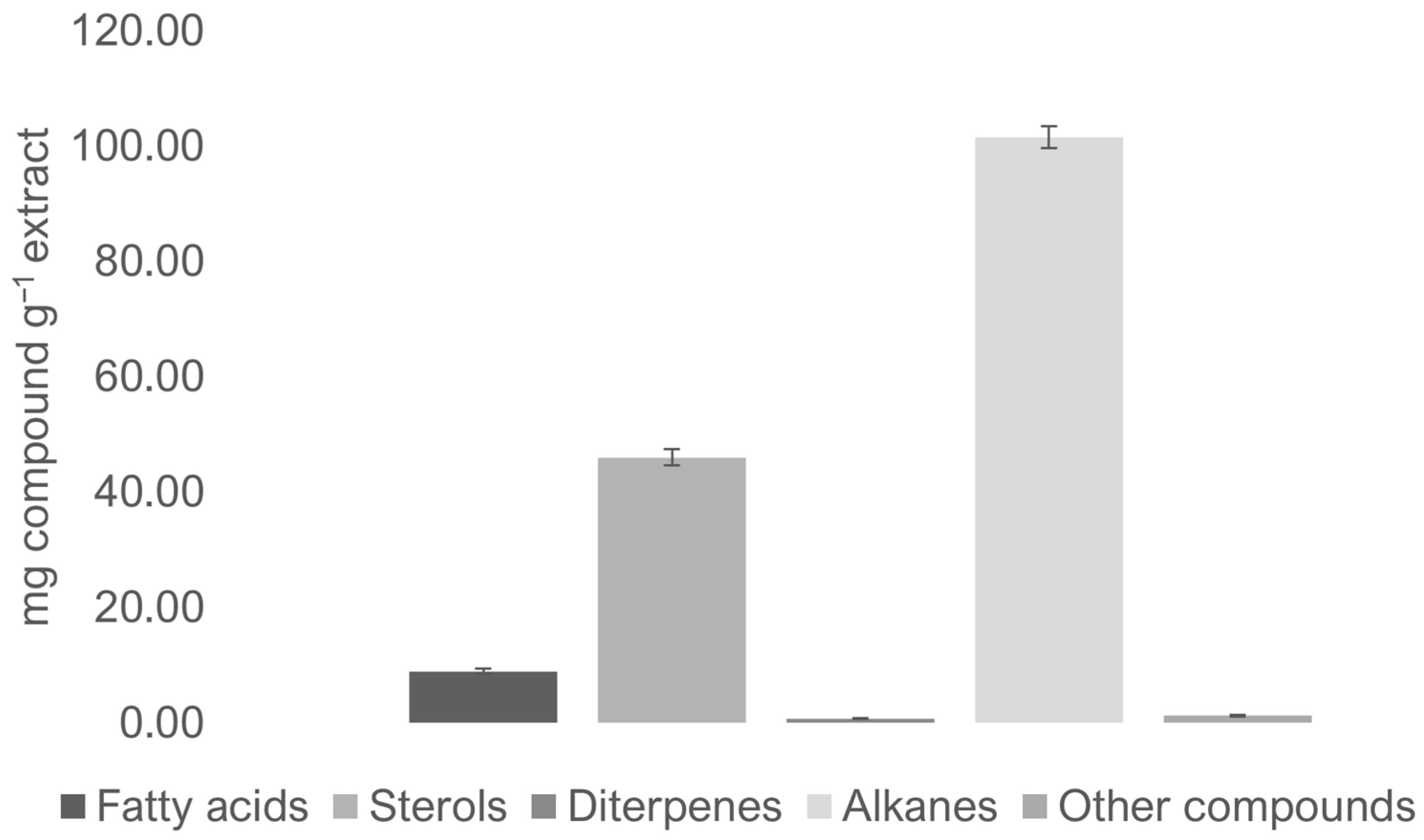
Figure 1. Major families of lipophilic compounds identified in the hexane extract of Rugulopterix okamurae collected in Southern Portugal.
Jmse 14 00683 g001
Table 1. Proximate composition (moisture, ash, total lipids, proteins and carbohydrates) of biomass from Rugulopterix okamurae collected in Southern Portugal.
ElementContent (%)
Moisture82.5 ± 0.8
Ash18.8 ± 8.2
Lipids5.26 ± 0.6
Proteins9.86 ± 0.1
Carbohydrates 66.1 ± 2.1
Energy *351
Values represent the mean ± standard error of mean (SEM) of three replicates (n = 3). * kcal/100 g.
Table 2. Compounds identified and quantified in Rugulopterix okamurae lipophilic (hexane) extract by gas chromatography-mass spectrometry (GC-MS) analysis.
RT (min)NameContents (mg/g Extract, DW)
Long chain fatty acids7.29 ± 0.31
Saturated fatty acids (SFA)5.83 ± 0.22
12.6Octanoic acid0.26 ± 0.01
16.0Nonanoic acid0.10 ± 0.01
30.7Tetradecanoic acid0.83 ± 0.06
33.2Pentadecanoic acid0.47 ± 0.06
35.6Hexadecanoic acid2.93 ± 0.18
40.2Octadecanoic acid0.75 ± 0.03
44.2Eicosanoic acid0.45 ± 0.06
Unsaturated fatty acids (MUFA)1.16 ± 0.05
35.09-Hexadecenoic acid0.26 ± 0.03
39.59-Octadecenoic acid (oleic acid)0.90 ± 0.03
Esterified 0.39 ± 0.04
63.4Palmitic acid hexadecyl ester0.39 ± 0.04
Medium chain fatty acids1.42 ± 0.10
Saturated0.16 ± 0.02
6.0Hexanoic acid0.16 ± 0.02
Unsaturated0.32 ± 0.03
7.02-Methyl-4-pentenoic acid0.19 ± 0.02
8.22-Hexenoic acid0.14 ± 0.02
Diacids0.95 ± 0.07
7.8Ethanedioic acid (oxalic acid)0.06 ± 0.01
14.4Butanedioic acid0.03 ± 0.01
15.12-Methyl-2-butenedioic acid0.86 ± 0.04
Short-chain fatty acids0.20 ± 0.02
6.12-Hydroxyisobutiric acid0.07 ± 0.01
6.22-Hydroxyacetic acid0.13 ± 0.02
Sterols45.9 ± 1.43
58.2Cholesterol0.89 ± 0.16
62.7Fucosterol43.3 ± 1.25
63.0Campesterol1.75 ± 0.34
Linear diterpenes0.73 ± 0.11
30.4Neophytadiene0.44 ± 0.08
38.9Phytol0.29 ± 0.06
Alkanes101 ± 1.94
17.5Alkane 11.85 ± 0.12
20.7Alkane 20.17 ± 0.01
22.7Alkane 30.14 ± 0.02
22.9Alkane 40.21 ± 0.02
23.8Alkane 516.4 ± 0.54
26.7Alkane 60.14 ± 0.02
28.5Alkane 70.28 ± 0.04
28.7Alkane 90.44 ± 0.03
29.2Alkane 100.56 ± 0.03
29.5Alkane 1126.1 ± 0.85
33.7Alkane 120.67 ± 0.11
34.6Alkane 1323.0 ± 0.74
38.7Alkane 140.69 ± 0.04
39.3Alkane 1515.4 ± 0.40
43.1Alkane 160.67 ± 0.09
47.6Alkane 176.60 ± 0.28
51.3Alkane 183.51 ± 0.16
55.4Alkane 192.08 ± 0.11
59.9Alkane 201.32 ± 0.10
64.7Alkane 210.82 ± 0.10
Others1.25 ± 0.13
11.4Benzoic acid0.08 ± 0.01
30.16,10,14-trimethyl-2-pentadecanone0.72 ± 0.03
55.2γ-Tocopherol0.42 ± 0.17
Total155 ± 5.04
Values are expressed as mean ± standard error of the mean (SEM) from three independent measurements (n = 3).
Table 3. Radical scavenging on DPPH and ABTS radicals, ferric reducing antioxidant power (FRAP), and metal-chelating activities on copper (CCA) and iron (ICA) of hexane and water extracts from Rugulopterix okamurae. Results are expressed as antioxidant activity (% activity) at the concentration of 10 mg/mL, and as EC50 values (half-maximal effective concentration, mg/mL).
DPPHABTSFRAPICACCA
Sample10 mg/mLEC5010 mg/mLEC5010 mg/mLEC5010 mg/mLEC5010 mg/mLEC50
Water extract21.3 ± 5.10 bnr57.9 ± 3.89 b5.17 ± 0.01 b82.4 ± 4.33 b0.78 ± 0.0249.1 ± 9.50 bnr34.8 ± 1.1nr
Hexane extract9.01 ± 2.20 cnr35.4 ± 2.13 cnr42.9 ± 10.2 cnrnanr84.0 ± 12.38.14 ± 0.01
BHT82.5 ± 0.45 a0.02 ± 0.0094.1 ± 1.23 a0.01 ± 0.00 a100 ± 3.51 antntntntnt
EDTAntntntntntnt95.7 ± 0.35 a0.11 ± 0.0091.1 ± 0.230.12 ± 0.00
Values represent the mean ± standard error of mean (SEM) performed six times (n = 6). na: no activity; nt: not tested; nr: not reached. BHT: Butylated hydroxytoluene; EDTA: ethylenediamine tetraacetic acid. For the same column, different letters are significantly different (Multiple Comparisons of Means: Tukey Contrast, 95% family-wise confidence level).
Table 4. Enzymatic inhibitory activity of water and hexane extracts of Rugulopterix okamurae. Results are expressed as percentage inhibition at 10 mg/mL and as IC50 values (half maximal inhibitory concentration; mg/mL).
AChEBChETyrosinaseAmylaseGlucosidaseLipase
Sample10 mg/mLIC5010 mg/mLIC5010 mg/mLIC5010 mg/mLIC5010 mg/mLIC5010 mg/mLIC50
Water extract15.4 ± 4.94 bnr57.9 ± 3.89 b5.17 ± 0.01 b82.4 ± 4.33 b0.78 ± 0.0249.1 ± 9.50 bnr34.8 ± 1.1 bnrnanr
Hexane extract23.0 ± 4.08 bnr35.4 ± 2.13 cnr42.9 ± 10.2 cnrnanr84.0 ± 12.3 a8.14 ± 0.01 bnanr
Galanthamine82.5 ± 0.45 a0.02 ± 0.0094.1 ± 1.23 a0.01 ± 0.00 a100 ± 3.51 antntntntntntnt
Acarbosentntntntntnt95.7 ± 0.35 a0.11 ± 0.0091.1 ± 0.23 a0.12 ± 0.00 antnt
Orlistatntntntntntntntntntnt96.4 ± 0.120.03 ± 0.00
Arbutinntntntnt100 ± 2.41 a 0.15 ± 0.01ntntntntntnt
Values represent the mean ± standard error of mean (SEM) performed six times (n = 6). na: no activity; nt: not tested; nr: not reached. AChE: acetylcholinesterase, BChE: butyrylcholinesterrase. For the same column, different letters are significantly different (Multiple Comparisons of Means: Tukey Contrast, 95% family-wise confidence level).
Disclaimer/Publisher’s Note: The statements, opinions and data contained in all publications are solely those of the individual author(s) and contributor(s) and not of MDPI and/or the editor(s). MDPI and/or the editor(s) disclaim responsibility for any injury to people or property resulting from any ideas, methods, instructions or products referred to in the content.


