1. Introduction
The design of modern surface vessels represents a classic complex multi-objective optimization problem, requiring a delicate balance among sailing performance, combat effectiveness, and survivability [
1]. Hydrodynamic performance serves as the foundation, directly determining a vessel’s speed, seakeeping, and maneuverability, while profoundly influencing the physical field signatures generated during its operation, such as its wave wake [
2]. Wave-making is not only a primary component of ship resistance but also forms distinctive spatial wave patterns that can serve as critical clues for the remote detection of vessels via optical or radar sensing methods [
3,
4]. Therefore, the accurate prediction and effective control of a vessel’s wave-making characteristics and resistance performance are of paramount importance for enhancing its stealth, survivability, and overall operational effectiveness.
Numerical simulation is a widely adopted approach in ship hydrodynamic analysis. Lutfi et al. focused on optimizing energy efficiency in transport by investigating the influence of internal design parameters on monohull resistance. Utilizing Maxsurf Resistance software and the Savitsky method, they systematically analyzed the contributions of frontal area, appendage area, and appendage coefficients to the total resistance of a hull equipped with an additional rudder. Their quantitative evaluation aimed to identify the most critical factors affecting hull resistance, providing a theoretical foundation for improving fuel efficiency [
5]. Similarly, Putranto et al. developed a solar-powered catamaran fishing vessel integrated with batteries, photovoltaic panels, and electric propulsion systems designed for a service speed of 5 knots. Their study employed numerical methods to assess stability according to International Maritime Organization (IMO) regulations, which specify minimum righting lever (GZ) values at defined angles. Comparative stability analyses were conducted under both full-load and lightship conditions [
6].
With the continuous advancement of high-performance computing technology, Computational Fluid Dynamics (CFD) has evolved into a core tool for research on ship hydrodynamic performance. By numerically solving the governing equations for viscous flow, CFD enables high-fidelity simulation of the flow field around a vessel, allowing for precise prediction of its hydrodynamic characteristics [
7]. Hakim et al. employed an analytical Reynolds-Averaged Navier–Stokes (RANS) computational fluid dynamics (CFD) approach to evaluate the effects of recently cleaned and painted hull surface roughness on ship resistance [
8]. In particular, Oyuela S.’s team has demonstrated the excellent capability of CFD in predicting ship wave-making, resistance, and viscous flow fields by combining the VOF free-surface capturing technique with advanced turbulence models such as SST k-ω [
9]. Researchers have utilized CFD technology to conduct extensive studies, including Cheng X.’s research on fully parametric hull–propeller–rudder cooperative optimization [
10], Chen et al.’s advanced numerical simulation of ship hydroelastic responses in short-crested irregular waves [
11], and Song S. et al.’s analysis of the impact of hull roughness and operational data on resistance and energy consumption [
12]. These studies reflect the cutting-edge applications of CFD technology in the field of naval architecture and ocean engineering.
Despite the increasing maturity of CFD technology, traditional model testing remains an indispensable approach for validating numerical methods and acquiring reliable data [
13]. In recent years, significant progress has been made in experimental platform design and model fabrication techniques within related research. For instance, Shi Kunpeng et al. developed a professional ship model resistance testing platform [
14]; Shou Hai et al. showcased modern high-precision model-making technology through a 093-type nuclear submarine model [
15]; Zhang Shutian et al. [
16,
17], Zhao Guanyixuan et al. [
18], and Xie Yifan et al. [
19] have accumulated extensive experience in the construction and application of models for aircraft carriers, large commercial vessels, and comprehensive supply ships. Furthermore, research on biomimetic underwater robots by Li Pengji et al. [
20] offers new insights for the hydrodynamic design of marine equipment. Regarding hydrodynamic characteristic studies, Zhang et al. conducted fine simulations of the wake characteristics of Unmanned Underwater Vehicles (UUVs) operating near the free surface [
21].
However, a review of existing research reveals that most studies still focus on performance analysis of standardized ship models, parametric optimization of single hull forms, or exploration of mechanisms behind specific hydrodynamic phenomena. Systematic full-scale CFD comparative studies on main combat vessels that are already in large-scale service and represent the advanced design philosophies of different nations, coupled with validation via reliable model tests, remain a research gap. Such research cannot only quantitatively reveal performance differences between designs but also deeply interpret the underlying design philosophies and performance trade-offs, holding unique academic value and engineering significance for advancing ship hydrodynamic design.
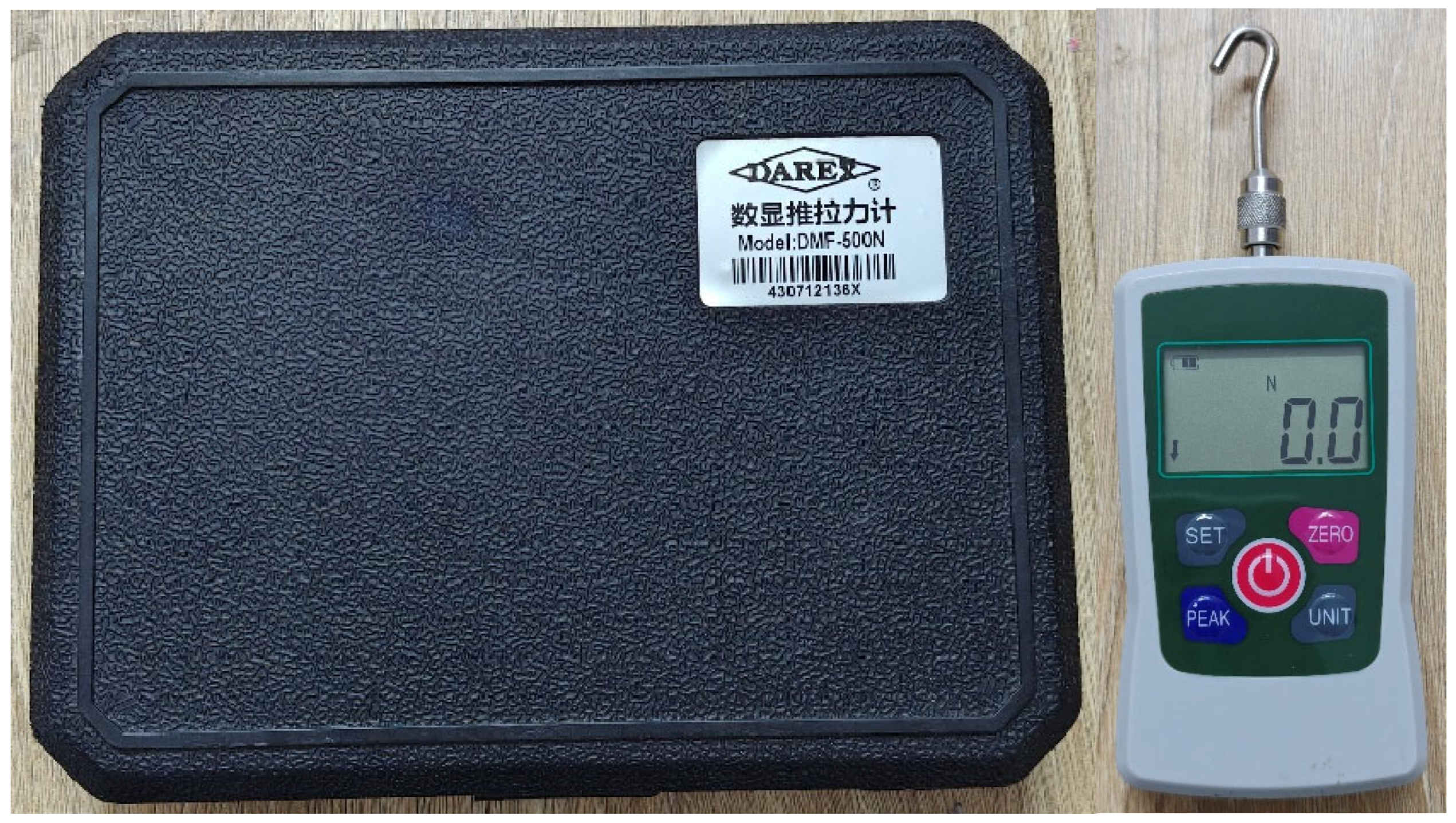
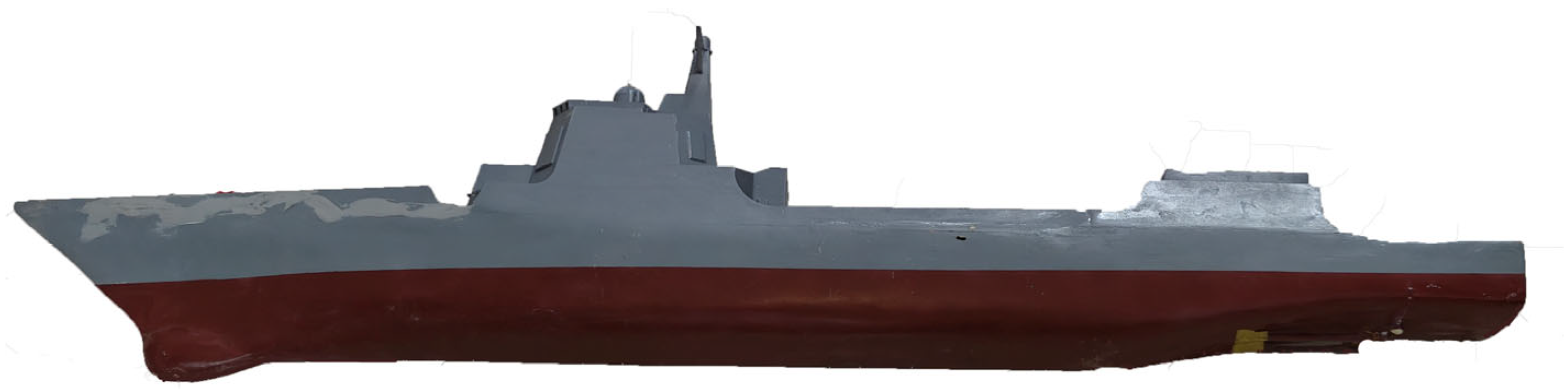
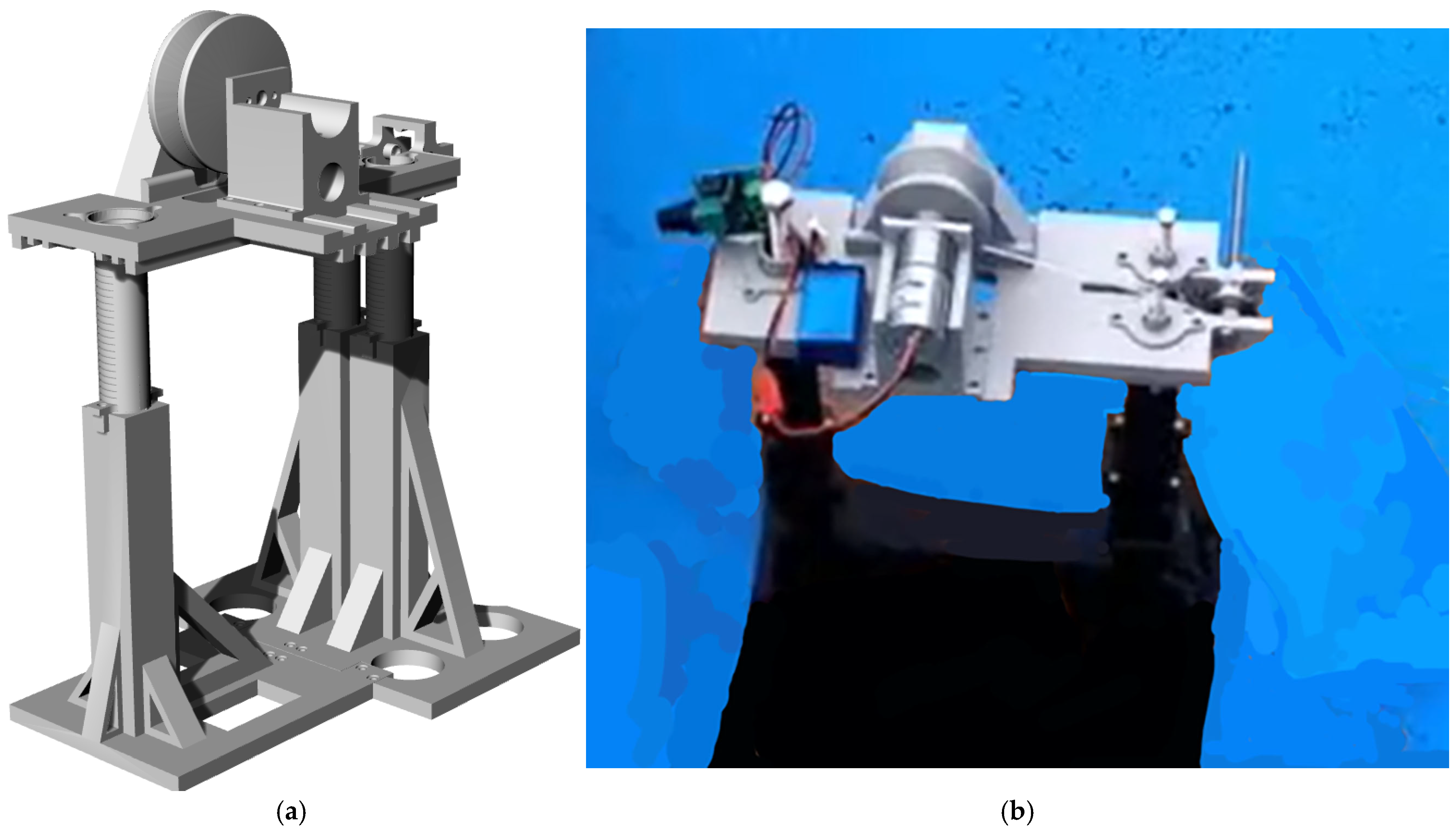
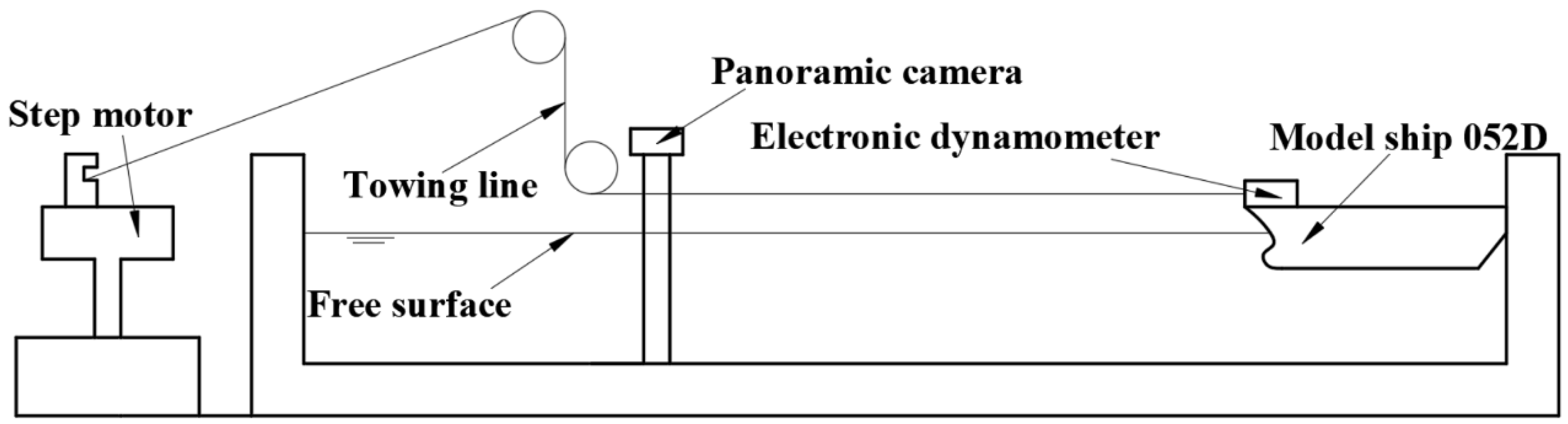
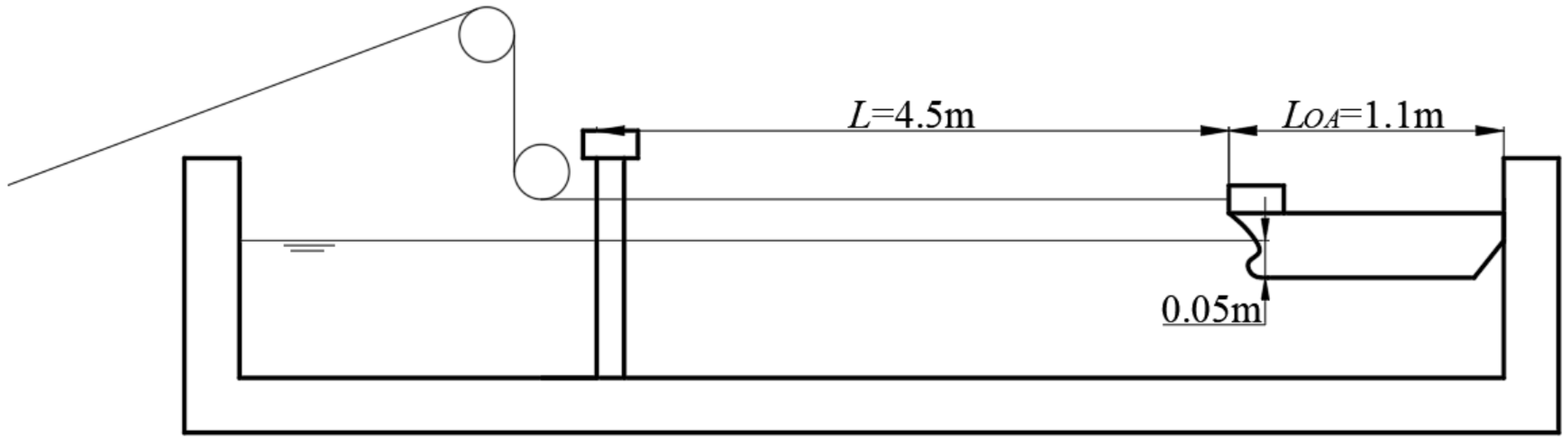
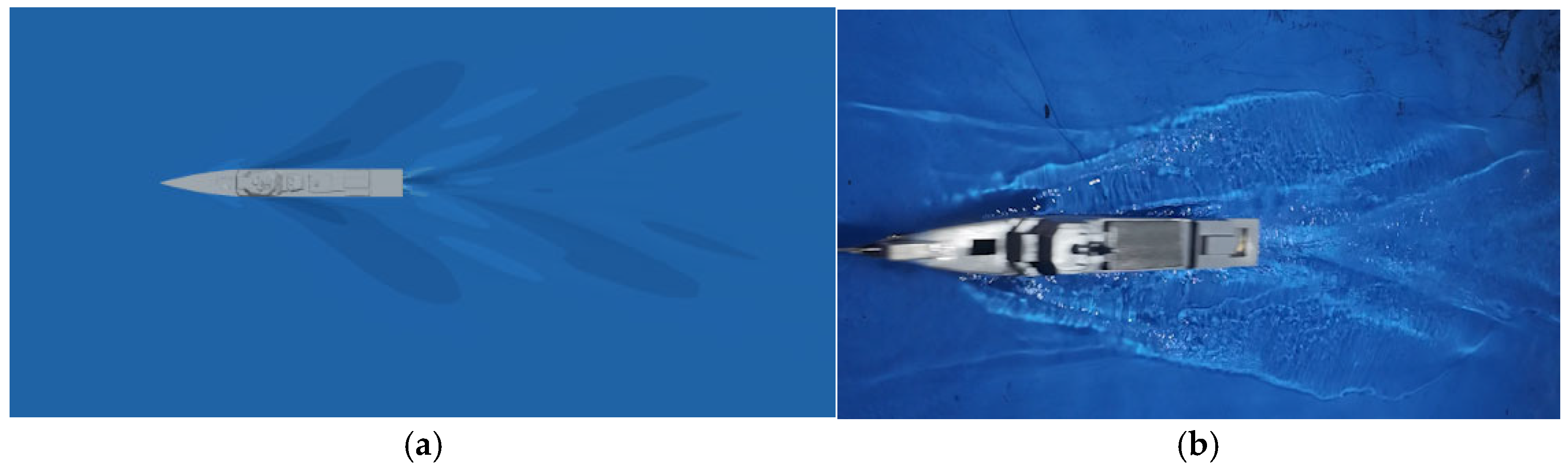
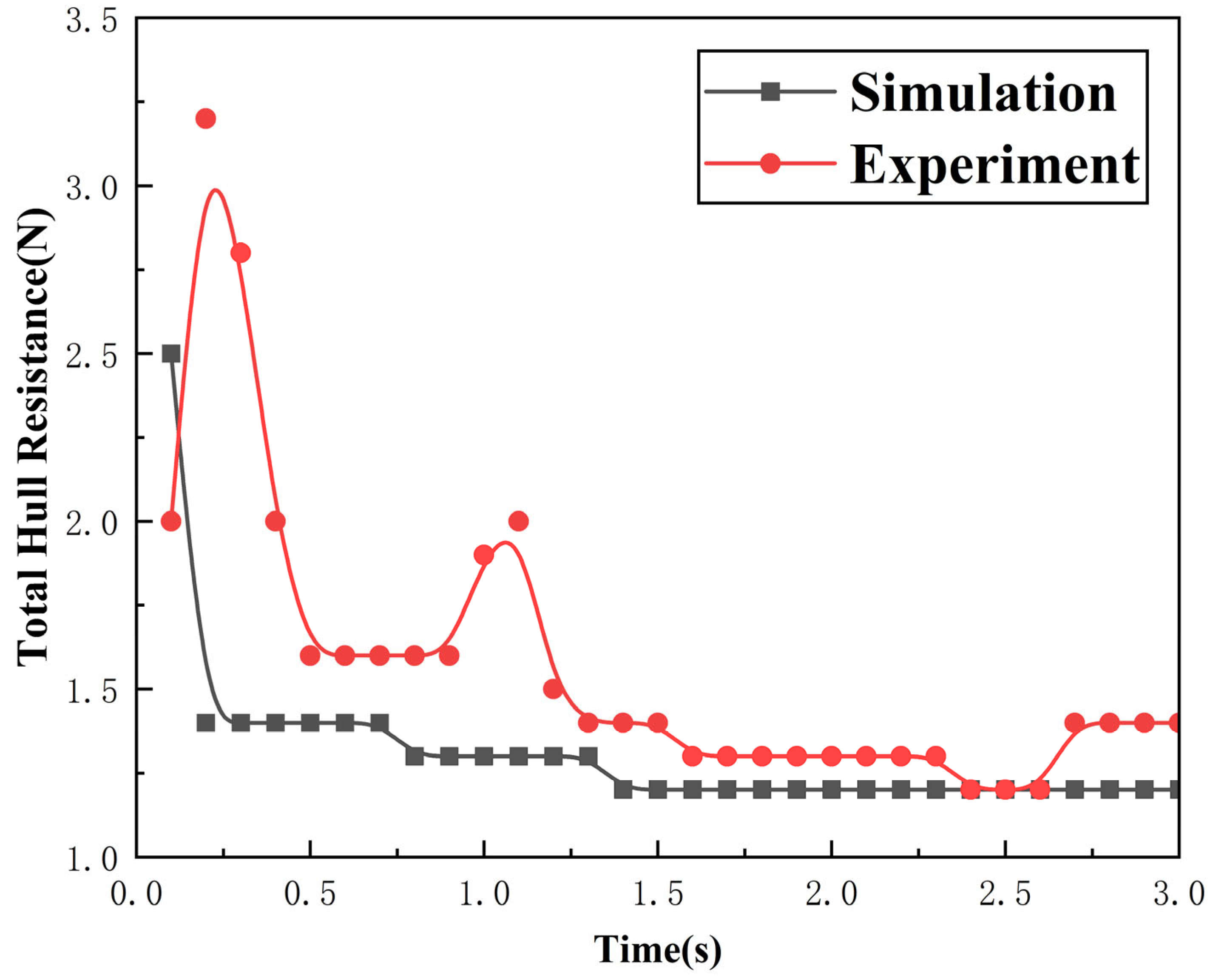
Based on this, this study selects a representative mainstream destroyer of the Chinese Navy and a representative destroyer of the same class from the U.S. Navy as comparative subjects. The aim is to systematically compare and analyze the wave development process, steady-state wave pattern characteristics, and resistance variation patterns of the two vessel types in calm water through full-scale CFD numerical simulation. The study introduces quantitative indicators such as the transverse width of the wave-making region to objectively assess their wave stealth performance. Combined with resistance data, it delves into the trade-off relationship in hull form design between “low resistance” and “low detectability.” Of particular importance, to verify the reliability of the numerical method, this study additionally designed and conducted towing tests using a small-scale mainstream vessel model (1.1 m in length) from China. The test speed (1.5 m/s) was scaled to correspond to the full-scale ship speed via dimensional analysis.
Section 4 will report in detail the resistance data measured from these model tests, the full-scale resistance prediction based on dimensional analysis, and the comparative verification analysis with full-scale CFD simulation results, thereby forming a complete research loop where “numerical simulation—model testing—theoretical analysis” mutually corroborate.
This study performs a comparative CFD analysis based on high-fidelity, full-scale 3D [
22] models of mainstream Chinese and U.S. destroyers, reconstructed from public technical data. Unlike previous research often limited to a single hull type, this work offers a direct cross-platform comparison. To ensure the reliability of the numerical simulations, a small-scale towing tank experiment was designed and conducted for model calibration and validation, thereby enhancing the credibility of the full-scale hydrodynamic results. The outcomes of this work are expected to provide a solid theoretical basis, valuable design references, and reliable experimental data support for the research and development of future high-performance, low-signature surface vessels.
2. Theoretical Derivation
This study employs Computational Fluid Dynamics (CFD) to investigate the hydrodynamic performance of two representative naval hull forms. Numerical simulations are based on the three-dimensional unsteady Reynolds-Averaged Navier–Stokes (RANS) equations to solve the complex viscous flow around the hull. The free surface is modeled using the Volume of Fluid (VOF) method, which tracks the evolution of the air–water interface by solving the transport equations for phase volume fractions. The VOF method effectively describes nonlinear wave-making phenomena and complex deformations of the free surface, making it suitable for simulating the intense waves and localized breaking common in high-speed vessel navigation.
2.1. Calculation of y+
In Computational Fluid Dynamics (CFD), particularly in turbulence simulation and numerical modeling of near-wall regions,
is a very important non-dimensional parameter. It reflects the relationship between mesh generation and the boundary layer, especially regarding mesh refinement near the wall.
is a dimensionless distance used to describe the distance from a mesh point to the wall in fluid flow, specifically in the near-wall region. It is defined as
where
is the distance from the first layer grid node to the wall.
is the wall shear velocity (unit: m/s).
is the kinematic viscosity of the fluid.
The wall shear velocity can be calculated using the following formula:
where
is the magnitude of the wall shear stress.
is the density of the fluid. The calculation of wall shear stress is related to the skin friction coefficient, which is defined as
Using the skin friction coefficient and the fundamental formula for wall shear stress, the wall shear stress can be derived:
In the above equation, is the magnitude of the wall shear stress, is the dynamic viscosity of the fluid, and is the distance perpendicular to the wall.
In turbulence simulation, the value is used to determine the applicability of turbulence models for different regions in the flow field and the suitability of the mesh, especially the refinement level near the wall. However, in practical finite element analysis software for fluid dynamics simulation, this is achieved through wall functions or near-wall resolution.
Enhanced wall treatment combines a two-layer model with an enhanced wall function, ensuring minimal error for both coarse wall meshes ( > 15, fully turbulent region) and fine meshes ( ≈ 1, viscous sublayer).
The two-layer model divides the boundary layer into a viscous sublayer and a fully turbulent layer, with the demarcation line distinguished by the Reynolds number:
Where
is the dimensionless Reynolds number:
where
is the distance from the cell center to the wall.
is the ship’s speed, and
is the length between perpendiculars. Crucially,
denotes the turbulent kinetic energy, and the term
serves as the characteristic velocity scale of turbulence. The value of
indicates whether the near-wall cell lies within the viscous sublayer or the turbulent region, guiding the application of wall functions.
v is the kinematic viscosity of water. If
the fluid is in the viscous sublayer region, and the Wolfshtein equation is used for solution; if
, the fluid is in the fully turbulent region, and the k-ω model or Reynolds Stress Model is used for solution. To accurately resolve the viscous sublayer, the Wolfshtein one-equation model is employed as the near-wall treatment. In this approach, the turbulent kinetic energy transport equation is solved throughout the entire computational domain, while the turbulent length scale in the near-wall region is prescribed algebraically rather than derived from a dedicated dissipation-rate equation.
Specifically, a seamless coupling between the Wolfshtein model and the SST k–ω model is achieved. When the grid resolution is sufficient to resolve the near-wall region, the Wolfshtein model provides a prescribed near-wall dissipation scale in the low-Reynolds-number limit, effectively replacing the solution of the ω transport equation. This strategy avoids numerical stiffness and instability associated with the ω equation near the wall, while improving the accuracy of near-wall turbulence representation.
2.2. Derivation of Ship Resistance Coefficient
All meaningful performance comparisons must be based on dimensionless coefficients to eliminate the effects of differences in scale, speed, fluid density, etc. This is the mathematical foundation for fair comparison. To deeply explore the physical origins of the performance differences between the two vessel types, the following mathematical decomposition is performed based on ship resistance theory. This paper directly adopts the most straightforward performance indicator—the total resistance coefficient.
The CFD solver employed in this study is based on separately calculating the pressure resistance and the shear resistance, which are then summed to obtain the total resistance result; therefore, the decomposition of total resistance is introduced here.
According to ship resistance theory, the total resistance
can be expressed as
where
is the frictional resistance, which is primarily determined by the wetted surface area of the hull and the Reynolds number of the ship model.
is the residual resistance, which, in the calm water simulations of this study, mainly consisted of the pressure resistance. Residual resistance includes pressure-related components, specifically form drag—resulting from flow separation and wake formation—and wave-making resistance. In this study, form drag plays a significant role, as evidenced by the distinct wake structures observed within the flow field.
Frictional resistance,
, constitutes the primary component of viscous resistance. It is derived from the integration of the shear stress (tangential force) generated by fluid viscosity over the wetted surface area of the hull. The total frictional resistance is obtained by integrating over the entire wetted surface area,
A, of the hull:
The application of this formula is based on the principle of equivalent simplification. Although the local flow velocity on the hull surface varies spatially, in engineering practice, we define
as the overall speed of the vessel and incorporate the complex variations in the local velocity gradient into the friction coefficient
. For the precise calculation of the frictional resistance coefficient,
, the ITTC-1957 resistance correlation formula was employed:
In the CFD simulations of this study, the total resistance on the hull at specified speeds was directly calculated by solving the unsteady, incompressible Reynolds-Averaged Navier–Stokes (RANS) equations, combined with the Volume of Fluid (VOF) method for accurate free-surface capturing. The CFD methodology inherently accounts for both viscous effects and wave-making effects simultaneously, eliminating the need for artificial decomposition of the resistance components. Consequently, it provides high-fidelity resistance predictions that are in close agreement with physical reality. Through post-processing, the various resistance components can be further isolated and quantified. This enables a deeper analysis of the performance differences and their physical origins between mainstream vessel of the U.S. and the mainstream vessel of China at different speeds (economic and maximum).
3. Model Preprocessing Design
3.1. Ship Model Design
Based on various publicly available materials, including but not limited to images and reports, the basic parameters required for modeling the mainstream surface vessel of China and its U.S. counterpart are listed in
Table 1.
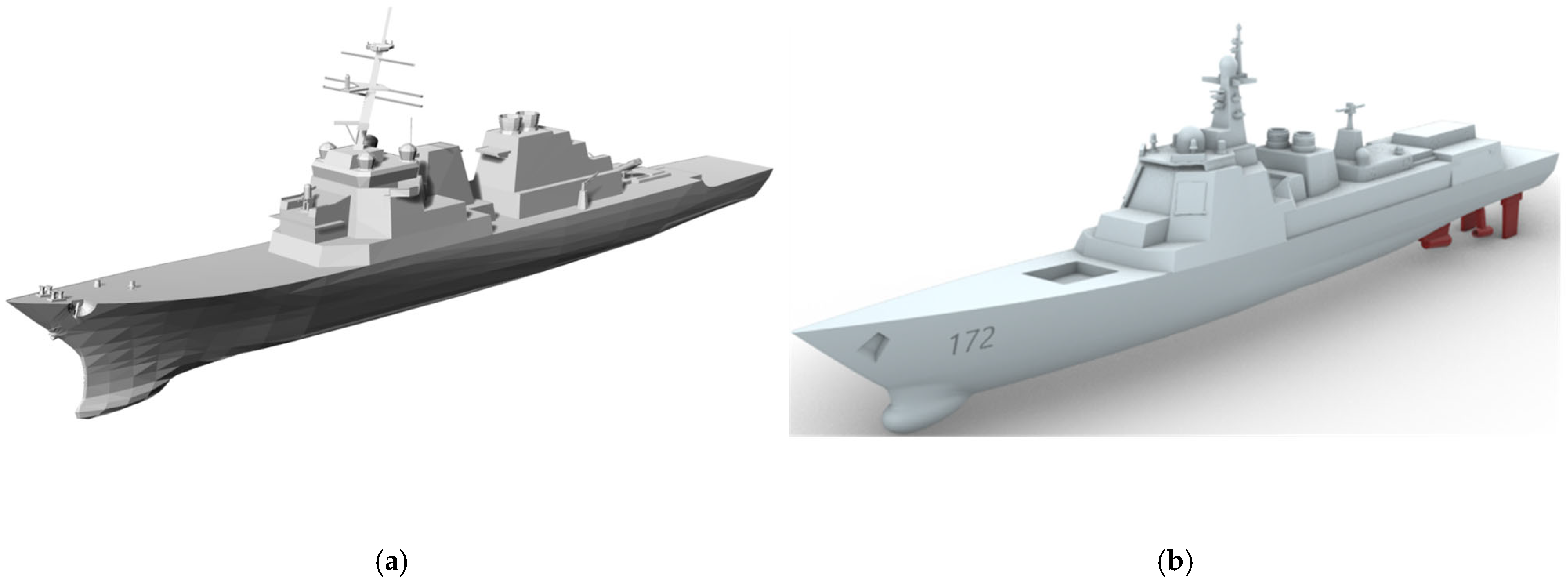
Based on the fundamental parameters outlined above and actual imagery from public sources [
23], the mainstream surface vessel and its U.S. counterpart of the same class were modeled in accordance with core principles of engineering drawing—specifically, the consistent alignment of length, height, and width across orthogonal views. The resulting models are presented in
Figure 1a,b. The renderings of the two ship models shown in
Figure 1a,b were generated directly within the 3D modeling software using its built-in rendering mode. No post-processing image manipulation techniques (such as edge detection or contour extraction) were applied to these images. The visualizations presented are unaltered screenshots of the rendered 3D models, accurately reflecting the geometric features as constructed. First, the general framework of the model was determined based on the basic parameters to ensure that the geometric shape of the vessel basically met the parameter requirements. Second, based on various public materials, three-view drawings were compiled, and the main curvature of the hull lines for various parts of the model was kept as consistent as possible with the actual situation. Furthermore, considerations were made based on the vessel’s actual functional design. For example, the stern area of the mainstream surface vessel of China is designed for helicopter takeoff and landing. Compared to the large curvature design at the bow intended to prevent wave-breaking and green water, this platform should be very smooth and flat to meet the requirements for aircraft operations. Another example is the mainstream vessel of the U.S., where the superstructure houses numerous heavy weapons for combat missions. Attention was paid to the coupling between the horizontal weapon platforms in the superstructure and the forecastle deck, which involves certain curvature changes.
Based on the numerical data provided in
Table 1 and the two operating conditions at different speeds described in the text, the
values for the model were calculated using the aforementioned Equations (1)–(6). The results are summarized in
Table 2.
In ship CFD, particularly in full-scale simulations, the first-layer grid height is often insufficient to resolve the viscous sublayer ( ≈ 1) due to constraints on computational resources, resulting in values typically on the order of hundreds or even thousands. This falls within the applicable regime of “wall functions”. In most commercial CFD solvers, when > 30, wall functions based on the logarithmic law are automatically activated to model the inner boundary layer (including the viscous sublayer and the buffer layer), without requiring direct resolution. For external flow simulations involving large-scale vessels, aerospace vehicles, and other applications with extremely high Reynolds numbers ( > 108), the adoption of wall functions is considered a routine and acceptable practice to balance accuracy and computational cost.
3.2. Computational Domain and Mesh Generation
After completing the ship model construction in 3D modeling software and importing it into the simulation software, preprocessing is required to ensure the geometric structure of the model conforms to finite element computational theory. Simultaneously, minor details on the ship model’s bow, such as anchor windlasses, deck railings, etc., which do not interfere with CFD calculations of ship-generated waves or resistance monitoring, can be removed. Removing these components can avoid overall penetrations of the ship model by small parts and effectively reduce the number of mesh elements and computational complexity during meshing, making the ship model easier to converge during simulation.
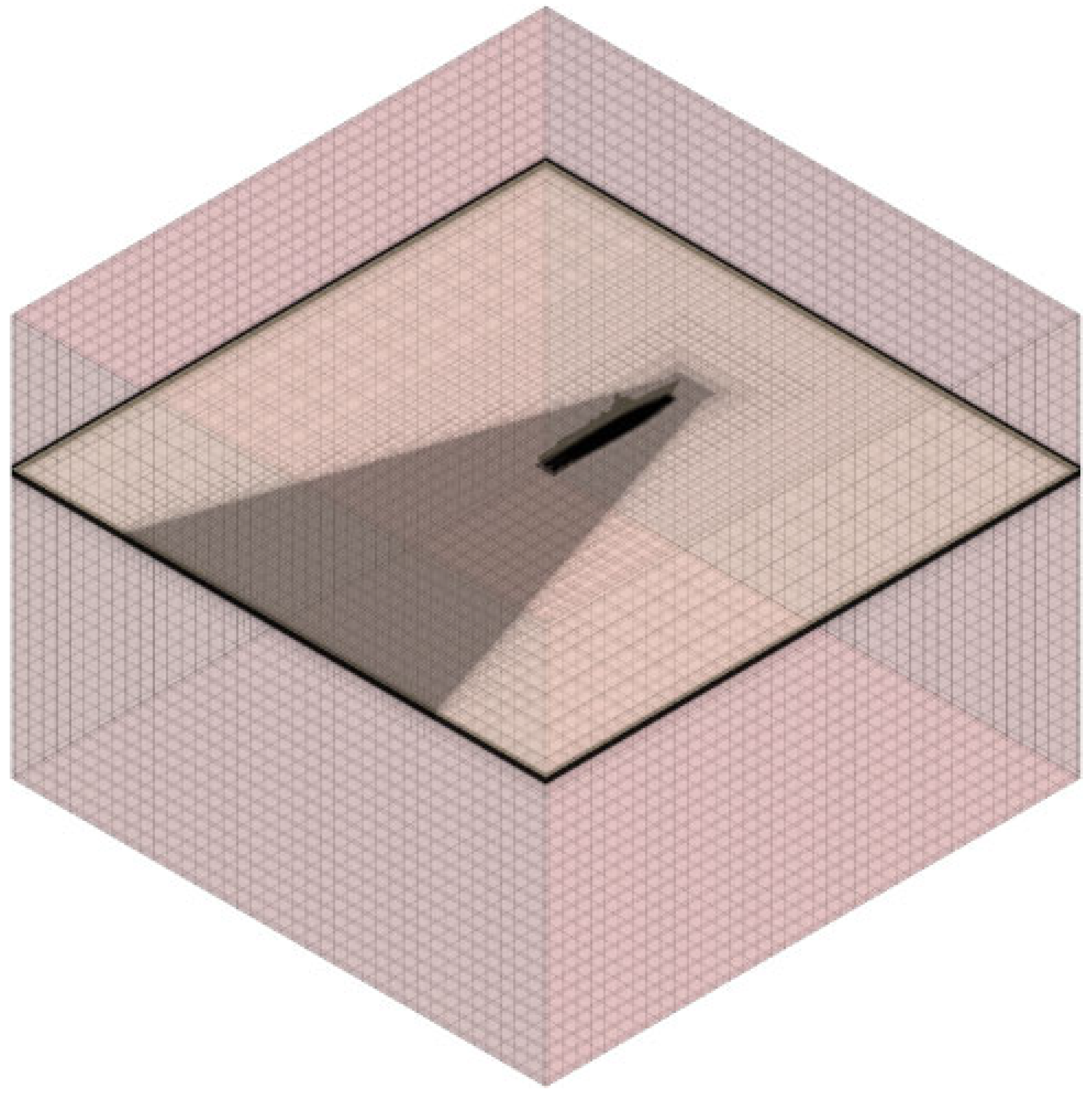
After clearing penetrations and minor details of the superstructure, the computational domain and mesh for the ship model need to be defined. To ensure calculation accuracy, the computational domain was planned as follows: Taking the midpoint of the transom stern as the origin, a three-dimensional Cartesian coordinate system was established, with the X-axis pointing towards the bow, the Y-axis pointing towards the port side, and the Z-axis perpendicular to the XOY plane pointing vertically upward. The computational domain consists of a region extending twice the ship’s overall length from the origin towards the bow and stern, twice the ship’s overall length towards port and starboard, once the ship’s overall length vertically upward, and twice the ship’s overall length downward.
Mesh generation for the computational domain primarily employed the cut-cell method and prism-layer mesh functions. The unique geometric shape of the hull significantly influences the entire flow field. For special parts of the ship model that generate noteworthy phenomena in the flow field, such as the bulbous bow at the front and the propeller at the stern, finer mesh scales were set in these areas and their surrounding flow fields to capture the surface changes or other details caused by disturbances during motion. However, applying the same fine mesh parameters to all objects in the entire computational domain would drastically increase computation time and hardware requirements. To balance computational efficiency while reflecting the influence of these special parts on the flow field and ensuring result accuracy, more refined mesh treatment was applied to these special parts and their nearby flow fields.
According to fundamental fluid dynamics knowledge, the flow field around the hull can be divided into laminar and turbulent boundary layers with increasing distance from the hull. Further subdivision along the Z-axis direction was performed for these two layers. The purpose of this operation is to better highlight the influence of hull motion on the free surface, more clearly demonstrate the velocity gradient change from the hull bottom to the free surface and improve the calculation accuracy of the hull frictional resistance. Simultaneously, during the computation process, the real-time changes in the velocity field and resistance field can be observed to judge whether the mesh parameters meet the requirements for result accuracy. When the computation has theoretically reached a steady state but exhibits significant residual instability or chaotic wave patterns, the computation can be stopped to recheck mesh parameter settings, enabling timely intervention and improving computational efficiency.
In
Figure 2, the specific details of mesh refinement are presented for the bulbous bow, stern propeller, hull turbulent boundary layer, free surface, and the Kelvin wake system generated by the ship’s motion.
An implicit unsteady solver was employed for the simulations conducted in this study. To efficiently obtain the flow field and resistance under steady navigation, the initial conditions were prescribed as follows: The fluids (water and air) within the entire computational domain were assigned an initial velocity identical to the target cruising speed (18 knots or 30 knots), corresponding to the vessel’s motion at that speed. This approach eliminated the need for a prolonged physical acceleration process, allowing the simulation to rapidly reach a steady-state sailing condition. The inlet, top, and side boundaries of the computational domain were set as velocity inlets with values corresponding to the target speed, while the outlet boundary was defined as a pressure outlet. The free surface was captured using the VOF method, which was sufficient for the full development and attainment of a quasi-steady state of the free surface around the hull.
3.3. Mesh Independence Verification
To ensure the accuracy and reliability of the numerical results, a grid independence study was conducted following the Verification and Validation (V&V) framework outlined in the ITTC procedures [
24].
A representative case of the mainstream vessel of the U.S. at an economic speed of 18 knots (
≈ 0.24) was selected. Three sets of systematically refined grids (coarse, medium, and fine) were generated while maintaining identical boundary layer settings (first-layer thickness targeting
≈ 1) and local refinement zones. All simulations were performed on a computational platform equipped with a 12th Gen Intel Core i7-12700F processor. The grid parameters and the calculated total resistance values are summarized in
Table 3.
Based on the analysis method of grid convergence, calculate the convergence factor
and the observed order of accuracy
:
where
,
, and
represent the total resistance values obtained from the coarse, medium, and fine grids, respectively. The condition
indicates monotonic convergence. The average refinement ratio
, a key parameter in grid convergence analysis, is defined as the ratio of the characteristic cell sizes between successive grid schemes. In this study, as the three grid sets were generated by non-uniformly scaling the global base size while maintaining consistent boundary layer and local refinement settings, a strictly constant theoretical size ratio was not achieved. Therefore, the relative grid size for each set was estimated from the inverse cube root of the total cell count (
). The refinement ratios between adjacent grids were calculated as:
The average refinement ratio, used for the subsequent Richardson extrapolation analysis, was then taken as their geometric mean:
Subsequently, the observed order of accuracy was computed:
Subsequently, the grid discretization error
and the error correction factor
were determined based on ITTC-recommended practices:
In the equation for
,
is the theoretical order of accuracy, as suggested by the ITTC. Substituting the values yields
. The numerical uncertainty associated with the grid
was then estimated:
Although the formal numerical uncertainty appears relatively large—primarily attributable to the high observed order resulting from non-uniform refinement factors—the relative difference in total resistance between the medium and fine grids is only 2.44%. This value is below the common engineering threshold of 3%, suggesting that further grid refinement yields diminishing returns on result improvement.
While the fine grid (15.23 million cells) provides a solution closer to the grid-independent limit, it requires approximately 64.9% more cells than the medium grid, leading to a substantial increase in computational cost. Considering that the key variable (total resistance) changes by less than 3% between the medium and fine grids, a balance between computational accuracy and efficiency was sought. Consequently, the medium grid scheme (approximately 9.24 million cells) was selected for all subsequent simulations in this study. This choice ensures the reliability of results for comparative engineering analysis while maintaining computational feasibility for the multi-case study.
4. Results and Analysis
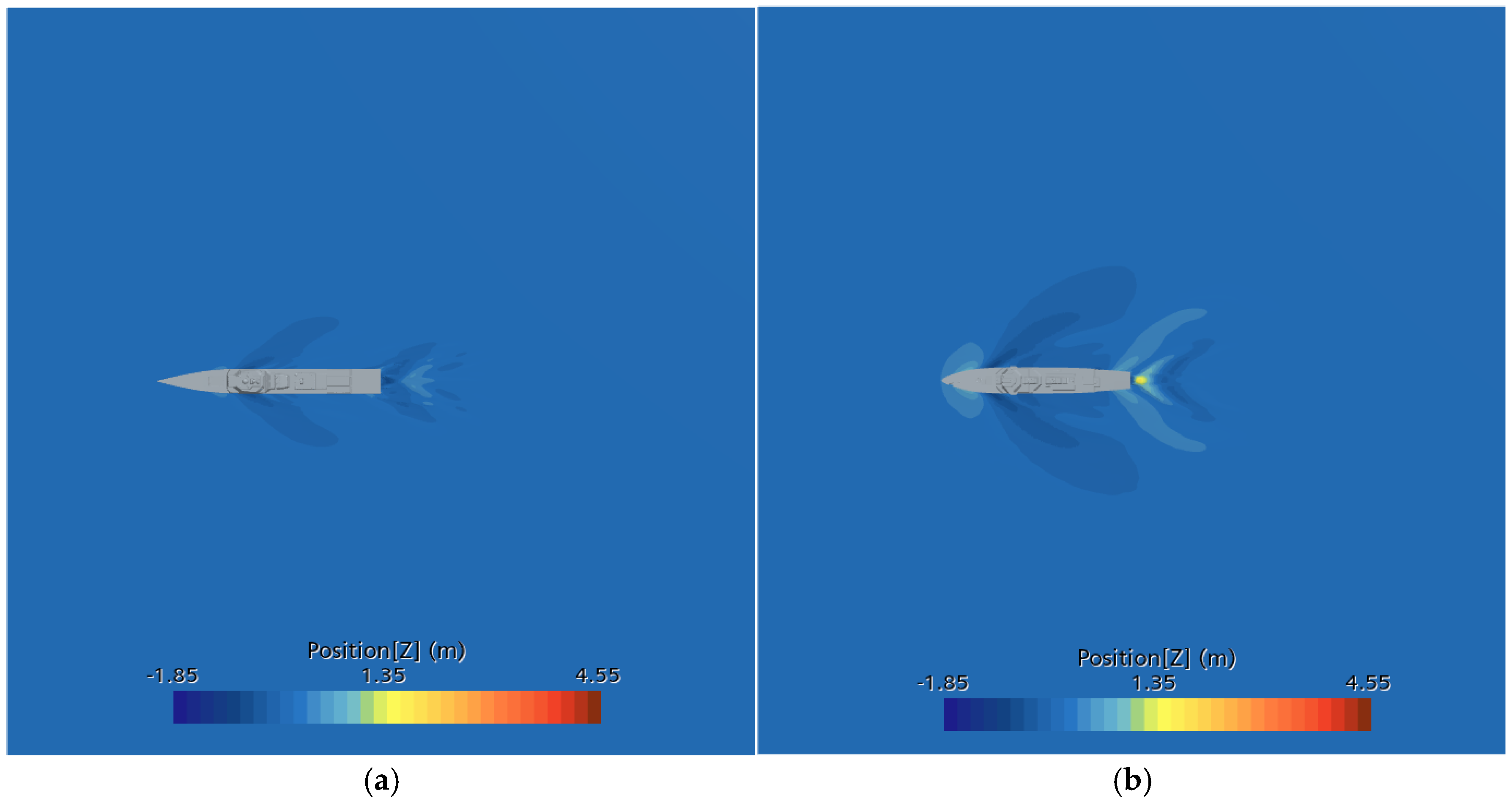
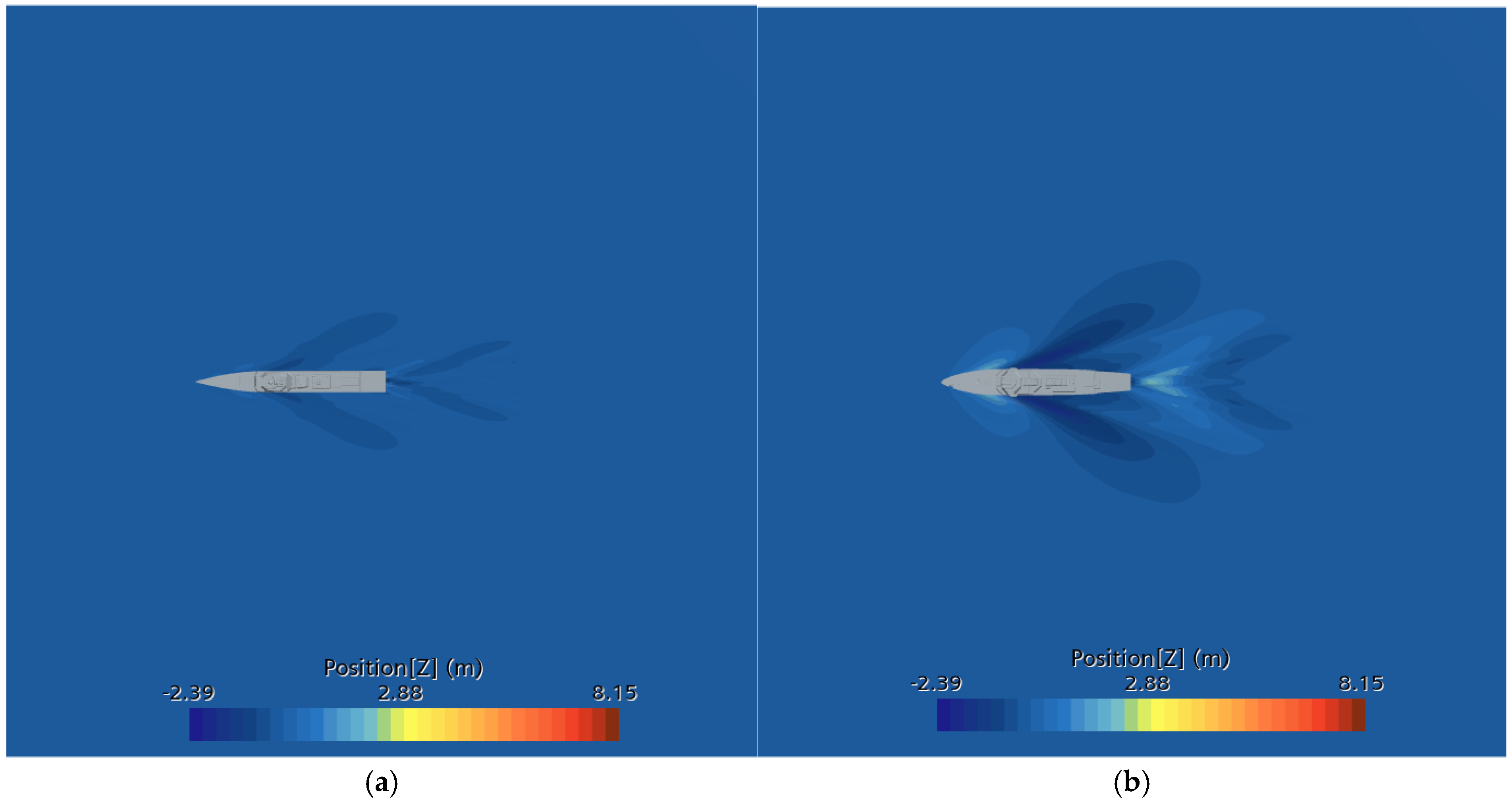
Two operating conditions were designed for each of the two vessels at two different speeds. The first condition is the economic speed of 18 knots, which is typically adopted for routine patrols. This speed is commonly used by vessels for maritime patrols in specific areas, as it aligns with the daily operational efficiency of the ship’s power plant and ensures a good balance between fuel consumption and travel efficiency. The second condition is the vessel’s maximum speed. This condition was primarily designed to reflect the state of the free surface and the resistance experienced when the vessel operates at full power. Both conditions correspond to different operational scenarios of the vessel, demonstrating its motion state under specific environments. For all free-surface deformation contour plots mentioned below, the images were generated directly by the solver based on the computational results, without the application of any third-party tools for complex edge detection or image segmentation. A globally consistent color bar range was applied to all free-surface contour plots for both the economic and maximum speeds. This range ([−1.85 m, +4.55 m] for the economic speed and [−2.39 m, +8.15 m] for the maximum speed) was determined based on the maximum positive and negative fluctuations of the free-surface elevation across all simulation data, ensuring clear visualization of wave height variations under all operating conditions.
4.1. Free Surface Analysis at Economic Cruising Speed
This simulation condition was designed to simulate both ship models advancing at the economical cruising speed of 18 knots (9.252 m/s) in calm water, with a draft of 6 m for both vessels, representing the scenario of actual vessels patrolling a specific maritime area under normal circumstances. The motion trajectory of the ships from initiation to steady sailing can be obtained by analyzing representative wave pattern images generated during the operation of the different ship models.
Two operating conditions were designed for each of the two vessels at two different speeds. The first condition is the economic speed of 18 knots, which is typically adopted for routine patrols. This speed is commonly used by vessels for maritime patrols in specific areas, as it aligns with the daily operational efficiency of the ship’s power plant and ensures a good balance between fuel consumption and travel efficiency. The second condition is the vessel’s maximum speed. This condition was primarily designed to reflect the state of the free surface and the resistance experienced when the vessel operates at full power. Both conditions correspond to different operational scenarios of the vessel, demonstrating its motion state under specific environments.
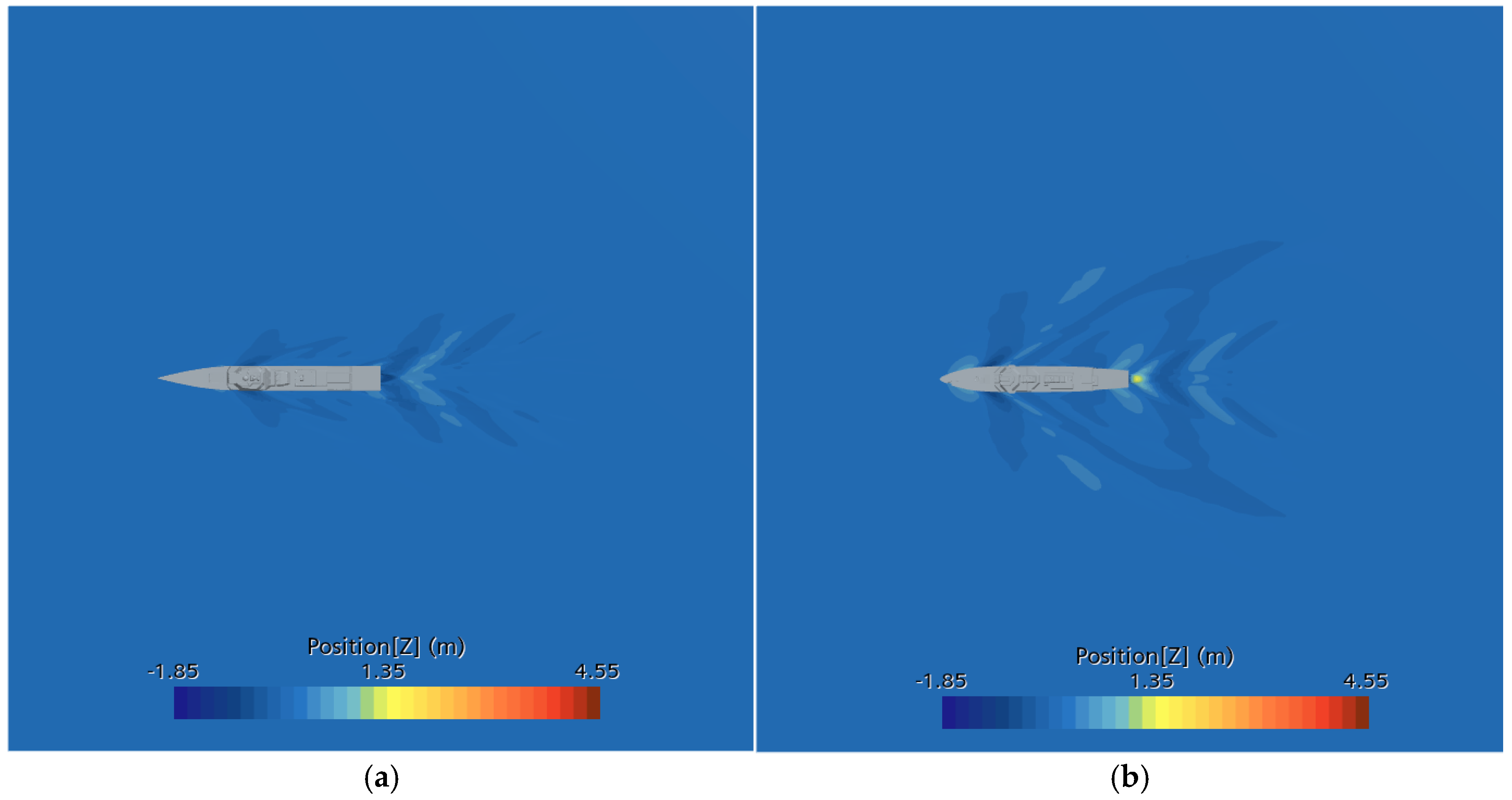
The wave patterns generated after both ship models had advanced for 10 s and 20 s are shown in
Figure 3 and
Figure 4. At this point, both vessels had sailed a distance exceeding one times their overall length. The significant seawater disturbance phenomenon induced at the bulbous bow of the mainstream vessel model of China was still ongoing. Areas with larger wave amplitude fluctuations were concentrated at the bow and stern regions, and distinct traces of the Kelvin wake system had already formed. Considerable vertical fluctuations were observed at both the bow and stern regions of the mainstream vessel of the U.S., while a fully developed Kelvin wave pattern was stretched out amidships. Pronounced wake undulations generated at the stern were also evident.
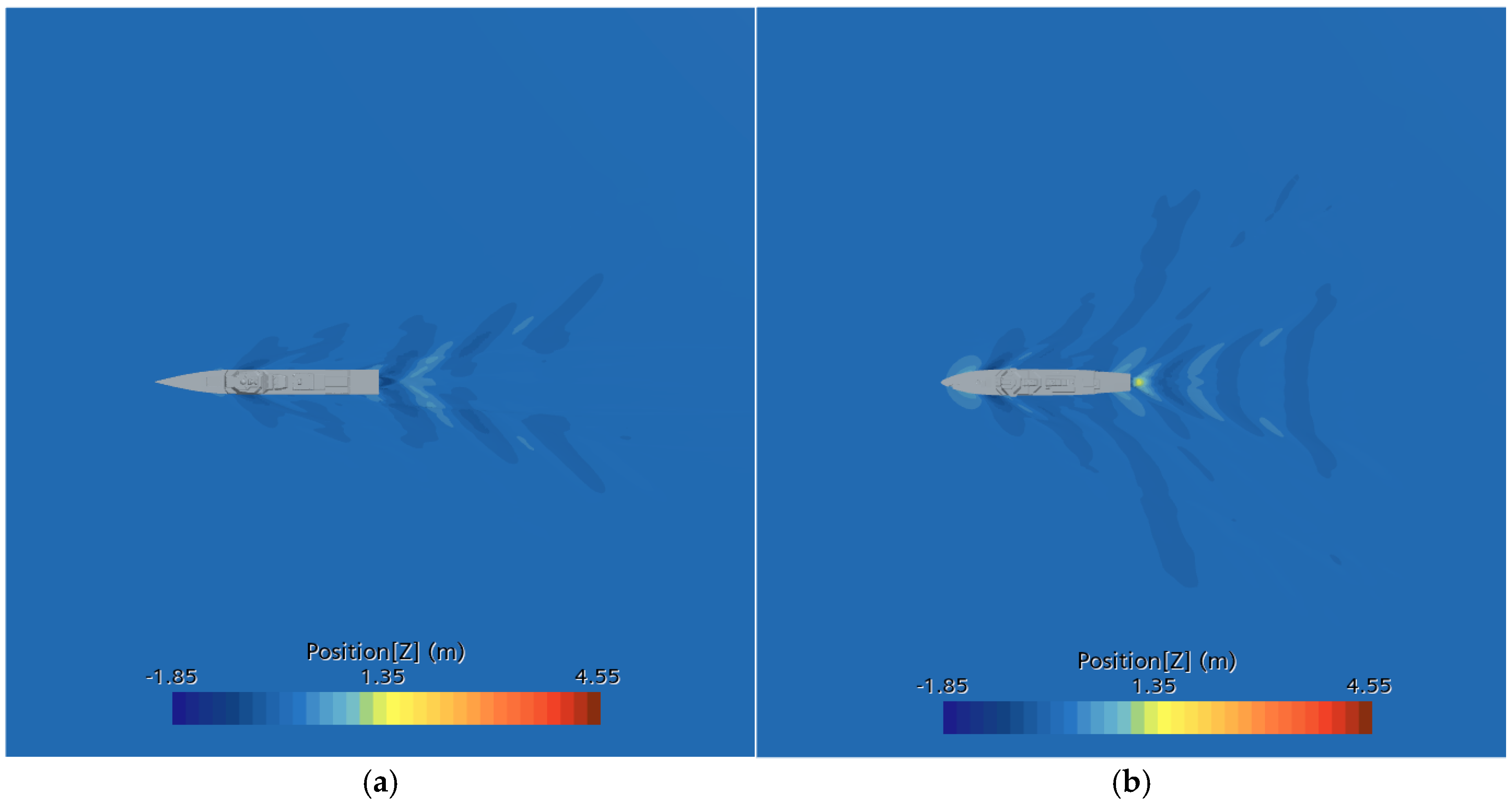
As shown in
Figure 5, the wave patterns generated after the two ship models had advanced for 50 s are presented. At this stage, the sailing distance had reached twice the overall length of both ship models. The disturbance generated by the bulbous bow of the mainstream vessel model of the U.S. for drag reduction was observed to be relatively mild, while the seawater disturbance ahead of the bulbous bow of the mainstream surface vessel model of China was also seen to stabilize, with the high-water-level disturbance concentrated at the stem area. Furthermore, wave disturbances amidships were noted to stabilize, and a marked symmetry in the wake of the Kelvin wake system was evident. Compared to the wave patterns at 30 s, the wave-making area generated on the port and starboard sides of the mainstream vessel model of the U.S. was slightly reduced, with more pronounced disturbances concentrated towards the stern. Similar to the mainstream vessel model of China, a clear symmetry in the generated waves was observed.
The wave patterns generated after both ship models had advanced for 100 s are shown in
Figure 6. The sailing distance at this point had reached six times the overall length of both ship models. The motion of both vessels had stabilized, with the symmetry of motion being particularly pronounced. Compared to the wave patterns at 50 s, a smaller wave-making region was produced by the motion of the mainstream vessel model of China relative to that generated by the mainstream vessel model of the U.S. The Kelvin wave patterns of both were observed to originate from the bow and gradually develop towards the stern, but more intense disturbances in the wave-making were generated at the stern by the mainstream vessel model of the U.S.
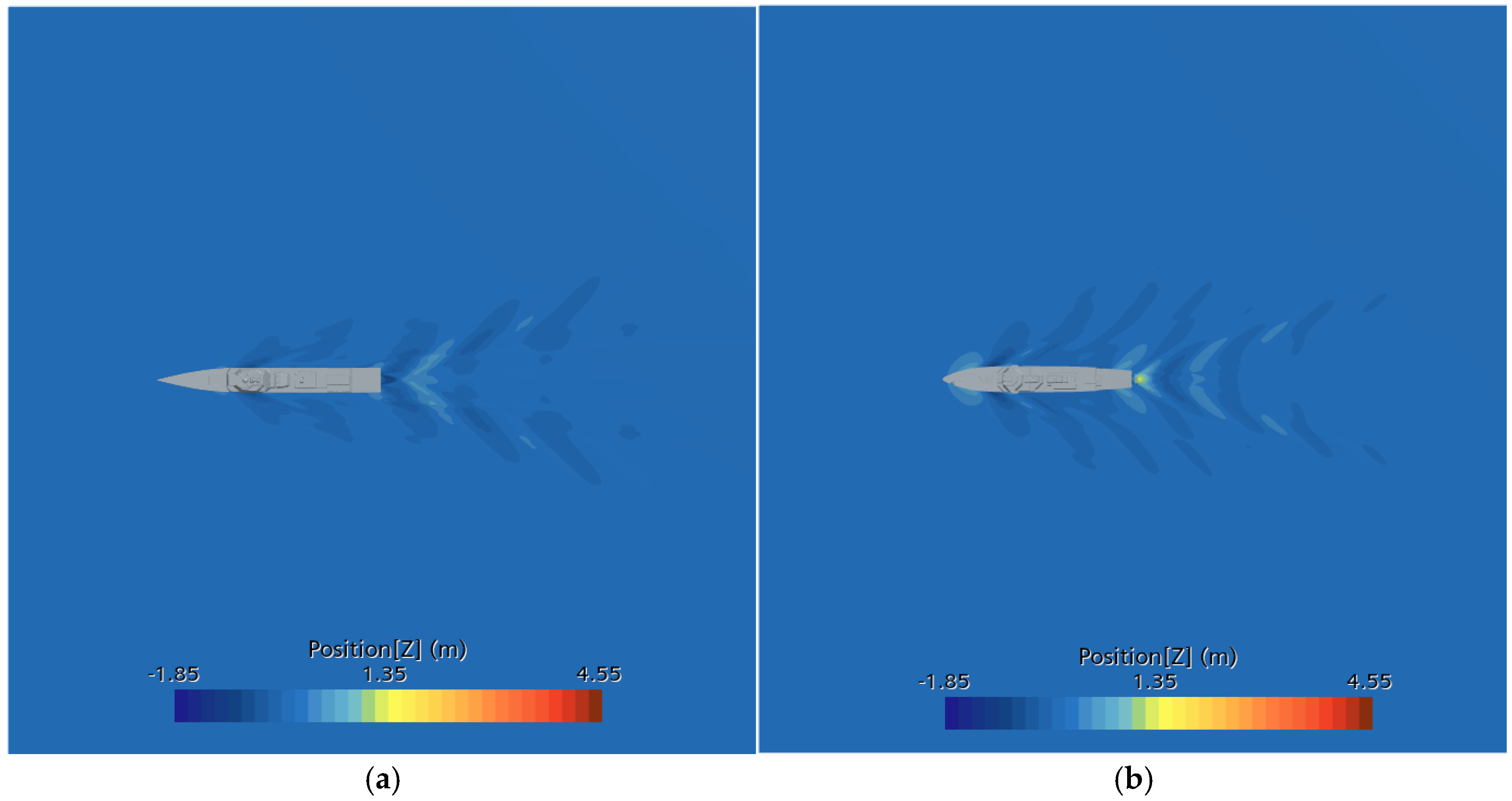
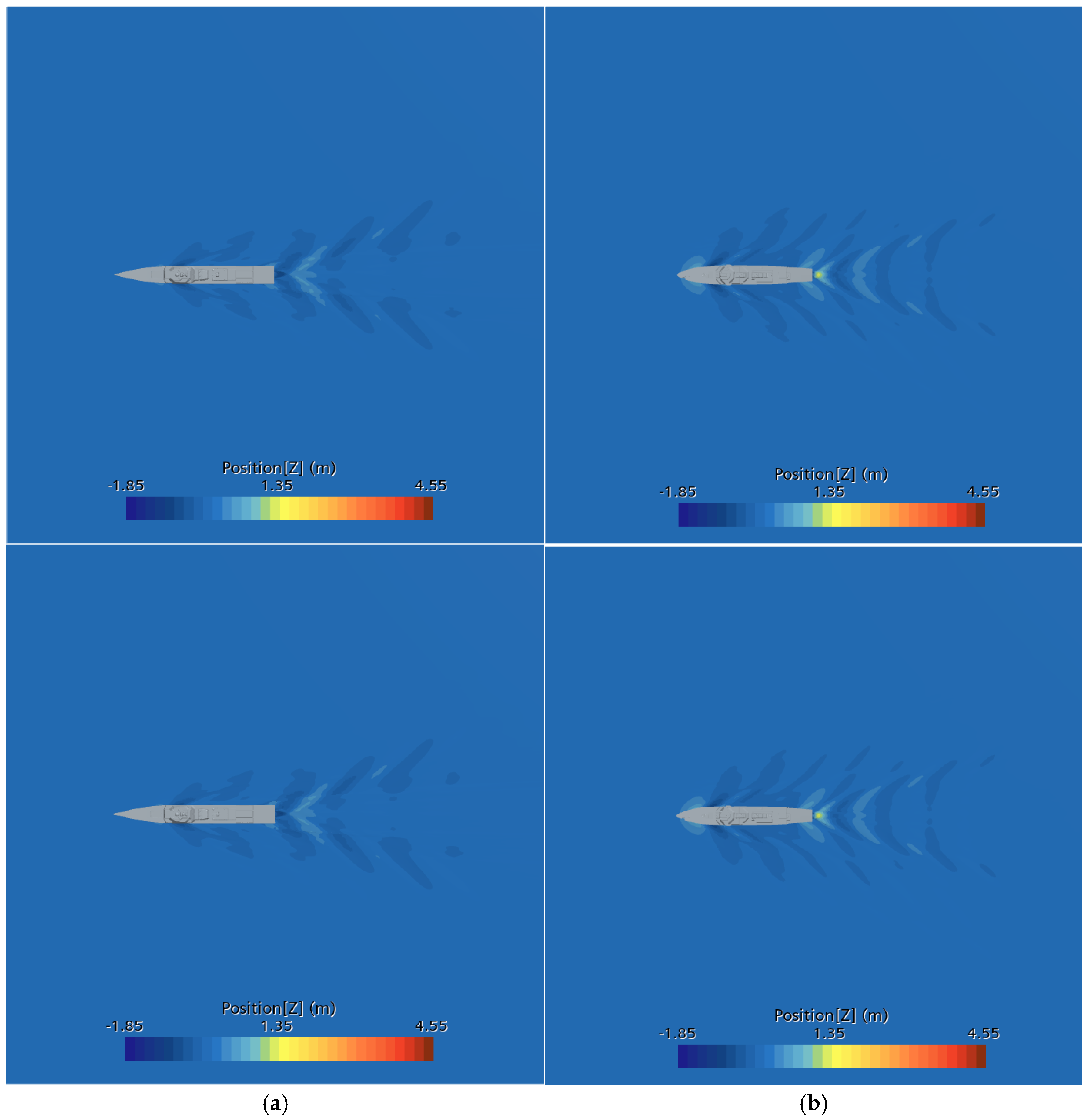
After prolonged motion, a steady-state representation of the free surface was gradually reached by both ship models. The free surface at 180 s and 360 s for the two vessels is shown in
Figure 7. Theoretically, a steady state is considered to have been entered for the motion of both vessels at this point. It can be observed that the wave-making range and wave density generated by the motion of the mainstream vessel of China show almost no change compared to those in
Figure 6. This indicates that the mainstream vessel of China reaches a steady state more easily at economic speed compared to the mainstream vessel of the U.S., forming a stable wave influence range. A longer time is required for the mainstream vessel of the U.S. to stabilize the wave influence range generated by its motion. However, concurrently, the free surface area influenced on the port and starboard sides of the mainstream vessel of the U.S. at 360 s shows some convergence compared to the area at 180 s.
4.2. Analysis of Free Surface and Resistance at Economic Cruising Speed
In
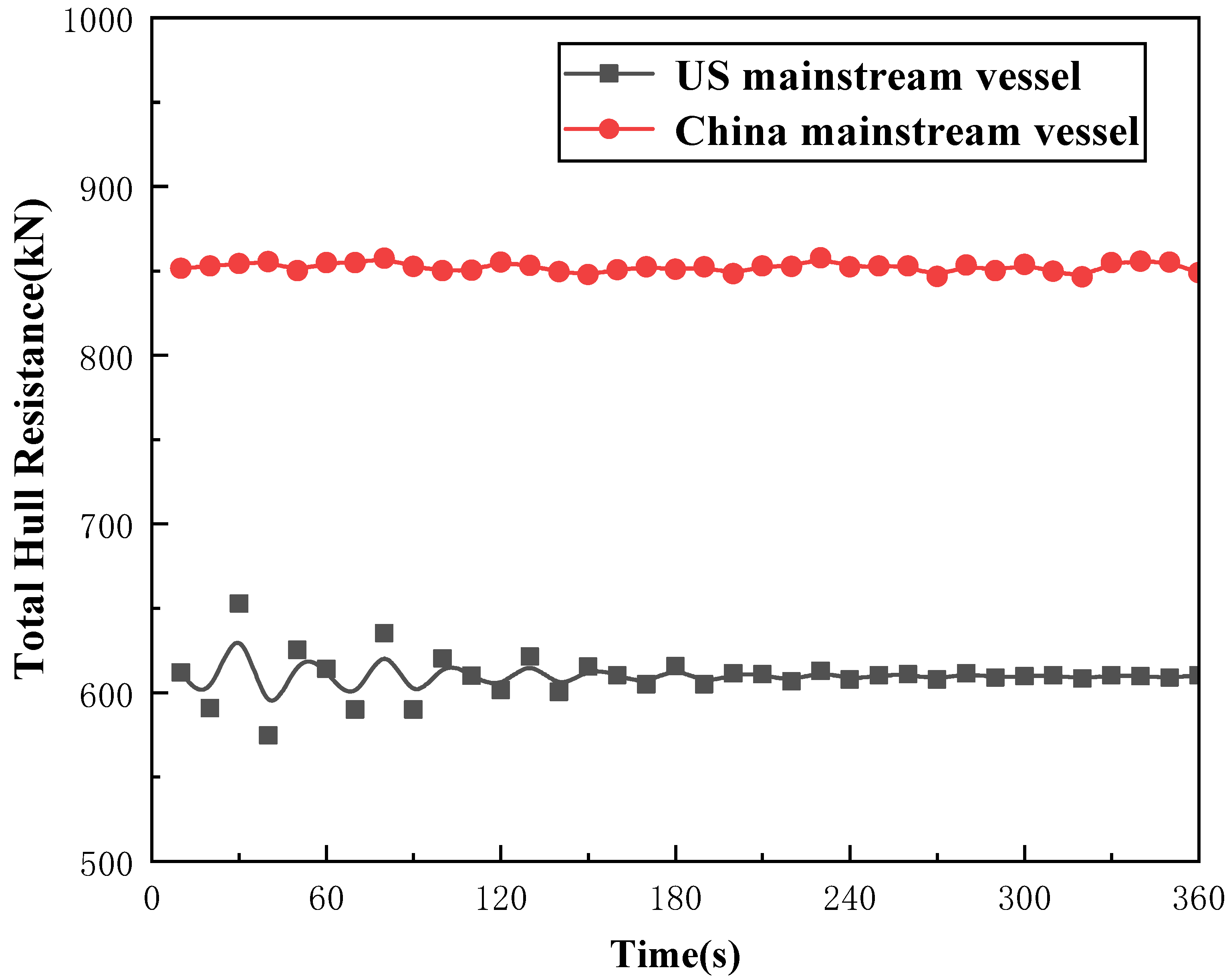
Figure 7, the free surface disturbance ranges for the two ship models after 360 s of motion at economic speed are outlined. The measured data indicate that the maximum transverse disturbance distance for the mainstream vessel of China corresponds to 10.5 times its molded breadth, while that for the mainstream vessel of the U.S. corresponds to 11.6 times its molded breadth. A very pronounced difference in the transverse wave-making disturbance is not observed between the two. The hull resistance variation experienced by the two ship models at economic speed is clearly shown in the plot presented in
Figure 8. From the initiation of motion until 360 s, the total resistance experienced by the hull of the mainstream vessel of the U.S. is approximately 610 kN, whereas that for the mainstream vessel of China is approximately 850 kN, resulting in a difference of about 240 kN between the total hull resistances of the two vessels. We define the transverse disturbance width as the full width at half maximum of the transverse displacement profile measured perpendicular to the propagation direction. Physically, it characterizes the lateral spatial extent of the perturbation introduced into the wavefield.
Minor oscillations in the resistance values are commonly observed in transient CFD simulations. These fluctuations are primarily attributed to the convergence residuals of numerical iterations, temporal discretization in the time-stepping scheme, and the inherent high-frequency unsteadiness of turbulence itself. Such variations are regarded as numerical artifacts rather than physical phenomena. Moreover, the amplitude of these oscillations is significantly smaller than the steady-state mean resistance value, and thus does not affect the comparative analysis of the steady-state resistance performance between the two vessels.
4.3. Free Surface Analysis at Maximum Cruising Speed
This simulation condition was designed for the two ship models sailing at the maximum cruising speed of 30 knots (15.433 m/s) in calm water. Identical to the condition in
Section 3.1, the draft of both vessels was maintained at 6 m, simulating a scenario where vessels are performing special missions at sea at full speed. The motion trajectory of the ships from initiation to normal sailing at maximum speed can be obtained by analyzing representative wave pattern images generated during the operation of the different ship models.
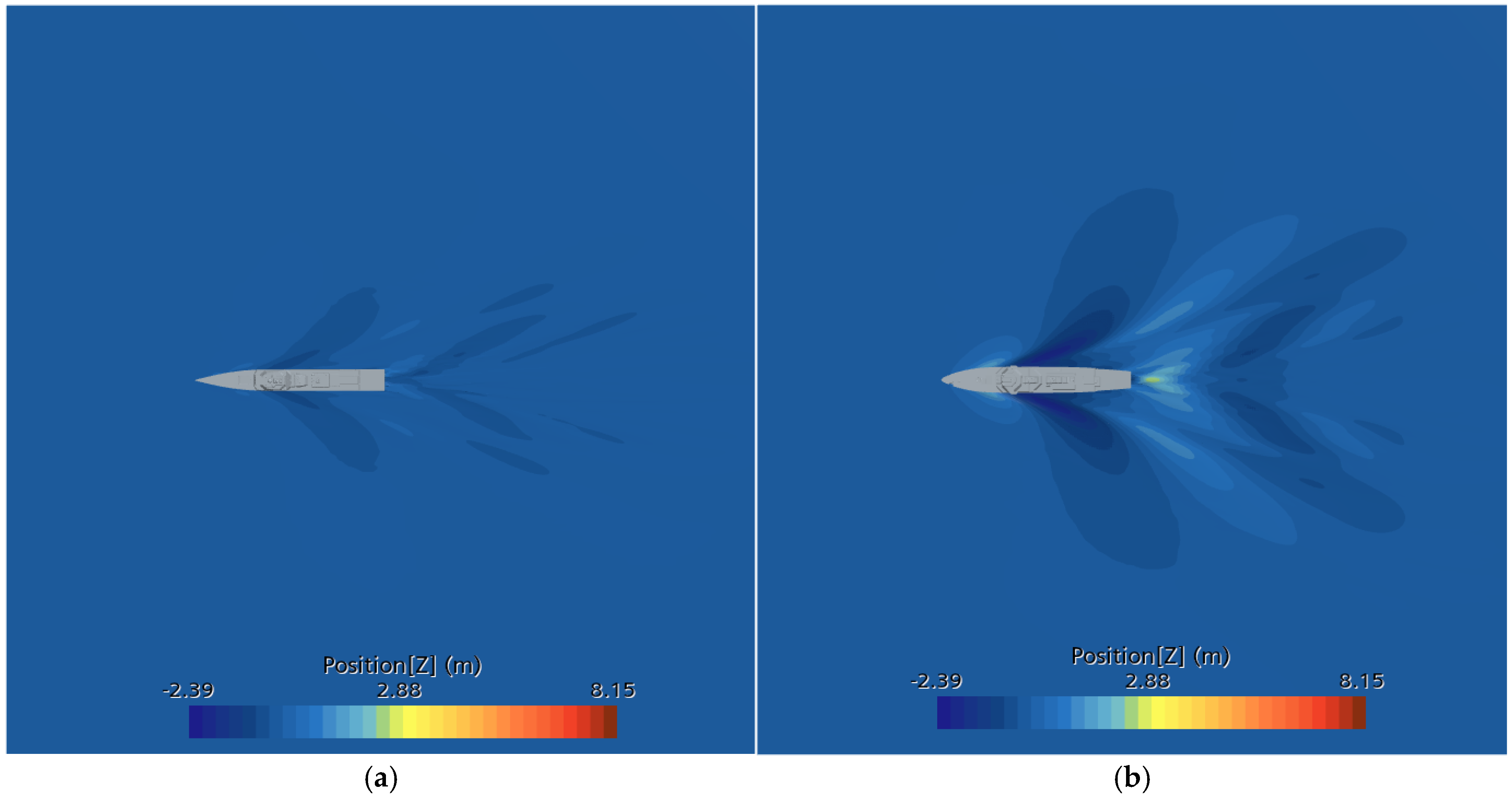
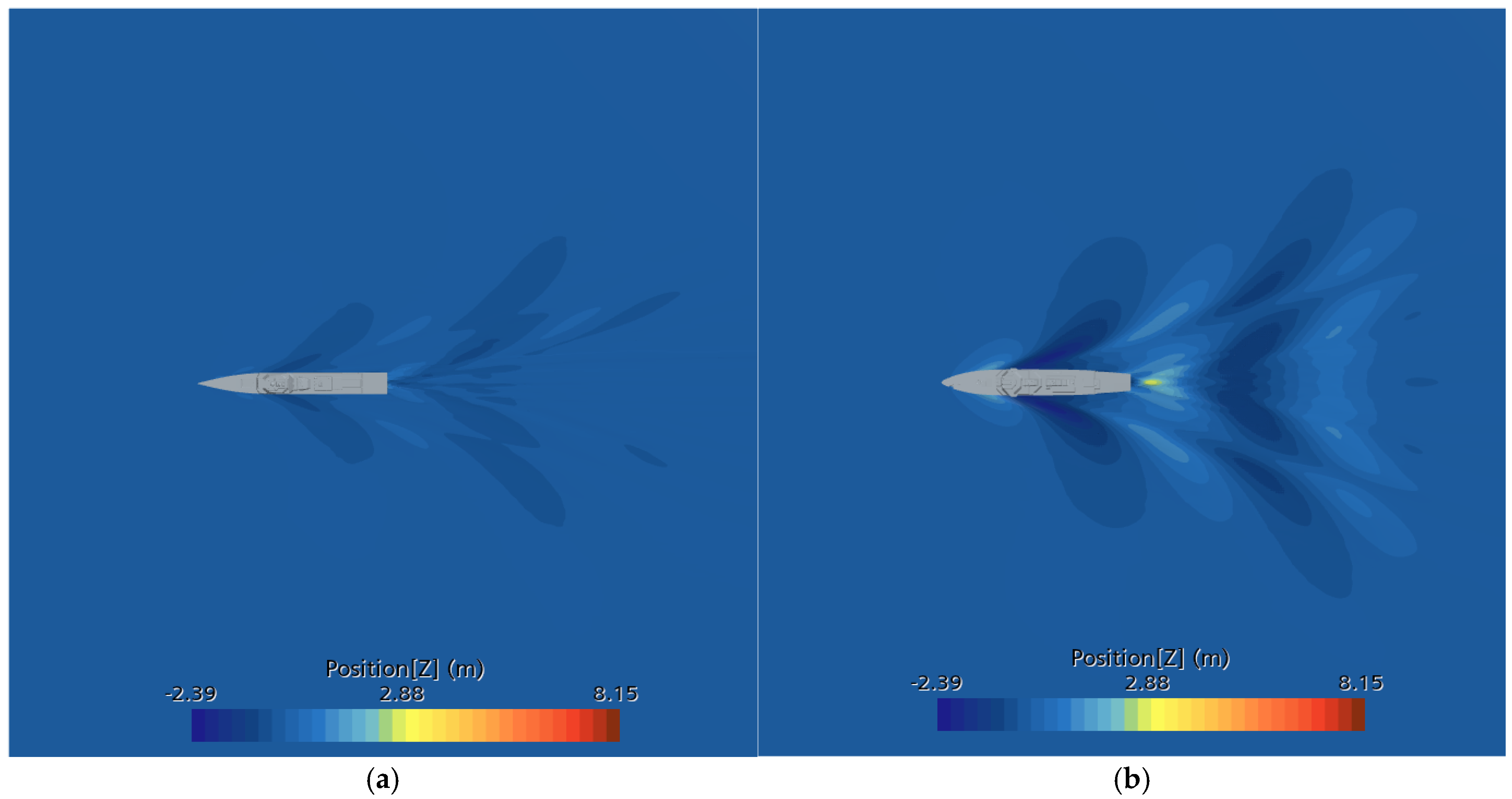
The wave patterns generated after the two ship models had advanced for 10 s are shown in
Figure 9. The sailing distance at this point is approximately equal to the overall length of both ship models. A slight but noticeable seawater disturbance phenomenon is observed ahead of the bulbous bow of the Arleigh Burke-class vessel model. The wave-making generated at the bulbous bow of the mainstream vessel of China is considerably calmer compared to that of the mainstream vessel of the U.S. However, based on the free-surface elevation difference, although a wider range of wave disturbance is generated by the mainstream vessel of the U.S., the free-surface elevation difference of the mainstream vessel of China is greater than that of the mainstream vessel of the U.S. This indicates that at this stage, changes in the free surface for the mainstream vessel of China are concentrated near the hull.
The wave patterns generated after both ship models had advanced for 20 s are shown in
Figure 10. The sailing distance for both vessels at this point is approximately twice their overall length. Compared to the state at 10 s, the significant seawater disturbance phenomenon induced at the bulbous bow of the mainstream vessel model of China was still ongoing. Areas with larger wave amplitude fluctuations were concentrated at the bow and stern, and distinct traces of the Kelvin wake system were already present. Considerable vertical fluctuations were observed at both the bow and stern regions of the mainstream vessel model of the U.S., while a fully developed Kelvin wave pattern was stretched out amidships. Pronounced wake undulations generated at the stern were also evident.
The free-surface condition after the two ship models had advanced for 50 s is shown in
Figure 11. The sailing distance at this point had reached five times the overall length of both ship models. The disturbance generated by the bulbous bow of the mainstream vessel model of the U.S. for drag reduction was observed to be relatively mild, while the seawater disturbance ahead of the bulbous bow of the mainstream vessel model of China was also seen to stabilize. The high-water-level disturbance for both hulls was concentrated on the port and starboard sides. Furthermore, the wave disturbance amidships of the mainstream vessel model of the U.S. was noted to stabilize, and a marked symmetry in the wake of the Kelvin wake system was evident. Compared to the wave patterns at 30 s, the disturbance generated by the mainstream vessel of the U.S. was extremely intense, with larger amplitude disturbances being more concentrated towards the stern. In contrast, the mainstream vessel model of China exhibited relatively calm conditions, and a clear symmetry in the motion-generated waves was observed. Similar to the situation in
Figure 10, the range over which the free surface was influenced by the mainstream vessel of the U.S. was far greater than that of the mainstream vessel of China. However, the free-surface elevation difference of the mainstream vessel of China at this stage remained greater than that of the mainstream vessel of the U.S.
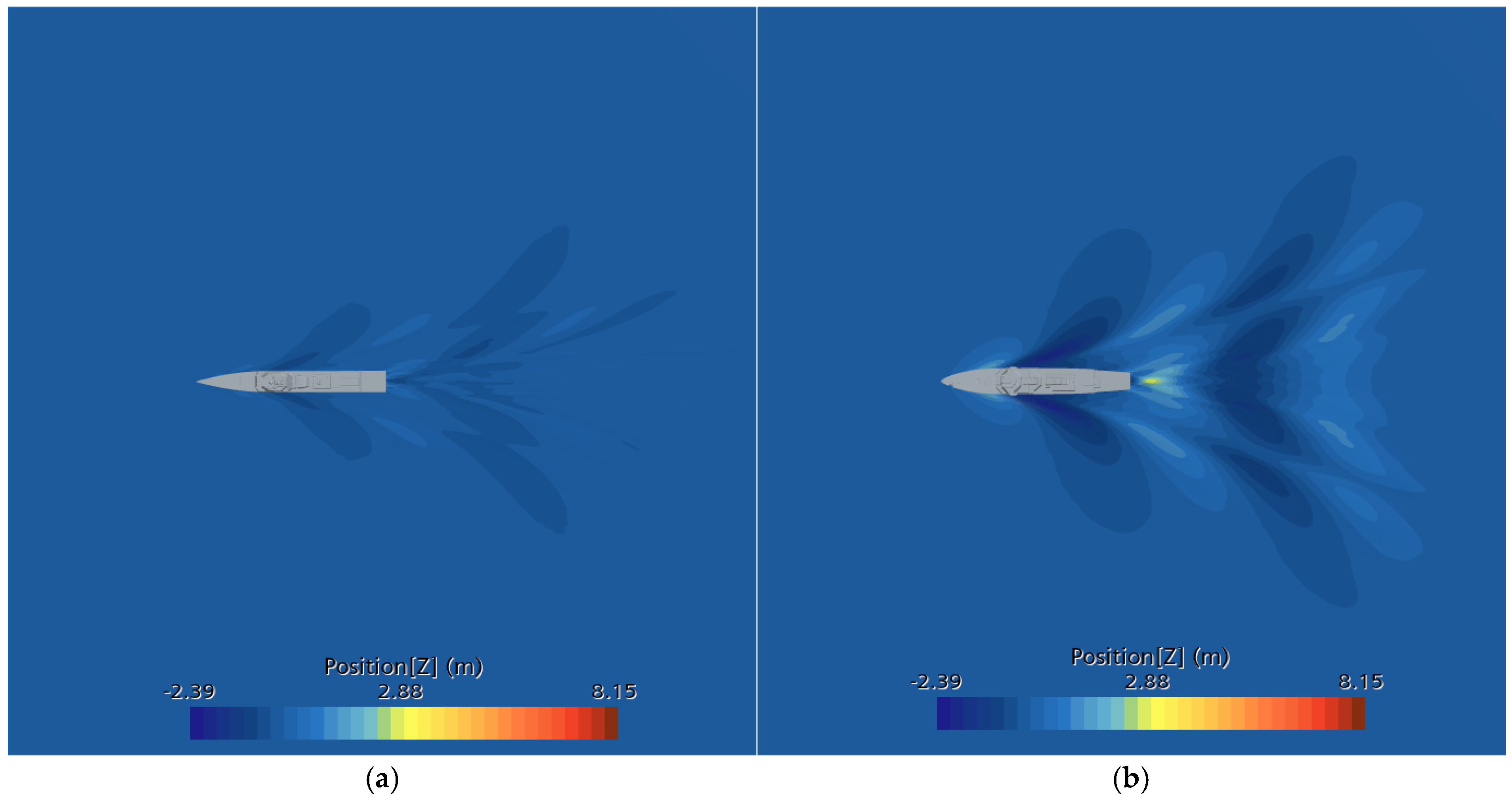
The wave patterns generated after both ship models had advanced for 100 s are shown in
Figure 12. The sailing distance at this point had reached ten times the overall length of both ship models. The motion of both vessels had stabilized, with the symmetry of motion being particularly pronounced. Compared to the wave patterns at 50 s, a smaller wave-making region was produced by the motion of the mainstream vessel model of China relative to that generated by the mainstream vessel model of the U.S. The Kelvin wake patterns of both were observed to originate from the bow and gradually develop towards the stern, but more intense disturbances in the wave-making were generated at the stern by the mainstream vessel model of the U.S., resulting in a noticeable drop in the Kelvin waves aft of the stern. Simultaneously, the range over which the free surface was disturbed by the motion of the mainstream vessel of the U.S. was far greater than that of the mainstream vessel of China. However, at this stage, the free-surface elevation difference of the mainstream vessel of China was slightly greater than that of the mainstream vessel of the U.S. A reduction in this elevation difference between the two vessels was noted compared to the situation in
Figure 11.
Similar to
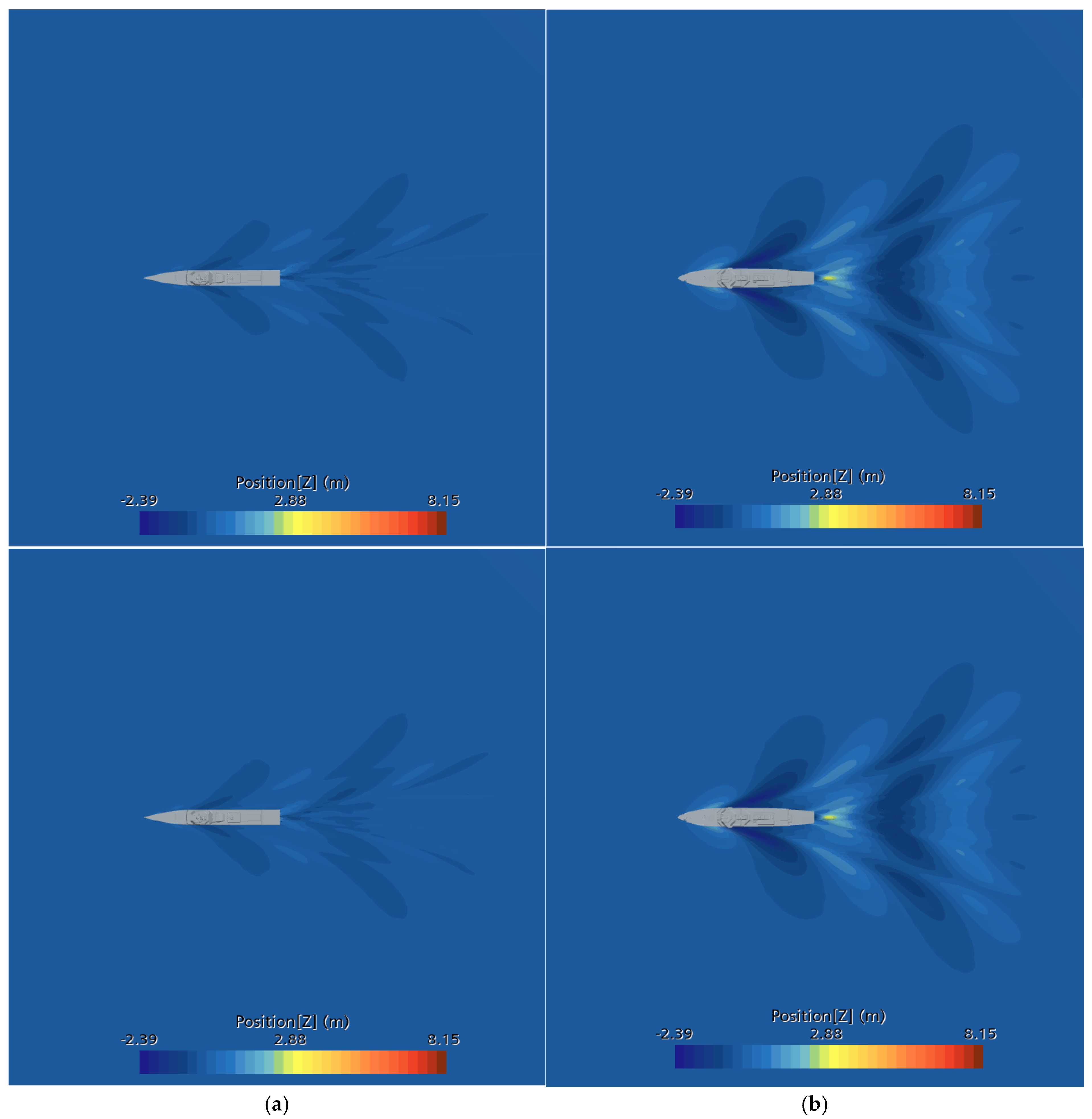
Section 4.1, a steady-state representation of the free surface was gradually reached by both ship models after prolonged motion. The free surface at 180 s and 360 s for the two vessels sailing at maximum speed is shown in
Figure 13. The free-surface area disturbed by the motion of both vessels showed almost no change compared to that in
Figure 12. In high-speed ship motion, vessels are more likely to form a stable wave-making influence range.
4.4. Analysis of Free Surface and Resistance at Maximum Cruising Speed
Figure 13 outlines the free-surface disturbance range of the two ship models after 360 s of motion at maximum speed. The data indicate that the maximum transverse disturbance distance of the mainstream vessel of China corresponds to 16.2 times its molded breadth, whereas that of the mainstream vessel of the U.S. corresponds to 20.4 times its molded breadth. Different from the economic speed condition, at maximum speed, the multiple of the molded breadth for the transverse free-surface disturbance distance generated by the mainstream vessel of the U.S. exceeds that of the mainstream vessel of China by more than four times its breadth.
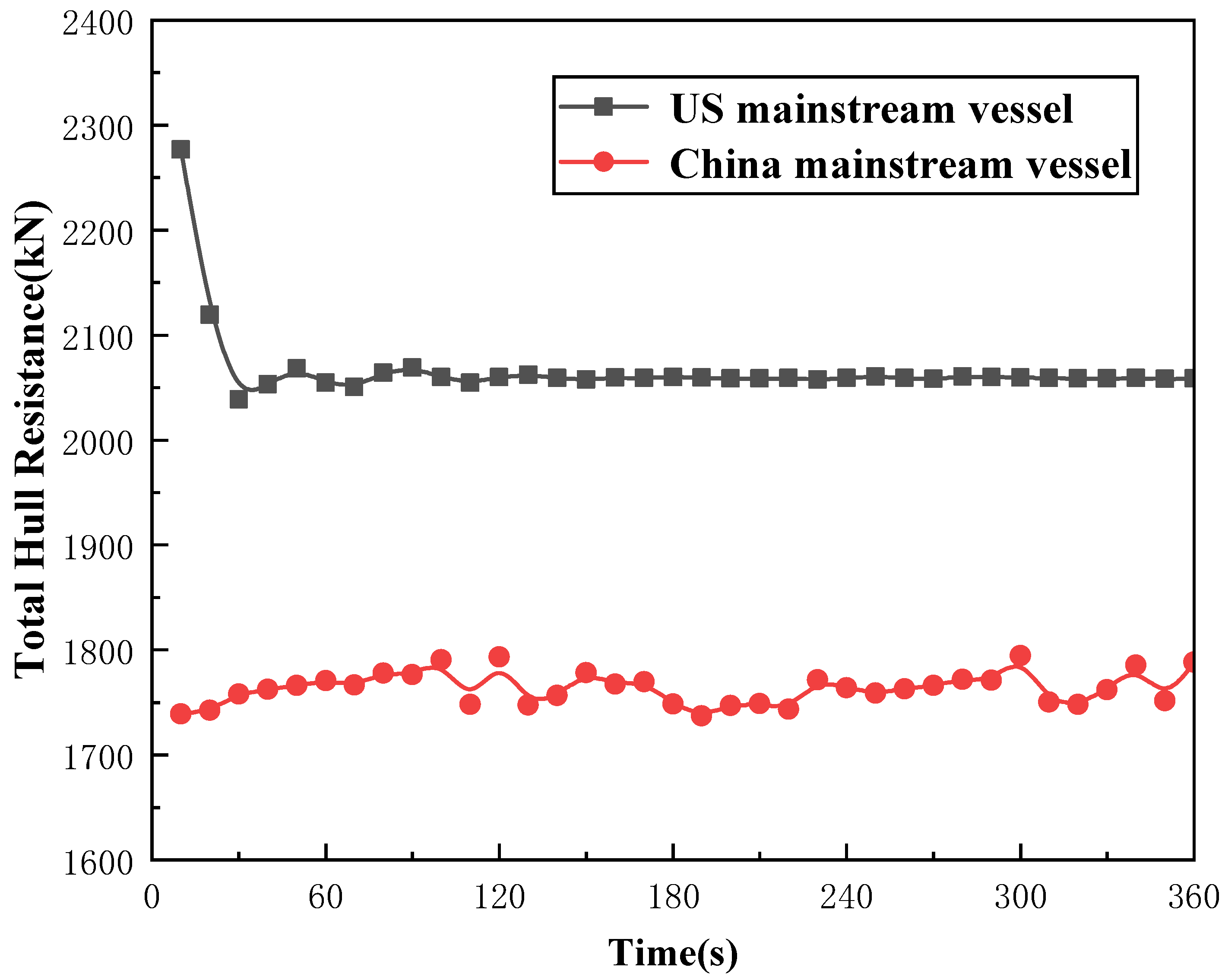
The hull resistance variation experienced by the two ship models at maximum cruising speed is clearly shown in the visualization plot presented in
Figure 14. From the initiation of motion until 360 s, the total resistance experienced by the hull of the mainstream vessel of the U.S. is approximately 2050 kN, while that of the mainstream vessel of China is approximately 1750 kN, resulting in a difference of about 300 kN between the total hull resistances of the two vessels. This differs from the resistance variation observed when the two vessels were moving at economic speed. In this case, the hull resistance of the mainstream vessel of the U.S. is greater than that of the mainstream vessel of China.
In accordance with
Section 4.2, the slight oscillatory fluctuations in the resistance values presented here are considered numerical artifacts rather than physical phenomena. Furthermore, the amplitude of these oscillations is substantially smaller than the steady-state mean resistance and therefore does not compromise the comparative analysis of the steady-state resistance performance between the two vessels.
6. Conclusions
This study conducted a systematic comparison of the hydrodynamic performance between two representative destroyers from China and the United States, employing validated computational fluid dynamics methods complemented by scaled model tests. Through full-scale CFD simulations and experimental verification, the wave-making characteristics and resistance performance of the two ship types were analyzed under calm water conditions at both economic speed (18 knots) and maximum speed (30 knots). The main conclusions are summarized as follows:
Performance trade-off at economic speed: At 18 knots, the mainstream vessel of China exhibits superior wave stealth performance, with a maximum transverse wave-affected width of 10.5 times the beam (184.8 m), compared to 11.6 times the beam (221.6 m) for the mainstream vessel of the U.S. However, this is achieved at the cost of higher total resistance, with the mainstream vessel of China experiencing approximately 850 kN, about 240 kN greater than the 610 kN of the mainstream vessel of the U.S.
Performance reversal at maximum speed: At 30 knots, the ranking of resistance performance is reversed. The total resistance of the mainstream vessel of China is about 1750 kN, which is lower than the 2050 kN of the mainstream of the U.S. by approximately 300 kN. Meanwhile, the mainstream vessel of China maintains a notably smaller wave-affected width (16.2 times the beam) compared to the mainstream vessel of the U.S. (20.4 times the beam), indicating better wave stealth characteristics even at high speed.
Reliability of methodology and validation: The towing test of a 1:141 scale model was conducted, and the measured resistance data show excellent agreement with the corresponding CFD results, confirming the reliability and accuracy of the numerical model in predicting ship resistance and wave-making characteristics.
In summary, this research quantitatively elucidates the differences in design philosophy from a hydrodynamic perspective: the mainstream vessel of the U.S. prioritizes low resistance at economic speed, whereas the mainstream vessel of China emphasizes wave stealth across the speed range while demonstrating better overall resistance performance at high speed. These findings provide an important basis for the multi-objective optimization of future surface combatants in terms of stealth, speed, and energy efficiency.
Despite its contributions, this study has several limitations. First, the 3D geometric models of both vessels were reconstructed from public sources, which may lack certain localized details, leading to inherent uncertainties in geometric fidelity and input parameters. Second, due to resource constraints, towing tank experiments were only performed on a small-scale model of the vessel of China. While these tests provide crucial validation for the numerical methods, their representativeness is constrained by the use of a single hull type and potential scale effects. Future work should incorporate systematic uncertainty quantification to enhance the extrapolation reliability of the full-scale results.