


Abstract
Floating offshore production systems play a critical role in offshore resource development, where the structural integrity and operational safety of risers, umbilical cables, and mooring cables are of paramount importance. Focusing on the failure risks of these key components under harsh marine environments, this paper systematically reviews the coupled mechanisms of wave-induced loading, electrochemical corrosion, and material fatigue. Unlike traditional reviews on offshore pipelines and cables, this study not only examines the mechanical performance of deepwater pipelines and cables along with representative research cases but also discusses corrosion mechanisms in marine environments and corresponding repair and mitigation strategies. In addition, recent advances in machine learning-based digital twin frameworks and real-time monitoring technologies are reviewed, with an analysis of representative application cases. The findings indicate that interdisciplinary material innovations combined with data-driven predictive models are essential for addressing maintenance challenges under extreme ocean conditions. Furthermore, this review identifies existing research gaps in data fusion for monitoring technologies and outlines clear directions for the intelligent operation and maintenance of future deep-sea infrastructure.
1. Introduction
Fossil fuels are essential to human production and daily life [1,2]. While several renewable energy technologies have begun to emerge in recent years [3,4,5], they cannot fully replace fossil fuels in the short term [6]. The oceans and seas, as vast reservoirs of resources, are particularly rich in fossil fuel reserves [7,8,9]. Floating Offshore Production Systems play a critical role in the extraction of marine resources [10,11]. Marine pipelines and cables within these floating production systems are essential for ensuring their reliable and efficient operation [12,13,14]. There are three main types of marine pipelines and cables that play a critical role in floating offshore production systems: mooring cables, umbilical cables, and risers. Mooring cables are used to anchor the floating platform to the seabed, ensuring its stability and maintaining its position [15,16]. Umbilical cables connect the platform to subsea facilities, transmitting power, communications, and other essential services [17,18]. Risers are responsible for transporting oil, gas, or other resources from the seabed to the platform for processing or production operations [19,20]. The complex environment in which floating offshore production platforms operate presents several threats to the health of marine pipelines and cables within these systems. These threats include the impact of waves and currents [21,22], collisions with other offshore structures [23,24], environmental corrosion [25,26], variations in temperature and pressure [27,28], transporting pipeline and cables corrosion [29,30], and biological erosion [31,32]. If not adequately addressed, these factors can lead to environmental pollution [33,34], significant economic losses [35,36], and even pose risks to the lives of operators [37,38]. Figure 1 shows an offshore floating production system and common health and safety issues related to pipelines and cables in the system. Consequently, it is crucial to study the negative impacts of these threats on offshore pipelines and explore effective strategies for their placement and protection.
Figure 1.
Offshore Floating Production Systems and common health and safety issues related to pipelines in such systems.
An initial analysis of health and safety issues related to marine pipelines highlights the need for these concerns to be addressed through interdisciplinary research, incorporating insights from multiple fields. The causes of damage to submarine pipelines can be divided into the following broad categories.
- (1)
- Deformation or breakage of pipelines due to sea currents during laying.
- (2)
- In the process of transportation due to the influence of third-party external forces leading to damage.
- (3)
- For submarine pipelines, the occurrence of pipe spans is inevitable during operation. Submarine pipelines can develop hanging spans due to current scouring. The hanging pipe sections are subjected to alternating loads from water flow, leading to vortex-induced vibrations and fatigue fractures, ultimately resulting in pipeline fatigue damage [39,40,41,42].
- (4)
- Submarine pipelines are susceptible to corrosion due to the acidic composition of the ocean, inherent pipeline defects, and the presence of sand in the transmission substances, leading to perforation and fracture.
Marine pipelines and cables serve as the critical lifelines for offshore energy transmission, yet they are increasingly exposed to multi-hazard environments, including extreme hydrodynamic loads, complex deep-sea corrosion, and mechanical failures. Despite extensive localized research, the field currently lacks a holistic, interdisciplinary framework that integrates fluid mechanics, material science, and structural integrity to guide the entire lifecycle of these assets. This paper mainly reviews three major types of marine pipelines and cables used in offshore floating production systems. This review aims to address this critical gap by developing a comprehensive research manual that fosters cross-disciplinary synergy. Moving beyond isolated studies, this work systematically maps the research trajectory starting from wave-induced effects and extending to advanced material design and anti-corrosion strategies. The scope encompasses an in-depth analysis of environmental impacts, corrosion mechanisms, maintenance protocols, and innovative design methodologies. By identifying current research bottlenecks and emerging trends, this review provides a strategic roadmap for the sustainable development and intelligent management of marine infrastructure.
2. Literature Selection Methods
This study selected the Web of Science Core Collection (WoSCC), indexed in the Science Citation Index Expanded (SCIE), and the China National Knowledge Infrastructure (CNKI) as data sources. The relevant literature was retrieved on 28 January 2025, through the online library of Guangdong Ocean University, China. The publication period was limited to studies published between 1950 and 2025.
To systematically explore multidisciplinary research on the safety of pipelines and cables in floating offshore production systems, a carefully designed search strategy was developed to integrate studies from engineering as well as environmental science and technology. Key structural components, including risers, mooring cables, and umbilical cables, were selected as primary keywords to ensure comprehensive coverage of the core elements of floating production systems. Safety-related terms such as corrosion, failure, and fatigue were incorporated to capture major threats to structural integrity. In addition, environmental factors including waves, currents, and vortex-induced vibration were included to highlight the influence of complex marine conditions on system safety.
The final search query was refined as follows:
(KP = (Riser OR Mooring Cable OR Umbilical Cable) OR TS = (Floating Offshore Production)) AND (TS = (Health OR Safety) OR KP = (Corrosion OR Failure OR Fatigue OR Biological Erosion OR Collisions OR Temperature OR Pressure OR Pipeline Contamination OR Wave OR Current OR Vortex-Induced Vibration)).
The literature selected for this review consists of reviews and research articles, with documents published in both Chinese and English. This is because the authors’ research background is primarily based in Chinese higher education institutions, making them more familiar with studies in both languages. Based on the above search strategy, a total of 657 papers were retrieved from WoSCC and 109 papers from CNKI. First, duplicate records were initially removed using the bibliometric analysis software CiteSpace (Version 6.3R1). Second, through manual screening, papers whose titles involved risers, umbilical cables, and mooring lines were selected. Subsequently, the literature was further filtered based on three criteria: research relevance, citation count, and journal reputation, with journal reputation assessed considering database indexing, impact factor, JCR quartile, and Chinese Academy of Sciences (CAS) ranking. Finally, a total of 260 papers were included. In addition, during the review process and based on recommendations from experts in the field, five additional DNV standards were incorporated. Meanwhile, due to the limited existing research on the performance and protection of pipelines and cables specifically within FPSO systems, this review incorporates high-quality case studies involving risers, umbilical cables, and mooring cables to provide a comprehensive analysis.
3. Wave and Current Impact
The impact of waves and currents are critical considerations in ocean engineering, particularly when studying marine pipeline and cable issues [43,44,45]. During the key operations of pipe-laying [46,47] and pipe-lifting [48,49], waves can compromise operational accuracy and even cause damage. These environmental factors not only directly impact the structural stability and mechanical properties of offshore pipelines and cables but also influence the reliability and safety of FPSO system long-term operations. Periodic loads from waves [50,51], vortex-induced vibrations [52,53], and the pressure and drag forces [54,55] from ocean currents create complex dynamic effects on pipeline and cables systems. These can lead to fatigue damage [56,57] and structural failure [58,59].
3.1. Morison Equation
The Morison Equation [60] is a crucial tool in marine engineering for calculating wave-induced forces on submerged structures, as expressed in Equation (1).
Here, dF represents the total wave force acting on a micro-section of the member with a projected area dA. The variables and denote the instantaneous wave-induced fluid acceleration and velocity perpendicular to the object’s axis. The coefficients and correspond to the drag force coefficient and inertia force coefficient, respectively.
The equation incorporates both inertial and drag forces in hydrodynamics to predict fluid forces acting on small-diameter structures. It enables quick estimations of wave and fluid forces on elongated structures with a straightforward calculation process that avoids complex numerical solutions [61,62]. However, its applicability is typically limited to elongated structures whose diameters are much smaller than the wavelength. Recent intensive research has revealed potential extensions of this equation’s use to larger marine structures.
Zhou et al. [63] applied Morrison’s equations to calculate wave loads on large-scale round-ended sinkhole foundations for sea-crossing bridges subjected to regular waves. They compared the results obtained from Morrison’s equations with those from other methods. The findings indicated that Morrison’s equations might overestimate the contribution of wave drag forces, particularly for large-scale structures. The team also analyzed the sensitivity of Morrison’s equations to the relative scale D/L of the structure by varying the wave period and comparing the results with those of alternative methods.
Luo (2023) [64] used Morrison’s equations to calculate the wave forces in both horizontal and vertical directions for a suspension tunnel tube in a wave environment. The study revealed that Morrison’s equation might introduce significant errors when calculating wave loads on large-scale structures. To address this, the hydrodynamic coefficients, including additional mass and inertia coefficients, were optimized and corrected using the least-squares method. This adjustment made the wave forces predicted by Morrison’s equation more consistent with those calculated by the theory of wrap-around potential flow. The accuracy and validity of the modified Morrison’s equation in wave force prediction were verified by comparing its results with those obtained from the bypassing potential flow theory.
For calculating wave loads on large semi-submersible platforms, Liu and Xiao (2003) [65] combined Morrison’s formula with potential flow theory, particularly for the elongated portion of the platform. In this region, the forces are determined by the wave motion around the structure, influenced by the large-volume section of the platform.
Although the Morison equation is widely applied due to its simplicity, it exhibits significant limitations when used for large-scale marine structures. By neglecting wave diffraction and radiation effects, the conventional formulation fails to accurately capture wave–structure interactions when the relative diameter-to-wavelength ratio (D/L) becomes large, leading to distorted force estimations. At present, although coefficient calibration or hybrid approaches incorporating potential flow theory can improve prediction accuracy to some extent, a universally applicable unified criterion is still lacking. Therefore, in engineering design, it is necessary to balance computational efficiency and accuracy according to structural scale and wave conditions, and the establishment of standardized guidelines for model selection and parameter calibration remains a key focus for future research.
3.2. Current Scour
Current-induced scour can result in the removal of sediment around marine pipelines, exposing their surfaces and increasing abrasion and erosion. This can lead to pipeline overhangs, stress concentrations, buckling, or fractures. Additionally, scour can alter seabed morphology, cause uneven stresses and vibrations on the pipeline, reduce stability, and accelerate the corrosion process. Meanwhile, current scour poses a severe threat to the structural integrity and operational safety of FPSO systems by weakening the anchoring capacity of mooring systems, inducing fatigue failure in free-spanning pipelines and risers through vortex-induced vibrations (VIV), and causing instability in subsea infrastructure foundations. Figure 2 illustrates a typical free-spanning offshore pipeline sketch.
Figure 2.
A typical free spanning offshore pipeline sketch.
Zhang from Shanghai Jiao Tong University has summarized recent research findings on the local scour problem of fixed pipelines in marine environments [66].
Lucassen and Kjeldsen et al. [67,68] conducted experimental research on the current scour problem of submarine pipelines. They analyzed the effects of flow velocity, flume size, and pipeline burial depth on the equilibrium depth of scouring of submarine pipelines. They discussed the equilibrium depth of scouring as a function of flow velocity, flume size, and sand size and proposed a formula to predict the relationship between the equilibrium depth of scouring of pipelines and the diameter of the pipe and the flow velocity.
Chao and Hennesy [69] derived an analytical method for determining the equilibrium depth of local scour in pipelines under uniform flow based on two-dimensional potential flow theory. They proposed an analytical method specifically for clear water scour, which involves solving the following equations:
where is critical shear stress, is critical velocity and is friction factor.
Li and others (2012) [70] improved upon the Chao-Hennesy resolution method by incorporating the factor of sediment inflow into the pit. Based on two-dimensional potential flow theory and the principle of energy balance, they combined this with the formula for flow-type and power-type sediment transport rates. This led to the development of a semi-empirical and semi-theoretical prognostic method applicable to determining the equilibrium depth of localized scour around pipelines under homogeneous flow conditions in a moving bed scour situation.
Subsequently, Mao (1987) [71] investigated the interaction mechanism between submarine pipelines and the seabed through indoor experiments. He proposed a mathematical model for the scour depth of pipelines based on the improved potential flow theory, discussed the effect of vortex shedding on scour downstream of the pipeline, and conducted a preliminary analysis of the impact of pipeline vibration on scour.
Sumer et al. (1988) [72] investigated the scour in the wake behind the pipeline using both experimental and numerical methods. They revealed the mechanism of wake scour and discussed the effect of bed shear on wake scour.
Van Beek (1990) [73] investigated the problem of localized scour around a submarine pipeline using numerical methods. The numerical model employed the Navier–Stokes (N-S) equation and the sediment movement equation to calculate fluid movement and sediment scour.
Chiew et al. [74] discussed the mechanism of localized scouring of pipelines in cohesionless seabed’s using experimental methods. They concluded that the pressure difference between the stagnation pressure upstream of the pipeline and the wake pressure downstream is the primary cause of scouring. They suggested that placing impermeable membranes in the seabed below the pipeline could prevent scouring. Additionally, Chiew [75] examined the effect of spoilers on pipeline scour, finding that spoilers installed at the top of the pipeline increase the blocking effect on the water flow, causing more water to be deflected downward and thus increasing the scour depth. The presence of spoilers also enhances wake scour, which is significant for the self-burial phenomenon of pipelines. Furthermore, the local scour of pipelines is strongly influenced by the parameters of both the fluid and the pipeline [76,77,78,79,80].
Hu et al. [81] investigated the effect of the incidence angle of water flow on the scouring of submarine pipelines, based on two-dimensional studies predicting scour depth. They proposed a machine learning approach to predict the equilibrium scour depth of submarine pipelines, considering the incidence angle of water flow. In their study, three models were proposed: GA-BP neural network, RBF neural network, and SVM. They found that the Froude number is the most influential factor affecting the scour depth of submarine pipelines.
Zhao et al. [82] discussed the effects of isolated waves and currents on localized scour. They proposed a coupled numerical model incorporating current and sediment scour modules. The hydrodynamics and local scour around various submarine pipelines, under the combined influence of isolated waves and surface back currents, were investigated using the immersed boundary method.
Dogan et al. [83] conducted an experimental study on the development of scour holes along the spreading direction of the pipe and the velocity of scour propagation. They found that the development along the spreading direction of the pipe was inversely proportional to the Keulegan–Carpenter number and directly proportional to the Shields parameter. Additionally, a new expression based on the Keulegan–Carpenter number was provided to evaluate the clear water scour condition data for this study.
The effective range is 0.01 < < .
They also proposed that the propagation velocity of scour increases with the increase in pipe diameter and decreases with the increase in particle size.
Chen et al. [84] proposed a distributed model to evaluate the damage of submarine pipeline networks caused by regional mudflows. Figure 3 illustrates the framework of the proposed distributed model. The model comprises three components: a spatial discretization module, a regional submarine mudflow dynamics module, and a pipeline network impact force and damage assessment module. This model is designed to assess the response of pipeline networks to regional submarine mudflows, aiding in risk-informed decision-making, planning, and optimization of pipeline routes.
Figure 3.
Framework of the proposed distributed model.
Although significant progress has been made in the study of local scour around submarine pipelines, most existing research is based on simplified assumptions such as two-dimensional steady flow, rigid pipelines, and idealized seabed conditions. These assumptions limit the ability to fully represent the complex marine environment, including wave–current coupling, oblique flow incidence, and seabed heterogeneity, and introduce pronounced scale effects and restrictions on model applicability. Local scour–induced free spans and flow-induced vibrations pose serious threats to pipeline structural integrity; however, the accuracy and general applicability of existing prediction models and mitigation measures remain insufficient under multi-field coupled conditions. Future research should integrate large-scale experimental studies, high-fidelity numerical simulations, and field observations to develop a unified evaluation framework that incorporates structural dynamic response and reliability-based design, thereby establishing more robust engineering design guidelines and mitigation strategies.
3.3. The Vortex-Induced Vibration
Nonlinear hydrodynamic effects induced by wave action can lead to complex kinematic responses, among which vortex-induced vibration (VIV) is a representative phenomenon. VIV significantly compromises FPSO systems by driving high-frequency cyclic oscillations in risers, umbilical cables, and mooring lines, thereby accelerating fatigue damage and increasing the risk of structural failure or loss of containment.
An experimental study on the vortex-induced vibration (VIV) of submarine pipelines with long free spans was conducted. When submarine pipelines and cables are laid on cohesionless soil, uneven seabed’s or scouring can lead to the development of local scour around the pipeline. This local scour results in the periodic shedding of vortices across the pipeline, subjecting it to transverse and downstream periodic fluid forces. These periodic fluid forces cause the pipeline to vibrate periodically, a phenomenon known as “Vortex-Induced Vibration” (VIV) [85,86,87].
Numerous researchers conducted an experimental study on the vortex-excited vibration of low mass ratio pipelines. The experimental results revealed three branches in the variation in amplitude with the approach velocity in these pipelines. The vortex-excited cylindrical amplitude and vibration frequency were found to be related to the approach velocity. As the approach velocity changed, the performance of the three branches—initial, lower, and upper—also changed. Notably, there was a significant hysteresis effect observed before the transitions between these branches [88,89,90,91,92].
Zhang [66] summarized the equations and proposed several forms of vortex shedding for cylindrical vortex-excited vibrations, such as 2S, 2P, P + S, 2C, 2T, etc., as shown in Figure 4.
Figure 4.
The vortices shedding for various Reynolds number and vortex shedding mode.
Fan D et al. [93] conducted an experimental study on the steady-state hydrodynamic vibrations of small flexible cylinders (aspect ratio L/d = 61, mass ratio m0 = 1.38) within a backed structure on the semi-buried seafloor of a main pipeline. The study investigated the effect of the gap-to-diameter ratio for five different cases, including the open-flow case (G/d = ∞) at various folding velocities. The following conclusions were drawn:
- (1)
- Compared to the narrow-band single-frequency response in the CF (first harmonic) and IL (second harmonic) directions for the open-flow case, the presence of a larger semi-buried pipe increases the mean drag coefficient of the smaller flexible cylinders in the backed structure. Additionally, it exhibits a wider-band response when the gap-to-diameter ratio is small.
- (2)
- For small gap-to-diameter ratios, this leads to larger average IL displacements at the same rate of reduction.
- (3)
- At G/d = 1.0, a stronger third harmonic motion is observed in the CF direction. In the IL direction, the frequency response is much richer, exhibiting stronger first and fourth harmonic motions, detectable third harmonic motions, and larger second harmonic motions.
Xu [94] and colleagues investigated the multi-span classification method and interaction mechanism of vortex-excited vibration in submarine pipelines. They studied the interaction mechanism of multi-span pipelines from both static and dynamic perspectives and proposed a multi-span pipeline classification method based on modal frequency and energy transfer. Figure 5 and Figure 6 illustrate the processes of the modal frequency-based classification method and the energy transfer-based classification method, respectively.
Figure 5.
Process of the classification method based on modal frequencies.
Figure 6.
Process of the classification method based on energy transfer.
Zhang et al. [95] numerically investigated the inward flow effect (IFE) and outward flow effect (ECE) of vortex-excited vibrations (VIVs) on the axial inward flow of free-spanning submarine pipelines with mis-flow vortex-excited vibrations. They explored the competing mechanisms involved. The partial differential equations for the pipeline system were developed using Euler-Bernoulli beam theory and a wake oscillator model.
Although significant progress has been made in the study of vortex-induced vibration (VIV) of submarine pipelines, most research is limited to idealized conditions such as uniform flow, two-dimensional assumptions, and isolated free spans, which cannot fully capture wave–current coupling, seabed irregularities, and complex pipe–soil interactions. Existing predictive models are constrained by parameter sensitivity and scale effects, and often neglect the nonlinear coupling between scour evolution and vibration response, limiting their applicability to full-scale engineering scenarios. VIV-induced fatigue damage and resonance pose serious threats to pipeline integrity, while the long-term effectiveness of current mitigation measures under dynamic seabed conditions remains uncertain. Future research should employ large-scale experiments and high-fidelity fluid–structure–soil simulations to develop an integrated predictive framework encompassing hydrodynamics, structural dynamics, and seabed evolution, thereby establishing more robust engineering design guidelines.
4. Corrosion
The corrosion behavior of marine pipelines is primarily influenced by seawater [96,97] and seabed sediments [98,99]. Seabed sediments exert a significant influence on the integrity of FPSO systems by creating complex electrochemical environments that induce differential aeration cells and promote microbiologically influenced corrosion (MIC). These mechanisms adversely affect the long-term structural reliability of key subsea components, including risers, umbilical cables, and mooring lines, particularly in sediment-covered or partially buried conditions.
The complexity of the seawater environment complicates the corrosion process, which involves electrochemical reactions affected by factors such as the composition of the rust layer and the nature of the solution [100,101,102,103]. To better understand corrosion behavior, it is essential to use relevant corrosion models that can explain these patterns and interactions.
Compared to the seawater environment, seabed sediments present a non-uniform system consisting of solid and liquid phases [104,105,106]. In submarine sediments, steel primarily undergoes electrochemical and microbiological corrosion. The limited dissolved oxygen in seafloor sediments and the poor exchange between seafloor water and ocean water usually result in more oxygen-poor corrosive environments [107,108]. Different types of seafloor sediments affect the rate of oxygen diffusion, leading to uneven oxygen distribution [109,110,111], large potential differences, corrosion currents, and galvanic coupling corrosion. Additionally, variations in oxygen supply can initiate autocatalytic processes of localized corrosion, such as pitting [112,113] and crevice corrosion [114,115]. Figure 7 illustrates the analysis of corrosion in submarine pipelines.
Figure 7.
Corrosion scenarios analysis of submarine pipeline.
4.1. Corrosion Behavior in Seawater
Figure 8 illustrates the environmental distribution of metals in the oceans. Depending on the environment in which metals are located in the ocean, they can be divided into the marine atmospheric zone, splash zone, tidal zone, submerged zone, and mud zone. The corrosion behavior of metals in the marine environment varies depending on the zone, and thus, marine pipelines are subject to different degrees of corrosion [116,117,118].
Figure 8.
Distribution of metals in the marine environment.
In the marine atmospheric and splash zones, frequent wet-dry cycles and high oxygen levels lead to faster corrosion rates, with uniform corrosion and pitting corrosion being common [119,120,121]. The tidal zone, influenced by tidal changes, presents a complex environment where differential aeration corrosion and crevice corrosion are more likely to occur [122,123]. The submerged zone, where metals are constantly submerged in seawater, experiences slower corrosion rates due to limited oxygen supply, but uniform corrosion and biofouling remain significant issues [124,125]. In the mud zone, metals buried in sediment face minimal oxygen exposure, making microbial corrosion, such as sulfide corrosion caused by sulfate-reducing bacteria, the primary concern [126,127].
Melchers R E et al. [128] established a corrosion model for mild steel in seawater by conducting long-term experiments on its early corrosion behavior. Figure 9 illustrates the time model of corrosion loss for multiphase phenomena. They concluded that the long-term immersion of carbon steel in seawater can be divided into five stages:
Figure 9.
The multi-phase phenomenological corrosion loss–time model.
- (1)
- The activation control stage:
In the initial stage, during a relatively short period of time when carbon steel is immersed in seawater, metal activation is driven by the ample supply of oxygen.
- (2)
- The concentration control stage:
Dissolved oxygen diffuses and generates thin and loose corrosion products. Due to the thin rust layer, there is no obstruction to dissolved oxygen diffusion, and the corrosion process can be described by a linear function.
- (3)
- Oxygen diffusion control:
As the rust layer becomes thicker, the diffusion of dissolved oxygen through the rust layer becomes the controlling step of the corrosion reaction. This stage is characterized by oxygen diffusion control.
- (4)
- The growth control stage of SRB:
Due to the gradual thickening of the rust layer, it becomes difficult for oxygen molecules to reach the surface of the metal. Consequently, sulfate-reducing bacteria (SRB) start to grow in this stage.
- (5)
- The stabilization control stage of SRB:
As bacterial growth stabilizes, the corrosion rate of carbon steel also gradually stabilizes. This stage is characterized by a prolonged period of stable corrosion rate.
As early as 1925, Evans et al. [129,130,131] used vertical steel and zinc plates half-immersed in NaCl solution to study the effect of waterline action on metal corrosion. They found that the metal at the gas–liquid junction exhibited slight corrosion, while the corrosion at the waterline was particularly pronounced. This was attributed to different oxygenation states in the waterline region. The narrow, well-oxygenated waterline area became a cathodic zone, while the under-oxygenated area beneath the waterline became an anodic zone. This disparity created a macroscopic oxygen concentration cell, leading to galvanic corrosion of the metal.
Tomashov et al. [132] believe that the cathodic area of the macro-galvanic cell, which is the waterline region, contains multiple micro-galvanic cells. These two types of cells together influence the corrosion behavior of the metal. As the corrosion behavior of metals in the waterline region receives increasing attention, researchers worldwide have conducted extensive studies on the corrosion of metals in seawater and atmospheric environments [133,134,135,136,137,138].
Jeffrey et al. [139] conducted a study on waterline corrosion by immersing a 1-m-long vertical steel plate in seawater. Based on the different lengths of the steel plate immersed in seawater, they obtained a classic mass loss profile. The results showed that the mass loss near the waterline was minimal, indicating relatively mild corrosion. The most severe corrosion occurred in the splash zone and the fully immersed zone below the waterline. The splash zone experienced the greatest mass loss due to the influence of sea wind and waves, while the fully immersed zone below the waterline also showed significant mass loss. The study described the distribution areas of anodes and cathodes, and the electron transfer paths under different aeration conditions.
4.2. Corrosion Rate Prediction
Researchers have developed various corrosion prediction models to better understand the corrosion mechanisms in marine pipelines and enhance their protection [140]. Commonly used prediction methods include probabilistic statistical methods [141,142], reliability function analysis [143,144], regression analysis methods [145,146], time series prediction methods [147,148], gray model prediction methods [149,150], and artificial intelligence techniques [151,152,153].
Traditional prediction methods, such as probabilistic statistics and regression analysis, often require high-quality data and may not accurately capture the relationships between variables when fitting regression functions. Reliability function analysis, frequently employing the Monte Carlo method [154], involves substantial computational effort. Time series prediction methods, including autoregressive models [155], sliding average models [156], ARMA models [157], and ARIMA models [158], aim to predict future outcomes by constructing models based on the corrosion development law. However, time series-based methods face limitations in predicting multiple influencing factors that are not time-dependent. Additionally, artificial intelligence algorithms like the Least Squares Support Vector Machine (LSSVM) model [159] and gray models, such as the GM (1, N) model [160], offer alternative approaches to prediction.
Deng et al. [161] proposed a novel prediction method for the corrosion rate of submarine pipelines, combining gray correlation analysis and fuzzy neural networks (FNN). The FNN integrates fuzzy theory with artificial neural networks, addressing some of the limitations of traditional neural networks [162]. The theoretical foundation of FNN is rooted in fuzzy mathematics and the learning mechanisms of neural networks. In this context, the degree of affiliation refers to how closely an element u belongs to a fuzzy subset f. The fuzzy affiliation function is used to quantitatively calculate this degree of affiliation [163]. The T-S fuzzy system can continuously modify the affiliation function of the fuzzy subset. The experimental steps are shown in Figure 10. The experiment demonstrated that this hybrid prediction method maintains high prediction accuracy even when the number of environmental factors is reduced. Future work can focus on extensive testing and training with large datasets on the corrosion rate of submarine pipelines to enhance the generalization capability of this hybrid prediction method.
Figure 10.
Experimental procedure.
Wang et al. [164] conducted a research experiment utilizing a hybrid Bayesian network to predict the corrosion risk of submarine pipelines. The results indicated that the model effectively captures the dynamic nature of corrosion risk in submarine pipelines and offers actionable recommendations for mitigating this risk.
5. Maintenance and Repair of Marine Pipelines
5.1. Buckling Protection
Buckling protection constitutes a critical design consideration for marine pipelines and cables within FPSO systems. Risers and umbilical cables may experience thermally induced compressive loads under high-pressure, high-temperature (HPHT) operating conditions, while mooring lines are susceptible to instability under combined environmental and operational loading. Effective buckling protection and stability control measures are therefore essential to prevent excessive deformation, ensure structural integrity, and maintain long-term service safety. As marine development progresses into deeper waters, submarine pipelines must withstand the complex pressures, temperature fluctuations, and currents of the deep-sea environment. Effective buckling protection ensures the stability and safety of these pipelines through careful design and construction, which includes selecting suitable materials and structures, predicting and assessing buckling phenomena, and designing reinforcement measures such as additional supports and anti-buckling devices. Regular monitoring and maintenance are also critical. The significance of these efforts lies in extending the service life of pipelines, reducing maintenance costs, minimizing the risk of environmental pollution, and ensuring the efficient and safe exploitation of marine resources [165,166,167,168,169]. Figure 11 illustrates five typical buckling shapes for pipelines.
Figure 11.
Five typical buckling shapes in pipelines.
In 1977, Fabian [170] investigated the nonlinear pre-buckling state, bifurcation, and initial post-buckling behavior of an infinitely long cylindrical elastic tube subjected to bending, pressure, and axial loads. He analyzed the collapse behavior by determining the ultimate load and exploring the possibility and significance of axial wrinkling in the compression region of the shell before reaching the ultimate load. However, his study only considered linear buckling mode forms.
In 1984, Kyriakides et al. [171] discussed the activation of propagation buckles in submarine pipelines. If the external pressure is sufficiently high, a propagation buckle can be initiated through a localized depression in the pipe. This buckle will propagate at any pressure higher than the propagation pressure of the pipe. The pressure at which a localized geometric defect transforms into a propagating buckle is called the initiating pressure, which depends on the geometric characteristics of the damage. Kyriakides et al. [171] calculated the buckling initiation pressure and the buckling propagation pressure of a submarine pipeline with a localized depression under external pressure based on the “double bell” mode of a point connection.
In 1990, Huang et al. [172] investigated the post-buckling behavior of offshore pipelines with vortex-shaped geometric defects under the combined effects of axial force and external pressure. The authors employed a combination of dual-scale uptake techniques and Fourier expansion to derive the initial post-buckling coefficients of circular shells with general vortex-shaped defects. These defects exhibited an exponential decay in the circumferential direction and took the form of an arbitrary function in the longitudinal direction. Their study provided insights into the relationship between extreme loads and defect parameters under the combined action of axial force and external pressure. Additionally, the sensitive zone of shell response to vortex defects was identified based on extensive example calculations.
In 2022, Ning et al. [173] proposed an efficient pipe cell model to simulate the bulging and buckling behavior of pipelines based on Euler-Bernoulli beam theory. They accurately considered the continuously distributed pipe-soil interaction (PSI) using the Gauss-Legendre integration method. Nonlinear PSI, thermal expansion forces due to temperature increases, and axial loads due to internal pressure differences were integrated into the pipe element. Continuously distributed zero-length Winkler-type springs were employed to simulate the interaction between the pipe and the surrounding soil, including both vertical and axial PSI. The researchers derived the stiffness matrices for expansion forces caused by temperature rise and internal pressure differences. They designed three sets of validation cases to verify the correctness and effectiveness of the pipeline model, leading to the following conclusions:
- (1)
- Compared to traditional solid and shell elements, the pipeline unit requires fewer elements to simulate a long pipeline and eliminates the need for distributed springs or solid elements to represent the surrounding soil in traditional finite element analysis. The pipeline unit can describe and synthesize nonlinear pipe-soil interaction (PSI), thermal expansion, temperature effects, and internal pressure effects. Consequently, using pipe cells is more effective for simulating the bulging and flexure of pipelines.
- (2)
- For pipes with small out-of-straightness (OOS), bulge-flexure behavior may occur when the temperature reaches a critical value. Therefore, when using the Newton-Raphson iterative method, the load increment needs to be reduced to accurately simulate the pipe’s bulge-flexure behavior.
Figure 12 illustrates the turbulent buckling induced by cumulative expansion due to high temperature and high pressure (HTHP) and geometric defects.
Figure 12.
An upheaval buckling triggered by the accumulative expansion due to high-temperature high-pressure (HTHP) and geometric imperfections.
5.2. Overhaul and Monitoring of Submarine Pipelines
Overhaul and monitoring strategies for marine pipelines and cables play a vital role in enhancing the operational resilience of FPSO systems. Key components, including risers, umbilical cables, and mooring lines, benefit from a transition from reactive to predictive maintenance enabled by condition monitoring and integrity management, thereby minimizing the risks of production downtime and environmental disasters associated with structural failures.
Wang [174] studied the current status of corrosion monitoring technology research in submarine pipelines. The monitoring methods for marine pipelines are mainly divided into full coverage monitoring and local corrosion monitoring.
The full coverage monitoring methods for submarine pipelines mainly include ultrasonic internal detection technology [175,176], vortex current inner inspection technology [177,178], magnetic leakage inner detection technology [179,180], and Magnetic Tomography Method (MTM) [181,182]. Although the implementation costs of these methods are high, they provide comprehensive, intuitive, and reliable data that cover the entire submarine pipeline, offering significant reference value.
Localized corrosion monitoring has become a crucial aspect of assessing the condition of sea pipelines. Key methods include field signature method (FSM) [183,184], fixed-point thickness monitoring [185,186], the inductive probe method [187,188], the hanging piece method [189,190], the linear polarization method [191,192], the electrochemical noise method [193,194], the electrochemical impedance method [195,196], and the resistance probe method [197,198]. These techniques enable more frequent monitoring while maintaining relatively low costs, with some allowing for continuous data collection.
Employing a combination of these localized monitoring methods enhances the comprehensiveness of the data gathered, providing insights such as the uniform corrosion rate, pitting corrosion rate, types of corrosion, and information on corrosion products. This multi-method approach ensures a richer and more detailed understanding of corrosion processes affecting sea pipelines.
Li et al. [199] conducted research on third-party damage monitoring technology for submarine pipelines based on ship dynamic tracking. By dynamically monitoring and identifying ship behaviors, this technology can effectively determine whether submarine pipelines are subjected to damage from ships, thereby enabling risk monitoring and early warning of third-party damage. However, due to various technical challenges, the monitoring and early warning of submarine pipeline damage caused by external forces from ships remain in the research and experimental stages.
At present, ship dynamic monitoring technology is primarily implemented using AIS (Automatic Identification System), satellite, radar, and other related technologies [200,201]. Developing early warning technology for third-party damage to submarine pipelines based on ship dynamic tracking will create an anti-damage barrier for these pipelines. This advancement will shift the safety management of submarine pipelines from experience-based methods to digital management, providing a reliable guarantee for their safe operation.
Zhang et al. [202] investigated the dynamic characteristics of pipeline inspection gauges (PIGs) under the excitation of submarine pipeline girth welds. Internal inspection technology for submarine pipelines forms the foundation for comprehensive inspection and evaluation of pipeline integrity. Figure 13 illustrates the PIG model. PIGs perform online detection of corrosion, deformation, and cracks within pipelines. The researchers proposed a dynamic model of the PIG sealing disk based on Kelvin Spring damping and a nonlinear dynamic model of the PIG system. Additionally, they used MSC/Adams software (version 2021.0.1) to simulate the dynamic response of the PIG when colliding with a circumferential weld at different velocities and center of mass positions.
Figure 13.
(a) A typical pipeline inspection gauges. (b) Polyurethane sealing disks. (c) The basic structure of a PIG, as well as the pipe exhibiting a girth weld. (d) Deformation of the sealing disk by forcing it to pass through the girth weld.
Feng et al. [203] proposed an automatic cable tracking method (ACTM) based on side-scan sonar (SSS) to equip autonomous underwater vehicles (AUVs) with autonomous decision-making capabilities for the rapid localization and stable tracking of submarine cables under significant uncertainties. They designed a behavior-based planning method to enable AUVs to make online decisions such as cable search, tracking, and recapture after tracking loss, facilitating autonomous surveys of flexible cables in uncertain seafloor environments.
When a cable is detected, the tracking task is innovatively approached as a path tracking problem in the horizontal plane. The virtual mass extracted from the cable is modeled using a uniform motion model based on target tracking theory, and the state of the cable is estimated using a Kalman filter. The control objective is established based on the relative geometrical relationship between the underwater robot and the cable to ensure optimal imaging. Multiple cable states are incorporated into the guidance law to enhance tracking performance. The method’s effectiveness was validated through numerical simulations and field experiments.
Zhang et al. [204] proposed using forward-looking sonar to obtain the precise position of submarine pipelines and a tracking algorithm to maintain the tracking of these pipelines. This approach addresses the issue of positional deviation caused by the accumulation of errors in GPS signals within the vehicle’s combined navigation system during extended operations, which can result in significant inaccuracies when real-time measurements are made by an autonomous underwater vehicle (AUV) using a multi-beam sonar system.
Conventional tracking algorithms often fail to detect curved pipes, losing the tracking target at certain curved sections. To address this, they propose an algorithm to identify and fit curved pipes separately. The algorithm employs an optimized Rosenfeld algorithm to efficiently extract the center line of the pipeline in a binary image and uses straight-line fitting and power function fitting to obtain more accurate paths for straight and curved submarine pipelines, respectively.
A realistic tracking scenario of the submarine pipeline in Qingdao Bay was simulated. Numerous experiments concluded that the target point position of this method is easy to calculate and can be continuously tracked, demonstrating the effectiveness of the submarine pipeline tracking technology. Figure 14 shows the pipeline tracking system and Figure 15 shows the flow chart of the subsea pipeline tracking algorithm.
Figure 14.
(a1) Image processing computers. (a2) The M450-130 FLS. (a3) The PLAUV developed by Tianjin University. (b) The range of seabed detected by FLS.
Figure 15.
The flowchart of submarine pipeline tracking algorithm.
6. Marine Pipeline Design
6.1. Risk Analysis of Marine Pipelines and Cables
Submarine pipelines are essential systems in the process industry, designed for long-term use in marine environments. However, these harsh environments often pose significant threats to the condition of submarine pipelines [205]. For instance, these pipelines are vulnerable to scouring by currents and waves, third-party damage, earthquakes, and design flaws, all contributing to their high likelihood of failure [206]. Therefore, risk assessment of submarine pipelines is crucial due to the potentially devastating impacts of leakage failures on human safety, the environment, and the economy [207]. Within FPSO systems, marine pipelines and cables—comprising risers, umbilical cables, and mooring lines—play distinct yet interdependent roles in hydrocarbon production and station keeping. Risk analysis provides critical decision support by identifying and evaluating multi-dimensional threats such as environmental loads, structural failures, and accidental events across these components. While the subsequent analysis focuses primarily on leakage failure in submarine pipelines due to its high likelihood and severe consequences, the adopted risk assessment framework is applicable to other FPSO components with appropriate adaptation.
Yu et al. [208] aimed to obtain reliable brittleness values through expert assessment in the absence of historical failure data and to perform probabilistic risk assessment of submarine pipeline leakage failure. They proposed a probabilistic Petri net (PPN) method based on intuitive fuzzy evidential reasoning, which quantitatively evaluates the probability of submarine pipeline leakage failure by determining the failure probability of the basic event through the experience of domain experts. In the same year, Yu et al. [205] proposed an improved Failure Modes and Effects Analysis (FMEA) method based on cloud modeling and the extended risk assessment methodology (VIKOR) to enhance the effectiveness of submarine pipeline failure risk assessment. This FMEA method addresses the uncertainty and ambiguity of risk assessment information while leveraging the advantages of the extended VIKOR method in solving complex risk analysis problems. Additionally, an extended two-level submarine pipeline failure risk factor hierarchy was established to improve the comprehensiveness of risk assessment. The improved integrated dynamic weighting algorithm considers the weights of different FMEA team members, making the results more reliable and valid.
Failure Modes and Effects Analysis (FMEA) is a proactive risk management tool designed to identify and evaluate the causes and effects of potential failure modes and implement necessary measures to prevent critical failures. Despite being a widely recognized method for analyzing and preventing failure modes in engineering, FMEA has not been extensively studied in the context of submarine pipeline failure risk assessment [209,210].
Among the existing studies, Li et al. [211] used the Decision-Making Trial and Evaluation Laboratory (DEMATEL) method to analyze the interdependence between failure factors of submarine pipelines and combined it with a fuzzy inference algorithm to calculate the risk levels of these factors. To improve the reliability of submarine pipelines.
Current FMEA methods applied to submarine pipeline risk assessment are essentially based on Multi-Criteria Decision Making (MCDM) techniques, which are also prevalent in other fields [212,213,214,215]. MCDM is a well-known branch of operations research and is considered a valuable tool for improving FMEA performance and addressing the limitations of the traditional Risk Priority Number (RPN) approach [216]. MCDM has been widely used to solve selection problems involving multiple conflicting evaluation criteria [217].
Yu et al. [218] extended the TODIM method to submarine pipeline risk analysis, highlighting the need for improvements to ensure its accuracy and applicability. Additionally, for multilevel index systems, the fuzzy comprehensive evaluation method has been utilized for analysis.
6.2. Simulation and Analysis Methods
Simulation and analysis methods provide essential support for FPSO systems by modeling the structural responses of marine pipelines and cables, including risers, umbilical cables, and mooring lines, under complex operational conditions such as scour, vortex-induced vibration (VIV), and thermal buckling. Although specific mechanisms may dominate different components, these methods enable comprehensive prediction of structural behavior, providing essential guidance for safe design and reliable operation of FPSO systems.
Hanging submarine pipelines are a common configuration in the transport of paint and other materials [219]. To predict the mechanical properties and ensure the structural integrity of these hanging pipelines, it is essential to model and analyze them accurately. Wang et al. [220] reviewed various methods for modeling and analyzing hanging submarine pipelines. Continuous modeling is typically employed for static morphology analysis of hanging pipelines. In contrast, discrete models can be used for both static and dynamic analysis of complex deep-water hanging pipelines, addressing geometric non-linearity, material non-linearity, boundary non-linearity, and other intricate issues. Figure 16 shows the classification of trailer line modeling methods.
Figure 16.
Trailer line modeling method classification.
For the static analysis of hanging submarine pipelines, the natural catenary theory method is often chosen due to its theoretical simplicity and ease of computation. However, when bending stiffness or higher computational accuracy is required, finite element methods such as the rigid catenary method and the nonlinear beam method can be utilized. These methods offer more precise analysis by accounting for factors like bending stiffness and other complex behaviors.
The natural catenary theory method has a straightforward theoretical structure, making it an excellent starting point for more refined solution methods. However, its calculation results in shallow water are not sufficiently accurate due to several factors: it neglects the bending stiffness of the pipeline, it assumes a discontinuity of the bending moment at the point of contact, and it fails to account for dynamic loads on the pipeline. Additionally, the model cannot solve for hydrodynamic forces and cable characteristic parameters (e.g., mass, elasticity) that vary along the cable. The natural catenary chain line morphology equation [204] for horizontal force H is:
In this catenary equation, denotes the unit weight (load per meter), while H signifies the constant horizontal tension throughout the span.
In 1967, Plunkett [221] enhanced the existing natural catenary theory by considering the bending stiffness of the pipeline and proposed the rigid catenary method. This approach addressed some of the shortcomings of the natural catenary theory method, yet it still could not analyze the dynamic response of the pipeline. The nonlinear beam theory, which discretizes the pipeline into beam unit micro-segments, neglects the influence of pipeline cross-section deformation and only considers pipeline bending deformation and axial tensile pressure. Compared to the catenary chain line concept, the nonlinear beam theory excels in handling complex boundary conditions and environmental loads. Furthermore, this modeling method is well-suited for numerical calculations using computer language, making pipeline correlation analysis more convenient.
The dynamic response analysis of hanging line pipelines often involves nonlinear elements. Currently, only various finite element methods combined with numerical solutions can effectively analyze the dynamic response of hanging submarine pipelines. Among the finite element methods, the nonlinear beam theory model and the Cosserat rod theory model exhibit higher accuracy. In contrast, the centralized mass method and the multi-rigid body pipeline model offer higher computational efficiency, with the advantage becoming more pronounced with increasing water depth. Different numerical algorithms are selected based on the specific simplification results of the model equations of motion.
de Lucena et al. [222] conducted a study on the optimized design of submarine pipeline routes using genetic algorithms, focusing on different constraint handling techniques. The study specialized in incorporating more relevant design criteria, categorized as “soft” and “hard” based on the consequences of their violation. It evaluated more efficient techniques to address constraints related to the “hard” criteria. The researchers found that classical static penalty methods were insufficient, especially in more complex cases. Therefore, they emphasized the importance of associating these criteria with more advanced constraint handling techniques, such as Adaptive Penalty Method (APM), e-constraints, and the Ho-Shimizu method. These advanced techniques demonstrated better performance in selecting the best feasible routes and required fewer evaluations.
7. Marine Pipeline Materials
The selection of marine pipeline materials fundamentally dictates the corrosion resistance, mechanical strength, and thermal stability of the system, serving as the primary defense against structural failure and environmental leakage while ensuring the durability and fatigue life of FPSO assets in extreme deepwater environments. Pipeline steel for submarine applications can be divided into three categories: cold [223,224], high sulfur areas [225,226], and submarine laying [227,228]. A comprehensive evaluation of pipeline laying conditions and the main forms and causes of failure reveals that pipeline steel must possess excellent mechanical properties. It should also have a large caliber, weldability, resistance to cold and low temperatures, corrosion resistance, and resistance to seawater and hydrogen-induced cracking (HIC), among other properties. The working environment for submarine pipelines is harsh, with long lines that are difficult to maintain, making stringent quality requirements for the steel essential.
The composition design of submarine pipeline steel aims to minimize the content of impurity elements such as phosphorus (P), sulfur (S), oxygen (O), nitrogen (N), and hydrogen (H). During the steelmaking process, precise control of the composition is required to meet design specifications. Additionally, efforts must be made to remove non-metallic inclusions from the steel, thereby improving its purity.
7.1. Materials Development
The growing energy demand is driving the development of marine oil and gas resources, with submarine pipelines playing an increasingly crucial role as the arteries for the collection and transportation of sea-based oil and gas. Submarine pipelines operate long-term in low-temperature, high-pressure, and highly corrosive marine environments. They must withstand internal and external pressure, axial force, bending moments, and other static loads, as well as the combined effects of temperature loads. Additionally, they endure alternating external pressures, waves, currents, and other dynamic loads, which subject the pipeline to various forms of stress and potential damage.
Given the extremely high safety requirements of submarine pipeline projects, the specifications for the size, shape, surface quality, and physical and chemical properties of thick-walled submarine pipeline steel are very stringent. These demanding conditions necessitate meticulous design and manufacturing processes to ensure the pipeline’s reliability and integrity in its challenging operating environment [229].
Therefore, the development of thick-walled submarine pipeline steel plates and steel pipes is particularly challenging, mainly reflected in the following points:
- (1)
- The substantial thickness of steel plates and pipes makes it challenging to achieve adequate low-temperature fracture toughness. Meeting the technical conditions [230] poses high demands, marking a significant milestone globally. Enhancing the low-temperature fracture toughness of thick-walled pipeline steel remains a key technical challenge in the development of pipeline steel worldwide.
- (2)
- Achieving high strength and high toughness in steel plates and pipes, while also ensuring excellent deformation resistance, presents a significant challenge. The precise matching of these properties is particularly difficult. The stability of performance requirements is extremely high, permitting only a small range of fluctuations. Maintaining consistent product quality on a large scale further complicates the process.
- (3)
- The wall thickness of the steel pipe is large, and the diameter-to-thickness ratio (D/t) is small, so it is difficult to make the pipe.
- (4)
- For safety reasons, the size, shape and surface quality of steel pipe are strictly required, and it is difficult to control the mass production. In industrial production, it is very difficult to meet the strict requirements of thick-walled submarine pipeline steel pipe and realize stable, mass production and control [231,232,233,234,235].
In contrast to land-based pipelines, submarine pipelines must meet more stringent requirements due to the harsh marine environment. These include higher demands on the strength, toughness, compressive performance, and dimensional accuracy of both the steel and the steel pipes used. According to the DNV-ST-F101 standard for submarine pipelines, there are rigorous requirements not only for the transverse and longitudinal strength of the steel pipe but also for its resistance to low-temperature dynamic tearing. As offshore oil exploitation advances from shallow to deep waters, deep-sea pipelines impose even stricter demands on pipeline materials, welding, construction, and maintenance. Enhancing the strength, toughness, compressive properties, corrosion resistance, and dimensional accuracy of steel pipes is crucial to improving the safety of pipeline installation and operation [236,237].
Zhang et al. [238] have developed and studied X70 and X65 thick-walled submarine pipelines for the Li wan project in the South China Sea. These pipelines must meet the yield strength requirements specified by DNV offshore pipeline technical standards [239]. The standard allows for a yield strength fluctuation range of 120 MPa, which is more than 20% smaller than the permissible fluctuation range for conventional land pipelines (150 MPa). Additionally, the transverse and longitudinal strength fluctuations of the same steel pipe must not exceed 40 MPa.
The main challenges in developing pipeline steel for Li wan, South China Sea, included the use of “a small amount of ferrite + bainite” in the needle-like ferrite microstructure design. To ensure good welding performance, low carbon and low carbon equivalent alloys were employed. Clean steel smelting and continuous casting technologies were used to meet high toughness requirements, while two-stage controlled rolling technology was applied to ensure the desired properties of the pipeline steel.
Lang et al. [240] investigated the HE sensitivity of a new generation of X70 grade acid-resistant submarine pipeline steel treated with varying Mg contents, based on titanium and aluminum deoxidation rolling. The study used constant load and slow strain rate tensile (SSRT) methods to assess the hydrogen embrittlement (HE) sensitivity. Table 1 illustrates the chemical composition of the tested steels.
Table 1.
Chemical compositions of tested steels %.
With a 0.003% Mg treatment, the morphology of Al2O3 and MnS inclusions improved, resulting in finer, more diffuse inclusions with a “core–shell” structure. However, a 0.005% Mg treatment increased the number of larger inclusions and led to the formation of chain-like inclusions. The “core–shell” structure from the Mg treatment exhibited higher dehydrogenation activation energy (greater than 100 kJ/mol), making it more difficult for hydrogen to desorb from the inclusion-substrate interface. This increased hydrogen trapping efficiency in the steel. Conversely, further increasing the Mg content from 0.003% to 0.005% reduced the hydrogen trapping efficiency in the tested steels.
7.2. Material Applications
The exploration and development of marine oil and gas resources have led to a growing demand for submarine pipeline construction. The industry for submarine pipeline materials has promising development prospects, particularly in the need for new materials and technologies. With advancements in marine pipeline laying technology, the depth of submarine pipeline installations has progressed from shallow waters of a few dozen meters to more than 3000 m in the deep sea [241,242,243,244].
The development of marine pipeline laying technology poses significant challenges for the industry. Notably, the Gulf of Mexico features a famous pipeline, 2412 m deep and 222 km long, using X65 grade steel, with an outer diameter of 610 mm and a wall thickness ranging from 24.1 to 34.3 mm, completed in 2014. Another record-setting pipeline in the Mediterranean Sea extends from Algeria to Sardinia, reaching a water depth of 2824 m. Currently, the highest steel grade used in foreign submarine pipeline projects in non-acidic environments is X70, while in acidic environments, the highest grade is X65 [244].
In recent years, the development of deep-sea pipelines has been rapid, with increasing depths. The design water depth of newly constructed submarine pipelines abroad has reached 3500 m, with most using X70 steel grade, large diameter, and thick-walled steel pipes. The maximum pipe diameter has reached 1219 mm, and the maximum wall thickness has reached 44.0 mm [245]. The application of typical foreign submarine pipelines is shown in Table 2.
Table 2.
Typical application of seabed pipeline abroad.
The laying of submarine pipelines in China commenced relatively late due to the slow development of marine engineering and the relatively backward state of equipment and technology. Consequently, there remains a significant gap between the overall level of China’s offshore pipeline design and construction and the international advanced standards [246].
In recent years, China has rapidly advanced its offshore pipeline construction efforts. By the end of the “Twelfth Five-Year Plan,” China had laid hundreds of submarine pipelines, with a total length exceeding 6000 km. Submarine pipeline steel grades X56 and X60, suitable for H2S acidic service environments, have been applied in several Chinese submarine pipeline engineering projects, accompanied by the development of related welding process research.
By summarizing foreign experience and conducting extensive experimental research, several domestic pipeline steel and steel pipe manufacturers in China have mastered the production technology for high-strength, high-toughness pipeline steel. Consequently, the steel grade for long-distance submarine pipelines has been elevated to the X70 level, alleviating China’s long-term reliance on imported high-grade oil and gas pipeline steel [247,248].
Ma et al. [249] conducted research on the production and application of 10MnVNbNiMo steel for marine pipeline materials. This steel is produced using high-quality scrap and first-grade molten iron, with phosphorus content controlled within 0.010% during electric furnace tapping. The refining process is enhanced with deoxidation to create white slag, keeping the sulfur content of the finished product controlled within 0.002%. Refining involves precise composition adjustments to ensure the carbon equivalent is controlled between 0.17% and 0.19%. During the later stages of VD (vacuum degassing), calcium treatment and soft blowing are employed to promote the adequate flotation of inclusions, resulting in inclusion ratings of less than or equal to grade 1.0 in the pipe body samples. Reasonable process parameters are set according to the characteristics of the continuous casting of this steel type, ensuring that the surface and internal quality of the cast billets fully meet the rolling requirements.
8. Digital Twin and Real-Time Monitoring Technologies
As the wave of AI continues to surge, artificial intelligence is increasingly being applied across various scientific and engineering fields. Similarly, AI holds immense potential for the protection of offshore pipelines and subsea cables. The marine environment is complex and volatile; traditional periodic manual inspection models are not only prohibitively expensive but also suffer from significant response lags. Consequently, Digital Twin technology and real-time monitoring powered by AI are transforming protection strategies from reactive “after-the-fact” repairs to predictive maintenance. By significantly reducing costs, this shift is becoming the future trend and a key potential solution for the industry [250,251,252].
Chen et al. (2025) [253] developed a digital twin–based predictive diagnosis method for subsea suspended pipelines to overcome the limitations of traditional inspection approaches, which typically lack long-term and multi-directional diagnostic capabilities. For these pipelines, a unit-level digital twin framework was proposed, enabling real-time monitoring, fault prediction, and operational optimization through digital twin functionalities. In addition, a PFD-TCN (Polynomial Fitting Denoising–Temporal Convolutional Network) model was introduced. By integrating polynomial fitting functions with a conventional TCN, the proposed model effectively reduces noise and improves pipeline strain prediction accuracy by more than 50% compared with the traditional TCN model. However, acquiring more comprehensive data generally requires the installation of additional subsea sensors, which can be costly. Moreover, the actual stress states of subsea suspended pipelines may deviate from idealized models, indicating the need for further investigation into pipeline force characteristics. Furthermore, subsequent validation of modeling approaches under real offshore conditions can also be economically expensive.
Similarly, Chen et al. (2024) [254] integrated physical monitoring with virtual simulation to develop an integrated platform management system. This system periodically collects monitoring data on environmental conditions, offshore platforms, mooring lines, and risers from field sensors, and employs long short-term memory (LSTM) neural networks to reconstruct virtual simulation models of the dynamic responses of offshore platforms under environmental loads.
Repalle et al. (2020) [255] proposed a novel approach that combines refined finite element analysis (FEA) with artificial neural networks (ANNs) to construct a digital twin model for risers. This model serves as a decision-support tool for integrity management and life-extension operations. By training advanced neural networks using partially available metocean and vessel motion data, the digital twin can be used to predict fatigue damage under various metocean conditions and internal pressure scenarios. Compared with conventional finite element analysis, this approach significantly reduces the time required for fatigue damage assessment while improving prediction accuracy.
Bhowmik (2021) [256] proposed a novel digital twin concept based on computer vision, in which convolutional neural network (CNN) algorithms are employed to perform real-time corrosion detection and classification using remotely operated vehicle (ROV) images and online inspection data. This approach significantly improves the performance of existing corrosion identification methods, reduces inspection time, and supports predictive and prescriptive maintenance strategies, achieving an accuracy of approximately 81% in corrosion detection and classification. However, certain limitations remain, as CNN-based corrosion detection methods do not inherently capture the uncertainty and risk associated with the detected corrosion.
Imran et al. (2023) [257] investigated recent artificial intelligence (AI) techniques for marine-related corrosion prediction and detection, and highlighted that both real-time and historical data are crucial for predicting corrosion failures within data-driven predictive maintenance (PdM) models. In some approaches, real-time data are used to frequently update prediction models, while historical data are leveraged to support the characterization of corrosion defect distributions.
Meniconi et al. (2024) [258,259] conducted a two-part companion study on fault detection in the Trieste subsea pipeline in Italy. The first paper focuses on the off-site preparatory work, including the selection of a small Side Discharge Valve (SDV) through hydraulic characterization to generate small but sharp pressure waves, and the formulation of field test procedures to ensure the system reaches a stable steady state. In the second paper, the authors analyze actual field test data using 1D numerical modeling and Inverse Transient Analysis (ITA) to identify pipe wall deterioration in certain sections, a finding subsequently confirmed by professional divers’ field investigations.
Current research on Digital Twin and real-time monitoring technologies for FPSO systems focuses primarily on the hull, topside structures, and production planning. In contrast, research concerning the real-time monitoring of subsea pipelines and cables within FPSOs remains in its infancy, representing a significant research gap [260,261,262].
9. Conclusions and Prospects
A wide survey of the literature for risers, umbilical cables, and mooring cables for a FPS in offshore floating production would indicate that, although current results provide a robust engineering platform, there are still considerable knowledge gaps in theories, models, and their applicability. Based on the review presented in this paper, the hazards, underlying mechanisms, typical models, and monitoring/mitigation measures related to marine pipelines and cables—particularly those in FPSO systems—are summarized in Table 3.
Table 3.
Synthesis of key failure hazards, mechanisms, typical models, and normative standards for pipelines and cables in marine and FPSO systems.
Morison’s equation is very popular for basic hydrodynamic calculation work but fails to account for either wave diffraction or radiation effects. This is particularly a concern when dealing with very large structures or with situations where the diameter is a large fraction of the wavelength, leading to inaccurate predictions of hydrodynamic force. Semi-empirical models combining potential flow theory with adjustments provide a means to improve accuracy, though models and a method to establish calibration constants appropriate to specific structures and environment conditions are not established.
Secondly, for seabed scour and free spans of seabed pipes, the current models involve simplistic theories such as Two-Dimensional Steady Flow, rigid pipes, and empty seabed. Additionally, they fail to involve oceanic phenomena such as Interaction between Currents and Waves, Non-Uniform Current Flow, and different seabed materials. Essentially, this implies a less accurate method of predicting the scour and span changes with respect to safety. Additionally, research on Vortex-Induced Vibration (VIV) assumes a uniform flow condition and a span setup without putting adequate emphasis on the combination of scour, soil interactions, and the phenomenon of vibration.
Third, the factors in buried or partially buried pipelines involving the influence of sediments on electrochemical and microbiologically influenced corrosion processes are not quantified. The influence of different sediments on the diffusion of oxygen, bioactivity, and the rate of corrosion is not modeled.
Finally, while AI and Digital Twin technologies offer new ways to sense condition, warn early about risks, and manage operations, using them safely in offshore engineering has challenges. These include a lack of high-quality training data, trouble collecting real-time data, unclear model validation paths, and the “black-box” nature of many neural networks.
Looking ahead, cross-disciplinary teamwork is essential. Future work should combine large-scale physical tests, high-fidelity multi-physics simulations, and long-term field data. It is important to promote Explainable AI and Physics-Informed Neural Networks (PINN) within reliability-based design. These advances will strengthen safety, durability, and sustainable growth of floating offshore energy systems. At the same time, this study has certain limitations. Due to the relative scarcity of research specifically focusing on subsea pipelines and cables compared to FPSO hulls or topside systems, this paper incorporates a broad range of studies related to the three primary types of lines and cables to ensure comprehensiveness and credibility. Future efforts should focus on further expanding the database of research cases in this specific field.
Author Contributions
Conceptualization, D.Z. and J.Y.; methodology, J.Y.; software, J.Y. and Y.Z.; validation, J.Y., Z.C. (Zehan Chen) and P.L.; formal analysis, J.Y.; investigation, Y.L., Z.C. (Zehan Chen) and J.W.; resources, D.Z.; data curation, Y.Z. and K.Y.; writing—original draft preparation, J.Y.; writing—review and editing, D.Z., Y.Z. and K.Y.; visualization, Z.C. (Zeyu Cao); supervision, D.Z.; project administration, D.Z.; funding acquisition, D.Z. All authors have read and agreed to the published version of the manuscript.
Funding
This study was financially supported by Research on the Structural Optimization and Fish-Friendly Adaptability of Gravity-Based Cage Nets in the South China Sea Based on Multiphysics Coupling, Program for Scientific Research Start-up Funds of Guangdong Ocean University (060302072101), Comparative Study and Optimization of Horizontal Lifting of Subsea Pipeline (2021E05011). The authors gratefully acknowledge the support from the Natural Science Foundation of Guangdong Province (2022A1515011562), and the Guangdong Provincial Special Fund for promoting high-quality economic development (GDNRC [2021]56, Yuerong Office Letter [2020]161).
Data Availability Statement
No new data were created or analyzed in this study. Data sharing is not applicable to this article.
Conflicts of Interest
The authors declare no conflicts of interest.
References
- Hubbert, M.K. Energy from fossil fuels. Science 1949, 109, 103–109. [Google Scholar] [CrossRef] [Scilit]
- Ediger, V.Ş.; Hoşgör, E.; Sürmeli, A.N.; Tatlıdil, H. Fossil fuel sustainability index: An application of resource management. Energy Policy 2007, 35, 2969–2977. [Google Scholar] [CrossRef] [Scilit]
- Zhang, Y.; Zhang, D.; Jiang, H. A Review of Offshore Wind and Wave Installations in Some Areas with an Eye towards Generating Economic Benefits and Offering Commercial Inspiration. Sustainability 2023, 15, 8429. [Google Scholar] [CrossRef] [Scilit]
- Zhang, D.; Zhao, B.; Jiang, H. Wave energy converter with floating-point absorber and catenary mooring: Dynamic coupling analysis. Front. Mar. Sci. 2024, 11, 1338330. [Google Scholar] [CrossRef] [Scilit]
- Mitchell, C. Momentum is increasing towards a flexible electricity system based on renewables. Nat. Energy 2016, 1, 15030. [Google Scholar] [CrossRef] [Scilit]
- Oliveira-Pinto, S.; Rosa-Santos, P.; Taveira-Pinto, F. Electricity supply to offshore oil and gas platforms from renewable ocean wave energy: Overview and case study analysis. Energy Convers. Manag. 2019, 186, 556–569. [Google Scholar] [CrossRef] [Scilit]
- Zhang, D.; Ma, Y.; Zhang, H.; Zhang, Y. Marine Equipment Siting Using Machine-Learning-Based Ocean Remote Sensing Data: Current Status and Future Prospects. Sustainability 2024, 16, 8889. [Google Scholar] [CrossRef] [Scilit]
- Rona, P.A. Resources of the Sea Floor. Science 2003, 299, 673–674. [Google Scholar] [CrossRef] [Scilit]
- Zhang, Y.; Zhang, D.; Xie, Y.; Zhang, Y.; Liang, Z.; Zhu, K.; Zhang, S. Dynamic Configuration Simulation of Multi-Branches Towed Array System. Mar. Struct. 2025, 103, 103819. [Google Scholar] [CrossRef] [Scilit]
- Zhang, D.; Zhao, B.; Zhu, K.; Jiang, H. Dynamic analysis of the subsea production system with lazy-wave risers attached to FPSO. PLoS ONE 2023, 18, e0291603. [Google Scholar] [CrossRef] [Scilit] [PubMed]
- Meng, H.; Kloul, L.; Rauzy, A. Production availability analysis of Floating Production Storage and Offloading (FPSO) systems. Appl. Ocean Res. 2018, 74, 117–126. [Google Scholar] [CrossRef] [Scilit]
- Zhang, D.; Zhang, Y.; Zhao, B.; Ma, Y.; Si, K. Exploring subsea dynamics: A comprehensive review of underwater pipelines and cables. Phys. Fluids 2024, 36, 101304. [Google Scholar] [CrossRef] [Scilit]
- Zhang, D.; Zhao, B.; Sun, J.; Zhang, Y.; Zhu, K.; Jiang, H. Influence of Different Static Equilibrium Calculation Methods on the Dynamic Response of Marine Cables during the Releasing Process: Review and a Case Study. J. Mar. Sci. Eng. 2023, 11, 764. [Google Scholar] [CrossRef] [Scilit]
- Shah, K.A.; Meng, F.; Li, Y.; Nagamune, R.; Zhou, Y.; Ren, Z.; Jiang, Z. A synthesis of feasible control methods for floating offshore wind turbine system dynamics. Renew. Sustain. Energy Rev. 2021, 151, 111525. [Google Scholar] [CrossRef] [Scilit]
- Chen, J.; Zhou, L.; Ding, S.; Li, F. Numerical simulation of moored ships in level ice considering dynamic behavior of mooring cable. Mar. Struct. 2025, 99, 103716. [Google Scholar] [CrossRef] [Scilit]
- Tang, Y.; Chen, X.; Huang, G.; Chen, M.; Zhang, K.; Jiang, Y.; Li, T.; Tao, T.; Yang, Y. Dynamic analysis of multi-module floating photovoltaic platforms with composite mooring system by considering tidal variation and platform configuration. Ocean Eng. 2024, 312, 119243. [Google Scholar] [CrossRef] [Scilit]
- Mao, Y.; Yang, Z.; Wang, G.; Chen, J.; Yan, J.; Wang, Z. A study on the mechanical behavior of umbilical cables under impact loads using experimental and numerical methods. Mar. Struct. 2025, 99, 103700. [Google Scholar] [CrossRef] [Scilit]
- Deng, Y.; Chen, S.; Wang, T.; Hao, N.; Sun, S.; Liang, X. Lateral buckling of umbilical cable armour under compression and bending. Ships Offshore Struct. 2024, 20, 1757–1772. [Google Scholar] [CrossRef] [Scilit]
- Zhang, D.; Zhao, B.; Zhu, K. Dynamic analysis of the umbilical cable pull-in operation through J-tube under different wave directions. Ocean Eng. 2023, 280, 114838. [Google Scholar] [CrossRef] [Scilit]
- Amaechi, C.V.; Reda, A.; Shahin, M.A.; Sultan, I.A.; Beddu, S.B.; Ja’E, I.A. State-of-the-art review of composite marine risers for floating and fixed platforms in deep seas. Appl. Ocean Res. 2023, 138, 103624. [Google Scholar] [CrossRef] [Scilit]
- Hong, K.-S.; Shah, U.H. Vortex-induced vibrations and control of marine risers: A review. Ocean Eng. 2018, 152, 300–315. [Google Scholar] [CrossRef] [Scilit]
- Chen, H.C. Time-domain simulation of nonlinear wave impact loads on fixed offshore platform and decks. Int. J. Offshore Polar Eng. 2010, 20, 275–283. [Google Scholar]
- Zhang, Y.; Zhang, D.; Jiang, H. A Review of Artificial Intelligence-Based Optimization Applications in Traditional Active Maritime Collision Avoidance. Sustainability 2023, 15, 13384. [Google Scholar] [CrossRef] [Scilit]
- Zhang, Y.; Zhang, D.; Zhang, Y.; Xie, Y.; Xie, B.; Jiang, H. A Comprehensive Review of Simulation Software and Experimental Modeling on Exploring Marine Collision Analysis. ENG Trans. 2023, 4, 2869. [Google Scholar] [CrossRef] [Scilit]
- Bhandari, J.; Khan, F.; Abbassi, R.; Garaniya, V.; Ojeda, R. Modelling of pitting corrosion in marine and offshore steel structures—A technical review. J. Loss Prev. Process. Ind. 2015, 37, 39–62. [Google Scholar] [CrossRef] [Scilit]
- Wang, Z.; Zhou, Z.; Xu, W.; Yang, D.; Xu, Y.; Yang, L.; Ren, J.; Li, Y.; Huang, Y. Research status and development trends in the field of marine environment corrosion: A new perspective. Environ. Sci. Pollut. Res. 2021, 28, 54403–54428. [Google Scholar] [CrossRef] [Scilit]
- Cai, J.; Le Grognec, P. Lateral buckling of submarine pipelines under high temperature and high pressure—A literature review. Ocean Eng. 2022, 244, 110254. [Google Scholar] [CrossRef] [Scilit]
- Kershenbaum, N.; Mebarkia, S.; Choi, H. Behavior of marine pipelines under seismic faults. Ocean Eng. 2000, 27, 473–487. [Google Scholar] [CrossRef] [Scilit]
- Khan, A.; Ali, S.S.A.; Anwer, A.; Adil, S.H.; Meriaudeau, F. Subsea pipeline corrosion estimation by restoring and enhancing degraded underwater images. IEEE Access 2018, 6, 40585–40601. [Google Scholar] [CrossRef] [Scilit]
- Varela, F.; Tan, M.Y.; Forsyth, M. An overview of major methods for inspecting and monitoring external corrosion of on-shore transportation pipelines. Corros. Eng. Sci. Technol. 2015, 50, 226–235. [Google Scholar] [CrossRef] [Scilit]
- Valdez, B.; Ramirez, J.; Eliezer, A.; Schorr, M.; Ramos, R.; Salinas, R. Corrosion assessment of infrastructure assets in coastal seas. J. Mar. Eng. Technol. 2016, 15, 124–134. [Google Scholar] [CrossRef] [Scilit]
- Drumond, G.P.; Pasqualino, I.P.; Pinheiro, B.C.; Estefen, S.F. Pipelines, risers and umbilicals failures: A literature review. Ocean Eng. 2018, 148, 412–425. [Google Scholar] [CrossRef] [Scilit]
- Pham, D.-C.; Sridhar, N.; Qian, X.; Sobey, A.J.; Achintha, M.; Shenoi, A. A review on design, manufacture and mechanics of composite risers. Ocean Eng. 2016, 112, 82–96. [Google Scholar] [CrossRef] [Scilit]
- Ho, M.; El-Borgi, S.; Patil, D.; Song, G. Inspection and monitoring systems subsea pipelines: A review paper. Struct. Health Monit. 2020, 19, 606–645. [Google Scholar] [CrossRef] [Scilit]
- Yang, K.; Yang, K.; Zeng, S.; Zhang, Y.; Zhang, D. Research on Intelligent Monitoring of Offshore Structure Damage Through the Integration of Multimodal Sensing and Edge Computing. Eng. Proc. 2025, 118, 65. [Google Scholar] [CrossRef] [Scilit]
- Li, X.; Liu, Y.; Chen, G.; Abbassi, R. Dynamic risk-based methodology for economic life assessment of aging subsea pipelines. Ocean Eng. 2024, 294, 116687. [Google Scholar] [CrossRef] [Scilit]
- Aljaroudi, A.; Khan, F.; Akinturk, A.; Haddara, M.; Thodi, P. Risk assessment of offshore crude oil pipeline failure. J. Loss Prev. Process. Ind. 2015, 37, 101–109. [Google Scholar] [CrossRef] [Scilit]
- Figueredo, A.K.M.; Coelho, D.G.; Miranda, P.P.; de Souza Junior, M.B.; e Melo, P.F.F.F.; Junior, C.A.V. Subsea pipelines incidents prevention: A case study in Brazil. J. Loss Prev. Process. Ind. 2023, 83, 105007. [Google Scholar] [CrossRef] [Scilit]
- Yu, J.; Yu, Y.; Li, H.; Wu, H. Fatigue reliability study of submarine pipe across vortex-excited vibration. Ship Mech. 2005, 2, 109–114. (In Chinese) [Google Scholar]
- Shi, M.; Chen, G.; Sun, Y. Analysis of vortex-excited vibration across pipe spans of submarine pipelines based on pipe-soil coupling model. Pet. Min. Mach. 2007, 10, 5–8. (In Chinese) [Google Scholar]
- Zhu, H.; Chen, G. Comprehensive assessment method for fatigue reliability of subsea pipeline systems with pipe span vortex-excited vibration. China Offshore Oil Gas 2009, 21, 133–137. (In Chinese) [Google Scholar]
- Furnes, G.; Berntsen, J. On the response of a free span pipeline subjected to ocean currents. Ocean Eng. 2003, 30, 1553–1577. [Google Scholar] [CrossRef] [Scilit]
- Xu, P.; Du, Z.; Gong, S. Numerical Investigation into Freak Wave Effects on Deepwater Pipeline Installation. J. Mar. Sci. Eng. 2020, 8, 119. [Google Scholar] [CrossRef] [Scilit]
- Yang, K.; Zeng, S.; Yang, K.; Zhang, D.; Zhang, Y. From Multi-Field Coupling Behaviors to Self-Powered Monitoring: Triboelectric Nanogenerator Arrays for Deep-Sea Large-Scale Cages. J. Mar. Sci. Eng. 2025, 13, 2042. [Google Scholar] [CrossRef] [Scilit]
- Zhang, D.; Bai, Y.; Zhu, K.; Liu, J. Dynamic Characteristics Analysis of the Rigid Flexible Coupling Multi-body System of Wharf-cable-dynamic Positioning Vessel. IOP Conf. Ser. Mater. Sci. Eng. 2019, 612, 32068. [Google Scholar] [CrossRef] [Scilit]
- Zhang, D.; Bai, Y.; Zhao, W.; Zhu, K. Dynamic analysis of submarine cable during the process of laying back to the seabed. Ships Offshore Struct. 2020, 15, 153–161. [Google Scholar] [CrossRef] [Scilit]
- Szczotka, M. Pipe laying simulation with an active reel drive. Ocean Eng. 2010, 37, 539–548. [Google Scholar] [CrossRef] [Scilit]
- Zhao, B.; Zhang, D.; Zhu, K. Lifting of horizontal subsea pipeline with diverse lifting points in waves: Hydrodynamic analysis. Phys. Fluids 2024, 36, 87140. [Google Scholar] [CrossRef] [Scilit]
- Zhang, D.; Zhao, B.; Zhu, K. Mechanical characteristics analysis of horizontal lifting of subsea pipeline with different burial depths. Front. Earth Sci. 2022, 10, 1011291. [Google Scholar] [CrossRef] [Scilit]
- Ding, L.; Zhu, H.-P.; Wu, L. Effects of axial load and structural damping on wave propagation in periodic Timoshenko beams on elastic foundations under moving loads. Phys. Lett. A 2016, 380, 2335–2341. [Google Scholar] [CrossRef] [Scilit]
- Ruzzene, M.; Baz, A. Dynamic stability of periodic shells with moving loads. J. Sound Vib. 2006, 296, 830–844. [Google Scholar] [CrossRef] [Scilit]
- Williamson, C.H.; Govardhan, R. Vortex-induced vibrations. Annu. Rev. Fluid Mech. 2004, 36, 413–455. [Google Scholar] [CrossRef] [Scilit]
- Zhang, D.; Zhao, B.; Zhu, K. Dynamic Analysis of Pipeline Lifting Operations for Different Current Velocities and Wave Heights. Fluid Dyn. Mater. Process. 2023, 19, 603–617. [Google Scholar] [CrossRef] [Scilit]
- Zakeri, A. Review of state-of-the-art: Drag forces on submarine pipelines and piles caused by landslide or debris flow impact. J. Offshore Mech. Arct. Eng. 2009, 131, 014001. [Google Scholar] [CrossRef] [Scilit]
- Zhou, C.; Li, G.; Dong, P.; Shi, J.; Xu, J. An experimental study of seabed responses around a marine pipeline under wave and current conditions. Ocean Eng. 2011, 38, 226–234. [Google Scholar] [CrossRef] [Scilit]
- Yeganeh-Bakhtiary, A.; Shabakhty, N.; Valipour, A.; Gol-Zaroudi, H. Assessment of Wave-induced Fatigue Damage to Marine Pipelines in Intermediate Seas. Int. J. Offshore Polar Eng. 2016, 26, 385–391. [Google Scholar] [CrossRef] [Scilit]
- Li, Z.; Zhang, H.; Litak, G.; Zhou, S. Periodic Solutions and Frequency Lock-in of Vortex-Induced Vibration Energy Harvesters with Nonlinear Stiffness. J. Sound Vib. 2024, 568, 117952. [Google Scholar] [CrossRef] [Scilit]
- Ibrion, M.; Paltrinieri, N.; Nejad, A.R. Learning from failures: Accidents of marine structures on Norwegian continental shelf over 40 years time period. Eng. Fail. Anal. 2020, 111, 104487. [Google Scholar] [CrossRef] [Scilit]
- Vukelić, G.; Vizentin, G. Common Case Studies of Marine Structural Failures. Failure Analysis and Prevention; InTech: Tokyo, Japan, 2017; pp. 135–151. [Google Scholar]
- Chung, J.S. Morison Equation in Practice and Hydrodynamic Validity. Int. J. Offshore Polar Eng. 2018, 28, 11–18. [Google Scholar] [CrossRef] [Scilit]
- Zhang, D.; Luo, Y.; Zhang, Y.; Ma, Y.; Zhu, K.; Zeng, S. A Comprehensive Review of an Underwater Towing Cable Array: A Discussion on the Dynamic Characteristics of the Towing Cable Array During the Outspread Process. J. Mar. Sci. Eng. 2024, 12, 1880. [Google Scholar] [CrossRef] [Scilit]
- Bai, Y.; Zhang, D.; Zhu, K.; Zhang, T. Dynamic analysis of umbilical cable under interference with riser. Ships Offshore Struct. 2018, 13, 809–821. [Google Scholar] [CrossRef] [Scilit]
- Zhou, Y.; Zhiaoping, Z.; Zhang, M.; Wei, K. Comparative study of wave load calculation methods for large-scale foundations of cross-sea bridges. J. Disaster Prev. Mitig. Eng. 2011, 43, 387–394. (In Chinese) [Google Scholar]
- Luo, M.L. Dynamic Characteristics and Theory of Suspension Tunnel under Wave Environment. Master’s Thesis, Chongqing Jiaotong University, Chongqing, China, 2023. (In Chinese) [Google Scholar]
- Liu, H.X.; Xiao, X. Wave load calculation in structural strength analysis of semi-submersible platforms. China Offshore Platf. 2003, 2, 3–6. (In Chinese) [Google Scholar]
- Zhang, Q. Research on Local Scour Problem of Seabed Around Marine Pile Foundation and Pipeline. Ph.D. Thesis, Shanghai Jiao Tong University, Shanghai, China, 2017. (In Chinese) [Google Scholar]
- Kjeldsen, S.P.; Guøsvik, O.; Bringaker, K.G.; Jacobsen, J. Local scour near offshore pipelines. In Proceedings of the Second International Conference on Port and Ocean Engineering Under Arctic Conditions (POAC), Trondheim, Norway, 27–30 August 1973. [Google Scholar]
- Lucassen, R.J. Scour Underneath Submarine Pipelines. Master’s Thesis, Delft University of Technology, Delft, The Netherlands, 1984. [Google Scholar]
- Chao, J.L.; Hennessy, P.V. Local scour under ocean outfall pipelines. J. (Water Pollut. Control. Fed.) 1972, 44, 1443–1447. [Google Scholar]
- Li, N.; Gu, F. Improvement of Chao’s analytical method for local scour equilibrium depth of submarine pipelines. J. Dalian Marit. Univ. 2012, 38, 77–80. (In Chinese) [Google Scholar]
- Mao, Y. The interaction between a pipeline and an erodible bed. Series Pap. Tech. Univ. Den. 1987, 39, 169. [Google Scholar]
- Sumer, B.M.; Jensen, H.R.; Mao, Y.; Fredsøe, J. Effect of lee-wake on scour below pipelines in current. J. Waterw. Port Coastal, Ocean Eng. 1988, 114, 599–614. [Google Scholar] [CrossRef] [Scilit]
- Van Beek, F.; Wind, H. Numerical modelling of erosion and sedimentation around offshore pipelines. Coast. Eng. 1990, 14, 107–128. [Google Scholar] [CrossRef] [Scilit]
- Chiew, Y. Mechanics of local scour around submarine pipelines. J. Hydraul. Eng. 1990, 116, 515–529. [Google Scholar] [CrossRef] [Scilit]
- Chiew, Y. Effect of spoilers on scour at submarine pipelines. J. Hydraul. Eng. 1992, 118, 1311–1317. [Google Scholar] [CrossRef] [Scilit]
- Ajdehak, E.; Zhao, M.; Cheng, L.; Draper, S. Numerical investigation of local scour beneath a sagging subsea pipeline in steady currents. Coast. Eng. 2018, 136, 106–118. [Google Scholar] [CrossRef] [Scilit]
- Liu, M.; Lu, L.; Teng, B.; Zhao, M.; Tang, G. Numerical modeling of local scour and forces for submarine pipeline under surface waves. Coast. Eng. 2016, 116, 275–288. [Google Scholar] [CrossRef] [Scilit]
- Li, F.; Cheng, L. Numerical model for local scour under offshore pipelines. J. Hydraul. Eng. 1999, 125, 400–406. [Google Scholar] [CrossRef] [Scilit]
- Yang, J.; Low, Y.M.; Lee, C.-H.; Chiew, Y.-M. Numerical simulation of scour around a submarine pipeline using computational fluid dynamics and discrete element method. Appl. Math. Model. 2018, 55, 400–416. [Google Scholar] [CrossRef] [Scilit]
- Mirmohammadi, A.; Ketabdari, M. Numerical simulation of wave scouring beneath marine pipeline using smoothed particle hydrodynamics. Int. J. Sediment Res. 2011, 26, 331–342. [Google Scholar] [CrossRef] [Scilit]
- Hu, K.; Bai, X.; Zhang, Z.; Vaz, M.A. Prediction of submarine pipeline equilibrium scour depth based on machine learning applications considering the flow incident angle. Appl. Ocean Res. 2021, 112, 102717. [Google Scholar] [CrossRef] [Scilit]
- Zhao, E.; Dong, Y.; Tang, Y.; Sun, J. Numerical investigation of hydrodynamic characteristics and local scour mechanism around submarine pipelines under joint effect of solitary waves and currents. Ocean Eng. 2021, 222, 108553. [Google Scholar] [CrossRef] [Scilit]
- Dogan, M.; Arisoy, Y. The propagation of wave scour along the spanwise direction of submarine pipelines in case of clear-water regime. Coast. Eng. 2021, 168, 103958. [Google Scholar] [CrossRef] [Scilit]
- Chen, Y.; Zhang, L.; Wei, X.; Xu, J.; Fu, S.; Liao, C. Debris-flow-induced damage assessment for a submarine pipeline network in regional-scale natural terrain. Eng. Geol. 2022, 311, 106917. [Google Scholar] [CrossRef] [Scilit]
- Cui, W.; Zhao, L.; Ge, Y.; Xu, K. A generalized van der Pol nonlinear model of vortex-induced vibrations of bridge decks with multistability. Nonlinear Dyn. 2023, 112, 259–272. [Google Scholar] [CrossRef] [Scilit]
- Li, X.; Wang, Y.; Li, G.; Jiang, M.; He, X. Experimental investigation of vortex-induced vibrations of long free spans near seabed. Sci. China Technol. Sci. 2011, 54, 698–704. [Google Scholar] [CrossRef] [Scilit]
- Zhao, M.; Cheng, L.; An, H. Numerical investigation of vortex-induced vibration of a circular cylinder in transverse direction in oscillatory flow. Ocean Eng. 2012, 41, 39–52. [Google Scholar] [CrossRef] [Scilit]
- Govardhan, R.; Williamson, C.H.K. Modes of vortex formation and frequency response of a freely vibrating cylinder. J. Fluid Mech. 2000, 420, 85–130. [Google Scholar] [CrossRef] [Scilit]
- Williamson, C.; Govardhan, R. A brief review of recent results in vortex-induced vibrations. J. Wind. Eng. Ind. Aerodyn. 2008, 96, 713–735. [Google Scholar] [CrossRef] [Scilit]
- Khalak, A.; Williamson, C. Motions, forces and mode transitions in vortex-induced vibrations at low mass-damping. J. Fluids Struct. 1999, 13, 813–851. [Google Scholar] [CrossRef] [Scilit]
- Khalak, A.; Williamson, C. Dynamics of a hydroelastic cylinder with very low mass and damping. J. Fluids Struct. 1996, 10, 455–472. [Google Scholar] [CrossRef] [Scilit]
- Feng, C.C. The Measurement of Vortex Induced Effects in Flow Past Stationary and Oscillating Circular and D-Section Cylinders. Ph.D. Thesis, University of British Columbia, Vancouver, BC, Canada, 1968. [Google Scholar]
- Fan, D.; Wu, B.; Bachina, D.; Triantafyllou, M.S. Vortex-induced vibration of a piggyback pipeline half buried in the seabed. J. Sound Vib. 2019, 449, 182–195. [Google Scholar] [CrossRef] [Scilit]
- Xu, W.; Jia, K.; Ma, Y.; Wang, Y.; Song, Z. Multispan classification methods and interaction mechanism of submarine pipelines undergoing vortex-induced vibration. Appl. Ocean Res. 2022, 120, 103027. [Google Scholar] [CrossRef] [Scilit]
- Zhang, T.; Zhang, S.; Yang, D.; Huang, G. Numerical investigation on competitive mechanism between internal and external effects of submarine pipeline undergoing vortex-induced vibration. Ocean Eng. 2022, 266, 112744. [Google Scholar] [CrossRef] [Scilit]
- Huang, Y.; Ji, D. Experimental study on seawater-pipeline internal corrosion monitoring system. Sens. Actuators B Chem. 2008, 135, 375–380. [Google Scholar] [CrossRef] [Scilit]
- Mathew, A.; Kumar, A.; Velu, V. Predictive Modeling for Corrosion Rate on Pipeline Corrosion in Seawater. In Proceedings of the Abu Dhabi International Petroleum Exhibition and Conference, Abu Dhabi, United Arab Emirates, 3–6 November 2025; SPE: Richardson, TX, USA, 2023. [Google Scholar]
- Lawal, S.L.; Afolalu, S.A.; Jen, T.C.; Akinlabi, E.T. Corrosion Control and Its Application in Marine Environment—A Review. Solid State Phenom. 2024, 355, 61–73. [Google Scholar] [CrossRef] [Scilit]
- Caines, S.; Khan, F.; Shirokoff, J. Analysis of Pitting Corrosion on Steel under Insulation in Marine Environments. J. Loss Prev. Process Ind. 2013, 26, 1466–1483. [Google Scholar] [CrossRef] [Scilit]
- Liu, H.; Ma, Y.; Du, Y.; Li, M.; Shen, Y. A numerical analysis of the mechano-electrochemical effects on localised corrosion in pipelines using a multi-physical field coupling approach. Ocean Eng. 2024, 310, 118522. [Google Scholar] [CrossRef] [Scilit]
- Zhao, M.; Wang, J.; Ma, Y.; Xu, Y.; Zhang, X.; Li, Z.; Xu, D.; Wang, F. Electroactive Shewanella algae accelerates the crevice corrosion of X70 pipeline steel in marine environment. Corros. Sci. 2024, 235, 112226. [Google Scholar] [CrossRef] [Scilit]
- Xia, D.-H.; Deng, C.-M.; Macdonald, D.; Jamali, S.; Mills, D.; Luo, J.-L.; Strebl, M.G.; Amiri, M.; Jin, W.; Song, S.; et al. Electrochemical measurements used for assessment of corrosion and protection of metallic materials in the field: A critical review. J. Mater. Sci. Technol. 2022, 112, 151–183. [Google Scholar] [CrossRef] [Scilit]
- Abdelbar, M.; El-Shamy, A.M. Understanding Soil Factors in Corrosion and Conservation of Buried Bronze Statuettes: Insights for Preservation Strategies. Sci. Rep. 2024, 14, 19230. [Google Scholar] [CrossRef] [Scilit] [PubMed]
- Bale, A.J.; Kenny, A.J. Sediment analysis and seabed characterisation. In Methods for the Study of Marine Benthos, 3rd ed.; Blackwell Science Ltd.: Oxford, UK, 2005; pp. 43–86. [Google Scholar]
- Jiang, H.; Ma, Q.; Zhou, F.; Shu, J.; Yang, Y. Horizontal and vertical motion at the surface of seawater-gas hydrate bearing sediment-seabed under obliquely incident P waves. Appl. Ocean Res. 2023, 142, 103844. [Google Scholar] [CrossRef] [Scilit]
- Zhu, C.; Zhu, C.; Li, Q.; Li, Z.; Duan, M.; Li, S.; Zhou, Q.; Geng, M.; Chen, J.; Jia, Y. Seabed fluid flow in the China Seas. Front. Mar. Sci. 2023, 10, 1158685. [Google Scholar] [CrossRef] [Scilit]
- Yue, Z.; Zhao, G.; Xiao, L.; Liu, M. Comparative study on collection performance of three nodule collection methods in seawater and sediment-seawater mixture. Appl. Ocean Res. 2021, 110, 102606. [Google Scholar] [CrossRef] [Scilit]
- Ekdale, A.A.; Mason, T.R. Characteristic trace-fossil associations in oxygen-poor sedimentary environments. Geology 1988, 16, 720–723. [Google Scholar] [CrossRef] [Scilit]
- Glud, R.N. Oxygen dynamics of marine sediments. Mar. Biol. Res. 2008, 4, 243–289. [Google Scholar] [CrossRef] [Scilit]
- Gundersen, J.K.; Jorgensen, B.B. Microstructure of diffusive boundary layers and the oxygen uptake of the sea floor. Nature 1990, 345, 604–607. [Google Scholar] [CrossRef] [Scilit]
- Hulthe, G.; Hulth, S.; Hall, P.O. Effect of oxygen on degradation rate of refractory and labile organic matter in continental margin sediments. Geochim. et Cosmochim. Acta 1998, 62, 1319–1328. [Google Scholar] [CrossRef] [Scilit]
- Ake, L.M.Q.; Liu, H.B.; Alamilla, J.; Sosa, E.; Contreras, A. Electrochemical study of external corrosion of three API steels exposed to seawater and sediment from seabed of the gulf of México. Surf. Eng. Appl. Electrochem. 2020, 56, 365–380. [Google Scholar] [CrossRef] [Scilit]
- Shen, Y.; Ma, R.; Wei, J.; Wang, C.; Dong, J.; Xu, D. Influence of sea sand and Shewanella algae on the corrosion behavior of 316 stainless steel in marine environment. Corros. Sci. 2024, 235, 112200. [Google Scholar] [CrossRef] [Scilit]
- Zhang, T.; Xu, Z.; Wan, H.; Chen, X.; Liu, H. Dual corrosion promotion of pipeline steel in sea mud induced by sulfate reducing bacteria: Bacteria concentration cell and electronic conduction of the biofilms covered sand grains. Corros. Sci. 2024, 232, 112005. [Google Scholar] [CrossRef] [Scilit]
- Melchers, R.E.; Tan, M.Y. Long-term corrosion of abandoned offshore steel infrastructure. Corros. Eng. Sci. Technol. 2023, 58, 712–722. [Google Scholar] [CrossRef] [Scilit]
- Khodabux, W.; Causon, P.; Brennan, F. Profiling corrosion rates for offshore wind turbines with depth in the north sea. Energies 2020, 13, 2518. [Google Scholar] [CrossRef] [Scilit]
- Adedipe, O.; Brennan, F.; Kolios, A. Review of corrosion fatigue in offshore structures: Present status and challenges in the offshore wind sector. Renew. Sustain. Energy Rev. 2016, 61, 141–154. [Google Scholar] [CrossRef] [Scilit]
- Farro, N.W.; Veleva, L.; Aguilar, P. Copper Marine Corrosion: I. Corrosion rates in atmospheric and seawater environments of peruvian port. Open Corros. J. 2009, 2, 130–138. [Google Scholar] [CrossRef] [Scilit]
- Tian, H.; Cui, Z.; Ma, H.; Zhao, P.; Yan, M.; Wang, X.; Cui, H. Corrosion evolution and stress corrosion cracking behavior of a low carbon bainite steel in the marine environments: Effect of the marine zones. Corros. Sci. 2022, 206, 110490. [Google Scholar] [CrossRef] [Scilit]
- Creamer, E.V. Splash zone protection of marine structures. In Proceedings of the Offshore Technology Conference, Houston, TX, USA, 21–23 April 1970. [Google Scholar]
- Xia, R.; Jia, C.; Garbatov, Y. Deterioration of marine offshore structures and subsea installations subjected to severely corrosive environment: A review. Mater. Corros. 2024, 76, 758–775. [Google Scholar] [CrossRef] [Scilit]
- Zhou, X.; Wang, X.; Wang, Q.; Wu, T.; Li, C.; Luo, J.; Yin, F. Study on corrosion behavior of Q235 steel in a simulated marine tidal environment. J. Mater. Eng. Perform. 2022, 31, 4459–4471. [Google Scholar] [CrossRef] [Scilit]
- Zhou, X.; Zhou, X.; Wu, T.; Tan, L.; Deng, J.; Li, C.; Qiu, W. A study on corrosion of X80 steel in a simulated tidal zone. J. Mater. Res. Technol. 2021, 12, 2224–2237. [Google Scholar] [CrossRef] [Scilit]
- Kurth, J.C.; Krauss, P.D.; Foster, S.W. Corrosion management of maritime infrastructure. Transp. Res. Rec. J. Transp. Res. Board 2019, 2673, 2–14. [Google Scholar] [CrossRef] [Scilit]
- Budiea, A.M.; Yahaya, N.; Noor, N.M.; Abdullah, A.H.; Ibrahim, M.H.; Suratkon, A.; Muthusamy, K. Corrosion study of pipeline material for seabed sediment in tropical climate. IOP Conf. Ser. Mater. Sci. Eng. 2020, 849, 012023. [Google Scholar] [CrossRef] [Scilit]
- Wu, M.; Gong, K.; Xie, F. Effect of sulfate reducing bacteria and stress on corrosion behavior of X100 steel in sea mud environment. J. Electroanal. Chem. 2021, 886, 115129. [Google Scholar] [CrossRef] [Scilit]
- Liu, P.; Liu, C.; Zhang, S.; Wang, Y.; Wang, Q. Depth-varying corrosion characteristics and stability bearing capacity of steel pipe piles under aggressive marine environment. Ocean Eng. 2022, 266, 112649. [Google Scholar] [CrossRef] [Scilit]
- Melchers, R.E.; Jeffrey, R. Early corrosion of mild steel in seawater. Corros. Sci. 2005, 47, 1678–1693. [Google Scholar] [CrossRef] [Scilit]
- Evans, U.R. Water-line corrosion of iron and steel with special reference to the addition of the so-called ‘inhibitors’ of corrosion. J. Soc. Chem. Ind. 1925, 44, 163. [Google Scholar]
- Goldstein, E.M. The corrosion and oxidation of metals: Scientific principles and practical applications (Evans, Ulick R.). J. Chem. Educ. 1960, 37, 662. [Google Scholar] [CrossRef] [Scilit]
- Evans, U.R. Report on corrosion research work at Cambridge University interrupted by the outbreak of war. J. Iron Steel Inst. 1940, 141, 219–234. [Google Scholar]
- Tomashov, N.D. Theory of Corrosion and Protection of Metals: The Science of Corrosion; Macmillan Publishers Ltd.: London, UK, 1966. [Google Scholar]
- Gubner, R.J. Biofilms and Accelerated Low-Water Corrosion of Carbon Steel Piling in Tidal Waters. Ph.D. Thesis, University of Portsmouth, Portsmouth, UK, 1998. [Google Scholar]
- Tan, Y.-J.; Bailey, S.; Kinsella, B. Mapping non-uniform corrosion using the wire beam electrode method. I. Multi-phase carbon dioxide corrosion. Corros. Sci. 2001, 43, 1905–1918. [Google Scholar] [CrossRef] [Scilit]
- Liu, Z.; Wang, W.; Wang, J.; Peng, X.; Wang, Y.; Zhang, P.; Wang, H.; Gao, C. Study of corrosion behavior of carbon steel under seawater film using the wire beam electrode method. Corros. Sci. 2014, 80, 523–527. [Google Scholar] [CrossRef] [Scilit]
- Chen, Y.; Zhang, W.; Wang, Q.; Wang, J. WBE technique to study the stripping mechanism of broken coatings in the waterline zone-II. Chin. J. Corros. Prot. 2017, 37, 322–328. (In Chinese) [Google Scholar]
- Hu, J.Z.; Li, X.G.; Deng, P.C.; Zhang, J.B.; Wang, G.; Su, L.H. Corrosion behaviour of carbon steel in the seawater-atmosphere interfacial zone studied by array electrodes (WBE) combined with linear polarization (LP) technique. Corros. Prot. 2015, 36, 1014–1020. (In Chinese) [Google Scholar]
- Chen, Y.; Zhang, W.; Wang, W.; Wang, J.; Wang, Q.; Cai, G.X. WBE technique to study corrosion of Q235 carbon steel in waterline area. Chin. J. Corros. Prot. 2014, 34, 451–458. (In Chinese) [Google Scholar]
- Jeffrey, R.; Melchers, R.E. Corrosion of vertical mild steel strips in seawater. Corros. Sci. 2009, 51, 2291–2297. [Google Scholar] [CrossRef] [Scilit]
- Qin, Y. Corrosion Failure Prediction Study of Offshore Pipelines Based on LSSVM-GM(1, N). Master’s Thesis, Xi’an University of Archi-tecture and Technology, Xi’an, China, 2021. (In Chinese) [Google Scholar]
- Joel, A.N.; Spencer, H. The Probabilistic Method; John Wiley & Sons: Hoboken, NJ, USA, 2015. [Google Scholar]
- Melchers, R.E. New insights from probabilistic modelling of corrosion in structural reliability analysis. Struct. Saf. 2021, 88, 102034. [Google Scholar] [CrossRef] [Scilit]
- Kakaie, A.; Soares, C.G.; Ariffin, A.K.; Punurai, W. Fatigue reliability analysis of submarine pipelines using the bayesian approach. J. Mar. Sci. Eng. 2023, 11, 580. [Google Scholar] [CrossRef] [Scilit]
- Motta, R.d.S.; Leal, C.F.; Ferreira, A.D.; Afonso, S.M.; Lyra, P.R.; Willmersdorf, R.B. Reliability analysis of ovalized deep-water pipelines with corrosion defects. Mar. Struct. 2021, 77, 102969. [Google Scholar] [CrossRef] [Scilit]
- El-Abbasy, M.S.; Senouci, A.; Zayed, T.; Mirahadi, F.; Parvizsedghy, L. Condition prediction models for oil and gas pipelines using regression analysis. J. Constr. Eng. Manag. 2014, 140, 838. [Google Scholar] [CrossRef] [Scilit]
- Chatterjee, S.; Hadi, A.S.; Chatterjee, S.; Hadi, A.S. Regression Analysis by Example, 5th ed.; John Wiley & Sons, Inc.: Hoboken, NJ, USA, 2006. [Google Scholar]
- Bhaskaran, P.E.; Chennippan, M.; Subramaniam, T. Future prediction & estimation of faults occurrences in oil pipelines by using data clustering with time series forecasting. J. Loss Prev. Process. Ind. 2020, 66, 104203. [Google Scholar] [CrossRef] [Scilit]
- Han, Z.; Zhao, J.; Leung, H.; Ma, K.F.; Wang, W. A review of deep learning models for time series prediction. IEEE Sens. J. 2019, 21, 7833–7848. [Google Scholar] [CrossRef] [Scilit]
- Jin, W.; Xiong, X.; Fan, C.; Kong, X. Corrosion depth prediction of pipeline based on improved gray model. Pet. Sci. Technol. 2023, 41, 802–817. [Google Scholar] [CrossRef] [Scilit]
- Zhang, D.-B.; Li, X.; Zhang, Y.; Zhang, H. Prediction method of asphalt pavement performance and corrosion based on grey system theory. Int. J. Corros. 2019, 2019, 1–9. [Google Scholar] [CrossRef] [Scilit]
- De Masi, G.; Gentile, M.; Vichi, R.; Bruschi, R.; Gabetta, G. Machine Learning Approach to Corrosion Assessment in Subsea Pipelines. In Proceedings of the OCEANS 2015-Genova, Genova, Italy, 18–21 May 2015. [Google Scholar]
- Du, J.; Zheng, J.; Liang, Y.; Xu, N.; Liao, Q.; Wang, B.; Zhang, H. Deeppipe: Theory-guided prediction method based automatic machine learning for maximum pitting corrosion depth of oil and gas pipeline. Chem. Eng. Sci. 2023, 278, 118927. [Google Scholar] [CrossRef] [Scilit]
- Ferreira, A.D.M.; Afonso, S.M.; Willmersdorf, R.B.; Lyra, P.R. Multiresolution analysis and deep learning for corroded pipeline failure assessment. Adv. Eng. Softw. 2021, 162–163, 103066. [Google Scholar] [CrossRef] [Scilit]
- Kroese, D.P.; Brereton, T.; Taimre, T.; Botev, Z.I. Why the Monte Carlo method is so important today. WIREs Comput. Stat. 2014, 6, 386–392. [Google Scholar] [CrossRef] [Scilit]
- Helmut, L. Vector autoregressive models. In Handbook of Research Methods and Applications in Empirical Macroe-Conomics; Edward Elgar Publishing: Cheltenham, UK, 2013; pp. 139–164. [Google Scholar]
- Boldin, M.V. On Testing Hypotheses in the Sliding Average Scheme by the Kolmogorov–Smirnov and ω2 Tests. Theory Probab. Its Appl. 1990, 34, 699–704. [Google Scholar] [CrossRef] [Scilit]
- ByoungSeon, C. ARMA Model Identification; Springer Science & Business Media: Berlin, Germany, 2012. [Google Scholar]
- Shumway, R.H.; Stoffer, D.S. ARIMA models. In Time Series Analysis and Its Applications: With R Examples; Springer: Berlin/Heidelberg, Germany, 2017; pp. 75–163. [Google Scholar]
- Suykens, J.A.K.; Vandewalle, J. Least Squares Support Vector Machine Classifiers. Neural Process. Lett. 1999, 9, 293–300. [Google Scholar] [CrossRef] [Scilit]
- Tien, T.-L. A research on the grey prediction model GM(1,n). Appl. Math. Comput. 2012, 218, 4903–4916. [Google Scholar] [CrossRef] [Scilit]
- Deng, C.A.; Li, Z.Y.; Li, X.S.; Wang, S.; Wang, X.J. A new method for corrosion rate prediction of marine pipelines based on fuzzy neural networks. Chin. J. Corros. Prot. 2015, 35, 571–576. (In Chinese) [Google Scholar]
- Li, H. Research status review of fuzzy neural networks. J. Liaoning Inst. Sci. Technol. 2010, 12, 15–17. [Google Scholar]
- Li, J.; Kong, L.; Liang, H.; Li, W. MATLAB Neural Network Analysis of 30 Cases; Beijing University of Aeronautics and Astronautics Press: Beijing, China, 2010. [Google Scholar]
- Wang, W.; He, X.; Li, Y.; Shuai, J. Risk analysis on corrosion of submarine oil and gas pipelines based on hybrid Bayesian network. Ocean Eng. 2022, 260, 111957. [Google Scholar] [CrossRef] [Scilit]
- Stelios, K.; Corona, E. Mechanics of Offshore Pipelines: Volume I: Buckling and Collapse; Gulf Professional Publishing: Houston, TX, USA, 2023. [Google Scholar]
- Du, F.; Li, C.; Wang, W. Development of Subsea Pipeline Buckling, Corrosion and Leakage Monitoring. J. Mar. Sci. Eng. 2023, 11, 188. [Google Scholar] [CrossRef] [Scilit]
- Triantafyllaki, A.; Loukidis, D.; Papanastasiou, P. Design of offshore gas pipelines against active tectonic fault movement. Soil Dyn. Earthq. Eng. 2022, 166, 107702. [Google Scholar] [CrossRef] [Scilit]
- Li, Z.; Yu, Y.; Liu, X.; Liu, X.; Wang, X.; Xu, L.; Yu, J. Propagation and arrest of collapse failures in a buried offshore pipeline crossing reverse fault areas. Mar. Struct. 2024, 93, 103522. [Google Scholar] [CrossRef] [Scilit]
- Wang, X.; Yuan, L.; Gong, S.; Liu, C. On the arresting efficiency of CFRP-winding buckle arrestors for subsea pipelines. Thin-Walled Struct. 2023, 182, 110154. [Google Scholar] [CrossRef] [Scilit]
- Fabian, O. Collapse of cylindrical, elastic tubes under combined bending, pressure and axial loads. Int. J. Solids Struct. 1977, 13, 1257–1270. [Google Scholar] [CrossRef] [Scilit]
- Kyriakides, S.; Babcock, C.D.; Elyada, D. Initiation of propagating buckles from local pipeline damages. J. Energy Resour. Technol. 1984, 106, 79–87. [Google Scholar] [CrossRef] [Scilit]
- Huang, Y.Y.; Le, D.Y. Sensitivity of vortex defects in marine pipelines under combined axial force and external pressure. J. Oceanogr. 1990, 6, 783–793. (In Chinese) [Google Scholar]
- Ning, J.; Liu, S.; Lin, T.; Huang, W. Pipeline element for upheaval buckling analysis of submarine pipelines with geometric-imperfections under high temperature high pressure. Ocean Eng. 2022, 264, 112456. [Google Scholar] [CrossRef] [Scilit]
- Wang, W.J. Research status and development of corrosion monitoring technology in submarine pipelines. Coat. Prot. 2021, 42, 37–42. (In Chinese) [Google Scholar]
- Zang, X.; Xu, Z.-D.; Lu, H.; Zhu, C.; Zhang, Z. Ultrasonic guided wave techniques and applications in pipeline defect detection: A review. Int. J. Press. Vessel. Pip. 2023, 206, 105033. [Google Scholar] [CrossRef] [Scilit]
- Zhu, H.; Chen, J.; Lin, Y.; Guo, J.; Gao, X.; Chen, Y.; Ge, Y.; Wang, W. In-Line Inspection (ILI) Techniques for Subsea Pipelines: State-of-the-Art. J. Mar. Sci. Eng. 2024, 12, 417. [Google Scholar] [CrossRef] [Scilit]
- Jiao, D.; Gao, B.; Ru, G.; Ma, Q.; Lei, J.; Zhang, Y.; Lu, J.F.; Woo, W.L. Instrumentation of Cross Electromagnetic Eddy Current Sensing for Internal Pipeline Inspection. IEEE Sens. J. 2024, 24, 22745–22757. [Google Scholar] [CrossRef] [Scilit]
- Zhou, Z.; Li, B.; Sun, Z.; Liu, H.; Wang, J. Differential eddy current method for full circumferential defect detection of small diameter steel pipe: Numerical analysis and experimental study. J. Magn. Magn. Mater. 2023, 579, 170867. [Google Scholar] [CrossRef] [Scilit]
- Lukonge, A.B.; Cao, X. Leak detection system for long-distance onshore and offshore gas pipeline using acoustic emission Technology. A review. Trans. Indian Inst. Met. 2020, 73, 1715–1727. [Google Scholar] [CrossRef] [Scilit]
- Ma, Y.; Dong, S.; Zhang, H.; Xu, Q.; Wei, H.; Qian, W. Study on small leaks in submarine liquid pipelines based on passive acoustic internal detection method. Energy Sources Part A Recover. Util. Environ. Eff. 2023, 45, 9642–9667. [Google Scholar] [CrossRef] [Scilit]
- Liu, L.; Yang, L.; Gao, S. Spatial propagation law of magnetic memory signals detected by using magnetic tomography method. IEEE Access 2022, 10, 64106–64113. [Google Scholar] [CrossRef] [Scilit]
- Onuoha, C.; Nnamdi, D.; Eslami, A.; Kolesnikov, I.; Ilmi, M.I. Enhancement of pipeline integrity assessment of buried unpiggable pipelines with non-contact magnetic gradient tomography method (MTM-G). J. Mater. Manuf. 2024, 3, 25–37. [Google Scholar]
- Gan, F.; Tian, G.; Wan, Z.; Liao, J.; Li, W. Investigation of pitting corrosion monitoring using field signature method. Measurement 2016, 82, 46–54. [Google Scholar] [CrossRef] [Scilit]
- Gan, F.; Wan, Z.; Liao, J.; Li, W. High-accuracy evaluation of pitting corrosion in field signature method. Insight-Non-Destr. Test. Cond. Monit. 2014, 56, 613–616. [Google Scholar] [CrossRef] [Scilit]
- Chen, L.; Yang, J.-F.; Lu, X.-Y. Development and Application of Integrated Corrosion Monitoring System in Refining Unit. In Proceedings of the International Petroleum and Petrochemical Technology Conference 2019 3rd, Beijing, China, 27–29 March 2019; Springer: Singapore, 2020. [Google Scholar]
- Gao, B.; Li, Z.-H.; Gao, S.-H. Research and Application of Online Corrosion Monitoring System for Gas Pipelines. In Proceedings of the International Field Exploration and Development Conference, Wuhan, China, 19–21 September 2023; Springer Nature: Singapore, 2023. [Google Scholar]
- Hu, B.; Yu, R.; Liu, J. Experimental study on the corrosion testing of a buried metal pipeline by transient electromagnetic method. Anti-Corrosion Methods Mater. 2016, 63, 262–268. [Google Scholar] [CrossRef] [Scilit]
- Islam, M.; Pojtanabuntoeng, T.; Gubner, R. Study of the top-of-the-line corrosion using a novel electrochemical probe. Corrosion 2017, 74, 588–598. [Google Scholar] [CrossRef] [Scilit]
- Yang, Y.; Li, W.; Liang, B. External Corrosion Analysis of Gas Pipeline Based on Gray Prediction Models. J. Fail. Anal. Prev. 2024, 24, 1277–1294. [Google Scholar] [CrossRef] [Scilit]
- Chen, B.; Kang, Q.; Ju, R. Calculation of Electrochemical Corrosion Rate at Elbow of Supercritical CO2 Pipeline. IOP Conf. Ser. Mater. Sci. Eng. 2020, 772, 012042. [Google Scholar] [CrossRef] [Scilit]
- Soleymani, F. Internal Corrosion Monitoring of Pipelines Using Electrochemical Techniques: A Comprehensive Review. Prot. Met. Phys. Chem. Surfaces 2023, 59, 1045–1061. [Google Scholar] [CrossRef] [Scilit]
- Liu, K.; Belarbi, Z.; Dogan, Ö.N.; Nakatsuka, M.A.; Arumugam, G.K. Rethinking the Future of Hydrogen Transport in Pipelines Using an Advanced Liner Material. In Proceedings of the Offshore Technology Conference 2024, Houston, TX, USA, 6–9 May 2024. [Google Scholar]
- Permeh, S.; Lau, K. Identification of steel corrosion associated with sulfate-reducing bacteria by electrochemical noise technique. Mater. Corros. 2022, 74, 20–32. [Google Scholar] [CrossRef] [Scilit]
- Caines, S.; Khan, F.; Zhang, Y.; Shirokoff, J. Simplified electrochemical potential noise method to predict corrosion and corrosion rate. J. Loss Prev. Process. Ind. 2017, 47, 72–84. [Google Scholar] [CrossRef] [Scilit]
- Hoseinieh, S.; Homborg, A.; Shahrabi, T.; Mol, J.; Ramezanzadeh, B. A novel approach for the evaluation of under deposit corrosion in marine environments using combined analysis by electrochemical impedance spectroscopy and electrochemical noise. Electrochim. Acta 2016, 217, 226–241. [Google Scholar] [CrossRef] [Scilit]
- Sun, F.; Han, P.; He, B. An analysis of electrochemical corrosion on pipeline steel in silty soil under salt-temperature coupling environments. Chem. Eng. Sci. 2023, 274, 118704. [Google Scholar] [CrossRef] [Scilit]
- EC, B.G.; Moore, C.G.; Williams, S. Development and application of ductile iron pipe electrical resistance probes for monitoring underground external pipeline corrosion. In Proceedings of the NACE International Corrosion Conference 2007, Houston, TX, USA, 11–15 March 2007. [Google Scholar]
- Laleh, M.; Xu, Y.; Tan, M.Y. A three-dimensional electrode array probe designed for visualising complex and dynamically changing internal pipeline corrosion. Corros. Sci. 2023, 211, 110924. [Google Scholar] [CrossRef] [Scilit]
- Li, X.; Liu, H.; Li, S.; Guo, T.; Xiao, Y. Research on accident tree analysis and monitoring and warning method for third party damage of submarine pipelines. Yunnan Chem. 2021, 48, 101–103. (In Chinese) [Google Scholar]
- Huang, Z.; Qi, X. Synthetic aperture radar image ship detection and analysis system. Microcomput. Form. 2009, 25, 298–300. (In Chinese) [Google Scholar]
- Huang, H.W.; Yu, L.; Pan, Z.; Sheng, C.; Shuang, Y. Design and realisation of ship dynamic monitoring system based on BeiDou satellite. Surv. Mapp. Spat. Geogr. Inf. 2015, 38, 7–9. (In Chinese) [Google Scholar]
- Zhang, H.; Gao, M.-Q.; Tang, B.; Cui, C.; Xu, X.-F. Dynamic characteristics of the pipeline inspection gauge under girth weld excitation in submarine pipeline. Pet. Sci. 2022, 19, 774–788. [Google Scholar] [CrossRef] [Scilit]
- Feng, H.; Yu, J.; Huang, Y.; Cui, J.; Qiao, J.; Wang, Z.; Xie, Z.; Ren, K. Automatic tracking method for submarine cables and pipelines of AUV based on side scan sonar. Ocean Eng. 2023, 280, 114689. [Google Scholar] [CrossRef] [Scilit]
- Zhang, Y.; Zhang, H.; Liu, J.; Zhang, S.; Liu, Z.; Lyu, E.; Chen, W. Submarine pipeline tracking technology based on AUVs with forward looking sonar. Appl. Ocean Res. 2022, 122, 103128. [Google Scholar] [CrossRef] [Scilit]
- Yu, J.; Wu, S.; Chen, H.; Yu, Y.; Fan, H.; Liu, J. Risk assessment of submarine pipelines using modified FMEA approach based on cloud model and extended VIKOR method. Process. Saf. Environ. Prot. 2021, 155, 555–574. [Google Scholar] [CrossRef] [Scilit]
- Li, X.; Chen, G.; Zhu, H. Quantitative risk analysis on leakage failure of submarine oil and gas pipelines using Bayesian network. Process. Saf. Environ. Prot. 2016, 103, 163–173. [Google Scholar] [CrossRef] [Scilit]
- Aulia, R.; Tan, H.; Sriramula, S. Dynamic reliability model for subsea pipeline risk assessment due to third-party interference. J. Pipeline Sci. Eng. 2021, 1, 277–289. [Google Scholar] [CrossRef] [Scilit]
- Yu, J.; Zeng, Q.; Yu, Y.; Wu, S.; Ding, H.; Gao, H.; Yang, J. An intuitionistic fuzzy probabilistic Petri net method for risk assessment on submarine pipeline leakage failure. Ocean Eng. 2022, 266, 112788. [Google Scholar] [CrossRef] [Scilit]
- Shi, H.; Liu, Z.; Liu, H.-C. A new linguistic preference relation-based approach for failure mode and effect analysis with dynamic consensus reaching process. Inf. Sci. 2022, 610, 977–993. [Google Scholar] [CrossRef] [Scilit]
- Resende, B.A.D.; Dedini, F.G.; Eckert, J.J.; Sigahi, T.F.; Pinto, J.D.S.; Anholon, R. Proposal of a facilitating methodology for fuzzy FMEA implementation with application in process risk analysis in the aeronautical sector. Int. J. Qual. Reliab. Manag. 2024, 41, 1063–1088. [Google Scholar] [CrossRef] [Scilit]
- Li, X.; Yang, M.; Chen, G. An integrated framework for subsea pipelines safety analysis considering causation dependencies. Ocean Eng. 2019, 183, 175–186. [Google Scholar] [CrossRef] [Scilit]
- Bhattacharjee, P.; Dey, V.; Mandal, U.K. Failure Mode and Effects Analysis (FMEA) using interval number based BWM—MCDM approach: Risk Expected Value (REV) method. Soft Comput. 2022, 26, 12667–12688. [Google Scholar] [CrossRef] [Scilit]
- Lo, H.-W.; Shiue, W.; Liou, J.J.H.; Tzeng, G.-H. A hybrid MCDM-based FMEA model for identification of critical failure modes in manufacturing. Soft Comput. 2020, 24, 15733–15745. [Google Scholar] [CrossRef] [Scilit]
- Boral, S.; Chakraborty, S. Failure analysis of CNC machines due to human errors: An integrated IT2F-MCDM-based FMEA approach. Eng. Fail. Anal. 2021, 130, 105768. [Google Scholar] [CrossRef] [Scilit]
- Shakibaei, H.; Seifi, S.; Zhuang, J. A data-driven and cost-oriented FMEA–MCDM approach to risk assessment and ranking in a fuzzy environment: A hydraulic pump factory case study. Risk Anal. 2024, 44, 2629–2648. [Google Scholar] [CrossRef] [Scilit]
- Liu, H.-C.; Chen, X.-Q.; Duan, C.-Y.; Wang, Y.-M. Failure mode and effect analysis using multi-criteria decision making methods: A systematic literature review. Comput. Ind. Eng. 2019, 135, 881–897. [Google Scholar] [CrossRef] [Scilit]
- Yu, Y.; Wu, S.; Yu, J.; Xu, Y.; Song, L.; Xu, W. A hybrid multi-criteria decision-making framework for offshore wind turbine selection: A case study in China. Appl. Energy 2022, 328, 120173. [Google Scholar] [CrossRef] [Scilit]
- Yu, Y.; Yang, J.; Wu, S. A novel FMEA approach for submarine pipeline risk analysis based on IVIFRN and ExpTODIM-PROMETHEE-II. Appl. Soft Comput. 2023, 136, 110065. [Google Scholar] [CrossRef] [Scilit]
- Lenci, S.; Callegari, M. Simple analytical models for the J-lay problem. Acta Mech. 2005, 178, 23–39. [Google Scholar] [CrossRef] [Scilit]
- Wang, W.W.; Zhang, M.; Liang, S. A review of modelling and analysis methods for overhanging marine pipelines. China Ocean. Platf. 2017, 32, 1–6. (In Chinese) [Google Scholar]
- Plunkett, R. Static Bending Stresses in Catenaries and Drill Strings. J. Eng. Ind. 1967, 89, 31–36. [Google Scholar] [CrossRef] [Scilit]
- de Lucena, R.R.; Baioco, J.S.; de Lima, B.S.L.P.; Albrecht, C.H.; Jacob, B.P. Optimal design of submarine pipeline routes by genetic algorithm with different constraint handling techniques. Adv. Eng. Softw. 2014, 76, 110–124. [Google Scholar] [CrossRef] [Scilit]
- Ohaeri, E.G.; Szpunar, J.A. An overview on pipeline steel development for cold climate applications. J. Pipeline Sci. Eng. 2022, 2, 1–17. [Google Scholar] [CrossRef] [Scilit]
- Li, X.; Zhao, J.; Jia, S.; Lu, G.; Misra, R.; Liu, Q.; Li, B. Ultrafine microstructure design of high strength pipeline steel for low temperature service: The significant impact on toughness. Mater. Lett. 2021, 303, 130429. [Google Scholar] [CrossRef] [Scilit]
- Fan, Z.; Hu, X.; Liu, J.; Li, H.; Fu, J. Stress corrosion cracking of L360NS pipeline steel in sulfur environment. Petroleum 2017, 3, 377–383. [Google Scholar] [CrossRef] [Scilit]
- Zhao, M.C.; Zhao, M.C.; Shan, Y.Y.; Li, Y.H.; Yang, K. Effect of microstructure on sulfide stress corrosion cracking of pipeline steels. Acta Metall. Sin. 2001, 37, 1087–1092. [Google Scholar]
- Zhang, L.; Zhao, X.; Yan, X.; Yang, X. A semi-analytical method of stress-strain analysis of buried steel pipelines under submarine landslides. Appl. Ocean Res. 2016, 59, 38–52. [Google Scholar] [CrossRef] [Scilit]
- Wang, F.-C.; Han, L.-H. Analytical behavior of carbon steel-concrete-stainless steel double-skin tube (DST) used in submarine pipeline structure. Mar. Struct. 2019, 63, 99–116. [Google Scholar] [CrossRef] [Scilit]
- Li, S.; Liu, M.; Zuo, X. Prospects for the development and application of steel for deep-sea pipelines. Therm. Process. Technol. 2013, 42, 23–26. (In Chinese) [Google Scholar]
- Xiao, Q.; Xie, Y.; Hu, F.; Hu, C. Current Status and Trends of Low-Temperature Steel Used in Polar Regions. Materials 2024, 17, 3117. [Google Scholar] [CrossRef] [Scilit]
- Zheng, L.; Gao, S.; Lu, M. Development and application of steel for submarine pipelines. Welded Pipe 2006, 29, 36–39. (In Chinese) [Google Scholar]
- Li, S.; Jiang, Z.; Li, Y.; Xu, X.; Bai, X. Development of corrosion-resistant large-wall X70 pipeline steel for marine applications. World Met. Lett. 2011, 11, 1–6. (In Chinese) [Google Scholar]
- Yong, B.; Knauf, G.; Hillenbrand, H.-G. Materials and design of high strength pipelines. In Proceedings of the ISOPE International Ocean and Polar Engineering Conference, Seattle, DC, USA, 27 May–2 June 2000; ISOPE: Mountain View, CA, USA, 2000. [Google Scholar]
- Gao, H. Pipeline Steel and Pipeline Steel Pipes; Sinopec Press: Beijing, China, 2012; pp. 10–12. (In Chinese) [Google Scholar]
- Ma, K.; Sun, G.; Lei, Z.; Li, X.; Liu, X. Discussion on pipe selection for submarine pipelines. Mater. Dev. Appl. 2012, 27, 106–110. (In Chinese) [Google Scholar]
- Li, S.; Jiang, Z.; Li, Y.; Xu, X.; Bai, X. Development of Corrosion-Resistant Thick-Walled X70 Pipeline Steel for Marine Applications. In Proceedings of the 8th (2011) Steel Conference, Perth, Australia, 5–6 October 2011; Metallurgical Industry Press: Beijing, China, 2011. [Google Scholar]
- Zhao, D.; Yu, J.; Wang, Z.; Li, X. Research on risk-based safety assessment method for submarine pipelines. Mar. Technol. 2010, 29, 56–59. (In Chinese) [Google Scholar]
- Zhang, B.; Yang, J.; Wang, B. Research on the development and application of X70 and X65 large-wall-thickness offshore pipelines in Liwan, South China Sea. Welded Pipe 2013, 36, 30–37. (In Chinese) [Google Scholar]
- Det Norske Veritas. DNV-ST-F101 Submarine Pipeline Systems. Available online: https://www.dnv.com/energy/standards-guidelines/dnv-st-f101-submarine-pipeline-systems/ (accessed on 8 January 2026).
- Lang, F.; Huang, F.; Yue, J.; Li, L.; Xu, J.; Liu, J. Hydrogen trapping and hydrogen embrittlement (HE) susceptibility of X70 grade high-strength, acid-resistant, submarine pipeline steel with Mg treatment. J. Mater. Res. Technol. 2023, 24, 623–638. [Google Scholar] [CrossRef] [Scilit]
- Fan, N.; Jiang, J.; Nian, T.; Dong, Y.; Guo, L.; Fu, C.; Tian, Z.; Guo, X. Impact action of submarine slides on pipelines: A review of the state-of-the-art since 2008. Ocean Eng. 2023, 286, 115532. [Google Scholar] [CrossRef] [Scilit]
- Kyew, A.Y. Problems and Solutions in Improving Subsea Pipeline Competency and Quality: A Comprehensive Literature Review. Collab. Eng. Dly. Book Ser. 2023, 1, 93–96. [Google Scholar] [CrossRef] [Scilit]
- Vincent Connor, R. Sensor Analytics for Subsea Pipeline and Cable Inspection: A Review. Master’s Thesis, Louisiana State University Louisiana State University, Baton Rouge, LA, USA, 2024. [Google Scholar]
- Wang, H.; Chi, Q.; Li, H.; Du, W.; Huang, C.; Zhang, J. Current status of submarine oil and gas transmission pipeline material development and application. Welded Pipe 2014, 37, 25–29. (In Chinese) [Google Scholar]
- Zheng, L.; Fu, J. Current status of the development of high-grade pipeline steel. Steel 2006, 10, 1–10. (In Chinese) [Google Scholar]
- Qu, J.; Liu, W.; Cai, L. China’s submarine pipeline laying and the development of pipe-laying vessels. China Water Transp. 2013, 13, 311–313. (In Chinese) [Google Scholar]
- Lu, X.; Zhao, L.; Wang, J.; Wang, W.; Ma, H. Welding process development for submarine pipelines in H2S acidic service environment. Weld. Technol. 2012, 41, 27–29. (In Chinese) [Google Scholar]
- Wen, Z.; Lu, X.; Ren, S. Experimental study on butt welding process of X56 and F70 grade steel for submarine pipeline. China Offshore Oil Gas 2007, 2, 131–133+138. (In Chinese) [Google Scholar]
- Ma, Q. Production practice of 10MnVNbNiMos steel for offshore pipelines. Ind. Heat. 2022, 51, 21–23+27. (In Chinese) [Google Scholar]
- Chen, B.-Q.; Videiro, P.M.; Soares, C.G. Opportunities and Challenges to Develop Digital Twins for Subsea Pipelines. J. Mar. Sci. Eng. 2022, 10, 739. [Google Scholar] [CrossRef] [Scilit]
- Chen, B.Q.; Soares, C.G.; Videiro, P.M. Review of digital twin of ships and offshore structures. Marit. Technol. Eng. 2021, 1, 445–451. [Google Scholar]
- Chen, B.-Q.; Liu, K.; Yu, T.; Li, R. Enhancing Reliability in Floating Offshore Wind Turbines through Digital Twin Technology: A Comprehensive Review. Energies 2024, 17, 1964. [Google Scholar] [CrossRef] [Scilit]
- Chen, F.; Wei, H.; Tang, J.; Sun, W.; Zhao, X.; Li, Y.; Dong, S.; Zhang, H.; Liu, G. Digital twin based predictive diagnosis approach for submarine suspended pipelines. Int. J. Press. Vessel. Pip. 2025, 214, 105451. [Google Scholar] [CrossRef] [Scilit]
- Chen, K.; Yang, J.; Yin, Q.; Mayank, T.; Gao, B.; Song, Z.; Jia, S.; Liu, S.; Xie, B.; Chen, H. Digital Twin: Hybrid Virtual Simulation and Physical Monitoring Strategy for Long-Term Safe Operation of Floating Production Platform-Hybrid Polyester Mooring Lines-Steel Catenary Risers Multibody System in the South China Sea. In Proceedings of the Offshore Technology Conference, 2024, Houston, TX, USA, 6–9 May 2024; 2024. [Google Scholar]
- Repalle, N.; Thethi, R.; Viana, P.; Tellier, E. Application of machine learning for fatigue prediction of flexible risers-digital twin approach. In Proceedings of the SPE Asia Pacific Oil and Gas Conference and Exhibition, Online, 17–19 November 2020; SPE: Richardson, TX, USA, 2020. [Google Scholar]
- Bhowmik, S. Digital twin for offshore pipeline corrosion monitoring: A deep learning approach. In Proceedings of the Offshore Technology Conference, 2021, Houston, TX, USA, 16–19 August 2021. [Google Scholar]
- Imran, M.H.; Jamaludin, S.; Ayob, A.F.M.; Ali, A.A.I.M.; Ahmad, S.Z.A.S.; Akhbar, M.F.A.; Suhrab, M.I.R.; Zainal, N.; Norzeli, S.M.; Mohamed, S.B. Application of artificial intelligence in marine corrosion prediction and detection. J. Mar. Sci. Eng. 2023, 11, 256. [Google Scholar] [CrossRef] [Scilit]
- Meniconi, S.; Brunone, B.; Tirello, L.; Rubin, A.; Cifrodelli, M.; Capponi, C. Transient Tests for Checking the Trieste Subsea Pipeline: Toward Field Tests. J. Mar. Sci. Eng. 2024, 12, 374. [Google Scholar] [CrossRef] [Scilit]
- Meniconi, S.; Brunone, B.; Tirello, L.; Rubin, A.; Cifrodelli, M.; Capponi, C. Transient Tests for Checking the Trieste Subsea Pipeline: Diving into Fault Detection. J. Mar. Sci. Eng. 2024, 12, 391. [Google Scholar] [CrossRef] [Scilit]
- Shankar, B.; Nadathur, V.; Knezevic, D.; Aalberts, P.; Kolsters, H.; Amuda, D.; Atebe, O.; Pasala, D.; Hoang, T.; Luong, T.; et al. Structural digital twin of FPSO for monitoring the hull and topsides based on inspection data and load measurement. In Proceedings of the Offshore Technology Conference, 2021, Houston, TX, USA, 16–19 August 2021. [Google Scholar]
- Ofoedu, A.T.; Ozor, J.E.; Sofoluwe, O.; Jambol, D.D. A SCADA-Integrated Framework for Real-Time Production Monitoring and Operational Intelligence in FPSO Units. Int. J. Adv. Multidiscip. Res. Stud. 2024, 4, 2453–2472. [Google Scholar] [CrossRef] [Scilit]
- Neves, K.L.S.; Dotta, R.; Malta, E.B.; Neto, A.G.; Franzini, G.R.; Bitencourt, L.A.G. A digital twin to predict failure probability of an FPSO hull based on corrosion models. J. Mar. Sci. Technol. 2023, 28, 862–875. [Google Scholar] [CrossRef] [Scilit]
- Det Norske Veritas. DNV-RP-F105 Free Spanning Pipelines. Available online: https://www.dnv.com/energy/standards-guidelines/dnv-rp-f105-free-spanning-pipelines/ (accessed on 8 January 2026).
- Det Norske Veritas. DNV-RP-F109 On-Bottom Stability Design of Submarine Pipelines. Available online: https://www.dnv.com/energy/standards-guidelines/dnv-rp-f109-on-bottom-stability-design-of-submarine-pipelines/ (accessed on 8 January 2026).
- Det Norske Veritas. DNV-RP-B401 Cathodic Protection Design. Available online: https://www.dnv.com/energy/standards-guidelines/dnv-rp-b401-cathodic-protection-design/ (accessed on 8 January 2026).
- Det Norske Veritas. DNV-RP-F110 Global Buckling of Submarine Pipelines. Available online: https://www.dnv.com/energy/standards-guidelines/dnv-rp-f110-global-buckling-of-submarine-pipelines/ (accessed on 8 January 2026).
- Det Norske Veritas. DNV-RP-C203 Fatigue Design of Offshore Steel Structures. Available online: https://www.dnv.com/energy/standards-guidelines/dnv-rp-c203-fatigue-design-of-offshore-steel-structures/ (accessed on 8 January 2026).
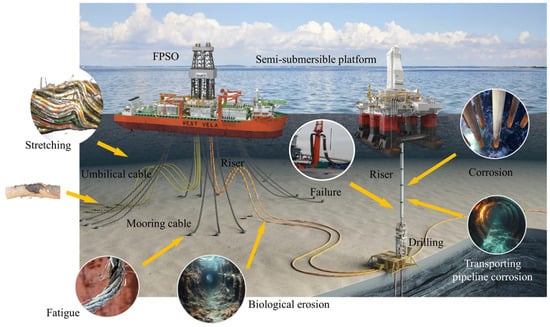
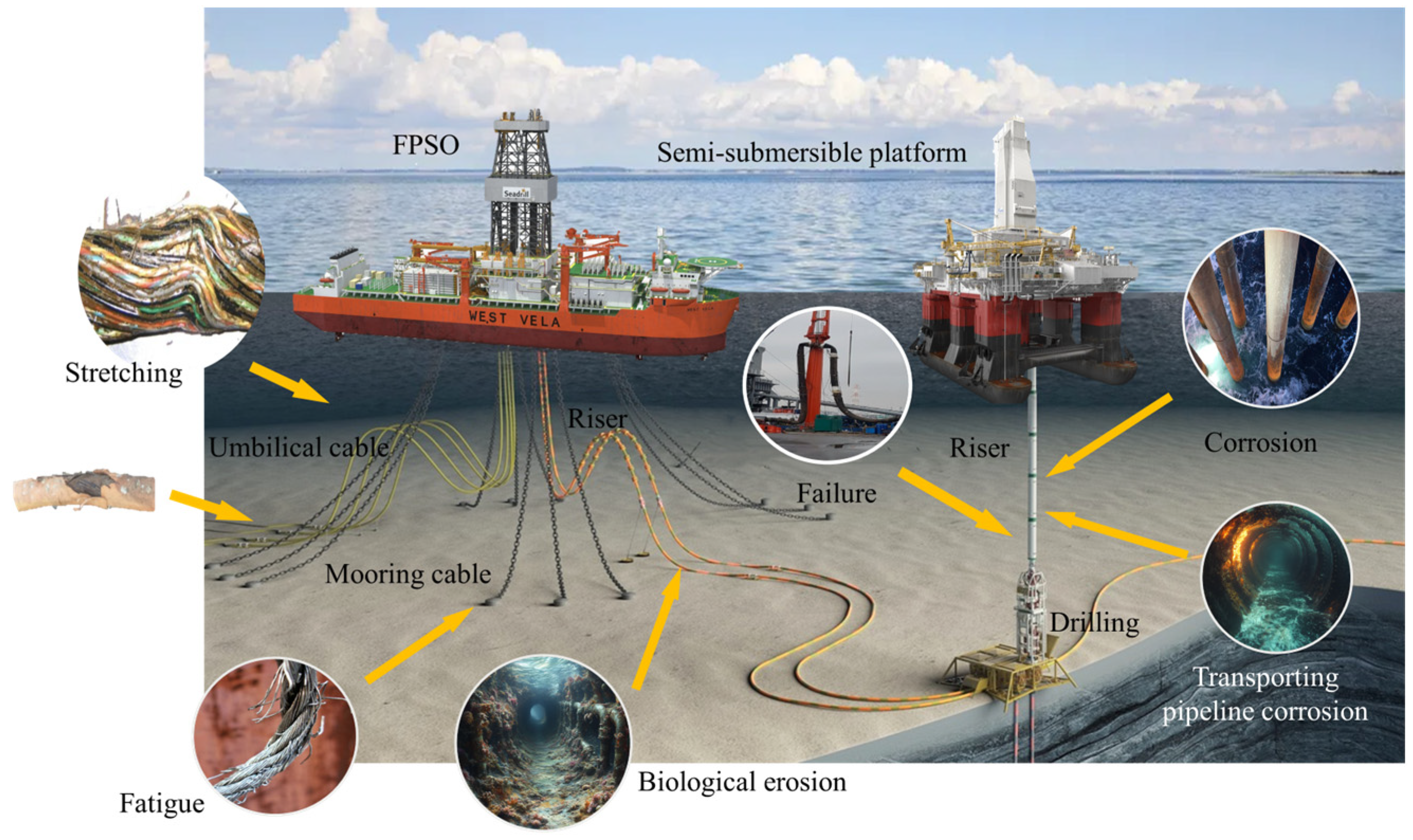
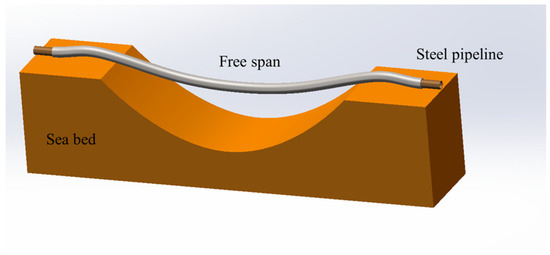
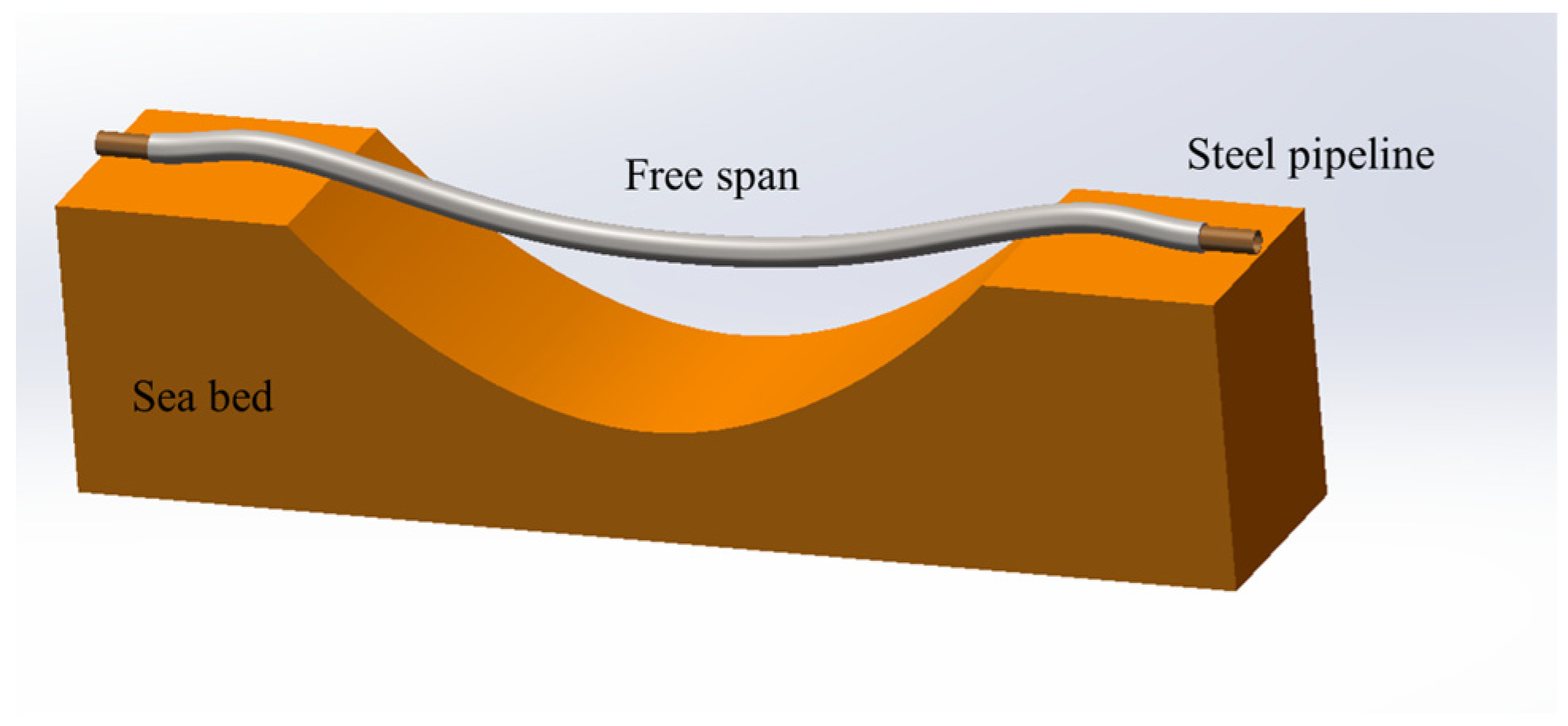
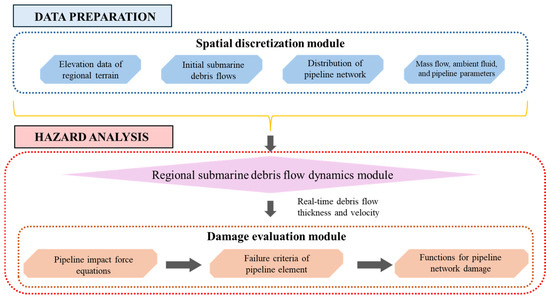
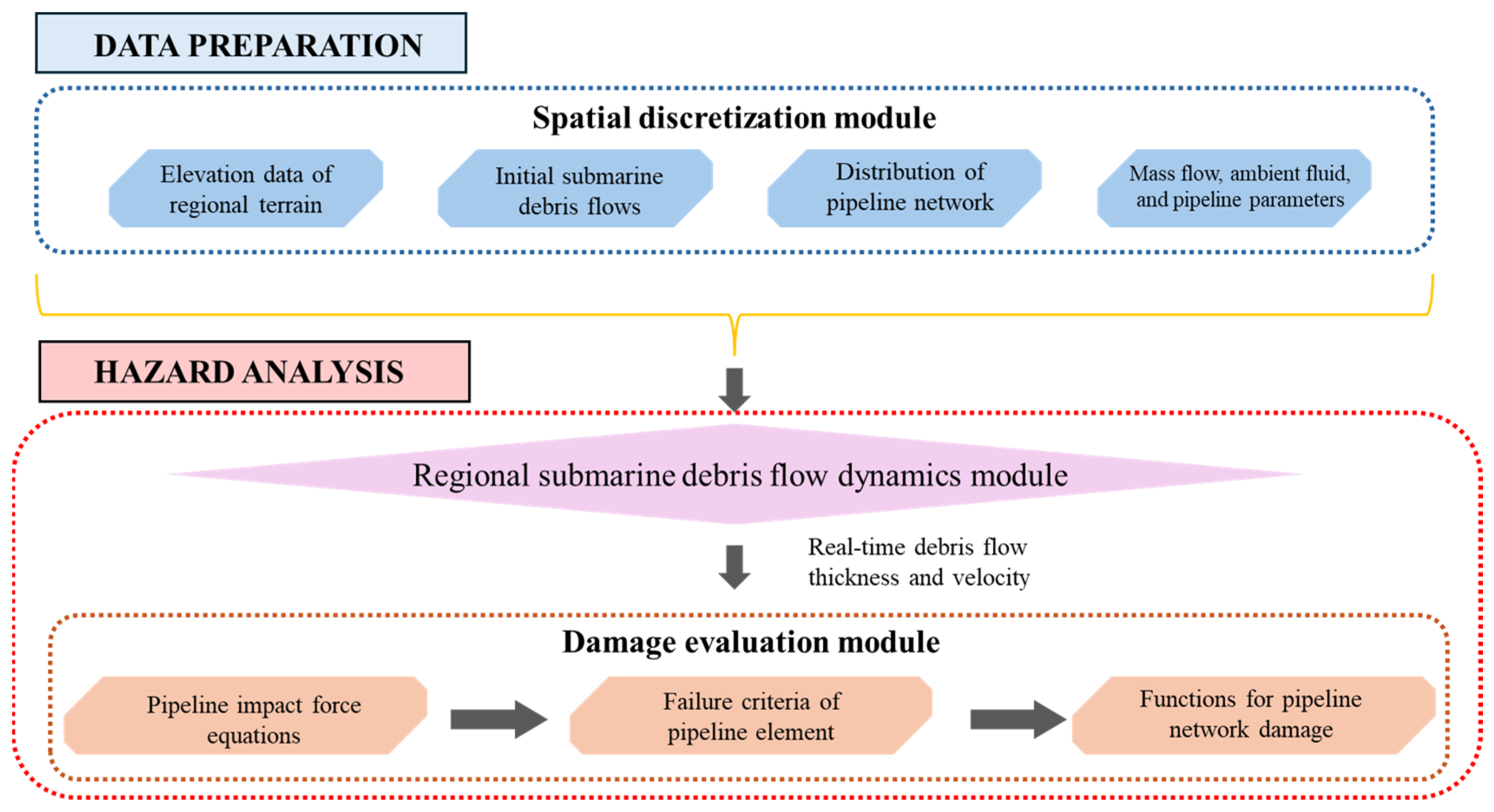
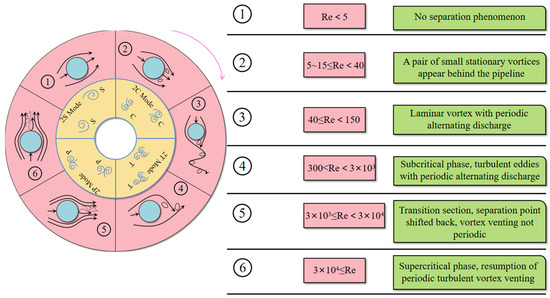
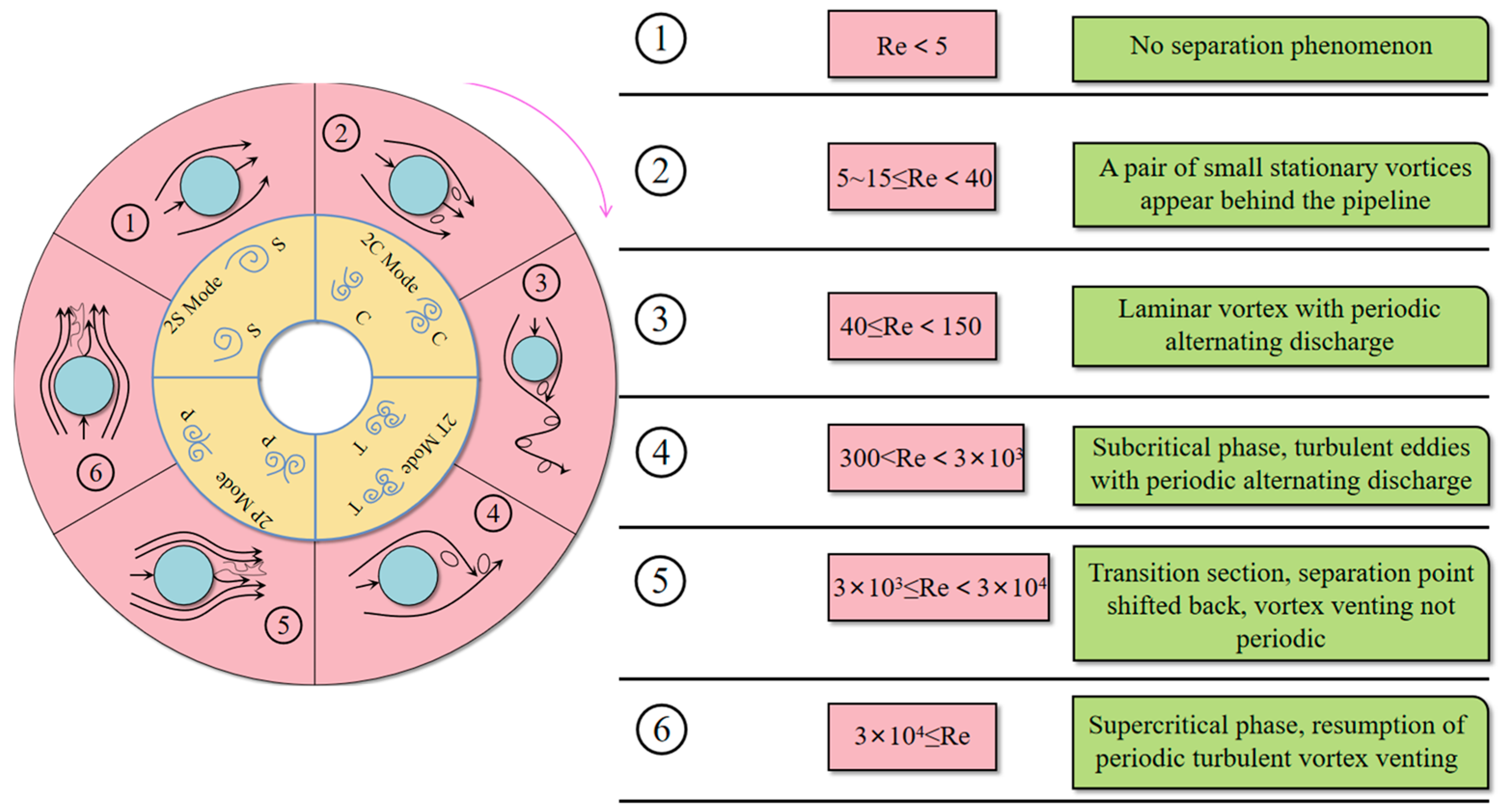
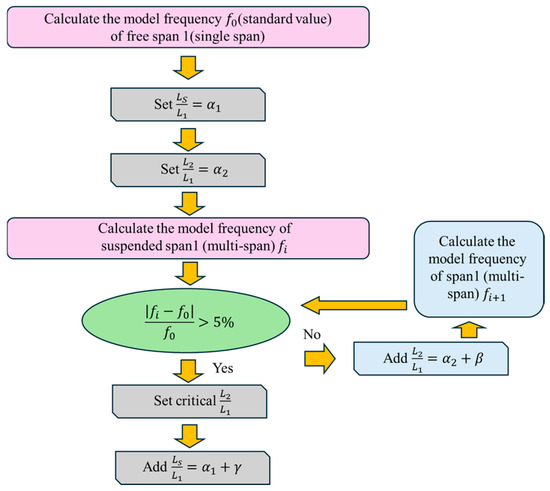
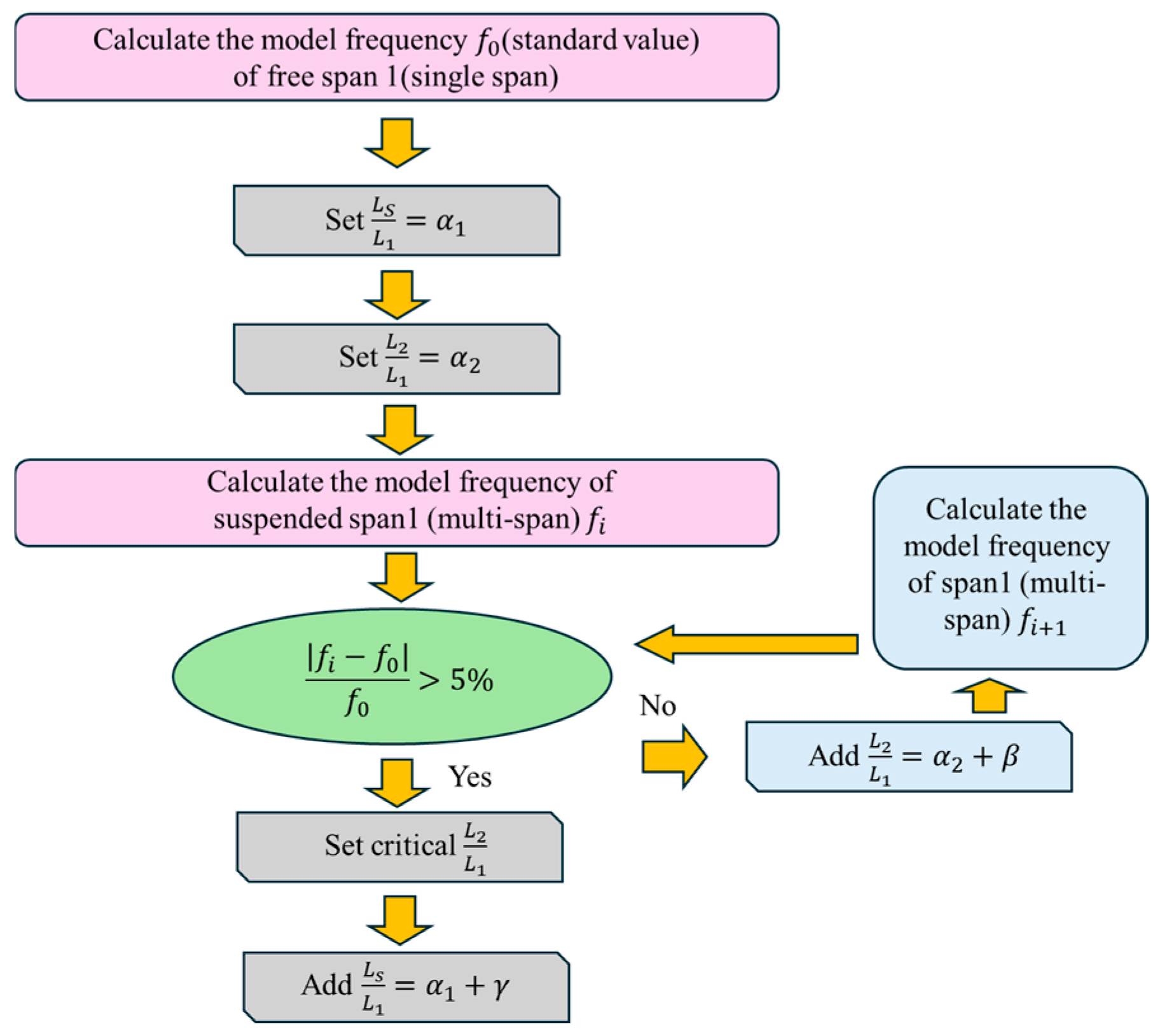
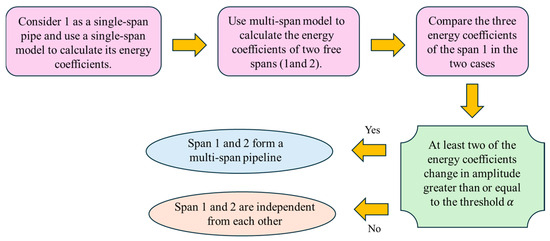
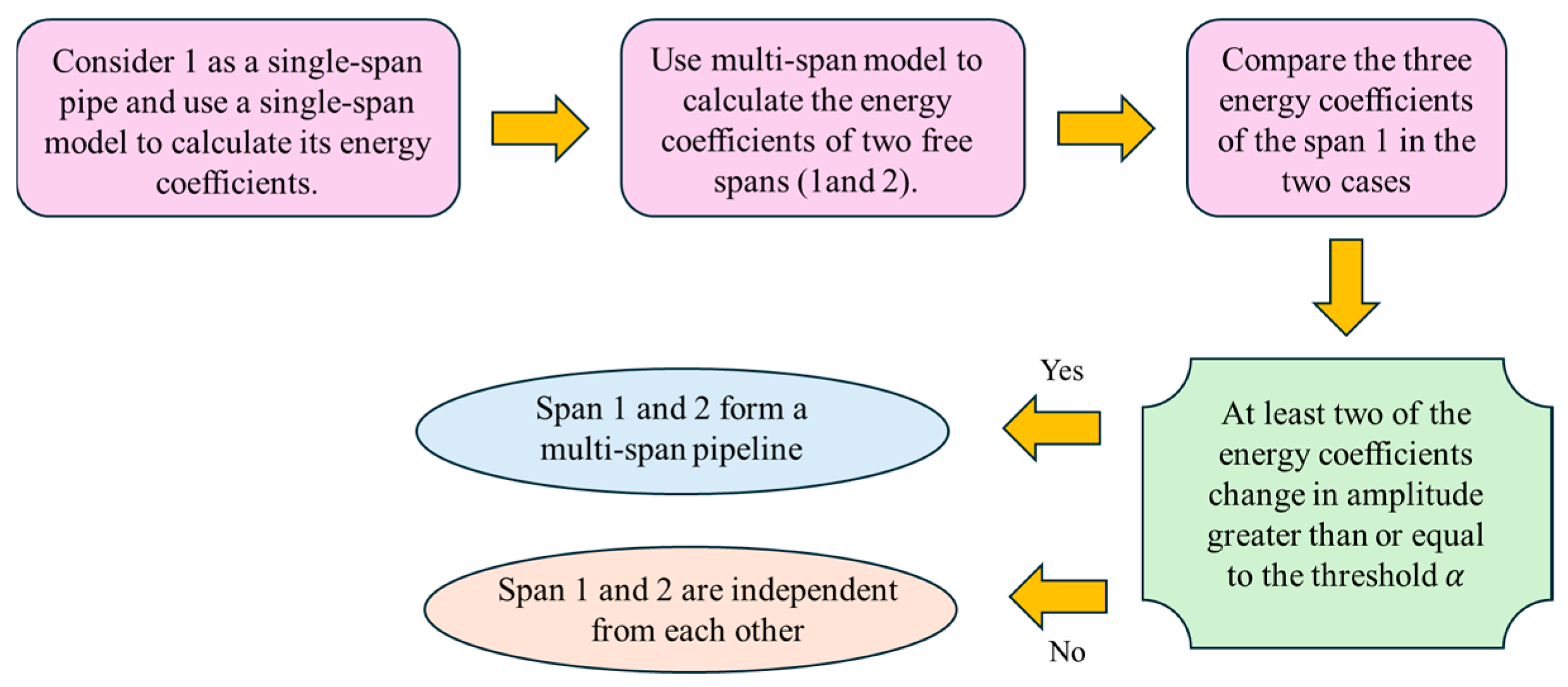
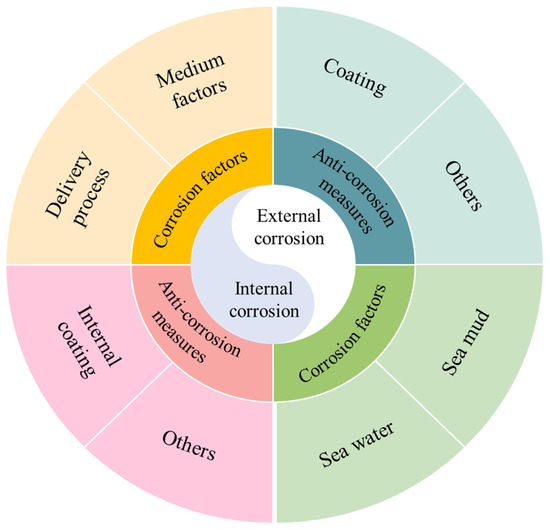
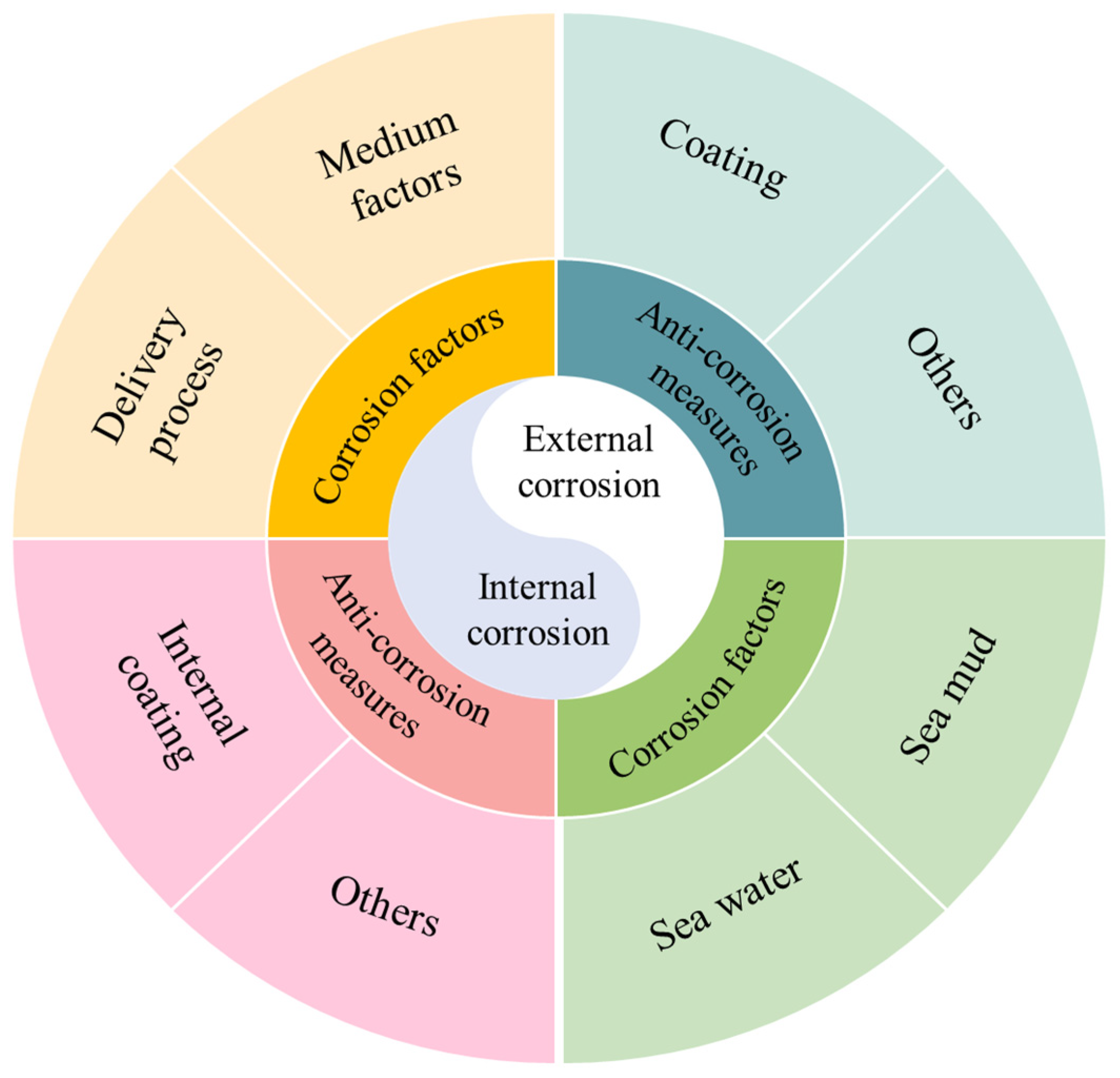
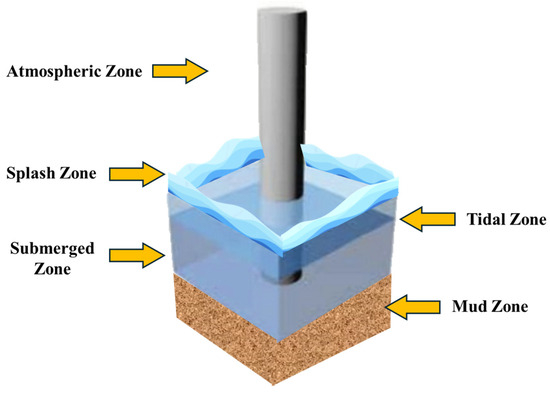
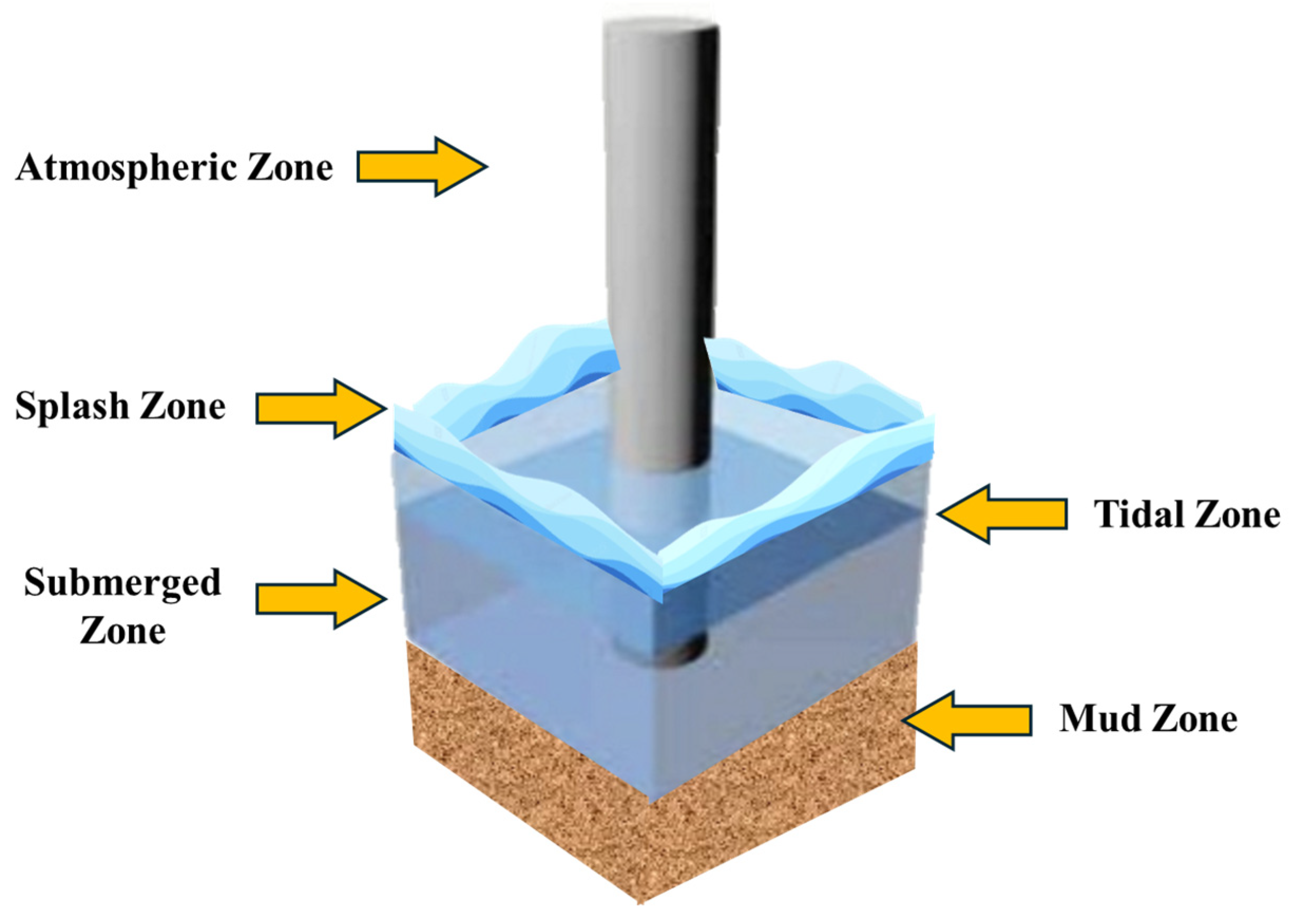
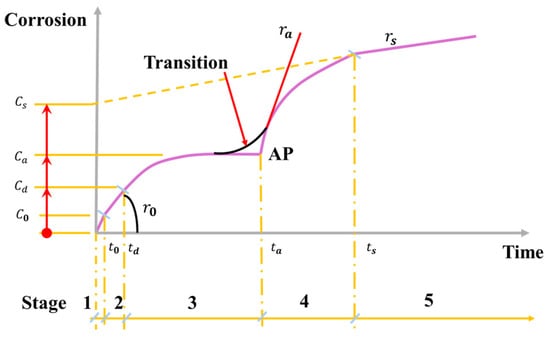
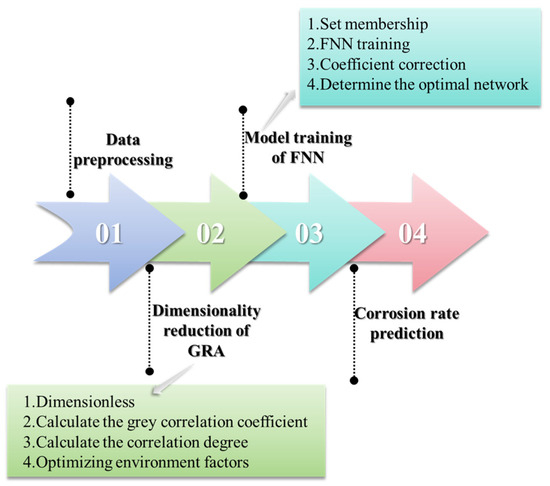
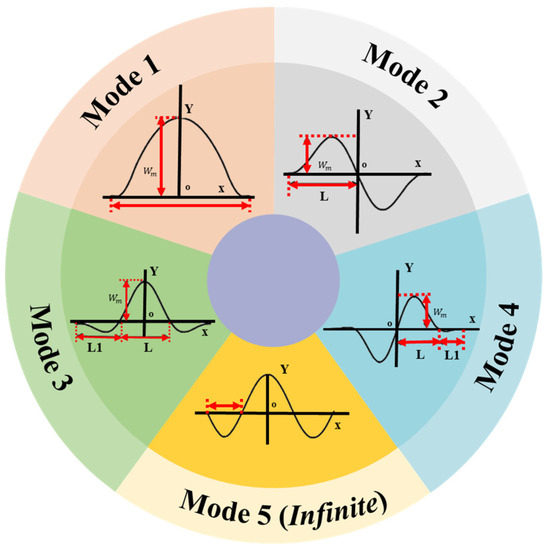
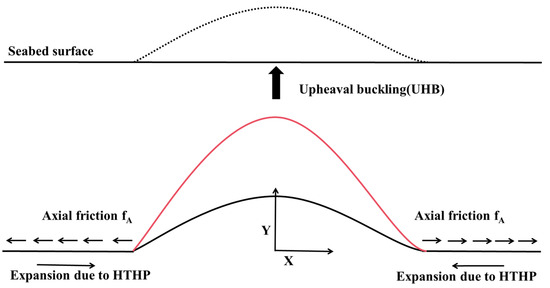


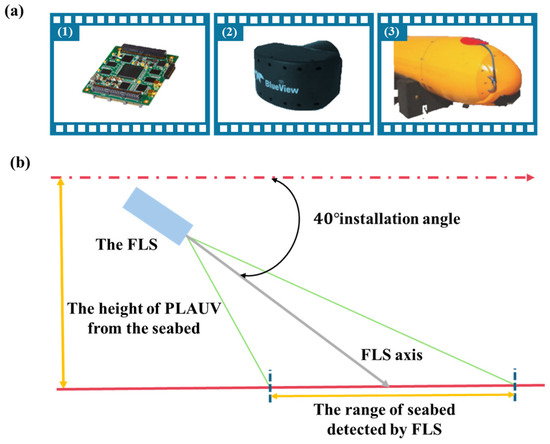
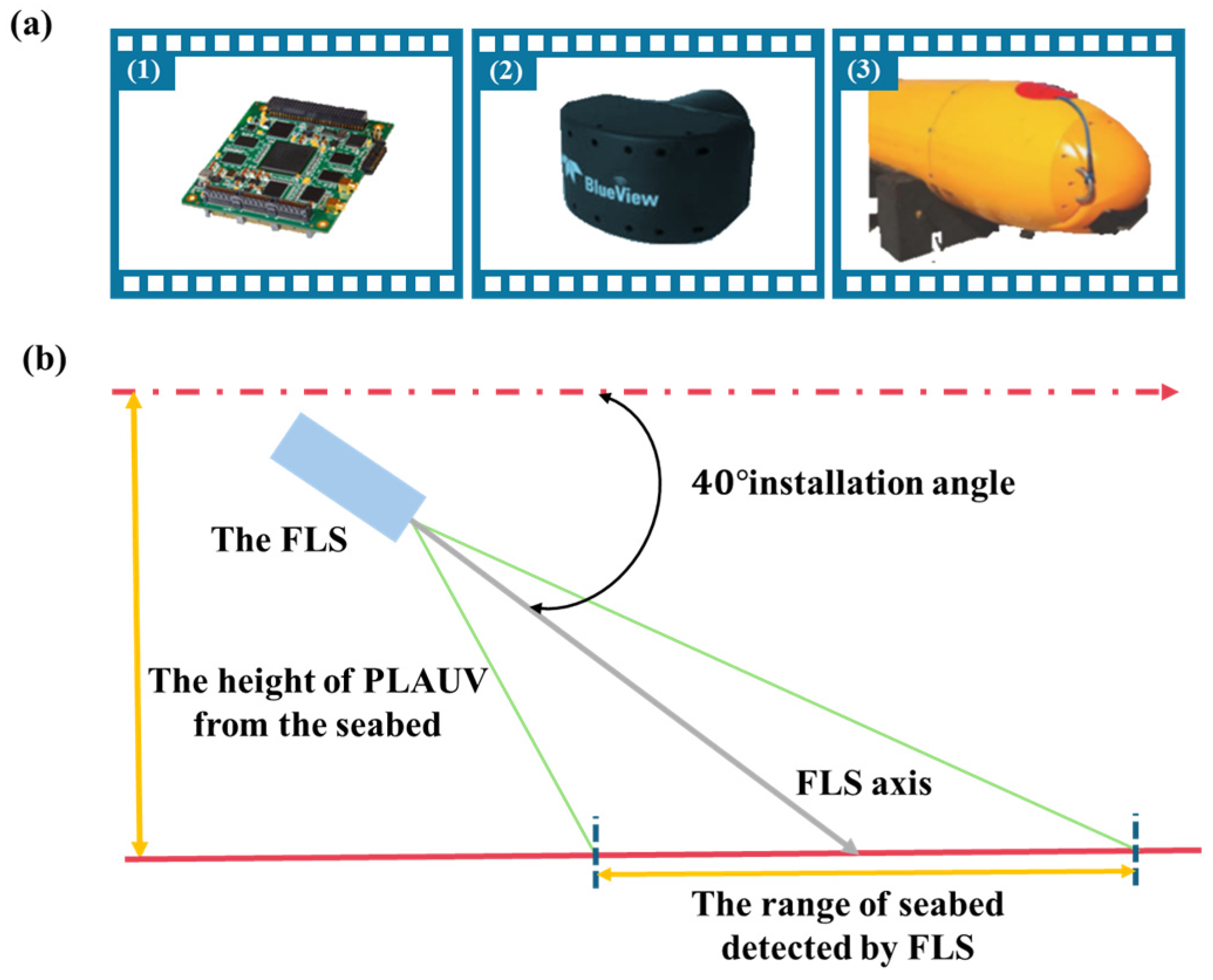
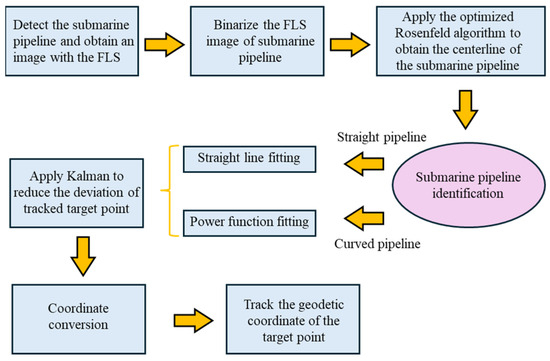
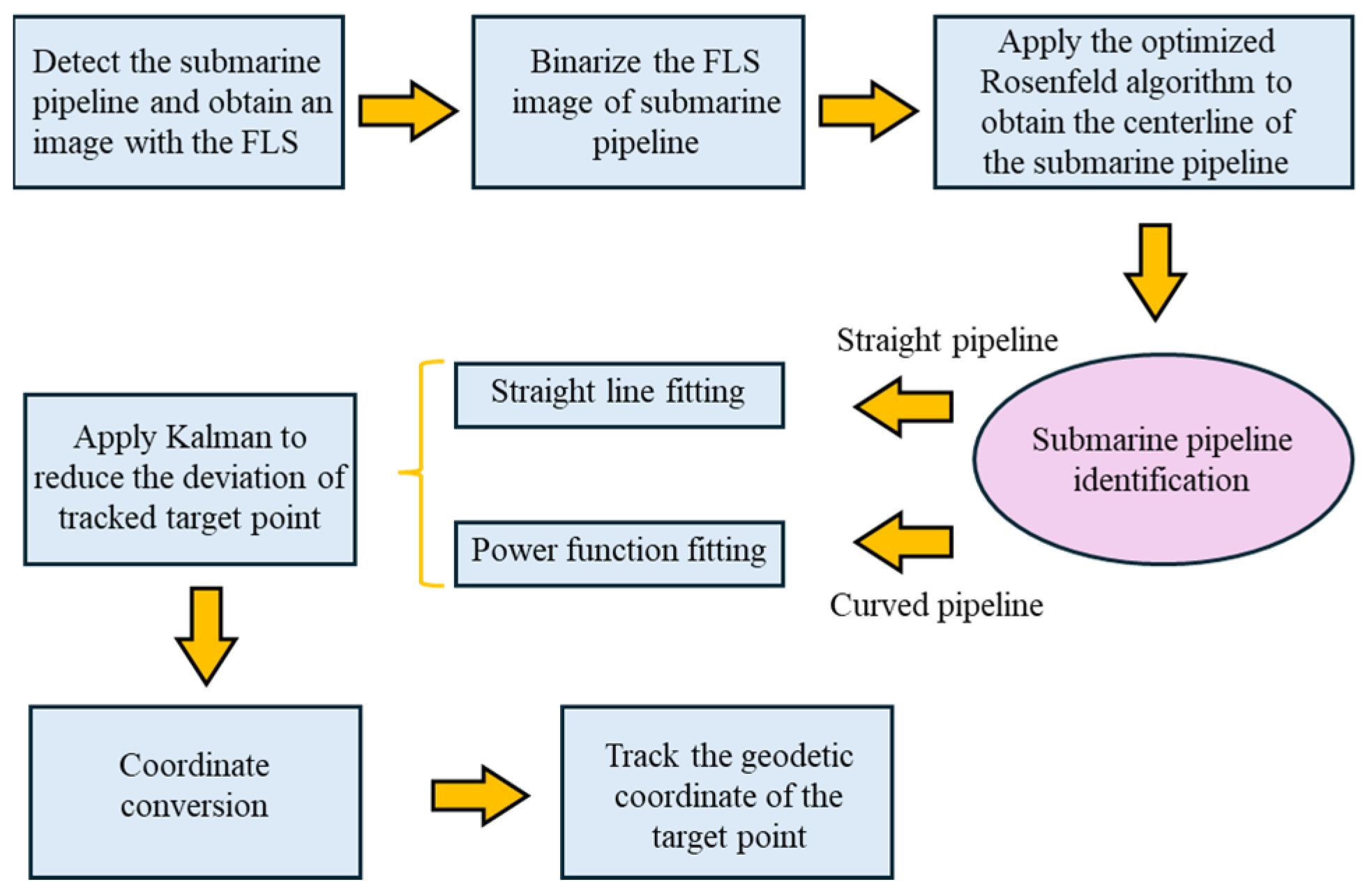
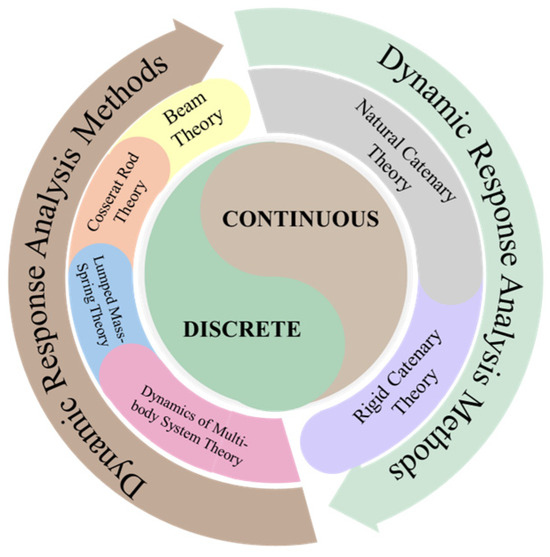
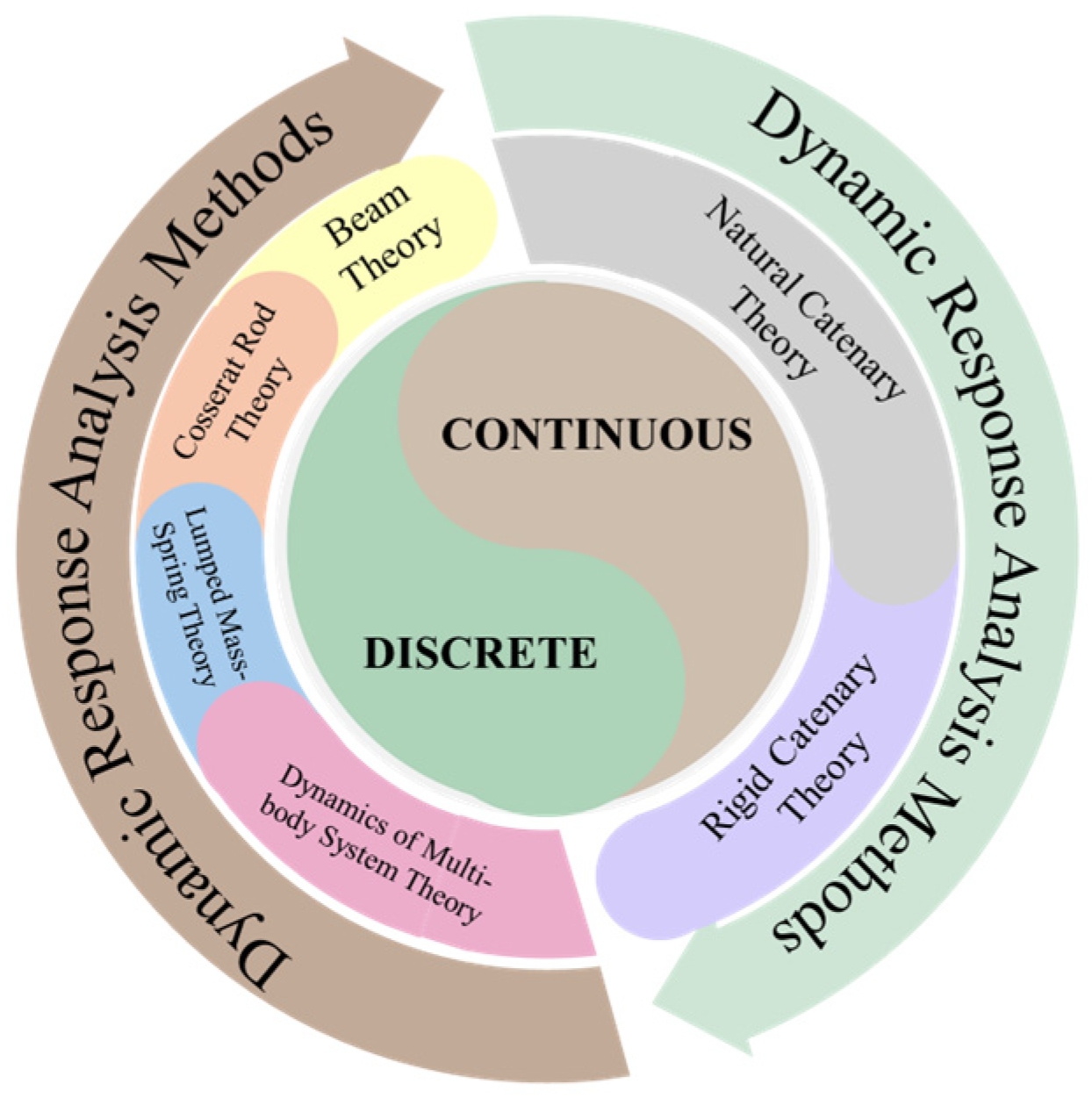

Disclaimer/Publisher’s Note: The statements, opinions and data contained in all publications are solely those of the individual author(s) and contributor(s) and not of MDPI and/or the editor(s). MDPI and/or the editor(s) disclaim responsibility for any injury to people or property resulting from any ideas, methods, instructions or products referred to in the content. |
© 2026 by the authors. Licensee MDPI, Basel, Switzerland. This article is an open access article distributed under the terms and conditions of the Creative Commons Attribution (CC BY) license.