1. Introduction
Recent developments within the International Maritime Organization (IMO) have strengthened the regulatory framework for air emissions from maritime transport through the forthcoming Net Zero Framework, which will be incorporated into Annex VI of the MARPOL Convention [
1,
2]. This framework reinforces existing emission control measures and establishes more stringent ruirements for the reduction of greenhouse gas emissions from ships.
As a result of successive regulatory measures, international maritime transport has achieved a progressive reduction in carbon intensity over the last decade, as reflected by operational indicators such as the AER and the EEOI [
3]. These improvements underpin the current regulatory evolution; however, they have primarily focused on emissions directly associated with ship operation and fuel consumption. In contrast, CO
2 emissions related to technical and maintenance activities, such as hull and propeller cleaning or dry-docking, remain poorly quantified and sparsely addressed in the existing literature.
Activities such as dry-docking, hull cleaning, or the replacement of auxiliary systems, although not directly affecting the voyage, involve significant energy consumption and indirect emissions that must be quantified for a comprehensive assessment of the environmental performance throughout the ship’s operational life cycle [
4]. In this context, the study of emissions associated with maintenance operations emerges as a key element for advancing toward integrated metrics of energy efficiency and decarbonization in the maritime sector.
The emission indicators of a ship in operation are:
The environmental performance of ships is commonly assessed through operational indicators recommended or mandated by the International Maritime Organization, notably the Energy Efficiency Operational Indicator (EEOI) and the Carbon Intensity Indicator (CII). The EEOI provides a voyage-based measure of CO
2 emissions per transport work and is applied within the Ship Energy Efficiency Management Plan (SEEMP) framework, while the CII establishes a mandatory annual rating system to quantify the carbon intensity of ship operations [
5,
6,
7].
Although these indicators are primarily intended to evaluate operational efficiency and fuel use, their sensitivity to changes in propulsion performance makes them suitable for assessing the impact of maintenance interventions on emissions and overall energy efficiency [
3].
Table 1 summarizes the main IMO regulatory instruments relevant to emissions [
8] and operational efficiency for LNG-fueled ships [
9].
This field has shown growing interest in recent literature, with several studies delving into how biofouling and the maintenance of the hull and propeller affect the ship’s energy performance and emissions.
The analysis of historical data has made it possible to demonstrate how biofouling affects energy efficiency over time: the accumulation of marine organisms on the hull increases fuel consumption and, consequently, pollutant emissions. This approach enables improved operational management [
10]. On the other hand, studies on military vessels have quantified the additional costs derived from biofouling, confirming that regular maintenance of the hull and propeller reduces both fuel consumption and the environmental footprint of the fleet [
11]. Likewise, Duran et al. (2012) identified that the lack of maintenance in engine nozzles causes significant deviations in combustion parameters and an increase in emissions [
12], while Lindstad et al. (2015) emphasized the need to analyze the different ship operating modes to avoid an overly general and inaccurate view of emissions [
13].
Tarełko et al. (2014) demonstrated that optimizing the hull–propeller–rudder interaction offers significant potential for improving propulsive efficiency, noting that for large vessels such as tankers and bulk carriers, the scope for resistance reduction through hull-form modifications is limited, while surface finish plays a dominant role due to the prevalence of frictional resistance [
14]. Owen et al. (2018) quantified the impact of biofouling on propulsive performance, showing that severe propeller fouling can lead to efficiency losses ranging from 11.9% to 30.3%, with direct implications for fuel consumption and emissions [
15]. They further showed that propeller polishing is a cost-effective maintenance strategy, with a CO
2 reduction potential of approximately 5%, reaching up to 8% under favorable conditions. Subsequent studies have further investigated the link between surface roughness and ship energy performance, proposing methodologies to quantify energy savings and emission reductions associated with low-roughness anti-fouling coatings (Perera et al., 2021) [
16], as well as simulation tools to compare the economic and environmental impacts of alternative hull maintenance strategies, including coating retrofitting and in-water cleaning (Rehmatulla et al., 2017) [
17]. In parallel, recent research has examined the technological evolution of anti-fouling coatings, highlighting advances in low-surface-energy, self-polishing, biomimetic, and nano-structured coatings, alongside unresolved challenges related to durability and environmental toxicity (Chen et al., 2024) [
6]. Finally, life-cycle assessment approaches have enabled the quantification of the cumulative effects of biofouling on hydrodynamic performance, fuel consumption, and CO
2 emissions, emphasizing the importance of integrated biofouling management strategies to reduce the global warming potential of maritime transport (Degiulli et al., 2025) [
18].
Other studies have confirmed that periodic hull cleaning is essential to maintain propulsive efficiency and minimize fuel waste, using sensors and power and speed records as validation tools [
14]. Perera and Mo (2016) noted that statistical analysis of operational data allows for the identification of more efficient conditions and the detection of performance degradations, which is useful for optimizing real-time navigation and reducing emissions [
5], while Nunes et al. (2017) highlighted the usefulness of automatic identification system (AIS) data and technical records to accurately estimate emissions, despite the need for better onboard data to build reliable global inventories [
19]. On the other hand, Rehmatulla et al. (2017) found through surveys the partial adoption of energy efficiency technologies, demonstrating the need for more ambitious strategies to achieve decarbonization goals and promote the adoption of higher-impact solutions [
17].
Complementarily, Bouman et al. (2017) showed that no single measure is sufficient to achieve significant reductions, but the combination of technological and operational solutions could surpass a reduction of 75% by 2050 [
20]. Zhu et al. (2018) explored how a Maritime Emission Trading Scheme (METS) can incentivize maintenance strategies that reduce emissions, such as the withdrawal of less efficient ships [
21], while Wang et al. (2018) demonstrated that optimized planning of the hull maintenance cycle reduces both costs and emissions, establishing a direct relationship between effective maintenance and economic efficiency [
22]. Similar results were obtained by Adland et al. (2018), who analyzed data from the periodic cleaning of Aframax tankers and confirmed that removing biofouling, which increases hydrodynamic resistance, can achieve fuel consumption reductions of 9% to 17%, depending on the type of cleaning and the vessel’s operating condition [
23].
More recently, Erol et al. (2020) estimated through a comparative analysis between ships with different levels of biofouling that it can increase fuel consumption by between 5% and 15% depending on the conditions [
24], while Millet et al. (2023) showed that the type of fuel used is also a determining factor in the emissions calculated through the EEOI [
25]. Çağlar Karatuğ (2025), through simulations in an engine room simulator, demonstrated that maintenance failures in the main engine (such as injection delay, nozzle wear, or deposits in scavenging ports) increase fuel consumption by between 2.2% and 12.3%, which worsens the CII rating. The study concludes that proper maintenance is key to improving energy efficiency without the need for additional investments [
26]. On the other hand, studies such as that by Milan Dejanovic et al. 2025 provide a predictive maintenance method based on machine learning that allows repair rates to be estimated efficiently, improving maintenance planning, resource allocation and system availability, which are key aspects in the operation and maintenance of ships [
27].
Overall, the existing literature has addressed maritime transport emissions mainly from a perspective focused on fuel type or ship operating mode, using simulations or database records. However, there is a notable lack of studies that specifically and systematically analyze the impact of maintenance operations on the energy and environmental performance of ships using real operational data before and after maintenance, in order to ultimately integrate all perspectives and obtain representative conclusions that link these quantifications with the reference indicators and mandatory standards established by IMO regulations.
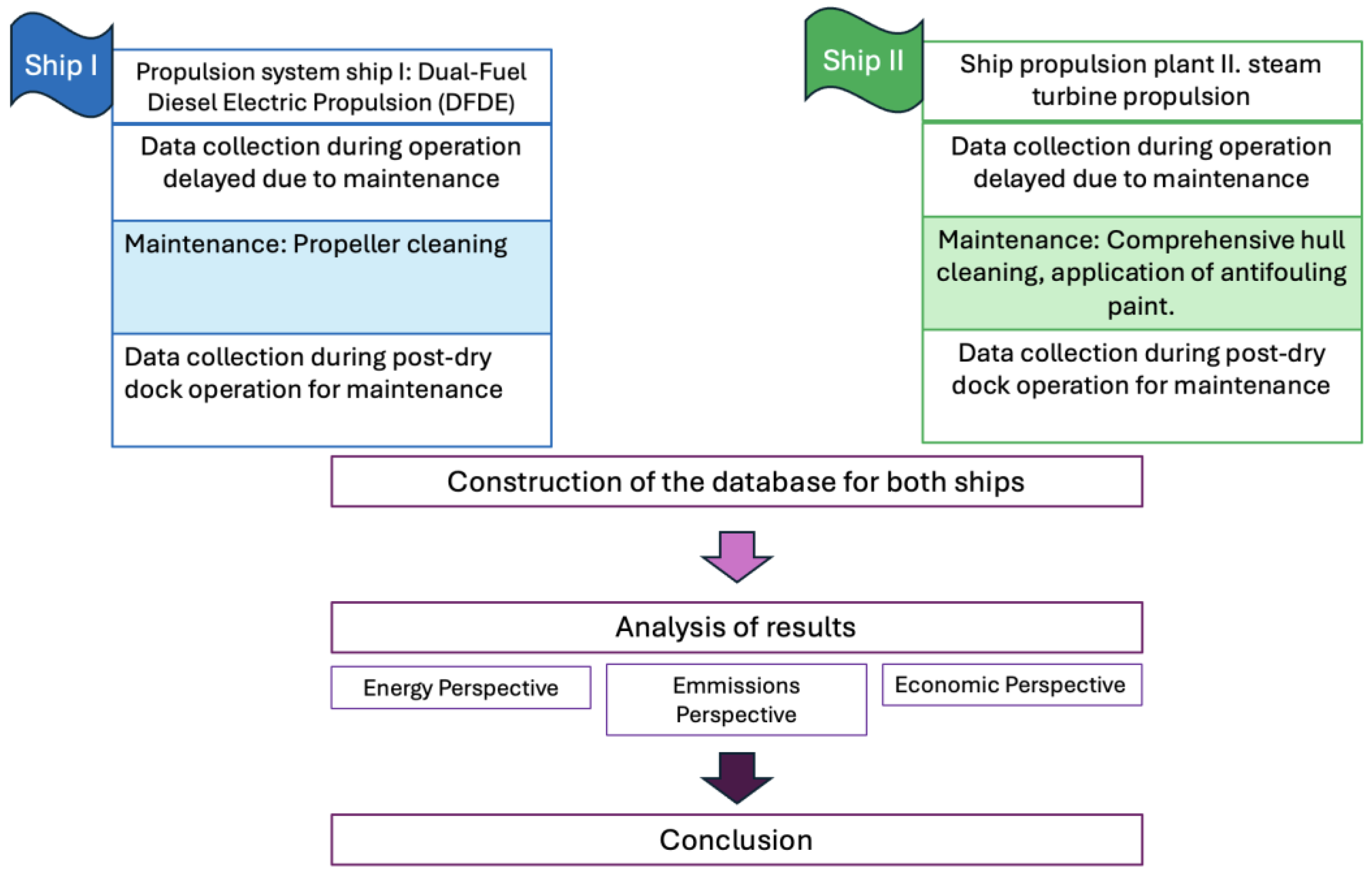
The present work seeks to fill this gap through an integrated approach that combines the qualitative and quantitative evaluation of the effect of the main maintenance operations in four dimensions: the energy dimension, through the analysis of fuel consumption; the environmental dimension, through the analysis of emissions reflected in the mandatory and reference indicators established by the IMO; and the economic dimension. The designed methodology includes: the selection and description of ships with their LNG propulsion plants; the creation of a joint database through the collection of technical and operational data before and after maintenance operations; the application of the main efficiency and emission indicators to evaluate pre- and post-maintenance results; and the presentation and discussion of the results.
This approach provides a comprehensive and non-fragmented view of the role of maintenance in reducing emissions, saving fuel, and improving the operational sustainability of maritime transport.
In this regulatory and technical context, maintenance activities emerge as a key yet underexplored lever for improving ship energy efficiency and reducing emissions. By focusing on real operational data and established IMO indicators, this study aims to clarify the actual contribution of maintenance interventions to the environmental, energetic, and economic performance of LNG carriers under real service conditions.
3. Presentation of the Study Vessels and Description of the Real Data Collection Process
For this work, operational data were collected from two ships over 41 voyages: 20 before and 20 after the maintenance interventions. This information enabled the creation of a robust hourly database, used as the main support for the analysis. The following sections describe in detail the characteristics of each vessel, the maintenance operations carried out, and the monitoring procedure implemented through an automatic data acquisition system.
3.1. Description of the Propulsion Plant, Vessel I
The first vessel analyzed is an LNG carrier with a cargo capacity of 173,400 m3, representative of the standard LNG transport class. Its main dimensions are: Overall length of 290 m, beam of 45.8 m, design draft of 11.95 m, and service speed of 19.5 knots, configured to maximize cargo capacity and operational efficiency.
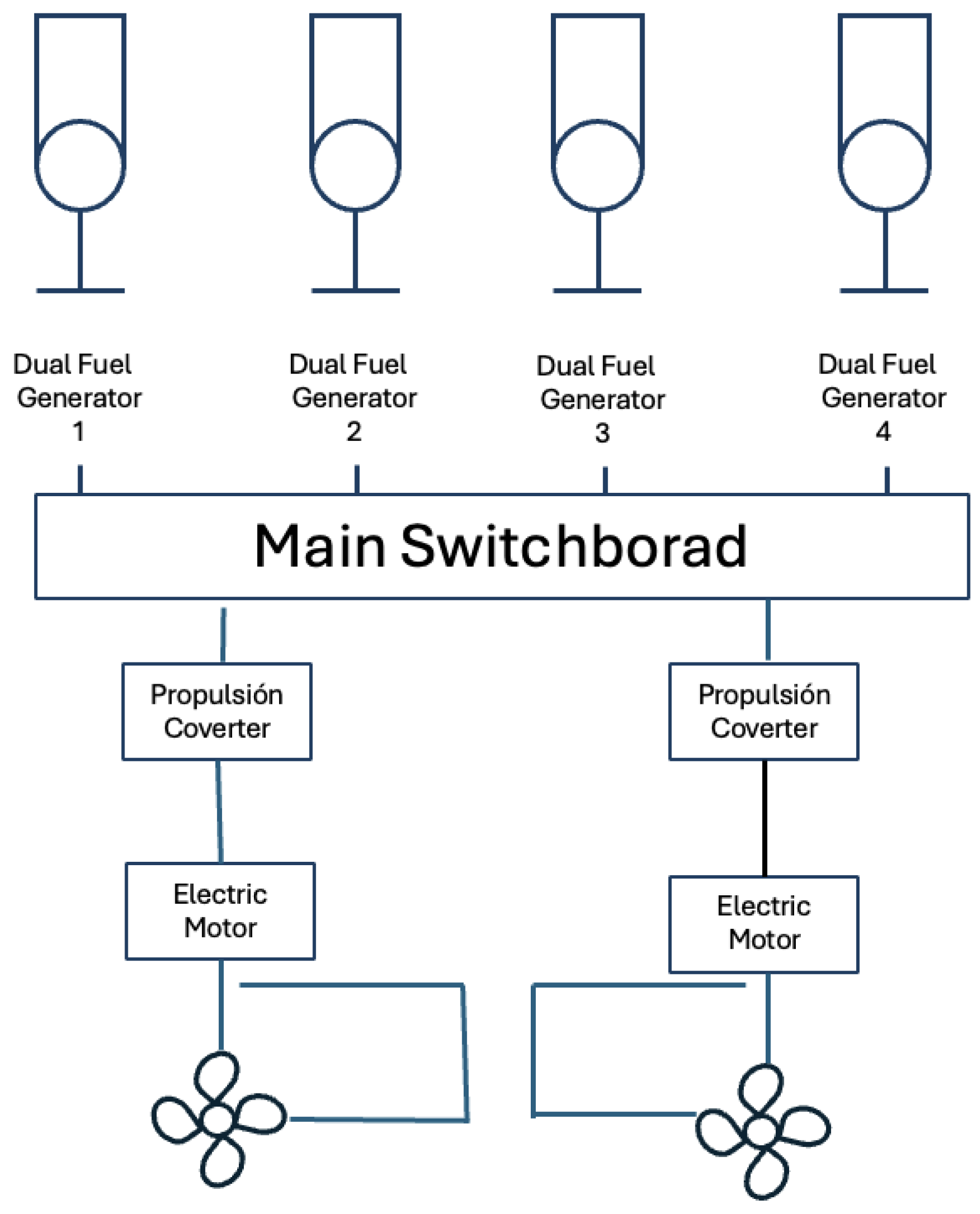
The propulsion system is electric with dual-fuel capability, powered by three main Wärtsilä 12V50DF engines (11,400 kW each) and one Wärtsilä 9L50DF engine (8550 kW) (Wärtsilä, Helsinki, Finland), capable of operating on LNG, heavy fuel oil (HFO), or marine diesel oil (MDO). This system complies with IMO Tier III (gas mode) and Tier II (liquid mode) emission requirements. The energy generated at 6600 V and 60 Hz feeds two 13,600 kW induction motors operating at 570 rpm, connected to the shaft lines via Kawasaki reduction gears.
Figure 2 shows a general diagram of the ship’s propulsion system:
For the execution of the present study, a set of operational data corresponding to a period of six months before and six months after the maintenance intervention was used. The information was continuously collected through the onboard monitoring system, covering all operational phases of the vessel during this time frame.
During this period, the vessel completed a total of ten voyages, five before and five after a key maintenance intervention. This intervention consisted of in-port propeller cleaning without dry-docking. The procedure was carried out through underwater operations performed by specialized divers, thus avoiding the need to dock the vessel. This procedure is one of the most recommended maintenance operations [
28,
29].
Each voyage included navigation segments both in laden (cargo) and ballast conditions. The duration of the navigation periods ranged between 14 and 30 days, depending on the route characteristics and operational conditions. In total, six laden and five ballast periods were recorded before the cleaning, while five laden and four ballast periods took place after the intervention. This operational context provides an ideal scenario for conducting a comparative analysis of the vessel’s energy performance before and after the propeller cleaning, under real and representative service conditions.
Based on the daily records generated by the Kyma Ship Performance (KSP) system, a structured digital database was developed, consolidating the main operational and energy parameters. Each log sheet corresponds to a 24-h period and classifies the vessel’s operation into predefined 2-knot speed intervals automatically generated by the KSP system. Data allocation follows a threshold-based rule, whereby values strictly below the upper limit of an interval are assigned to that interval, while values equal to the upper threshold are classified into the subsequent speed interval, ensuring a consistent and non-overlapping categorization of speed data.
3.2. Description of the Propulsion Plant, Vessel II
The second vessel analyzed is also an LNG carrier, with an approximate cargo capacity of 138,000 m
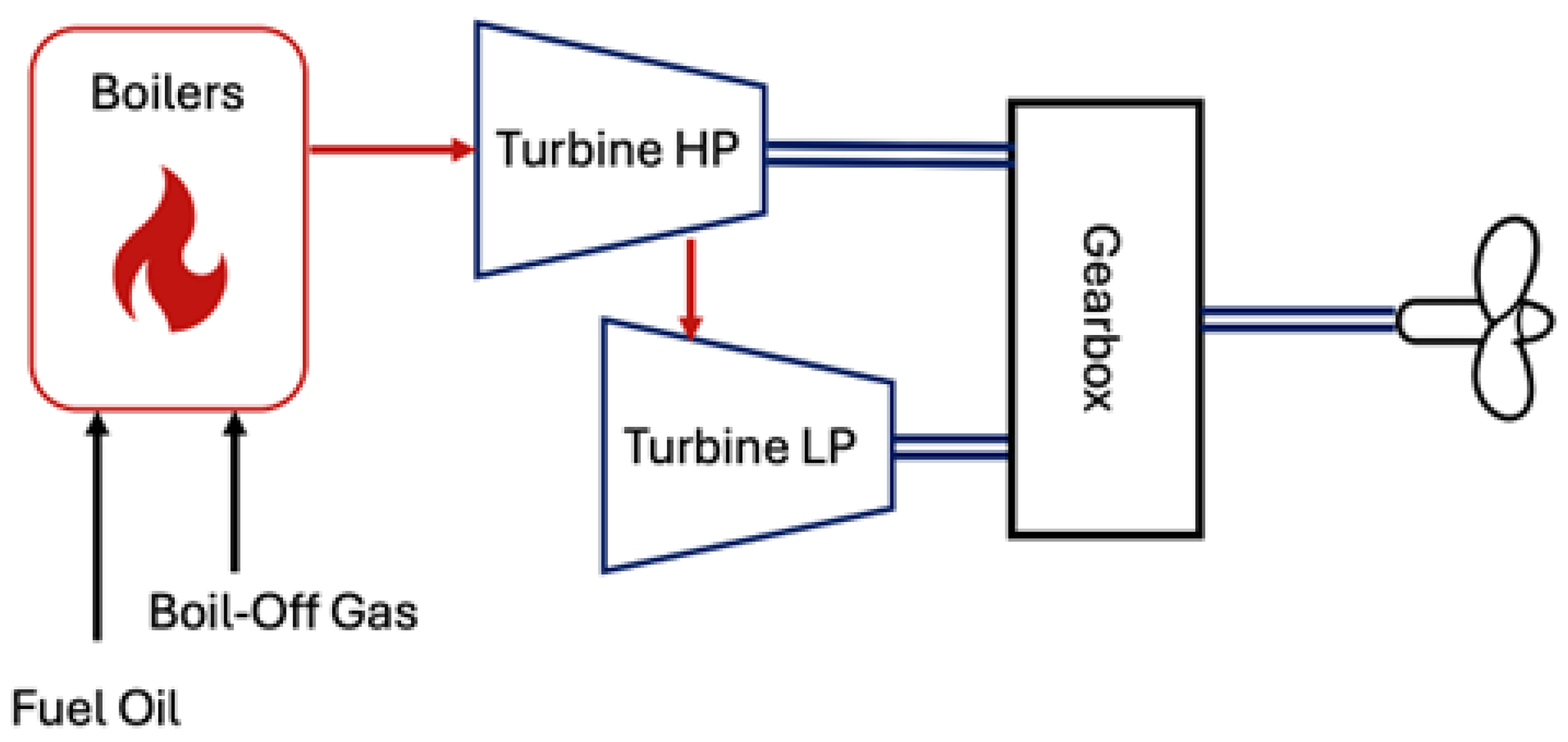
3, representative of the previous generation of steam turbine–propelled LNG carriers. It has an overall length of 285 m, a beam of 43 m, a design draft of 11.4 m, and a service speed of 19.5 knots. Its propulsion plant, shown in
Figure 3, is based on a cross-compound steam turbine system powered by two main boilers capable of generating high-pressure superheated steam. The steam drives the high- and low-pressure turbines, whose motion is transmitted to the propeller shaft through a double-reduction gearbox configured to optimize mechanical efficiency. The boilers can operate interchangeably on heavy fuel oil or the boil-off gas (BOG) from the LNG cargo, allowing flexible fuel management and contributing to emission reduction. This configuration represents the traditional setup of LNG carriers of its generation, prior to the adoption of Dual-Fuel Diesel Electric (DFDE) propulsion systems.
The operation of the plant is supervised by an Integrated Automation System (IAS) developed by Kongsberg Simrad. This system coordinates the management of turbines, boilers, and auxiliaries, continuously monitoring steam pressure and temperature, and efficiently distributing electrical power on board. In addition to ensuring operational safety, the IAS facilitates the optimization of energy performance and the identification of opportunities for fuel consumption improvement. This system has enabled the real-time collection of the data required for the study, as the propulsion plant and onboard sensors are integrated into a cyber-physical system [
30].
The analysis of the second vessel was based on a set of operational data collected over a one-year period, similar to Vessel 1, covering six months before and six months after the maintenance intervention. The information was continuously recorded through the KSP system, encompassing all stages of operation during this time frame.
During this period, the vessel completed a total of twenty-one voyages: eleven before and ten after dry-docking. The maintenance intervention took place during a 17-day dry-dock period and included comprehensive hull and propeller cleaning, the application of new antifouling paint, and turbine inspection, without the need for repairs to the propulsion train. Upon completion of the works, the vessel resumed normal operations, completing the remaining voyages until the end of the year.
Throughout the voyages, both ballast and laden navigation conditions alternated. Before dry-docking, six ballast and five laden voyages were carried out, while after dry-docking, five voyages were completed in each condition. The duration of the voyages ranged from 8 to 29 days, depending on the specific characteristics of each operation. This operational framework provides an ideal basis for conducting a comparative analysis of the vessel’s energy performance before and after hull and propeller cleaning, assessing the real impact of these maintenance measures under representative operational conditions.
Additionally, the generated database includes detailed information on maneuvering and port stays, ensuring a comprehensive analytical approach and allowing the correlation of maintenance operations with the vessel’s overall energy performance.
4. Database Construction
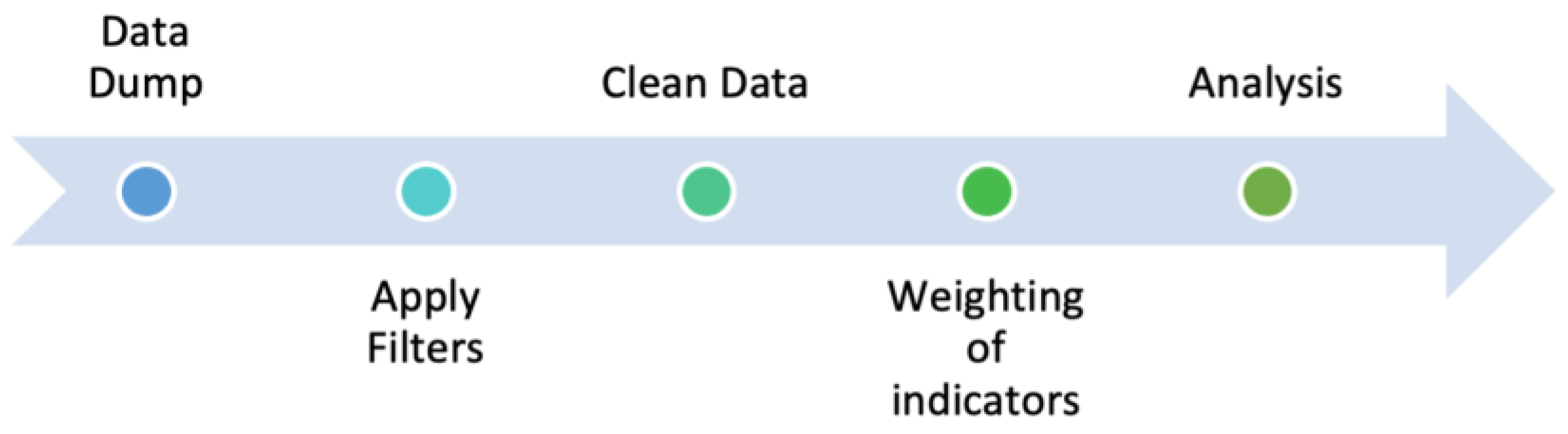
In order to ensure a rigorous and extrapolable analysis of the operational energy efficiency of the vessels under study, a structured digital database was built from the original records generated by the KSP monitoring system installed on board both ships. This system provides independent daily reports in spreadsheet format detailing key operational parameters, such as operating hours, vessel speed in 2-knot intervals, shaft propulsive power (kW), fuel consumption by type, and distance travelled in nautical miles according to the global positioning system data (Speed Over Ground, SOG). Using this information, a database was created through the manual transcription of more than 700 independent log sheets from both vessels, corresponding to two years of data collection—one year per vessel. The creation process is represented in
Figure 4 and described in detail below:
4.1. Data Dump Process
The operational data used in this study were acquired through the onboard monitoring system installed on both vessels, which integrates propulsion, engine, and navigation sensors connected via the ship’s internal communication network. Sensor data were transmitted and managed using the Kyma Ship Performance (KSP) software (version 2.0), a commercial ship performance monitoring platform operating under a proprietary license, which was employed for data acquisition, storage, and export for subsequent analysis. The information generated by this system was originally recorded in over 700 individual PDF documents, corresponding to daily KSP reports, and was subsequently compiled and consolidated into a single Microsoft Excel document. Each daily KSP sheet was manually transferred row by row into a structured tabular format, where each record represents a 24-h operating period, including the date, the operating condition, and the corresponding speed range. Grouping the dataset by speed range is a crucial step in the analysis, as vessel speed directly determines fuel consumption, operating costs, and CO
2 emissions, while also influencing logistics and supply chain efficiency [
30].
The resulting database integrated all the days from the study periods and consolidated, in a single dataset, the operational and energy parameters required for the analysis. Once completed, a data-cleaning process was carried out to ensure the quality of the information.
4.2. Purification Process
In this phase, erroneous values caused by sensor failures were discarded through filtering and graphical analysis, and a small number of anomalous readings, such as isolated spikes or zero values resulting from temporary signal loss, were removed to avoid distortions in the weighted averages and calculated indicators. Additionally, the consistency of distance data was verified following the guidelines of Resolution MEPC. 95 (82) [
3].
The information was organized in the database according to the 2-knot speed range structure used by the software itself—ranging from 0 to 20 knots for Vessel I and from 0 to 18 knots for Vessel II—which allowed the preservation of the operational classification used on board and ensured consistency in the comparative analysis between pre- and post-maintenance periods. Likewise, a distinction was made between laden and ballast conditions.
From the raw variables in the database, only two essential energy indicators were specifically calculated for the evaluation of energy efficiency following IMO regulations [
31], as the KYMA system does not compute them.
Once the data have been organized and prepared for analysis, the additional indicators are calculated:
The EEOI (Energy Efficiency Operational Indicator) was calculated following the guidelines of IMO Circular MEPC.1/Circ.684. Furthermore, it was computed separately according to load conditions to allow for a comparison of data by condition before and after the maintenance operations. In laden condition, the EEOI was evaluated as a voyage-based indicator, calculated according to Formula (1) [
32]:
In the ballast condition, since no cargo is transported, the Annual Efficiency Ratio (AER) approach was adopted instead, adapted to the analysis period, as shown in Formula (2) [
33]:
- 2.
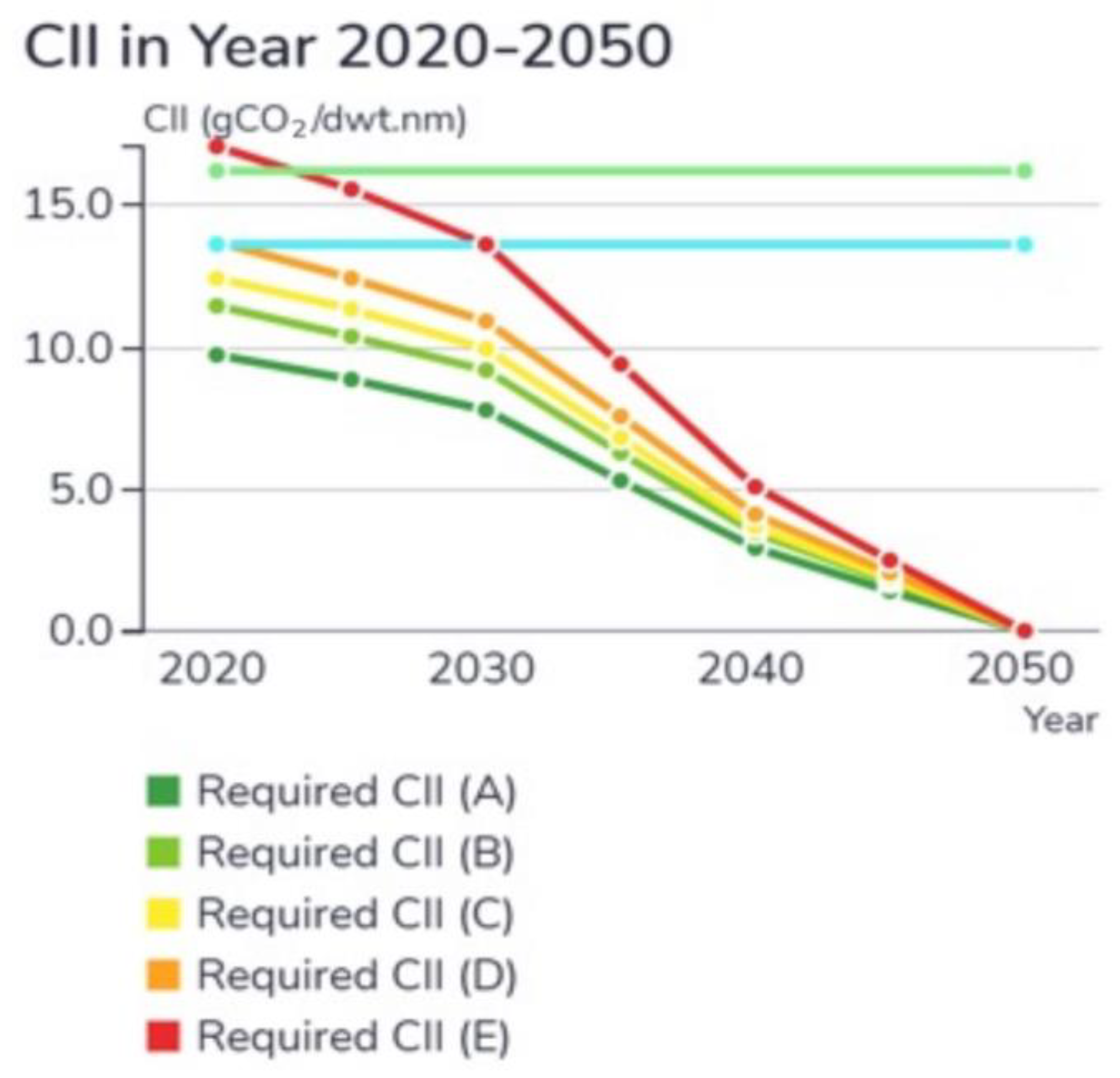
The Carbon Intensity Indicator (CII) is a metric defined to evaluate the operational energy efficiency of ships, expressing the amount of CO
2 emitted per ton of deadweight transported per nautical mile travelled. Its use is framed within Annex VI of the MARPOL Convention, under Rule 28, and its calculation follows the guidelines of MEPC.336(76) for the basic calculation, MEPC.355(78) for the calculation of the corrected CII applying correction factors as applicable, MEPC.337(76) for the calculation of reference lines for average performance based on capacity with respect to CII, MEPC.354(78) for the classification of the obtained CII values, and MEPC.338(76) for the calculation of annual operational carbon intensity reduction and its specific values from 2023 to 2030, as required under Rule 28 of Annex VI of the MARPOL Convention. The annual operational CII with correction factors is determined using Formula (3) [
34]:
where:
j is the type of fuel.
CFJ represents the conversion factor from fuel mass to CO2 mass.
FCj is the total mass of fuel type j consumed during the calendar year.
FCvoyage, j is the mass (in grams) of fuel type j consumed during voyage periods within the calendar year.
TFj = (1 − AFtanker)·FCs, j represents the amount of fuel j set aside for ship-to-ship or shuttle tanker operations, where FCs, j = FCj for shuttle tankers, and FCs, j is the total amount of fuel j used in ship-to-ship voyages for shuttle tankers.
If TFCj > 0, then FCelectricity, j = FCboiler, j = FCothers, j = 0.
AFtanker represents the correction factor that must be applied to shuttle tankers or ship-to-ship voyages in accordance with paragraph 4.2 of the MEPC.355(78) guidelines.
yi is a consecutive numbering system beginning with y2023 = 0, y2024 = 1, y2025 = 2, etc.
FCelectrical,j is the mass (in grams) of fuel type j consumed for the production of electrical energy that may be deducted in accordance with paragraph 4.3 of the MEPC.78 guideline.
FCboiler, j is the mass (in grams) of fuel type j consumed by the boiler.
FCothers, j is the mass (in grams) of fuel type j consumed by other auxiliary fuel-consuming equipment.
fi is the capacity correction factor for ships classified for navigation in ice.
fm is the factor for ships classified for ice navigation IA Super and IA, as specified in the MEPC.308(73).
fc represents the cubic capacity correction factors for chemical tankers specified in paragraph 2.2.12 of the MEPC.308(73).
fiVSE represents the correction factor for voluntary ship-specific structural improvements indicated in paragraph 2.2.11.2 of the MEPC.308(73).
Dt represents the total distance travelled (in nautical miles) recorded in the IMO Data Collection System (DCS), and Dx represents the voyage distance (in nautical miles).
4.3. Process of Weighting of the Indicators
In order to obtain the actual representative values of the voyages and perform a more rigorous comparison, a weighting process was applied, with the aim of making the values more representative when the samples of the energy variables are unbalanced in population [
35].
The variables to be weighted can be divided into two categories: on the one hand, there are the direct variables, whose information can be obtained directly from the installed sensors. In this case, these variables are the total fuel consumption, represented by the variable Eq.MDO in [tn], and the Shaft Power, represented in [kW]. On the other hand, there are the composite variables, whose values must be calculated from other variables. In this case, the most prominent variable of this type is the EEOI and the AER, represented in [gCO2/t *mile].
Regardless of the type of variable, these are greatly influenced by the duration of each data record. Each data entry in the records has a corresponding duration, and for the results to more accurately reflect the vessel’s behavior, the greater the duration assigned to a data point, the greater weight it should have in the calculations. This calculation is performed within each of the speed ranges to be analyzed by summing the product of each variable’s value by its duration and dividing it by the sum of durations in that range, resulting in Formula (4):
where
i is the record and
n is the number of data points within a specific speed range. This formula is applicable to each variable, regardless of whether they are direct or composite.
In all cases, the results are presented, distinguishing not only between conditions before and after dry-docking, but also between navigation in ballast and laden conditions. This helps to avoid bias, since not only the load, but also the displacement and draft differ in each case, directly affecting the hydrodynamic resistance and consequently the vessel’s propulsion and fuel consumption.
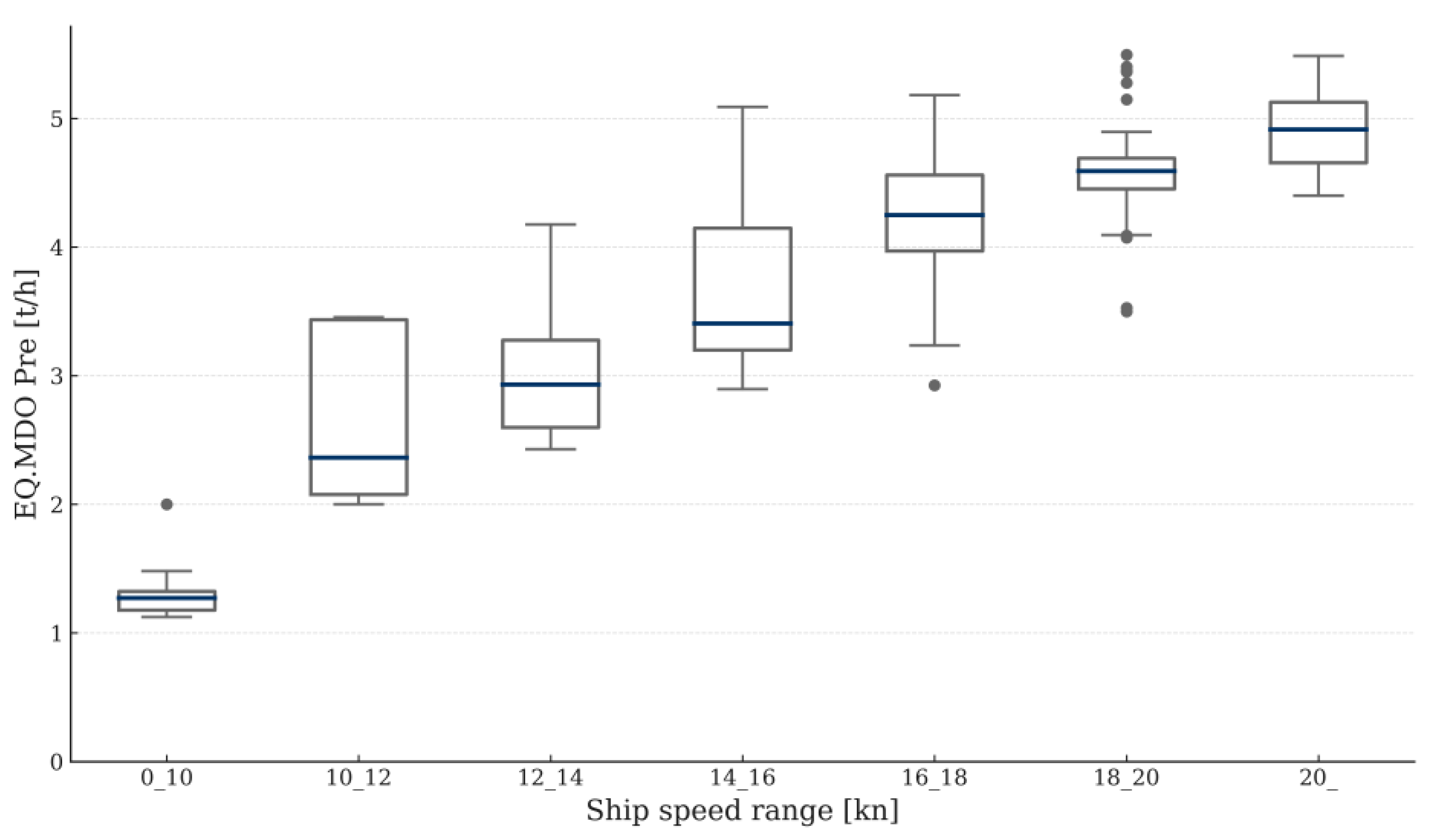
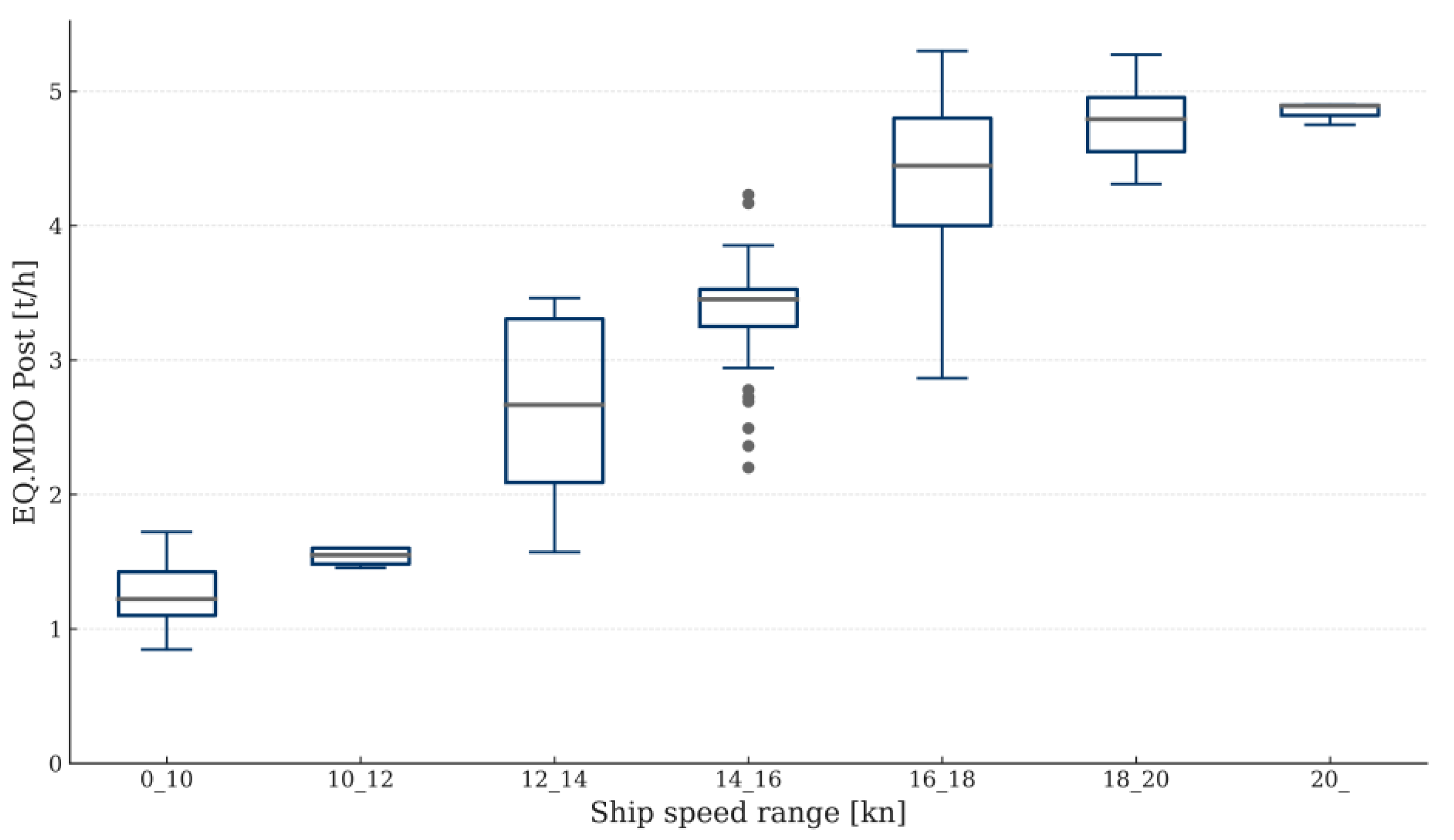
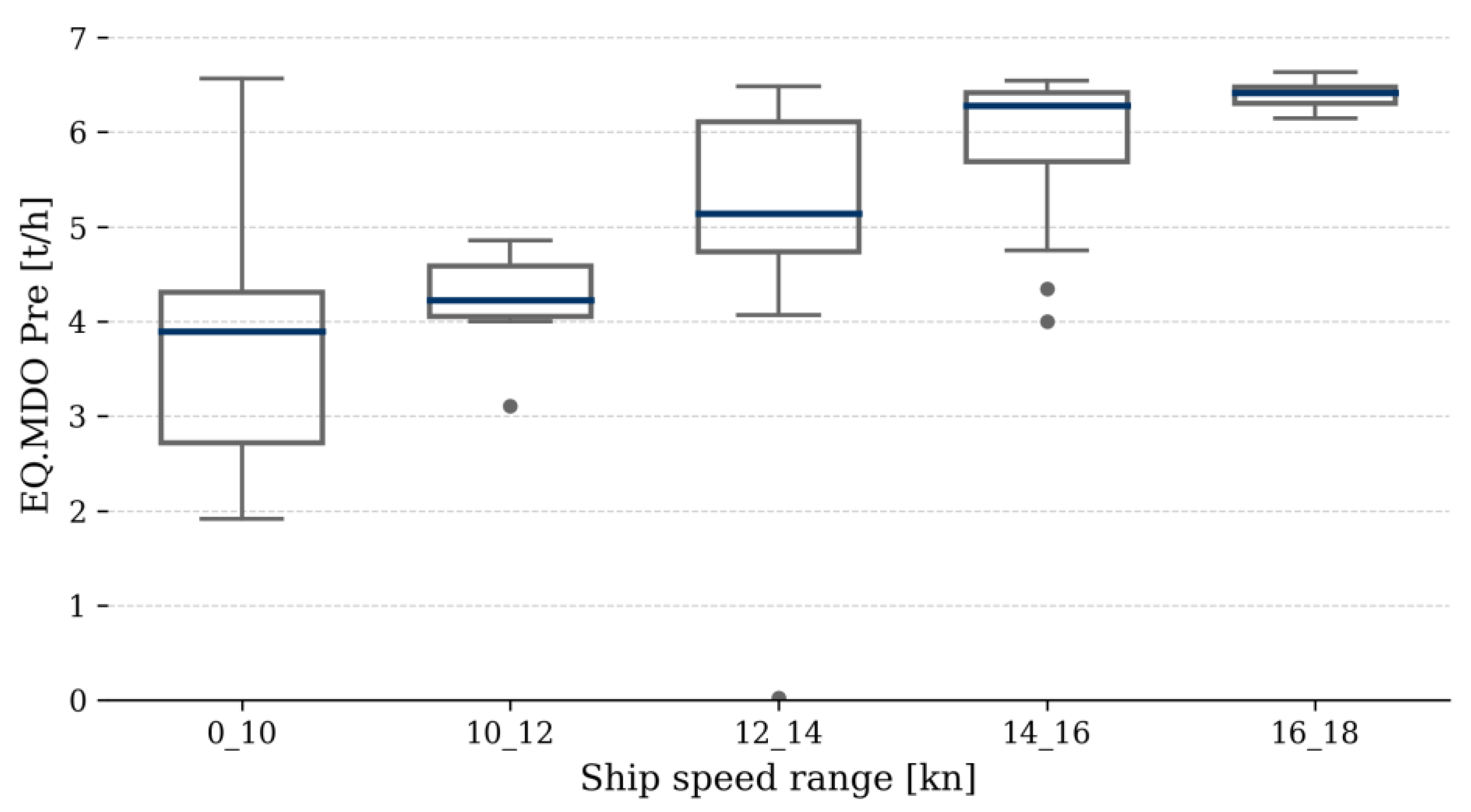
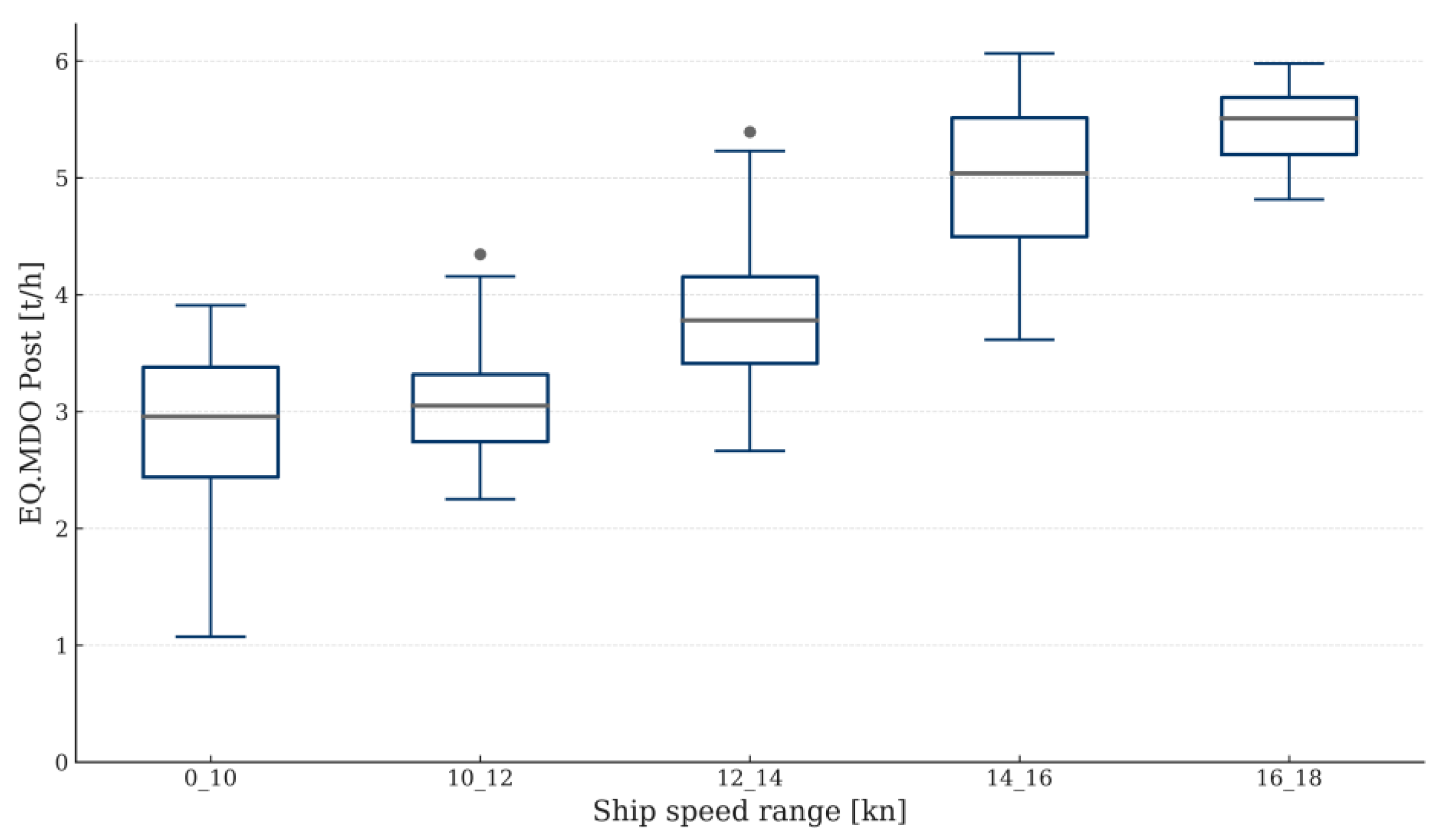
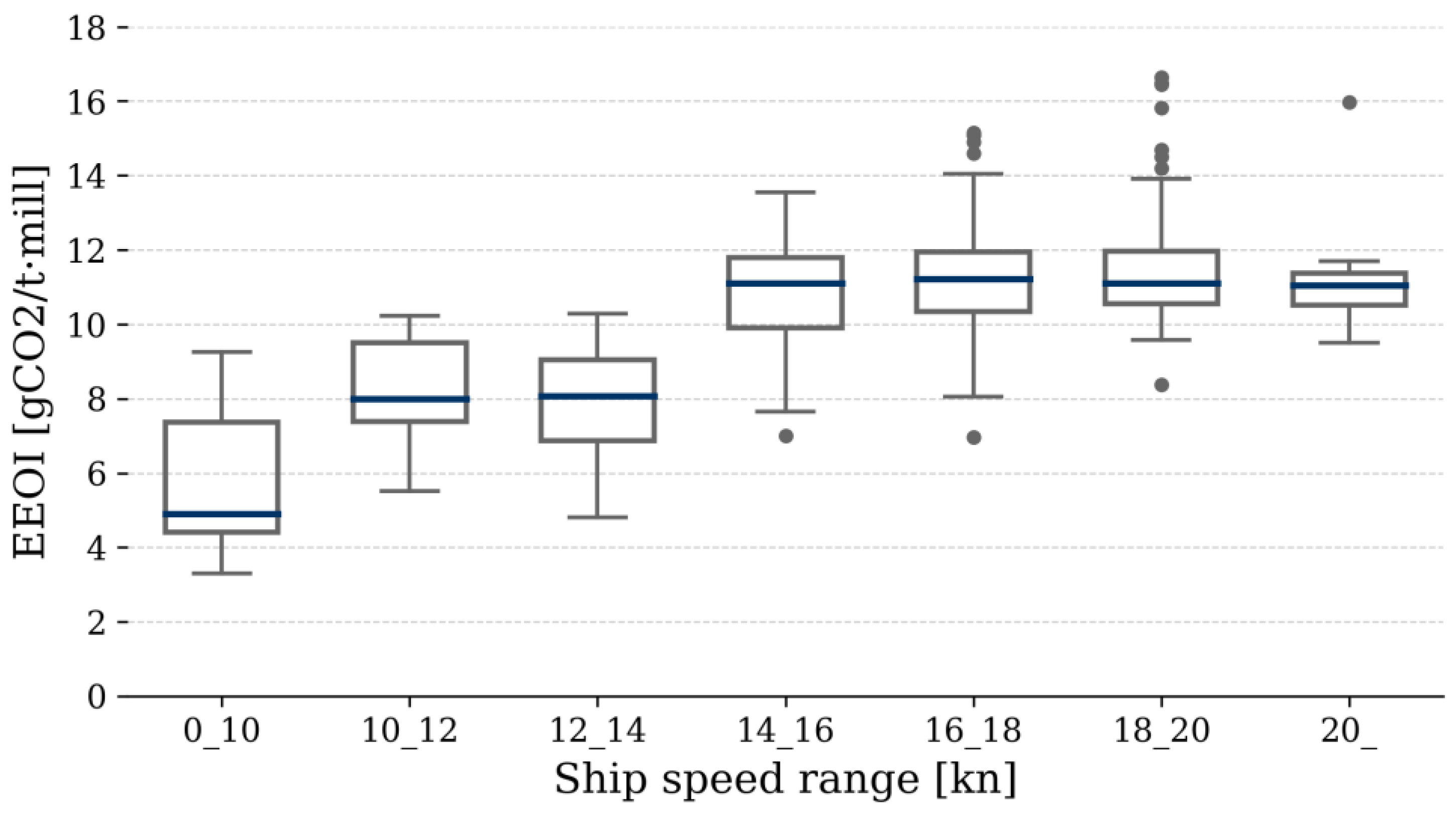
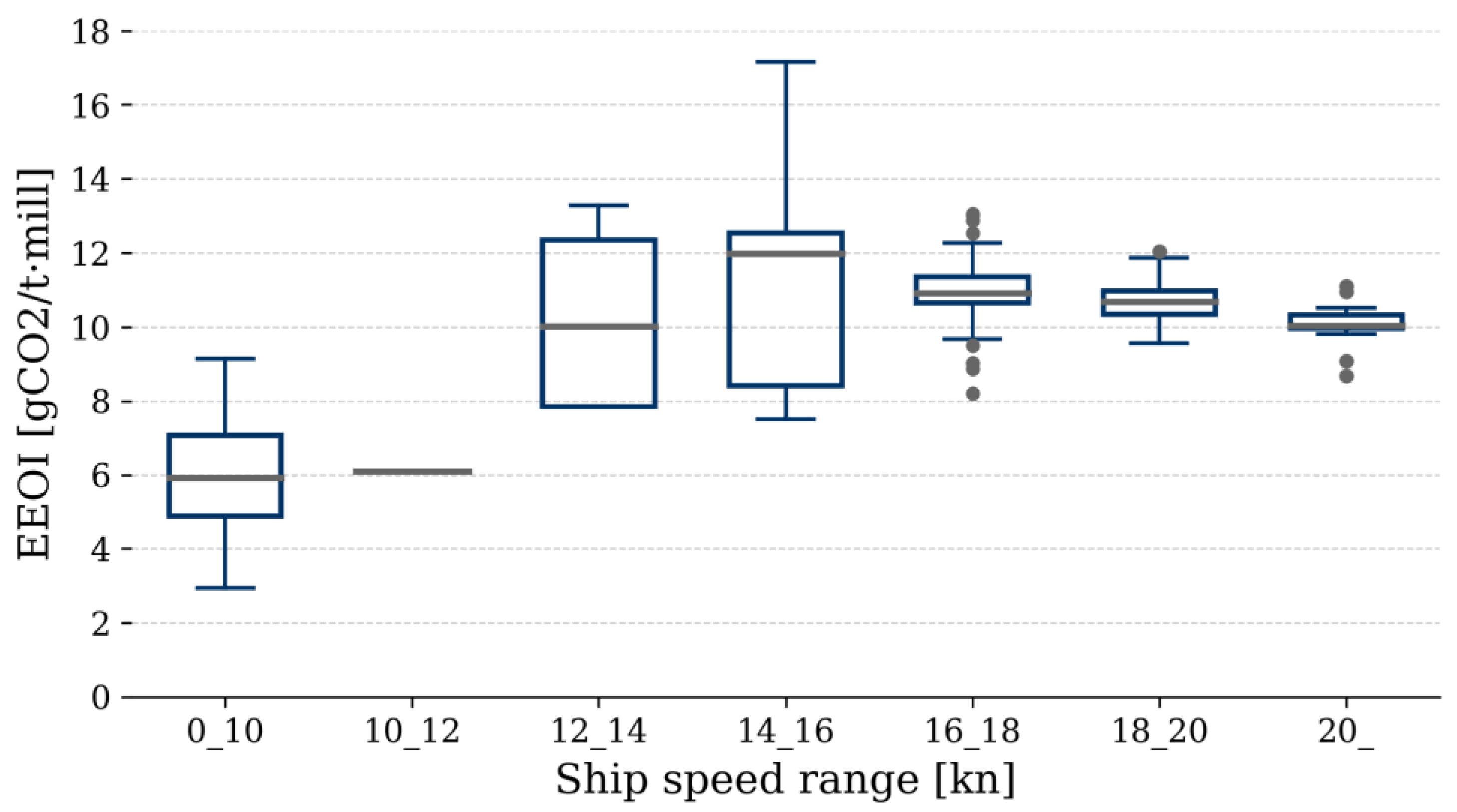
The final outcome of this weighting process is a homogeneous, complete, and representative database that integrates all operational and energy parameters necessary for the comparative analysis of the vessels’ energy efficiency before and after maintenance operations, across the 41 voyages carried out by both ships. During this phase, an analysis was conducted to determine the speed range in which cargo transport predominantly takes place. This study was performed for both vessels to identify the most representative results in each case and to ensure that the conclusions regarding the impact of maintenance on energy efficiency and emissions are meaningful. After this analysis, it was concluded that, for Vessel I, both before and after maintenance, 76% of the cargo transport data occurred in the speed range between 16 and 20 knots. For Vessel II, both before and after maintenance, 66% of the data fell within the speed range between 12 and 18 knots. Therefore, the results will focus on the most representative speed ranges for each case.
As a final step in the database construction process,
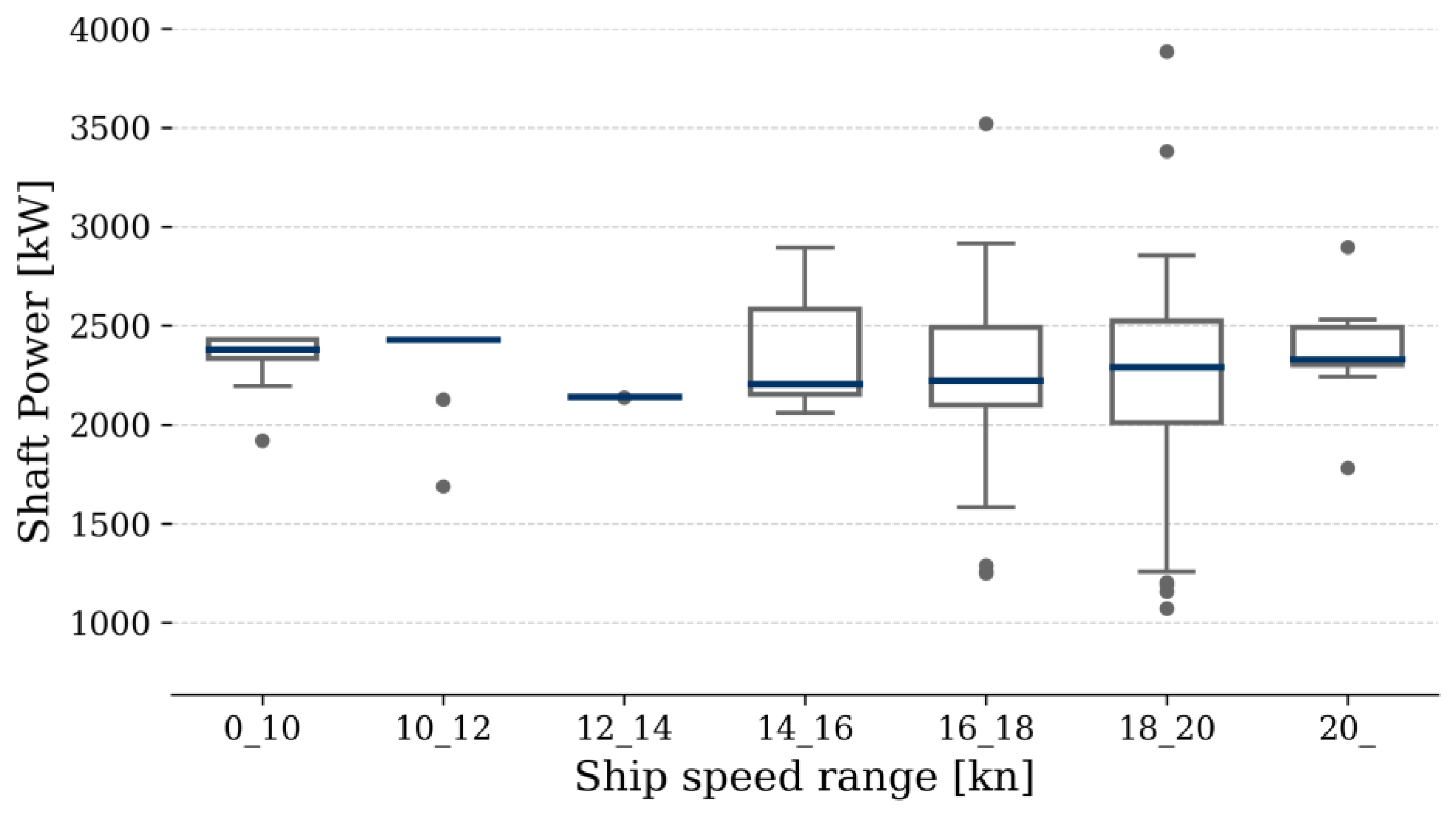
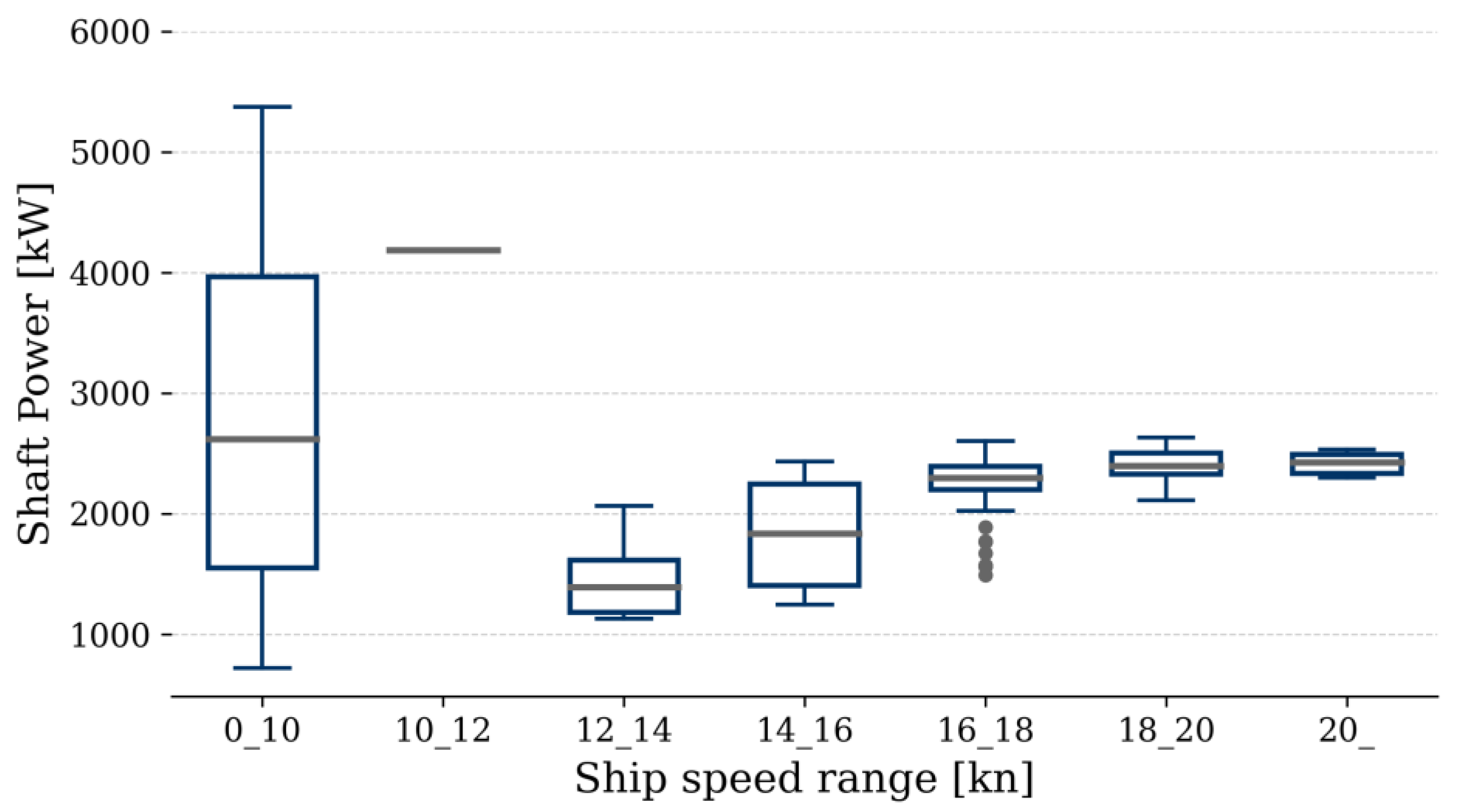
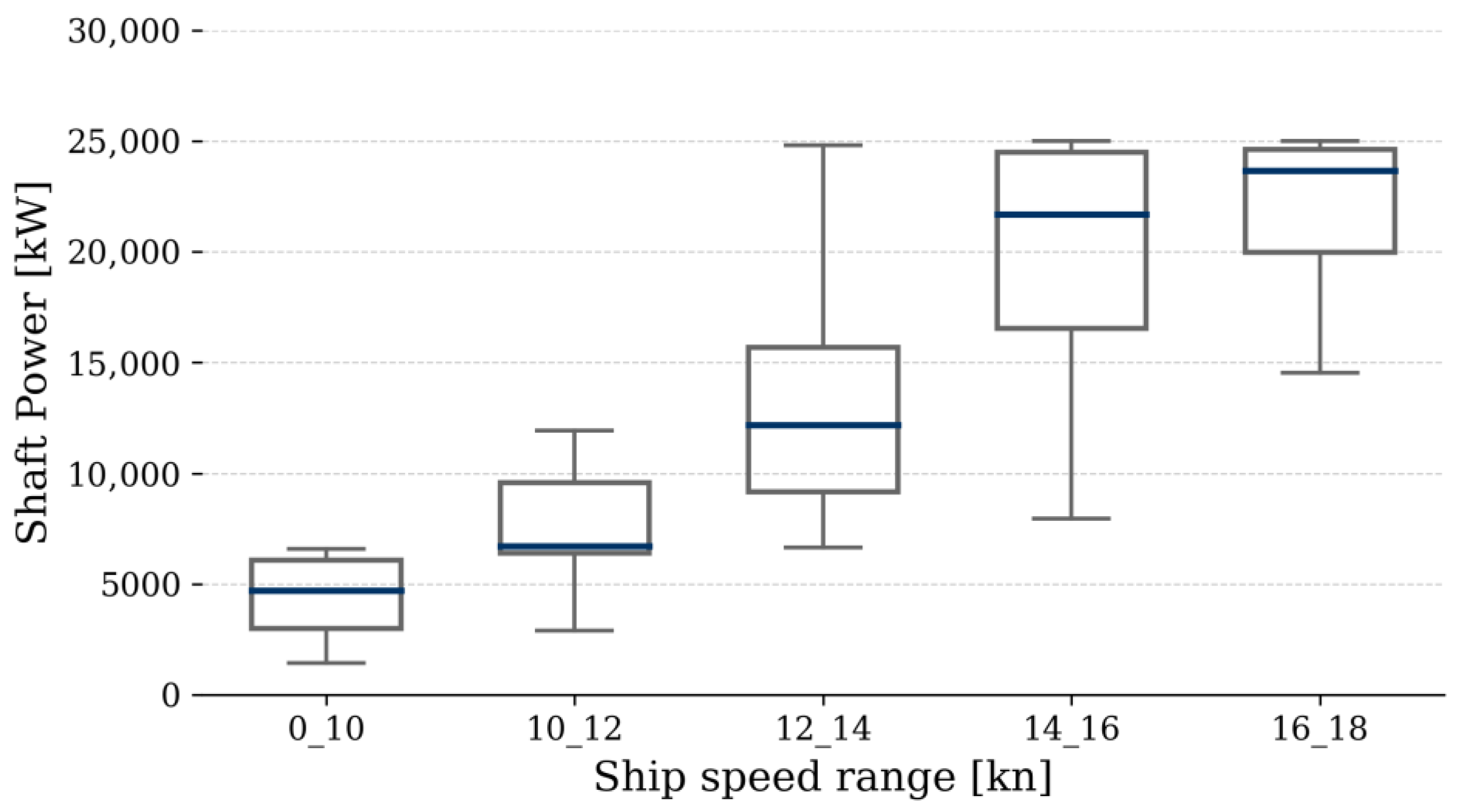
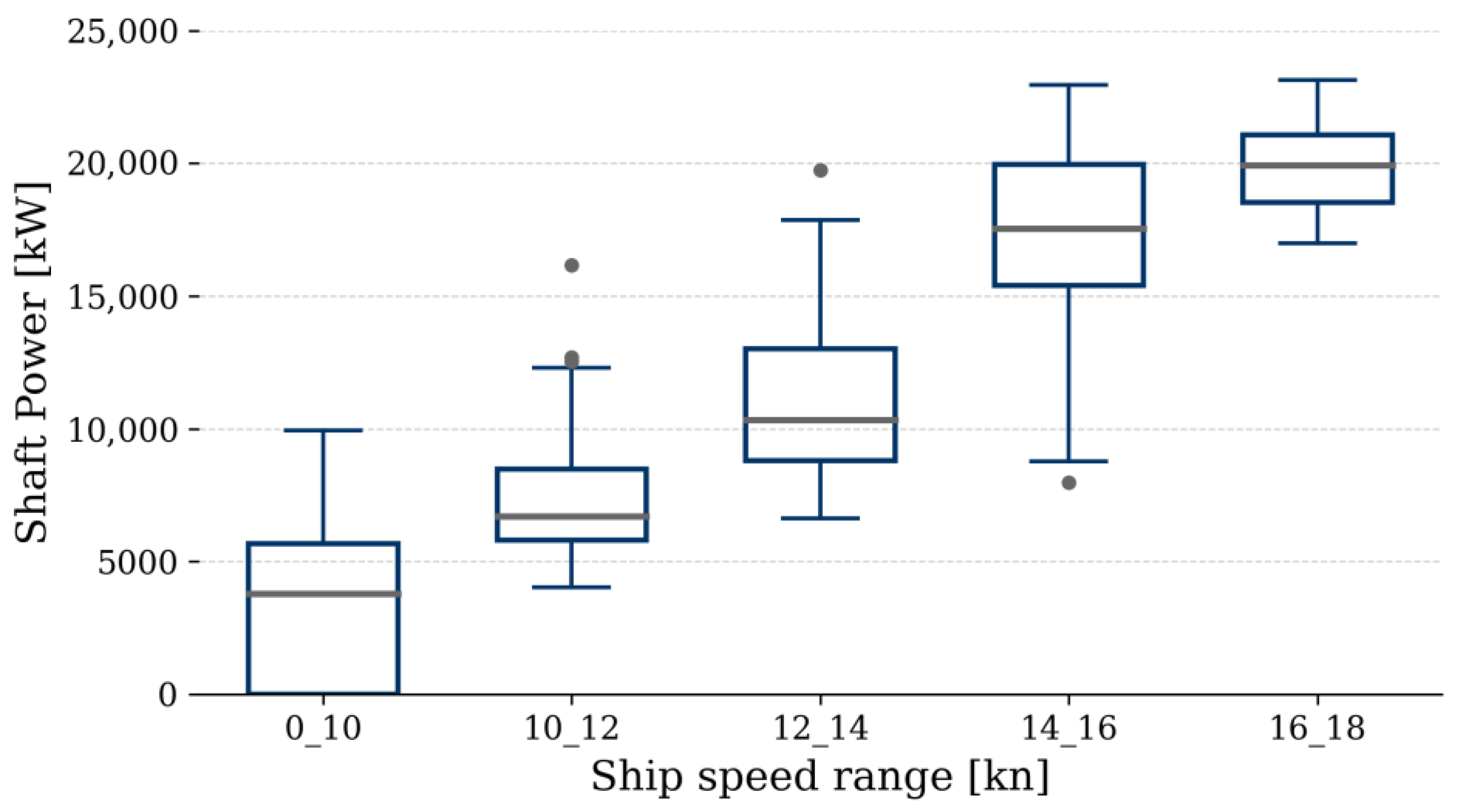
Table 2 provides a statistical summary of the main operational variables included in the final dataset for each vessel, namely vessel speed, fuel consumption, and shaft power. For each variable, the table reports the minimum and maximum values, together with the corresponding mean values and standard deviations (SD), thereby characterizing both the operational ranges and the variability of the data. These descriptive statistics reflect the diversity of real operating conditions captured across the analyzed voyages and establish a robust statistical basis for the subsequent analysis. On this basis, the results presented in the following sections focus on the most representative speed ranges identified for each vessel, ensuring a consistent and physically meaningful comparison of energy efficiency and emission performance before and after the maintenance interventions.
7. Results from the Perspective of Economics
In recent literature, the relationship between energy efficiency indicators and the market value of ships in the second-hand market has begun to receive attention [
44]. The studies by Pin-Hsuan Lu and Dimitros Theocharis (2025) demonstrate that the design (EEXI) and operational (CII/AER) indices are significant variables in price determination, showing that more efficient ships achieve higher resale prices [
45]. In particular, the EEXI exhibits greater elasticity than the CII, indicating that initial technical efficiency is more highly valued than short-term operational performance.
Similar results had been noted by Adland et al. (2021), who incorporated proxies for fuel consumption and speed into hedonic pricing models, confirming the negative correlation between inefficiency and asset value [
44]. Similarly, methodological contributions such as Sahin (2020) highlight the theoretical relationship between efficiency investments and vessel value, revealing that shipowners act with a holistic perspective in vessel valuation [
46].
Beyond fuel savings and the reduction in CO
2 emissions, the revaluation of vessels in the secondary market due to efficiency improvements must also be considered. The mandatory annual calculation of indicators such as the CII by the IMO influences the value of vessels in the second-hand market from technical, design, and operational perspectives. This impact will become even more significant in the future with the introduction of carbon pricing and the implementation of stricter regulations, such as FuelEU Maritime, which will directly affect chartering, financing, and vessel marketing policies [
47].
For the economic valuation based on fuel savings, the methods of Ammar and Seddiek (2017–2018) have been followed, using Equation (5) to estimate the economic savings derived from a maintenance intervention [
47,
48]:
where FS = fuel savings resulting from the maintenance intervention;
fa = annual fuel;
p = average percentage of fuel savings after the maintenance intervention;
Cf = average fuel cost.
The economic assessment of cleaning operations complements the energy analysis with a practical perspective on their profitability. Based on the results obtained for Vessel 2, where consistent reductions in consumption were observed, it is possible to estimate the fuel savings and their impact on operating costs. Considering an average reduction of around 25% and an approximate annual fuel consumption of 14,828.7 tons, the potential savings amount to about 3707 tons per year. Taking as a reference an average MDO price of 750 USD per ton, equivalent to approximately 690 €/t, according to the quotations published by the Spanish shipowners’ association (ANAVE), this saving corresponds to around 2.56 million euros per year [
49].
The cost of a complete hull and propeller cleaning with antifouling paint application can range between €1,500,000 and €2,000,000 (including docking expenses), depending on the shipyard, location, and vessel size. When compared with the estimated savings, the investment is practically recovered immediately, even in conservative scenarios where the efficiency improvement is reduced by half. The investment is recovered almost immediately, even in conservative scenarios where the efficiency improvement is halved. It is worth noting that the dry-dock period for Vessel II was part of a broader set of activities, which included mandatory inspections by the classification society and additional scheduled maintenance work. These interventions, requiring independent attention, justified the vessel’s temporary withdrawal from service. In this context, the economic evaluation focused specifically on the effects associated with cleaning the hull and propeller, and on the proportion of downtime directly attributable to maintenance.
In the case of Vessel 1, the results were not conclusive, and the observed reductions in fuel consumption do not allow for a significant quantification of savings. Nevertheless, this comparison reinforces the evidence that partial cleanings, such as those limited to the propeller, have a limited economic impact compared to comprehensive interventions that include the hull.
Overall, the analysis confirms that full hull and propeller cleaning not only improves energy and environmental indicators but also represents a highly profitable investment, with measurable returns over very short operational periods, thereby strengthening the connection between energy efficiency, sustainability, and the vessel’s economic value.
8. Discussion
Operational data on ships, despite being collected through monitoring systems, are very complex to supervise and process [
50]. In the present study, a methodology based on several previous studies has been adopted to obtain representative results [
51,
52].
After transferring the monitoring system data, weighing the variables and calculating the emission values according to the International Maritime Organization regulations, a comparison of the values before and after the maintenance operations was carried out. This was done from an energy, emissions, and economic perspective to obtain a realistic holistic view of the impact of maintenance operations on the vessels. This global perspective will allow for better planning of interventions and their prioritization within the ships’ SEEMP.
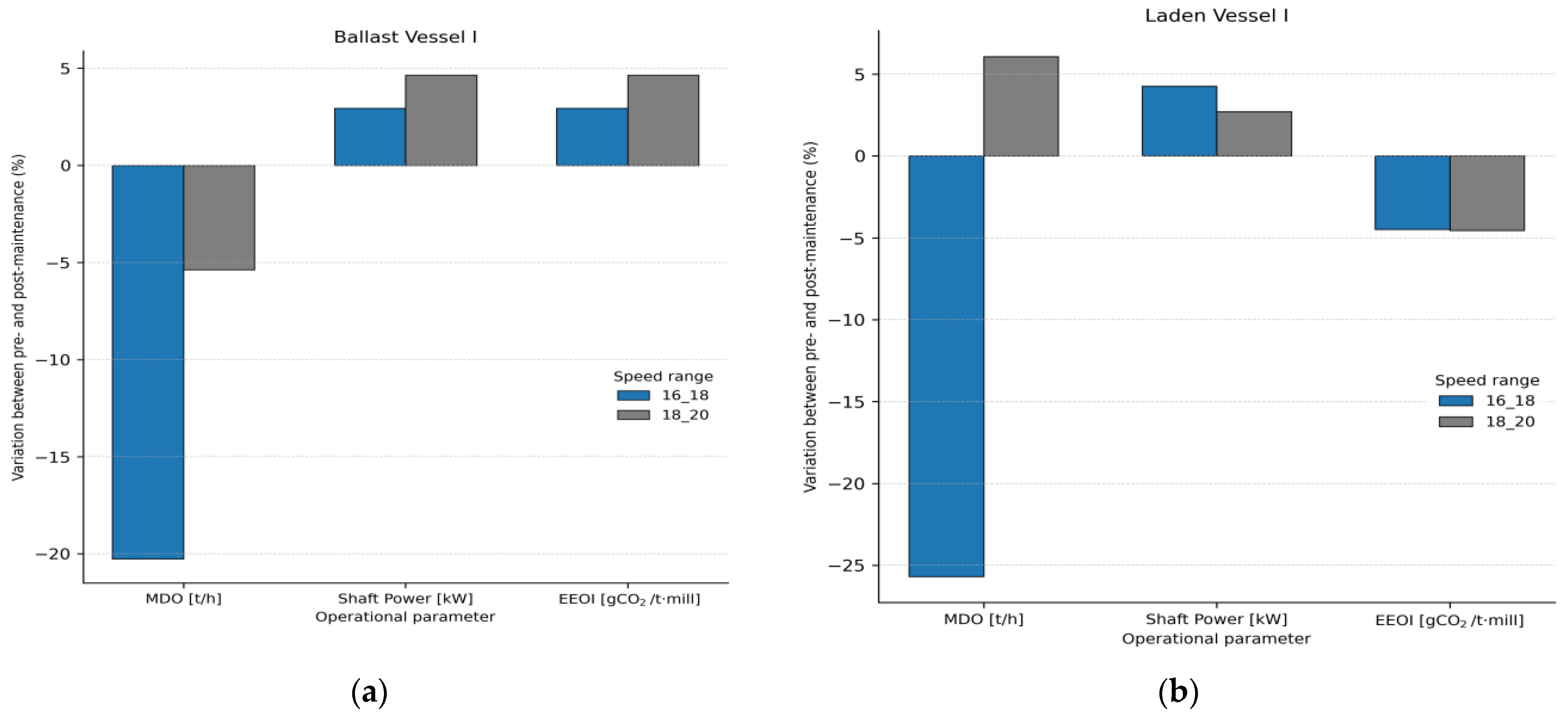
In this study, a highly recommended minor maintenance intervention was carried out, consisting of a propeller cleaning on a vessel with a highly energy-efficient propulsion plant. The results are summarized in the graphs:
As shown in
Figure 18, the percentage of fuel improvement was only achieved in the ballast and laden conditions within the medium operating speed ranges. In ballast condition, there was indeed fuel savings after maintenance. Regarding shaft power, there was no improvement, and in terms of emissions, only a slight improvement was observed in the laden condition. These results are not very conclusive, as they do not show truly significant values nor occur under all conditions, except for the case of fuel savings at intermediate operating speeds, where a significant improvement can be confirmed, with savings of around 20%, which is not sufficient to improve emissions.
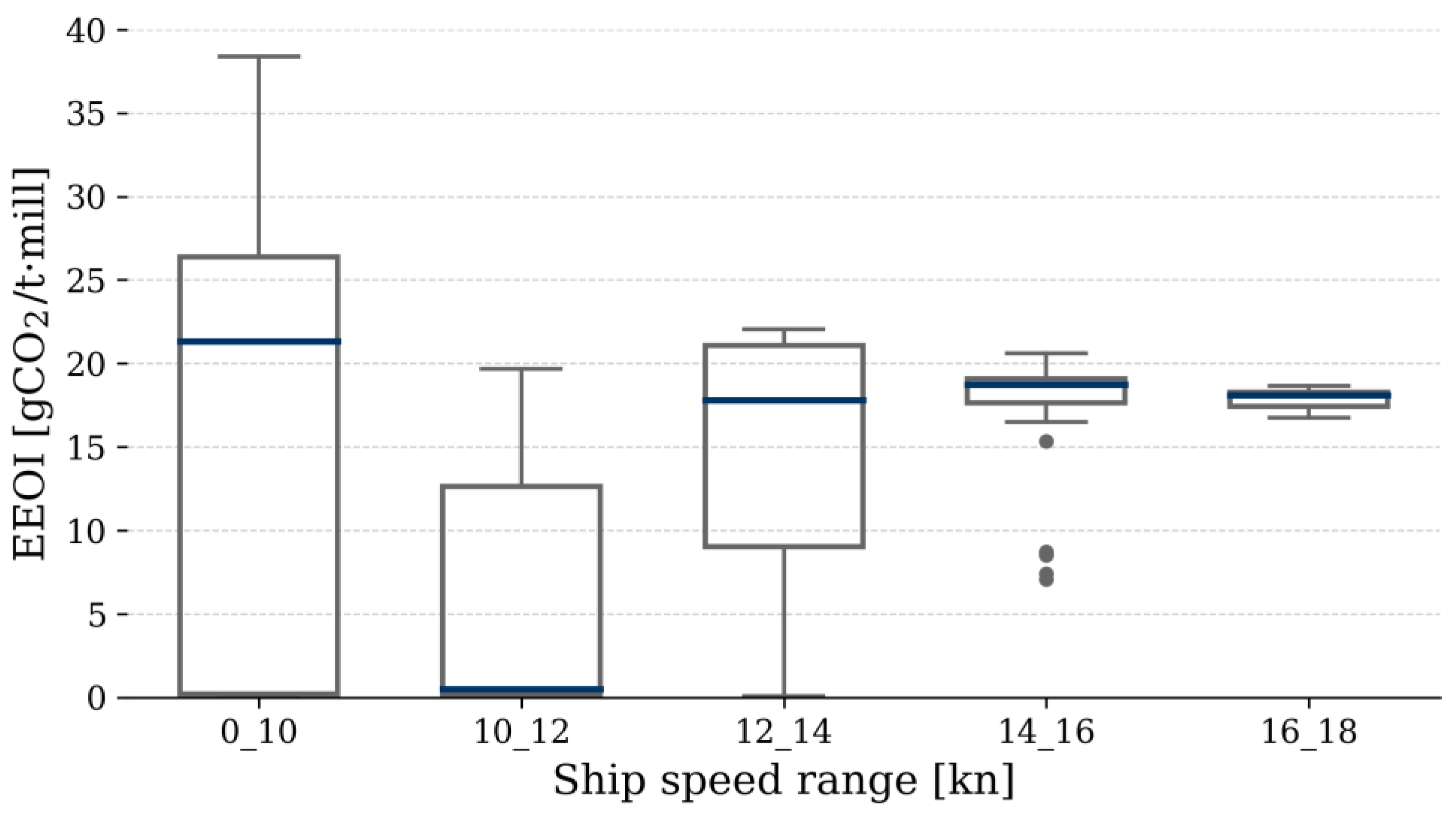
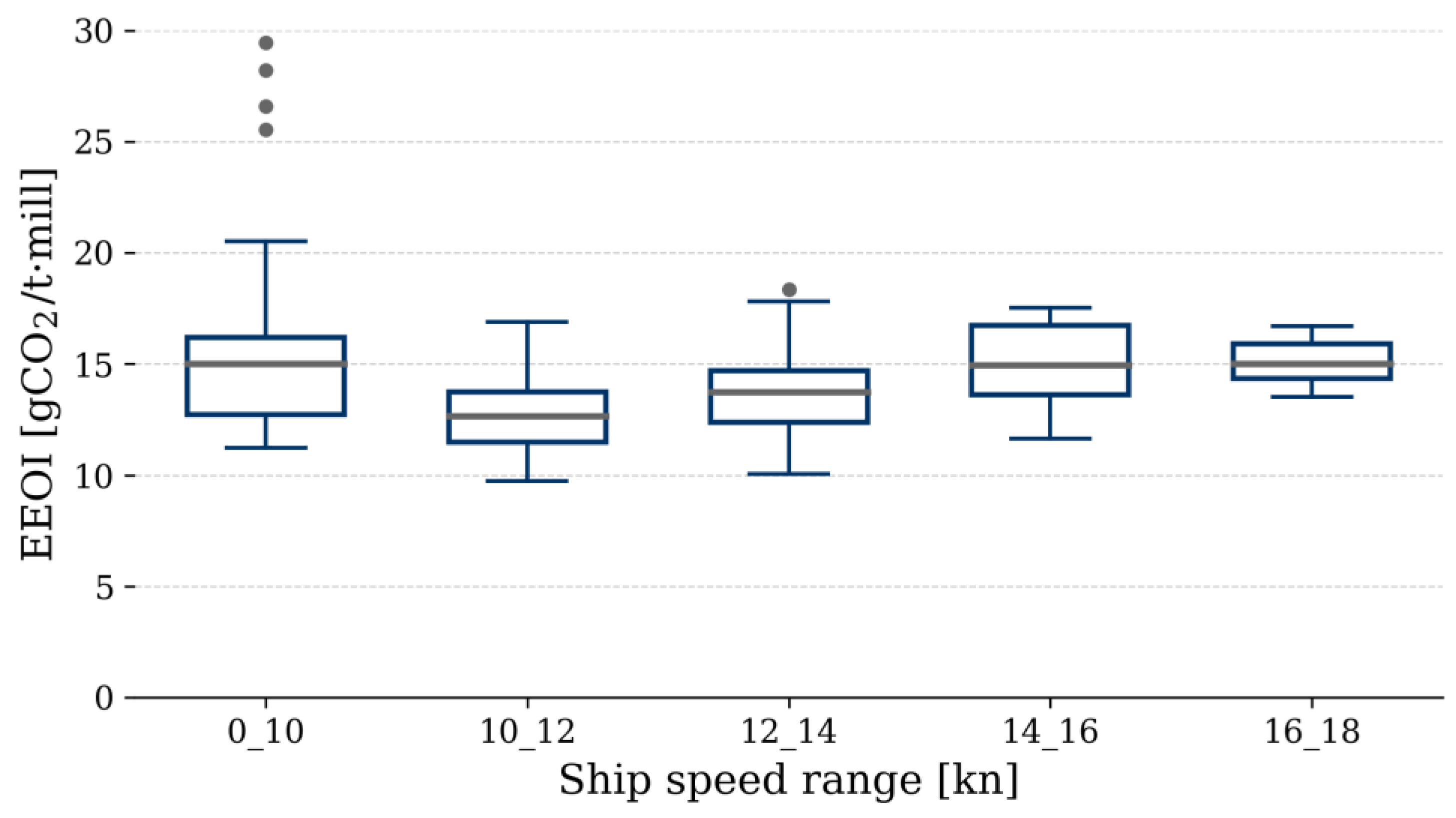
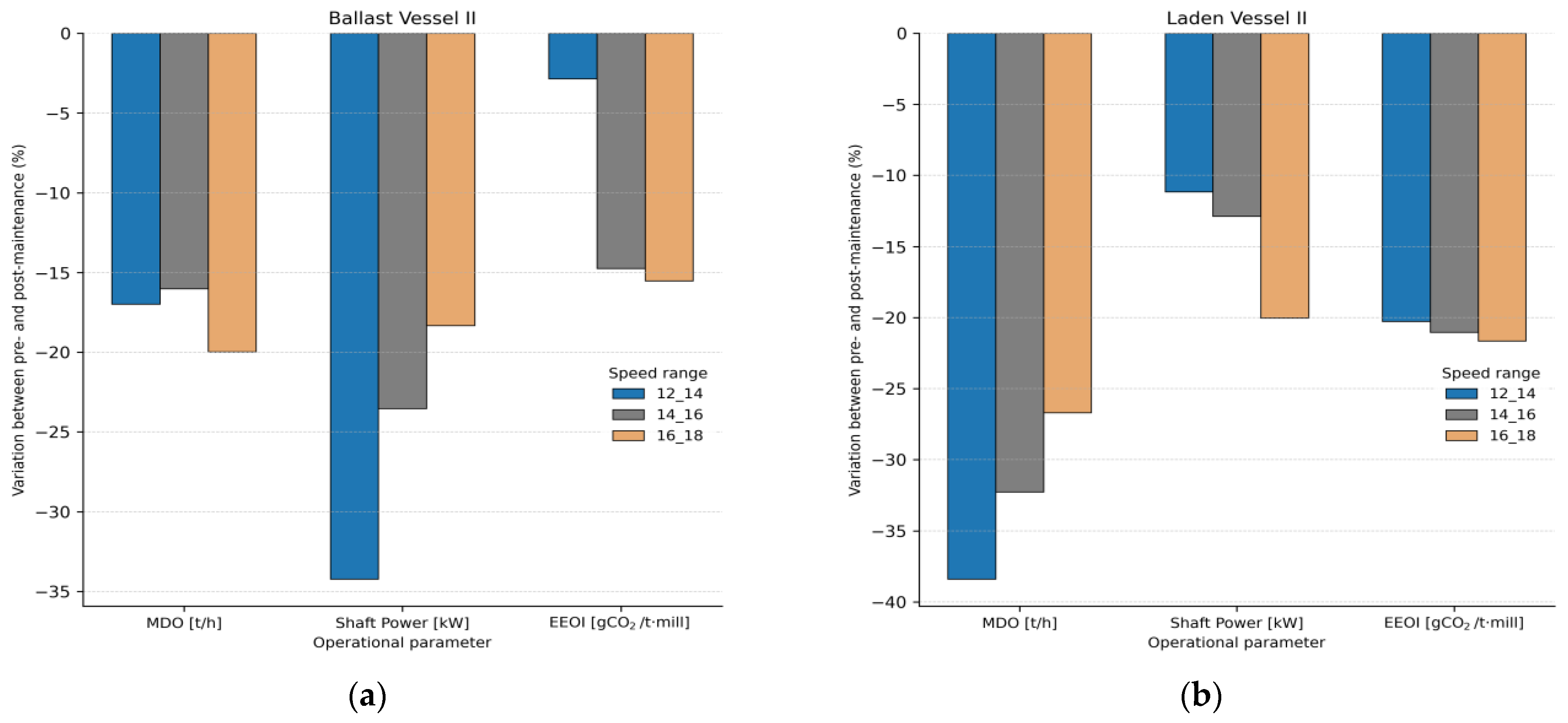
In the case of Vessel II, where the propulsion plant is not as optimized from an energy efficiency standpoint, another highly recommended maintenance operation was carried out, but with a greater impact—namely, the complete hull cleaning and antifouling protection painting. The results of the percentage improvement in fuel, energy, and emission values after the maintenance intervention are shown below in
Figure 19:
In
Figure 19, the improvement percentages after the hull cleaning and painting intervention are highly significant and are observed across all studied areas—fuel consumption, shaft power, and emissions. Moreover, when considering the rapid payback of the maintenance investment and the reduction in CII values, which can practically represent an upward shift in the vessel’s classification scale, the results indicate not only savings in the vessel’s operating costs but also an increase in its market value. These findings demonstrate the great importance of maintenance operations and their impact on both the vessel’s performance and its lifespan and valuation.
9. Conclusions and Future Investigations
The present research sheds light from a holistic perspective on the fundamental role of maintenance operations in ship emissions, efficiency, and economics, through the qualitative and quantitative evaluation and validation of real operational data from two ships over more than 40 measurement voyages.
The results demonstrate that comprehensive maintenance actions, such as full hull and propeller cleaning, have a substantial impact on ship energy performance, enabling fuel consumption reductions exceeding 30%, CO2 emission reductions above 15%, and improvements in propulsive efficiency ranging from 18% to 34%. In contrast, partial interventions, such as in-water propeller cleaning, exhibit a much more limited effect, providing fuel savings only within specific speed ranges and without leading to significant overall reductions in emissions or shaft power, as these improvements remain localized and do not translate into system-level benefits. From an economic perspective, the analyzed maintenance actions achieve payback within the first year of operation following the intervention, providing a strong incentive for their implementation. Overall, these findings highlight maintenance as an effective and economically viable strategy to reduce emissions and enhance the competitiveness of maritime transport, particularly under increasingly stringent energy and environmental requirements.
This study shows that partial observations of the impact of maintenance on fuel savings are not sufficient to fully address shipowners’ interests.
Major interventions have a greater impact and should therefore be assessed from a holistic point of view; however, smaller actions with limited impacts can be evaluated primarily through economic factors, without necessarily considering environmental aspects when making decisions. This implies that a single assessment approach should not be applied to all maintenance operations: a holistic view should be adopted for comprehensive interventions, while a targeted approach is more appropriate for minor ones in order to optimize efficient performance across a fleet of vessels.
The frequency of maintenance interventions should not be determined solely by economic or operational criteria, but also by their environmental impact, which tends to be greater the more intensive the intervention. From an economic perspective, it is essential to consider both the operational costs and savings derived from maintenance, as well as the vessel’s revaluation in the second-hand market, since the latter directly influences investment capacity and the competitiveness of the maritime transport sector.
Major maintenance operations represent a significant opportunity to improve ship efficiency and achieve greater fuel cost savings as the scope of the intervention increases, as well as to enhance the vessel’s market value. They also play an important role in mandatory environmental assessments, supporting technological advancements and the necessary investments to ensure that vessels remain in safe, high-performance classifications—above level C—required to continue operating.
From a theoretical standpoint, this work contributes a holistic evaluation framework that integrates real pre- and post-maintenance data to quantify the energy, environmental and economic effects of ship maintenance operations, a perspective scarcely represented in the current literature. From a practical standpoint, the results provide shipowners, operators and regulators with quantifiable evidence to support decision-making within SEEMP planning, demonstrating that comprehensive maintenance interventions can significantly reduce fuel consumption, improve CII ratings and even increase the market value of the vessel. These findings reinforce the strategic role of maintenance as a cost-effective and operationally relevant tool for advancing decarbonization in maritime transport. It should be noted that no explicit correction for environmental effects such as wind, waves, or currents has been applied, in line with the methodology of IMO operational indicators based on real operational data. Therefore, the results provide robust relative trends derived from a comparative pre- and post-maintenance analysis, while a more precise quantification of the isolated maintenance effects could be addressed in future studies incorporating explicit environmental corrections.
In future work, it would be highly valuable to include studies on ship valuation following a CII classification upgrade, in order to assess the real economic impact of major maintenance operations on vessel value. It would also be interesting to conduct a similar study on other types of ships and with other maintenance operations. As well as studies on the impact of weather conditions on comparisons of ship emissions before and after maintenance operations. In all these proposals for future studies, it will be necessary to differentiate between ballast and cargo voyages, as well as the results according to ranges and speeds, in order to observe the real impact on ship efficiency and emissions.