Article

Analysis of Spatiotemporal Variation Characteristics and Impact Mechanisms of Gales in the South China Sea from 1995 to 2024


1
School of Atmospheric Sciences, Sun Yat-sen University, Zhuhai 519082, China
2
Qinzhou Meteorological Bureau, Qinzhou 535000, China
3
Open Laboratory of Guangxi Beibu Gulf National Climate Observatory, Nanning 530022, China
4
Qinzhou Key Laboratory of Marine Meteorological Disaster Research, Qinzhou 535000, China
5
Guangdong Provincial Marine Meteorology Science Data Centre, Guangzhou 510640, China
6
Guangdong Provincial Observation and Research Station for Climate Environment and Air Quality Change in the Pearl River Estuary, Zhuhai 519082, China
7
Hong Kong Observatory, Kowloon, Hong Kong 999077, China
*
Author to whom correspondence should be addressed.
J. Mar. Sci. Eng. 2026, 14(10), 942; https://doi.org/10.3390/jmse14100942 (registering DOI)
Submission received: 20 April 2026 / Revised: 11 May 2026 / Accepted: 14 May 2026 / Published: 19 May 2026
(This article belongs to the Section Marine Environmental Science)

Abstract

Based on ERA5 reanalysis data, best-track data of tropical cyclones, and satellite nighttime light data from 1995 to 2024, this study employs a statistical composite method to analyse spatiotemporal evolution characteristics and impact mechanisms of gale events in the South China Sea. The results indicate: ① The gale days exhibit a pattern of ‘high in the northeast and southwest, low in the middle’ with three high-value regions located in the Taiwan Strait, the Bashi Strait, and the offshore region southeast of Vietnam, where the average wind speed at the centres reaches 8 m/s. Maximum wind speeds show a ‘high in the north, low in the south’ pattern, with the dividing line near 10° N. The number of gale days peaks in winter, while maximum wind speeds are higher in summer and autumn than in winter and spring. ② The spatial distribution of gales is primarily influenced by the combined effects of land–sea topography and weather systems. Cold air masses in winter and spring are the dominant cause of gales in the South China Sea. Although typhoons in summer and autumn occur less frequently, they are more likely to trigger extreme gales. ③ Most regions of the South China Sea show an increasing trend in the gale days, while a few areas in the south and near Guangdong exhibit a decrease. The overall increase is primarily attributed to the intensification of the subtropical high, whereas the reduction near Guangdong is mainly due to increased surface roughness caused by urbanisation, which enhances friction and suppresses wind speeds.

1. Introduction

Gales, in meteorology, refer to strong winds exceeding a defined intensity threshold. They are a manifestation of atmospheric momentum transport, driven collectively by the pressure gradient force, Coriolis force, and frictional force, and often occur alongside circulation system activity and atmospheric instability [1,2]. Offshore gales specifically denote this phenomenon over the ocean. In addition to conventional circulation systems, they are also influenced by air–sea interactions and land–sea topography, frequently forming persistent strong-wind centres in specific maritime zones [3,4]. As a critical marine meteorological hazard, offshore gales pose severe threats to the safety and operational efficiency of a wide range of marine engineering activities, including offshore wind farms, port berthing operations, coastal infrastructure construction, and maritime transportation systems [5,6]. Accurate characterization of gale characteristics and their long-term evolution is therefore a fundamental prerequisite for the design, risk assessment, and sustainable operation of these marine engineering systems [7].
The South China Sea connects the Pacific and Indian Oceans, serving as a critically important maritime corridor for China’s cargo transportation and a vital global artery for energy and trade. Frequent gales in this region directly impact maritime navigation safety and operational efficiency. Furthermore, as one of China’s most promising offshore wind energy bases, the wind resources within this region form the core foundation for wind power development. Understanding the distribution and variability of gales is essential for wind farm site selection and power generation forecasting [8,9]. For key marine engineering projects in the South China Sea, such as the Pearl River Delta Port Cluster, gale events are a primary meteorological factor restricting vessel berthing and unberthing operations, offshore construction, and port operation scheduling [10]. Robust analysis of gale characteristics not only provides essential scientific support for optimizing port operation strategies, mitigating marine disaster risks, and ensuring the safety of coastal engineering projects [11], but also is applicable to onshore wind farms and renewable energy assessments [12]. Against the backdrop of global climate change, significant adjustments have occurred in the thermal and dynamic conditions of the South China Sea, including sea surface temperature anomalies, monsoon variability, and shifts in typhoon activity. They all potentially alter the frequency, intensity, and spatiotemporal patterns of gales [13,14,15,16]. Therefore, comprehensively investigating the spatiotemporal characteristics and driving mechanisms of gales in the South China Sea will not only deepen understanding of regional climate but also provide scientific support for maritime disaster prevention and mitigation, engineering projects, and sustainable economic development.
It is generally established that the wind field over the South China Sea is primarily regulated by the East Asian Monsoon and typhoon activity, exhibiting distinct seasonal characteristics. Existing studies confirm that the East Asian Monsoon governs the seasonal reversal of the region’s wind field: dry, cold northeasterlies prevail in winter, while warm, moist southwesterlies dominate in summer [17,18]. Typhoons concentrated in summer and autumn further modulate gale distribution, with induced gales predominantly occurring in the central and northern South China Sea. Their tracks and intensity directly shape interannual variations in gale frequency [19,20].
Previous studies have documented a widespread decreasing trend in near-surface wind speeds over China’s land and coastal regions [21,22]. Simmonds et al. [23] have revealed declines in wind energy generation potential (mean cube of wind speed) across all seasons over virtually all of mainland China. Zhu Guoying et al. [24] analysed ground-based meteorological station observations from 1981 to 2020 and identified that near-surface wind speeds have generally declined because of changes in atmospheric circulation. Similar conclusions have been drawn for the Yangtze River Basin: Li Yuejia et al. [25] reported a significant downward trend in annual average wind speed at a rate of −0.0065 m/s·a from 1960 to 2015. Guo Jun et al. [26] observed significant reductions in both annual average wind speed and the number of gale days in the Bohai Coastal Region from 1971 to 2012, primarily attributed to increased surface roughness caused by urbanisation. However, the South China Sea exhibits fundamental differences from land and northern coastal regions, characterised by a broader ocean surface, stronger monsoon forcing, and more frequent typhoon activity, which may induce distinct patterns in gale variability [5]. For instance, Li Chenxuan et al. [27] identified a significant increasing trend in winter strong-wind frequency over the central and northern South China Sea from 1979 to 2021. This trend differs from wind speed tendencies in some coastal land areas, where studies based on land meteorological stations have indicated decreasing trends. Notably, Simmonds et al. [28] demonstrated a significant increasing trend in winter baroclinicity over the northern South China Sea, which provides a favorable dynamic background for the enhanced strong-wind activity in this region. Therefore, further research on gales in the South China Sea is essential to enhance the scientific understanding of its unique gale characteristics and to deliver actionable insights for marine engineering design, operation, and risk management in the region.
This study aims to better understand the statistical characteristics of gales in the South China Sea under the backdrop of climate change. Utilizing ERA5 reanalysis data from 1995 to 2024, this study analyses the distribution and long-term trends of average wind speed, maximum wind speed, and gale days over the South China Sea surface and elucidates the underlying physical mechanisms. This analysis lays a solid foundation for further exploring the impacts of long-term gale evolution on regional maritime management and wind energy resource development, and provides critical meteorological support for the safe and efficient operation of marine engineering projects in the South China Sea.

2. Materials and Methods

2.1. Study Area

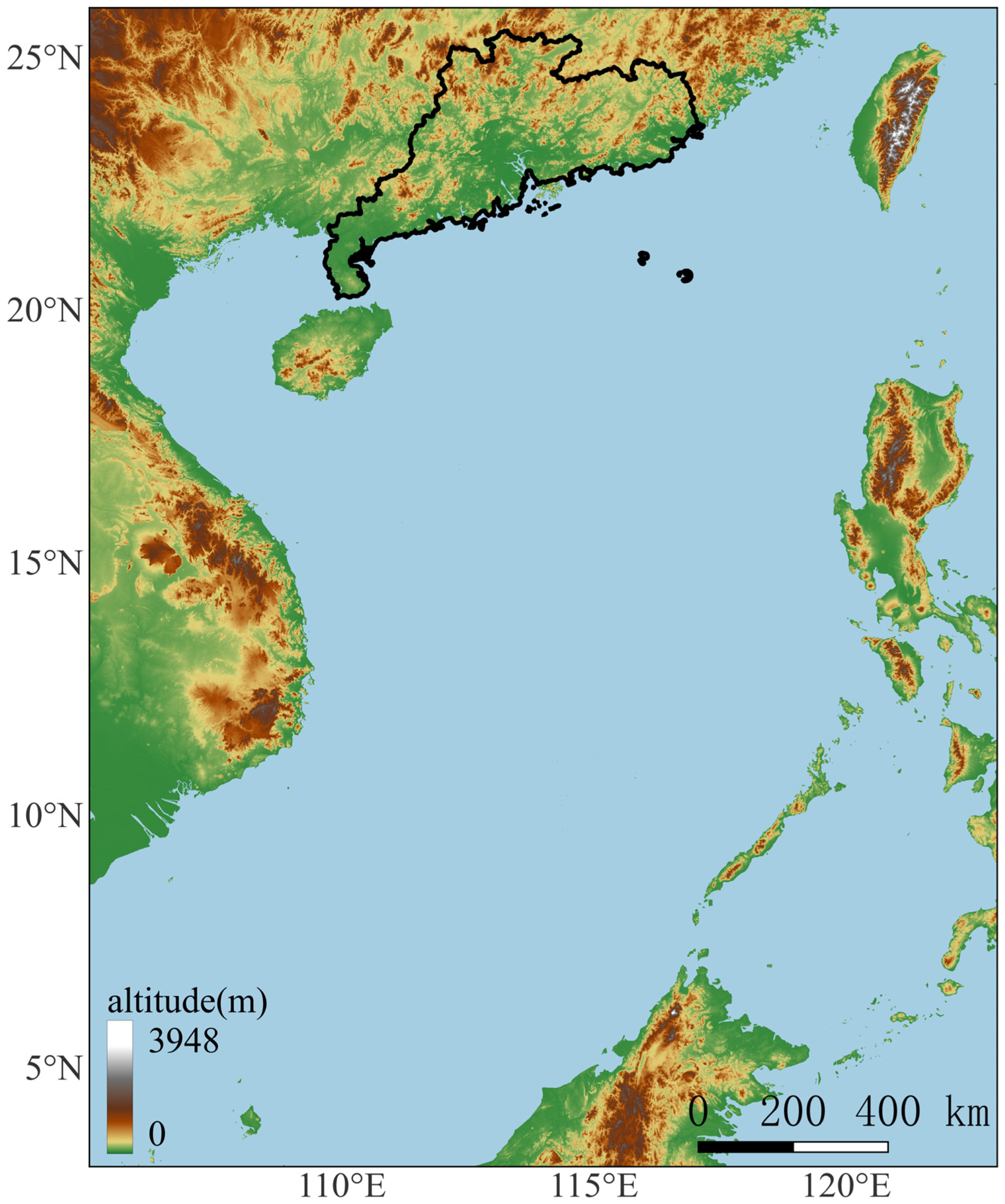
The South China Sea is located south of the Chinese mainland. It borders the southern coast of China to the north and extends south to the Kalimantan Island. It is adjacent to the Indochina Peninsula and the Malay Peninsula to the west and extends east to the Philippine Islands. It connects with the Western Pacific Ocean through the Bashi Strait. Spanning approximately 2000 km from north to south and about 1000 km from east to west, the South China Sea covers an area of approximately 3.5 million km2 [29]. To comprehensively characterise the statistical features of strong winds across the entire South China Sea, this study selects a rectangular study area within 3° N~26° N, 105° E~123° E. This area includes peripheral regions of the South China Sea such as the Taiwan Strait and the Bashi Strait (Figure 1).

2.2. Meteorological Data

The meteorological data used in this study consist of two components: wind field data for calculating wind speed distribution characteristics and pressure field data for identifying influencing weather systems. The meteorological data are derived from the ERA5 reanalysis dataset of the European Centre for Medium-Range Weather Forecasts (ECMWF), available at https://cds.climate.copernicus.eu/datasets (accessed on 1 December 2025). The data have a spatial resolution of 0.25° × 0.25°, a temporal resolution of 1 h, and cover the period from 00:00 on 1 January 1995 to 23:00 on 31 December 2024. Compared with actual offshore observational data, the ERA5 reanalysis dataset features longer time series, broader coverage, higher spatial resolution, and more complete parameter records. Previous studies have specifically investigated the applicability of ERA5 reanalysis wind field data over China’s marine areas, concluding that ERA5 data can effectively capture the variability of wind fields in this region and are suitable for wind field research in these waters [30,31].
Hourly wind speed is derived by synthesizing the ERA5 reanalysis variables u10 (10 m zonal wind component) and v10 (10 m meridional wind component). Statistical metrics (average wind speed, maximum wind speed, gale days) are then calculated based on the hourly wind speed. The average wind speed is a scalar representing the temporal average of hourly wind speeds (magnitude only). The mean airflow is a vector obtained by first averaging u10 and v10 temporally and then synthesizing, retaining both magnitude and direction. Subtropical highs are analysed using 500-hPa geopotential height contours. Owing to insufficient intensity of the seasonal mean subtropical highs to consistently delineate the 5880-gpm contour, the 5870-gpm contour is adopted to represent the extent of the subtropical high.
Typhoon track and intensity data were obtained from the CMA’s Best Track Dataset for Tropical Cyclones (tcdata.typhoon.org.cn (accessed on 1 December 2025)) [32,33]. This dataset provides 6-hourly position and intensity records of tropical cyclones affecting the Western North Pacific (including the South China Sea) since 1949. Tropical cyclone data from 1995 to 2024 were selected for analysis in this study.
To investigate the impact of urbanisation on gale trends, nighttime light data from the Defense Meteorological Satellite Program (DMSP) released by the Earth Observation Group (EOG) at the Colorado School of Mines [34,35,36] were used to characterise urbanisation. Satellite nighttime light data capture visible and near-infrared radiation from human activities, providing a direct indicator of urbanisation. The DN (Digital Number) value represents the radiance signal detected by satellite sensors, with higher values indicating brighter nighttime lights. The aggregate DN value denotes the sum of all pixel DN values within a region. It should be noted that satellite-derived nighttime light data have inherent limitations, including insufficient spectral bands and the lack of standardized cloud masks [37]. Such data are susceptible to interference from cloud scattering and obstruction, and a single satellite overpass cannot fully capture the hourly variations in nighttime brightness throughout the night. Despite the limitations of nighttime light remote sensing, such as cloud contamination, single-temporal observation, inadequate spectral bands, and angular effects, they are still widely used in research fields including global human activities, energy use, light pollution, and urban sustainable development because they can provide long-term, stable, and seamless global coverage of nighttime human activities.

2.3. Definition of Gales

In meteorology, winds with an average speed reaching Force 6 (≥10.8 m/s) or higher are referred to as gales [38]. Based on this criterion, this study defines a gale event as hourly wind speed ≥10.8 m/s, and a gale day as any calendar day (00:00–23:00) with at least one hourly wind speed ≥10.8 m/s.

2.4. Seasonal Division

Four seasons are defined based on the standard meteorological division in this study: Winter (DJF): December–February, Spring (MAM): March–May, Summer (JJA): June–August, and Autumn (SON): September–November.

3. Results

3.1. Analysis of Average Wind Speed

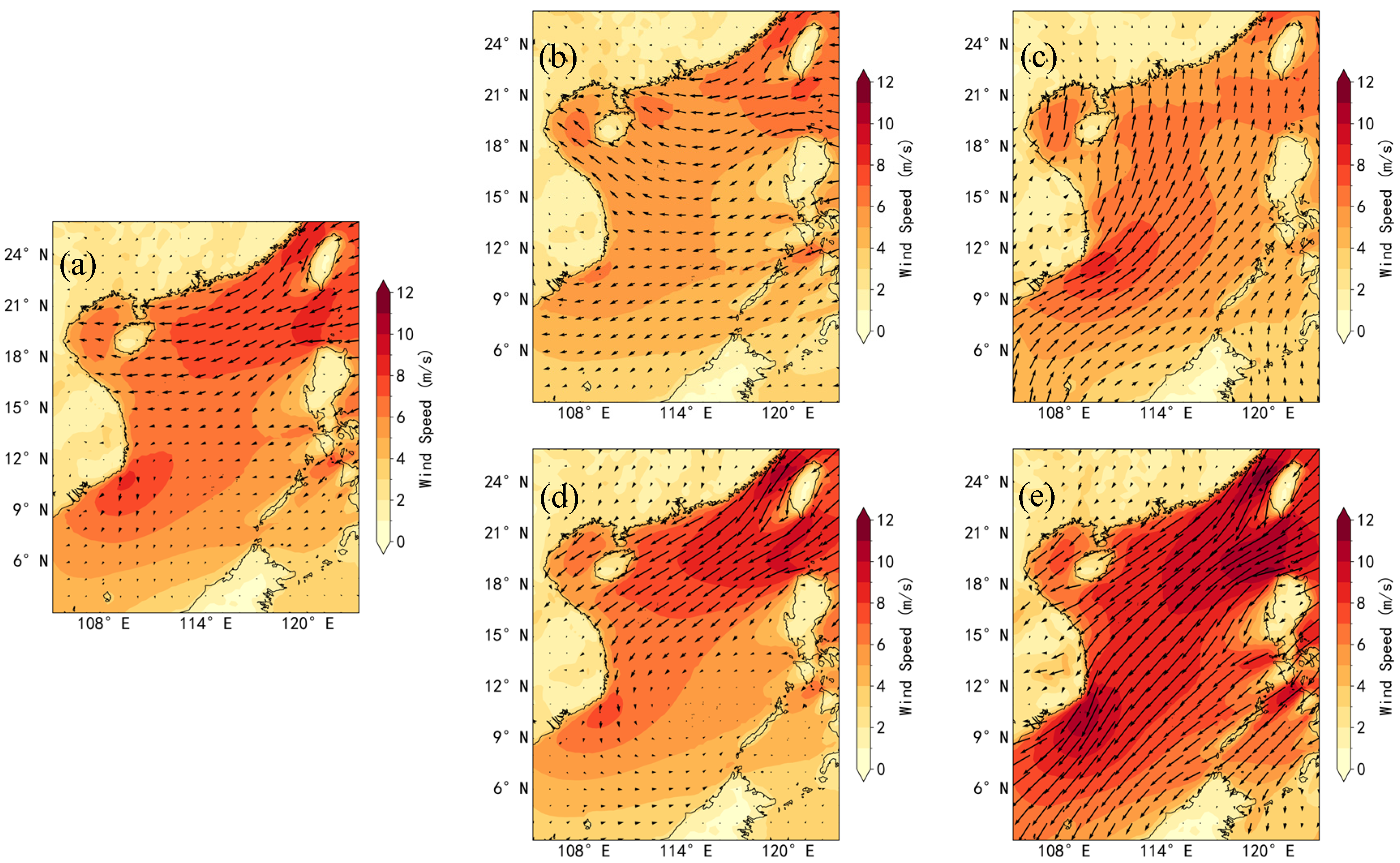
Figure 2 illustrates the spatial distribution of average wind speed and airflow in the South China Sea from 1995 to 2024. Overall, wind speeds exhibit a pattern of being higher in the northeast and southwest, and lower in the centre. Distinct high-speed zones (core areas reaching 8 m/s) are observed in the Taiwan and Bashi Straits, and offshore southeastern Vietnam. Clear wind shadow zones are observed downwind of islands such as Luzon, Taiwan, and Hainan. From a seasonal perspective, winter has the highest average wind speed. The average wind speed at the core of the high-speed zone can reach 11 m/s. Additionally, the spatial distribution of average wind speeds in winter closely resembles the annual pattern. This is because the winter monsoon has the greatest contribution to the overall wind speed. During winter, northeasterlies from the southeastern flank of the continental cold high descend from the East China Sea. Deflected by the southeastern hills, Taiwan’s Central Mountain Range, and Luzon’s Cordillera Central, they channel through the Taiwan and Bashi Straits into the South China Sea. Topographic constriction generates intense gap winds, forming high-speed zones in these straits [39]. Continuing southwestward, these winds accelerate around Vietnam’s Annamite Range, establishing another high-speed zone through coastal deflection [40]. In spring, weakened cold air masses still enter the South China Sea via the Taiwan and Bashi Straits from the East China Sea. However, reduced intensity leads to significantly lower wind speeds in the straits. The diminished northeasterlies also fail to reach low latitudes, causing the offshore high-speed zone near southeastern Vietnam to nearly vanish. In summer, the South China Sea is dominated by the East Asian summer monsoon. Cross-equatorial southwesterlies, deflected by promontories along Vietnam’s southeastern coast, form deflection-induced acceleration zones offshore. The high-speed zones shift northeastward compared to their winter positions. In autumn, the continental cold high gradually re-intensifies, re-establishing cold air-dominated northeasterlies along the northeast–southwest corridor. The three topographically enhanced high-speed zones re-form, while their intensities are below winter levels.

3.2. Analysis of Maximum Wind Speed

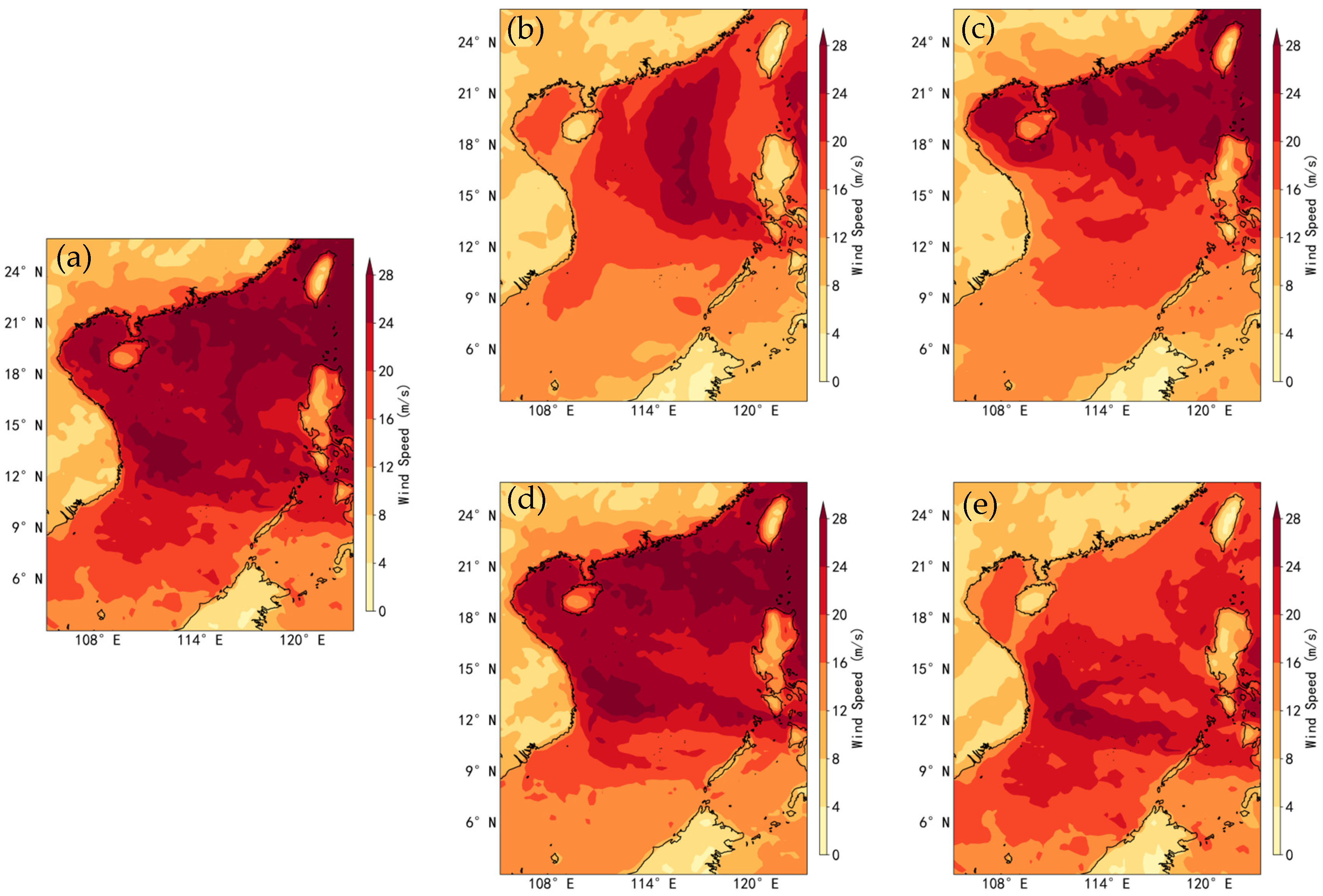
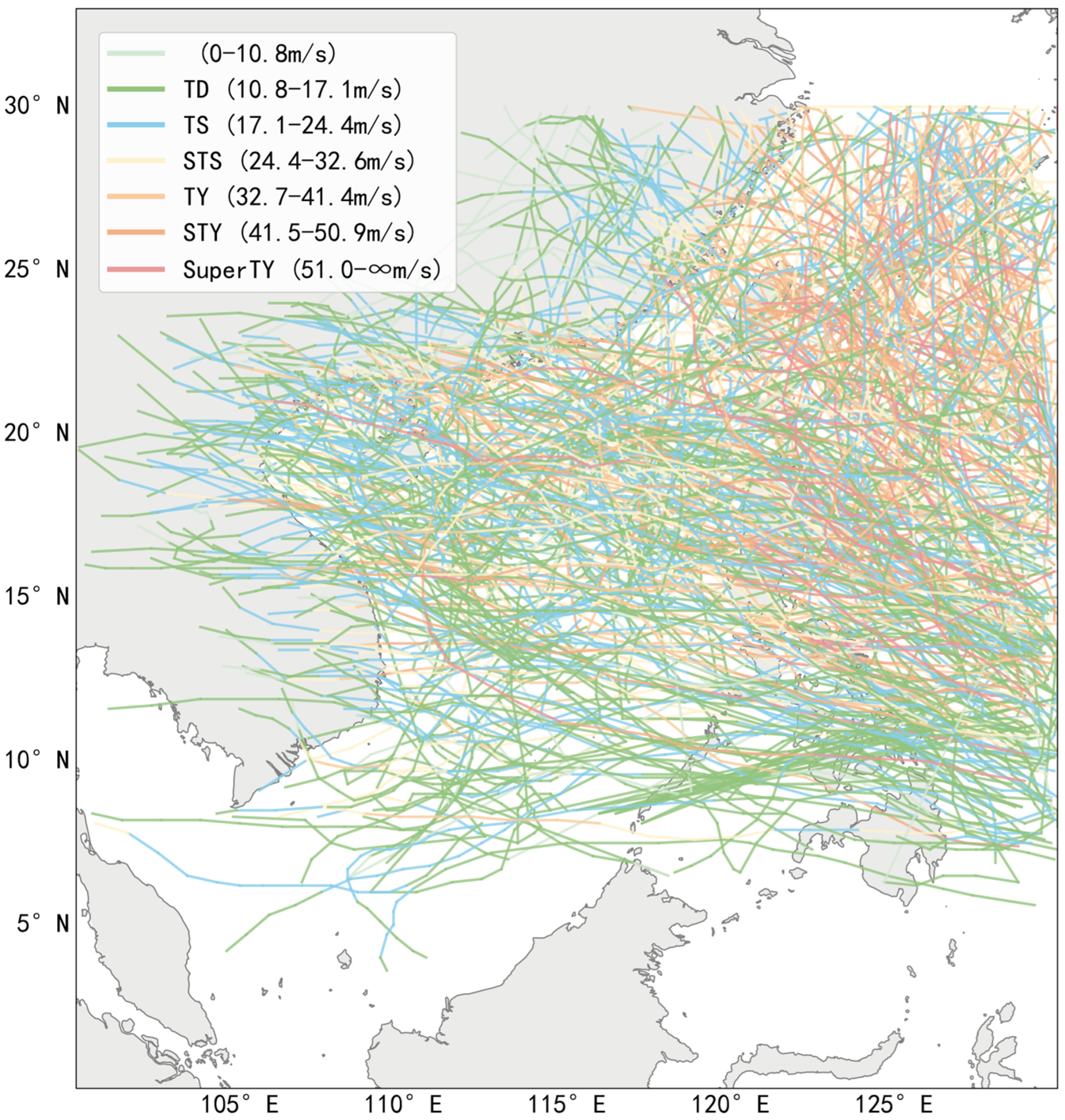
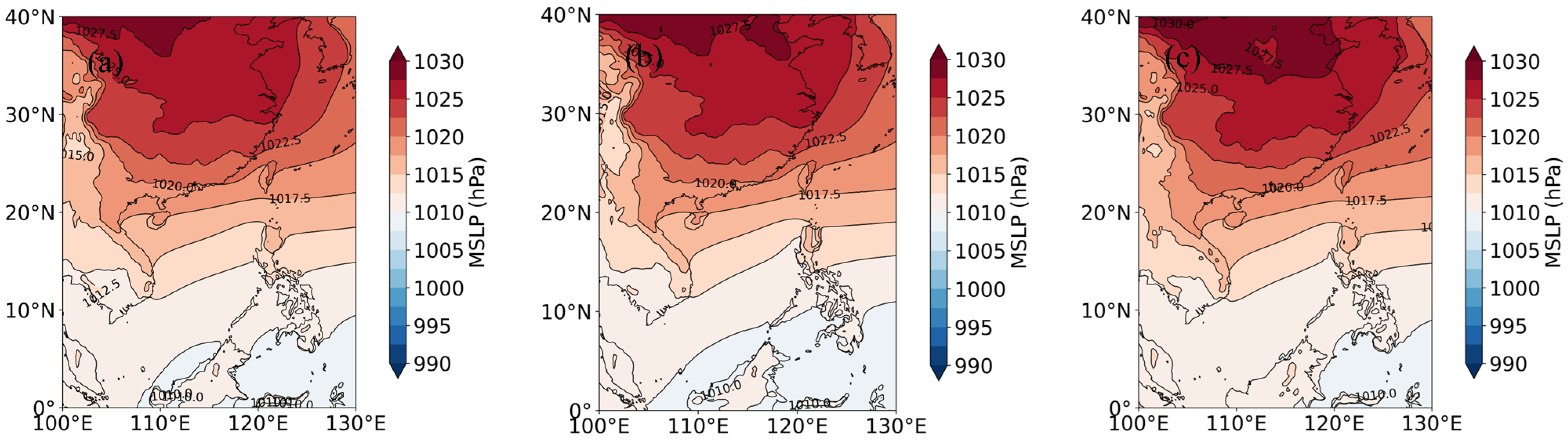
The maximum wind speed at each grid point is defined as the maximum hourly wind speed recorded in each corresponding season during the period 1995–2024. Figure 3 presents the statistical analysis of the spatial distribution of maximum wind speeds in the South China Sea (1995–2024). Unlike the average wind speed pattern, maximum winds exhibit a pronounced north–south disparity along the 10° N dividing line, with significantly higher values north of this latitude. Gales in the South China Sea primarily result from cold air masses and typhoons. The ‘higher north, lower south’ distribution pattern of maximum wind speeds primarily relates to two factors. On the one hand, cold high-pressure systems originating from the East Asian continent migrate southward. During propagation, cold air masses gradually lose intensity through heat and momentum exchange with the surrounding warmer atmosphere. This weakening effect is further accelerated when the high-pressure system moves over the relatively warm sea surface, where enhanced turbulent mixing and heat flux rapidly reduce the pressure gradient. Consequently, by the time these systems reach the southern South China Sea, their intensity has decreased substantially, resulting in weaker pressure gradients and thus lower maximum wind speeds compared with the northern part of the basin. On the other hand, typhoon formation requires sufficient Coriolis effect to generate cyclonic vorticity, explaining their predominant genesis north of 5° N in the Northern Hemisphere. The primary source region for typhoons impacting the South China Sea lies north of 10° N [14]. Analysis of Western Pacific typhoon tracks (1995–2024) (Figure 4) reveals minimal entries into the South China Sea south of 10° N (virtually none south of 5° N). After formation, typhoons move northward under the influence of large-scale steering flows, intensifying as they develop. The strong pressure gradients surrounding them generate gales in the northern South China Sea, while the southern region lacks typhoon-induced pressure gradients and thus cannot produce extreme gales.
Maximum wind speeds in summer and autumn are generally higher than those in winter and spring, contrasting sharply with the seasonal pattern of average wind speeds. Notably, although winter exhibits the highest average wind speed, it does not produce the greatest extreme wind events, revealing an explicit decoupling between wind speed extremes and means. To investigate this phenomenon, the regional average of daily maximum wind speeds was calculated across the study area (the entire area shown in Figure 1), and the top-100 days with the highest regional averages were selected as case studies. Using hourly sea level pressure data, we calculate the daily mean sea level pressure field over the study area and then plot the corresponding sea level pressure distribution map. Analysis of the sea level pressure distribution characteristics can identify whether the dominant synoptic weather system affecting the South China Sea and its surrounding areas is a cold high-pressure system or a tropical cyclone. Specifically, synoptic-scale high-pressure systems correspond to cold highs, while synoptic-scale low-pressure systems correspond to tropical cyclones. On this basis, it can be further determined whether storms are induced by cold air activities or typhoons, wherein cold high-pressure systems are associated with cold air processes and tropical cyclones correspond to typhoons. Based on the analysis of the sea-level pressure field, the influencing weather systems are identified, and the gale types and occurrence seasons are classified; Table 1 presents the results. Overall, cold air-induced gales account for 73 days—far exceeding typhoon-induced gales. Winter has the highest proportion at 70%, followed by autumn, while spring and summer have fewer occurrences. By season, all winter winds are induced by cold air, while summer and autumn gales are typhoon-induced. The extreme values of typhoon-dominated summer and autumn gales exceed those of cold air-dominated winter gales, indicating that typhoons are more likely to induce extreme gales. Typhoons can produce extreme wind speeds, significantly increasing the maximum wind speeds in summer and autumn. In contrast, winter and spring gales are primarily influenced by cold air. Owing to the relative stability of the weather systems, despite the high average wind speeds, they are mostly characterised by persistent strong winds, with lower extreme wind speeds compared to typhoons. This leads to a divergence between extreme and average wind speeds in winter.

3.3. Analysis of Gale Days

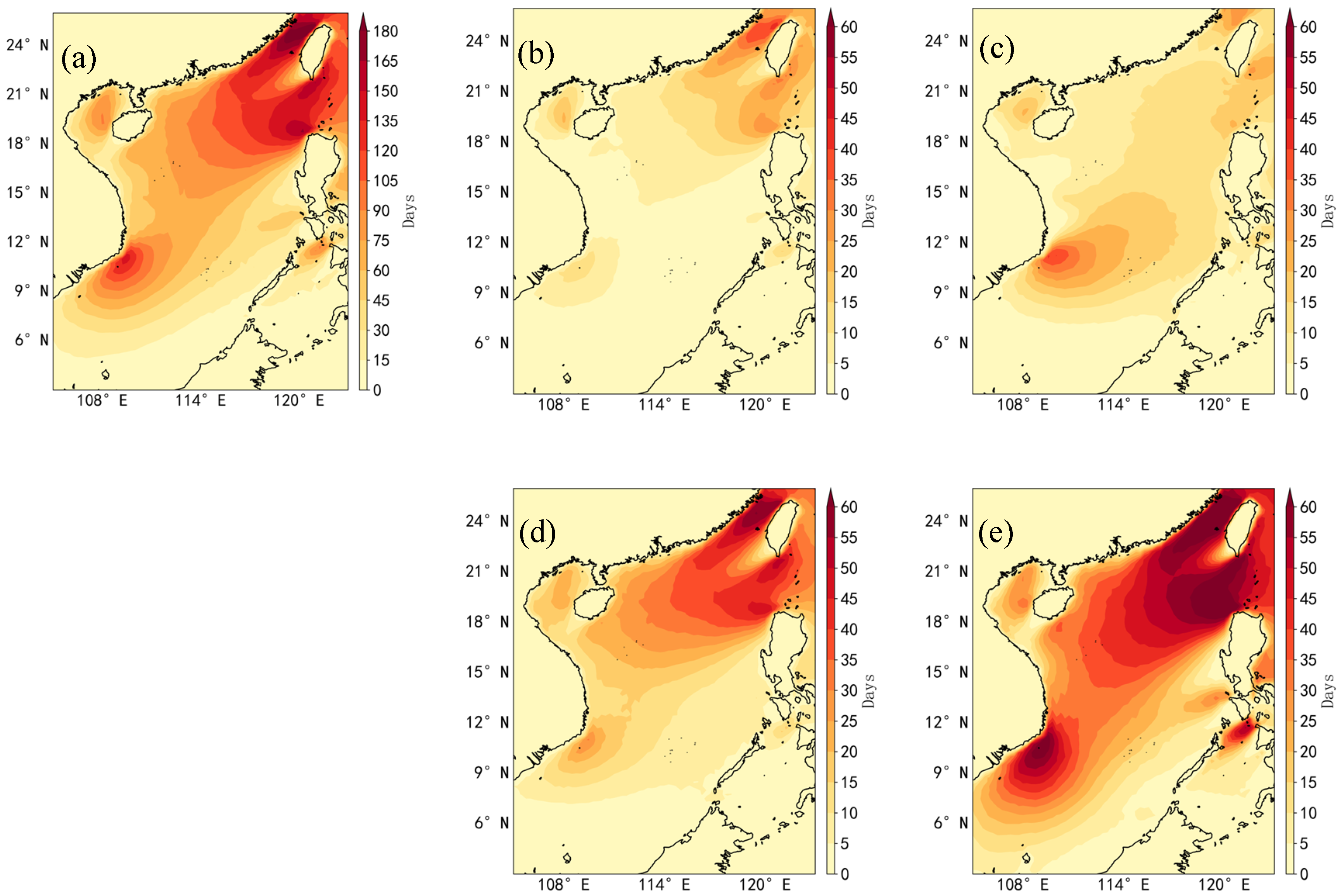
Statistical analysis of the spatial distribution of gale days in the South China Sea from 1995 to 2024 based on identification criteria reveals three high-value regions and four high-value centres (Figure 5). High-value regions are in the Taiwan and Bashi Straits, and the coastal waters southeast of Vietnam, aligning with high-value regions of average wind speeds. The high-value regions in the Taiwan and Bashi Straits each correspond to one high-value centre. Notably, the Bashi Strait exhibits two high-value centres located south of Taiwan Island and northwest of Luzon Island—a pattern attributable to the synergistic effects of topographic constriction and flow deflection acceleration. On the one hand, northeasterly flows from the East China Sea pass through the Bashi Strait into the South China Sea, where the topographic constriction between the mountain ranges of Taiwan and Luzon induces a channelling effect, leading to convergent acceleration and formation of high-value regions. On the other hand, the southern promontories of Taiwan Island deflect the airflow, generating a localised flow acceleration zone in the adjacent waters. The superposition of these two mechanisms significantly enhances wind speeds south of Taiwan Island, increasing the frequency of gale events. Similarly, the northern promontories of Luzon Island produce a high-value centre of gale days on its northwest side.
Seasonally, winter has the most gale days, followed by autumn, while spring and summer have significantly fewer. This pattern closely follows the seasonal distribution of average wind speeds, which is expected since higher mean wind speeds increase the probability of exceeding the gale threshold. In winter, the prevailing airflow in the South China Sea is northeasterly, with cold air masses being the primary driver of gales. In summer, the prevailing airflow shifts to southwesterly, and gales are primarily induced by the southwest monsoon and typhoons. The number of gale days in winter is markedly greater than that in summer, indicating that cold air-induced gale events occur more frequently than those driven by the southwest monsoon or typhoons. Cold air masses are the dominant cause of gales in the South China Sea, consistent with the conclusion in Section 3.2.

3.4. Analysis of Variation Trend of Gale Days

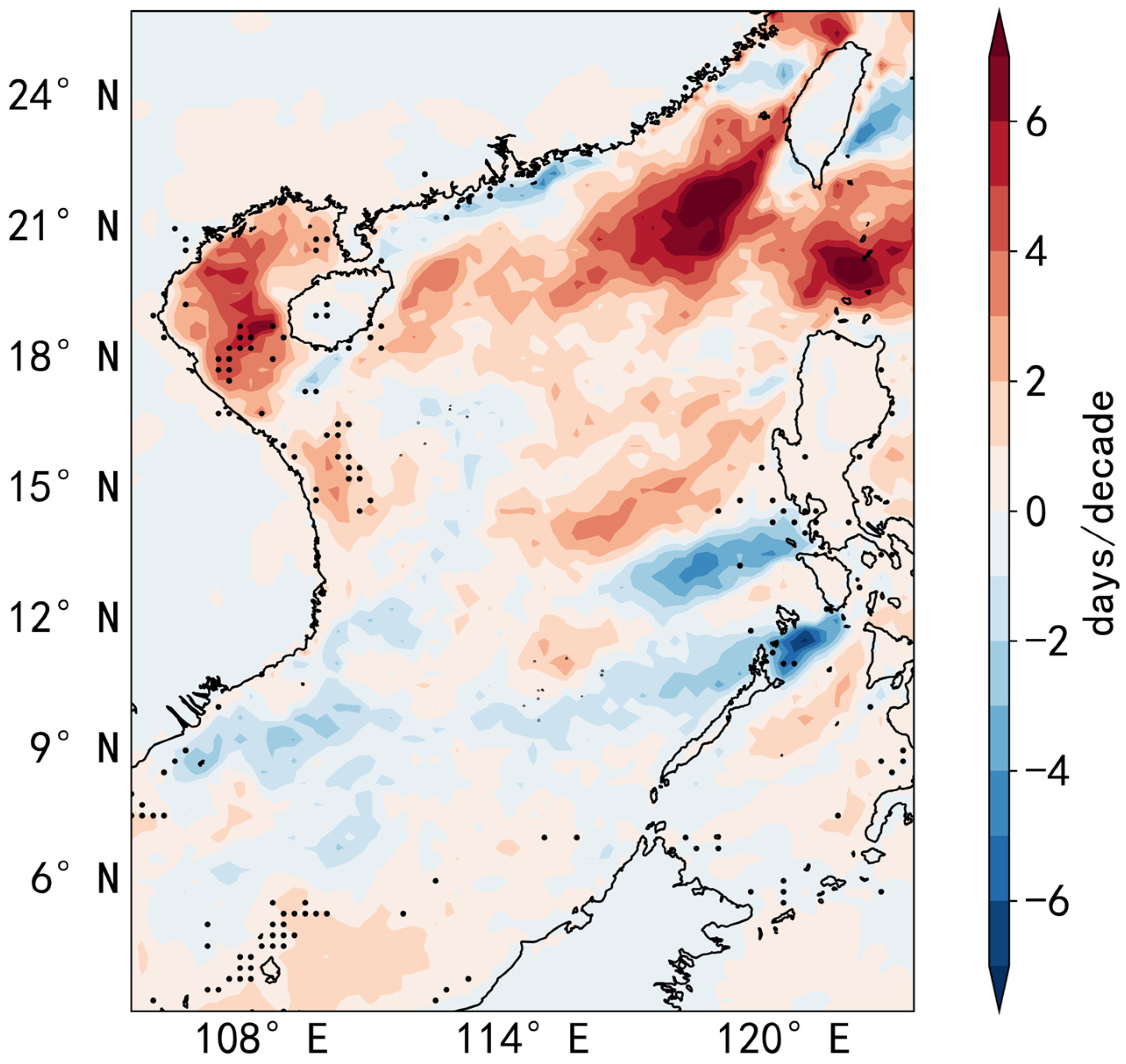
Statistical analysis was conducted on the long-term trend in gale events in the South China Sea (Figure 6). To mitigate the influence of interannual variability on the long-term trend, the average number of gale days over each consecutive 10-year period from 1995 to 2024 was computed, and then linear regression was applied to analyze the long-term trend of this smoothed series. Considering that the 10-year running mean series exhibits temporal autocorrelation and the samples violate the assumption of independent and identical distribution, conventional t-tests tend to overestimate the significance of trends. Therefore, this study adopted the method of Trenberth (1984) [41] to correct the effective degrees of freedom and performed trend significance tests using the adjusted t-test with a significance level of α = 0.05. Overall, most regions of the South China Sea exhibit an increasing trend in gale days. In Section 3.2, the top-100 days with the highest regional average of daily maximum wind speeds were selected. Among these, the periods 1995–2004, 2005–2014, and 2015–2024 accounted for 28, 31, and 41 days, respectively, demonstrating an explicit increasing pattern across the three decades. Both the statistics of gale days and the regional average of daily maximum wind speeds consistently indicate an upward trend in gale events over the South China Sea.
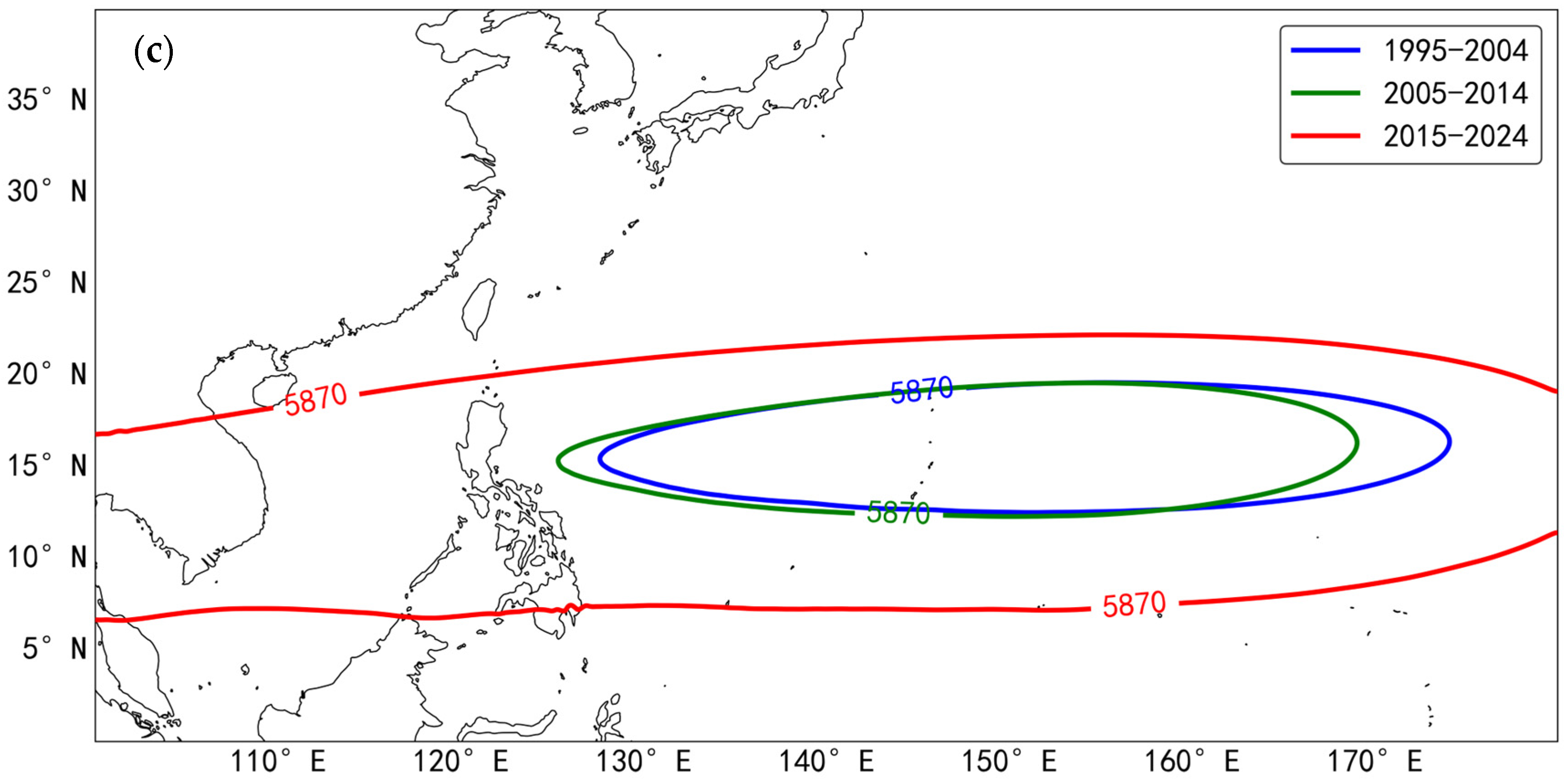
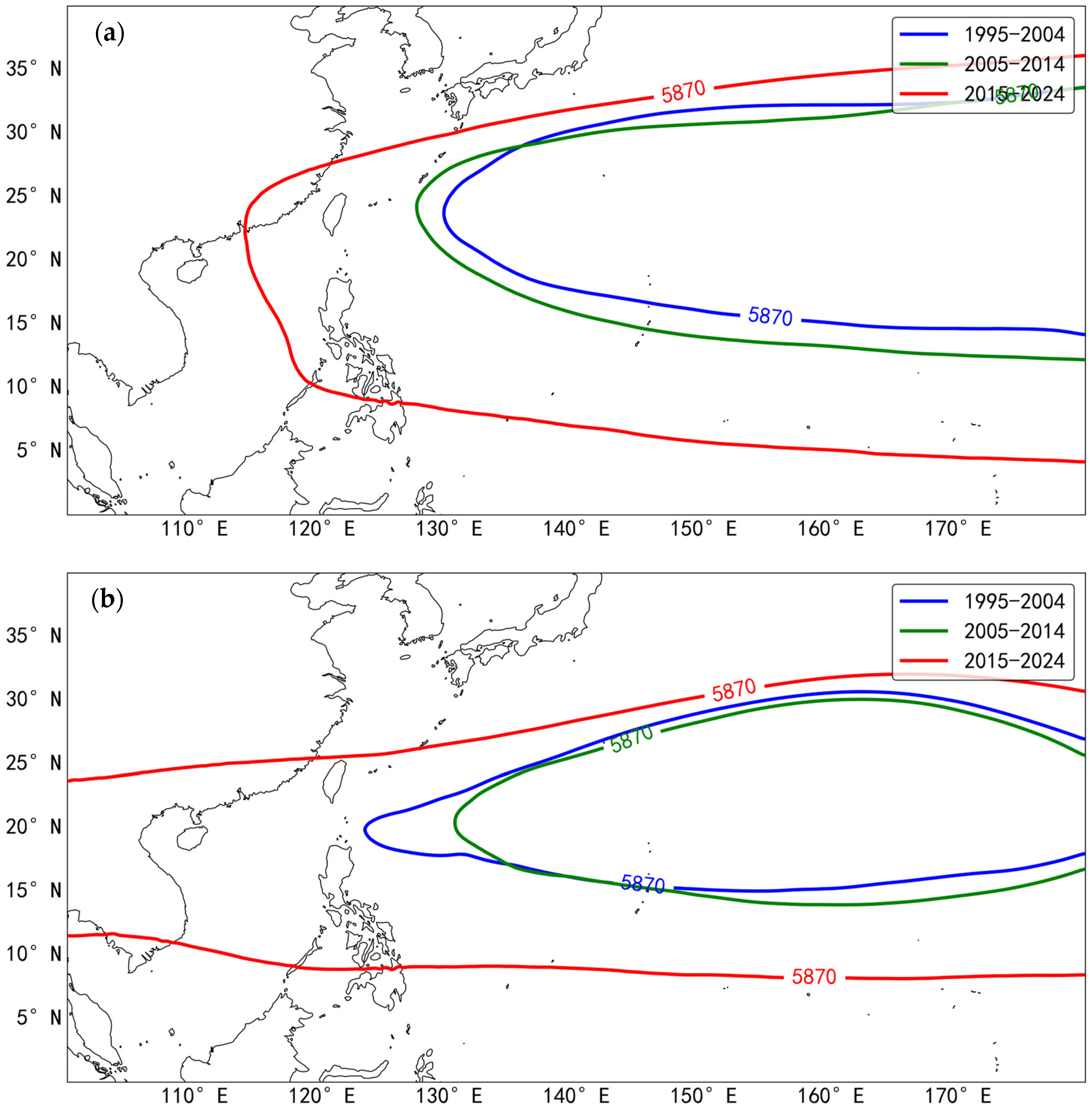
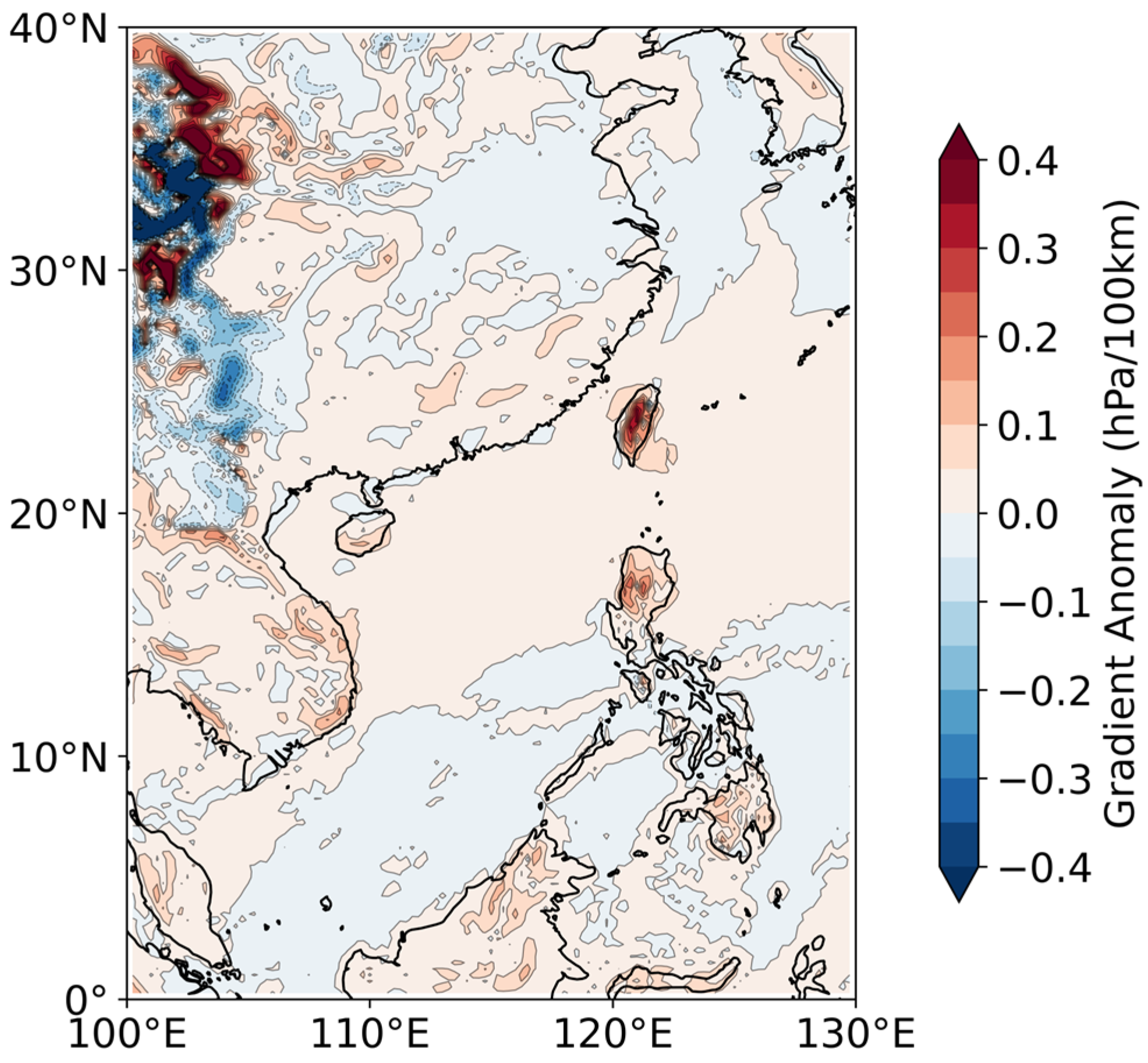
Under the trend of increasing gale days, regional patterns exhibit distinct characteristics: the northern South China Sea shows a particularly pronounced increase, while some areas in the south show a decreasing trend. Sea surface winds are intimately linked to the evolution of large-scale circulation systems. Analysis of the average positions of the subtropical high during winter, summer, and autumn across the three 10-year periods reveals that the subtropical high from 2015 to 2024 was anomalously strong compared to the previous two decades (Figure 7). In winter, the average boundary of the subtropical high extended further west, with the 5870-gpm contour stretching over the central and southern South China Sea. In summer and autumn, the boundary shifted further south and west, bringing the 5870-gpm line closer to the northern South China Sea. This pattern effectively explains the regional characteristics of the trend in gale events. During winter, the sea level pressure field over East Asia features a pattern of high pressure in the north and low pressure in the south. The southern South China Sea is controlled by the subtropical high (Figure 8), where prevailing descending airflows suppress the formation of gales due to a weak pressure gradient. From 2015 to 2024, the western ridge of the subtropical high shifted further westward relative to the previous two decades, placing the southern South China Sea deeper inside the subtropical high with an even weaker pressure gradient, thereby producing a more pronounced inhibitory effect on gale occurrence. In contrast, the northern South China Sea lies in the transition zone between the subtropical high and mid-latitude low-pressure systems (Figure 8), where a prominent pressure gradient exists. We calculated the sea level pressure gradient based on sea level pressure fields, and derived the sea level pressure gradient anomaly by subtracting the mean winter sea level pressure gradient during 1995–2024 from the average value for 2015–2024 (Figure 9). The results show positive anomalies in the northern South China Sea and negative anomalies in the southern South China Sea. This suggests that the intensification of the subtropical high during 2015–2024 further amplified such gradient differences, thereby favoring the occurrence of gales in the northern South China Sea. In summer and autumn, typhoons are the dominant systems driving gale events. Typhoons originating over the western Pacific move northwestward along the southern periphery of the subtropical high. The intensified subtropical high induces a more southwesterly displacement of its boundary, facilitating typhoon penetration into the South China Sea and increasing gale events in the northern region.
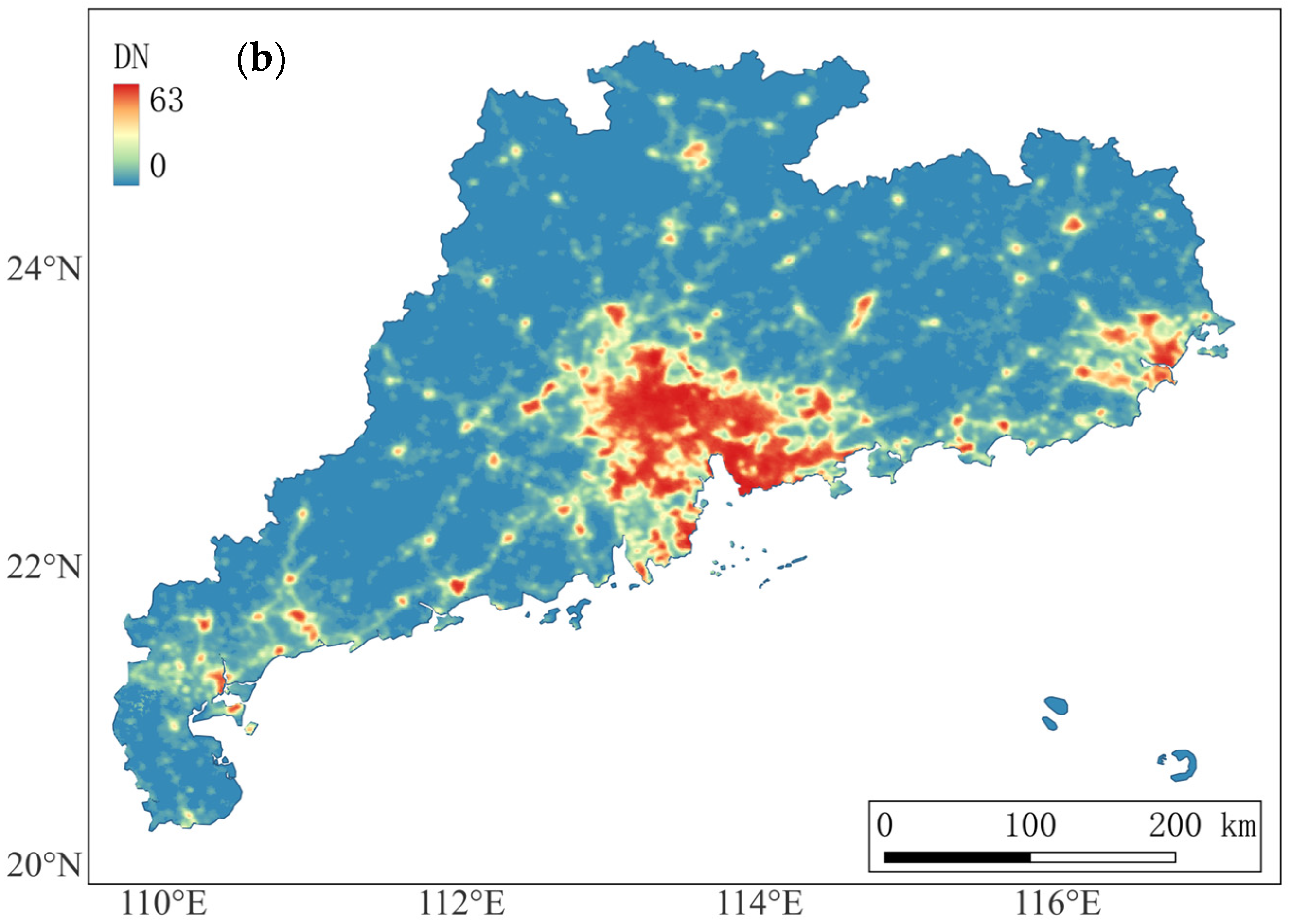
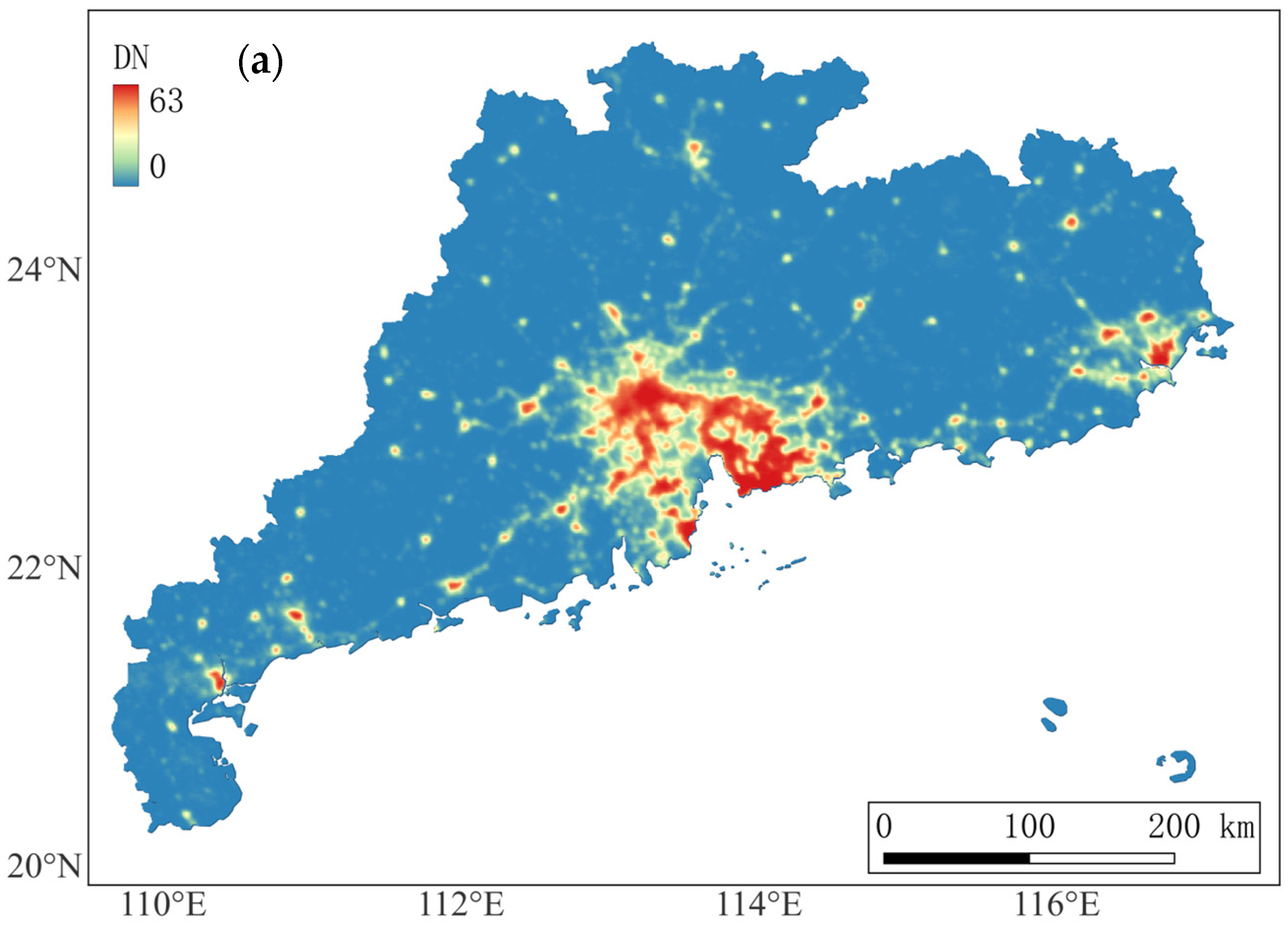
Notably, although gale days show an increasing trend over most of the northern South China Sea, a decreasing trend appears in the coastal waters of Guangdong, indicating a clear spatial divergence. The mechanism responsible for this decreasing trend near Guangdong is distinct from that leading to the reduction in gale days in the southern South China Sea. In winter, this region lies on the northwestern periphery of the subtropical high. Its intensification enhances the boundary-layer pressure gradient, creating favourable atmospheric conditions for gale generation. In summer and autumn, this region lies on the southwesterly flank of the subtropical high. Its southward shift facilitates typhoon penetration into the South China Sea, thereby promoting gale events in the area. Despite these favourable atmospheric conditions, the observed decline in gale days suggests a potential influence from underlying surface changes. According to the 30-year average wind fields, the Guangdong Province lies upwind of its coastal waters. It is one of China’s fastest-growing economic regions. Over the past three decades, rapid urbanisation has significantly increased surface roughness, enhancing frictional damping of near-surface wind speeds and suppressing gale formation. Figure 10 illustrates a comparison of nighttime satellite light data for the Guangdong Province in 2000 and 2020, revealing a marked expansion of illuminated areas along the coast in 2020, indicative of rapid urbanisation. The total DN value increase in Guangdong over 20 years amounted to 844,569—far exceeding that of the Fujian Province (498,683) to the east and the Guangxi Zhuang Autonomous Region (317,847) to the west. This demonstrates that Guangdong has experienced the largest absolute urbanisation increment, resulting in a more pronounced modification of the background wind field. The increased surface roughness caused by urban construction exerts stronger frictional inhibition on the occurrence of gales—a phenomenon evident downwind. This results in a divergence between the trend of gale events over Guangdong’s coastal waters and the background field of the northern South China Sea.

4. Discussion

Combined with previous research findings, the results of this study are compared and discussed with existing literature. In terms of the spatial distribution of wind fields, this study finds that gale events over the South China Sea are mainly concentrated in the Taiwan Strait, the Bashi Channel and the offshore waters of southeastern Vietnam. Such spatial characteristics are basically consistent with those reported in previous studies [42]. Regarding the north–south differentiation of extreme gales, this study reveals that the maximum wind speed north of 10° N is evidently higher than that in the southern South China Sea, and the underlying physical mechanisms are elaborated in detail.
In terms of variation trends, there remain discrepancies among previous studies on gale changes over the South China Sea. Zheng et al. [43] suggested that sea surface wind speed shows an increasing trend in most marine areas, while the scope of regions with significant linear decreasing trends is relatively limited. By contrast, Li et al. [27] indicated that significant increasing trends mainly occur in partial areas during the cold half-year, and most regions exhibit no statistically significant trend and are dominated by interannual fluctuations. Most of these previous studies adopted the conventional t-test for significance assessment, without fully considering the inherent autocorrelation of climatic time series, which may overestimate the significance level in some regions to a certain extent.
In this study, the effective degrees of freedom are corrected following Trenberth [41], and the trend significance is re-evaluated. The results show that under the strict statistical test, the variations in gale days in most areas of the South China Sea fail to pass the 95% significance level, and only partial northern waters present a significant increasing trend. The autocorrelation correction improves the statistical rigor of trend estimation, providing a more reliable scientific basis for regional wind energy assessment and marine engineering risk design.
Furthermore, most earlier studies focused on the overall wind variation over the northern South China Sea, while less attention was paid to local anomalous phenomena [27,42]. This study identifies an opposite decreasing trend of gale days near the Guangdong coastal waters compared with the background variation of the northern South China Sea. Combined with nighttime light data, it further reveals the frictional damping effect induced by urbanization and underlying surface change, which improves the mechanistic interpretation of local gale variation in the coastal South China Sea.
Although several meaningful conclusions have been drawn in this work, there is still room for further improvement. Temporally, this study adopts the latest available 30-year dataset to guarantee the representativeness and timeliness of climatic analysis; nevertheless, employing longer time series will undoubtedly further enhance the statistical and physical implications of the results, which provides a direction for future follow-up research. In addition, practical marine engineering constructions pay more attention to the gale characteristics of local sea areas. Future studies should further focus on the seasonal and localized variation characteristics of gale events.

5. Conclusions

Based on ERA5 reanalysis data from 1995 to 2024, this study employs statistical analysis to examine the average wind speed, maximum wind speed, gale days, and their long-term trends over the South China Sea, revealing the influence mechanisms of topography, weather systems, and urbanisation on the distribution and evolution of gales. The results show that gale events in the South China Sea exhibit a spatiotemporal pattern with a winter maximum and a long-term increasing trend in the northern regions. Its formation is jointly regulated by cold air masses in winter and spring and typhoons in summer and autumn. Typhoons dominate the distribution of wind speed extremes, while cold air masses contribute the most to regional gale events.
(1)
Spatially, both the gale days and average wind speed over the South China Sea exhibit a ‘high in the northeast and southwest, low in the middle’ pattern, with three prominent high-value zones located in the Taiwan Strait, the Bashi Strait, and the offshore waters southeast of Vietnam, where the central average wind speed reaches 8 m/s. In contrast, the maximum wind speed displays a ‘high in the north, low in the south’ pattern, with a distinct boundary near 10° N. Seasonally, the gale days and average wind speed peak in winter, followed by autumn, and reach their minimum in spring and summer. However, the maximum wind speed is higher in summer and autumn than in winter and spring, revealing a divergence between the seasonal pattern of average values dominated by winter and the underlying mechanisms, which are most intense in summer and autumn.
(2)
The combined influence of land–sea topography and weather systems is the primary factor shaping the spatial distribution of gale events. The topographic constriction and flow deflection acceleration induced by terrain features such as Taiwan Island, Luzon Island, and the Annamite Range create high-value zones in straits and promontory offshore regions. Cold air masses during winter and spring are the dominant cause of gales over the South China Sea, driving widespread and persistent wind events. Although typhoons in summer and autumn occur less frequently and affect a narrower area than cold air masses, they are more likely to generate extreme wind speeds.
(3)
Over the long-term trend from 1995 to 2024, the gale days have increased over most regions of the South China Sea, with decreases observed only in some southern areas and the coastal waters of Guangdong. The increase in gale events is primarily driven by the intensification of the subtropical high. In winter, its anomalous westward extension intensifies the pressure gradient over the northern South China Sea while reducing the pressure gradient in the south. In summer and autumn, its southward and westward shift steers more typhoons into the South China Sea. The decline in gale days over Guangdong’s coastal waters is mainly attributed to rapid urbanisation in the Guangdong Province, which has increased surface roughness and intensified frictional inhibition of gales.
This study clarifies the gale distribution in the South China Sea across different regions and seasons over the past 30 years, revealing its long-term trends and influencing mechanisms. These findings provide scientific support for maritime safety and meteorological disaster risk assessment in the context of climate change.

Author Contributions

Conceptualization, L.L. and F.Z.; methodology, F.Z.; software, F.Z.; validation, L.L.; formal analysis, F.Z.; investigation, F.Z.; resources, L.L.; data curation, F.Z.; writing—original draft preparation, F.Z.; writing—review and editing, P.W.C.; visualization, F.Z.; supervision, L.L.; project administration, L.L.; funding acquisition, L.L. All authors have read and agreed to the published version of the manuscript.

Funding

This study was supported by the National Key Research and Development Program of the People’s Republic of China (Grant No. 2023YFC3008002), National Science Foundation of the People’s Republic of China (Grant No. 42475077), and the Innovation Platform for Acad emicians of Hainan Province.

Data Availability Statement

The data that support the findings of this study are publicly available from the corresponding repositories. The ERA5 reanalysis data were obtained from the Copernicus Climate Data Store (CDS) at https://cds.climate.copernicus.eu/datasets (accessed on 1 December 2025). The tropical cyclone best-track data were provided by the China Meteorological Administration (CMA) Tropical Cyclone Data Center at tcdata.typhoon.org.cn (accessed on 1 December 2025). The Defense Meteorological Satellite Program (DMSP) nighttime light data were released by the Earth Observation Group (EOG) of the Colorado School of Mines, and can be accessed at https://eogdata.mines.edu/products/vnl/ (accessed on 1 December 2025). No new datasets were generated in this study.

Acknowledgments

During the preparation of this manuscript, the authors used Doubao (2026) to assist in developing data processing code. The authors have reviewed and edited the output and take full responsibility for the content of this publication.

Conflicts of Interest

The authors declare no conflicts of interest.

References

  1. Gilman, P.A. On the vertical transport of angular momentum in the atmosphere. Pure Appl. Geophys. 1964, 57, 161–166. [Google Scholar] [CrossRef]
  2. Zhang, L.N.; Ran, L.K.; Li, N.; Du, J.; Zhou, X.; Meng, Y. Analysis of momentum flux and kinetic energy flux transport in the middle and lower troposphere during a thunderstorm event. Chin. J. Atmos. Sci. 2018, 42, 178–191. (In Chinese) [Google Scholar] [CrossRef]
  3. Caton Harrison, T.; King, J.C.; Bracegirdle, T.J.; Lu, H. Dynamics of extreme wind events in the marine and terrestrial sectors of coastal Antarctica. Q. J. R. Meteorol. Soc. 2024, 150, 2646–2666. [Google Scholar] [CrossRef]
  4. Xu, M.M.; Xu, H.M. The characteristic of strong wind distribution in the coastal area of China and its causes. J. Trop. Meteorol. 2010, 26, 716–723. (In Chinese) [Google Scholar] [CrossRef]
  5. Hong, B.; Zhang, J. Long-term trends of sea surface wind in the northern South China Sea under the background of climate change. J. Mar. Sci. Eng. 2021, 9, 752. [Google Scholar] [CrossRef]
  6. Li, D.; Xie, B.; Liu, T.; Bai, Z.; Huang, B.; Wang, J. Response extremes of floating offshore wind turbine based on inverse reliability and environmental contour method. J. Mar. Sci. Eng. 2024, 12, 1032. [Google Scholar] [CrossRef]
  7. Zhu, T.; Cai, F.; Chen, D. Robust Offshore Wind Power Forecasting Under Extreme Marine Conditions Using Multi-Source Feature Fusion and Kolmogorov–Arnold Networks. J. Mar. Sci. Eng. 2026, 14, 573. [Google Scholar] [CrossRef]
  8. Ding, J.; Wu, G.; Chen, J. Research on evaluation of ocean wind energy resources in the South China Sea based on CCMP reanalysis of wind field data. Ocean Technol. 2022, 41, 83–90. (In Chinese) [Google Scholar]
  9. Wan, Y.; Fan, C.; Dai, Y.; Li, L.; Sun, W.; Zhou, P.; Qu, X. Assessment of the joint development potential of wave and wind energy in the South China Sea. Energies 2018, 11, 398. [Google Scholar] [CrossRef]
  10. Qiu, Z.; Xian, J.; Yang, Y.; Lu, C.; Yang, H.; Hu, Y.; Sun, J.; Zhang, C. Characteristics of Coastal Low-Level Jets in the Boundary Layer of the Pearl River Estuary. J. Mar. Sci. Eng. 2023, 11, 1128. [Google Scholar] [CrossRef]
  11. Zhang, B.; Li, X.; Wang, L.; Gao, Y. Numerical Simulation of Typhoon Waves in an Offshore Wind Farm Area of the South China Sea. J. Mar. Sci. Eng. 2025, 13, 451. [Google Scholar] [CrossRef]
  12. Li, M.; Yao, J.; Shen, Y.; Yuan, B.; Simmonds, I.; Liu, Y. Impact of synoptic circulation patterns on renewable energy-related variables over China. Renew. Energy 2023, 215, 118875. [Google Scholar] [CrossRef]
  13. Tong, Y.; Sun, W.; Li, J.; Chen, W.; Li, Y.; Li, B.; Li, S.; Shi, P. The climatic mutation in the long-term trends of wind and wave energies in the South China Sea. Energy 2025, 340, 139206. [Google Scholar] [CrossRef]
  14. Xiao, F.A.; Wang, D.X. Research progress on multi-scale changes of heat and salt in the South China Sea and their climatic and ecological effects. Acta Meteorol. Sin. 2025, 83, 1058–1084. (In Chinese) [Google Scholar] [CrossRef]
  15. Intergovernmental Panel on Climate Change (IPCC). IPCC Sixth Assessment Report (AR6) Working Group I Technical Summary; IPCC Secretariat: Geneva, Switzerland, 2021. [Google Scholar]
  16. Zheng, C.W.; Li, X.H.; Azorin-Molina, C.; Li, C.Y.; Wang, Q.; Xiao, Z.N.; Yang, S.-B.; Chen, X.; Zhan, C. Global trends in oceanic wind speed, wind-sea, swell, and mixed wave heights. Appl. Energy 2022, 321, 119327. [Google Scholar] [CrossRef]
  17. Lü, K.W. Spatial patterns in seasonal variability of sea surface wind over the South China Sea and its adjacent ocean. J. Trop. Meteorol. 2014, 30, 233–240. (In Chinese) [Google Scholar] [CrossRef]
  18. Wang, X.D.; Zhao, W.J. Characteristic analysis of wind and wave fields in the Nansha sea area based on ERA-Interim reanalysis data. Mar. Forecast. 2019, 36, 30–37. (In Chinese) [Google Scholar] [CrossRef]
  19. Jiang, W.; Wang, D.H.; Zhang, C.Y.; Zeng, Z.L.; Li, G.P. Statistical characteristics of tropical cyclones with different paths in the South China Sea over the past 70 years. J. Trop. Meteorol. 2022, 38, 433–443. (In Chinese) [Google Scholar] [CrossRef]
  20. Yang, Y.X. Activity regularity and gale distribution characteristics of tropical cyclones generated in the South China Sea from 1971 to 2020. Mar. Forecast. 2024, 41, 104–111. (In Chinese) [Google Scholar] [CrossRef]
  21. Ding, Y.H.; Li, X.; Li, Q.P. Advances of surface wind speed changes over China under global warming. J. Appl. Meteorol. Sci. 2020, 31, 1–12. (In Chinese) [Google Scholar] [CrossRef]
  22. Guo, H.; Xu, M.; Hu, Q. Changes in near-surface wind speed in China: 1969–2005. Int. J. Climatol. 2011, 31, 349–358. [Google Scholar] [CrossRef]
  23. Simmonds, I.; Li, M. A new metric for net extratropical cyclone activity and its insights into surface climate trends. Environ. Res. Clim. 2026, 5, 025013. [Google Scholar] [CrossRef]
  24. Zhu, G.Y.; Zhao, X.Y. Changes in wind speed in China from 1981 to 2020 and its relationship with atmospheric circulation. Acta Sci. Nat. Univ. Pekin. 2024, 60, 431–441. (In Chinese) [Google Scholar] [CrossRef]
  25. Li, Y.J.; He, X.G.; Lu, X.A.; Tan, Z.F. Spatio-temporal variability of wind speed in the Yangtze River Basin during 1960–2015. Trop. Geogr. 2018, 38, 660–667. (In Chinese) [Google Scholar] [CrossRef]
  26. Guo, J.; Cao, J.F.; Yang, Y.J. Variation of wind speed and its influencing factors around the Bohai coastal areas from 1971 to 2012. J. Meteorol. Environ. 2015, 31, 82–88. (In Chinese) [Google Scholar]
  27. Chenxuan, L.I.; Zhigang, W.E.I. Variation characteristics of surface wind speed and gale events in the South China Sea from 1979 to 2021. Plateau Meteorol. 2024, 43, 696–710. (In Chinese) [Google Scholar] [CrossRef]
  28. Simmonds, I.; Li, M. Trends and variability in polar sea ice, global atmospheric circulations, and baroclinicity. Ann. N. Y. Acad. Sci. 2021, 1504, 167–186. [Google Scholar] [CrossRef]
  29. National Marine Data and Information Service. Overview of the South China Sea. China Nanhai. 2017. Available online: https://en.thesouthchinasea.org.cn/2017-03/15/c_71510.html (accessed on 11 May 2026).
  30. Chen, J.Z.; Shi, X.H.; Wen, M. Applicability of ERA5 surface wind speed data in the region of “Two Oceans and One Sea”. Meteorol. Mon. 2023, 49, 39–51. (In Chinese) [Google Scholar] [CrossRef]
  31. Huang, S.; Cai, Y.F.; Wang, J.; Zhou, C. Applicability Analysis of Sea Surface Wind Field Data for Yangjiang Offshore Wind Farm in Guangdong Province. South. Energy Constr. 2024, 11, 111–123. (In Chinese) [Google Scholar] [CrossRef]
  32. Ying, M.; Zhang, W.; Yu, H.; Lu, X.Q.; Feng, J.X.; Fan, Y.X.; Zhu, Y.T.; Chen, D.Q. An overview of the China Meteorological Administration tropical cyclone database. J. Atmos. Ocean. Technol. 2014, 31, 287–301. [Google Scholar] [CrossRef]
  33. Lu, X.Q.; Yu, H.; Ying, M.; Zhao, B.K.; Zhang, S.; Lin, L.M.; Bai, L.N.; Wan, R.J. Western North Pacific tropical cyclone database created by the China Meteorological Administration. Adv. Atmos. Sci. 2021, 38, 690–699. [Google Scholar] [CrossRef]
  34. Elvidge, C.D.; Baugh, K.E.; Kihn, E.A.; Kroehl, H.W.; Davis, E.R. Mapping city lights with nighttime data from the DMSP Operational Linescan System. Photogramm. Eng. Remote Sens. 1997, 63, 727–734. [Google Scholar]
  35. Baugh, K.; Elvidge, C.D.; Ghosh, T.; Ziskin, D. Development of a 2009 stable lights product using DMSP-OLS data. Proc. Asia-Pac. Adv. Netw. 2010, 30, 114. [Google Scholar] [CrossRef]
  36. Ghosh, T.; Baugh, K.E.; Elvidge, C.D.; Zhizhin, M.; Poyda, A.; Hsu, F.C. Extending the DMSP nighttime lights time series beyond 2013. Remote Sens. 2021, 13, 5004. [Google Scholar] [CrossRef]
  37. Levin, N. Challenges in remote sensing of night lights—A research agenda for the next decade. Remote Sens. Environ. 2025, 328, 114869. [Google Scholar] [CrossRef]
  38. Zhu, Q.; Lin, J.; Shou, S. Principles and Methods of Meteorology, 4th ed.; Meteorological Publishing House: Beijing, China, 2007; p. 249. (In Chinese) [Google Scholar]
  39. Wen, C.; Wang, Z.X.; Zou, J.H.; Feng, Q. Analysis of temporal and spatial characteristics of sea surface wind field in Taiwan Strait based on CCMP. Haiyang Xuebao 2024, 46, 65–78. (In Chinese) [Google Scholar] [CrossRef]
  40. Xu, H.; Xie, S.P.; Wang, Y.; Zhuang, W.; Wang, D. Orographic effects on South China Sea summer climate. Meteorol. Atmos. Phys. 2008, 100, 275–289. [Google Scholar] [CrossRef]
  41. Trenberth, K.E. Some effects of finite sample size and persistence on meteorological statistics. Part I: Autocorrelations. Mon. Weather Rev. 1984, 112, 2359–2368. [Google Scholar] [CrossRef]
  42. Wang, H.; Sui, W.H. Seasonal variation analysis of sea surface winds in China Sea areas with CCMP wind field data. Meteorol. Sci. Technol. 2013, 41, 720–725. (In Chinese) [Google Scholar] [CrossRef]
  43. Zheng, C.W. Sea surface wind field analysis in the China sea during the last 22 years with CCMP wind field. Meteorol. Disaster Reduct. Res. 2011, 34, 41–46. (In Chinese) [Google Scholar]
Figure 1. The terrain of the study area; the black line denotes the geographic extent of Guangdong Province.
Jmse 14 00942 g001
Figure 2. Distribution of average wind speed and average airflow in the South China Sea from 1995 to 2024: (a) throughout the year; (b) spring; (c) summer; (d) autumn; (e) winter. Colour shading represents the average wind speed, and wind vectors represent the average airflow.
Jmse 14 00942 g002
Figure 3. Distribution of maximum wind speed in the South China Sea from 1995 to 2024: (a) throughout the year; (b) spring; (c) summer; (d) autumn; (e) winter.
Jmse 14 00942 g003
Figure 4. Typhoon track distribution in the South China Sea from 1995 to 2024.
Jmse 14 00942 g004
Figure 5. Distribution of gale days in the South China Sea from 1995 to 2024: (a) throughout the year; (b) spring; (c) summer; (d) autumn; (e) winter.
Jmse 14 00942 g005
Figure 6. The spatial distribution of the trend in gale days in the South China Sea from 1995 to 2024; “·” indicates statistical significance at α = 0.05.
Jmse 14 00942 g006
Figure 7. Range variation of subtropical high from 1995 to 2024 (a) summer; (b) autumn; (c) winter.
Jmse 14 00942 g007aJmse 14 00942 g007b
Figure 8. Variations in winter mean sea level pressure during 1995–2024: (a) 1995–2004; (b) 2005–2014; (c) 2015–2024.
Jmse 14 00942 g008
Figure 9. Winter mean sea level pressure gradient anomaly during 2015–2024.
Jmse 14 00942 g009
Figure 10. Comparison of satellite nighttime lights in Guangdong: (a) 2000; (b) 2020.
Jmse 14 00942 g010aJmse 14 00942 g010b
Table 1. The distribution of wind types among the top-100 events of regional average daily maximum wind speed in the South China Sea from 1995 to 2024.
SeasonGale TypeNumber of DaysTotal Number of Days
SpringCold air35
Typhoon2
SummerCold air06
Typhoon6
AutumnCold air019
Typhoon19
WinterCold air7070
Typhoon0
Disclaimer/Publisher’s Note: The statements, opinions and data contained in all publications are solely those of the individual author(s) and contributor(s) and not of MDPI and/or the editor(s). MDPI and/or the editor(s) disclaim responsibility for any injury to people or property resulting from any ideas, methods, instructions or products referred to in the content.