


Abstract
The Northwestern Black Sea shelf, strongly influenced by Danube discharge and coastal activities, provides an effective setting for separating lithogenic controls from localized anthropogenic inputs. We applied a multi-proxy geochemical–radiometric approach to Romanian shelf waters and surface sediments. A CTD–Rosette was used to quantify nutrients, chlorophyll-a, TOC, and TN. Dissolved metals and PAHs were measured in seawater, while surface sediments were analyzed for CaCO3, TOC, trace metals, and γ-emitting radionuclides. Multivariate statistics (PCA/FA) were used to resolve the dominant environmental controls. Summer stratification was characterized by the bottom-layer maxima of PO43−, SiO44−, and NH4+ and a pronounced subsurface chlorophyll-a maximum at 12–16 m. Surface-water Σ16PAH ranged from 134 to 347 ng L−1 and was dominated by low-molecular-weight compounds, with episodic nearshore enrichment in high-molecular-weight species. In sediments, CaCO3 ranged from 7.6 to 29.9% and TOC from 0.11 to 0.96%. Trace metals were generally low. Pb and Hg peaked at nearshore station S23, whereas mean Ni (38.88 ppm) slightly exceeded the 35 ppm guideline, consistent with natural Fe/Mn-oxide association. PCA/FA identified a terrigenous axis (Fe-Al-Ti-V-Ni-Cr), a carbonate axis (CaCO3; Sr where available), and an anthropogenic factor (Pb, Hg, HMW-PAHs). γ-spectrometry provided a compatible radiometric baseline that supports the multi-proxy interpretation.
1. Introduction
Marine sediments are highly fractionated crustal materials supplied to the ocean from multiple sources [1]. In nearshore settings, river-borne detritus often dominates, so sediment composition largely reflects catchment lithology and hydrodynamic sorting. At the same time, sediments efficiently accumulate trace metals and organic carbon associated with human activities, particularly near densely populated and industrialized coasts [2]. Because sediments integrate inputs over time and can act as secondary sources under physical disturbance or redox changes, they are central to environmental assessment and to ecosystem-based management frameworks, such as the Marine Strategy Framework Directive (MSFD) [3], which requires evaluation of hazardous substances and seafloor integrity in support of Good Environmental Status. Globally, interpreting trace-metal and organic-contaminant distributions requires accounting for natural “carrier” phases and facies-dependent dilution. Trace elements typically partition to the fine fraction, aluminosilicates, and Fe/Mn oxides/hydroxides, whereas carbonate content can dilute terrigenous components and shift apparent concentrations independent of source strength. Such matrix controls complicate source attribution in many coastal seas, where port activities, urban runoff, industrial discharges, and maritime traffic may generate localized hotspots superimposed on strong natural gradients. Consequently, multivariate tools (e.g., PCA/FA) are widely applied to separate the dominant geochemical controls and infer the source/transport pathways, but robust attribution benefits from combining complementary tracers rather than relying on a single chemical group. The Black Sea provides an instructive case because it is a semi-enclosed basin with restricted exchange and strong riverine forcing, which makes its coastal zone particularly sensitive to both natural variability and anthropogenic pressure. On the northwestern shelf, hydrography, biogeochemistry, and sedimentation are strongly modulated by the Danube, the largest freshwater source to the basin, whose nutrient loads and stoichiometry have driven long-term eutrophication dynamics and ecosystem change along the Romanian coast [4,5]. Modeling and observational syntheses indicate that not only nutrient magnitude but also nutrient balance shapes primary production and food-web structure, with phosphate often emerging as a key control during the peak eutrophication period and its partial reversal [6]. This hydro-biogeochemical template is coupled to a lithofacies framework: nearshore siliciclastic inputs transition to more carbonate-rich sediments offshore. Classical regional classifications distinguish non-carbonate (<10% CaCO3), slightly calcareous (10–30%), carbonate (50–70%), and highly carbonate (>70%) surface sediments, underscoring facies-driven dilution/enrichment as a first-order control on trace-element and organic matter patterns [7]. Along the Romanian shelf, recent assessments generally report low-to-moderate dissolved and sedimentary metals and polycyclic aromatic hydrocarbons (PAHs), with spatial heterogeneity and localized enhancements near ports and urban areas [8]. PAH source apportionment commonly uses compositional diagnostics (e.g., LMW/HMW contributions and ratios such as Ant/(Ant + Phe), Fl/(Fl + Py), and BaA/(BaA + Chry)), which can help distinguish petrogenic inputs (fuel/oil handling, maritime traffic) from pyrogenic inputs (combustion) but require caution because weathering and transformation can alter diagnostic ratios [9]. Despite the growing body of regional work, many studies remain matrix- or pollutant-group specific, limiting the quantitative evaluation, within a single statistical framework, of how lithogenic carriers and facies effects interact with localized anthropogenic inputs across multiple contaminant classes [10,11,12,13,14,15,16]. This fragmentation constrains the ability to identify emerging hotspots across pollutant classes, to interpret concentrations relative to natural background and dilution controls, and to support MSFD-oriented, multiparameter status evaluation and trend detection. Multi-proxy strategies that integrate elemental, organic, and radiometric indicators can address these limitations by providing orthogonal constraints on sources, carriers, and depositional context [17]. In practice, high-sensitivity elemental methods (e.g., ICP-MS) complement non-destructive X-ray fluorescence (XRF/EDXRF) for major and trace metals; targeted chromatographic methods resolve compound-specific PAHs; and high-resolution γ-ray spectrometry on sediments constrains inventories of natural-series radionuclides and anthropogenic markers, offering an independent radiological signature of sediment matrices and depositional environments [18]. Best practice for environmental γ-ray applications is established in IAEA guidance and interlaboratory exercises. Consistent with these recommendations, γ-assays are most reliable in solid matrices where detection limits are compatible with environmental activities [19]. From a management perspective, interpretation of chemical status also requires harmonized benchmarking against the Romanian regulatory framework (Order 161/2006) [20], which operationalizes the EU Water Framework Directive for surface waters and is routinely used in regional status assessments [20]. Against this background, the present study uses the Romanian Northwestern Black Sea shelf as a case study to quantify, within a unified multi-proxy and multivariate framework; how natural sedimentary matrices versus localized human pressures structure co-variations among hydro-biogeochemical indicators in the water column (nutrients, chlorophyll-a, and TOC/TN), dissolved contaminants (metals, PAHs), and sediment facies and inventories (CaCO3, TOC, major/trace elements, and Hg) together with sediment γ-ray signatures. By integrating these proxies and applying PCA/FA, we aim to provide a process-aware baseline that separates lithofacies effects from spatially restricted anthropogenic signals, thereby supporting environmental status assessment and future trend detection on the Romanian shelf.
2. Materials and Methods
2.1. Study Area
The investigated sector lies along the Southern Romanian coast between Cape Agigea (N) and Cape Tuzla (S), encompassing the nearshore zones of the Eforie North–Costinești resorts and cross-shelf transect over the inner shelf to the 20–30 m isobaths (Figure 1). The station network is part of the long-term monitoring program coordinated by NIRD GeoEcoMar and covers transitional and coastal waters, as well as the inner shelf. Several stations overlap the Natura 2000 sites ROSCI0197 and ROSCI0273, ensuring relevance for protected-area management. Geomorphologically, the shoreline is dominated by high coastal cliffs (approx. 20–30 m) developed in Sarmatian limestones draped by a loess mantle, locally interrupted by coastal barriers and beaches 20–150 m wide. Between the sea and Lake Techirghiol, a barrier–lagoon system has historically acted as a sediment transit and storage zone. At present, its morphodynamic balance is influenced by major coastal works (Constanta/Agigea port jetties) and a regional sediment deficit. The sector belongs to the southern coastal unit, subdivided into relatively autonomous sediment cells. Between Agigea and Tuzla, bioclastic inputs (mollusk-shell fragments) dominate on the Neogene limestone platform, which is veneered by a thin sand cover—controls that govern cross-shore sorting and beach mobility [7]. The hydro-physical regime is characterized by predominantly southward longshore currents, modulated by N-NE-E winds and the counterclockwise Black Sea Rim Current. Surface salinity varies seasonally (minimum in spring, maximum in summer) under Danube discharge influence, and the summer thermohaline structure typically exhibits a thermocline shoaling to approx. 15 m near the coast [21,22]. Wave height and propagation direction depend strongly on wind forcing and on diffraction/reflectance induced by jetties, shaping nearshore energy distribution and longshore transport. These hydrodynamic features regulate biogeochemical fluxes (nutrient cycling, resuspension) and provide the physical context for the geochemical and radiometric assessments reported here [23,24].
Figure 1.
Map of the study area. Green markers indicate stations with CTD–rosette profiling and water sampling (nutrients, chlorophyll-a, TOC/TN, dissolved metals, dissolved PAHs) in addition to surface sediments; red markers indicate stations sampled for surface sediments only.
Ecologically, the Eforie-Tuzla sector comprises a mosaic of habitats (soft-rock/cliff coasts, sandy beaches, bioclastic platform, and the Techirghiol lagoonal system) with essential roles in biogeochemical processes and biodiversity support [25,26]. Benthic communities on the Northwestern Black Sea shelf remain vulnerable to multiple pressures, including eutrophication, hypoxia, coastal development, bottom fishing, and coastal protection works, that can alter ecosystem structure and function [27,28,29,30,31,32,33]. Despite recent reductions in some chemical pressures along the Romanian sector [34,35], the proximity of ports and urbanized shorelines maintains potential hotspots for metal and organic contaminants, justifying the multi-proxy approach adopted here.
2.2. Sampling
A coordinated field campaign was carried out between 19 and 27 May 2025 along the Southern Romanian Black Sea coast (Eforie Nord–Eforie Sud–Cape Tuzla–Costinești), covering the inner continental shelf to ~30 m water depth (Figure 1; 20 m and 30 m isobaths). The work was undertaken within the Program Nucleu project PN 23.30.02.02, whose core objective is the systematic mapping of benthic habitats in the onshore and inner-shelf sector of the Romanian coastline. Under this framework, similar surveys are organized annually, providing the institutional basis for progressive, multi-year data accumulation and for future cross-seasonal comparisons, even though the present study reports result from a single early-summer (late-spring) campaign. Sampling stations were not selected as a simple linear transect, nor were they necessarily visited in the numerical order shown in Figure 1. Instead, station selection followed a substrate-driven design: candidate areas were first surveyed using side-scan sonar, and stations were then positioned to capture the dominant seabed types and facies transitions (e.g., sandy and sandy-mud substrates, finer muddy deposits, and locally biogenic accumulations), ensuring that collected samples are representative of the main habitat and sedimentary units targeted by the benthic habitat mapping program. Consequently, the sampling route was optimized operationally (weather window, sea state, vessel logistics, and safe access), and the station numbering in the figure serves as an identifier, not as a strict chronological sequence of sampling.
2.3. Hydrographic Profiling and Water Collection
A total of 25 surface-sediment samples (0–5 cm) were collected at fixed stations (S01–S25). Hydrographic profiling and seawater sampling were conducted at six stations using a CTD–rosette system comprising a Sea-Bird CTD (SBE series) coupled to an SBE 32 carousel equipped with twelve 5 L Niskin bottles (Figure 2). Continuous downcast and upcast profiles were acquired for pressure, temperature, conductivity/salinity, dissolved oxygen, fluorescence, and turbidity. The CTD package included a temperature sensor (SBE 3F), a conductivity sensor (SBE 4C), a dissolved oxygen sensor (SBE 43 membrane polarographic detector; accuracy ± 8 µmol kg−1), and a fluorescence/turbidity sensor (ECO FLNTU; chlorophyll-a detection limit 0.015 µg L−1). Fluorescence was calibrated following manufacturer specifications and converted to chlorophyll-a concentrations (µg L−1). CTD data were acquired and processed using standard Sea-Bird software (SeaSave v7; SBE Data Processing Win32 v7.26.7). Profiles were quality-controlled and then binned and averaged at 1 dbar resolution. Sampling depths for the Niskin bottle collection were selected in real time from the downcast profiles to target key biogeochemical interfaces. Rosette-collected water was analyzed for dissolved inorganic nutrients, chlorophyll-a, total organic carbon (TOC), total nitrogen (TN), dissolved metals (including Hg), and dissolved polycyclic aromatic hydrocarbons (PAHs). Because the primary objective of the MN 270 survey was to resolve the spatial heterogeneity of seabed facies and sediment geochemistry across the nearshore–inner shelf, sediment sampling was implemented in a comparatively dense network (S01–S25). In contrast, full-depth CTD–rosette operations and the associated water-column analytical suite are substantially more time- and resource-intensive than sediment sampling. Therefore, water profiling and sampling were performed at a representative subset of stations. The six CTD–rosette stations were selected to maximize interpretive value by capturing the principal cross-shelf gradients (nearshore to ~30 m), the dominant hydrographic regimes, and the key sedimentary facies identified during prior acoustic surveys, while remaining consistent with ship-time constraints for vertical profiling and multi-parameter laboratory determinations. This design provides a robust characterization of the vertical biogeochemical structure of the water column alongside a spatially resolved sediment baseline; stations without water sampling are interpreted within the same hydrographic context constrained by the targeted CTD profiles.
Figure 2.
CTD–rosette (Sea-Bird) system used for hydrographic profiling and discrete water sampling at the investigated stations (SBE CTD coupled to an SBE 32 carousel with twelve 5 L Niskin bottles), (left) and Bodengreifer Van Veen sampling instrument on-board R/V “Mare Nigrum”, (right).
2.3.1. Nutrients (PO43−, SiO44−, NO2−, NO3−, NH4+)
From each rosette cast, aliquots were taken for nutrients (approx. 0.5 L per depth). In total, 18 water sub-samples were preserved by freezing at −24 °C and subsequently analyzed at NIRD GeoEcoMar (Constanta) following standard seawater methods [36].
- Phosphate (PO43−): Formation of phosphomolybdate in an acid medium and reduction with ascorbic acid to a blue complex; absorbance at 880 nm (PerkinElmer Lambda 35 UV-VIS);
- Silicate (SiO44−): Silicomolybdate method with ascorbic acid reduction; absorbance at 810 nm for low to moderate concentrations or 660 nm for high concentrations;
- Nitrite (NO2−): Diazotization with sulfanilamide and coupling with N-(1-naphthyl) ethylenediamine; absorbance at 540 nm; linear range 0–10 µmol L−1;
- Nitrate (NO3−): Homogeneous reduction to nitrite with hydrazine sulfate in the presence of Cu2+, followed by the nitrite procedure above (measurement at 540 nm). Results represent (NO3− + NO2−); nitrite was measured separately and subtracted;
- Ammonium (NH4+): Indophenol blue formation from monochloramine in moderately alkaline medium (pH 8–11.5) with phenol and nitroprusside; absorbance at 630 nm.
2.3.2. Chlorophyll-a
Between 1 and 5 L of seawater per depth were filtered shipboard through 47 mm nitrocellulose Millipore filters (0.8 µm). Filters were frozen at −24 °C and analyzed by UV-VIS spectrophotometry (PerkinElmer Lambda 35, Markham, ON, Canada) after extraction in 90% acetone, following Aminot et al. [37]. Chlorophyll-a concentrations were calculated using the trichromatic method and the Jeffrey & Humphrey [38] equations, based on absorbances at 750, 664, 647, and 630 nm (optical pathlength 5 cm).
2.3.3. Total Organic Carbon (TOC) and Total Nitrogen (TN)
Water for TOC/TN (approx. 50 mL per depth; 18 sub-samples) was collected in pre-combusted glass vials, left unfiltered, acidified with HCl to remove inorganic carbon, stored at 4 °C, and analyzed within 7 days. TOC was determined by high-temperature catalytic oxidation (HTCO) with NDIR detection as TC–TIC after acidification and CO2 purge. Thus, the values represent bulk TOC (DOC + POC). TN was measured on the same unfiltered aliquots by HTCO with chemiluminescent/NDIR detection (instrument default) and is reported as bulk TN (dissolved + particulate nitrogen). Certified standards, blanks, and replicates were run for each batch; instrument calibration and MDLs followed manufacturer recommendations. To minimize particle settling, vials were gently inverted immediately prior to injection.
2.3.4. Dissolved Mercury (Hg)
For total dissolved Hg, six refrigerated (4 °C) samples were analyzed with a DMA-80 Milestone direct mercury analyzer, which thermally decomposes the sample, catalytically reduces Hg, and quantifies it by atomic absorption spectrophotometry. The method detection limit was 0.003 ng Hg, with high reproducibility. Quality control employed the certified reference material CRM 3163.
2.3.5. Dissolved Metals by ICP-MS
Six seawater samples preserved with HNO3 (10%, v/v) and stored at 4 °C were analyzed for Cr, Mn, Co, Ni, Cu, Zn, As, Cd, Pb, Fe, and Hg by inductively coupled plasma mass spectrometry (ICP-MS). An argon plasma provided ionization prior to mass spectrometric separation and quantification.
2.3.6. Dissolved PAHs by UPLC-FLD
PAHs in seawater (six samples) were quantified using an ACQUITY UPLC system with fluorescence detection (Waters). Separation employed a Waters PAH 4.6 × 250 mm column at 30 °C under gradient elution (acetonitrile/water, 1.2 mL min−1). Excitation/emission wavelengths were programmed for each target PAH, as optimized in Chizhova et al. [39]. Identification was based on retention times and fluorescence spectra; quantification used external calibration.
2.4. Surface Sediments: Collection, Preservation, and Analyses
Surface sediments were collected at 25 stations using a Van Veen grab (sampled area 0.135 m2) (Figure 2). Sub-samples were transferred to plastic containers and stored at room temperature until analysis in the GeoEcoMar geochemistry laboratory [40]. For PAHs, the upper 0–5 cm layer of sediment was separately sampled at six stations using the same grab and transferred into 0.5 L amber glass jars and immediately frozen at −20 °C. Prior to organic contaminant analysis, sediment was homogenized, air-dried at 25 °C for aprox. 1 week, and sieved at 150 µm. Moisture content was determined by oven drying at 105 °C for 4 h. When the residual moisture was <1%, no correction was applied to the PAH concentrations.
2.4.1. Carbonates and Total Organic Carbon (TOC)
- Calcium carbonate (CaCO3): Determined volumetrically from CO2 released upon acidification with 0.5 N HCl and back-titration of excess acid with 0.5 N NaOH using phenolphthalein, after Black [41];
- Sedimentary oxidizable organic carbon (modified Walkley–Black). A known mass of dried, sieved sediment was subjected to wet oxidation with excess K2Cr2O7 in concentrated H2SO4 (with Ag2SO4 to suppress chloride interference). The exothermic heat of acid dilution (with gentle external heating as needed) sustained the reaction for 30 min. Residual dichromate was back-titrated with 0.5 N Fe(NH4)2(SO4)2 (Mohr’s salt) using an o-phenanthroline/ferroin or diphenylamine(/-sulfonate) redox indicator. Reagent blanks and certified reference material (e.g., SRM 2702) were processed in parallel; organic carbon was calculated from dichromate consumption and corrected using a laboratory recovery factor derived from CRMs to account for incomplete oxidation of refractory carbon in the classical procedure. Results are reported as TOC (%C). Where organic matter (OM) was needed, OM was derived from OC using an accepted conversion factor (e.g., OM = 1.724 × OC). Highly calcareous samples were pre-treated with dilute HCl to remove carbonates prior to oxidation.
2.4.2. Major, Minor, and Trace Elements, Total Hg
Elemental concentrations (Fe, Mn, Cr, V, Ni, Cu, Zn, As, Rb, Zr, Pb, and others) were determined by energy-dispersive X-ray fluorescence (EDXRF) using a SPECTRO XEPOS C benchtop spectrometer. Qualitative identification relied on characteristic fluorescent X-ray energies; quantitative results were obtained from emission intensities using instrument calibrations. Total Hg in the sediments was measured with a DMA-80 Milestone analyzer by thermal decomposition and AAS detection (LOD 0.003 ng Hg). Quality control used SRM 2702 (Inorganics in Marine Sediment).
2.4.3. Sedimentary PAHs (QuEChERS-Type Extraction; UPLC-FLD)
PAHs in surface sediments (six stations) were analyzed following [42]. One gram of dried, sieved sediment was weighed into a 15 mL centrifuge tube, then extracted with 1 mL ultrapure water and 4 mL acetone. After vortexing at 3000 rpm for 30 s, tubes were sonicated for 15 min and centrifuged at 4000 rpm for 5 min. A 1 mL aliquot of the supernatant was transferred to a 2 mL tube containing 25 mg PSA and 90 mg MgSO4 (dSPE cleanup), vortexed (3000 rpm, 30 s), and centrifuged (12,000 rpm, 5 min). The final supernatant was membrane-filtered (Milipore, Burlington, MA, USA) and analyzed by UPLC-FLD, as in Section 2.3.6 (column, temperature, gradient, and wavelength programming identical). Identification used target retention times and fluorescence spectra; quantification used external standards.
2.4.4. Gamma Ray Spectrometry of Sediments
Gamma ray spectrometry was performed in order to evaluate natural series concentrations and test the anthropogenic components, but only on sediment samples, since the low radionuclide concentrations in seawater were not compatible with the relatively low detection efficiency of the HPGe detector and associated setup. Although the HPGe system offers high resolution, gamma detection limits are orders of magnitude higher than those achievable by ICP-MS under standard conditions, even for advanced methodologies [43]. The spectrometric system used consisted of a liquid nitrogen-cooled extended range ORTEC detector of 40% relative efficiency and 2.1 keV FWHM at 1332 keV, with a DSPEC integrated signal analysis module, with the low background ensured by a 10 cm thick Pb shield and an inner 4 mm Cu layer to reduce characteristic X-ray contribution. Typical spectrum acquisition times were 12 h, with a 1 Bq/kg or lower detection limit for the nuclides of interest. The first measurement sequence was performed for the natural spectrum, i.e., samples were dried (under 1% relative humidity), milled for uniformity, as the latter is very important [44,45], and sealed in identical, standardized containers. The second sequence collected the spectra post neutron irradiation in order to check for which elements and isotopes this process would reveal significant changes for (semi)quantitative determinations. Although awaiting investigations with modern systems [46], the old neutron source used is not yet characterized. Still, it has a “twin” described in [47]. However, as the manufacturing process goes back at least to 1976, the uncertainties are high, and all we can fairly state is that the neutron flux is of some 1 to 5 × 10⁵ n/s in 4π with a mean energy of 3 Mev, from some 9 MeV to thermal neutrons. Most of the neutrons are thermalized within some 10 cm of surrounding water, so we placed the volume samples of 10 cm in diameter in the tank right near the source to obtain the entire spectrum, from high energy to thermal. This way, it is possible to test several reactions in a single iteration, for the cross sections vary by several orders of magnitude with neutron energy for the range of isotopes present in such samples. However, the determinations are just semiquantitative. Spectrum analysis was carried out with Interspec [48] and GaDeTool [49]. Self-attenuation corrections and coincidence-summing corrections [50] for efficiency estimation were performed with GESOPECOR 5.0. [51]. Special attention was paid to the 210Pb peaks [52].
Although radioactivity-based studies in this field are not new [53,54,55], gamma ray analysis opens the way to radiological investigations from the natural series and non-chain elements to neutron-induced supplementary characterization [56]. Some of those studies are part of a larger effort to study the Danube from the Delta–River–Sea system perspective [57]. In situ measurements will soon follow to help correlate the data [58] and enable covariance studies [59].
In order to evaluate neutron activation effects, we first selected the most abundant isotopes for the elements listed in the XRF table. Then, a selection of the most probable reactions which lead to a significant gamma ray yield (or at least an a priori interference-free part of the spectrum) and lifetimes of at least a few minutes (so they can be recorded in the spectrum) was made for metals and metalloids from Ca to Pb. Some nuclei are of particular interest for current research topics, such as Si [60,61], for their structure and gamma emissions, or Os [62], for the study of their concentrations in seawater [63]. Among the pollutants, Cd isotopes exhibit a transition from U(5) to O(6) symmetry, which has an extensive region near A = 130 [64]—as in the case of La [64], another oligoelement of which ecotoxicity is of current interest [65]. Bismuth [66] is another current nuclear reaction research topic. Following neutron activation of 208Pb, the 209Pb decays shortly to 209Bi, which may capture a neutron to form 210Bi in an excited state. Those more complex processes are meant to test the detection limits. In short, nuclide identification is far from being straightforward, as there are many reactions that lead to energies very close to each other.
The energies we sought for, namely associated to the most probable reactions, were as follows:
- -
- 52Cr(n, 2n)51Cr: 320.08 keV;
- -
- 40Ca(n, p)40K: 1460.82 keV;
- -
- 27Al(n, γ)28Al: 1778.99 keV;
- -
- 28Si(n, p)28Al: 1778.99 keV;
- -
- 48Ti(n, n′γ)48Ti: 1037.54 keV; 48Ti(n, p)48Sc: 983.53 & 1312.12 keV;
- -
- 51V(n, γ)52V: 1434.06 keV; 51V(n, p)51Ti: 320.08 keV; 51V(n, α)48Sc: 983.53 & 1312.12 keV;
- -
- 55Mn(n, γ)56Mn: 375.18, 846.76 keV;
- -
- 56Fe(n, n′γ)56Fe 846.76 keV; 56Fe(n, γ)57Fe: 692.03 keV; 56Fe(n, p)56Mn: 375.18 keV;
- -
- 58Ni(n, p)58Co: 810.76 keV; 60Ni(n, γ)61Ni: 282.96 & 656.01 keV;
- -
- 63Cu(n, γ)64Cu: 1345.77 keV;
- -
- 64Zn(n, 2n)63Zn: 669.64 & 962.07 keV; 64Zn(n, α)61Ni: 282.96 & 656.01 keV;
- -
- 75As(n, γ)76As: 559.09 keV;
- -
- 88Sr(n, n′γ)88Sr 1836.06 keV;
- -
- 202Hg(n, γ)203Hg: 341.5 & 591.4 keV;
- -
- 208Pb(n, p)208Tl: 583.19 & 2614.51 keV;
- -
- 113Cd(n, γ)114Cd: 558.46 & 805.89 keV;
- -
- 139La(n, γ)140La: 1596.21 keV;
- -
- 190Os(n, γ)191Os: 129.43 keV;
- -
- 209Bi(n, γ)210Bi: 265.60 keV.
All nuclear data was retrieved from the Brookhaven National Laboratory repositories [67]. In order to select the plausible outcomes from the list, we cross-checked with the XRF data again.
2.5. Quality Assurance and Quality Control (QA/QC)
All glassware and sampling equipment were acid-cleaned prior to use. Field and laboratory blanks accompanied each analytical batch where applicable. Analytical performance was verified using certified reference materials: CRM 3163 for dissolved mercury and SRM 2702 for sediment inorganic constituents, together with calibration standards and replicate analyses. Instrumental detection limits and linear ranges followed manufacturer recommendations and cited methods; sample handling and storage conformed to best practice to minimize contamination and analyte loss.
2.6. Statistical Analysis
All statistical analyses were performed using PRIMER 7 with the PERMANOVA+, add-on software package [68], Ocean Data View (ODV) version 5.8.3 [69], and Past 4 software [70]. Prior to PCA/FA, the variables were z-standardized; communality > 0.6 and loadings |≥0.6| were interpreted as strong. To test H3 against lithogenic confounding, we inspected partial correlations and Fe-normalized residuals (when applicable) for Pb, Hg, and ΣHMW-PAH. Station scores on PC1–PC2 were mapped to evaluate hotspot persistence independent of matrix effects.
3. Results
3.1. Water Analysis
3.1.1. Nutrients, Chlorophyll-a, Total Organic Carbon (TOC), and Total Nitrogen (TN)
Nutrient levels were within the expected range for the warm season, with spatial variability driven by hydro-meteorological conditions and in-column biogeochemical processing (Table 1). Concentrations spanned 0.02–0.59 µM (PO43−), 2.52–24.53 µM (SiO44−), 0.03–1.08 µM (NO3−), 0.01–0.29 µM (NO2−), and 0.42–19.33 µM (NH4+).
Table 1.
Concentration of nutrients chlorophyll-a, TOC, and total nitrogen in the water samples studied.
Vertically, phosphate and silicate maxima generally occurred in bottom layers at most stations, consistent with remineralization and/or benthic fluxes. The main exception was station S07, where the silicate maximum was found at the surface, suggesting recent surface inputs or mixing. Nitrite and nitrate peaked at S13 in deeper strata (15–25 m), while the highest ammonium concentration occurred at S23 (16 m). Across most stations, ammonium was the dominant inorganic nitrogen form, indicating active organic matter mineralization and a preferential phytoplankton uptake of oxidized nitrogen species.
Chlorophyll-a ranged from 0.447 to 1.563 µg L−1 (Table 1), with a pronounced subsurface maximum at S20 (12 m). Concentrations exceeding 1 µg L−1 were observed consistently within the chlorophyll maximum layer (12–16 m) across stations, pointing to a typical summer deep-chlorophyll-maximum structure.
TOC displayed a broadly homogeneous vertical distribution, with two notable departures: a high value at S06 (7.35 mg L−1 at 25 m) and an elevated surface value at S23 (4.09 mg L−1). Surface TOC tended to be higher in the northern sector, consistent with an allochthonous organic matter contribution plausibly linked to Danube influence rather than enhanced local primary production. TN varied narrowly between 0.16 and 0.43 mg L−1, with slightly higher values at depth (e.g., S06, 23 m: 0.32 mg L−1), a pattern compatible with nitrogen limitation in the surface waters during summer stratification.
The vertical nutrient structure (bottom-layer PO43−, SiO44−, and NH4+ maxima; subsurface chlorophyll peak) and TOC/TN patterns are characteristic of seasonally stratified coastal waters: remineralization and benthic release at depth, efficient surface uptake of oxidized nitrogen, and a deep-chlorophyll maximum. Spatial TOC anomalies and northern surface enrichment point to riverine/terrestrial inputs superimposed on in situ processes (Figure 3 and Figure 4).
Figure 3.
Nutrient distribution in the profiles from the investigated area (MN 270).
Figure 4.
Chlorophyll distribution, TOC, and TN in profiles from the investigated area (MN 270).
3.1.2. Dissolved Metals in Surface Waters
Essential elements showed the following ranges in surface waters: Fe = 1.12–5.91 ppb, Zn = 4.25–10.77 ppb, and Cu = <0.45–38.37 ppb (Table 2). Maximum Fe and Cu occurred at S06, whereas Zn peaked at S01. Manganese was comparatively homogeneous (4.09–10.56 ppb) with the highest value at the shallow station S01. Among potentially toxic metals, elevated concentrations were predominantly associated with shallow stations: Pb up to 27.4 ppb (S01), Cr up to 4.04 ppb (S20), As up to 3.85 ppb (S01), Cd up to 1.32 ppb (S25), and Co up to 1.63 ppb (S06). Mercury was detected at all stations but remained low (0.03–0.05 ppb). The enrichment of Pb, Cr, As, Cd, and Co at shallow sites, together with high Cu and Zn at S06/S01, indicates nearshore sources (e.g., harbor activities, urban/industrial runoff, and/or resuspension). The uniformly low dissolved Hg suggests limited recent inputs or efficient scavenging from the dissolved phase under prevailing conditions.
Table 2.
Concentrations of inorganic contaminants in the surface water layer in the studied area.
3.1.3. Dissolved Organic Contaminants (PAHs) in Surface Waters
The sum of 16 target PAHs in surface water ranged from 134 to 347 ng L−1, with the highest totals at S01, S06, and S07 (Table 3), likely reflecting maritime/harbor influences. The PAH mixture was dominated by low-molecular-weight (LMW, 2–3 rings) species—naphthalene (16.2–109.2 ng L−1), acenaphthene (11–70.4 ng L−1), and fluorene (8.2–25.0 ng L−1)—which are more soluble and typically indicative of petrogenic inputs (e.g., fuel/oil handling, and shipping). High-molecular-weight (HMW) PAHs (e.g., fluoranthene, benzo[a]anthracene, benzo[a]pyrene, dibenzo[a,h]anthracene, and indenol [1,2,3-cd] pyrene) were generally one order of magnitude lower (<1–18.8 ng L−1) or not detected. Two noteworthy exceptions suggest localized pyrogenic signatures: benzo(g,h,i) perylene at S01 (25.8 ng L−1) and dibenzo[a,h]anthracene at S25 (29.0 ng L−1). Basin-wide, LMW dominance supports a largely petrogenic signal associated with maritime traffic and port operations. The isolated HMW peaks at S01 and S25 point to episodic combustion-related inputs (pyrogenic) superimposed on the broader petrogenic background.
Table 3.
Concentrations of organic contaminants in the surface water layer of the investigated area (ng/L), ND: not detected.
3.2. Sediment Characterization (Surface Layer)
Sediments from the investigated sector exhibit pronounced lithological and textural heterogeneity, reflecting the combined influence of regional coastal geology, Danube-derived detrital supply, and alongshore transport. The adjacent onshore and nearshore basement is dominated by Dobrogea lithologies (metamorphic and sedimentary successions, locally including carbonate units), with additional contributions from Quaternary loessic and coastal deposits. Weathering and erosion of these rock types, together with riverine inputs, provide the siliciclastic fraction that dominates the shelf sediments. This geological context supports the interpretation that the trace-element inventory is largely governed by terrigenous carriers (aluminosilicates, Fe-Mn oxyhydroxides, and heavy-mineral phases), with a local superposition of anthropogenic inputs near harbors and urbanized coastlines. At the station scale, facies range from micaceous sands and sandy muds to fine-grained muddy deposits, with local biogenic accumulations dominated by molluscan shell debris. The frequent occurrence of mica points to a persistent continental detrital flux transported by fluvial discharge and coastal drift. Many cores display a bipartite vertical structure: an oxidized, semi-fluid sandy-mud surface veneer overlying more compact grey-to-black, organic-enriched muds locally overprinted by bioturbation. This stratification is consistent with an oxic-to-suboxic redox gradient within the upper sediment column, primarily controlled by oxygen penetration depth and the balance between organic matter supply and remineralization. Facies distribution and benthic features indicate systematic bathymetric and hydrodynamic zonation across the study area. The inner shelf is dominated by sands and sandy muds deposited under moderate hydrodynamic energy, where episodic resuspension and benthic reworking limit the preservation of fine particles and associated organic matter. Basinward, sediments grade into a lower-energy sublittoral setting characterized by finer-grained, more weakly oxygenated muds, slower sedimentation dynamics, and comparatively enhanced preservation of organic material. Locally developed biogenic facies, composed largely of Mytilus bioclasts, record biologically mediated sediment accumulation associated with dense benthic communities and/or episodic mortality and redeposition events.
Overall, the sedimentary architecture is consistent with a low-to-moderate energy shelf system in which alongshore transport, intermittent resuspension, and gradual deposition interact to produce strong spatial coupling among grain size, redox conditions, and benthic activity. This coupling is central for interpreting the observed terrigenous control on trace-element distributions and provides a robust framework for evaluating present-day benthic habitat quality and recent environmental change on the Romanian Black Sea shelf.
Alongshore circulation on the Romanian Black Sea coast is strongly influenced by the Danube buoyant discharge, which generates a persistent longshore current largely confined to the surface layer, even under relatively low river flow. Superimposed wind forcing, most frequently from NE and SE, modulates current intensity and vertical penetration; winds blowing parallel to the coastline can produce the strongest currents and drive mixing/resuspension down to roughly 20–30 m of water depth, thereby promoting sediment redistribution and alongshore transport [71].
3.2.1. Carbonates and Total Organic Carbon (TOC)
Calcium carbonate (CaCO3). CaCO3 ranged from 7.6 to 29.9% (mean 13.2%), with higher values at nearshore stations (e.g., S01 = 28.74%, S05 = 28.04%, S06 = 29.87%) and a clear decrease offshore (e.g., S18 = 10.09%, S19 = 7.60%, S20 = 7.96%) (Figure 5; Table 4). Most nearshore sites fall within the non-carbonate terrigenous-to-slightly calcareous terrigenous classes (<10–30% CaCO3), Emelyanov & Shimkus [72], with the lowest value at S19. The cross-shore pattern indicates bioclastic enrichment in the surf/shoreface, where shell debris accumulates, and dilution by siliciclastic sands seaward.
Figure 5.
CaCO3 and TOC spatial distribution within the surface sediment of the investigated area.
Table 4.
Concentrations of major and minor components and trace elements from the superficial sediments within the studied perimeter (MN 270).
TOC. TOC varied from 0.11 to 0.96% (mean 0.45%) and was generally ≤1% across stations (Table 4). Spatially, TOC shows a patchy distribution with no monotonic cross-shore trend: elevated values occur both nearshore (e.g., S10 = 0.779%, S12 = 0.785%) and offshore (e.g., S24 = 0.964%). This pattern is consistent with textural control (finer fractions favoring organic matter preservation), intermittent resuspension/settling, and local hydrodynamics.
Overall, the nearshore CaCO3 maximum, together with low, sand-dominated TOC, reflects a shoreface bioclastic enrichment and inner-shelf siliciclastic dilution. An overview of CaCO3 (%) and TOC (%) in surface sediments is provided in Figure 5.
3.2.2. Major and Trace Elements
Iron (Fe) and matrix indicators. Fe shows relatively low spatial variability (2.04–3.30%) compared with CaCO3 (Table 4). The correlation matrix indicates strong positive associations of Fe with V (r = 0.927), Ni (0.945), Cu (0.819), Zn (0.921), and Pb (0.872), and a moderate one with Cr (0.598), supporting a predominantly terrigenous control (fine aluminosilicates/Fe-oxides) on these metals (Table 5).
Table 5.
Correlation matrix.
Chromium (Cr). Cr spans 63.3–121 ppm; the highest values occur at the shallow Eforie stations (S08 = 121 ppm; S10 = 101 ppm; S15 = 102 ppm; S16 = 116 ppm; and S25 = 120 ppm, Table 4). Significant positive correlations for Ti-Cr (r = 0.651) and Fe-Cr (0.598) further indicate a lithogenic (terrigenous) origin, with Cr hosted by heavy-mineral/oxide phases in the siliciclastic fraction.
Essential metals (Ni, Cu, Zn). The ranges are Ni 26.7–52.1 ppm, Cu 7.35–38.53 ppm, Zn 41.8–89.0 ppm (Table 4). Spatially, these elements tend to be higher near the coast (Eforie) and at a few deeper stations from the same sector, with secondary increases toward the open sea near Costinești. Strong correlations with Fe (Ni 0.945; Cu 0.819; Zn 0.921) suggest a common, mostly natural association with Fe-oxide/hydroxide coatings and fine terrigenous particles. Local anthropogenic influences nearshore may superimpose on this natural background.
Potentially toxic metals (Pb, As, Hg).
- Pb: 13.1–25.66 ppm, maximum at S23 (nearshore);
- As: 4.88–10.9 ppm, maximum at S05 (closest to shore);
- Hg: 0.016–0.090 ppm, maximum at S23 (nearshore).
Positive Pb-Hg-Fe family correlations (e.g., Hg-Pb r = 0.910, Hg-Zn 0.890, and Pb-Zn 0.982) indicate co-enrichment in the fine terrigenous/oxide fraction, while the nearshore maxima at S23 point to anthropogenic inputs (harbor/urban) superposed on natural carriers.
Arithmetic means for As, Cr, Cu, Pb, Hg, and Zn remain below Romanian sediment-quality criteria [20]. Ni averages 38.88 ppm, slightly exceeding the 35 ppm threshold. Given the high Ni-Fe (0.945) and Ni-V (0.982) correlations and the regional geology (green schists, basic rocks), the exceedance is plausibly natural, via adsorption/coprecipitation with Mn/Fe oxides and lithogenic enrichment rather than point-source pollution.
The metal suite is lithogenically dominated (Fe-oxide-associated), with nearshore hotspots (S23; Eforie) signaling local anthropogenic contributions for Pb and Hg. Elevated Cr in shallow Eforie stations is consistent with terrigenous inputs rich in oxide and heavy-mineral phases.
Metals such as Ni, Cu, and Zn are essential to various biological processes, but may also become toxic at high concentrations. Analysis of those elements’ spatial distribution indicates a higher accumulation within the coastal zone stations (low depths) of Eforie, but also in the case of a few greater depths from the same area and open sea around Costinești. Statistical correlations between those metals and their association with Fe suggest a possible common, mostly natural, origin (Table 5).
Hg and Pb, which are well-known for their high toxicity even at low concentrations, had their highest values in stations from the coastal zone of Eforie and Costinești, with a maximum of 0.09 ppm Hg and 25.66 ppm Pb for station S23. Positive statistical correlations between those elements suggest they have a common anthropic source within the coastal area.
The highest arsenic (As) concentration was measured at the station closest to the shoreline (S05; 10.9 ppm), showing a nearshore enrichment pattern similar to that observed for Hg and Pb in the surface sediments. On a general basis, high toxicity metals did not exceed the legal limits; their lean values for As, Cr, Cu, Pb, Hg, and Zn were, respectively, 7.33 ppm, 94.08 ppm, 20.10 pm, 19.63 ppm, 0.06 ppm, and 64.18 ppm (Figure 6).
Figure 6.
Spatial distribution of the metals analysed from superficial sediment of the investigated area (MN 270).
3.2.3. Polycyclic Aromatic Hydrocarbons (PAHs) in Sediments
Σ16 PAHs range 41.91–88.16 µg kg−1 (mean 54.29 µg kg−1), with the maximum at S06 (Table 6). Three stations show broad detection across the PAH suite.
Table 6.
Polycyclic aromatic hydrocarbon concentrations in surface sediments from the area under investigation (MN 270).
The mixture is generally LMW-skewed (2–3 rings: naphthalene 11.24–25.65 µg kg−1, acenaphthene 8.08–14.04 µg kg−1, and fluorene 1.39–5.55 µg kg−1), indicative of petrogenic inputs (fuel/oil handling, maritime traffic). HMW indicators of pyrogenic origin (combustion) occur at lower levels, but with local spikes:
- Indeno(1,2,3-cd) pyrene = 10.54 µg kg−1 at S01;
- Dibenzo[a,h]anthracene = 9.10 µg kg−1 at S13;
- elevated benzo(b)fluoranthene at S13–S20.
These patterns suggest a mixed signature: a basin-wide petrogenic background with localized pyrogenic inputs (shipping/harbor, combustion aerosols, and resuspension).
Sedimentary PAHs are low to moderate regionally, dominated by petrogenic LMW compounds, consistent with maritime activity. Local HMW enrichments (S01, S13) point to episodic combustion-related deposition nearshore.
A PCA on standardized sediment variables (TOC, CaCO3, Ti, V, Cr, Mn, Fe, Ni, Cu, Zn, As, Hg, and Pb) explained 46.2% (PC1), 17.3% (PC2), and 9.3% (PC3) of the variance (cumulative 72.8%). PC1 grouped Zn-Pb-V-Ni-Cu together with Fe (and Hg), defining a terrigenous/Fe-oxide carrier axis. PC2 contrasted Ti-Cr (heavy-mineral/oxide) against CaCO3-Mn (carbonate/facies control), while PC3 captured minor residual variability. FA with three factors confirmed this structure: F1 loaded strongly on Zn, Pb, V, Ni, Cu, and Fe (and Hg), F2 opposed Ti-Cr to CaCO3-Mn, and F3 highlighted a weaker As-dominated component. The eigenvalues and explained variances are listed in Table 7; the component loadings are presented in Table 8, and the station scores on PC1-PC2 are in Table 9, consistent with the distribution in Figure 7 (biplot PC1-PC2)
Table 7.
Eigenvalues.
Table 8.
Loadings.
Table 9.
Scores PC1_PC2.
Figure 7.
PCA biplot for sediments (PC1_PC2).
A separate PCA including Σ16PAH (6 stations) accounted for 67.3% (PC1) and 15.1% (PC2) of the variance. Σ16PAH co-varied with Fe-oxide-associated metals (e.g., Ni, Zn, Pb, Cu), consistent with petrogenic signatures transported with fine terrigenous carriers, with room for the local pyrogenic pulses indicated by HMW markers. The eigenvalues and percentage variances are reported in Table 10, the variable loadings in Table 11, and the station on PAH_Scores PC1_PC2 in Table 12, consistent with the configuration shown in Figure 8 (PCA biplot with Σ16PAH for the six sediment stations). PC1 (terrigenous/metal-rich) explains 58.2% of the variance and shows coherent positive loadings for Fe, V, Ni, Zn, Cu, and Pb (approx. 0.34–0.36), with a weaker but positive loading for Cr (0.17), consistent with a fine terrigenous/Fe-oxide carrier (Table 8). PC2 (Carbonate–siliciclastic contrast) explains 22.0% and is characterized by CaCO3 loading positively (0.43), opposite to Ti (−0.56), Cr (−0.44), and Mn (−0.40), capturing facies-driven dilution (Table 8). PC3 explains 9.6% and loads mainly on Mn (0.62) and As (0.64), indicating a redox/diagenetic overprint rather than a distinct anthropogenic metal factor (Table 7 and Table 8). In the PAH-augmented PCA (six sediment stations), the metals group is on PC1 (Fe, Ni, Zn, Pb, and V approx. 0.31–0.32), while the nearshore anthropogenic signature is expressed largely on PC2 (e.g., Hg = −0.62, Cu = −0.34) (Table 10, Table 11 and Table 12). Station scores place nearshore sites toward the anthropogenic/nearshore direction and fine-matrix sites along the terrigenous axis (Figure 8; Table 7, Table 8, Table 9, Table 10, Table 11 and Table 12).
Table 10.
SigmaPAH eigenvalues.
Table 11.
SigmaPAH loadings.
Table 12.
SigmaPAH Scores PC1_PC2.
Figure 8.
PCA biplot with Σ16PAH in 6 sediment stations.
3.2.4. Gamma Spectrometric Measurements
Gamma natural spectrum analysis for the investigated samples led to the values from Table 13. The results are within normal limits, with 208Tl activities much lower than those of 228Ac, which is understandable mostly for surface sediment, given that there is 220Rn in between them for the 232Th chain. 137Cs is still noticeable 39 years after the Chernobyl event. 241Am and 239Pu activities were below detection limits. The 235U&226Ra convolution at 186 keV assumed the natural activity ratio of 1:21.7 between 235U and 238U. The 144 keV convolution assumed secular equilibrium in the 235U series. The 235U values found are quite different. Consequently, those hypotheses are not valid, and an extended study would require a more integrated approach of gamma and ICP-MS. With the exception made for those convolutions, the results reported have associated uncertainties of 15% or less, which is good, for the calibration sources alone have a 10% relative uncertainty (Table 13).
Table 13.
Results of the gamma spectrometric analysis. “SA” stands for specific activity of the nuclide to the left; “Ld” stands for values under the detection limit; “Norm” stands for yields and activities normed according to the general assumptions on the natural series, in the absence of prior information on secular equilibrium.
Neutron activation results (Table 14) did not evidence many of the expected energies, with exceptions being made for 114Cd, 63Zn, 56Mn, 56Fe, and 28Al. However, some other gamma lines were identified for 42K and 24Na, for example, which is explicable. There is a remarkable equivalence of the activities found for the different energies of 24Na and 56Mn, showing that the calibration and simulation processes are valid and precise. The isotopic activities are compatible with the elemental analysis performed by XRF, but given the lack of information on the precise flux and energy of the neutrons, it is hazardous to define a specific activity with associated uncertainty for the activation process.
Table 14.
Results for the neutron-activated emissions, also expressed in Bq/kg. The values are not associated with a clear neutron flux, but are very consistent with the calibration data used.
3.3. Radiometric Results in the Multi-Proxy Context
Natural-series radionuclides measured by HPGe fall within background ranges for surface shelf sediments. 228Ac activities systematically exceed 208Tl, consistent with 220Rn loss in near-surface matrices of the 232Th chain. 40K is ubiquitous and reflects the abundance of K-bearing aluminosilicates. Spatially, 40K co-varies with the terrigenous carriers indicated by Fe-Ti-V (EDXRF). Anthropogenic 137Cs is still detectable at several stations, decades after Chernobyl, whereas 241Am and 239Pu were below the detection limits. Because the 186 keV line conflates 235U and 226Ra, and the 144 keV assumption of secular equilibrium in the 235U series was not met for all samples, U-series activities are reported conservatively as screening-level values.
Short-irradiation neutron-activation checks detected expected short-lived products (56Mn, 56Fe, and 28Al) and matrix lines (24Na, 42K); the close agreement between multiple γ lines of the same isotope (e.g., 24Na, 56Mn) supports calibration fidelity. The activation pattern is consistent with bulk composition from EDXRF. In the absence of a quantified neutron flux/energy spectrum, values in Table 14 are provided as qualitative corroboration rather than absolute activities.
γ-proxies align with PCA/FA structure: ^40K co-varies with Fe-Ti-V (terrigenous), whereas ^137Cs co-occurs at stations with elevated Pb/Hg and HMW-PAHs (anthropogenic). These radiometric markers independently corroborate the three-axis solution.
4. Discussion
Coastal sedimentary environments along the Romanian shelf are shaped by well-known drivers—riverine loading, nearshore anthropogenic pressures, hydrodynamic sorting, seasonal stratification, and early diagenesis—but the value of the present dataset is that it resolves how these controls co-vary across water-sediment compartments and alongshore–cross-shore gradients at the same time. Two “new” outcomes emerge from this integrated approach: a coherent mechanistic separation between basin-scale Danube modulation and local coastal hotspots, visible simultaneously in nutrients, organic matter, dissolved metals, sediment geochemistry, and multivariate structure; and a consistent fingerprint of matrix control (Fe-oxide/fine terrigenous carriers and carbonate dilution) that explains why some apparent “contaminant signals” (e.g., Ni, Cr) can be largely lithogenic, whereas others (e.g., Pb, Hg, and selected PAHs) present localized nearshore enrichment. Surface nutrients remain spatially heterogeneous, with the highest values in the Danube Delta influence area and secondary coastal hotspots in the south. In the Romanian shelf waters, mean surface concentrations were 0.15 ± 0.09 µM for phosphate, 1.33 ± 7.74 µM for silicate, 0.37 ± 0.22 µM for nitrate, 0.03 ± 0.05 µM for nitrite, and 1.20 ± 1.16 µM for ammonium. The unusually large variability in silicate (±7.74 µM) reflects the strong contrast between the Danube plume and rapidly diluted, biologically depleted shelf waters [73,74,75]. This dichotomy is essential for interpreting nutrient status: high northern concentrations (particularly SiO44−, NO3−, and PO43−) are primarily controlled by diffuse Danube inputs [74,75], making the delta-influenced zone the main driver of nutrient fields on the northern shelf [76]. In contrast, southern nearshore enrichments are better explained by coastal point sources [76,77], producing nutrient-specific behavior. Silicate tracks terrestrial weathering and is therefore tightly coupled to river dominance [78,79]; the terrigenous sediment supply typical of deltaic settings [78] provides a consistent explanation for elevated dissolved Si in the north. Against this background, the most diagnostically “new” aspect of the present nutrient dataset is the juxtaposition of reduced oxidized nutrients (NO3−, PO43−) with persistently elevated NH4+, which indicates that diffuse-source mitigation can coexist with strong localized N recycling and organic matter turnover. Phosphate in the present study is slightly higher than the pre-eutrophication baseline (0.11 ± 0.04 µM before the 1970s [80]) but far below the mid-1970s peak (1.34 ± 0.33 µM) and the 2006–2011 period (0.31 ± 0.96 µM) [81]. Nitrate shows an even clearer multi-decadal decline, from 15.8 ± 9.4 µM in the mid-1970s and 5.18 ± 6.73 µM in 2006–2011 to 0.39 ± 0.23 µM here. Nitrite and ammonium are also lower than in 2006–2011 (0.89 ± 3.11 µM and 4.15 ± 9.42 µM, respectively [81]), consistent with the transition toward reduced eutrophication pressure documented for the mid-2000s and onward [79], and with regional assessments using nutrient dynamics and eutrophication indices [82,83]. Silicate in the present dataset is far below mid-1960s values (41.3 ± 7 µM) and below those reported for 1985–1993 (6.0 ± 2.0 µM), indicating a major long-term shift in either Danube delivery, dilution/uptake, or spatial coverage of sampling. Importantly, the higher nutrient concentrations reported in shallow Constanta waters during 2020–2023 [84] likely reflect differences in spatial and temporal representativeness (single-station, daily observations) rather than a direct contradiction—highlighting why multi-station surveys and fixed-point monitoring can yield different “typical” values, even within the same coastal sector. The basin context further clarifies what is distinctive. Surface phosphate values here are similar to those reported for the North and Northeastern Black Sea (0.05–0.3 µM and 0.1–0.2 µM [85,86]) and lower than values reported for the Southeastern Black Sea (0.34 ± 2.23 µM [87]). Surface silicate is comparable to the Northern Black Sea (0.5–2.7 µM [85]) and slightly lower than northeastern/southeastern coastal waters (approx. 2–3 µM [86,87]). Nitrate resembles reported coastal values in the northeastern and southeastern basin (0.27–0.70 µM and 0.27 ± 0.83 µM [87,88]). The major contrast is ammonium: surface NH4+ here is higher than the Northern Black Sea average (0.19–0.22 µM), reinforcing the conclusion that local recycling and/or nearshore sources remain important, even as oxidized nutrients decrease. Elevated NH4+ is consistent with rapid regeneration during organic matter remineralization following intense productivity in nutrient-rich embayments (e.g., Portita Bay) [75,89]. While earlier data suggested continuous anthropogenic point-source inputs (e.g., wastewater, urban runoff) [77], the present observations do not consistently support that mechanism, implying improved wastewater treatment effectiveness in key hotspots and shifting the dominant control toward internal cycling and localized organic loading rather than direct NH4+ discharge [90].
4.1. Hydrography, Nutrients, and Organic Matter: Danube Forcing, Coastal Regeneration, and Interannual Context
The observed vertical structure—bottom maxima of PO43−, SiO44−, and NH4+, a subsurface chlorophyll-a maximum at 12–16 m, and slightly higher TN at depth—is characteristic of seasonally stratified inner-shelf waters in the Northwestern Black Sea. It reflects remineralization and benthic release beneath the euphotic layer, coupled with an efficient surface uptake of oxidized nitrogen species (NO3−/NO2−). In our profiles, NH4+ dominated inorganic N at most stations (up to 19.33 µM at S23/16 m), whereas NO3− and NO2− peaked below the chlorophyll maximum at S13 (15–25 m). This partitioning is consistent with summertime nutrient drawdown in surface waters and enhanced regeneration at depth, and it aligns with regional syntheses describing summer stratification, near-bottom nutrient accumulation, and river-modulated surface properties on the Romanian shelf [91,92]. The coupling of organic matter indicators with nutrient structure provides a more process-based interpretation than nutrients alone. Surface TOC enrichments in the northern sector (e.g., 4.85 mg L−1 at S01 and 4.09 mg L−1 at S23) support the presence of allochthonous organic inputs associated with Danube-influenced waters, superimposed on in situ production. Meanwhile, the persistence of high NH4+—including the extreme value at S23—indicates that regeneration can dominate the inorganic N pool locally, even when NO3− remains low. Relative to earlier periods characterized by elevated oxidized nutrients across large shelf areas [79,81], the present vertical patterns suggest a system increasingly governed by reduced diffuse oxidized-N and phosphate loading, and spatially patchy internal recycling, particularly in nearshore retention zones.
4.2. Dissolved Metals in Surface Waters: Nearshore Enrichment on a Low-Hg Background
Dissolved trace metals showed gradients consistent with nearshore inputs and/or resuspension: Fe = 1.12–5.91 ppb (maximum at S06), Zn = 4.25–10.77 ppb (maximum at S01), and Cu < 0.45–38.37 ppb (maximum at S06). Potentially toxic elements were elevated mainly at shallow stations (Pb up to 27.4 ppb at S01; Cr up to 4.04 ppb at S20; As up to 3.85 ppb at S01; Cd up to 1.32 ppb at S25; and Co up to 1.63 ppb at S06), consistent with harbor/urban influences and wave- or traffic-induced resuspension. In contrast, dissolved Hg remained uniformly low (0.03–0.05 ppb), suggesting limited recent inputs and/or efficient scavenging under prevailing particle/redox conditions [93]. The spatial organization and magnitude of these concentrations are consistent with recent Romanian-sector assessments used for benchmarking hazardous substances against national quality frameworks [16,94]. A key inter-period comparison is that our dissolved concentrations largely fall within the variability reported for 2006–2011 marine waters (e.g., Cu 10.02 ± 13.77 µg/L; Cd 0.99 ± 1.26 µg/L; Pb 3.78 ± 6.03 µg/L; Ni 3.65 ± 4.40 µg/L; and Cr 3.84 ± 6.26 µg/L; with broad ranges) [95]. Two differences are nonetheless notable. First, our dataset shows localized Cu and Pb highs (e.g., Cu at S06, Pb at S01), consistent with point-influenced nearshore settings rather than offshore gradients. Second, our reported Ni is frequently below the stated detection threshold (<0.85 ppb) at several stations, which contrasts with the multi-year means from earlier monitoring. This discrepancy is plausibly explained by a combination of true spatial heterogeneity (few stations, nearshore bias) and analytical/detection-limit constraints relative to long-term monitoring programs. Overall, the dissolved-metal results support the interpretation that present-day pressures are dominated by nearshore episodic/point influences superimposed on a background where Hg inputs are currently limited.
4.3. Surface-Sediment Geochemistry: Terrigenous Control, Carbonate Dilution, and Localized Hotspots
Contrary to the canonical offshore CaCO3 increase sometimes reported for inner shelves, our dataset shows higher CaCO3 at the shoreface (e.g., S01 = 28.74%, S05 = 28.04%, and S06 = 29.87%) and lower CaCO3 offshore (e.g., S18 = 10.09%, S19 = 7.60%, and S20 = 7.96%). This cross-shore pattern is consistent with bioclastic enrichment in the surf/shoreface (shell debris accumulation) and progressive dilution by siliciclastic material seaward. Sedimentary TOC is low overall (0.11–0.96%; mean 0.45%) and remains ≤1% at all stations, with patchy enrichments both nearshore (S10 = 0.779%, S12 = 0.785%) and offshore (S24 = 0.964%). Such patchiness is typical of environments where grain size exerts strong control (fines fractions OM preservation) and where episodic resuspension/settling and local hydrodynamics redistribute organic matter [7]. These facies constraints are important when comparing metal loads across studies because Romanian monitoring programs repeatedly show that finer, TOC-richer sediments retain higher metal inventories than coarse nearshore sands [95,96,97].
4.3.1. Metal Carriers and Source Context
The coastal zone is heavily anthropized and exposed to multiple metal sources, including Danube-borne domestic/municipal/agricultural/industrial effluents, and local inputs linked to ports, shipyards, coastal tourism, construction, petrochemical activity, wastewater discharges, and offshore oil and gas operations. Agricultural runoff (fertilizers/pesticides) can elevate As, Cu, Ni, Pb, and Zn [95,96,97,98,99,100,101,102,103]. Untreated or poorly treated wastewater is an established contributor of As, Cr, Cu, Hg, Pb, and Zn [98,101,103,104,105,106], while waterborne transport pathways are often invoked for Ni, Pb, and Zn [98,103,105,106]. Anti-fouling coatings are a recognized anthropogenic source of Cu and Zn [98,102], and offshore platforms/refineries/construction can supply As, Cr, Cu, Hg, Ni, Pb, and Zn via wastewater discharge and atmospheric deposition [101,102,107]. In parallel, natural weathering/erosion contributes terrigenous trace-element (TE) fluxes, and many studies emphasize that clay, silt, and organic particles are key TE carriers [8,105,106,108,109,110,111,112,113,114,115,116,117]. Several papers also report natural components for Cr, Hg, Pb, and Zn in sediments [98,103,106,110,111,112,117,118,119,120,121,122,123]. Our data directly support a matrix-dominated (terrigenous) host phase for most trace metals. The correlation matrix shows strong Fe covariation with V (r = 0.927), Ni (0.945), Cu (0.819), Zn (0.921), and Pb (0.872), plus a moderate Fe-Cr link (0.598), indicating a dominant role of fine aluminosilicates and Fe-oxide/hydroxide coatings as carriers. Chromium maxima cluster at shallow Eforie stations (S08 = 121 ppm; S10 = 101 ppm; S15 = 102 ppm; S16 = 116 ppm; S25 = 120 ppm) and correlate with Ti (Ti–Cr r = 0.651), consistent with a lithogenic contribution enriched in heavy-mineral/oxide phases.
4.3.2. Concentrations in This Study and Comparison with Romanian Monitoring over Time
It should be noted that, in dry sediments, 1 µg g−1 is approximately equivalent to 1 ppm. Therefore, the concentrations reported here in ppm are directly comparable with the µg g−1 values commonly used in Romanian monitoring reports. In the MN 270 surface-sediment dataset, chromium spans 63.3–121 ppm (mean 94.08 ppm), nickel 26.65–52.10 ppm (mean 38.88 ppm), copper 7.35–38.53 ppm (mean 20.10 ppm), lead 13.09–25.66 ppm (mean 19.63 ppm), zinc 41.77–89.00 ppm (mean 64.18 ppm), arsenic 4.88–10.90 ppm (mean 7.33 ppm), and mercury 0.016–0.090 ppm (mean 0.06 ppm). With the exception of nickel, the arithmetic means for As, Cr, Cu, Pb, Hg, and Zn remain below Romanian sediment-quality criteria [20]. Nickel, however, averages 38.88 ppm, i.e., slightly above the 35 ppm threshold. Considering the strong covariation of Ni with Fe (r = 0.945) and V (r = 0.982), together with the regional lithological context, this minor exceedance is more plausibly attributed to natural enrichment and adsorption/coprecipitation with Mn/Fe oxides, rather than a discrete point-source input [74,124,125].
Long-term national monitoring provides a useful benchmark for temporal context. For the 2006–2011 period, Oros (2019) [95] reports mean ± SD values (and ranges) in superficial marine sediments of Cu = 33.05 ± 27.54 µg g−1 (0.53–147.84 µg g−1), Cd = 1.03 ± 1.52 µg g−1 (0.01–9.63 µg g−1), Pb = 26.71 ± 26.16 µg g−1 (0.10–300.78 µg g−1), Ni = 36.54 ± 25.93 µg g−1 (0.40–211.73 µg g−1), and Cr = 44.58 ± 31.08 µg g−1 (1.34–231 µg g−1). Relative to these 2006–2011 means, our Cu (mean 20.10 ppm) and Pb (mean 19.63 ppm) are lower, while Ni (mean 38.88 ppm) is very close to the 2006–2011 mean (36.54 µg g−1). The most pronounced difference concerns Cr, for which our mean (94.08 ppm) is substantially higher than the 2006–2011 mean (44.58 µg g−1). This discrepancy is consistent with the strong lithogenic control observed in our dataset (including Ti-Cr coupling) and indicates that local heavy-mineral/oxide enrichment can dominate Cr distributions, even when other metals remain moderate. For the 2012–2017 assessment, Oros (2019) [95] summarizes MSFD-style evaluations using percentile statistics, showing that Ni frequently failed GES across reporting units, with the 75th percentile values markedly above the 35 µg g−1 threshold (e.g., marine waters sediments: Ni P75 = 78.09; coastal waters: 44.15; variable-salinity waters: 87.47, all versus threshold 35). In the same framework, Cu showed poor status in some units (marine waters sediments: Cu P75 = 51.08 vs. threshold 40; variable-salinity waters: 44.25 vs. 40), whereas Cr and Pb generally remained below ERL-style thresholds (e.g., Cr threshold 81; Pb threshold 47). Against this background, our mean Ni = 38.88 ppm is only slightly above 35 and is therefore far below the Ni enrichment captured by the 2012–2017 75th percentile values, which is consistent with the expectation that the strongest Ni signals are often expressed in fine-grained depositional sinks rather than in coarser nearshore substrates. For 2018, Oros (2019) [95] reports average concentrations in superficial marine sediments of Cu = 24.57 ± 12.98 µg g−1, Cd = 0.25 ± 0.29 µg g−1, Pb = 10.43 ± 6.09 µg g−1, Ni = 72.10 ± 27.59 µg g−1, and Cr = 23.92 ± 10.48 µg g−1. Compared with these 2018 averages, our dataset shows substantially lower Ni (38.88 vs. 72.10 µg g−1) but higher Pb (19.63 vs. 10.43 µg g−1) and much higher Cr (94.08 vs. 23.92 µg g−1). This divergence aligns with Romanian monitoring interpretations that deeper bathymetric zones (30–100 m) and fine sediments tend to concentrate Ni, whereas sector-specific nearshore facies and heavy-mineral inputs can elevate Cr [95,126]. More recently, the 2023 Romanian shelf investigation reported by Oros et al. (2025) [94] provides averages and ranges of Cu = 11.263 ± 10.882 µg g−1 (1.622–61.140), Cd = 0.414 ± 0.595 µg g−1 (0.053–2.837), Pb = 14.364 ± 8.930 µg g−1 (3.095–43.160), Ni = 14.765 ± 6.760 µg g−1 (5.431–28.730), Cr = 11.328 ± 4.691 µg g−1 (4.962–24.260), and Co = 2.896 ± 0.838 µg g−1 (1.403–4.815). Our mean values for Cu (20.10 ppm), Pb (19.63 ppm), Ni (38.88 ppm), and especially Cr (94.08 ppm) are higher than these 2023 averages, and our Ni and Cr ranges exceed the 2023 maxima reported for those elements. Importantly, this contrast should not be interpreted automatically as a straightforward deterioration of sediment quality. A more defensible explanation is that methodological and sampling/facies differences—including station distribution (nearshore heavy-mineral/oxide-rich sediments versus finer offshore muds), depth-window selection, and potential differences in digestion/extraction protocols or targeted grain-size fractions—can materially shift the “total” concentrations reported. This interpretation is consistent with the long-standing Romanian monitoring conclusion that variability in Cr, Cu, Ni, and Pb depends strongly on element behavior, sediment texture, TOC, water depth, and mixed anthropogenic and natural controls [95,96,97].
4.3.3. Black Sea Regional Context and the Ni “Background” Issue
Regional studies support the view that Romanian shelf sediments frequently show comparatively high Ni relative to Bulgarian and Turkish areas. Simeonov et al. (2000) [127] reported higher mean As and Cu than in our study but lower Ni, and interpreted Cu as mainly natural, while As, Cr, Ni, Pb, and Zn had stronger anthropogenic contributions near industrialized Bulgarian sectors. Turkish-coast studies likewise often report Cu, Pb, and Zn higher than in our dataset, but Ni lower [107,128,129,130]. This basin-scale contrast is consistent with the observation that the natural geochemical value for Ni in NW Black Sea sediments was approx. 5.9 mg/kg in the 1980s but is currently >40 mg/kg [131]. Therefore, the slight exceedance of the 35 mg/kg guideline in our dataset (mean Ni = 38.88) should be interpreted cautiously, in line with the repeated recommendation that Ni thresholds may be below the local background in parts of the Black Sea [95,126].
4.4. PAHs in Water and Sediments: Petrogenic Dominance with Local Pyrogenic Pulses
Σ16PAH in surface waters (134–347 ng L−1; highest at S01/S06/S07) and in surface sediments (42–88 µg kg−1; maximum at S06) place the investigated sites in a low-to-moderate regional band. In both compartments, mixtures are skewed toward low-molecular-weight (LMW, 2–3 ring) compounds (notably naphthalene, acenaphthene, and fluorene), supporting a predominantly petrogenic signature related to fuel/oil handling and maritime traffic. At the same time, localized enrichments of higher-molecular-weight (HMW) markers—benzo[g,h,i]perylene in water at S01, and indeno(1,2,3-cd)pyrene and dibenzo[a,h]anthracene in sediments at S01 and S13—indicate episodic pyrogenic contributions (combustion aerosols, shipping exhaust) superimposed on the petrogenic background. Although diagnostic ratios (Ant/(Ant + Phe), Fl/(Fl + Py), BaA/(BaA + Chry)) are widely used to apportion sources, they can be altered by weathering/aging. Within that constraint, our patterns support mixed inputs dominated by petrogenic PAHs with localized pyrogenic pulses [91]. A temporal comparison suggests that the present PAH burden is generally lower than recent Romanian monitoring maxima. In 2023, PAHs in Romanian shelf sediments ranged up to 0.428 µg/g dry weight (i.e., 428 µg/kg), with most individual compounds near detection limits, except fluorene, anthracene, and indeno(1,2,3-c,d)pyrene, which dominated particularly in the Danube-influenced area [94]. Our Σ16PAH maxima (≤88 µg/kg) are well below that reported maximum, indicating either lower local accumulation in the sampled sectors and/or differences in the spatial targeting of high-risk depositional environments (fine-grained, organic-rich sinks) emphasized in broader monitoring. In parallel, the multivariate structure adds a mechanistic element not available from concentration maps alone: in the PAH-augmented PCA (six stations), Σ16PAH co-varies with Fe-oxide-associated metals (e.g., Ni, Zn, Pb, and Cu), consistent with transport and retention on fine terrigenous carriers and supporting the interpretation of matrix-controlled accumulation with localized source pulses. Finally, the wider literature confirms that the Romanian sector is predisposed to mixed PAH inputs. PAHs are predominantly produced by the combustion of carbonaceous materials [132], but can also derive from petrogenic releases and natural processes [133]. In the Black Sea, both pyrolytic and petrogenic patterns have been reported, varying by coastline sector [10]. Romanian monitoring has repeatedly identified PAH compounds of concern (e.g., fluorene, phenanthrene, anthracene, benzo(a)pyrene, benzo(g,h,i)perylene, and dibenzo(a,h)anthracene) in relation to maritime traffic and offshore operations [94,134,135], consistent with the localized HMW signals observed here. The present dataset, therefore, refines basin-wide understanding by showing that, even under generally low-to-moderate totals, pyrogenic pulses can be detected at specific nearshore stations while the regional background remains petrogenic—an interpretation strengthened by the coupled water–sediment measurements and the PCA-based carrier structure.
4.5. Radiometric Constraints: Role and Limits in Coastal Matrices
HPGe γ-spectrometry of surface sediments adds an independent constraint to the multi-proxy interpretation by quantifying natural-series radionuclides that principally track detrital mineral phases and by detecting particle-reactive anthropogenic tracers, most notably ^137Cs. In our MN 270 dataset, the γ-spectra indicate background-level activities for the natural radionuclides, consistent with a dominantly lithogenic matrix. Within the ^232Th decay chain, ^228Ac activities systematically exceed ^208Tl, a pattern that is typical for near-surface sediments where the gaseous loss of ^220Rn can partially decouple the lower part of the chain. In parallel, ^40K is ubiquitous and behaves as a first-order proxy for K-bearing aluminosilicates (e.g., illite and feldspars), providing a radiometric expression of detrital supply that is coherent with the terrigenous control inferred from major and trace elements.
This interpretation is strengthened by the close agreement between radiometric and geochemical structure in our dataset. The spatial behavior of ^40K mirrors the variability of Fe-Ti-V derived from EDXRF and supports the same “Terrigenous” axis identified by PCA/FA, in which trace metals covary with aluminosilicates and Fe-oxide carrier phases. Consistently, the ^232Th-series signature (including the characteristic ^228Ac > ^208Tl relationship) is compatible with fine detrital phases acting as the dominant host for trace metals, reinforcing the conclusion that the metal distribution is largely governed by sediment mineralogy and texture rather than by uniformly elevated contaminant inputs. These observations align with widely applied international practices for using natural-series nuclides and ^137Cs as complementary indicators in coastal and shelf monitoring frameworks [70,71,72,73]. Against this broader regional backdrop, our results are also consistent with Romanian and Black Sea sediment inventories reported in the literature, which generally show a wide but “background-dominated” envelope for natural radionuclides and a spatially heterogeneous, yet persistent, ^137Cs signal reflecting post-Chernobyl fallout retention in sediments. For example, Chiroșca et al. 2018 [136] documented broad activity ranges in Romanian shelf surface sediments, ^40K = 77–267 Bq kg−1, ^232Th = 3.51–88.10 Bq kg−1, ^226Ra = 3.56–66.40 Bq kg−1, and ^137Cs = 0.94–26.4 Bq kg−1, with higher values commonly associated with a stronger terrigenous influence and/or fine-grained depositional settings that favor particle retention and inventory focusing. Within this Romanian shelf context, the MN 270 radiometric imprint conforms to the same “natural background plus anthropogenic marker” pattern: natural-series activities reflect lithogenic control, while ^137Cs, where present, indicates an externally supplied anthropogenic component superimposed on the detrital matrix. The distribution of ^137Cs in our dataset also provides a useful interpretive complement to the chemical indicators of local pressure. Because ^137Cs is strongly particle-reactive, it is preferentially retained where fine sediments and organic matter promote sorption and accumulation, whereas mobile, sand-dominated substrates tend to dilute and redistribute such tracers. This sedimentological control helps explain why cross-study differences in measured activities (and, by extension, in apparent “hotspots”) should not be interpreted as straightforward temporal deterioration or recovery unless sampling design and sedimentary facies are directly comparable. In our study area, characterized by pronounced facies heterogeneity and nearshore reworking, the radiometric signal therefore primarily constrains provenance and depositional focusing, while still offering an independent line of evidence for spatially variable anthropogenic influence through the persistence of ^137Cs. Finally, the absence of a detectable transuranic imprint in our samples (i.e., ^241Am and ^239Pu below detection limits) is compatible with the general Romanian shelf perspective that these nuclides are not consistently resolved in surface sediments at the screening level and are strongly modulated by sediment texture, mixing, and depositional focusing. Overall, the combined radiometric signature, ^40K and Th/Ra-series nuclides tracing the detrital background, and ^137Cs marking anthropogenic influence mirrors the terrigenous/anthropogenic separation found in PCA/FA and strengthens the causal interpretation of our multi-proxy results beyond simple co-occurrence [137,138,139,140].
4.6. Synthesis: A Three-Axis Environmental Signature Supported by Correlations
The multivariate structure of the sediment dataset resolves three persistent and interpretable dimensions of variability, which are mutually consistent across geochemical, organic, and radiometric indicators. The first dimension is a terrigenous (detrital–mineral) axis, defined by strong and coherent covariation among matrix elements and associated trace metals (Fe-Al-Ti-V with Ni and, more moderately, Cr). This association, together with the close correspondence between these elements and the radiometric behavior of ^40K and the Th-series nuclides, indicates that trace metals are predominantly hosted by the fine detrital fraction and Fe-oxide/hydroxide carrier phases rather than occurring as independent contaminant enrichments. In this framework, ^40K provides an independent mineralogical proxy for K-bearing aluminosilicates, reinforcing the interpretation that the dominant control on metal inventories is lithogenic and texture-dependent. The second dimension is a carbonate–facies axis, in which CaCO3 (and Sr, where available) captures contrasts between bioclastic and siliciclastic sedimentary domains. This facies control is expressed by elevated CaCO3 values in the shoreface, where shell debris and biogenic carbonate are more abundant, and lower CaCO3 offshore, where carbonate is diluted by siliciclastic inputs. Importantly, this axis is largely decoupled from the terrigenous carrier axis, indicating that carbonate dilution and bioclastic enrichment act as an independent control on bulk sediment composition and on the apparent concentrations of matrix-bound constituents. The third dimension is an anthropogenic (nearshore pressure) component, expressed most clearly by the co-occurrence of elevated Pb and Hg in sediments with localized increases in high-molecular-weight PAHs, and, where present, the particle-reactive fallout tracer ^137Cs. This component explains small-scale departures from the dominant lithogenic and facies gradients and is spatially coherent with the nearshore zone, where urban/port influences and coastal reworking are most pronounced. In the PCA configuration, nearshore stations tend to project toward the vectors associated with this anthropogenic signal, whereas stations dominated by fine detrital matrices align along the terrigenous direction. The stability of these three axes across chemical and radiometric proxies supports a robust separation between detrital/mineral control, carbonate facies effects, and localized anthropogenic imprints in the Romanian sector of the Black Sea.
4.7. Limitations and Outlook
Three considerations constrain the strength of source apportionment and the extent to which the present results can be generalized beyond this survey. First, the temporal scope is limited to a single early-summer campaign; seasonal variability, particularly the effects of autumn/winter destratification and mixing, changes in Danube influence, and episodic storm-driven resuspension, was not resolved. Second, the spatial resolution and analytical coverage are uneven across proxies, with PAHs and several contaminant-focused indicators quantified at a limited subset of stations; consequently, narrow coastal gradients and small-scale port-related hotspots may be under-represented relative to basin-scale facies controls. Third, normalization and covariate control were not applied systematically: metals were not normalized to grain size or black carbon, and carbonate dilution was not explicitly corrected, which can reduce cross-facies comparability and complicate quantitative separation between matrix control and superimposed anthropogenic inputs. Addressing unresolved seasonality requires sampling that captures the dominant hydrographic regimes that structure coastal biogeochemistry in the Northwestern Black Sea. A practical next step is a minimum two-season design targeting late autumn or winter conditions that are representative of vertical mixing and enhanced sediment remobilization, and spring/early summer conditions representative of strong riverine forcing and stratification onset, complemented, where feasible, by event-based sampling after major storms or high-discharge periods. This design would allow direct testing of whether the terrigenous, carbonate, and anthropogenic axes identified here are stable across seasons or whether the relative contributions of benthic release, resuspension, and nearshore point sources shift under mixed-water-column conditions.
The limitation of spatial resolution can be evaluated more directly through structured comparison with Romanian monitoring programs and sectoral studies that employ denser station networks along the coast. These datasets consistently show that contaminant variability is strongly modulated by sediment texture, TOC, and depth, while localized maxima occur near major harbors and urbanized stretches. Therefore, differences between studies often reflect station distribution and sampled facies rather than true temporal change. In this context, the MN 270 grid captures the dominant cross-shelf facies gradient but may smooth sharp nearshore discontinuities. A refined design for future work would densify station spacing in high-pressure areas (e.g., harbor approaches and wastewater-affected sectors) and apply stratified sampling by sediment class (sand vs. muddy sand vs. mud) to ensure that hotspot detection is not confounded by facies-driven dilution.
Future work should therefore prioritize expanded PAH characterization (including alkylated homologues and complementary diagnostic approaches used alongside LMW/HMW and co-tracers), grain-size and black-carbon normalization to better separate texture-driven enrichment from true source effects, and the incorporation of independent sediment-dynamic constraints (e.g., excess 210Pb) to quantify sediment focusing and provide sedimentation-rate context. In the interim, and for management benchmarking, the sediment concentrations measured here remain generally low relative to Romanian regulatory criteria [20], while the slight Ni elevation is consistent with the well-documented role of regional lithology and mineral–oxide associations in shaping “background” Ni levels.
4.8. Mechanistic Interpretation of the Multivariate Structure
The integrated proxy evidence links the multivariate structure to plausible sedimentological and biogeochemical mechanisms. The dominant component reflects mineral–matrix control on trace metals, with Fe oxyhydroxides and aluminosilicate-rich detrital fractions acting as the primary host phases. This carrier control explains the coherent covariation of Fe–Ti–V with associated trace metals, particularly Ni (and, more moderately, Cr), consistent with adsorption and co-precipitation onto fine terrigenous particles and oxide coatings. A second, largely independent pattern is expressed by CaCO3 (and Sr where available) and captures facies-scale contrasts between carbonate-enriched shoreface bioclastic settings and offshore deposits increasingly diluted by siliciclastics. The weak coupling between this carbonate signal and the detrital metal–carrier axis indicates that facies-driven dilution/enrichment modulates bulk composition without necessarily controlling the trace-metal inventory. Superimposed on these natural gradients, a distinct nearshore anthropogenic imprint is indicated by the spatial increase of Pb, Hg, and high-molecular-weight PAHs toward coastal sectors influenced by urban and port activities; where detectable, this imprint is further supported by the co-occurrence of ^137Cs. Importantly, these contaminant-associated variables remain separable from mineral–matrix proxies (e.g., Fe) in multivariate space, indicating that localized inputs and nearshore depositional/reworking processes generate spatially restricted enrichments even when the background is strongly governed by lithogenic carriers and facies variability. Overall, the results show that most variability in the geochemical dataset is controlled by terrigenous mineral matrices and carbonate–siliciclastic facies contrasts, while anthropogenic signals are detectable but spatially confined and secondary to the dominant natural controls in this dynamically reworked inner-shelf environment.
5. Conclusions
The MN 270 survey documents an inner-shelf system in which summer hydrography, Danube-modulated material supply, and strong lithofacies contrast jointly in structure with the distribution of nutrients, trace metals, organic contaminants, and radiometric markers.
The water-column hydro-biogeochemical regime was characteristic of the warm season, with stratification expressed by the bottom-layer maxima of PO43−, SiO44−, and NH4+ and a pronounced deep chlorophyll-a maximum at 12–16 m. Patterns in TOC and TN, including higher surface TOC in the northern sector, indicate predominantly in situ production superimposed on a measurable allochthonous contribution consistent with Danube influence.
In surface waters, essential dissolved metals (Fe, Zn, and Cu) displayed localized nearshore enrichments, while potentially toxic metals (Pb, Cr, As, Cd, and Co) tended to peak at shallow stations, consistent with harbor/urban pressures and resuspension-driven mobilization. Dissolved Hg remained uniformly low (0.03–0.05 ppb), suggesting limited recent inputs and/or effective removal from the dissolved phase under prevailing coastal conditions.
The surface-sediment record confirms a shoreface-to-offshore facies gradient. CaCO3 is highest in the shoreface and decreases offshore (7.6–29.9%, mean 13.2%), reflecting bioclastic enrichment nearshore and progressive siliciclastic dilution seaward. Sedimentary TOC is uniformly low (0.11–0.96%, mean 0.45%), consistent with well-aerated, sand-dominated substrates and generally limited organic matter preservation, with patchy enrichments where fine fractions accumulate.
Trace-metal distributions are primarily controlled by mineral carriers and sediment texture. Strong Fe-centered associations with V, Ni, Cu, Zn, and Pb (and a moderate association with Cr) indicate that metals are largely hosted by aluminosilicate-rich detritus and Fe-oxide/hydroxide phases, supporting a predominantly lithogenic control. Elevated Cr at shallow Eforie stations is consistent with terrigenous inputs enriched in oxide/heavy-mineral fractions and illustrates how local mineralogical variability can dominate Cr patterns, even where other elements remain moderate.
In the regulatory context, arithmetic means for As, Cr, Cu, Pb, Hg, and Zn are below Romanian sediment-quality criteria (Order 161/2006). Nickel averages 38.88 ppm, slightly exceeding the 35 ppm threshold. However, its strong covariance with Fe and V and the known regional geological setting support interpretation as natural enrichment linked to lithogenic sources and Fe/Mn-oxide association rather than widespread point-source contamination.
Although natural controls dominate, localized anthropogenic imprints are evident. The nearshore maxima of Pb and Hg (e.g., at S23) and their co-enrichment with Fe and Zn indicate coastal inputs related to harbor/urban activity superimposed on natural carrier phases.
PAH concentrations in both waters and sediments fall within a low-to-moderate range and are dominated by low-molecular-weight compounds, consistent with a petrogenic background linked to maritime activity. Station-specific high-molecular-weight spikes (e.g., benzo[g,h,i]perylene in water; indeno(1,2,3-cd)pyrene and dibenzo[a,h]anthracene in sediments) indicate episodic pyrogenic contributions attributable to combustion-related aerosols and exhaust.
The radiometric inventory derived from HPGe γ-spectrometry provides a complementary baseline in sediments that is fully coherent with the elemental and organic proxy interpretation and does not indicate any radiological anomaly relative to the expected shelf background.
Finally, the multivariate synthesis integrates these observations into three near-orthogonal environmental controls: a terrigenous axis (Fe-Al-Ti-V with Ni and Cr), a carbonate axis (CaCO3, with Sr where available), and an anthropogenic factor (Pb, Hg, and HMW-PAHs). Lithofacies contrasts establish the dominant background variability, onto which localized contaminant signals are superimposed.
Overall, the results depict a Danube-influenced, shoreface-dominated inner shelf where lithogenic and facies gradients primarily regulate trace-metal distributions, while discrete nearshore hotspots capture anthropogenic inputs. This evidence base supports targeted monitoring and management in Romanian coastal waters and demonstrates a transferable three-axis framework—terrigenous, carbonate, and anthropogenic—for separating matrix effects from human pressures on river-modulated shelves, thereby strengthening the baseline definition, source attribution, and trend detection.
Implications for Monitoring and Management
The baselines and multivariate structure established in this study provide a process-based reference for ecological status classification and trend detection on the Eastern Romanian shelf. In practical terms, the results support the targeted surveillance of nearshore hotspots, particularly in sectors influenced by ports, urban discharges, and intense seasonal activity, where localized enrichments can occur despite an otherwise natural background, texture- and carrier-aware interpretation of metals using grain-size and/or Fe (or Al) normalization to distinguish lithogenic control from genuine contaminant inputs and to avoid misclassification driven by sediment sorting and mineralogical variability, and integrated contaminant and temporal diagnostics, combining organic tracers (e.g., ΣPAHs and, where feasible, black carbon) with radiometric constraints (e.g., excess 210Pb for sediment accumulation and focusing) to resolve time-dependent changes and improve source apportionment.
Overall, the Eastern Romanian shelf investigated here is characterized by predominantly natural (lithogenic) regulation of trace-metal distributions, low-to-moderate organic contamination with a mainly petrogenic signature, and spatially restricted pyrogenic and metal hotspots in proximity to human activity. The multi-proxy geochemical–radiometric framework strengthens management relevance by explicitly separating lithofacies-driven background variability from localized anthropogenic signals, thereby establishing a defensible baseline for future assessments under evolving climatic forcing, shoreline development, and changing socio-economic pressures. Radiometric screening also adds value by documenting both natural-series radionuclides and anthropogenic markers (e.g., 137Cs) in the sediment archive, while neutron-activation observations provide supplementary support for the broader elemental and radiological characterization.
Author Contributions
Conceptualization, A.B.P., I.C., T.B., A.T. and M.M.; methodology, A.B., F.R., F.M., N.L., F.F. and D.F.; software, A.B.P., F.F. and A.B.; validation, A.B.P., T.B. and A.T.; formal analysis, A.B.P., A.B. and A.T.; investigation, I.C. and M.M.; resources, A.B.P.; data curation, A.B.; writing—original draft preparation, A.B.P., S.U., R.S. and S.I.; writing—review and editing, A.B.P., T.B. and A.T.; visualization, A.B.P.; supervision, A.T. and T.B.; project administration, T.B.; funding acquisition, T.B.; gamma spectrometry, R.S.; spectrum analysis, S.I. and I.A.; detection electronics, S.U. All authors have read and agreed to the published version of the manuscript.
Funding
The research leading to these results was financed by the Ministry of Research and Innovation—“Program Nucleu” PN 23.30.02.02. Funding of this work was ensured by projects Horizon Europe Programme research and innovation Marbefes (101060937) and Horizon Europe Programme, MARCO-BOLO (101082021), European Union’s Horizon 2020 Bridge-BS (101000240).
Data Availability Statement
All data related to this manuscript is presented in the tables within the corresponding sections. Any supplementary material sought shall be made available by the corresponding author upon reasonable request.
Acknowledgments
During the preparation of this manuscript, the authors used ChatGPT (OpenAI, GPT-5, 2025) as an AI-assisted writing tool for language editing and text refinement. The authors wish to thank Stefan VLAD and Teodor MUSAT for collecting the samples and working onboard the ship. We thank Eliza Iancu for providing a concise description of the granulometric and sedimentological characteristics of the investigated sediments.
Conflicts of Interest
The authors declare no conflicts of interest. The funders had no role in the design of the study; in the collection, analyses, or interpretation of data; in the writing of the manuscript; or in the decision to publish the results.
References
- Calvert, S.E. The mineralogy and geochemistry of near-shore sediments. In Chemical Oceanography, 2nd ed.; Riley, J.P., Chester, R., Eds.; Academic Press: London, UK, 1976; Volume 6, pp. 187–280. [Google Scholar]
- Karageorgis, A.P.; Kourafalou, V.H.; Anagnostou, C.; Tsiaras, K.P.; Raitsos, D.E.; Papadopoulos, V.; Papadopoulos, A. River-induced particle distribution in the northwestern Black Sea (September 2002 and 2004). J. Geophys. Res. 2009, 114, C12003. [Google Scholar] [CrossRef] [Scilit]
- European Commission. EU Marine Strategy Framework Directive (MSFD). Available online: https://research-and-innovation.ec.europa.eu/research-area/environment/oceans-and-seas/eu-marine-strategy-framework-directive_en (accessed on 14 December 2025).
- Krutov, A. (Ed.) BSC State of the Environment of the Black Sea (2009–2014/5); Publications of the Commission on the Protection of the Black Sea Against Pollution (BSC): Istanbul, Turkey, 2019. [Google Scholar]
- Strokal, M.; Strokal, V.; Kroeze, C. The future of the Black Sea: More pollution in over half of the rivers. Ambio 2023, 52, 339–356. [Google Scholar] [CrossRef] [Scilit] [PubMed]
- Cozzi, S.; Ibáñez, C.; Lazar, L.; Raimbault, P.; Giani, M. Flow regime and nutrient-loading trends from the largest South European watersheds: Implications for the productivity of Mediterranean and Black Sea coastal areas. Water 2018, 11, 1. [Google Scholar] [CrossRef] [Scilit]
- Oaie, G.; Secrieru, D. Black Sea Basin: Sediment types and distribution. Sedimentation processes. GeoEcoMarina 2004, 9–10, 31–44. [Google Scholar]
- Wang, H.; Fan, Z.; Kuang, Z.; Yuan, Y.; Liu, H.; Huang, H. Heavy metals in marine surface sediments of Daya Bay, southern China: Spatial distribution, source apportionment, and ecological risk assessment. Front. Environ. Sci. 2021, 9, 755873. [Google Scholar] [CrossRef] [Scilit]
- Robu, B.; Jitar, O.; Teodosiu, C.; Strungaru, S.-A.; Nicoara, M.; Plavan, G. Environmental impact and risk assessment of the main pollution sources from the Romanian Black Sea coast. Environ. Eng. Manag. J. 2015, 14, 331–340. [Google Scholar] [CrossRef] [Scilit]
- Readman, J.W.; Fillmann, G.; Tolosa, I.; Bartocci, J.; Villeneuve, J.-P.; Cattini, C.; Mee, L.D. Petroleum and PAH contamination of the Black Sea. Mar. Pollut. Bull. 2002, 44, 48–62. [Google Scholar] [CrossRef] [Scilit] [PubMed]
- Fillmann, G.; Readman, J.W.; Tolosa, I.; Bartocci, J.; Villeneuve, J.-P.; Cattini, C.; Mee, L.D. Persistent organochlorine residues in sediments from the Black Sea. Mar. Pollut. Bull. 2002, 44, 122–133. [Google Scholar] [CrossRef] [Scilit] [PubMed]
- Țigănuș, D.; Coatu, V.; Lazăr, L.; Oros, A.; Spînu, A.D. Identification of the sources of polycyclic aromatic hydrocarbons in sediments from the Romanian Black Sea sector. Cercet. Mar.—Rech. Mar. 2013, 43, 187–196. [Google Scholar]
- Nemirovskaya, I.; Khramtsova, A.V.; Zavialov, P.O. Hydrocarbons in waters and bottom sediments of the coastal areas of the Caucasian sector of the Black Sea (2021–2023). Mar. Pollut. Bull. 2024, 208, 116949. [Google Scholar] [CrossRef] [Scilit] [PubMed]
- Bucșe, A.; Pârvulescu, O.C.; Vasiliu, D.; Rădulescu, F.; Lupașcu, N.; Ispas, B.A. Spatial distribution of trace elements and potential contamination sources for surface sediments of the North-Western Black Sea, Romania. Front. Mar. Sci. 2024, 10, 1310164. [Google Scholar] [CrossRef] [Scilit]
- Soloveva, O.; Tikhonova, E.; Alyomov, S.; Mirzoeva, N.; Skuratovskaya, E.; Matishov, G.; Egorov, V. Distribution and genesis of aliphatic hydrocarbons in bottom sediments of coastal water areas of the Crimea (the Black and Azov Seas). Water 2024, 16, 2395. [Google Scholar] [CrossRef] [Scilit]
- Ristea, E.; Pârvulescu, O.C.; Lavric, V.; Oros, A. Assessment of heavy metal contamination of seawater and sediments along the Romanian Black Sea coast: Spatial distribution and environmental implications. Sustainability 2025, 17, 2586. [Google Scholar] [CrossRef] [Scilit]
- Asih, A.S.; Zamroni, A.; Alwi, W.; Sagala, S.T.; Putra, A.S. Assessment of heavy metal concentrations in seawater in the coastal areas around Daerah Istimewa Yogyakarta Province, Indonesia. Iraqi Geol. J. 2022, 55, 14–22. [Google Scholar] [CrossRef] [Scilit]
- González-Fernández, D.; Garrido-Pérez, M.C.; Nebot-Sanz, E.; Sales-Márquez, D. Source and fate of heavy metals in marine sediments from a semi-enclosed deep embayment subjected to severe anthropogenic activities. Water Air Soil Pollut. 2011, 221, 191–202. [Google Scholar] [CrossRef] [Scilit]
- Cociasu, A.; Dorogan, L.; Humborg, C.; Popa, L. Long-term ecological changes in Romanian coastal waters of the Black Sea. Mar. Pollut. Bull. 1996, 32, 32–38. [Google Scholar] [CrossRef] [Scilit]
- Ministry of Environment and Water Management (MMGA). Order No. 161/2006 on the Approval of the Norm Regarding the Classification of Surface Water Quality to Establish the Ecological Status of Water Bodies. Official Gazette of Romania, Part I, No. 511 bis. 13 June 2006. Available online: https://legislatie.just.ro/Public/DetaliiDocumentAfis/72574 (accessed on 28 November 2025).
- Kuroki, K.; Goda, Y.; Panin, N.; Stănică, A.; Diaconeasa, D.I.; Babu, G. Beach erosion and coastal protection plan along the southern Romanian Black Sea shore. In Proceedings of the International Conference on Coastal Engineering, San Diego, CA, USA, 3–8 September 2006. [Google Scholar]
- Panin, N. On the geomorphologic and geologic evolution of the River Danube–Black Sea interaction zone. GeoEcoMarina 1997, 2, 31–40. [Google Scholar]
- Panin, N. Global changes, sea level rise and the Danube Delta: Risks and response. GeoEcoMarina 1999, 4, 19–29. [Google Scholar]
- Rusu, E.; Onea, F. Evaluation of the wind and wave energy along the Caspian Sea. Energy 2013, 50, 1–14. [Google Scholar] [CrossRef] [Scilit]
- Levin, L.A.; Boesch, D.F.; Covich, A.; Dahm, C.; Erséus, C.; Ewel, K.C.; Kneib, R.T.; Moldenke, A.; Palmer, M.A.; Snelgrove, P.; et al. The function of marine critical transition zones and the importance of sediment biodiversity. Ecosystems 2001, 4, 430–451. [Google Scholar] [CrossRef] [Scilit]
- Snelgrove, P.V.R.; Thrush, S.F.; Wall, D.H.; Norkko, A. Real-world biodiversity–ecosystem functioning: A seafloor perspective. Trends Ecol. Evol. 2014, 29, 398–405. [Google Scholar] [CrossRef] [Scilit] [PubMed]
- Gomoiu, M.-T. Some remarks concerning the evaluation of ecological diversity at the Romanian Black Sea coast. In Conservation of the Biological Diversity as a Prerequisite for Sustainable Development in the Black Sea Region (NATO ASI Series 2); Springer: Dordrecht, The Netherlands, 1998; pp. 77–93. (accessed on 28 November 2025). [Google Scholar] [CrossRef] [Scilit]
- Airoldi, L.; Bulleri, F. Anthropogenic disturbance can determine the magnitude of opportunistic species responses on marine urban infrastructures. PLoS ONE 2011, 6, e22985. [Google Scholar] [CrossRef] [Scilit]
- López, S.; Miralles, L.; Arias, A.; Turrero, P.; Micu, D.; Borrell, Y.J. Mitochondrial DNA analysis reveals gene drift and structuring in the declining European piddock Pholas dactylus (L., 1758) confirming high vulnerability. Reg. Stud. Mar. Sci. 2021, 43, 101688. [Google Scholar] [CrossRef] [Scilit]
- Surugiu, V.; Teacă, A.; Șvedu, I.; Quijón, P.A. A hotspot in the Romanian Black Sea: Eelgrass beds drive local biodiversity in surrounding bare sediments. Front. Mar. Sci. 2021, 8, 745137. [Google Scholar] [CrossRef] [Scilit]
- Begun, T.; Teacă, A.; Mureșan, M.; Vasiliu, D.; Secrieru, D.; Pavel, B. Environmental assessment of two MPAs from the Romanian Black Sea coast. J. Environ. Prot. Ecol. 2018, 19, 573–582. [Google Scholar]
- Begun, T.; Teacă, A.; Mureșan, M.; Quijón, P.A.; Menabit, S.; Surugiu, V. Habitat and macro-zoobenthic diversity in marine protected areas of the Southern Romanian Black Sea coast. Front. Mar. Sci. 2022, 9, 845507. [Google Scholar] [CrossRef] [Scilit]
- Marin, O.A.; Timofte, F.; Filimon, A.; Croitoru, A.M.; van Broekhoven, W.; Harper, C.; van Zummeren, R. An integrative approach to assess and map Zostera noltei meadows along the Romanian Black Sea coast. J. Mar. Sci. Eng. 2024, 12, 2346. [Google Scholar] [CrossRef] [Scilit]
- Teacă, A.; Mureșan, M.; Menabit, S.; Bucșe, A.; Begun, T. Assessment of Romanian circalittoral soft-bottom benthic habitats under Danube River influence. Reg. Stud. Mar. Sci. 2020, 40, 101523. [Google Scholar] [CrossRef] [Scilit]
- Lazăr, L.; Vlaş, O.; Pantea, E.; Boicenco, L.; Marin, O.; Abaza, V.; Filimon, A.; Bisinicu, E. Black Sea eutrophication: Comparative analysis of intensity between coastal and offshore waters. Sustainability 2024, 16, 5146. [Google Scholar] [CrossRef] [Scilit]
- Grasshoff, K.; Kremling, K.; Ehrhardt, M. Methods of Seawater Analysis, 3rd ed.; Wiley-VCH: Weinheim, Germany, 1999; 632p. [Google Scholar]
- Aminot, A.; Rey, F. Chlorophyll-a: Determination by spectroscopic methods. ICES Tech. Mar. Environ. Sci. 2002, 30, 1–18. [Google Scholar]
- Jeffrey, S.W.; Humphrey, G.F. New spectrophotometric equations for chlorophylls a, b and c in higher plants, algae and natural phytoplankton. Biochem. Physiol. Pflanz. 1975, 167, 191–194. [Google Scholar] [CrossRef] [Scilit]
- Chizhova, T.; Hayakawa, K.; Tishchenko, P.; Nakase, H.; Koudryashova, Y. Distribution of PAHs in the northwestern part of the Japan Sea. Deep-Sea Res. Part II Top. Stud. Oceanogr. 2013, 86–87, 19–24. [Google Scholar] [CrossRef] [Scilit]
- ISO 5667-1:2023; Water Quality—Sampling—Part 1: Guidance on the Design of Sampling Programmes and Sampling Techniques. ISO: Geneva, Switzerland, 2023. Available online: https://www.iso.org/standard/84099.html (accessed on 28 November 2025).
- Black, C.A. (Ed.) Methods of Soil Analysis. Part 2: Chemical and Microbiological Properties; American Society of Agronomy: Madison, WI, USA, 1965. [Google Scholar]
- Wu, L.; He, Q.; Zhang, J.; Li, Y.; Yang, W.; Sun, C. QuEChERS with ultrasound-assisted extraction combined with high-performance liquid chromatography for the determination of 16 polycyclic aromatic hydrocarbons in sediment. J. AOAC Int. 2021, 104, 1255–1263. [Google Scholar] [CrossRef] [Scilit] [PubMed]
- Suvăilă, R.; Ujeniuc, S.; Scrieciu, A.; Pojar, I.; Alexandrescu, B. Methodology for regularity studies by precision environmental gamma ray spectrometry. Int. J. Environ. Sci. Technol. 2025, 22, 6265–6276. [Google Scholar] [CrossRef] [Scilit]
- Suvăilă, R.; Stancu, E.; Sima, O. On within-sample homogeneity testing using gamma-ray spectrometry. Appl. Radiat. Isot. 2012, 70, 2144–2148. [Google Scholar] [CrossRef] [Scilit]
- Suvăilă, R.; Osvath, I.; Sima, O. Improving the assessment of activity in samples with non-uniform distribution using the sum peak count rate. Appl. Radiat. Isot. 2013, 81, 76–80. [Google Scholar] [CrossRef] [Scilit] [PubMed]
- Clisu, C.; Gheorghe, I.; Filipescu, D.; Renstrøm, T.; Açıksöz, E.; Boromiza, M.; Florea, N.; Gosta, G.; Ionescu, A.; Krzysiek, M.; et al. Cross section measurements of low-energy charged particle induced reactions using moderated neutron counter arrays. EPJ Web Conf. 2023, 284, 01015. [Google Scholar] [CrossRef] [Scilit]
- Söderström, P.-A.; Matei, C.; Capponi, L.; Açıksöz, E.; Balabanski, D.L.; Mitu, I.-O. Characterization of a plutonium–beryllium neutron source. Appl. Radiat. Isot. 2021, 167, 109441. [Google Scholar] [CrossRef] [Scilit]
- Sandia National Laboratories. Interspec. Available online: https://github.com/sandialabs/Interspec (accessed on 27 November 2025).
- Andreicovici, I.; Seremet, R.; Ise, S.; Ujeniuc, S.; Pojar, I.; Suvăilă, R. Development of an automated method for analysis of environmental gamma spectra collected with HPGe detectors. HNPS Adv. Nucl. Phys. 2025, 1, 26–29. [Google Scholar] [CrossRef] [Scilit]
- Suvăilă, R.; Sima, O. Complex gamma-ray spectra analysis. Rom. Rep. Phys. 2011, 63, 975–987. [Google Scholar]
- Gurău, D.; Stângă, D.; Done, L.; Sima, O.; Ilie, G. Calibrating GESPECOR model of computing the full-energy peak efficiency of coaxial high-purity germanium detectors by Monte Carlo simulation. Appl. Radiat. Isot. 2024, 204, 111135. [Google Scholar] [CrossRef] [Scilit]
- Sima, O.; Gurău, D. Pb-210 in volume samples: Self-attenuation and scattering problems. Appl. Radiat. Isot. 2025, 226, 112165. [Google Scholar] [CrossRef] [Scilit]
- Batur, J.; Sudac, D.; Meric, I.; Valković, V.; Nađ, K.; Obhođaš, J. Determining the minimum detection limit of methane hydrate using associated alpha particle technique. J. Mar. Sci. Eng. 2025, 13, 1050. [Google Scholar] [CrossRef] [Scilit]
- Pavel, B.; Ujeniuc, S.; Iordache, G.; Catianis, I.; Gavrilă, C.; Scrieciu, A.; Seremet, R.; Andreicovici, I.; Ise, S.; Suvăilă, R. Gamma-ray analysis of reed samples from the Danube Delta. Sensors 2025, 25, 3257. [Google Scholar] [CrossRef] [Scilit] [PubMed]
- Pojar, I.; Ujeniuc, S.; Catianis, I.; Alexandrescu, B.; Scrieciu, A.M.; Vasilca, S.; Suvăilă, R. Gamma spectrometric analysis of lower Danube samples from Romania. Nucl. Technol. Radiat. Protect. 2024, 39, 226–233. [Google Scholar] [CrossRef] [Scilit]
- Olacel, A.; Ujeniuc, S.; Suvăilă, R.; Alexandrescu, B.; Pojar, I. Isotopic patterns via neutron irradiation and gamma spectrometry of environmental samples. Chem. Phys. Impact 2022, 4, 100065. [Google Scholar] [CrossRef] [Scilit]
- Seremet, R.; Andreicovici, I.; Ise, S.; Suvăilă, R. Project Black: From the Black Forest to the Black Sea—Harmonized gamma-ray analysis for dating and tracking radionuclides and pollutants in sediments from the Danube River. Appl. Radiat. Isot. 2025, 225, 111997. [Google Scholar] [CrossRef] [Scilit]
- Chiroșcă, A.; Suvăilă, R.; Sima, O. Monte Carlo simulation by GEANT4 and GESPECOR of in situ gamma-ray spectrometry measurements. Appl. Radiat. Isot. 2013, 81, 87–91. [Google Scholar] [CrossRef] [Scilit]
- Suvăilă, R. Threshchronic: Concept proposal for a fuzzy Bayesian tool for health support. Nucl. Technol. Radiat. Protect. 2025, 40, 73–78. [Google Scholar] [CrossRef] [Scilit]
- Boromiza, M.; Borcea, C.; Dessagne, P.; Ghita, D.; Glodariu, T.; Henning, G.; Kerveno, M.; Mărginean, N.; Mihai, C.; Mihai, R.; et al. Nucleon inelastic scattering cross sections on 16O and 28Si. Phys. Rev. C 2020, 101, 024604. [Google Scholar] [CrossRef] [Scilit]
- Lica, R.; Rotaru, F.; Borge, M.J.G.; Grévy, S.; Negoita, F.; Poves, A.; Sorlin, O.; Andreyev, A.N.; Borcea, R.; Costache, C.; et al. Normal and intruder configurations in 34Si populated in the β− decay of 34Mg and 34Al. Phys. Rev. C 2019, 100, 034306. [Google Scholar] [CrossRef] [Scilit]
- Daniel, T.; Kisyov, S.; Regan, P.H.; Mărginean, N.; Podolyak, Z.; Mărginean, R.; Nomura, K.; Rudigier, M.; Mihai, R.; Werner, V.; et al. γ-ray spectroscopy of low-lying excited states and shape competition in 194Os. Phys. Rev. C 2017, 95, 024328. [Google Scholar] [CrossRef] [Scilit]
- Sharma, M.; Papanastassiou, D.A.; Wasserburg, G.J. The concentration and isotopic composition of osmium in the oceans. Geochim. Cosmochim. Acta 1997, 61, 3287–3299. [Google Scholar] [CrossRef] [Scilit]
- Casten, R.F.; von Brentano, P. An extensive region of O(6)-like nuclei near A = 130. Phys. Lett. B 1985, 152, 22–28. [Google Scholar] [CrossRef] [Scilit]
- Herrmann, H.; Nolde, J.; Berger, S.; Heise, S. Aquatic ecotoxicity of lanthanum—A review and an attempt to derive water and sediment quality criteria. Ecotoxicol. Environ. Saf. 2016, 124, 213–228. [Google Scholar] [CrossRef] [Scilit]
- Roberts, O.J.; Niţă, C.R.; Bruce, A.M.; Mărginean, N.; Bucurescu, D.; Deleanu, D.; Filipescu, D.; Florea, N.M.; Gheorghe, I.; Ghiţă, D.; et al. E3 and M2 transition strengths in 209Bi. Phys. Rev. C 2016, 93, 014309. [Google Scholar] [CrossRef] [Scilit]
- National Nuclear Data Center (NNDC). Available online: https://www.nndc.bnl.gov (accessed on 27 November 2025).
- Anderson, M.J.; Gorley, R.N.; Clarke, K.R. PERMANOVA+ for PRIMER: Guide to Software and Statistical Methods; PRIMER-E: Plymouth, UK, 2008. [Google Scholar]
- Ocean Data View (ODV). Available online: https://odv.awi.de/software/download/ (accessed on 27 November 2025).
- PAST—Paleontological Statistics Software. Available online: https://past.en.lo4d.com/download (accessed on 21 August 2025).
- Dinu, I.; Bajo, M.; Lorenzetti, G.; Umgiesser, G.; Zaggia, L.; Maximov, G.; Stănică, A. Discussion concerning the current circulation along the Romanian Black Sea coast. Geo-Eco-Marina 2013, 19, 17–38. [Google Scholar]
- Emelyanov, E.M.; Shimkus, K.M. Main features of the geochemistry and sedimentology of the Mediterranean Sea. In Geochemistry and Sedimentology of the Mediterranean Sea; Springer: Dordrecht, The Netherlands, 1986. [Google Scholar] [CrossRef] [Scilit]
- Humborg, C.; Ittekkot, V.; Cociasu, A.; Bodungen, B. Effect of Danube River dam on Black Sea biogeochemistry and ecosystem structure. Nature 1997, 386, 385–388. [Google Scholar] [CrossRef] [Scilit]
- Cociasu, A.; Popa, L. Significant changes in Danube nutrient loads and their impact on the Romanian Black Sea coastal waters. Cercet. Mar. 2004, 35, 43–68. [Google Scholar]
- Ragueneau, O.; Lancelot, C.; Egorov, V.; Roubeix, V.; Schrimm, M.; Dandois, J.-M. Biogeochemical transformations of inorganic nutrients in the mixing zone between the Danube River and the north-western Black Sea. Mar. Ecol. Prog. Ser. 2002, 238, 17–30. [Google Scholar] [CrossRef] [Scilit]
- Lazar, L.; Spanu, A.; Boicenco, L.; Oros, A.; Damir, N.; Bisinicu, E.; Abaza, V.; Filimon, A.; Harcota, G.; Marin, O.; et al. Methodology for prioritizing marine environmental pressures under various management scenarios in the Black Sea. Front. Mar. Sci. 2024, 11, 1388877. [Google Scholar] [CrossRef] [Scilit]
- Dragomir, A.; Vuta, L.; Petrescu, M.; Stoian, V. Water quality in the coastal zone of the Black Sea and the phenomenon of massive algae development. Sci. Bull. Politeh. Univ. Timis. 2014, 59, 2. [Google Scholar]
- Trapp-Müller, G.; Aller, R.C.; Sluijs, A.; Middelburg, J.J. Silicate weathering and diagenetic reaction balances in deltaic muds. Am. J. Sci. 2025, 325, 10. [Google Scholar] [CrossRef] [Scilit]
- Cociasu, A.; Lazar, L.; Varga, E.; Vasiliu, D. Recent data concerning evolution of the eutrophication level indicators in Romanian seawater. J. Environ. Prot. Ecol. 2009, 10, 701–731. [Google Scholar]
- Yunev, O.A.; Carstensen, J.; Moncheva, S.; Khaliulin, A.; Aeligrtebjerg, G.; Nixon, S. Nutrient and phytoplankton trends on the western Black Sea shelf in response to cultural eutrophication and climate changes. Estuar. Coast. Shelf Sci. 2007, 74, 63–76. [Google Scholar] [CrossRef] [Scilit]
- Lazăr, L.; Boicenco, L.; Coatu, V.; Oros, A.; Tigănus, D.; Mihailov, M.E. Nutrient levels and eutrophication of the Romanian Black Sea waters (2006–2011)—Assessment related to the Marine Strategy Framework Directive implementation. Cercet. Mar. 2013, 43, 162–173. [Google Scholar]
- Tan, I.; Atabay, H.; Aslan, E.; Mantıkcı, M.; Ergün Taşkın, E.; Kurt, G.; Polat Beken, C. Comparative assessment of eutrophication in the southern Black Sea using TRIX, BEAST, and NEAT. Reg. Stud. Mar. Sci. 2025, 91, 104538. [Google Scholar] [CrossRef] [Scilit]
- Lazar, L. ANEMONE Deliverable 2.1 “Impact of the Rivers on the Black Sea Ecosystem”; CD Press: Bucharest, Romania, 2021; p. 225. [Google Scholar]
- Ristea, E.; Bisinicu, E.; Lavric, V.; Parvulescu, O.C.; Lazar, L. A long-term perspective of seasonal shifts in nutrient dynamics and eutrophication in the Romanian Black Sea coast. Sustainability 2025, 17, 1090. [Google Scholar] [CrossRef] [Scilit]
- Varenik, A.V.; Myslina, M.A.; Tarasevich, D.V. Atmospheric input of silica in Crimea and factors affecting it. Ecol. Saf. Coast. Shelf Zones Sea 2023, 1, 77–90. [Google Scholar]
- Pakhomova, S.; Vinogradova, E.; Yakusheva, E.; Zatsepin, A.; Shtereva, G.; Chasovnikov, V.; Podymov, O. Interannual variability of the Black Sea proper oxygen and nutrients regime: The role of climatic and anthropogenic forcing. Estuar. Coast. Shelf Sci. 2014, 140, 134–145. [Google Scholar] [CrossRef] [Scilit]
- Alkan, A.; Serdar, S.; Fidan, D.; Akbas, U.; Zegin, B.; Kilic, M.B. Spatial, temporal, and vertical variability of nutrients in the southeastern Black Sea. Chemosphere 2022, 302, 134809. [Google Scholar] [CrossRef] [Scilit]
- Yakushev, E.V.; Chasovnikov, V.K.; Debolskaya, E.I.; Egorov, A.V.; Makkaveev, P.N.; Pakhomova, S.V.; Podymov, O.I.; Yakubenko, V.G. The northeastern Black Sea redox zone: Hydrochemical structure and its temporal variability. Deep Sea Res. Part II Top. Stud. Oceanogr. 2006, 53, 1769–1786. [Google Scholar] [CrossRef] [Scilit]
- Lee, J.; An, S. High ammonium recycling in an anthropogenically altered Yeongsan River Estuary, South Korea. Front. Mar. Sci. 2022, 9, 1017434. [Google Scholar] [CrossRef] [Scilit]
- Vasiliu, D.; Bucse, A.; Rădulescu, F.; Fediuc, F.; Balan, S. Surface and Vertical Nutrient Profiles in the Northwestern Black Sea: Trends, Comparisons, and Sample Preservation Assessment. J. Mar. Sci. Eng. 2025, 13, 2178. [Google Scholar] [CrossRef] [Scilit]
- Yunker, M.B.; Macdonald, R.W.; Vingarzan, R.; Mitchell, R.H.; Goyette, D.; Sylvestre, S. PAHs in the Fraser River Basin: A Critical Appraisal of PAH Ratios as Indicators of PAH Source and Composition. Org. Geochem. 2002, 33, 489–515. [Google Scholar] [CrossRef] [Scilit]
- Bucse, A.; Pârvulescu, O.C.; Vasiliu, D.; Lupașcu, N.; Voica, C. Levels of Heavy Metal Concentration in Mytilus galloprovincialis from the NW Black Sea (Romania). U.P.B. Sci. Bull. Ser. B 2021, 83, 51–60. [Google Scholar]
- Vajargah, M.F.; Azar, H. Investigating the Effects of Accumulation of Lead and Cadmium Metals in Fish and Its Impact on Human Health. J. Aquac. Mar. Biol. 2023, 12, 209–213. [Google Scholar] [CrossRef] [Scilit]
- Oros, A.; Coatu, V.; Lazăr, L.; Damir, N.; Danilov, D.; Ristea, E. Marine Sediment Pollution in the Black Sea: Spatial Distribution, Sources, and Contamination Assessment on the Romanian Shelf. Cercet. Mar.–Rech. Mar. 2025, 55, 5. [Google Scholar] [CrossRef] [Scilit]
- Oros, A. Monitoring and Assessment of Heavy Metals in the Romanian Black Sea Ecosystem during 2006–2018, in the Context of Marine Strategy Framework Directive (MSFD) 2008/56/EC Implementation. Rech. Mar. 2019, 49, 8–33. [Google Scholar] [CrossRef]
- Coatu, V.; Țigănuș, D.; Oros, A.; Lazăr, L. Analysis of Hazardous Substance Contamination of the Marine Ecosystem in the Romanian Black Sea Coast, Part of the Marine Strategy Framework Directive (2008/56/EC) Implementation. Mar. Res. J. 2013, 43, 174–186. [Google Scholar]
- Oros, A.; Lazăr, L.; Coatu, V.; Țigănuș, D. Recent Data from Pollution Monitoring and Assessment of the Romanian Black Sea Ecosystem, within Implementation of the European Marine Strategy Framework Directive. In Proceedings of the SGEM International Multidisciplinary Scientific Conferences on Earth and Geosciences, SGEM, Albena, Bulgaria, 30 June–6 July 2016; Volume 2016, pp. 821–828. [Google Scholar]
- Cox, M.E.; Preda, M. Trace Metal Distribution within Marine and Estuarine Sediments of Western Moreton Bay, Queensland, Australia: Relation to Land Use and Setting. Geogr. Res. 2005, 43, 173–193. [Google Scholar] [CrossRef] [Scilit]
- Selvam, A.P.; Priya, S.L.; Banerjee, K.; Hariharan, G.; Purvaja, R.; Ramesh, R. Heavy Metal Assessment Using Geochemical and Statistical Tools in the Surface Sediments of Vembanad Lake, Southwest Coast of India. Environ. Monit. Assess. 2012, 184, 5899–5915. [Google Scholar] [CrossRef] [Scilit]
- Remeikaitė-Nikienė, N.; Garnaga-Budrė, G.; Lujanienė, G.; Jokšas, K.; Stankevičius, A.; Malejevas, V.; Barisevičiūtė, R. Distribution of Metals and Extent of Contamination in Sediments from the South-Eastern Baltic Sea (Lithuanian Zone). Oceanologia 2018, 60, 193–206. [Google Scholar] [CrossRef] [Scilit]
- Vasiliu, D.; Bucse, A.; Lupașcu, N.; Ispas, B.; Gheablău, C.; Stănescu, I. Assessment of the Metal Pollution in Surface Sediments of Coastal Tasaul Lake (Romania). Environ. Monit. Assess. 2020, 192, 749. [Google Scholar] [CrossRef] [Scilit] [PubMed]
- Lin, H.; Lan, W.; Feng, Q.; Zhu, X.; Li, T.; Zhang, R.; Song, H.; Zhu, Y.; Zhao, B. Pollution and Ecological Risk Assessment, and Source Identification of Heavy Metals in Sediment from the Beibu Gulf, South China Sea. Mar. Pollut. Bull. 2021, 168, 112403. [Google Scholar] [CrossRef] [Scilit]
- Tang, D.; Luo, S.; Deng, S.; Huang, R.; Chen, B.; Deng, Z. Heavy Metal Pollution Status and Deposition History of Mangrove Sediments in Zhanjiang Bay, China. Front. Mar. Sci. 2022, 9, 989584. [Google Scholar] [CrossRef] [Scilit]
- Adamo, P.; Arienzo, M.; Imperato, M.; Naimo, D.; Nardi, G.; Stanzione, D. Distribution and Partition of Heavy Metals in Surface and Sub-Surface Sediments of Naples City Port. Chemosphere 2005, 61, 800–809. [Google Scholar] [CrossRef] [Scilit]
- Turekian, K.K.; Wedepohl, K.H. Distribution of the Elements in Some Major Units of the Earth’s Crust. Geol. Soc. Am. Bull. 1961, 72, 175–192. [Google Scholar] [CrossRef] [Scilit]
- Özkan, E.Y. A New Assessment of Heavy Metal Contaminations in an Eutrophicated Bay (Inner Izmir Bay, Turkey). Turk. J. Fish. Aquat. Sci. 2012, 12, 135–147. [Google Scholar] [CrossRef]
- Alkan, A.; Özşeker, K.; Yildiz, I.; Dinçer, C. Determination of Metal Concentrations in Değirmendere Stream Drainage Area of Southeastern Black Sea Coast of Turkey. Hacet. J. Biol. Chem. 2021, 49, 117–124. [Google Scholar] [CrossRef] [Scilit]
- Rubio, B.; Nombela, M.A.; Vilas, F. Geochemistry of Major and Trace Elements in Sediments of the Ria de Vigo (NW Spain): An Assessment of Metal Pollution. Mar. Pollut. Bull. 2000, 40, 968–980. [Google Scholar] [CrossRef] [Scilit]
- Vaalgamaa, S.; Korhola, A. Searching for Order in Chaos: A Sediment Stratigraphical Study of a Multiple-Impacted Bay of the Baltic Sea. Estuar. Coast. Shelf Sci. 2004, 59, 319–332. [Google Scholar] [CrossRef] [Scilit]
- Dou, Y.; Li, J.; Zhao, J.; Hu, B.; Yang, S. Distribution, Enrichment and Source of Heavy Metals in Surface Sediments of the Eastern Beibu Bay, South China Sea. Mar. Pollut. Bull. 2013, 67, 137–145. [Google Scholar] [CrossRef] [Scilit] [PubMed]
- Hu, B.; Cui, R.; Li, J.; Wei, H.; Zhao, J.; Bai, F.; Song, W.; Ding, X. Occurrence and Distribution of Heavy Metals in Surface Sediments of the Changhua River Estuary and Adjacent Shelf (Hainan Island). Mar. Pollut. Bull. 2013, 76, 400–405. [Google Scholar] [CrossRef] [Scilit]
- Xu, X.; Cao, Z.; Zhang, Z.; Li, R.; Hu, B. Spatial Distribution and Pollution Assessment of Heavy Metals in the Surface Sediments of the Bohai and Yellow Seas. Mar. Pollut. Bull. 2016, 110, 596–602. [Google Scholar] [CrossRef] [Scilit]
- Zhao, G.; Ye, S.; Yuan, H.; Ding, X.; Wang, J. Surface Sediment Properties and Heavy Metal Pollution Assessment in the Pearl River Estuary, China. Environ. Sci. Pollut. Res. 2017, 24, 2966–2979. [Google Scholar] [CrossRef] [Scilit]
- Perina, F.C.; Torres, R.J.; Mozeto, A.A.; Nascimento, M.R.L.; Abessa, D.M.S. Sediment Quality Assessment of the Tributaries of the Santos–São Vicente Estuarine System, Brazil. Ecotoxicol. Environ. Contam. 2018, 13, 25–38. [Google Scholar] [CrossRef] [Scilit]
- Mülayim, A.; Balkıs, H. Toxic Metal (Pb, Cd, Cr, and Hg) Levels in Rapana venosa (Valenciennes 1846), Eriphia verrucosa (Forskal 1775), and Sediment Samples from the Black Sea Littoral (Thrace, Turkey). Mar. Pollut. Bull. 2015, 95, 215–222. [Google Scholar] [CrossRef] [Scilit] [PubMed]
- Sun, X.; Fan, D.; Liu, M.; Liao, H.; Zheng, S.; Tian, Y. Budget and Fate of Sedimentary Trace Metals in the Eastern China Marginal Seas. Water Res. 2020, 187, 116439. [Google Scholar] [CrossRef] [Scilit]
- Zhou, F.; Xiong, M.; Wang, S.; Tian, S.; Jin, G.; Chen, F.; Lu, X.; Zhu, Q.; Meng, Y. Impacts of Human Activities and Environmental Changes on Spatial-Seasonal Variations of Metals in Surface Sediments of Zhanjiang Bay, China. Front. Mar. Sci. 2022, 9, 925567. [Google Scholar] [CrossRef] [Scilit]
- Ip, C.C.M.; Li, X.D.; Zhang, G.; Wai, O.W.H.; Li, Y.S. Trace Metal Distribution in Sediments of the Pearl River Estuary and the Surrounding Coastal Area, South China. Environ. Pollut. 2007, 147, 311–323. [Google Scholar] [CrossRef] [Scilit]
- Omar, M.B.; Mendiguchía, C.; Er-Raioui, H.; Marhraoui, M.; Lafraoui, G.; Oulad-Abdellah, M.K.; García-Vargas, M.; Moreno, C. Distribution of Heavy Metals in Marine Sediments of Tetouan Coast (North of Morocco): Natural and Anthropogenic Sources. Environ. Earth Sci. 2015, 74, 4171–4185. [Google Scholar] [CrossRef] [Scilit]
- Belhadj, H.; Aubert, D.; Youcef, N.D. Geochemistry of Major and Trace Elements in Sediments of Ghazaouet Bay (Western Algeria): An Assessment of Metal Pollution. Comptes Rendus Geosci. 2017, 349, 412–421. [Google Scholar] [CrossRef] [Scilit]
- El-Sorogy, A.S.; Youssef, M.; Al-Kahtany, K.; Saleh, M.M. Distribution, Source, Contamination, and Ecological Risk Status of Heavy Metals in the Red Sea–Gulf of Aqaba Coastal Sediments, Saudi Arabia. Mar. Pollut. Bull. 2020, 158, 111411. [Google Scholar] [CrossRef] [Scilit] [PubMed]
- Karavoltsos, S.; Sakellari, A.; Plavšić, M.; Bekiaris, G.; Tagkouli, D.; Triantafyllidis, A.; Giannakourou, A.; Zervoudaki, S.; Gkikopoulos, I.; Kalogeropoulos, N. Metal Complexation, FT-IR Characterization, and Plankton Abundance in the Marine Surface Microlayer of Coastal Areas in the Eastern Mediterranean. Front. Mar. Sci. 2022, 9, 932446. [Google Scholar] [CrossRef] [Scilit]
- Perumal, K.; Antony, J.; Muthuramalingam, S. Heavy Metal Pollutants and Their Spatial Distribution in Surface Sediments from Thondi Coast, Palk Bay, South India. Environ. Sci. Eur. 2021, 33, 63. [Google Scholar] [CrossRef] [Scilit]
- Lancelot, C.; Staneva, J.; Van Eeckhout, D.; Beckers, J.-M.; Stanev, E. Modelling the Danube-Influenced North-Western Continental Shelf of the Black Sea. II: Ecosystem Response to Changes in Nutrient Delivery by the Danube River after Its Damming in 1972. Estuar. Coast. Shelf Sci. 2002, 54, 473–499. [Google Scholar] [CrossRef] [Scilit]
- Sun, X.; Li, B.-S.; Liu, X.-L.; Li, C.-X. Spatial Variations and Potential Risks of Heavy Metals in Seawater, Sediments, and Living Organisms in Jiuzhen Bay, China. J. Chem. 2020, 2020, 7971294. [Google Scholar] [CrossRef] [Scilit]
- Secrieru, D.; Secrieru, A. Heavy Metal Enrichment of Man-Made Origin of Superficial Sediment on the Continental Shelf of the North-Western Black Sea. Estuar. Coast. Shelf Sci. 2002, 54, 513–526. [Google Scholar] [CrossRef] [Scilit]
- Simeonov, V.; Massart, D.L.; Andreev, G.; Tsakovski, S. Assessment of Metal Pollution Based on Multivariate Statistical Modeling of “Hot Spot” Sediments from the Black Sea. Chemosphere 2000, 41, 1411–1417. [Google Scholar] [CrossRef] [Scilit]
- Bakan, G.; Özkoç, H.B. An Ecological Risk Assessment of the Impact of Heavy Metals in Surface Sediments on Biota from the Mid-Black Sea Coast of Turkey. Int. J. Environ. Stud. 2007, 64, 45–57. [Google Scholar] [CrossRef] [Scilit]
- Gedik, K.; Boran, M. Assessment of Metal Accumulation and Ecological Risk around Rize Harbor, Turkey (Southeast Black Sea) Affected by Copper Ore Loading Operations by Using Different Sediment Indexes. Bull. Environ. Contam. Toxicol. 2013, 90, 176–181. [Google Scholar] [CrossRef] [Scilit] [PubMed]
- Özşeker, K.; Erüz, C.; Terzi, Y. Spatial Distribution and Ecological Risk Evaluation of Toxic Metals in the Southern Black Sea Coastal Sediments. Mar. Pollut. Bull. 2022, 182, 114020. [Google Scholar] [CrossRef] [Scilit]
- Berlinskyi, N.; Safranov, T. Spatial and Temporal Variability of Pollutants in the Bottom Sediments in the Northwest Part of the Black Sea. Environ. Probl. 2016, 1, 73–76. [Google Scholar]
- Montano, L.; Baldini, G.M.; Piscopo, M.; Liguori, G.; Lombardi, R.; Ricciardi, M.; Esposito, G.; Pinto, G.; Fontanarosa, C.; Spinelli, M.; et al. Polycyclic Aromatic Hydrocarbons (PAHs) in the Environment: Occupational Exposure, Health Risks and Fertility Implications. Toxics 2025, 13, 151. [Google Scholar] [CrossRef] [Scilit]
- Patel, A.B.; Shaikh, S.; Jain, K.R.; Desai, C.; Madamwar, D. Polycyclic Aromatic Hydrocarbons: Sources, Toxicity, and Remediation Approaches. Front. Microbiol. 2020, 11, 562813. [Google Scholar] [CrossRef] [Scilit] [PubMed]
- Nicolaev, S.; Zaharia, T.; Oros, A. (Eds.) The Current State of the Marine and Coastal Environment; CD Press: Bucharest, Romania, 2019; 214p, ISBN 978-606-528-447-0. (In Romanian) [Google Scholar]
- Denga, Y.; Orlova, I.; Komorin, V.; Oleynik, Y.; Korshenko, A.; Hushchyna, K.; Lukyanova, N.; Kochetkov, S.; Arabidze, M.; Machitadze, N.; et al. Metals, Polycyclic Aromatic Hydrocarbons, Total Petroleum Hydrocarbons, Chlorinated Pesticides and PCBs in Sea Water and Sediments. In National Pilot Monitoring Studies and Joint Open Sea Surveys in Georgia, Russian Federation and Ukraine, 2016: Joint Black Sea Surveys 2016; Slobodnik, J., Alexandrov, B., Komorin, V., Mikaelyan, A., Guchmanidze, A., Arabidze, M., Korshenko, A., Moncheva, S., Eds.; European Union: Brussels, Belgium, 2017; pp. 305–420. Available online: https://emblasproject.org/wp-content/uploads/2022/03/EMBLAS-II_NPMS_JOSS_2016_ScReport_ISBN-978-617-7953-60-8-2.pdf (accessed on 21 December 2025).
- Chiroșca, G.; Mihailov, M.-E.; Țugulan, C.L.; Chiroșca, A.V. Radionuclides Assessment for the Romanian Black Sea Shelf. In Diversity in Coastal Marine Sciences; Finkl, C.W., Makowski, C., Eds.; Coastal Research Library; Chapter 13; Springer: Cham, Switzerland, 2018; Volume 23. [Google Scholar] [CrossRef] [Scilit]
- IAEA. Guidelines for Radioelement Mapping Using Gamma Ray Spectrometry Techniques; IAEA-TECDOC-1363; International Atomic Energy Agency: Vienna, Austria, 2003. [Google Scholar]
- IAEA. Determination of Radionuclides in Seawater, Sediment and Fish: Interlaboratory Comparison 2017–2020 (Preliminary Report); International Atomic Energy Agency: Vienna, Austria, 2021. [Google Scholar]
- IAEA. Determination of Naturally Occurring Radionuclides in Sediment—Worldwide Proficiency Test IAEA-CU-2008-03 (Summary Report AQ-18); International Atomic Energy Agency: Vienna, Austria, 2010. [Google Scholar]
- Ionescu-Bujor, M.; Aydın, S.; Mărginean, N.; Costache, C.; Bucurescu, D.; Florea, N.; Glodariu, T.; Ionescu, A.; Iordăchescu, A.; Mărginean, R.; et al. Lifetime measurements in the chiral-candidate doublet bands of 130La. Phys. Rev. C 2018, 98, 054305. [Google Scholar] [CrossRef] [Scilit]
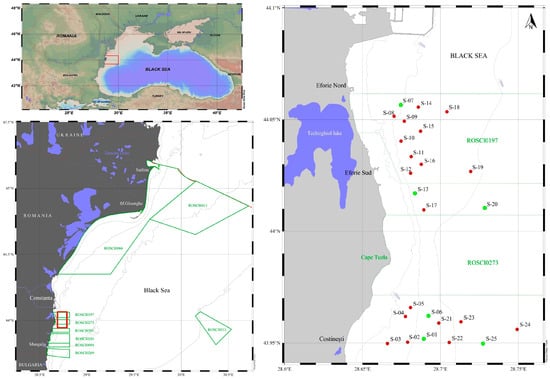
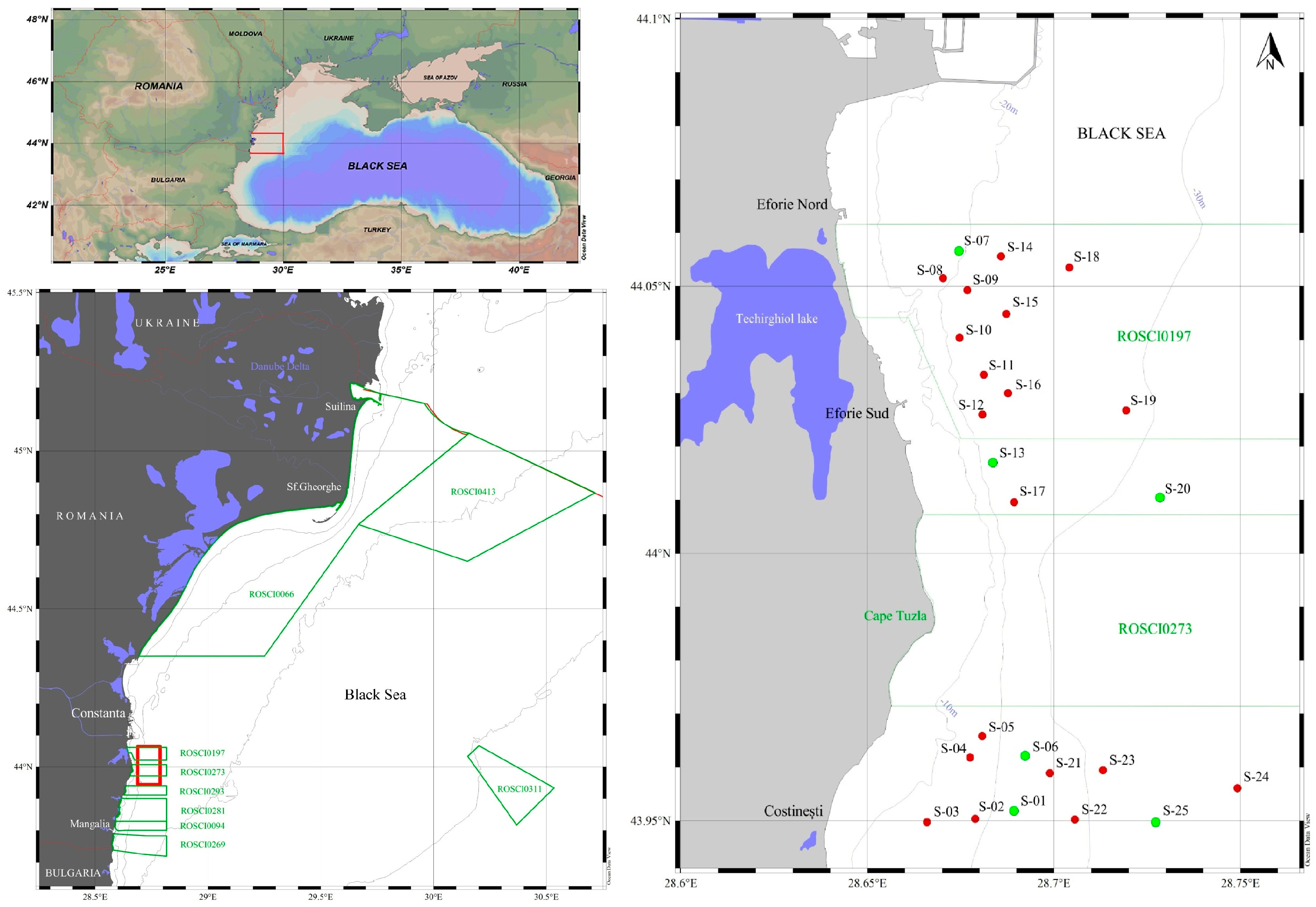
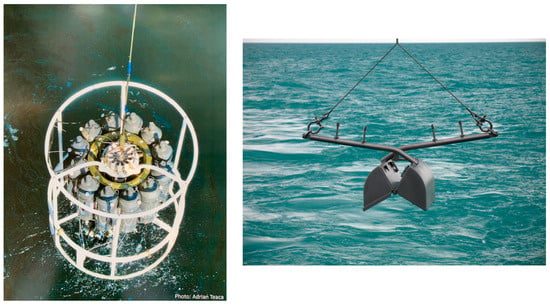
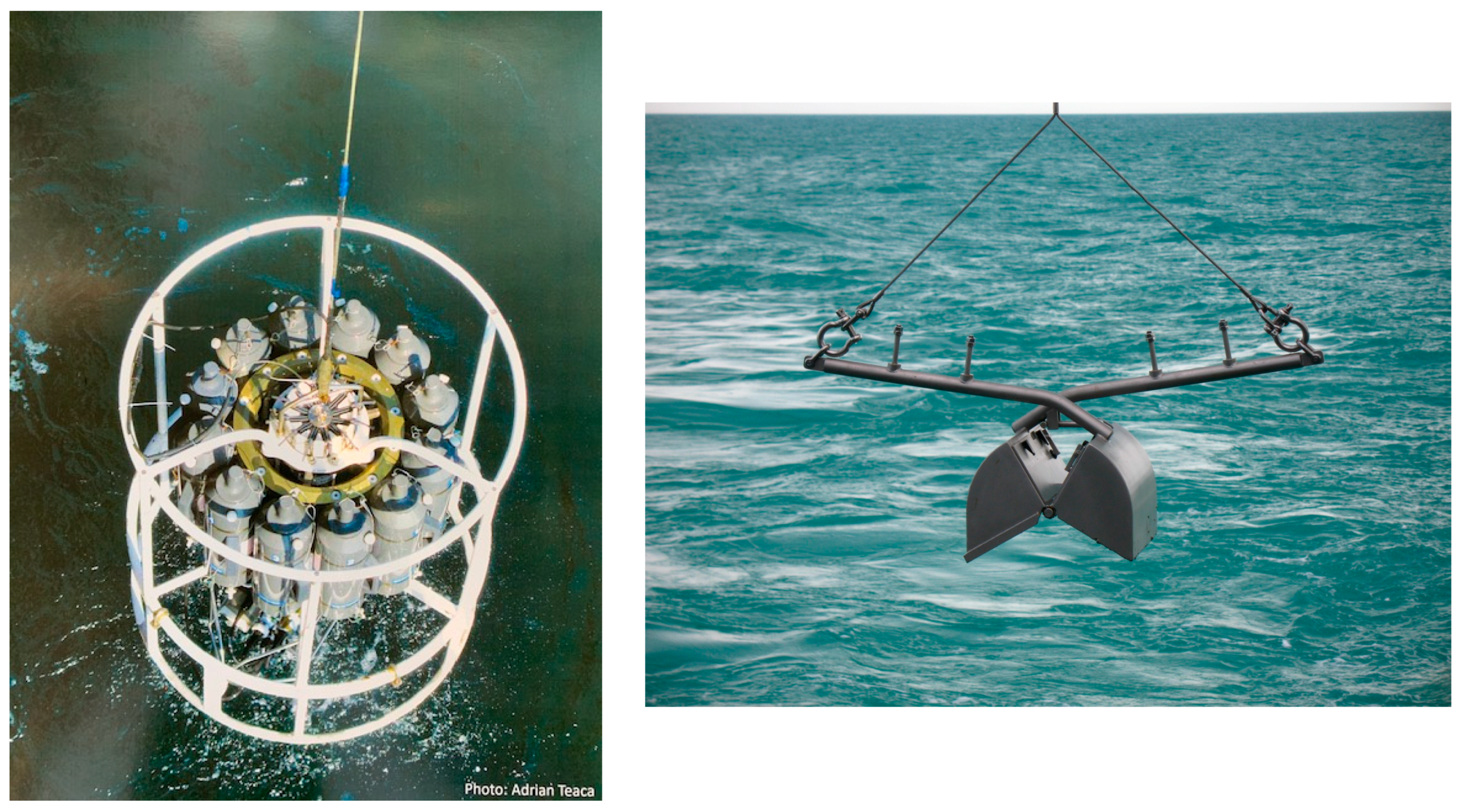
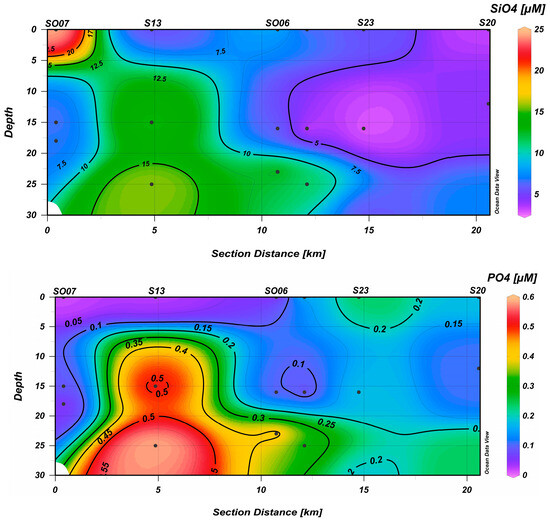
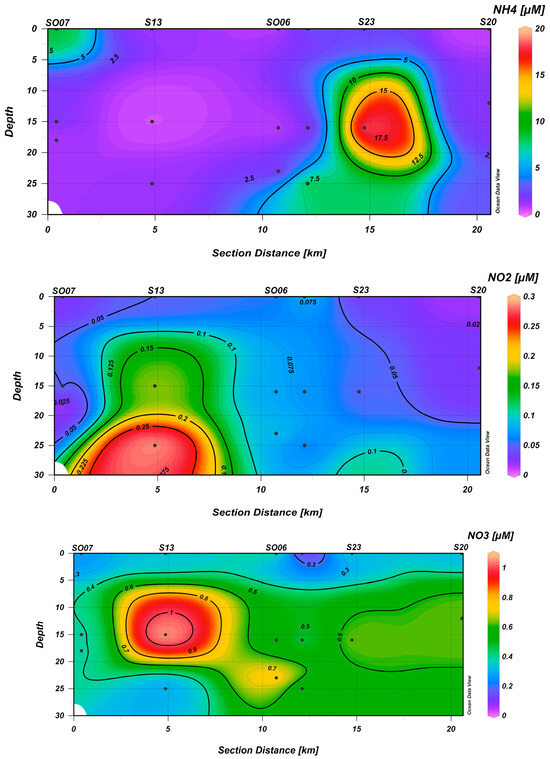
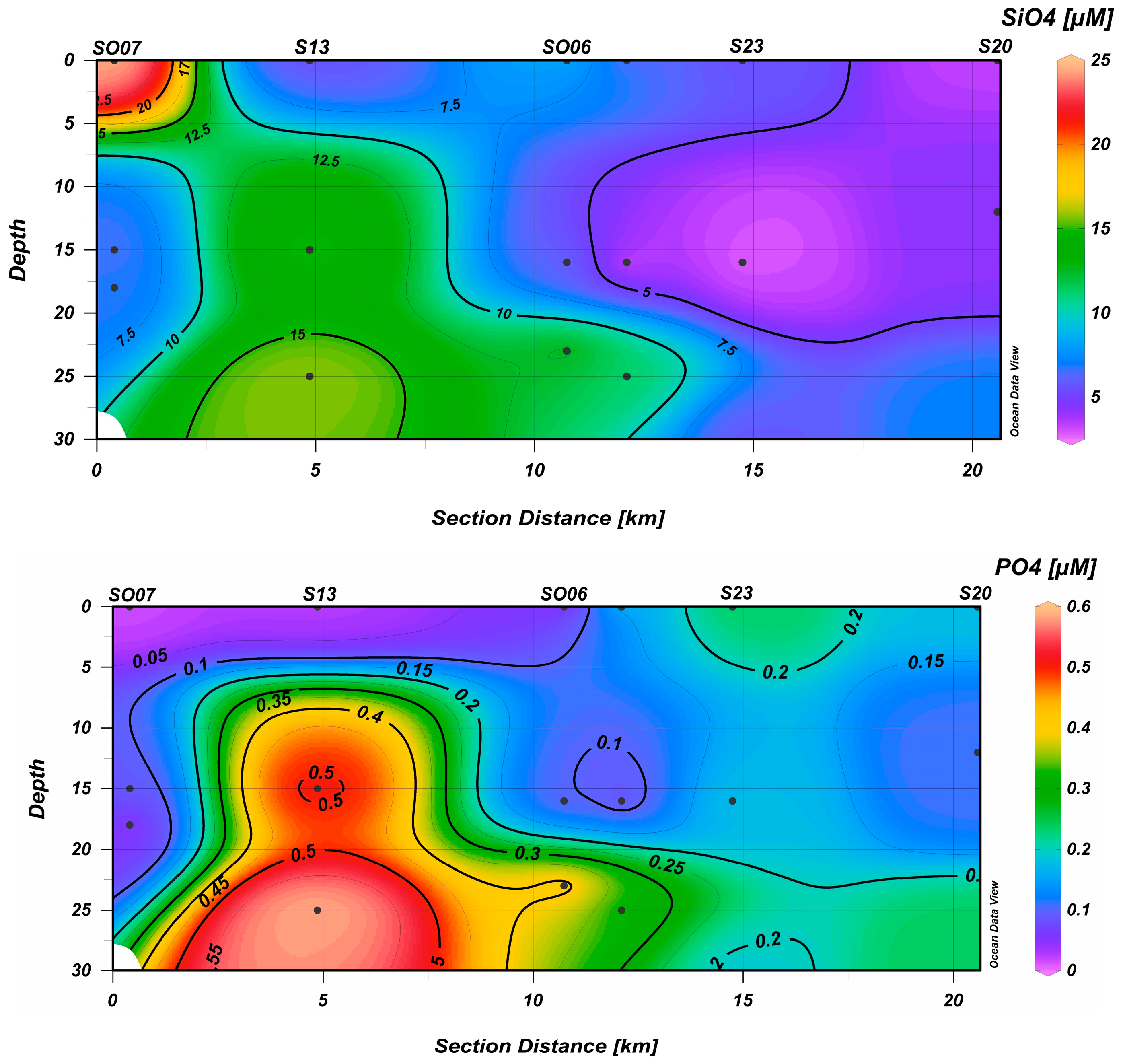
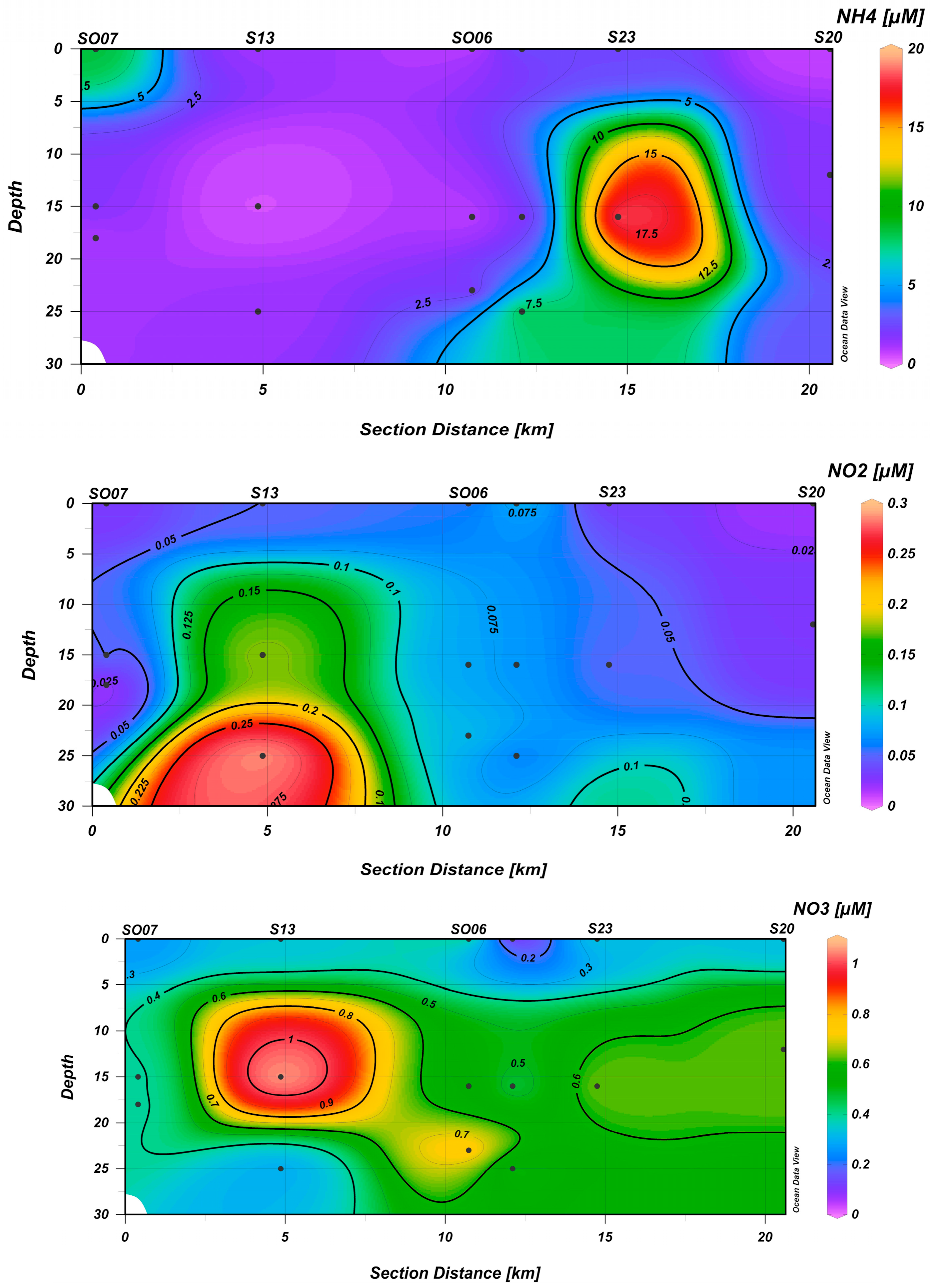
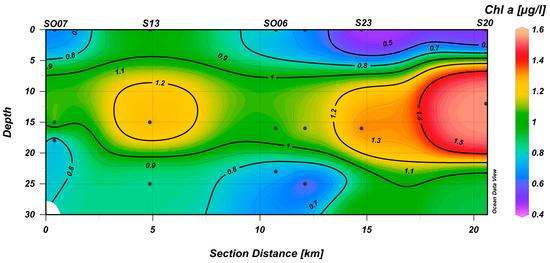
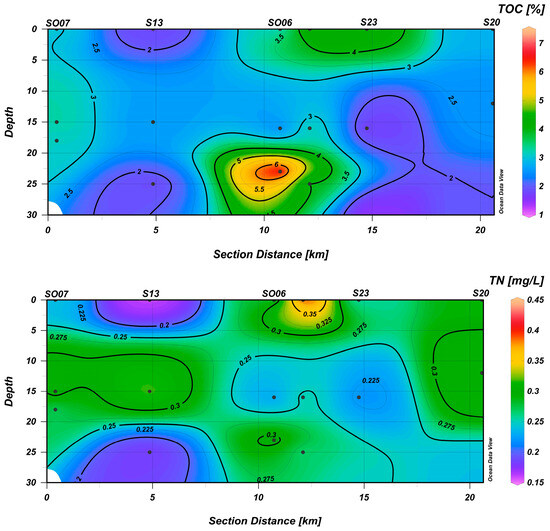
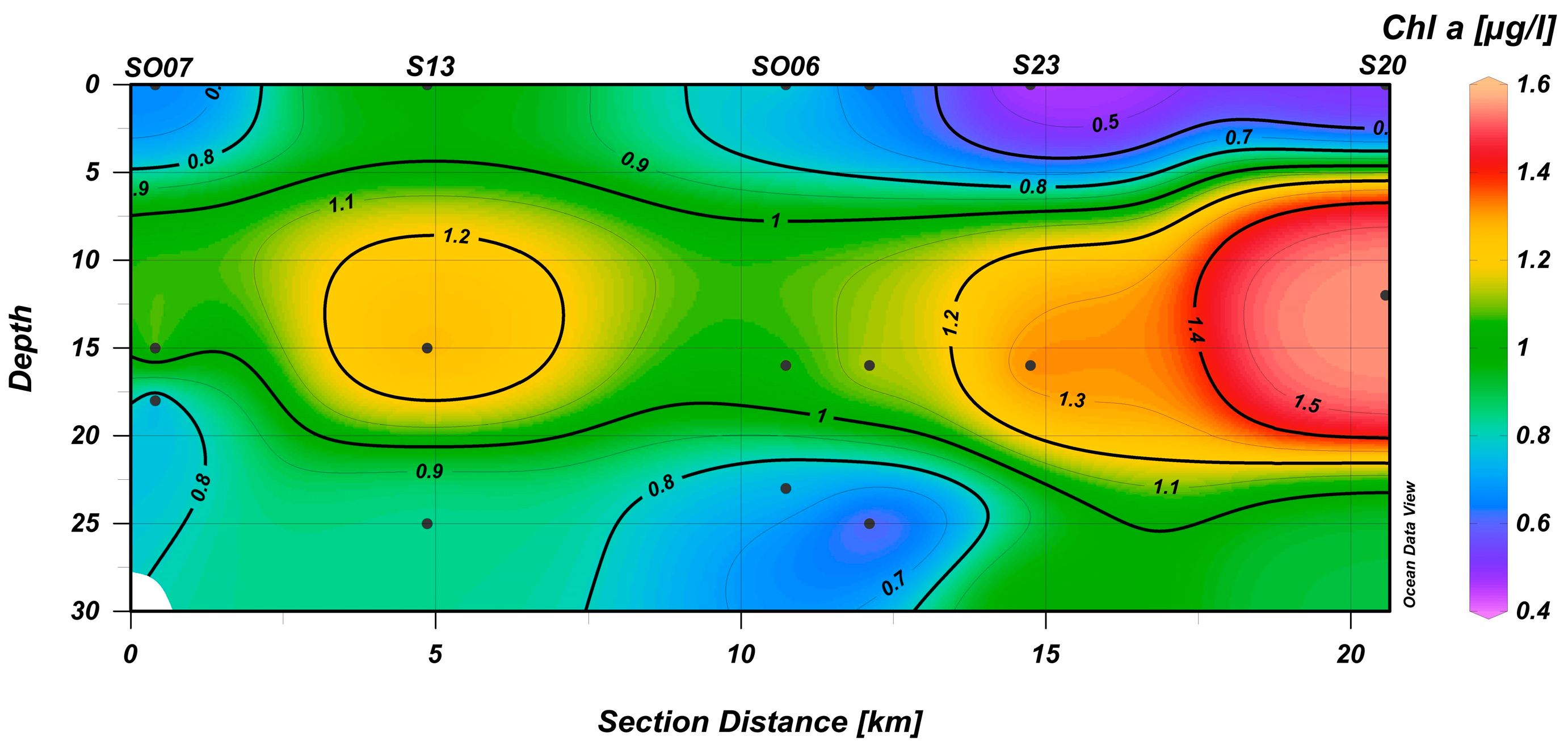
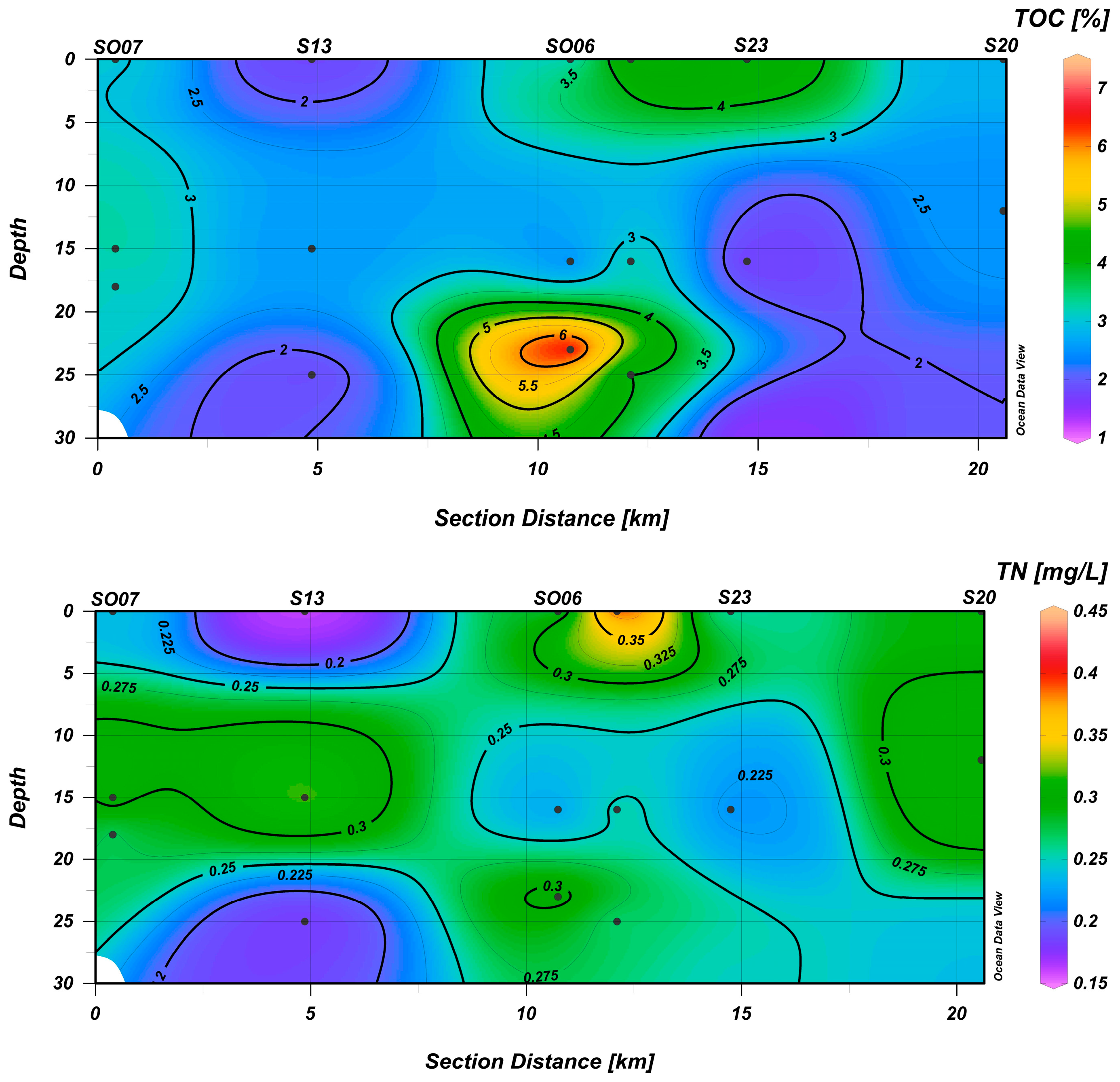
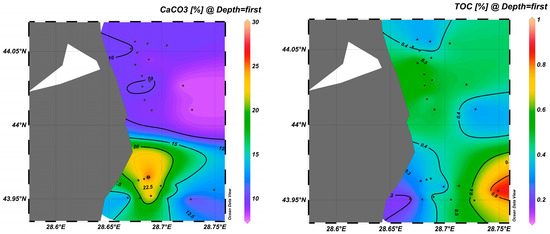
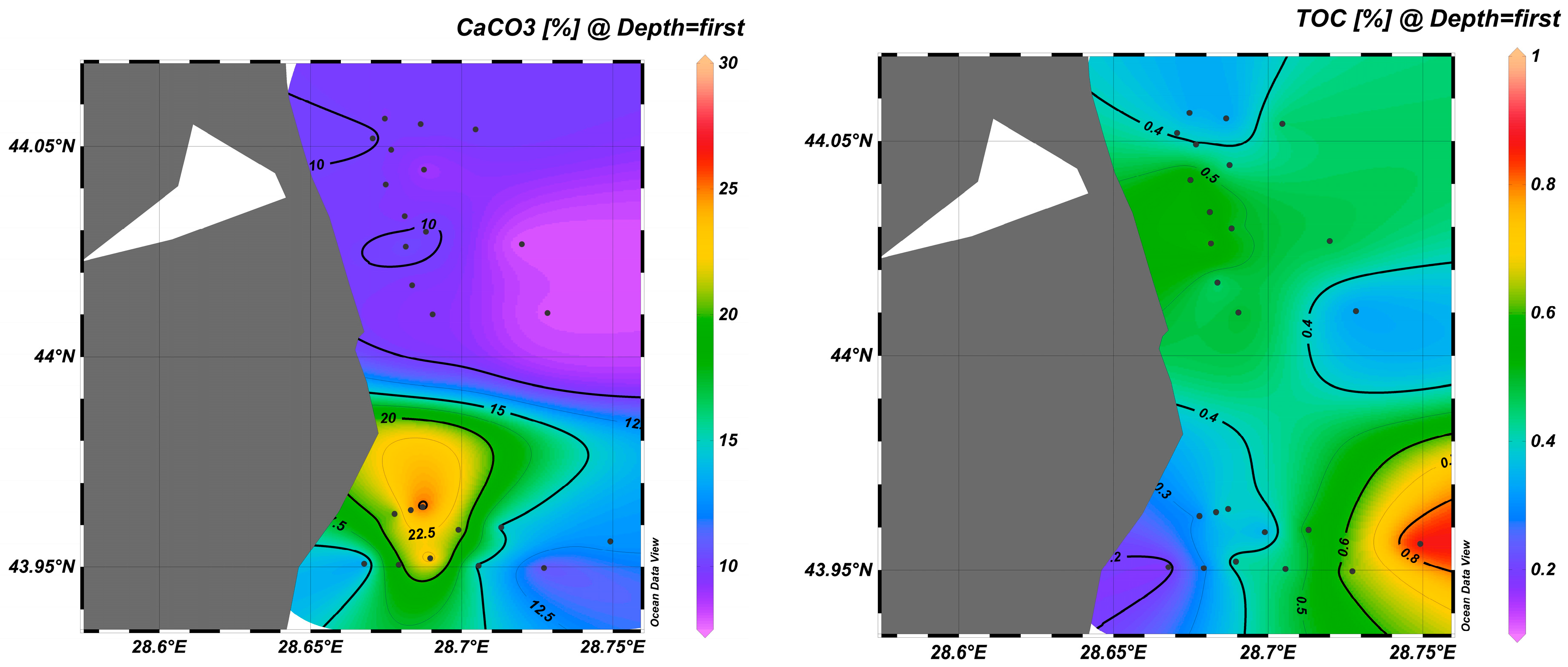
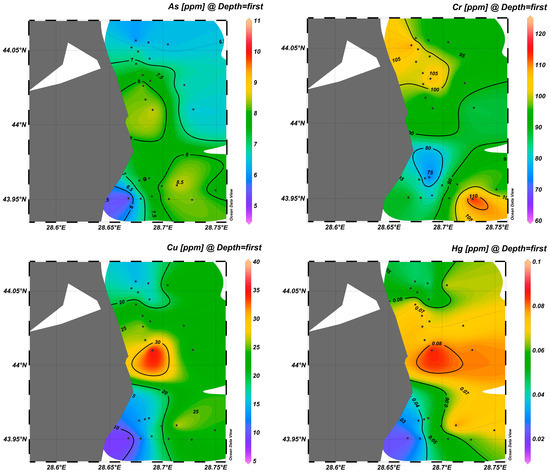
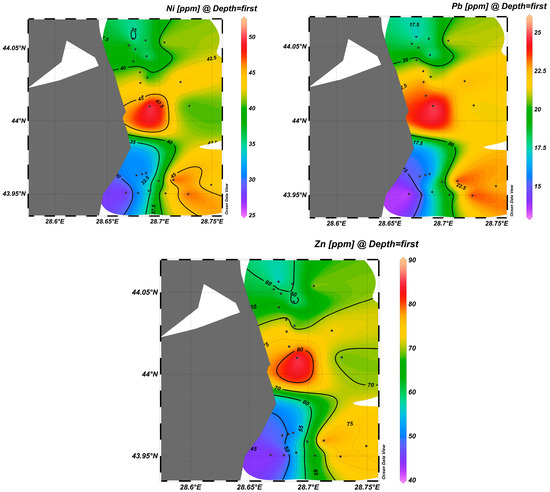
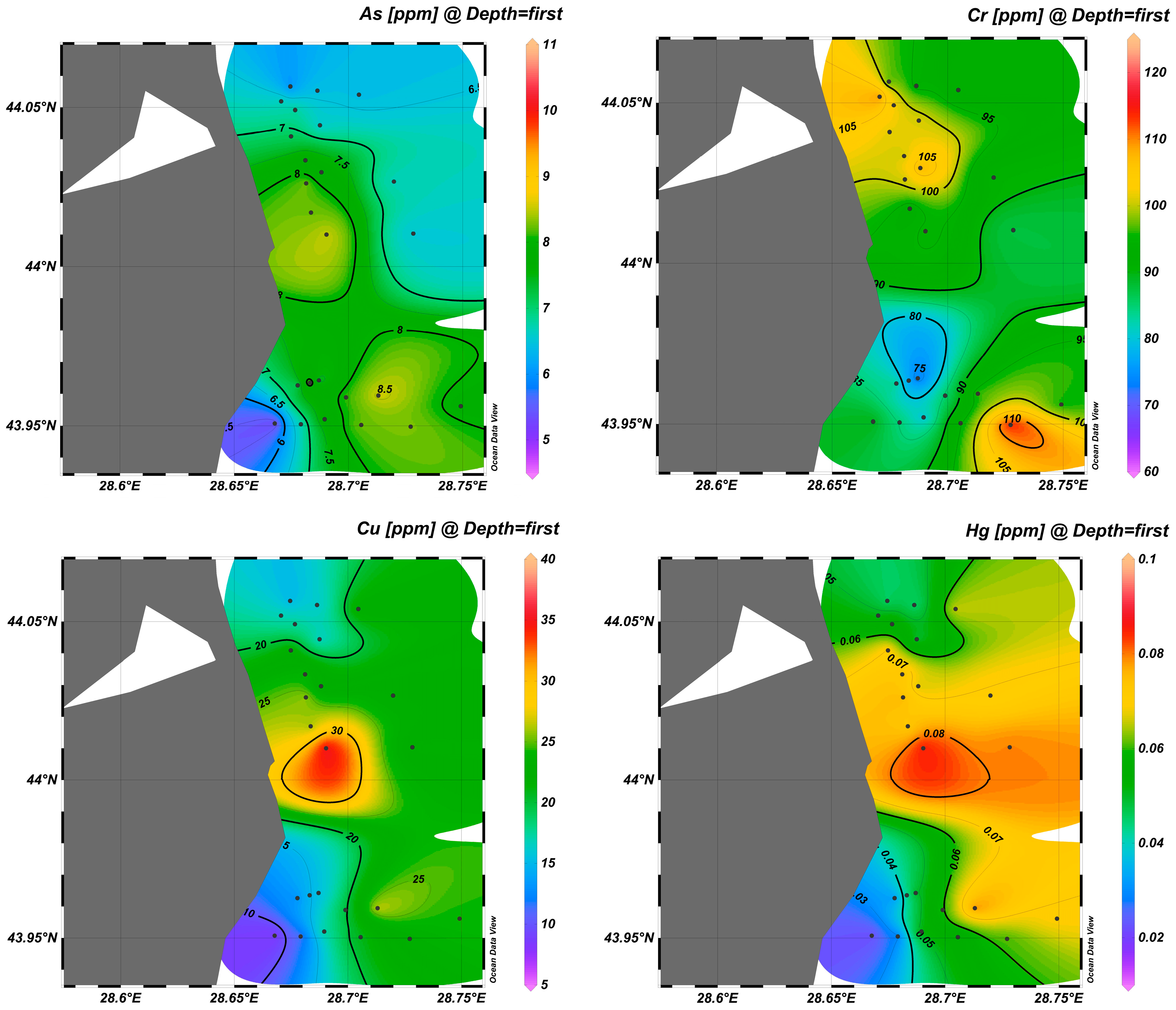
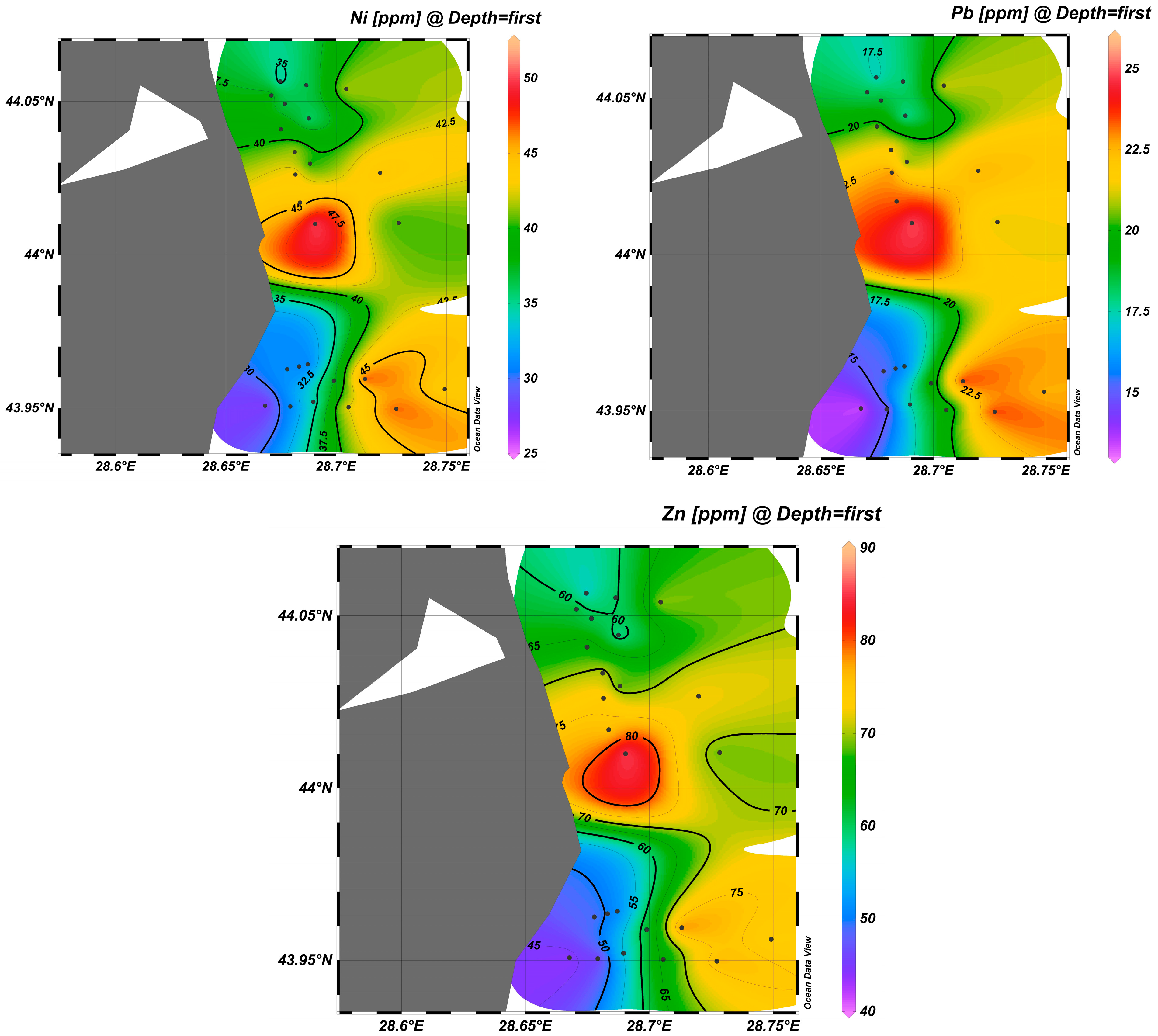
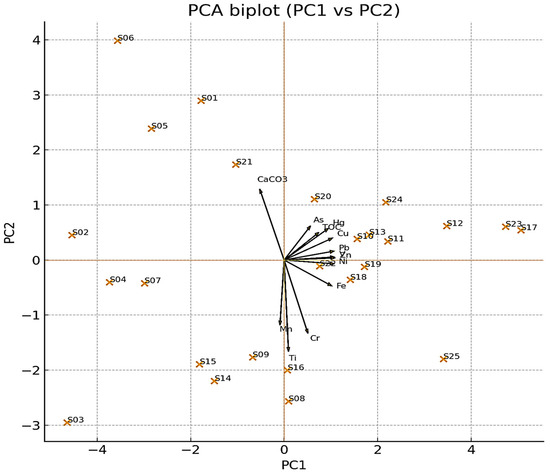
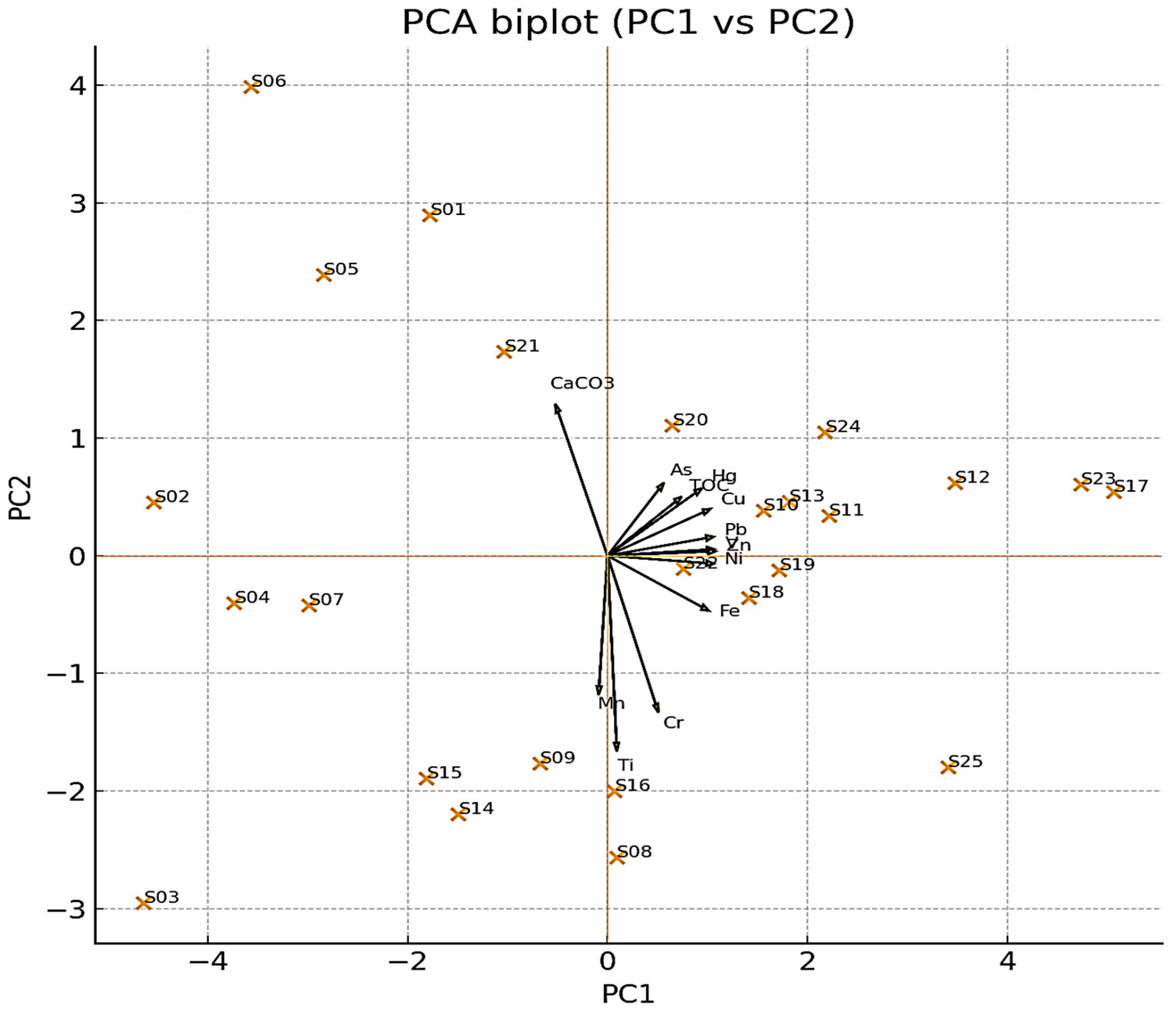
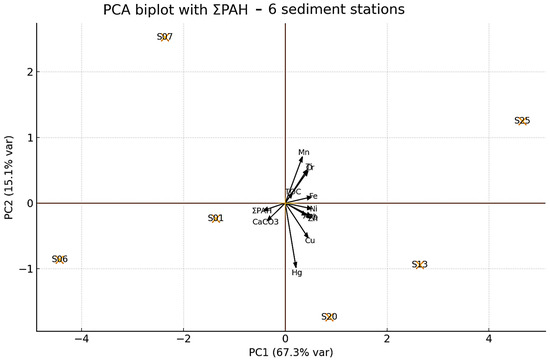
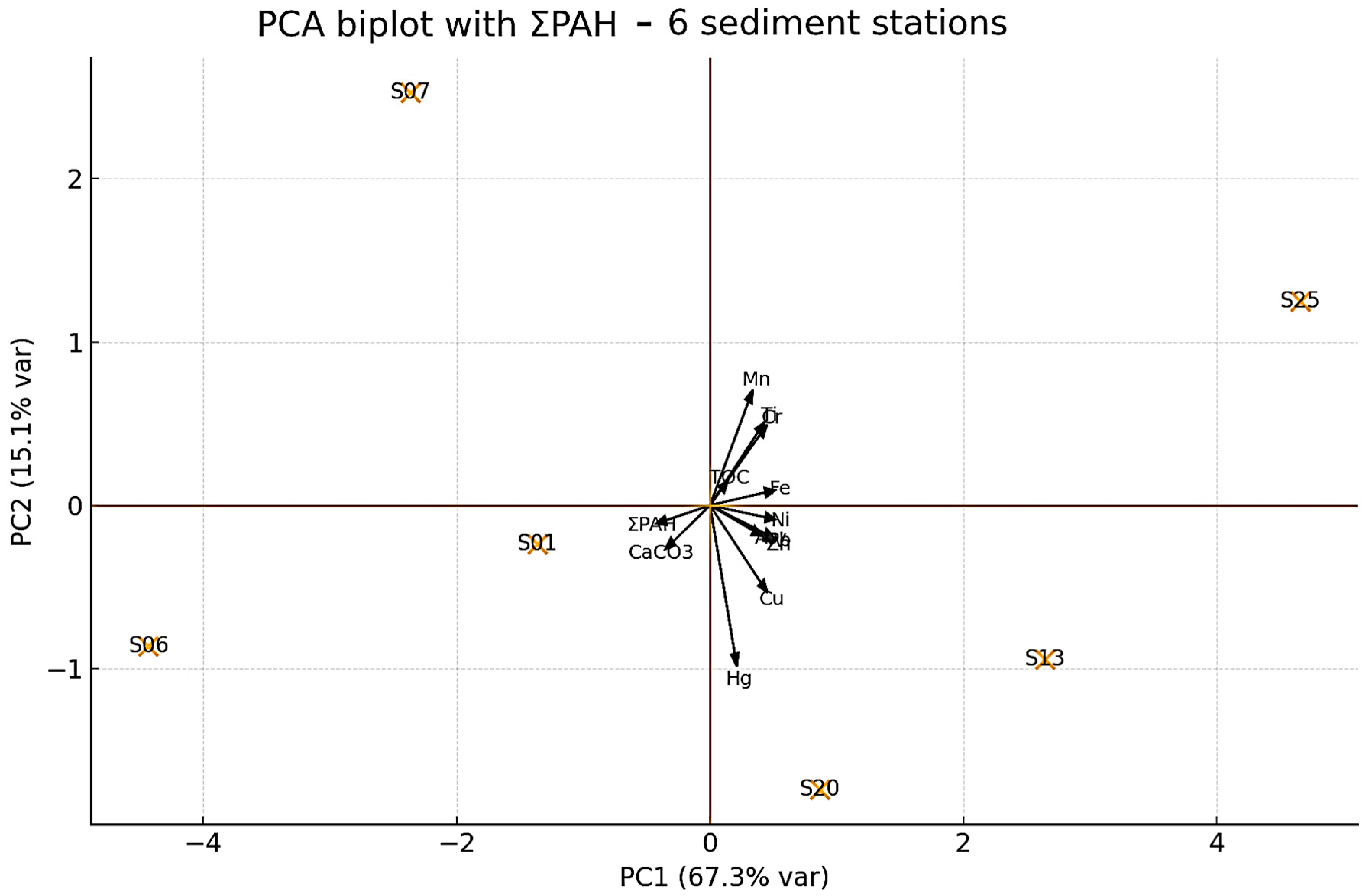

Disclaimer/Publisher’s Note: The statements, opinions and data contained in all publications are solely those of the individual author(s) and contributor(s) and not of MDPI and/or the editor(s). MDPI and/or the editor(s) disclaim responsibility for any injury to people or property resulting from any ideas, methods, instructions or products referred to in the content. |
© 2025 by the authors. Licensee MDPI, Basel, Switzerland. This article is an open access article distributed under the terms and conditions of the Creative Commons Attribution (CC BY) license.