Article

Mechanisms of Freak Wave Generation from Random Wave Evolution in 3D Island-Reef Topography

1
School of Naval Architecure & Ocean Engineering, Jiangsu University of Science and Technology, Zhenjiang 212100, China
2
Southern Marine Science and Engineering Guangdong Laboratory, Guangzhou 511458, China
*
Author to whom correspondence should be addressed.
J. Mar. Sci. Eng. 2025, 13(10), 1926; https://doi.org/10.3390/jmse13101926
Submission received: 3 September 2025 / Revised: 26 September 2025 / Accepted: 2 October 2025 / Published: 9 October 2025
(This article belongs to the Special Issue Advancements in Marine Hydrodynamics and Structural Optimization)

Abstract

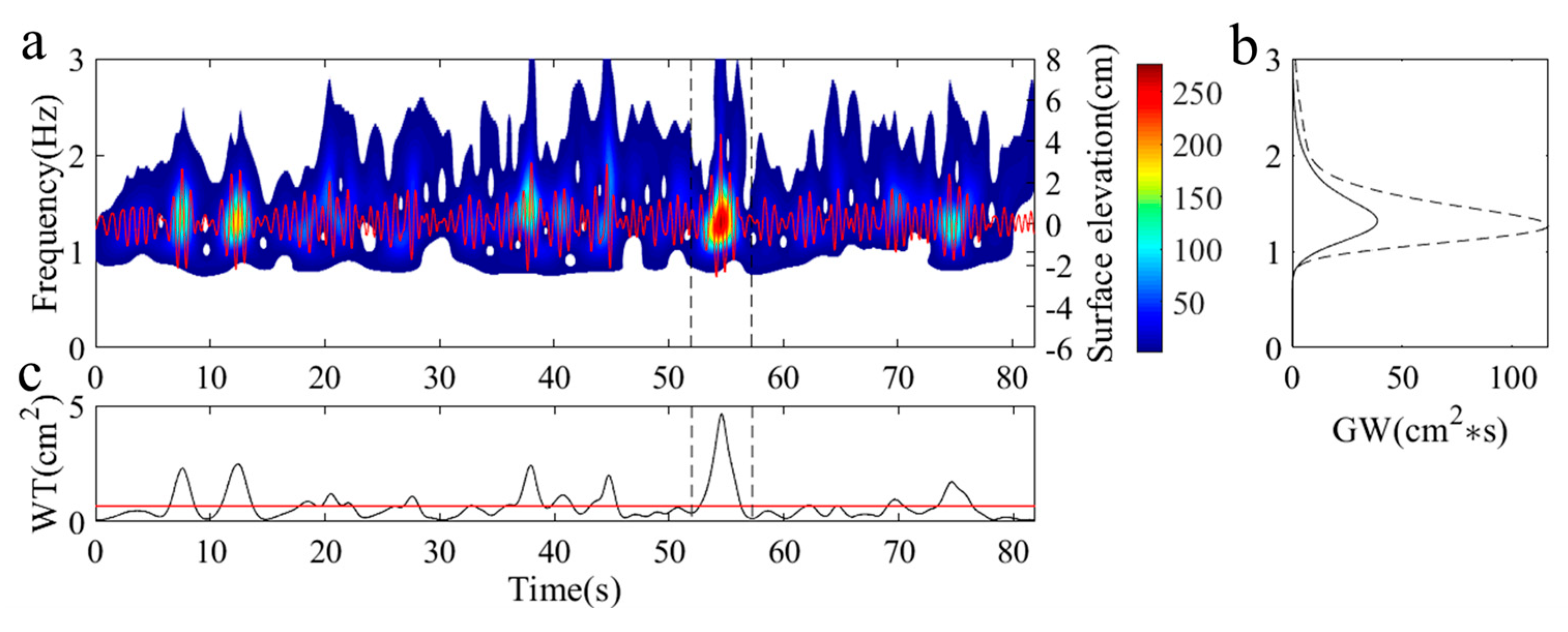
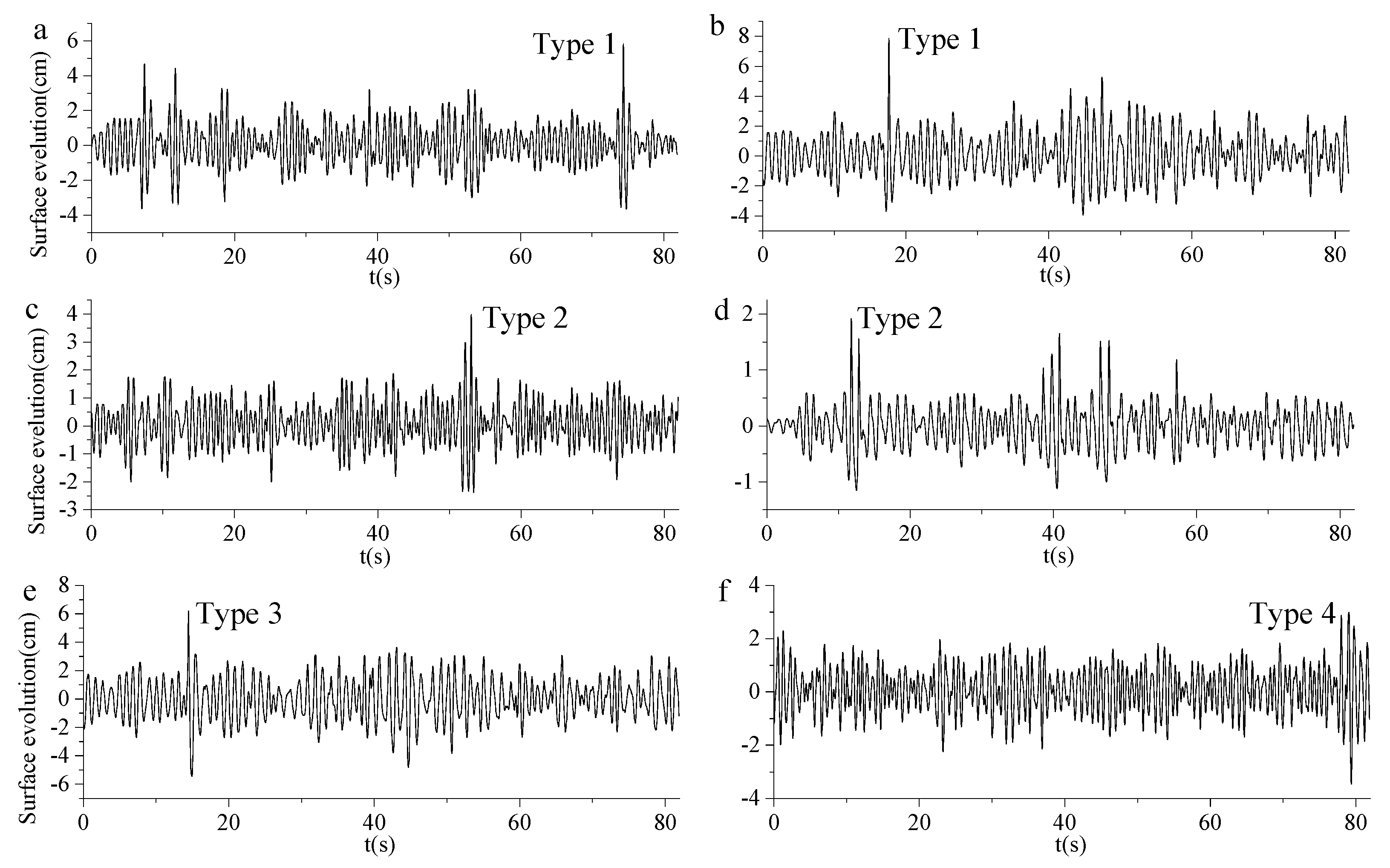
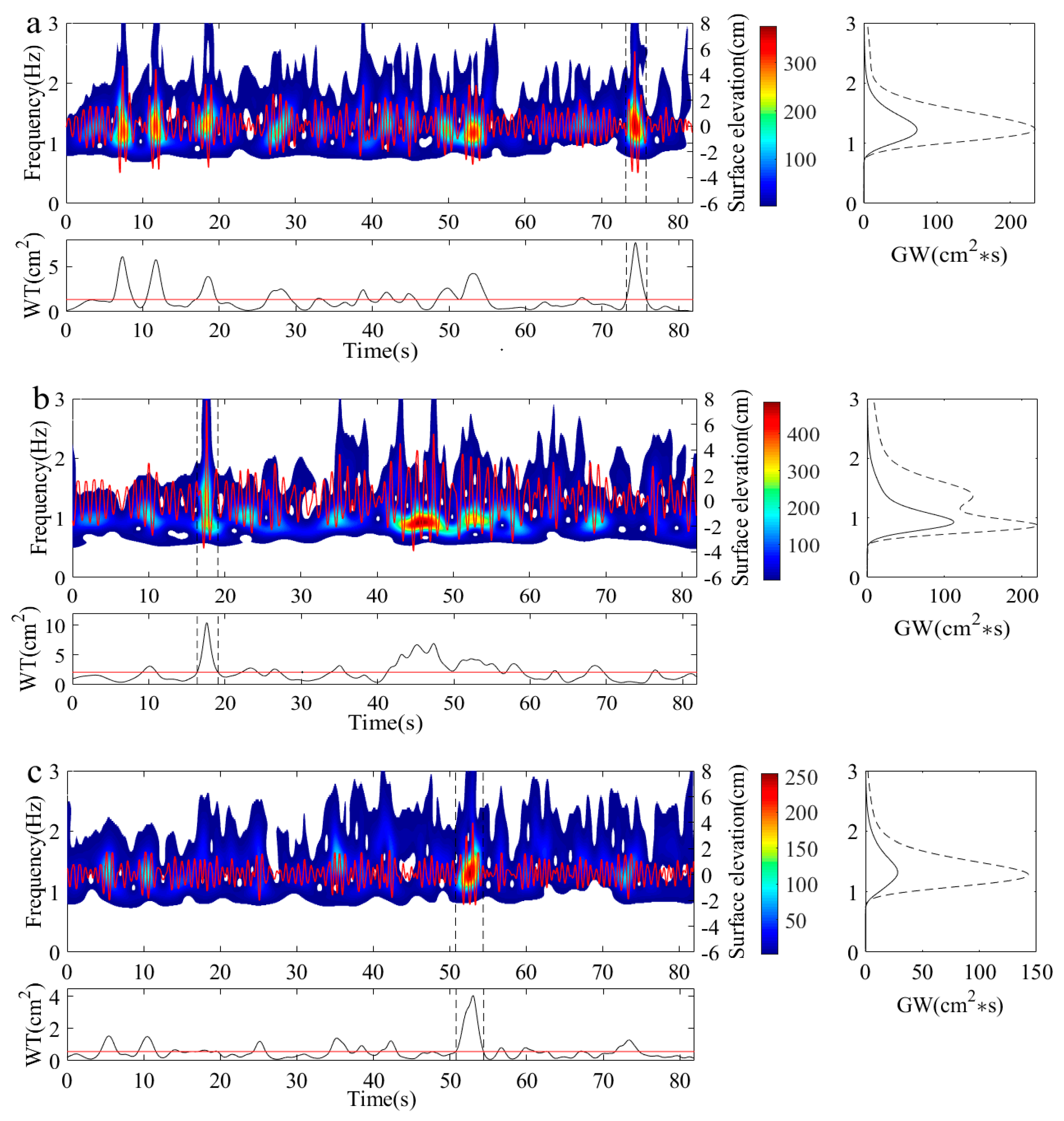
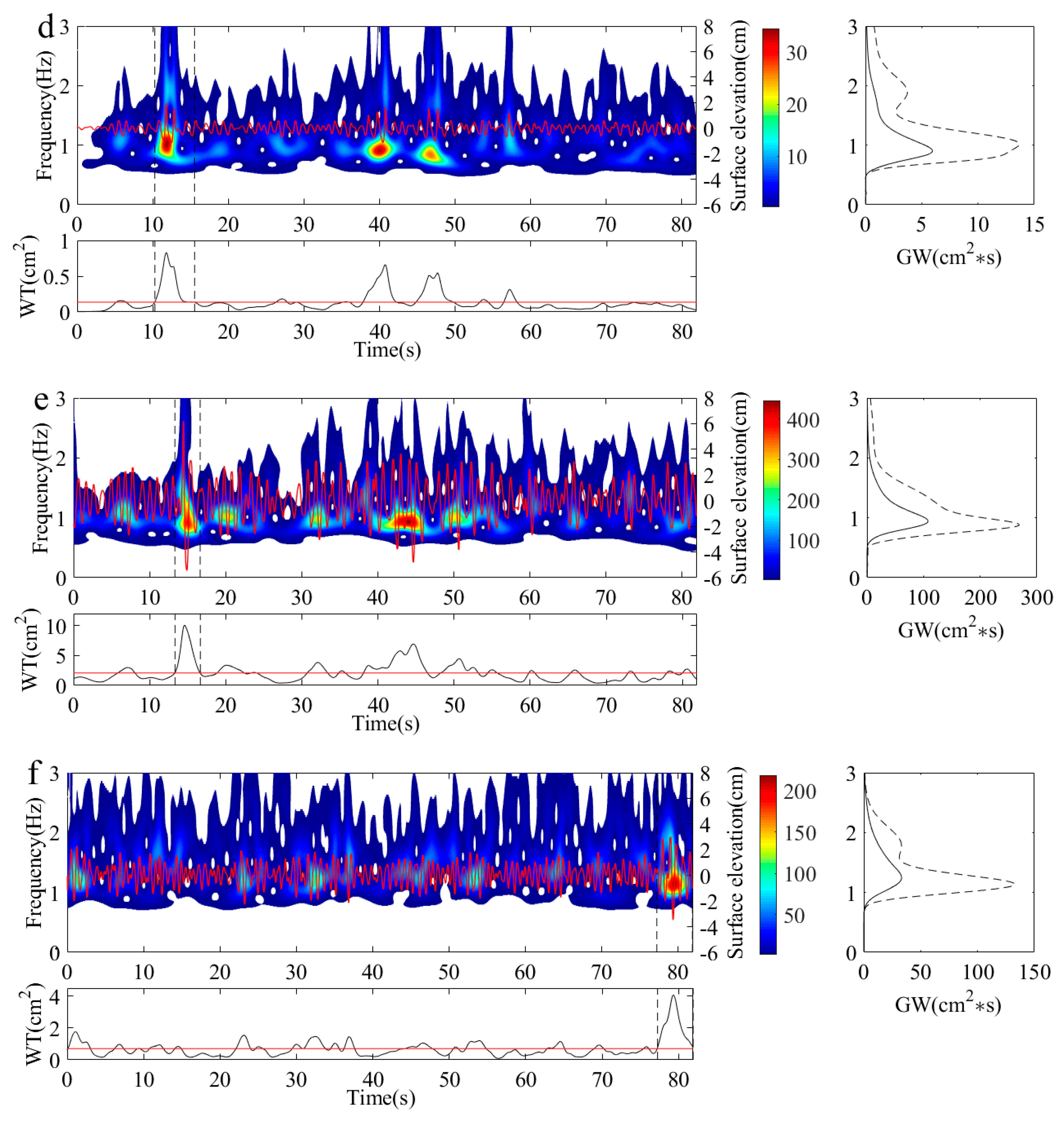
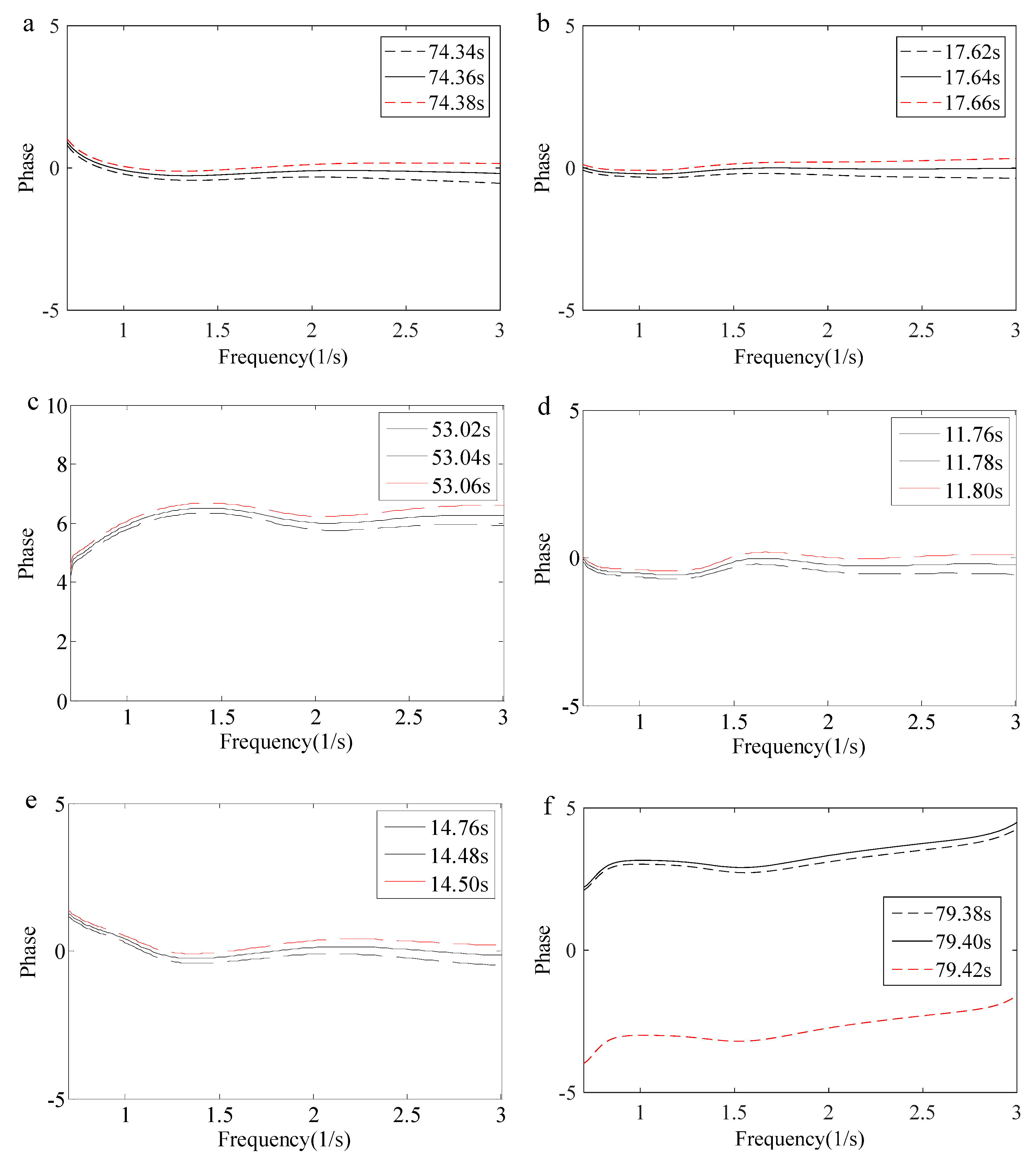
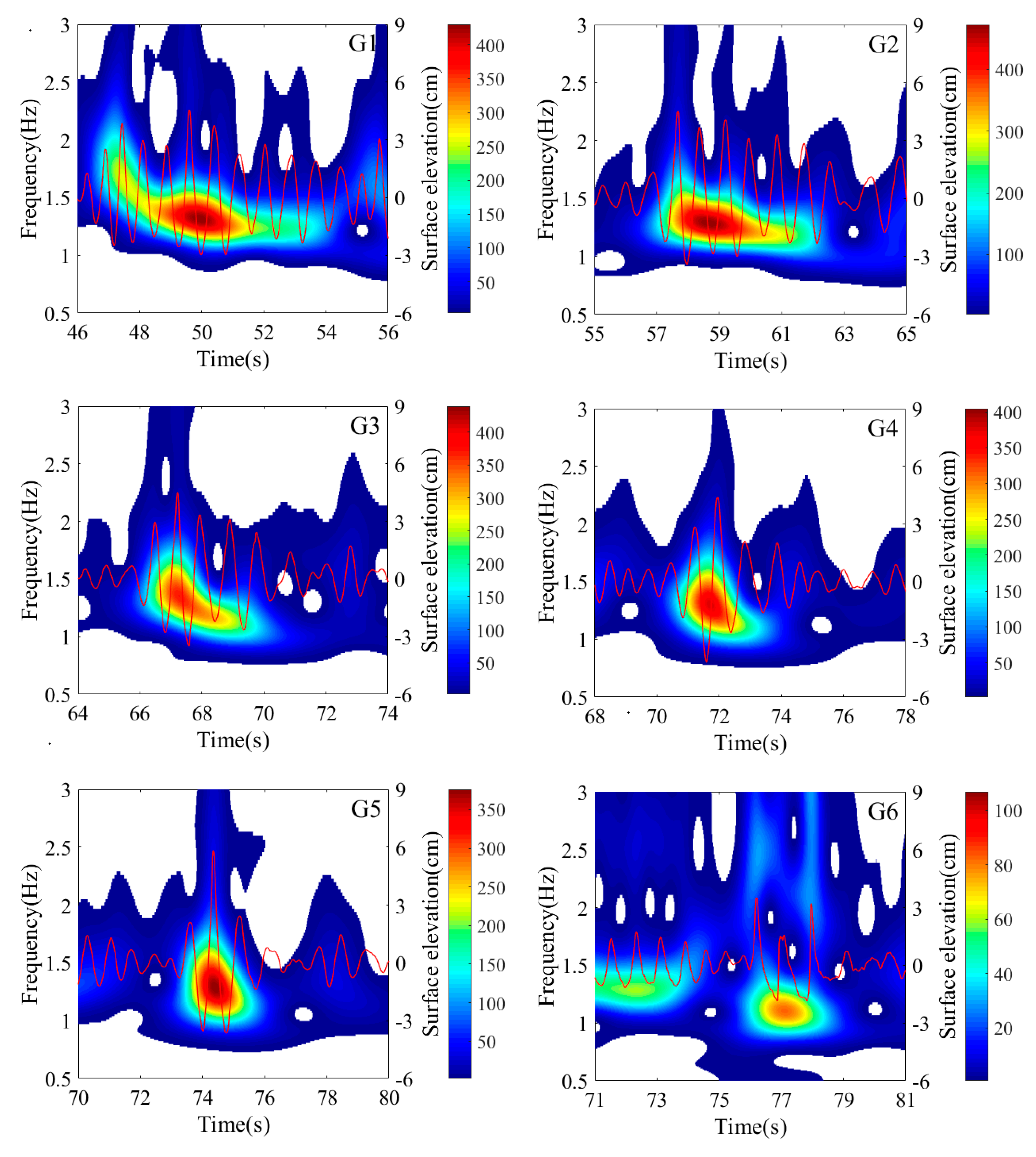
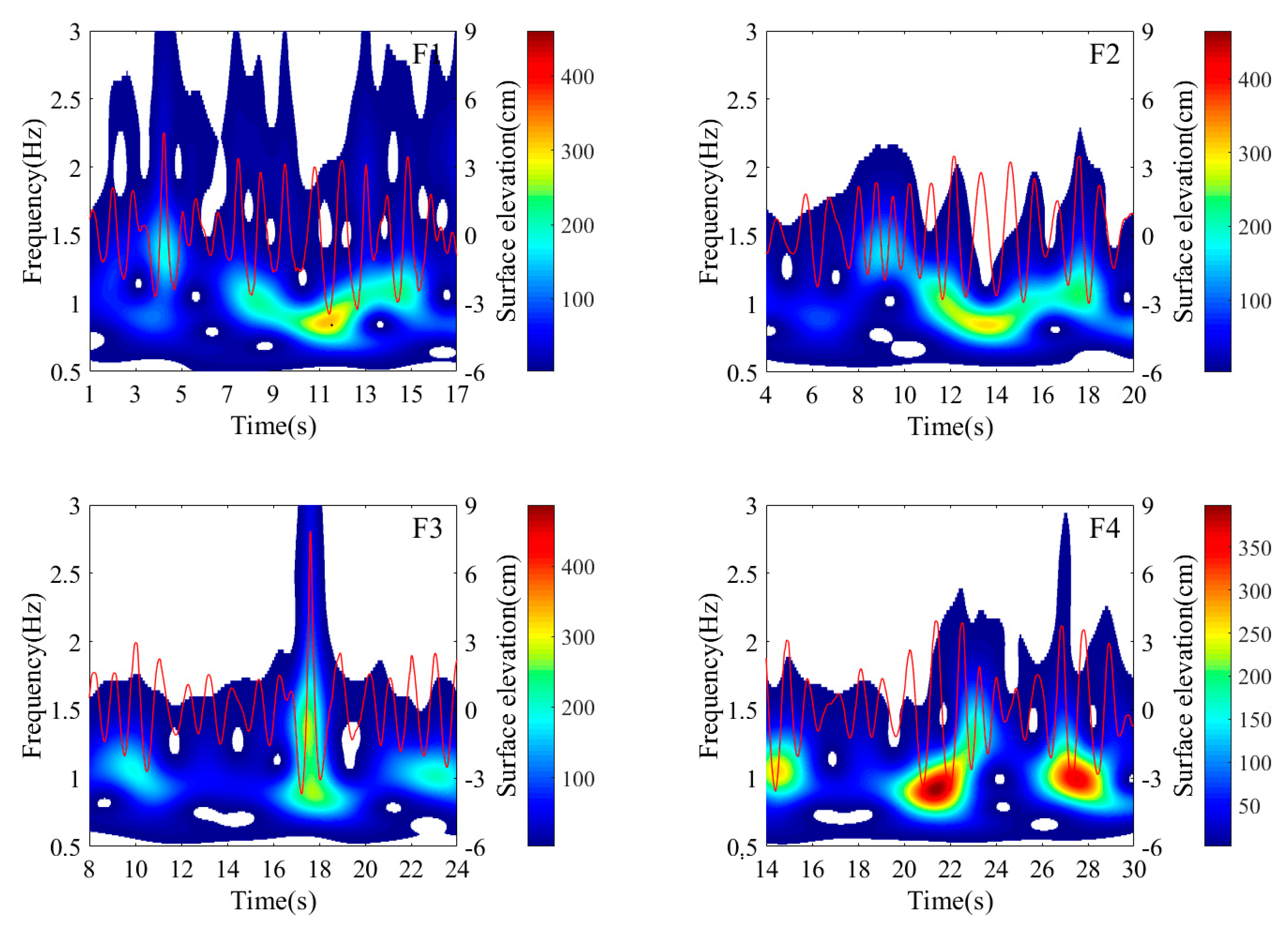
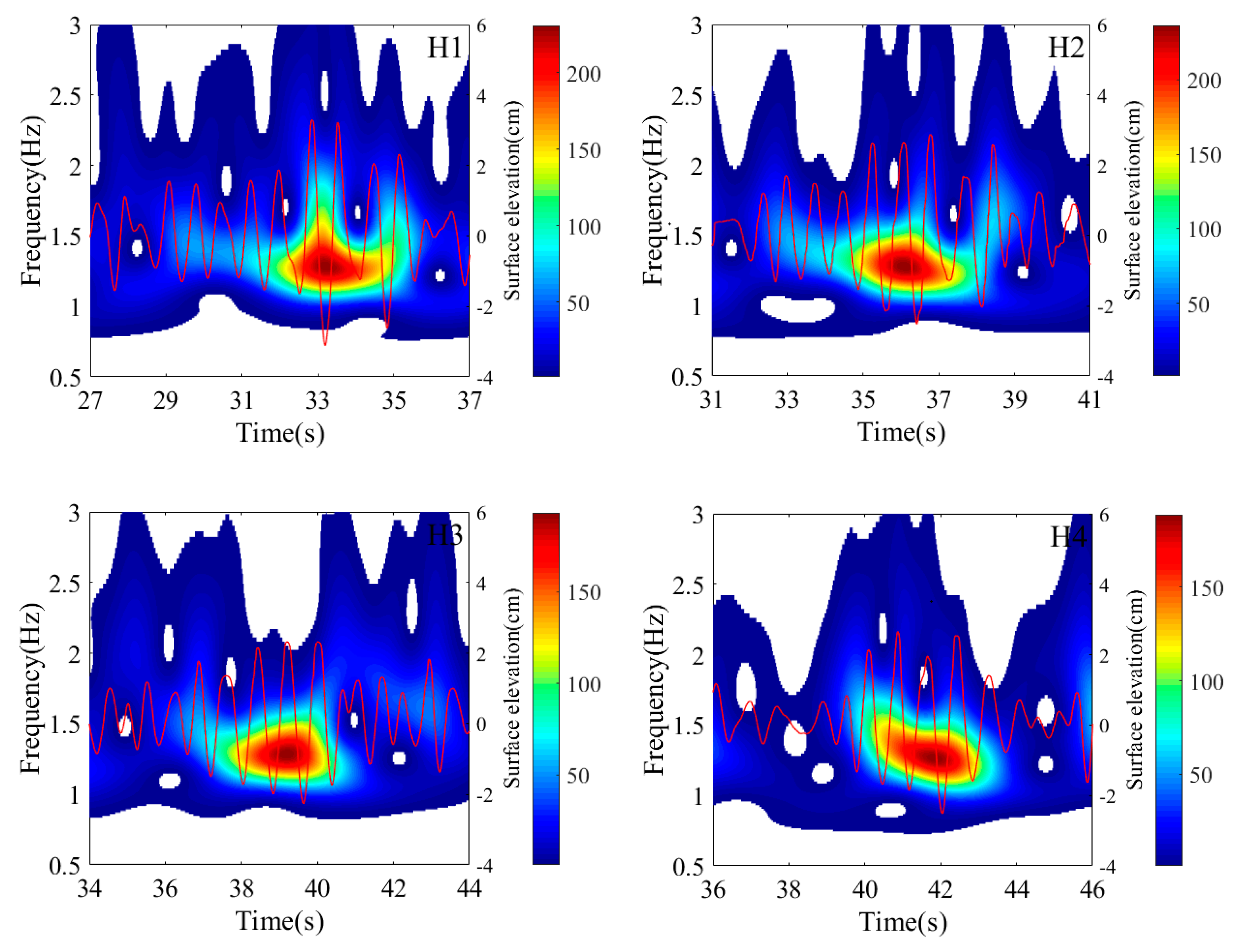
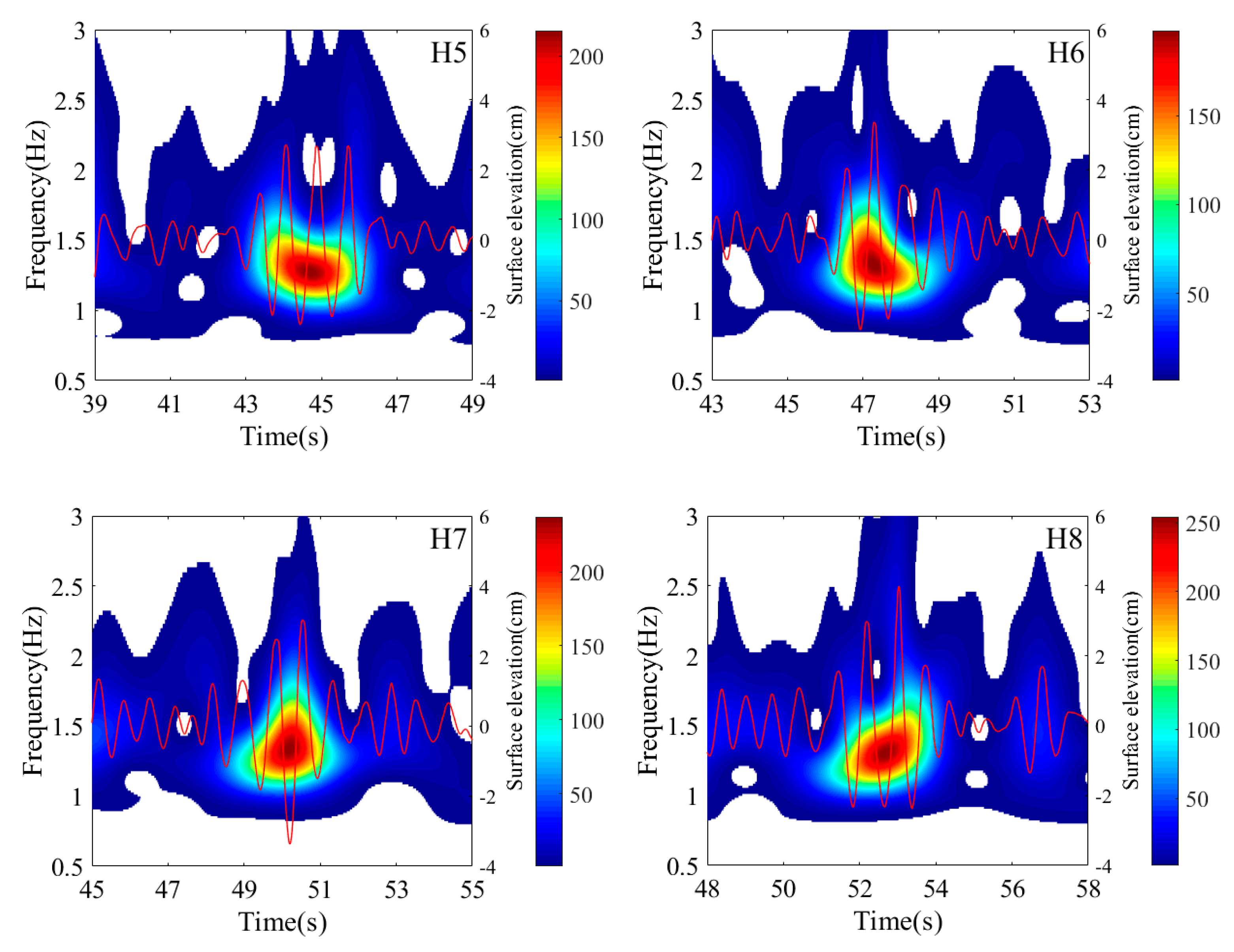
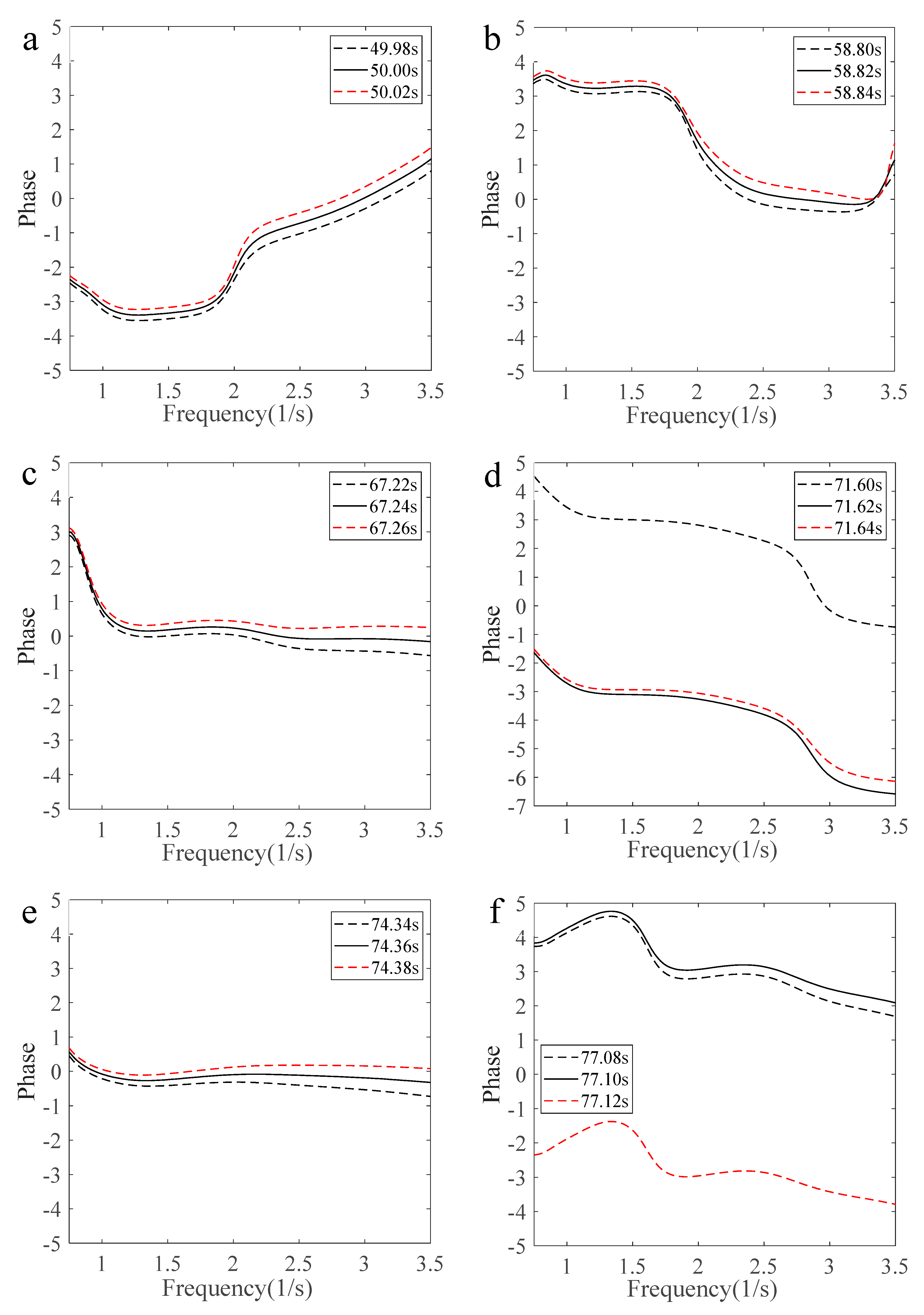
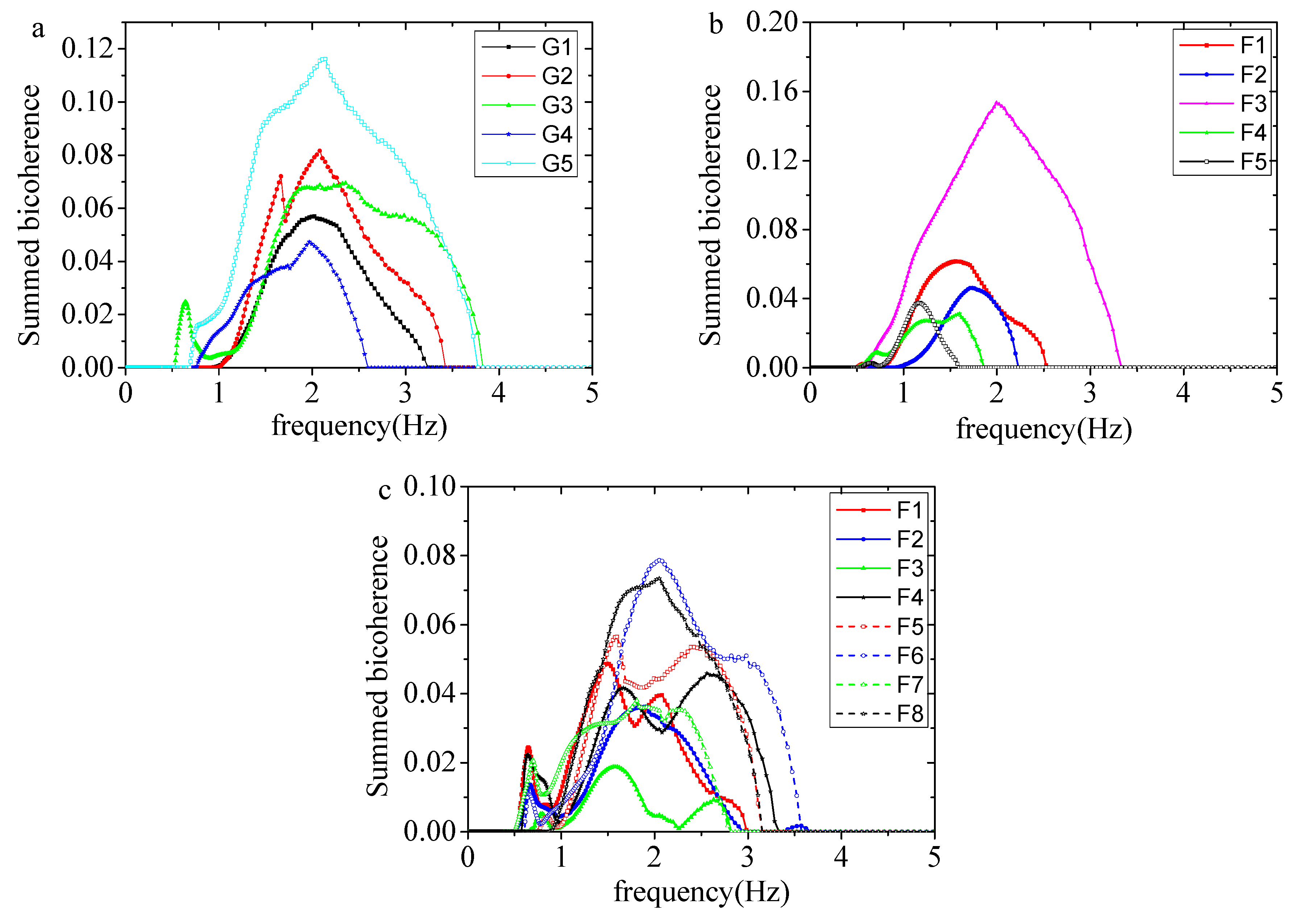
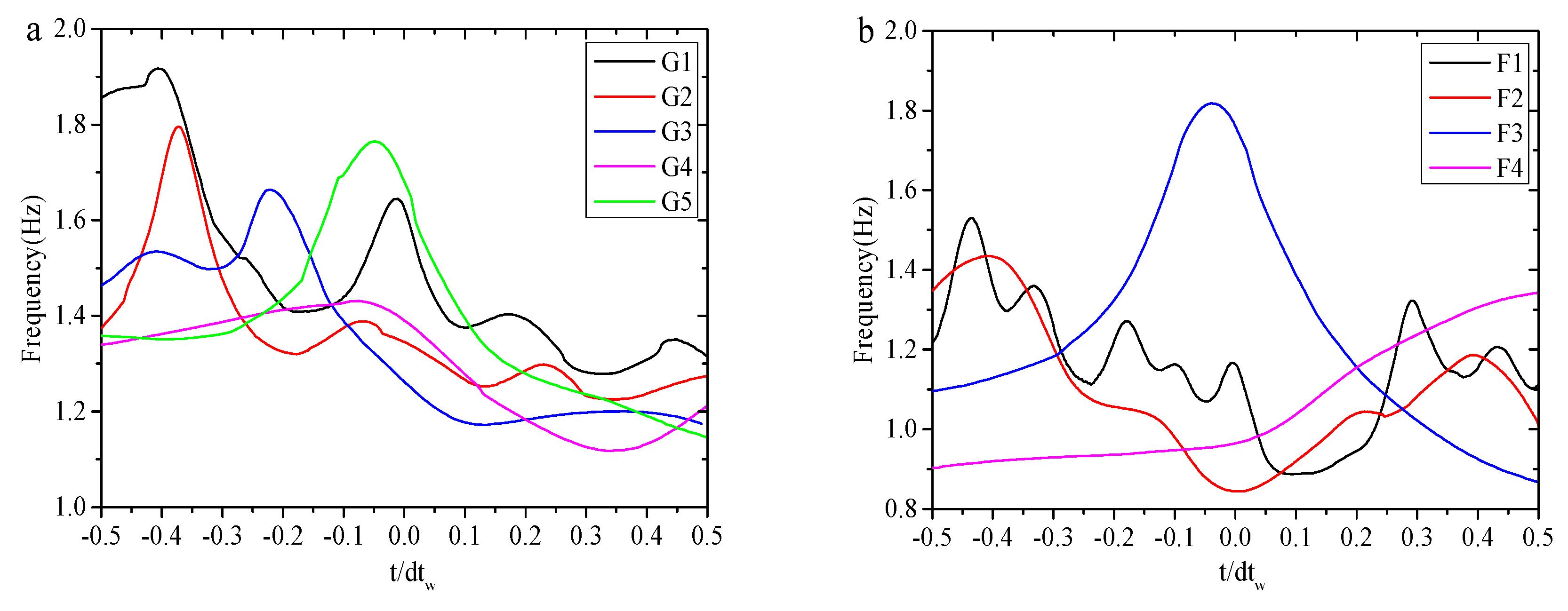
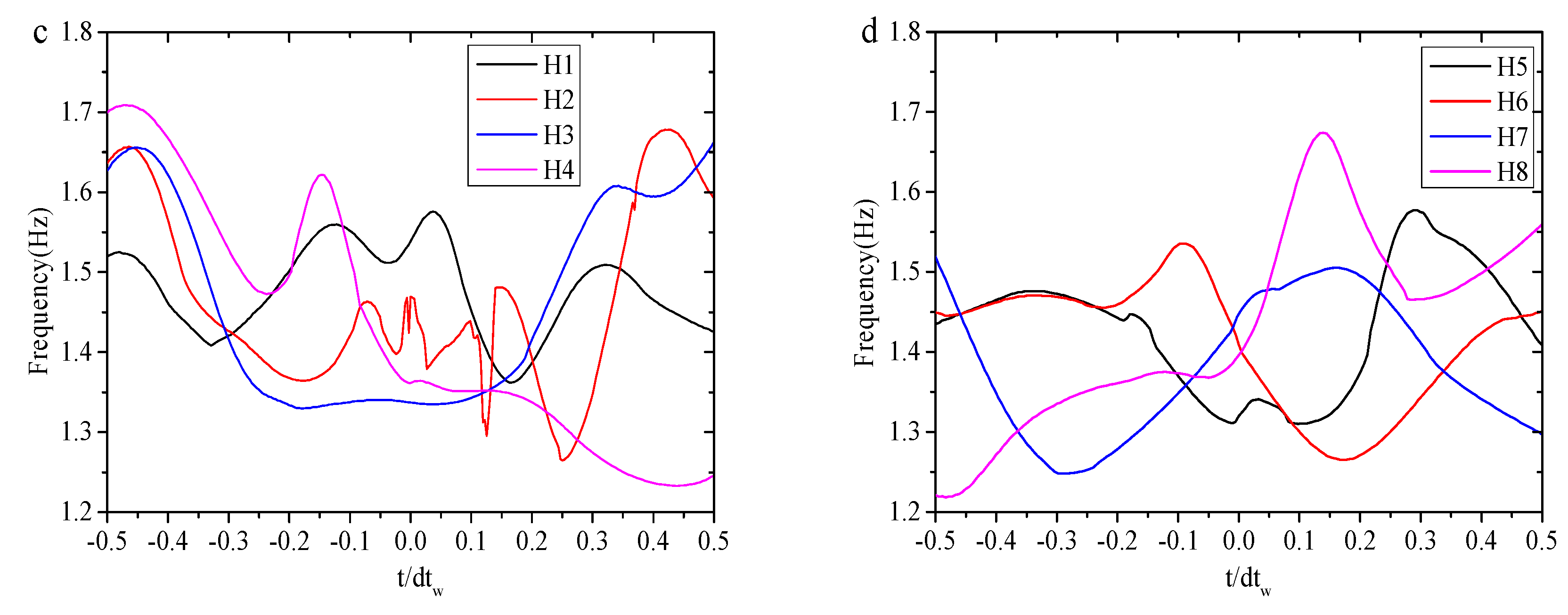
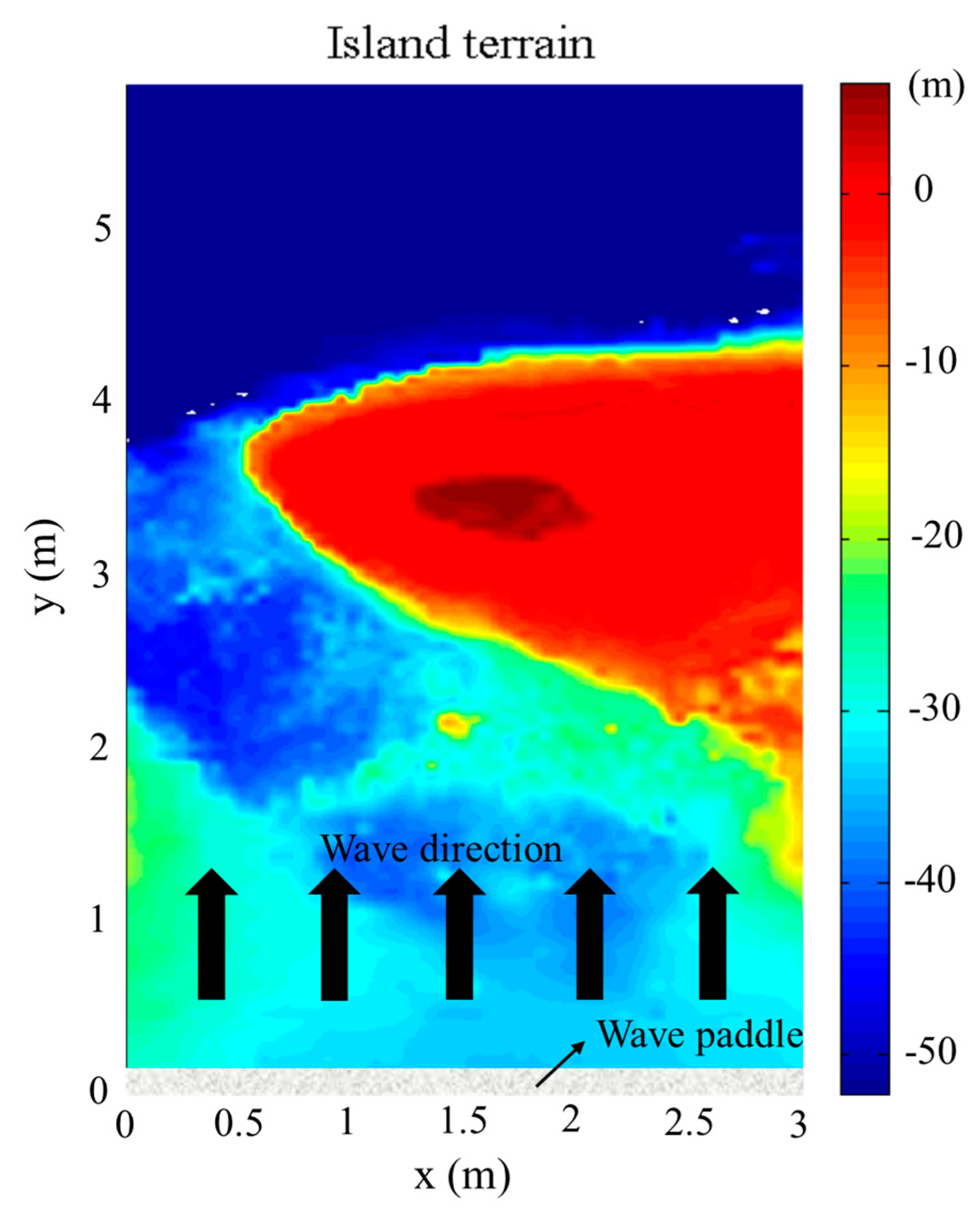
The mechanisms of freak wave generation in 3D island-reef topography are investigated. Four types of freak waves are investigated, based on the wavelet transform for examining the characteristics of freak waves and their mechanism. The freak waves come from a three-dimensional experimental terrain model in a random wave. The wavelet energy spectrum, scale-averaged and time-averaged wavelet spectrum are considered. A new parameter (scale-centroid wavelet spectrum) is defined, based on the wavelet transform algorithm, to quantitatively analyze and further estimate the energy transfer process. The results suggest that the occurrence of freak waves is associated with the gradual alignment of the phases of wave components. The nonlinear interaction in terms of wavelet cross-bispectrum implies that wave–wave interaction, especially with high-frequency components, is obviously enhanced during a freak wave occurrence. The energy transforms to a high frequency during a freak wave occurrence. The current result forms a definite indication that the occurrence of freak waves is caused by the combined effects of linear superposition and nonlinear interactions. Linear superposition begins to take effect long before the freak wave occurs, whereas nonlinear interactions primarily occur during the shorter period just before the freak wave forms. It provides an important reference for the prediction of abnormal waves.
Keywords: freak waves; wavelet transform; linear superposition; nonlinear interactions; random wave freak waves; wavelet transform; linear superposition; nonlinear interactions; random wave