Article

An Energy Efficiency Optimization Strategy of Hybrid Electric Ship Based on Working Condition Prediction


1
Key Laboratory of Transport Industry of Marine Technology and Control Engineering, Shanghai Maritime University, Shanghai 201306, China
2
Merchant Marine College, Shanghai Maritime University, Shanghai 201306, China
*
Author to whom correspondence should be addressed.
J. Mar. Sci. Eng. 2022, 10(11), 1746; https://doi.org/10.3390/jmse10111746
Submission received: 22 October 2022 / Revised: 9 November 2022 / Accepted: 10 November 2022 / Published: 14 November 2022
(This article belongs to the Section Ocean Engineering)

Abstract

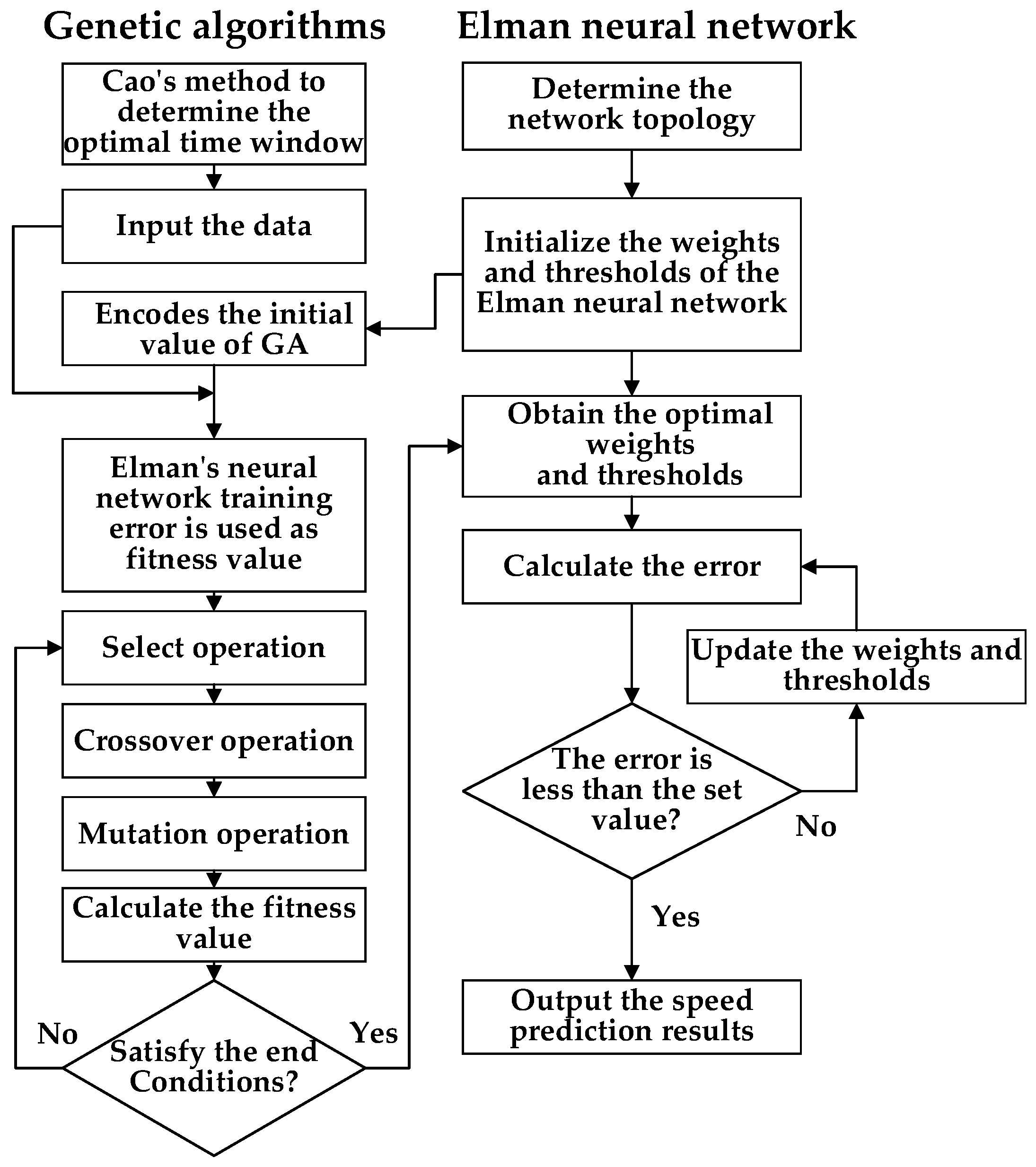
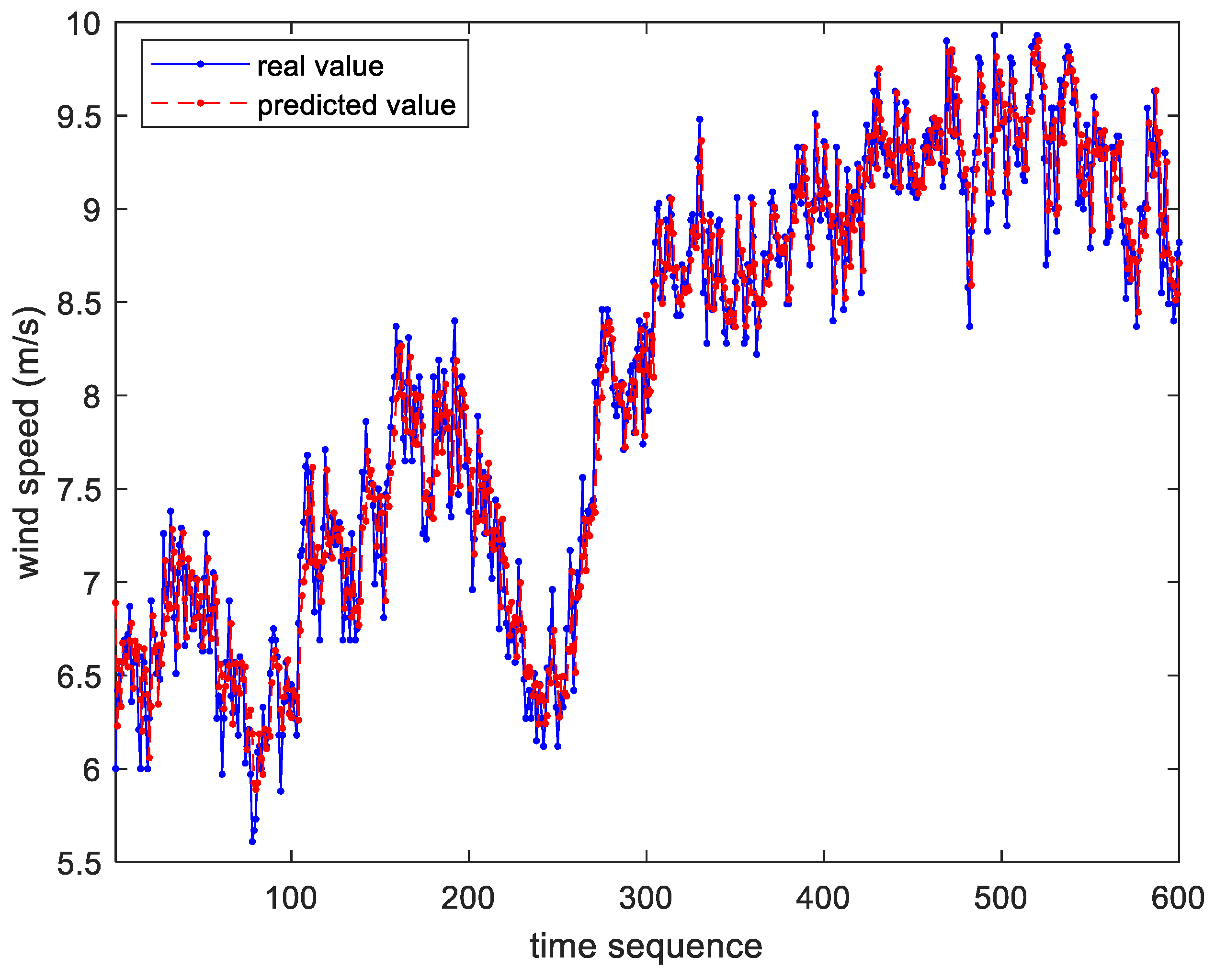
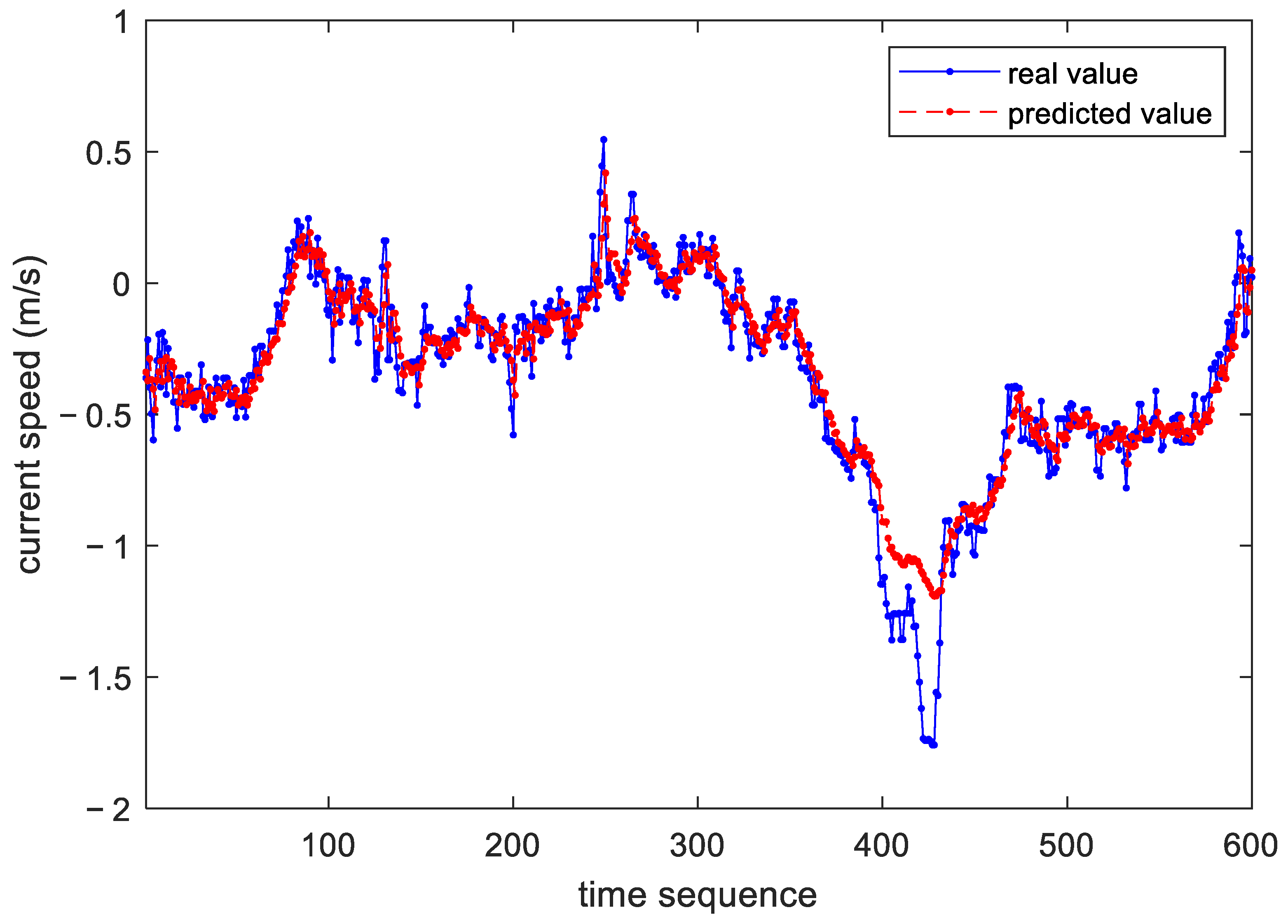
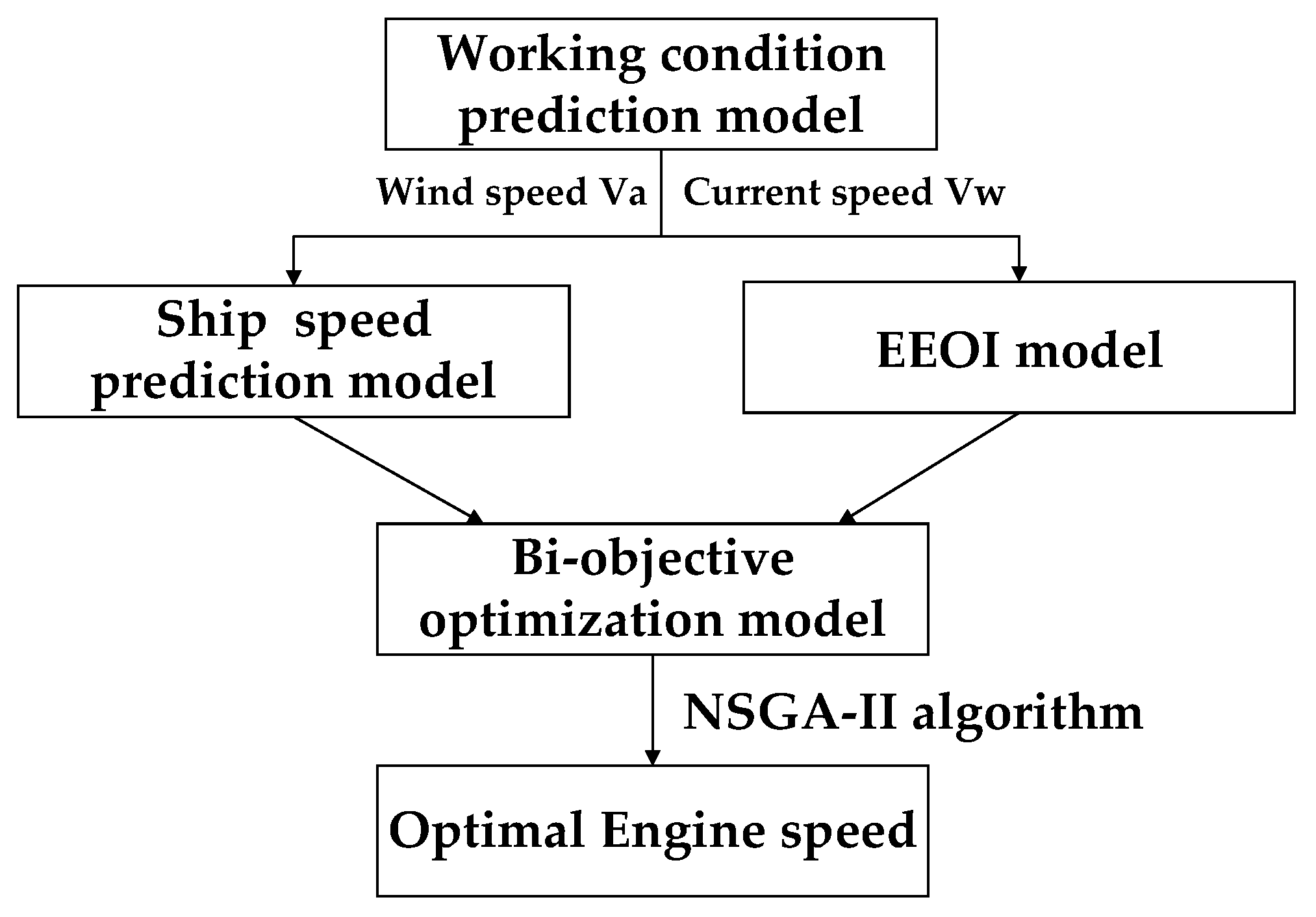
Optimizing the operational performance of green ships can further improve the energy saving and emission reduction effect of ships, and speed optimization is one of the more widely used and effective measures. It is a new challenge for the shipping industry to achieve speed optimization that simultaneously saves energy, reduces emissions and meets transportation requirements, while considering changes in the navigation environment. In this paper, a hybrid electric ship energy efficiency optimization strategy based on working condition prediction is proposed to solve the problem of navigation condition at a future moment, by making a time series prediction of energy efficiency influencing factors, such as wind speed and current speed. Further, on the basis of establishing the sailing speed prediction model and the real-time energy efficiency operation index (EEOI) model, the real-time EEOI deviation and the sailing speed deviation are adopted as the comprehensive objective function to establish a dynamic optimization model of hybrid electric ship energy efficiency, considering the time-varying environmental factors. Then, the fast Non-Dominated Sorting Genetic Algorithm II (NSGA-II) is applied to solve the bi-objective optimization problem and obtain the optimal ship engine speed in real time. Finally, experimental studies show that the proposed optimization model can improve the energy-saving and emission-reduction effect of the ship under the given speed limit requirements and working environment conditions, which can provide theoretical support for the optimal navigation of hybrid electric ships.
Keywords: ship energy efficiency; environmental factors; GA–Elman neural network; dynamic optimization model; NSGA-II optimization algorithm; hybrid electric ship ship energy efficiency; environmental factors; GA–Elman neural network; dynamic optimization model; NSGA-II optimization algorithm; hybrid electric ship