Article

Case in Taiwan Demonstrates How Corporate Demand Converts Payments for Ecosystem Services into Long-Run Incentives


1
Department of Forestry, National Chung Hsing University, Taichung 402, Taiwan
2
Innovation and Development Center of Sustainable Agriculture, National Chung Hsing University, Taichung 402, Taiwan
*
Author to whom correspondence should be addressed.
Agriculture 2026, 16(2), 224; https://doi.org/10.3390/agriculture16020224
Submission received: 25 November 2025 / Revised: 13 January 2026 / Accepted: 14 January 2026 / Published: 15 January 2026
(This article belongs to the Section Agricultural Economics, Policies and Rural Management)

Abstract

Payments for Ecosystem Services (PESs) have become a central instrument in global biodiversity finance, yet endangered species-specific PESs remain rare and poorly understood in implementation terms. Taiwan provides a revealing case: a three-year program paying farmers to conserve four threatened species—Prionailurus bengalensis, Lutra lutra, Tyto longimembris, and Hydrophasianus chirurgus—in working farmland across Taiwan and Kinmen island. Through semi-structured interviews with farmers, residents, and local conservation actors, we examine how payments are interpreted, rationalized, enacted, and emotionally experienced at the ground level. This study adopts Colaizzi’s data analysis method, the primary advantage of which lies in its ability to systematically transform fragmented and emotive interview narratives into a logically structured essential description. This is achieved through the rigorous extraction of significant statements and the subsequent synthesis of thematic clusters. Participants reported willingness to continue not only because subsidies offset losses, but because rarity, community pride, and the visible arc of “we helped this creature survive” became internalized rewards. NGOs amplified this shift by translating science into farm practice and “normalizing” coexistence. In practice, conservation work became a social project—identifying threats, altering routines, and defending habitat as a shared civic act. This study does not estimate treatment-effect size; instead, it delivers mechanistic insight at a live policy moment, as Taiwan expands PESs and the OECD pushes incentive reform. The finding is simple and strategically important: endangered-species PESs work best where payments trigger meaning—not where payments replace it.

1. Introduction

Wildlife is vanishing at a pace that feels less like a trend and more like a reckoning. According to the 2024 Living Planet Report by WWF, monitored wildlife populations have plunged by 73% since 1970—a collapse so abrupt and so global that it has become one of the defining metrics of our era [1]. The causes are not a mystery. Habitat destruction, overexploitation, climate disruption, pollution, invasive species, and disease have converged into a single, full-spectrum assault on the living world [2]. The Kunming-Montreal Global Biodiversity Framework now calls for something that would have been politically unthinkable a decade ago: a US $500 billion annual rollback of nature-harming subsidies by 2030, with a parallel scale-up of incentives that reward conservation instead [3]. The world’s institutions have finally conceded that we are paying people to destroy biodiversity—and the time has come to pay them to save it.
Nowhere is this tension sharper than in food production. Twenty-four thousand of the 28,000 species at risk of extinction are threatened by the global food system [4]. In recent decades, the frontier of extinction has shifted from the iconic “deep forest” to the ordinary farm. Monocrop expansion, mechanization, pesticide regimes, and simplified landscapes have changed the structure and function of rural ecosystems more decisively than any protected-area legislation [5,6,7,8,9,10]. What happens in planting rows has begun to matter more for conservation outcomes than what happens in national parks. Whether agriculture becomes a sink of extinction or a foundation for recovery depends on how farmers are supported—economically, socially, and institutionally—to adopt biodiversity-compatible practices [11]. These conditions are not theoretical. They are policy choices. They live in budget lines and subsidy codes and extension-office guidance. And this is precisely why Payments for Ecosystem Services (PES) have moved to the center of international biodiversity financing debates [12]: they are a literal attempt to reverse the flow of incentives.
But while PES research has expanded rapidly [13,14,15,16,17,18,19], most of that evidence is still about forests, watersheds, or carbon. PESs for specific Endangered Species—on active working farmland—remain surprisingly rare. While extant research identifies voluntary participation, an ecosystem-oriented scope, and the infusion of private resources as the cornerstones of successful PES programs-positioning them as effective strategies for endangered species conservation [20]. The realization of these ideal conditions is often constrained in practice by the perceptual gap regarding policy logic among participants. This study aims to utilize these established frameworks to examine the structural challenges encountered during real-world implementation.
Taiwan is an exception. Between 2021 and 2023, the Taiwanese government rolled out endangered-species PESs for four focal species—Prionailurus bengalensis, Lutra lutra, Tyto longimembris, and Hydrophasianus chirurgus—with explicit conditional payment structures [21]. These species do not only live in protected areas. They live among farmers, irrigation ditches, roads, orchards, and human settlements [22]. They survive or fail in the same terrain where crop profit margins are decided and where farm families are calculating risk, loss, pride, stigma, and identity. Incentives in these spaces are not abstract. They are personal. They shape the daily calculus of people who care about both survival and belonging [23]. In that context, Taiwan’s endangered-species PESs are more than an instrument. They are a stress test of the idea that small payments, designed well, can tilt the human–wildlife relationship toward coexistence.
This paper is not a test of treatment-effect magnitude. It does not estimate species-abundance deltas. That work is crucial—but it belongs to the next phase. Here, the objective is different and equally necessary: to elicit implementation mechanisms, behavioral drivers, perceived outcomes, and design bottlenecks during the program’s first three years. Early-stage PESs need mechanistic learning before they need econometrics [24,25]. The stakes are immediate. Taiwan’s PESs expansion in late 2023 created a rare live policy window—and the OECD’s 2025 [26] biodiversity finance guidance has placed incentive reform directly on the agenda for Asia. This is not just a case study. This is policy-design intelligence arriving at exactly the moment it can still bend trajectories.
Therefore, we ask: How do farmers and local communities interpret endangered-species PES? How do they operationalize it, internalize it, negotiate it? What frictions matter? What unexpected motivations appear? Which design elements escalate motivation—and which quietly suppress it? In short, what does coexistence look like from the inside of a farm?
This study addresses the limitations of prior scholarship, which has disproportionately focused on outcome-oriented economic evaluations of policy. By incorporating the perspectives of behavioral responses, this research underscores the pivotal role of participant perception within the policy transmission chain. In doing so, it deepens the theoretical exploration of the linkages between internal psychological drivers and external behavioral outcomes within ecological compensation mechanisms. The findings offer actionable insights for government and regulatory bodies to optimize PES workflows. Such refinements can effectively lower participation barriers and enhance the long-term performance of ecological conservation initiatives.

2. Literature Review

The Convention on International Trade in Endangered Species of Wild Fauna and Flora (CITES) serves as the globally recognized benchmark for species conservation, with 183 parties as of 2017 committed to establishing legal frameworks that strictly prohibit the overexploitation of endangered species [27]. In the United States, CITES is primarily implemented through the Endangered Species Act (ESA), which is regarded as a hallmark of the internalization of international law [28]. However, as governance paradigms have evolved, both academia and practitioners have increasingly emphasized integrating PESs into the policy toolkit. This shift aims to utilize economic incentives to encourage participants to move beyond passive legal compliance toward proactive, voluntary conservation and habitat restoration [29].
Early endangered species policies in the U.S. predominantly adhered to a “command-and-control” legal framework. Yet, as mandatory regulations encountered significant resistance on private lands, the governance context shifted from singular legal restrictions to “collaborative conservation” [30]. During this transition, the prototypes of PESs began to emerge, utilizing government subsidies or tax incentives to transform conservation activities from a regulatory burden for landowners into a productive asset with tangible economic value [31]. In the 21st century, the American PES model has become increasingly diverse, incorporating private capital and conservation banking mechanisms to construct a multi-layered, market-based governance network [32].

2.1. The Conceptual Evolution of PES: From Market Transactions to Broad Incentives

The foundational definition of PESs is built upon the exchange of ecosystem services, where economic value is transferred from buyers to sellers to facilitate the marketization of discrete service units [33,34]. However, scholarly characterizations of PESs have trended toward diversification. The scope is no longer confined to projects with distinct market traits but has expanded to encompass all voluntary initiatives and contractual management measures predicated on the provision of ecosystem services [35,36].

2.2. The Duality of Participation Motivation: Economic Incentives vs. Intrinsic Values

The theoretical premise of PES programs lies in bridging the “conservation gap” caused by a lack of economic drive among landowners. Nevertheless, research indicates that participation is not governed solely by economic rationality; many ranchers and land managers view environmental stewardship as central to their identity [37]. Consequently, conservation outcomes are most pronounced when policy designs achieve alignment with the providers’ underlying values and preferences [37,38,39,40].

2.3. Systematic Challenges in Practical Implementation

Empirical research regarding the factors influencing the likelihood of PES participation remains insufficient. While economic models demonstrate the potential of voluntary incentives [41] (Langpap, 2006), practitioners face the dilemma of collective action, and the success of species habitat management hinges on whether a sufficient threshold of landowners achieves collaboration [42] (Bodin, 2017). Furthermore, PESs often overlap with various policy instruments; the resulting intended or unintended consequences (policy interaction) significantly increase the complexity of environmental governance [43,44].

3. Materials and Methods

3.1. Study Site

Taiwan sits where East Asia leans toward the Pacific—a narrow island of about 36,000 km2, running from tropical at its southern reach to humid-subtropical farther north. Roughly seventy percent of the land is mountains or steep foothills, which forces human settlement and farming to concentrate in the lower western plains. That compression—ecology pressed against agriculture—is not an incidental detail: it is the context in which endangered species and farmers routinely occupy the same physical space.
Kinmen—151 km2 and two hundred kilometers west of Taiwan—offers a contrasting reference point. A small-island system, wind-exposed, with a more granular mosaic of wetlands, military remnants, village cores, and low-intensity fields.
By global standards, Taiwan is a biodiversity hot spot—not rhetorically, but in the data. Nearly sixty percent of its protected fauna live where humans live: on low hills, in banana groves, in drainage corridors, in paddy margins. The four focal species in this study track those same gradients. Prionailurus bengalensis and Tyto longimembris use lowland agroforestry, drainage banks and grassland edges; Lutra lutra follows estuaries, coastal channels and nearshore islands; Hydrophasianus chirurgus anchors itself to shallow wetlands and paddy conditions compressed against working farms (Table 1, Figure 1). The consequence is unavoidable and analytically central: conservation here is not about far wilderness—it is about the ordinary, lived landscape of farmers.

3.2. Method

This study employs a qualitative approach to conduct an empirical analysis. The in-depth semi-structured interview is a widely recognized qualitative research method in the social sciences, designed as a guided conversation that enables researchers to explore participants’ interpretations of their social realities [45]. A core principle of qualitative inquiry is the inductive identification of patterns across various phenomena. To ensure the validity of such inductive reasoning, the collected data must be rich, multidimensional, and meticulously detailed, allowing for a comprehensive understanding of the diverse pathways and contributing factors underlying a given phenomenon. In-depth interviews and systematic observations of participants’ verbal and behavioral expressions serve as critical sources of high-quality, contextually grounded data, making them among the most prevalent and suitable methods for qualitative research. To maintain data quality, interviewers must adapt their approach based on respondents’ reactions and contextual factors. Given the inherent variability of interview settings, flexibility is essential; interviewers must exercise judgment in adjusting their strategies while ensuring that data collection aligns with research objectives and methodological rigor—both of which are crucial for ensuring the reliability of findings [46]. Kallio et al. (2016) propose a systematic framework for developing semi-structured interviews [47], comprising five key phases: (1) identifying the prerequisites for conducting the interview, (2) leveraging existing knowledge, (3) formulating a preliminary interview guide, (4) conducting pilot testing, and (5) finalizing the interview guide. After confirming the design of the interview questions, Colaizzi’s seven-step method [48] was used to summarize and analyze the data. The analysis steps are as follows: (1) reading all participant descriptions thoroughly to gain an overall understanding, (2) identifying statements that directly relate to the phenomenon under study, (3) interpreting the significant statements to uncover underlying meanings, (4) grouping the formulated meanings into theme clusters that reflect the essential aspects of the phenomenon, (5)integrating all themes into a comprehensive and rich description of the experience, (6) summarizing the exhaustive description into a concise statement that captures the core essence, (7) returning the findings to participants to verify the accuracy and credibility of the interpretations. The whole data analysis process was completed by two researchers. Field notes were taken during the interviews and were used during the analysis and writing stages to enhance understanding of the data. A voice recorder was used to ensure accurate capture of participants’ narratives. Immediately after each interview, the content was documented. No repeat interviews were conducted. Any additional questions were clarified through follow-up phone calls. To ensure the quality of this study, we adopted Sandelowski’s four criteria: credibility, fittingness, auditability, and confirmability [49].
Prior to the commencement of each interview, the researcher provided a detailed explanation regarding the study’s objectives, procedures, data utilization, and the rights of the participants. Informed consent was obtained from all individuals voluntarily, with the explicit understanding that they could withdraw from the study at any stage without any adverse consequences. The research design ensured that participation in the interview had no impact on the participants’ eligibility or standing within the PES program. The researcher maintained a neutral stance to avoid influencing the narratives. All audio recordings and transcripts were used exclusively for academic analysis.

3.3. Interview Target

This study employs a dual sampling strategy, combining purposive sampling with snowball sampling. The selection criteria are grounded in the principle of maximum variation sampling, aimed at capturing the diverse perceptions of the PES policy across various socioeconomic backgrounds and geographical locations. In an effort to mitigate selection bias, a multi-stakeholder recruitment approach was adopted. Potential participants were identified through diverse institutional gateways, including governmental agencies, local conservation NGOs, and farmers’ associations. The specific inclusion criteria are as follows: (1) Contractual Validity: participants must have completed at least one full term of participation in the PES program; (2) Spatial Representativeness: participants’ landholdings must span the different ecologically sensitive zones identified in this study’s spatial analysis.
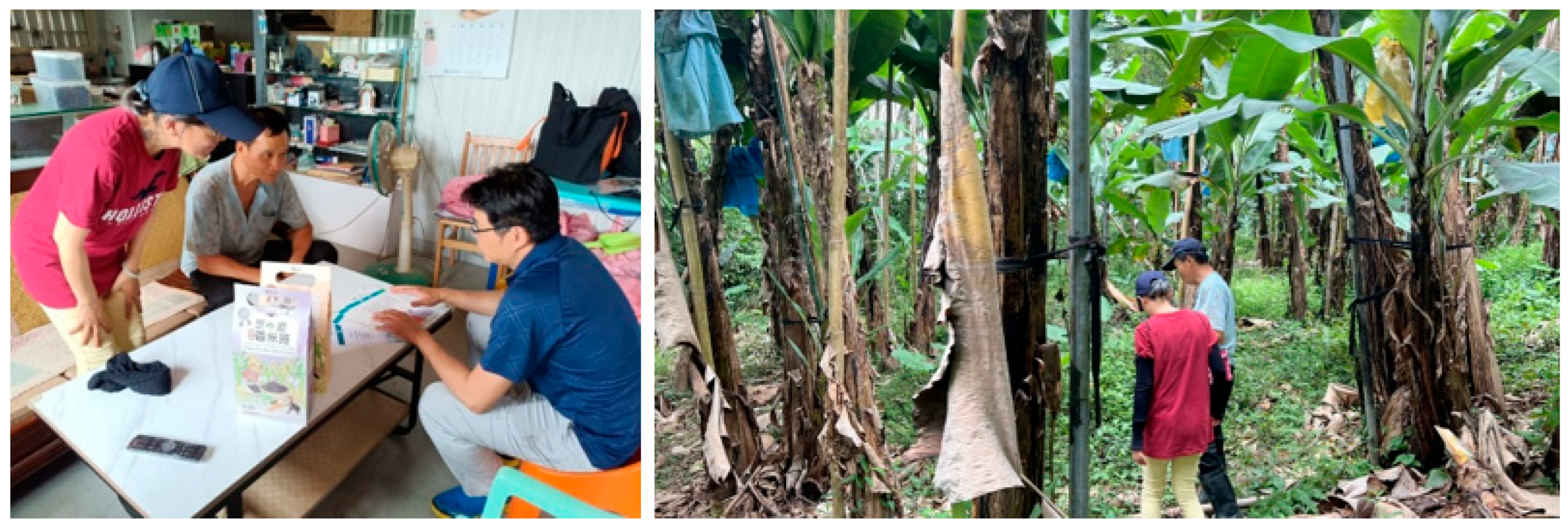
The interviews for this study were conducted from May to July 2024. The interviewees included participants and stakeholders of PES programs targeting four different endangered species (Table 2): the leopard cat (Prionailurus bengalensis), Eurasian otter (Lutra lutra), eastern grass owl (Tyto longimembris), and pheasant-tailed jacana (Hydrophasianus chirurgus). These stakeholders comprised farmers, community residents, and members of wildlife conservation organizations. (1) Leopard cat (Prionailurus bengalensis): 2 chicken farmers, 4 banana farmers, and 1 wildlife conservation organization member. Wildlife conservation organizations have long monitored the population of leopard cats. Leopard cats frequently invade chicken coops, preying on poultry and causing economic losses for chicken farmers. Additionally, banana trees within the habitat range of leopard cats provide effective cover, making sightings by banana farmers a common occurrence (Figure 2). The leopard cat population is primarily distributed in central Taiwan. (2) Eurasian otter (Lutra lutra): 6 community residents and 1 wildlife conservation organization member (Figure 3). Wildlife conservation organizations report that community residents occasionally observe Eurasian otters at night in nearby river channels and beneath bridges. The Eurasian otter is only found in Kinmen; it has disappeared from the main island of Taiwan. (3) Eastern grass owl (Tyto longimembris): 3 pineapple farmers, 3 community residents, and 1 wildlife conservation organization member. Unfortunately, eastern grass owls are typically discovered by farmers or local residents only after becoming entangled in bird nets in agricultural fields. These incidents are then reported to wildlife conservation organizations for rescue, which subsequently confirms the presence of the species in the area. The eastern grass owl population is mainly distributed in southern Taiwan. (4) Pheasant-tailed jacana (Hydrophasianus chirurgus): 3 cultivating water lily farmers and 3 cultivating water caltrop farmers and 1 wildlife conservation organization member. According to observations by wildlife conservation organizations, pheasant-tailed jacanas can successfully breed in paddy fields cultivated with floating-leaf plants, such as water caltrops and water lilies. The pheasant-tailed jacana population is also primarily distributed in southern Taiwan. The study sample included 28 participants, consisting of 14 women and 14 men. A total of 30 individuals were contacted; however, 2 farmers declined to participate. The average interview duration was 55.2 min (range, 50–60 min). The participants’ average age was 54.79 years (range, 30–69 years). Each interviewee had at least three years of conservation experience.

3.4. Questionnaire Design

The semistructured interviews designed for this study focus on seven aspects of conservation actions. Interview questions for community residents and farmers participating in PES programs.
(1)
Threat factors: Based on your observations, what are the main threats to the survival of endangered species in the local area?
(2)
Eco-friendly Farming: In your opinion, which eco-friendly farming practices or types of plants can effectively promote the survival and reproduction of endangered species?
(3)
Challenges in conservation: What do you think is the biggest challenge or obstacle in endangered species conservation efforts?
(4)
Impact of PES programs: What impact does the Payment for Ecosystem Services (PES) program have on the lives and livelihoods of local communities or farmers?
(5)
Relationship between agriculture and conservation: Does endangered species conservation have any direct or indirect effects on agricultural operations and production? If so, what are they?
(6)
Incentives for participation: Would increasing incentives or raising the amount offered in the PES program encourage more people to participate in such conservation efforts?
(7)
Suggestions and improvements: Do you have any suggestions or ideas for improving the current PES programs or conservation initiatives?

4. Results

This study adopted Colaizzi’s (1978) [48] phenomenological data analysis method, primarily due to its rigorous logical framework, which facilitates the systematic extraction of the fundamental structure of a phenomenon from participants’ experiential narratives. During the analytical process, the researchers engaged in iterative reading of the verbatim transcripts to develop a holistic understanding. Subsequently, the “raw descriptions” were transformed into formulated meanings, identifying 93 significant statements directly relevant to the research objectives. Through further comparative analysis and reflection, these statements were synthesized into 30 thematic clusters based on shared characteristics. To uphold the phenomenological requirement for authenticity, the resulting thematic structure was returned to the participants for member checking. This dialogic refinement ensured that the researchers’ interpretations aligned with the participants’ subjective experiences (credibility), thereby achieving a profound exploration into the essence of PES participants’ behaviors.
The thematic clusters were further distilled into seven core themes that collectively capture how PES recipients themselves interpret the mechanisms, barriers, and practical consequences of conservation actions at the farm and community level (Table 3). The themes range from the ecological impacts of agricultural expansion to lived assessments of policy effectiveness, to the persistent challenges posed by aging rural populations and climate pressures. Taken together, these seven themes illustrate not only “what happens” inside a PES scheme from the participant perspective, but also how conservation values are continuously negotiated with livelihood realities across agricultural Taiwan.

4.1. The Impact of Economic Development and Agricultural Expansion on Species

Across interviews, participants described a landscape where conservation does not unfold in distant reserves, but inside active, economically pressured agricultural villages. The tension is not abstract: farmers and residents watch their own land morph under development projects and shifting production models. As reflected in Table 3, this theme emerged consistently—development and farming expansion are the strongest, most visible drivers of species decline.
This study identifies local economic development and infrastructure investment, such as solar farms, reservoirs, and roads, as the primary drivers of direct habitat fragmentation. Participants noted that large-scale land transformation has exerted significant negative impacts on various species. For instance, P2 stated that “leopard cats are losing their habitats as vast areas of farmland are converted into photovoltaic sites,” while P7 observed that their “population has dropped to fewer than 500 individuals and continues to decrease annually.” Regarding the Eurasian otter, P9 highlighted the “structural threats posed by water conservancy projects,” with P12 pointing to “steep reservoir slopes” and P11 noting that “water pollution has severed their movement corridors.” Furthermore, P13 remarked that these factors have “reduced their habitats into fragmented, isolated ponds.”
In terms of avian species, P20 explained that “Eastern grass owls are highly dependent on low-disturbance tall grass environments, such as those near airports,” where their presence serves as an indicator of the integrity of the local bird community. Similarly, P28 noted that “pheasant-tailed jacanas have seen their natural ecological ponds and floating-leaf plant habitats vanish due to development,” forcing the population to rely heavily on artificially constructed restoration ponds for survival. Overall, the environmental changes brought about by infrastructure development have profoundly altered the ecological structure of Taiwan’s rural landscapes. These insights resonate with global assessments linking land-use change to biodiversity loss [5,10].
The core driver reshaping micro-habitats is the structural rationality of maximizing agricultural output. To support their livelihoods, farmers expand high-value crops such as bananas, pineapples, and melons; while not “malicious”, this expansion inadvertently squeezes out the vegetative cover, ponds, and corridors required by various species. Participants emphasized that this duality between “livelihood and conservation” necessitates incentive-based approaches, such as PES, rather than punitive measures.
Specific threats identified include those noted by P10, who stated that “Eurasian otters are gradually disappearing from intensive agricultural areas” due to pesticides and chemical pollution. Regarding the Eastern grass owl, P15 mentioned “the difficulty of observing them during the day”, while P24 highlighted the “fatal risk of secondary poisoning caused by rodenticides.” Furthermore, P21 and P22 described the “lethal danger of entanglement in agricultural bird nets,” with P20 adding that their “nocturnal nature often means rescue comes too late” once they are trapped. Similarly, P25 noted that “pheasant-tailed jacanas face the dual survival threats of pesticide runoff and bird netting.” Within this systemic tension, PESs act as a vital counterweight, attempting to carve out space for biodiversity within the prevailing logic of land-intensive growth.
The result: economic development and agricultural expansion are not external pressures—they are endogenous to the communities attempting conservation. That is why this theme sits first in Table 3—because it is foundational, and it determines the boundary conditions for all other themes.

4.2. Effectiveness of the Three-Year PES Policy

The most immediate benefit of installing automated camera traps (surveillance cameras) lies in the effective monitoring of wildlife populations, particularly in overcoming the limitations of observing nocturnal species during the day. Through multi-point monitoring, researchers can more accurately track the movement and migration patterns of species across the landscape. Specifically, P1 noted that “the activities of leopard cats in the fields become much easier to observe” via cameras. For the Eurasian otter, which is rarely seen during daylight, P10 stated that cameras “reveal their movement paths,” while P8 emphasized that this technology “addresses the challenge of conservation effectiveness being difficult to perceive or visualize.” Regarding the Eastern grass owl, P23 reported that “cameras successfully captured footage of them preying on rodents.” Furthermore, P27 and P28 highlighted that “advancements in internet technology have allowed the conservation of species like the pheasant-tailed jacana to be shared through livestreaming, effectively attracting public interest and raising social awareness.” Consequently, cameras serve not only as tools for scientific research but also as a critical medium for making conservation actions transparent and securing public support.
The core value of PESs lies in providing economic compensation to alleviate the conflict between farmers’ livelihoods and wildlife conservation. As P1 noted, for species like the leopard cat that “enter chicken coops to prey on poultry,” PESs effectively offset farmers’ financial losses. According to P2 and P7, this “reduces the motivation for retaliatory harm” intended to protect property, thereby “increasing the willingness to participate in conservation.” Furthermore, this policy supports farmers in transitioning toward ecological agriculture by compensating for potential yield reduction risks during the transition period; as P22 highlighted, “farmers can simultaneously apply for both organic farming incentives and ecological payments.” Regarding funding, P17 and P28 observed that while “initial government subsidies (such as rewards for discovering pheasant-tailed jacana eggs or basic payments) were limited,” additional funding from conservation groups, such as “doubling the amount from NT $3000 to NT $6000” has significantly enhanced the incentive. Overall, PESs are more than a simple economic subsidy; it serves as a vital support system for monitoring farm anomalies and fostering eco-friendly agricultural practices.
Wildlife conservation organizations play an indispensable intermediary role in the promotion and implementation of PES policies. These groups provide essential technical support; for instance, P25 noted that they “assist farmers in installing surveillance cameras and serve as a critical bridge for policy communication.” Specifically, P18 highlighted that “conservation organizations handle all application processes,” thereby lowering the administrative barriers for farmers to participate in the program. Furthermore, by establishing mutual trust, P21 explained that “farmers proactively report incidents when they find species like grass owls trapped,” enabling conservation groups to launch immediate rescues and secure the first recorded sightings of these species in specific areas. This ongoing interaction not only facilitates the transmission of conservation messages and policy updates but also helps farmers relay practical implementation challenges back to the government. Overall, conservation organizations strengthen the resilience of PES policies, transforming them from one-way government subsidies into multi-stakeholder communication networks.
The practical effectiveness of various conservation facilities indicates that compared to ecological corridors, which have relatively limited functions, the installation of artificial perches has demonstrated a significantly greater impact on avian conservation. According to P21, “perches are not only effective in attracting Eastern grass owls and enhancing the convenience of behavioral observation,” but also serve as a vital medium for farmers to identify and become aware of the diverse bird species surrounding their farmland. Furthermore, P23 noted that “the installation of perches has greatly strengthened the capacity to monitor changes in bird populations” and suggested that the government should expand the scale of installation to provide more comprehensive ecological data support. Overall, artificial perches have become highly efficient tools within the agricultural landscape for increasing species visibility and enhancing local ecological awareness.
Regarding the substantive impact of conservation actions on population sizes, results show that the annual observed breeding numbers of pheasant-tailed jacanas remain relatively stable; however, their habitat range has not yet shown a trend of outward expansion. According to P22, “population changes for other key target species remain less obvious, though other bird species observed on artificial perches, such as the black-winged kite (Elanus caeruleus) have shown an increasing trend.” To address these spatial limitations, P18 suggested that “the conservation of pheasant-tailed jacanas should not be overly concentrated in a single specific area; instead, a more dispersed strategy should be adopted to enhance overall conservation benefits and mitigate environmental risks.” Overall, while the population dispersal of primary conservation species continues to face challenges, artificial facilities have successfully attracted a broader avian community to utilize farmland environments.
Promoting “eco-friendly farming”—characterized by the non-use of pesticides, herbicides, and rodenticides—is the key to restoring farmland biodiversity. For the leopard cat, P3 noted that “prohibiting rodenticides maintains rodent populations, providing a stable food source,” while P4 mentioned that “tall crops like banana trees provide natural shelter to evade attacks from stray dogs.” Regarding the Eastern grass owl, P21 and P22 stated that “the grass habitats and abundant rodents provided by eco-friendly farms are core to their survival, and avoiding rodenticides further prevents secondary poisoning.” Additionally, P27 pointed out that “pheasant-tailed jacanas prey on agricultural pests, performing a biological control function and reducing the need for pesticides.” P6 emphasized that “the presence of leopard cats symbolizes a healthy ecosystem with low chemical input,” which P18 noted “not only enhances the food safety value of agricultural products” but also, as P7 suggested, “assists farmers in transitioning toward ecological agriculture.” While P23 cautioned that “removing bird nets or ceasing chemical use may pose risks of crop loss,” this farming model has become a vital pathway for linking species conservation with sustainable agriculture.

4.3. Policy Components Requiring Improvement

The core of conservation education lies in mitigating survival threats to species, many of which are directly linked to human public health risks, such as rabies. To enhance the effectiveness of outreach, participants believe that government-led initiatives should integrate school education and community organizations as the most effective channels for disseminating knowledge, precisely delivering conservation concepts to residents and farmers living near key habitats. Specifically, P7 suggested “strengthening public education to discourage the feeding of stray animals to reduce disease transmission and interference with wildlife.” Furthermore, P11 and P12 stated that “collaboration between the government and community organizations not only improves the penetration of outreach efforts but also enables the timely identification of immediate threats to species like the Eurasian otter.” Additionally, P27 noted that “educational content should cover eco-friendly farming concepts, such as promoting the reduced use of herbicides.” Overall, ecological education deepened through community networks serves as the cornerstone for establishing a relationship of harmonious coexistence between humans and wildlife.
Information dissemination in rural areas relies heavily on traditional interpersonal networks formed among neighboring farmers. Most farmers learn about the details of policies such as PESs through informal channels; as P23 noted, “they primarily learn through word of mouth from fellow farmers, which results in some being completely unaware of available subsidies due to a lack of formal communication channels.” Furthermore, strict legal protections for endangered species have become a double-edged sword in practice. P26 highlighted that “the general public is legally prohibited from directly intervening with or handling protected species, any emergencies—such as predators attacking pheasant-tailed jacana chicks or eggs—must be reported to authorities.” This administrative process often leads to delayed intervention, leaving farmers feeling powerless as they miss the window for timely action. Overall, the information asymmetry in policy outreach and the operational constraints within the legal framework remain critical challenges that must be overcome in grassroots conservation practice.
Invasive species have increasingly encroached upon local communities, impacting not only agricultural crops but also posing severe threats to native and protected species. Specifically, P8 noted that “residents in Kinmen are highly concerned about the intrusion of invasive species into the native ecosystem.” In aquatic environments, P25 pointed out that “invasive fish species prey on bird chicks, further noting that removing these invaders from river systems is exceptionally difficult.” On the other hand, while farmers’ daily observations can provide a preliminary reflection of population trends, accurately determining population sizes and identifying underlying influencing factors requires long-term monitoring by academic institutions. To address this, P23 suggested “collaborating with academic units to regularly analyze surveillance footage,” while P26 emphasized the need for “tracking and research on the migration of species such as the pheasant-tailed jacana.” Such collaborations would transform farmers’ localized experience into scientific evidence, facilitating the continuous optimization of species habitats.

4.4. Who Is More Likely to Participate in the PES Program

This study explores the multifaceted motivations driving grassroots participation in conservation, with the primary prerequisite being that these efforts do not compromise farmers’ livelihoods. According to P20 and P26, “farmers with better economic conditions or stable pension incomes show a significantly higher willingness to participate in eco-friendly farming and PES programs.” Secondly, P6 and P8 noted that “ecological branding transforms conservation into an economic incentive: corporate support and green marketing”—such as “Leopard Cat Bananas” or otter-themed packaging—can attract niche markets and command a price premium, thereby strengthening farmer motivation. On a social level, P9 and P10 stated that “participating in PES programs not only reinforces the cohesion of community organizations but also serves as an indicator of species population dispersal.” Finally, P11 and P12 emphasized that “a deep emotional attachment to the land is an indispensable core force,” particularly among Kinmen’s elderly who share a strong collective memory and emotional bond with otters. This sense of identity encourages local residents to pay closer attention to aquatic ecosystems and, as P13 suggested, “develop diverse conservation models by integrating eco-tourism.” Overall, a successful conservation mechanism must integrate four key dimensions: material compensation, market benefits, community development, and cultural sentiment.

4.5. Changes in Farmers’ Attitudes and Motivations

This study explores how social attention is transformed into substantive conservation momentum. First, public focus on specific species—even through negative events such as roadkill, as noted by P9—can accelerate the formation of a conservation consensus. This encourages farmers to become aware of population crises and even make concessions in their production processes; for example, P26 mentioned “delaying harvests to accommodate the nesting period of pheasant-tailed jacanas.” Secondly, the integration of PESs with agricultural marketing and branding allows farmers to receive subsidies while directly experiencing the economic benefits of agricultural transformation through eco-friendly farming, thereby strengthening their motivation to participate. Finally, when conservation becomes a shared goal within a community, residents’ participation shifts toward proactive monitoring and habitat protection. This collective action not only reinforces community cohesion but also transforms conservation outcomes into a sense of community pride and healthy competition, successfully establishing a positive community image and cultural identity.
This study finds that the sense of accomplishment among participants primarily stems from visible conservation outcomes, such as increased species populations and improvements in agricultural quality. P25 noted that “using the pheasant-tailed jacana as an example, significant restoration results have brought a deep sense of joy and satisfaction to participating farmers.” Similarly, in leopard cat-friendly farming, farmers discovered that even after ceasing the use of chemical fertilizers and pesticides, their banana crops grew better and were easier to sell; P24 indicated that “these substantive economic gains further reinforce the sense of achievement.” Furthermore, the success stories of neighboring farmers are critical to alleviating doubts regarding the transition. Since shifting from conventional to eco-friendly farming often involves initial risks of yield loss, P3 stated that “if one farmer takes the lead in successfully transitioning, it creates a significant demonstration effect.” To support this, P22 suggested that “higher subsidies should be provided during the initial stages of transition to mitigate risks,” while P21 recommended “conducting pilot practices, such as ceasing rodenticide use in pineapple fields—to observe biodiversity feedback.” Through knowledge sharing and the transmission of experience, these efforts help rural communities overcome both technical and psychological barriers.

4.6. Persistent Challenges in Conserving Protected Species

Species habitats are currently facing severe challenges from multiple structural factors. According to P15 and P21, “the aging population in rural communities has led to a loss of the farming labor force, resulting in the conversion of large areas of farmland into solar energy facilities; this not only causes habitat fragmentation but also disrupts the connectivity required for species migration.” Secondly, the tension between economic development and conservation persists; for instance, in Kinmen, the government has prioritized infrastructure like reservoirs to address water shortages, which has had a direct impact on Eurasian otter habitats. Regarding the transition of farming practices, P25 and P26 noted that “when existing crops (such as water lilies) are highly profitable, PES subsidies are often insufficient to offset the opportunity costs, making farmers reluctant to abandon high-yield conventional farming methods.” Furthermore, P26 and P27 indicated that “climate change, including droughts and typhoons—has caused drastic declines in species populations like the pheasant-tailed jacana, with their movements remaining unknown during such periods.” Extreme weather not only impacts agricultural production but may also undermine the overall effectiveness of PES policy implementation.
The study identifies political and environmental pressures that impact conservation effectiveness. According to P8 and P12, “local political orientations pose a threat to the continuity of conservation policies; as county magistrates are elected officials, administrative heads may not prioritize ecological conservation and often lean toward land development and infrastructure projects.” This policy discontinuity caused by changes in administration risks undermining previous conservation achievements. Furthermore, P29 noted that “local residents often prioritize livelihood needs, such as a stable water supply, over ecological issues.” Regarding biological threats, P1, P4, and P16 indicated that “the issue of stray dogs has become a direct threat to wildlife, with leopard cats (especially males) and Eastern grass owls frequently facing risks of attacks or even nest destruction.” Under current regulations that prohibit culling and offer limited management strategies, stray dogs not only threaten species survival but also affect the quality of rural life. Consequently, P5, P6, and P7 called for “the government to treat stray dog management as a policy priority and suggested establishing ecological corridors by planting roadside trees to provide necessary shelter for threatened species.”
There are significant practical difficulties in habitat management and the tracking of species dynamics. Roadkill incidents remain frequent, with the highest risks occurring at night due to poor visibility and on downhill road sections. Although the government has installed warning signs and promoted public awareness, P1 and P13 noted that “existing measures have limited effectiveness, and roadkills continue to occur annually” in the absence of systematic ecological corridors, particularly around water infrastructure. Furthermore, the accurate tracking of species populations faces high challenges. While artificial perches assist in observations during specific periods, P17 pointed out that “after pheasant-tailed jacanas fledge and leave the nest” and P24 mentioned that “the wide activity range of Eastern grass owls” makes their subsequent movements difficult to track. Relying solely on farmers’ observations is insufficient to evaluate population trends; instead, it is essential to depend on professional research institutions to conduct long-term, cross-regional, and comprehensive surveys to accurately grasp the patterns of species fluctuation and migration.

4.7. Additional Benefits Generated by the PES Policy

This study summarizes the positive ripple effects generated by the PES policy. First, eco-friendly farming practices unexpectedly enhanced the quality of agricultural products (such as “Leopard Cat Bananas’”), attracting large-scale corporate procurement and entry into mainstream supermarkets, successfully linking economic gains with conservation. At the community level, although species like the Eurasian otter are difficult to convert directly into tourism resources due to their nocturnal habits, they have become a unique cultural icon for Kinmen and a driver for marketing local produce. Furthermore, practical feedback during policy implementation has become key to optimization; as noted by P7 and P26, “first-hand observations, such as discovering that well-intentioned ecological corridors instead became shelters for stray dogs, while artificial perches unexpectedly recorded various rare bird species” have prompted rolling adjustments and refinements to the PES program. Finally, by utilizing online live streaming for species observation and, as P6 and P13 suggested, “integrating corporate ESG (Environmental, Social, and Governance) requirements,” the PES policy has successfully bridged public attention and private sector resources. This transforms sustainable agricultural products and eco-tourism services into a continuous momentum for conservation.

4.8. Study Results Concerning Endangered Species

4.8.1. Prionailurus bengalensis

Fewer than 500 leopard cats remain in Taiwan—but the mechanisms behind that decline are not random. Interviews point consistently to a compound threat stack where (1) land conversion toward solar installations fragments territory, (2) road networks function as mortality traps, and (3) free-roaming dogs disproportionately kill dispersing males. Roadkill and stray dog predation have been identified as leading mortality sources in farmland fringe zones [50]. In agricultural settings, the potential for prey scarcity becomes a pivot point: when rodent biomass collapses, poultry raids become economically rational from the animal’s perspective—and conflict becomes socially rational from the farmer’s. This is the policy aperture where PESs actually matters: subsidies and coop-upgrades transformed the response from lethal control to preventive exclusion. In some banana systems, eco-friendly cultivation increased prey availability and—critically—yielded parallel income streams through eco-labeled produce that exceeded the face value of PESs themselves. The barrier therefore is not ideology but demography: aging farm households and the profitability of solar leases dilute the incentive to stay in agriculture at all. The conservation takeaway is not that PESs simply “support leopard cats,” but that PESs are most effective where agriculture is still viable—and where habitat restoration (corridor maintenance, afforestation) can counter land-use inertia [51].

4.8.2. Lutra lutra

Kinmen otter decline emerges not from a single insult but from a hydrological governance contradiction: the same reservoir-driven freshwater strategy that supports human security destroys channel connectivity and water quality. This forces nocturnal road crossing and amplifies vehicle mortality; herbicide and pesticide flux into rivers constricts prey (shrimp, shellfish) at the base of the food chain [52]. PESs in this context have not primarily changed infrastructure priorities—but it has strengthened local stewardship, raised detection literacy, and mobilized community monitoring. The constraint is structural: PESs sit downstream of public works decisions. Without integrating ecological performance into reservoir planning logic, PESs become compensatory rather than preventive. That is the analytic edge of this case: otter conservation is a public-planning problem first, a subsidy problem second.

4.8.3. Tyto longimembris

For eastern grass owls, ecology is not the main obstacle—detectability is. Nocturnal flight, wide home ranges, and cryptic behavior make absence hard to interpret, which blunts farmer motivation when feedback is invisible. Rodenticide use creates a double externality—less prey and poisoned prey—which collapses trophic pathways [53]. Yet where eco-friendly pineapple fields eliminated chemical inputs, owls re-appeared and perches/camera-traps created a simple but powerful psychological shift: farmers could see that their fields hosted raptors. Participation in PESs remains patchy, but the mechanism from interviews is clear: farmers will not change entire farm systems until they are certain the species is present. Thus, this species’ barrier is largely epistemic. Improving tall-grass structure and making owl presence visible are the leverage points - not simply increasing subsidy magnitude.

4.8.4. Hydrophasianus chirurgus

For jacanas, the failure mode is habitat liquidity—literally. Floating-leaf habitat is sensitive to water quality, invasive aquatic plants (such as Mimosa spp.), and climate-driven drought frequency. Where ponds collapsed, jacanas disappeared; floating-leaf networks’ decline is recognized as a primary driver of jacana absence in Asia’s rice-pond mosaics [54]. Where farmers understood pest-control value, bird-net removal and chemical-reduction became economically defensible. Here, PESs play a catalytic role: not as the income engine, but as the “first justification” for a different farming posture. Conservation groups filled the administrative gap—assisting with applications and synchronizing harvest delays when eggs were present—because institutional transaction costs were too high for elderly farmers to navigate alone. Therefore, the lesson is structural: PES adoption is not about belief, it is about capacity. Jacana conservation depends on maintaining floating-plant systems and lowering procedural friction—not merely adding more subsidy dollars.
The study analyzes the spatial dynamics and technical disparities between the two major restoration areas for the pheasant-tailed jacana in Tainan and Kaohsiung. The findings reveal that while both regions have seen a recovery in population numbers, their development pathways are markedly different: Tainan began earlier, with its core habitats established through government funding; in contrast, Kaohsiung started later, with core habitats founded through private sector fundraising by non-governmental organizations. Regarding the target participants of the PES programs, Tainan primarily engages water caltrop farmers, whereas Kaohsiung focuses on water lily farmers. Spatial data indicate that the population growth rate in Kaohsiung has actually been faster, with the key factor being the spatial structure of vegetation within the core habitats. According to P28, “the core conservation areas in Kaohsiung specifically selected floating-leaf plants such as Euryale ferox and Nymphoides indica.” These created a habitat environment superior to the monoculture crops (water caltrops or water lilies) grown by surrounding farmers. This successful experience in core-zone micro-habitat optimization proves that species recovery depends not only on the total area of protected land but also on the expert knowledge of key vegetation configuration. These results serve as a vital reference for establishing habitat creation subsidy standards in future PES policies.

5. Discussion

5.1. Behavioral Drivers and Socio-Psychological Transformation in Taiwan’s PES Programs

This study explores the core mechanisms driving behavioral change among farmers within Taiwan’s Endangered Species PES programs. Findings indicate that peer practices are a primary determinant of individual environmental behaviors [55,56]. The intervention of academic and conservation organizations provides not only financial incentives but also a platform for knowledge exchange, helping farmers navigate the initial hurdles of transitioning to eco-friendly methods. PES programs significantly strengthen behavioral responses, shifting farmers from passive recipients to active monitors and advocates [57]. This additionality in behavior, combined with social capital, directly facilitates a transformation in land management [16,58,59].
Further analysis reveals that sustained participation is heavily dependent on reciprocity, stewardship, and a caring relationship with nature [60,61,62]. The sense of accomplishment from successful restoration has partially replaced purely economic benefits [63,64]. Non-monetary drivers can be more potent than financial ones [65]; even when subsidies do not fully offset the opportunity costs of high-value crops, farmers persist due to shifted intrinsic motivations.
International scholarship supports these findings, highlighting that environmental knowledge, trust in mechanisms [66], enhanced self-efficacy [67], and biospheric values [68] are key to behavioral persistence. In the Taiwanese context, despite concerns over insufficient compensation, PESs have evolved from a simple monetary transaction into a comprehensive motivational platform. By integrating social recognition, green branding, community image building, and social learning [31,69,70], the program has facilitated a professional identity shift among farmers from mere producers to habitat stewards, ensuring that conservation behaviors remain self-sustaining beyond the policy’s financial scope.
The challenges and strategies at various stages of PES program implementation illustrate the complexities of achieving sustainable conservation outcomes. Table 4 provides a comprehensive summary.

5.2. Impact on the Natural Environment

Based on 20 years of experience with European agri-environmental programs, eco-friendly farming practices benefit farmland biodiversity, leading to an increase in species abundance. Adopting eco-friendly farming practices without using rodenticides or other chemical agents will increase the presence of wildlife in the fields, providing a food source for many animals. This not only benefits the recovery of endangered species but also leads to an increase in bird and other animal populations, contributing to the restoration of biodiversity. This effect is particularly evident in farmland near forests, where population recovery occurs relatively quickly, making it easier to serve as habitats for various species. If community afforestation or riverbank reforestation efforts are integrated into conservation strategies, they could significantly enhance the recovery of endangered species. Such initiatives would help mitigate threats to habitats, restore ecosystem connectivity, and support biodiversity by increasing the availability of natural food sources.
The “refuge” phenomenon mentioned in the interviews does not necessarily signify a failure of ecological corridors; rather, it reflects the stark reality of severe habitat fragmentation. When surrounding development pressure becomes excessive, corridors assume the role of “stepping stones.” For species with limited mobility or high territoriality, these corridors are more than mere conduits—they serve as essential secondary habitats required for survival. While a corridor may attract species (the refuge function), improper design, such as being too narrow, having strong edge effects, or being prone to roadkill and predation, may turn it into an “ecological sink.” In such cases, many individuals enter the corridor, but few successfully disperse or reproduce. The paradox uncovered in the interviews serves as a critical reminder to policymakers: quantity (area) does not equate to quality. It is imperative to re-evaluate corridor width and vegetation quality to prevent these structures from inadvertently becoming death traps.
Without financial compensation, no action would be taken to provide ecosystem services, which represents the additionality of PES programs [71]. However, in some cases, farmers may voluntarily remove invasive species to conserve endangered species without requiring extra financial incentives. The PES program indirectly enhances efforts to mitigate the environmental harm caused by invasive species. In comparison, communities are often more concerned about the impact of invasive species on agricultural operations but are typically left to manage the issue on their own. However, communities or farmers participating in the PES program gradually realize that invasive species can hinder habitat restoration. As a result, more individuals report such issues to government agencies. Under public pressure, government agencies actively develop policies to effectively address invasive species.

5.3. Community Cohesion, Private Sector Engagement, and Policy Influence in PES Programs

This study explores the critical roles of community capital and multi-stakeholder collaboration in enhancing PES programs. First, rural community groups serve as vital nodes for conservation, leveraging the social capital of members, particularly retirees, to foster community cohesion and cross-regional knowledge exchange. PES investments catalyze a transformation in collective attitudes, aligning economic interests with environmental restoration goals [72,73]. A key finding is the importance of adaptive management through a “learning by doing” approach. Practical feedback from farmers helps address knowledge gaps that previously hindered conservation, such as the misuse of agrochemicals. Scientific evidence suggests that technical guidance and the role of “knowledge brokers” are as essential as financial incentives in securing long-term success [25,74,75]. Furthermore, PESs generate market signals that activate private capital. When conservation performance is credible, PES schemes become attractive to businesses seeking ESG-aligned sourcing [76]. By creating traceable ecological narratives, products like “Leopard Cat Bananas” gain consumer salience. The private sector provides structural duration, stabilizing wildlife-friendly farming as a viable business model rather than a temporary grant-based response. Ultimately, widespread community participation triggers “crowding effects” that reshape social norms [77]. For policy to be effective, it must be scalable and farmer-friendly [78]. As eco-friendly practices prove their compatibility with agricultural productivity, species conservation becomes a fundamental condition for regional production, ensuring that biodiversity is prioritized in public infrastructure planning and broader public policy.
The social phenomena observed among participants highlight the interplay between individual motivations and community dynamics in species conservation. Table 5 provides a detailed overview of these phenomena.

5.4. A Core Principle of PES Programs Is Conditionality

Conditionality is the institutional hinge that distinguishes PESs from generic transfers: payments must be tied to specific actions or ecological states [34]. Global evidence is converging on this point. Le et al. (2024) show that sustainability outcomes swing positive or negative depending on how conditional rules are structured [79]. In Mexico, requiring all forest parcels to be enrolled—not just partial areas—reduced deforestation [80]. Long-term participation with strict monitoring mitigated forest degradation in high-risk zones [81]. And in water-quality PES, clear conditional rules and compliance checks were essential to reducing nutrient loads [82]. From a game-theoretic angle, Wang et al. (2023) warn that weak conditionality collapses into unconditional transfers—and therefore into inefficiency [83].
In Taiwan, conditionality has become operational through camera-trap verification. This is not simply “monitoring tech,” it is a behavioral contract enforcement tool: camera data confirm presence, frequency, and range for species like leopard cats, and document whether trap-setting or nocturnal pesticide use actually stopped. Because the evidence is visible and auditable, camera traps translate a normative principle—“payments correspond to ecological results”—into a measurable rule set. Conditionality, in this form, protects program legitimacy, shields public resources from rent capture, and turns PESs into a mechanism that pays for change, not for intent.

5.5. High-Quality PES Programs Exhibit Additionality

Additionality is the litmus test of whether conservation outcomes occur because of incentives, not merely alongside them [84,85]. Empirical evidence shows this distinction matters: U.S. subsidy programs induced structural changes such as buffer strips and conservation tillage, but not crop rotation or nutrient management—those were already happening before payment [86]. In other words, some dollars buy change, some dollars just buy comfort. Claassen et al. (2018) argue that generic “flat” subsidies erode efficiency because they ignore heterogeneity—both land characteristics and farmer willingness [87]. Targeting matters. Without it, money disperses, but behavior does not.
Jayachandran et al.’s (2017) randomized trial in Uganda sharpens this point: compensation reduced deforestation and carbon emissions in villages that had strong economic incentives to clear land [88]. When incentives are aligned to baseline pressure, PESs deliver measurable ecological gain. That is additionality at work.
For Taiwan’s leopard cat PES, this is more than theory. Pesticide-reduction subsidies, snare bans, and eco-farm premiums have produced both ecological and market additionality: wildlife-friendly “Leopard Cat Bananas” secure price differentiation, communities gain identity capital, and NGOs channel that legitimacy into ecotourism and education. Farmers’ observations are flowing back into policy hearings—turning lived practice into governance feedback—and ESG-motivated firms are co-financing. The lesson is straightforward: where land-use pressure is real, and where programs differentiate rather than subsidize generically, PESs produce behavioral change—not just budget transfers.

5.6. Policy Implications

This study proposes the following policy implications aimed at transforming PESs from a mere subsidy into a sustainable governance framework. The application of digital monitoring technologies, such as infrared camera traps, will help mitigate the challenges of high monitoring costs and data deficiencies in PES programs. For highly elusive species like the leopard cat, Eurasian otter, and eastern grass owl, manual observation is exceptionally difficult. However, automated cameras offer 24 h surveillance, capturing species that are difficult for humans to detect. These include leopard cats near farmland, grass owls on perches, and otters in aquatic environments. This ensures that payments are issued based on a more rigorous scientific foundation. Furthermore, increased data transparency significantly bolsters the trust of both corporate ESG sponsors and consumers. To achieve behavioral self-sustainability, policies must guide private capital into the conservation market. Governments should establish standardized conservation performance verification mechanisms to transform ecological outcomes into quantifiable ESG metrics for corporations. The government should facilitate the link between PES ecological outputs and market sales (e.g., Leopard Cat Bananas, Jacana Water Caltrops). When “long-term procurement” replaces “short-term subsidies,” conservation actions transition from government dependency to a green value chain driven by genuine economic incentives.
Policy design should shift from simple financial transfers toward a knowledge-centered guidance model. Budgets should be allocated to support academic institutions or NGOs for long-term on-site presence, helping farmers overcome technical skepticism. By implementing a “learning-by-doing” approach, policies should grant local flexibility. This allows different regions, such as Tainan (water caltrop) and Kaohsiung (water lily), to establish differentiated vegetation subsidy standards based on specific habitat characteristics and crop variances. When conservation includes professional guidance rather than just subsidies, farmers’ willingness to participate becomes more stable. The ultimate goal of policy is to establish intrinsic motivation that does not rely on payments. Policy design should emphasize social recognition mechanisms, such as public commendations or the formal title of “Habitat Steward,” while supporting community-led ecological education. Leveraging public recognition reduces the costs of monitoring and enforcement. When conservation behavior is transformed into a sense of “community pride” and becomes part of daily labor, the emotional connection between farmers and their land creates a powerful behavioral inertia. This ensures that restoration effects remain resilient even if payment amounts fluctuate.

6. Conclusions

This study demonstrates that PESs in Taiwan transcend the role of a mere fiscal subsidy; they function as a critical entry mechanism that renders biodiversity both legible and emotionally “owned” by rural stakeholders. Aligning with the IUCN’s (2024) [12] concept of a transformative pathway, the program facilitates a reconnection between socio-economic life and the ecological systems upon which it depends. The research identifies a vital psychological sequence: PESs first trigger attention, then foster identity, and ultimately lead to behavioral normalization. This progression is foundational; as conservation is integrated into daily agricultural labor, the necessity for legal coercion diminishes, replaced by social norms that form a self-sustaining protective architecture.
Central to this transformation is the farmer’s expectancy of program effectiveness. Motivation to invest increases significantly when participants perceive that their actions yield substantive conservation outcomes. While initial participation is often driven by compensatory motives stemming from fears of yield loss, this research suggests a departure from the “zero-sum” mentality. Through optimized cultivation models, farmers discover a mutualistic symbiosis between production and preservation.
The long-term efficacy of PESs hinges on their evolution from a sterile “monetary transaction” into a profound relational connection. This shift is most visible when PES is integrated with green value chains, such as eco-labeling (e.g., Leopard Cat Bananas). By converting ecological integrity into market value, the program triggers a shift toward intrinsic motivation. Payments are no longer viewed as simple compensation but as “startup capital” or “recognition bonuses” for a new professional identity: the habitat manager.
However, PESs are a staging device (the first leg of the ladder) rather than an endpoint. To achieve scalability and resilience, they must be supported by a broader ecosystem of education and market recognition. In the short term, ecological education demystifies rare species and reduces the perceived risks of habitat retention. In the long term, large-scale afforestation and natural capital recovery are essential to secure functional habitats at the landscape level. Ultimately, the durability of these conservation behaviors, even amidst potential payment fluctuations, is secured by the establishment of green brands and a redefined sense of community identity.
Finally, this study was conducted three years after program initiation, across four focal species with different ecologies. Variation in population response underscores that mechanism pathways differ, and that population recovery must be verified with continued monitoring. Our findings should therefore be interpreted as evidence of behavioral feasibility—not yet as proof of long-run demographic rebound. Future policy design should explicitly close that loop. While this study provides rich empirical insights derived from interviews regarding endangered species conservation, several limitations must be acknowledged. First, only a subset of participating farmers had reached the realization that conserving endangered species does not necessarily compromise agricultural productivity or income. Second, participants’ comprehension of the intricate policy design remains limited; a deeper understanding of such mechanisms typically requires a more longitudinal timeframe. Nonetheless, the findings suggest that within this specific context, farmers demonstrate a higher propensity to participate when the policy does not jeopardize their primary agricultural output.
Future research could employ a longitudinal study design to track whether farmers’ intrinsic motivations (such as professional identity) remain robust enough to sustain conservation behaviors in the face of fluctuating policy subsidies or market volatility. Such research would help clarify the exit mechanisms and transformation pathways of PESs as a staging device. Additionally, the socio-psychological effects of digital monitoring technology represent a critical area for inquiry. While smart monitoring enhances data accuracy, further empirical analysis is required to understand its impact on farmer autonomy and to determine how these ecological outputs can be precisely converted into quantifiable corporate ESG metrics.

Author Contributions

The co-authors have collectively contributed to the completion of this article. T.-Y.L. served as the first author and made contributions to conceptualizing the research framework, conducting data analysis, drafting the manuscript, and editing it. W.-Y.L. is acknowledged as the second author, providing guidance on the research framework, reviewing and proofreading the entire article, and acting as the corresponding author during the review, editing, results confirmation, and submission process. All authors have read and agreed to the published version of the manuscript.

Funding

This research received no external funding.

Institutional Review Board Statement

We confirm that the research described in this paper has obtained appropriate ethics approval, and informed consent was obtained from all participants.

Informed Consent Statement

We would like to assure you that all authors have provided their explicit consent for the publication of this article. Each author has reviewed and approved the final manuscript, and they have agreed to its submission to your esteemed journal.

Data Availability Statement

Data are available upon reasonable request from the corresponding author.

Conflicts of Interest

The authors declare that they have no known competing financial interests or personal relationships that could have appeared to influence the work reported in this paper.

References

  1. WWF (World Wildlife Fund). 2024 Living Planet Report—A System in Peril; WWF International: Gland, Switzerland, 2024; Volume 7. [Google Scholar]
  2. Boylan, B.M.; McBeath, J.; Wang, B. Implementation deficits in endangered species protection: Comparing the U.S. and Chinese approaches. In Imperiled: The Encyclopedia of Conservation; Elsevier: Amsterdam, The Netherlands, 2022; pp. 439–448. [Google Scholar] [CrossRef]
  3. CBD (Conference of the Parties to the Convention on Biological Diversity). Kunming-Montreal Global Biodiversity Framework. In Proceedings of the Fifteenth Meeting Part II, Montreal, QC, Canada, 7–19 December 2022; Available online: https://www.cbd.int/doc/decisions/cop-15/cop-15-dec-04-en.pdf (accessed on 13 January 2026).
  4. Benton, T.G.; Carling, B.; Helen, H.; Roshan, P.; Laura, W. Food system impacts on biodiversity loss. In Energy, Environment and Resources Programme; Chatham House: London, UK, 2021; Volume 7, Available online: https://www.chathamhouse.org/sites/default/files/2021-02/2021-02-03-food-system-biodiversity-loss-benton-et-al_0.pdf (accessed on 1 July 2024).
  5. Newbold, T.; Hudson, L.N.; Hill, S.L.L.; Contu, S.; Lysenko, I.; Senior, R.A.; Börger, L.; Bennett, D.J.; Choimes, A.; Collen, B.; et al. Global effects of land use on local terrestrial biodiversity. Nature 2015, 520, 45–50. [Google Scholar] [CrossRef]
  6. Dudley, D.; Alexander, S. Agriculture and biodiversity: A review. Biodiversity 2017, 18, 45–49. [Google Scholar] [CrossRef]
  7. Kehoe, L.; Romero-Muñoz, A.; Polaina, E.; Estes, L.; Kreft, H.; Kuemmerle, T. Biodiversity at risk under future cropland expansion and intensification. Nat. Ecol. Evol. 2017, 1, 1129–1135. [Google Scholar] [CrossRef] [PubMed]
  8. Sánchez-Bayo, F.; Wyckhuys, K.A.G. Worldwide decline of the entomofauna: A review of its drivers. Biol. Conserv. 2019, 232, 8–27. [Google Scholar] [CrossRef]
  9. Seibold, S.; Gossner, M.M.; Simons, N.K.; Blüthgen, N.; Müller, J.; Ambarlı, D.; Ammer, C.; Bauhus, J.; Fischer, M.; Habel, J.C.; et al. Arthropod decline in grasslands and forests is associated with landscape-level drivers. Nature 2019, 574, 671–674. [Google Scholar] [CrossRef]
  10. Pendrill, F.; Gardner, T.A.; Meyfroidt, P.; Persson, U.M.; Adams, J.; Azevedo, T.; Bastos Lima, M.G.; Baumann, M.; Curtis, P.G.; De Sy, V.; et al. Disentangling the numbers behind agriculture-driven tropical deforestation. Science 2022, 377, eabm9267. [Google Scholar] [CrossRef] [PubMed]
  11. Jan, P.; Zimmert, F.; Dux, D.; Blaser, S.; Gilgen, A. Agricultural production and biodiversity conservation: A typology of Swiss farmers’ land use patterns. Environ. Sustain. Indic. 2024, 22, 100388. [Google Scholar] [CrossRef]
  12. IUCN (International Union for Conservation of Nature). Agriculture and Conservation; IUCN: Gland, Switzerland, 2024; Volume 75, Available online: https://iucn.org/sites/default/files/2024-11/iucn-mtr-final-report_0.pdf (accessed on 2 May 2024).
  13. Muradian, R.; Corbera, E.; Pascual, U.; Kosoy, N.; May, P. Reconciling theory and practice: An alternative conceptual framework for understanding payments for environmental services. Ecol. Econ. 2010, 69, 1202–1208. [Google Scholar] [CrossRef]
  14. Kinzig, A.P.; Perrings, C.; Chapin, F.S., III; Polasky, S.; Smith, V.K.; Tilman, D.; Turner, B.L. Paying for ecosystem services—Promise and peril. Science 2011, 334, 603–604. [Google Scholar] [CrossRef] [PubMed]
  15. Schomers, S.; Matzdorf, B. Payments for ecosystem services: A review and comparison of developing and industrialized countries. Ecosyst. Serv. 2013, 6, 16–30. [Google Scholar] [CrossRef]
  16. Wunder, S.; Brouwer, R.; Engel, S.; Ezzine-de-Blas, D.; Muradian, R.; Pascual, U.; Pinto, R. From principles to practice in paying for nature’s services. Nat. Sustain. 2018, 1, 145–150. [Google Scholar] [CrossRef]
  17. Saint-Cyr, L.D.; Védrine, L.; Legras, S.; Le Gallo, J.; Bellassen, V. Drivers of PES effectiveness: Some evidence from a quantitative meta-analysis. Ecol. Econ. 2023, 210, 107856. [Google Scholar] [CrossRef]
  18. Huang, Y.; Zhang, X.; Sheng, X.; Wang, Y.; Leung, K.M.Y. The impact of payment for ecosystem service schemes on participants’ motivation: A global assessment. Ecosyst. Serv. 2024, 65, 101595. [Google Scholar] [CrossRef]
  19. Kim, Y.; Erik, L.; David, A.N. Payments and penalties in ecosystem services programs. Environ. Econ. Manag. 2024, 126, 102988. [Google Scholar] [CrossRef]
  20. Lien, A.; Ulibarri-Svancara, C.; Vanasco, W.; Ruyle, G.; Bonar, S.; López-Hoffman, L. Opportunities and barriers for endangered species conservation using payments for ecosystem services. Biol. Conserv. 2019, 232, 74–82. [Google Scholar] [CrossRef]
  21. Forestry and Nature Conservation Agency, Taiwan. Payments for Ecosystem Services for Endangered Species and Important Habitats. 2021. Available online: https://www.forest.gov.tw/0004614 (accessed on 1 May 2024).
  22. Clancy, N.G. Protecting endangered species in the USA requires both public and private land conservation. Sci. Rep. 2020, 10, 11925. [Google Scholar] [CrossRef] [PubMed]
  23. Sorice, M.G.; Haider, W.; Conner, J.R.; Ditton, R.B. Incentive structure of and private landowner participation in an endangered species conservation program. Conserv. Biol. 2011, 25, 587–596. [Google Scholar] [CrossRef]
  24. Woinarski, J.C.Z.; Burbridge, A.B.; Harrison, P.L. Ongoing unraveling of a continental fauna: Decline and extinction of Australian mammals since European settlement. Proc. Natl. Acad. Sci. USA 2015, 11, 4531–4540. [Google Scholar] [CrossRef]
  25. Pearson, E.L.; Mellish, S.; McLeod, E.M.; Sanders, B.; Ryan, J.C. Can we save Australia’s endangered wildlife by increasing species recognition? Nat. Conserv. 2022, 69, 126257. [Google Scholar] [CrossRef]
  26. OECD (Organisation for Economic Co-operation and Development). Scaling Up Biodiversity-Positive Incentives: Delivering on Target 18 of the Global Biodiversity Framework. 2025. Available online: https://doi.org/10.1787/19b859ce-en (accessed on 20 September 2025). [CrossRef]
  27. Convention on International Trade in Endangered Species of Wild Fauna and Flora. 1983. Available online: https://cites.org/eng/disc/text.php (accessed on 1 May 2024).
  28. Daniel, C.D. Evaluating U.S. endangered species legislation: The Endangered Species Act as an international example. William Mary Environ. Law Policy Rev. 1999, 23, 683–704. [Google Scholar]
  29. Kreye, M.M.; Pienaar, E.F. A critical review of efforts to protect Florida panther habitat on private lands. Land Use Policy 2015, 48, 428–436. [Google Scholar] [CrossRef]
  30. Scarlett, L. Collaborative adaptive management: Challenges and opportunities. Ecol. Soc. 2013, 18, 26. [Google Scholar] [CrossRef]
  31. Jack, B.K.; Kousky, C.; Sims, K.R.E. Designing payments for ecosystem services: Lessons from previous experience with incentive-based mechanisms. Proc. Natl. Acad. Sci. USA 2008, 105, 9465–9470. [Google Scholar] [CrossRef]
  32. Carreras Gamarra, M.J.; Toombs, T.P. Thirty years of species conservation banking in the U.S.: Comparing policy to practice. Biol. Conserv. 2017, 214, 6–12. [Google Scholar] [CrossRef]
  33. Wunder, S. Revisiting the concept of payments for environmental services. Ecol. Econ. 2015, 117, 234–243. [Google Scholar] [CrossRef]
  34. Wunder, S. The efficiency of payments for environmental services in tropical conservation. Conserv. Biol. 2007, 21, 48–58. [Google Scholar] [CrossRef]
  35. Engel, S. The devil in the detail: A practical guide on designing payments for environmental services. Int. Rev. Environ. Resour. Econ. 2016, 9, 131–177. [Google Scholar] [CrossRef]
  36. Muradian, R.; Rival, L. Between markets and hierarchies: The challenge of governing ecosystem services. Ecosyst. Serv. 2012, 1, 93–100. [Google Scholar] [CrossRef]
  37. Lien, A.M.; Svancara, C.; Vanasco, W.; Ruyle, G.; López-Hoffman, L. The land ethic of ranchers: A core value despite divergent views of government. Rangel. Ecol. Manag. 2017, 70, 787–793. [Google Scholar] [CrossRef]
  38. Selinske, M.J.; Coetzee, J.; Purnell, K.; Knight, A.T. Understanding the motivations, satisfaction, and retention of landowners in private land conservation programs. Conserv. Lett. 2015, 8, 282–289. [Google Scholar] [CrossRef]
  39. Sorice, M.G.; Donlan, C.J. A human-centered framework for innovation in conservation incentive programs. Ambio 2015, 44, 788–792. [Google Scholar] [CrossRef] [PubMed]
  40. Sorice, M.G. Retooling the traditional approach to studying the belief–attitude relationship: Explaining landowner buy-in to incentive programs. Soc. Nat. Resour. 2012, 25, 499–512. [Google Scholar] [CrossRef]
  41. Langpap, C. Conservation of endangered species: Can incentives work for private landowners? Ecol. Econ. 2006, 57, 558–572. [Google Scholar] [CrossRef]
  42. Bodin, Ö. Collaborative environmental governance: Achieving collective action in social–ecological systems. Science 2017, 357, 1114. [Google Scholar] [CrossRef]
  43. Barton, D.N.; Blumentrath, S.; Rusch, G. Policyscape- A spatially explicit evaluation of voluntary conservation in a policy mix for biodiversity conservation in Norway. Soc. Nat. Resour. 2013, 26, 1185–1201. [Google Scholar] [CrossRef]
  44. Muradian, R.; Arsel, M.; Pellegrini, L.; Adaman, F.; Aguilar, B.; Agarwal, B. Payments for ecosystem services and the fatal attraction of win-win solutions. Conserv. Lett. 2013, 6, 274–279. [Google Scholar] [CrossRef]
  45. Barrick, L. Interviews: In-depth, semistructured. In International Encyclopedia of Human Geography, 2nd ed.; Elsevier: Amsterdam, The Netherlands, 2020; pp. 403–408. [Google Scholar]
  46. Naz, N.; Gulab, F.; Aslam, N. Development of qualitative semi-structured interview guide for case study research. Compet. Soc. Sci. Res. J. 2022, 3, 42–52. [Google Scholar]
  47. Kallio, H.; Pietilä, A.M.; Johnson, M.; Kangasniemi, M. Systematic methodological review: Developing a framework for a qualitative semi-structured interview guide. J. Adv. Nurs. 2016, 72, 2954–2965. [Google Scholar] [CrossRef]
  48. Colaizzi, P.F. Psychological research as the phenomenologist views it. In Existential-Phenomenological Alternatives for Psychology 48–71; Valle, R.S., King, M., Eds.; Oxford University Press: New York, NY, USA, 1978. [Google Scholar]
  49. Sandelowski, M. The problem of rigor in qualitative research. Adv. Nurs. Sci. 1986, 8, 27–37. [Google Scholar] [CrossRef]
  50. Lin, Y.H.; Pei, K.J.C.; Chen, C.C.; Chuang, M.-F. Roadkill and domestic dog predation as major mortality sources for leopard cats (Prionailurus bengalensis) in agricultural landscapes of Taiwan. J. Wildl. Manag. 2022, 86, e22254. [Google Scholar]
  51. Tsai, C.F.; Wang, C.T.; Pei, K.J.C. Agroecological practices, biodiversity, and coexistence potential for Taiwan’s small carnivores: Evidence from eco-friendly farmland units. Biol. Conserv. 2023, 283, 110355. [Google Scholar]
  52. Smith, R.K.; Petrovan, S.O.; Sutherland, W.J. Roads and reservoirs as drivers of habitat fragmentation for otters (Lutra lutra): A global evidence review. Biol. Rev. 2019, 94, 2015–2032. [Google Scholar]
  53. Newton, I.; Shore, R.F.; Wyllie, I.; Birks, D.S.; Dale, L. Secondary poisoning of raptors by rodenticides: Trophic transfer pathways and population-level implications. Ecotoxicology 2020, 29, 1171–1187. [Google Scholar]
  54. Chang, H.-M.; Wang, Y.-C. Decline of floating-leaf wetland systems under agricultural and climate pressures: Implications for jacana habitat persistence in East and Southeast Asia. Wetl. Ecol. Manag. 2021, 29, 653–670. [Google Scholar]
  55. Schultz, P.W.; Mica, E.; Joseph, S.; Rebecca, S.; Nilmini, S. Using in-home displays to provide smart meter feedback about household electricity consumption: A randomized control trial comparing kilowatts, cost, and social norms. Energy 2015, 90, 351–358. [Google Scholar] [CrossRef]
  56. Kastner, I.; Paul, C.S. Examining the decision-making processes behind household energy investments: A review. Energy Res. Soc. Sci. 2015, 10, 72–89. [Google Scholar] [CrossRef]
  57. Pham, V.T.; Roongtawanreongsri, S.; Ho, T.Q.; Tran, P.H.N. Can payments for forest environmental services help improve income and attitudes toward forest conservation? Household-level evaluation in the Central Highlands of Vietnam. For. Policy Econ. 2021, 132, 102578. [Google Scholar] [CrossRef]
  58. Ola, O.; Menapace, L.; Benjamin, E.; Lang, H. Determinants of the environmental conservation and poverty alleviation objectives of payments for ecosystem services (PES) programs. Ecosyst. Serv. 2019, 35, 52–66. [Google Scholar] [CrossRef]
  59. Swinton, S.M. Payments for ecosystem services where spatial configuration and scale matter. Encycl. Energy Nat. Resour. Environ. Econ. Second. Ed. 2025, 3, 44–51. [Google Scholar]
  60. Klain, S.; Olmsted, P.; Chan, K.; Satterfield, T. Relational values resonate broadly and differently than intrinsic or instrumental values, or the new ecological paradigm. PLoS ONE 2017, 12, e0183962. [Google Scholar] [CrossRef]
  61. West, S.; Haider, L.J.; Masterson, V.; Enqvist, J.; Svedin, U.; Tengö, M. Stewardship, care and relational values. Curr. Opin. Environ. Sustain. 2018, 35, 30–38. [Google Scholar] [CrossRef]
  62. Diver, S.; Vaughan, M.; Baker-Médard, M.; Lukacs, H. Recognizing “reciprocal relations” to restore community access to land and water. Int. J. Commons 2019, 13, 400–429. [Google Scholar] [CrossRef]
  63. Grillos, T.; Patrick, B.; David, C.; Nigel, A.; Julia, P.G.J. In-kind conservation payments crowd in environmental values and increase support for government intervention: A randomized trial in Bolivia. Ecol. Econ. 2019, 166, 106404. [Google Scholar] [CrossRef]
  64. Maca-Millán, S.; Paola, A.; Lina, R. Payment for ecosystem services and motivational crowding: Experimental insights regarding the integration of plural values via non-monetary incentives. Ecosyst. Serv. 2021, 52, 101375. [Google Scholar] [CrossRef]
  65. Blackmore, L.; Doole, G.J. Drivers of landholder participation in tender programs for Australian biodiversity conservation. Environ. Sci. Policy 2013, 33, 143–153. [Google Scholar] [CrossRef]
  66. Leong, K.M.; Wu, J.; Zhang, Y. Psychological drivers of willingness to pay for urban forest ecosystem services: An extended Theory of Planned Behavior approach. Glob. Ecol. Conserv. 2024, 47, e02567. [Google Scholar]
  67. Jack, B.K.; Jayachandran, S. Self-selection into payments for ecosystem services programs. Proc. Natl. Acad. Sci. USA 2019, 116, 5326–5333. [Google Scholar] [CrossRef]
  68. van Vugt, M.; Steg, L.; Gatersleben, B. Biospheric values and conservation behavior: Insights for PES scheme design. Front. Sustain. Food Syst. 2024, 8. [Google Scholar]
  69. Liu, W.Y.; Yap, J.L.; Lin, C.C. Balancing conservation and development: A review of navigating malaysian forest policies and initiatives. Int. For. Rev. 2024, 26, 306–327. [Google Scholar] [CrossRef]
  70. Wu, J.; Ma, W.; Zhang, L. Determinants of herders’ participation in China’s grassland PES policy: The role of socioeconomic and institutional factors. Ecosyst. Health Sustain. 2022, 8, 2052762. [Google Scholar]
  71. Pattanayak, S.K.; Wunder, S.; Ferraro, P.J. Show me the money: Do payments supply environmental services in developing countries? Rev. Environ. Econ. Policy 2010, 4, 254–274. [Google Scholar] [CrossRef]
  72. Asah, S.T.; Guerry, A.D.; Blahna, D.J.; Lawler, J.J. Perception, acquisition and use of ecosystem services: Human behavior, and ecosystem management and policy implications. Ecosyst. Serv. 2014, 10, 180–186. [Google Scholar] [CrossRef]
  73. Ding, Q.; Lu, Q.; Wu, J.; Zhou, T.; Deng, J.; Kong, L.; Yang, W. Integrated assessment of a payment for ecosystem services program in China from the effectiveness, efficiency and equity perspective. Ecosyst. Serv. 2022, 56, 101462. [Google Scholar] [CrossRef]
  74. Wilcove, D.S.; Lee, J. Using economic and regulatory incentives to restore endangered species: Lessons learned from three new programs. Conserv. Biol. 2004, 18, 639–645. [Google Scholar] [CrossRef]
  75. Kadykalo, A.N.; Buxton, R.T.; Morrison, P.; Anderson, C.M.; Bickerton, H.; Francis, C.M.; Smith, A.C.; Fahrig, L. Bridging research and practice in conservation. Conserv. Biol. 2021, 35, 1725–1737. [Google Scholar] [CrossRef]
  76. Salzman, J.; Bennett, G.; Carroll, N.; Goldstein, A.; Jenkins, M. The global status and trends of payments for ecosystem services. Nat. Sustain. 2018, 1, 136–144. [Google Scholar] [CrossRef]
  77. Bähr, T.; Bernal-Escobar, A.; Wollni, M. Can payments-for-ecosystem-services change social norms? Ecol. Econ. 2025, 228, 108468. [Google Scholar] [CrossRef]
  78. Batáry, P.; Lynn, V.; Dicks, D.K.; William, J.S. The role of agri-environment schemes in conservation and environmental management. Conserv. Biol. 2015, 29, 1006–1016. [Google Scholar] [CrossRef]
  79. Le, T.-A.T.; Vodden, K.; Wu, J.; Bullock, R.; Sabau, G. Payments for ecosystem services programs: A global review of contributions towards sustainability. Heliyon 2024, 10, e22361. [Google Scholar] [CrossRef] [PubMed]
  80. Izquierdo-Tort, S.; Jayachandran, S.; Saavedra, S. Redesigning payments for ecosystem services to increase cost-effectiveness. Nat. Commun. 2024, 15, 9252. [Google Scholar] [CrossRef]
  81. Charoud, H.; Costedoat, S.; Izquierdo-Tort, S.; Moros, L.; Villamayor-Tomás, S.; Castillo-Santiago, M.Á.; Wunder, S.; Corbera, E. Sustained participation in a Payments for Ecosystem Services program reduces deforestation in a Mexican agricultural frontier. Sci. Rep. 2023, 13, 22314. [Google Scholar] [CrossRef]
  82. Wiegand, C.; Hernandez, S.; Le Moal, M.; Gruau, G. Payment for Ecosystem Services: An Efficient Approach to Reduce Eutrophication? Water 2023, 15, 3871. [Google Scholar] [CrossRef]
  83. Wang, Y.; Li, X.; Zhang, L. The Conditionality of Wetland Ecological Compensation: Supervision Analysis Based on Game Theory. Water 2023, 15, 2356. [Google Scholar] [CrossRef]
  84. Wunder, S. Payments for Environmental Services: Some Nuts and Bolts. Cent. Int. For. Res. 2005, 42, 1–32. [Google Scholar]
  85. Lichtenberg, E. Additionality in Payment for Ecosystem Services Programs: Agricultural Conservation Subsidies in Maryland. Land Econ. 2022, 98, 558–573. [Google Scholar]
  86. Mezzatesta, M.; Newburn, D.A.; Woodward, R.T. Additionality and the Adoption of Farm Conservation Practices. Land Econ. 2013, 89, 722. [Google Scholar] [CrossRef]
  87. Claassen, R.; Atwood, J.W.; Christian, L. Conservation program design: Targeting, performance, and potential efficiency. Appl. Econ. Perspect. Policy 2018, 40, 5–28. [Google Scholar]
  88. Jayachandran, S.; de Laat, J.; Lambin, E.F.; Stanton, C.Y.; Audy, R.; Thomas, N.E. Cash for carbon: A randomized trial of payments for ecosystem services to reduce deforestation. Science 2017, 357, 267–273. [Google Scholar] [CrossRef]
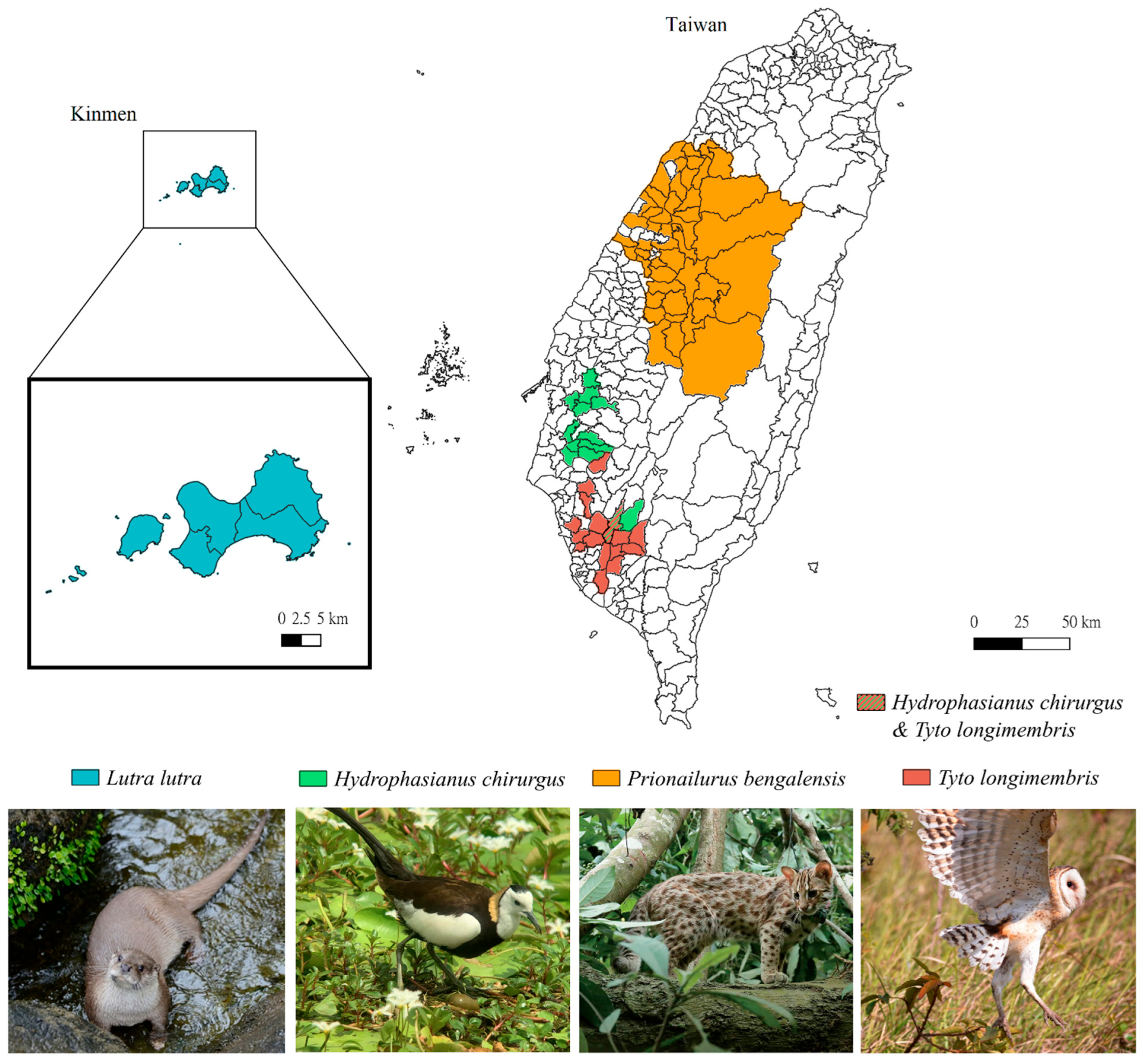
Figure 1. The distribution of endangered species in Taiwan and Kinmen.
Agriculture 16 00224 g001
Figure 2. Respondent 6, a banana farmer from Nantou County—practices eco-friendly farming to cultivate bananas and maintain leopard cat habitats.
Agriculture 16 00224 g002
Figure 3. Respondents 8, 9, and 12, residents of Kinmen County—reported having seen otters based on their personal experiences.
Agriculture 16 00224 g003
Table 1. Policy framework for the endangered species and habitat PES program.
Type of SpeciesEco-Friendly FarmingSelf-ReportingPatrolling and Monitoring
Prionailurus bengalensis1. No herbicides, rodenticides, toxic baits, or non-eco-friendly pest control nets are used, and the standards for pesticide residue safety are met.1. In cases of species invading poultry farms, an initial reward of NT $3000 will be granted without endangering the survival of the target species.
2. An additional NT $10,000 reward will be issued upon capturing images of the invasive species using an automatic camera.
1. Community development associations or local civil organizations that establish patrol teams to assist in promoting endangered species conservation efforts will be eligible for an annual reward of up to NT $60,000.
2. Captured images of a species are eligible for a reward of up to NT $50,000 per instance, limited to twice a year. Each submission must be spaced at least three months apart.
Lutra lutra1. No subsidies.1. In cases of species invading poultry farms, an initial reward of NT $3000 will be granted without endangering the survival of the target species.
2. An additional NT $10,000 reward will be issued upon capturing images of the invasive species using an automatic camera.
1. Community development associations or local civil organizations that establish patrol teams to assist in promoting endangered species conservation efforts will be eligible for an annual reward of up to NT $60,000.
2. Captured images of a species are eligible for a reward of up to NT $50,000 per instance, limited to twice a year. Each submission must be spaced at least three months apart.
Tyto longimembris1. No herbicides, rodenticides, toxic baits, or non-eco-friendly pest control nets are used, and the standards for pesticide residue safety are met.
2. Those who assist in setting up and maintaining perching racks will receive a reward of NT $3000. If images of raptors are captured using automatic cameras within a three-month period, an additional NT $10,000 reward will be granted.
1. No subsidies.1. Community development associations or local civil organizations that establish patrol teams to assist in promoting endangered species conservation efforts will be eligible for an annual reward of up to NT $60,000.
Hydrophasianus chirurgus1. No herbicides, rodenticides, toxic baits, or non-eco-friendly pest control nets are used, and the standards for pesticide residue safety are met.
2. The farmland is maintained in a paddy field condition.
1. For those who identify breeding nests and successfully hatch chicks, a reward of NT $3000 will be granted per nest.2. Community development associations or local civil organizations that establish patrol teams to assist in promoting endangered species conservation efforts will be eligible for an annual reward of up to NT $60,000.
Source: Forestry and Nature Conservation Agency, Taiwan (2021).
Table 2. Basic information of the study participants interviewed (Sample size = 28).
No.Age
(Years)
SexSurvey LocationOccupationEndangered SpeciesYears of ExperienceMeasures and Efforts
160femaleMiaoli CountyChicken farmersPrionailurus bengalensis31. Renovating a chicken coop.
2. Installing surveillance cameras.
265male3
362maleTaichung CityBanana farmers31. No herbicides, rodenticides, toxic baits, or non-eco-friendly pest control nets are used.
2. Agricultural management using grass-based cultivation techniques.
459female3
558femaleNantou County5
659male5
742femaleWildlife conservation organization81. Community advocacy for conservation measures
2. Tracking changes in population distribution and numbers.
867maleKinmen CountyCommunity residentLutra lutra31. Installing road signs and surveillance cameras.
2. Tracking changes in population distribution and numbers.
959male3
1042female3
1133female3
1250male3
1347female3
1430femaleWildlife conservation organization51. Community advocacy for conservation measures
1550femaleTainan CityCommunity residentTyto longimembris31. Installing surveillance cameras.
2. Tracking changes in population distribution and numbers.
1645male3
1766maleWater caltrop farmerHydrophasianus chirurgus61. No herbicides, rodenticides, toxic baits, or non-eco-friendly pest control nets are used.
1865female7
1964female6
2069maleKaohsiung CityRetireeTyto longimembris41. Organizing the environment and removing sensitive plants (Mimosa diplotricha).
2159malePineapple farmer31. No herbicides, rodenticides, toxic baits, or non-eco-friendly pest control nets are used.
2. Setting up observation perches in farmlands.
2261male3
2358male3
2450maleWildlife conservation organization51. Community advocacy for conservation measures
2550femaleWater lily farmerHydrophasianus chirurgus31. No herbicides, rodenticides, toxic baits, or non-eco-friendly pest control nets are used.
2. Postpone the harvest time.
2649female3
2755male3
2860femaleWildlife conservation organization101. Community advocacy for conservation measures
2. Tracking changes in population distribution and numbers.
Organized by this review.
Table 3. Participants’ experiences, thoughts, or beliefs.
ThemesTheme Clusters
1. The impact of economic development and agricultural expansion on species.1-1 Local economic development and infrastructure projects.
1-2 The ecological impact of agricultural production.
2. Effectiveness of the three-year PES policy.2-1 Function of surveillance cameras.
2-2 The policy can increase farmers’ income or compensate for losses.
2-3 More opportunities for interaction between wildlife conservation groups and farmers.
2-4 Effectiveness of ecological corridors or perch installations.
2-5 Maintenance or increase in species population.
2-6 Benefits of eco-friendly farming.
3. Policy components requiring improvement.3-1 Effectiveness of ecological corridor or perch installations
3-2 Strengthening education and outreach on species conservation
3-3 Improving contact points and administrative procedures
3-4 Removal of harmful invasive species
3-5 Increasing collaboration with academic institutions for research
4. Who is more likely to participate in the PES program?4-1 Residents or farmers with relatively higher incomes are more willing to participate.
4-2 Beneficial for agricultural product marketing and brand development.
4-3 Contribution to community building and image enhancement.
4-4 Residents or farmers with a deep emotional attachment to the land are more inclined to join.
5. Changes in farmers’ attitudes and motivations.5-1 Increasing public concern for species conservation.
5-2 Benefits for agricultural product marketing and brand development.
5-3 Contribution to community building and positive image formation.
5-4 Sense of accomplishment from successful species restoration.
5-5 Successful experiences of other farmers help alleviate doubts and concerns
6. Persistent challenges in conserving protected species.6-1 Aging population in rural communities.
6-2 Local economic development and infrastructure expansion.
6-3 Reluctance to change traditional farming practices.
6-4 Impacts of climate change.
6-5 Uncertainty regarding continued government support.
6-6 Increasing population of stray dogs.
6-7 Inability to completely prevent roadkill incidents.
6-8 Difficulty in tracking species population numbers.
7. Additional benefits generated by the PES policy.7-1 Benefits for agricultural product marketing and brand development.
7-2 Contribution to community building and positive image formation.
7-3 Enables feedback to the government for policy improvement
7-4 Increasing public concern for species conservation.
7-5 Attracts support from the private sector
Source: Organized by this review.
Table 4. Difficulties and challenges in the implementation of PES programs at different stages.
DevelopmentPhase I
Community and Farmer Participation
Phase II
Effectiveness of Conservation Actions
Phase III
Additionality of Conservation Outcomes
Strategies 1. Academic institutions or wildlife conservation organizations promote the PES program.
2. Farmers with better financial conditions adopt eco-friendly farming practices first, and then promote them to other farmers.
1. Install surveillance cameras to monitor ecological changes in conservation species.
2. Community organizations in different areas also exchange experiences on conserving and restoring endangered species.
1. Private enterprises participate in conservation efforts.
2. Utilize information and network technology to enhance public awareness of conservation species.
Challenges1. Farmers lack professional knowledge and experience in conservation.
2. Concerns arise about whether conservation measures will impact agricultural production.
1. Whether conservation measures are truly effective and whether the population of the species has genuinely increased.
2. Identifying other factors that threaten habitats.
1. How to sustain conservation outcomes.
2. How to involve more people in conservation efforts.
Effects1. Farmers’ losses are limited and can be compensated through the PES program, increasing their willingness to participate.
2. Adopting a learning by doing approach to accumulate knowledge and experience related to conservation species.
1. Not only is there an increase in the population of conservation species, but also in the variety and number of other organisms.
2. Farmers promptly identify and eliminate factors threatening habitats and monitor annual changes in species populations.
1. Enterprises are willing to participate in conservation efforts, creating a win-win situation for both conservation species and increased farmer income.
2. Local public infrastructure must consider whether it will pose a threat to endangered species.
Source: Organized by this review.
Table 5. Social phenomena associated with participation in PES programs.
Type of SpeciesThoughtActionEmotion
Prionailurus bengalensis1. The leopard cat threatens the operation of chicken coops, and the population is becoming increasingly scarce. 2. With the advocacy of conservation organizations, assistance is provided to renovate chicken coops.3. Losses can be compensated while also conserving the leopard cat.
1. Stray dogs threaten the movement of leopard cats.2. Planting trees or bananas can help conserve leopard cats.3. Selling bananas can increase income while also conserving leopard cats.
Lutra lutra1. The construction of reservoirs has led to a decreasing population.2. Roadkill is a major cause of the decline in the otter population.
3. Community organizations help maintain habitats.
4. To prevent the continued decline of otters, the species must be protected, as they are only found locally.
Tyto longimembris1. The concept of healthy eating.2. Using eco-friendly farming or organic cultivation methods to grow fruit, leading to an increase in field biomass and attracting barn owls or raptors for foraging.
3. The government installs nesting boxes to monitor changes in the barn owl population.
4. Eco-friendly farming practices promote biodiversity, and losses of some agricultural products can be compensated.
Hydrophasianus chirurgus1. Infrastructure development has led to a decreasing population.2. Establishing ecological ponds and planting floating plants for species rehabilitation.
3. Encouraging farmers to participate in the conservation of the pheasant-tailed jacanas.
4. Successful rehabilitation has led to a sense of accomplishment with an increase in population, and pheasant-tailed jacanas have become a distinctive cultural feature of the community.
Source: Organized by this review.
Disclaimer/Publisher’s Note: The statements, opinions and data contained in all publications are solely those of the individual author(s) and contributor(s) and not of MDPI and/or the editor(s). MDPI and/or the editor(s) disclaim responsibility for any injury to people or property resulting from any ideas, methods, instructions or products referred to in the content.