1. Introduction
Rice is a strategic staple for food security in Mexico [
1,
2], yet national production has long been structurally insufficient to meet domestic demand [
3,
4]. Over the past three decades, Mexico has become heavily dependent on rice imports, which account for more than three-quarters of apparent consumption [
3,
5], leaving the country exposed to international price volatility and external supply shocks [
6,
7,
8]. This trajectory accelerated after trade liberalization and the consolidation of North American market integration, which exposed domestic rice producers to stronger competition from lower-cost U.S. rice.
This import dependence reflects declining cultivated area, stagnant yields, limited investment in irrigation and post-harvest infrastructure [
3,
4], and competition from more profitable crops such as sugarcane and maize [
9,
10]. Against this backdrop, strengthening domestic rice production was a central objective of Mexico’s agricultural policy under the 2019–2024 National Development Plan [
11,
12], which emphasizes food sovereignty, producer income stabilization, and reduced dependence on international markets [
13,
14].
In 2019, the federal government reintroduced guaranteed prices for basic staples—including rice, maize, beans, and wheat—through the Guaranteed Price Program for Basic Staples Programa de Precios de Garantía a Productos Alimentarios Básicos, PPGPB) [
15], implemented by the newly created decentralized agency Seguridad Alimentaria Mexicana (SEGALMEX) [
16]. Unlike earlier procurement-based schemes, the PPGPB operated mainly through a payment-based mechanism, whereby producers sold to private buyers and received a complementary transfer linked to the guaranteed price differential [
15,
17,
18,
19].
This policy shift has generated considerable debate and academic interest [
20,
21,
22]. However, there is still no clear consensus regarding the effectiveness of guaranteed prices in stimulating production, particularly in contexts characterized by structural constraints and high import dependence.
Moreover, existing evidence suggests that short-run supply responses to price support policies in staple crops are typically modest, raising questions about whether large production increases can be achieved through price incentives alone.
This study provides an ex post empirical evaluation of the PPGPB for rice based on observed production outcomes and administrative program data. The analysis compares Mexico’s observed supply response with international benchmarks [
23,
24,
25,
26,
27,
28] and simulation-based predictions [
20], while examining whether the response occurred mainly through cultivated area expansion or through yield improvement.
The study is guided by the hypothesis that the observed supply response associated with the PPGPB operated predominantly through expansion in cultivated area rather than through immediate productivity gains. A second hypothesis is that program effectiveness depended not only on the level of price support but also on changes in incentive coverage and program design.
These structural conditions make the Mexican rice sector particularly suitable for examining whether guaranteed price programs can generate measurable supply responses in contexts where production systems have experienced prolonged decline and where price incentives alone may be insufficient to overcome structural constraints. In this context, evaluating both the magnitude and the mechanisms of observed supply response becomes essential for understanding the scope and limitations of guaranteed price policies.
The analysis is structured around three main research questions:
What were the key features and scale of PPGPB implementation for rice during 2019–2021?
To what extent did rice production, cultivated area, and yields change during the program period relative to historical trends?
How can the magnitude of Mexico’s observed supply response be explained, considering international evidence, simulation-based predictions, and program design features?
The findings contribute to the broader literature on agricultural price support policies [
29,
30,
31,
32], supply response to price incentives [
23,
26,
27,
28], and the political economy of food security interventions in developing countries [
33,
34,
35]. They also provide policy-relevant insights for the design and evaluation of guaranteed price programs in Mexico and other contexts where similar interventions are being considered or implemented [
36,
37].
The remainder of this paper is organized as follows.
Section 2 reviews the relevant literature on price support policies and supply response.
Section 3 describes the institutional and policy context of the PPGPB.
Section 4 presents the data and methods.
Section 5 reports the main results.
Section 6 discusses the findings in a comparative perspective and explores their policy implications.
Section 7 concludes the paper.
3. Institutional and Policy Context
This section focuses on the institutional features of the PPGPB that are directly relevant to the empirical analysis, avoiding repetition of the broader sectoral trends discussed in the Introduction.
3.1. The Decline in Mexican Rice Production and the Rise of Import Dependence
Mexico’s rice sector has experienced a long-term contraction [
3,
4]. By 2018, cultivated area had fallen from approximately 150,000 hectares in 1980 to less than 40,000 hectares, while production declined from over 500,000 tons to around 200,000 tons of paddy rice [
3].
As domestic production declined, Mexico became increasingly dependent on rice imports [
3,
5]. By 2018, imports accounted for approximately 81% of apparent consumption [
5,
20], making Mexico one of the world’s largest rice importers. This import dependence raised concerns about food security, vulnerability to international price volatility, and the loss of rural livelihoods in rice-producing regions [
1,
2,
6,
7].
This high level of import dependence is not interpreted here as evidence of food insecurity by itself, but as an indicator of increased exposure to external price volatility, exchange rate movements, and disruptions in international supply chains. In a sector with declining cultivated area and limited domestic production capacity, such exposure increases the strategic relevance of evaluating whether domestic support policies can stabilize or partially recover national rice production.
This structural context provides the baseline against which the effects of the PPGPB are evaluated in the subsequent sections.
3.2. The Reintroduction of Guaranteed Prices: The PPGPB
The Guaranteed Price Program for Basic Staples (PPGPB) was established through the 2019 Guidelines [
15] and implemented by SEGALMEX [
16].
Rice was included in the PPGPB with a guaranteed price of 6120 MXN per ton in 2019, representing a premium of approximately 15–20% over market prices [
15,
20]. The program operated through direct payments, whereby producers sold their rice to private buyers and received a complementary payment from SEGALMEX equal to the price gap [
15,
18].
3.3. Evolution of Program Design: The 2020 Intensification
The design of the PPGPB for rice evolved between the 2019 Guidelines (Lineamientos [
15]) and the 2020 Rules of Operation (Reglas de Operación [
19]), which introduced substantial structural modifications.
Under the 2020 Rules of Operation, support for paddy rice destined for the national milling industry and for certified seed production was structured around two components.
First, a Guaranteed Price component was established for all eligible rice producers, covering up to 120 tons per producer in both agricultural cycles. The support corresponded to the difference between the guaranteed price and a reference market price determined by SEGALMEX.
Second, a productivity incentive was introduced. Producers could receive an additional payment equivalent to 50% of the full guaranteed price incentive for up to 180 additional tons beyond the initial 120 tons [
18,
19].
The differentiated structure of the 2020 incentive scheme reflected the broader policy orientation of the administration, which prioritized support for small-scale producers while recognizing the structural importance of medium- and large-scale rice producers in Mexico’s domestic supply system. Under this approach, the full guaranteed price incentive remained concentrated on the initial eligible production volumes, while additional volumes received partial compensation through the productivity component. The objective was not to reduce overall support, but rather to expand program coverage and maintain incentives for commercially oriented producers while preserving the program’s distributive focus on smaller producers.
This redesign substantially increased the scale and intensity of support relative to the 2019 framework. While the guaranteed price applied uniformly to the first 120 tons, the productivity incentive extended benefits to higher-output producers, thereby modifying marginal production incentives and potentially encouraging output expansion among more commercially oriented farms.
Consequently, changes in average support intensity should not be interpreted mechanically as reductions in overall program support, since the expanded eligibility of additional production volumes increased the effective coverage of the program.
These design changes effectively increased the economic incentives faced by producers, suggesting the possibility of supply responses exceeding those predicted under standard elasticity assumptions. This provides a plausible mechanism for explaining the unusually strong production response observed in 2020.
3.4. Concurrent Policy Interventions
The PPGPB operated alongside several other agricultural support programs during the 2019–2021 period, including:
Fertilizer subsidies: The Fertilizers for Wellbeing (Fertilizantes para el Bienestar) program provided subsidized fertilizer to smallholder producers [
72,
73].
Production for Wellbeing (Producción para el Bienestar): This program replaced PROCAMPO and provided direct payments to smallholder producers, with priority given to producers of basic staples [
74,
75].
Credit programs: Various credit and guarantee programs aimed to improve financial access for rural producers [
76,
77].
These concurrent interventions complicate the attribution of observed production changes exclusively to the PPGPB. Climatic conditions, input market dynamics, and post-pandemic agricultural recovery may also have contributed to production changes during the program period. However, the temporal variation in PPGPB design, particularly the intensification in 2020, provides useful analytical leverage for interpreting observed production dynamics.
4. Materials and Methods
4.1. Research Design
This study combines an ex post policy evaluation of the Guaranteed Price Program for Basic Staples (PPGPB) for rice (2019–2021) with an econometric analysis of national production dynamics over the period 1991–2024.
The selected time horizon begins in 1991, which corresponds to the earliest year for which consistent national rice production, harvested area, yield, and OECD Producer Support Estimate (PSE) series are simultaneously available. Although Mexico’s trade liberalization process began earlier, particularly following its accession to the General Agreement on Tariffs and Trade (GATT) in 1986, the implementation of the North American Free Trade Agreement (NAFTA) in 1994 marked a major intensification of market integration and competitive exposure for domestic rice producers.
The 1991–2024 period therefore captures the structural transformation of the Mexican rice sector under progressive trade liberalization, increasing competition from U.S. rice imports, and evolving agricultural support policies. While a longer pre-liberalization series would be desirable for historical comparison, consistent internationally comparable support indicators are not available for earlier years.
The research design follows a mixed analytical strategy that integrates:
Descriptive program evaluation based on administrative and production data;
Econometric modeling of supply response;
Decomposition of production changes into extensive (area) and intensive (yield) margins.
This mixed analytical strategy was selected because no single methodological approach is sufficient to capture the multiple dimensions of policy response analyzed in this study. Descriptive analysis allows characterization of program implementation and observed production changes, while econometric modeling provides a framework for evaluating structural associations between incentives and supply dynamics over time. The decomposition of production changes into extensive (cultivated area) and intensive (yield) margins further helps identify the mechanisms through which observed supply responses may have occurred.
4.2. Data Sources
The analysis draws on five primary data sources:
SIAP (Mexico): Annual data on rice production (tons), harvested area (ha), and yields (t/ha), covering 1991–2024 [
78,
79].
SEGALMEX administrative records: Data on beneficiary producers, supported volumes, and incentive payments for 2019–2021, compiled from official program records [
80].
OECD (PSE database): Producer Support Estimates for rice and sugar in Mexico, and rice in the United States [
81].
USDA (United States Department of Agriculture): Annual data on U.S. rice production used as an international benchmark for comparative analysis [
82].
FAOSTAT: International production and trade statistics used for contextual validation and cross-checking of global trends [
83].
All data are aggregated at the national level.
4.3. Qualitative Evidence and Producer Perceptions
Primary qualitative evidence was obtained through in-depth interviews with key stakeholders, including program designers and operators, representatives of producer organizations, rice mill managers, and participating producers.
This study also incorporates evidence from an official internal evaluation of the PPGPB conducted in 2020, which applied a semi-structured telephone survey to 134 beneficiary producers, including rice producers from the 2019–2020 cycle. The evaluation captured producer perceptions regarding program access, payment timeliness, use of incentives, and overall satisfaction. Although the evaluation was not designed exclusively for rice, it provides relevant complementary evidence on beneficiary experience and perceived program performance and is used here as contextual support [
84].
Additionally, a 2022 independent process evaluation of the Guaranteed Price Program conducted by CONEVAL [
85] is used. The evaluation distinguishes between two operational modalities: (i) direct procurement and storage, applied to maize and beans, and (ii) incentive-based support without public procurement, applied to rice and wheat. Under the latter modality, producers deliver their output directly to private mills and receive monetary incentives, without SEGALMEX involvement in storage operations. This study focuses exclusively on the second modality and draws only on the components of the CONEVAL evaluation that pertain to incentive-based payments.
These qualitative and administrative sources are not used as independent proof of program effectiveness, but rather as complementary contextual evidence intended to support interpretation of observed production dynamics.
4.4. Construction of Key Variables
4.4.1. Monetary Conversion and Real-Dollar Standardization
All monetary values were originally recorded in Mexican pesos (MXN) and converted to U.S. dollars (USD) to facilitate international comparability. Annual incentive payments were converted using annual average MXN/USD exchange rates published by Banco de México [
86]. Currency conversion and deflation were performed on an annual basis prior to aggregation across years, ensuring that multi-year totals reflect comparable purchasing power over time. For each year t (2019–2021), conversion was performed as:
where
denotes the Banxico annual average exchange rate (MXN per USD) for year
t. Nominal USD values were subsequently standardized to 2022 constant USD using the U.S. Consumer Price Index for All Urban Consumers (CPI-U) published by the U.S. Bureau of Labor Statistics (BLS) [
87], according to:
Multi-year real values were obtained by summing annual standardized values for 2019–2021.
4.4.2. Real Producer Prices
Nominal producer prices were deflated using the Mexican Consumer Price Index (
, base 2018, [
88]) to obtain real price series:
4.4.3. Program Incentive Intensity (PPGPB)
A central contribution of this study is the explicit construction of an effective incentive intensity variable that captures the realized marginal incentives faced by producers under the PPGPB. Under the 2019 Operational Guidelines, incentive payments were granted for marketed volumes of paddy rice up to a maximum of 120 metric tons per producer, compensated at the full guaranteed price differential. Eligibility was defined based on marketed output rather than farm size [
15]. The 2020 Rules of Operation introduced a productivity-based incentive component, allowing producers to receive support for an additional 180 metric tons beyond the initial cap. These additional volumes were compensated at 50% of the full per-ton incentive rate [
19]. This regulatory adjustment effectively expanded the volume of rice eligible for support while preserving the original output-based design of the program. To accurately reflect this differentiated incentive structure, volumes eligible under the productivity component were weighted at 0.5 prior to aggregation. Thus, effective supported volume is defined as:
The effective per-ton incentive is therefore calculated as:
This procedure ensures that the variable reflects the effective marginal incentive actually faced by producers under the 2020 Rules of Operation, in which additional supported volumes received only 50% of the full guaranteed price differential [
18,
19]. Consequently, the indicator captures the effective economic incentive more accurately than the nominal guaranteed price alone.
4.4.4. Support Intensity Metrics and International Context
To quantify the magnitude and economic relevance of the PPGPB, two normalized support intensity indicators were constructed:
Formally, these indicators are defined as:
where all monetary values are expressed in constant 2022 U.S. dollars, following the conversion and deflation procedures described above. These normalized indicators enable meaningful comparison across time by controlling for inflation and exchange rate fluctuations and provide an intuitive measure of the effective economic magnitude of program support at both the production and producer levels. Aggregate and annual support intensity metrics are derived from program data and summarized in
Table 1 and discussed in
Section 5.1 and
Section 5.2.
For international contextualization, indicative information on rice support mechanisms in the United States—specifically the Agriculture Risk Coverage (ARC-CO) and Price Loss Coverage (PLC) programs—was compiled from official publications of the U.S. Department of Agriculture (USDA), Farm Service Agency (FSA). Given the substantial differences in program design, eligibility criteria, and reporting units across countries, these comparisons are interpreted as support intensity benchmarks rather than direct equivalences of total transfers or welfare effects. Accordingly, the support intensity indicators are used to situate the Mexican guaranteed price scheme within a broader international policy context, highlighting differences in the scale and structure of agricultural support, without implying strict comparability of policy instruments or outcomes. These metrics also complement the econometric analysis by providing an empirical benchmark for the magnitude of incentives observed during the program period.
4.4.5. Structural Support Intensity (OECD PSE)
To capture broader policy incentives beyond the PPGPB, Producer Support Estimates (PSEs) from the OECD database were used [
81]. These estimates provide a comprehensive measure of government support to agricultural producers, including market price support, budgetary transfers, and input subsidies. To ensure comparability across time and with production variables, PSE values were normalized by total rice production:
This transformation yields a measure of support intensity per unit of output, expressed in real monetary terms.
The resulting variable is incorporated into the econometric analysis as , capturing the evolution of structural policy support to rice production in Mexico over time. An analogous measure is constructed for sugarcane to enable cross-crop comparisons.
4.4.6. Cross-Crop Policy Support Difference (Bias)
To provide a descriptive measure of relative policy support between competing crops, a cross-crop support difference indicator (Bias) was constructed using support intensity measures:
where
and
denote support intensity for rice and sugarcane, respectively, measured as Producer Support Estimates normalized by production.
This indicator captures the relative policy advantage between the two crops. Negative values indicate that sugarcane receives higher support intensity than rice (i.e., a structural disadvantage for rice), while positive values indicate a relative advantage for rice. The Bias variable is used for descriptive and exploratory analysis, particularly for correlation analysis and the interpretation of structural policy conditions.
4.4.7. Cross-Crop Policy Support Ratio
For econometric estimation, a log-linear measure of relative policy incentives was constructed using a support ratio between sugarcane and rice. Because support intensity values (PSE normalized by production) may be zero or negative in some years, a direct ratio is not well defined. To address this issue, both series were adjusted to ensure strictly positive values:
where
c is a small positive constant.
The support ratio is then defined as:
and its logarithmic transformation:
The variable captures the relative policy advantage of sugarcane over rice and is included in the econometric models as a stable log-linear representation of cross-crop policy incentives.
While the variable provides an intuitive measure for descriptive analysis, is preferred for econometric estimation due to its numerical stability and compatibility with log-linear specifications.
4.5. Descriptive and Exploratory Analysis
Before econometric estimation, the study conducts:
Trend analysis (1991–2024);
Comparison with pre-program baseline (2009–2018);
Correlation analysis among production, area, yields, prices, and support variables.
Additionally, a simple regression model is estimated to assess the proximate determinants of production:
This specification is used as a preliminary diagnostic tool rather than a structural model.
4.6. Econometric Specification
The econometric analysis aims to identify the determinants of rice production and to assess the channels through which policy incentives operate. The empirical strategy is based on the identity:
which allows decomposing production dynamics into extensive (area expansion) and intensive (yield improvement) margins.
Three log-linear models were estimated: an aggregate production model, an area response model, and a yield response model. Log-linear specifications were adopted because they allow coefficient estimates to be interpreted as elasticities and reduce scale heterogeneity among variables measured in different units. This approach is particularly appropriate for aggregate agricultural data, where production, area, prices, and support variables differ substantially in magnitude and measurement units.
Logarithmic transformations were also used to reduce heteroskedasticity, improve comparability across variables measured in different units, and facilitate elasticity-based interpretation of estimated coefficients.
The explanatory variables included in the models capture:
Long-term structural change ();
The policy shift introduced in 2019 ():
Program incentive intensity ():
Structural support for rice ():
Relative support between sugar and rice ():
Real producer prices ().
In particular, captures the effective per-ton incentive intensity generated by the program, reflects the absolute intensity of structural policy support to rice production in Mexico, and captures cross-crop policy asymmetries between sugar and rice.
The inclusion of both and allows separating absolute support intensity from relative policy incentives, although some degree of correlation between these variables is expected due to their common policy origin.
The three equations are interpreted jointly: the aggregate production model captures total supply response, the area equation identifies the extensive margin, and the yield equation captures the intensive margin.
4.6.1. Aggregate Production Model
This model evaluates the association between policy incentives and aggregate rice supply, integrating both direct program effects and broader structural policy signals.
4.6.2. Area Response Model (Extensive Margin)
This specification assesses whether policy incentives operate through land allocation decisions, allowing identification of the extent to which production changes are driven by expansion in cultivated area.
4.6.3. Yield Response Model (Intensive Margin)
This model evaluates whether policy incentives are associated with changes in productivity. Given the relatively lower variability in yield, this specification is interpreted as complementary rather than the primary driver of production dynamics.
4.6.4. Estimation Strategy
All models were estimated using the PROC MODEL procedure in SAS software version 9.4M9 (SAS Institute Inc., Cary, NC, USA, 2025), applying a Generalized Method of Moments (GMM) estimator with Newey–West heteroskedasticity- and autocorrelation-consistent (HAC) standard errors. GMM estimation was selected because it is suitable for obtaining parameter estimates under potential heteroskedasticity and autocorrelation, which are common concerns in aggregate annual agricultural time-series data. The use of Newey–West HAC standard errors further improves inference by correcting standard errors for possible serial correlation and heteroskedasticity in the residual structure.
4.6.5. Diagnostic Procedures
Diagnostic procedures were conducted to assess the robustness and interpretability of the estimated models. Potential multicollinearity among explanatory variables was evaluated using Variance Inflation Factors (VIFs) and correlation diagnostics. Because some policy-related variables are conceptually related, particularly and , some degree of correlation was expected. Therefore, coefficient estimates are interpreted cautiously, emphasizing the direction and consistency of associations rather than isolated coefficient magnitudes.
Residual diagnostics were also examined to assess potential autocorrelation and heteroskedasticity. Given the short annual time series, these tests were interpreted as indicative rather than definitive. Concerns regarding residual autocorrelation and heteroskedasticity were addressed through the use of Newey–West HAC standard errors.
Diagnostic procedures included residual inspection, autocorrelation analysis, and multicollinearity assessment. Summary diagnostic statistics are reported in
Table A1 (
Appendix A).
Stationarity was considered in light of the long-term structural nature of the variables analyzed. Since the objective of the econometric analysis is not time-series forecasting but rather the interpretation of supply–response patterns, the models are interpreted as structural association models. The inclusion of a time trend and a post-2019 policy indicator helps account for long-term structural change and the policy shift associated with the introduction of the PPGPB.
Given the limited sample size and the structural focus of the analysis, formal unit root tests were interpreted cautiously and complemented with trend controls and HAC-consistent estimation procedures.
4.6.6. Interpretation and Scope
Given the aggregate nature of the data, the relatively short duration of the program, and the presence of possible omitted variables, the estimated coefficients should be interpreted as conditional associations rather than causal effects. The models are intended to identify whether observed changes in rice production were associated primarily with area expansion or yield improvement, linking econometric results with descriptive and qualitative evidence. The empirical strategy does not allow for full causal identification of the effects of the PPGPB. However, the substantial modification of the program in 2020—through the introduction of a productivity-based component that expanded eligible volumes while altering marginal incentives—provides a useful source of temporal variation for examining whether production dynamics changed in relation to the incentive structure. Although concurrent policy interventions and external factors may also have influenced outcomes, the alignment between program changes, descriptive trends, qualitative evidence, and econometric results is consistent with the interpretation of a policy-related supply response.
4.6.7. Robustness Checks
To assess the robustness of the econometric interpretation, alternative model specifications were estimated. These robustness checks included: (i) exclusion of the variable, (ii) estimation of reduced specifications including only structural trend, real prices, and the post-2019 policy indicator, and (iii) an alternative transformation of the incentive intensity variable using the inverse hyperbolic sine (IHS) transformation.
The IHS transformation was considered because the incentive intensity variable contains a large number of zero observations during pre-program years and in periods without effective program operation. Unlike the logarithmic transformation with an arbitrary constant adjustment, the IHS transformation is defined for zero values and has been widely recommended for economic variables characterized by excess zeros or extreme values [
89,
90].
The objective of these robustness checks was not to identify causal effects, but rather to evaluate whether the central interpretation of the results—namely, that the observed supply response was more strongly associated with cultivated area expansion than with yield improvement—remained consistent across alternative specifications.
4.7. Use of Artificial Intelligence Tools
The authors used generative artificial intelligence tools, including ChatGPT (GPT-5.5, OpenAI, San Francisco, CA, USA) (OpenAI) and SciSpace (Typeset Inc., Bengaluru, India), exclusively to support language refinement, structural organization, literature exploration, reference verification, editorial consistency, and manuscript revision during the preparation of this article. No AI tools were used for data collection, econometric modeling, statistical estimation, data analysis, or interpretation of the results. All analytical procedures, model specifications, estimations, and scientific interpretations were conducted exclusively by the authors using standard statistical software (SAS).
4.8. Methodological Limitations and Transparency Considerations
An additional methodological consideration is that two co-authors participated in the design and implementation of the Guaranteed Price Program for Basic Staples (PPGPB) during the period analyzed in this study. Although this involvement may raise concerns regarding potential confirmation bias, the empirical analysis was conducted using official administrative databases, publicly available agricultural production statistics, transparent model specifications, and reproducible econometric procedures. Furthermore, the results are interpreted cautiously as conditional associations rather than definitive causal estimates.
5. Results
This section presents the results in relation to the three research questions and the two guiding hypotheses.
Section 5.1 and
Section 5.2 address the scale and implementation of the PPGPB.
Section 5.5 and
Section 5.6 examine whether rice production, cultivated area, and yields changed relative to historical trends.
Section 5.7,
Section 5.8 and
Section 5.9 evaluate whether the observed response is consistent with an extensive-margin adjustment and whether program design and incentive coverage help explain the magnitude of the response.
5.1. Implementation and Scale of the PPGPB for Rice
The PPGPB for rice exhibited substantial variation in both program scale and support intensity during the 2019–2021 period when analyzed on a production-year basis.
Table 1 shows that the program supported a total of 426,656 tons of paddy rice and reached 6032 beneficiary producers over the study period. Total transfers amounted to approximately USD 33.26 million.
At the annual level, the program reached its highest level of support in 2019, benefiting 2168 producers and supporting a total of 156,492 tons of paddy rice, with transfers equivalent to USD 14.9 million (constant 2022 USD). In 2020, the number of beneficiaries remained similar (2189 producers), while supported volume declined slightly to 151,042 tons, and total transfers decreased to USD 9.3 million. By 2021, both participation and scale contracted, with 1675 producers supported, 119,122 tons covered, and total transfers amounting to USD 9.0 million. These figures highlight not only the temporal evolution of the program but also the relatively small size and high concentration of the rice-producing sector in Mexico. Even at its peak, the program reached just over two thousand producers, a very small fraction compared to the approximately 5.2 million agricultural producers nationwide [
86], suggesting that policy interventions in this sector operate within a highly concentrated production structure. From an analytical perspective, these results highlight two key dimensions of program implementation. First, the PPGPB achieved a non-negligible scale relative to national rice production, providing a meaningful empirical basis for evaluating its potential impact. Second, and more importantly, the program exhibited significant temporal variation in support intensity, suggesting that producer responses cannot be understood solely in terms of participation or total transfers but must also account for changes in the effective incentives faced by producers. While these figures provide an overview of program scale, a more precise understanding of producer incentives requires examining the effective intensity of support, which is analyzed in the following subsection.
5.2. Incentive Intensity and Its Temporal Variation
Total transfers provide only a partial view of the PPGPB. A more informative perspective emerges when examining the effective intensity of incentives, measured as support per unit of output and per beneficiary producer. Average support intensity over the 2019–2021 period reached approximately USD 77.9 per ton of paddy rice and USD 5513 per producer. However, these aggregate figures conceal substantial interannual variation, which is critical for understanding producer responses. In 2019, the program delivered its highest level of per-unit support, reaching approximately USD 95.2 per ton. This initial phase reflects the full application of the guaranteed price differential to eligible production volumes. In contrast, 2020 exhibits a marked decline in support intensity to USD 61.6 per ton, despite maintaining similar levels of supported volume and number of beneficiaries. This reduction is directly associated with the introduction of a productivity-based component, under which additional volumes beyond the initial eligibility threshold received only partial compensation. From an economic standpoint, this policy adjustment altered the structure of incentives in two important ways. First, it expanded the effective coverage of the program, allowing a larger share of production to qualify for support. Second, it reduced the average incentive per unit of output, thereby weakening the marginal price signal for additional production. As a result, the program transitioned from a pure price support mechanism toward a hybrid structure combining price incentives with volume-based eligibility constraints. By 2021, support intensity partially recovered to USD 75.9 per ton, although this occurred in the context of a contraction in both supported volume and number of beneficiaries. The results suggest a rebalancing of the program toward higher per-unit support with a narrower participation base. Collectively, these results indicate that incentive intensity under the PPGPB evolved along multiple dimensions, including not only the level of the price differential but also the extent of eligible production and the effective weighting of additional volumes. This multidimensional nature of the program is central to interpreting its observed effects. Importantly, the period of strongest observed production response—particularly the increase in 2020—coincides not with the highest per-ton incentive, but with the phase in which the program achieved its widest effective coverage of production. This evidence suggests that the expansion of eligible volumes, rather than the level of support per ton alone, played a key role in shaping producer behavior.
This distinction provides a crucial interpretative framework for the subsequent econometric analysis, where incentive intensity is explicitly modeled through the variable and its interaction with broader structural support indicators. This variation in incentive structure provides the basis for linking program design to observed changes in production, cultivated area, and yields.
5.3. International Benchmark of Support Intensity
To contextualize the magnitude of the incentives provided under the PPGPB, an indicative comparison with selected U.S. rice support mechanisms is presented in
Table 2. Given the substantial differences in program design, eligibility criteria, and reporting units, these comparisons are interpreted as support intensity benchmarks rather than direct equivalence of total transfers or welfare effects. The Mexican program provides support directly linked to marketed output, expressed in monetary units per ton or per producer. In contrast, U.S. programs such as Agriculture Risk Coverage (ARC-CO) and Price Loss Coverage (PLC) operate through revenue-based or price trigger mechanisms, typically expressed in units such as USD per acre or policy reference prices. Despite these structural differences, the comparison highlights that the magnitude of incentives observed under the PPGPB falls within the range of support intensities used internationally, while differing significantly in delivery mechanism. This reinforces the interpretation that the Mexican program operates as a production-linked income support instrument with direct implications for supply decisions. These benchmarks complement the econometric analysis by providing an external reference for the scale of incentives, without implying strict comparability of policy instruments or outcomes.
5.4. Qualitative Evidence and Program Operation
The quantitative results presented above are complemented by qualitative evidence from both internal and external evaluations of the PPGPB, providing additional insights into program operation, beneficiary experience, and the mechanisms through which incentives may have influenced production decisions. The internal evaluation of the program conducted in 2020 [
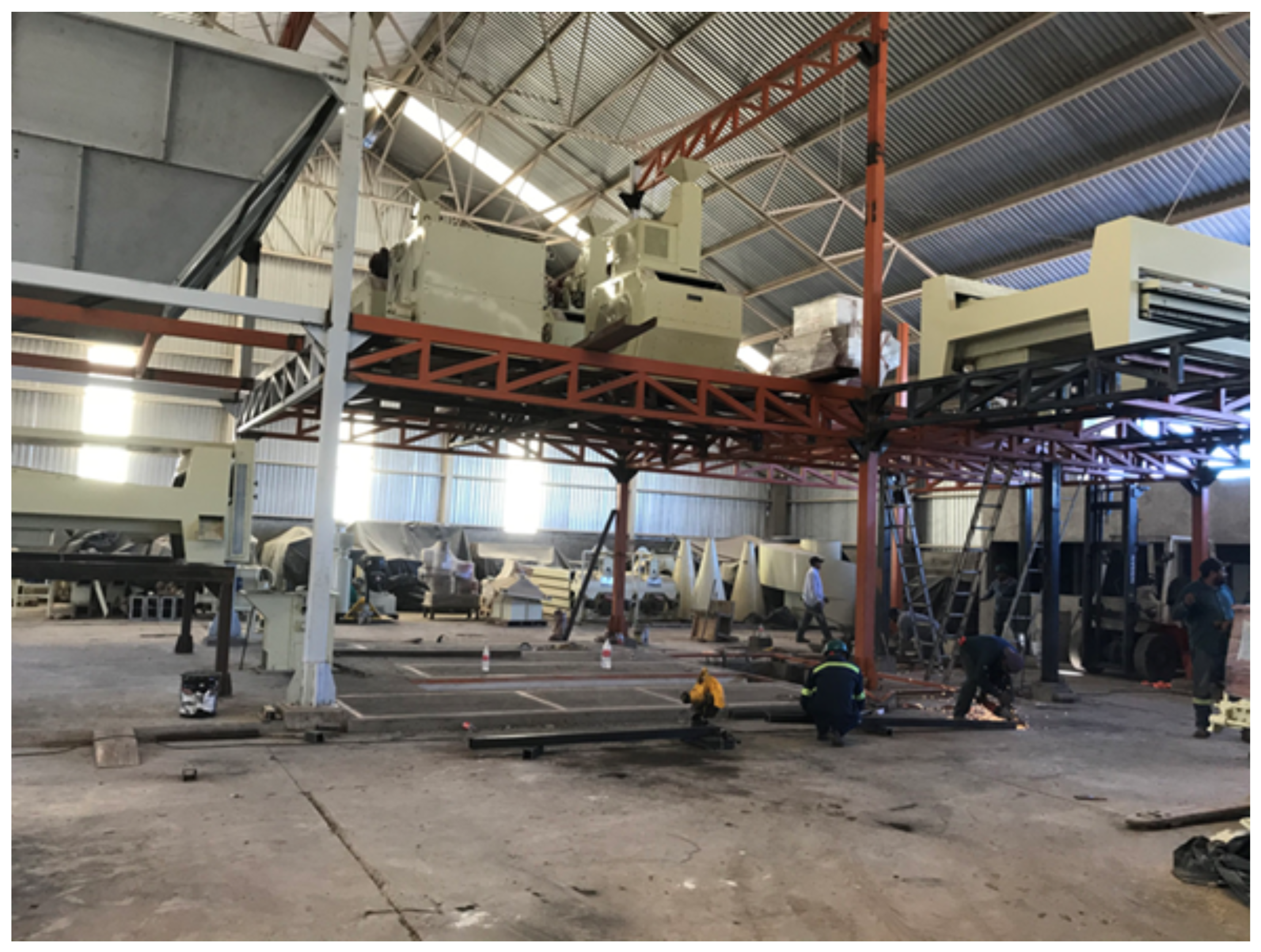
84], based on a semi-structured survey of 134 beneficiary producers, indicates that the program was generally perceived as accessible and beneficial by participating farmers. Producers highlighted the importance of the direct payment mechanism, which allowed them to receive incentives without requiring government procurement, thereby maintaining participation in existing market channels while benefiting from price support. Payment processes were perceived as increasingly efficient, particularly due to improvements in the timeliness of transfers to producers’ bank accounts. This operational feature likely reduced transaction costs and increased the credibility of the program, reinforcing producers’ responsiveness to the incentive structure. A key factor explaining the observed production dynamics is the gradual adoption of the program by producers. During the initial implementation phase in 2019, participation remained limited, as many producers were uncertain about the effective delivery of payments. However, once producers observed that incentives were being transferred reliably and directly to beneficiaries’ bank accounts, program credibility increased substantially. This change in perception contributed to a significant expansion in program participation in 2020. The observed increase in cultivated area during that year is therefore not only associated with incentive design but also with improved program implementation and increased producer confidence in the timely delivery of support. Approximately 62% of the support received by producers was allocated to productive activities, including the purchase of inputs, repayment of credit used for planting, expansion of cultivated area, and acquisition of agricultural equipment (
Figure 1). Additional field evidence also shows investments in post-harvest infrastructure, such as rice milling facilities (
Figure 2), further supporting the role of the program in strengthening production capacity.
This evidence supports the interpretation that the PPGPB operated not only as an income support mechanism but also as a source of working capital that enabled producers to finance production cycles. In particular, the allocation of resources toward machinery, land expansion, and post-harvest infrastructure is consistent with the observed increase in cultivated area reported in
Table 3.
Field observations also indicate improved liquidity conditions, reducing reliance on informal credit and enabling producers to sustain production even under unfavorable market conditions. In several cases, producers reported that market revenues were sufficient only to cover direct production costs, while net income was largely derived from program incentives. In combination, this evidence indicates that the PPGPB functioned as a hybrid policy instrument combining income support with implicit production financing, thereby facilitating short-run adjustments in production capacity. However, the internal evaluation also identified several operational constraints. These include administrative requirements related to documentation, delays in validation processes in some cases, and limitations in program dissemination, which restricted access for some eligible producers. Complementary evidence from CONEVAL confirms that the rice component operates through an incentive-based modality without public procurement. This design improves efficiency and reduces logistical constraints but may limit monitoring and coverage. The CONEVAL evaluation [
85] identifies several strengths of this modality, including improved coordination among actors and the efficiency of direct payments to producers. At the same time, it highlights important operational limitations, including insufficient program diffusion, infrastructure constraints in collection centers, and the absence of systematic mechanisms for monitoring beneficiary outcomes. Considered jointly, the evidence supports the interpretation that production responses are consistent with a program that improves liquidity and facilitates participation, while operating within structural and institutional constraints.
5.5. Correlation Analysis of Production Determinants
Before proceeding to the econometric analysis, a correlation matrix was constructed to explore the relationships among key variables and to provide a preliminary assessment of the mechanisms underlying rice production dynamics (
Table 4).
For descriptive purposes, relative policy incentives across crops are summarized using the
variable, defined as the difference between support intensity for rice and sugarcane:
This measure provides an intuitive representation of cross-crop policy asymmetries and is used here to interpret structural patterns in land allocation and production dynamics.
The correlation analysis presented in this section is based on variables in levels, as these provide a more direct representation of production relationships and resource allocation decisions. This approach is particularly useful for identifying structural patterns, such as land competition across crops. For econometric estimation, however, log-transformed variables are used to ensure consistency with standard production function specifications and to address scale effects and heteroskedasticity.
This pattern is consistent with a very strong and statistically significant positive correlation between total production (Q) and cultivated area () (), indicating that variations in production are closely associated with changes in land allocation. This finding provides initial support for the hypothesis that production adjustments occur primarily through the extensive margin.
In contrast, the correlation between production and yield () is negative and statistically significant (), suggesting that short-run production increases are not driven by improvements in productivity.
The relationship between incentive intensity () and cultivated area is positive, although not statistically significant, indicating that higher effective incentives may be associated with area expansion, albeit with limited direct correlation at the aggregate level. Similarly, the correlation between incentive intensity and yield is negative (), reinforcing the view that short-run policy incentives do not translate into immediate productivity gains.
Structural policy variables also exhibit meaningful relationships. The correlation between and is negative (), suggesting that broader policy support does not necessarily translate into area expansion. Meanwhile, the cross-crop policy bias variable () shows a positive and marginally significant correlation with yield (), indicating that relative policy incentives across crops may influence productivity decisions at the margin.
Overall, the correlation analysis provides consistent preliminary evidence that rice production dynamics in Mexico are primarily driven by changes in cultivated area rather than yield improvements. These findings motivate the econometric specification that explicitly separates extensive and intensive margins of adjustment.
A particularly important result is the strong negative correlation between rice and sugarcane cultivated areas (, ), providing robust evidence of competition for land. This suggests that production decisions are influenced not only by internal factors but also by cross-crop incentives and relative profitability.
From an economic perspective, this negative association reflects the allocation of scarce land resources between competing crops, where relative profitability and policy incentives play a decisive role. As sugarcane expands, rice cultivation tends to contract, suggesting that producers reallocate land toward the crop offering more favorable economic returns.
This result is highly relevant for interpreting production dynamics, as it indicates that changes in rice production are not only driven by internal factors such as prices or program incentives, but also by competition with alternative crops. In particular, it highlights the importance of relative policy incentives in shaping land-use decisions.
5.6. Production Response: Changes in Output, Area, and Yield
Changes in national rice production during the 2019–2021 period reveal a substantial and atypical supply response relative to historical trends (
Table 3). Using the 2009–2018 period as a baseline, average annual production increased modestly in 2019, but surged sharply in 2020.
Total paddy rice production reached 295,338 tons in 2020, representing a 29.3% increase relative to the baseline average of 228,328 tons. This magnitude is considerably higher than the production response typically reported in the literature for staple crops and substantially exceeds simulation-based predictions for Mexico, which estimated an increase of approximately 6.9% under guaranteed price policies [
20].
The observed increase in production was primarily driven by an expansion in cultivated area rather than improvements in productivity. Harvested area increased from 41,128 hectares in 2019 to 49,058 hectares in 2020, representing an expansion of nearly 19%. In contrast, average yields remained relatively stable, declining slightly from 6.37 t/ha in 2019 to 6.21 t/ha in 2020.
These results support the first hypothesis, indicating that the observed supply response associated with the PPGPB operated predominantly through expansion in cultivated area rather than through immediate productivity gains.
This pattern indicates that the supply response was largely extensive rather than intensive, suggesting that producers responded to the incentive structure by expanding planted area rather than adopting yield-enhancing technologies or practices. The observed behavior is consistent with both correlation analysis and qualitative evidence, as well as with short-run supply adjustments in staple crops, where area expansion is typically the primary adjustment margin. Program incentives provided liquidity that enabled producers to expand planted area. In 2021, production declined to 257,041 tons, although it remained 12.6% above the baseline average. This reduction was associated with a contraction in cultivated area, which fell back to 40,841 hectares, while yields recovered to 6.38 t/ha. These dynamics suggest that the production surge observed in 2020 was not fully sustained, reinforcing the interpretation of a temporary response linked to changes in incentive intensity and program design.
When considered together, these findings indicate that the PPGPB was associated with a strong but short-lived expansion in rice production, primarily driven by expansion in cultivated area rather than improvements in yield. These findings provide the basis for the econometric analysis presented in the following section, which formally evaluates the relationship between incentive intensity and production outcomes.
5.7. Structural Policy Context: Relative Support and Cross-Crop Incentives
The analysis of program-level incentives must be interpreted within a broader structural policy context. In particular, rice producers in Mexico operate under a system of agricultural support that is unevenly distributed across crops, with important implications for resource allocation and production decisions.
The descriptive evidence in
Table 5 is presented using the
Bias indicator, defined as the difference between rice and sugarcane support intensity (
). This measure highlights the structural policy environment in which producers operate, indicating whether rice faces a relative advantage or disadvantage compared to competing crops.
For econometric estimation, however, the analysis relies on , which provides a numerically stable log-linear measure of relative policy incentives between sugarcane and rice. This distinction allows separating descriptive interpretation from formal modeling while maintaining conceptual consistency across sections.
Producer Support Estimates (PSEs) from the OECD provide a comprehensive measure of policy support, including market price support and budgetary transfers. When normalized by production, these estimates reveal persistent differences in support intensity across crops. In the Mexican case, a key structural feature is the relatively stronger support historically associated with sugarcane compared to rice.
As shown in
Table 5 (structural support indicators), the support intensity for sugar has consistently exceeded that for rice over the study period. This differential generates a relative policy advantage that can influence producer behavior, particularly in regions where both crops compete for land and other resources.
The strong negative correlation between rice and sugarcane cultivated areas provides direct empirical evidence of competition for land. This relationship indicates that these incentives play a central role in shaping production decisions, as producers reallocate land toward crops with higher expected returns. These findings are consistent with the second hypothesis, suggesting that program effectiveness depended not only on the level of price support but also on changes in incentive coverage, program design, and relative policy incentives across competing crops. Within this context, the production increase observed in 2020 can be interpreted as a temporary reduction in this structural disadvantage, driven by the intensification of incentives under the PPGPB. This perspective is essential for interpreting the production response observed during the program period. If the PPGPB increased effective incentives for rice but did not fully eliminate the relative advantage of competing crops, then the observed expansion in production—particularly in 2020—should be understood as a response to a temporary reduction in relative disadvantage, rather than a complete structural realignment of incentives.
5.8. Preliminary Regression Evidence
A simple regression of rice production on cultivated area further confirms the dominant role of the extensive margin. The estimated coefficient indicates that an additional hectare of rice cultivation is associated with an increase of approximately 2.8 tons of production, with an of 0.84.
This result highlights that variations in cultivated area alone explain a substantial share of production dynamics, reinforcing the descriptive and correlation-based evidence presented above.
5.9. Econometric Results: Production, Area, and Yield Responses
5.9.1. Aggregate Production Response
Table 6 reports the econometric results for the aggregate production model (
). The results indicate that rice production dynamics are primarily driven by structural and price-related factors rather than direct policy effects.
The coefficient on the time trend is negative and weakly significant (; ), confirming the long-term contraction of the rice sector prior to the implementation of the program. The post-2019 dummy is positive but not statistically significant, suggesting that the observed production increase cannot be attributed solely to a structural break.
The coefficient of is negative and statistically significant in the aggregate production model (; ). This result should not be interpreted as evidence of an adverse causal effect of the program. Rather, it reflects a conditional association between effective per-ton incentive intensity and production outcomes after controlling for real prices, structural support, relative crop incentives, and long-term trends.
Importantly, the constructed incentive intensity variable captures the average effective support per ton, not the full set of program mechanisms, such as expanded eligible volume, payment credibility, liquidity effects, and producer confidence. In 2020, the strongest production response coincided with broader effective program coverage rather than the highest per-ton support.
Therefore, the negative coefficient is consistent with a program whose observed supply response operated mainly through coverage expansion and cultivated area adjustment, rather than through a direct linear effect of per-ton incentive intensity.
In contrast, real prices exhibit a strong and positive effect (; ), indicating that market conditions remain a key determinant of production decisions. Other policy-related variables, including and the support ratio, are not statistically significant, suggesting that their influence on aggregate production is limited once other factors are controlled for.
Taken together, the production model indicates that the observed increase in rice output during the program period is not the result of direct productivity effects, but rather of structural adjustments mediated through other variables.
5.9.2. Area Response (Extensive Margin)
The area response model (
) provides the clearest evidence of how producers respond to policy incentives.
Table 6 shows that the coefficient on the time trend is strongly negative (
;
), reflecting a sustained decline in cultivated area over the long term.
The post-2019 dummy remains statistically insignificant, indicating that the expansion observed during the program period is not simply a discrete shift but part of a broader adjustment process.
While the coefficient on the incentive variable () is positive, it is not statistically significant in this specification. However, the model shows that real prices exert a strong and significant effect on cultivated area (; ), confirming that producers respond to improved economic conditions by expanding planted area.
The consistency and stability of the area model, together with its strong statistical performance, indicate that adjustments in cultivated area constitute the primary mechanism through which production responds to changes in economic incentives.
From an economic perspective, this behavior is consistent with supply response theory, where land allocation is the most flexible input in the short to medium term, particularly in contexts characterized by underutilized land and liquidity constraints.
5.9.3. Yield Response (Intensive Margin)
The yield model (
) exhibits strong statistical properties but reveals a fundamentally different response pattern.
Table 6 demonstrates that the time trend is positive and highly significant (
;
), reflecting gradual technological progress and improvements in agronomic practices.
In addition to improvements in agronomic practices, yield gains were also supported by the adoption of rice varieties with higher yield potential. However, the diffusion of improved varieties in Mexico predates the period analyzed in this study, reflecting a longer-term process of technological change that began in the late twentieth century. In this context, the observed yield increases during the program period are better interpreted as the result of the continued use and gradual consolidation of these technologies, potentially facilitated by improved access to inputs and working capital under the program.
The negative and significant coefficient of in the yield equation (; ) is consistent with the predominantly extensive nature of the observed response. Expanded eligibility and increased participation may have encouraged area expansion without generating immediate productivity gains. Under such conditions, average yields may decline or remain stable even as total production increases.
This finding reinforces the interpretation that the PPGPB was associated with a short-run expansion in cultivated area rather than with technological or yield-enhancing change.
In contrast, the support ratio variable shows a positive and significant effect (; ), indicating that relative policy incentives across crops may influence productivity decisions at the margin. Nevertheless, the overall contribution of policy variables to yield dynamics remains limited.
These results confirm that yield improvements follow a long-term trend driven by structural and technological factors, rather than short-term policy interventions.
5.9.4. Comparative Interpretation of Extensive and Intensive Margins
The econometric estimates are broadly aligned with the descriptive evidence presented in previous sections, indicating stronger associations for cultivated area than for yield. This pattern suggests that the observed production response was linked primarily to short-run adjustments in production scale rather than to immediate productivity gains. While all models are statistically sound, their comparative interpretation highlights a clear hierarchy of explanatory power. The area model provides the most meaningful explanation of production changes, followed by the production model, while the yield model captures long-term trends unrelated to the policy intervention.
Consequently, the sustainability of its effects depends on the persistence of incentives and the availability of land suitable for expansion.
5.9.5. Synthesis of Econometric Evidence
Because all models are specified in log-linear form, estimated coefficients can be interpreted as elasticities. The results indicate that rice production exhibits a relatively strong elasticity with respect to real prices (0.589), suggesting that price incentives remain an important determinant of supply. In contrast, the elasticity with respect to program incentive intensity () is small and, in some specifications, negative, indicating that the PPGPB did not operate primarily through marginal price effects. Instead, its impact appears to have been mediated through liquidity and land allocation decisions, as reflected in the dominant role of cultivated area in explaining production changes.
The magnitude of the estimated price elasticity is broadly consistent with the upper range of short-run elasticities reported in the literature for developing countries.
Taken together, the econometric results suggest that the observed response exceeded what conventional elasticity estimates would predict, indicating that changes in program coverage and incentive structure may have amplified producer responses during the 2020 intensification phase.
While all models are statistically sound, their comparative interpretation highlights a clear hierarchy of explanatory power. The area model offers the most meaningful explanation of production changes, followed by the production model, while the yield model captures long-term trends unrelated to the policy intervention. These findings suggest that the program operates mainly by altering production scale rather than enhancing efficiency. Consequently, the sustainability of its effects depends on the persistence of incentives and the availability of land suitable for expansion.
Collectively, the estimated elasticities indicate that the PPGPB operated through a broader incentive coverage mechanism rather than through marginal per-ton price effects alone. This interpretation is consistent with the descriptive evidence on program redesign, expanded eligible volumes, and liquidity-related producer responses.
5.9.6. Model Diagnostics and Robustness
The improved model specifications exhibit strong statistical performance across all three estimated equations. For the aggregate production model (), the revised specification substantially improves model fit, reducing the mean squared error to 0.0256. Residual diagnostics indicate no systematic deviations from normality, and autocorrelation functions remain within confidence bounds, suggesting that serial dependence has been adequately controlled through HAC standard errors. The improved specification also mitigates the influence of previously identified outliers.
The area response model () remains the most robust specification. It consistently displays low residual variance (), strong goodness of fit, and well-behaved residuals. No evidence of autocorrelation or heteroskedasticity is detected, confirming the stability of the estimated relationships.
The yield model () exhibits the best statistical fit among all specifications, with very low residual variance () and highly regular residual behavior. However, despite its strong statistical properties, its contribution to explaining aggregate production dynamics is limited.
The robustness checks conducted using alternative econometric specifications further support the stability of the central interpretation.
Table A2 (
Appendix A). The authors believe it should remain here, but we do not object to it being moved to another section. I confirm that we have included the versions of the software used. I confirm that we have reviewed the citation format. shows that the main qualitative pattern remains consistent across models excluding the
variable, reduced policy specifications, and alternative inverse hyperbolic sine (IHS) transformations designed to accommodate zero observations in the incentive intensity variable. Across specifications, the estimated associations remain systematically stronger for cultivated area than for yield, indicating that the observed supply response operated predominantly through short-run expansion of cultivated area rather than through immediate productivity gains. Importantly, these results suggest that the central interpretation is not driven exclusively by the sign or magnitude of the
coefficient.
5.10. Synthesis of Results in Relation to Research Questions and Hypotheses
Taken together, the results answer the three research questions. First, the PPGPB reached a meaningful scale in relation to Mexico’s rice sector, but with substantial variation in support intensity and coverage. Second, rice production increased sharply in 2020, mainly through cultivated area expansion rather than yield improvement, supporting the first hypothesis. Third, the magnitude of the observed response exceeded both simulation-based predictions and typical short-run elasticities reported in the literature, suggesting that program design, expanded eligible volumes, liquidity effects, and relative crop incentives contributed to the unusually strong response. These findings support the second hypothesis and indicate that the PPGPB operated through a broader incentive coverage mechanism rather than through per-ton price support alone.
6. Discussion
The supply response associated with the PPGPB in Mexico’s rice sector substantially exceeded both simulation-based expectations [
20] and the range of short-run elasticities commonly reported in the international literature [
23,
26,
27,
28]. Relative to the preceding decadal average, paddy rice production increased by 29% in 2020, indicating a much stronger short-run response than typically observed in staple-crop supply studies.
The econometric evidence suggests that the supply response associated with the PPGPB cannot be explained solely through conventional marginal price effects. Although rice production remains positively associated with real producer prices, the elasticity linked to program incentive intensity () is comparatively small and, in some specifications, statistically insignificant or negative, indicating that broader mechanisms related to incentive coverage and program design were also important.
The divergence between observed production outcomes and estimated elasticities suggests that program design and liquidity-related mechanisms played an important role in amplifying producer response. This interpretation is consistent with the substantial expansion of cultivated area documented in
Table 3 and with the stronger econometric associations observed for area relative to yield in
Table 6. It is also supported by qualitative evidence indicating that a substantial share of program support was allocated to productive investments, including land expansion, machinery acquisition, and repayment of production credit, thereby easing short-run liquidity constraints faced by producers [
84].
The negative coefficient associated with should not be interpreted as evidence of a contractionary or adverse program effect. Rather, it reflects the conditional relationship between effective per-ton incentive intensity and production outcomes once real prices, structural support, relative crop incentives, and long-term trends are simultaneously controlled for.
The results instead point to a broader transmission mechanism involving broader eligibility, liquidity effects, payment credibility, and reduced market uncertainty. This interpretation is consistent with the strongest production increase occurring in 2020, when eligible supported volumes expanded despite lower average support per ton. Under these conditions, the observed response appears to have operated primarily through short-run expansion of cultivated area rather than through immediate productivity gains.
The robustness checks further support this interpretation. The central pattern of results remains qualitatively stable across alternative specifications, including models excluding the incentive intensity variable and models using an inverse hyperbolic sine transformation designed to accommodate the large number of zero observations in . These results suggest that the main conclusions are not driven exclusively by the sign or functional form of the incentive intensity variable, but rather reflect a broader and more consistent association between the program and short-run cultivated area expansion.
Conceptually, the PPGPB appears to have operated through broader institutional and liquidity-related mechanisms beyond price incentives alone. This interpretation is consistent with extensions of the Nerlovian supply–response framework that emphasize the role of credit constraints, risk, and institutional conditions in shaping producer behavior [
45,
46,
47,
48]. In this context, the program may also have functioned as a source of working capital that enabled producers to respond more strongly than would be expected under conventional price elasticity models alone.
The 2020 redesign further illustrates that effective program coverage and incentive structure were more important than per-unit support intensity alone in shaping producer response. This interpretation is consistent with the strongest production increase occurring in 2020, when the program introduced a productivity-based incentive and expanded eligible supported volumes. Notably, this phase did not coincide with the highest average support per ton, but rather with the broadest effective program coverage.
The stronger supply response observed under the PPGPB may partly reflect the fact that program incentives were directly linked to marketed production. This contrasts with several international support mechanisms, including U.S. rice programs summarized in
Table 2, which rely more heavily on revenue stabilization or decoupled payments. The Mexican program therefore differed fundamentally in its delivery structure, potentially strengthening the connection between incentives and short-run production decisions.
Beyond the short-run response, persistent structural disadvantages relative to competing crops continue to limit the long-run effectiveness of price support policies in Mexico’s rice sector. In particular, the persistence of a negative Bias in several periods, as shown in
Table 5, suggests that rice production has remained at a relative disadvantage compared with alternative crops such as sugarcane. This structural asymmetry helps explain the long-term contraction of cultivated area and underscores the limitations of relying exclusively on price support to sustain domestic production growth.
From a sustainability perspective, short-run production growth based primarily on cultivated area expansion may face important long-term constraints. Although area expansion can increase output in the short run, it may intensify competition for land and water resources, particularly in regions where rice competes with sugarcane and other crops. Sustained recovery of domestic rice production will therefore require complementary investments in irrigation efficiency, productivity-enhancing technologies, and resource-efficient land management rather than relying exclusively on continued area expansion.
Fiscal sustainability is another central limitation of guaranteed price programs that generate strong short-run supply responses. Although the PPGPB demonstrates that well-designed support mechanisms can stimulate substantial short-run production increases, maintaining such responses may require progressively larger fiscal commitments or continued adjustments in program design. This interpretation is consistent with the broader literature on price support policies, which emphasizes the trade-offs between income stabilization, production incentives, and fiscal cost [
29,
30,
31,
32,
38,
39].
Recent studies on agribusiness sustainability and financial resilience further highlight the importance of evaluating agricultural support programs beyond short-run production effects. Sánchez-Almeyda et al. [
91] show that firms in the food production sector may remain financially vulnerable even during periods of production expansion, emphasizing the relevance of financial resilience and structural risk management in agricultural systems. Similarly, Honcharuk et al. [
92] argue that sustainable agribusiness development increasingly depends on the integration of environmental, social, and governance (ESG) and strategic management perspectives into agricultural decision-making. In the context of the PPGPB, these perspectives suggest that guaranteed price policies should be evaluated not only in terms of immediate supply response, but also in relation to long-term fiscal sustainability, producer resilience, resource efficiency, and sectoral competitiveness.
Overall, the Mexican rice case highlights the importance of program design, institutional credibility, and effective coverage in shaping producer response under guaranteed price schemes. The observed response appears to have been shaped by liquidity provision, payment credibility, and producer confidence rather than by marginal price effects alone. These findings contribute to the broader debate on the role and limitations of price support policies in developing-country agriculture.
Methodologically, these findings should be interpreted as evidence of strong and consistent associations rather than as definitive causal estimates of program impact. The empirical analysis is based on aggregate data and coincides with a period in which multiple policy interventions and external factors may also have influenced production outcomes. In the Mexican case, the PPGPB appears to have contributed to a temporary reversal of declining production trends, although its long-term effectiveness will likely depend on complementary investments in irrigation, infrastructure, credit access, productivity growth, and value chain development.
7. Conclusions
This study provides the first ex post empirical evaluation of the Guaranteed Price Program for Basic Staples (PPGPB) for rice in Mexico during 2019–2021, combining administrative program records, official production statistics, and econometric analysis of long-term supply dynamics. The findings address the three main research questions related to program implementation, observed production response, and the mechanisms explaining the magnitude of that response. The results indicate that the implementation of the PPGPB was associated with an unusually strong short-run increase in domestic rice production, with paddy rice production increasing by 29% in 2020 relative to the preceding decadal average. This increase occurred predominantly through expansion of cultivated area rather than through immediate productivity gains, supporting the hypothesis that the observed supply response operated mainly through the extensive margin.
The findings further suggest that program effectiveness depended not only on the nominal level of price support, but also on changes in incentive coverage and program design introduced in 2020. The expansion of eligible supported volumes, combined with the productivity-based incentive component, appears to have strengthened producer response despite lower average support intensity per ton.
First, the PPGPB reached a substantial scale within Mexico’s rice sector, supporting 426,656 tons of paddy rice and 6032 beneficiary producers during 2019–2021. Program implementation, however, varied considerably across years, particularly in terms of effective coverage and incentive structure. The 2020 redesign, which expanded eligible supported volumes through a differentiated productivity incentive, appears to have played a central role in strengthening producer response during the period of greatest production expansion.
Second, rice production increased sharply in 2020, exceeding the preceding decadal average by 29%. The observed increase was associated primarily with expansion in cultivated area, accompanied by a smaller but positive yield improvement. These findings support the first hypothesis that the supply response associated with the PPGPB operated predominantly through the extensive margin rather than through immediate productivity gains.
Third, the observed production response was substantially larger than would normally be expected under conventional short-run supply adjustment patterns. The evidence suggests that this response cannot be understood exclusively in terms of marginal price incentives. Instead, the findings support the second hypothesis that program effectiveness depended not only on the nominal level of support but also on expanded incentive coverage, program design, liquidity effects, and producer confidence associated with the payment-based support mechanism. The robustness checks indicate that the central interpretation of the results remains stable across alternative model specifications and variable transformations.
The findings have important policy implications. Guaranteed price programs can contribute to short-run recovery in structurally weakened staple-crop sectors when they effectively reach producers and help reduce liquidity constraints. However, price support alone is unlikely to ensure the long-term recovery of Mexico’s rice sector. Achieving the production objectives established under Plan México 2025–2030 [
93] will likely require complementary structural investments in irrigation, infrastructure, credit access, technological upgrading, and value chain development beyond guaranteed prices alone.
Sustained increases in domestic rice production will depend on broader structural improvements in irrigation efficiency, infrastructure, credit access, technological adoption, seed systems, and market integration. Without these complementary changes, expansion based primarily on cultivated area may eventually face constraints associated with land competition, water availability, and the long-term fiscal sustainability of support programs.
The results should be interpreted with caution. The analysis is based on aggregate national data, the program period is relatively short, and rice production may also have been influenced by climatic conditions, input market dynamics, complementary support policies, and post-pandemic recovery processes. Accordingly, the findings should be understood as evidence of strong and consistent associations rather than definitive causal effects. Future research should incorporate producer-level information, regional heterogeneity, and longer post-program time series to evaluate the persistence, distributional implications, and environmental sustainability of guaranteed price policies.
This study contributes to the literature by showing that guaranteed price programs can generate substantial short-run supply responses when program design expands effective coverage and helps relax liquidity constraints. At the same time, the Mexican rice case suggests that the long-term effectiveness of such programs depends on their integration within broader strategies aimed at productivity growth, structural transformation, and agricultural competitiveness.




 ,
,