Systematic Review

Role of Polyamines in Plant Tolerance to Metal Toxicity: A Systematic Review and Meta-Analysis

1
Guangxi Key Laboratory of Agro-Environment and Agric-Products Safety, College of Agriculture, Guangxi University, Nanning 530004, China
2
National Demonstration Center for Experimental Plant Science Education, College of Agriculture, Guangxi University, Nanning 530004, China
3
State Key Laboratory for Conservation and Utilization of Subtropical Agro-Bioresources, College of Life Science and Technology, Guangxi University, Nanning 530004, China
*
Author to whom correspondence should be addressed.
Agriculture 2026, 16(12), 1305; https://doi.org/10.3390/agriculture16121305 (registering DOI)
Submission received: 5 May 2026 / Revised: 3 June 2026 / Accepted: 9 June 2026 / Published: 12 June 2026
(This article belongs to the Topic Effect of Heavy Metals on Plants, 2nd Volume)

Abstract

This meta-analysis combined the results of 61 independent studies published in 2005–2025 to examine polyamine-mediated responses to aluminum, cadmium, lead, chromium, copper, manganese, and selenium stress in plants. The logarithm ratio of responses (lnRR) under the random-effects model was used to calculate the effect sizes. Polyamine application significantly (p < 0.001) enhanced plant growth, with strong increases in root elongation (lnRR = 0.490, 95% CI: 0.362–0.618), fresh weight (lnRR = 0.413, 95% CI: 0.347–0.480), and dry weight (lnRR = 0.475, 95% CI: 0.409–0.541). Oxidative stress was markedly reduced, as reflected by decreases in reactive oxygen species accumulation (lnRR = −0.585, 95% CI −0.682 to −0.487, p < 0.001), hydrogen peroxide content (lnRR = 0.005, 95% CI −0.244 to 0.254, p = 0.968), and lipid peroxidation (lnRR = −0.487, 95% CI −0.578 to −0.397, p < 0.001). The antioxidant defenses were strengthened, and the levels of superoxide dismutase (lnRR = 0.468, p < 0.001) and catalase activity (lnRR = 0.373, p < 0.001) increased significantly. Metal accumulation was consistently reduced in polyamine-treated plants (lnRR = −0.392, 95% CI −0.460 to −0.324, p < 0.001). Supplementary genetic-level data indicated that metal stress triggers polyamines to regulate metal transporters, polyamine biosynthesis genes, antioxidant-related genes, and hormone-signaling pathways. Collectively, these data points make polyamines a key controller of plant metal stress tolerance and offer a quantitative and mechanistic system to apply them to metal-impacted agroecosystems.

1. Introduction

Metal toxicity is an increasing global agricultural concern due to industrialization, mining, and excessive agrochemical use, leading to the accumulation of toxic metals in soils and crops [1,2]. This not only reduces crop productivity but also poses serious risks to food safety and ecosystem health. Recent estimates indicate that millions of hectares of agricultural land are affected by heavy metal contamination worldwide, particularly in intensively cultivated regions [3,4]. Acidic soils are rich in toxic metals and low in key nutrients-phosphorus, nitrogen and molybdenum [4,5,6]. Aluminum (Al) is one of them, particularly harmful; it disrupts the activity of roots, slows down the absorption of nutrients, and causes oxidative stress [7]. Al3+ targets directly, reducing cell proliferation and growth, and inhibiting water and nutrient absorption. The outcome is the retarded growth and reduced yields [2,7,8]. Al also increases reactive oxygen species (ROS), which destabilize membranes and facilitate lipid peroxidation, both of which cause cellular damage and death [9,10]. Plants also come into contact with cadmium, lead, chromium, copper, manganese and selenium, particularly in soils that are contaminated or are under heavy management. The same damages are caused by these metals, which include disruption of the redox balance, enzyme inhibition, damage to photosynthesis, and accumulation in tissues [1,11,12]. The overlap between these stress responses requires general mitigation strategies that can enhance the tolerance of plants to various metal stresses. Recent studies have further highlighted that metal contamination contributes not only to crop productivity losses but also to long-term deterioration of soil quality, nutrient cycling, and ecosystem sustainability, thereby increasing the urgency for integrated remediation and tolerance-enhancing strategies [13].
Although all metals impair plant growth and induce oxidative stress, their primary targets differ (Table 1). Aluminum predominantly affects root growth in acidic soils, whereas cadmium, lead, chromium, copper, manganese, and selenium exert broader intracellular toxicity through disruption of photosynthesis, redox regulation, and metabolic homeostasis. Aluminum received particular attention in this study because it was the most frequently investigated metal in the included literature and represents one of the most widespread constraints to crop production in acidic soils worldwide [7,14,15].
Polyamines (PAs) are aliphatic amines with low molecular weight, which promote plant growth, development, and tolerance to stressors [16,17]. External application of PAs may reduce salinity, drought, and exposure to heavy metals [17]. Although polyamine accumulation frequently accompanies stress responses, numerous experimental studies involving exogenous application, biosynthetic regulation, and genetic manipulation indicate that polyamines actively contribute to stress tolerance rather than merely reflecting injury severity [18,19]. They enable strong interactions with negatively charged biomolecules such as DNA, proteins, and membranes. Plants synthesize polyamines through conserved arginine- and ornithine-dependent biosynthetic pathways, while exogenous applications are commonly used experimentally to investigate their protective functions. Their physicochemical properties allow them to stabilize membranes, regulate ion channels, and modulate signaling pathways, making them critical regulators of stress tolerance [17,19,20]. Research on different metal toxicities indicates that PAs cause the activation of enzymatic and non-enzymatic antioxidant mechanisms, which reduce the production of ROS and alleviate oxidative stress [15,19,21]. The study by [15] also indicated that improved chlorophyll retention, photosystem stability, and antioxidant protection follow polyamine treatment; however, direct chloroplast-localized mechanisms remain incompletely resolved. External PAs enhance the resilience of plants to metals by inhibiting lipid peroxidation and chlorophyll loss [21].
Although numerous individual studies have demonstrated beneficial effects of polyamines under different metal stresses, the reported magnitude of these effects varies widely among plant species, metals, experimental conditions, and polyamine types [1,22,23,24,25]. In addition, although much focus has been given to aluminum toxicity, toxic responses by polyamines to other toxic metals have been studied in isolation, which restricts general conclusions. Up to now, no overall meta-analysis has been done to quantitatively synthesize evidence on various metal toxicities to determine the overall effectiveness of polyamines in alleviating metal-induced stress in plants. Beyond physiological stress mitigation, polyamine-mediated enhancement of plant performance may contribute to sustainable biomass utilization and remediation strategies in contaminated environments [26].
To fill this knowledge gap, the current research paper performs a meta-analysis on 61 independent studies, published between 2005 and 2025, including aluminum, cadmium, lead, chromium, copper, manganese, and selenium stress. The analysis quantitatively measures the impacts of polyamines on several important physiological and biochemical measurements such as metal accumulation, root elongation, biomass production, oxidative stress indicators, antioxidant enzyme functions, and lipid peroxidation. This study offers a cross-metal and multi-parameter quantitative synthesis in a wide range of plant species and experimental systems by synthesizing the results of different plant species and different experimental systems. The results elucidate the uniformity, scale and context-specificity of polyamine-mediated protection, as well as combining physiological patterns with new mechanistic understanding. The work has laid a strong foundation of evidence to support future functional and translational studies to enhance plant performance in soils affected by metals.

2. Methodology

2.1. Literature Search

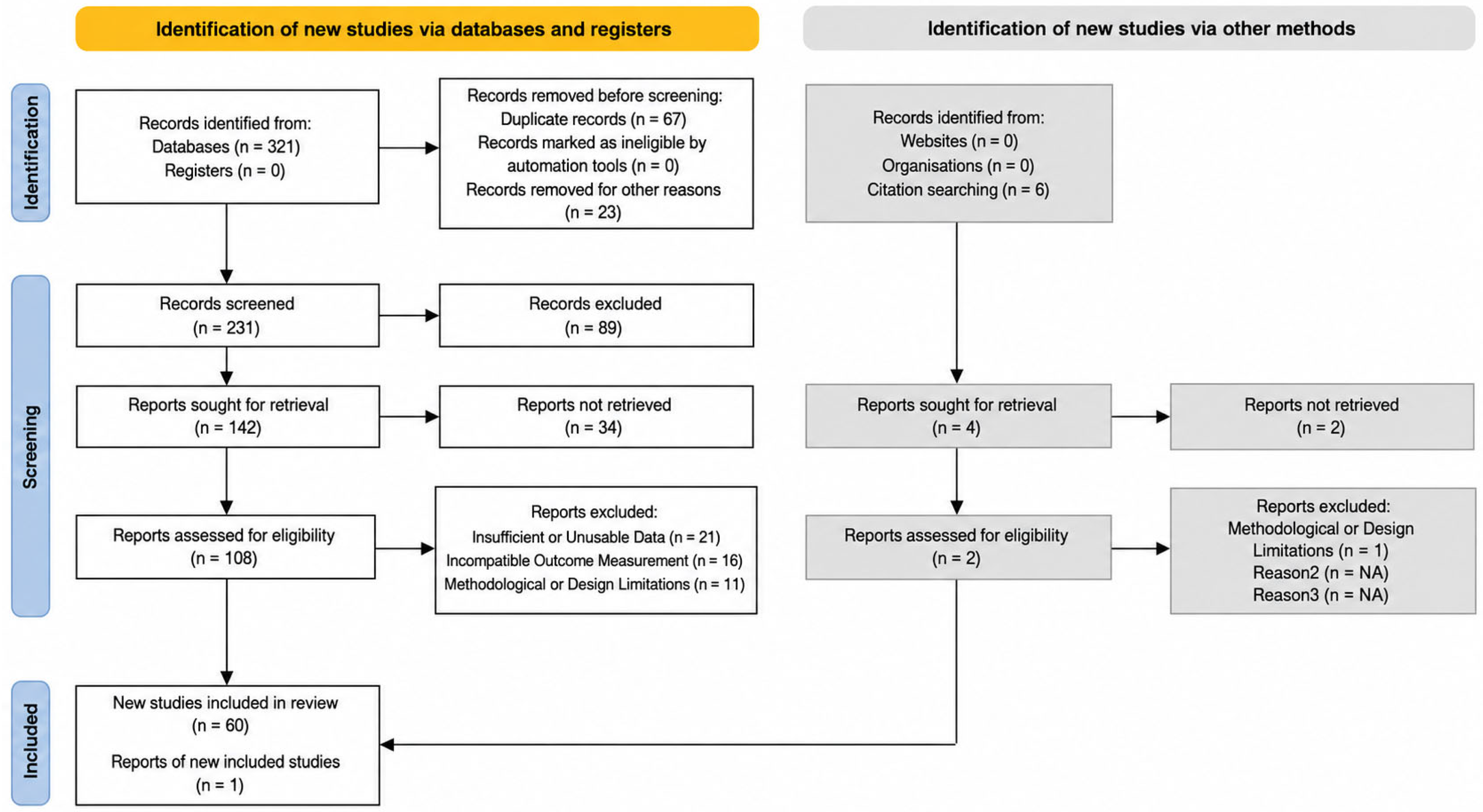
The systematic literature search was conducted using PRISMA guidelines to evaluate the role of polyamines in aiding plants to survive under metal toxicity (Figure 1). Data was collected from the electronic databases, including Web of Science, Scopus, PubMed, Google Scholar, and ScienceDirect, to find the studies published between 2005 and 2025. Keywords were searched in combination, such as polyamines, metal stress, and plant responses, and phrases such as polyamines and metal toxicity in plants, putrescine, spermidine, spermine and metal stress, aluminum, cadmium, lead, chromium or copper stress, oxidative stress and polyamines. Peer-reviewed studies were prioritized; however, one preprint containing unique mechanistic evidence on transporter regulation was retained exclusively for qualitative synthesis and was not included in quantitative meta-analysis. A total of 45 publications met the inclusion criteria. Several publications contained multiple independent experiments involving different polyamine types, plant species, or metal treatments. Therefore, these independent comparisons were extracted separately, resulting in 61 datasets used for quantitative synthesis.

2.2. Inclusion and Exclusion Criteria

The selection of studies was done using clear inclusion and exclusion criteria. The papers were required to quantitatively measure the impact of polyamines on plants under metal stress (aluminum, cadmium, lead, chromium, copper, manganese, or selenium). At least one of the outcomes, including metal accumulation, root growth, biomass, oxidative stress markers, lipid peroxidation or antioxidant enzyme activity, had to be reported. To avoid mechanistic bias, the literature search and selection criteria were designed to capture all reported effects of polyamines under metal stress, regardless of the underlying mechanism. Although oxidative-stress-related endpoints were the most frequently reported and therefore amenable to quantitative synthesis, study inclusion was not restricted to antioxidant mechanisms. Studies reporting transporter regulation, hormone signaling, cell wall modification, and gene-expression responses were also included and synthesized qualitatively. Thus, quantitative emphasis reflects data availability rather than a priori mechanistic preference. All studies required a metal-stressed control group and a treatment group, which were subjected to metal stress and a polyamine. Studies that did not have adequate controls, insufficient statistical information (mean, standard deviation, sample size), non-plant systems, or reviews were eliminated. Two reviewers chose studies independently and the disagreements were settled through discussion.

Handling of Non-Independent Observations

To minimize pseudo-replication, multiple observations originating from the same publication were treated as independent only when they represented biologically distinct experimental units, including different plant species, metal treatments, polyamine types, tissues, or growth conditions. When multiple measurements represented repeated assessments of the same experimental condition, effect sizes were aggregated prior to analysis to avoid overrepresentation of individual studies.

2.3. Data Collection

The essential information of each qualified study included: research objectives, plant species, metal type, polyamine type, and the measured physiological parameter. This systematic review and meta-analysis followed the Preferred Reporting Items for Systematic Reviews and Meta-Analyses (PRISMA 2020) guidelines [27]. Study identification, screening, eligibility assessment, and selection were conducted according to this framework, with the workflow summarized in Figure 1. The completed PRISMA checklist is available as Supplementary File S1 (see Table S1, Supplementary Files). The quantitative data regarding growth characteristics (root length, fresh weight, dry weight), oxidative stress (ROS accumulation and H2O2), antioxidant enzymes (SOD and CAT), lipid peroxidation, and metal accumulation were gathered. Sample size (N), means, and standard deviation of the control and treatment groups were recorded. In cases where data were presented in graphs, the values were computerized by conventional means. Data extraction was done by two reviewers to achieve accuracy. When numerical data were presented graphically, values were extracted using digital image analysis tools (Web Plot Digitizer version 5.2). Multiple outcomes from the same study were treated as independent only when they represented distinct experimental conditions (e.g., different metals or treatments).
In addition to physiological and biochemical parameters, studies reporting molecular or genetic-level responses to polyamine treatment under metal stress were identified separately. Information on gene expression, signaling markers, transporters, and polyamine biosynthesis-related genes was qualitatively extracted and summarized to support mechanistic interpretation (Table 2). Omics studies, including transcriptomic and microarray investigations, were included only for qualitative mechanistic synthesis because effect-size extraction was not feasible.

2.4. Statistical Analysis

The meta-analyses were conducted through a random-effects model that was developed to consider variability differences among studies that were caused by variations in plant species, metal type, experimental design and polyamine application methods. Effect sizes were determined as the natural logarithm of the ratio of responses (lnRR) which is the ln (Treatment/Control) based on the proportional change in response variables after the treatment with polyamine. LnRR estimates of variance were based on reported standard deviations and sample sizes of the treatment and control groups. The random-effects model was applied to the Restricted Maximum Likelihood (REML) estimator to give strong variance estimation when there is high heterogeneity. Positive values of lnRR show that the measured parameter (e.g., growth traits and antioxidant enzyme activities) is increased in polyamine-treated plants compared to metal-stressed controls, and negative values of lnRR show that it is decreased.
The Cochran Q statistic and I2 statistic were used to assess between-study heterogeneity. I2 values of 0–25% were considered low heterogeneity, 25–50% moderate, and >50% high heterogeneity. To determine the range of true effects that would occur in various experimental conditions, prediction intervals were computed to estimate the range of the true effects. The funnel plot asymmetry, Egger regression test, Beggs rank correlation test and leave-one-out sensitivity analysis were used to assess publication bias. Such tests were used in cases where 10 or more studies were identified because of the decreased reliability with smaller samples. A leave-one-out sensitivity analysis was used to determine the effect of each individual study on pooled estimates. Quantitative meta-analysis of the molecular and genetic-level outcomes was not done because of the variability in the reporting format and endpoints but rather synthesized qualitatively.
Risk of bias was evaluated using a modified ecological meta-analysis framework considering (i) experimental design, (ii) control adequacy, (iii) reporting completeness, (iv) replication level, and (v) statistical transparency. Studies were categorized as low, moderate, or high risk of bias. Sensitivity analyses excluding high-risk studies were conducted to evaluate the robustness of the pooled estimates.

3. Results

3.1. Growth Parameters

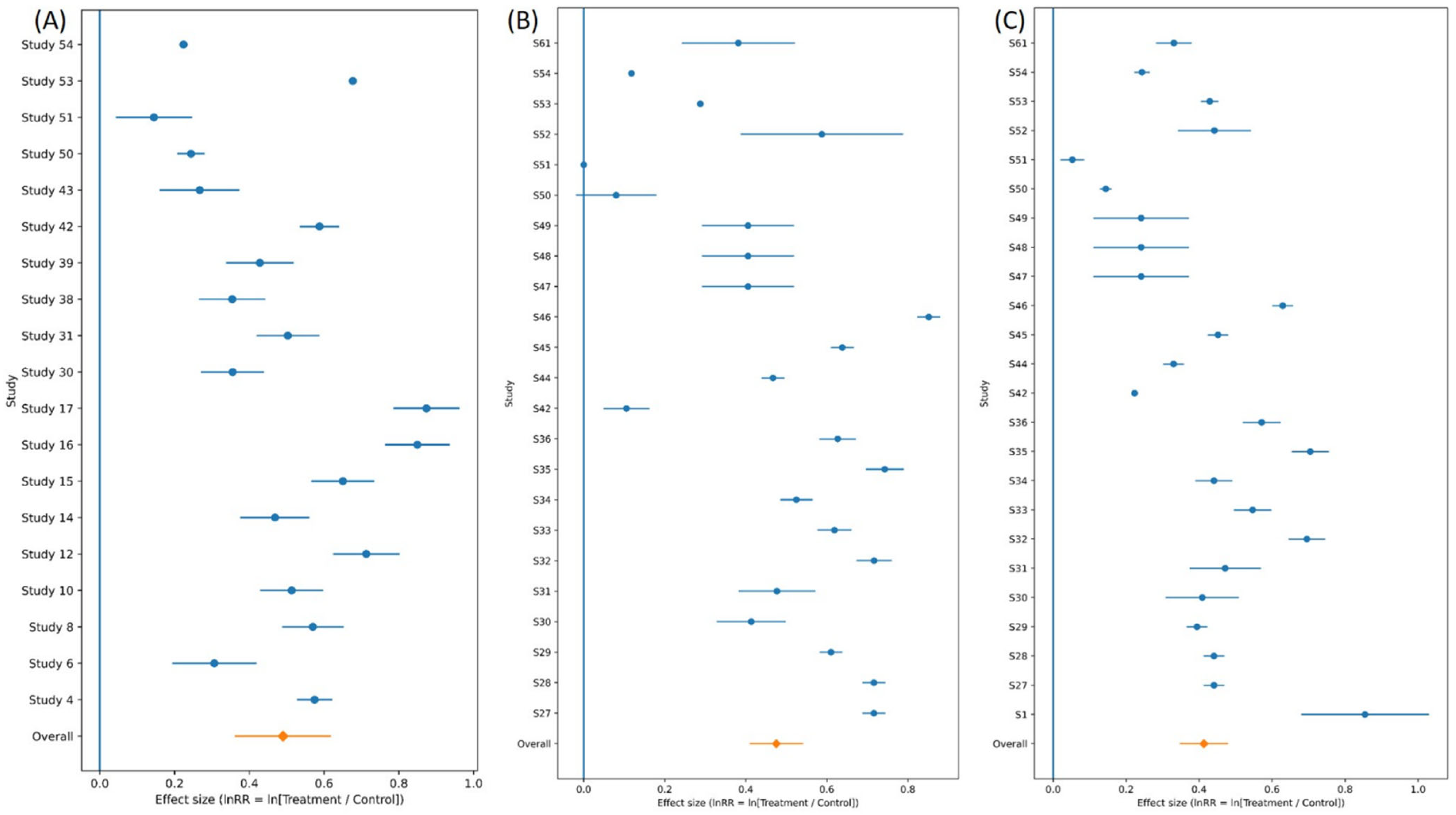
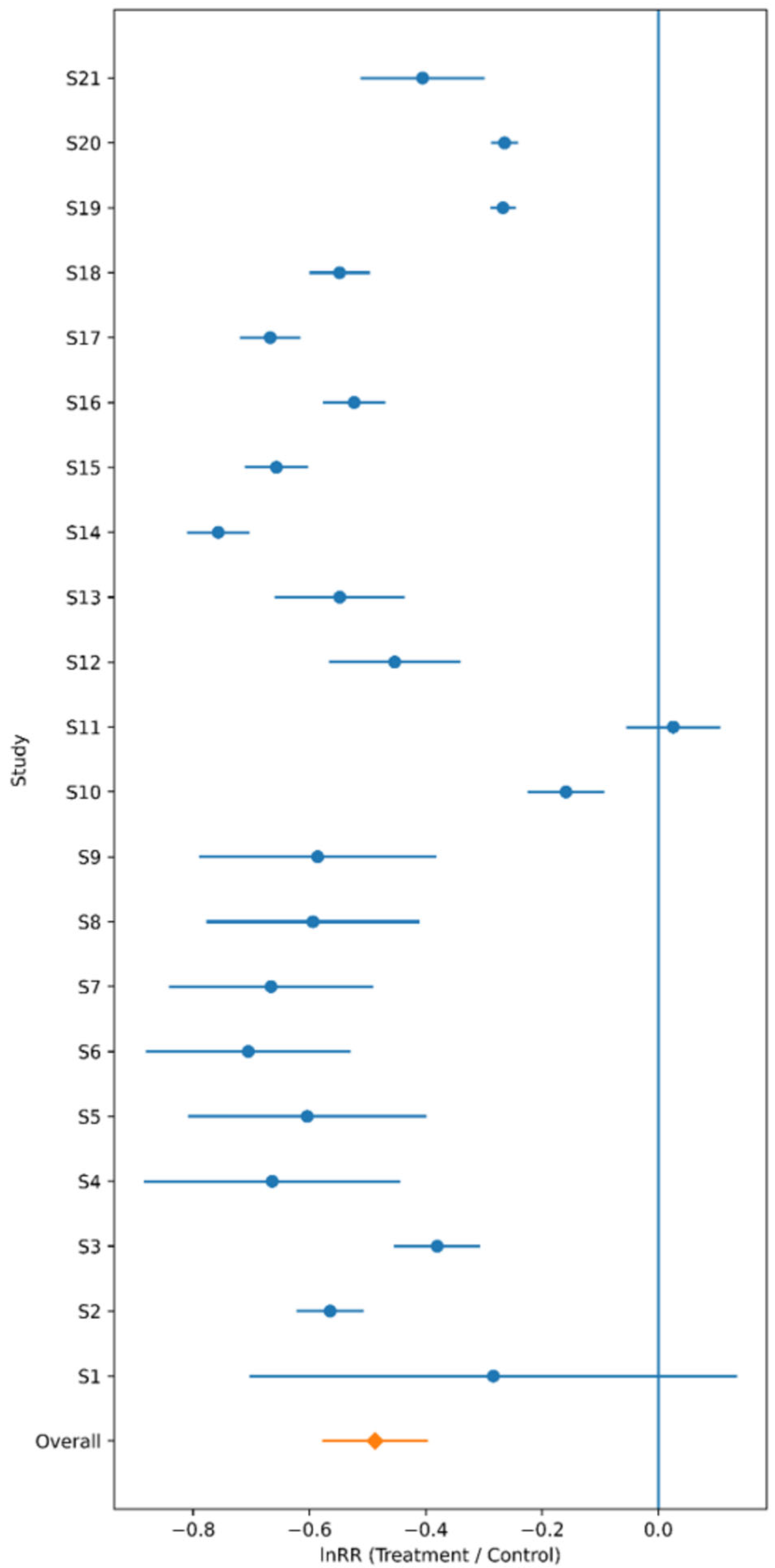
To evaluate the ameliorative effect of polyamines on plants affected by different metals. For this, 61 independent datasets were evaluated from which 19 studies evaluated root elongation, 23 studies reported plant’s dry weight and 25 studies investigated the fresh weight of plants. The meta-analysis showed that the positive effect of polyamine application on the parameters of plant growth in conditions of metal stress such as root elongation, dry weight and fresh weight were strong and statistically significant (Figure 2). In the case of root elongation, the combined effect size was highly positive (lnRR = 0.490; 95% CI: 0.362 to 0.618), which showed a strong increase in root development in treated plants relative to untreated controls. The effect was highly significant (Z = 7.496, p < 0.001), corresponding to an approximate increase of 63.24%. Nevertheless, the level of heterogeneity between the studies was very high (Q = 5043.843, df = 18, I2 = 99.64%), which implied a high level of variability under the influence of the differences in the plant species, metal types, experimental conditions, and polyamine treatments.
On the same note, dry weight was significantly improved when it was subjected to polyamine treatment, and the pooled lnRR was 0.475 (95% CI: 0.409 to 0.541). This is equivalent to a rise of about 60.85 percent as compared to the control. The overall effect was highly significant (Z = 14.085, p < 0.001). Heterogeneity was once again very high (Q = 69,399.578, df = 22, I2 = 99.97%), meaning that there was considerable between-study heterogeneity.
The pooled effect size was also significant in the case of fresh weight (lnRR = 0.413; 95% CI: 0.347 to 0.480) which indicates an increase of 51.15% of treated plants over controls. The effect was statistically robust (Z = 12.197, p < 0.001). Here, high heterogeneity was also found (Q = 2679.549, df = 23, I2 = 99.14%), which also confirms that there were various experimental conditions that affect the strength of the response. Although the studies are very heterogeneous, the positive direction of the effect sizes remains constant, which suggests that polyamine application significantly improves the growth of plants in the presence of metal stress. These results indicate that polyamines are important in alleviating growth inhibition caused by stress, which results in enhanced biomass accumulation and root growth in a diverse array of experimental systems.

3.2. Oxidative Stress

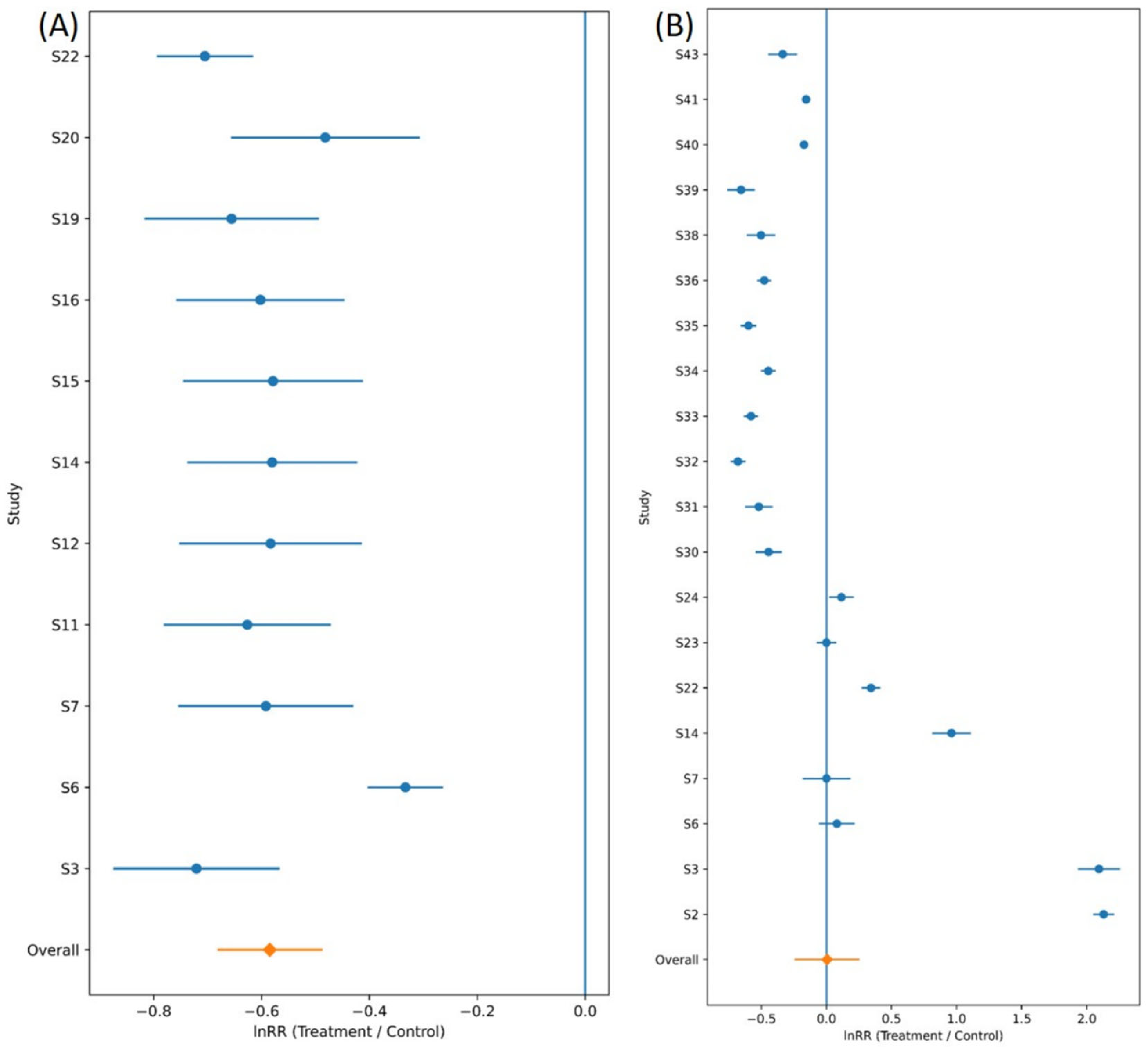
In the meta-analysis, there were opposing effects of polyamine use on the oxidative stress markers under metal stressful conditions as measured by reactive oxygen species (ROS) accumulation and hydrogen peroxide (H2O2) concentrations (Figure 3).
For ROS accumulation, polyamine treatment resulted in a significant reduction, as indicated by a negative pooled effect size (lnRR = −0.585; 95% CI: −0.682 to −0.487). This effect was very strong (Z = 11.734, p < 0.001), which is associated with a decrease of about 44.27% relative to untreated controls. Heterogeneity was high (Q = 57.19, df = 10, I2 = 82.52%), but the overall negative value of the effect sizes of all studies indicates that polyamines are effective in alleviating oxidative damage by decreasing the level of ROS in the presence of metal toxicity.
Conversely, no significant overall reaction to polyamine treatment was observed in the accumulation of H2O2. The combined effect was near zero (lnRR = 0.005; 95% CI: −0.244 to 0.254), which showed no significant difference between treated and control plants. This was also reinforced by a non-significant test value (Z = 0.040, p = 0.968) with a negligible percent change (0.51%). Nevertheless, the heterogeneity was very high (Q = 5521.29, df = 19, I2 = 99.66%), which means that there was a significant variability among studies. This implies that the reaction of H2O2 with polyamines is very sensitive to experimental circumstances including the plant species, the type and concentration of metal stress, and the type of polyamine. These results suggest that polyamines have a consistent effect of lowering the total accumulation of ROS, but not statistically significant at the global scale, on H2O2. This variation could be indicative of variations in the regulation and scavenging of particular reactive oxygen species and the multifaceted nature of polyamines in oxidative stress regulation in circumstances of metal stress.

3.3. Antioxidant Profile

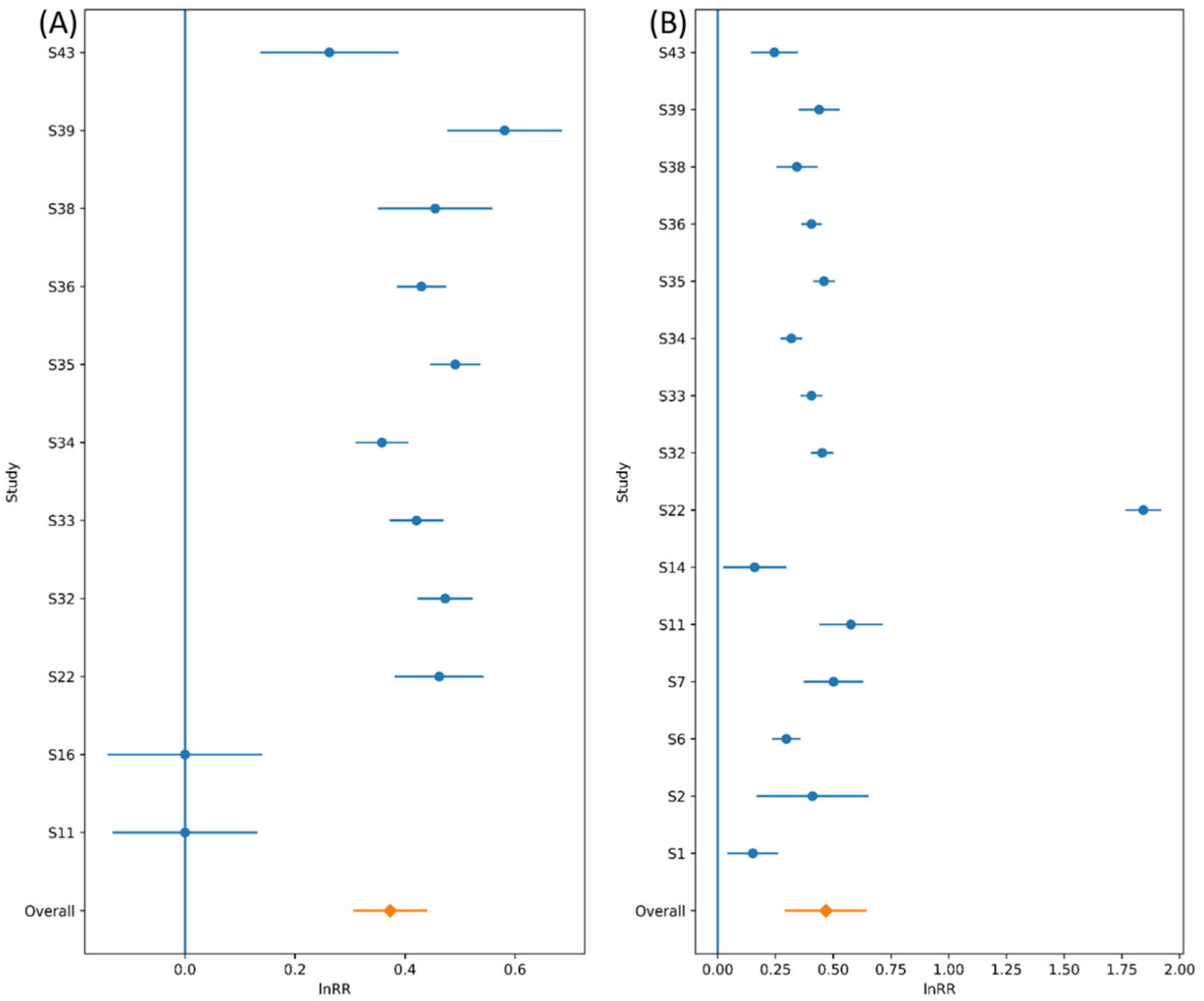
The meta-analysis indicated that the use of polyamines can greatly improve antioxidant defense responses in plants exposed to metal stress, as the activities of superoxide dismutase (SOD) and catalase (CAT) are increased (Figure 4). In the case of superoxide dismutase (SOD), the pooled effect size was positive and significant (lnRR = 0.468; 95% CI: 0.291 to 0.645), which means that the activity of the enzyme increased significantly in the polyamine-treated plants as opposed to the untreated controls. The impact was extremely meaningful (Z = 5.197, p < 0.001) which corresponds to the approximate increase of 59.68%. Nevertheless, the heterogeneity between studies was very high (I2 = 98.97%), implying that there was a high level of variability because of the fact that the plant species, types of metals, experimental conditions, and polyamine treatments varied significantly.
On the same note, the application of polyamines boosted catalase (CAT) activity, and the pooled lnRR was 0.373 (95% CI: 0.305 to 0.441). This translates to a rough growth of 45.2 percent in comparison to the control. The overall effect was highly significant (Z = 10.821, p < 0.001). Even though the heterogeneity was a bit less than that of SOD, it was still high (I2 = 90.93%), which meant that there was a significant amount of between-study variation.
Together, the overall positive and significant effect sizes of both SOD and CAT suggest that polyamines are essential in enhancing the antioxidant defense system of plants in the presence of metal stress. The increased expression of these enzymes is probably the cause of the reduction in oxidative damage, which confirms the contribution of polyamines to the increased stress tolerance due to effective scavenging of reactive oxygen species.

3.4. Lipid Peroxidation

The meta-analysis revealed that plant lipid peroxidation is greatly decreased with the use of polyamines in the presence of metal stress (Figure 5). The effect size was negative (lnRR = −0.487; 95% CI: −0.578 to −0.397) indicating a definite decrease in the levels of lipid peroxidation in treated plants in contrast to the untreated controls. This was a very significant effect (Z = −10.564, p < 0.001), which represents an approximate decrease of 38.57%. The included studies were very heterogeneous (I2 = 97.79%), which implies a large range of variability of the magnitude of response, possibly because of the differences in the plant species, types and concentrations of metals, and the conditions of the experiments. Regardless of this variation, the overall negative direction of the effect sizes is a strong indication of the role played by polyamines in alleviating the damage to membranes during metal stress.

3.5. Metal Accumulation

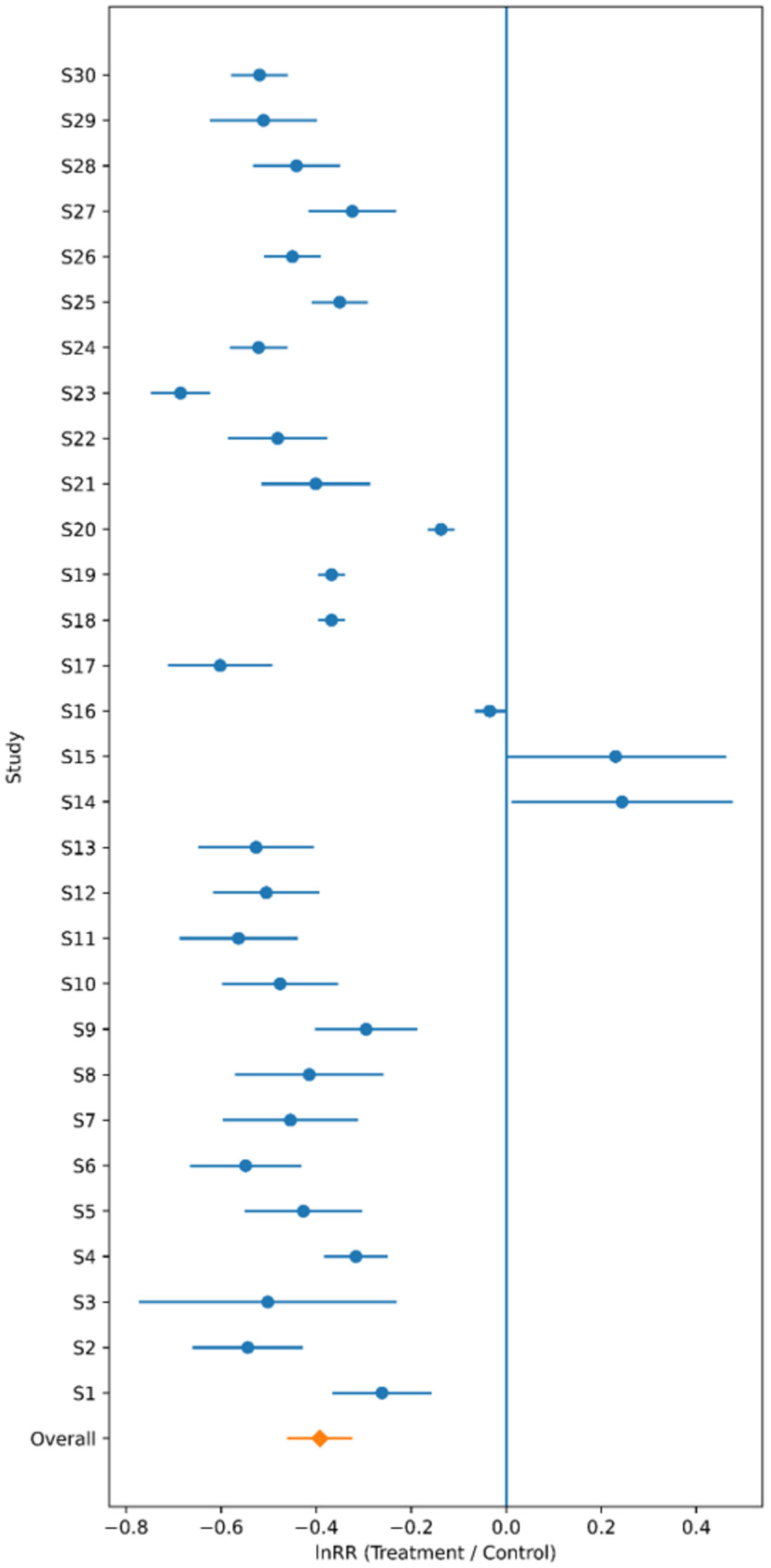
Polyamine application significantly reduces metal accumulation in plants under metal stress conditions (Figure 6). The effect size was negative (lnRR = −0.392; 95% CI: −0.460 to −0.324), which suggests a definite reduction in the metal content of treated plants relative to untreated controls. The general impact was very substantial (Z = −11.251, p < 0.001), indicating a relative decrease of about 32.44%. The heterogeneity among the included studies was high (I2 = 96.79%), indicating a high amount of variability in the magnitude of response. This variability can be explained by the differences in plant species, metal types and levels, exposure time and the type of polyamines used. Nevertheless, the overall downward trend in the effect sizes of the studies is a strong and generalizable trend.

3.6. Mechanistic Integration of Polyamine-Mediated Metal Tolerance

From our selected studies only 11 studies reported gene expression and enzyme-level responses that clarify how polyamines reduce different metals toxicity. Table 2 summarizes the observed expression patterns and functional roles.
Polyamines at the transcriptional level regulated important genes that were associated with metal uptake and detoxification. As an example, putrescine decreased metal uptake transporters like OsNRAMP1 and OsCd1 and increased genes involved in sequestration like OsHMA3 and OsCCX2, resulting in a decrease in metal accumulation and an increase in vacuolar compartmentalization. Polyamines also control transcription factors and cell-wall-associated genes. Silencing of OsMYB30 and Os4CL5 decreased the metal binding in the cell wall through phenolics and consequently the retention of metals.
At the same time, elevated arginine decarboxylase (ADC) activity promoted endogenous polyamine, which is a part of structural changes that minimize metal toxicity. Polyamines had a great impact on hormonal and signaling pathways. The genes of ethylene biosynthesis (ACS, ACO) were suppressed, which relieved stress-induced root inhibition, whereas nitric oxide signaling was at the heart of polyamine-induced tolerance, especially in the control of metal transport and antioxidant activation. Polyamines also improved detoxification mechanisms by increasing glutathione metabolism (GSHS), phytochelatin synthesis (PCS1), and stress-response proteins like HSP70.
Moreover, glyoxalase pathways were activated to decrease the level of methylglyoxal toxicity, which was involved in the protection of cells in stressful situations. The regulation of abscisic acid and salicylic acid signaling pathways was observed to be a hormonal crosstalk, especially during chromium and selenium stress. Current evidence suggests that polyamines may function as important regulatory nodes within stress-response networks; however, direct causal relationships remain insufficiently validated across species and experimental systems. These results indicate that polyamines control metal tolerance by coordinated regulation of gene expression, transporter activity, signaling pathways, and detoxification systems, which is powerful mechanistic evidence to support the physiological trends found in the meta-analysis.

4. Discussion

Metal toxicity suppresses the growth of plants in contaminated acidic soils where aluminum, cadmium, lead, chromium, copper, manganese, and selenium interfere with plant growth, nutrient uptake, and redox balance. Differences among metals are expected because Al primarily affects root apoplast interactions, whereas Cd, Pb, and Cr involve intracellular toxicity and transporter-mediated uptake [1,22,35,36,37]. The result of our meta-analysis of 61 independent datasets depicted that polyamines have a consistent effect of alleviating metal-induced stress in most plant species and experimental systems. The scale and orientation of pooled effects demonstrate that polyamines are general modulators of metal tolerance, rather than a species or metal-specific modulator. Most studies measured enzyme activity rather than transcript abundance, protein accumulation, or isoenzyme profiles. Consequently, mechanistic interpretation should remain cautious.
Characteristics related to growth were the most responsive and consistent to the use of polyamines during metal stress. Root elongation was significantly increased, which is sensitive to metal toxicity as an early indicator and responsive to polyamine-mediated protection. Previous research on aluminum has revealed that the polyamines mitigate the root repression by changing the cell wall structure, decreasing apoplastic metal binding, and altering hormonal signaling [28,29,31,38]. Similar effects on root growth and biomass were found when aluminum was stressed, indicating that polyamines enhance growth recovery under the influence of conserved physiological pathways that are not limited to aluminum toxicity [22,24,37,39]. The massive pooled impacts on fresh and dry biomass also suggest that the polyamine-mediated protection is not specific to roots but is also reflected in the entire plant growth recovery, which is probably through enhanced photosynthetic efficiency, osmotic balance, and metabolic stability [1,24,40]. Despite the high level of heterogeneity, the overall positive direction of effects indicates that the variability is a measure of differences in experimental situations, but not the lack of consistency in the role of polyamines.
Mitigation of oxidative stress became the key element of polyamine-mediated metal tolerance. Polyamine treatment had a strong and consistent effect in reducing the accumulation of reactive oxygen species with insignificant heterogeneity among studies. This observation points to a preserved antioxidative action of polyamines in metals and plants. Polyamines are also reported to lessen oxidative load by direct reactive species scavenging and indirectly by stimulating antioxidant defense mechanisms [19,21,41]. Conversely, the response of hydrogen peroxide was more varied across the studies, which is probably due to the variation in tissue specificity, metal identity, length of exposure, and enzyme control. Although this was varied, the general decrease in the level of hydrogen peroxide always favored the polyamine-treated plants indicating their contribution to restraining the oxidative damage under metal stress. Hydrogen peroxide exhibits dual roles as both a damaging oxidant and a signaling molecule; therefore, variation among studies may reflect differences in stress severity, tissue type, developmental stage, and analytical methodology.
The polyamines are also involved in redox regulation as the activity of antioxidant enzymes is also enhanced. The application of polyamines significantly enhanced superoxide dismutase and catalase activity, which showed that the enzymatic detoxification pathways were reinforced. It has been reported in previous studies that polyamines activate antioxidant enzymes either by transcriptional regulation or enzyme structure stabilization during stress conditions [11,24,42]. The greater heterogeneity of catalase activity implies that enzyme-specific control could be determined by the type of metal, form of polyamine and genotype of the plant. However, the steady increase in SOD and CAT in all studies is in line with the recorded decreases in the accumulation of ROS and lipid peroxidation. But increased SOD and CAT activity should not be interpreted as direct evidence of transcriptional activation because post-translational regulation and enzyme stabilization may also contribute.
Polyamine treatment significantly decreased lipid peroxidation, which is a sign of increased membrane stability in the presence of metal toxicity. This effect is in line with the experimental data that polyamines react with membrane phospholipids and proteins, thus preventing oxidative damage to membrane lipids [1,14,38,40]. Lower levels of malondialdehyde during various metal stresses imply that the downstream effect of polyamine-mediated redox regulation is membrane protection.
One of the most important findings of this meta-analysis is the significant decrease in metal concentration of polyamine-treated plants. This was found in all aluminum, cadmium, lead, chromium, copper, manganese and selenium even though the magnitude of the effect size was highly heterogeneous. High heterogeneity likely reflects biological variability across plant species, metal types, and polyamine forms, indicating that the magnitude of response is context-dependent rather than inconsistent. Aluminum toxicity primarily affects the apoplast and root elongation, whereas cadmium and lead exert intracellular toxicity through disruption of enzyme systems, and copper induces strong redox-mediated oxidative stress. Mechanistic studies give insight into this pattern. Polyamines alter the cell wall structure by enhancing pectin methylation and decreasing the negatively charged binding sites, which restrict metal retention in the apoplast [1,29,37]. They also stimulate the secretion of organic acids, including citrate and malate, which chelate metals in the rhizosphere and lower cellular absorption [33,37,40,43]. Moreover, transporter activity and metal translocation routes are also controlled by interactions with signaling molecules, such as nitric oxide and ethylene [11,24,31]. Such integrated processes give a physiological and molecular explanation for the uniformly adverse pooled effects of the accumulation of metals. Polyamines may also interact with classical detoxification systems, including phytochelatin-mediated chelation, metallothionein binding, and vacuolar sequestration pathways, which together contribute to reduced cytosolic metal toxicity [44]. It was also noted that higher polyamines (spermidine and spermine) frequently exhibit stronger protective effects than putrescine because of their higher cationic charge density, greater membrane affinity, and stronger antioxidant interactions.
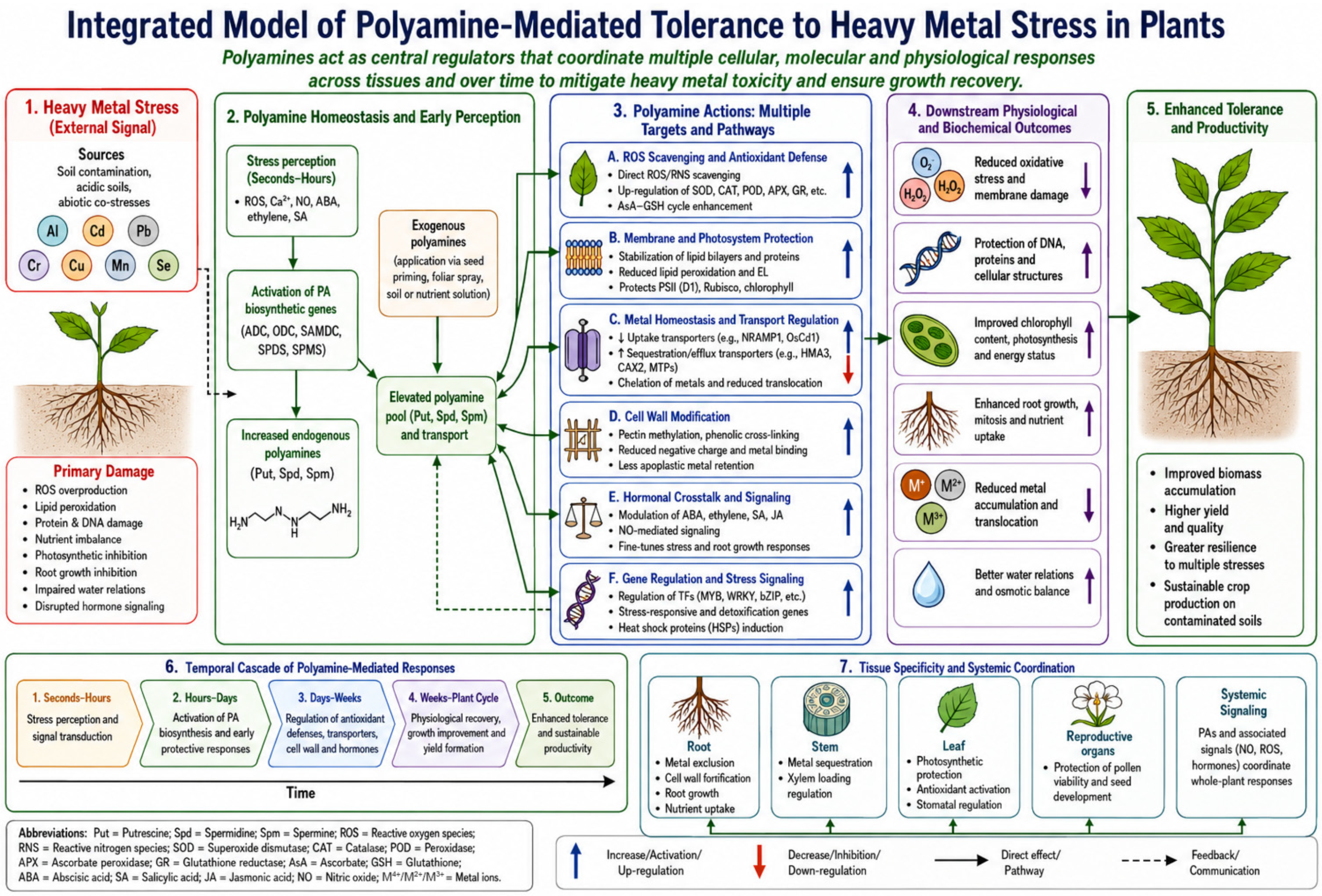
The patterns of physiology seen in the meta-analysis are also supported by evidence of gene expression and molecular studies. Polyamines suppress transcriptional factors that regulate phenolic synthesis, reduce cell wall metal-binding capacity, elevate endogenous putrescine, and improve structural defenses by increasing the activity of arginine decarboxylase. The combination of physiological and molecular evidence suggests that polyamines mediate metal tolerance by many intertwined processes and not just one dominant process. On the cellular level, polyamines alter cell wall structure by changing the methylation of pectin and the cross-linking of phenolic compounds and thus lowering metal binding. On the membrane level, they stabilize lipid bilayers with their polycationic nature and prevent oxidative damage. On a molecular scale, polyamines control transcription factors like the MYB family proteins, nitric oxide (NO), abscisic acid (ABA), salicylic acid (SA), and ethylene signaling pathways and metal transport and detoxification genes. Active reprogramming of metal homeostasis is indicated, e.g., by downregulation of metal uptake transporters (e.g., NRAMP1) and upregulation of transporters associated with sequestration (e.g., HMA3). Moreover, the polyamine metabolism is dynamically regulated during stress, and enzymes like arginine decarboxylase (ADC) and polyamine oxidases play a role in biosynthesis and degradation. These mechanisms are highly interconnected with the reactive oxygen species signaling, implying that polyamines serve as redox and metabolic network integrators. These results indicate that polyamines are central nodes in stress-response networks that orchestrate structural, biochemical and transcriptional changes in response to metal toxicity [28,29].
Polyamine-mediated responses are closely integrated with plant hormone signaling networks. Evidence from included studies shows interactions with ethylene, nitric oxide, and abscisic acid pathways, which regulate root growth, stress signaling, and detoxification processes. This crosstalk enables plants to fine-tune their responses depending on stress severity and environmental conditions [1,31]. Spermidine and spermine maintain chlorophyll and photosystem stability in photosynthetic tissues and extend polyamine protection beyond roots and redox balance [36,44,45,46]. In combination, these molecular reactions support the finding that polyamines act in a number of pathways, which are interconnected and provide metal tolerance (Figure 7).
Although many studies reported concentration-dependent responses, optimal doses varied considerably among species, metals, developmental stages, and application methods. Consequently, generalized concentration thresholds cannot currently be established. This highlights the importance of concentration optimization in both experimental and agricultural applications. While the overall patterns are strong, there are a number of limitations that should be considered. The large heterogeneity of numerous outcomes is indicative of the large differences in plant species, metal concentrations, exposure period, and polyamine application procedures. The inconsistent reporting of dosage and timing limited the capacity to perform moderator analyses that could be used to describe the variability in the effect magnitude. In addition, the majority of the studies were done in controlled settings, which restricted the generalization of the findings to field settings. In the future, standardized experimental designs, detailed reporting of treatment parameters, and a combination of transcriptomic, proteomic, and metabolomic methods should be used to enhance the mechanistic resolution. To determine the long-term performance and agronomic viability of polyamine-based interventions, field-based validation will be necessary along with genome editing approaches such as CRISPR/Cas to validate gene function, along with breeding strategies to develop polyamine-responsive cultivars.

5. Conclusions

The synthesized evidence in this meta-analysis suggests that polyamines are upstream regulators of plant resilience to metal stress, and not just simple agents of stress-amelioration. They have a protective effect that is based on the coordinated regulation of redox balance, membrane integrity, metal partitioning and stress signaling, although the strength of these effects varies greatly depending on the context. The high heterogeneity in the results indicates that the efficacy of polyamine depends on the metal identity, plant genotype, tissue specificity, and application strategy, providing information about the constraints of the generalized conclusions that can be made based on the single-species research. These observations indicate that future studies should shift the focus off descriptive physiological measurements and towards mechanistically resolved systems that include experimentally validated gene regulation, transporter activity and hormone-polyamine crosstalk in realistic exposure conditions. The standardization of dosage, timing, and metal speciation reporting, field-scale validation and multi-omics will be needed to extrapolate the polyamine-mediated tolerance in controlled experiments to achieve agronomically viable solutions to metal-impacted soils.

Supplementary Materials

The following supporting information can be downloaded at: https://www.mdpi.com/article/10.3390/agriculture16121305/s1.

Author Contributions

M.U.: conceptualization, data curation, investigation, methodology, validation, writing—original draft, writing—review and editing. Q.L.: investigation, writing—original draft, writing—review and editing. D.D.: conceptualization, funding acquisition, resources, supervision. X.P.: visualization, writing—original draft, writing—review and editing. S.H.: data curation, Y.X.: methodology, writing—review and editing, M.F.: Formal analysis, software, writing—review and editing. All authors have read and agreed to the published version of the manuscript.

Funding

The research was supported by the National Natural Science Foundation of China under grant number 32460463 and the Guangxi Natural Science Foundation under grant number 2022GXNSFDA035074.

Data Availability Statement

The datasets analyzed during the current study are available from the corresponding author upon reasonable request. All data sources used in this meta-analysis are properly cited within the manuscript and Supplementary Materials. We would like to clarify that no generative AI tools were used for data analysis, interpretation, or manuscript writing.

Acknowledgments

The authors gratefully acknowledge Shahid Ali from the College of Agriculture, Guangxi University, Nanning 530004, China, for his valuable assistance in preparing this manuscript.

Conflicts of Interest

The authors declare that they have no known competing financial interests or personal relationships that could have appeared to influence the work reported in this paper.

References

  1. Kang, Y.; Li, C.-Z.; Ullah, A.; Zhang, Q.; Yu, X.-Z. The Accumulation of Abscisic Acid Increases the Innate Pool of Soluble Phenolics through Polyamine Metabolism in Rice Seedlings under Hexavalent Chromium Stress. Toxics 2024, 12, 577. [Google Scholar] [CrossRef]
  2. Mishra, S.; Sahoo, L.; Panda, S.K. Genetic Engineering for Acid Soil Tolerance in Plants. Improv. Crop Product. Sustain. Agric. 2012, 49–67. [Google Scholar]
  3. Kocjan, A.; Kwasniewska, J.; Szurman-Zubrzycka, M. Understanding plant tolerance to aluminum: Exploring mechanisms and perspectives. Plant Soil 2024, 507, 195–219. [Google Scholar] [CrossRef]
  4. Zamanian, K.; Taghizadeh-Mehrjardi, R.; Tao, J.; Fan, L.; Raza, S.; Guggenberger, G.; Kuzyakov, Y. Acidification of European croplands by nitrogen fertilization: Consequences for carbonate losses, and soil health. Sci. Total Environ. 2024, 924, 171631. [Google Scholar] [CrossRef]
  5. Tadesse, A. Soil acidity causes in Ethiopia, consequences and mitigation strategies—A review. Int. J. Agric. Appl. Sci. 2024, 5, 86–100. [Google Scholar] [CrossRef]
  6. Vista, S.P.; Gaihre, Y.K.; Dahal, K.R. Plant nutrient availability in acid soil and management strategies. In Climate Change and Soil-Water-Plant Nexus: Agriculture and Environment; Springer: Berlin/Heidelberg, Germany, 2024; pp. 331–353. [Google Scholar]
  7. Jiang, X.; Li, W.-W.; Han, M.; Chen, G.; Wu, J.; Lai, S.; Fu, Z.; Zhang, S.; Deng, W.-W.; Gao, L.; et al. Aluminum-tolerant, growth-promoting endophytic bacteria as contributors in promoting tea plant growth and alleviating aluminum stress. Tree Physiol. 2022, 42, 1043–1058. [Google Scholar] [CrossRef] [PubMed]
  8. Wen, X.-P.; Ban, Y.; Inoue, H.; Matsuda, N.; Moriguchi, T. Aluminum tolerance in a spermidine synthase-overexpressing transgenic European pear is correlated with the enhanced level of spermidine via alleviating oxidative status. Environ. Exp. Bot. 2009, 66, 471–478. [Google Scholar] [CrossRef]
  9. Aftab, T.; Hakeem, K.R. Sustainable Plant Nutrition: Molecular Interventions and Advancements for Crop Improvement; Academic Press: Cambridge, MA, USA, 2022. [Google Scholar]
  10. Wu, Y.a.; Yin, X.; Li, M. Mini-review of developments in the chemical modification of plant-derived photosensitizing drug hypocrellin and its biomedical applications. Interdiscip. Med. 2024, 2, e20240027. [Google Scholar] [CrossRef]
  11. Hasan, M.M.; Alharbi, B.M.; Alhaithloul, H.A.S.; Abdulmajeed, A.M.; Alghanem, S.M.; Al-Mushhin, A.A.; Jahan, M.S.; Corpas, F.J.; Fang, X.-W.; Soliman, M.H. Spermine-mediated tolerance to selenium toxicity in wheat (Triticum aestivum L.) depends on endogenous nitric oxide synthesis. Antioxidants 2021, 10, 1835. [Google Scholar] [CrossRef]
  12. Taie, H.A.; Seif El-Yazal, M.A.; Ahmed, S.M.; Rady, M.M. Polyamines modulate growth, antioxidant activity, and genomic DNA in heavy metal–stressed wheat plant. Environ. Sci. Pollut. Res. 2019, 26, 22338–22350. [Google Scholar] [CrossRef]
  13. Benalia, A.; Baatache, O.; Derbal, K.; Khalfaoui, A.; Atime, L.; Pizzi, A.; Trancone, G.; Panico, A. The Effect of a Cactus-Based Natural Coagulant on the Physical–Chemical and Bacteriological Quality of Drinking Water: Batch and Continuous Mode Studies. Water 2026, 18, 138. [Google Scholar] [CrossRef]
  14. Chen, W.; Xu, C.; Zhao, B.; Wang, X.; Wang, Y. Improved Al tolerance of saffron (Crocus sativus L.) by exogenous polyamines. Acta Physiol. Plant. 2008, 30, 121–127. [Google Scholar] [CrossRef]
  15. Jiang, D.; Hou, J.; Gao, W.; Tong, X.; Li, M.; Chu, X.; Chen, G. Exogenous spermidine alleviates the adverse effects of aluminum toxicity on photosystem II through improved antioxidant system and endogenous polyamine contents. Ecotoxicol. Environ. Saf. 2021, 207, 111265. [Google Scholar] [CrossRef]
  16. Jangra, A.; Chaturvedi, S.; Kumar, N.; Singh, H.; Sharma, V.; Thakur, M.; Tiwari, S.; Chhokar, V. Polyamines: The gleam of next-generation plant growth regulators for growth, development, stress mitigation, and hormonal crosstalk in plants—A systematic review. J. Plant Growth Regul. 2023, 42, 5167–5191. [Google Scholar] [CrossRef]
  17. Shao, J.; Huang, K.; Batool, M.; Idrees, F.; Afzal, R.; Haroon, M.; Noushahi, H.A.; Wu, W.; Hu, Q.; Lu, X.; et al. Versatile roles of polyamines in improving abiotic stress tolerance of plants. Front. Plant Sci. 2022, 13, 1003155. [Google Scholar] [CrossRef]
  18. Hasan, M.M.; Skalicky, M.; Jahan, M.S.; Hossain, M.N.; Anwar, Z.; Nie, Z.-F.; Alabdallah, N.M.; Brestic, M.; Hejnak, V.; Fang, X.-W. Spermine: Its emerging role in regulating drought stress responses in plants. Cells 2021, 10, 261. [Google Scholar] [CrossRef]
  19. Spormann, S.; Soares, C.; Teixeira, J.; Fidalgo, F. Polyamines as key regulatory players in plants under metal stress—A way for an enhanced tolerance. Ann. Appl. Biol. 2021, 178, 209–226. [Google Scholar] [CrossRef]
  20. Nahar, K.; Hasanuzzaman, M.; Suzuki, T.; Fujita, M. Polyamines-induced aluminum tolerance in mung bean: A study on antioxidant defense and methylglyoxal detoxification systems. Ecotoxicology 2017, 26, 58–73. [Google Scholar] [CrossRef]
  21. Malik, A.; Yadav, P.; Singh, S. Role of polyamines in heavy metal stressed plants. Plant Physiol. Rep. 2022, 27, 680–694. [Google Scholar] [CrossRef]
  22. Basit, F.; Bhat, J.A.; Ulhassan, Z.; Noman, M.; Zhao, B.; Zhou, W.; Kaushik, P.; Ahmad, A.; Ahmad, P.; Guan, Y. Seed priming with spermine mitigates chromium stress in rice by modifying the ion homeostasis, cellular ultrastructure and phytohormones balance. Antioxidants 2022, 11, 1704. [Google Scholar] [CrossRef] [PubMed]
  23. Chakraborty, N.; Das, A.; Pal, S.; Roy, S.; Sil, S.K.; Adak, M.K.; Hasanuzzaman, M. Exploring Aluminum tolerance mechanisms in plants with reference to rice and Arabidopsis: A comprehensive review of genetic, metabolic, and physiological adaptations in acidic soils. Plants 2024, 13, 1760. [Google Scholar] [CrossRef]
  24. Hussain, A.; Nazir, F.; Fariduddin, Q. Polyamines (spermidine and putrescine) mitigate the adverse effects of manganese induced toxicity through improved antioxidant system and photosynthetic attributes in Brassica juncea. Chemosphere 2019, 236, 124830. [Google Scholar] [CrossRef]
  25. Jiménez-Bremont, J.F.; Rodríguez-Kessler, M.; Ortega-Amaro, M.A.; Groppa, M.D.; Cabrera, A.V.; Recalde, L.; Benavides, M.P.; Chávez-Martínez, A.I.; Gill, S.S.; de la Luz Guerrero-González, M. Polyamines and metal stress tolerance in plants. In Biostimulants in Alleviation of Metal Toxicity in Plants; Elsevier: Amsterdam, The Netherlands, 2023; pp. 267–294. [Google Scholar]
  26. Bounaas, M.; Haouichi, M.; Gattal, B.; Hamza, W.; Benalia, A.; Derbal, K.; Benzina, M.; Pizzi, A.; Trancone, G.; Panico, A. Optimization of NaOH Chemical Treatment Parameters for Biomass-Based Adsorbents in Cationic Dye Removal. Processes 2025, 13, 3932. [Google Scholar] [CrossRef]
  27. Page, M.J.; McKenzie, J.E.; Bossuyt, P.M.; Boutron, I.; Hoffmann, T.C.; Mulrow, C.D.; Shamseer, L.; Tetzlaff, J.M.; Akl, E.A.; Brennan, S.E. The PRISMA 2020 statement: An updated guideline for reporting systematic reviews. BMJ 2021, 372, n71. [Google Scholar] [CrossRef]
  28. Gao, L.J.; Liu, X.P.; Gao, K.K.; Cui, M.Q.; Zhu, H.H.; Li, G.X.; Yan, J.Y.; Wu, Y.R.; Ding, Z.J.; Chen, X.W.; et al. ART1 and putrescine contribute to rice aluminum resistance via OsMYB30 in cell wall modification. J. Integr. Plant Biol. 2023, 65, 934–949. [Google Scholar] [CrossRef]
  29. Yu, Y.; Jin, C.; Sun, C.; Wang, J.; Ye, Y.; Lu, L.; Lin, X. Elevation of arginine decarboxylase-dependent putrescine production enhances aluminum tolerance by decreasing aluminum retention in root cell walls of wheat. J. Hazard. Mater. 2015, 299, 280–288. [Google Scholar] [CrossRef]
  30. Yu, Y.; Zhou, W.; Liang, X.; Zhou, K.; Lin, X. Increased bound putrescine accumulation contributes to the maintenance of antioxidant enzymes and higher aluminum tolerance in wheat. Environ. Pollut. 2019, 252, 941–949. [Google Scholar] [CrossRef]
  31. Yu, Y.; Jin, C.; Sun, C.; Wang, J.; Ye, Y.; Zhou, W.; Lu, L.; Lin, X. Inhibition of ethylene production by putrescine alleviates aluminium-induced root inhibition in wheat plants. Sci. Rep. 2016, 6, 18888. [Google Scholar] [CrossRef]
  32. Sen, G.; Eryilmaz, I.E.; Ozakca, D. The effect of aluminium-stress and exogenous spermidine on chlorophyll degradation, glutathione reductase activity and the photosystem II D1 protein gene (psbA) transcript level in lichen Xanthoria parietina. Phytochemistry 2014, 98, 54–59. [Google Scholar] [CrossRef]
  33. Wang, H.Y.; Li, S.; Huang, J.; Zhu, X.F.; Shen, R.F.; Zeng, D.L. Putrescine modulates cadmium fixation ability of the cell wall to decrease cadmium accumulation in rice via a NO dependent manner. Res. Sq. 2023; preprint. [CrossRef]
  34. Yu, G.; Wei, M.; Wang, Z.; Jia, L.; Qu, Y. Exogenous Spermidine Induces Cadmium Stress Tolerance in Cucumber Seedlings by Promoting Plant Growth and Defense System. Toxics 2025, 13, 822. [Google Scholar] [CrossRef]
  35. Gu, J.; Hu, C.; Jia, X.; Ren, Y.; Su, D.; He, J. Physiological and biochemical bases of spermidine-induced alleviation of cadmium and lead combined stress in rice. Plant Physiol. Biochem. 2022, 189, 104–114. [Google Scholar] [CrossRef]
  36. Rahman, A.; Nagy, K.; Hamow, K.Á.; Pál, M.; Janda, T.; Dernovics, M.; Szőke, C.; Szalai, G. Cadmium stress responses under white or blue light are influenced by putrescine pre-treatment in wheat. Environ. Exp. Bot. 2024, 222, 105746. [Google Scholar] [CrossRef]
  37. Zhong, D.; Yan, H.; Chen, X.; Zhong, Z.; Li, X.; Jia, X.; Chang, S.; Shen, J.; Zhang, D. Exogenous putrescine modulates variety-specific cadmium tolerance in wheat seedlings: Synergistic roles of antioxidant defense and physiological homeostasis. Front. Plant Sci. 2025, 16, 1600603. [Google Scholar] [CrossRef]
  38. Benavides, M.P.; Groppa, M.D.; Recalde, L.; Verstraeten, S.V. Effects of polyamines on cadmium-and copper-mediated alterations in wheat (Triticum aestivum L.) and sunflower (Helianthus annuus L.) seedling membrane fluidity. Arch. Biochem. Biophys. 2018, 654, 27–39. [Google Scholar] [CrossRef]
  39. Rady, M.M.; El-Yazal, M.A.S.; Taie, H.A.; Ahmed, S.M. Response of wheat growth and productivity to exogenous polyamines under lead stress. J. Crop Sci. Biotechnol. 2016, 19, 363–371. [Google Scholar] [CrossRef]
  40. Khan, N.; Bano, A. Effects of exogenously applied salicylic acid and putrescine alone and in combination with rhizobacteria on the phytoremediation of heavy metals and chickpea growth in sandy soil. Int. J. Phytoremediation 2018, 20, 405–414. [Google Scholar] [CrossRef]
  41. Mandal, C.; Ghosh, N.; Adak, M.K.; Dey, N. Interaction of polyamine on oxidative stress induced by exogenously applied hydrogen peroxide in Salvinia natans Linn. Theor. Exp. Plant Physiol. 2013, 25, 223–230. [Google Scholar] [CrossRef]
  42. Rady, M.M.; Hemida, K.A. Modulation of cadmium toxicity and enhancing cadmium-tolerance in wheat seedlings by exogenous application of polyamines. Ecotoxicol. Environ. Saf. 2015, 119, 178–185. [Google Scholar] [CrossRef]
  43. Wang, H.; Liang, W.; Huang, J. Putrescine mediates aluminum tolerance in red kidney bean by modulating aluminum-induced oxidative stress. Crop Sci. 2013, 53, 2120–2128. [Google Scholar] [CrossRef]
  44. Hasanuzzaman, M.; Alhaithloul, H.A.S.; Parvin, K.; Bhuyan, M.B.; Tanveer, M.; Mohsin, S.M.; Nahar, K.; Soliman, M.H.; Mahmud, J.A.; Fujita, M. Polyamine action under metal/metalloid stress: Regulation of biosynthesis, metabolism, and molecular interactions. Int. J. Mol. Sci. 2019, 20, 3215. [Google Scholar] [CrossRef] [PubMed]
  45. Sardar, R.; Ahmed, S.; Yasin, N.A. Role of exogenously applied putrescine in amelioration of cadmium stress in Coriandrum sativum by modulating antioxidant system. Int. J. Phytoremediation 2022, 24, 955–962. [Google Scholar] [CrossRef] [PubMed]
  46. Çetinbaş-Genç, A.; Bayam, C.; Vardar, F. Treatment with polyamines alleviates the effects of concomitantly applied aluminum in sunflower (Helianthus annuus L.) leaves. Celal Bayar Univ. J. Sci. 2022, 18, 341–347. [Google Scholar] [CrossRef]
Figure 1. PRISMA flow diagram showing the identification, screening, eligibility, and inclusion of studies on polyamines and plant tolerance to metal toxicity.
Agriculture 16 01305 g001
Figure 2. Forest plots showing the ameliorative impact of polyamines on (A) root elongation, (B) plant dry weight and (C) plant fresh weight affected by metal toxicity. Effect size (lnRR) was calculated as the natural logarithm of the response ratio (ln[Treatment/Control]) using a random-effects model. Positive values indicate an improvement in growth parameters in polyamine-treated plants compared to metal-stressed controls. Error bars represent 95% confidence intervals.
Agriculture 16 01305 g002
Figure 3. Forest plots showing the ameliorative impact of polyamines on (A) ROS accumulation and (B) H2O2 content in plants affected by metal toxicity. Effect size (lnRR) was calculated as the natural logarithm of the response ratio (ln[Treatment/Control]) using a random-effects model. Positive values indicate an improvement in growth parameters in polyamine-treated plants compared to metal-stressed controls. Error bars represent 95% confidence intervals.
Agriculture 16 01305 g003
Figure 4. Forest plots showing the antioxidative profile of polyamines by evaluating (A) SOD and (B) CAT activities in plants affected by metal toxicity. Effect size (lnRR) was calculated as the natural logarithm of the response ratio (ln[Treatment/Control]) using a random-effects model. Positive values indicate an improvement in growth parameters in polyamine-treated plants compared to metal-stressed controls. Error bars represent 95% confidence intervals.
Agriculture 16 01305 g004
Figure 5. Forest plots showing the ameliorative impact of polyamines on lipid peroxidation in plants affected by metal toxicity. Effect size (lnRR) was calculated as the natural logarithm of the response ratio (ln[Treatment/Control]) using a random-effects model. Positive values indicate an improvement in growth parameters in polyamine-treated plants compared to metal-stressed controls. Error bars represent 95% confidence intervals.
Agriculture 16 01305 g005
Figure 6. Forest plots showing the ameliorative impact of polyamines on metal accumulation in plants. Effect size (lnRR) was calculated as the natural logarithm of the response ratio (ln[Treatment/Control]) using a random-effects model. Positive values indicate an improvement in growth parameters in polyamine-treated plants compared to metal-stressed controls. Error bars represent 95% confidence intervals.
Agriculture 16 01305 g006
Figure 7. Integrated model of polyamine-mediated metal stress tolerance in plants. Metal stress induces oxidative damage, membrane disruption, nutrient imbalance, and growth inhibition. Increased endogenous or exogenous polyamines activate interconnected defense mechanisms including antioxidant regulation, membrane protection, cell wall remodeling, hormonal signaling, metal homeostasis, and stress-responsive gene regulation. These coordinated responses reduce metal toxicity and oxidative damage while promoting photosynthesis, growth recovery, and plant resilience. The model summarizes evidence synthesized from the present meta-analysis and associated mechanistic studies.
Agriculture 16 01305 g007
Table 1. Major physiological and biochemical effects of different metal toxicities in plants and their primary targets.
MetalMajor TargetTypical Damage
AlRoot apexRoot inhibition
CdTransportersROS, toxicity
PbMembranesGrowth reduction
CrRedox systemOxidative damage
CuElectron transportROS
MnPhotosynthesisMetabolic imbalance
SeRedox metabolismOxidative stress
Table 2. Genes and molecular markers modulated by polyamines during metal stress.
StudySpecies/TissueTreatmentGene/MarkerResponse Under Al StressResponse with PolyaminesFunctional Outcome
[28]Oryza sativa (rice) root tipsExogenous putrescine + ART1OsMYB30, Os4CL5Al induced OsMYB30; Os4CL5 enhanced 4-coumaric acid → higher Al binding in cell wallPutrescine suppressed OsMYB30 and Os4CL5; ART1 also repressed OsMYB30Reduced Al binding and accumulation
[29]Triticum aestivum (wheat) rootsEnhanced ADC activityADC, pectin methylation, cell wall polysaccharidesAl increased polysaccharides and decreased pectin methylationElevated ADC and putrescine reversed these effectsFewer Al binding sites in cell wall
[30,31]Wheat root apicesExogenous putrescine; ethylene pathway modulationACS, ACO, ACC, ethyleneAl induced ACS and ACO activity, increased ACC and ethylene, inhibited root growthPutrescine reduced ACS activity and ethylene; ethylene donors reversed protectionReduced ethylene alleviated root inhibition
[32]Xanthoria parietina thalliExogenous spermidinepsbA, GR, chlorophyll, lipid peroxidationAl decreased psbA and GR, reduced chlorophyll, increased lipid peroxidationSpermidine increased psbA and GR, preserved chlorophyll, reduced lipid peroxidationMaintained photosynthetic machinery
[33]
(preprint)
Oryza sativa (rice) rootsCd + exogenous putrescine (PUT); ±NO scavengerOsNRAMP1, OsCd1, OsHMA3, OsCCX2; NO levelCd stress increased endogenous PUT; Cd uptake/accumulation associated with transporter activityPUT decreased OsNRAMP1 and OsCd1 (uptake-related) and increased OsHMA3 and OsCCX2 (vacuolar sequestration/efflux related); protection was lost with NO scavengerReduced Cd uptake and enhanced detoxification, lowering Cd accumulation via cell-wall fixation + transporter reprogramming + NO dependence
[11]Triticum aestivum (wheat) leaves/seedlingsSe + spermine (Spm); ±NO donor/NO scavengerMTP1, MTPC3, HSP70, TaPCS1, NRAMP1Se increased oxidative damage and Se accumulationSpm/NO upregulated MTP1, MTPC3, HSP70 and downregulated TaPCS1 and NRAMP1; the NO scavenger eliminated Spm benefitsLower Se uptake/translocation signals and stronger stress-protection signature; indicates NO-linked transcriptional control during Spm protection
[22]Oryza sativa (rice) seedlingsCr + seed priming with spermine (SPM)OsPR1, OsPR2, OsNPR1 (SA-related genes)Cr reduced growth and triggered oxidative damageSPM priming increased transcript levels of OsPR1, OsPR2, OsNPR1Suggests SPM protection involves activation of SA-associated defense signaling alongside physiological recovery
[20]Vigna radiata seedlingsExogenous spermidineGlyoxalase system, methylglyoxal (MG), LOX, AsA–GSH poolAl-driven oxidative damage coupled with disturbance in MG detoxification and related stress markersSpermidine enhanced glyoxalase/antioxidant-related detox capacity and reduced oxidative injury markersEnhanced detoxification capacity and improved tolerance to Al stress
[12]WheatPolyamines (Put/Spd/Spm)Genomic DNA integrity/DNA fragmentationHeavy metals associated with loss of DNA integrity (fragmentation) alongside broader toxicityPolyamines improved DNA integrity while supporting antioxidant defense and lowering metal burdenReduced genotoxicity and improved tolerance to heavy metal stress
[1]O. sativa shoots and rootsEndogenous PAsOsADC1, OsAIH, OsCPA1/4, SPMSCr (VI) altered PA homeostasisSpm-pathway genes upregulatedEnhanced Cr detoxification
[34]C. sativus seedlingsExogenous spermidineCsPCS1, CsGSHSCd induced oxidative damageSpd upregulated detox genesReduced Cd translocation
Disclaimer/Publisher’s Note: The statements, opinions and data contained in all publications are solely those of the individual author(s) and contributor(s) and not of MDPI and/or the editor(s). MDPI and/or the editor(s) disclaim responsibility for any injury to people or property resulting from any ideas, methods, instructions or products referred to in the content.