Abstract
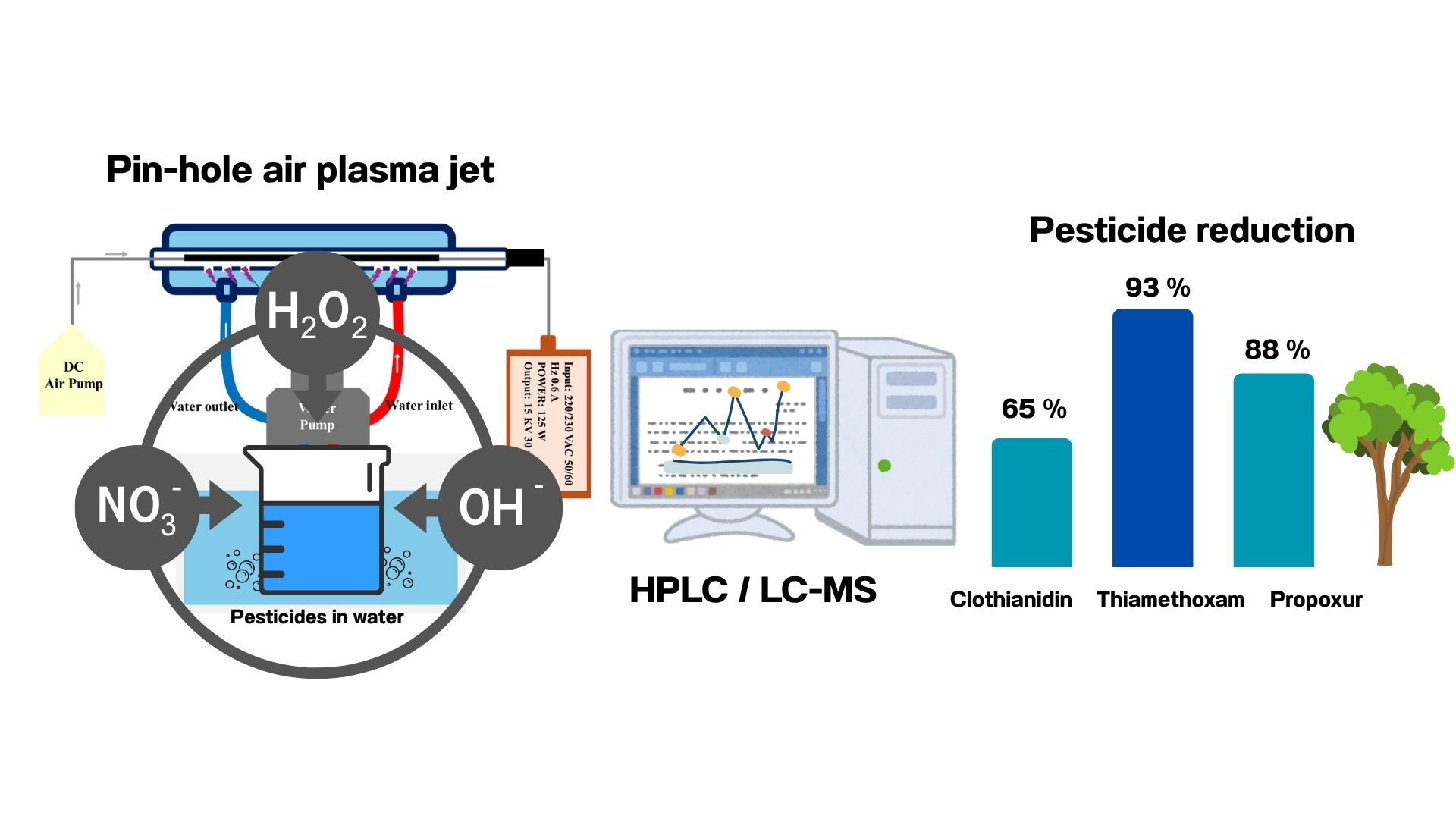
This study explores the efficacy of plasma-activated water (PAW), produced using a laboratory-made pin-hole air plasma jet, in the reduction of pesticide residues, including clothianidin, thiamethoxam, and propoxur. The physicochemical analysis indicated that PAW’s pH decreased significantly with longer discharge times, while oxidation–reduction potential (ORP) and electrical conductivity (EC) increased. Nitrogen and oxygen species in the plasma state were confirmed using optical emission spectroscopy. These results reflected the formation of rich reactive oxygen and nitrogen species (ROS and RNS), including hydroxyl radicals, hydrogen peroxide, and nitrate, contributing to its strong oxidative properties. The optimal PAW parameters for pesticide degradation were determined, and pesticide reduction was assessed using high-performance liquid chromatography (HPLC) and liquid chromatography–mass spectrometry (LC-MS). After 25 min of treatment, maximum reduction rates of 65%, 93%, and 88% were achieved for clothianidin, thiamethoxam, and propoxur, respectively. Only clothianidin yielded a single degradation product which is suggested to be formed by cyclic rearrangement following the loss of Cl and NO2, while those of thiamethoxam and propoxur were not detected. PAW produced by atmospheric pin-hole air plasma jet demonstrated superior degradation efficiency with minimal toxic by-product formation. The findings contribute valuable insights into sustainable practices for environmental detoxification.
Keywords:
clothianidin; PAW; pesticide; degradation; pin-hole air plasma jet; physiochemical property; reduction; safety 1. Introduction
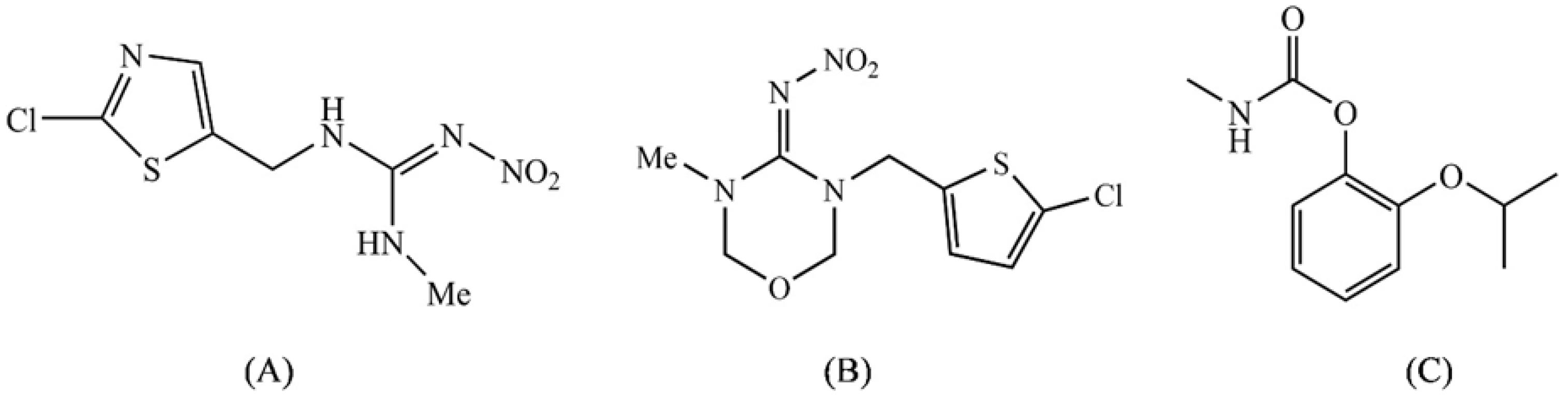
In agriculture, pesticides play a vital role in protecting crops from pests and diseases, ensuring a plentiful harvest and a reliable food supply for all. However, while pesticides provide essential protection, concerns about their environmental impact and effects on human health have been raised [1]. Neonicotinoids, a class of hydro-heterocyclic guanidine conjugated with an aromatic heterocyclic group (Figure 1), often exhibit prolonged residual action, remaining beneficial weeks or months after treatment [2]. Clothianidin and thiamethoxam are among the most used neonicotinoid pesticides, and their residues are often detected on fruits and vegetables. Therefore, an effective method to remove pesticides from fruits and vegetables is required. Another class of pesticide widely used in agriculture is carbamates. These organic pesticides are primarily composed of nitrogen and carbonyl groups and are recognized for their long-lasting effects [3]. Propoxur, a notable carbamate compound, has frequently been detected as a residue on vegetable crops, highlighting the need for more effective management methods for its usage [4].
Figure 1.
The structures of pesticides (A) clothianidin (B) thiamethoxam and (C) propoxur.
In recent decades, plasma technology has been introduced for pesticide removal from agricultural products [5]. Plasma is a state in which gas becomes ionized and is composed of positively charged ions and unbound electrons, leading to its potent oxidative characteristics. The reactive species include hydrogen peroxide (H2O2), ozone (O3), hydroxyl radicals (•OH), and others similar compounds [6]. These reactive species can interact with the chemical molecules present in pesticides to start breakdown processes [7]. Plasma-Activated Water (PAW) stands out as the most utilized among plasma applications for pesticide degradation. PAW is produced by treating water with atmospheric pressure plasma, resulting in the generation of various reactive species, including reactive oxygen species (ROS) and reactive nitrogen species (RNS).
Three distinct techniques for generating PAW, namely plasma jet, dielectric barrier discharge (DBD), and corona discharge, have emerged as notable methods due to their unique plasma generation and interactions with water [8]. Among these techniques, the pin-hole air plasma jet was chosen as the plasma-generating method for this study. In this context, a plasma jet refers to a non-thermal, atmospheric-pressure discharge that produces a partially ionized gas stream, sustained inside a dielectric tube and expelled through a small nozzle/pin-hole, enabling efficient transfer of reactive oxygen and nitrogen species (RONS) into liquids [9,10]. Pin-hole air plasma jets can produce a concentrated plasma stream, allowing precise treatment of specific regions or water volumes. Moreover, the pin-hole air plasma jet is adaptable, easy to integrate into existing workflows, and capable of handling various water quantities [11,12].
As of now, there have been no studies investigating the use of the pin-hole air plasma jet technique to produce plasma-activated water for reducing or degrading neonicotinoid and carbamate pesticides. This method is anticipated to convert the pesticides into less harmful byproducts, by accelerating their decomposition or reducing their toxicity. Thus, this study aimed to optimize conditions for producing plasma-activated water (PAW) to enhance pesticide degradation. We examined the physicochemical properties of the PAW, including pH, oxidation–reduction potential (ORP), electrical conductivity (EC), and contents of nitrate, nitrite, and hydrogen peroxide. Additionally, we analyzed the structure of pesticide degradation products after PAW treatment using high-performance liquid chromatography (HPLC) and liquid chromatography–mass spectrometry (LC-MS) techniques.
2. Materials and Methods
2.1. Chemicals
Standard clothianidin (C6H8ClN5O2S, PubChem CID: 86287519, 99.7% purity), thiamethoxam (C8H10ClN5O3S, PubChem CID: 5821911, 99.7% purity) and propoxur (C11H15NO3, PubChem CID: 4944, 99.62% purity) were purchased from Dr. Ehrenstorfer (Ausburg, Germany). HPLC-grade acetonitrile (CH3CN, PubChem CID 6342, 99% purity), nitrate, and nitrite standards were acquired from Sigma Aldrich (St. Louis, MO, USA). Ultrapure and deionized water were obtained by filtration from a Milli-DITM water purification system (Millipore Corp., Molsheim, France).
2.2. Pin-Hole Air Plasma Jet
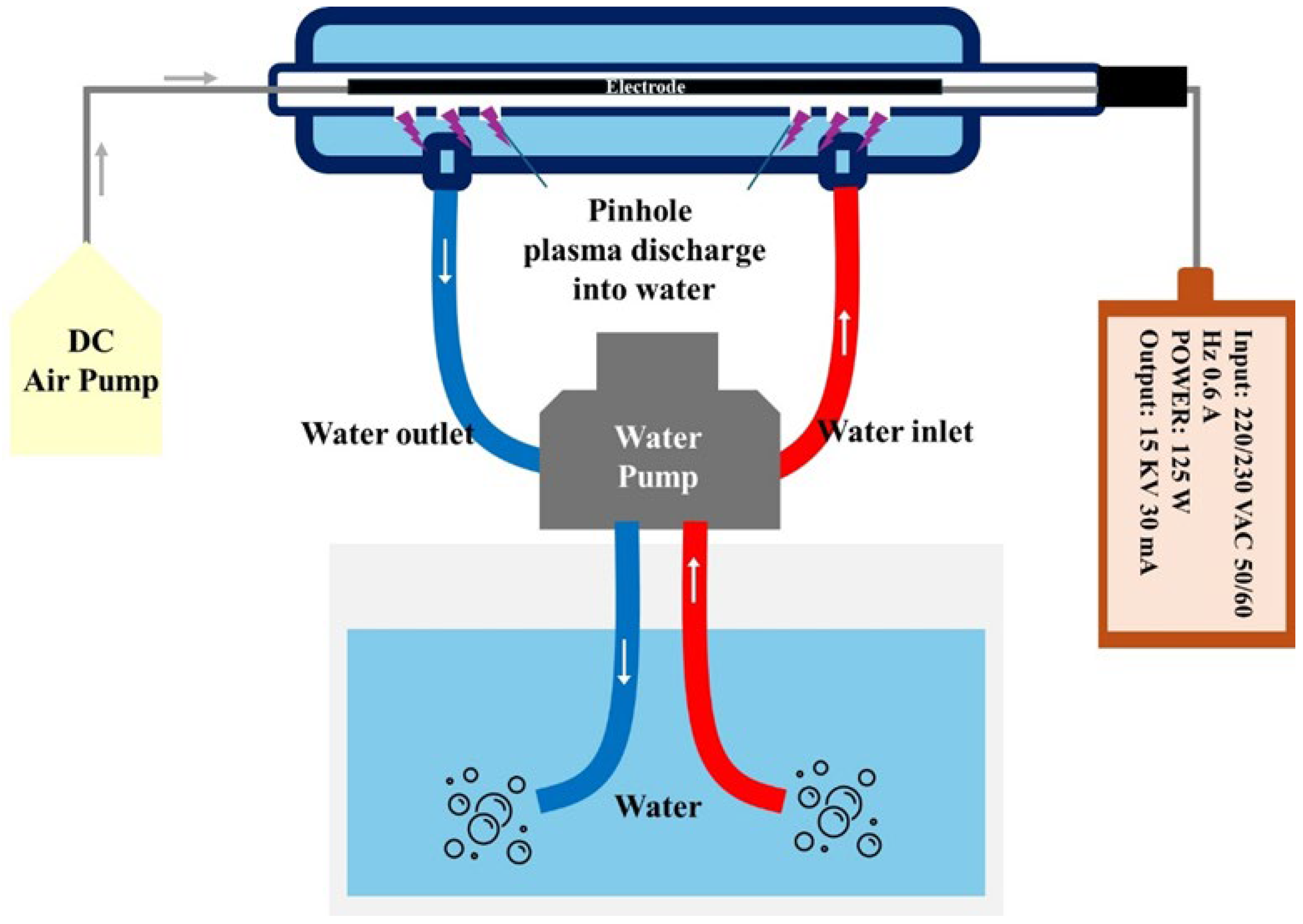
A cold atmospheric plasma (CAP) device specifically, a pin-hole air plasma jet was fabricated in our laboratory for water treatment applications. As schematically illustrated in Figure 2, the system comprise a borosilicate glass tube fitted with a central high-voltage electrode and small pin-holes at the bottom, allowing plasma to be discharged directly into the water stream [10].
Figure 2.
Schematic diagram of the laboratory-made pin-hole air plasma jet system.
To generate plasma, a DC air pump was used to supply air continuously (3 L min−1) into the glass tube, while a neon transformer (input: 220/230 VAC, 0.6 A, 125 W; output: 15 kV, 30 mA) applied a high voltage to the central electrode. This setup ionized the air inside the tube and produced plasma containing reactive radicals and UV photons at atmospheric pressure.
For water treatment, a water pump circulated water from the reservoir into the reactor via a “water inlet” tube (red). The water then flowed beneath the pin-hole plasma discharge, exposing it to the generated plasma. After treatment, water exited through the “water outlet” tube (blue) and returned to the main reservoir, enabling continuous recirculation at a fixed flow rate of 3 L min−1. This continuous flow design ensures all portions of water were uniformly exposed to plasma-generated reactive species.
The electrical setup is depicted in Figure 2: power is supplied to the central electrode by the neon transformer, and grounding is provided at the opposite end for a safe and effective discharge pathway. The plasma system operated at a fixed voltage of 15 kV and a current of 30 mA. Discharge parameters were optimized prior to the experiments, and these electrical conditions were maintained for all treatment durations (5, 10, 15, 20, 25, and 30 min). Since the system used a continuous DC power supply, no current waveform was recorded; therefore, plasma characterization was based on optical emission spectroscopy (OES) results.
When the pin-hole air plasma jet interacted with the water surface, the applied potential difference induced an electric current in the water, greatly enhancing electron activity. This initiated a series of chemical and physical reactions, including dissociation of water molecules and droplets, leading to the formation of highly reactive species such as hydroxyl radicals and reactive oxygen/nitrogen species (RONS). These chemically active species are primarily responsible for the water treatment efficacy of the pin-hole air plasma jet system.
2.3. Generation of Plasma in Pesticide Solutions by Pin-Hole Air Plasma Jet System
A pesticide solution containing clothianidin, thiamethoxam, or propoxur was prepared at a concentration of 5 ppm in 200 mL of deionized water. Then, plasma was generated by the pin-hole air plasma jet system treating the pesticide solutions with plasma discharge for 0, 5, 10, 15, 20, 25, and 30 min. The pesticide solution flowed in and out of the pin-hole air plasma jet. The pesticide solution was continuously circulated through the pin-hole air plasma jet reactor using a water pump at a flow rate of 3 L min−1. The plasma directly interacted with the flowing liquid surface (as illustrated in Figure 2), allowing efficient plasma–liquid interactions. Pre- and post-plasma treatment pesticide concentrations were measured using HPLC and LC-MS.
2.4. Physicochemical Properties of PAW
The physicochemical properties of the pesticide solution were determined both before and after plasma treatment, focusing on pH, ORP, EC, and the concentrations of nitrate, nitrite, and hydrogen peroxide (H2O2). Each measurement was repeated three times for accuracy. To measure the pH (acidity or alkalinity) and ORP of the solution, a pH meter (STARTER3100, OHAUS, Shanghai, China) was used. The electrical conductivity (EC) was measured with a portable EC meter (Hanna Instruments, Salaj, Romania). The concentration of nitrate (NO3−) and nitrite (NO2−) in the plasma-activated water (PAW) were determined using an Integrion RFIC ion chromatograph (Thermo Fisher Scientific, Waltham, MA, USA), which was coupled with a conductivity detector. For this analysis, an anion column (Dionex IonPac AS18 4 × 250 mm) was employed, operating at a column flow rate of 1.00 mL min−1 with an injection volume 500 µL. The concentration of H2O2 was measured using the Hydrogen Peroxide Assay Kit from Merck (Darmstadt, Germany).
2.5. Optical Emission Spectrometry (OES) Analysis
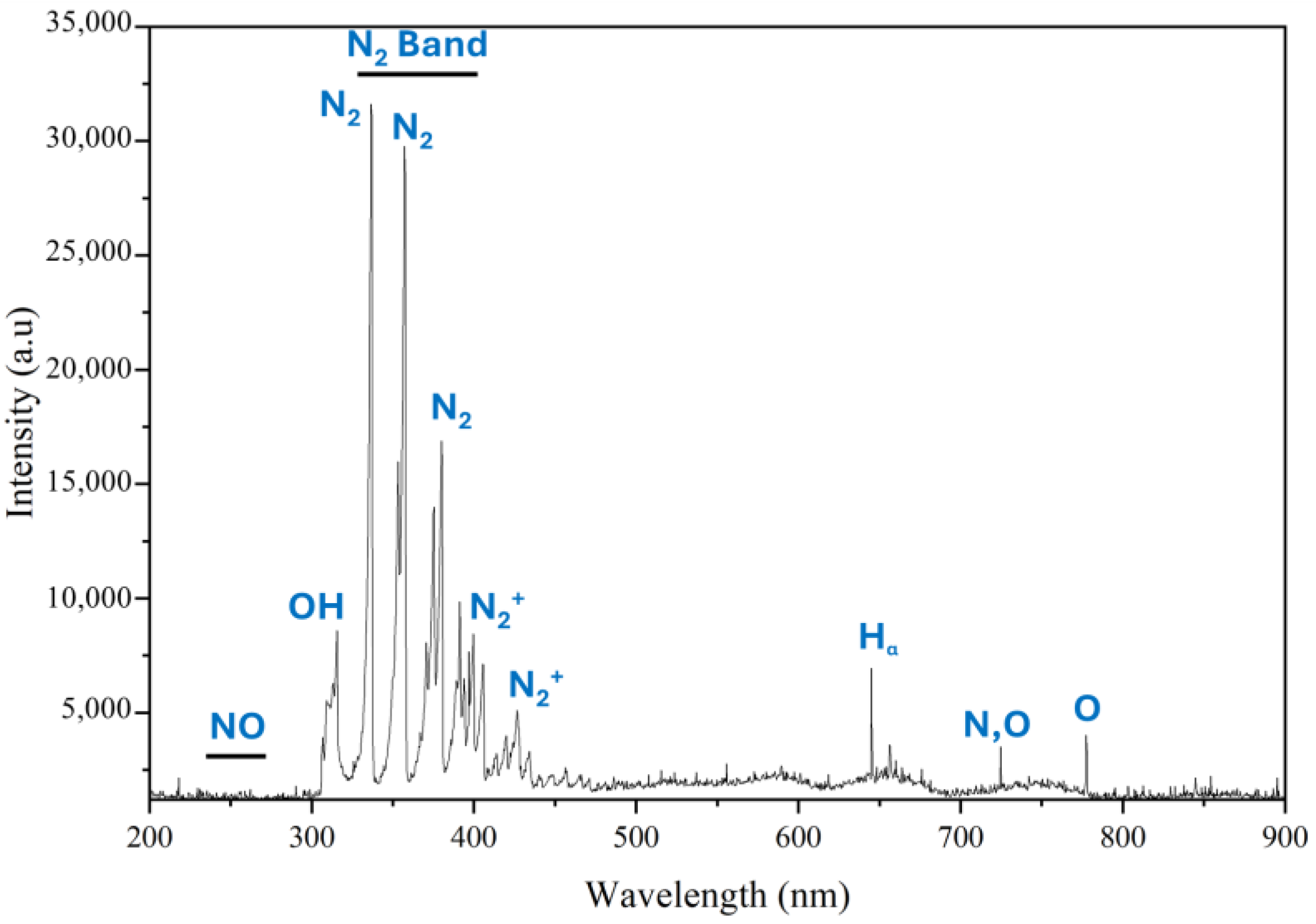
OES analysis was conducted to detect plasma-generated species including nitrogen (N) and oxygen (O). The pin-hole plasma operated with air gas at a flow rate of 3 L min−1 and a discharge voltage of 15 KV. The measurements were acquired using a broad- spectrum spectrometer (Exemplar LS; B&W Tek, Newark, DE, USA) with a spectral resolution of 0.5 nm operated at an integration time of 2000 ms over the wavelength range of 200–900 nm [13]. The spectrometer was configured with a 600 groove/mm grating and a 25 μm slit width. Each spectrum was accumulated three times to improve the signal-to-noise ratio, and the resulting spectra were averaged. The spectra revealed characteristic emission lines of NO (200–300 nm), N2 band (300–400 nm), N2+ (391.4 nm), OH (309 nm), and O (777 nm), confirming the presence of reactive species generated during the plasma discharge. The OES probe recorded the light emitted by the pin-hole air plasma jet, which was positioned approximately 1.0 cm from the plasma source. A fiber optic was used to couple the plasma light into the spectrometer for OES measurements.
2.6. HPLC and LC-MS Analysis
The analysis of clothianidin was carried out using HPLC with a diode array detector (HPLC-DAD) and LC-MS. For the HPLC analysis, clothianidin, thiamethoxam, and propoxur were separated on the reverse-phase Agilent Eclipse Plus C18 column (250 × 4.6 mm, 5 µm) (Agilent Technologies, Santa Clara, CA, USA) and an Agilent 5 TC-C18(2) column (250 × 4.6 mm, 5 µm) (Agilent Technologies, USA), respectively. The mobile phase comprised acetonitrile and water in a 60:40 (v/v) ratio, with isocratic elution at a flow rate of 1.00 mL min−1. An injection volume of 10 µL was used, and the analytes were detected at wavelengths of 254, 255, and 280 nm, for clothianidin, thiamethoxam, and propoxur, respectively.
LC-MS was utilized to determine the degradation product of clothianidin, employing an electrospray ionization (ESI) source operating in negative and positive ionization modes. The separations were performed on a reverse-phase Eclipse Plus C18 column (Agilent, 250 × 4.6 mm, 5 µm) (Agilent Technologies, USA). Two mobile phases (A and B) were used: A consisted of 0.5% formic acid in water and B-was acetonitrile, with a flow rate of 0.5 L min−1. The LC condition started with 5%B from 0 to 3 min, followed by a linear increase from 5 to 20% between 3 and 15 min. The analysis was conducted using a mass range scan of m/z 50–700.
2.7. Statistical Analysis
Experimental results were expressed as mean ± SD and conducted in triplicate. The model’s lack of fit was assessed using analysis of variance (ANOVA).
3. Results and Discussion
3.1. Physicochemical Properties of PAW
When a pin-hole air plasma jet is used to produce PAW, the gas flows through the pin-hole under high voltage, and plasma is formed, consisting of reactive oxygen and nitrogen species as mentioned in a previous study [14]. These species include hydroxyl radicals (•OH), hydroxyl peroxide (H2O2), ozone (O3), singlet oxygen (1O2), superoxide anions (O2−), nitric oxide (NO), nitrate (NO3−) and nitrate (NO2−). The pin-hole air plasma jet is not generated in water. It is operated in the gas phase above a flowing water surface. The jet nozzle is positioned above the liquid interface with a millimeter-scale standoff, so the potential drop occurs predominantly in the gas-phase sheath/streamer rather than through the liquid, thereby avoiding arc formation. No electrode is submerged. The gas flow sustains the discharge, while reactive species are transferred to the liquid at the interface [15]. As plasma contacts the water surface, these reactive species dissolve and infuse into the water, where they react with water molecules or remain as free radicals. In our experiments, freshly prepared deionized water (DI water) was used, which typically has a resistivity in the range of 10–15 MΩ·cm (based on the manufacturer’s specification). To maintain high resistivity, all experiments were performed in sealed containers to minimize contamination. While the resistivity was not measured directly for each experiment, the DI water was always handled carefully and used immediately after preparation to ensure its purity. Hydroxyl radicals and ozone are particularly reactive and contribute enormously to PAW’s oxidative properties. In practice, the quantification of near-field O3 around the pin-hole air plasma jet in an open configuration was highly unstable and sensitive to ambient air currents, precluding robust absolute quantification with the available sensor. To avoid misleading values, absolute O3 concentrations were not reported. Experiments were conducted at 25 ± 2 °C (50 ± 10% RH). The bulk water temperature was monitored (not actively controlled); starting at 25 °C, it gradually increased during plasma treatment. Although dissolved ozone was not quantified in this study, higher temperatures reduce ozone solubility; thus dissolved O3 is expected to be lower at later treatment times [16]. Direct measurement of dissolved ozone was not performed due to its high reactivity and transient nature—ozone rapidly decomposes in aqueous environments, especially in the presence of plasma-generated species and at elevated temperatures. As a result, consistent and accurate quantification during plasma operation can be challenging and may not accurately reflect its real-time contributions. Therefore, our analyses focused on more stable and quantifiable oxidation products (H2O2, NO2−, NO3−) measured immediately after treatment, which serve as reliable indicators of the oxidative environment generated by the plasma. Instead, liquid-phase PAW metrics (pH, ORP, H2O2, NO2−/NO3−) were monitored and correlated with pesticide reduction as a more direct indicator of the oxidant dose received by the solution. The additional reactivity is from nitrates and nitrites formed by combining NO and oxygen. These reactive species initiate various chemical reactions, making PAW a solution rich in ROS and RNS [17]. Compounds such as hydrogen peroxide, nitrates and nitrites exhibit long-lasting reactivity, while short-lived radicals like hydroxyl radicals trigger immediate oxidation reactions. However, the physicochemical properties of PAW changed over time due to variations in the concentrations of its components.
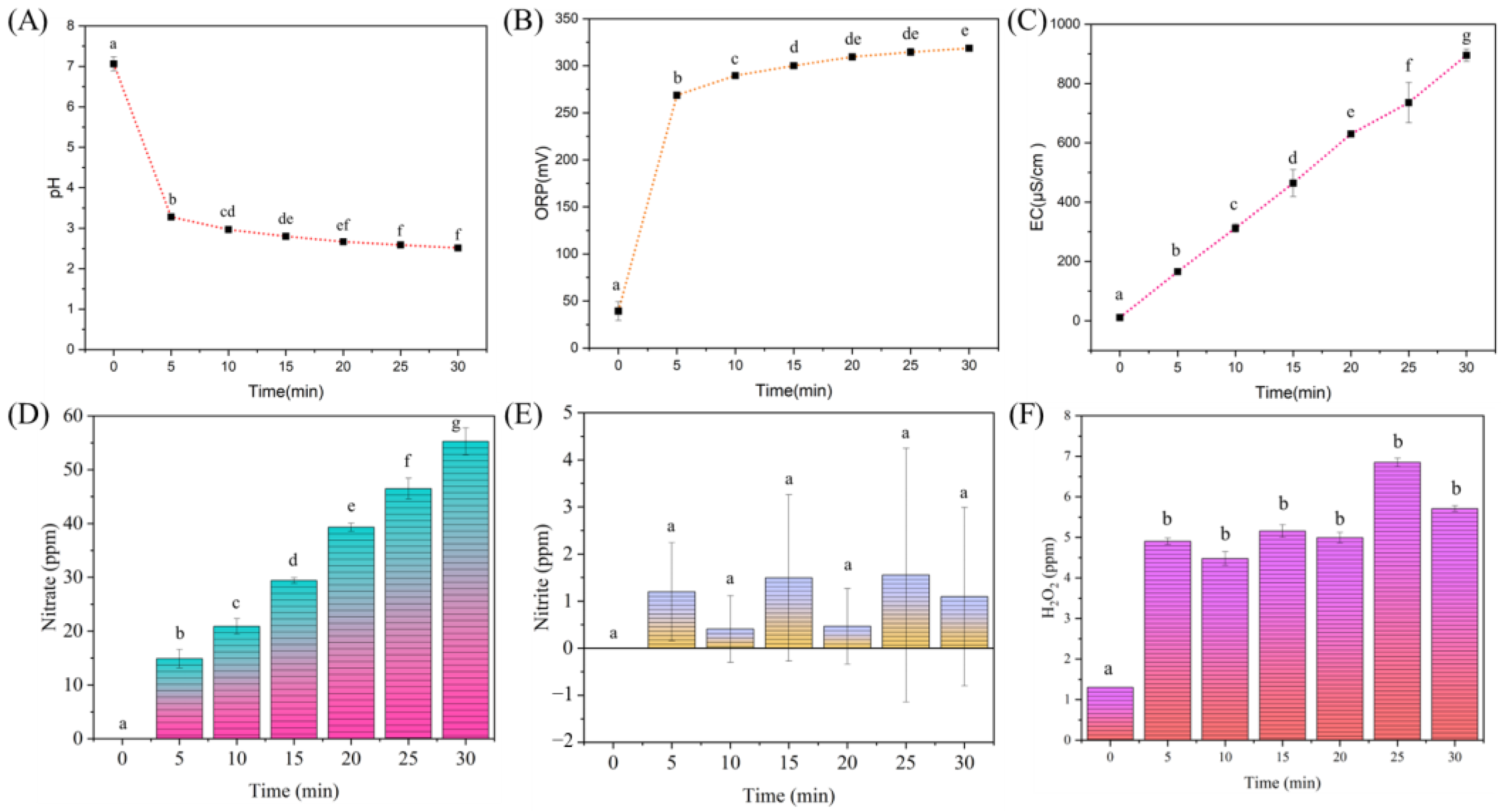
Figure 3 shows the change in the physicochemical properties of the pesticide solution, including pH, ORP, EC, the concentration of NO3−, NO2− and H2O2 over time intervals of 0, 5, 10, 15, 20, 25 and 30 min.
Figure 3.
Physicochemical properties of the PAWs, (A) pH, (B) ORP, (C) EC, (D) Nitrate ion, (E) Nitrite ion, and (F) H2O2. Lowercase letters indicate significant differences among treatment times (p < 0.05).
Initially, the pH value decreased drastically from 7.06 to 3.28 within the first 5 min. Subsequently, it gradually decreased from 3.28 to 2.51 over the next 25 min. This reduction in pH indicated that plasma-activated water became increasingly acidic, which supports the formation of strong acids such as nitric acid (HNO3), nitrous acid (HNO2), and peroxynitrous acid (ONOOH). These acids are particularly interesting due to their potential efficiency in reducing pesticides. Some chemical reactions that occur during PAW generation include the following:
Eq of nitric acid H2O + 2NO2 → HNO3 + HNO2
Eq of nitrous acid N2O4 + H2O → HNO3 + HNO2
The reactive nitrogen species, such as NO and NO2 are formed when high energy electrons in plasma ionize nitrogen and oxygen, which then dissolve into water. Subsequently, NO2 reacts with water molecules to form HNO3. NO2 can dissolve in water, where it reacts with water molecules to form HNO3. As a strong acid, HNO3 completely dissociates in water, significantly increasing the solution’s acidity and providing oxidizing power through its dissociated ions, NO3−.
Similarly to HNO3, HNO2 forms when NO and NO2 dissolve in water. HNO2 is unstable and can decompose into NO and other reactive species. As a weaker acid than HNO3, HNO2 only partially dissociates to produce NO2−. Therefore, HNO2 contributes to the acidity of PAW and serves as an additional source of NO2−. Peroxynitrous acid is produced by the reaction between superoxide (O2−) and NO in water. ONOOH is highly reactive and rapidly decomposes into secondary radicals like •OH and NO2, enhancing PAW’s oxidative power. Other acids formed in PAW are carbonic acid (H2CO3) and hydrochloric acid (HCl).
Figure 3B,C illustrates a positive correlation between treatment duration and the ORP and EC value. The ORP value exhibited a sharp increase from 60 to 260 mV during the initial 5 min of treatment, followed by a gradual rise from 270 to 290 mV over the next 25 min (5 to 30 min). ORP, a critical parameter that assesses a solution’s capability to oxidize or reduce other substances and provides key insights into its redox behavior. A high ORP indicates the presence of significant oxidizing agents. Furthermore, as the duration of the plasma treatment extended, the EC value measurements consistently ranged from 0 to 800 µS cm−1 (Figure 3C). The results indicated that more ionic species were produced in PAW as evidenced by the observation of the increased ORP and EC values.
The concentration of nitrate and nitrite in PAW (Figure 3D,E) were analyzed using the IC technique. The nitrate concentration increased from 14 to 55 ppm, while nitrite levels remained stable, ranging from 0 to 1 ppm as the PAW generation time increased. Nitrite rapidly reacts with hydrogen peroxide to form nitrate, accounting for very low nitrite levels. In water, nitrite is generally unstable and quickly converts to nitrate (Equation (3)) [18]. Accumulated nitrite and nitrate in PAW were primarily attributed to the dissolution and aqueous-phase conversion of plasma-generated NOx from air. For pesticides that contain nitrogen in their molecular structure, partial mineralization under oxidative plasma conditions may additionally have converted a fraction of pesticide-borne nitrogen into NH4+, NO2−, and ultimately NO3−; however, this contribution was expected to be secondary under the plasma conditions. According to the EU Water Framework Directive, nitrate concentrations above 50 mg L−1 are considered at risk of causing environmental pollution [19]. In this study, the nitrate concentration in the treated solution was observed to slightly exceed 50 mg L−1 after 30 min of plasma exposure. However, at shorter treatment times, the nitrate levels remained below this regulatory threshold. To minimize the risk of secondary pollution from elevated nitrate concentrations, it is recommended that the PAW process duration should not exceed 30 min. H2O2 is another ROS that plays a vital role in reducing pesticides due to its strong oxidizing properties [20]. When two •OH radicals encounter each other, they can combine to form H2O2 (Equation (4)). As shown in Figure 3F, activating water with plasma increased the H2O2 concentration in PAW. After 5 min, the concentration of H2O2 increased from 1 to 5 ppm. During the 30 min period, the highest concentration of H2O2 was found to be 6.8 ppm at 25 min. Nevertheless, the plasma parameters play a crucial role in regulating the concentration of reactive species generated in PAW.
Eq of nitrate and nitrite NO2− + H2O2 → NO3− + H2O + H+
Eq of H2O2 2OH2• + O2 → H2O2
The types and intensities of excited species generated in plasma are typically analyzed using the OES technique. Pin-hole air plasma jet emission was investigated by OES which is employed to monitor plasma in its gaseous state effectively [21]. The primary spectral component observed in the OES spectrum corresponds to the nitrogen spectrum within the 300–500 nm range (Figure 4), as air is used as the working gas in the process. The emission peaks observed between 200 and 900 nm indicated the presence of molecular nitrogen (N2), atomic nitrogen (N), and atomic oxygen (O) in gas phase (not under water). In addition, the presence of peaks of NO, OH, N2, N2+, H, N, and O species was confirmed based on their characteristic optical emission lines at interval 200–300 nm, 302 nm, 337–360 nm, 392–430 nm, 655 nm, 730 nm, and 770 nm, respectively [22,23]. A window is not necessary because spectrometer’s optical fiber can see the plasma directly. OES spectra were acquired through the wall of the borosilicate glass tube, with the fiber optic probe positioned outside and aligned with the luminous plasma volume. Measurements were performed in a darkened room, and dark current and baseline corrections were applied. Although the 200–300 nm NO band is typically observed in air plasmas [24], collection through the borosilicate glass tube substantially reduces this region, yielding a low signal-to-noise ratio. Accordingly, this region is presented qualitatively, with an upper bound on the band integrated NO band intensity. The excitation of nitrogen atoms or ions within plasma leads to light emission at specific wavelengths. As the primary sources of the reactive RNS and ROS, high levels of nitrogen (N) or oxygen (O) significantly influence the formation and concentration of these species [25]. Our plasma setup uses air as the working gas, providing maximum nitrogen concentration [26], which improves overall process efficiency and makes it suitable for various applications.
Figure 4.
OES spectrum of the pin-hole air plasma jet.
3.2. Effect of PAW on the Degradation of Clothianidin, Thiamethoxam, and Propoxur
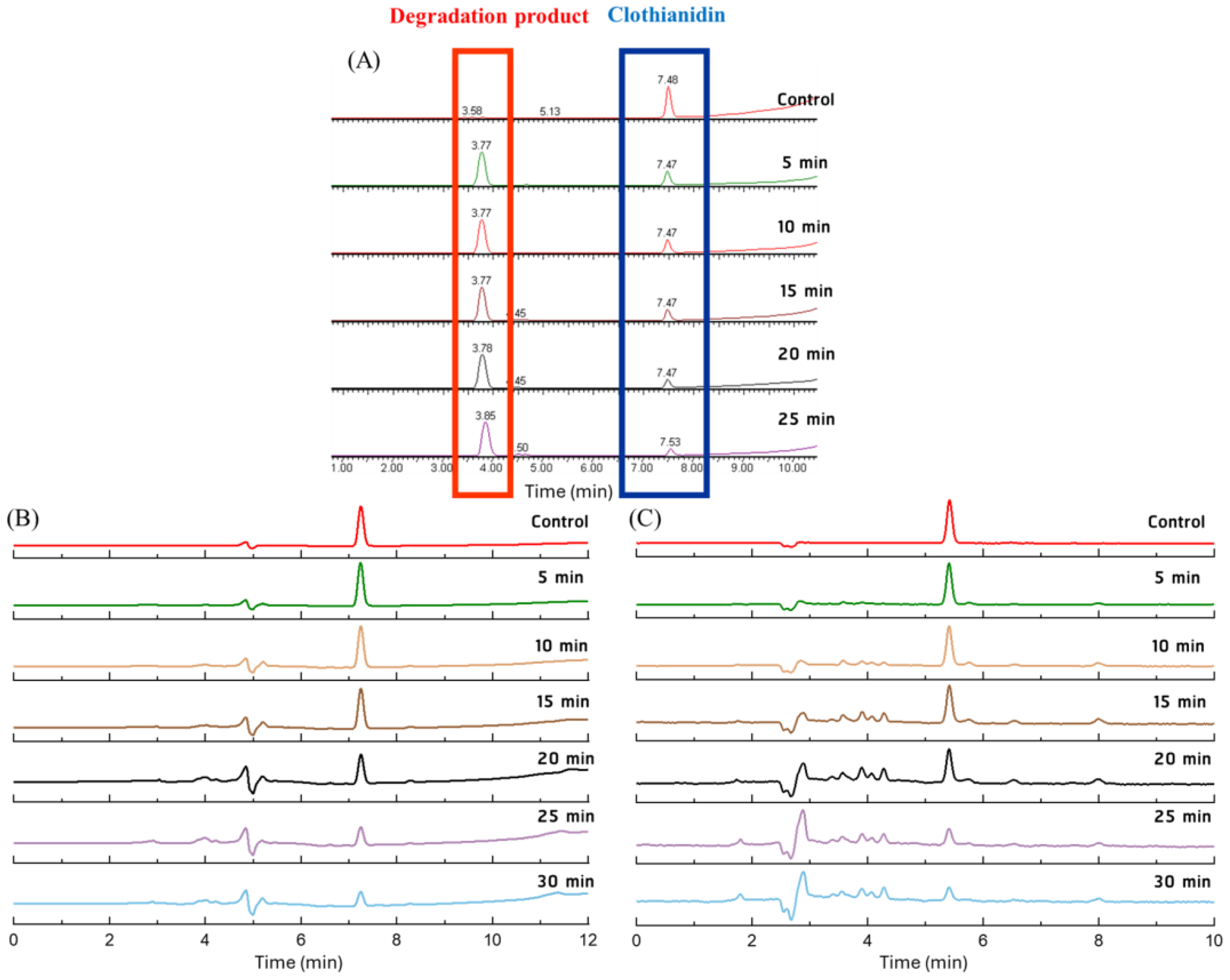
The reactivity and efficacy of our laboratory-made PAW in degrading clothianidin, thiamethoxam, and propoxur were investigated by analyzing the pesticide molecules and their degradation products using HPLC and LC-MS. The PAW solution containing each pesticide was monitored using HPLC at intervals of 0, 5, 10, 15, 20, 25 and 30 min. (Figure 5). As shown in Figure 5A, clothianidin was detected at a retention time of 7.5 min, accompanied by a peak at 3.8 min that is anticipated to be its degradation product. The relative content of clothianidin decreased as the duration of plasma treatment increased, while the relative content of the degradation product increased. This suggests that the degradation of clothianidin is influenced by its interaction with the reactive species present in the PAW. Similarly, PAW was able to drop the concentration of thiamethoxam and propoxur over time (Figure 5B,C). As shown in the HPLC chromatograms (Figure 5), signals appearing before the main peaks of thiamethoxam (7.3 min) and propoxur (5.8 min) become increasingly noticeable with longer plasma treatment times. These early-eluting peaks, which are observed in the region before the primary analyte retention times (1–5 min), are not present in the untreated controls.
Figure 5.
HPLC chromatograms showing the reduction of pesticide standards after treatment with a pin-hole air plasma jet: (A) clothianidin, (B) thiamethoxam, and (C) propoxur.
The appearance of these early-eluting signals supports the formation of transformation or degradation products with higher polarity than the parent pesticides. Such transformation products typically elute earlier in reversed-phase HPLC, consistent with their increased hydrophilicity following oxidation or structural modification by plasma-derived reactive species. The intensity and complexity of these early signals increase with longer exposure, further indicating progressive breakdown and the generation of intermediate or by-product species. These results are in line with mass balance considerations and highlight the dynamic formation of multiple chemical species during plasma-assisted degradation.
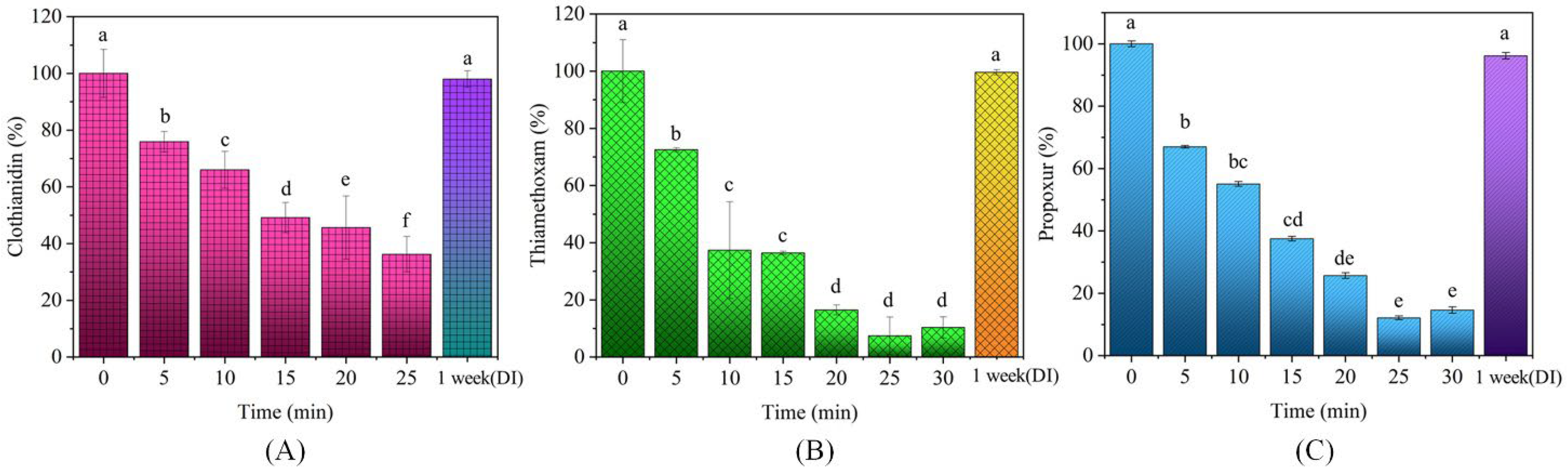
Figure 6 illustrates the reduction of the three pesticides during plasma treatment. Without this treatment, the variation of the pesticides’ concentration observed over one week was minimal with clothianidin remaining at 98%, thiamethoxam at 99%, and propoxur at 96%. In contrast, plasma treatment significantly decreased the concentrations of all three pesticides in water (Figure 6). Specifically, the clothianidin was reduced by a maximum of 65%, thiamethoxam of 93%, and propoxur of 88%, after 25 min. These results demonstrate that PAW can effectively reduce pesticides levels, as its concentration in regular water remains mostly unchanged even after one week.
Figure 6.
Percentage reductions of clothianidin (A) clothianidin, (B) thiamethoxam, and (C) propoxur over 30 min of treatment using a pin-hole air plasma jet. Lowercase letters indicate significant differences among treatment times (p < 0.05).
According to the study, PAW can effectively reduce the levels of neonicotinoids, specifically clothianidin and thiamethoxam, as well as the carbamate pesticide propoxur. The effectiveness of reduction varies depending on the structural stability of each group of pesticides. Additionally, other research studies support our findings, suggesting that plasma can also lower the levels of other types of pesticides, such as organophosphates and pyrethroids [27].
3.3. Proposed Pathway for the Degradation of Pesticides by PAW
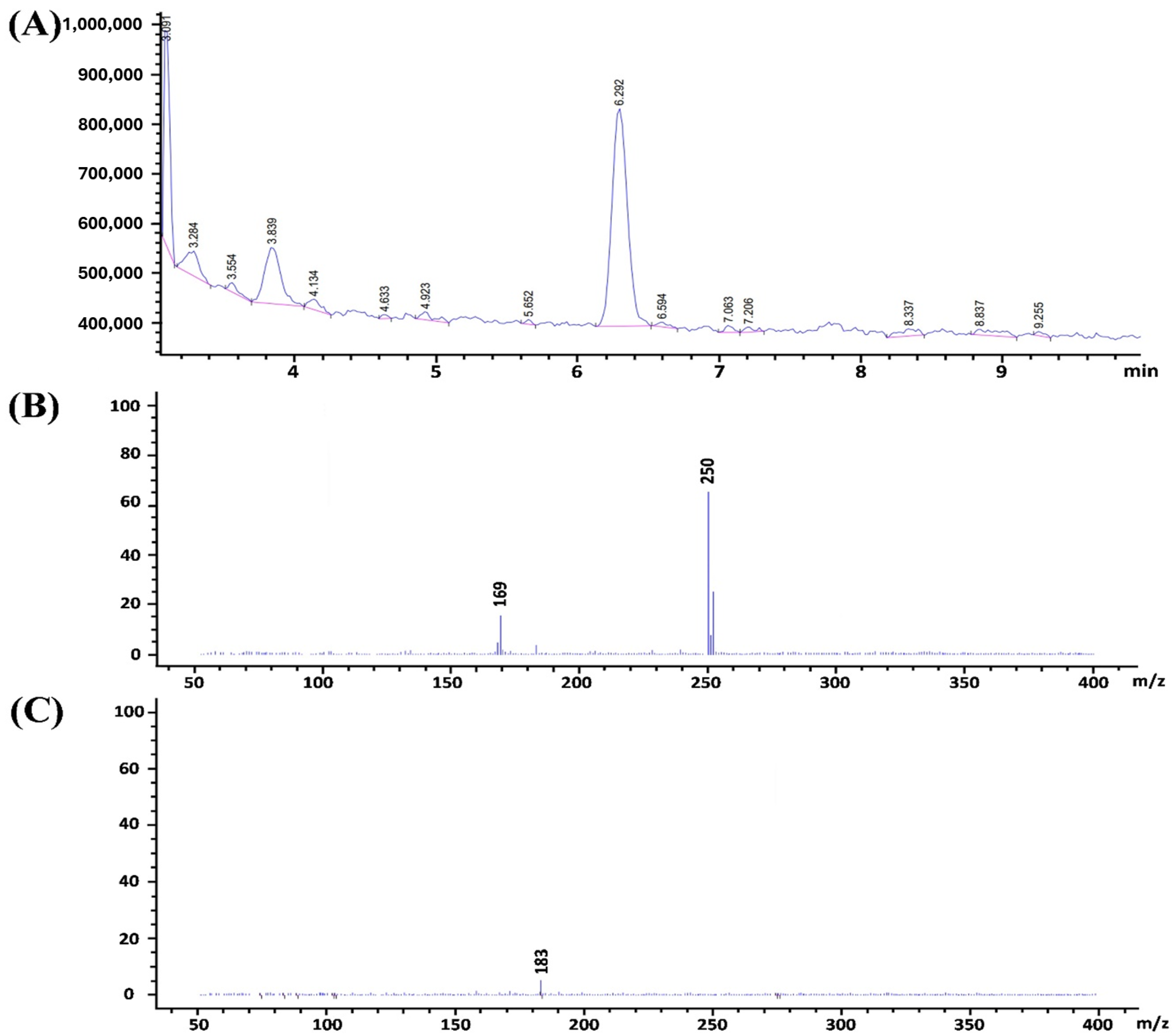
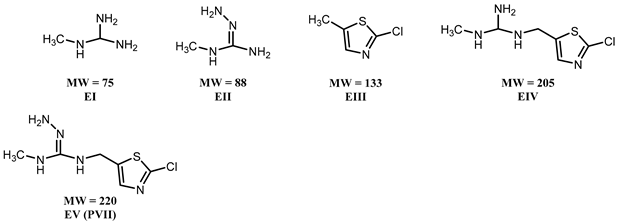
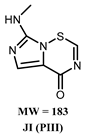
Among the three pesticides examined, only clothianidin produced a degradation product after treatment with PAW, as shown in the HPLC chromatogram in Figure 5. The LC-MS total ion chromatogram (TIC) presented in Figure 7A confirms the presence of this degradation product, which eluted at 3.8 min. In contrast, the mass spectra of the clothianidin and its degradation product, obtained using LC-MS with electrospray ionization (ESI) in positive ion mode, are presented in Figure 7B,C, respectively. The dominant protonated molecular ion, [M+H]+, of clothianidin is observed at m/z 250, which is the base peak. Additionally, an ion m/z 252 is detected, accounting for the presence of a chlorine atom. A fragment ion at m/z 169 is also observed, which results from the loss of Cl and NO2 from the molecular ion. These results align with the previously reported identification of the photolysis product of clothianidin [28]. The ESI mass spectrum of the degradation product (Figure 7C) shows a relatively low abundance of the protonated molecular ion at m/z 183. This ion likely corresponds to a cyclic structure of the fragment ion that underwent rearrangement following the loss of Cl and NO2, as proposed in a preceding study, along with the proposed mechanism for its formation [28].
Figure 7.
(A) HPLC chromatogram of clothianidin and product, (B) mass spectrum of clothianidin, and (C) mass spectrum of degradation product of clothianidin at m/z 183.
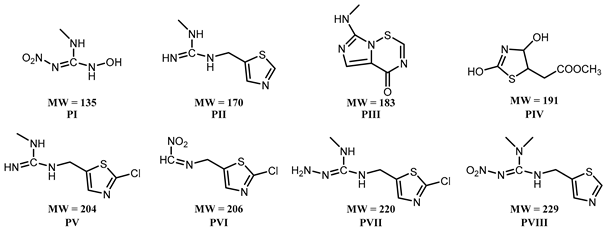
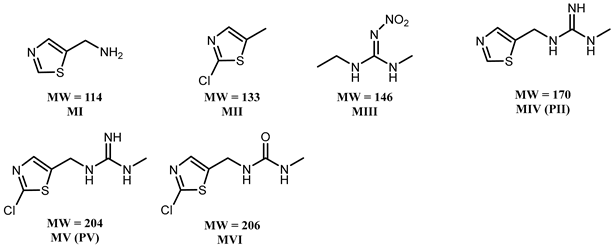
Clothianidin degradation can occur through various distinct processes [22,25,26]. Each method targets different components of the clothianidin molecular structure, resulting in a variety of chemical reactions. These reactions may ultimately lead to the formation of various degradation or transformation products. Table 1 presents a comparison of the proposed product resulting from the degradation of clothianidin through photolysis [22], biodegradation by microorganism [29], electrochemical treatment [26], and the innovative treatment method that employs a laboratory-made pin-hole air plasma jet system developed in this study. Photolysis has been shown to effectively degrade clothianidin gradually over the past decade due to its susceptibility, non-invasiveness, and cost-effectiveness in environments where the substance is surface-exposed. The energy from light excites the clothianidin molecules, leading to primary bond cleavage at the nitro and thiazolidine groups. This cleavage generates various intermediate structures that can undergo future cleavage or molecular rearrangement resulting in the formation of up to eight stable degradation products [28]. A recent study [30] has demonstrated that simulated solar radiation can effectively eliminate clothianidin from aqueous solutions, achieving a removal efficiency ranging from 94.80% to 96.35% after exposure for 5 h. However, at least ten stable degradation products were still detected after the treatment, some of which are believed to be toxic and require further degradation. To achieve higher degradation efficiency, electrochemical treatment for solutions containing clothianidin and other pesticides or contaminants has been introduced. This method utilizes special electrodes to generate reactive species, mainly hydroxyl radicals (•OH), which rapidly attack and degrade clothianidin molecules in aqueous solution. A possible degradation pathway during the oxidation of clothianidin by the Ti/Sb-SnO2-Eu&rGO electrode, as described previously [31], bears similarities to pathways observed in photolysis. The reduction of NO2 in clothianidin molecule to NH2 is possible at the cathode under the action of a hydroxyl radical. Following this process, the N-N bond is broken, removing the NH2 group and producing significantly less-toxic products. Therefore, electrochemical treatment is recognized as a rapid and controllable method that produces fewer unwanted degradation products compared to photolysis. On the other hand, biodegradation by microorganisms is highly valuable due to its eco-friendly nature, sustainability, cost-effectiveness and adaptability. These qualities make the microbial approach an excellent option, particularly for a large-scale or long-term treatment where other methods may be less effective. The microbial degradation pathway of clothianidin has been documented in a limited number of studies, which include processes such as denitrification, dehalogenation, and the cleavage of the C-N bonds between thiazolyl methyl and the guanidine moieties [29]. To date, eight distinct intermediate structures have been characterized, as compiled in Table 1. When the pin-hole air plasma jet, fabricated in our laboratory, was discharged into a solution containing 5 ppm of clothianidin, only one stable degradation product was detected by HPLC-DAD, and clothianidin completely disappeared after 40 min of treatment. These results indicate that the pin-hole air plasma jet is highly effective, primarily due to its ability to generate multiple reactive species, accelerating rapid degradation. Although no direct toxicity tests (e.g., Microtox, Daphnia, or phytotoxicity assays) were performed in this study, the potential toxicity of plasma-generated degradation by-products should be considered. Several recent studies have reported that under comparable plasma treatment conditions, the major degradation products and by-products formed in water typically show low or negligible toxicity toward aquatic organisms [32]. These findings provided supporting evidence that the plasma-assisted process used in our study is unlikely to produce highly toxic intermediates. However, to comprehensively verify the environmental safety of plasma-activated water (PAW) applications in practice, further work involving direct toxicity assessment is strongly recommended.
Table 1.
Proposed product from degradation pathway of clothianidin using different techniques.
Moreover, the degradation product or intermediates resulting from the breakdown of thiamethoxam and propoxur were not detected likely due to their rapid decomposition in PAW. This is consistent with the results in Figure 6, where thiamethoxam and propoxur decreased more quickly and to a greater extent than clothianidin.
The laboratory-made pin-hole air plasma jet at atmospheric pressure used for generating PAW effectively degrades pesticide residues, including clothianidin, thiamethoxam, and propoxur. The physicochemical analysis of PAW indicated that as treatment time increased, the ORP, EC, NO3−, and H2O2 levels increased, while the pH decreased. OES analysis revealed that nitrogen molecules were the most abundant, along with the presence of O2 and atomic O species, indicating the generation of strong RNS and ROS, which contributed significantly to the degradation capability of this new approach. The plasma technique has the potential to substantially reduce pesticide concentrations by 65% to 93% after 25–30 min. HPLC and LC-MS analyses confirm the existence of only one degradation product of clothianidin. In contrast, no degradation products of thiamethoxam and propoxur were detected. The findings demonstrate that PAW produced by a pin-hole air plasma jet is highly effective in reducing some harmful pesticide residues with fast degradation and minimal leftover product. This highlights the potential of plasma-based technologies for effective pesticide remediation, offering a rapid, environmentally friendly, and adaptable approach, making it a promising solution for safer agricultural practices.
4. Conclusions
This study demonstrates the successful reduction of pesticides using PAW generated by a pin-hole air plasma jet. The formation of reactive species, such as hydroxyl radicals, hydrogen peroxide, nitrate, and other radicals, plays a crucial role in pesticide degradation. After 25 min of treatment, the maximum reduction rates achieved were 65% for clothianidin, 93% for thiamethoxam, and 88% for propoxur. The study found that only clothianidin produced a degradation product after PAW treatment. The LC-MS analysis affirmed the presence of this product, with the dominant protonated molecular ion observed at m/z 250, and a degradation ion at m/z 183, suggesting a rearranged cyclic structure following the loss of Cl and NO2. These results confirm that PAW is highly effective in reducing neonicotinoid pesticides (clothianidin and thiamethoxam) as well as the carbamate pesticide (propoxur).
Author Contributions
Conceptualization, Methodology, S.L., P.S. and S.M.; Methodology, Resource, C.B. and D.B.; Validation, Formal analysis, S.L. and J.Y.; Investigation, S.L.; Data curation, S.L. and J.Y.; writing—original draft preparation, Visualization, Writing—review and editing, S.L. and P.S.; Supervision, Funding, S.M. and P.S.; Project administration, D.B. and S.M. All authors have read and agreed to the published version of the manuscript.
Funding
This research was funded by Chiang Mai University, the International Research Network Program (IRN) 2023 funded by the National Research Council of Thailand (NRCT, grant number 186711/2023), Airforce, the Functional Food Research Center for Well-being (Multidisciplinary Research Institute, Chiang Mai University), Material Science Research Center (Faculty of Science, Chiang Mai University), the Higher Education Research Promotion and National Research University Project of Thailand, and the Center of Excellence for Innovation in Chemistry (PERCH-CIC), Office of the Higher Education Commission, Ministry of Education, Thailand.
Institutional Review Board Statement
Not applicable.
Data Availability Statement
The original contributions presented in this study are included in the article. Further inquiries can be directed at the corresponding author.
Conflicts of Interest
The authors declare no conflicts of interest.
Abbreviations
The following abbreviations are used in this manuscript:
| PAW | Plasma-Activated Water |
| ROS | Reactive Oxygen Specie |
| RNS | Reactive Nitrogen Specie |
| ORP | Oxidation–Reduction Potential |
| EC | Electrical Conductivity |
References
- Kaur, R.; Choudhary, D.; Bali, S.; Bandral, S.S.; Singh, V.; Ahmad, M.A.; Rani, N.; Singh, T.G.; Chandrasekaran, B. Pesticides: An alarming detrimental to health and environment. Sci. Total Environ. 2024, 915, 170113. [Google Scholar] [CrossRef] [PubMed]
- Bonmatin, J.-M.; Giorio, C.; Girolami, V.; Goulson, D.; Kreutzweiser, D.P.; Krupke, C.; Liess, M.; Long, E.; Marzaro, M.; Mitchell, E.A.D.; et al. Environmental fate and exposure; neonicotinoids and fipronil. Environ. Sci. Pollut. Res. Int. 2015, 22, 35–67. [Google Scholar] [CrossRef]
- Sun, L.; Lee, H.K. Stability studies of propoxur herbicide in environmental water samples by liquid chromatography–atmospheric pressure chemical ionization ion-trap mass spectrometry. J. Chromatogr. A 2003, 1014, 153–163. [Google Scholar] [CrossRef]
- Subramaniyan, P.; Kandeepan, Y.; Chen, T.-W.; Chen, S.-M.; Binobead, M.A.; Elsadek, M.F.; Elshikh, M.S. Metallic silver-alloyed copper oxide electro-catalyst: A high-sensitivity platform for propoxur insecticide detection in food samples. J. Taiwan Inst. Chem. Eng. 2024, 165, 105707. [Google Scholar] [CrossRef]
- Sojithamporn, P.; Leksakul, K.; Sawangrat, C.; Charoenchai, N.; Boonyawan, D. Degradation of pesticide residues in water, soil, and food products via cold plasma technology. Foods 2023, 12, 4386. [Google Scholar] [CrossRef]
- Dharini, M.; Jaspin, S.; Mahendran, R. Cold plasma reactive species: Generation, properties, and interaction with food biomolecules. Food Chem. 2023, 405, 134746. [Google Scholar] [CrossRef]
- Liu, Y.; Duan, J.; Zhou, Q.; Zhu, L.; Liu, N.; Sun, Z. Effective degradation of lindane and its isomers by dielectric barrier discharge (DBD) plasma: Synergistic effects of various reactive species. Chemosphere 2023, 338, 139607. [Google Scholar] [CrossRef]
- Xu, Z.; Chen, X.; Jin, X.; Hu, S.; Lan, Y.; Xi, W.; Han, W.; Cheng, C. Study on the effective removal of chlorpyrifos from water by dielectric barrier discharge (DBD) plasma: The influence of reactive species and different water components. J. Chem. Eng. 2023, 473, 144755. [Google Scholar] [CrossRef]
- Vijayarangan, V.; Maaroufi, Z.; Rouillard, A.; Gaetan-Zin, S.; Dozias, S.; Escot-Bocanegra, P.; Stancampiano, A.; Grillon, C.; Robert, E. Plasma jet and plasma treated aerosol induced permeation of reconstructed human epidermis. Bioelectrochemistry 2026, 167, 109060. [Google Scholar] [CrossRef] [PubMed]
- Bennett, C.; Ngamrung, S.; Ano, V.; Umongno, C.; Mahatheeranont, S.; Jakmunee, J.; Nisoa, M.; Leksakul, K.; Sawangrat, C.; Boonyawan, D. Comparison of plasma technology for the study of herbicide degradation. RSC Adv. 2023, 13, 14078–14088. [Google Scholar] [CrossRef] [PubMed]
- Šimončicová, J.; Kryštofová, S.; Medvecká, V.; Ďurišová, K.; Kaliňáková, B. Technical applications of plasma treatments: Current state and perspectives. Appl. Microbiol. Biotechnol. 2019, 103, 5117–5129. [Google Scholar] [CrossRef]
- Polukhin, S.N.; Gurei, A.E.; Nikulin, V.Y.; Peregudova, E.N.; Silin, P.V. Studying how plasma jets are generated in a plasma focus. Plasma Phys. Rep. 2020, 46, 127–137. [Google Scholar] [CrossRef]
- Kosumsupamala, K.; Thana, P.; Palee, N.; Lamasai, K.; Kuensaen, C.; Ngamjarurojana, A.; Yangkhamman, P.; Boonyawan, D. Air to H2-N2 pulse plasma jet for in-vitro plant tissue culture process: Source characteristics. Plasma Chem. Plasma Process. 2022, 42, 535–559. [Google Scholar] [CrossRef]
- Yawut, N.; Leksakul, K.; Vichiansan, N.; Wichitthanabodee, P.; Boonyawan, D.; Leksakul, S. Impact of plasma-generated reactive oxygen and nitrogen species (RONS) on apoptosis induction in LN229 cells. Biomed. Signal Process. Control 2026, 111, 108399. [Google Scholar] [CrossRef]
- Dickenson, A.; Walsh, J.L.; Hasan, M.I. Electromechanical coupling mechanisms at a plasma–liquid interface. J. Appl. Phys. 2021, 129, 213301. [Google Scholar] [CrossRef]
- Perinban, S.; Orsat, V.; Raghavan, V. Effect of plasma-activated water treatment on physicochemical and functional properties of whey protein isolate. Int. J. Food Sci. Technol. 2023, 58, 1346–1355. [Google Scholar] [CrossRef]
- Guo, D.; Liu, H.; Zhou, L.; Xie, J.; He, C. Plasma-activated water production and its application in agriculture. J. Sci. Food Agric. 2021, 101, 4891–4899. [Google Scholar] [CrossRef] [PubMed]
- Tarabová, B.; Lukeš, P.; Janda, M.; Hensel, K.; Šikurová, L.; Machala, Z. Specificity of detection methods of nitrites and ozone in aqueous solutions activated by air plasma. Plasma Process. Polym. 2018, 15, 1800030. [Google Scholar] [CrossRef]
- European Commission. Nitrates. European Commission. Available online: https://environment.ec.europa.eu/topics/water/nitrates_en (accessed on 14 November 2025).
- Femia, J.; Mariani, M.; Zalazar, C.; Tiscornia, I. Photodegradation of chlorpyrifos in water by UV/H2O2 treatment: Toxicity evaluation. Water Sci. Technol. 2013, 68, 2279–2286. [Google Scholar] [CrossRef]
- Capelli, F.; Laghi, G.; Laurita, R.; Puač, N.; Gherardi, M. Recommendations and guidelines for the description of cold atmospheric plasma devices in studies of their application in food processing. Innov. Food Sci. Emerg. Technol. 2024, 97, 103818. [Google Scholar] [CrossRef]
- Naz, M.Y.; Shukrullah, S.; Rehman, S.U.; Khan, Y.; Al-Arainy, A.A.; Meer, R. Optical characterization of non-thermal plasma jet energy carriers for effective catalytic processing of industrial wastewater. Sci. Rep. 2021, 11, 2896. [Google Scholar] [CrossRef] [PubMed]
- Thana, P.; Boonyawan, D.; Jaikua, M.; Promsart, W.; Rueangwong, A.; Ungwiwatkul, S.; Prasertboonyai, K.; Maitip, J. Plasma-activated water (PAW) decontamination of foodborne bacteria in shucked oyster meats using a compact flow-through generator. Foods 2025, 14, 1502. [Google Scholar] [CrossRef]
- Laux, C.O.; Spence, T.G.; Kruger, C.H.; Zare, R.N. Optical diagnostics of atmospheric pressure air plasmas. Plasma Sources Sci. Technol. 2013, 12, 125–138. [Google Scholar] [CrossRef]
- Chauvin, J.; Judée, F.; Yousfi, M.; Vicendo, P.; Merbahi, N. Analysis of reactive oxygen and nitrogen species generated in three liquid media by low temperature helium plasma jet. Sci. Rep. 2017, 7, 4562. [Google Scholar] [CrossRef] [PubMed]
- Wang, Y.; Cheng, C.; Gao, P.; Li, S.; Shen, J.; Lan, Y.; Yu, Y.; Chu, P.K. Cold atmospheric-pressure air plasma treatment of C6 glioma cells: Effects of reactive oxygen species in the medium produced by the plasma on cell death. Plasma Sci. Technol. 2017, 19, 025503. [Google Scholar] [CrossRef]
- Sarangapani, C.; Scally, L.; Gulan, M.; Cullen, P.J. Dissipation of pesticide residues on grapes and strawberries using plasma-activated water. Food Bioprocess Technol. 2020, 13, 1728–1741. [Google Scholar] [CrossRef]
- Gong, Y.; Chen, J.; Wang, H.; Li, J. Separation and identification of photolysis products of clothianidin by ultra-performance liquid tandem mass spectrometry. Anal. Lett. 2012, 45, 2483–2492. [Google Scholar] [CrossRef]
- Ahmad, S.; Cui, D.; Zhong, G.; Liu, J. Microbial technologies employed for biodegradation of neonicotinoids in the agroecosystem. Front. Microbiol. 2021, 12, 759439. [Google Scholar] [CrossRef]
- Babić Visković, B.; Maslač, A.; Dolar, D.; Ašperger, D. Use of simulated sunlight radiation and hydrogen peroxide to remove xenobiotics from aqueous solutions. Processes 2023, 11, 3403. [Google Scholar] [CrossRef]
- Guo, D.; Guo, Y.; Huang, Y.; Chen, Y.; Dong, X.; Chen, H.; Li, S. Preparation and electrochemical treatment application of Ti/Sb–SnO2-Eu&rGO electrode in the degradation of clothianidin wastewater. Chemosphere 2021, 265, 129126. [Google Scholar]
- Reema, R.; Bedmutha, T.; Kakati, N.; Rayala, V.V.S.P.K.; Radhakrishnanand, P.; Juliya Devi, C.; Thakur, D.; Sankaranarayanan, K. Ethidium bromide degradation by cold atmospheric plasma in water and the assessment of byproduct toxicity for environmental protection. ACS Omega 2024, 9, 48044–48054. [Google Scholar] [CrossRef] [PubMed]
Disclaimer/Publisher’s Note: The statements, opinions and data contained in all publications are solely those of the individual author(s) and contributor(s) and not of MDPI and/or the editor(s). MDPI and/or the editor(s) disclaim responsibility for any injury to people or property resulting from any ideas, methods, instructions or products referred to in the content. |
© 2025 by the authors. Licensee MDPI, Basel, Switzerland. This article is an open access article distributed under the terms and conditions of the Creative Commons Attribution (CC BY) license (https://creativecommons.org/licenses/by/4.0/).