Article

Effectiveness of Low Copper-Containing Chemicals against Olive Leaf Spot Disease Caused by Venturia oleaginea


1
Mediterranean Agronomic Institute of Bari (CIHEAM-Bari), Via Ceglie 9, 70010 Valenzano, Italy
2
Palestine Academy for Science and Technology, Emile Touma Street 11, Al Masayef, Ramallah P.O. Box 4577, Palestine
3
Dipartimento di Scienze Agrarie, Alimentari e Ambientali, Università degli Studi di Perugia, Via Borgo XX Giugno 74, 06121 Perugia, Italy
4
Department of Biology and Biotechnology, An-Najah National University, Nablus P.O. Box 7, Palestine
*
Authors to whom correspondence should be addressed.
These authors contributed equally to this work.
Agriculture 2022, 12(3), 326; https://doi.org/10.3390/agriculture12030326

Submission received: 31 December 2021 / Revised: 6 February 2022 / Accepted: 13 February 2022 / Published: 24 February 2022
(This article belongs to the Special Issue Sustainable Use of Pesticides)

Abstract

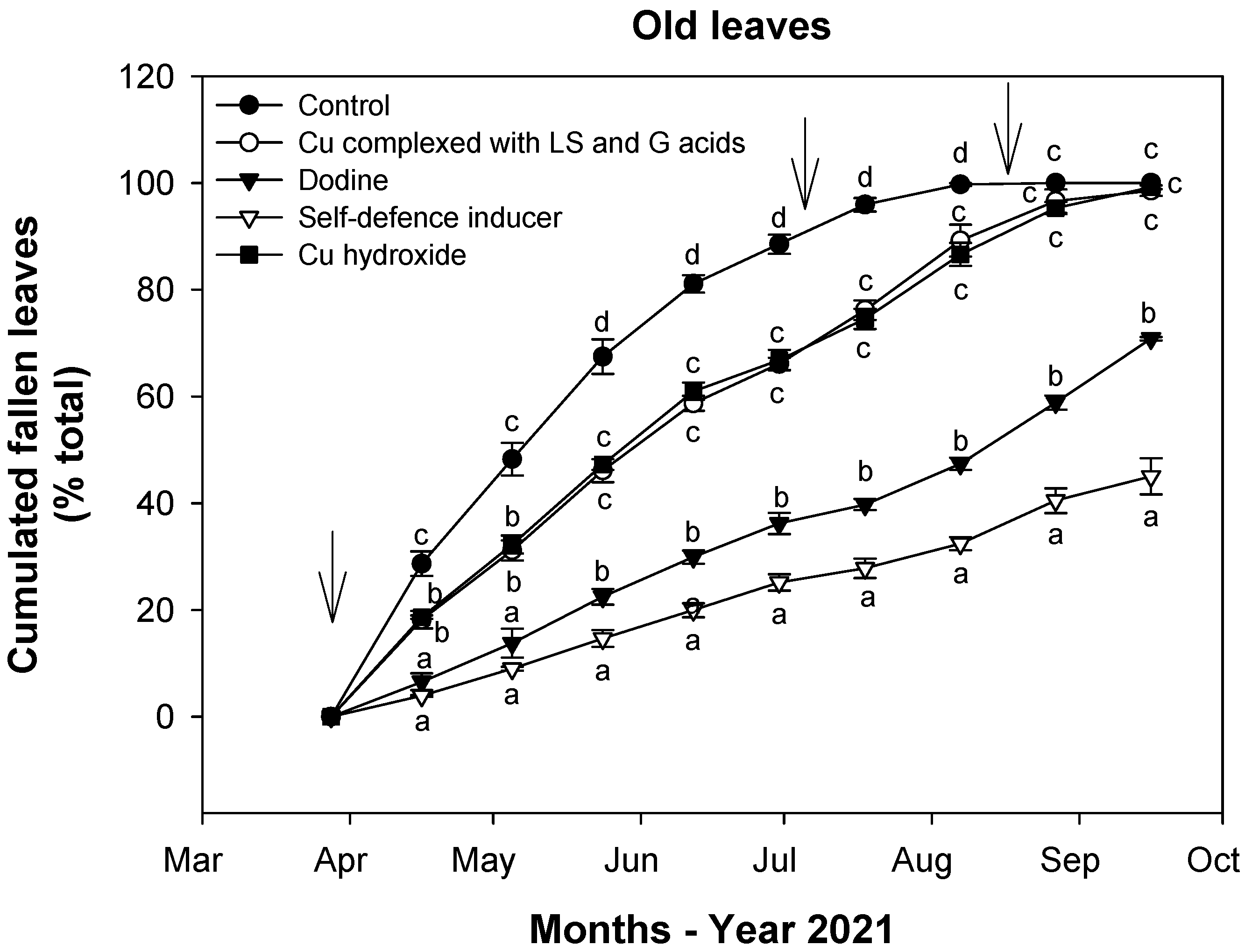
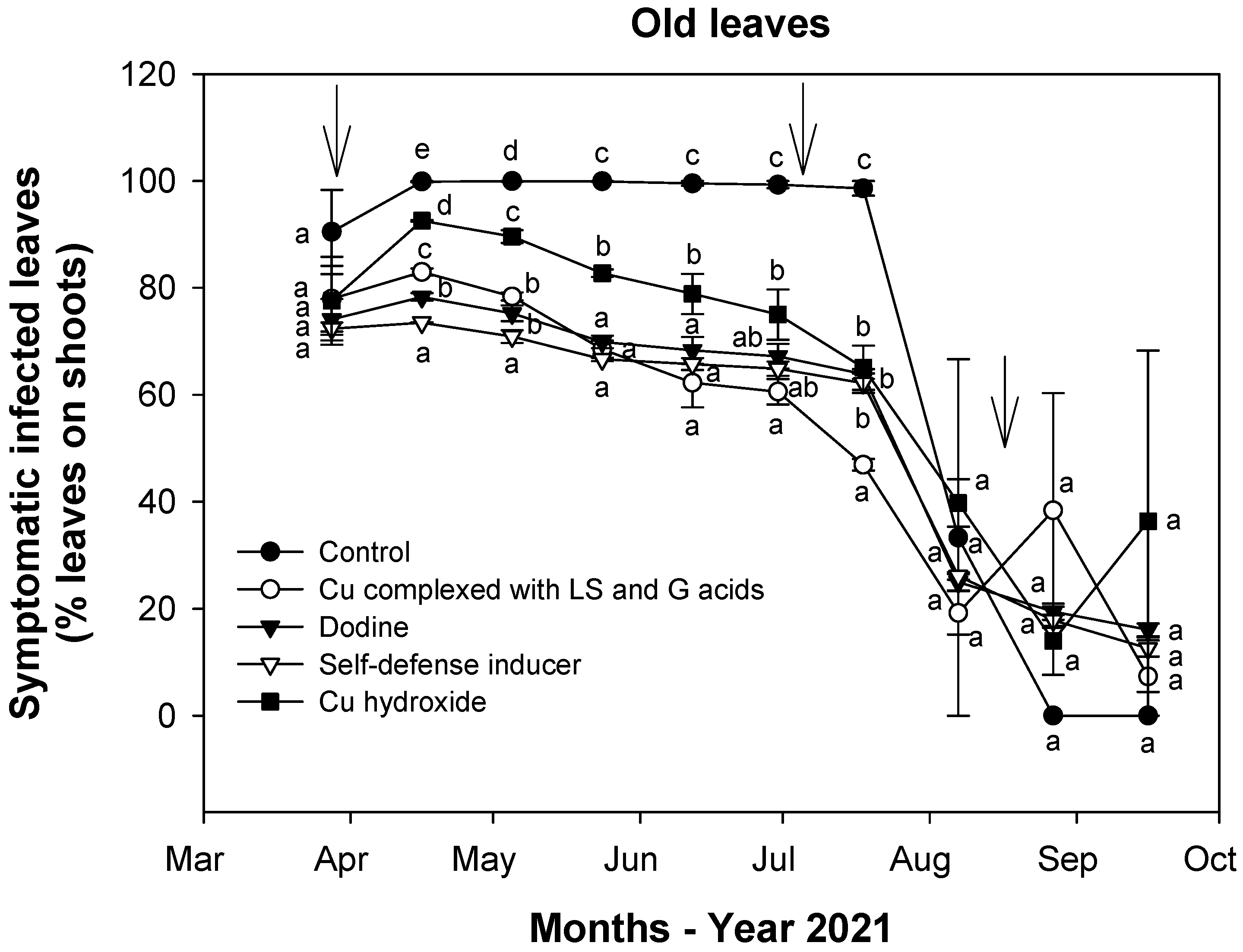
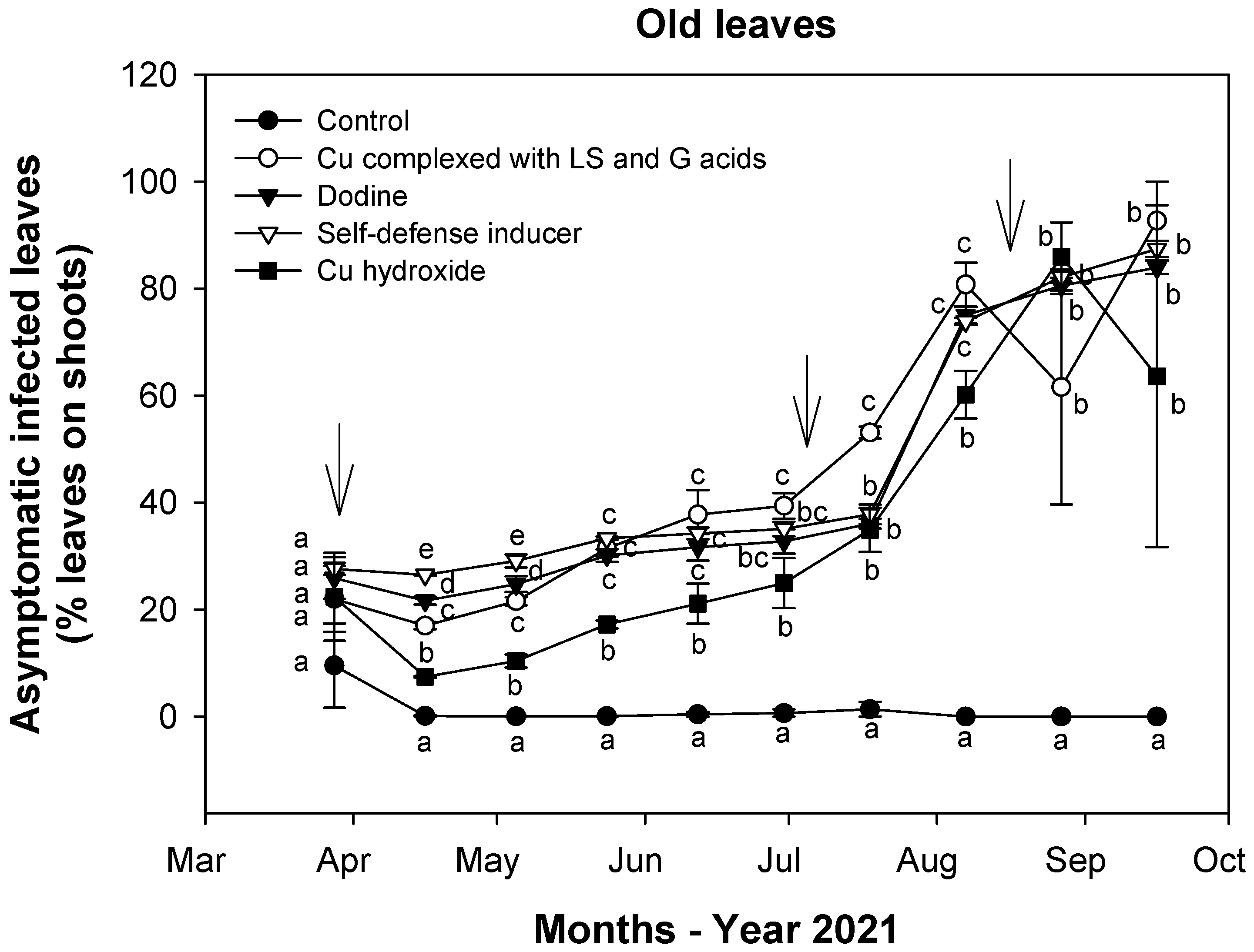
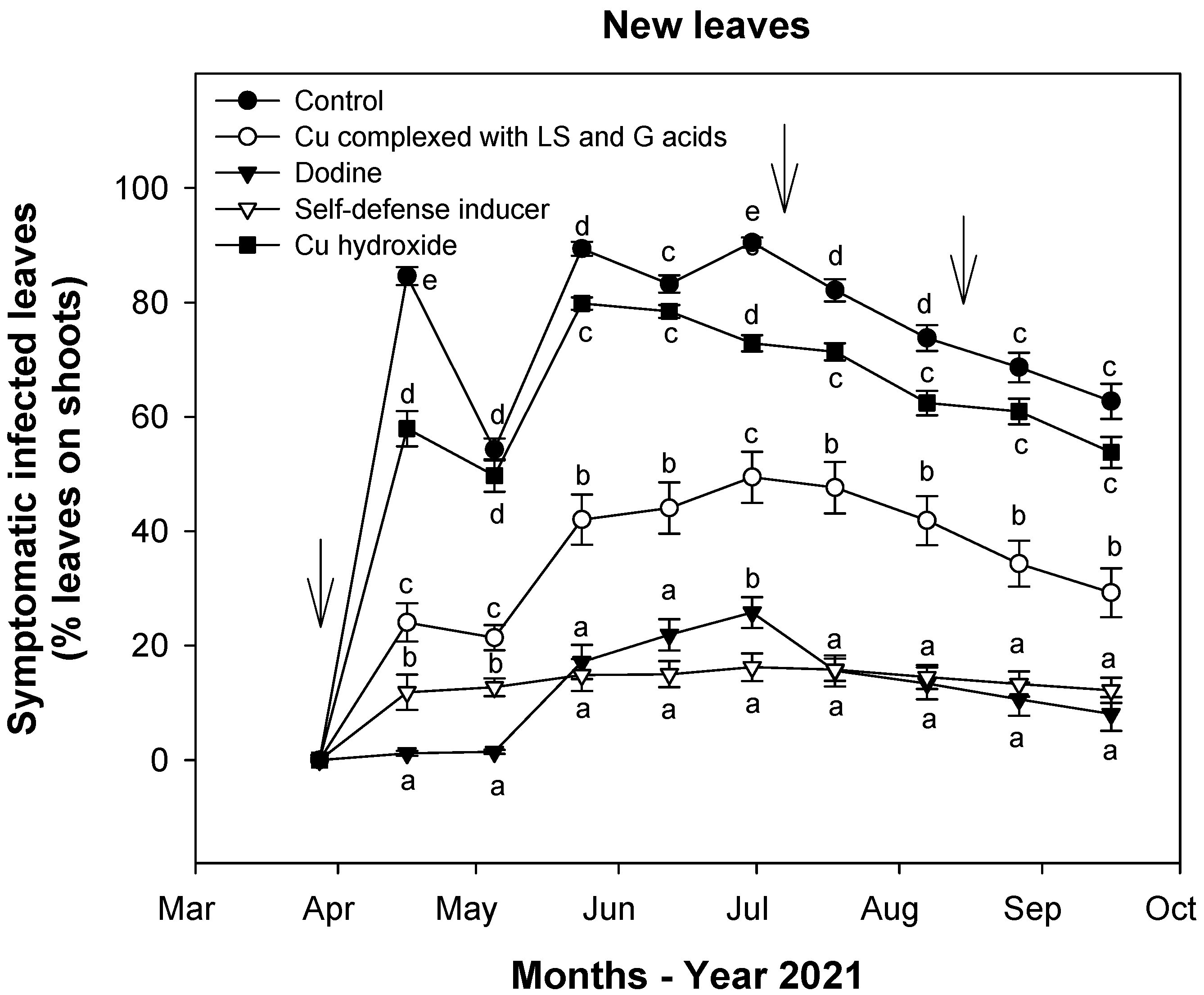
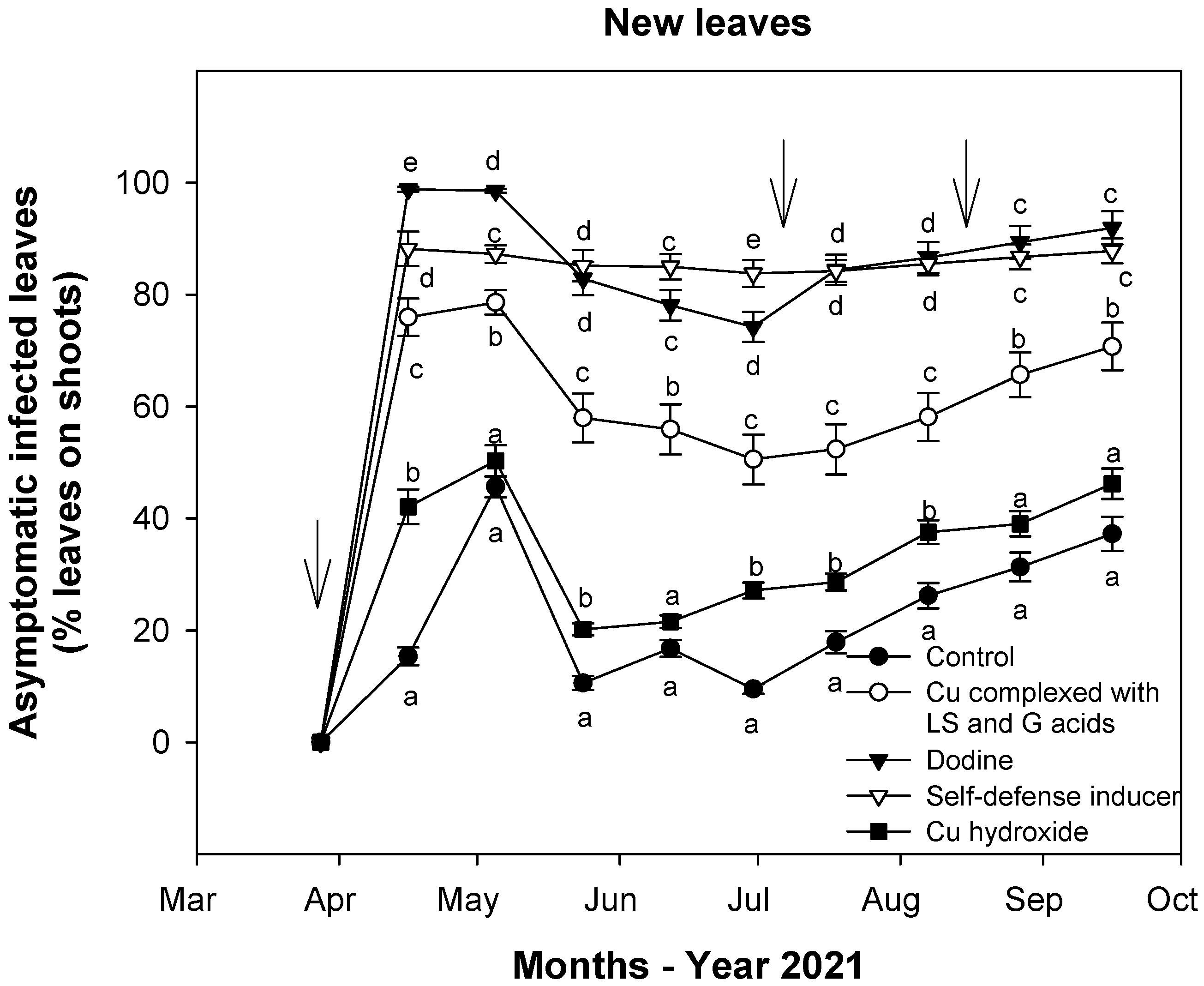
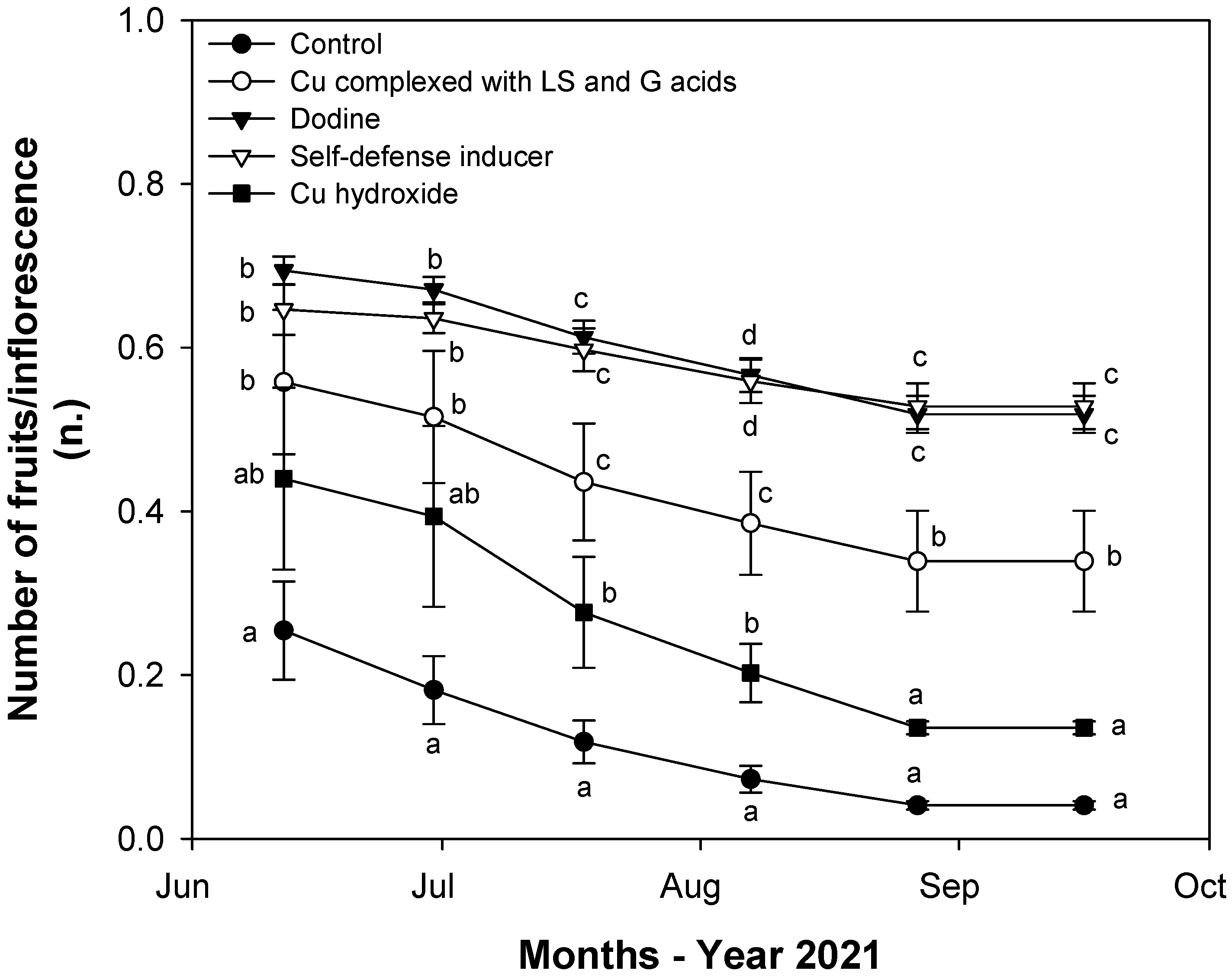
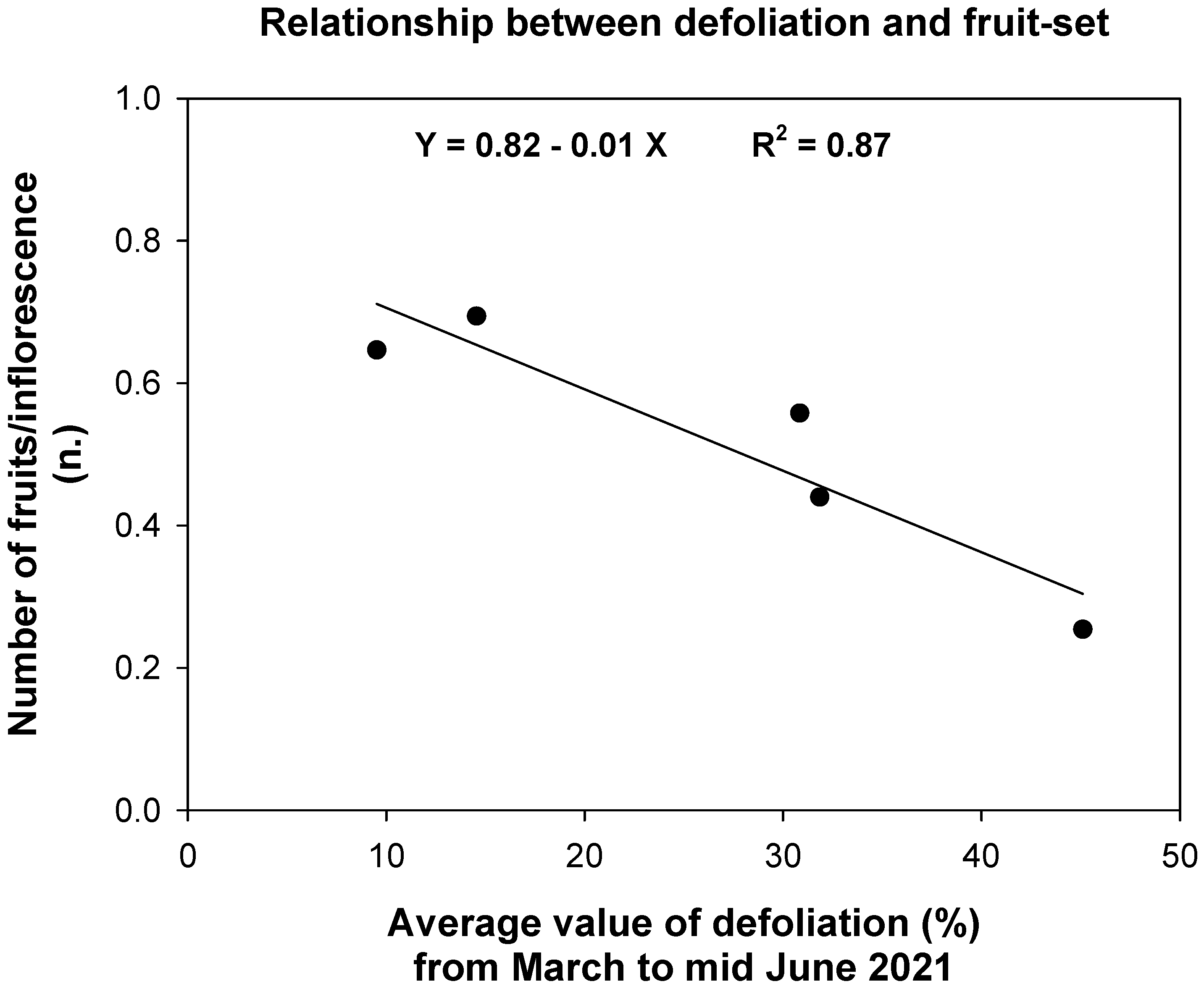
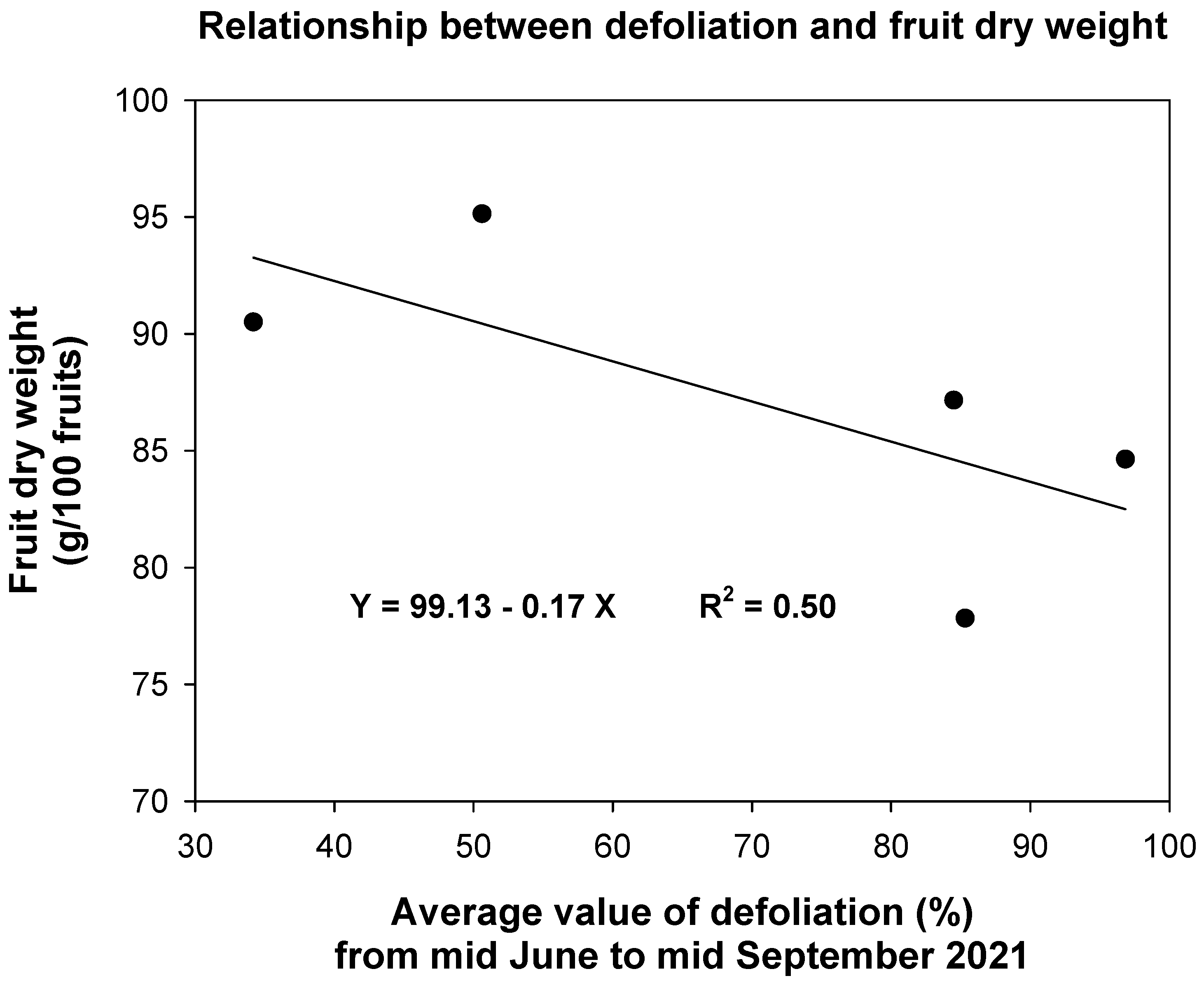
The high level of copper (Cu) accumulation in the soil, the risk of surface water contamination, and the potential public health problems due to Cu entering the food chain have raised concerns on the use of Cu compounds in agriculture, including olive growing. As a consequence, there is worldwide regulatory pressure on agricultural systems to limit the use of Cu compounds. Hence, a field trial was carried out to evaluate the effectiveness of low copper containing chemicals to control olive leaf spot (OLS) disease caused by Venturia oleaginea. The trial was conducted in 2021 in an olive (cv. Nabali Baladi) grove in Palestine. Copper complexed with lignosulphonate and gluconate (Disper Cu Max®) and the self-defense inducer Disper Broton GS® were evaluated and compared to dodine and the traditionally and frequently used copper hydroxide. In addition, untreated trees were used as the control. Treatments were made in March, July, and August. In March 2021, leaves grown in 2020 were present and 100% infected. V. oleaginea infections caused defoliation in untreated and treated olive trees with varying degrees of intensity: the Control had the most defoliation, followed by copper hydroxide and Disper Cu Max®, whereas dodine and, in particular, Disper Broton GS® had the least. All treatments reduced symptomatic leaves but their efficacy varied significantly: copper hydroxide was the least effective, Disper Cu Max® was intermediate, dodine and, mainly, Disper Broton GS® were the most effective. Overall, the results are promising since Disper Cu Max® and Disper Broton GS® were able to significantly reduce OLS damage and the amount of copper used for treatments.
Keywords: copper fungicides; dodine; Olea europaea L.; induced resistance; olive peacock eye disease; self-defense inducers copper fungicides; dodine; Olea europaea L.; induced resistance; olive peacock eye disease; self-defense inducers