Systematic Review

Predictability, Skeletal Stability, and Safety of Iliac Crest Bone Grafts in Large Maxillary Advancement with Le Fort I Osteotomy: A Systematic Review


1
Maxillo-Facial Surgery Ward, EMC Hospital, Pilczycka 144, 54-144 Wrocław, Poland
2
Academy of Applied Sciences, Health Department, Academy of Silesius in Wałbrzych, Zamkowa 4, 58-300 Wałbrzych, Poland
3
Medical Center of Innovation, Wroclaw Medical University, Krakowska 26, 50-425 Wrocław, Poland
4
Department of Biostructure and Animal Physiology, Wroclaw University of Environmental and Life Sciences, Kozuchowska 1, 51-631 Wrocław, Poland
5
Dental Surgery Department, Wroclaw Medical University, Krakowska 26, 50-425 Wrocław, Poland
6
Department of Pediatric Dentistry and Preclinical Dentistry, Wroclaw Medical University, Krakowska 26, 50-425 Wrocław, Poland
*
Authors to whom correspondence should be addressed.
J. Clin. Med. 2026, 15(7), 2586; https://doi.org/10.3390/jcm15072586
Submission received: 23 February 2026 / Revised: 16 March 2026 / Accepted: 24 March 2026 / Published: 28 March 2026
(This article belongs to the Section Dentistry, Oral Surgery and Oral Medicine)

Abstract

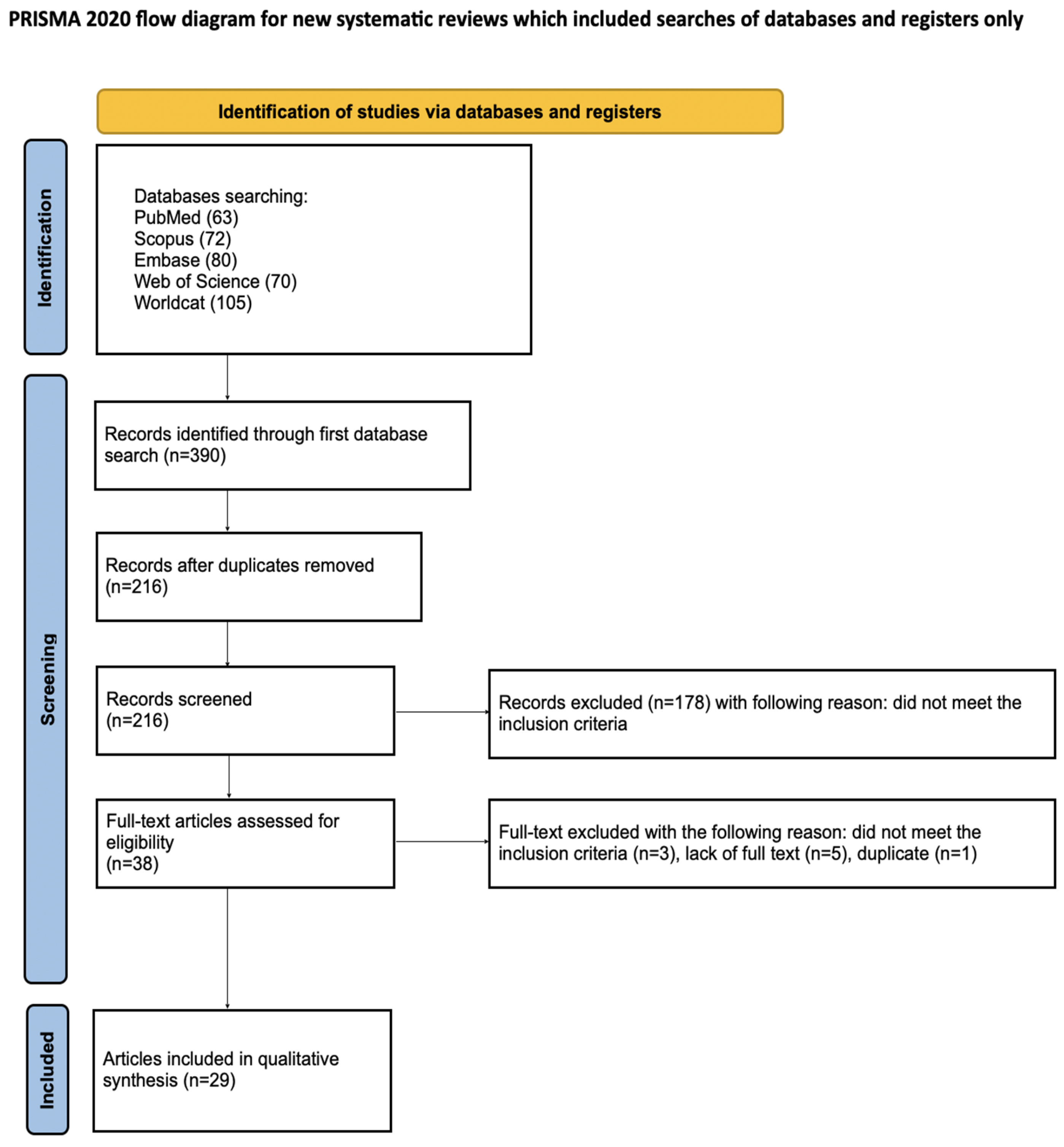
Objective: The aim of this systematic review was to evaluate the skeletal stability, predictability, and safety of using autogenous iliac crest bone grafts (ICBG) during large maxillary advancement performed with Le Fort I osteotomy. Methods: A systematic literature search was performed in November 2025 using PubMed, Scopus, Embase, Web of Science, and WorldCat databases. Clinical studies reporting large maxillary advancement performed with Le Fort I osteotomy and incorporating ICBG were included. Study selection followed PRISMA guidelines. Data extraction focused on the magnitude of maxillary advancement, surgical protocols, stabilization methods, skeletal stability, relapse patterns, graft integration, implant-related outcomes, and complications. Methodological quality was assessed using the Mixed-Methods Appraisal Tool (MMAT). Results: The review included clinical studies predominantly consisting of case reports, case series, and retrospective cohort studies. ICBG were consistently used in complex clinical scenarios, such as severe maxillary atrophy, hypoplasia, and congenital craniofacial deformities. Large maxillary advancements were generally associated with favorable postoperative skeletal stability, with most relapse occurring during the early healing phase and minimal changes observed during long-term follow-up when rigid fixation and adequate graft integration were achieved. Interpositional grafting facilitated predictable advancement by bridging extensive osteotomy gaps. Donor-site morbidity related to iliac crest harvesting was typically mild and transient. Implant-related outcomes, reported as secondary findings, were generally favorable when implants were placed after an adequate healing period. Conclusions: Despite predominantly observational evidence, ICBG during large maxillary advancement with Le Fort I osteotomy appears to offer predictable advancement, acceptable skeletal stability, and a favorable safety profile, warranting further prospective investigation.
Keywords: autogenous bone graft; iliac crest bone graft; large maxillary advancement; Le Fort I osteotomy; orthognathic surgery; skeletal stability autogenous bone graft; iliac crest bone graft; large maxillary advancement; Le Fort I osteotomy; orthognathic surgery; skeletal stability