4.1. Principal Findings
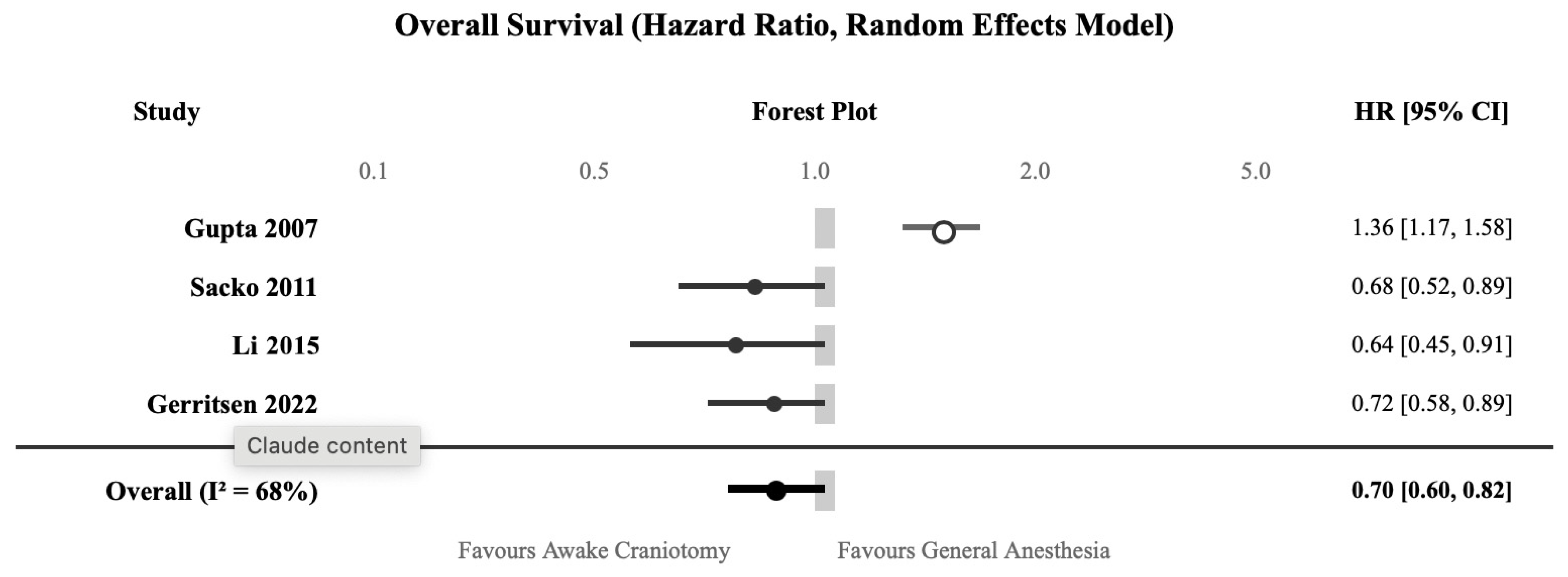
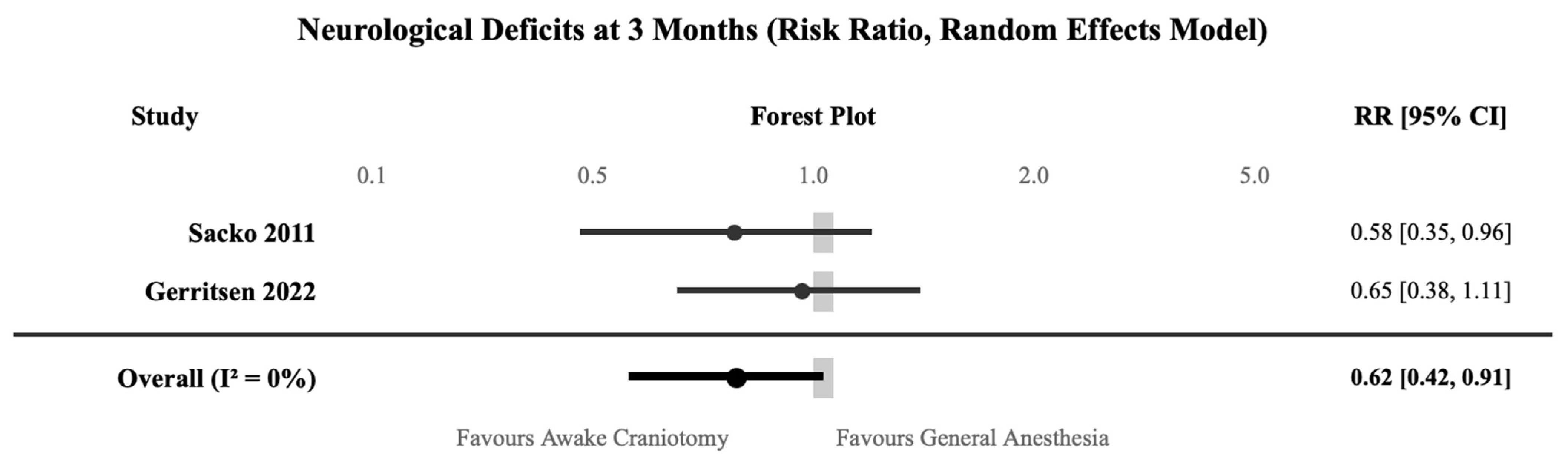
This systematic review and meta-analysis provides the most comprehensive synthesis to date comparing awake craniotomy with general anesthesia for high-grade glioma resection. Our findings suggest that awake craniotomy may offer significant advantages across multiple clinically important outcomes. The 30% reduction in mortality risk, 43% decrease in neurological deficits, and meaningful improvements in the extent of resection collectively support the potential superiority of awake craniotomy for appropriately selected patients.
The survival benefit of approximately 4.1 months, while modest in absolute terms, represents a clinically meaningful improvement for patients with such a poor prognosis. This benefit is particularly noteworthy given that patients undergoing awake craniotomy often have tumors in more challenging locations near eloquent areas, which would traditionally be associated with worse outcomes due to more conservative resection approaches. The key advantage of awake craniotomy appears to be enabling maximal safe resection—not simply maximal resection—through real-time functional monitoring that prevents permanent neurological injury while still achieving aggressive tumor removal.
4.2. Implications for Clinical Practice
Our findings have important implications for neurosurgical practice. The consistent benefits across multiple outcomes suggest that awake craniotomy should be strongly considered for patients with high-grade gliomas in or near eloquent brain areas, provided adequate institutional expertise exists. The moderate certainty evidence for reduced neurological deficits is particularly compelling from a patient-centered perspective, as preservation of neurological function is often prioritized by patients over modest survival gains.
It is important to note that the advantage of awake craniotomy may be most pronounced for language-eloquent regions, where monitoring options under general anesthesia are limited. Advances in motor pathway monitoring under general anesthesia (motor evoked potentials, subcortical stimulation) have improved the safety of asleep surgery for motor-eloquent tumors. Future research should separately examine outcomes for motor versus language eloquence to refine patient selection algorithms.
The substantial reduction in hospital length of stay (2.85 days) has important economic implications for healthcare. Despite the increased intraoperative resources required for awake craniotomy, the shortened hospitalization may partially offset these costs and improve patient experience. Operative time data were too heterogeneous across included studies for formal meta-analysis, though longer anesthesia induction and mapping time in awake procedures may be offset by these downstream benefits.
4.3. Patient-Centered Considerations
While our analysis demonstrates technical and survival advantages of awake craniotomy, clinical decision-making must incorporate patient perspectives often overlooked in outcome-focused research.
4.3.1. Psychological Impact
Awake craniotomy presents unique psychological challenges that extend beyond conventional surgical anxiety. Patients must remain conscious during brain surgery, potentially experiencing anxiety, claustrophobia, and distress despite sedation protocols. Intraoperative awareness—typically considered a complication in anesthesia—is an intentional feature of awake craniotomy, creating potential for traumatic memories. Post-operative psychological screening studies report mixed findings, with some patients describing the experience as empowering (“participating in my own cure”) while others report intrusive recollections and heightened anxiety. The psychological burden varies considerably between individuals and may not correlate with surgical success.
Some centers employ an asleep–awake–asleep technique, where patients are initially anesthetized, awakened only for functional mapping, then re-anesthetized for closure. This approach may reduce psychological burden while maintaining mapping capability and represents a potential compromise for patients with significant anxiety who still require functional monitoring.
4.3.2. Pre-Operative Fears and Concerns
Common patient fears about awake craniotomy include feeling pain during surgery (despite local anesthesia), loss of control, potential for seizures while awake, inability to communicate if distressed, and embarrassment about cognitive testing performance. These concerns may influence treatment decisions independent of survival or functional outcomes. Patient education and psychological preparation are critical components of awake craniotomy protocols, yet remain understudied and non-standardized across centers.
4.3.3. Shared Decision-Making Framework
The choice between awake and asleep craniotomy exemplifies preference-sensitive care, where multiple reasonable approaches exist with different risk–benefit profiles. Patients may rationally prioritize different values: some may accept lower resection extent to avoid awake surgery’s psychological burden, while others may endure significant psychological distress for modest survival gains. Currently, insufficient evidence exists regarding patient-reported outcomes, quality of life impact, and long-term psychological sequelae of awake procedures. Decision aids and preference elicitation tools are needed to support truly informed consent.
4.3.4. Patient Selection Beyond Anatomy
Beyond anatomical considerations (tumor location), psychological screening should assess anxiety disorders, claustrophobia, prior anesthesia trauma, cognitive baseline affecting mapping participation, and patient preference intensity. Contraindications may include severe anxiety disorders, inability to cooperate during mapping, language barriers complicating communication, severe aphasia precluding effective language testing, and strong patient preference against awake procedures even after counseling. Forcing awake craniotomy on psychologically unsuitable patients may compromise both surgical outcomes and patient wellbeing.
4.3.5. Research Gap in Patient-Reported Outcomes
Future studies should systematically assess patient-reported outcomes, psychological impact, and preference-weighted outcomes rather than focusing solely on technical success metrics. Patient values and experiential data should be integrated into evidence synthesis to enable truly patient-centered surgical decision-making. The current evidence base, while demonstrating technical advantages, provides insufficient guidance for incorporating patient preferences into treatment algorithms.
4.4. Comparison with Previous Research
Our findings align with and extend several previous systematic reviews but provide more precise estimates through the inclusion of recent high-quality studies. The survival benefit we observed (HR 0.70) is consistent with the biological plausibility that more extensive resection, enabled by real-time functional monitoring, would improve outcomes in high-grade gliomas
The contrasting result from the single RCT—Gupta 2007—deserves particular attention [
14]. This discrepancy may reflect several factors: the study predated modern awake craniotomy techniques and intraoperative imaging technologies (published 2007, conducted earlier). It included tumors in all locations rather than focusing on eloquent areas where awake craniotomy advantages are most pronounced; the small sample size (n = 53) may have been susceptible to chance finding. The reported median survival of 6–7 months is substantially shorter than typical glioblastoma outcomes even for that era, suggesting possible differences in patient population characteristics or adjuvant treatment protocols (the paper provides limited detail on whether standard temozolomide-based chemoradiation was uniformly administered). These factors may limit the trial’s generalizability to contemporary practice.
4.5. Strengths and Limitations
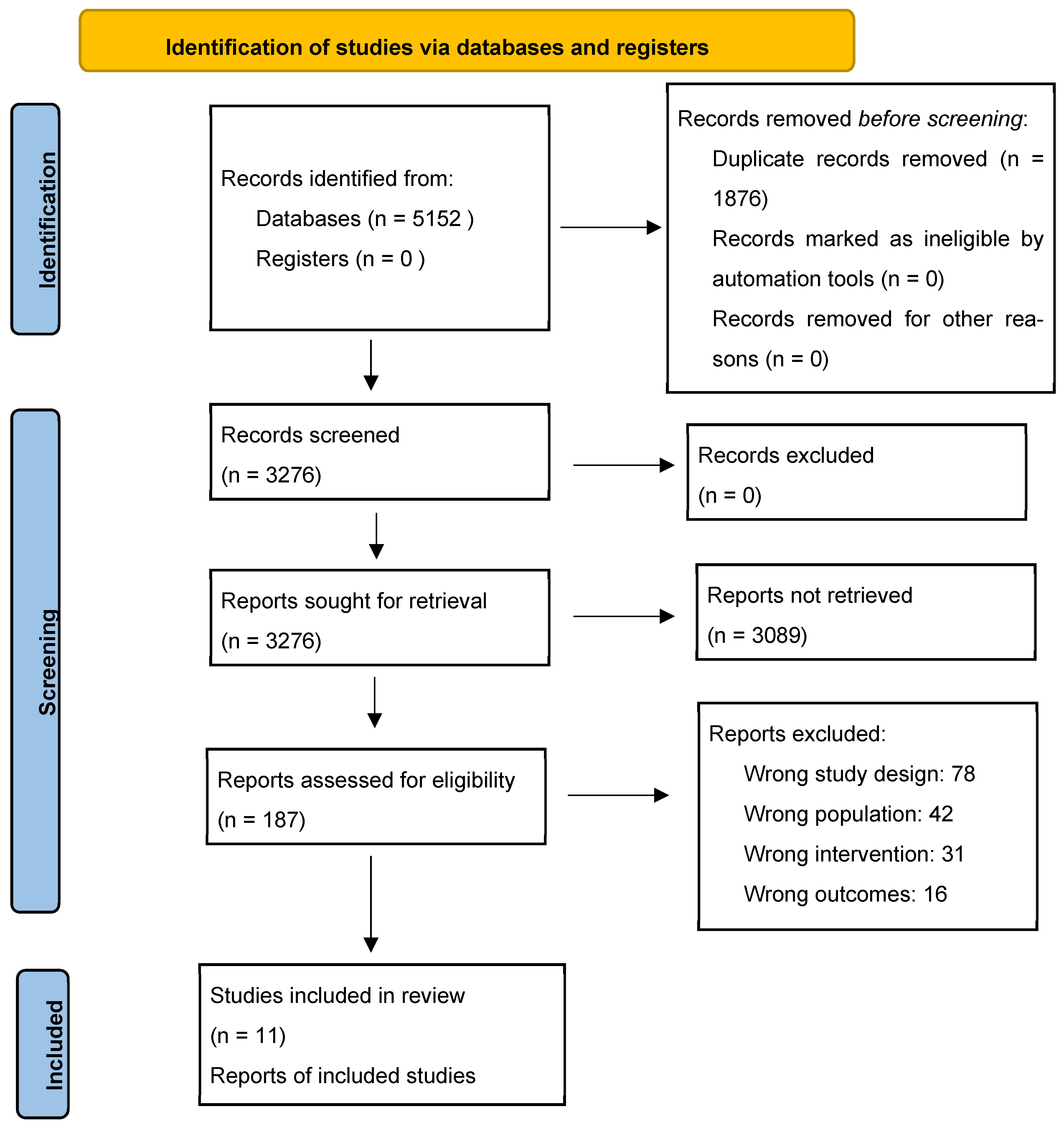
This meta-analysis has several strengths, including comprehensive searching of multiple databases, inclusion of the largest available dataset (2689 patients), geographic diversity of included studies, and transparent assessment of evidence quality using GRADE methodology. The consistency of findings across multiple outcomes and sensitivity analyses strengthens confidence in the results.
However, important limitations must be acknowledged. First, the evidence is predominantly based on observational studies, with only one small randomized trial showing opposite results. This introduces potential selection bias, as awake craniotomy is typically reserved for patients with tumors in eloquent areas who might otherwise have more conservative resection. The observational study design represents the most significant limitation of our meta-analysis, as it prevents definitive causal inference despite consistent findings across multiple studies and outcomes. Second, substantial heterogeneity was observed for most outcomes, reflecting differences in patient selection, surgical techniques, and outcome assessment across studies spanning 15 years. Awake craniotomy is often combined with other surgical adjuncts (5-ALA fluorescence, intraoperative ultrasound, neuronavigation), and the relative contribution of these technologies versus functional mapping itself is difficult to disentangle from available data. Third, the estimated hazard ratios for some studies may introduce imprecision in effect estimates.
Baseline performance status, particularly Karnofsky Performance Status (KPS), was inconsistently reported across included studies, preventing systematic analysis of this important confounder. Awake craniotomy requires patient cooperation during intraoperative mapping, potentially selecting higher-functioning patients. If baseline KPS differed systematically between groups, observed survival advantages might partially reflect selection bias rather than procedural superiority. Only a minority of studies reported baseline KPS scores, and none performed propensity score matching including performance status. Future comparative studies should mandatorily report baseline performance status and employ statistical methods (propensity matching, multivariable adjustment) to account for this confounding variable.
The integration of molecular diagnostics into glioma classification (WHO 2021) raises important questions inadequately addressed in the existing literature [
28,
29,
30]. Molecular marker data were inconsistently reported across included studies, preventing subgroup analysis by molecular phenotype. This represents a critical knowledge gap, as molecular characteristics demonstrate vastly different prognoses: IDH-mutant glioblastomas (median OS ~31 months) can be compared to IDH-wildtype (median OS ~15 months), and MGMT-methylated tumors respond better to temozolomide [
31,
32,
33,
34,
35]. Molecular subtypes might interact with surgical approaches. IDH-mutant tumors with better prognosis might benefit more from maximal resection enabled by awake mapping, while MGMT-unmethylated chemo-resistant tumors might require aggressive surgical cytoreduction regardless of anesthetic approach [
36,
37]. None of the included studies stratified outcomes by IDH mutation status, MGMT promoter methylation, 1p/19q codeletion, or other relevant alterations. Furthermore, studies included in our analysis span the transition from WHO 2007 to WHO 2021 classification systems, creating potential heterogeneity in tumor biology within histological grades. As molecular diagnostics become universal in glioma care, understanding which molecular subtypes benefit most from awake craniotomy will be essential for refining patient selection algorithms.
4.6. Future Research Priorities
Our analysis highlights several important research gaps requiring systematic investigation.
4.6.1. Need for High-Quality Randomized Trials
The urgent need for well-designed randomized controlled trials is evident, given the limitations of observational data and the single small RCT with discordant results. In particular, multicenter studies with adequate sample sizes (≥200 patients per arm) and standardized outcome measures are needed. Such trials should focus on patients with tumors in eloquent areas where the benefits of awake craniotomy are most likely to be realized, with mandatory stratification by molecular markers and performance status.
4.6.2. Outcome Standardization
Future research should address the heterogeneity in outcome definitions observed across studies. The development of a core outcome set for glioma surgery studies would facilitate more meaningful evidence synthesis. The temporal dynamics of neurological deficit recovery remain poorly characterized across included studies, with assessment timing varying from immediately post-operative to 3, 6, and 12 months. Serial assessment protocols (discharge, 6 weeks, 3 months, 6 months, 12 months) would better characterize functional outcomes and identify predictors of recovery versus permanent deficit. Early deficits may resolve with neuroplasticity, while persistent deficits at 3–6 months likely represent permanent impairment.
Importantly, existing evidence suggests that permanent neurological deficits may neutralize survival benefits from more aggressive resection, emphasizing that the goal should be maximal SAFE resection rather than maximal resection at any cost. This reinforces the critical importance of functional mapping in achieving the optimal balance between oncological completeness and functional preservation.
Future studies should also systematically report operative time (including anesthesia preparation) and the use of surgical adjuncts (fluorescence, ultrasound, intraoperative MRI) to allow stratified analyses of their relative contributions to outcomes.
4.6.3. Molecular Marker Integration
Molecular marker-stratified analyses represent a critical unmet need. Future studies must incorporate IDH mutation status, MGMT promoter methylation status, 1p/19q codeletion (for anaplastic oligodendrogliomas), EGFR amplification, and TERT promoter mutations into study design. Research questions include the following: Which molecular subtypes benefit most from awake craniotomy? Does the survival advantage persist across all molecular phenotypes, or is it concentrated in specific subgroups? Furthermore, molecularly stratified therapies targeting specific alterations (IDH inhibitors, BRAF inhibitors) are emerging as alternatives to standard temozolomide-based treatment. Future studies comparing awake versus asleep craniotomy must account for whether patients receive molecularly targeted versus standard therapy. Intraoperative molecular diagnostics, including rapid techniques such as nanopore sequencing, may enable real-time subtype identification to tailor surgical aggressiveness—for example, more aggressive resection for oligodendroglial versus astrocytic tumors, or consideration of molecular subtype-specific infiltration patterns (e.g., neuronal subtype glioblastoma). The integration of rapid intraoperative diagnostics and molecular data into surgical decision-making and patient selection algorithms represents an important frontier that should be systematically evaluated as molecular diagnostics become universal.
4.6.4. Tumor Size Stratification
Tumor size likely influences both surgical approach selection and outcomes, yet was inconsistently reported across studies. Larger tumors may have a higher baseline risk of neurological deficit given their larger volume, benefit more from awake mapping enabling more aggressive resection, and require longer operative times, potentially limiting awake procedure feasibility. Conversely, smaller tumors in eloquent areas might achieve complete resection regardless of mapping approach, reducing the advantage of awake craniotomy. Future studies should stratify outcomes by tumor volume categories (e.g., <10 cc, 10–30 cc, >30 cc) to the identify optimal surgical approach for different tumor sizes. Additionally, recent data from the RANO resect group regarding supramarginal resection and the effect of postoperative residual tumor volume should be integrated into outcome analyses, with standardized volumetric reporting rather than categorical gross total resection definitions.
4.6.5. Patient-Reported Outcomes and Quality of Life
Long-term quality of life assessment, cognitive outcomes, and patient-reported psychological impact are understudied areas that deserve systematic attention given the functional focus and psychological demands of awake craniotomy. Integrating patient values and experiential data into evidence synthesis represents a critical unmet need for truly patient-centered surgical decision-making.
4.6.6. Performance Status and Patient Selection
Future studies should mandatorily report baseline Karnofsky Performance Status or WHO Performance Status and employ propensity score matching or multivariable adjustment including performance status to account for selection bias. Research into psychological screening tools and validated contraindication criteria would improve patient selection beyond purely anatomical considerations, ensuring that awake craniotomy is offered to patients most likely to benefit while minimizing the risk of poor intraoperative cooperation or adverse psychological outcomes.