Magnesium Sulfate as a Multimodal Anesthetic Adjuvant in Brain Tumor Surgery: A Systematic Review and Meta-Analysis of Hemodynamic, Analgesic, and Biomarker Outcomes
 , , , ,
Abstract
1. Introduction
2. Materials and Methods
2.1. Search Strategy and Data Sources
2.2. Eligibility Criteria
2.3. Data Extraction and Quality Assessment
2.4. Statistical Analysis
3. Results
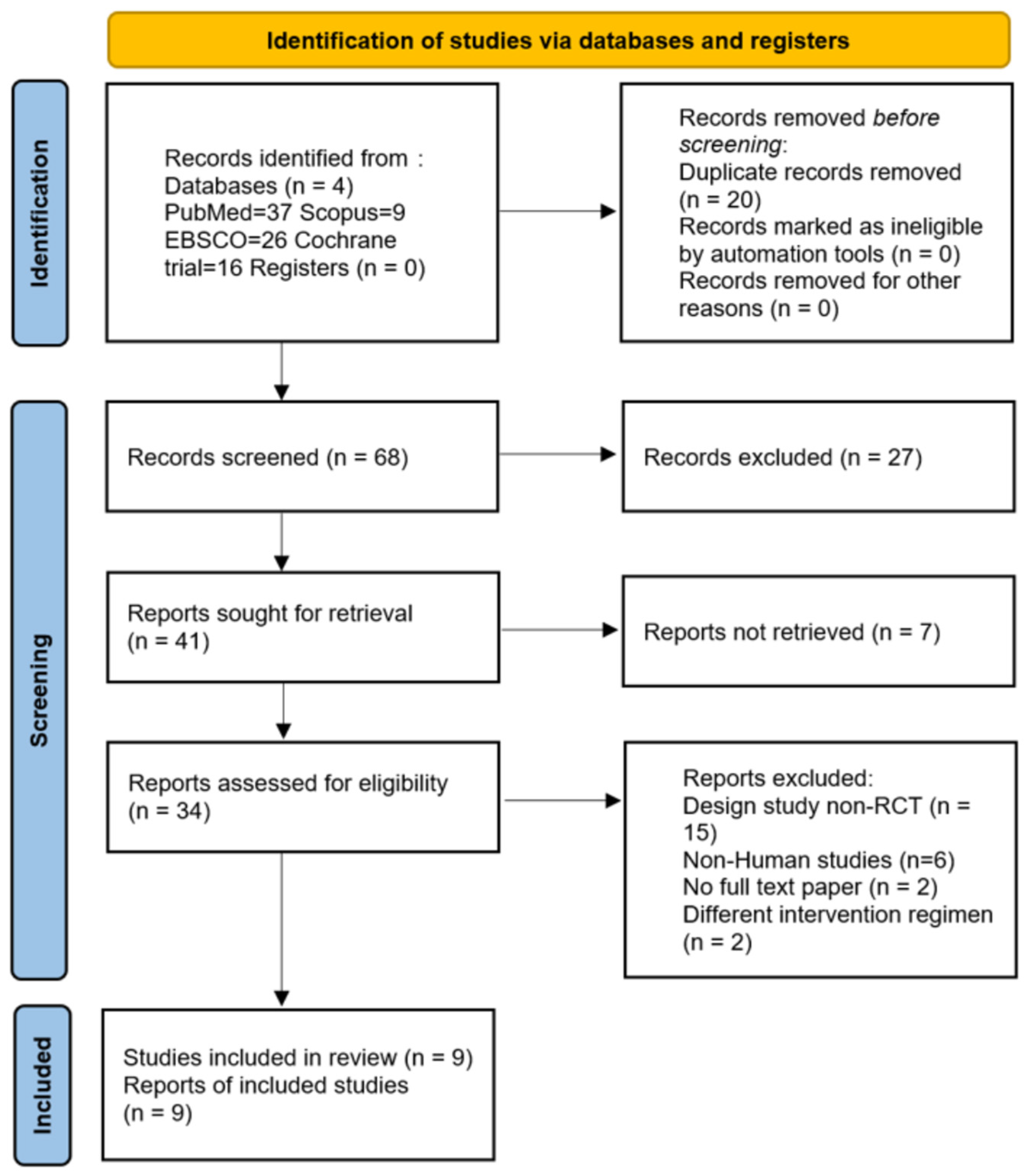
3.1. Study Selection and Baseline Characteristics
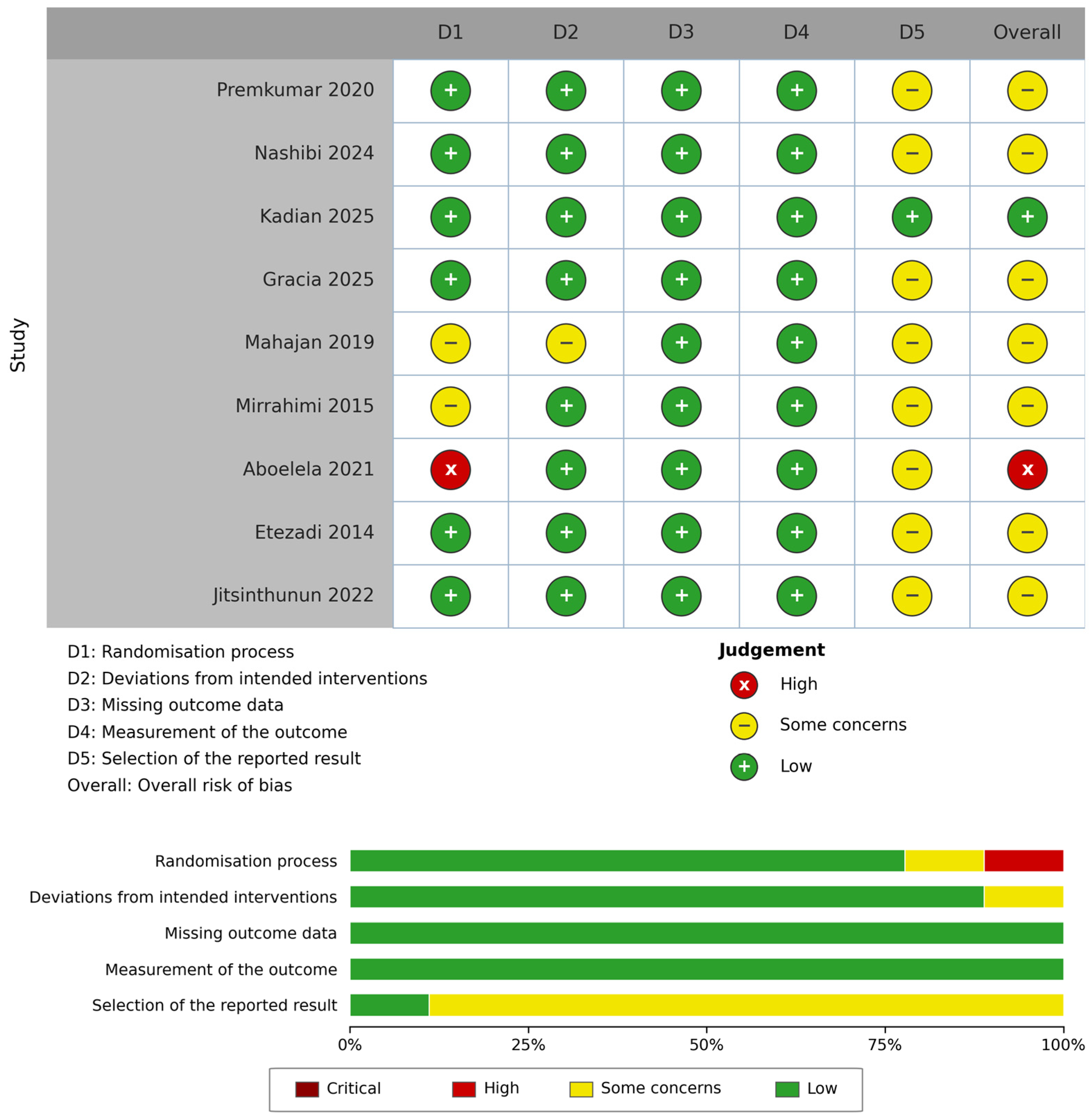
3.2. Risk of Bias Assessment and Certainty of Evidence
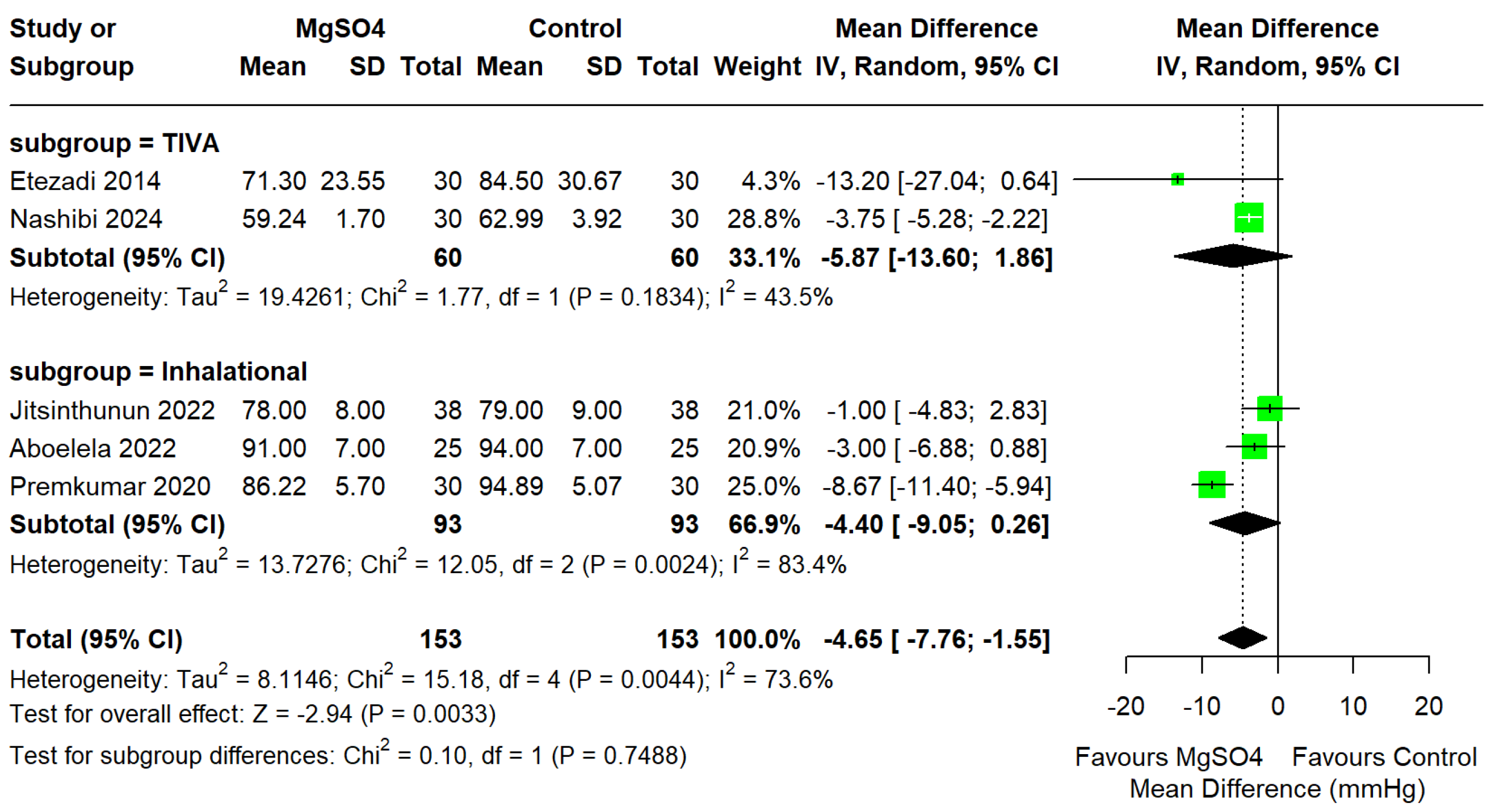
3.3. Primary Outcome Analysis: Intraoperative Hemodynamics
3.4. Secondary Outcome Analysis
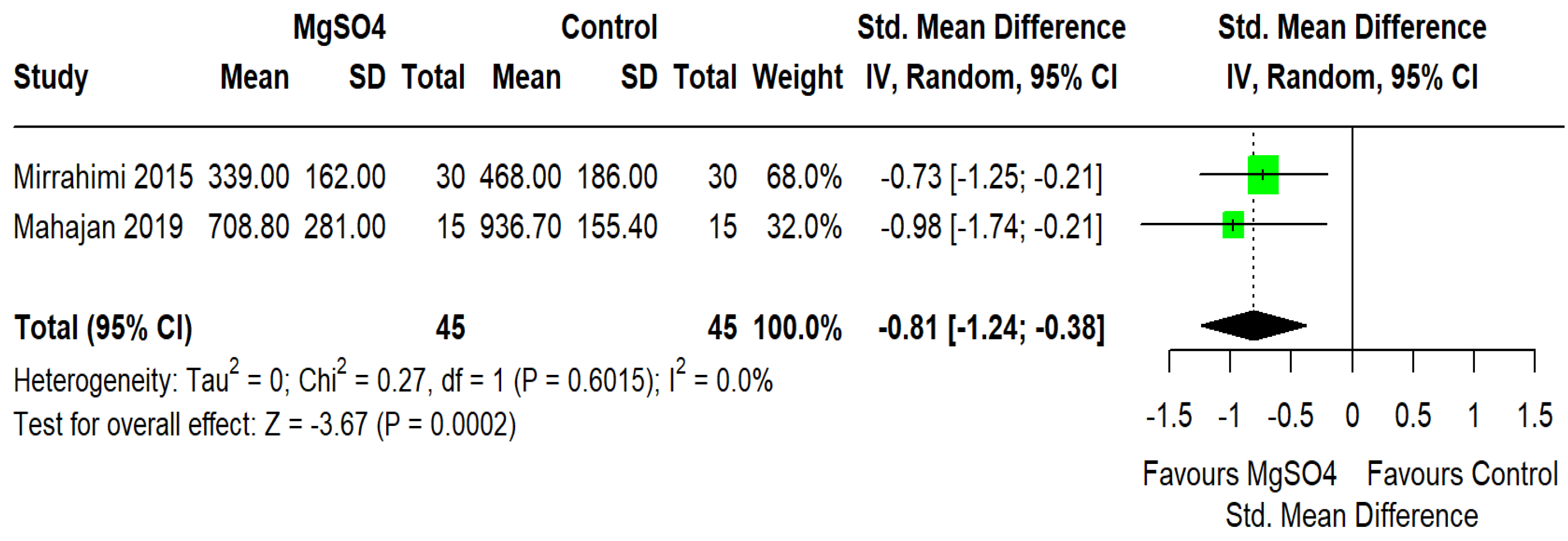
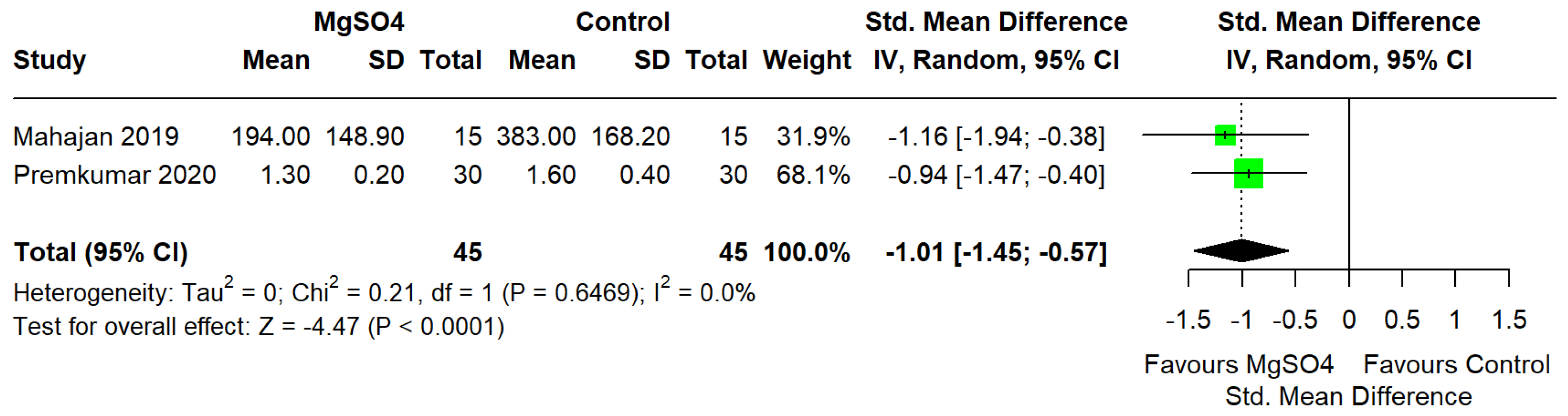
3.4.1. Neuroprotection (S100B Biomarker)
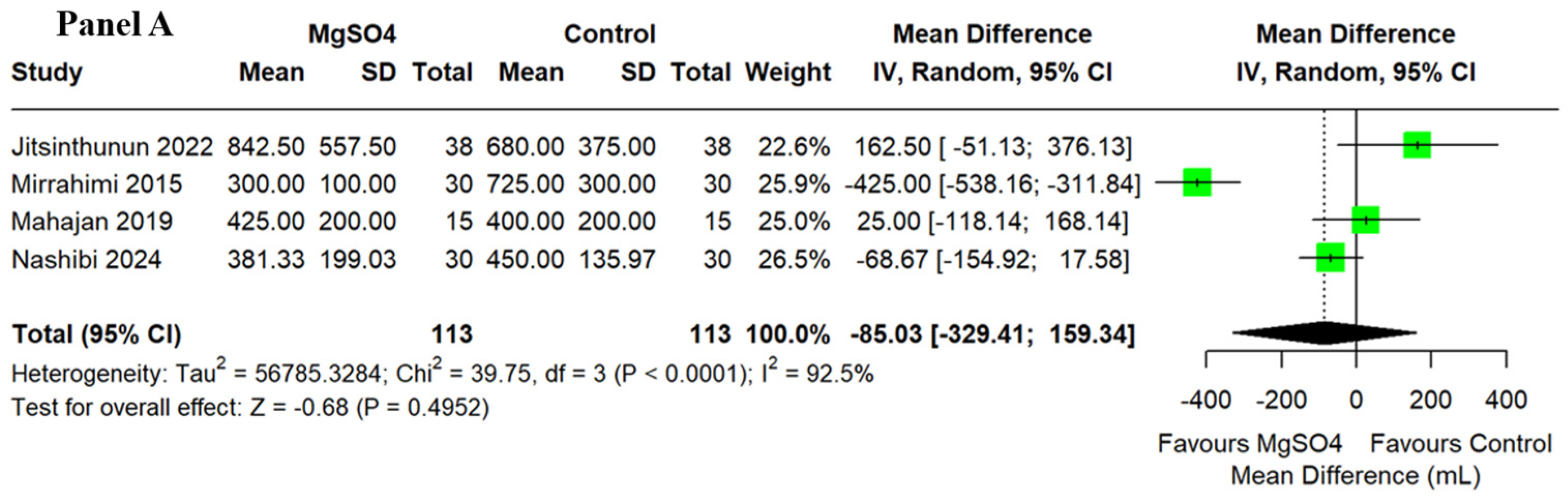
3.4.2. Intraoperative Blood Loss Volume
3.4.3. Opioid Consumption and Analgesic Requirements
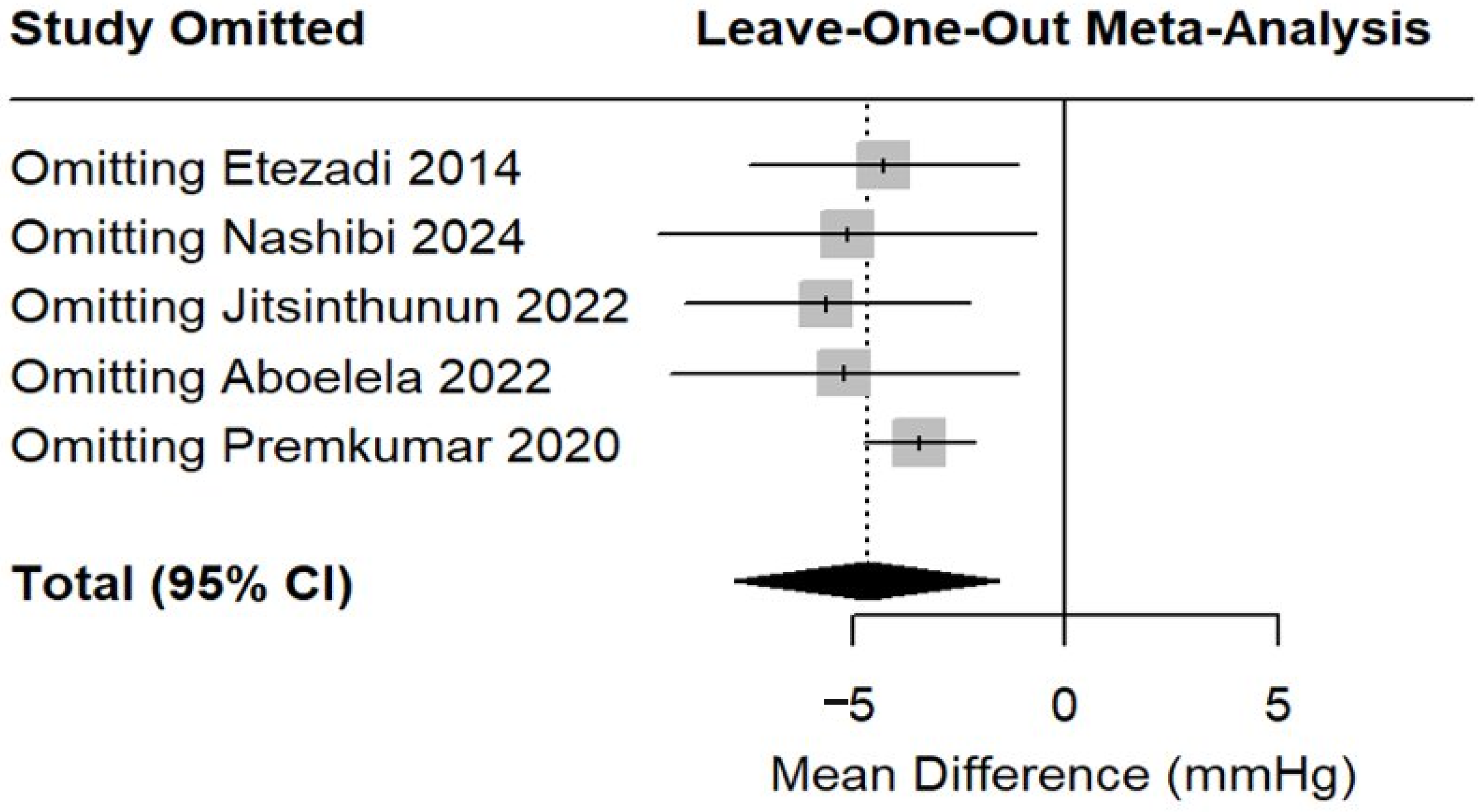
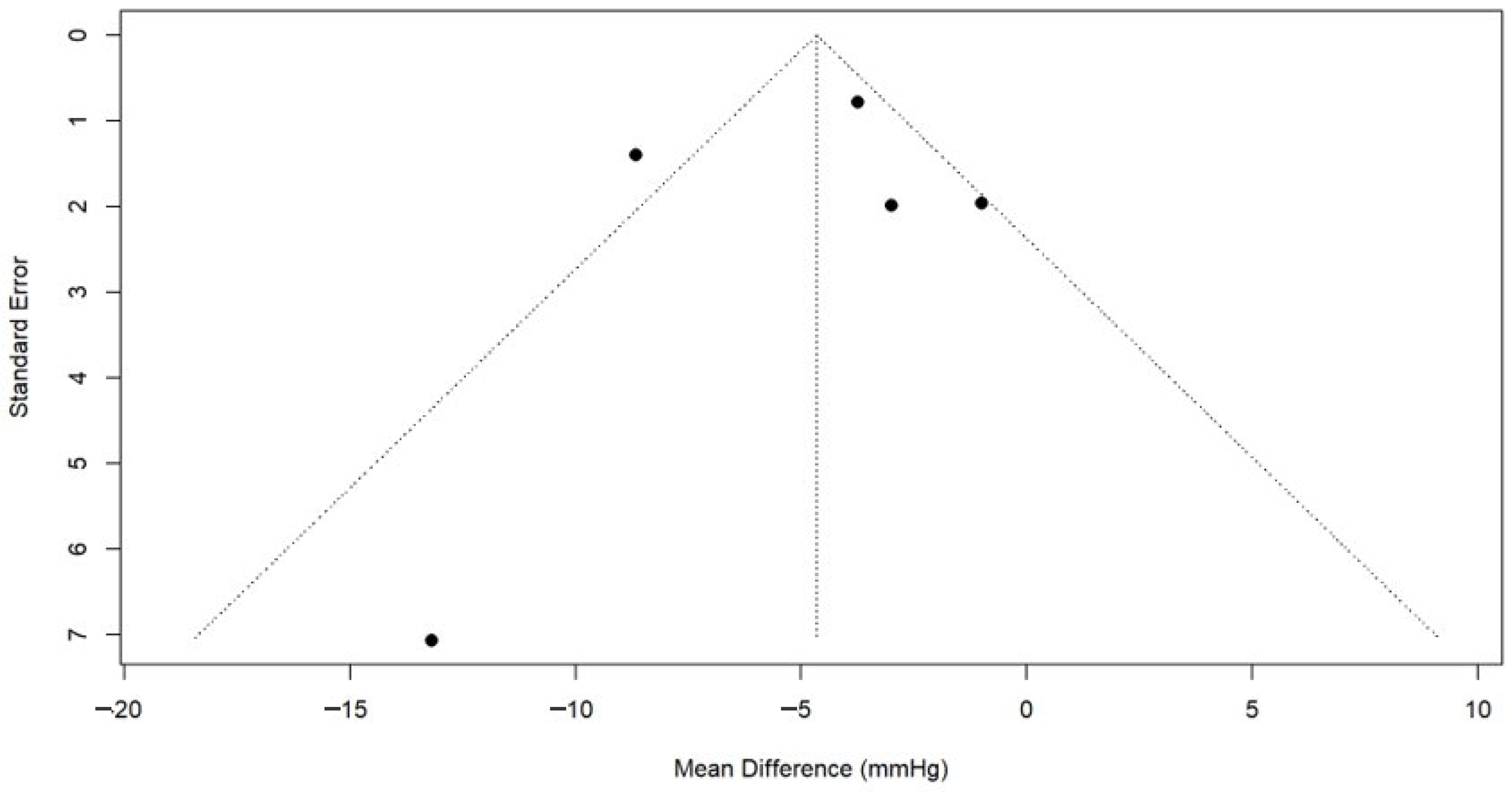
3.4.4. Sensitivity Analysis and Heterogeneity Assessment
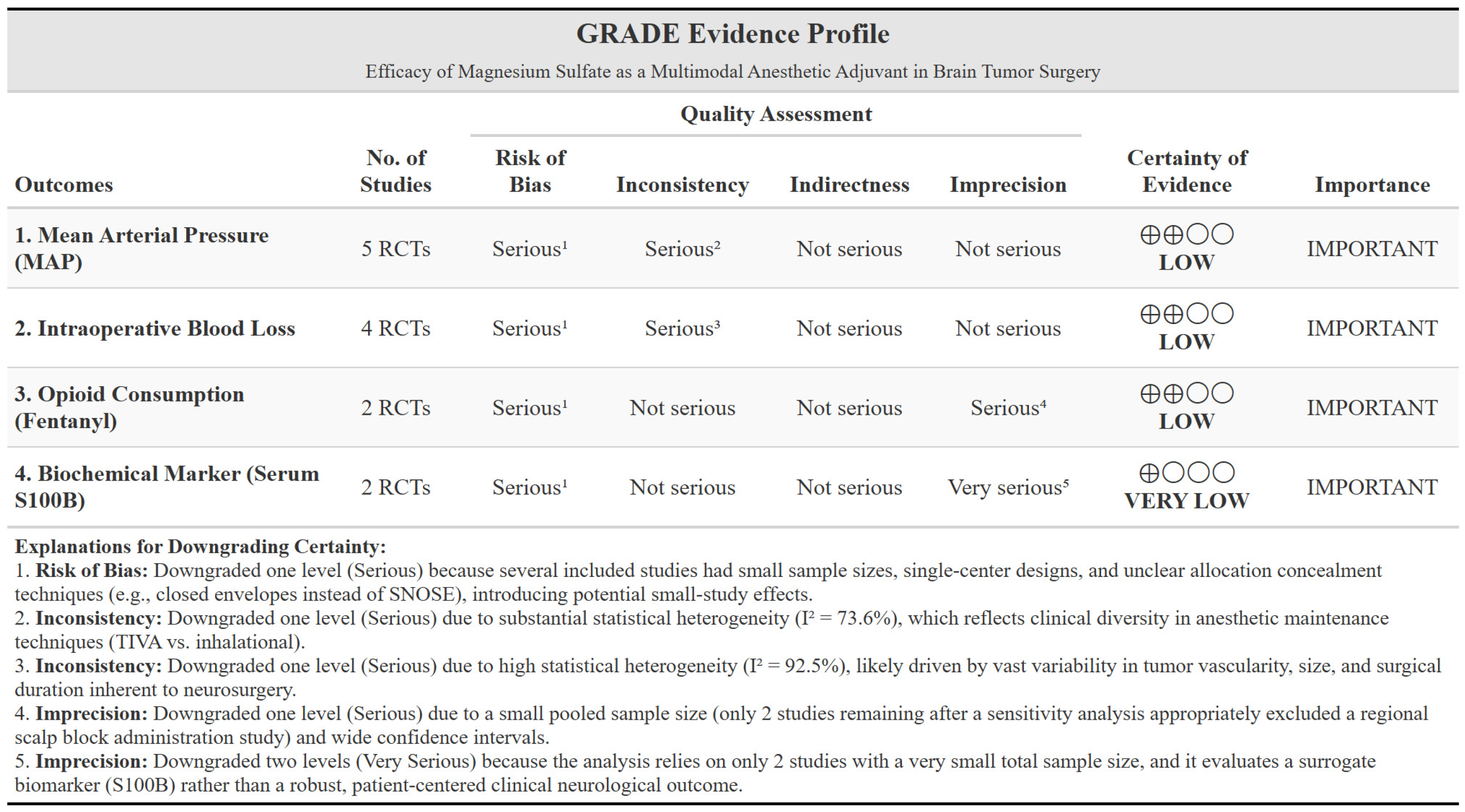
3.5. GRADE
4. Discussion
4.1. Hemodynamic Stability and Mechanistic Insights
4.2. TIVA vs. Inhalational
4.3. Heterogeneity and Robustness of Evidence
4.4. Neuroprotection and Biomarker Analysis
4.5. Analgesic Efficacy and Opioid-Sparing Effects
4.6. Intraoperative Blood Loss
5. Conclusions
Supplementary Materials
Author Contributions
Funding
Institutional Review Board Statement
Informed Consent Statement
Data Availability Statement
Conflicts of Interest
Abbreviations
| APSF | Anesthesia Patient Safety Foundation |
| BBB | Blood–Brain Barrier |
| BDNF | Brain-Derived Neurotrophic Factor |
| CI | Confidence Interval |
| CRP | C-Reactive Protein |
| GRADE | Grading of Recommendations Assessment, Development, and Evaluation |
| HR | Heart Rate |
| ICP | Intracranial Pressure |
| MAP | Mean Arterial Pressure |
| MD | Mean Difference |
| MeSH | Medical Subject Headings |
| MgSO4 | Magnesium Sulfate |
| NMDA | N-Methyl-D-Aspartate |
| PICOS | Population, Intervention, Comparison, Outcome, Study Design |
| PONV | Postoperative Nausea and Vomiting |
| POCD | Postoperative Cognitive Dysfunction |
| PRISMA | Preferred Reporting Items for Systematic Reviews and Meta-Analyses |
| PROSPERO | International Prospective Register of Systematic Reviews |
| RCT | Randomized Controlled Trial |
| RoB | Risk of Bias |
| S100B | S100 Calcium-Binding Protein B |
| SMD | Standardized Mean Difference |
| TIVA | Total Intravenous Anesthesia |
References
- Lizano-Díez, I.; Poteet, S.; Burniol-García, A.; Cerezales, M. The Burden of Perioperative Hypertension/Hypotension: A Systematic Review. PLoS ONE 2022, 17, e0263737. [Google Scholar] [CrossRef]
- Scott, M. Perioperative Patients with Hemodynamic Instability: Consensus Recommendations of the Anesthesia Patient Safety Foundation. Anesth. Analg. 2023, 138, 713–724. [Google Scholar] [CrossRef]
- Colombari, E.; Biancardi, V.; Colombari, D.; Katayama, P.; Medeiros, F.; Aitken, A.; Xavier, C.H.; Pedrino, G.R.; Bragin, D.E. Hypertension, Blood–brain Barrier Disruption and Changes in Intracranial Pressure. J. Physiol. 2025, 603, 2245–2261. [Google Scholar] [CrossRef] [PubMed]
- Fu, Y.; Zhou, Y.; Cui, Y.; Wu, Y.; Wang, T.; Li, Y.; Yu, Y.; Han, R. Opioid-Free Anaesthesia and Postoperative Quality of Recovery in Patients Undergoing Supratentorial Tumour Resection: Protocol for A Randomised Controlled Trial. BMJ Open 2025, 15, e099864. [Google Scholar] [CrossRef]
- Salomé, A.; Harkouk, H.; Fletcher, D.; Martinez, V. Opioid-Free Anesthesia Benefit–Risk Balance: A Systematic Review and Meta-Analysis of Randomized Controlled Trials. J. Clin. Med. 2021, 10, 2069. [Google Scholar] [CrossRef]
- Song, B.; Li, W.; Wan, L.; Zhang, L. Effect of Opioid-Free Versus Opioid Anesthesia on the Quality of Postoperative Recovery in Patients Receiving Laparoscopic Sleeve Gastrectomy. Obes. Surg. 2025, 35, 3120–3130. [Google Scholar] [CrossRef] [PubMed]
- Campos, J.; Bas, J.; Campos, C.; Mariscal, G.; Bas, T.; Bas, P. Efficacy and Safety of Intravenous Magnesium Sulfate in Spinal Surgery: A Systematic Review and Meta-Analysis. J. Clin. Med. 2024, 13, 3122. [Google Scholar] [CrossRef]
- Cazzaniga, A.; Fedele, G.; Castiglioni, S.; Maier, J. The Presence of Blood–Brain Barrier Modulates the Response to Magnesium Salts in Human Brain Organoids. Int. J. Mol. Sci. 2022, 23, 5133. [Google Scholar] [CrossRef]
- Masri, A.; Corell, A.; Michaëlsson, I.; Jakola, A.; Skoglund, T. The Glymphatic System for Neurosurgeons: A Scoping Review. Neurosurg. Rev. 2024, 47, 61. [Google Scholar] [CrossRef] [PubMed]
- Kulik, K.; Żyżyńska-Granica, B.; Kowalczyk, A.; Kurowski, P.; Gajewska, M.; Bujalska-Zadrożny, M. Magnesium and Morphine in the Treatment of Chronic Neuropathic Pain–A Biomedical Mechanism of Action. Int. J. Mol. Sci. 2021, 22, 13599. [Google Scholar] [CrossRef]
- Sohn, H.; Kim, B.; Bae, Y.; Seo, W.; Jeon, Y. Magnesium Sulfate Enables Patient Immobilization during Moderate Block and Ameliorates the Pain and Analgesic Requirements in Spine Surgery. J. Clin. Med. 2021, 10, 4289. [Google Scholar] [CrossRef] [PubMed]
- Myers, A.; Baker, D.; Adedugbe, I. Magnesium, the Anaesthetists’ Friend during Carotid Endarterectomy (CEA). BJS 2023, 10, znad101.068. [Google Scholar] [CrossRef]
- Fiorentini, D.; Cappadone, C.; Farruggia, G.; Prata, C. Magnesium: Biochemistry, Nutrition, Detection, and Social Impact of Diseases Linked to Its Deficiency. Nutrients 2021, 13, 1136. [Google Scholar] [CrossRef]
- Kadian, S.; Gupta, P.; Agrawal, S. Comparative Evaluation of Analgesic Efficacy of Ketamine and Magnesium Sulfate as Adjuvants to Bupivacaine for Scalp Block in Supratentorial Craniotomy: A Randomized, Double-Blind Clinical Study. J. Clin. Neurosci. 2025, 137, 111347. [Google Scholar] [CrossRef] [PubMed]
- Etezadi, F.; Aklamli, M.; Najafi, A.; Khajavi, M.; Moharari, R.S.; Mirrahimi, B.; Mortazavi, S.A.; Mojtahedzadeh, M. Evaluation of the Anti-Inflammatory Effects of Peri-Operative Infusion of Magnesium Sulfate on the Microsurgical Procedures for Intracranial Tumors. Anesthesiol. Pain Med. 2014, 4, e22379. [Google Scholar] [CrossRef]
- Mirrahimi, B.; Mortazavi, A.; Nouri, M.; Ketabchi, E.; Amirjamshidi, A.; Ashouri, A.; Khajavi, M.; Mojtahedzadeh, M. Effect of Magnesium on Functional Outcome and Paraclinical Parameters of Patients Undergoing Supratentorial Craniotomy for Brain Tumors: A Randomized Controlled Trial. Acta Neurochir. 2015, 157, 985–991. [Google Scholar] [CrossRef]
- Mahajan, C.; Mishra, R.K.; Jena, B.R.; Kapoor, I.; Prabhakar, H.; Rath, G.P.; Chaturvedi, A. Effect of Magnesium and Lignocaine on Post-Craniotomy Pain: A Comparative, Randomized, Double Blind, Placebo-Controlled Study. Saudi J. Anaesth. 2019, 13, 299–305. [Google Scholar] [CrossRef]
- Premkumar, D.; Dhawale, Y.; Agarwal, A. Effect of Intravenous Magnesium Sulfate on Patients Undergoing Craniotomy for Meningioma Excision. Glob. J. Res. Anal. 2020, 9, 76–78. [Google Scholar]
- Jitsinthunun, T.; Raksakietisak, M.; Pantubtim, C.; Mahatnirunkul, P. Effects of Magnesium Sulfate on Intraoperative Blood Loss and Anesthetic Requirement in Meningioma Patients Undergoing Craniotomy with Tumor Removal: A Prospective Randomized Study. J. Neuroanaesth. Crit. Care 2022, 9, 168–176. [Google Scholar] [CrossRef]
- Aboelela, M.A.; Alrefaey, A.K. Lidocaine versus Magnesium Sulfate Infusion during Isoflurane Anesthesia for Brain Tumor Resection, Effect on Minimum Alveolar Concentration Reduction Guided by Bispectral Index: A Prospective Randomized Controlled Trial. Signa Vitae 2022, 18, 108–114. [Google Scholar]
- Nashibi, M.; Sezari, P.; Nashibi, S.; Pilevar, N.; Safari, F.; Hosseininasab, S.-S.-M.; Asgari, S. A Comparison of Dexmedetomidine and Magnesium Sulfate as an Anesthetic Adjuvant in Trans-Sphenoidal Pituitary Surgery. J. Cell. Mol. Anesth. 2024, 9, e149422. [Google Scholar] [CrossRef]
- Gracia, I.; Fabregas, N.; Hurtado, P.; De Riva, N.; Boget, T.; Casanovas, G.; Oleaga, L.; Bargalló, N.; González, J.; Rumià, J.; et al. Effect of Perioperative Magnesium Sulfate on Neurological Outcome in Neurosurgical Patients: A Randomized Double-Blind Controlled Trial. Minerva Anestesiol. 2025, 91, 45–57. [Google Scholar] [CrossRef]
- Sohn, H.; Ahn, H.; Seo, W.; Yi, I.; Park, J. Magnesium Sulfate and Cerebral Oxygen Saturation in Mild Traumatic Brain Injury: A Randomized, Double-Blind, Controlled Trial. J. Clin. Med. 2022, 11, 3388. [Google Scholar] [CrossRef] [PubMed]
- Lang, B.; Zhang, L.; Lin, Y.; Zhang, W.; Li, F.; Chen, S. Comparison of Effects and Safety in Providing Controlled Hypotension during Surgery between Dexmedetomidine and Magnesium Sulphate: A Meta-Analysis of Randomized Controlled Trials. PLoS ONE 2020, 15, e0227410. [Google Scholar] [CrossRef] [PubMed]
- D’Amico, F.; Fominskiy, E.; Turi, S.; Pruna, A.; Fresilli, S.; Triulzi, M.; Zangrillo, A.; Landoni, G. Intraoperative Hypotension and Postoperative Outcomes: A Meta-Analysis of Randomised Trials. Br. J. Anaesth. 2023, 131, 823–831. [Google Scholar] [CrossRef]
- Gan, L.; Qian, K.; Yang, J.; Cai, Q.; Ye, Q.; Dai, M.; Jia, Z.; Jiang, T.; Ma, C.; Lin, X. Intraoperative Transcutaneous Electrical Acupoint Stimulation Combined with Anesthesia to Prevent Postoperative Cognitive Dysfunction: A Systematic Review and Meta-Analysis. PLoS ONE 2025, 20, e0313622. [Google Scholar] [CrossRef]
- Wang, X.; Chen, X.; Wu, F.; Liu, Y.; Yang, Y.; Chen, W.; Pan, Z.; Hu, W.; Zheng, F.; He, H. Relationship between Postoperative Biomarkers of Neuronal Injury and Postoperative Cognitive Dysfunction: A Meta-Analysis. PLoS ONE 2023, 18, e0284728. [Google Scholar] [CrossRef] [PubMed]
- Zhang, Y.; Jiang, M.; Wei, M.; Wu, C.; Huang, Y.; Song, B.; Xu, Y.; Zhang, H.; Shen, Y.; Wu, D.; et al. MgSO4 as a Novel Hypothermia Infusion Solution Promotes Ischemic Stroke Recovery through Ca2+ Regulation of Neurovascular Units. Theranostics 2025, 15, 1896–1913. [Google Scholar] [CrossRef]
- Lee, Y.; Kim, B.; Park, J.; Kim, S.; Park, H. The Effect of Intraoperative Magnesium Sulphate Infusion on Emergence Agitation after Ambulatory Ophthalmic Surgery in Children. J. Clin. Med. 2020, 9, 4126. [Google Scholar] [CrossRef]
- Page, M.J.; McKenzie, J.E.; Bossuyt, P.M.; Boutron, I.; Hoffmann, T.C.; Mulrow, C.D.; Shamseer, L.; Tetzlaff, J.M.; Akl, E.A.; Brennan, S.E.; et al. The PRISMA 2020 statement: An updated guideline for reporting systematic reviews. BMJ 2021, 372, n71. [Google Scholar] [CrossRef]



| Study | Country | Design and Population | Intervention vs. Comparator | Main Results | Strengths and Weaknesses | Primary Outcomes |
|---|---|---|---|---|---|---|
| Etezadi et al., 2014 [15] | Iran | Double-blind RCT N = 60 (Supratentorial Tumor) | Mg: ~214 mg/kg total (pre-emptive Day-2, Day-1, and intra-op) vs. Placebo (Saline) | Propofol requirement and bleeding volume were significantly lower (p = 0.002). CRP did not differ. | (+) Pre-emptive prophylactic regimen. (−) Inflammatory parameter is limited to CRP. | MAP, HR, CRP, Bleeding |
| Mirrahimi et al., 2015 [16] | Iran | Double-blind RCT N = 60 (Supratentorial Tumor) | Mg: ~214 mg/kg total (pre-emptive 3 days) vs. Placebo (Saline) | Significant reduction in S100B (p = 0.006), propofol, and bleeding. Barthel Index did not differ. | (+) Correlation of biomarkers with clinical functional outcomes. (−) The 3-day prophylactic regimen is less practical. | S100B, Bleeding, MAP |
| Mahajan et al., 2019 [17] | India | Double-blind RCT (3-arm) N = 45 (Supratentorial Tumor) | Mg: 50 mg/kg bolus + 25 mg/kg/h vs. Lignocaine and Saline | Post-op VAS and 24 h fentanyl consumption decreased significantly. S-100B decreased only in the Mg group. | (+) Head-to-head comparison with another active agent. (−) Very small sample size per arm (n = 15). | S100B, Fentanyl consumption, VAS |
| Premkumar et al., 2020 [18] | India | Double-blind RCT N = 60 (Meningioma) | Mg: 30 mg/kg bolus + 10 mg/kg/h vs. Placebo (Saline) | Anesthesia and hemodynamic parameters improved. Post-op seizure incidence did not differ significantly (p = 0.27). | (+) Measures serum Mg levels and safety (seizures). (−) Post-operative observation is relatively acute/short. | MAP, HR, Fentanyl requirement |
| Jitsinthunun et al., 2022 [19] | Thailand | Double-blind RCT N = 76 (Meningioma) | Mg: 40 mg/kg bolus + 10 mg/kg/h vs. Placebo (Saline) | No significant difference in cognitive function (MoCA), bleeding, or anesthesia requirements (p > 0.05). | (+) Highly homogeneous population (meningioma only). (−) Negative results, potentially underpowered. | MAP, MoCA score, Bleeding |
| Aboelela and Alrefaey, 2022 [20] | Egypt | Prospective RCT N = 50 (Supratentorial Tumor) | Mg: 30 mg/kg bolus + 10 mg/kg/h vs. Lidocaine | Significant reduction in isoflurane consumption (p = 0.001); faster recovery; stable hemodynamics. | (+) Precise and objective measurement of anesthetic gas. (−) Control uses an active agent rather than a placebo. | MAP, Recovery time, Isoflurane use |
| Nashibi et al., 2024 [21] | Iran | Double-blind RCT (3-arm) N = 90 (Pituitary Surgery) | Mg: 0.05 mg/kg bolus + 0.015 mg/kg/h vs. Dexmedetomidine and Control | MgSO4 is superior to the control regarding the stability of MAP, HR, and bleeding. | (+) Large sample size and comparison with Dexmedetomidine. (−) Different surgical approach (trans-sphenoidal). | MAP, Bleeding, NRS |
| Gracia et al., 2025 [22] | Spain | Double-blind RCT N = 50 (Supratentorial Tumor) | Mg: ~57 mg/kg bolus + ~285 mg/kg/24 h infusion vs. Placebo (Saline) | Detailed evaluation of S100B, NSE, MRI cavity volume, and neurocognitive function up to 12 months post-op. | (+) Longest follow-up with a comprehensive cognitive test battery. (−) High cumulative dose (24 g). | Brain cavity volume (MRI), S100B |
| Kadian et al., 2025 [14] | India | Double-blind RCT N = 60 (Craniotomy) | Mg: 50 mg/kg bolus + 15 mg/kg/h vs. Placebo (Saline) (Route: Regional Scalp Block Adjuvant, Not Intravenous) | Requirements for propofol, fentanyl, and sevoflurane were lower; recovery was faster (p < 0.001). | (+) Exploration of an innovative regional analgesia route. (−) Route of administration (local/regional) differs from other IV studies. | Fentanyl consumption, CPOT |
Disclaimer/Publisher’s Note: The statements, opinions and data contained in all publications are solely those of the individual author(s) and contributor(s) and not of MDPI and/or the editor(s). MDPI and/or the editor(s) disclaim responsibility for any injury to people or property resulting from any ideas, methods, instructions or products referred to in the content. |
© 2026 by the authors. Licensee MDPI, Basel, Switzerland. This article is an open access article distributed under the terms and conditions of the Creative Commons Attribution (CC BY) license.
Share and Cite
Tarimah, K.; Fu’adi, I.; Wiyarta, E.; Amalia, L.; Bisri, T.; Bisri, D.Y. Magnesium Sulfate as a Multimodal Anesthetic Adjuvant in Brain Tumor Surgery: A Systematic Review and Meta-Analysis of Hemodynamic, Analgesic, and Biomarker Outcomes. J. Clin. Med. 2026, 15, 4636. https://doi.org/10.3390/jcm15124636
Tarimah K, Fu’adi I, Wiyarta E, Amalia L, Bisri T, Bisri DY. Magnesium Sulfate as a Multimodal Anesthetic Adjuvant in Brain Tumor Surgery: A Systematic Review and Meta-Analysis of Hemodynamic, Analgesic, and Biomarker Outcomes. Journal of Clinical Medicine. 2026; 15(12):4636. https://doi.org/10.3390/jcm15124636
Chicago/Turabian StyleTarimah, Khairunnisai, Iwan Fu’adi, Elvan Wiyarta, Lisda Amalia, Tatang Bisri, and Dewi Yulianti Bisri. 2026. "Magnesium Sulfate as a Multimodal Anesthetic Adjuvant in Brain Tumor Surgery: A Systematic Review and Meta-Analysis of Hemodynamic, Analgesic, and Biomarker Outcomes" Journal of Clinical Medicine 15, no. 12: 4636. https://doi.org/10.3390/jcm15124636
APA StyleTarimah, K., Fu’adi, I., Wiyarta, E., Amalia, L., Bisri, T., & Bisri, D. Y. (2026). Magnesium Sulfate as a Multimodal Anesthetic Adjuvant in Brain Tumor Surgery: A Systematic Review and Meta-Analysis of Hemodynamic, Analgesic, and Biomarker Outcomes. Journal of Clinical Medicine, 15(12), 4636. https://doi.org/10.3390/jcm15124636