Article

Self-Perceived Stress in Association with Emotional Experiences Following Patient Death and Coping Adequacy among Clinical Nurses in Lithuania: A Cross-Sectional Study


by
Marius Baranauskas
1,*,
Marius Kalpokas
1,
Ingrida Kupčiūnaitė
1,
Jurgita Lieponienė
1 and
Rimantas Stukas
2
1
Faculty of Biomedical Sciences, State Higher Education Institution Panevėžys College, 35200 Panevėžys, Lithuania
2
Department of Public Health, Institute of Health Sciences, Faculty of Medicine, Vilnius University, 01513 Vilnius, Lithuania
*
Author to whom correspondence should be addressed.
J. Clin. Med. 2024, 13(9), 2533; https://doi.org/10.3390/jcm13092533
Submission received: 7 April 2024 / Revised: 23 April 2024 / Accepted: 24 April 2024 / Published: 25 April 2024

Abstract

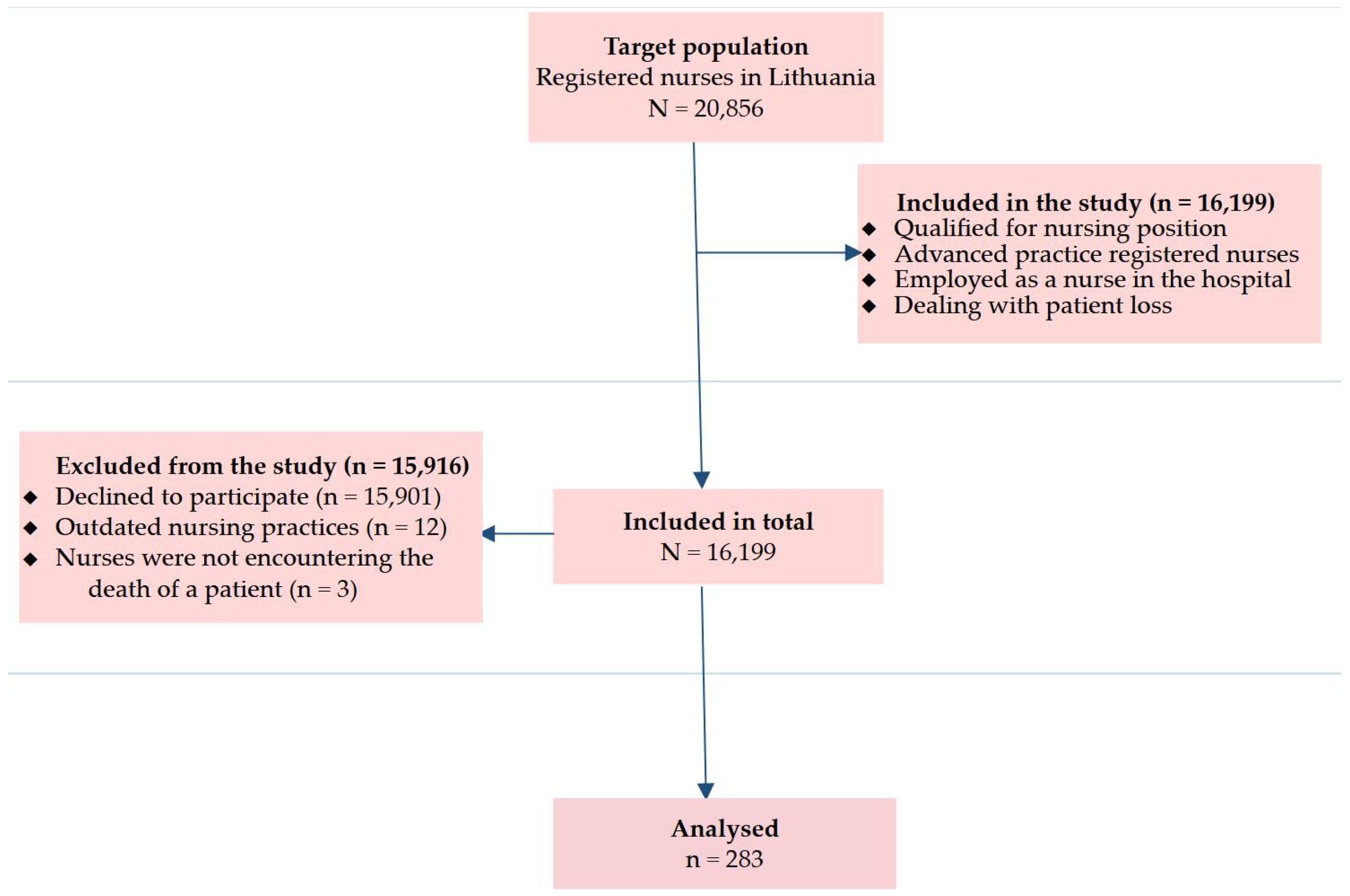
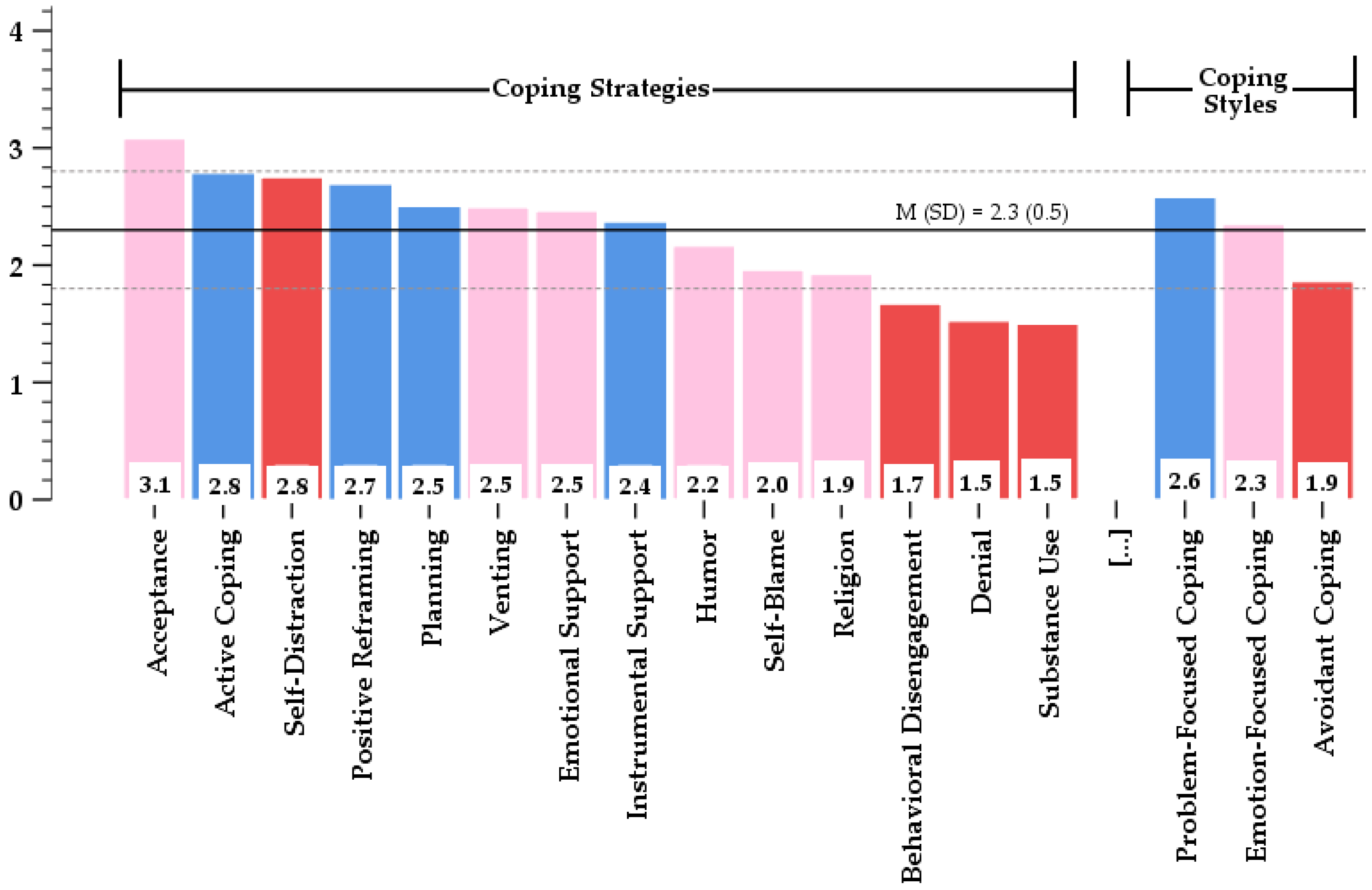
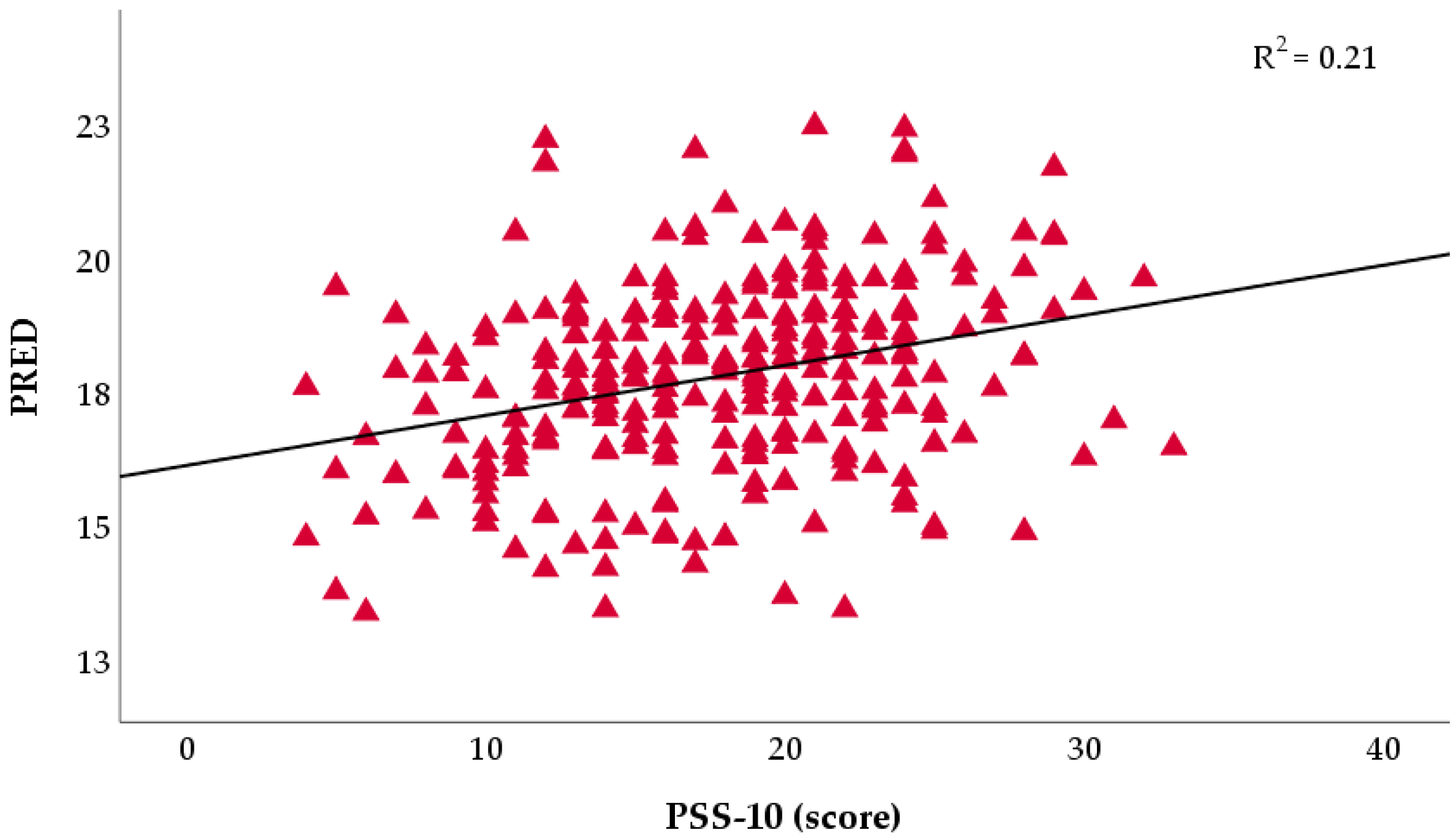
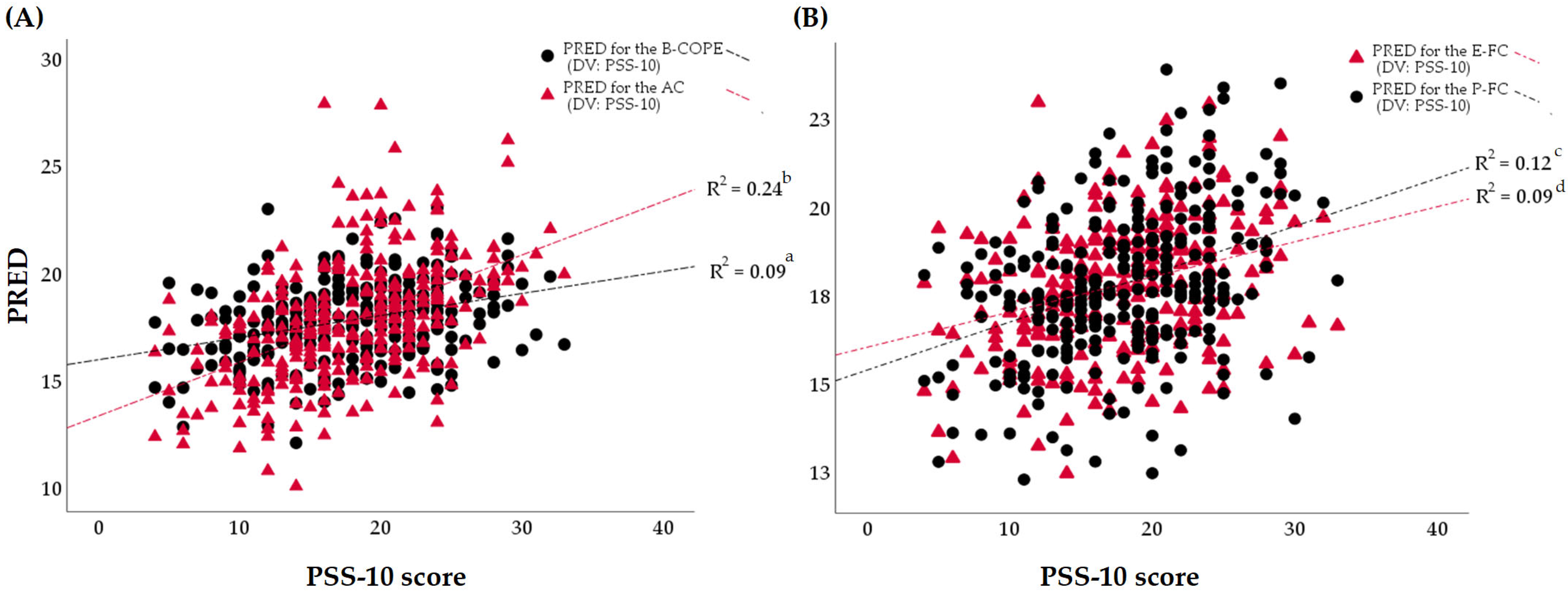
(1) Background: Stress is defined as a psychological sensation related to a change in both human physiology and behavior in response to a threat or challenge. As the prevalence of stress is increasing globally, nurses represent a risk group for exposure to stress-related psychological alterations. The aim of this study was to explore how clinical nurses in Lithuania cope with the perceived chronic stress in relation to additional emotional experiences following the death of a patient. (2) Methods: During a four-week period of October 2023, a total of 283 female nurses, aged between 20 and 70 years old, were enrolled in a single cross-sectional study. The PSS-10 (perceived stress scale) and the Brief-COPE (Coping Orientation to Problems Experienced) questionnaires were applied to assess the level of self-perceived stress and the use of coping styles along with the adequate strategies. Furthermore, the nurses’ emotions, evoked following patient death, were classified depending on their valence. Both the multiple linear and logistic regression statistical analyses were conducted to examine the associations between dependent and independent variables. (3) Results: The study identified that more than half of the nurses experienced patient death several times a month. A moderate-to-high level of the symptoms of mental chronic stress were suffered by 76% of caregivers. The psychological arousal following the death of a patient may induce the occurrence of emotional complexity that refers to competitive feelings, namely, helplessness (adjusted odd ratio (AOR) 1.7, 95% confidence interval (95% CI) 1.1; 2.9), disappointment (AOR 1.9, 95% CI 1.1; 3.5), anxiety (AOR 1.9, 95% CI 1.2; 4.2), and guilt (ORadj 4.7, 95% CI 1.4; 5.7), and can serve as a potential trigger for chronic stress development in clinical nurses. In terms of emotion-focused stress control (β 0.1, 95% CI −0.1; −0.2, R2 = 0.12), Lithuanian nurses had low control of the perceived chronic stress. The use of problem-focused coping (β −0.2, 95% CI −0.3; −0.1, R2 = 0.09) was also not addressed to an appropriate extent. The use of the avoidance coping style was associated with moderate–high levels of chronic stress perceived by nurses (β 0.5, 95% CI 0.4; 0.7, R2 = 0.24). Furthermore, the avoidant coping strategy related to behavioral disengagement was significantly related to resilience to chronic stress in an adverse way. The cognitive process of self-blame was considered as a meaningful maladaptive behavior component for magnifying chronic stress in nurses. (4) Conclusions: The study highlights the need to implement the recommendations for boosting the nurses’ mental health. Hospitals should contribute to psychological assistance along with providing necessary training on stress-coping strategies for clinical nurses. In order to promote the sustainability of mental health through additional social support interventions, it would be useful to upgrade the clinical nurses’ daily routines with mindfulness-based trainings.
Keywords: coping strategies; chronic stress; emotions; healthcare; mental health; nurses; patient death; public health coping strategies; chronic stress; emotions; healthcare; mental health; nurses; patient death; public health