
Spatial Differentiation of Microbial Communities in Hybrid Membrane Bioreactor (HMBR) and Their Impact on Pollutant Removal

Abstract
1. Introduction
2. Materials and Methods
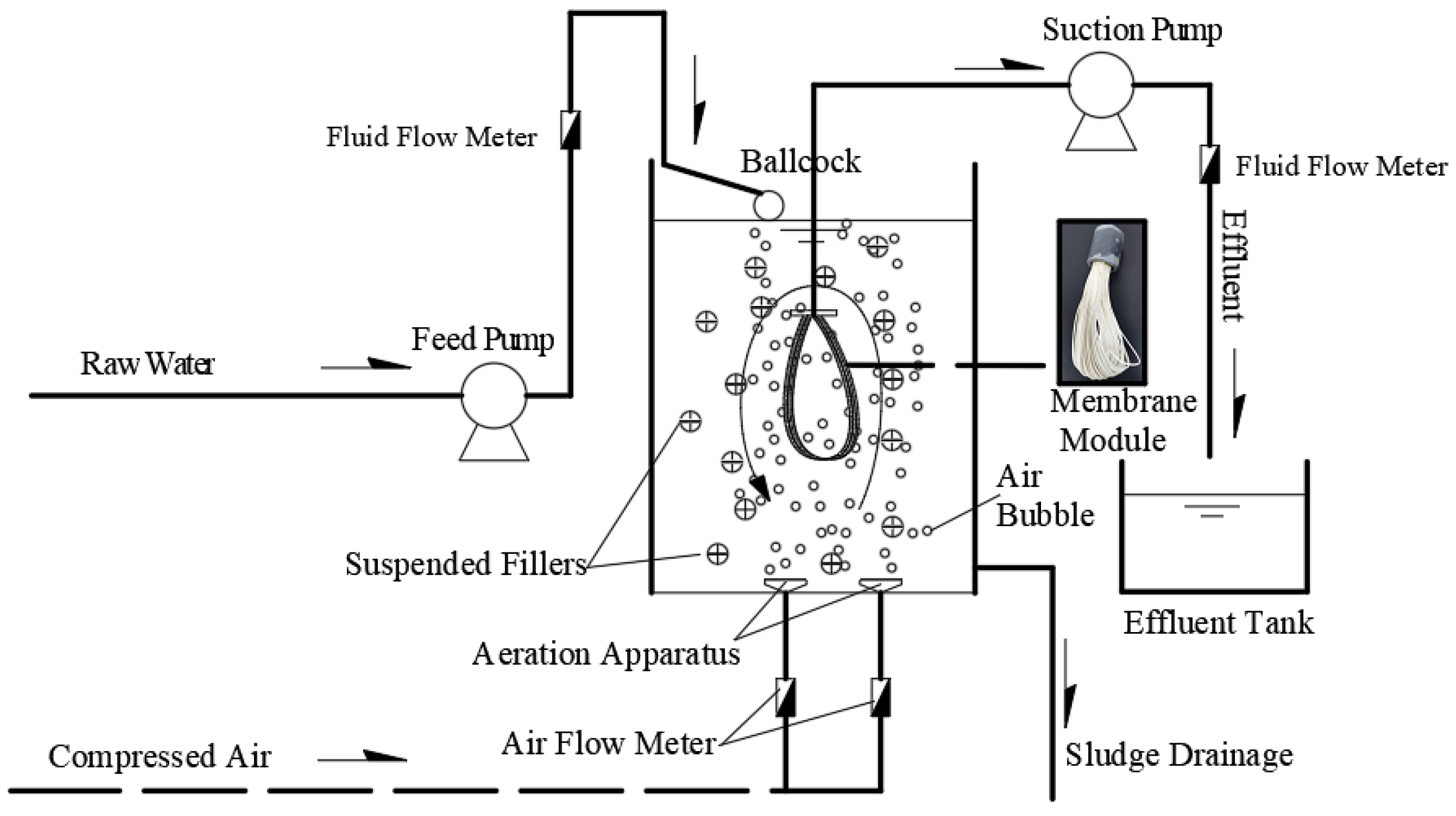
2.1. Experimental Apparatus and Operating Conditions
2.2. Detection Methods
2.3. Data Analysis Methods
3. Results and Discussion
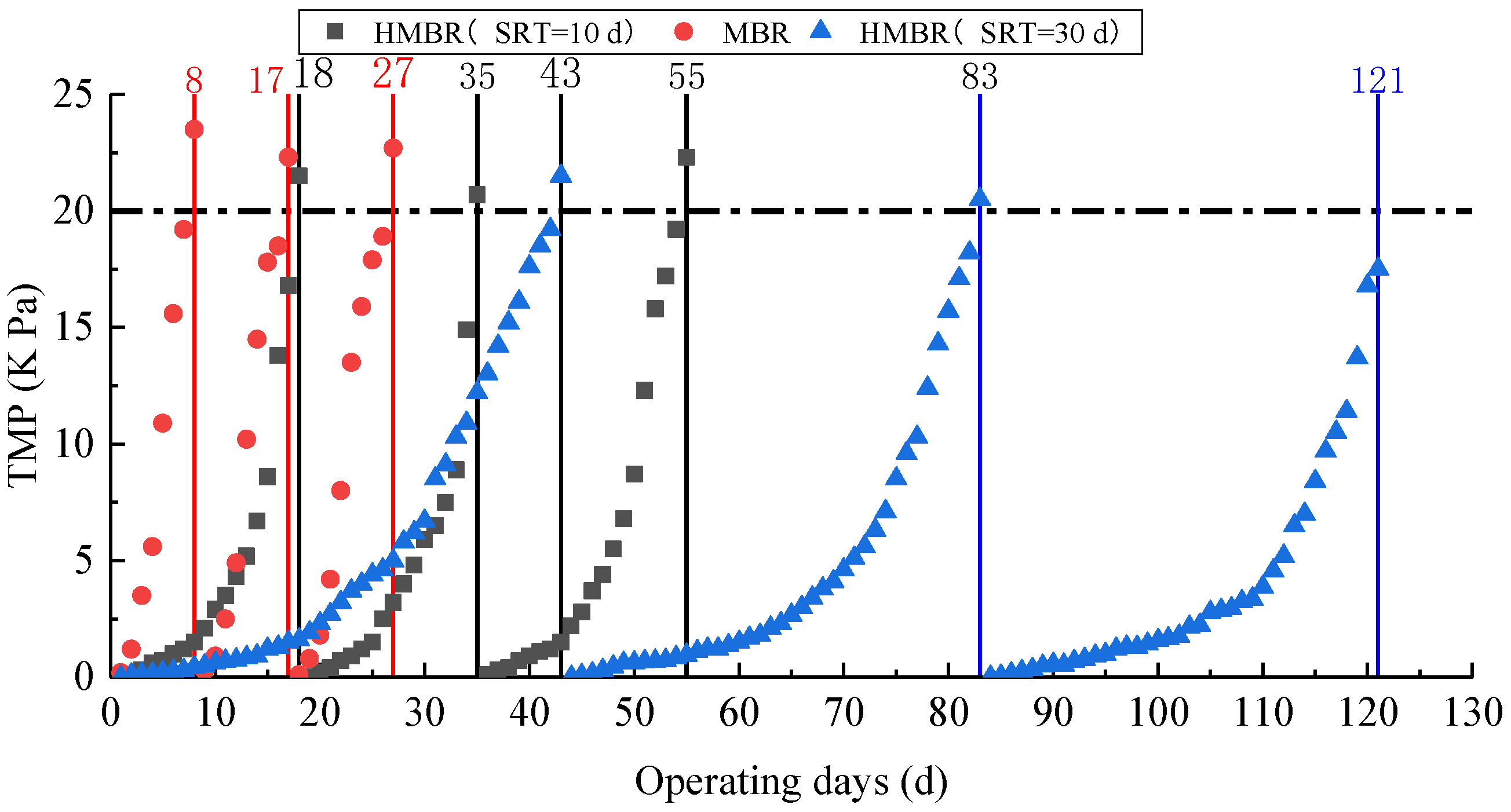
3.1. Removal Efficiency of Contaminants
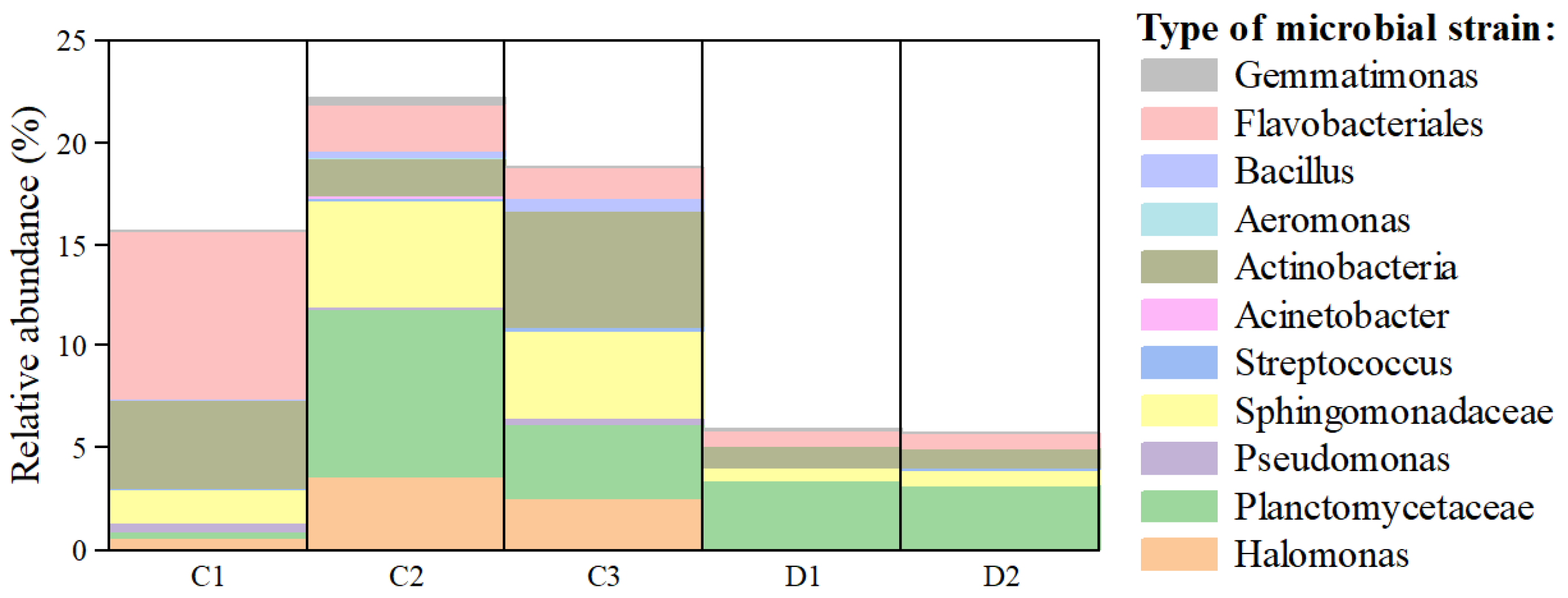
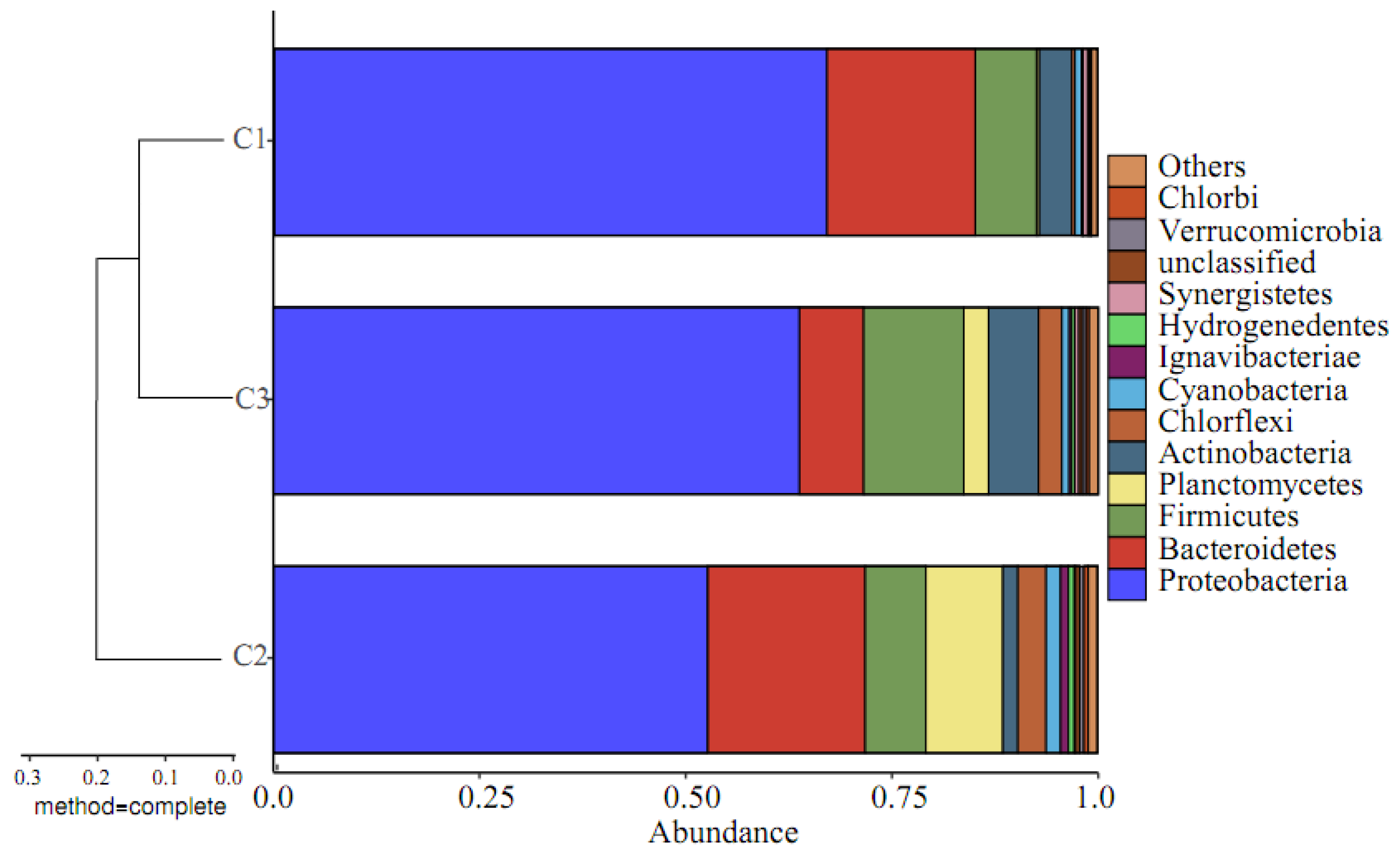
3.2. Microbial Structure Analysis
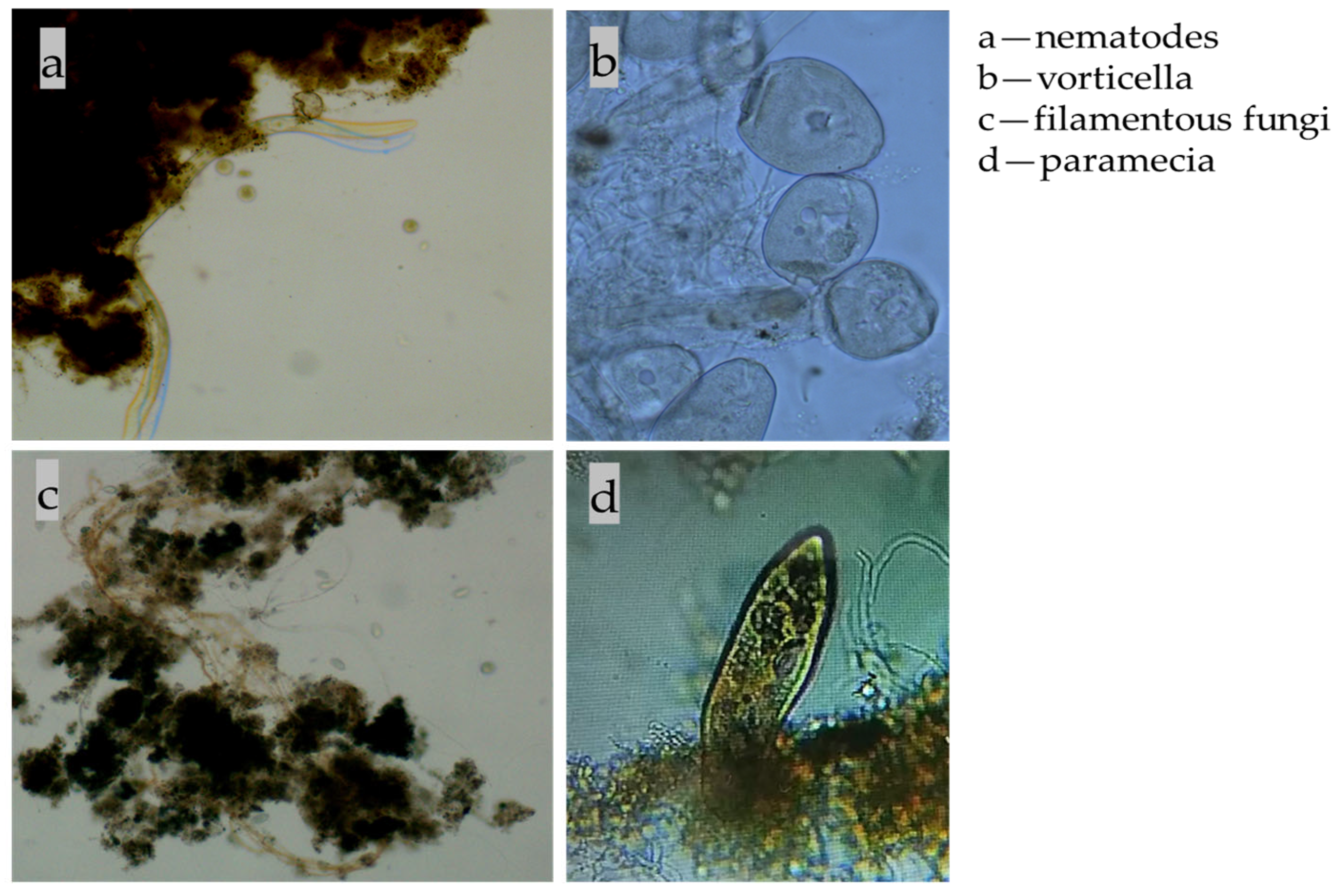
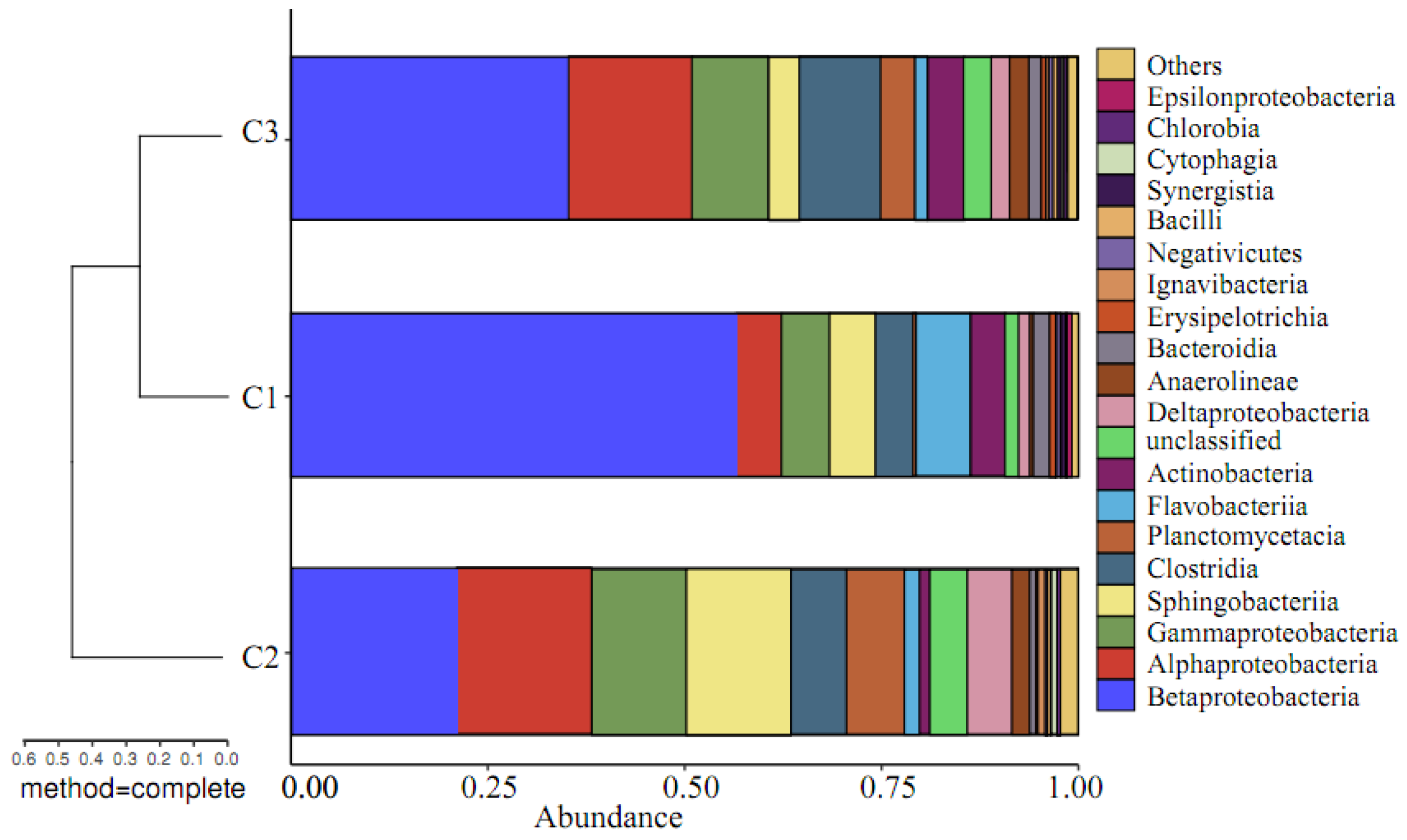
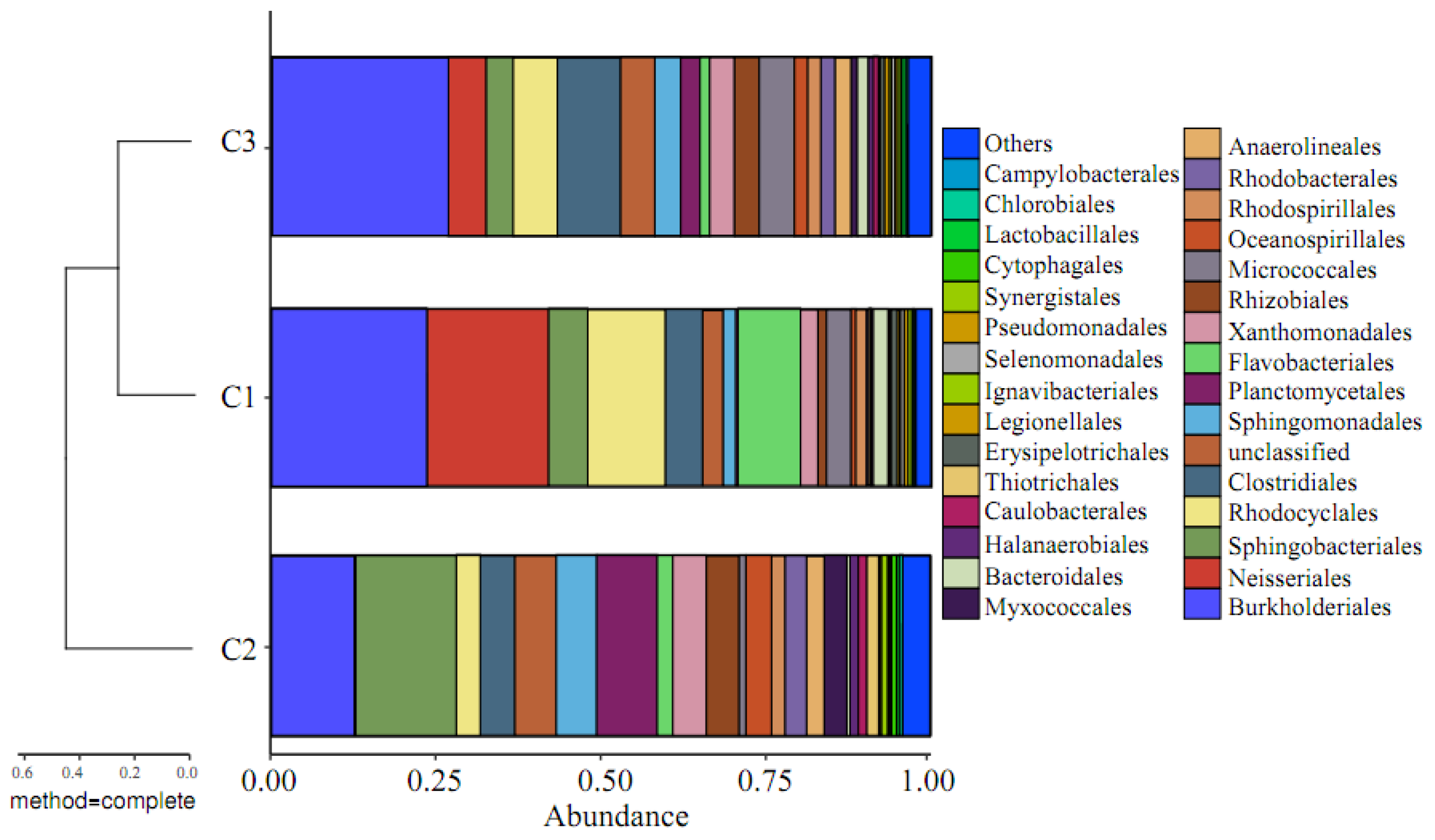
3.2.1. Microbial Analysis
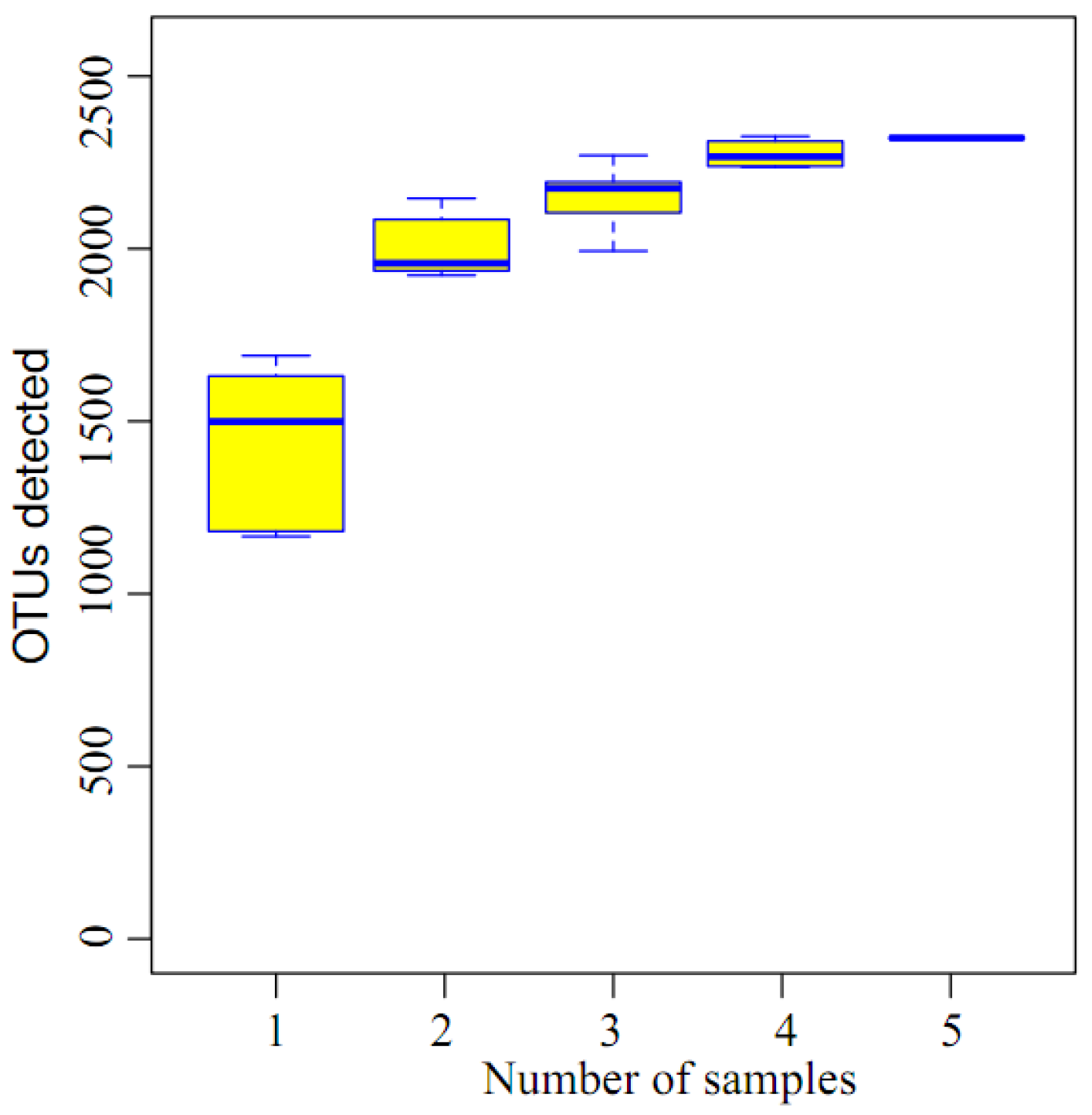
3.2.2. Species Accumulation Curve Discussion
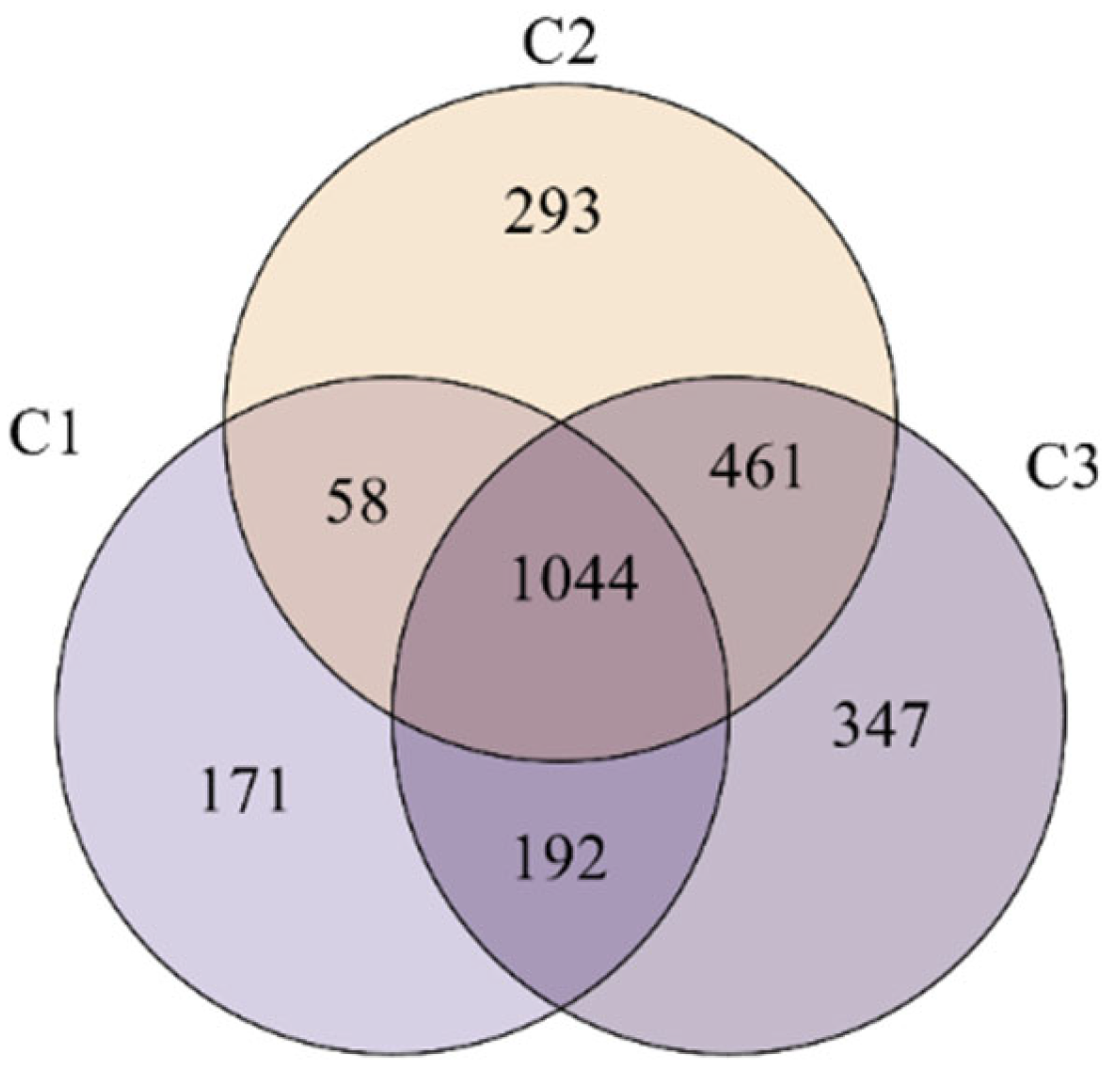
3.2.3. Venn Analysis
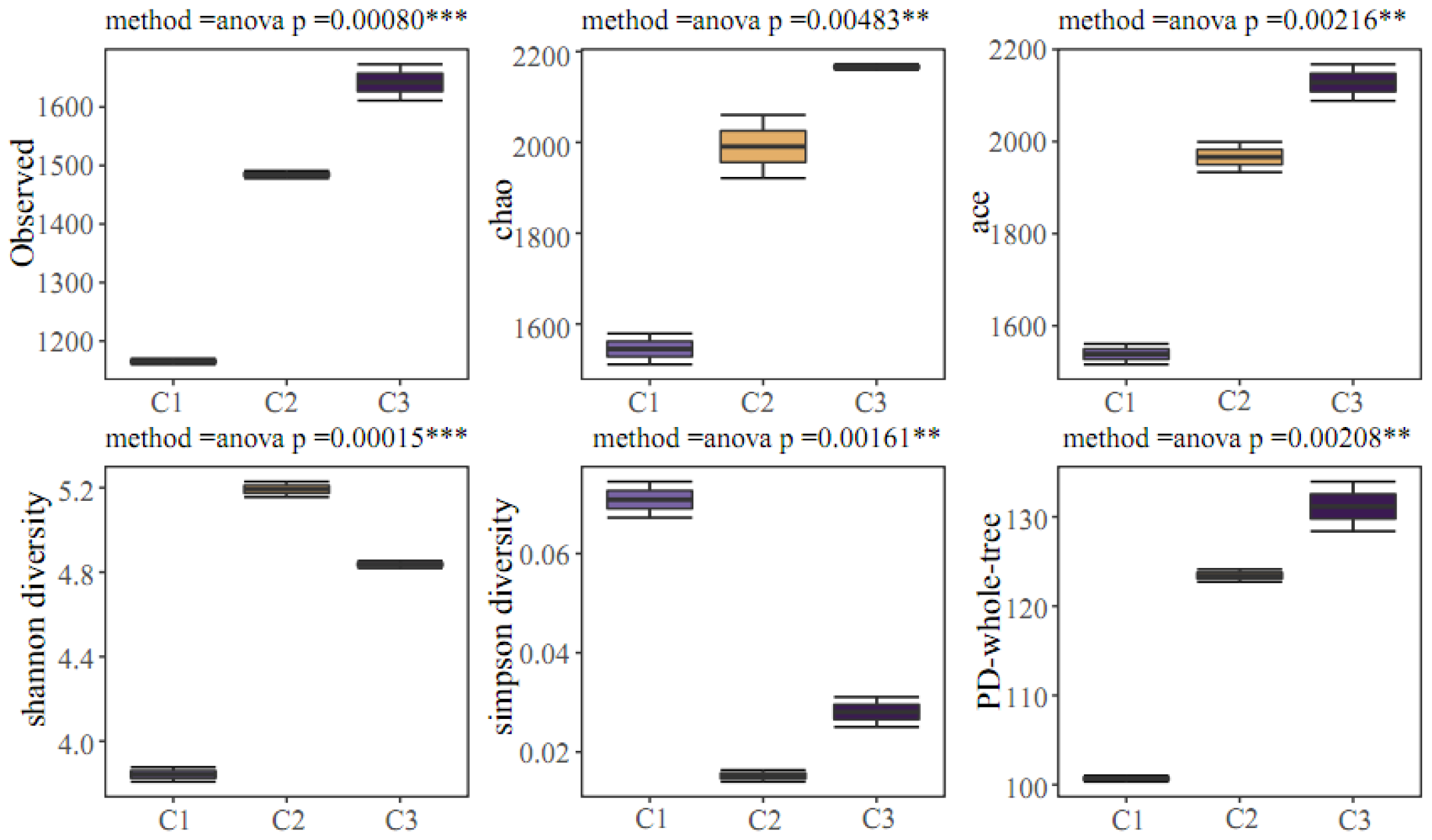
3.2.4. Analysis of Alpha Diversity Differences Between Groups
3.2.5. Beta Diversity Based on Species Information
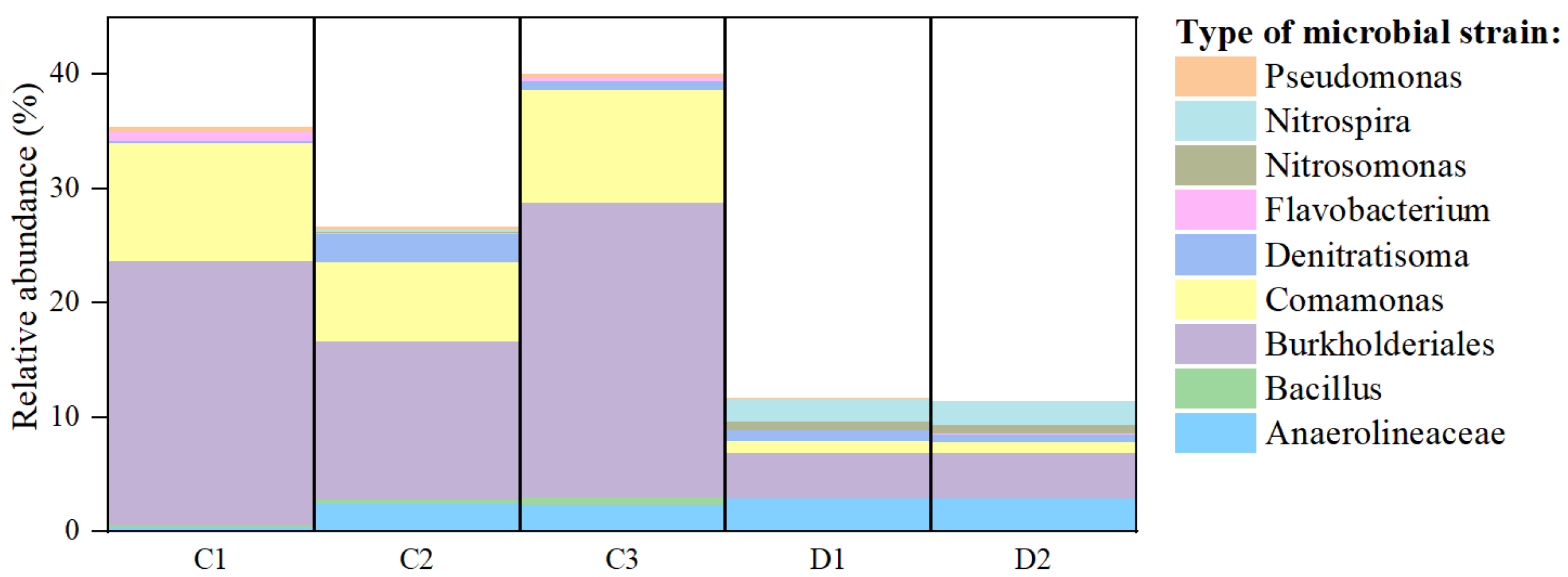
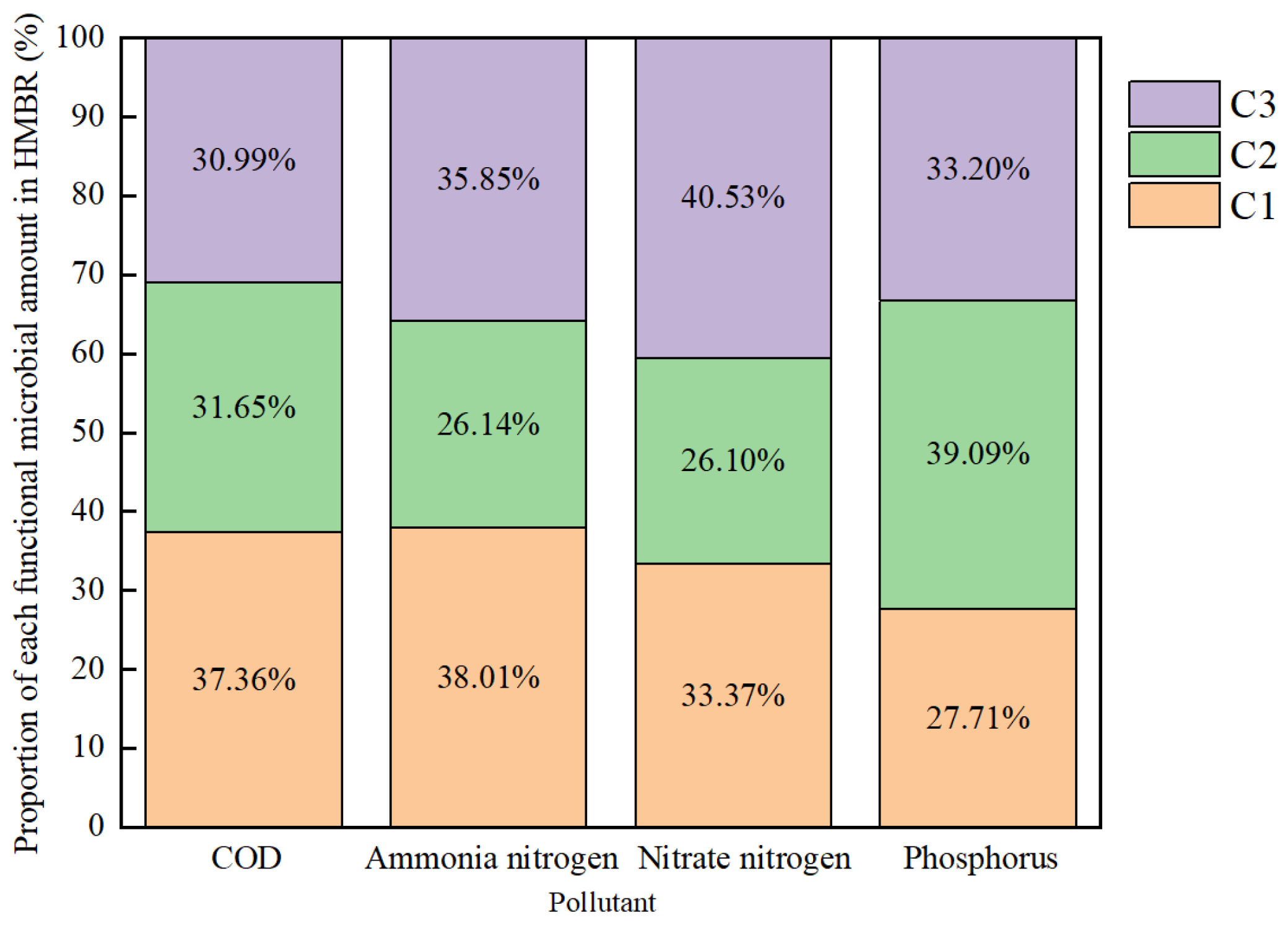
3.2.6. Functional Microbial Differences Analysis
3.3. Implications for HMBR and MBR Technology
4. Conclusions
Author Contributions
Funding
Institutional Review Board Statement
Informed Consent Statement
Data Availability Statement
Acknowledgments
Conflicts of Interest
References
- Min, L.; Weiyuan, C.; Zhiheng, Z.; Guosen, P.; Zhixiang, H.; Guozhi, Z.; Kun, D. Literature Review on Effect of Sludge Age on Microbial Community Structure in HMBR. E3S Web Conf. 2023, 406, 01023–01027. [Google Scholar] [CrossRef]
- Su, Q.; Zhong, Y.; Rui, J.C.J.; Ding, M.; Ng, T.C.A.; Xu, B.; Ng, H.Y. Stability and durability of polymeric membranes in membrane bioreactors for industrial wastewater treatment. J. Environ. Chem. Eng. 2025, 13, 120356–120364. [Google Scholar] [CrossRef]
- Xu, M.; Liu, D. AI-Enabled Membrane Bioreactors: A Review of Control Architectures and Operating-Parameter Optimization for Nitrogen and Phosphorus Removal. Water 2025, 17, 2899–2928. [Google Scholar] [CrossRef]
- Bao, Y.; Xu, W.; Zhang, J.; Yang, Q.; Wang, Z. Anti-fouling ampholytic polymer membrane with super-wetting surfaces for efficient oil-water emulsion separation. Desalination 2024, 585, 117745–117753. [Google Scholar] [CrossRef]
- Palmarin, M.J.; Young, S. The effects of biocarriers on the mixed liquor characteristics, extracellular polymeric substances, and fouling rates of a hybrid membrane bioreactor. Biochem. Eng. J. 2019, 141, 278–284. [Google Scholar] [CrossRef]
- Li, Y.; Chen, W.; Zheng, X.-Y.; Liu, Q.; Xiang, W.; Qu, J.-X. Box-Behnken response surface approach to identify factors affecting membrane fouling in a hybrid membrane bioreactor treating domestic sewage. Environ. Sci. Pollut. Res. 2019, 27, 5446–5455. [Google Scholar] [CrossRef]
- Vaezi, M.; Helchi, S.; Shariati, F.P.; Emamshoushtari, M.M.; Hosseini, M.K.; Hosseini, P.K.; Daliri, D. Performance of a novel hybrid membrane bioreactor (HMBR) treating synthetic dairy wastewater: Assessment of coupled mechanical removal sections and MBR. Clean Technol. Environ. Policy 2024, 27, 17–28. [Google Scholar] [CrossRef]
- Wang, X.; Jiang, Q.; Zhao, Z.; Han, X.; Liu, J.; Liu, Q.; Xue, B.; Yang, H. Comparison of spatiotemporal burial and contamination of heavy metals in core sediments of two plateau lakes with contrasting environments: Implication for anthropogenic-driven processes. Environ. Monit. Assess. 2023, 195, 1178–1190. [Google Scholar] [CrossRef]
- Zhan, H.; Ma, L.; Pan, Z.; Liu, S.; Ke, L.; Liu, Y.; Yang, B.; Zhou, Q.; Lai, B. Membrane bioreactor strategies for enhanced microplastic removal in wastewater: A review. J. Environ. Chem. Eng. 2025, 13, 119999–120019. [Google Scholar] [CrossRef]
- Wang, X.; Fan, Y.; Liu, Y.; Liu, L.; Pan, Y.; Lu, X.; Feng, H.; Chen, T.; Xiong, J.; Zhang, R. Bacterial community structure and functional analysis of MBR-based wastewater treatment plants across altitudinal gradients in China. J. Water Process Eng. 2025, 79, 108842–108852. [Google Scholar] [CrossRef]
- Liu, Q.; Yao, Y.; Xu, D. Mechanism of Membrane Fouling Control by HMBR: Effect of Microbial Community on EPS. Int. J. Environ. Res. Public Health 2020, 17, 1681–1692. [Google Scholar] [CrossRef]
- Zhang, B.; Yin, R.; Quan, X.; Gao, Z.; Zhou, K.; Wang, X. Synergistic sulfur-iron redox in novel composite biofilm carriers drives efficient mixotrophic denitrification and phosphate removal: Metagenomic insights into nitrogen/sulfur metabolic networks and microbial interactions. Bioresour. Technol. 2025, 438, 133194–133206. [Google Scholar] [CrossRef] [PubMed]
- Zhu, J.; You, H.; Li, Z.; Ding, Y.; Liu, F.; Zhang, C.; Wang, S.; Gu, Y.; Chen, F.; Ma, B. Impacts of bio-carriers on the characteristics of soluble microbial products in a hybrid membrane bioreactor for treating mariculture wastewater. Sci. Total Environ. 2020, 737, 140287–140334. [Google Scholar] [CrossRef] [PubMed]
- Burman, I.; Sinha, A. Anaerobic hybrid membrane bioreactor for treatment of synthetic leachate: Impact of organic loading rate and sludge fractions on membrane fouling. Waste Manag. 2020, 108, 41–50. [Google Scholar] [CrossRef] [PubMed]
- Li, Y.; Chen, W.; Zheng, X.; Liu, Q.; Xiang, W.; Qu, J.; Yang, C. Microbial community structure analysis in a hybrid membrane bioreactor via high-throughput sequencing. Chemosphere 2021, 282, 130989–130996. [Google Scholar] [CrossRef]
- Qiu, H.; Wang, C.; Jiang, L.; Niu, H.; Wang, X.; Qin, W.; Xu, F.; Hao, L. A microbial-driven persulfate activating-cycling system for in-depth oxytetracycline degradation and bacterial antibiotic resistance control. Water Res. 2025, 275, 123151–123161. [Google Scholar] [CrossRef]
- Kamiguri, J.; Tsuchiya, N.; Hidema, R.; Yatabe, Z.; Shoji, M.; Hashimoto, C.; Pansu, R.B.; Ushiki, H. Contraction behaviors of Vorticella sp. stalk investigated using high-speed video camera. II: Viscosity effect of several types of polymer additives. BIOPHYSICS 2012, 8, 11–19. [Google Scholar] [CrossRef]
- Cruz, A.R.; Wimmer, B.H.; Teo, T.H.; Arnaudet, G.P.; Winter, J.M.; Gazi, A.D.; Lafaye, P.; Brier, S.; Legrand, A.; Gaupp, A.D.; et al. Segmented filamentous bacteria undergo a structural transition at their adhesive tip during unicellular to filament development. Nat. Commun. 2025, 44, 222. [Google Scholar] [CrossRef]
- Wang, Z.; Huang, X.; Wu, Y.; Hu, X.; Zhao, Q.; Zuo, J.; Xiao, P.; Cheng, Y.; Zhang, H.; Li, R. Defense against Paramecium predation via long filament morphology favors the survival of Raphidiopsis raciborskii populations. Harmful Algae 2024, 137, 102678–102690. [Google Scholar] [CrossRef]
- Cai, Y.; Li, X.; Zaidi, A.A.; Shi, Y.; Zhang, K.; Feng, R.; Lin, A.; Liu, C. Effect of hydraulic retention time on pollutants removal from real ship sewage treatment via a pilot-scale air-lift multilevel circulation membrane bioreactor. Chemosphere 2019, 236, 124338–124349. [Google Scholar] [CrossRef]
- Zhang, Y.; Lu, S.; Fang, Y.; Yang, K.; Ding, J.; Ye, X.; Zhang, H. Technology for Upgrading the Tailwater of Municipal Sewage Treatment Plants: The Efficacy and Mechanism of Microbial Coupling for Nitrogen and Carbon Removal. Water 2021, 13, 2850–2865. [Google Scholar] [CrossRef]
- Díaz, O.; González, E.; Ruigómez, I.; Vera, L. Analysis of dynamic membrane build-up in an aerobic membrane bioreactor. Chem. Eng. Sci. 2026, 319, 122300–122310. [Google Scholar] [CrossRef]
- Yue, X.; Xiao, X.; Liang, J.; Lin, Y.; Xiao, K.; Che, K. Firmicutes and Bacteroidetes as the dominant microorganisms for ammonium nitrogen wastewater treatment with a low C/N ratio in BCOR. J. Water Process Eng. 2024, 65, 105851. [Google Scholar] [CrossRef]
- Sagong, H.-Y.; Kim, S.; Lee, D.; Hong, H.; Lee, S.H.; Seo, H.; Kim, K.-J. Structural and functional characterization of an auxiliary domain-containing PET hydrolase from Burkholderiales bacterium. J. Hazard. Mater. 2022, 429, 128267–128276. [Google Scholar] [CrossRef] [PubMed]
- Kragelund, C.; Levantesi, C.; Borger, A.; Thelen, K.; Eikelboom, D.; Tandoi, V.; Kong, Y.; van der Waarde, J.; Krooneman, J.; Rossetti, S.; et al. Identity, abundance and ecophysiology of filamentous Chloroflexi species present in activated sludge treatment plants. FEMS Microbiol. Ecol 2007, 59, 671–682. [Google Scholar] [CrossRef]
- Bian, W.; Yang, L.; Li, Y.-L.; Guo, D.; Lu, H.-Q.; Liu, Y.-C.; He, Z.-W.; Lan, J.; Ren, Y.-X. Enhanced nitrogen removal in constructed wetlands by low-temperature tolerant heterotrophic nitrification bacteria Pseudomonas umsongensis YL-1: Pollutant removal, rhizosphere effects, and bacterial interactions. Bioresour. Technol. 2025, 438, 133222. [Google Scholar] [CrossRef]
- Shen, S.; Zhou, Y.; Cheng, H.; Qian, H.; Wen, J.; Lin, C.; Lai, X. Isolation and characterization of Pseudomonas sp. QX11 with high-efficiency aerobic denitrification for eutrophication control in aquaculture. Sci. Total Environ. 2025, 996, 180187–180199. [Google Scholar] [CrossRef]
- Miao, L.; Wang, S.; Li, B.; Cao, T.; Zhang, F.; Wang, Z.; Peng, Y. Effect of carbon source type on intracellular stored polymers during endogenous denitritation (ED) treating landfill leachate. Water Res. 2016, 100, 405–412. [Google Scholar] [CrossRef]
- Tang, J.; Wang, X.C.; Hu, Y.; Ngo, H.H.; Li, Y.; Zhang, Y. Applying fermentation liquid of food waste as carbon source to a pilot-scale anoxic/oxic-membrane bioreactor for enhancing nitrogen removal: Microbial communities and membrane fouling behaviour. Bioresour. Technol. 2017, 236, 164–173. [Google Scholar] [CrossRef]
- Rusten, B.; McCoy, M.; Proctor, R.; Siljudalen, J.G. The innovative moving bed biofilm reactor/solids contact reaeration process for secondary treatment of municipal wastewater. Water Environ. Res. 1998, 70, 1083–1089. [Google Scholar] [CrossRef]
- Yuan, H.; Zhang, R.; Lu, Q.; Huang, Q.; Chen, J. Response of bacterioplankton communities and their phosphorus metabolic functions to algal extinction and growth in a eutrophic plateau lake. Environ. Technol. Innov. 2025, 38, 104108–104122. [Google Scholar] [CrossRef]
- Lee, W.; Kang, S.; Shin, H.J. Sludge characteristics and their contribution to microfiltration in submerged membrane bioreactors. J. Membr. Sci. 2003, 216, 217–227. [Google Scholar] [CrossRef]









| Index | Value |
|---|---|
| Effective volume | 0.01 m3 |
| Volume ratio of fillers | 50.0% |
| Membrane area | 1.0 m2 |
| Flow rate | 0.01·m3 s−1 |
| Hydraulic retention time (HRT) | 10 h |
| Sludge retention time (SRT) | 10 days/30 days |
| Index | Range |
|---|---|
| Temperature (°C) | 20.1–28.5 |
| pH | 7.3–7.7 |
| Dissolved oxygen (mg/L) | 4.0 |
| TSS (mg/L) | 27.8–70.0 |
| CODCr (mg/L) | 260.4–320.2 |
| BOD5 | 12.7–40.1 |
| NH4+-N (mg/L) | 38.7–87.5 |
| TN (mg/L) | 58.1–104.3 |
| TP (mg/L) | 4.7–6.3 |
| Reaction Component | First PCR Amplification | Second PCR Amplification |
|---|---|---|
| 5× Buffer | 10 μL | 8 μL |
| dNTP (10 mM) | 1 μL | 1 μL |
| Phusion super-fidelity DNA polymerase | 1 U | 0.8 U |
| Primers (10 μM) | 1 μL each (inner primers) | 1 μL each (outer primers) |
| Template | 5–50 ng | 5 μL |
| ddH2O | Supplement to 50 μL | Supplement to 40 μL |
| First PCR Amplification | Second PCR Amplification | ||||||
|---|---|---|---|---|---|---|---|
| Reaction Stage | Temperature (°C) | Time | Reaction Stage | Temperature (°C) | Time | ||
| Amplification (22 cycles) | Pre-denaturation | 94 | 2 min | Amplification (8 cycles) | Pre-denaturation | 94 | 2 min |
| Denaturation | 94 | 30 sec | Denaturation | 94 | 30 sec | ||
| Annealing | 55 | 30 sec | Annealing | 56 | 30 sec | ||
| Extension | 72 | 30 sec | Extension | 72 | 30 sec | ||
| Final extension | Final extension | 72 | 5 min | Final extension | Final extension | 72 | 5 min |
| Preserve | Preserve | 10 | / | Preserve | Preserve | 10 | / |
| Project | CODcr | NH4+-N | TN | TP | |
|---|---|---|---|---|---|
| MBR (HRT = 10 h, SRT = 10 days) | Average discharge (mg/L) | 32.6 | 5.7 | 52.7 | 2.1 |
| Average removal rate (%) | 87.5 | 85.9 | 29.2 | 65 | |
| HMBR (HRT = 10 h, SRT = 10 days) | Average discharge (mg/L) | 13.2 | 0.6 | 32.8 | 1.3 |
| Average removal rate (%) | 94.6 | 98.9 | 48.2 | 78.3 | |
| HMBR (HRT = 10 h, SRT = 30 days) | Average discharge (mg/L) | 9.8 | 0.4 | 28.8 | 1.0 |
| Average removal rate (%) | 96.1 | 99.3 | 55.7 | 83.3 | |
| Sample | Coverage | Sobs | Chao | Ace | Shannon | Simpson | PD-Whole-Tree |
|---|---|---|---|---|---|---|---|
| C1 | 0.995 | 1174 | 1532.705 | 1536.840 | 4.691 | 0.071 | 111.947 |
| C2 | 0.994 | 1503 | 2001.080 | 1985.090 | 5.226 | 0.015 | 135.630 |
| C3 | 0.993 | 1661 | 2189.448 | 2159.254 | 4.956 | 0.028 | 144.861 |
Disclaimer/Publisher’s Note: The statements, opinions and data contained in all publications are solely those of the individual author(s) and contributor(s) and not of MDPI and/or the editor(s). MDPI and/or the editor(s) disclaim responsibility for any injury to people or property resulting from any ideas, methods, instructions or products referred to in the content. |
© 2026 by the authors. Licensee MDPI, Basel, Switzerland. This article is an open access article distributed under the terms and conditions of the Creative Commons Attribution (CC BY) license.
Share and Cite
Li, Y.; Liu, Y.; Liu, Q.; Xiang, W.; Qu, J.; Yang, Y.; Fan, X.; Li, H.; Du, H. Spatial Differentiation of Microbial Communities in Hybrid Membrane Bioreactor (HMBR) and Their Impact on Pollutant Removal. Membranes 2026, 16, 68. https://doi.org/10.3390/membranes16020068
Li Y, Liu Y, Liu Q, Xiang W, Qu J, Yang Y, Fan X, Li H, Du H. Spatial Differentiation of Microbial Communities in Hybrid Membrane Bioreactor (HMBR) and Their Impact on Pollutant Removal. Membranes. 2026; 16(2):68. https://doi.org/10.3390/membranes16020068
Chicago/Turabian StyleLi, Ying, Yuhan Liu, Qiang Liu, Wei Xiang, Jixiang Qu, Yangyang Yang, Xiulei Fan, Huixian Li, and Hongmei Du. 2026. "Spatial Differentiation of Microbial Communities in Hybrid Membrane Bioreactor (HMBR) and Their Impact on Pollutant Removal" Membranes 16, no. 2: 68. https://doi.org/10.3390/membranes16020068
APA StyleLi, Y., Liu, Y., Liu, Q., Xiang, W., Qu, J., Yang, Y., Fan, X., Li, H., & Du, H. (2026). Spatial Differentiation of Microbial Communities in Hybrid Membrane Bioreactor (HMBR) and Their Impact on Pollutant Removal. Membranes, 16(2), 68. https://doi.org/10.3390/membranes16020068