
Article

Treatment of Stainless Steel Rinse Waters Using Non-Dispersive Extraction and Strip Dispersion Membrane Technology


by
Francisco Jose Alguacil
* and
Jose Ignacio Robla
*
Centro Nacional de Investigaciones Metalurgicas (CSIC), Avda. Gregorio del Amo 8, 28040 Madrid, Spain
*
Authors to whom correspondence should be addressed.
Membranes 2023, 13(12), 902; https://doi.org/10.3390/membranes13120902

Submission received: 18 October 2023 / Revised: 29 November 2023 / Accepted: 2 December 2023 / Published: 6 December 2023

Abstract

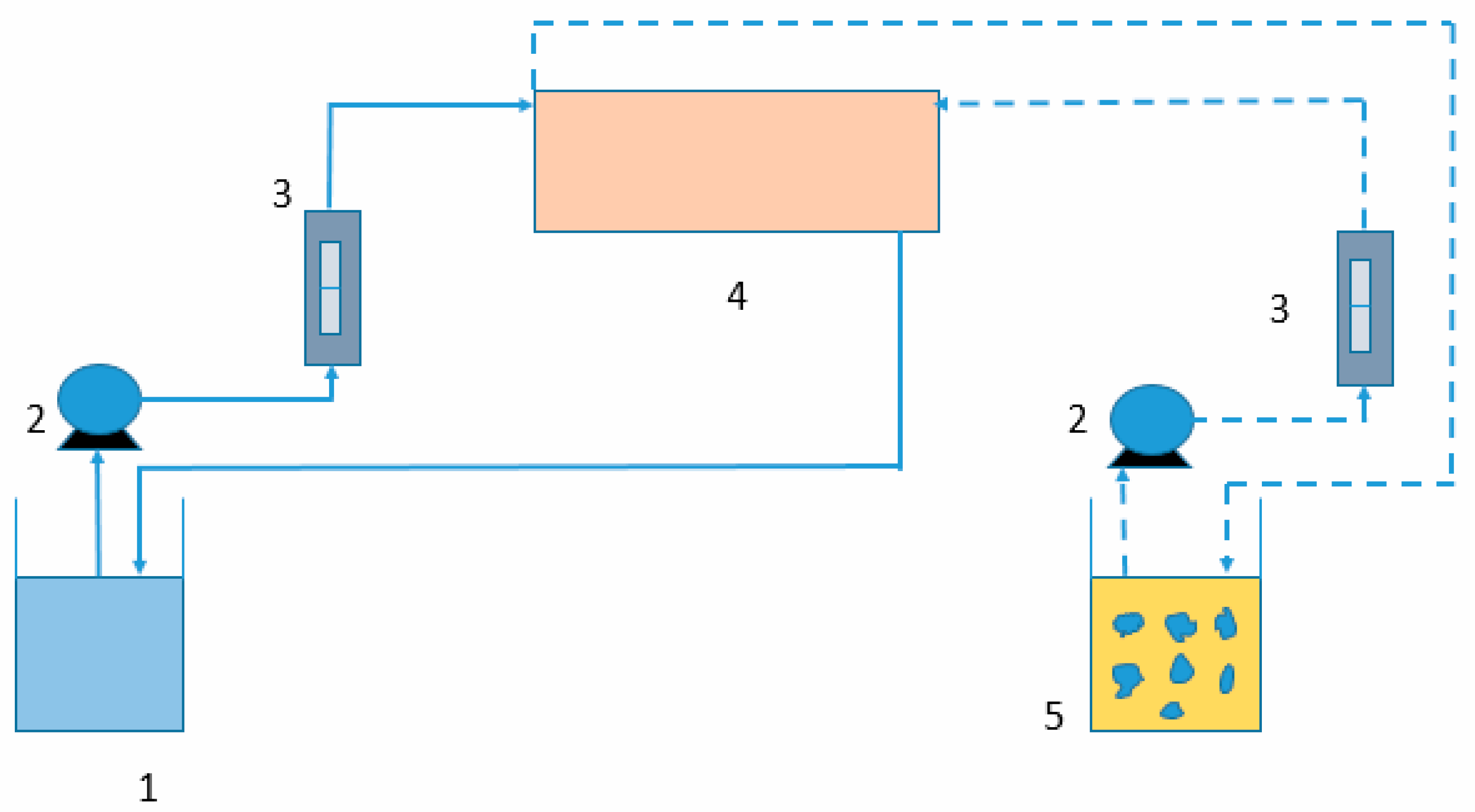
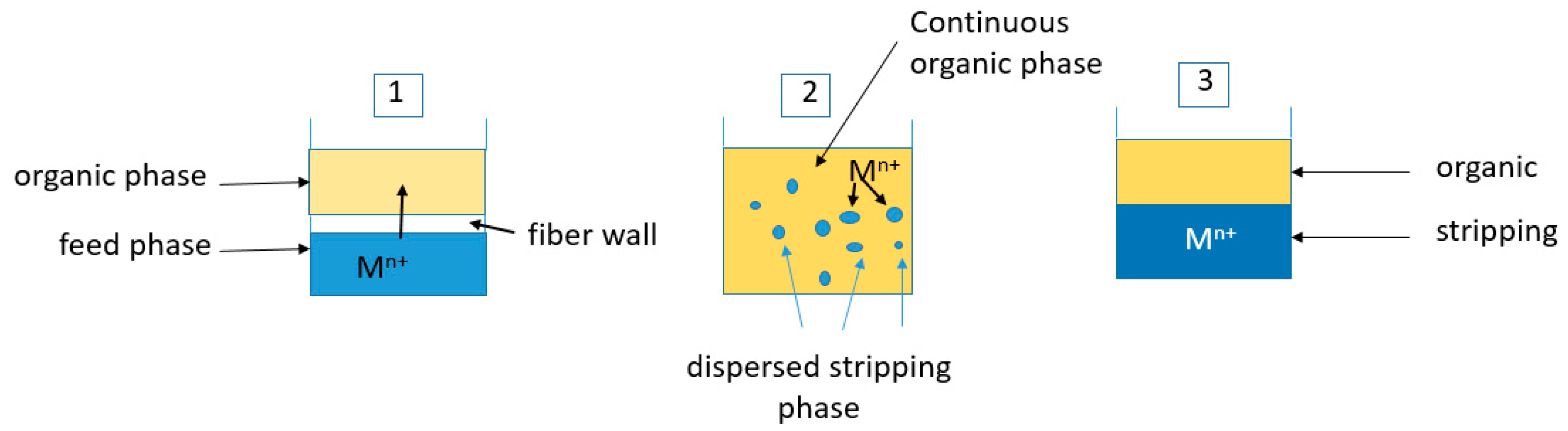
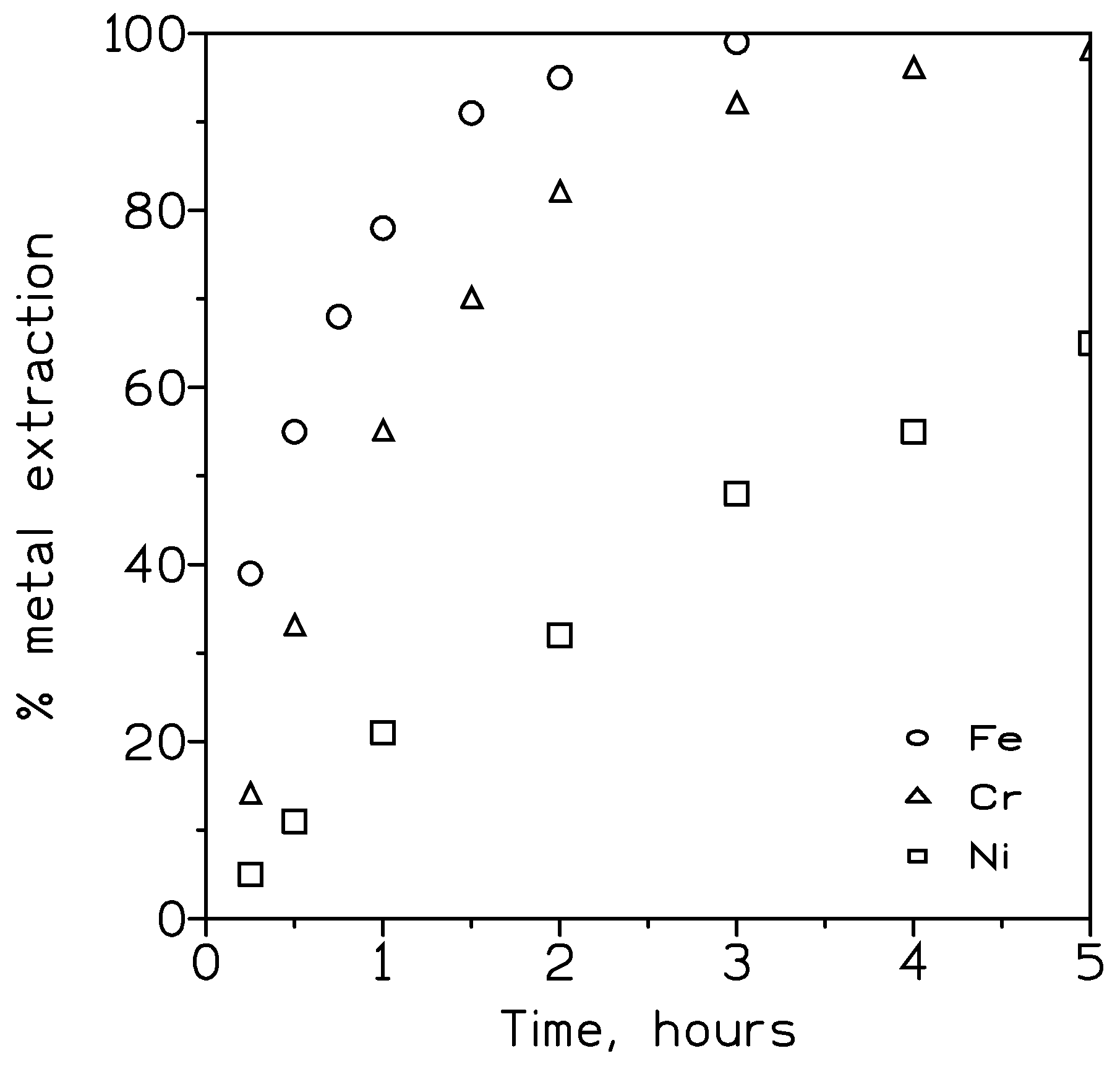
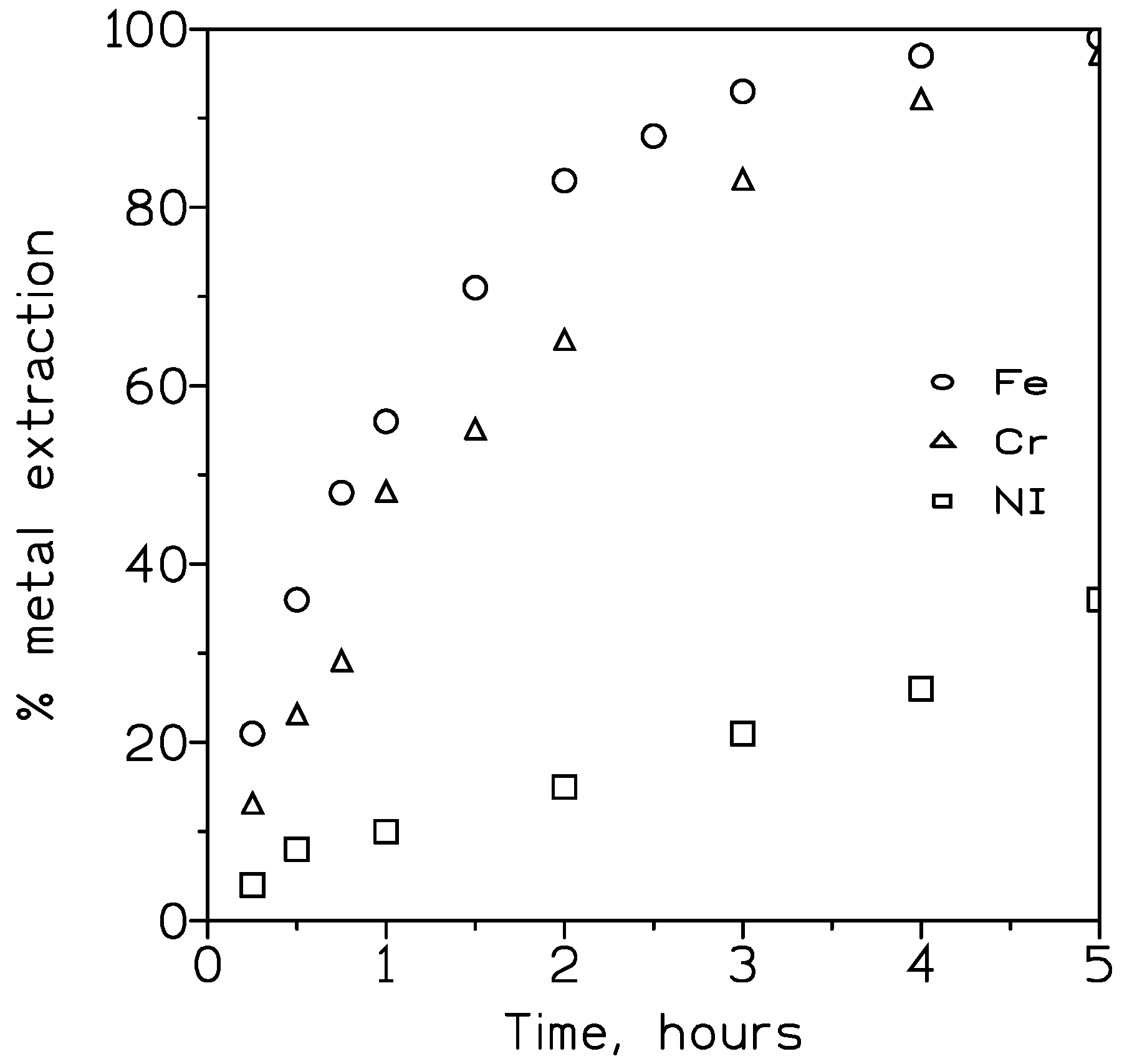
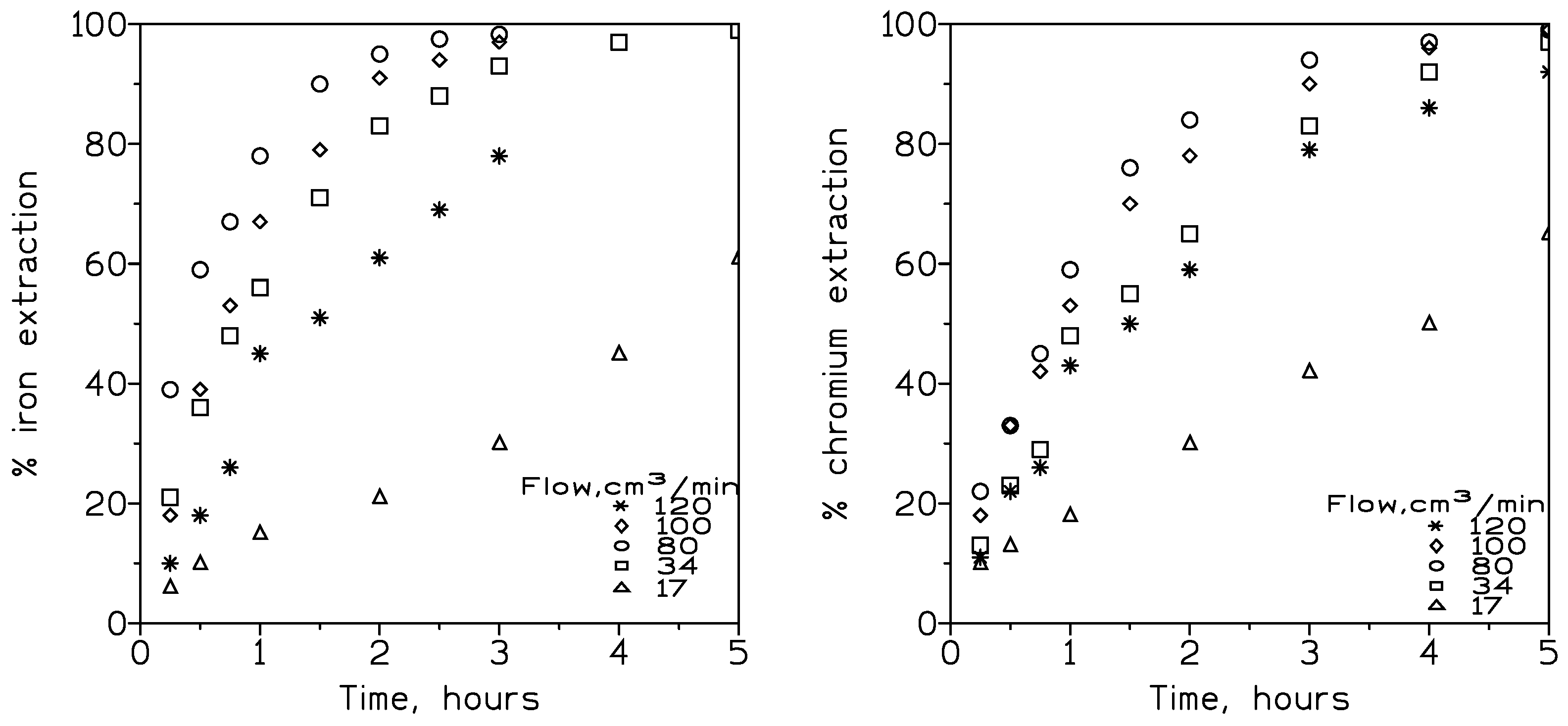
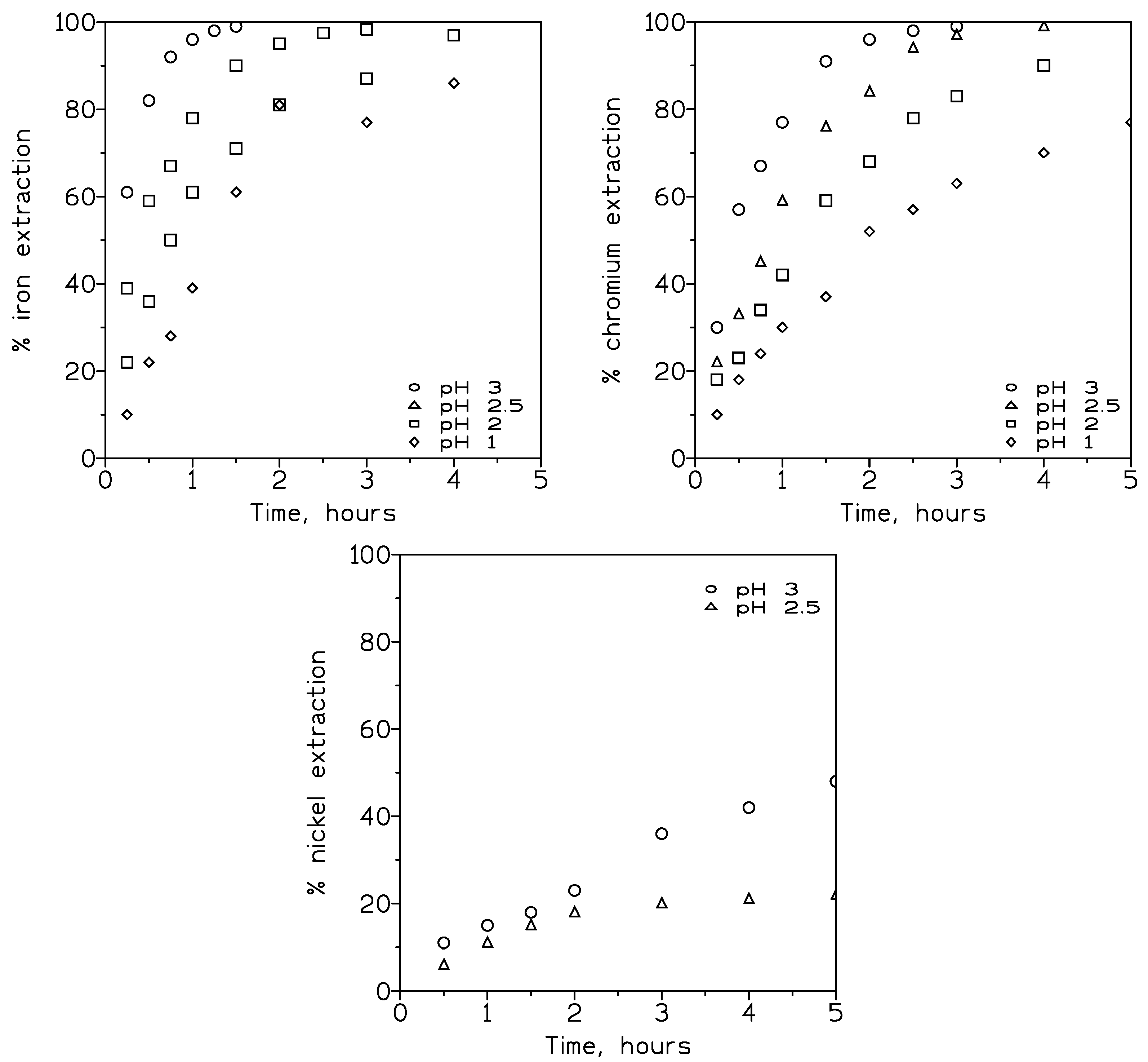
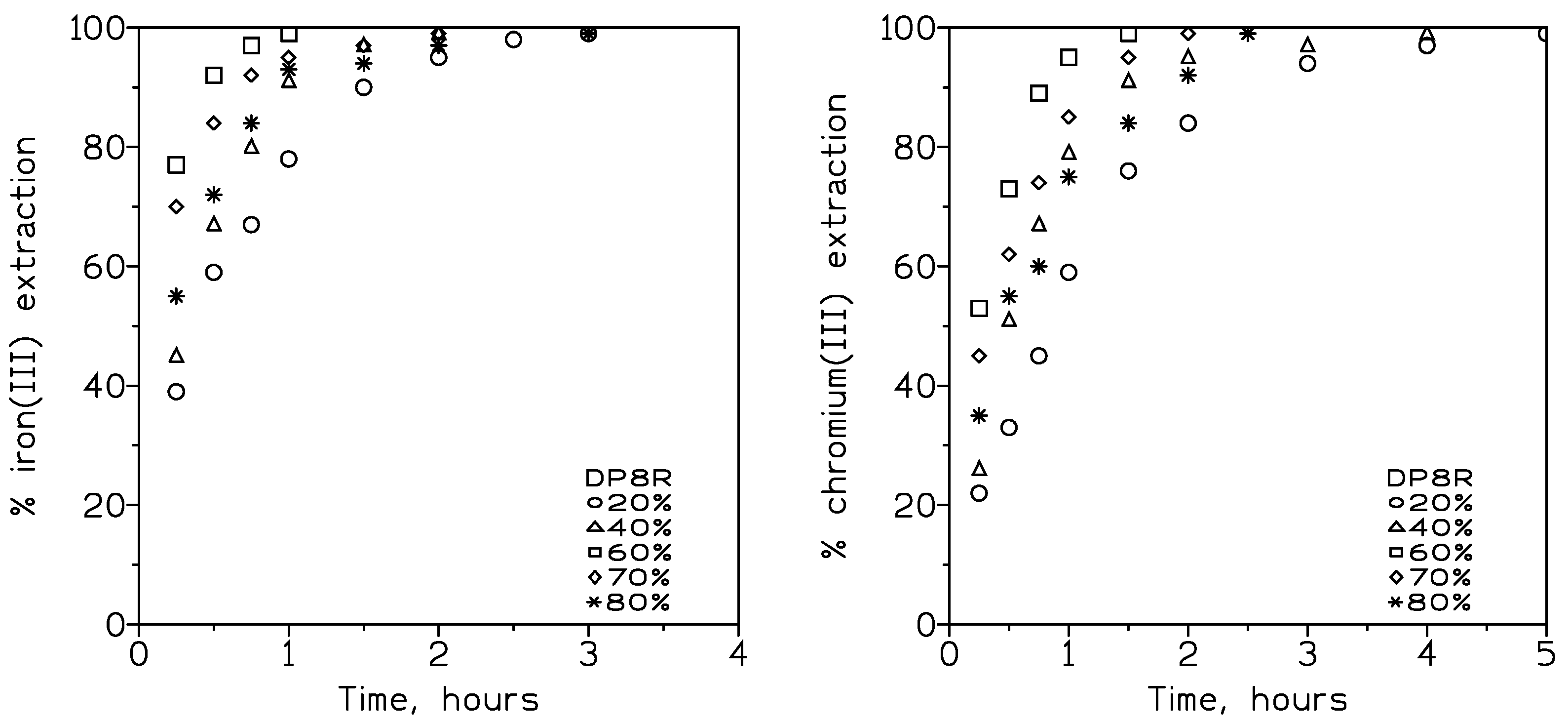
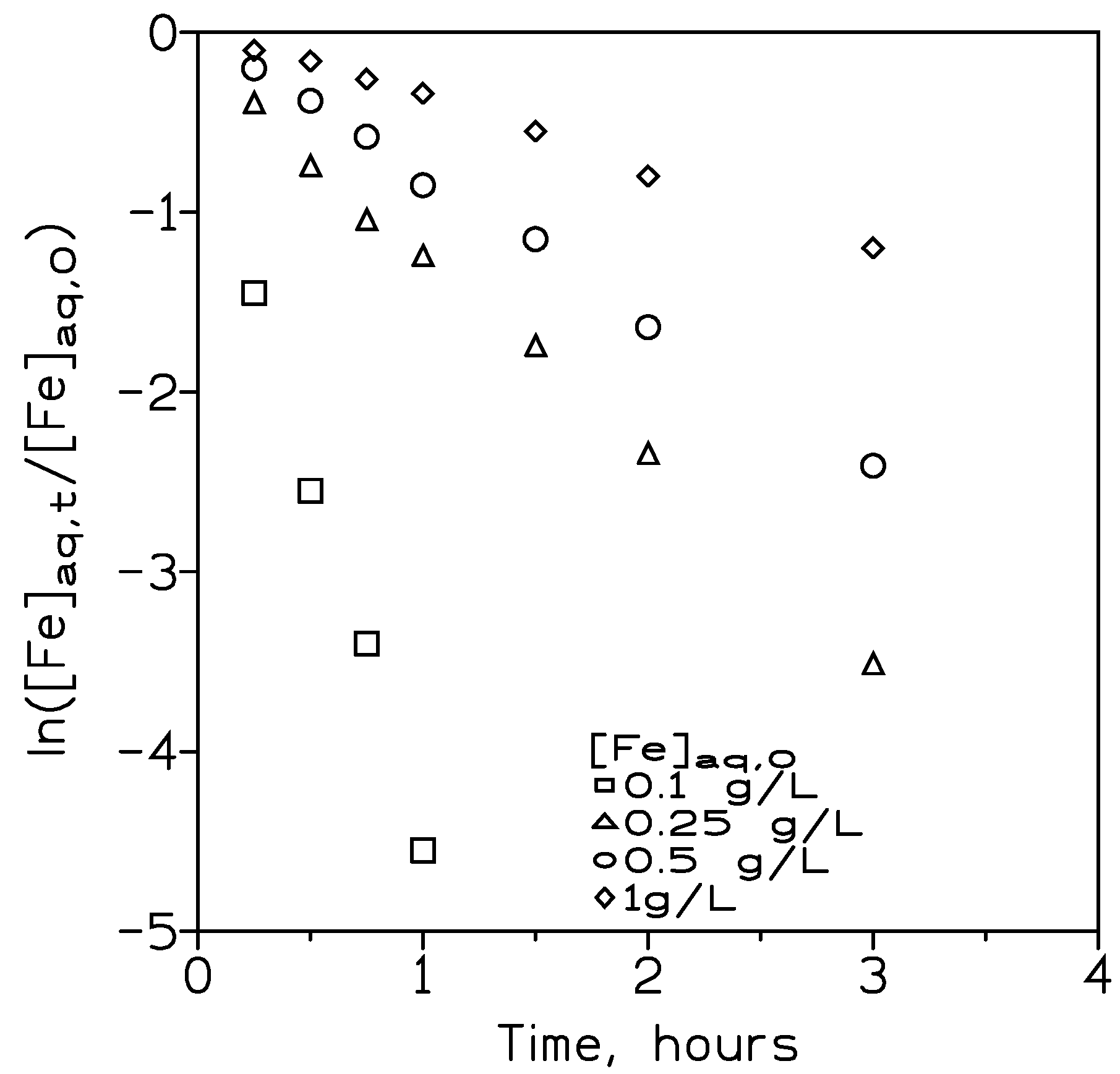
The extraction of Fe(III), Cr(III), and Ni(II) from stainless steel rinse water using non-dispersive extraction and strip dispersion membrane technology was carried out in a microporous hydrophobic hollow-fibre module contactor. The fibres were of polypropylene, whereas the organic extractant DP8R (bis(2-ethylhexyl) phosphoric acid) diluted in ExxsolD100 was used as the carrier phase. The rinse water containing the three elements was passed through the tube side, and the pseudo-emulsion formed by the organic phase of DP8R in Exxol D100 and an acidic strip solution were passed through the shell side in a counter-current operation; thus, a unique hollow fibre module was used for extraction and stripping. In non-dispersive extraction and strip dispersion technology, the stripping solution was dispersed into the organic membrane solution in a vessel with an adequate mixing device (impeller) designed to form strip dispersion. This pseudo-emulsion was circulated from the vessel to the membrane module to provide a constant supply of the organic phase to the membrane pores. Different hydrodynamic and chemical variables, such as variation in feed and pseudo-emulsion flow rates, strip phase composition, feed phase pH, and extractant concentration in the organic phase, were investigated. Mass transfer coefficients were estimated from the experimental data. It was possible to separate and concentrate the metals present in the rinse water using the non-dispersive extraction and strip dispersion technique.
Keywords: rinse water; DP8R; non-dispersive extraction and strip dispersion; separation; liquid membrane rinse water; DP8R; non-dispersive extraction and strip dispersion; separation; liquid membrane