
Review

Exploring the Use of Storytelling in Vaccination: A Scoping Review
by
Marthe Bogne Penka
1,2,3,*,
Johanna C. Meyer
4,5,*,
Lubayna Khan
1,3,
Tshepiso Mbangiwa
1,3,
Benjamin M. Kagina
1,3,
Rudzani Muloiwa
1,2,3 and
Ruth Stewart
1,6,7
1
Vaccines for Africa Initiative and NITAG Support Hub (NISH), Faculty of Health Sciences, University of Cape Town, Observatory, Cape Town 7925, South Africa
2
Department of Paediatrics and Child Health, Faculty of Health Sciences, University of Cape Town, Rondebosch, Cape Town 7700, South Africa
3
School of Public Health, Faculty of Health Sciences, University of Cape Town, Observatory, Cape Town 7925, South Africa
4
Department of Public Health Pharmacy and Management, School of Pharmacy, Sefako Makgatho Health Sciences University, Garankuwa, Pretoria 0208, South Africa
5
South African Vaccination and Immunisation Centre, Sefako Makgatho Health Sciences University, Garankuwa, Pretoria 0208, South Africa
6
University College London, Gower Street, London WC1E 6BT, UK
7
Future Evidence Foundation, Level 5, 485 Latrobe Street, Melbourne, VIC 3000, Australia
*
Authors to whom correspondence should be addressed.
Vaccines 2026, 14(8), 665; https://doi.org/10.3390/vaccines14080665

Submission received: 14 May 2026 / Revised: 23 July 2026 / Accepted: 23 July 2026 / Published: 30 July 2026

Abstract

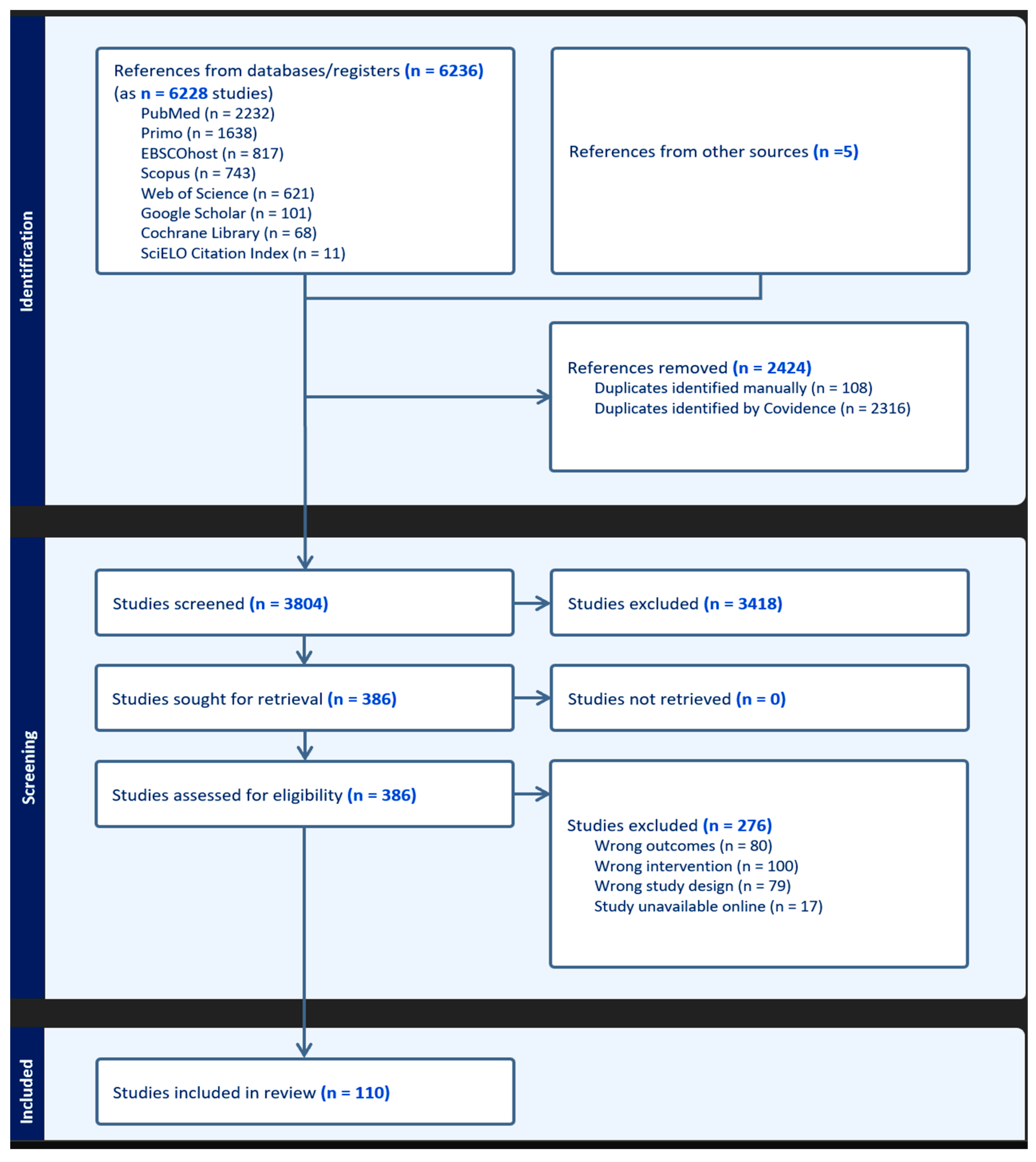
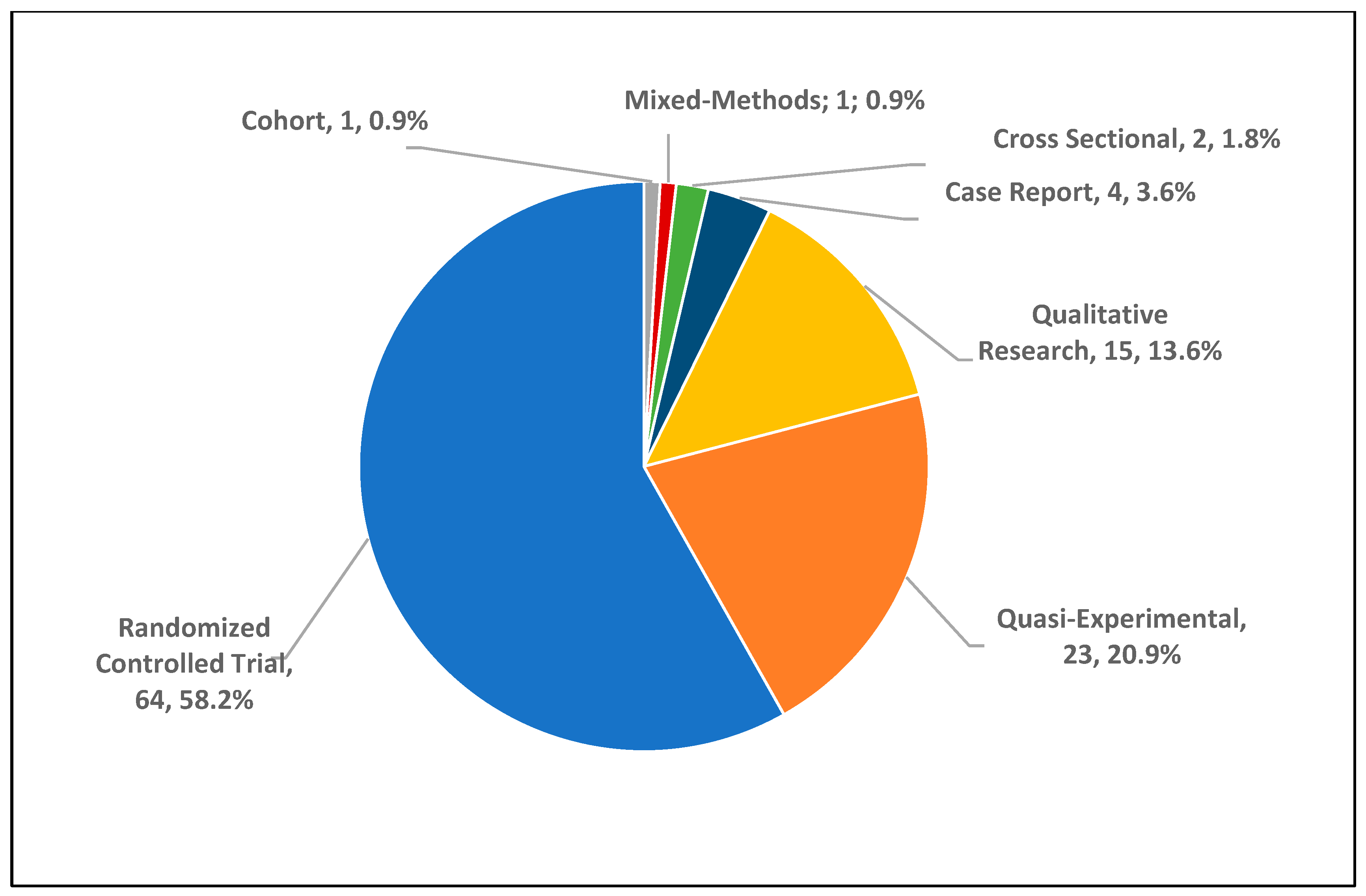
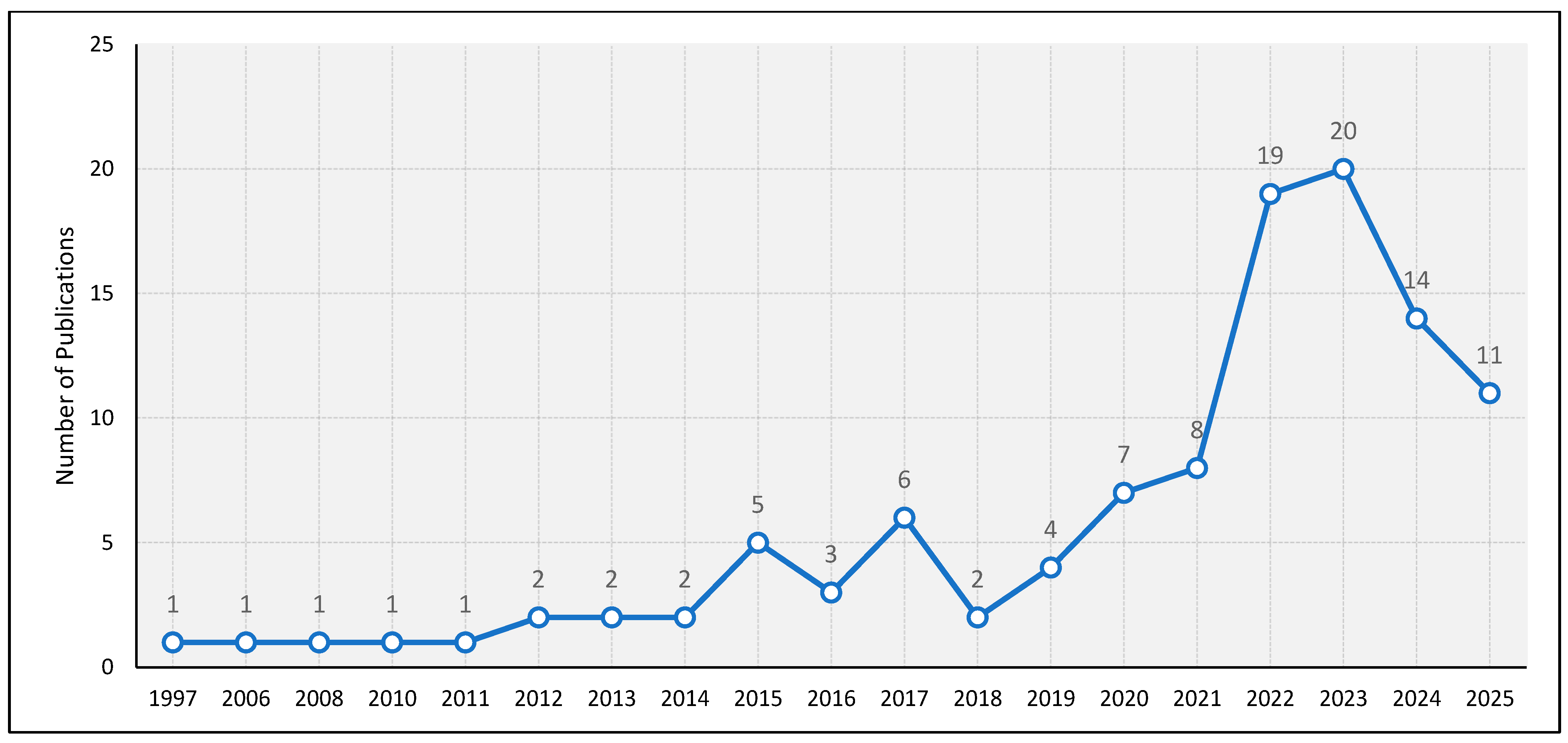
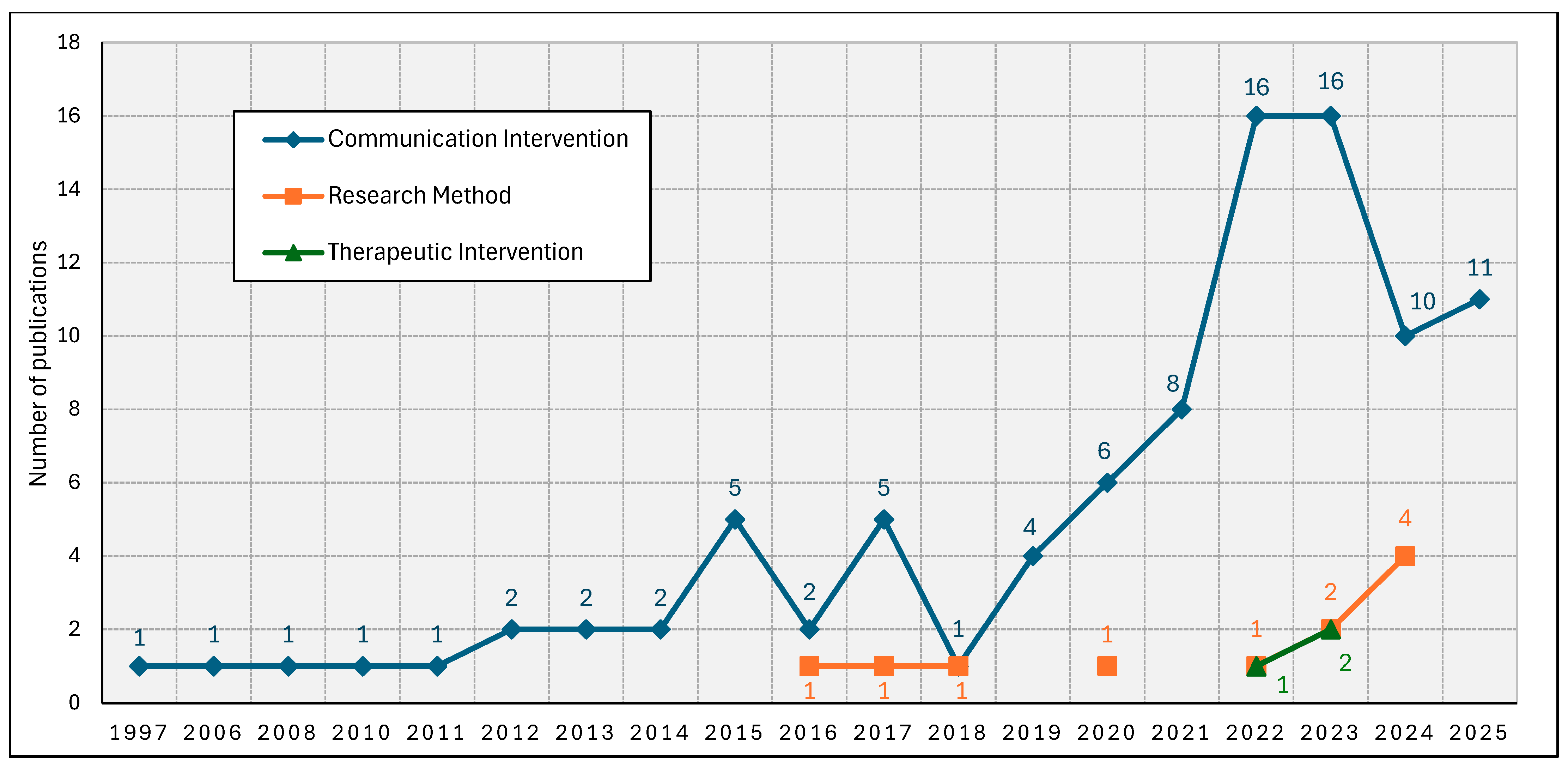
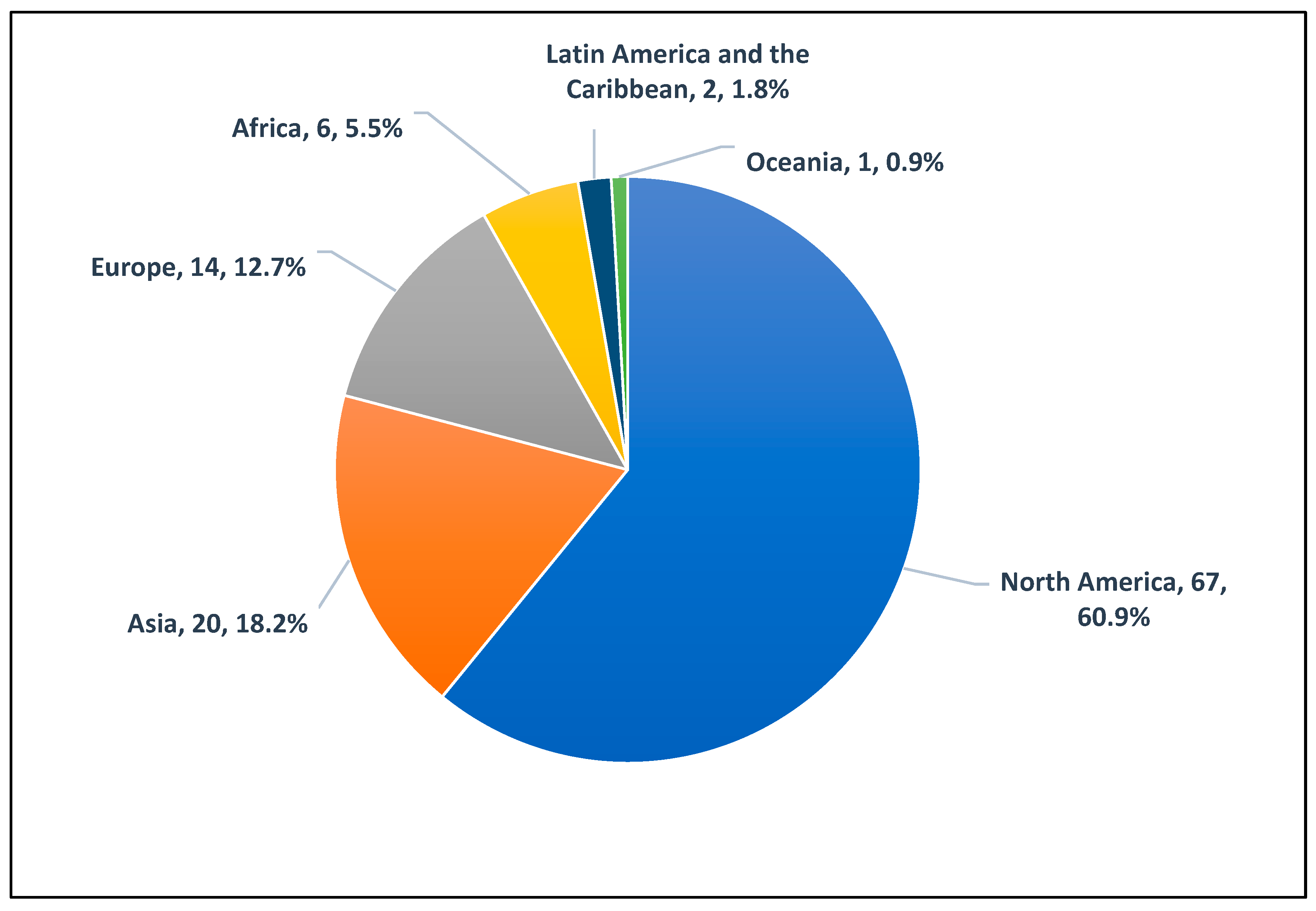
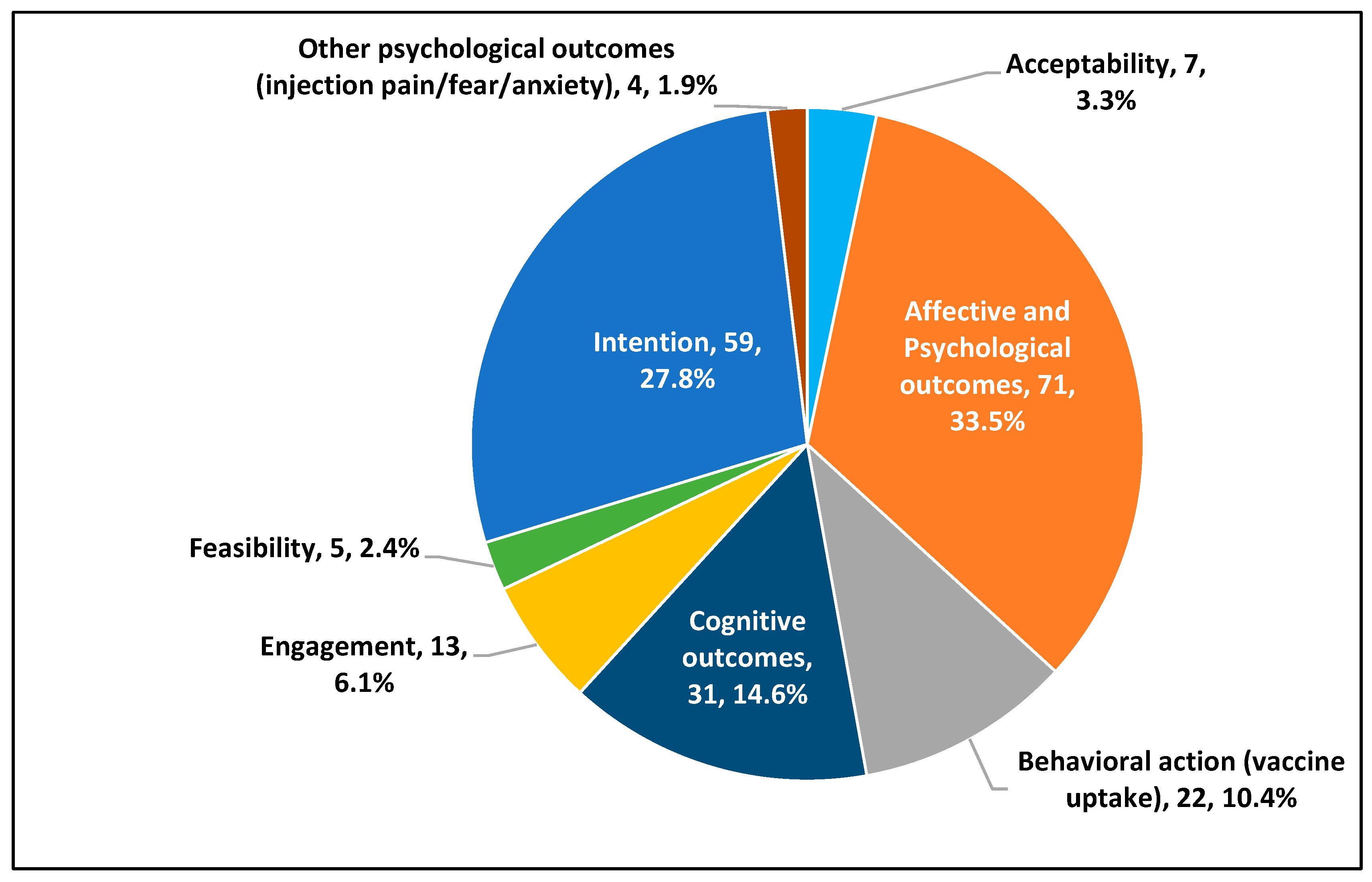
Introduction: Storytelling is gaining interest as a potentially useful research and communication approach in health. However, there remains a huge gap in synthesized evidence in relation to its use in vaccination. We set out to map existing evidence on the use of storytelling in vaccination practice. Methods: This review was conducted in accordance with Joanna Briggs Institute methodology and PRISMA-ScR guidelines. Databases were searched for eligible studies using search strings in PubMed, Scopus, Academic Search Premier, Africa Wide Information, PsycINFO, ERIC, Cochrane Library, Web of Science Core Collection, and SciELO Citation Index via Web of Science. The gray literature was searched on Primo and Google Scholar. References from other sources were identified through a manual search using Google. Identified citations were uploaded into Covidence for screening and data extraction. Qualitative content analysis was used to summarize data in conceptual categories, including frequency counts. Results: Overall, 6236 studies were identified and imported into Covidence. Following removal of duplicates, 3804 studies were screened for title and abstract. 386 studies met eligibility criteria for full-text screening, which led to 110 included studies. Storytelling was used in immunization between 1997 and 2025 as a communication intervention (96/110 studies), research method (12/110 studies), and therapeutic approach (3/110 studies). Most studies originated from North America (67/110 studies), while six originated from Africa. Two-thirds of included studies (64/110 studies) were randomized controlled trials. Among the 62 studies reporting vaccine-related outcomes, 80.6% (50/62 studies) reported changes in one or more vaccine-related outcomes following exposure to storytelling interventions. The trustworthiness of these outcome findings is unknown. Reported changes were more frequently observed for cognitive, affective, and intentional outcomes than for behavioral outcomes such as vaccine uptake. Again, these findings have not been subject to critical appraisal. Conclusions: Storytelling is emerging as an adaptable approach with potential for addressing contextual vaccine challenges. Although several studies reported changes in cognitive, affective, and intentional outcomes, this scoping review cannot ascertain whether these changes were attributed to storytelling itself.
Keywords: communication; storytelling; vaccination; immunization communication; storytelling; vaccination; immunization