1. Introduction
Bordetella bronchiseptica is a Gram-negative bacterium, a primary pathogen capable of causing upper respiratory tract disease in a number of mammals, including pigs, rabbits, cats and dogs. In rare circumstances, humans, especially those who are immunosuppressed, can also become infected and manifest signs of respiratory disease [
1]. Canine Infectious Respiratory Disease (CIRD) can either be caused by
B. bronchiseptica alone or in combination with other bacterial or viral pathogens [
2,
3]. The severity of the disease can largely be moderated by use of a range of available vaccines, including monovalent
B. bronchiseptica vaccines or those including canine parainfluenza and canine adenovirus type 2. For the most part these vaccines are either delivered intranasally or orally and in addition to reducing disease severity can lower the amount of
B. bronchiseptica shed into the environment or to other animals [
4,
5,
6,
7,
8,
9]. Most of these vaccines tend to include a live attenuated strain of
B. bronchiseptica, which, in the case of intranasally vaccinated animals, can give a rapid onset of immunity within as little as 72 h following a single dose [
8]. Intranasal vaccines have also been shown to induce an IgA response in the respiratory tract [
9]. Vaccines given orally are also effective but may have a slower onset of immunity compared to intranasal vaccines [
8,
10]. However, for a proportion of dogs, particularly aggressive or anxious animals, vaccination via these routes is not practical [
11]. For this reason, injectable vaccines are often preferred [
12], and these are usually given via the subcutaneous route, the most common vaccination route for core canine vaccines.
However, with these particular
Bordetella vaccines, little is known about their characteristics with regard to the age at first vaccination, the onset of immunity, induction of antibody responses, duration of immunity, use in the face of maternally derived antibodies (MDAs) or existing immunity and safety in pregnant animals. Furthermore, it has been demonstrated that these vaccines are unlikely to induce local IgA responses [
9], which may affect their efficacy at the site of infection, particularly in respect of reducing bacterial shedding. For this reason, we aimed to develop a vaccine which could be given conveniently by subcutaneous vaccination alongside routine core vaccines at an early age but that would also be efficacious in the face of MDAs, have a characterised duration of immunity and be safe in pregnant animals. In order to achieve these features, it is important to utilise an adjuvant known to be safe in dogs and to identify an appropriate antigenic component of the vaccine, the interaction between these two components being crucial to the safety and efficacy balance of the vaccine with any significant reactivity being unacceptable to both veterinarian and owner.
There are a range of vaccine adjuvants that can be used in different animal species, including those based on aluminium salts, block polymers, water-in-oil adjuvants, oil-in-water adjuvants, saponins and TLR agonists [
13]. These vary in their ability to induce different types of immune response, including both innate and adaptive immunity, onset of protective immunity and the duration of protection. Careful consideration needs to be given regarding the use of these adjuvants to avoid adverse reactions in animals especially when considered in relation to the antigen in the vaccine formulation. In view of that, an oil-in-water-based adjuvant containing a final concentration of 7.5% dl-α-tocopheryl acetate, a form of vitamin E, was developed (Nobivac Respira Bb, MSD Animal Health). The adjuvant is known as Diluvac Forte and is used in various swine vaccines, including Porcilis AR-T (MSD Animal Health), which contains
Bordetella bronchiseptica [
14] and a further derivative of this adjuvant, designated Micro Diluvac Fortasol, which is known to be safe in dogs.
Although the exact mechanism of action of oil-in-water adjuvants is unclear, it is known that they do not work via a depot effect with slow release of antigen as seen in water-in-oil adjuvants. Indeed, oil-in-water-based vaccines do not persist at the site of injection but are thought to induce immunity by attracting cells of the immune system, including neutrophils and monocytes, to the site of injection [
15]. α-Tocopherol, known to possess antioxidant activity, is thought to have immunomodulatory properties, and its safety profile is such that it is used in human oil-in-water vaccines such ASO3, part of the pandemic influenza vaccine Pandemrix
® [
16]. Interestingly the omission of α-tocopherol in AS03 has been shown to negatively modify the profile of the innate immune response and result in a lower antibody response [
17]. In addition, α-tocopherol has also been shown to reverse the suppressive effect of T cell activation and thus enhance the immune response to immunisation [
18,
19].
As previously described, the
B. bronchiseptica vaccines delivered intranasally or orally are based on live attenuated bacteria. Injection of these live bacteria via parenteral routes can be highly dangerous, requiring treatment with antibiotics [
20]; thus, for an injectable vaccine a safe bacterial subunit component is required. However, preparing subunit vaccines against Gram-negative bacteria is challenging as it must take into account the complex structure of the cell wall of these organisms. In particular the challenge is to remove endotoxins such as lipopolysaccharide (LPS) sufficiently whilst maintaining an immunogenic formulation known to give protection. This is particularly important when using adjuvants that contain oil as the presence of both oil and LPS can cause severe septic shock in animals. For this reason, we targeted the isolation and purification of the
B. bronchiseptica fimbrial antigen. Fimbriae are surface antigens that mediate adhesion of the microorganism to the mucosal epithelial cells. As such, they play a crucial role in initiating and sustaining attachment to the respiratory mucosa. It was therefore hypothesised that immune mediated disruption of their function would reduce the burden of infection and associated clinical disease.
In a series of experiments, we were able to demonstrate that a novel B. bronchiseptica vaccine comprising purified fimbrial extracts formulated in a vitamin E-based oil-in-water adjuvant can be given to young puppies and pregnant dams with a high degree of safety. In addition, it was able to provide a high level of protection against clinical signs and bacterial excretion when delivered to 5–6-week-old puppies by a convenient injectable route concurrently with routine vaccines, positioning this vaccine as a uniquely versatile and practical alternative to oral and intranasal Bordetella vaccines.
2. Materials and Methods
2.1. Generation of Fimbrial Antigen Extracts from Bordetella bronchiseptica
B. bronchiseptica fimbrial antigen extracts were produced by dissociating the fimbriae from the cell surface, concentrating and purifying them by ultrafiltration, PEG precipitation and SDS extraction. In short, B. bronchiseptica strain Bb7 was cultured in Tryptose Phosphate Broth (TPB) (Oxoid, UK) and incubated at 37 °C overnight. The fimbriae were detached by heat shock at 65 °C for a period of 15 min followed by a pH shock at pH 8.2 for a period of 15 min. Subsequently the cells were removed by centrifugation and the supernatant clarified by microfiltration and diafiltration. The fimbriae were concentrated by ultrafiltration and the resulting fimbriae containing fraction concentrated by PEG precipitation and continuous flow centrifugation. The pellet was resuspended and the fimbriae further purified by SDS precipitation and continuous flow centrifugation. The final B. bronchiseptica fimbrial antigen harvest was inactivated with chlorocresol.
2.2. Vaccine Formulations
A newly developed B. bronchiseptica vaccine comprising purified fimbrial extracts formulated in a vitamin E-based oil-in-water adjuvant was used in the studies: Nobivac Respira Bb (MSD Animal Health). For the preparation of vaccine candidates various quantities of purified B. bronchiseptica fimbrial antigen were formulated with 74.7 mg (7.5%) dl-α-tocopheryl acetate (Micro Diluvac Forte), 0.15 mg thiomersal, disodium hydrogen phosphate dihydrate, sodium dihydrogen phosphate dihydrate, polysorbate 80 and water for injection. The dose volume was 1 mL, and the vaccines were stored at 2–8 °C until use, when they were warmed to room temperature.
2.3. Concurrent Vaccines
Nobivac DHPPi (MSD Animal Health) is a core combination dog vaccine that contains live attenuated canine adenovirus type 2, canine distemper virus, canine parvovirus and canine parainfluenza virus strains.
Nobivac L4 (MSD Animal Health) is an inactivated, non-adjuvanted, pentavalent whole bacterin vaccine containing L. interrogans serogroup Canicola serovar Portland-vere, L. interrogans serogroup Icterohaemorrhagiae serovar Copenhageni, L. interrogans serogroup Australis serovar Bratislava, and L. kirschneri serogroup Grippotyphosa serovar Dadas. The vaccines were administered subcutaneously according to manufacturer’s instructions, concurrently with Nobivac Respira Bb to reflect standard veterinary practice.
2.4. Challenge Material and Challenge Method
Bordetella bronchiseptica strain D-2 (gifted by University of Iowa) was cultured on Tryptose-Phosphate-Broth (TPB) agar plates (Oxoid, UK) incubated at 37 °C overnight. Following incubation, 10 mL fresh TPB broth was added to the surface of each plate. Using a plate spreader, the bacterial growth was suspended in the medium. The culture was centrifuged and the pellet resuspended with fresh TPB broth to obtain counts of at least 5 × 10⁹ CFU/mL. The challenge was administered on two consecutive days and freshly prepared for each day of challenge. On each day, each dog was inoculated with 0.5 mL (2.5 × 10⁹ CFU per inoculation) of a freshly prepared suspension of B. bronchiseptica strain D-2 per nostril.
2.5. Nasal Swab Isolation and Culture
Nasal swab samples were taken by swabbing both nostrils of the dog and collecting the swab in TPB transport medium. All nasal swab samples were cultured on Bordetella Selective Medium agar plates (Oxoid, UK) following serial dilution in TPB medium and incubated aerobically for 48 h at 37 °C.
2.6. Serological Analysis
Serum samples were assayed for antibodies to Bordetella bronchiseptica using an enzyme-linked immunosorbent assay (ELISA). The ELISA 96-well plates were coated with purified Bordetella fimbrial antigen in carbonate-bicarbonate coating buffer and incubated at 37 °C overnight. The contents of each well were aspirated and blocked with 200 µL per well of blocking buffer (PBS 0.04 M (pH 7.2), 1% BSA, 0.01% thiomersal) and incubated for 30 min at 37 °C. Plates were washed 4 times with distilled water and the pre-diluted test sera added. The test sera were diluted 2-fold across the plate and incubated for one hour at 37 °C. The plates were washed 4 times, and 100 µL Anti-Dog IgG (whole molecule) peroxidase conjugate (Sigma-Aldrich, Germany) was added to all wells at 1 in 10,000 dilution and incubated for 30 min at 37 °C. The plates were washed 4 times, coated in a TMB substrate and incubated for 15 min at room temperature in the dark. The colour reaction was stopped by the addition of 4N sulphuric acid and the absorbances read at a 450 nm optical density. Positive and negative control dog sera were used as test controls. Antibody titres were calculated as the log2 dilution of the absorbance (450 nm) value at the intercept of the cutoff (cutoff value calculated per assay as 3 times the average value of the negative control sera OD450 nm value).
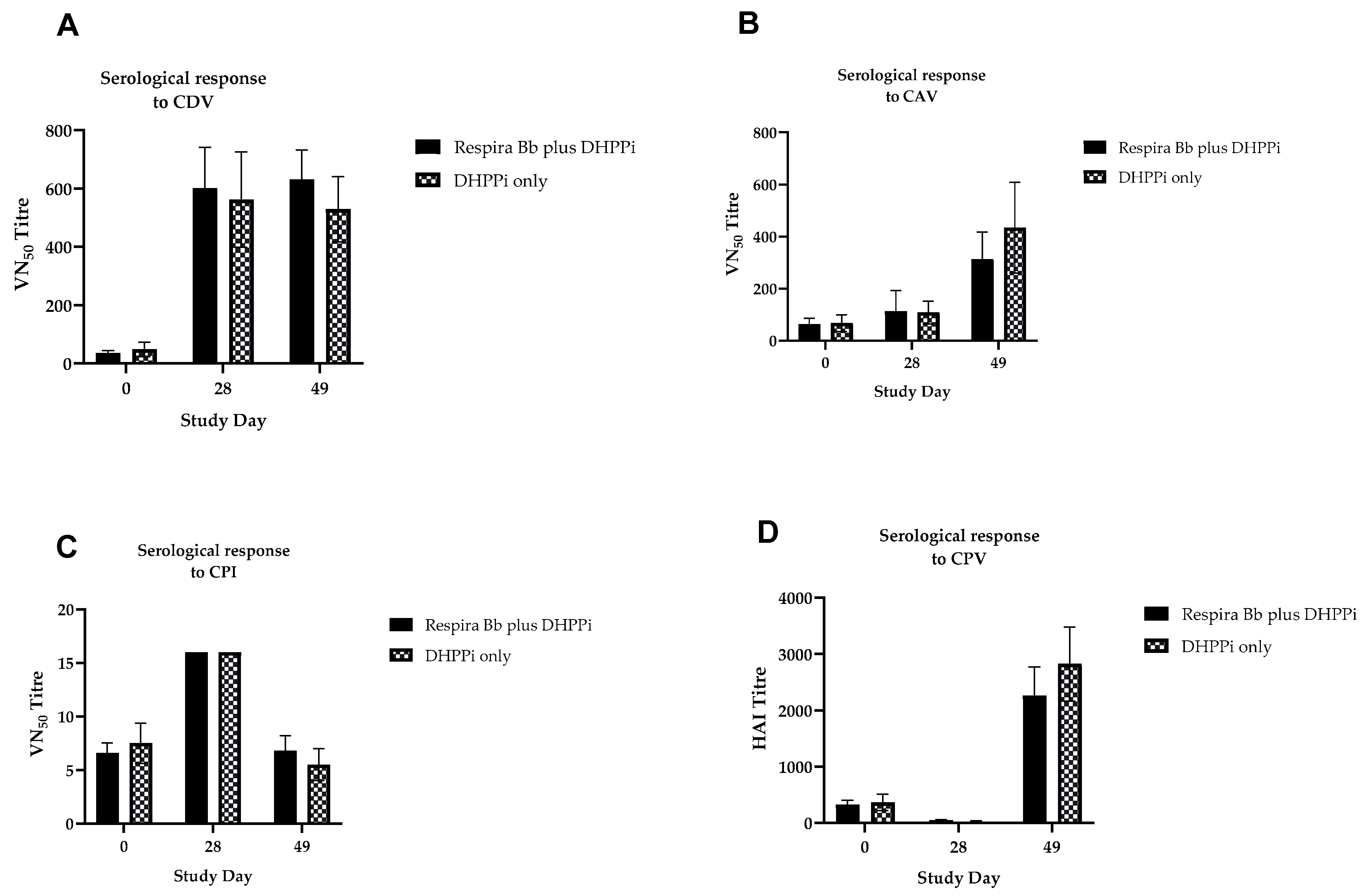
Antibodies specific to vaccination with Nobivac DHPPi were measured using haemagglutination inhibition and virus neutralisation assays as previously described [
21]. Antibodies specific to vaccination with Nobivac L4 were measured using an in-house microscopic agglutination test (MAT) as previously described [
22].
2.7. Clinical Monitoring
Post-challenge, all dogs were observed daily for clinical signs until the end of the study. The dogs were monitored for a comprehensive range of clinical parameters, including but not limited to general health (reduced appetite, malaise, dehydration, polydipsia, jaundice, and poor condition), respiratory (hyperpnoea-accentuated breathing, dyspnoea-distressed breathing, coughing, and tracheal palpation), ocular (lachrymation, discharge, and conjunctivitis), nasal (ulcers, discharge, and sneezing), oral (ulcers, excess salivation, and gingivitis), abdominal (ascites), intestinal (vomiting and diarrhoea), and musculoskeletal lameness and central nervous system (twitching, circling, ataxia, convulsions, and paralysis). Clinical signs indicative of
B. bronchiseptica respiratory infection were scored according to
Table 1.
2.8. Statistical Analysis
Serological response to vaccination was compared at the titre level by the two-sample t-test and compared to the control group. In addition, a statistical group comparison was performed for the dose response study by One-Way Analysis of Variance (ANOVA) using the Tukey–Kramer adjustment for multiple comparisons. Clinical scores (i.e., spontaneous coughing, coughing on palpation, and total clinical score) post-challenge were analysed as an ordinal response using a cumulative logit model that was fitted by means of Generalised Estimating Equations (GEEs) in order to take into account the repeated measurement structure of the data (SAS proc genmod V9.4, repeated statement). B. bronchiseptica excretion post-challenge was represented by the Area Under the Curve (AUC) for the Log10 bacterial counts and were compared between treatment groups using the non-parametrical Kruskal–Wallis test and were pairwise compared to the control group using Wilcoxon’s rank-sum test. A p-value of 0.05 (2-sided) was considered significant for all tests.
2.9. Animals, Housing and Ethics Statement
All studies were performed in conventional 5 to 6-week-old Beagle puppies of mixed sex from a commercial supplier. During the experiments, puppies were group housed in self-contained rooms, and food and water were available ad libitum throughout. All experiments were conducted in accordance with the Animal Health and Welfare regulations and approved by the Animal Welfare Review Board, MSD Animal Health, and were registered according to the UK legislation under project licence PPL 80/2586 in compliance with Directive 2010/63/EU. Prior to the start of each study each animal was examined and declared to be healthy and suitable for inclusion. The animals were continuously monitored under veterinary care.
2.10. Experimental Design
2.10.1. Study 1: Dose Response in Naïve 5–6-Week-Old Puppies
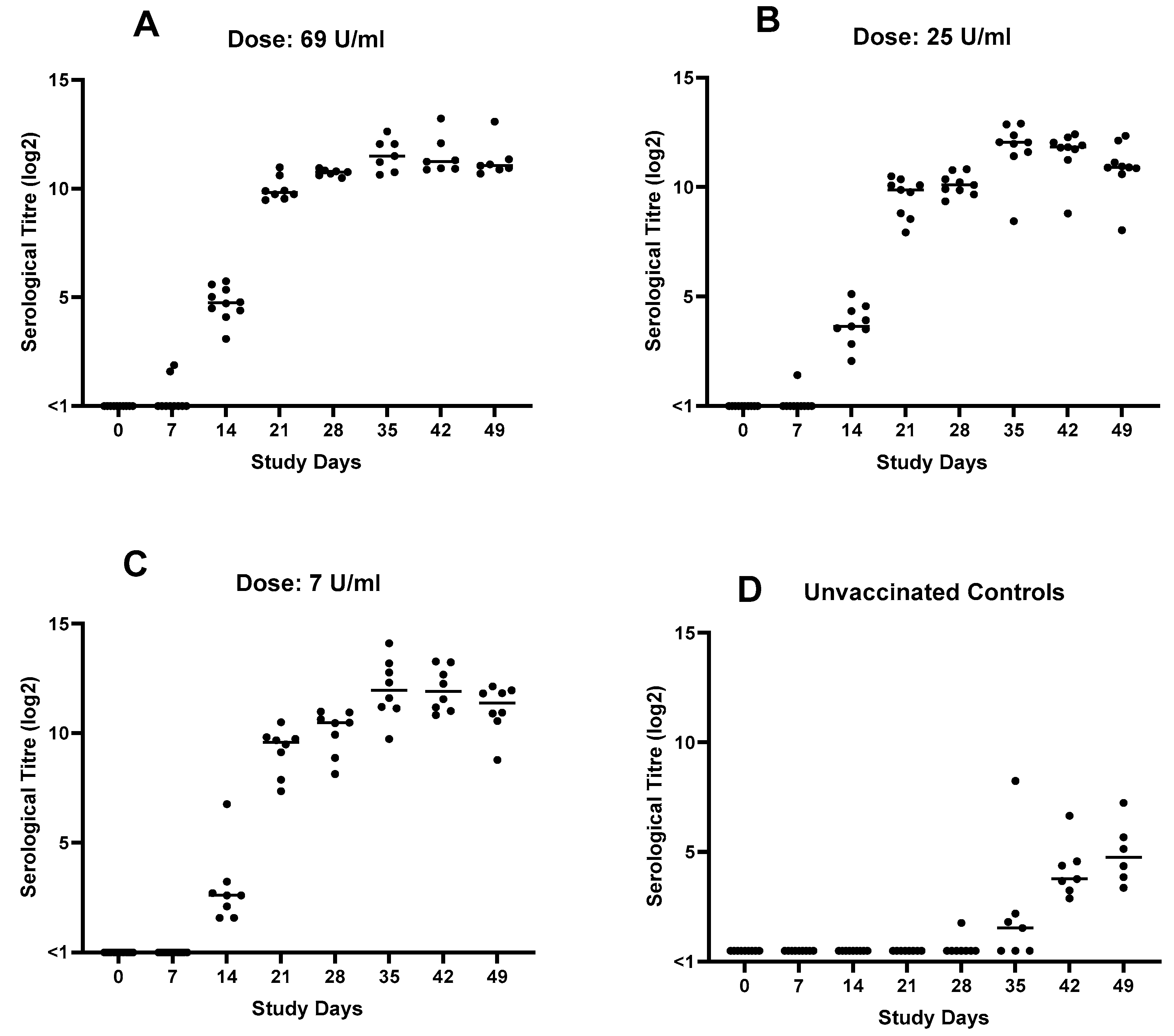
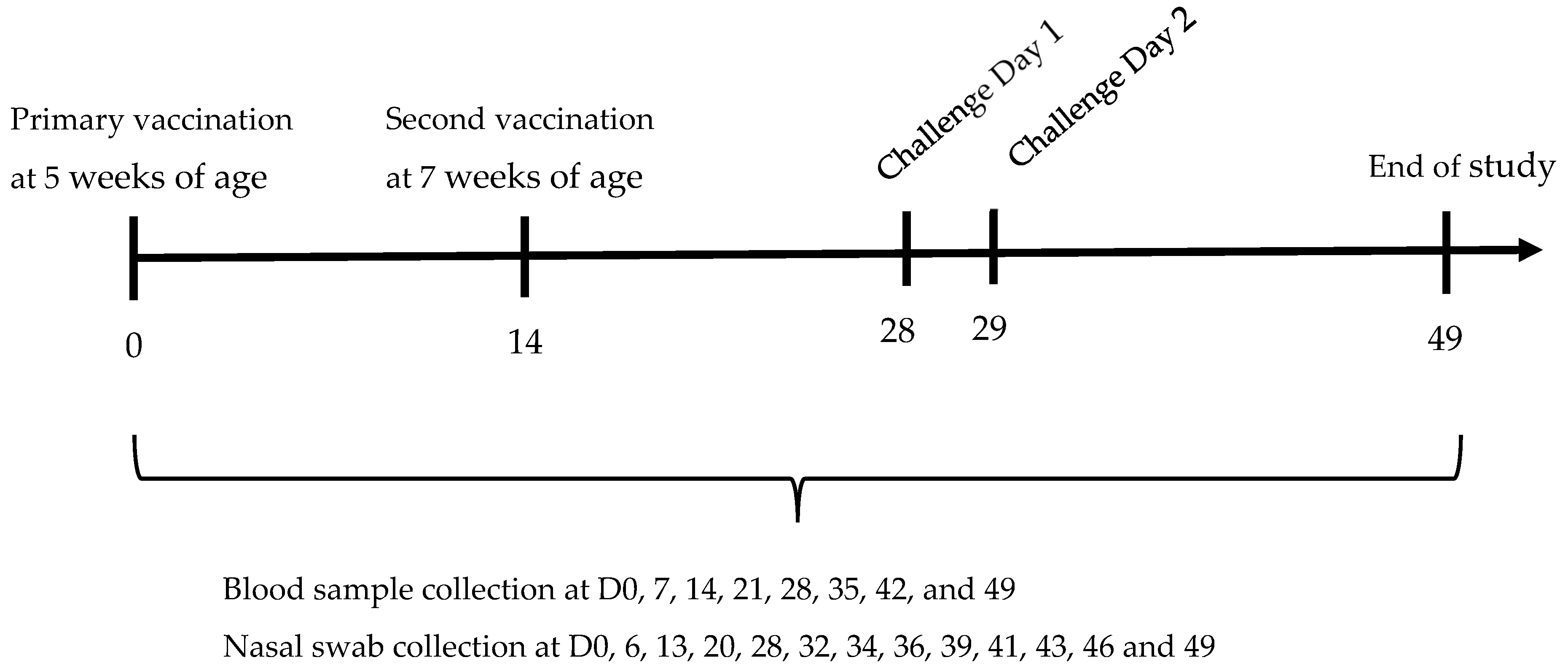
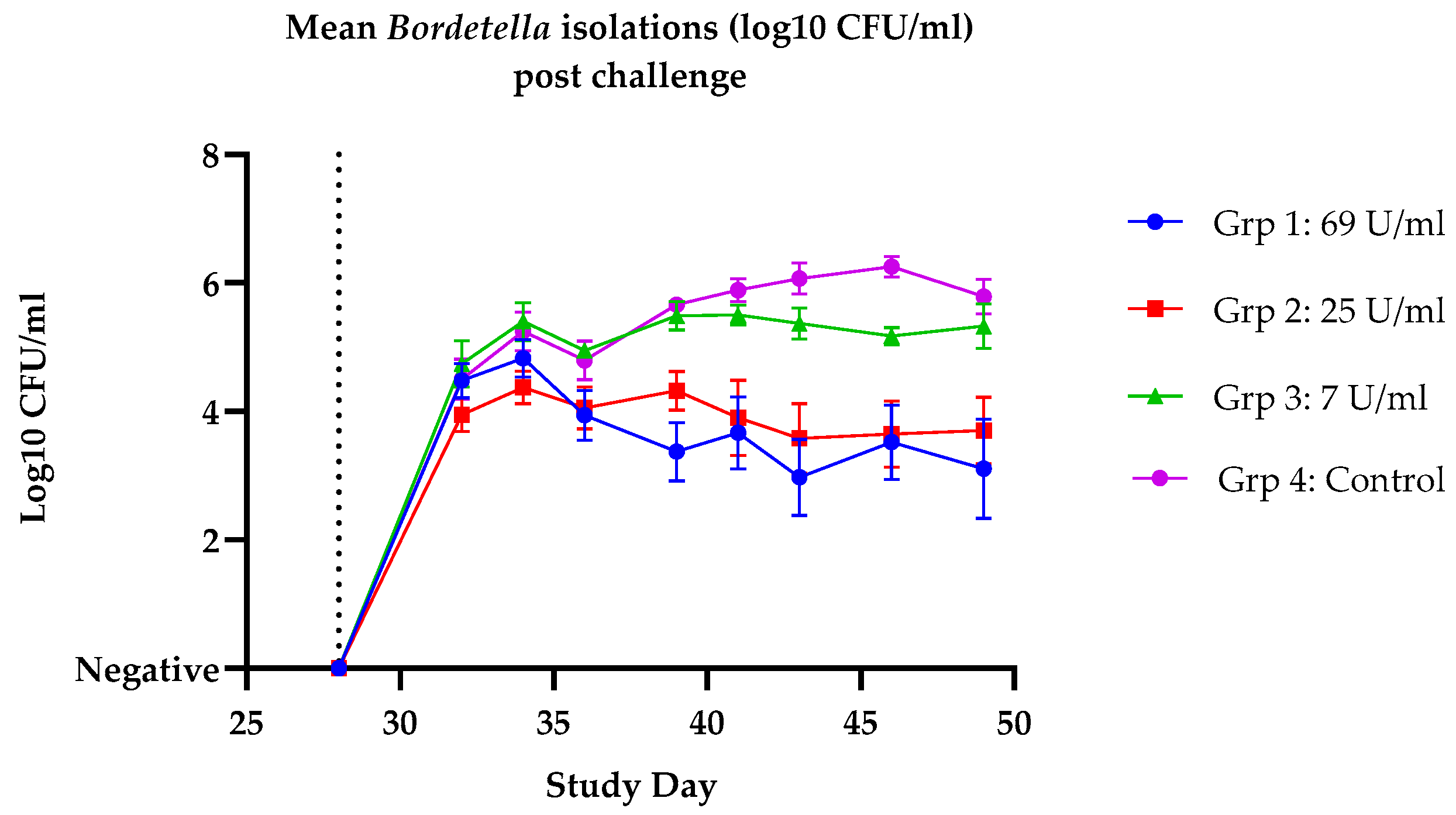
Thirty-nine naïve Beagle puppies of 5–6 weeks of age (from 5 litters) were divided into four groups equally spread by litter and sex. Groups 1, 2 and 3 comprised 10 dogs (vaccinated), and group 4 comprised 9 dogs (unvaccinated controls); all groups were mixed across 5 rooms. Groups 1, 2 and 3 were vaccinated subcutaneously with Nobivac Respira Bb formulated to either 69 U, 25 U or 7 U per dose, respectively, followed by a second vaccination two weeks later (day 14). The selection of the highest dose was based on historical experience with medium and lowest doses selected to be sufficiently distinct. This vaccination schedule deviates from the registered schedule in which the second vaccination is given 4 weeks post-primary vaccination; however, during development a 2-week interval was also investigated. All groups were challenged on two consecutive days with
B. bronchiseptica two weeks after the second vaccination (days 28 and 29). Daily clinical observations were carried out for three weeks post-challenge until the end of the study on day 49. Blood samples were collected from all dogs on days 0, 7, 14, 21 and 28 to determine serological response to vaccination by ELISA and on days 35, 42 and 49 to determine the serological response to challenge. Nasal swabs were collected from all dogs on days 0, 6, 13, 20, and 28 to confirm the pre- and post-vaccination shedding status and on days 32, 34, 36, 39, 41, 43, 46 and 49 to determine relative excretion post-challenge. A schematic representation of the study design is shown in
Figure 1.
2.10.2. Study 2: Onset of Immunity in Naïve 5–6-Week-Old Puppies
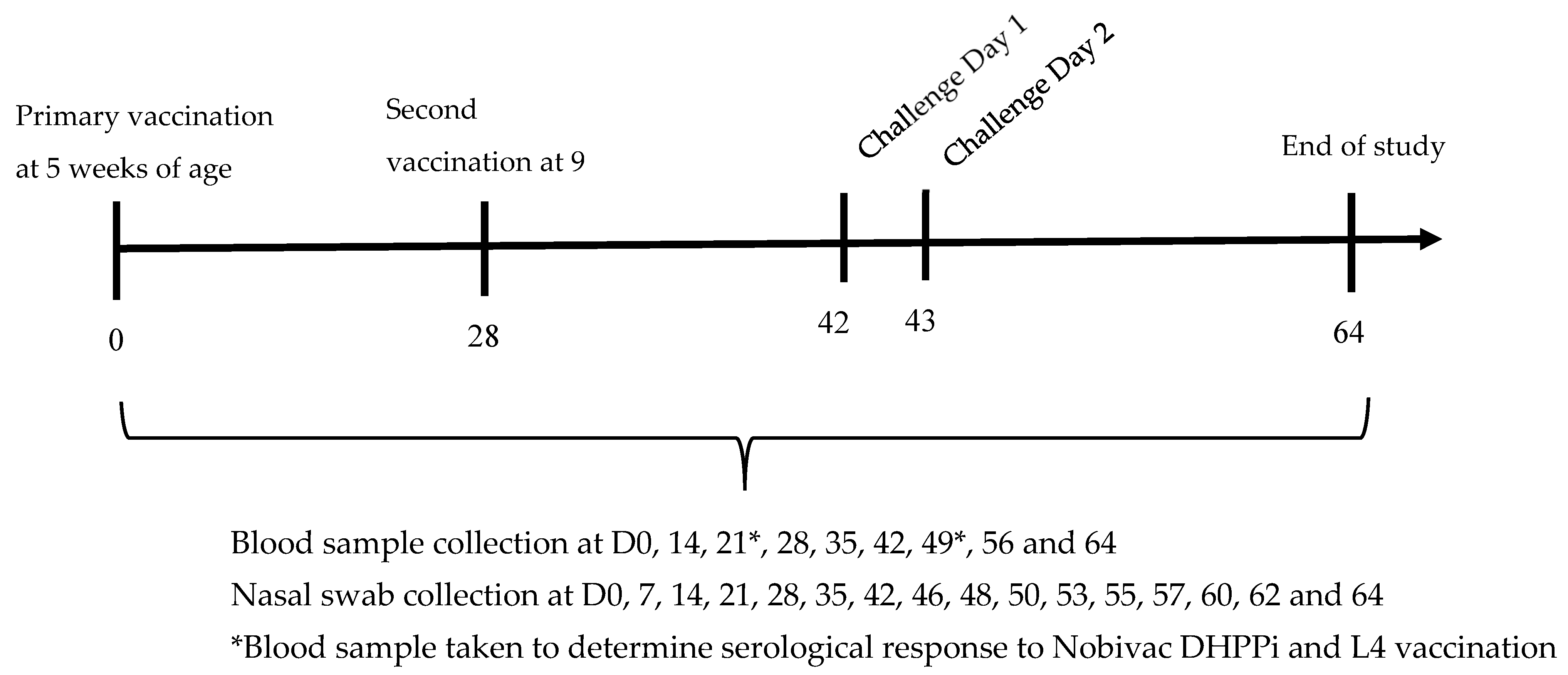
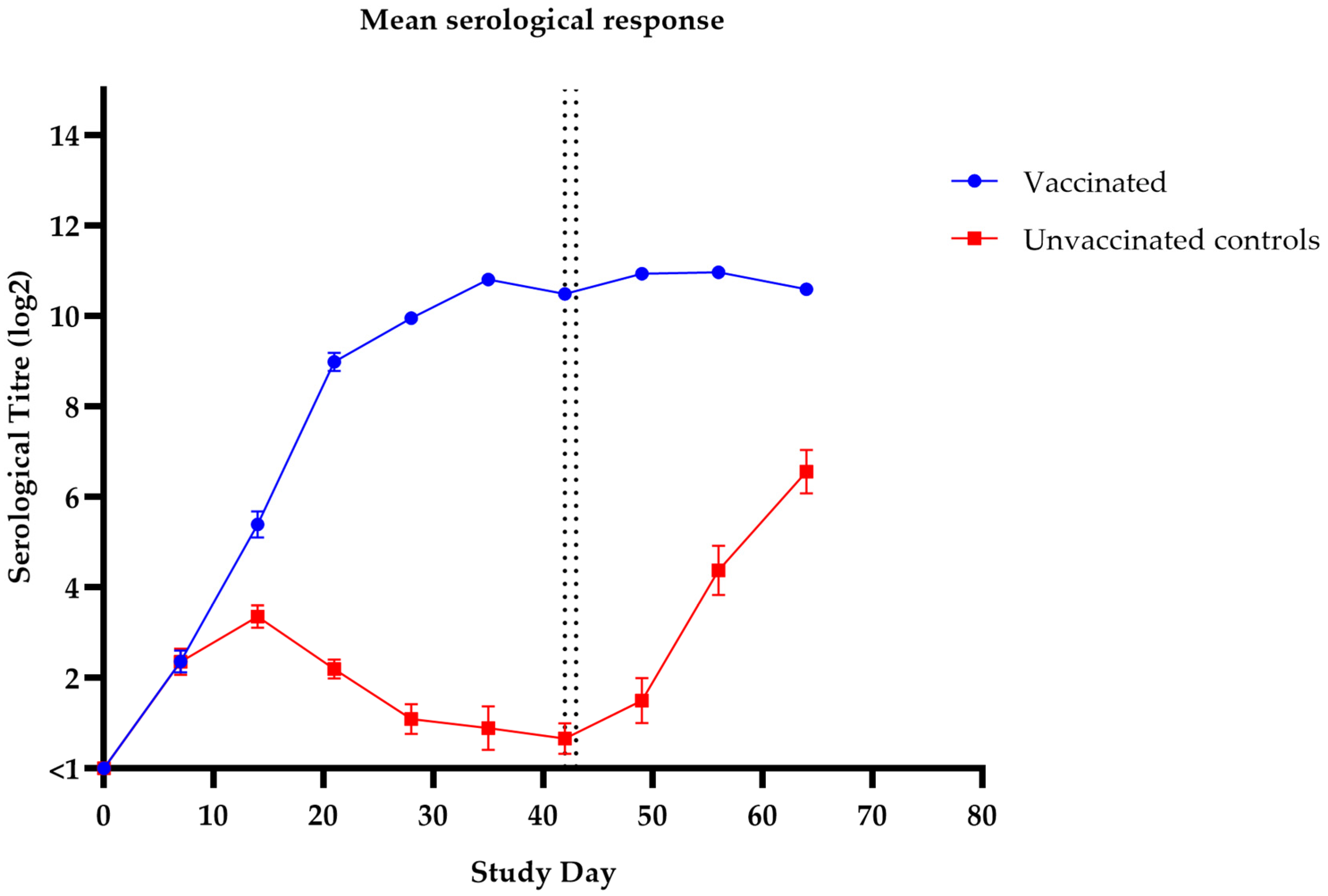
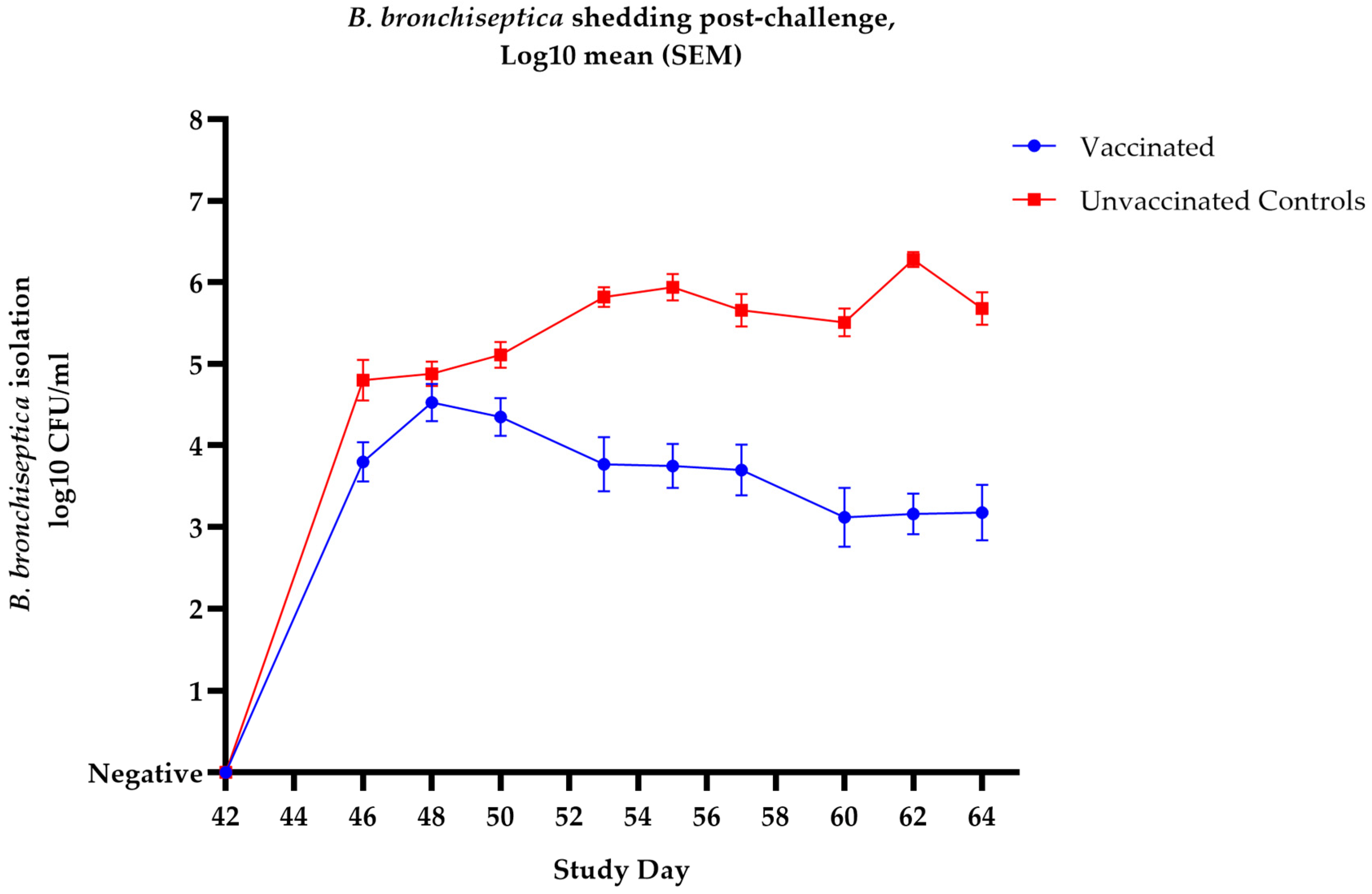
Twenty-one naïve Beagle dogs of 5–6 weeks of age were divided into two groups equally spread by litter and sex. Group 1 (vaccinated) comprised 13 dogs, and group 2 (unvaccinated controls) comprised 8 dogs. Dogs in group 1 were vaccinated subcutaneously with Nobivac Respira Bb at a minimum antigen potency of 88 U per dose (selected to ensure duration of immunity extended beyond that of peak immunity), concurrently with Nobivac DHPPi reconstituted with Nobivac L4. A second vaccination with the same vaccines was administered 4 weeks later (day 28). The dogs in group 2 were vaccinated subcutaneously with Nobivac DHPPi reconstituted with Nobivac L4 at the same time as group 1. Two weeks after the second vaccination, the dogs in groups 1 and 2 were challenged with
B. bronchiseptica (day 42). Daily clinical observations were carried out for three weeks post-challenge until the end of the study on day 64. Blood samples were taken from all dogs on days 0, 7, 14, 21, 28, 35, 42, 49, 56 and 64 to determine serological response to vaccination and challenge. Nasal swabs were collected from all dogs on days 0, 7, 14, 21, 28, 35, and 42 to confirm the pre- and post-vaccination shedding status and on days 46, 48, 50, 53, 55, 57, 60, 62 and 64 to determine relative excretion post-challenge. A schematic representation of the study design is shown in
Figure 2.
2.10.3. Study 3: Part 1: Safety in Pregnant Dogs
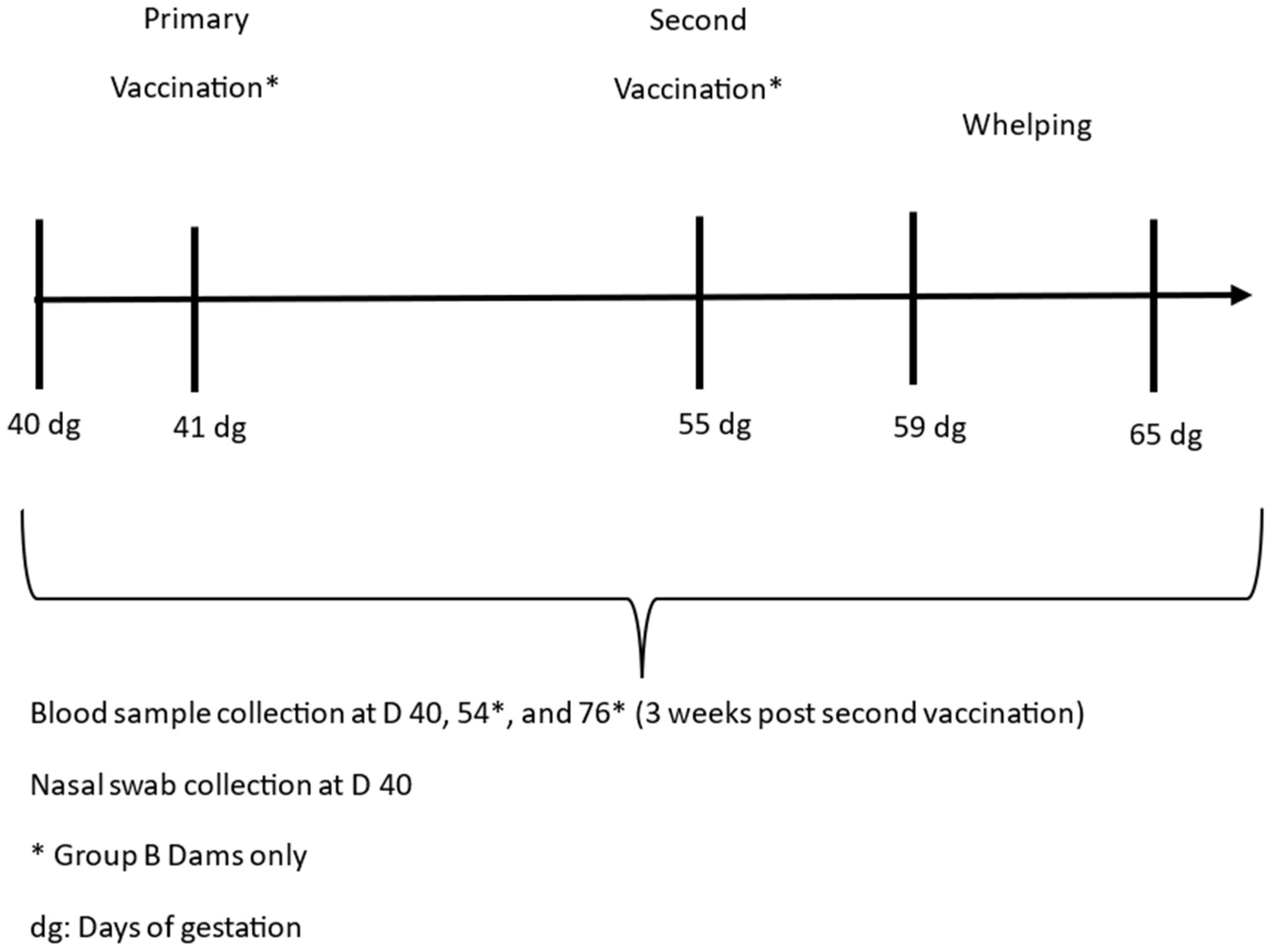
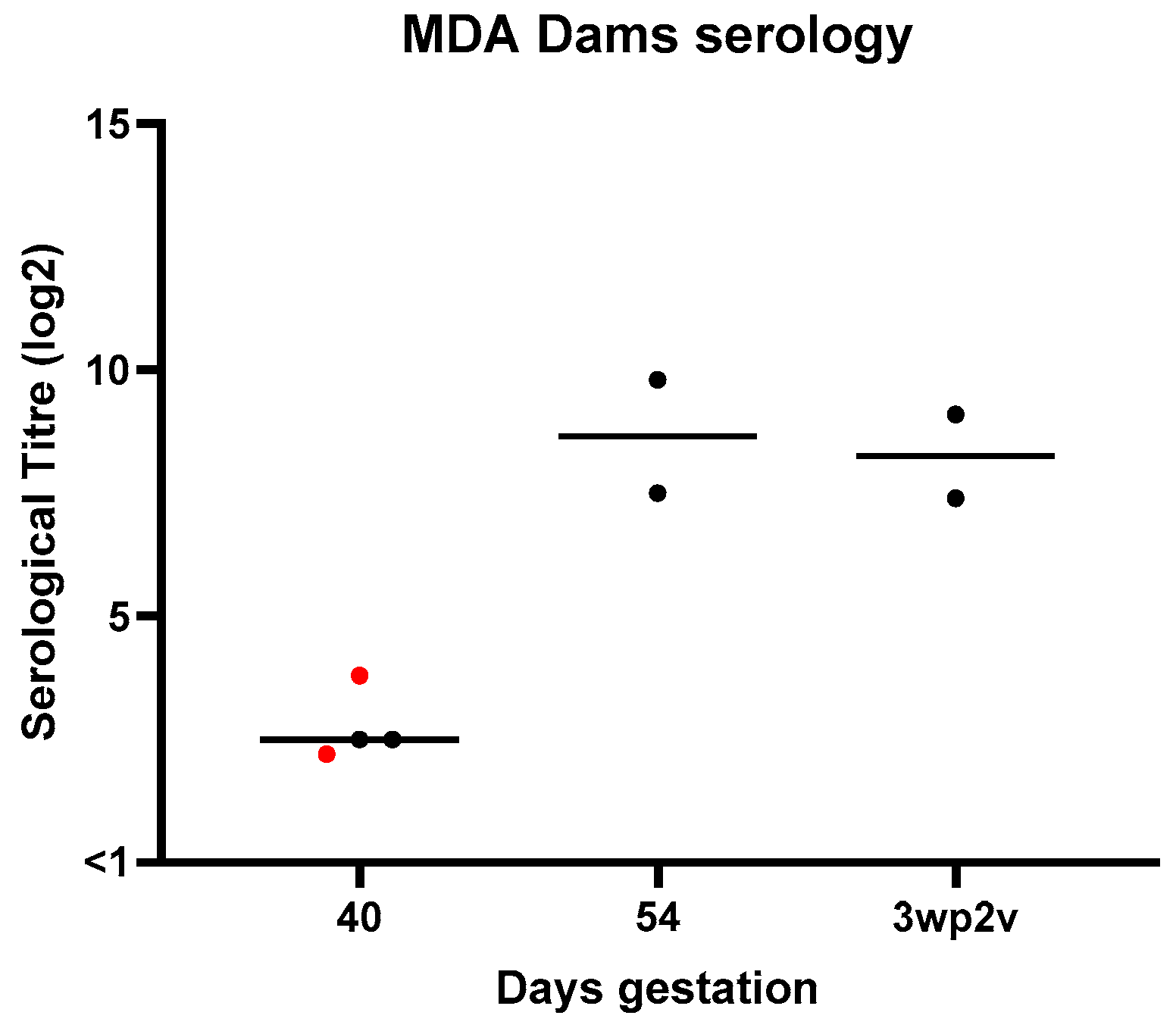
Four pregnant adult Beagle dams were split equally into two groups: A (unvaccinated controls) and B (vaccinated). The group B dogs were vaccinated subcutaneously with Nobivac Respira Bb at a minimum antigen potency of 86 U per dose (selected to ensure duration of immunity extended beyond that of peak immunity) on day 41 of gestation, followed by a second vaccination on day 55 of gestation. Blood was collected from the group A and B dams on day 40 of gestation, and additionally from group B on day 54 of gestation, and at 3 weeks post-second vaccination (day 76) to determine the serological response to vaccination. Nasal swabs were collected from both groups A and B on day 40 of gestation. A schematic representation of the study design is shown in
Figure 3.
Part 2: Efficacy in 5–6-week-old puppies positive for maternally derived antibodies
Following whelping, the puppies born to the group A and group B dams were allocated to groups based on their maternally derived antibody (MDA) status with respect to
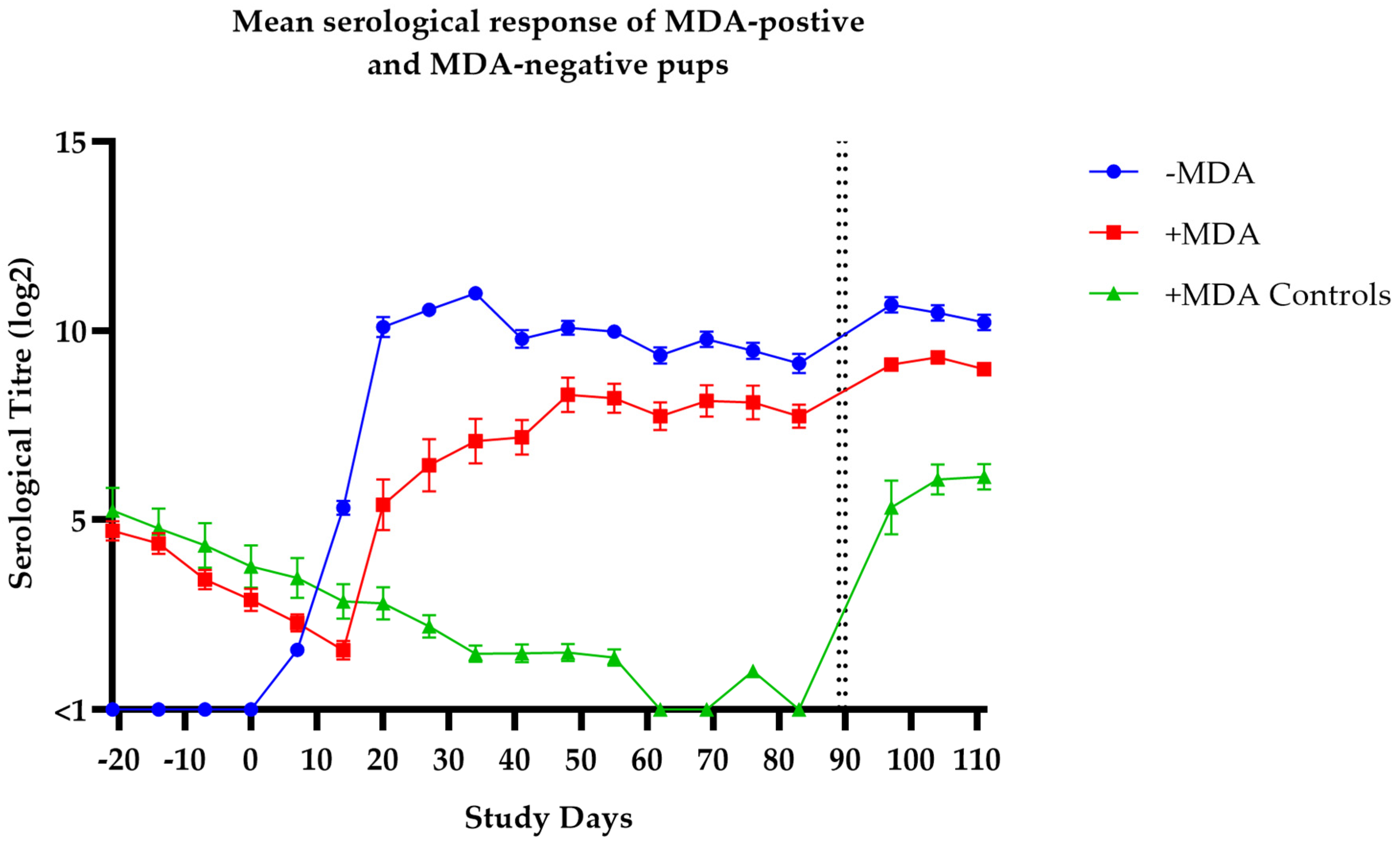
Bordetella, and their litter group. Group 1 comprised 11 pups (negative for MDAs) whelped from the group A dams; groups 2 and 3 comprised 9 and 8 pups respectively (positive for MDAs) whelped from the group B dams. All pups in group 1 (MDA−) and group 2 (MDA+) were vaccinated at 5–6 weeks of age with a minimum potency formulation of Respira Bb (86 U per dose (selected to ensure duration of immunity extended beyond that of peak immunity)) followed by a second vaccination two weeks later. The pups in group 3 (MDA+) were not vaccinated and controlled for the natural decline in MDAs over time. All puppies were challenged with
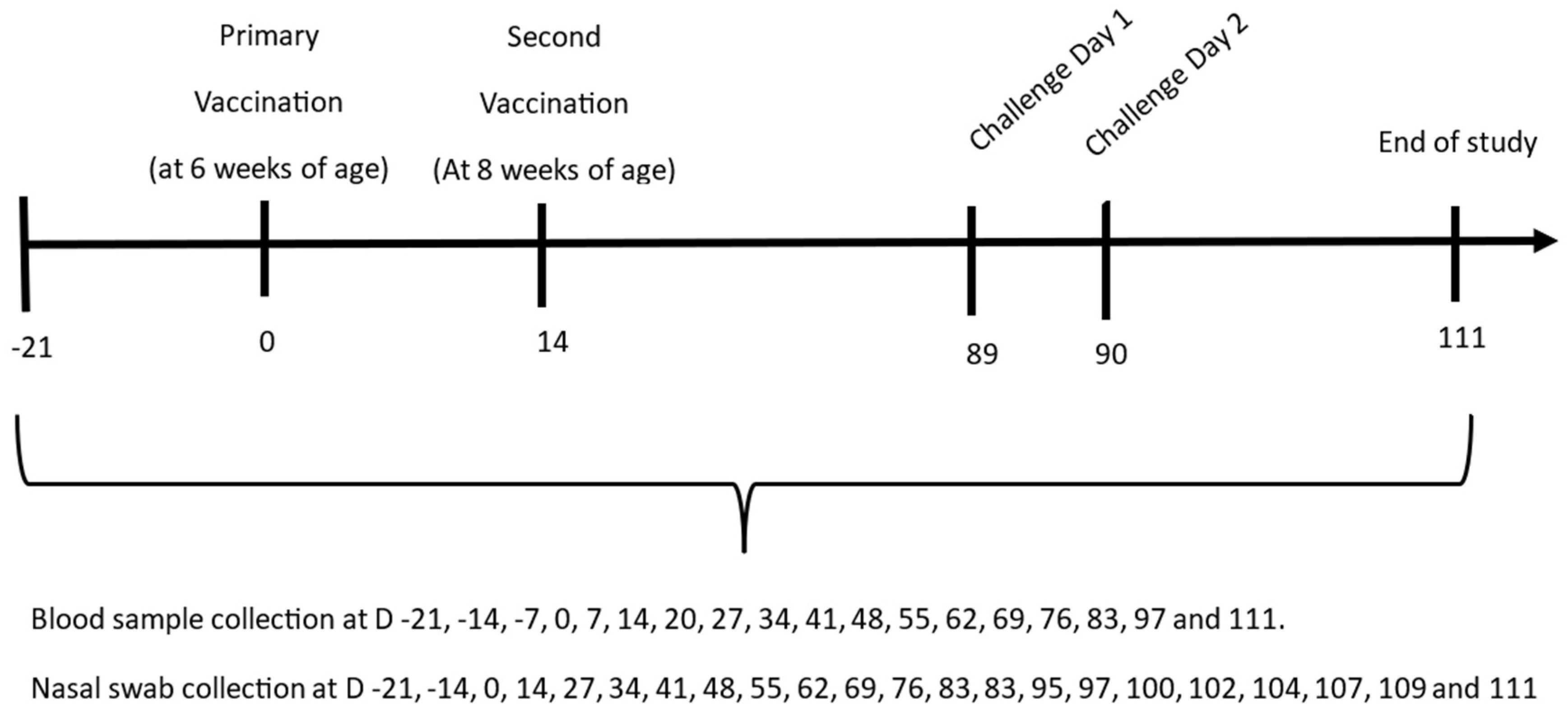
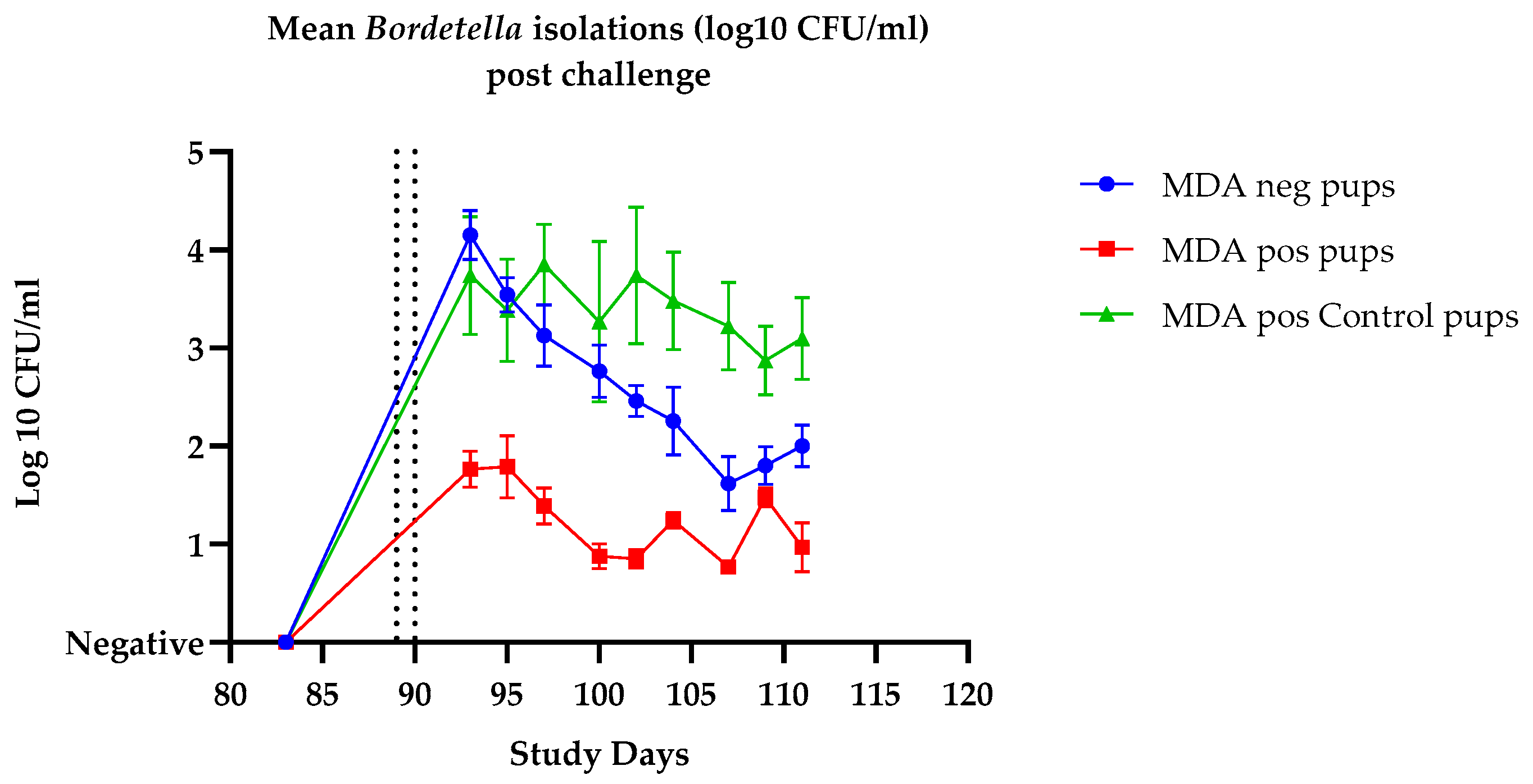
B. bronchiseptica at 19 weeks of age when the MDA levels in group 3 were no longer detectable. Daily clinical observations were made for three weeks post-challenge until the end of the study on day 111. Blood samples were collected from all groups of puppies on days −21, −14, −7, 0, 7, 14, 20, 27, 34, 41, 48, 55, 62, 69, 76, 83, 97 and 111 to determine the serological status. Nasal swabs were collected from the pups on days −21, −14, 0, 14, 27, 34, 41, 48, 55, 62, 69, 76, 83, 83, 95, 97, 100, 102, 104, 107, 109 and 111 to determine the levels of
Bordetella excretion pre- and post-challenge (
Figure 4).
4. Discussion
CIRD, caused primarily by
Bordetella bronchiseptica, is a highly contagious disease occurring not only in dogs housed collectively in shelters or animal hospitals but also following close contact with an affected animal [
23]. Alongside
B. bronchiseptica, viral pathogens such as canine distemper virus, canine parainfluenza virus and canine adenovirus type 2 play a role in this disease complex. Vaccination against these viral components of the CIRD complex forms part of the core vaccination schedule of young puppies providing active immunity against these infectious agents [
3]. Whilst a number of different vaccines are available against
B. bronchiseptica, they differ in their characteristics with regard to the vaccination route, onset of immunity, their ability to reduce clinical signs and shedding of bacteria from infected dogs. Intranasal vaccines are generally considered as very effective vaccines with a rapid onset of immunity from a single dose, which in some cases has been shown to last for over a year [
8,
24,
25]. However, this route of vaccination is not straightforward in some dogs, especially those who are aggressive or anxious. Additionally, sneezing shortly after vaccination can raise concerns about whether the complete dose has been administered and whether or not an additional dose is required. Oral vaccinations may be perceived as more convenient to deliver as less accuracy is needed, but the onset of immunity from these vaccines is usually later than intranasally delivered vaccines though a duration of immunity of one year can also be achieved [
8]. In aggressive or anxious dogs these may also be difficult to deliver. Although some owners may prefer these routes of vaccination as they do not involve injections, it is likely that the other core vaccinations given to dogs are injected; thus, in one visit, two different routes of administration, one injection parenterally and one mucosally, would be required.
As alternatives to mucosal delivery there are two
B. bronciseptica vaccines available which can be injected [
6,
12]. One is protein extract from
Bordetella bronchiseptica which is non-adjuvanted, and the other (Pneumodog, Boehringer Ingelheim, Czechia) is an inactivated Bordetella bacterin in combination with canine parainfluenza virus adjuvanted with aluminium hydroxide. However, the full characteristics of these vaccines are unclear especially with regard to age of first use [
12], effectivity in the face of maternally derived antibody, concurrent use with core vaccines, duration of immunity and safety in pregnant animals.
The present studies address these gaps by evaluating the safety, onset of immunity and efficacy of a novel injectable B. bronchiseptica vaccine in early life, including its performance when administered alongside core canine vaccines and in puppies with maternally derived antibodies. Using a novel and extensive purification process we prepared an extract of Bordetella bronchiseptica fimbrial antigen, which at various concentrations, when combined with a proprietary oil-in-water adjuvant based on vitamin E known to be safe in dogs (unpublished data), could induce strong immune responses in vaccinated dogs. We present a comprehensive characterisation of this novel injectable B. bronchiseptica fimbrial antigen vaccine across three complimentary studies. The doses tested all showed minimal reactions at the site of injection, with any reactions resolving in a short period as is to be expected with an oil-in-water-based vaccine. Using a dose response approach, we established a minimum dose of antigen, which was able to both give significant clinical protection and significantly reduce bacterial excretion. The onset of immunity was shown to be two weeks after the second vaccination, and whilst this is not as rapid as that following the use of intranasal vaccines, it does give the option to veterinarians to vaccinate via conventional routes concurrently with DHPPi and L4 vaccines without affecting any vaccine efficacy. Low-level antibody titres were detected in the Bordetella ELISA in the control pups, vaccinated with DHPPI +L4, alone prior to challenge. This had been seen previously and is believed to represent a low level of non-specific antibody cross reactivity in the Bordetella ELISA following DHPPi + Nobivac L4 administration. All controls remained fully susceptible and therefore immunologically naïve to Bordetella.
Another advantage of this vaccine is the age at which vaccination can begin. We have demonstrated that the vaccine is safe and efficacious in puppies at 5–6 weeks of age, whether they have maternally derived antibodies or are antibody-free. This is highly useful considering that vaccination with core vaccines such as distemper, parvovirus, adenovirus-2, parainfluenza virus and leptospira vaccines can be given around this time and via the same route of administration.