Review

Determinants of Maternal RSV Vaccination Uptake: A Narrative Review

by
Aikaterini I. Nikolaou
1,2,
Alexandra Soldatou
3,
Georgia-Christiana Grantzi
4,
Vasileios Giapros
2 and
Fani Ladomenou
1,*
1
Department of Pediatrics, School of Medicine, University of Ioannina, 45500 Ioannina, Greece
2
Neonatal Intensive Care Unit, School of Medicine, University of Ioannina, 45500 Ioannina, Greece
3
Department of Pediatrics, School of Medicine, National and Kapodistrian University of Athens, 15772 Athens, Greece
4
Evangelismos General Hospital, 10676 Athens, Greece
*
Author to whom correspondence should be addressed.
Vaccines 2026, 14(4), 293; https://doi.org/10.3390/vaccines14040293
Submission received: 4 March 2026 / Revised: 23 March 2026 / Accepted: 24 March 2026 / Published: 26 March 2026

Abstract

Maternal vaccination against respiratory syncytial virus (RSV) represents a major advance in early-life infection prevention. Although clinical efficacy and early real-world effectiveness are well established, sustained population-level impact depends on equitable uptake. This review synthesizes determinants influencing maternal RSV vaccination within the evolving dual-strategy landscape that includes both maternal vaccination and infant monoclonal antibody prophylaxis. A structured narrative review was conducted following PRISMA principles. PubMed/MEDLINE and Google Scholar were searched for studies published between January 2022 and February 2026. Eligible studies examined behavioral, interpersonal, structural, economic, and policy determinants of maternal RSV vaccination uptake, as well as early implementation and modelling evidence. Findings were integrated within a multilevel analytical framework. Maternal uptake is shaped by interacting determinants across individual, healthcare provider, and health system domains. Key drivers include perceived infant disease severity, vaccine safety confidence, perceived effectiveness, and prior antenatal vaccination behavior. Healthcare provider recommendation consistently emerges as the strongest facilitator. Coverage variability reflects differences in reimbursement, antenatal care integration, and national policy endorsement. The coexistence of maternal vaccination and infant monoclonal antibody strategies introduces additional comparative decision-making complexity. Early implementation data indicate heterogeneous uptake and socioeconomic gradients, while modelling demonstrates sensitivity to coverage, timing, epidemiology, and cost. Translating biological efficacy into sustained public health benefit requires coordinated behavioral, structural, and policy strategies, strong provider engagement, and context-sensitive implementation frameworks to ensure equitable coverage.

1. Introduction

Respiratory syncytial virus (RSV) is a major global cause of acute lower respiratory tract infection (LRTI) across the life course, affecting both young children and older adults [1,2,3]. While RSV remains a leading cause of hospitalization and healthcare utilization in infants—particularly during the first six months of life [1]—it is increasingly recognized as a significant contributor to morbidity and healthcare burden among older adults and individuals with underlying conditions [2,3]. This expanded epidemiological understanding has driven the recent development and implementation of RSV vaccination strategies targeting older adult populations in multiple countries [2,3]. Within this broader public health context, prevention of RSV in early infancy remains a critical priority, given the heightened vulnerability of neonates, the concentration of severe disease in the first months of life, and the limited availability of therapeutic options [1]. Maternal immunization has therefore emerged as a key preventive strategy, aiming to bridge this early-life vulnerability through transplacental transfer of protective antibodies and to complement existing RSV prevention approaches across the life course [4,5].
The greatest burden occurs during the first six months of life, when immunological immaturity and limited therapeutic options increase vulnerability to severe disease [1]. RSV-associated hospitalization rates among otherwise healthy term infants remain substantial, with seasonal surges placing additional strain on healthcare systems [6,7] and generating considerable indirect societal costs, including parental work absenteeism [6]. In high-burden settings, RSV also contributes to infant mortality; modelling from South Africa suggests that maternal vaccination could avert substantial deaths under diverse epidemiological scenarios, with projected benefits outweighing potential risks [8].
Maternal vaccination is biologically supported by the transplacental transfer of immunoglobulin G, offering passive protection during the period when neonatal immune responses are still developing [4]. Empirical evidence confirms both the efficiency of this transfer and the persistence of RSV-specific antibodies in early infancy [5]. In the wake of post-pandemic disruptions to RSV transmission, resulting shifts in seasonal dynamics and population susceptibility further highlight the urgency of implementing scalable preventive strategies for this vulnerable age group [9].
Recent advances in structural vaccinology and monoclonal antibody development have reshaped RSV prevention [10,11]. Evidence from a pivotal phase 3 randomized controlled trial demonstrated that maternal RSVpreF vaccination significantly reduced medically attended RSV-associated LRTI and hospitalization in early infancy [12], while long-acting monoclonal antibody prophylaxis, including nirsevimab, achieved comparable efficacy among late-preterm and term infants [13]. These findings are reinforced by pooled evidence from systematic reviews, meta-analyses, Cochrane syntheses, and regulatory assessments, all of which confirm robust immunogenicity and favorable efficacy and safety profiles without increased perinatal risk [14,15,16]. Real-world obstetric data from routine immunization programs likewise show no increased risk of preterm birth or adverse maternal or neonatal outcomes [17,18].
Early real-world effectiveness data corroborate trial findings. Test-negative and multicenter analyses from Argentina and the United Kingdom demonstrated substantial reductions in RSV-associated hospitalization among infants born to vaccinated mothers [19,20], while post-implementation surveillance from the United States and Italy suggests measurable declines in RSV-related hospitalization following deployment of maternal vaccination and/or monoclonal antibody programs [21,22]. Modelling and economic evaluations indicate that projected public health impact depends critically on coverage levels, timing, epidemiological context, and cost structures [23,24,25,26]. National guidance documents increasingly integrate these preventive strategies into RSV management frameworks [27,28], while recent syntheses situate RSV vaccination alongside influenza and COVID-19 immunization within routine RSV prevention strategies [29].
Nevertheless, biological efficacy does not automatically translate into population-level impact. Maternal vaccination programs historically demonstrate variable coverage across settings, shaped by interacting individual, interpersonal, structural, economic, and policy determinants. Emerging behavioral evidence from Europe, North America, and Asia indicates heterogeneous willingness to accept maternal RSV vaccination, influenced by perceived infant risk, safety concerns, prior vaccination behavior, healthcare provider recommendation, and comparative evaluation of infant monoclonal antibody alternatives [30,31,32,33,34,35,36,37]. The concurrent availability of maternal vaccination and infant monoclonal antibody prophylaxis further introduces a novel comparative dimension into antenatal decision-making [32,34].
To date, existing reviews on RSV prevention have largely focused on isolated aspects of vaccine acceptance or implementation, without integrating the full spectrum of determinants that shape real-world uptake. In particular, prior syntheses have not systematically combined behavioral, interpersonal, structural, economic, and policy-level factors within a unified analytical framework, nor have they examined maternal RSV vaccination within the context of the emerging dual-strategy prevention landscape that includes both maternal immunization and infant monoclonal antibody prophylaxis.
This narrative review addresses these gaps by synthesizing current evidence on determinants influencing maternal RSV vaccination uptake and delineating its added value in three key respects. First, it provides a temporally updated synthesis of evidence emerging from the early implementation phase of both maternal RSV vaccination and long-acting monoclonal antibody strategies. Second, it advances an integrative, multilevel analytical framework that systematically incorporates behavioral, interpersonal, structural, economic, and policy determinants, thereby enabling a more comprehensive understanding of the mechanisms shaping real-world uptake. Third, it explicitly situates maternal vaccination within the evolving dual-strategy RSV prevention landscape, incorporating the comparative and potentially substitutive or complementary dynamics between maternal immunization and infant monoclonal antibody prophylaxis. In this context, the coexistence of these strategies creates a comparative decision-making environment in which evaluation between alternative preventive options constitutes an important determinant of maternal vaccination uptake. Collectively, this approach offers a conceptually coherent and implementation-oriented perspective that extends beyond prior literature, which has predominantly examined individual determinants or isolated dimensions of RSV prevention strategies. Importantly, by integrating multilevel determinants within a dual-strategy prevention context and incorporating emerging real-world and behavioral evidence, this review provides a structured and practice-oriented synthesis that extends beyond prior descriptive summaries.

2. Methods

This narrative review was conducted using a structured literature search informed by selected PRISMA (Preferred Reporting Items for Systematic Reviews and Meta-Analyses) principles, with emphasis on transparency in study identification, screening, and reporting. As a narrative synthesis aiming to integrate heterogeneous evidence—including behavioral studies, qualitative research, real-world implementation analyses, surveillance data, and economic modelling—a full systematic review methodology and complete adherence to PRISMA guidelines were not considered appropriate. Accordingly, PRISMA-aligned elements were applied to the literature search, study selection process, and reporting of results, while protocol registration, dual independent screening, and formal risk-of-bias assessment were not undertaken.
PubMed/MEDLINE was used as the primary database for literature retrieval. In addition, targeted searches of Google Scholar were conducted to identify relevant grey literature and policy documents, rather than to perform a fully reproducible systematic search. The search covered studies published between January 2022 and February 2026, reflecting the period during which maternal RSV vaccination and long-acting monoclonal antibodies became clinically and policy relevant. The search strategy combined controlled vocabulary terms and free-text keywords related to respiratory syncytial virus (RSV), maternal vaccination, pregnancy, vaccine uptake, acceptance, intention, vaccine hesitancy, determinants, implementation, monoclonal antibodies, and nirsevimab, using Boolean operators (AND/OR) as appropriate. Database-specific adaptations of the search strategy were applied. Grey literature and policy documents were additionally identified through targeted searches of public health agency websites, including the World Health Organization. Detailed search strategies, including full search strings, Boolean operators, and applied limits, are provided in Supplementary Table S1. The absence of additional databases, such as Embase, is acknowledged as a limitation.
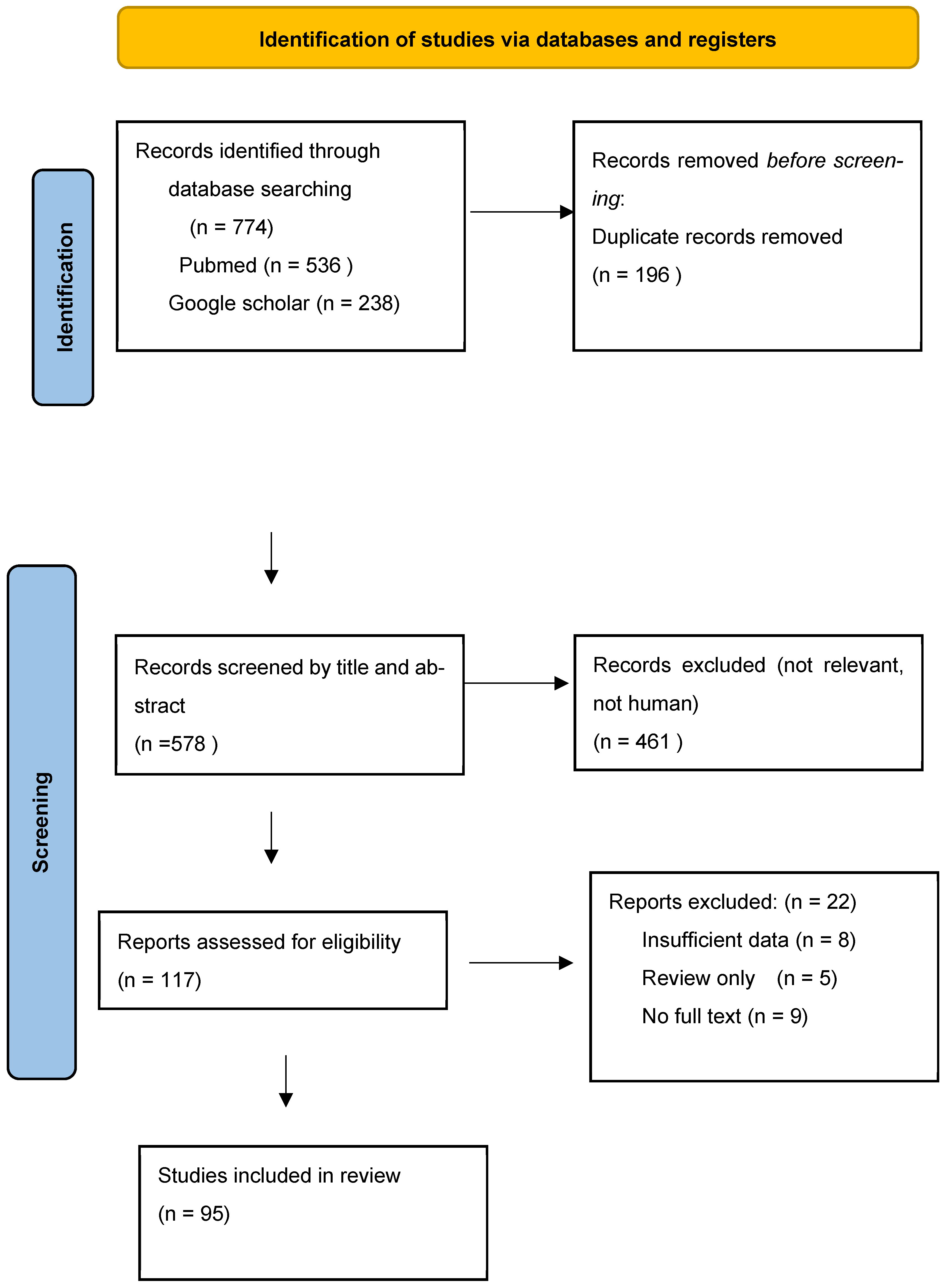
Following duplicate removal, records were screened in two sequential stages. First, titles and abstracts were reviewed to exclude clearly irrelevant studies. Second, full-text articles were assessed for eligibility based on predefined inclusion and exclusion criteria. Studies were eligible for inclusion if they addressed determinants of maternal RSV vaccination uptake, parental preferences between preventive strategies, real-world implementation data, economic or modelling analyses, or policy-relevant contextual factors. Randomized controlled trials evaluating vaccine efficacy were included selectively for contextual interpretation but were not the primary focus of behavioral synthesis. Studies were excluded if they were unrelated to RSV prevention, limited to preclinical or immunogenicity-only outcomes without behavioral or implementation relevance, or lacked sufficient empirical data, unless they provided substantive policy insight. Study selection decisions were reviewed by the authors, and discrepancies were resolved through discussion. The study selection process is illustrated in Figure 1.
The diversity of study designs, populations, and outcome definitions precluded meaningful quantitative pooling of results; therefore, quantitative meta-analysis was not undertaken. Findings were synthesized narratively and organized thematically across behavioral, structural, economic, and policy-level determinants within a multilevel analytical framework. Given the narrative design and methodological heterogeneity, formal risk-of-bias tools were not applied. However, key quality features—including study design, sample size, clarity of outcome definitions, and potential sources of bias—were considered when interpreting the strength and consistency of the evidence. A summary of included representative empirical studies is provided in Table 1. A complete list of included studies is provided in Supplementary Table S2. While a formal systematic review methodology was not applied, efforts were made to ensure a comprehensive and balanced synthesis through structured search strategies, predefined inclusion criteria, and careful consideration of study characteristics and potential sources of bias during data interpretation.

3. Epidemiological and Clinical Context

RSV remains a leading cause of hospitalization among infants globally, particularly during the first six months of life [1]. Surveillance data from diverse regions—including Europe—consistently demonstrate substantial early-life morbidity and healthcare utilization [6], while seasonal peaks continue to exert pressure on pediatric services [7].
Post-pandemic disruptions in viral transmission altered traditional RSV seasonality, producing atypical resurgences and increased susceptibility among previously unexposed cohorts [9]. These shifts have reinforced the need for preventive strategies capable of protecting infants during the period of highest vulnerability to severe LRTI.
The biological rationale for maternal RSV vaccination is grounded in maternal–fetal immune mechanisms. Transplacental transfer of maternal immunoglobulin G provides passive neonatal protection during early infancy, when endogenous immune responses are immature [4]. Empirical evidence confirms efficient antibody transfer and early-life persistence of RSV-specific antibodies [5], although physiological antibody decline limits the duration of passive protection and highlights the need for optimally timed antenatal vaccination [5,43]. In addition to pathogen-specific benefits, maternal vaccination may also reduce neonatal infections and subsequent antibiotic exposure, aligning with broader antimicrobial stewardship goals [44].
Consistent with accumulated clinical and post-licensure evidence, randomized trials, pooled analyses, and real-world effectiveness studies demonstrate substantial protection against RSV-associated lower respiratory tract infection and hospitalization in early infancy following maternal RSVpreF vaccination and long-acting monoclonal antibody administration, including nirsevimab [2,12,13,14,19,20,44,45,46,47,48,49]. Additional post-licensure pharmacovigilance and obstetric data have not identified significant safety concerns [14,17,18,45,50], and early programmatic implementation has been associated with measurable reductions in RSV-related hospitalizations in several settings [21,22].
Despite strong clinical and effectiveness evidence, translation into sustained public health impact depends on implementation performance and equitable maternal uptake. Durable reductions in RSV morbidity depend on timely administration and adequate, equitable uptake of maternal vaccination during pregnancy. Understanding determinants of acceptance, access, and coverage is therefore essential to bridging the gap between clinical efficacy and real-world public health benefit.

4. Determinants of Maternal RSV Vaccination Uptake

Maternal uptake of RSV vaccination is shaped by interacting determinants across individual, interpersonal, structural, and policy domains [30,31,32,33,34,35,36,51,52], summarized in Table 2. Importantly, the relative influence of these determinants is not uniform, with healthcare provider recommendation, safety confidence, and perceived infant risk emerging as consistently dominant drivers across studies. In this review, behavioral (individual-level) determinants refer to maternal perceptions, beliefs, and attitudes influencing vaccination intention; interpersonal determinants relate to interactions with healthcare providers and social influences; structural determinants encompass health system characteristics such as access, reimbursement, and service delivery; and policy-level determinants include national recommendations, regulatory frameworks, and institutional endorsement. These categories reflect distinct but interacting levels of influence, ranging from individual cognitive drivers to system-level and policy determinants that shape implementation [53,54,55].
While robust clinical efficacy and post licensure safety data provide the foundation for program implementation [2,12,19,20,50], maternal decision making remains inherently multidimensional, shaped by risk perception, trust, access, and contextual influences. The multilevel framework adopted in this review aligns with established implementation models such as CFIR and the Theoretical Domains Framework [53,54,55], strengthening conceptual coherence and facilitating the translation of identified determinants into targeted implementation strategies.

4.1. Distinguishing Intention from Observed Uptake

Intention and preference studies rely on hypothetical scenarios and may not directly translate into real-world behavior. In contrast, observed uptake reflects the influence of additional structural, financial, and service delivery factors that shape implementation under routine conditions. For this reason, intention and preference findings are interpreted separately from observed coverage data throughout this review, in line with established distinctions in behavioral and implementation research.

4.2. Determinants of Vaccination Intention

Determinants of vaccination intention primarily reflect behavioral and cognitive processes, including risk perception, safety concerns, and perceived benefits, which shape hypothetical acceptance under anticipated conditions rather than actual vaccination behavior.
Perceived Infant Risk and Disease Severity
Reported intention to accept maternal RSV vaccination varies across settings. In an England-wide survey, 89.5% of respondents reported willingness to receive maternal RSV vaccination, indicating high baseline acceptance under hypothetical conditions [31]. Perceived susceptibility to and severity of RSV infection in early infancy consistently predict maternal intention to vaccinate [30,32,35]. In a Greek cohort, heightened perception of disease severity and infant vulnerability was associated with greater acceptance of maternal vaccination [30], with similar associations observed in Italy and North America, where recognition of RSV as a significant cause of infant hospitalization increased willingness to vaccinate [32,35].
Baseline awareness and perceived risk of RSV vary across populations [31,33]. Higher perceived likelihood of infant RSV illness and positive vaccine attitudes have been consistently associated with greater willingness to accept maternal vaccination and infant monoclonal antibodies [33], underscoring the importance of risk communication within implementation strategies. Qualitative data from Australia show that mothers seek clear, consistent, provider-endorsed information, and that informational gaps may delay decision-making [56].
Evidence from Asia aligns with these findings. In Taiwan, greater RSV knowledge and higher perceived risk were associated with increased willingness to accept infant RSV vaccination [37]; in Japan, knowledge of disease and vaccine characteristics correlated with favorable attitudes [57]; and in Turkey, greater awareness was linked to more positive views toward immunization [58]. Collectively, these studies underscore that informational deficits and perceived disease risk represent consistent—and modifiable—determinants of maternal decision-making.
Perceived Vaccine Effectiveness
Perceived effectiveness is closely tied to risk appraisal. Survey data indicate that higher perceived likelihood of infant RSV illness and positive vaccine attitudes are associated with greater willingness to accept maternal RSV vaccination and infant monoclonal antibodies [33]. While the behavioral impact of communicating real-world effectiveness data has not been directly quantified, the association between perceived benefit and intention suggests that evidence of vaccine effectiveness may play an important role in shaping maternal decision-making [32,33,48,50].
Safety Concerns During Pregnancy
Safety concerns remain the most consistently reported barrier to maternal RSV vaccine acceptance [31,34]. In England, uncertainty regarding vaccine safety was the principal driver of hesitancy [31], while Canadian respondents with safety reservations were more likely to prefer infant monoclonal antibody strategies [34].
Accumulating evidence does not indicate major safety signals: meta-analyses and obstetric cohort studies demonstrate robust immunogenicity without increased perinatal risk [14,15,17,59]. Nonetheless, hesitancy persists, highlighting divergence between objective safety evidence and subjective risk perception [60]. Broader analyses situate vaccine decisions within dynamics of institutional trust and communication [60]. Transparent, dialogue-based counselling remains central, while digital discourse analyses reveal recurring safety narratives and trust-related concerns influencing maternal appraisal [61].
Prior Maternal Vaccination Behavior
Previous acceptance of pertussis or influenza vaccination predicts willingness to receive the RSV vaccine [30,32,33,36]. These decisions are embedded within broader antenatal immunization culture, with variations influenced by provider recommendation and healthcare setting practices [62].
Comparative Evaluation of Preventive Strategies as a Determinant of Maternal Uptake
A distinctive feature of RSV prevention is the simultaneous availability of maternal vaccination and infant monoclonal antibody prophylaxis, creating a comparative decision environment [32]. Importantly, this comparative evaluation constitutes a key behavioral determinant of maternal vaccination uptake, as decisions are made between alternative preventive options rather than in isolation.
Data from Canada (COVERED Study) illustrate this pattern, with 77% of participants indicating willingness to accept maternal RSV vaccination compared with 55% for infant monoclonal antibodies, and 79% expressing a preference for maternal vaccination [34]. Despite overall high acceptance of both modalities, preference may shift toward infant monoclonal antibodies when concerns regarding vaccination during pregnancy are present [34]. Preferences are shaped by perceived maternal safety, directness of infant protection, trust in healthcare providers, and prior antenatal vaccination experience.
Comparable patterns have been observed in the United Kingdom, where safety perceptions and trusted healthcare advice emerged as principal determinants of preference [63]. Additional survey data confirm that perceptions of maternal safety, direct infant protection, and institutional trust influence acceptance and comparative considerations [38,64], while perspectives from immigrant communities highlight further cultural and communication dimensions [65]. Economic modelling suggests that perceived trade-offs between intervention characteristics may also influence stated preferences [66,67].
These findings demonstrate that maternal vaccination intention is shaped within a comparative decision-making context involving parallel preventive options, and that such comparative processes directly influence potential uptake [32,34,38]. Importantly, these strategies are delivered through distinct clinical and organizational pathways, with maternal vaccination integrated into antenatal care services and monoclonal antibody prophylaxis implemented through neonatal and paediatric care settings [40,51]. These approaches differ in timing, target population, clinical indication, and reimbursement and delivery structures within healthcare systems [23,24,25,26,66], highlighting the role of structural and behavioral distinctions in shaping maternal preferences and informing the comparative framework summarized in Table 3 [39,51].
Interpersonal Determinants: Healthcare Provider Influence
Healthcare provider recommendation is one of the most consistently identified facilitators of maternal RSV vaccine acceptance [30,31,34,36]. In the England-wide survey, willingness to receive antenatal RSV vaccination increased substantially when recommended by a trusted healthcare professional [31]. Comparable findings were observed in Greece and Canada, where endorsement from obstetricians or midwives significantly influenced intention [30,34].
Mixed-methods evidence suggests that the strength, clarity, and timing of provider recommendation are critical factors [36]. Provider communication serves as a bridge between scientific evidence and maternal decision-making, mediating interpretation of safety and effectiveness data.
These findings are consistent with established patterns observed in other antenatal vaccination programs, reinforcing the central role of obstetric care providers in promoting vaccination intention and acceptance.
Sociodemographic and Contextual Determinants
Associations between sociodemographic characteristics and maternal RSV vaccine acceptance appear context-dependent. Education level has been associated with increased willingness in some studies, potentially reflecting differences in health literacy and access to information [30,35]. However, effect sizes and consistency vary across populations.
Cross-national differences in intention and preference further suggest the influence of contextual factors, including institutional trust, prior experience with antenatal vaccination campaigns, and broader cultural attitudes toward vaccination [30,31,34,35].

4.3. Determinants of Observed Uptake

Vaccination uptake reflects the translation of intention into behavior and is conceptually distinct from stated intention, as it represents realized behavior under real-world conditions. It is shaped by structural and system-level determinants, including healthcare access, service organization, reimbursement policies, and delivery infrastructure, which collectively determine the feasibility of translating intention into actual vaccination behavior. Real-world data from a US cohort study reported maternal RSV vaccination uptake of 64.0% among eligible pregnant individuals, with 70.1% of eligible neonates receiving nirsevimab and overall RSV protection exceeding 80% during most of the study period [68].
Health System and Structural Determinants
Real-world data demonstrate variability in maternal RSV vaccination uptake across healthcare systems [52]. Differences in national policy endorsement, reimbursement mechanisms, integration into antenatal care pathways, and logistical accessibility appear to shape program performance. Implementation contexts characterized by clear recommendations and coordinated delivery structures tend to exhibit more consistent uptake, whereas fragmented systems may experience slower or uneven adoption [51,52].
Professional society endorsement constitutes an additional structural determinant influencing program implementation. A recent position statement from the Mexican Association of Pediatrics outlining recommendations for immunoprevention of RSV during pregnancy and infancy reflects growing institutional support for maternal vaccination strategies within Latin America [29]. Such national-level guidance may shape provider recommendation behavior, facilitate policy alignment, and promote integration of maternal RSV vaccination into routine antenatal care services.
Programmatic infrastructure and financing mechanisms can also directly influence access to RSV preventive products. In the United States, expansion of birthing hospital enrollment in the Vaccines for Children program was implemented to facilitate infant immunization against RSV and reduce structural barriers at the point of care [69]. This example illustrates how policy instruments and funding frameworks can enhance equitable access, particularly for socioeconomically vulnerable populations, and demonstrates the role of system-level interventions in translating recommendations into practice.
Discrete choice experiment findings from The Netherlands indicate that cost, convenience, and delivery setting significantly influence vaccination uptake and implementation [52]. These results suggest that structural accessibility—including financial coverage, integration into routine antenatal visits, and minimization of additional appointments—plays a critical role in translating intention into actual uptake.
Nationwide survey data from Japan further illustrate how structural and policy contexts shape coverage [39]. In that setting, maternal RSV vaccine uptake was influenced not only by individual-level attitudes but also by healthcare system factors such as access pathways and provider engagement. This underscores that behavioral determinants operate within broader organizational frameworks that can either facilitate or constrain vaccination. Complementary qualitative evidence highlights additional barriers unique to the Japanese context, including limited public awareness of maternal RSV vaccination, insufficient provider recommendation, and uncertainty regarding reimbursement mechanisms [70]. These findings emphasize that even in health systems with established antenatal care infrastructure, information gaps and policy ambiguity can hinder program uptake. Broader regional commentaries further contextualize these structural challenges. In Southern Europe, strengthening routine antenatal care and integrating maternal vaccination within established obstetric services have been identified as key strategies to close the maternal vaccination gap and ensure equitable implementation of new RSV prevention programs [40].
When maternal RSV vaccination is embedded within established antenatal vaccination programs, operational barriers may be reduced and provider recommendation more consistently implemented. Conversely, unclear reimbursement policies, supply instability, or limited integration into routine antenatal pathways may constrain program performance despite generally favorable maternal attitudes. These structural conditions therefore influence the degree to which individual intention can translate into sustained and equitable program delivery. The multilevel framework presented here reflects an integrative conceptual synthesis derived from convergent behavioral and implementation evidence rather than a single predefined theoretical model.
Equity and Sociodemographic Disparities in Uptake
Although preliminary analyses suggest potential disparities, comprehensive population-level equity assessments of observed maternal RSV vaccine uptake remain limited. Early variability in coverage across implementation settings indicates that structural and socioeconomic factors may influence access to and uptake of vaccination [51].

4.4. Real-World Uptake and Early Implementation Signals

Despite established clinical efficacy and early real-world effectiveness [12,19,20], observed program coverage remains heterogeneous [51]. A recent systematic review and meta-analysis identified marked cross-national variability in uptake, reflecting differences in policy endorsement, reimbursement mechanisms, and delivery structures [51]. National data from Japan demonstrated measurable but variable maternal vaccine coverage shaped by perceived infant risk, provider recommendation, and safety confidence [39]. Similar patterns emerged in the United States, where a multicentre cohort reported concurrent RSVpreF and nirsevimab uptake with modest overall coverage, gradual seasonal increases, and persistent sociodemographic disparities [68]. Provider preparedness further influenced implementation: surveys of Turkish pediatricians revealed variability in familiarity with RSV prevention strategies [71], while US physicians’ perceptions of disease burden and preventive preferences affected counselling practices [72].
Socioeconomic gradients also modulate coverage. In France, adherence to the nirsevimab campaign was associated with sociodemographic and healthcare access variables [41], and early UK data showed comparable disparities without excess adverse obstetric outcomes [42]. US surveillance during the 2023–2024 season documented expanding but incomplete infant protection through maternal vaccination and/or nirsevimab [73], with additional state-level and Vaccine Safety Datalink analyses confirming site-level and demographic variability in uptake [74,75,76].
In Europe, Austrian real-world data linked uptake of RSVpreF vaccination and nirsevimab with reductions in RSV disease burden [77], and surveillance in the United States and Italy similarly documented post-implementation declines in RSV-associated hospitalizations [21,22,78]. Although bronchiolitis admissions are not exclusively RSV-related, these convergent findings suggest that coordinated deployment can reduce seasonal pediatric respiratory morbidity. Accurate estimation of maternal vaccine coverage depends on surveillance quality; Australian data highlighting discrepancies between registry-based and administrative reporting underscore the importance of robust data linkage and completeness [79].
Overall, structured and coordinated implementation can translate demonstrated biological efficacy into measurable population-level benefit. However, much of the behavioral literature continues to assess stated intention rather than verified vaccination behavior [30,31,34], underscoring the need to integrate behavioral insights with implementation data to clarify how determinants operate under routine program conditions.

5. Cross-Cutting Themes and Research Gaps

Several cross-cutting themes emerge from the current evidence base. First, the distinction between vaccination intention and observed uptake remains insufficiently characterized. Although high levels of stated willingness have been reported—reaching 89.5% in UK survey data—real-world uptake remains more variable across settings, highlighting a persistent gap between intention and observed vaccination behavior [31,51,68]. This divergence highlights a persistent gap between intention and uptake, underscoring the need for implementation-focused research. Overall, while several determinants are recurrent across settings, their relative impact is shaped by the interaction between behavioral, structural, and policy-level factors within specific implementation contexts. Most behavioral studies rely on cross-sectional designs assessing hypothetical acceptance rather than longitudinal vaccination behavior, limiting causal inference regarding determinants of actual uptake. Broader maternal vaccination research similarly identifies gaps in understanding how behavioral drivers interact with structural and policy-level factors during pregnancy [80]. Addressing these gaps requires prospective, registry-linked cohort studies capable of examining how intention translates into uptake, supported by large-scale data linkage for accurate coverage and outcome assessment [81].
Second, comparative decision-making now defines the RSV prevention landscape. The coexistence of maternal vaccination and infant monoclonal antibody prophylaxis creates a dual-strategy framework distinct from traditional antenatal programs, with maternal vaccination providing transplacental protection and monoclonal antibodies offering direct infant protection [32,34,82]. Policy developments—including ACIP recommendations for clesrovimab in the United States [83] and European endorsement of maternal RSV vaccination [84]—reflect increasing institutional integration. At the individual level, preferences are shaped by safety perceptions, perceived control, and timing of protection, reflecting decision-making processes that may not translate into real-world uptake, while modelling shows that population-level impact depends on coverage, timing, and implementation efficiency [23].
From a health system perspective, these strategies operate through parallel but distinct implementation pathways, with maternal vaccination delivered within antenatal care services and monoclonal antibodies administered through neonatal or paediatric platforms [32,34,51]. This separation has implications for program design, resource allocation, reimbursement structures, and workforce coordination [23,24,25,26,66,67], underscoring the need for integrated but pathway-specific implementation strategies and reinforcing the distinction between stated preferences and observed uptake [39,51].
Economic evaluations demonstrate strong context sensitivity, with cost-effectiveness varying according to epidemiology, pricing, health system capacity, financing, and achievable coverage across settings [24,25,26,66,85,86]. Comparative modelling from Canada and the United States further shows that projected impact depends on product characteristics, baseline disease burden, and coverage assumptions [87,88,89], while a systematic review highlights substantial heterogeneity in modelling approaches [90].
Epidemiological modelling emphasizes the importance of temporal alignment. Regional variability in RSV seasonality influences optimal intervention timing [91], and alignment with local transmission dynamics significantly affects projected effectiveness and cost-efficiency [92]. Dynamic models further highlight sensitivity to coverage, duration of protection, and baseline epidemiology [93], indicating that optimization requires integration of epidemiological, economic, and health system factors.
Third, the translation of safety and effectiveness evidence into behavioral change remains incompletely understood. Although post-marketing surveillance, pooled analyses, and observational data have not identified unexpected safety signals [2,14,17,50], safety concerns persist [31,34]. Evidence on how communication of safety and real-world effectiveness influences uptake remains limited, and experimental or implementation-focused studies are scarce. Consequently, the mechanisms through which updated evidence shapes vaccination behavior remain underexplored, particularly regarding the transition from intention to uptake.
Digital information environments may further influence maternal risk appraisal. Social media analyses from Italy identify recurring safety narratives, institutional trust dynamics, and comparative framing of preventive options during early rollout [61], suggesting that public discourse may influence decision-making alongside clinical counselling.
Fourth, generalizability is constrained by the concentration of behavioral evidence in high-income settings. Although modelling studies expand geographic representation [24,25,26], substantial gaps remain in context-specific behavioral and implementation data. Additional modelling studies highlight sensitivity to epidemiology and timing across settings [52,85,86,89,91,93]. Given the global RSV burden [1], context-specific research is essential to support equitable and effective implementation.

6. Equity and Ethical Considerations

Equitable implementation of maternal RSV vaccination requires addressing both structural access barriers and the conditions that support informed, autonomous decision-making. While higher education and health literacy have been associated with increased intention to vaccinate [30,35], systematic analyses of inequities in observed coverage and real-world uptake remain limited. Available evidence indicates that reimbursement mechanisms, policy endorsement, and integration into routine antenatal care shape differential access to and uptake of vaccination across settings [51]. Equity concerns are particularly salient given the disproportionate RSV burden in low- and middle-income countries [1]. The vast majority of global RSV-related deaths occur in LMICs, making equitable access to maternal RSV vaccination a public health and ethical imperative. This distinction is particularly relevant in equity analyses, where favorable attitudes may coexist with structural barriers that limit actual vaccine uptake.
Most behavioral and implementation evidence derives from high-income contexts, where studies from Europe and North America consistently document the influence of safety perceptions, prior vaccination behavior, and provider recommendation on intention, preference, and uptake [30,31,32,33]. Canadian and Italian investigations reinforce these patterns [34,35,36].
In contrast, emerging LMIC data remain comparatively sparse. A feasibility study from the Gambia reported generally favorable attitudes toward maternal RSV vaccination but also highlighted concerns related to healthcare access, information provision, and trust in antenatal services [94]. Modelling from South Africa projected substantial mortality reductions, with benefits outweighing potential risks across diverse epidemiological scenarios [6]. Together, these findings suggest that maternal RSV vaccination could meaningfully contribute to child survival strategies in high-burden settings, provided structural and financial barriers are addressed.
Global analyses underscore that equitable deployment requires coordinated policy action. Key barriers include financing constraints, supply limitations, regulatory heterogeneity, cold-chain requirements, and uneven integration into maternal and child health systems [95]. Without pooled procurement strategies, tiered pricing, and strengthened antenatal platforms, new RSV preventive technologies risk widening existing disparities. Early implementation data from high-income countries demonstrate reductions in RSV-associated hospitalizations following maternal vaccination and/or monoclonal antibody rollout [21,22], but achieving similar impact in lower-resource settings will depend on affordability, supply chain reliability, antenatal care coverage, and timely access. Documented cross-national variation in uptake further illustrates the risk of inequitable deployment [51].
Ethically, maternal RSV vaccination requires balancing clear communication of infant benefit with respect for maternal autonomy. Safety concerns during pregnancy remain influential [31,34], making transparent communication of post-marketing surveillance [50], pooled safety analyses [14], and real-world effectiveness evidence [19,20] essential to maintaining trust. In dual-strategy contexts, clear explanation of comparative mechanisms, timing, and duration of protection supports informed decision-making [32,34,52]. Achieving equity therefore requires more than biological efficacy: it demands coordinated financing, strengthened antenatal systems, robust monitoring, and ethically grounded communication strategies that support informed decision-making and facilitate equitable uptake.

7. Implications for Clinical Practice and Policy

Effective implementation of maternal RSV vaccination requires coordinated action across behavioral, structural, economic, and health system domains, addressing both determinants of vaccination intention and the factors enabling translation into real-world uptake. Healthcare provider engagement remains foundational, as strong recommendation from obstetricians or midwives consistently increases maternal willingness to vaccinate [30,31,34,36]. Provider training should prioritize clear communication of safety and effectiveness evidence, including real-world protection data [19,20], pooled safety analyses [14], and population-level obstetric outcomes [17,18], ensuring counselling is evidence-based and responsive to maternal concerns. However, provider recommendation alone may be insufficient without enabling structural and system-level conditions.
Embedding RSV vaccination within routine antenatal immunization pathways can reduce logistical barriers and enhance uptake [51]. National recommendations and professional society endorsement—including recent Latin American guidance [27]—strengthen policy coherence and provider confidence. Structural reforms, such as expanding birthing hospital participation in the Vaccines for Children program in the United States, illustrate how financing and delivery mechanisms can promote equitable access [69]. Updated Swedish guidelines further demonstrate alignment between prevention strategies and clinical management pathways [28], underscoring the importance of integration into established maternal–child health infrastructures. Importantly, maternal vaccination and monoclonal antibody prophylaxis are delivered through distinct clinical pathways, requiring coordination across antenatal and neonatal/paediatric services [32,34,51]. These strategies differ in indication, timing, reimbursement mechanisms, and delivery infrastructure [23,24,25,26,66], necessitating tailored implementation approaches rather than a unified delivery model. Collectively, these findings highlight the role of structural determinants in translating favorable maternal attitudes into actual vaccination behavior [39,40,51].
Given the availability of alternative preventive options, counselling must clearly articulate mechanisms, timing, duration of protection, and the complementary roles of maternal vaccination and monoclonal antibodies [32,34,52]. Modelling indicates that population-level impact depends on coverage, timing, and implementation efficiency [23], while cost-effectiveness varies according to pricing and resource constraints across settings [24,25,26]. Regional variation in RSV seasonality necessitates alignment of immunization schedules with local transmission dynamics [91], reinforcing the need for context-specific strategies. Clear communication may support informed decision-making but must be accompanied by accessible delivery pathways to ensure uptake.
Beyond RSV-specific outcomes, maternal vaccination may contribute to broader neonatal infection prevention and antimicrobial stewardship efforts [44], supporting integration within comprehensive maternal–child health strategies.
Robust surveillance systems are essential to monitor coverage, safety, equity indicators, and seasonality alignment during rollout [51]. Strengthened data linkage and real-time monitoring enable early identification of disparities, guide corrective action, and ensure that demonstrated biological efficacy translates into consistent, equitable delivery. Ultimately, successful implementation depends not only on biological performance but on the capacity of health systems to translate intention into sustained, equitable uptake.

8. Limitations

This narrative review has several limitations. First, the synthesis reflects substantial heterogeneity in the available evidence base, spanning cross-sectional surveys, qualitative studies, discrete choice experiments, modelling analyses, and observational effectiveness data. Variation in study design, populations, measurement tools, and outcome definitions—particularly the distinction between stated intention, expressed preferences, and documented real-world uptake—limits direct comparability across studies and precludes quantitative aggregation [51]. Conceptual constructs such as risk perception, trust, and safety concerns are operationalized inconsistently, and few studies employ validated behavioral measures, reducing construct validity and limiting the transferability of findings. In addition, the literature search was conducted primarily using PubMed/MEDLINE, supplemented by targeted grey literature searches, and did not include other databases such as Embase. This may have limited the comprehensiveness and reproducibility of study identification.
Second, most behavioral and implementation evidence originates from high-income countries, constraining generalizability to low- and middle-income settings where antenatal care coverage, health-system capacity, financing mechanisms, and cultural norms differ substantially [94,95]. Although modelling studies broaden geographic representation [6], empirical data on program integration, verified coverage, and real-world implementation in high-burden regions remain limited. Structural and cultural determinants—such as medicalization of antenatal care, provider-driven decision-making, and norms surrounding medical interventions during pregnancy—are insufficiently examined across settings.
Third, a substantial proportion of behavioral investigations assess stated vaccination intention rather than documented real-world vaccination behavior, limiting the ability to accurately estimate coverage dynamics and to understand how behavioral determinants translate into actual uptake under routine program conditions. This distinction represents a key limitation of the current evidence base, as intention does not consistently predict observed vaccination behavior. Early implementation data are emerging but remain temporally constrained and subject to reporting variability, registry completeness, and differential access to antenatal services [79].
Fourth, comparative evidence on maternal vaccination and infant monoclonal antibodies remains incomplete. Few studies evaluate real-world preferences, sequencing strategies, or the behavioral and operational implications of dual-strategy availability. As a result, the impact of comparative framing, perceived control, and timing of protection on actual uptake remains insufficiently characterized, particularly with respect to how these factors influence real-world uptake decisions.
Fifth, economic and transmission models rely on assumptions regarding seasonality, duration of protection, baseline disease burden, pricing structures, and achievable coverage levels. These parameters vary across settings and over time, and updates as programs mature may meaningfully alter projected impact and cost-effectiveness estimates [23,90,92]. Incorporating empirically derived uptake parameters, health-system constraints, and context-specific delivery pathways would enhance policy realism.
Finally, few studies apply formal implementation science frameworks such as CFIR, TDF, or RE-AIM. The absence of structured implementation constructs limits the ability to identify modifiable determinants, specify mechanisms of action, and design scalable, context-adapted implementation strategies. Post-marketing surveillance and real-world effectiveness data remain limited given the recency of program introduction, underscoring the need for robust pharmacovigilance, data linkage, and equity-focused monitoring systems.
Despite these limitations, the convergence of biological, clinical, behavioral, economic, and implementation evidence provides a coherent foundation for understanding both determinants of vaccination intention and the structural factors shaping real-world uptake, thereby informing future research and policy deliberation.

9. Future Perspectives

Several priority directions emerge for advancing evidence and policy on maternal RSV vaccination. First, prospective longitudinal and registry-linked cohort studies are needed to characterize determinants of documented maternal vaccination behavior and to better understand how stated intention translates into real-world uptake under routine program conditions [51,81]. Linkage between antenatal immunization registries, birth records, and infant outcome datasets would enable accurate assessment of program participation, safety surveillance, and effectiveness across diverse implementation settings [79].
Second, comparative effectiveness and optimization research should continue to evaluate maternal vaccination and monoclonal antibody strategies within dynamic, context-specific frameworks. Modelling consistently shows that projected public health impact and cost-effectiveness are highly sensitive to achievable coverage and seasonal timing [23,91], while additional transmission and optimization models highlight the influence of pricing structures, baseline epidemiology, and program uptake parameters [87,90,93]. Incorporating empirically derived uptake patterns and health-system constraints into economic and transmission models would substantially enhance policy realism, particularly in capturing the gap between projected coverage and observed real-world uptake.
Third, research on communication, risk perception, and decision-making is needed to clarify how evolving safety and real-world effectiveness evidence shapes maternal choices and influences the translation of intention into actual vaccination behavior [31,34]. Experimental and implementation-oriented studies evaluating message framing, provider counselling strategies, and digital information environments are particularly warranted, given evidence that public discourse influences vaccine attitudes during early rollout phases [61].
Fourth, expanding implementation research in low- and middle-income countries is essential. While modelling suggests substantial mortality and morbidity benefits in high-burden settings [6], and feasibility studies indicate general acceptability in African contexts [94], empirical data on health-system integration, financing mechanisms, and verified coverage remain limited. Achieving equitable global impact will require coordinated procurement strategies, context-adapted delivery models, and strengthened antenatal care infrastructure [95].
Finally, sustained pharmacovigilance and real-world effectiveness evaluation will be critical as programs mature. Transparent reporting frameworks, including post-marketing surveillance [2,14,50], are necessary to maintain public confidence, support adaptive policy refinement, and ensure that implementation translates into sustained and equitable uptake.

10. Conclusions

Maternal RSV vaccination represents a major advance in early-life infectious disease prevention, supported by strong biological rationale, robust clinical efficacy, and emerging real-world effectiveness. Within the current dual-strategy landscape, maternal vaccination—together with long-acting monoclonal antibodies—offers a realistic opportunity to substantially reduce RSV-associated hospitalization and infant respiratory morbidity, provided that effective implementation translates into high and sustained uptake. Yet biological performance alone cannot secure population-level benefit. A critical challenge lies in bridging the gap between favorable maternal attitudes and actual vaccination behavior under real-world conditions. Sustained and equitable impact depends on high coverage, seamless integration into antenatal care systems, context-sensitive policy implementation, and transparent communication addressing safety, effectiveness, and the comparative roles of available preventive options. By synthesizing behavioral, structural, economic, and policy determinants within a unified analytical framework, this review clarifies both the behavioral determinants of vaccination intention and the structural factors shaping real-world uptake, providing a strategic foundation for implementation research, policy translation, and equitable global deployment.

Supplementary Materials

The following supporting information can be downloaded at: https://www.mdpi.com/article/10.3390/vaccines14040293/s1, Supplementary Table S1. Detailed Search Strategy and Eligibility Criteria; Supplementary Table S2. Characteristics of Included Empirical Studies Examining Determinants and Uptake of Maternal RSV vaccination (2023–2026).

Author Contributions

Conceptualization, A.I.N. and F.L.; methodology, A.I.N. and F.L.; validation, A.I.N. and F.L.; formal analysis, A.I.N. and F.L.; investigation, A.I.N.; writing—original draft preparation, A.I.N.; writing—review and editing, A.I.N., A.S., G.-C.G., V.G. and F.L.; supervision, A.S., V.G. and F.L. All authors have read and agreed to the published version of the manuscript.

Funding

This research received no external funding.

Institutional Review Board Statement

Ethics approval was not required for this review study.

Informed Consent Statement

Not applicable.

Data Availability Statement

No new data were created or analyzed in this study. Data sharing is not applicable to this article.

Conflicts of Interest

The authors declare no conflicts of interest.

References

  1. World Health Organization. Respiratory Syncytial Virus (RSV). Available online: https://www.who.int/teams/immunization-vaccines-and-biologicals/diseases/respiratory-syncytial-virus-(rsv) (accessed on 23 October 2025).
  2. Lee, B.; Trusinska, D.; Ferdous, S.; Pei, R.; Kwok, H.H.Y.; Schwarze, J.; Williams, T.C.; Gibbons, C.; Quint, J.K.; Sheikh, A.; et al. Real-world effectiveness and safety of nirsevimab, RSV maternal vaccine and RSV vaccines for older adults: A living systematic review and meta-analysis. Thorax 2025, 80, 838–848. [Google Scholar] [CrossRef] [Scilit]
  3. Falsey, A.R.; Williams, K.; Gymnopoulou, E.; Bart, S.; Ervin, J.; Bastian, A.R.; Menten, J.; De Paepe, E.; Vandenberghe, S.; Chan, E.K.H.; et al. Efficacy and Safety of an Ad26.RSV.preF–RSV preF Protein Vaccine in Older Adults. N. Engl. J. Med. 2023, 388, 609–620. [Google Scholar] [CrossRef] [Scilit]
  4. Foley, D.A.; Phuong, L.K. RSV: An update on prevention and management. Aust. Prescr. 2025, 48, 34–39. [Google Scholar] [CrossRef] [Scilit] [PubMed]
  5. Monoi, A.; Endo, A.; Procter, S.R.; Leuba, S.I.; Flasche, S.; Jit, M. Maternal RSV Vaccine Benefit-Risk Advisory Group. The benefits and risks of maternal RSV vaccination on mortality in South Africa: A modeling study. PLoS Med. 2026, 23, e1004625. [Google Scholar] [CrossRef] [Scilit]
  6. Gourzoulidis, G.; Solakidi, A.; Markatis, E.; Detsis, M.; Siahanidou, T.; Dimitriou, G.; Charitou, A.; Tzanetakos, C.; Mendes, D.; Barmpouni, M. Burden of respiratory syncytial virus disease in infants and the potential value of maternal immunization in Greece. Front. Public Health 2025, 13, 1611483. [Google Scholar] [CrossRef] [Scilit]
  7. Parish, M.A.; Klein, S.L. Maternal–fetal impact of respiratory viral infections: Immune mechanisms and clinical outcomes. Immunol. Rev. 2026, 337, e70099. [Google Scholar] [CrossRef] [Scilit] [PubMed]
  8. Kosaka, Y.; Ito, T.; Hattori, K.; Saito, A.; Okuda, Y.; Ochiai, D.; Ishikura, K.; Katayama, K.; Nakayama, T. Transplacental transfer of antibodies against pertussis and respiratory syncytial virus and follow-up after birth. J. Infect. Chemother. 2026, 32, 102877. [Google Scholar] [CrossRef] [Scilit] [PubMed]
  9. Koloi, A.; Dimopoulou, D.; Papakonstantinou, D.; Damianos, G.; Korentzelou, V.; Kotzamani, M.T.; Neofytou, A.; Paraschos, C.; Pasparaki, S.D.; Rizargioti, A.; et al. Impact of COVID-19 pandemic on bronchiolitis epidemiology in Greece. Medicina 2025, 61, 1746. [Google Scholar] [CrossRef] [Scilit]
  10. Murray, A.; Chu, H.Y. A promise fulfilled: Updates on respiratory syncytial virus vaccines and monoclonal antibodies. J. Allergy Clin. Immunol. 2026, 157, 38–44. [Google Scholar] [CrossRef] [Scilit]
  11. Vain, N.E.; Manzoni, P.; Yeo, K.T. Respiratory syncytial virus: What’s new in prevention? Semin. Fetal Neonatal Med. 2025, 30, 101667. [Google Scholar] [CrossRef] [Scilit]
  12. Kampmann, B.; Madhi, S.A.; Munjal, I.; Simões, E.A.; Pahud, B.A.; Llapur, C.; Baker, J.; Marc, G.P.; Radley, D.; Shittu, E.; et al. Bivalent prefusion F vaccine in pregnancy to prevent RSV illness in infants. N. Engl. J. Med. 2023, 388, 1451–1464. [Google Scholar]
  13. Hammitt, L.L.; Dagan, R.; Yuan, Y.; Cots, M.B.; Bosheva, M.; Madhi, S.A.; Muller, W.J.; Zar, H.J.; Brooks, D.; Grenham, A.; et al. Nirsevimab for prevention of RSV in healthy late-preterm and term infants. N. Engl. J. Med. 2022, 386, 837–846. [Google Scholar] [CrossRef] [Scilit]
  14. Saad, K.; Alomari, O.; Dizdarogulları, G.E.; Mokresh, M.E.; Hussein, W.M.; Eyvazova, H.; Kaplan, O.; Ghahremanpour, G.K.; Hamam, M.; Api, M.; et al. Maternal RSV vaccine: A systematic review and meta-analysis of immunogenicity and perinatal safety. Immunol. Res. 2025, 73, 177. [Google Scholar] [CrossRef] [Scilit]
  15. Saif-Ur-Rahman, K.M.; King, C.; Whelan, S.O.; Blair, M.; Donohue, S.; Madden, C.; Kothari, K.; Sommer, I.; Harder, T.; Dauby, N.; et al. Efficacy and safety of respiratory syncytial virus vaccines. Cochrane Database Syst. Rev. 2025, 9, CD016131. [Google Scholar] [CrossRef] [Scilit]
  16. Alandijany, T.A.; Qashqari, F.S. Evaluating the efficacy, safety, and immunogenicity of FDA-approved RSV vaccines: A systematic review of Arexvy, Abrysvo, and mResvia. Front. Immunol. 2025, 16, 1624007. [Google Scholar] [CrossRef] [Scilit]
  17. Solsman, A.M.; Metz, T.D.; Benton, J.; Godfred-Cato, S. Maternal respiratory syncytial virus vaccination and preterm birth: A Utah statewide retrospective cohort study. Obstet. Gynecol. 2026, 147, 127–130. [Google Scholar] [CrossRef] [Scilit] [PubMed]
  18. Gabet, A.; Bertrand, M.; Jabagi, M.J.; Kolla, E.; Olié, V.; Zureik, M. Maternal and neonatal outcomes after respiratory syncytial virus prefusion F protein vaccination during pregnancy: Analysis from the 2024–2025 immunization campaign in France. Obstet. Gynecol. 2026, 147, 118–126. [Google Scholar] [CrossRef] [Scilit] [PubMed]
  19. Marc, G.P.; Vizzotti, C.; Fell, D.B.; Di Nunzio, L.; Olszevicki, S.; Mankiewicz, S.W.; Braem, V.; Rearte, R.; Atwell, J.E.; Bianchi, A.; et al. Real-world effectiveness of RSVpreF vaccination during pregnancy. Lancet Infect. Dis. 2025, 25, 1044–1054. [Google Scholar] [CrossRef] [Scilit]
  20. Williams, T.C.; Marlow, R.; Cunningham, S.; Drysdale, S.B.; Groves, H.E.; Hunt, S.; Iskander, D.; Liu, X.; Lyttle, M.D.; Mpamhanga, C.D.; et al. Bivalent prefusion F vaccination in pregnancy and RSV hospitalisation in infants in the UK. Lancet Child Adolesc. Health 2025, 9, 655–662. [Google Scholar] [CrossRef] [Scilit]
  21. Patton, M.E.; Moline, H.L.; Whitaker, M.; Tannis, A.; Pham, H.; Toepfer, A.P.; Taylor, C.A.; Goldstein, L.; Kirley, P.D.; Alden, N.B.; et al. Interim evaluation of RSV hospitalization rates. MMWR Morb. Mortal. Wkly. Rep. 2025, 74, 273–281. [Google Scholar] [CrossRef] [Scilit]
  22. Menegale, F.; Vezzosi, L.; Tirani, M.; Scarioni, S.; Odelli, S.; Morani, F.; Borriello, C.; Pariani, E.; Dorigatti, I.; Cereda, D.; et al. Impact of routine prophylaxis with monoclonal antibodies and maternal immunization. Euro Surveill. 2025, 30, 2400637. [Google Scholar] [CrossRef] [Scilit]
  23. Kieffer, A.; Ghemmouri, M.; Soudani, S.; Shin, T.; Hodges, E.; Greenberg, M.; Tribaldos, M.; Chit, A.; Beuvelet, M.; Neary, M.P.; et al. Comparison of the public health impact of RSV disease prevention options for infants: A static decision model of the US birth cohort. Expert Rev. Vaccines 2025, 24, 1086–1098. [Google Scholar] [CrossRef] [Scilit] [PubMed]
  24. Wang, Y.; Rui, M.; Wei, Q.; Leung, T.F.; Leung, T.Y.; You, J.H.S. Cost-effectiveness of maternal vaccination against respiratory syncytial virus in Hong Kong: A decision-analytical analysis. Expert Rev. Vaccines 2025, 24, 1015–1023. [Google Scholar] [CrossRef] [Scilit]
  25. Rave, N.; Sharma, A.K.; Chapagain, R.H.; Nguyen, A.; Pecenka, C.; Shaaban, F.L.; Bont, L.J.; Clark, A. RSV GOLD III—Health Economics Study Group. Cost-effectiveness of introducing a maternal vaccine or long-acting monoclonal antibody to prevent infant respiratory syncytial virus disease in Nepal. J. Glob. Health 2025, 15, 04292. [Google Scholar] [CrossRef] [Scilit]
  26. Taleshi, J.; Paramo, M.V.; Watts, A.; Chilvers, M.; Wong, J.M.H.; Piszczek, J.; Separovic, L.; Hu, J.; Skowronski, D.; Lavoie, P.M.; et al. Cost-effectiveness of infant and maternal RSV immunization strategies in British Columbia, Canada. Vaccine 2025, 68, 127936. [Google Scholar] [CrossRef] [Scilit]
  27. Montesinos Ramírez, C.M.; Simental, P.S.; Ibarra, F.J.O.; Robles, M.J.A.; Longoria, C.A.M.; Jiménez-Juárez, R.N.; Castillo, J.A.; Goenaga, Z.C.; Candiani, C.L.; García, A.C.; et al. Position statement of the Mexican Association of Pediatrics on the immunoprevention of respiratory syncytial virus infection during pregnancy and infancy. World J. Pediatr. 2026, 22, 78–93. [Google Scholar] [CrossRef] [Scilit]
  28. Navér, L.; Andersson, E.; Blomgren, F.; Ljungberg, H.; Luthander, J.; Nordlander, A.; Odermarsky, M.; Ohlin, A.; Rhedin, S.; Ask, L.S.; et al. Updated Swedish guidelines for the management and treatment of RSV infection. Infect. Dis. 2026, 58, 150–163. [Google Scholar] [CrossRef] [Scilit]
  29. Scott, J.; Abers, M.S.; Marwah, H.K.; McCann, N.C.; Meyerowitz, E.A.; Richterman, A.; Fleming, D.F.; Holmes, E.J.; Moat, L.E.; Redepenning, S.G.; et al. Updated evidence for COVID-19, RSV, and influenza vaccines for 2025–2026. N. Engl. J. Med. 2025, 393, 2221–2242. [Google Scholar] [CrossRef] [Scilit] [PubMed]
  30. Damatopoulou, A.; Matalliotakis, M.; Diamanta, Y.; Pikrides, I.; Ierapetritis, E.; Kakouri, P.; Fraidakis, M.; Ladomenou, F. Prospective attitudes towards respiratory syncytial virus (RSV) vaccine in pregnant women in Greece. Behav. Med. 2024, 51, 1–6. [Google Scholar] [CrossRef] [Scilit]
  31. Broad, J.; Letley, L.; Adair, G.; Walker, J.; Benzaken, T.; Saliba, V.; Ramsay, M.E.; Watson, C.H.; Campbell, H. An England-wide survey on attitudes towards antenatal and infant immunisation against respiratory syncytial virus amongst pregnant and post-partum women. Vaccine 2025, 62, 127482. [Google Scholar] [CrossRef] [Scilit] [PubMed]
  32. Callaghan, T.; Wise, L.A.; Regan, A.K. Intention to use RSVpreF vaccine or nirsevimab to prevent infant RSV among pregnant individuals. Pediatr. Infect. Dis. J. 2025, 11, 1126–1133. [Google Scholar] [CrossRef] [Scilit]
  33. Gidengil, C.; Jones, J.M.; Fleming-Dutra, K.E.; Pike, J.; Prill, M.; Wodi, P.; Lindley, M.; Gedlinske, A.; Parker, A.; Scherer, A. Willingness to receive maternal RSV vaccine and infant monoclonal RSV antibody. Open Forum Infect. Dis. 2023, 10, 1633. [Google Scholar] [CrossRef] [Scilit]
  34. McClymont, E.; Wong, J.; Forward, L.; Blitz, S.; Barrett, J.; Bogler, T.; Boucoiran, I.; Castillo, E.; D’Souza, R.; El-Chaâr, D.; et al. Acceptance and preference between respiratory syncytial virus vaccination during pregnancy and infant monoclonal antibody among pregnant and postpartum persons in Canada. Vaccine 2025, 50, 126818. [Google Scholar] [CrossRef] [Scilit]
  35. del Giudice, G.M.; Sansone, V.; Airoma, F.; Angelillo, S.; Licata, F.; Di Giuseppe, G. Respiratory syncytial virus: Willingness towards a future vaccine among pregnant women in Italy. Vaccines 2023, 11, 1691. [Google Scholar] [CrossRef] [Scilit]
  36. Gagnon, D.; Gubany, C.; Ouakki, M.; Malo, B.; Paquette, M.; Brousseau, N.; Papenburg, J.; Dubé, E. Factors influencing acceptance of RSV immunization for newborns among pregnant individuals: A mixed-methods study. Vaccine 2025, 55, 127062. [Google Scholar] [CrossRef] [Scilit] [PubMed]
  37. Huang, O.; Tan, B.F.; Lu, C.Y. Taiwanese parental perspectives on RSV: Knowledge, risks, and acceptance toward immunization. Vaccine 2026, 70, 128005. [Google Scholar] [CrossRef] [Scilit]
  38. Nuzhath, T.; Khobragade, N.; Regan, A.K.; Pinkney, J.A.; Wise, L.; Callaghan, T. Pregnant women’s perceptions of RSVpreF vaccine and nirsevimab for infant RSV prevention. Vaccine 2025, 62, 127590. [Google Scholar] [CrossRef] [Scilit] [PubMed]
  39. Okubo, Y.; Honjo, R.; Tsuzuki, S. Coverage and determinants of maternal RSV vaccination in Japan: A nationwide survey. J. Infect. Chemother. 2026, 32, 102892. [Google Scholar] [CrossRef] [Scilit] [PubMed]
  40. Blauvelt, C.A.; Zeme, M.; Natarajan, A.; Epstein, A.; Roh, M.E.; Morales, A.; Bourdoud, N.; Flaherman, V.J.; Prahl, M.K.; Gaw, S.L. Respiratory syncytial virus vaccine and nirsevimab uptake among pregnant people and their neonates. JAMA Netw. Open 2025, 8, e2460735. [Google Scholar] [CrossRef] [Scilit]
  41. Bonnel, M.; Perrella, B.; Vaux, S.; Brunet, M.-L.; Jarreau, P.-H.; Parat, S.; Zana-Taïeb, E.; Torchin, H. Adherence to the nirsevimab immunization campaign: Analysis of sociodemographic and medico-economic influences. Eur. J. Pediatr. 2025, 184, 736. [Google Scholar] [CrossRef] [Scilit]
  42. Razai, M.S.; Kalafat, E.; Prasad, S.; Lee-Wo, C.; Heath, P.T.; Khalil, A. Perinatal outcomes and uptake of RSV vaccine during pregnancy in South London: A cross-sectional study. BMJ Open 2025, 15, e101592. [Google Scholar] [CrossRef] [Scilit] [PubMed]
  43. Liu, J.; Wei, M.; Shen, R.; Qi, S.; Wang, B.; Shi, X.; Zhou, Y.; Ma, L.; Tao, R.; Li, J. Seroepidemiology of respiratory syncytial virus and influenza in infants: A prospective cohort study in China, 2023–2024. Int. J. Infect. Dis. 2025, 160, 108070. [Google Scholar] [CrossRef] [Scilit]
  44. Galiza, E.P.; Nakebembe, E.; Mboizi, R.; Okek, E.; Le Doare, K. Maternal vaccination to prevent neonatal infections and combat antimicrobial resistance. Semin. Fetal Neonatal Med. 2025, 30, 101680. [Google Scholar] [CrossRef] [Scilit]
  45. Fly, J.H.; Stultz, J.S.; Eiland, L.S. Maternal RSVpreF vaccine: A novel agent for respiratory syncytial virus prevention in infants. Ann. Pharmacother. 2025, 59, 758–766. [Google Scholar] [CrossRef] [Scilit]
  46. Gentile, A.; Juárez, M.d.V.; Lucion, M.F.; Gregorio, G.; López, O.; Fernández, T.; Gioiosa, A.; Lobertti, S.; Pejito, N.; López, L.; et al. Maternal immunization with RSVpreF vaccine: Effectiveness in preventing RSV-associated hospitalizations in infants under 6 months in Argentina. Pediatr. Infect. Dis. J. 2025, 44, 988–994. [Google Scholar] [CrossRef] [Scilit]
  47. Scruzzi, G.F.; Franchini, C.G.; Giorgetti, A.C.; Ingüe, L.F.; Sarmiento, D.D.; Belfiore, S.M.; Willington, A.P.; Canna, F.; Vittori, M.E.; Nieva, S.; et al. Evaluation of the effectiveness of the respiratory syncytial virus vaccine in children under 6 months of age in Córdoba, Argentina. Arch. Argent. Pediatr. 2025, 123, e202510741. [Google Scholar] [CrossRef] [Scilit]
  48. Hsiao, A.; Hansen, J.; Fireman, B.; Timbol, J.; Zerbo, O.; Mari, K.; Rizzo, C.; La Via, W.; Izikson, R.; Klein, N.P. Effectiveness of nirsevimab against RSV and RSV-related events in infants. Pediatrics 2025, 156, e2024069510. [Google Scholar] [CrossRef] [Scilit] [PubMed]
  49. Wadia, U.; Moore, H.C.; Richmond, P.C.; Levy, A.; Bell, L.; Pienaar, C.; Harvey, J.; Finucane, C.; van der Helder, E.; Bloomfield, L.; et al. Effectiveness of nirsevimab in preventing RSV-hospitalisation among young children in Western Australia 2024. J. Infect. 2025, 90, 106466. [Google Scholar] [CrossRef] [Scilit]
  50. Palmero, M.; Martin, R.A.; Olson, B.; Millares, L.; Melinek, M.; Waggoner, D.; Higginbotham, C.; Gali, A.E.; Kershner, S.M.; De Gaetano, J.S. Side effects associated with respiratory syncytial virus prefusion F (RSVpreF) maternal vaccination: A scoping review. Cureus 2025, 17, e88162. [Google Scholar] [CrossRef] [Scilit]
  51. Trusinska, D.; Lee, B.; Ferdous, S.; Kwok, H.H.; Gordon, B.; Gao, J.; Ma, L.; Xiong, H.; Sheikh, S.A.; Schwarze, J.; et al. Real-world uptake of nirsevimab, RSV maternal vaccine, and RSV vaccines for older adults: A systematic review and meta-analysis. eClinicalMedicine 2025, 84, 103281. [Google Scholar] [CrossRef] [Scilit] [PubMed]
  52. Langedijk, A.C.; Dungen, F.v.D.; Harteveld, L.; van Leeuwen, L.; Smit, L.; Boer, J.v.D.; Mendes, D.; Verhage, M.C.; Kocks, E.; van Houten, M. Preferences of Dutch parents and expectant parents for respiratory syncytial virus prevention strategies: A discrete choice experiment. Infect. Dis. Ther. 2025, 14, 2583–2603. [Google Scholar] [CrossRef] [Scilit]
  53. Damschroder, L.J.; Aron, D.C.; Keith, R.E.; Kirsh, S.R.; Alexander, J.A.; Lowery, J.C. Fostering implementation of health services research findings into practice: A consolidated framework for advancing implementation science. Implement. Sci. 2009, 4, 50. [Google Scholar] [CrossRef] [Scilit]
  54. Damschroder, L.J.; Reardon, C.M.; Opra Widerquist, M.A.; Lowery, J. The updated Consolidated Framework for Implementation Research based on user feedback. Implement. Sci. 2022, 17, 75. [Google Scholar] [CrossRef] [Scilit]
  55. Cane, J.; O’Connor, D.; Michie, S. Validation of the theoretical domains framework for use in behaviour change and implementation research. Implement. Sci. 2012, 7, 37. [Google Scholar] [CrossRef] [Scilit]
  56. Carew, C.; Rak, A.; Tuckerman, J.; Pidd, D.; Vasiliadis, S.; Danchin, M.; Kaufman, J. A qualitative exploration of Australian women’s vaccination experiences and information needs for routine, COVID-19 and respiratory syncytial virus vaccines in pregnancy. Midwifery 2025, 146, 104402. [Google Scholar] [CrossRef] [Scilit]
  57. Machida, M.; Inoue, S.; Furuse, Y.; Oka, E.; Ueda, Y.; Fukushima, S.; Tabuchi, T. Exploring the knowledge and attitude toward respiratory syncytial virus vaccine and associated factors among pregnant women in Japan during the early post-marketing phase. Vaccine 2025, 61, 127434. [Google Scholar] [CrossRef] [Scilit]
  58. Demirci, B.; Özkaya-Parlakay, A.; Yılmaz, M.; Ekici, H.; Erçel, M.M.; Ergün, G.T.; Yücel, S.P. Evaluation of pregnant women’s knowledge about RSV and immunization attitudes before infant immunization with monoclonal antibodies in Turkey. J. Trop. Pediatr. 2025, 71, fmaf024. [Google Scholar] [CrossRef] [Scilit] [PubMed]
  59. Alami, A.; Pérez-Lloret, S.; Mattison, D.R. Safety surveillance of respiratory syncytial virus (RSV) vaccine among pregnant individuals: A real-world pharmacovigilance study using the Vaccine Adverse Event Reporting System. BMJ Open 2025, 15, e087850. [Google Scholar] [CrossRef] [Scilit] [PubMed]
  60. Baumgartner, M.K.; Hanslik, G.; Schneider, M.; Franitza, M.; Schneider, M.; Rieger, H.; von Andrian, H.-C.; Conrad, M.L.; Fahlbusch, F.B. Navigating parental hesitancy in public health: The case for RSV immunization in newborns. J. Perinatol. 2025, 45, 981–985. [Google Scholar] [CrossRef] [Scilit] [PubMed]
  61. Gesualdo, F.; Casigliani, V.; Arzilli, G.; De Vita, E.; Porretta, A.D.; Croci, I.; Carrozzo, A.; Bartolucci, V.; Buquicchio, C.; Rizzo, C. Social media insights on the introduction of RSV immunoprophylaxis in Italy. Hum. Vaccin. Immunother. 2025, 21, 2569734. [Google Scholar] [CrossRef] [Scilit]
  62. Pazdiora, P.; Jelínková, H.; Kozerovský, M.; Hubáček, P. Vaccination in pregnancy—A study in maternity hospitals of the Pilsen Region, Czech Republic. Epidemiol. Mikrobiol. Imunol. 2025, 74, 158–165. [Google Scholar] [CrossRef] [Scilit] [PubMed]
  63. Paulson, S.; Munro, A.P.S.; Cathie, K.; Bedford, H.; Jones, C.E. Protecting against respiratory syncytial virus: An online questionnaire study exploring UK parents’ acceptability of vaccination in pregnancy or monoclonal antibody administration for infants. Pediatr. Infect. Dis. J. 2025, 44, S158–S161. [Google Scholar] [CrossRef] [Scilit] [PubMed]
  64. Kuntz, J.L.; Babu, T.M.; Feldstein, L.R.; Englund, J.A.; Frivold, C.J.; Groom, H.C.; Smith, N.; Varga, A.M.; Cox, S.N.; Fortmann, S.P.; et al. Knowledge about respiratory syncytial virus and acceptance of infant monoclonal antibody for RSV and RSV vaccination during pregnancy. Pediatr. Infect. Dis. J. 2025, 44, S162–S166. [Google Scholar] [CrossRef] [Scilit]
  65. Felek Boyvat, S.; Hinderstein, S.; Aragona, E.; Loyal, J. Perspectives of Spanish-speaking families on RSV immunoprophylaxis for healthy newborns. J. Immigr. Minor. Health 2025, 27, 1009–1017. [Google Scholar] [CrossRef] [Scilit]
  66. Langedijk, A.C.; Dungen, F.v.D.; Harteveld, L.; Boer, J.v.D.; Smit, L.; Averin, A.; Quinn, E.; Atwood, M.; Law, A.; Mendes, D.; et al. Cost-effectiveness of immunization strategies to protect infants against respiratory syncytial virus in the Netherlands. Hum. Vaccin. Immunother. 2025, 21, 2521912. [Google Scholar] [CrossRef] [Scilit]
  67. Wang, B.; Andraweera, P.; Chen, G.; Ong, J.J.; Lassi, Z.; Marshall, H. Respiratory syncytial virus (RSV) vaccine choices during pregnancy. Public Health 2026, 251, 106114. [Google Scholar] [CrossRef] [Scilit]
  68. Ladomenou, F.; Matalliotakis, M. Closing the maternal immunization gap: Strengthening antenatal care in Southern Europe. Vaccine 2026, 77, 128374. [Google Scholar] [CrossRef] [Scilit] [PubMed]
  69. Olmsted, K.E.; Ramsey-Omonua, T.; Thomas, E.S.; Lee, J.T.; Owens, L.; Graitcer, S.; Mells, J. Expanding birthing hospital enrollment in the Vaccines for Children program to increase infant immunization against respiratory syncytial virus—United States, October 2023–March 2025. MMWR Morb. Mortal. Wkly. Rep. 2025, 74, 589–591. [Google Scholar] [CrossRef] [Scilit]
  70. Oka, E.; Ueda, Y.; Yagi, A.; Machida, M.; Furuse, Y.; Tabuchi, T. Challenges to promoting maternal respiratory syncytial virus vaccination in Japan. Vaccine 2025, 48, 126767. [Google Scholar] [CrossRef] [Scilit]
  71. Yıldız, İ.; Gönüllü, E.; Yılmaz, S.; Zengin, E.; Yeşilbaş, O.; Soysal, A. Turkish pediatricians’ knowledge, attitudes, and awareness of respiratory syncytial virus (RSV) infection and immunization strategies: A cross-sectional study. Turk. J. Pediatr. 2025, 67, 153–161. [Google Scholar] [CrossRef] [Scilit]
  72. Choi, Y.; Berjonneau, E.; Vincent, B.; Dwyer, B.; Chun, B.; Petigara, T.; Guillaume, X. Assessment of physicians’ perception of pediatric respiratory syncytial virus disease and preferences for immunization strategies in the United States. Hum. Vaccin. Immunother. 2025, 21, 2498264. [Google Scholar] [CrossRef] [Scilit] [PubMed]
  73. Boundy, E.O.; Fast, H.; Jatlaoui, T.C.; Razzaghi, H.; Harris, L.; Nguyen, K.; Mells, J.; Peacock, G.; Black, C.L. Respiratory syncytial virus immunization coverage among infants through receipt of nirsevimab monoclonal antibody or maternal vaccination—United States, October 2023–March 2024. MMWR Morb. Mortal. Wkly. Rep. 2025, 74, 484–489. [Google Scholar] [CrossRef] [Scilit]
  74. Kemp, M.; Capriola, A.; Schauer, S. RSV immunization uptake among infants and pregnant persons—Wisconsin, October 1, 2023–March 31, 2024. Vaccine 2025, 47, 126674. [Google Scholar] [CrossRef] [Scilit]
  75. Irving, S.A.; Crane, B.; Weintraub, E.S.; Patel, S.A.; Razzaghi, H.; Daley, M.F.; Dixon, B.; Donahue, J.G.; Fuller, C.C.; Fuller, S.; et al. Infant respiratory syncytial virus immunization coverage in the Vaccine Safety Datalink: 2023–2024. Pediatrics 2025, 155, e2024070240. [Google Scholar] [CrossRef] [Scilit]
  76. Homo, R.L.; Smith, S.; Donahue, M.L.; Groberg, A.; Wooten, A.; Ponnapakkam, A. Demographic characteristics associated with uptake of neonatal respiratory syncytial virus prophylaxis. Mil. Med. 2026, 191, e57–e61. [Google Scholar] [CrossRef] [Scilit]
  77. Höck, M.; Borena, W.; Brunner, J.; Wechselberger, K.; Scheiring, J.; Ralser, E.; Peglow, U.P.; Wöckinger, P.; D’cOsta, E.; Kaiser, V.; et al. Acceptance and impact of nirsevimab and the RSVpreF vaccine following implementation in Austria. Front. Public Health 2025, 13, 1686581. [Google Scholar] [CrossRef] [Scilit]
  78. Ghirardo, S.; Madini, B.; Ullmann, N.; Zago, A.; Ghezzi, M.; D’AUria, E.; Minute, M.; Martelossi, S.; Vittucci, A.C.; Cristaldi, S.; et al. The impact of nirsevimab on bronchiolitis-related hospitalizations: A multicenter Italian retrospective comparative study. Pediatr. Pulmonol. 2026, 61, e71500. [Google Scholar] [CrossRef] [Scilit]
  79. Sonneveld, N.; Wilson, E.; Ennis, S.; McRae, J.; Macartney, K.; Liu, B. Reporting of pregnancy vaccinations across two data sources, New South Wales, Australia, 2017–2022. Public Health Res. Pract. 2026, 36, PU25021. [Google Scholar] [CrossRef] [Scilit] [PubMed]
  80. Hunter, O.F.; McClymont, E.; Lau, O.; Bettinger, J.A.; Castillo, E.; Crowcroft, N.S.; Dubé, È.; Elwood, C.; Gantt, S.; Halperin, S.A.; et al. Knowledge gaps and research priorities regarding vaccination in pregnancy: A Canadian perspective from the prevention of infections in the maternal-infant dyad (PRIMED) consortium. Vaccine 2025, 62, 127594. [Google Scholar] [CrossRef] [Scilit] [PubMed]
  81. Sarna, M.; Taye, B.; Le, H.; Giannini, F.; Glass, K.; Blyth, C.C.; Richmond, P.; Glauert, R.; Levy, A.; Moore, H. Cohort profile: A population-based record linkage platform to address critical epidemiological evidence gaps in respiratory syncytial virus and other respiratory infections. Int. J. Popul. Data Sci. 2024, 9, 2376. [Google Scholar] [CrossRef] [Scilit]
  82. Ali, A.; Shamim, L.; Ibrahim, A.; Humayun, M.A.; Khan, M.H.; Akbar, A.; Jindal, S.; Ahmed, S.; Shrestha, J.; Nveed, M.A. Maternal respiratory syncytial virus (RSV) vaccination: Current status and comparison to monoclonal antibodies (mAbs) for RSV prevention in infants and children. J. Mother Child 2025, 29, 93–100. [Google Scholar] [CrossRef]
  83. Moulia, D.L.; Link-Gelles, R.; Chu, H.Y.; Jamieson, D.; Brooks, O.; Meyer, S.; Weintraub, E.S.; Shay, D.K.; Prill, M.M.; Thomas, E.S.; et al. Use of clesrovimab for prevention of severe respiratory syncytial virus-associated lower respiratory tract infections in infants: Recommendations of the Advisory Committee on Immunization Practices—United States, 2025. MMWR Morb. Mortal. Wkly. Rep. 2025, 74, 508–514. [Google Scholar] [CrossRef] [Scilit]
  84. Ramasauskaite, D.; Savona-Ventura, C.; Minkauskiene, M.; Mahmood, T. Respiratory syncytial virus vaccination in pregnancy—Position statement by the European Board and College of Obstetrics and Gynaecology (EBCOG). Eur. J. Obstet. Gynecol. Reprod. Biol. 2025, 310, 113978. [Google Scholar] [CrossRef] [Scilit]
  85. Bolanos, R.; Araos, R.; Gonzalez, C.; Sepulveda, D.; Falconi, J.F.; Averin, A.; Atwood, M.; Quinn, E.; Law, A.W.; Mendes, D. Cost-effectiveness of strategies using preventive interventions to protect infants in Chile from respiratory syncytial virus. Expert Rev. Vaccines 2025, 24, 904–913. [Google Scholar] [CrossRef] [Scilit] [PubMed]
  86. Værnø, S.G.; Oteiza, F.; Gillebo, M.; Havdal, L.B.; Mwaura, D.N.; Husby, Ø.; Solli, O.; Lie, K.; Bugge, C. Cost-effectiveness analysis of a maternal vaccination program against respiratory syncytial virus in Norway. Influenza Other Respir. Viruses 2025, 19, e70161. [Google Scholar] [CrossRef] [Scilit]
  87. Bugden, S.; Mital, S.; Nguyen, H.V. Cost-effectiveness of nirsevimab and maternal RSVpreF for preventing respiratory syncytial virus disease in infants across Canada. BMC Med. 2025, 23, 102. [Google Scholar] [CrossRef] [Scilit]
  88. Averin, A.; Quinn, E.; Atwood, M.; Weycker, D.; Shea, K.M.; Law, A.W. Cost-effectiveness of bivalent respiratory syncytial virus prefusion F (RSVpreF) maternal vaccine among infants in the United States. Vaccine 2025, 58, 127191. [Google Scholar] [CrossRef] [Scilit]
  89. Averin, A.; Law, A.W.; Weycker, D.; Atwood, M.; Quinn, E.; Atwell, J.E.; Cane, A.; Gessner, B.D.; Pugh, S.; Shea, K.M. Potential public health and economic impact of maternal vaccination with bivalent respiratory syncytial virus prefusion F (RSVpreF) vaccine for the prevention of acute respiratory infection among infants in the United States. Expert Rev. Vaccines 2025, 24, 403–411. [Google Scholar] [CrossRef] [Scilit]
  90. Zhu, B.; Lu, Y.; Zhou, Y.; Li, W.; Wu, Y.; Bao, Y.; Lu, Y. Economic evaluations of RSV preventive strategies: A systematic review of cost-effectiveness and modeling approaches. Front. Public Health 2025, 13, 1672683. [Google Scholar] [CrossRef] [Scilit] [PubMed]
  91. Couto, P.; Campbell, H.; Li, Y.; Rondy, M.; Leite, J.; Rodriguez, A.; Mendez-Rico, J.; Nogareda, F.; Jara, J.; Vicari, A.; et al. Implications of respiratory syncytial virus seasonality for the timing of passive immunisation scenarios in Latin America and the Caribbean: A cross-sectional modelling study. Vaccine 2025, 68, 127934. [Google Scholar] [CrossRef] [Scilit]
  92. Nguyen, D.; Lee, H.; Pavia, A.T.; Nelson, R.E.; Samore, M.; Chaiyakunapruk, N. Optimizing timing for respiratory syncytial virus prevention interventions for infants. JAMA Netw. Open 2025, 8, e2522779. [Google Scholar] [CrossRef] [Scilit] [PubMed]
  93. Bicego, A.; Wood, J.G.; Newall, A.T.; Hogan, A.B. Effectiveness of maternal vaccines and long-acting monoclonal antibodies against respiratory syncytial virus disease burden in early life: A scoping review of dynamic modelling studies. Vaccine 2025, 68, 127868. [Google Scholar] [CrossRef] [Scilit] [PubMed]
  94. Jasseh, I.; Manka, M.; Mendy, S.; Bajinka, O.; Makalo, L. Feasibility and acceptability of respiratory syncytial virus vaccination in mothers for infant protection at Edward Francis Small Teaching Hospital, The Gambia. J. Epidemiol. Glob. Health 2025, 15, 118. [Google Scholar] [CrossRef] [Scilit]
  95. Shaaban, F.L.; Groenendijk, R.W.; Baral, R.; Caballero, M.T.; Crowe, J.E.; Englund, J.A.; Esteban, I.; Hirve, S.; Jit, M.; Kalergis, A.M.; et al. The path to equitable respiratory syncytial virus prevention for infants: Challenges and opportunities for global implementation. Lancet Glob. Health 2025, 13, e2165–e2174. [Google Scholar] [CrossRef] [Scilit] [PubMed]
Figure 1. PRISMA flow diagram of search procedure.
Vaccines 14 00293 g001
Table 1. Representative Empirical Studies Examining Determinants and Uptake of Maternal RSV vaccination (2023–2026).
CountryStudyDesignPopulationStrategyOutcomeKey FacilitatorsKey BarriersPhase
GreeceDamatopoulou 2024 [30]Cross-sectionalPregnant womenMaternal vaccineIntentionHigh perceived infant risk; prior antenatal vaccinationSafety uncertainty; limited RSV awarenessPre-implementation
UKBroad 2025 [31]National surveyPregnant/postpartumMaternal vaccineIntentionProvider recommendation; perceived disease severitySafety concerns in pregnancy; low RSV knowledgePre-implementation
CanadaMcClymont 2025 [34]National surveyPregnant/postpartumMaternal vs. mAbPreferenceTrust in healthcare providers; perceived infant benefitPreference shift with safety concernsEarly implementation
USANuzhath 2025 [38]Cross-sectionalPregnant womenMaternal vs. mAbPreferenceDirect infant protection framingDifferences in safety perceptionEarly implementation
JapanOkubo 2026 [39]Nationwide surveyPregnant womenMaternal vaccineUptakeProvider engagement; system accessLimited awareness; reimbursement uncertaintyImplementation
USABlauvelt 2025 [40]Multisite cohortPregnant women/infantsMaternal mAbUptakeHealth-system coordinationCoverage disparitiesImplementation
FranceBonnel 2025 [41]Prospective cohortInfants (maternal/mAb context)mAb (nirsevimab)UptakeStructured campaign rolloutSocioeconomic variabilityImplementation
UKRazai 2025 [42]Cross-sectionalPregnant womenMaternal vaccineUptakeNational recommendation; service integrationSocioeconomic gradientsImplementation
Abbreviations: RSV, respiratory syncytial virus; mAb, monoclonal antibody; UK, United Kingdom; USA, United States.
Table 2. Multilevel Determinant Framework for Maternal RSV Vaccination Uptake.
Determinant LevelDeterminant ConstructTheoretical MappingEmpirical EvidenceDirection of Association
IndividualPerceived infant susceptibility/severityHealth Belief Model (Perceived risk)Damatopoulou 2024 [30]; Callaghan 2025 [32]↑ intention
IndividualVaccine safety confidence5C—ConfidenceBroad 2025 [31]; McClymont 2025 [34]↓ acceptance when low
IndividualComparative decision framing (maternal vs. mAb)Risk–benefit appraisal; decisional balanceCallaghan 2025 [32]; McClymont 2025 [34]; Nuzhath 2025 [38]Preference shift when maternal safety concerns present
InterpersonalProvider recommendationSocial norms; cue to action (HBM)Broad 2025 [31]; McClymont 2025 [34]↑ uptake
StructuralReimbursement and delivery integration5C—ConstraintsTrusinska 2025 [51]; Okubo 2026 [39]↑ coverage when funded and integrated
StructuralEquity and access constraintsAccess theory; health equity frameworksBlauvelt 2025 [40]; Bonnel 2025 [41]↓ uptake in socioeconomically disadvantaged groups
PolicyNational endorsement and guideline alignmentInstitutional trust; policy diffusionMontesinos 2026 [27]; Navér 2026 [28]↑ system integration and provider confidence
Abbreviations: RSV, respiratory syncytial virus; HBM, Health Belief Model; 5C, confidence, complacency, constraints, calculation, collective responsibility. This arrow “↓” means lower and that arrow “↑” means higher.
Table 3. Comparative Characteristics of Maternal Vaccination and Infant Monoclonal Antibody Strategies.
DimensionMaternal VaccinationInfant mAb (e.g., nirsevimab)
Timing of administrationDuring late pregnancy (antenatal period)At birth or early infancy
Mechanism of protectionTransplacental transfer of vaccine-induced maternal IgG antibodiesDirect passive administration of monoclonal antibodies to the infant
Biological dependencyRequires adequate maternal immune response and placental transferIndependent of maternal immune status
Maternal exposureYes (maternal systemic immune activation)No maternal exposure
Onset of infant protectionImmediately at birth (if administered within recommended gestational window)After infant administration
Duration of protectionLimited to early infancy; dependent on antibody waning kineticsDefined duration based on monoclonal antibody half-life
Primary behavioural driverMaternal risk–benefit evaluation during pregnancyPreference for direct infant-targeted protection
Key safety perception focusVaccine safety during pregnancyInfant safety and novelty of biologic agent
Structural integration pathwayIntegrated into routine antenatal care servicesDelivered through neonatal or paediatric services
Primary delivery settingObstetric/antenatal care servicesNeonatal units/paediatric clinics/birth hospitals
Reimbursement pathwayAntenatal immunization programs/maternal health budgetsInfant immunization programs/paediatric or hospital-based funding mechanisms
Policy implementation considerationsRequires antenatal coverage and provider recommendationRequires procurement, cold-chain logistics, and infant follow-up systems
Abbreviations: mAb, monoclonal antibody; IgG, immunoglobulin G.
Disclaimer/Publisher’s Note: The statements, opinions and data contained in all publications are solely those of the individual author(s) and contributor(s) and not of MDPI and/or the editor(s). MDPI and/or the editor(s) disclaim responsibility for any injury to people or property resulting from any ideas, methods, instructions or products referred to in the content.