Engineering a Redox-Responsive Bimolecular Prodrug for Targeted Gastric Cancer Combination Therapy: Design, Synthesis, and In Vivo Evaluation

Abstract
1. Introduction
2. Materials and Methods
2.1. Materials
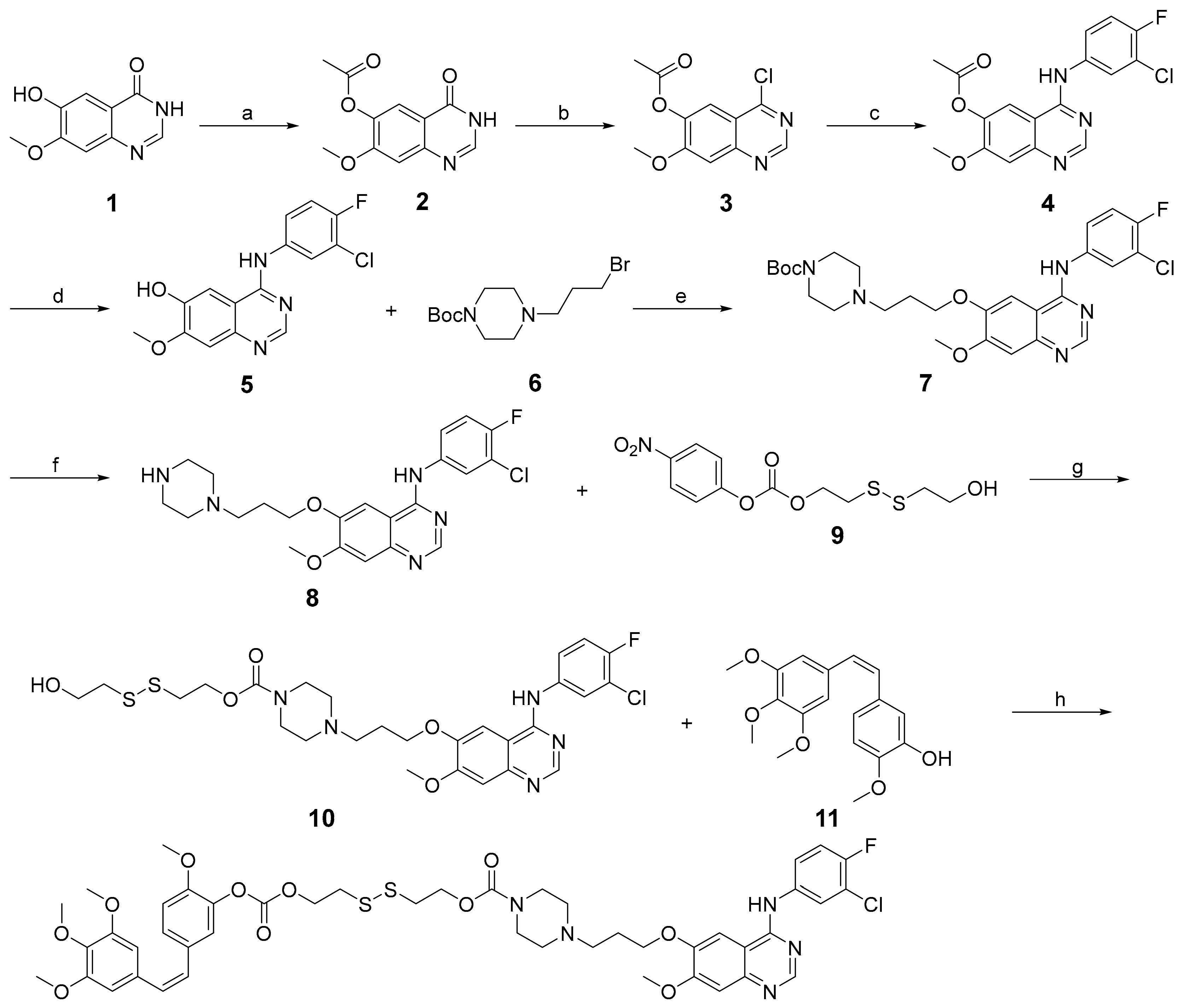
2.2. General Synthetic Procedure for the Synthesis of 4-((3-Chloro-4-fluorophenyl)amino)-7-methoxyquinazolin-6-ol (5)
2.3. General Synthetic Procedure for N-(3-Chloro-4-fluorophenyl)-7-methoxy-6-(3-(piperazin-1-yl)propoxy)quinazolin-4-amine (8)
2.4. General Synthetic Procedure for 2-((2-Hydroxyethyl)disulfanyl)ethyl 4-(3-((4-((3-chloro-4-fluorophenyl)amino)-7-methoxyquinazolin-6-yl)oxy)propyl)piperazine-1-carboxylate (10)
2.5. General Synthetic Procedure for (Z)-2-((2-(((2-Methoxy-5-(3,4,5-trimethoxystyryl)phenoxy)carbonyl)oxy)ethyl)disulfanyl)ethyl 4-(3-((4-((3-chloro-4-fluorophenyl)amino)-7-methoxyquinazolin-6-yl)oxy)propyl)piperazine-1-carboxylate (12, CA-4-Gefitinib bimolecular prodrug)
2.6. GSH-Activatable Response Bimolecular Prodrug
2.7. In Vitro Release of CA-4 and Gefitinib Analog from Bimolecular Prodrug
2.8. Cell Culture
2.9. In Vitro Anti-Proliferative Activity
2.10. Drug Interaction Analysis
2.11. Cellular Uptake CA-4-Gefitinib Bimolecular Prodrug in SGC-7901 Cells
2.12. Colony Formation Assay
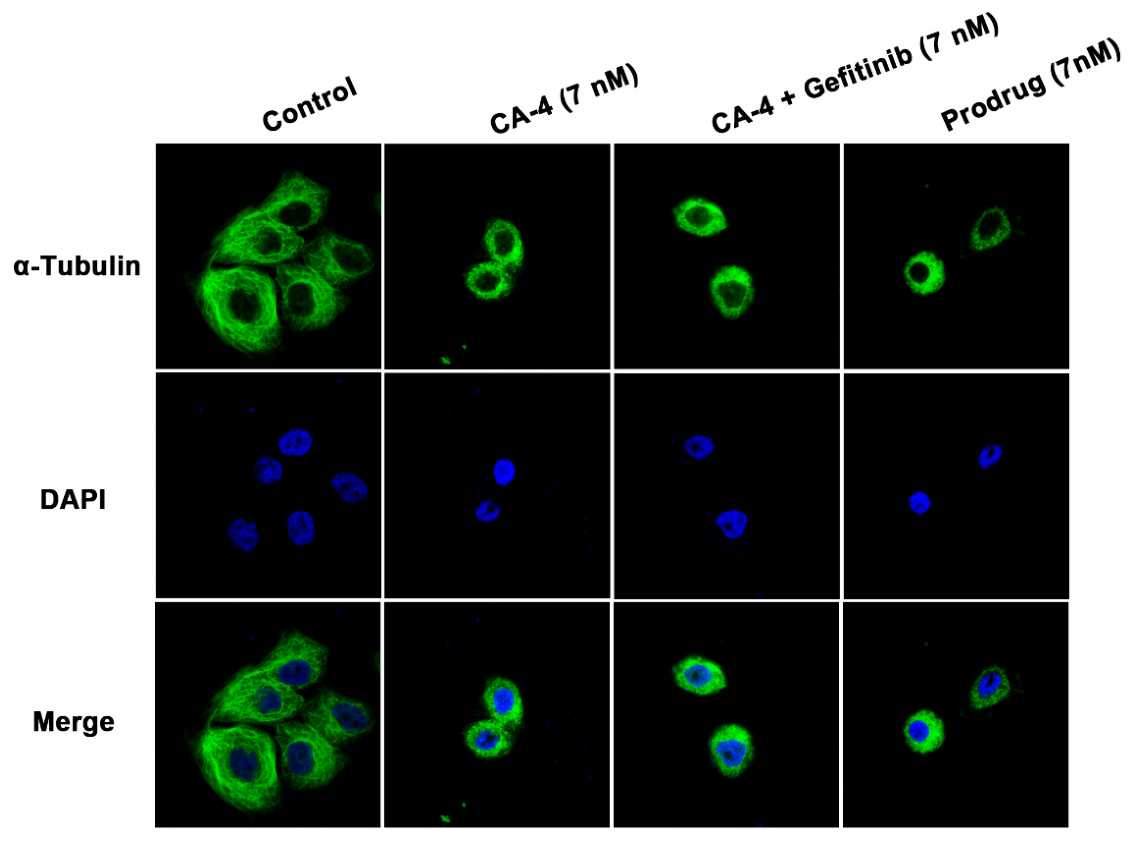
2.13. Immunofluorescence Staining Analysis
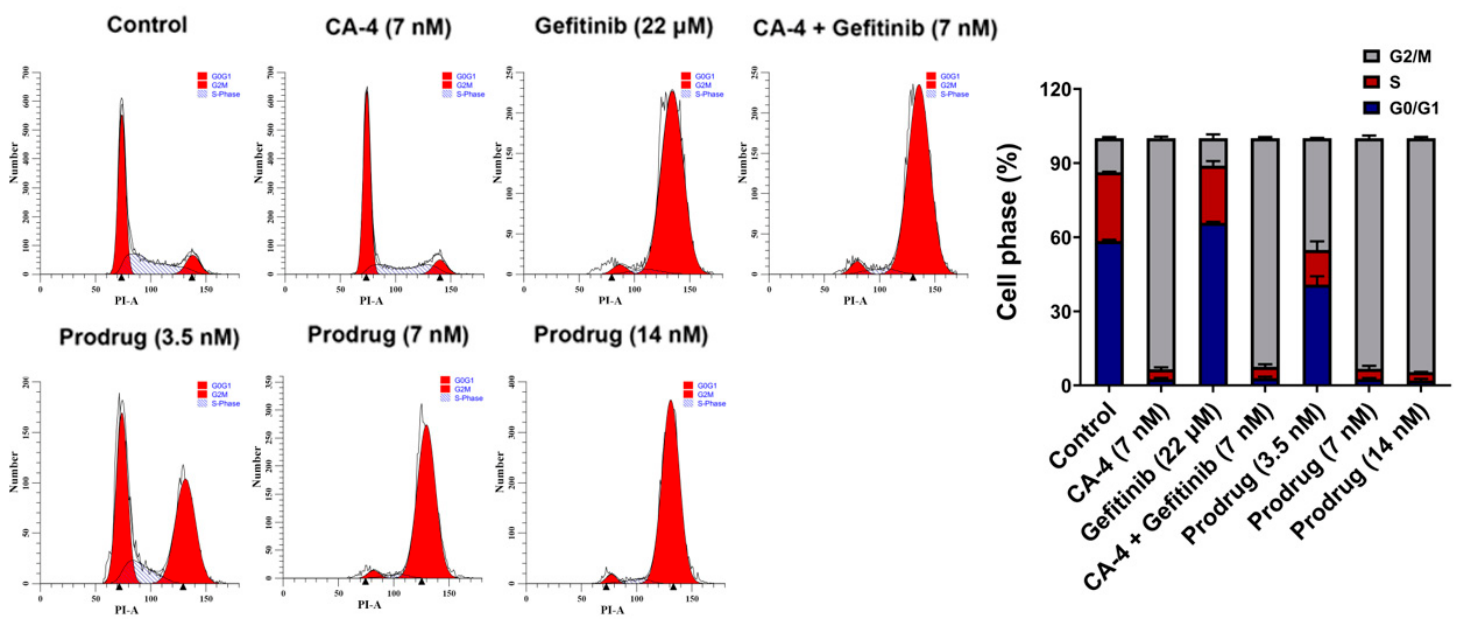
2.14. Cell Cycle Analysis
2.15. Cell Apoptosis Analysis
2.16. Wound-Healing Assay
2.17. Tube Formation Assay
2.18. Pharmacokinetic Studies
2.19. In Vivo Antitumour Activity Assay
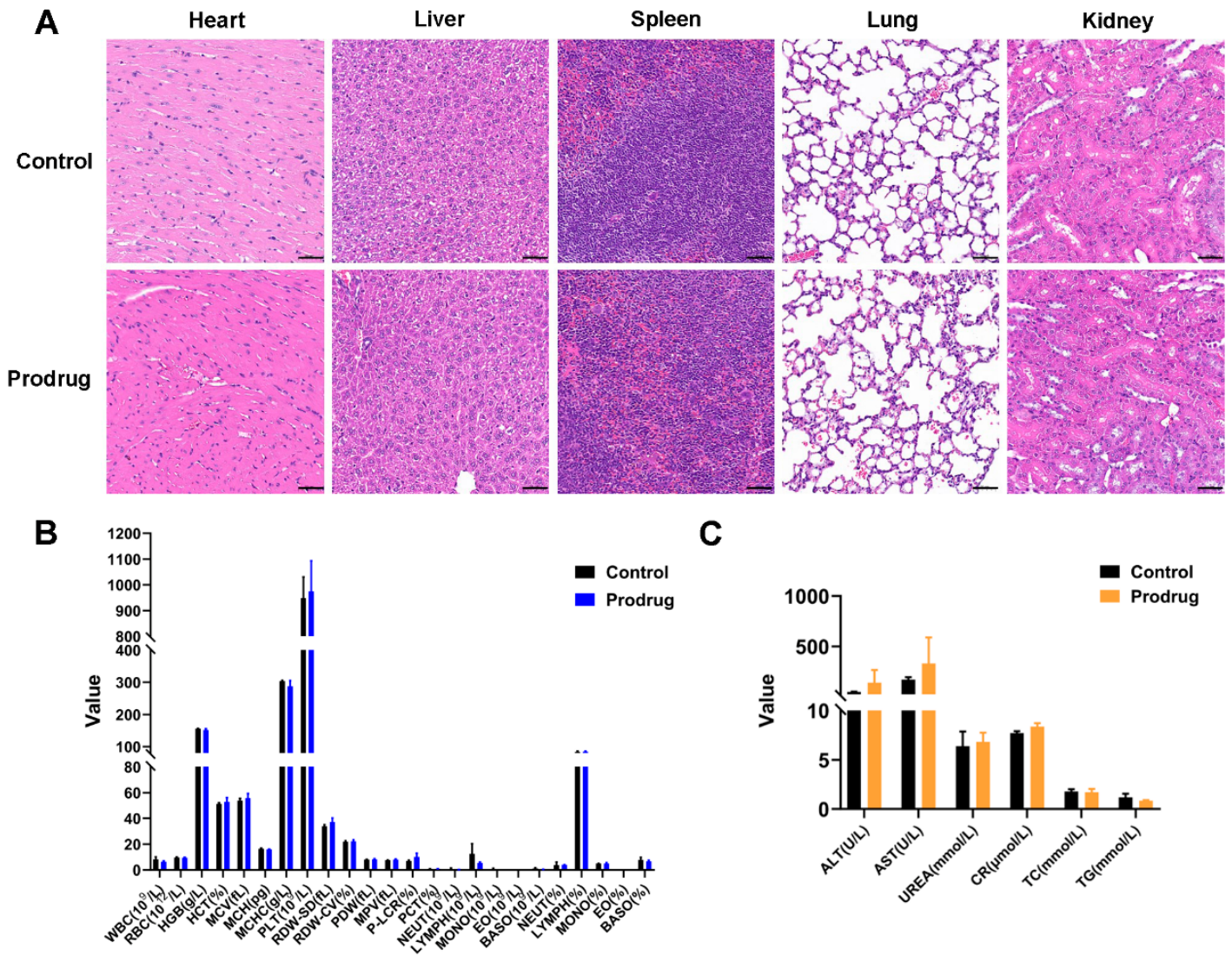
2.20. Evaluation of In Vivo Safety
2.21. Determination of Drug Content in Tumor Tissue
3. Results
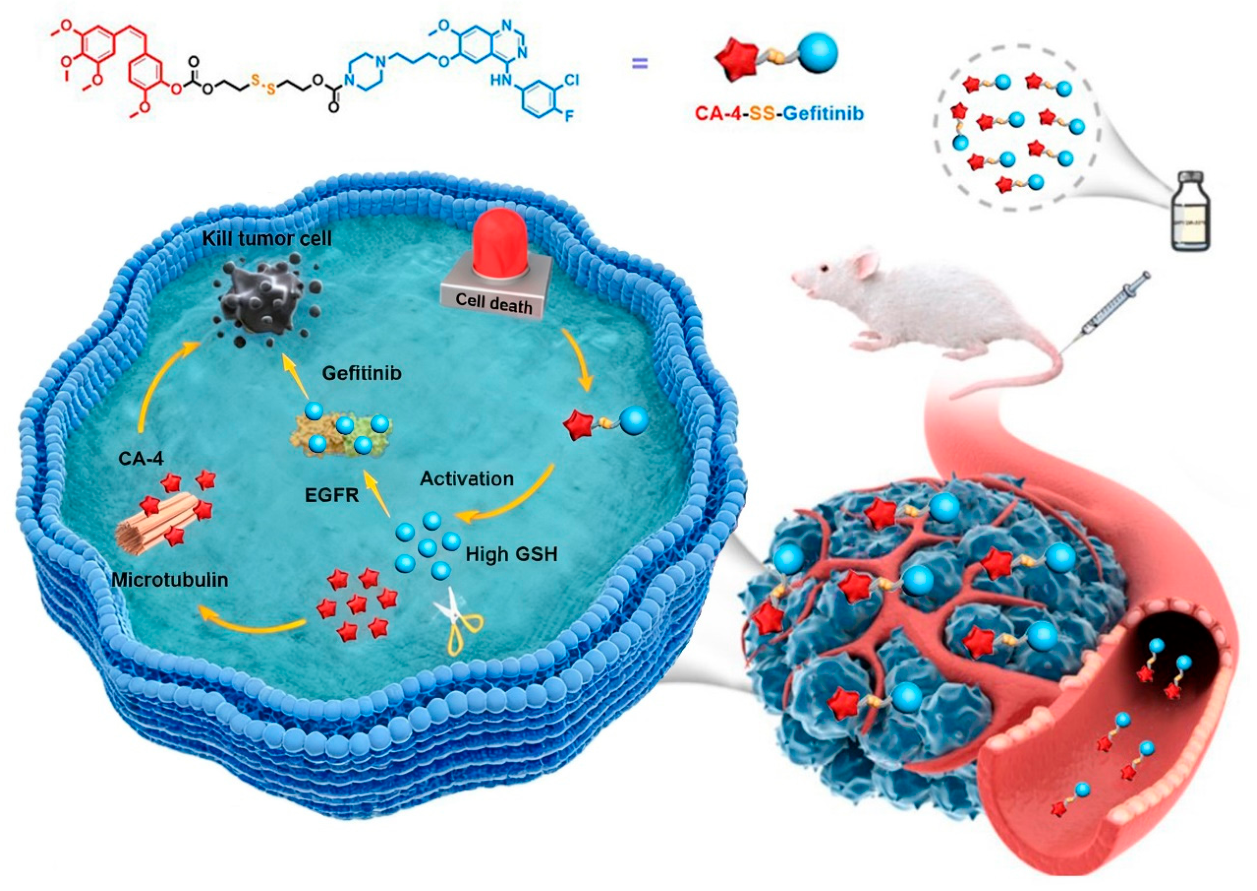
3.1. Rational Design and Synthesis of Bimolecular Prodrug
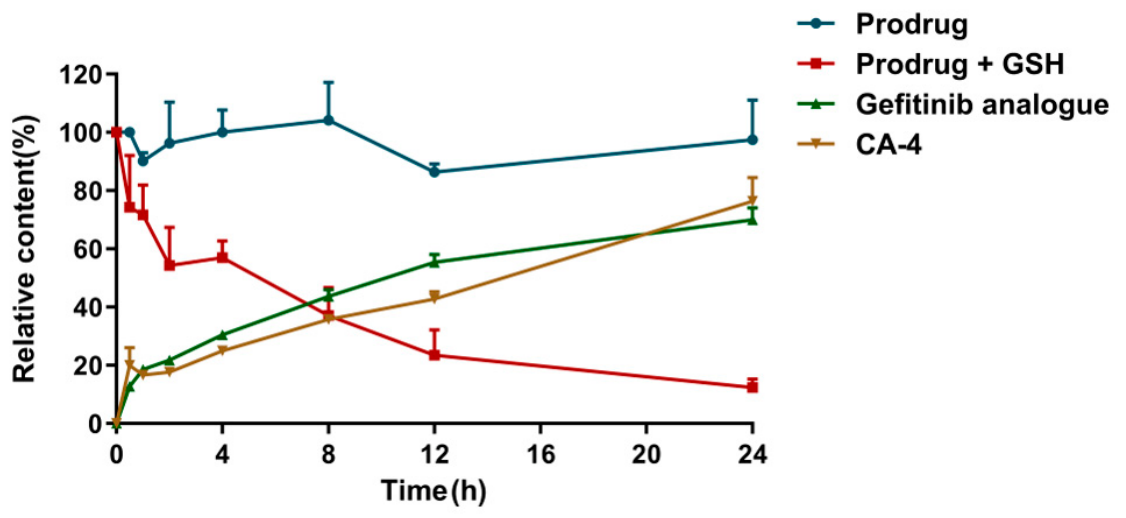
3.2. In Vitro Release of CA-4 and Gefitinib from Bimolecular Prodrug
3.3. The Bimolecular Prodrug Enhances Anticancer Selectivity
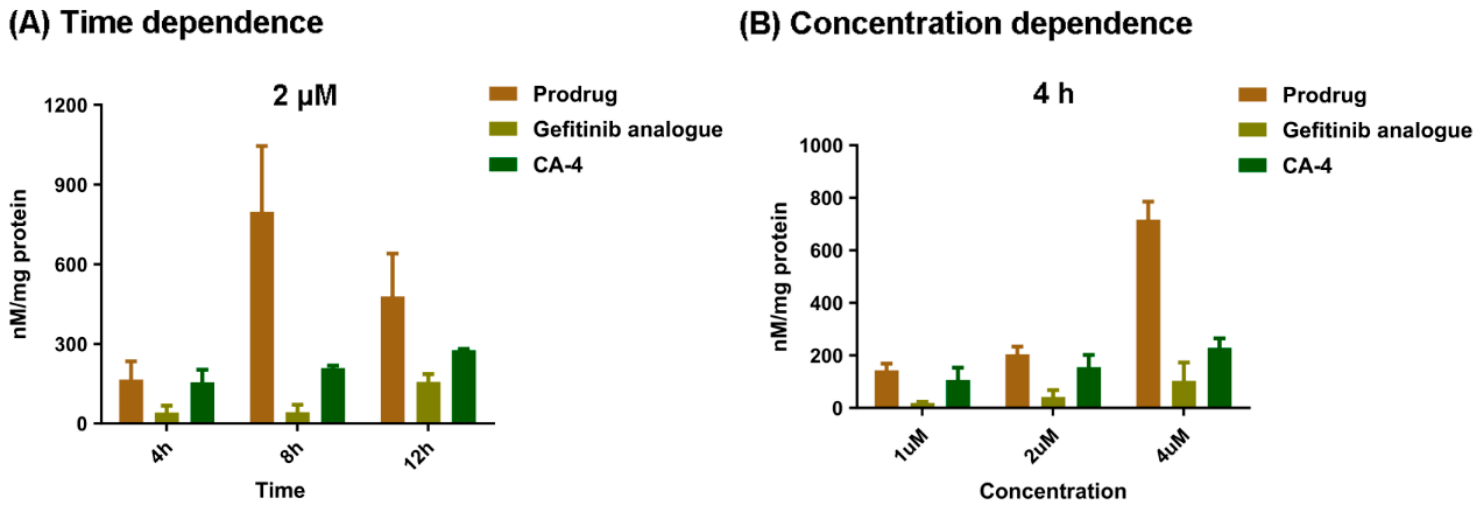
3.4. Cellular Uptake and Intracellular Activation of the Bimolecular Prodrug in SGC-7901 Cells
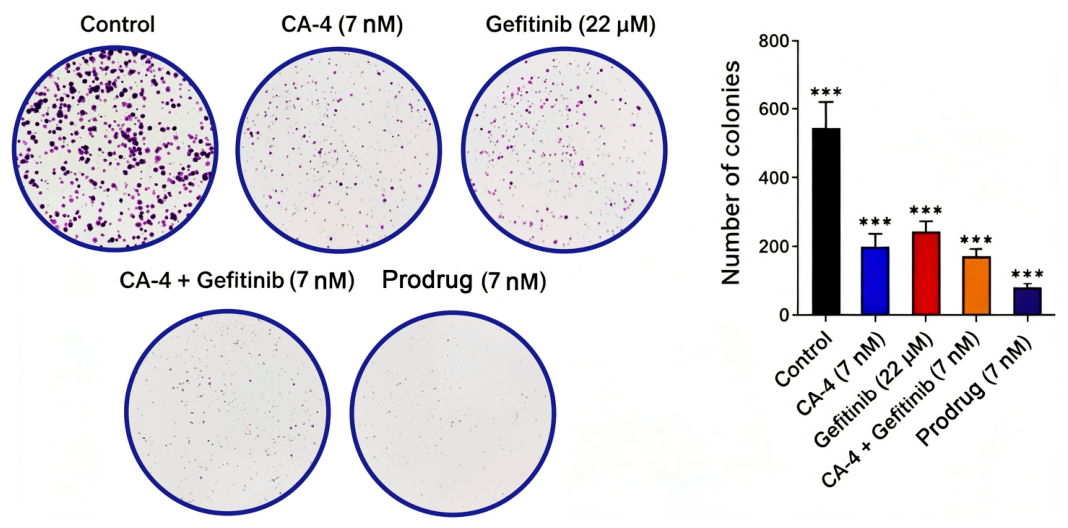
3.5. The Bimolecular Prodrug Potently Inhibits SGC-7901 Cell Proliferation
3.6. The Bimolecular Prodrug Disrupts the Microtubule Network in SGC-7901 Cells
3.7. The Bimolecular Prodrug Induces G2/M Phase Cell Cycle Arrest in SGC-7901 Cells
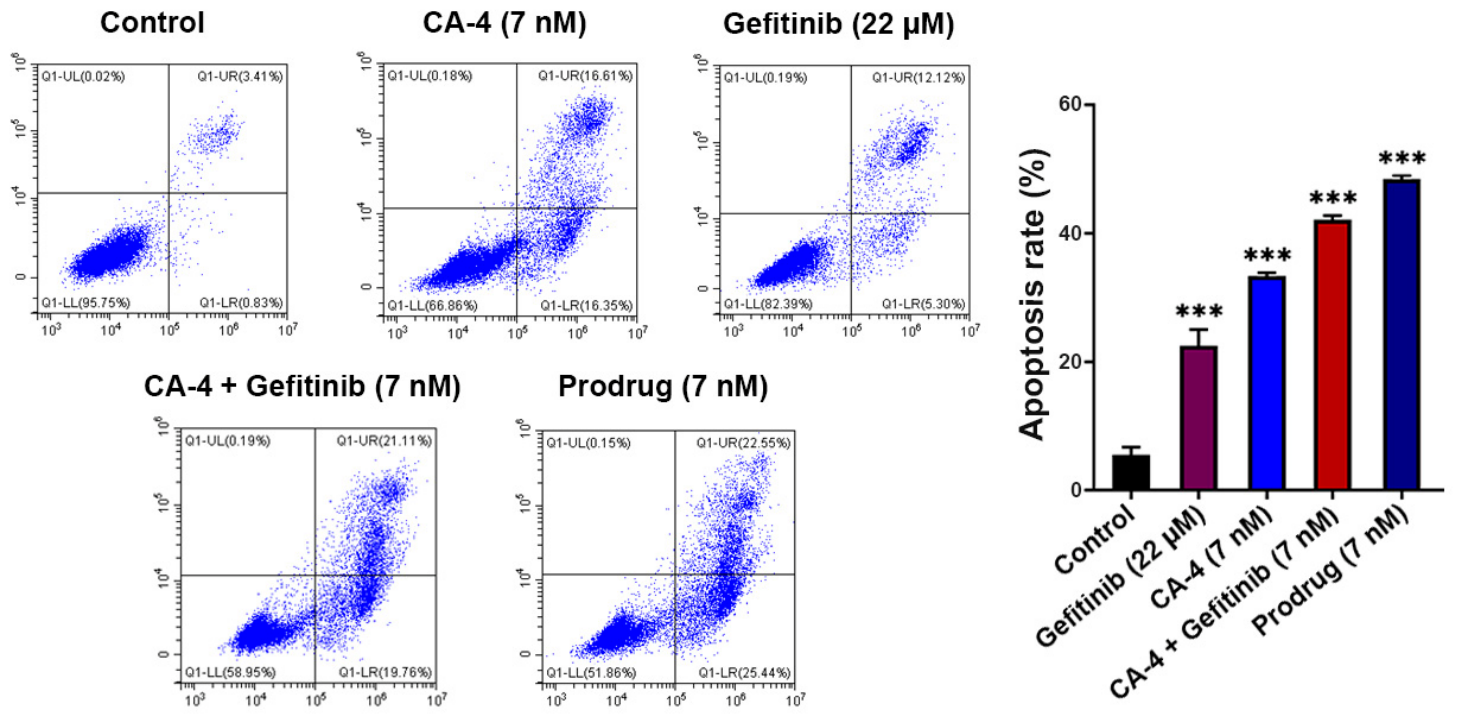
3.8. The Bimolecular Prodrug Promotes Apoptosis in SGC-7901 Cells
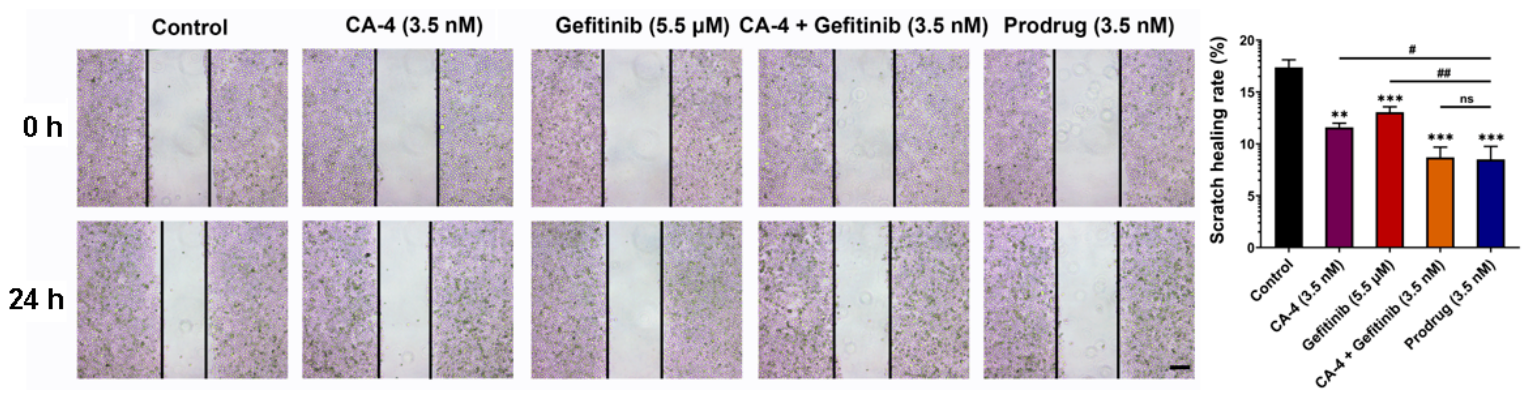
3.9. The Bimolecular Prodrug Suppresses SGC-7901 Cell Migration
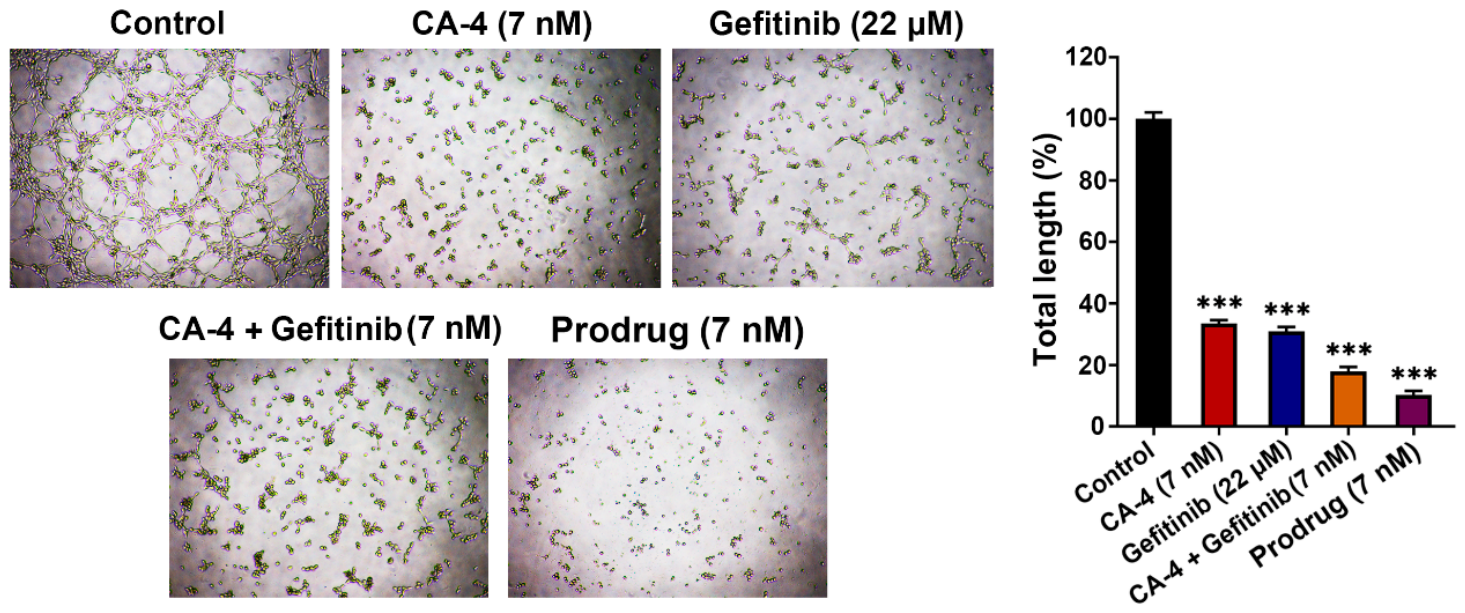
3.10. The Bimolecular Prodrug Inhibits Tube Formation in HUVECs
3.11. Pharmacokinetics Study of the Bimolecular Prodrug
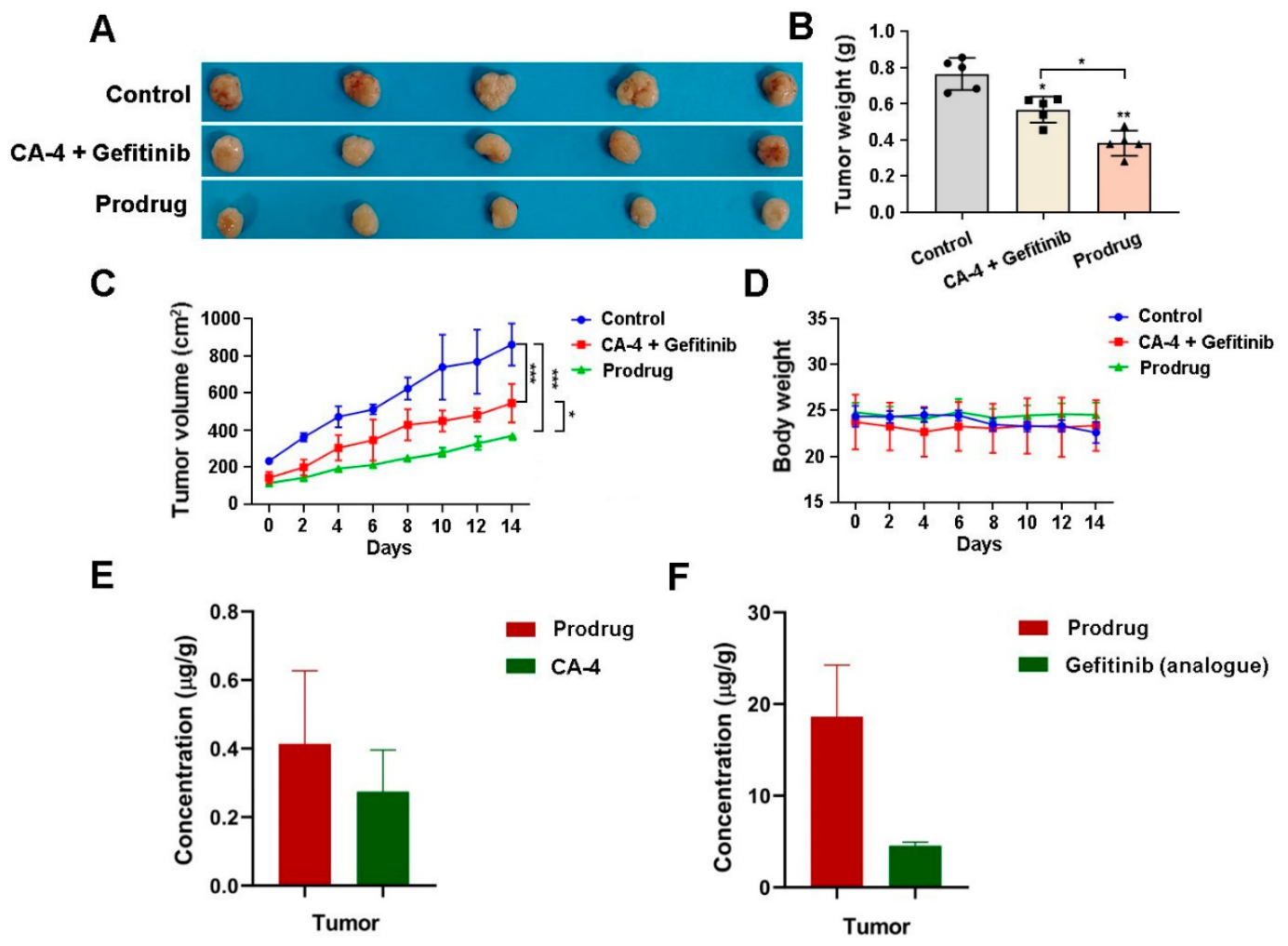
3.12. In Vivo Antitumour Efficacy of the Bimolecular Prodrug
3.13. In Vivo Safety Evaluation
4. Conclusions
Supplementary Materials
Author Contributions
Funding
Institutional Review Board Statement
Informed Consent Statement
Data Availability Statement
Acknowledgments
Conflicts of Interest
Abbreviations
| CA-4 | Combretastatin A-4 |
| EGFR | Epidermal growth factor receptor |
| GSH | Glutathione |
| ERK | Extracellular signal-regulated kinase |
| PARP | Poly (ADP-ribose) polymerase |
| Bcl-2 | B-cell lymphoma 2 |
| MAPK | Mitogen-activated protein kinase |
| PI3K | Phosphoinositide 3-kinase |
| AKT | Protein kinase B |
| VDA | Vascular disrupting agent |
| NSCLC | Non-small cell lung cancer |
| G2/M | Gap 2/Mitosis phase |
| IC50 | Half-maximal inhibitory concentration |
| SI | Safety index |
| NMR | Nuclear magnetic resonance |
| DMAP | 4-Dimethylaminopyridine |
| DIPEA | N,N-Diisopropylethylamine |
| TFA | Trifluoroacetic acid |
| THF | Tetrahydrofuran |
| DCM | Dichloromethane |
| DMF | N,N-Dimethylformamide |
| PBS | Phosphate-buffered saline |
| HUVEC | Human umbilical vein endothelial cell |
| SGC-7901 | Human gastric adenocarcinoma cell line |
| MCF-7 | Human breast cancer cell line |
| HepG2 | Human hepatocellular carcinoma cell line |
| HCT-116 | Human colorectal carcinoma cell line |
| A549 | Human non-small cell lung cancer cell line |
| HCC827 | Human lung adenocarcinoma cell line (EGFR exon 19 deletion) |
| NCI-H1975 | Human lung adenocarcinoma cell line (EGFR T790M/L858R) |
| AUC | Area under the concentration-time curve |
| CL | Clearance |
| Cmax | Maximum plasma concentration |
| T1/2 | Half-life |
| H&E | Hematoxylin and eosin |
| ALT | Alanine aminotransferase |
| AST | Aspartate aminotransferase |
| CRE | Creatinine |
| BUN | Blood urea nitrogen |
| SD rats | Sprague-Dawley rats |
| ICR mice | Institute of Cancer Research mice |
| NSG mice | NOD-SCID IL2Rγ-null mice |
References
- Hu, Q.; Sun, W.; Wang, C.; Gu, Z. Recent advances of cocktail chemotherapy by combination drug delivery systems. Adv. Drug Deliv. Rev. 2016, 98, 19–34. [Google Scholar] [CrossRef] [Scilit] [PubMed]
- Huang, P.; Wang, G.; Su, Y.; Zhou, Y.; Huang, W.; Zhang, R.; Yan, D. Stimuli-responsive nanodrug self-assembled from amphiphilic drug-inhibitor conjugate for overcoming multidrug resistance in cancer treatment. Theranostics 2019, 9, 5755–5768. [Google Scholar] [CrossRef] [Scilit] [PubMed]
- Qin, S.Y.; Cheng, Y.J.; Lei, Q.; Zhang, A.Q.; Zhang, X.Z. Combinational strategy for high-performance cancer chemotherapy. Biomaterials 2018, 171, 178–197. [Google Scholar] [CrossRef] [Scilit] [PubMed]
- Zhang, J.; Li, J.; Shi, Z.; Yang, Y.; Xie, X.; Lee, S.M.Y.; Wang, Y.; Leong, K.W.; Chen, M. pH-sensitive polymeric nanoparticles for co-delivery of doxorubicin and curcumin to treat cancer via enhanced pro-apoptotic and anti-angiogenic activities. Acta Biomater. 2017, 58, 349–364. [Google Scholar] [CrossRef] [Scilit] [PubMed]
- Wu, L.; Leng, D.; Cun, D.; Foged, C.; Yang, M. Advances in combination therapy of lung cancer: Rationales, delivery technologies and dosage regimens. J. Control. Release 2017, 260, 78–91. [Google Scholar] [CrossRef] [Scilit] [PubMed]
- Bai, X.; Li, X.; Chen, Y.; Qiao, G.; Zhang, Q.; Ma, T.; Gao, S.; Zhang, M.; Shen, Y.; Wu, J.; et al. Neoadjuvant nab-paclitaxel plus gemcitabine followed by modified FOLFIRINOX for resectable pancreatic cancer: A randomized phase 3 trial. Cancer Cell 2025, 43, 2259–2267.e2. [Google Scholar] [CrossRef] [Scilit] [PubMed]
- Shen, W.; Chen, X.; Luan, J.; Wang, D.; Yu, L.; Ding, J. Sustained codelivery of cisplatin and paclitaxel via an injectable prodrug hydrogel for ovarian cancer treatment. ACS Appl. Mater. Interfaces 2017, 9, 40031–40046. [Google Scholar] [CrossRef] [Scilit] [PubMed]
- Baabur-Cohen, H.; Vossen, L.I.; Krüger, H.R.; Eldar-Boock, A.; Yeini, E.; Landa-Rouben, N.; Tiram, G.; Wedepohl, S.; Markovsky, E.; Leor, J.; et al. In vivo comparative study of distinct polymeric architectures bearing a combination of paclitaxel and doxorubicin at a synergistic ratio. J. Control. Release 2017, 257, 118–131. [Google Scholar] [CrossRef] [Scilit] [PubMed]
- Christopoulos, P.; Engel-Riedel, W.; Grohé, C.; Kropf-Sanchen, C.; von Pawel, J.; Gütz, S.; Kollmeier, J.; Eberhardt, W.; Ukena, D.; Baum, V.; et al. Everolimus with paclitaxel and carboplatin as first-line treatment for metastatic large-cell neuroendocrine lung carcinoma: A multicenter phase II trial. Ann. Oncol. 2017, 28, 1898–1902. [Google Scholar] [CrossRef] [Scilit] [PubMed]
- Zhang, J.; Wang, L.; Chan, H.F.; Xie, W.; Chen, S.; He, C.; Wang, Y.; Chen, M. Co-delivery of paclitaxel and tetrandrine via iRGD peptide conjugated lipid-polymer hybrid nanoparticles overcome multidrug resistance in cancer cells. Sci. Rep. 2017, 7, 46057. [Google Scholar] [CrossRef] [Scilit] [PubMed]
- Zhang, C.; An, T.; Wang, D.; Wan, G.; Zhang, M.; Wang, H.; Zhang, S.; Li, R.; Yang, X.; Wang, Y. Stepwise pH-responsive nanoparticles containing charge-reversible pullulan-based shells and poly(β-amino ester)/poly(lactic-co-glycolic acid) cores as carriers of anticancer drugs for combination therapy on hepatocellular carcinoma. J. Control. Release 2016, 226, 193–204. [Google Scholar] [CrossRef] [Scilit] [PubMed]
- Solomon, B. Trials and tribulations of EGFR and MET inhibitor combination therapy in NSCLC. J. Thorac. Oncol. 2017, 12, 9–11. [Google Scholar] [CrossRef] [Scilit] [PubMed]
- Miyashita, H.; Hong, D.S. Combining EGFR and KRAS G12C inhibitors for KRAS G12C mutated advanced colorectal cancer. J. Cancer Immunol. 2024, 6, 62–69. [Google Scholar] [CrossRef] [Scilit] [PubMed]
- Boussageon, M.; Swalduz, A.; Pérol, M. The safety and efficacy of erlotinib and ramucirumab combination in EGFR-mutant non-small-cell lung cancer. Expert Rev. Anticancer Ther. 2021, 21, 1071–1080. [Google Scholar] [CrossRef] [Scilit] [PubMed]
- Nainwal, L.M.; Alam, M.M.; Shaquiquzzaman, M.; Marella, A.; Kamal, A. Combretastatin-based compounds with therapeutic characteristics: A patent review. Expert Opin. Ther. Pat. 2019, 29, 703–731. [Google Scholar] [CrossRef] [Scilit] [PubMed]
- Omar, M.H.; Emam, S.H.; Mikhail, D.S.; Elmeligie, S. Combretastatin A-4 based compounds as potential anticancer agents: A review. Bioorg. Chem. 2024, 153, 107930. [Google Scholar] [CrossRef] [Scilit] [PubMed]
- Mustafa, M.; Anwar, S.; Elgamal, F.; Ahmed, E.R.; Aly, O.M. Potent Combretastatin A-4 analogs containing 1,2,4-triazole: Synthesis, antiproliferative, anti-tubulin activity, and docking study. Eur. J. Med. Chem. 2019, 183, 111697. [Google Scholar] [CrossRef] [Scilit] [PubMed]
- Provot, O.; Hamze, A.; Alami, M. Who’s who in the field of combretastatin A4 analogues:? Eur. J. Med. Chem. 2026, 310, 118742. [Google Scholar] [CrossRef] [Scilit] [PubMed]
- Hamze, A.; Alami, M.; Provot, O. Developments of isoCombretastatin A-4 derivatives as highly cytotoxic agents. Eur. J. Med. Chem. 2020, 190, 112110. [Google Scholar] [CrossRef] [Scilit] [PubMed]
- Guo, K.; Ma, X.; Li, J.; Zhang, C.; Wu, L. Recent advances in Combretastatin A-4 codrugs for cancer therapy. Eur. J. Med. Chem. 2022, 241, 114660. [Google Scholar] [CrossRef] [Scilit] [PubMed]
- Winn, B.A.; Devkota, L.; Kuch, B.; MacDonough, M.T.; Strecker, T.E.; Wang, Y.; Shi, Z.; Gerberich, J.L.; Mondal, D.; Ramirez, A.J.; et al. Bioreductively activatable prodrug conjugates of Combretastatin A-1 and Combretastatin A-4 as anticancer agents targeted toward tumor-associated hypoxia. J. Nat. Prod. 2020, 83, 937–954. [Google Scholar] [CrossRef] [Scilit] [PubMed]
- Hsiue, E.H.; Lee, J.H.; Lin, C.C.; Yang, J.C. Safety of gefitinib in non-small cell lung cancer treatment. Expert Opin. Drug Saf. 2016, 15, 993–1000. [Google Scholar] [CrossRef] [Scilit] [PubMed]
- Cho, B.C.; Ahn, M.J.; Kang, J.H.; Soo, R.A.; Reungwetwattana, T.; Yang, J.C.H.; Cicin, I.; Kim, D.W.; Wu, Y.L.; Lu, S.; et al. Lazertinib versus gefitinib as first-line treatment in patients with EGFR-mutated advanced Non-Small-Cell Lung cancer: Results from LASER301. J. Clin. Oncol. 2023, 41, 4208–4217. [Google Scholar] [CrossRef] [Scilit] [PubMed]
- Wang, C.; Zhang, Y.; Zhang, T.; Xu, J.; Yan, S.; Liang, B.; Xing, D. Epidermal growth factor receptor dual-target inhibitors as a novel therapy for cancer: A review. Int. J. Biol. Macromol. 2023, 253, 127440. [Google Scholar] [CrossRef] [Scilit] [PubMed]
- Meenu; Sheikh, K.A.; Shaquiquzzaman, M.; Gupta, S.; Barkha; Tasneem, S.; Akhter, M.; Anwer, T.; Kaleem, M.; Singh, S.; et al. Pharmacophore-guided review of EGFR-targeted anticancer drugs with gefitinib as a reference. Eur. J. Med. Chem. 2026, 303, 118411. [Google Scholar] [CrossRef] [Scilit] [PubMed]
- Maity, P.; Chatterjee, J.; Patil, K.T.; Arora, S.; Katiyar, M.K.; Kumar, M.; Samarbakhsh, A.; Joshi, G.; Bhutani, P.; Chugh, M.; et al. Targeting the epidermal growth factor receptor with molecular degraders: State-of-the-art and future opportunities. J. Med. Chem. 2023, 66, 3135–3172. [Google Scholar] [CrossRef] [Scilit] [PubMed]
- Yu, H.; Li, Y.; Ge, Y.; Song, Z.; Wang, C.; Huang, S.; Jin, Y.; Han, X.; Zhen, Y.; Liu, K.; et al. Novel 4-anilinoquinazoline derivatives featuring an 1-adamantyl moiety as potent EGFR inhibitors with enhanced activity against NSCLC cell lines. Eur. J. Med. Chem. 2016, 110, 195–203. [Google Scholar] [CrossRef] [Scilit] [PubMed]
- Renoux, B.; Raes, F.; Legigan, T.; Péraudeau, E.; Eddhif, B.; Poinot, P.; Tranoy-Opalinski, I.; Alsarraf, J.; Koniev, O.; Kolodych, S.; et al. Targeting the tumour microenvironment with an enzyme-responsive drug delivery system for the efficient therapy of breast and pancreatic cancers. Chem. Sci. 2017, 8, 3427–3433. [Google Scholar] [CrossRef] [Scilit] [PubMed]
- Szachniewicz, M.; Bartneck, M.; Tacke, F.; Bansal, R. Targeting liver inflammation using Mincle-targeted liposomes as a novel drug delivery system. Hepatology 2017, 66, 235–236. [Google Scholar]
- Li, L.; Huang, X.; Huang, R.; Gou, S.; Wang, Z.; Wang, H. Pt(IV) prodrugs containing microtubule inhibitors displayed potent antitumor activity and ability to overcome cisplatin resistance. Eur. J. Med. Chem. 2018, 156, 666–679. [Google Scholar] [CrossRef] [Scilit] [PubMed]
- Zou, L.; Liu, X.; Li, J.; Li, W.; Zhang, L.; Fu, C.; Zhang, J.; Gu, Z. Redox-sensitive carrier-free nanoparticles self-assembled by disulfide-linked paclitaxel-tetramethylpyrazine conjugate for combination cancer chemotherapy. Theranostics 2021, 11, 4171–4186. [Google Scholar] [CrossRef] [Scilit] [PubMed]
- Li, F.; Huang, Z.; Chen, H.; Yan, L.; Li, J.; Su, Y.; Zhang, Q.; Huang, Z.; Zheng, Y. Redox-sensitive lipophilic prodrugs: Delivering unstable chemotherapeutant for improved cancer therapy. Drug Deliv. 2019, 26, 1068–1079. [Google Scholar] [CrossRef] [Scilit] [PubMed]
- He, W.; Du, Y.; Zhou, W.; Yao, C.; Li, X. Redox-sensitive dimeric camptothecin phosphatidylcholines-based liposomes for improved anticancer efficacy. Nanomedicine 2019, 14, 3057–3074. [Google Scholar] [CrossRef] [Scilit] [PubMed]
- Ma, N.; Song, A.; Li, Z.; Luan, Y. Redox-Sensitive Prodrug molecules meet graphene oxide: An efficient graphene oxide-based nanovehicle toward cancer therapy. ACS Biomater. Sci. Eng. 2019, 5, 1384–1391. [Google Scholar] [CrossRef] [Scilit] [PubMed]
- Wang, Y.; Luo, C.; Zhou, S.; Wang, X.; Zhang, X.; Li, S.; Zhang, S.; Wang, S.; Sun, B.; He, Z.; et al. Investigating the crucial roles of aliphatic tails in disulfide bond-linked docetaxel prodrug nanoassemblies. Asian J. Pharm. Sci. 2021, 16, 643–652. [Google Scholar] [CrossRef] [Scilit] [PubMed]
- Ju, Y.; Wu, J.; Yuan, X.; Zhao, L.; Zhang, G.; Li, C.; Qiao, R. Design and evaluation of potent EGFR inhibitors through the incorporation of macrocyclic polyamine moieties into the 4-anilinoquinazoline scaffold. J. Med. Chem. 2018, 61, 11372–11383. [Google Scholar] [CrossRef] [Scilit] [PubMed]
- Dai, L.; Qin, F.; Xie, Y.; Zhang, B.; Zhang, Z.; Liang, S.; Chen, F.; Huang, X.; Wang, H. Antitumor activity and mechanisms of dual EGFR/DNA-targeting strategy for the treatment of lung cancer with EGFRL858R/T790M mutation. Bioorg. Chem. 2023, 135, 106510. [Google Scholar] [CrossRef] [Scilit] [PubMed]
- Wang, C.; Zhang, Y.; Wang, Z.; Li, Y.; Guan, Q.; Xing, D.; Zhang, W. Design, synthesis, and biological evaluation of biotinylated colchicine derivatives as potential antitumor agents. J. Enzym. Inhib. Med. Chem. 2022, 37, 411–420. [Google Scholar] [CrossRef] [Scilit] [PubMed]
- Kong, L.; Smith, J.; Li, K.; Cui, K.; Han, J.; Hou, S.; Brown, M.L. Development of a novel near-infrared fluorescent theranostic combretastain A-4 analogue, YK-5-252, to target triple negative breast cancer. Bioorgan. Med. Chem. 2017, 25, 2226–2233. [Google Scholar] [CrossRef] [Scilit] [PubMed]
- Liang, Y.; Huang, W.; Zeng, D.; Huang, X.; Chan, L.; Mei, C.; Feng, P.; Tan, C.H.; Chen, T. Cancer-targeted design of bioresponsive prodrug with enhanced cellular uptake to achieve precise cancer therapy. Drug Deliv. 2018, 25, 1350–1361. [Google Scholar] [CrossRef] [Scilit] [PubMed]
- Xu, Q.; Tu, Y.; Zhang, Y.; Xiu, Y.; Yu, Z.; Jiang, H.; Wang, C. Discovery and biological evaluation of 6-aryl-4-(3,4,5-trimethoxyphenyl)quinoline derivatives with promising antitumor activities as novel colchicine-binding site inhibitors. Eur. J. Med. Chem. 2024, 279, 116869. [Google Scholar] [CrossRef] [Scilit] [PubMed]
- Zhang, Q.; Zhou, Y.; Feng, X.; Gao, Y.; Huang, C.; Yao, X. Low-dose orlistat promotes the therapeutic effect of oxaliplatin in colorectal cancer. Biomed. Pharmacother. 2022, 153, 113426. [Google Scholar] [CrossRef] [Scilit] [PubMed]
- Yan, X.Y.; Leng, J.F.; Chen, T.T.; Zhao, Y.J.; Kong, L.Y.; Yin, Y. Design, synthesis, and biological evaluation of novel diphenylamine derivatives as tubulin polymerization inhibitors targeting the colchicine binding site. Eur. J. Med. Chem. 2022, 237, 114372. [Google Scholar] [CrossRef] [Scilit] [PubMed]
- Ma, W.; Chen, P.; Huo, X.; Ma, Y.; Li, Y.; Diao, P.; Yang, F.; Zheng, S.; Hu, M.; You, W.; et al. Development of triazolothiadiazine derivatives as highly potent tubulin polymerization inhibitors: Structure-activity relationship, in vitro and in vivo study. Eur. J. Med. Chem. 2020, 208, 112847. [Google Scholar] [CrossRef] [Scilit] [PubMed]
- Xu, S.; Sun, Y.; Wang, P.; Tan, Y.; Shi, L.; Chen, J. Design, synthesis and evaluation of dihydro-1H-indene derivatives as novel tubulin polymerisation inhibitors with anti-angiogenic and antitumor potency. J. Enzym. Inhib. Med. Chem. 2023, 38, 2247579. [Google Scholar] [CrossRef] [Scilit] [PubMed]
- Fu, Y.; Kong, Y.; Li, X.; Cheng, D.; Hou, Y.; Li, Y.; Li, T.; Xiao, Y.; Zhang, Q.; Rong, R. Novel Pt(IV) prodrug self-assembled nanoparticles with enhanced blood circulation stability and improved antitumor capacity of oxaliplatin for cancer therapy. Drug Deliv. 2023, 30, 2171158. [Google Scholar] [CrossRef] [Scilit] [PubMed]
- Wang, L.; Li, X.; Kong, Y.; Wang, F.; Zhang, Q.; Lin, C.; Rong, R. Pharmacokinetics, tissue distribution and excretion of compound 6c, a novel DPP-4 inhibitor, following intragastric administration in rats by ultra-performance liquid chromatography-tandem mass spectrometry. Eur. J. Pharm. Sci. 2022, 173, 106162. [Google Scholar] [CrossRef] [Scilit] [PubMed]





| Cell Lines | Gefitinib (μM) | CA-4 (nM) | Gefitinib + CA-4 (nM) | CA-4-Gefitinib Prodrug (nM) |
|---|---|---|---|---|
| SGC-7901 | 22.15 ± 2.16 | 13.00 ± 1.19 | 11.34 ± 0.74 | 7.17 ± 0.65 |
| HCT-116 | 33.16 ± 1.32 | 26.69 ± 2.24 | 26.02 ± 1.42 | 13.82 ± 0.86 |
| HepG2 | 13.37 ± 0.73 | 17.72 ± 0.15 | 16.24 ± 0.21 | 14.23 ± 0.05 |
| MCF-7 | 32.06 ± 2.83 | 18.36 ± 1.96 | 17.57 ± 0.77 | 11.91 ± 0.16 |
| A549 | 9.96 ± 0.53 | 44.11 ± 2.00 | 36.67 ± 1.56 | 30.89 ± 0.93 |
| HCC827 | 0.46 ± 0.05 | 11.95 ± 1.72 | 8.19 ± 0.75 | 15.04 ± 0.72 |
| NCI-H1975 | 14.75 ± 1.45 | 7.90 ± 1.71 | 8.11 ± 0.69 | 7.92 ± 0.48 |
| HUVEC | 25.25 ± 5.41 | 204.30 ± 55.86 | 140.00 ± 39.35 | 701.20 ± 115.62 |
| Selectivity (HUVEC/SGC-7901) | 1 | 15 | 12 | 98 |
| Parameters | CA-4 | Gefitinib (Analog) | ||
|---|---|---|---|---|
| CA-4 | Prodrug | Gefitinib | Prodrug | |
| T1/2(h) | 0.67 ± 0.25 | 0.83 ± 0.35 | 19.28 ± 2.85 | 10.16 ± 0.22 |
| Cmax(ng/mL) | 1571 ± 233 | 5673 ± 330 | 497.39 ± 66.6 | 67.93 ± 7.61 |
| AUC0–t(hng/mL) | 489.5 ± 86.3 | 1200 ± 101 | 654.9 ± 107.6 | 130.83 ± 15.2 |
| AUC0–∞(h ng/mL) | 499.04 ± 91.6 | 1208 ± 101 | 898.2 ± 166.7 | 154.24 ± 18.7 |
| Vz (mL/kg) | 7161 ± 1871 | 3665 ± 1449 | 165,009 ± 12,221 | 508,791 ± 63,129 |
| CL (mL/h/kg) | 7681 ± 1369 | 3119 ± 266 | 6026 ± 1013 | 34,680 ± 3957 |
Disclaimer/Publisher’s Note: The statements, opinions and data contained in all publications are solely those of the individual author(s) and contributor(s) and not of MDPI and/or the editor(s). MDPI and/or the editor(s) disclaim responsibility for any injury to people or property resulting from any ideas, methods, instructions or products referred to in the content. |
© 2026 by the authors. Licensee MDPI, Basel, Switzerland. This article is an open access article distributed under the terms and conditions of the Creative Commons Attribution (CC BY) license.
Share and Cite
Wang, C.; Xiu, Y.; Zhang, Y.; Xu, J.; Wang, Y.; Xing, D. Engineering a Redox-Responsive Bimolecular Prodrug for Targeted Gastric Cancer Combination Therapy: Design, Synthesis, and In Vivo Evaluation. Antioxidants 2026, 15, 1214. https://doi.org/10.3390/antiox15091214
Wang C, Xiu Y, Zhang Y, Xu J, Wang Y, Xing D. Engineering a Redox-Responsive Bimolecular Prodrug for Targeted Gastric Cancer Combination Therapy: Design, Synthesis, and In Vivo Evaluation. Antioxidants. 2026; 15(9):1214. https://doi.org/10.3390/antiox15091214
Chicago/Turabian StyleWang, Chao, Yutao Xiu, Yujing Zhang, Jiazhen Xu, Yanhong Wang, and Dongming Xing. 2026. "Engineering a Redox-Responsive Bimolecular Prodrug for Targeted Gastric Cancer Combination Therapy: Design, Synthesis, and In Vivo Evaluation" Antioxidants 15, no. 9: 1214. https://doi.org/10.3390/antiox15091214
APA StyleWang, C., Xiu, Y., Zhang, Y., Xu, J., Wang, Y., & Xing, D. (2026). Engineering a Redox-Responsive Bimolecular Prodrug for Targeted Gastric Cancer Combination Therapy: Design, Synthesis, and In Vivo Evaluation. Antioxidants, 15(9), 1214. https://doi.org/10.3390/antiox15091214