Nitric Oxide, Reactive Oxygen Species, and Focal Adhesion Kinase Mediate Anoikis Resistance in A375 and SK-MEL-28 Human Melanoma Cells

 , , ,
, , ,  ,
, 
Abstract
1. Introduction
2. Materials and Methods
2.1. Cell Culture Conditions
2.2. Western Blotting
2.3. Generation of A375 Cells Knockdown for NOS2
2.4. Generation of A375 Cells Knockdown for NOS3
2.4.1. Vectors Construction
2.4.2. Cell Transfection and Selection
2.5. Anoikis Assay
2.6. Estimation of Intracellular Production of NO
2.7. Estimation of H2O2 Production
2.8. Cell Viability Assay
2.9. Annexin V/FITC Propidium Iodide Assay
2.10. Cell Aggregation and Reattachment Assays
2.11. Migration and Invasion Assays
2.12. Computational Tools for Analysis of Protein–Protein Interactions
2.13. Statistical Analysis
3. Results
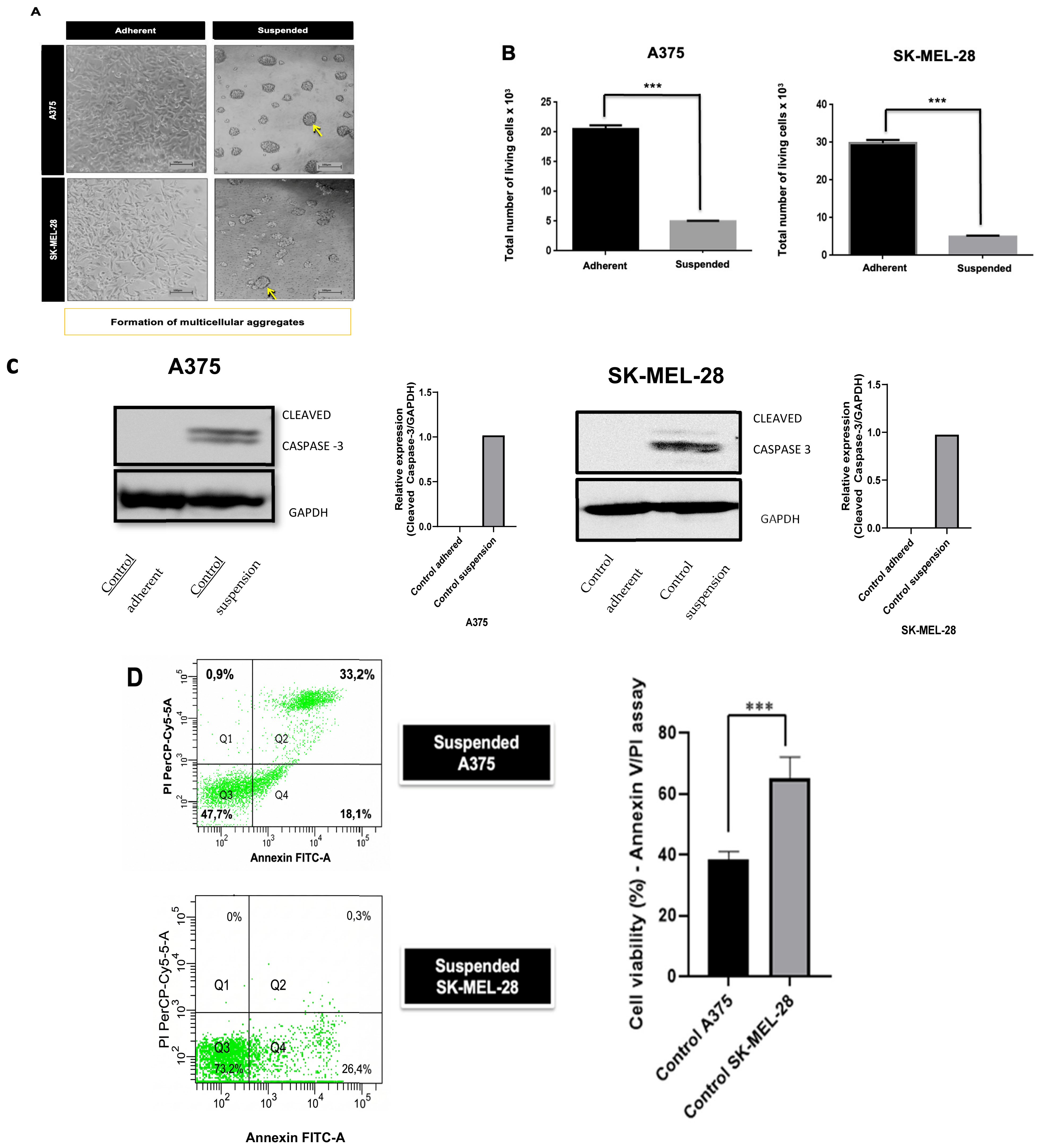
3.1. Anoikis in A375 and SK-MEL-28 Human Melanoma Cell Lines
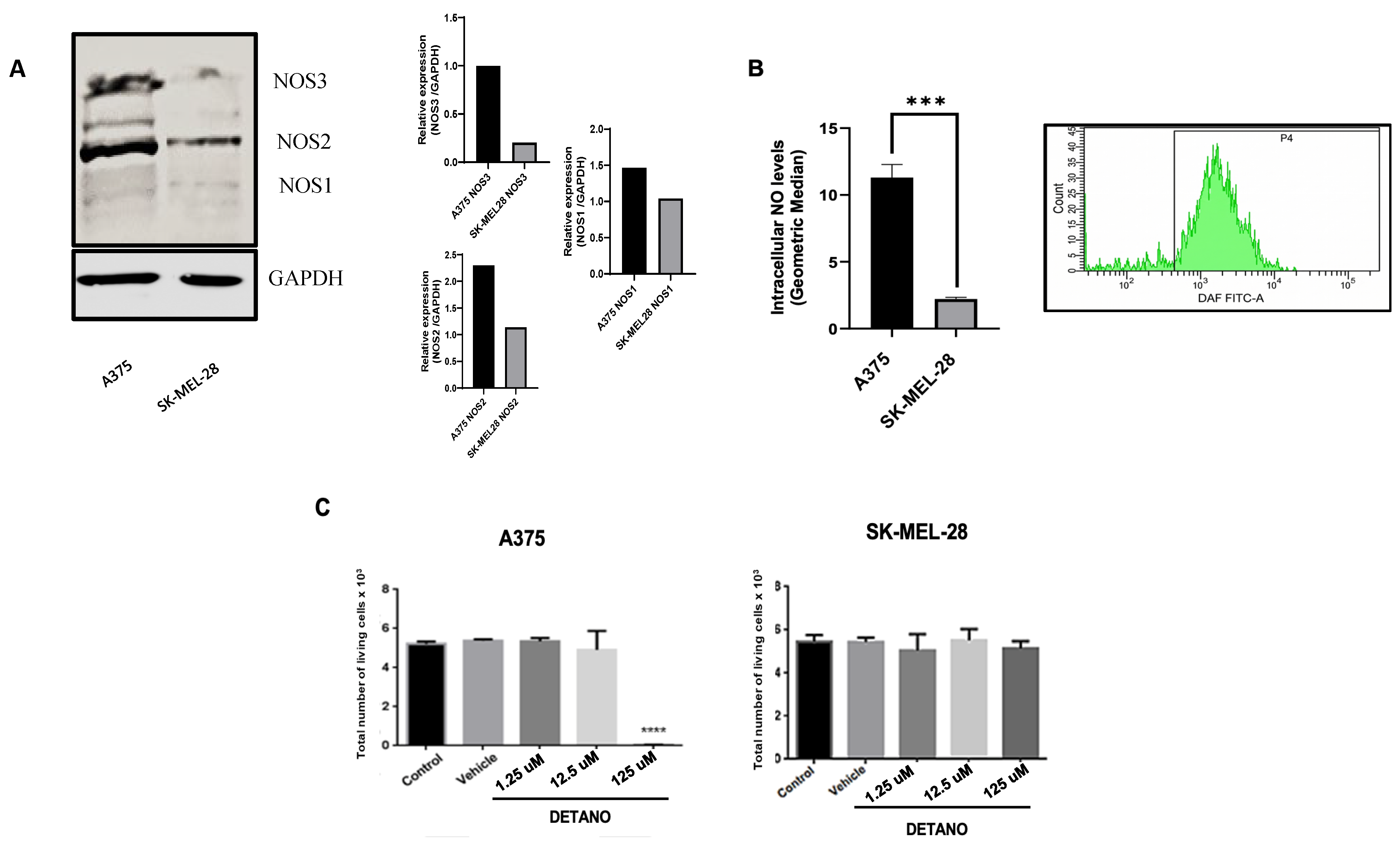
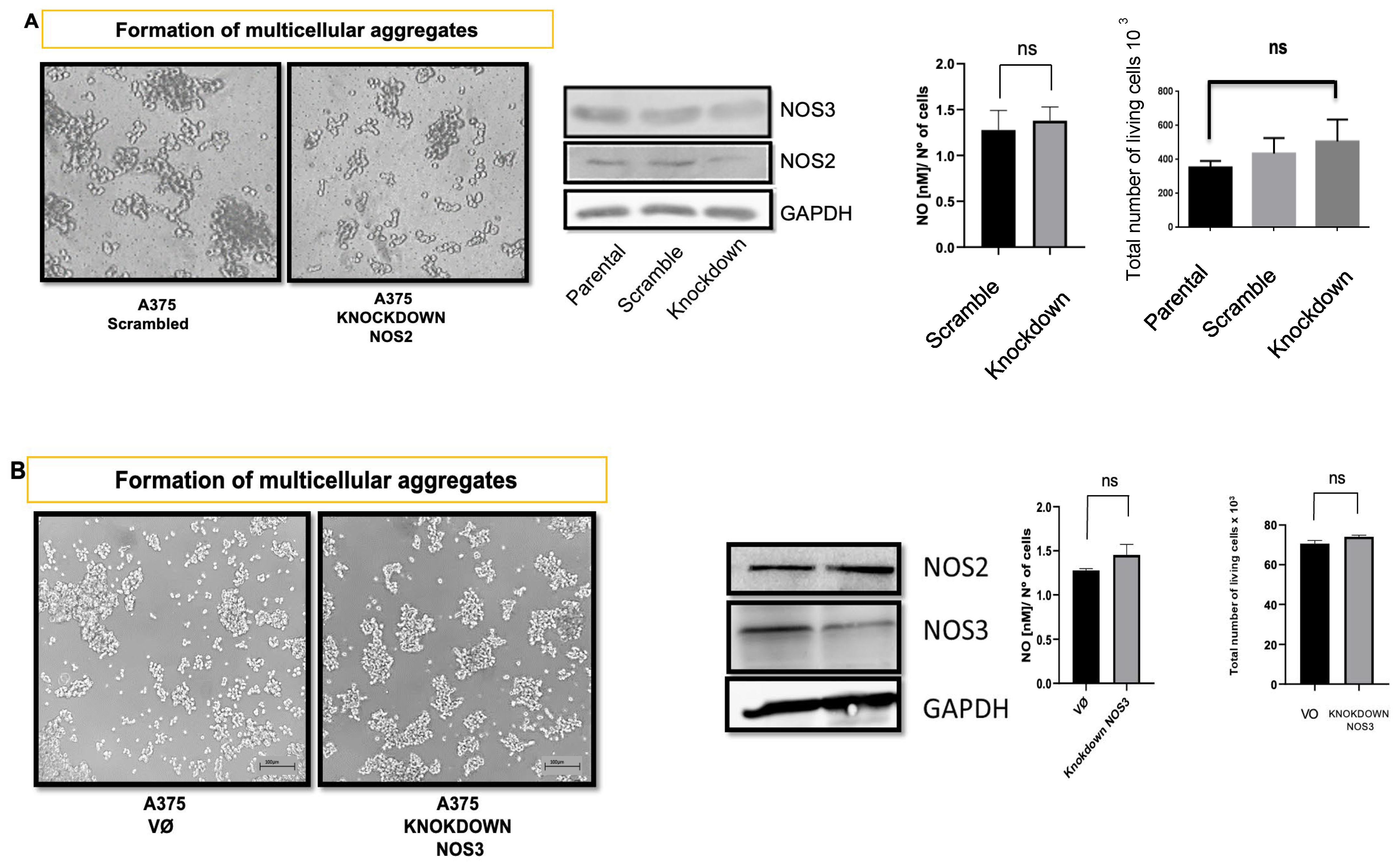
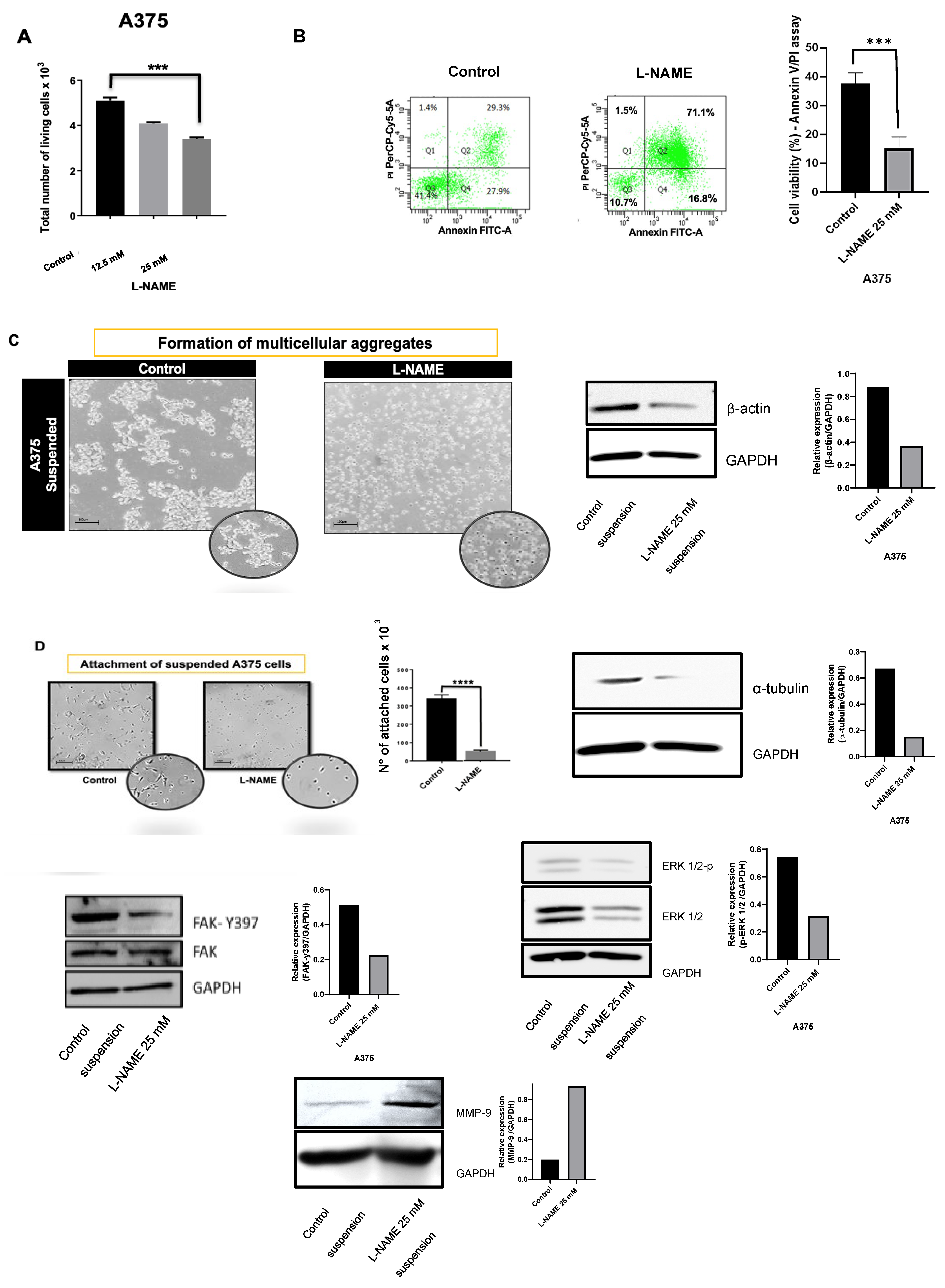
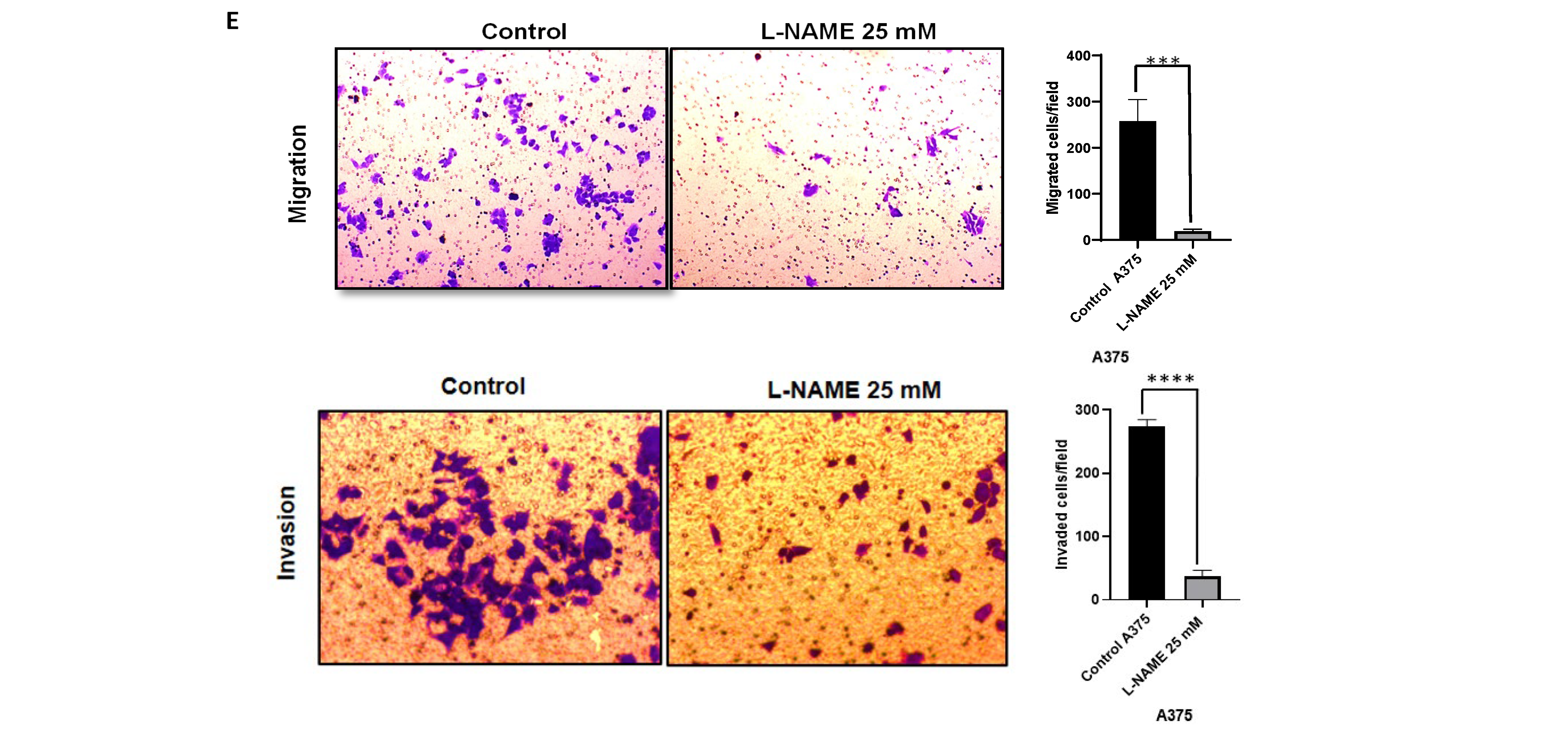
3.2. Anoikis Resistance in A375 Cells Is Mediated by Nitric Oxide
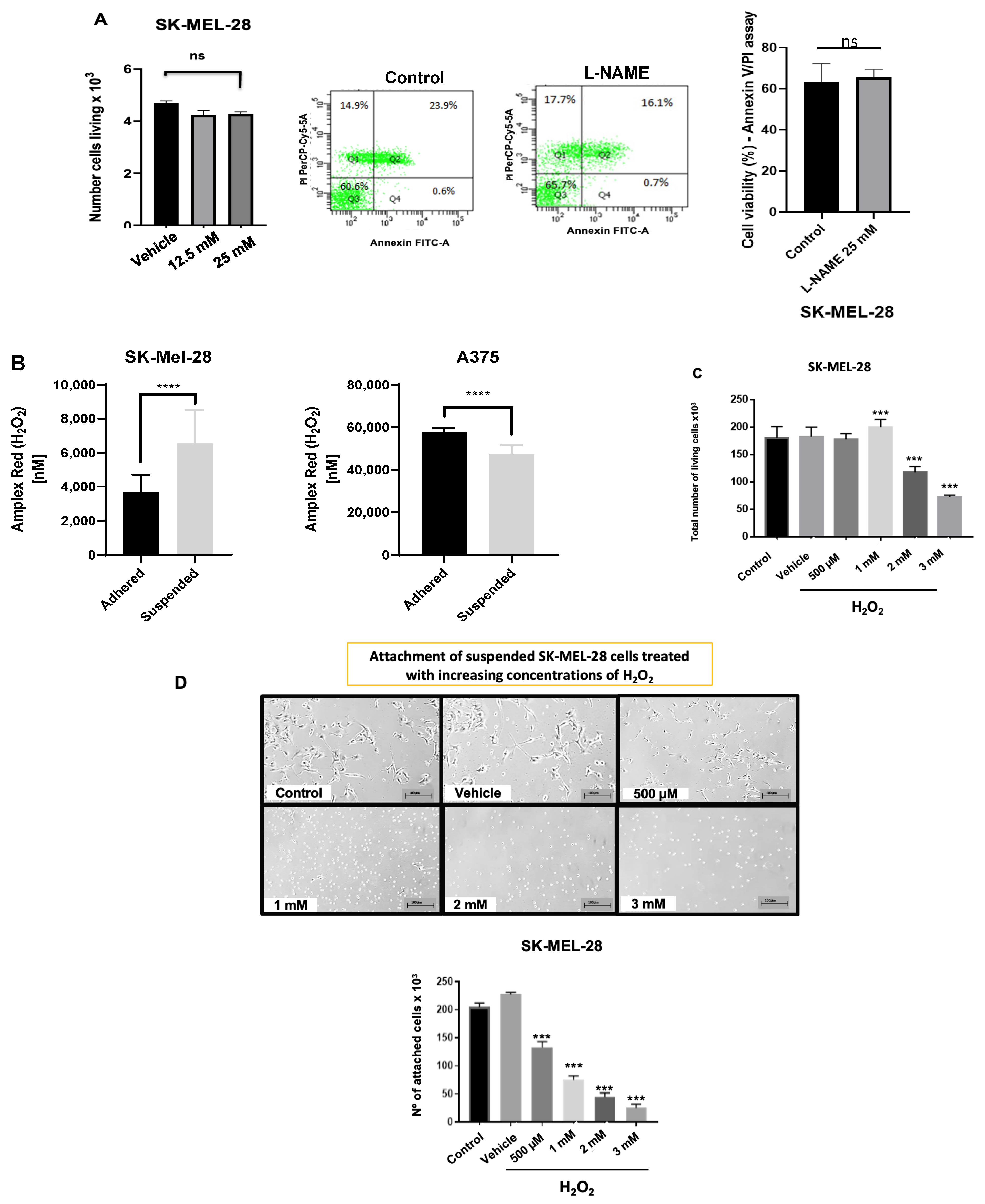
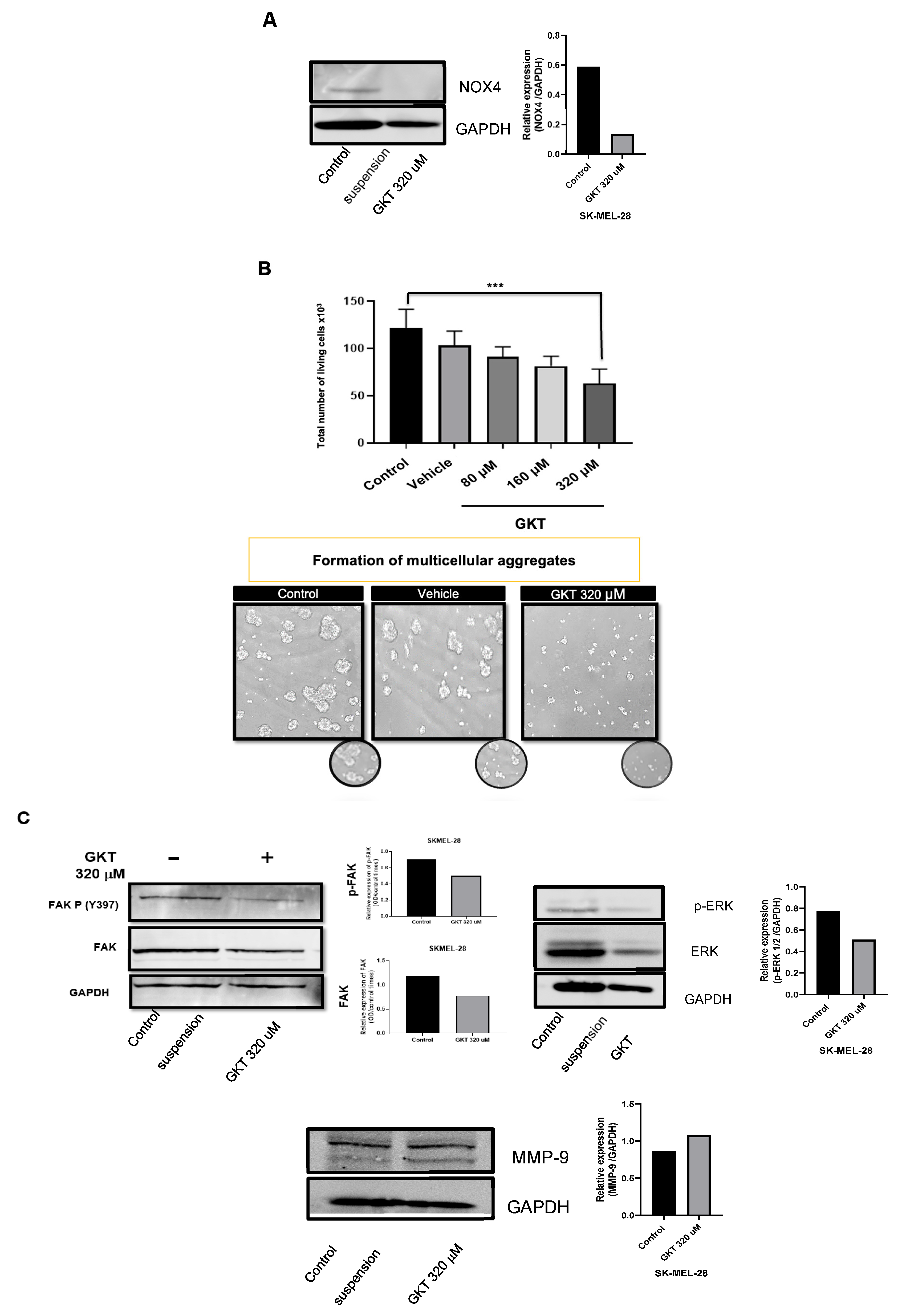
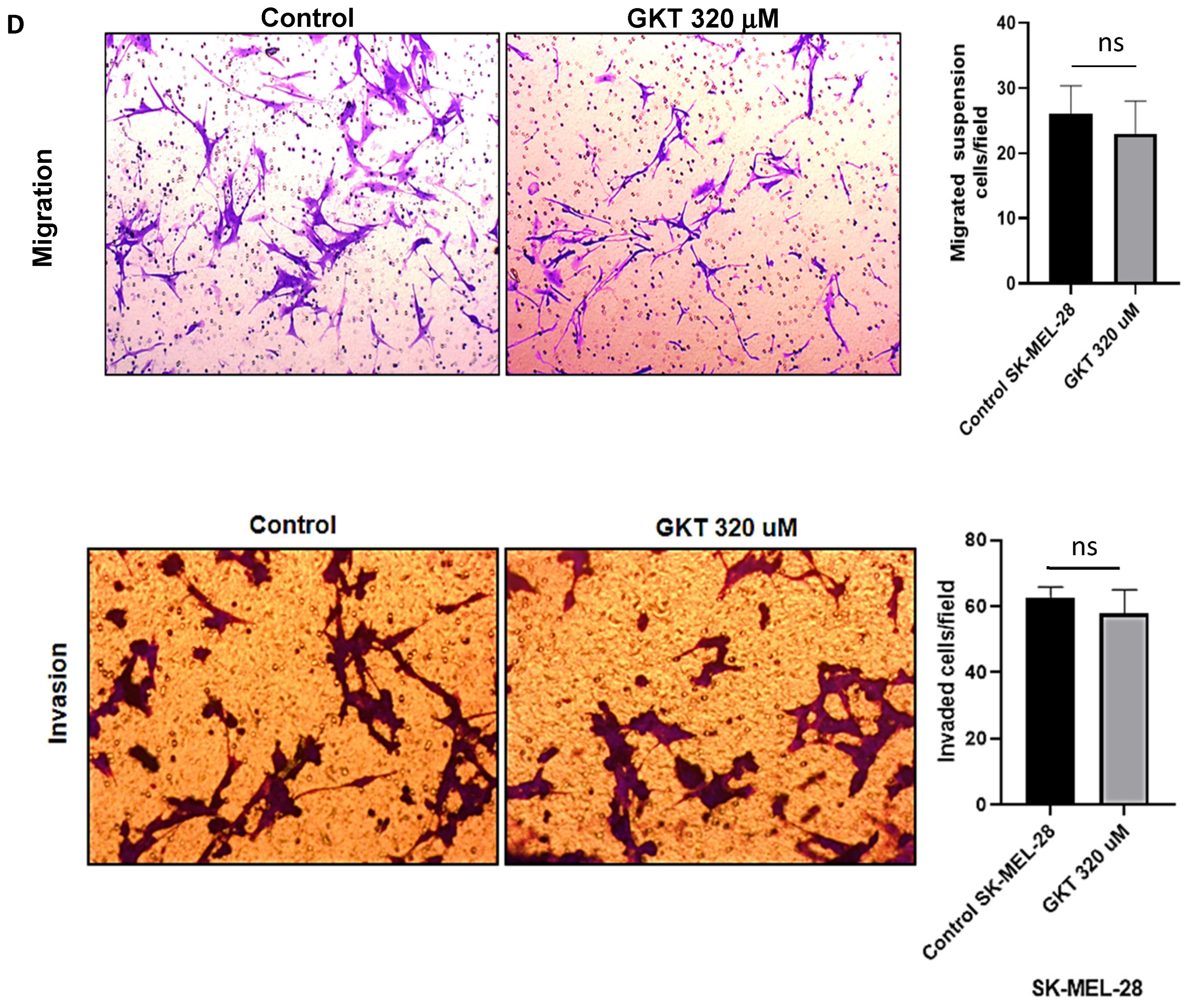
3.3. Anoikis Resistance in SK-MEL-28 Cells Is Mediated by Hydrogen Peroxide
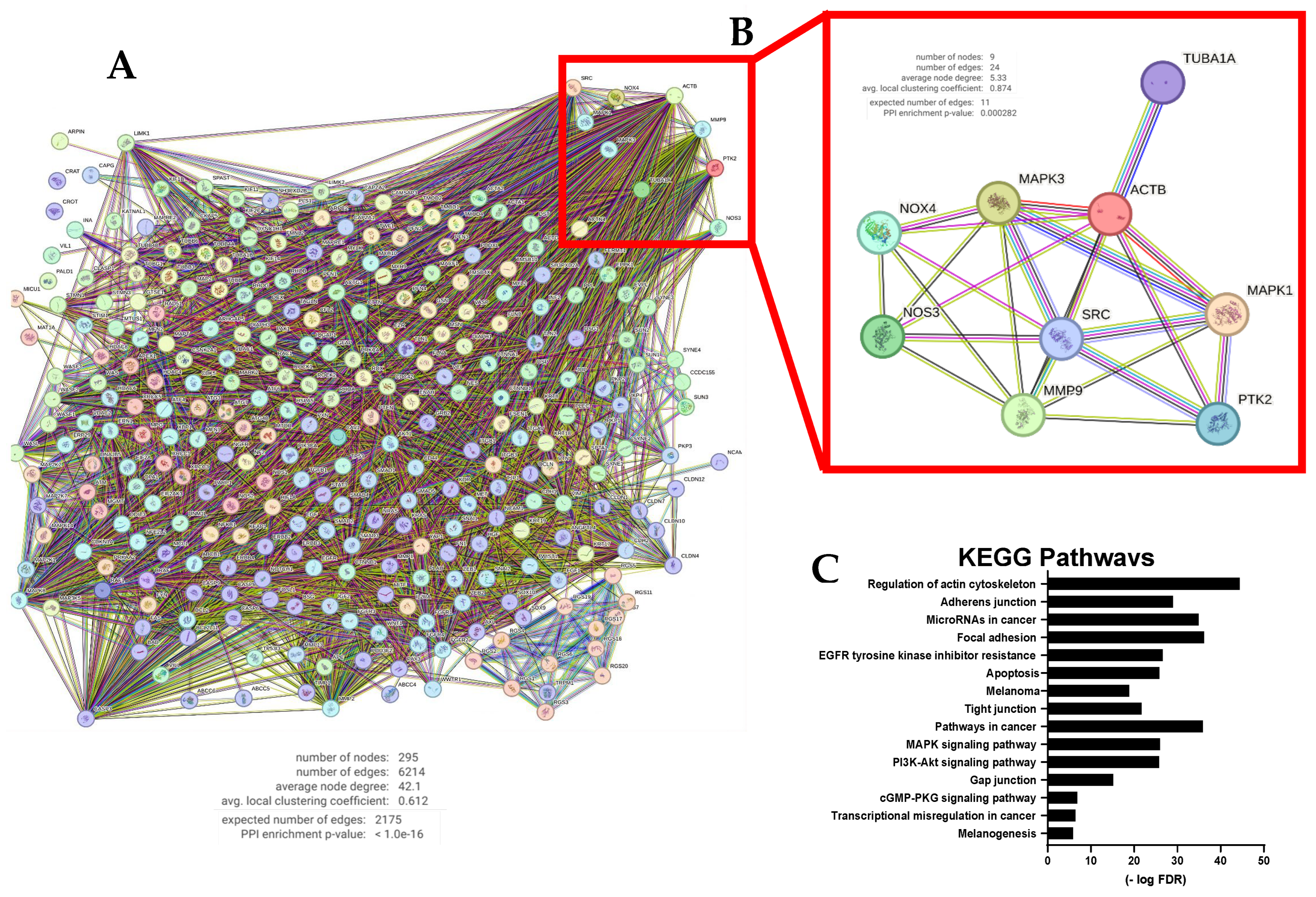
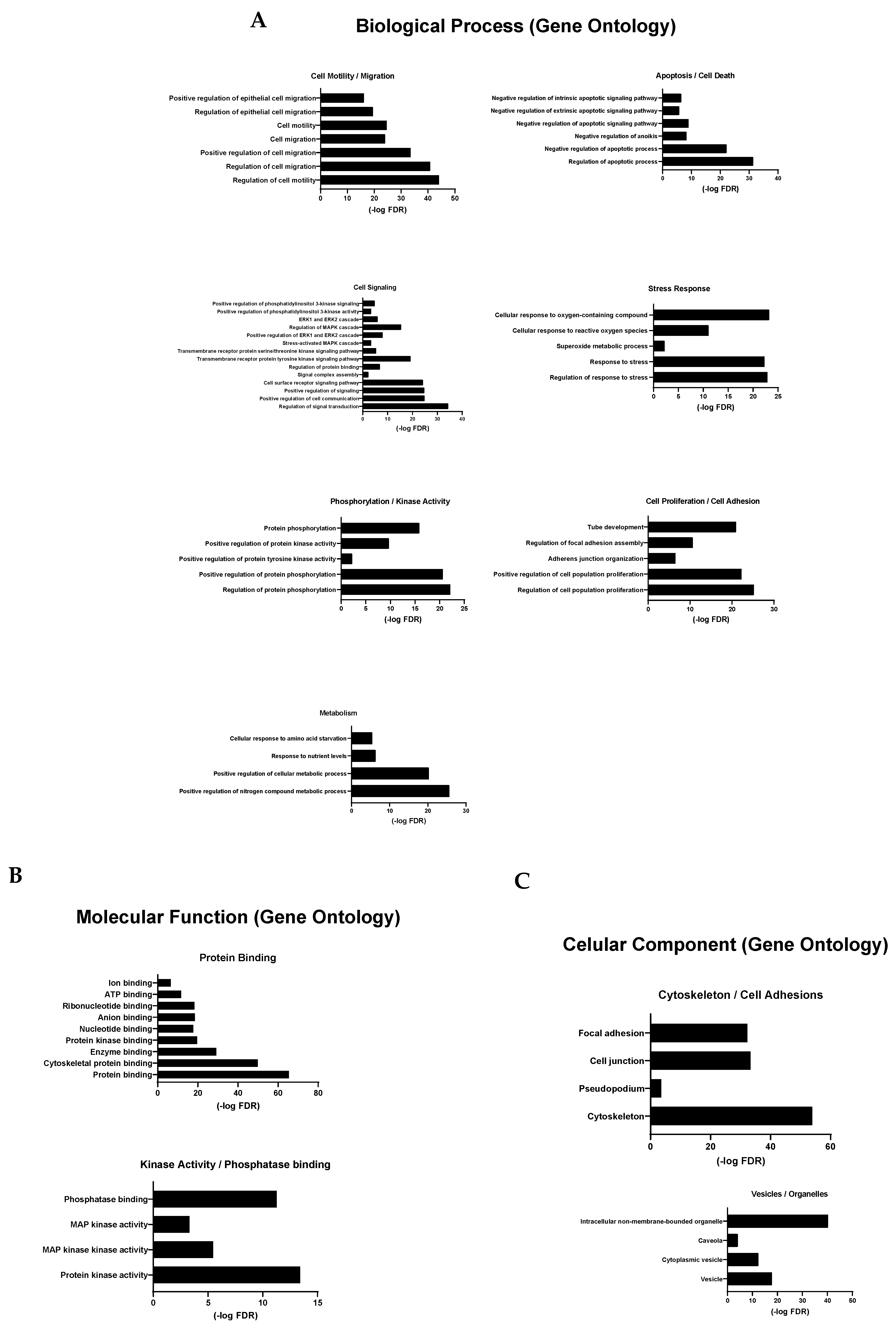
3.4. Enrichment Pathway Analysis of Protein–Protein Interaction Networks
4. Discussion
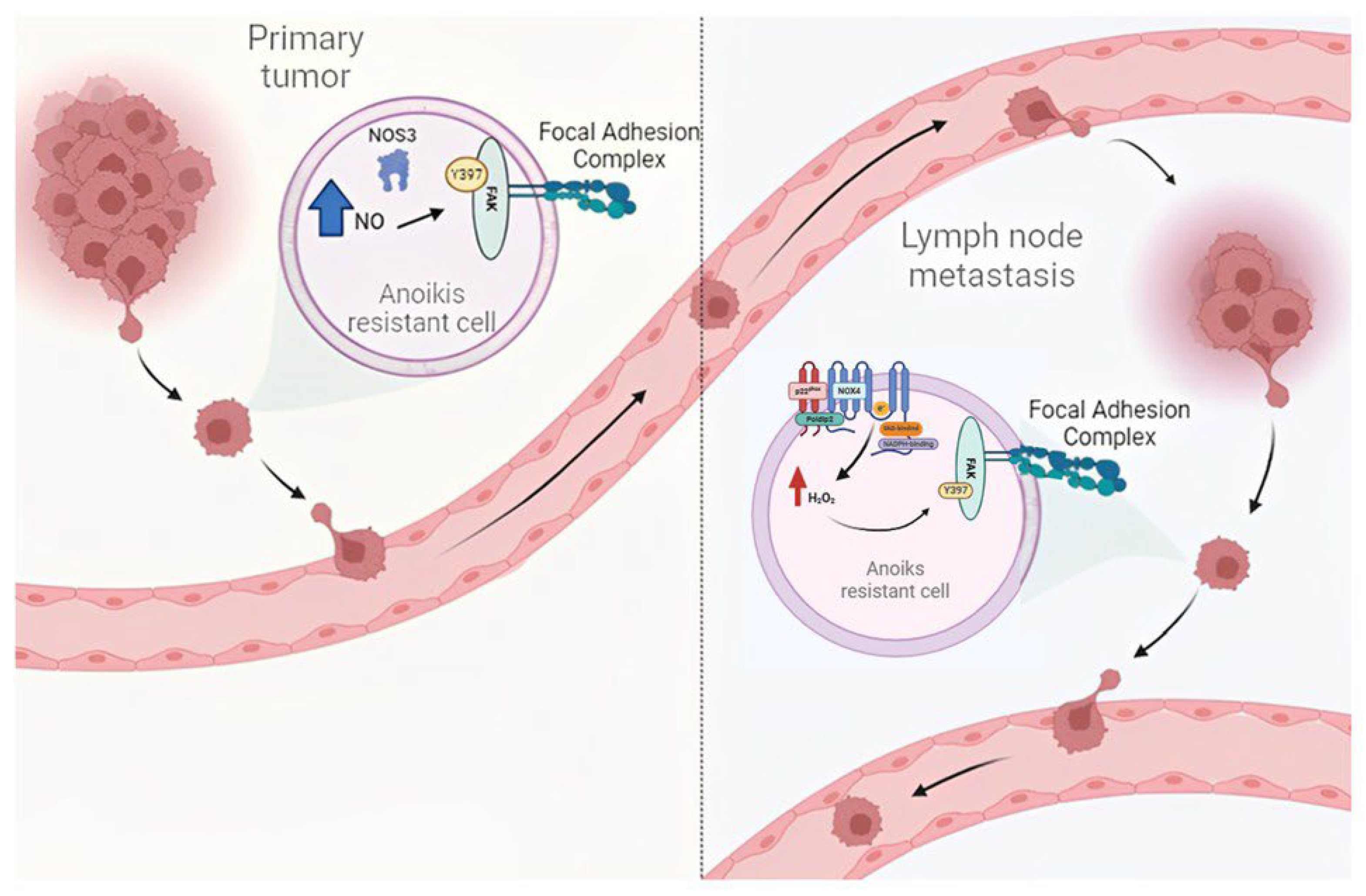
5. Conclusions
Supplementary Materials
Author Contributions
Funding
Institutional Review Board Statement
Informed Consent Statement
Data Availability Statement
Conflicts of Interest
References
- Schadendorf, D.; Fisher, D.E.; Garbe, C.; Gershenwald, J.E.; Grob, J.J.; Halpern, A.; Herlyn, M.; Marchetti, M.A.; McArthur, G.; Ribas, A.; et al. Melanoma. Nat. Rev. Dis. Primers 2015, 1, 15003. [Google Scholar] [CrossRef] [PubMed]
- World Health Organization. Cancer Tomorrow—IARC. Available online: https://gco.iarc.who.int/tomorrow/en/dataviz/isotype?cancers=16&single_unit=5000&years=2025&types=0 (accessed on 4 June 2026).
- Gosman, L.M.; Țăpoi, D.A.; Costache, M. Cutaneous Melanoma: A Review of Multifactorial Pathogenesis, Immunohistochemistry, and Emerging Biomarkers for Early Detection and Management. Int. J. Mol. Sci. 2023, 24, 15881. [Google Scholar] [CrossRef]
- Fares, J.; Fares, M.Y.; Khachfe, H.H.; Salhab, H.A.; Fares, Y. Molecular principles of metastasis: A hallmark of cancer revisited. Signal Transduct. Target. Ther. 2020, 5, 128. [Google Scholar] [CrossRef]
- Paoli, P.; Giannoni, E.; Chiarugi, P. Anoikis molecular pathways and its role in cancer progression. Biochim. Biophys. Acta 2013, 1833, 3481–3498. [Google Scholar] [CrossRef]
- Frisch, S.M.; Hu, G. Anoikis resistance and cancer. BMC Cancer 2025, 25, 17647. [Google Scholar] [CrossRef] [PubMed]
- Fard, F.S.; Jalilzadeh, N.; Mehdizadeh, A.; Sajjadian, F.; Velaei, K. Understanding and targeting anoikis in metastasis for cancer therapies. Cell Biol. Int. 2023, 47, 683–698. [Google Scholar] [CrossRef] [PubMed]
- Joo, N.E.; Watanabe, T.; Chen, C.; Hekenya, M.C.; Stallcup, W.B.; Kapila, Y.L. NG2, a novel pro-apoptotic receptor, opposes integrin alpha4 to mediate anoikis through PKCalpha-dependent suppression of FAK phosphorylation. Cell Death Differ. 2008, 15, 899–907. [Google Scholar] [CrossRef]
- Cooper, J.; Giancotti, F.G. Integrin Signaling in Cancer: Mechanotransduction, Stemness, Epithelial Plasticity, and Therapeutic Resistance. Cancer Cell 2019, 35, 347–367. [Google Scholar] [CrossRef]
- Guha, D.; Saha, T.; Bose, S.; Chakraborty, S.; Dhar, S.; Khan, P.; Adhikary, A.; Das, T.; Sa, G. Integrin-EGFR interaction regulates anoikis resistance in colon cancer cells. Apoptosis 2019, 24, 958–971. [Google Scholar] [CrossRef]
- Hamidi, H.; Ivaska, J. Every step of the way: Integrins in cancer progression and metastasis. Nat. Rev. Cancer 2018, 18, 533–548. [Google Scholar] [CrossRef]
- Streblow, D.N.; Vomaske, J.; Smith, P.; Melnychuk, R.; Hall, L.; Pancheva, D.; Smit, M.; Casarosa, P.; Schlaepfer, D.D.; Nelson, J.A. Human cytomegalovirus chemokine receptor US28-induced smooth muscle cell migration is mediated by focal adhesion kinase and Src. J. Biol. Chem. 2003, 278, 50456–50465. [Google Scholar] [CrossRef]
- Alanko, J.; Ivaska, J. Endosomes: Emerging Platforms for Integrin-Mediated FAK Signalling. Trends Cell Biol. 2016, 26, 391–398. [Google Scholar] [CrossRef]
- Mitra, S.K.; Schlaepfer, D.D. Integrin-regulated FAK-Src signaling in normal and cancer cells. Curr. Opin. Cell Biol. 2006, 18, 516–523. [Google Scholar] [CrossRef]
- Bouchard, V.; Demers, M.; Thibodeau, S.; Laquerre, V.; Fujita, N.; Tsuruo, T.; Beaulieu, J.; Gauthier, R.; Vézina, A.; Villeneuve, L.; et al. Fak/Src signaling in human intestinal epithelial cell survival and anoikis: Differentiation state-specific uncoupling with the PI3-K/Akt-1 and MEK/Erk pathways. J. Cell. Physiol. 2007, 212, 717–728. [Google Scholar] [CrossRef] [PubMed]
- Hu, H.H.; Wang, S.Q.; Shang, H.L.; Lv, H.F.; Chen, B.B.; Gao, S.G.; Chen, X.B. Roles and inhibitors of FAK in cancer: Current advances and future directions. Front. Pharmacol. 2024, 15, 1274209. [Google Scholar] [CrossRef] [PubMed]
- Hussain, S.P.; Hofseth, L.J.; Harris, C.C. Radical causes of cancer. Nat. Rev. Cancer 2003, 3, 276–285. [Google Scholar] [CrossRef]
- Monteiro, H.P.; Rodrigues, E.G.; Reis, A.K.A.; Longo, L.S., Jr.; Ogata, F.T.; Moretti, A.I.; da Costa, P.E.; Teodoro, A.C.; Toledo, M.S.; Stern, A. Nitric oxide and interactions with reactive oxygen species in the development of melanoma, breast, and colon cancer: A redox signaling perspective. Nitric Oxide 2019, 89, 1–13. [Google Scholar] [CrossRef]
- Monteiro, H.P.; Gruia-Gray, J.; Peranovich, T.M.; de Oliveira, L.C.; Stern, A. Nitric oxide stimulates tyrosine phosphorylation of focal adhesion kinase, Src kinase, and mitogen-activated protein kinases in murine fibroblasts. Free Radic. Biol. Med. 2000, 28, 174–182. [Google Scholar] [CrossRef] [PubMed]
- Curcio, M.F.; Batista, W.L.; Linares, E.; Nascimento, F.D.; Moraes, M.S.; Borges, R.E.; Sap, J.; Stern, A.; Monteiro, H.P. Regulatory effects of nitric oxide on Src kinase, FAK, p130Cas, and receptor protein tyrosine phosphatase alpha (PTP-alpha): A role for the cellular redox environment. Antioxid. Redox Signal. 2010, 13, 109–125. [Google Scholar] [CrossRef]
- da Costa, P.E.; Batista, W.L.; Moraes, M.S.; Stern, A.; Monteiro, H.P. Src kinase activation by nitric oxide promotes resistance to anoikis in tumor cell lines. Free Radic. Res. 2018, 52, 592–604. [Google Scholar] [CrossRef]
- Rizza, S.; Di Leo, L.; Pecorari, C.; Giglio, P.; Faienza, F.; Montagna, C.; Maiani, E.; Puglia, M.; Bosisio, F.M.; Petersen, T.S.; et al. GSNOR deficiency promotes tumor growth via FAK1 S-nitrosylation. Cell Rep. 2023, 42, 111997. [Google Scholar] [CrossRef] [PubMed]
- Patel, A.; Tong, S.; Lozada, K.; Awasthi, A.; Silverman, R.B.; Totonchy, J.; Yang, S. Targeting Neuronal Nitric Oxide Synthase (nNOS) as a Novel Approach to Enhancing the Anti-Melanoma Activity of Immune Checkpoint Inhibitors. Pharmaceutics 2025, 17, 691. [Google Scholar] [CrossRef] [PubMed]
- Tu, Y.-T.; Tao, J.; Liu, Y.-Q.; Huang, C.-Z.; Zhang, X.-B.; Lin, Y. Expression of endothelial nitric oxide synthase and vascular endothelial growth factor in human malignant melanoma and their relation to angiogenesis. Clin. Exp. Dermatol. 2006, 31, 413–418. [Google Scholar] [CrossRef]
- Massi, D.; De Nisi, M.C.; Franchi, A.; Mourmouras, V.; Baroni, G.; Panelos, J.; Santucci, M.; Miracco, C. Inducible nitric oxide synthase expression in melanoma: Implications in lymphangiogenesis. Mod. Pathol. 2009, 22, 21–30. [Google Scholar] [CrossRef]
- Yamaura, M.; Mitsushita, J.; Furuta, S.; Kiniwa, Y.; Ashida, A.; Goto, Y.; Shang, W.H.; Kubodera, M.; Kato, M.; Takata, M.; et al. NADPH oxidase 4 contributes to transformation phenotype of melanoma cells by regulating G2-M cell cycle progression. Cancer Res. 2009, 69, 2647–2654. [Google Scholar] [CrossRef]
- Ribeiro-Pereira, C.; Moraes, J.A.; Souza, M.J.; Laurindo, F.R.M.; Arruda, M.A.; Barja-Fidalgo, C. Redox modulation of FAK controls melanoma survival: Role of NOX4. PLoS ONE 2014, 9, e99481. [Google Scholar] [CrossRef]
- Carvalho, L.A.C.; Queijo, R.G.; Baccaro, A.L.B.; Siena, Á.D.D.; Silva, W.A., Jr.; Rodrigues, T.; Maria-Engler, S.S. Redox-related proteins in melanoma progression. Antioxidants 2022, 11, 438. [Google Scholar] [CrossRef]
- Eller-Borges, R.; Rodrigues, E.G.; Teodoro, A.C.S.; Moraes, M.S.; Arruda, D.C.; Paschoalin, T.; Curcio, M.F.; da Costa, P.E.; Nascimento, I.R.D.; Calixto, L.A.; et al. Bradykinin promotes murine melanoma cell migration and invasion through endogenous production of superoxide and nitric oxide. Nitric Oxide 2023, 132, 15–26. [Google Scholar] [CrossRef]
- Gilbert, L.A.; Horlbeck, M.A.; Adamson, B.; Villalta, J.E.; Chen, Y.; Whitehead, E.H.; Guimaraes, C.; Panning, B.; Ploegh, H.L.; Bassik, M.C.; et al. Genome-scale CRISPR-mediated control of gene repression and activation. Cell 2014, 159, 647–661. [Google Scholar] [CrossRef] [PubMed]
- Zheng, T.; Hou, Y.; Zhang, P.; Zhang, Z.; Xu, Y.; Zhang, L.; Niu, L.; Yang, Y.; Liang, D.; Yi, F.; et al. Profiling single-guide RNA specificity reveals a mismatch-sensitive core sequence. Sci. Rep. 2017, 7, 40638. [Google Scholar] [PubMed]
- Falasca, M.; Raimondi, C.; Maffucci, T. Boyden chamber. Methods Mol. Biol. 2011, 769, 87–95. [Google Scholar]
- Galluzzi, L.; Vitale, I.; Aaronson, S.A.; Abrams, J.M.; Adam, D.; Agostinis, P.; Alnemri, E.S.; Altucci, L.; Amelio, I.; Andrews, D.W.; et al. Molecular mechanisms of cell death: Recommendations of the Nomenclature Committee on Cell Death 2018. Cell Death Differ. 2018, 25, 486–541. [Google Scholar] [CrossRef]
- Laleu, B.; Gaggini, F.; Orchard, M.; Fioraso-Cartier, L.; Cagnon, L.; Houngninou-Molango, S.; Gradia, A.; Duboux, G.; Merlot, C.; Heitz, F.; et al. First in class, potent, and orally bioavailable NADPH oxidase isoform 4 (Nox4) inhibitors for the treatment of idiopathic pulmonary fibrosis. J. Med. Chem. 2010, 53, 7715–7730. [Google Scholar] [CrossRef]
- Sakamoto, S.; McCann, R.O.; Dhir, R.; Kyprianou, N. Talin1 promotes tumor invasion and metastasis via focal adhesion signaling and anoikis resistance. Cancer Res. 2010, 70, 1885–1895. [Google Scholar] [CrossRef] [PubMed]
- D’AMato, N.C.; Rogers, T.J.; Gordon, M.A.; Greene, L.I.; Cochrane, D.R.; Spoelstra, N.S.; Nemkov, T.G.; D’ALessandro, A.; Hansen, K.C.; Richer, J.K. A TDO2-AhR signaling axis facilitates anoikis resistance and metastasis in triple-negative breast cancer. Cancer Res. 2015, 75, 4651–4664. [Google Scholar] [CrossRef]
- Khan, S.U.; Fatima, K.; Malik, F. Understanding the cell survival mechanism of anoikis-resistant cancer cells during different steps of metastasis. Clin. Exp. Metastasis 2022, 39, 715–726. [Google Scholar] [CrossRef] [PubMed]
- da Costa, P.E.; Batista, W.L.; Curcio, M.F.; Moraes, M.S.; Borges, R.E.; Nascimento, P.A.; Travassos, L.R.; Monteiro, H.P. Protein tyrosine phosphatase alpha regulates cell detachment and cell death profiles induced by nitric oxide donors in the A431 human carcinoma cell line. Redox Rep. 2011, 6, 27–37. [Google Scholar] [CrossRef] [PubMed]
- Mintz, J.; Vedenko, A.; Rosete, O.; Shah, K.; Goldstein, G.; Hare, J.M.; Ramasamy, R.; Arora, H. Current advances of nitric oxide in cancer and anticancer therapeutics. Vaccines 2021, 9, 94. [Google Scholar] [CrossRef]
- Chen, X.; Xia, Q.; Sun, N.; Zhou, H.; Xu, Z.; Yang, X.; Yan, R.; Li, P.; Li, T.; Qin, X.; et al. Shear stress enhances anoikis resistance of cancer cells through ROS and NO suppressed degeneration of Caveolin-1. Free Radic. Biol. Med. 2022, 193, 95–107. [Google Scholar] [CrossRef]
- Chen, X.; Zou, Z.; Wang, Q.; Gao, W.; Zeng, S.; Ye, S.; Xu, P.; Huang, M.; Li, K.; Chen, J.; et al. Inhibition of NOS1 promotes the interferon response of melanoma cells. J. Transl. Med. 2022, 20, 205. [Google Scholar] [CrossRef]
- Lopez-Rivera, E.; Jayaraman, P.; Parikh, F.; Davies, M.A.; Ekmekcioglu, S.; Izadmehr, S.; Milton, D.R.; Chipuk, J.E.; Grimm, E.A.; Estrada, Y.; et al. Inducible nitric oxide synthase drives mTOR pathway activation and proliferation of human melanoma by reversible nitrosylation of TSC2. Cancer Res. 2014, 74, 1067–1078. [Google Scholar] [CrossRef] [PubMed]
- Furfine, E.S.; Harmon, M.F.; Paith, J.E.; Garvey, E.P. Selective inhibition of constitutive nitric oxide synthase by L-NG-nitroarginine. Biochemistry 1993, 32, 8512–8517. [Google Scholar] [CrossRef] [PubMed]
- Tang, C.H.; Grimm, E.A. Depletion of endogenous nitric oxide enhances cisplatin-induced apoptosis in a p53-dependent manner in melanoma cell lines. J. Biol. Chem. 2004, 279, 288–298. [Google Scholar] [CrossRef]
- Kacar, S.; Kar, F.; Hacioglu, C.; Kanbak, G.; Sahinturk, V. The effects of L-NAME on DU145 human prostate cancer cell line: A cytotoxicity-based study. Hum. Exp. Toxicol. 2020, 39, 182–193. [Google Scholar] [CrossRef]
- Rapozzi, V.; Della Pietra, E.; Bonavida, B. Dual roles of nitric oxide in the regulation of tumor cell response and resistance to photodynamic therapy. Redox Biol. 2015, 6, 311–317. [Google Scholar] [CrossRef]
- Reddy, T.P.; Glynn, S.A.; Billiar, T.R.; Wink, D.A.; Chang, J.C. Targeting nitric oxide: Say NO to metastasis. Clin. Cancer Res. 2023, 29, 1855–1868. [Google Scholar] [CrossRef] [PubMed]
- Zhang, Y.; Lu, H.; Dazin, P.; Kapila, Y. Squamous cell carcinoma cell aggregates escape suspension-induced, p53-mediated anoikis: Fibronectin and integrin alphav mediate survival signals through focal adhesion kinase. J. Biol. Chem. 2004, 279, 48342–48349. [Google Scholar] [CrossRef] [PubMed]
- Tsai, A.C.; Liu, Y.; Yuan, X.; Ma, T. Compaction, fusion, and functional activation of three-dimensional human mesenchymal stem cell aggregate. Tissue Eng. Part A 2015, 21, 1705–1719. [Google Scholar] [CrossRef]
- Charpentier, M.; Martin, S. Interplay of stem cell characteristics, EMT, and microtentacles in circulating breast tumor cells. Cancers 2013, 5, 1545–1565. [Google Scholar] [CrossRef]
- Martin, S.K.; Kamelgarn, M.; Kyprianou, N. Cytoskeleton targeting value in prostate cancer treatment. Am. J. Clin. Exp. Urol. 2014, 2, 15–26. [Google Scholar]
- Horenberg, A.L.; Houghton, A.M.; Pandey, S.; Seshadri, V.; Guilford, W.H. S-nitrosylation of cytoskeletal proteins. Cytoskeleton 2019, 76, 243–253. [Google Scholar] [CrossRef]
- Schlaepfer, D.D.; Ojalill, M.; Stupack, D.G. Focal adhesion kinase signaling—Tumor vulnerabilities and clinical opportunities. J. Cell Sci. 2024, 137, jcs261723. [Google Scholar] [CrossRef]
- Carduner, L.; Picot, C.R.; Leroy-Dudal, J.; Blay, L.; Kellouche, S.; Carreiras, F. Cell cycle arrest or survival signaling through αv integrins, activation of PKC and ERK1/2 lead to anoikis resistance of ovarian cancer spheroids. Exp. Cell Res. 2014, 320, 329–342. [Google Scholar] [CrossRef]
- Jin, L.; Cao, Y.; Zhang, T.; Wang, P.; Ji, D.; Liu, X.; Shi, H.; Hua, L.; Yu, R.; Gao, S. Effects of ERK1/2 S-nitrosylation on ERK1/2 phosphorylation and cell survival in glioma cells. Int. J. Mol. Med. 2018, 41, 1339–1348. [Google Scholar] [CrossRef]
- Nair, A.; Madhyastha, H.; Revanasiddappa, B.C.; Pai, V.; Kumar, D.; Neenu, M.K.; Prabhu, P.P. The role of nitric oxide in inflammation, tumor microenvironment, and cancer therapy. Nitric Oxide 2026, 162, 25–34. [Google Scholar] [CrossRef]
- Roomi, M.W.; Monterrey, J.C.; Kalinovsky, T.; Rath, M.; Niedzwiecki, A. Matrix metalloproteinase-9 and cancer invasion. Oncol. Rep. 2009, 21, 1323–1333. [Google Scholar]
- Daher, Z.; Noël, J.; Claing, A. Endothelin-1 promotes migration of endothelial cells through the activation of ARF6 and the regulation of FAK activity. Cell Signal. 2008, 20, 2256–2265. [Google Scholar] [CrossRef]
- Shah, M.A.; Rogoff, H.A. Implications of reactive oxygen species on cancer formation and its treatment. Semin. Oncol. 2021, 48, 238–245. [Google Scholar] [CrossRef] [PubMed]
- Halim, H.; Chanvorachote, P. Long-term hydrogen peroxide exposure potentiates anoikis resistance and anchorage-independent growth in lung carcinoma cells. Cell Biol. Int. 2012, 36, 1055–1066. [Google Scholar] [CrossRef] [PubMed]
- Martyn, K.D.; Frederick, L.M.; von Loehneysen, K.; Dinauer, M.C.; Knaus, U.G. Functional analysis of Nox4 reveals unique characteristics compared to other NADPH oxidases. Cell Signal. 2006, 18, 69–82. [Google Scholar] [CrossRef] [PubMed]
- Gozin, A.; Franzini, E.; Andrieu, V.; Da Costa, L.; Rollet-Labelle, E.; Pasquier, C. Reactive oxygen species activate focal adhesion kinase, paxillin and p130cas tyrosine phosphorylation in endothelial cells. Free Radic. Biol. Med. 1998, 25, 1021–1032. [Google Scholar] [CrossRef] [PubMed]
- Basuroy, S.; Dunagan, M.; Sheth, P.; Seth, A.; Rao, R.K. Hydrogen peroxide activates focal adhesion kinase and c-Src by a phosphatidylinositol 3 kinase-dependent mechanism and promotes cell migration in Caco-2 cell monolayers. Am. J. Physiol. Gastrointest. Liver Physiol. 2010, 299, G186–G195. [Google Scholar] [CrossRef]



| sgRNA NOS3 I-BOTTOM. | 5′-AAACGTAGTTTCCGTGGAAATACC-3′ |
| sgRNA NOS3 II-TOP | 5′-CACCGCCTCCCAGTTCTTCACACGA-3′ |
| sgRNA NOS3 II-BOTTOM | 5′-AAACTCGTGTGAAGAACTGGGAGGC-3′ |
Disclaimer/Publisher’s Note: The statements, opinions and data contained in all publications are solely those of the individual author(s) and contributor(s) and not of MDPI and/or the editor(s). MDPI and/or the editor(s) disclaim responsibility for any injury to people or property resulting from any ideas, methods, instructions or products referred to in the content. |
© 2026 by the authors. Licensee MDPI, Basel, Switzerland. This article is an open access article distributed under the terms and conditions of the Creative Commons Attribution (CC BY) license.
Share and Cite
Nascimento, I.R.d.; Teodoro, A.C.S.; Sousa, P.V.d.; Barboza, L.T.; da Silva, J.P.C.; Cintra, R.C.; Alves, C.; Toledo, L.R.D.; Carneiro, R.J.; Longo, L.S., Jr.; et al. Nitric Oxide, Reactive Oxygen Species, and Focal Adhesion Kinase Mediate Anoikis Resistance in A375 and SK-MEL-28 Human Melanoma Cells. Antioxidants 2026, 15, 740. https://doi.org/10.3390/antiox15060740
Nascimento IRd, Teodoro ACS, Sousa PVd, Barboza LT, da Silva JPC, Cintra RC, Alves C, Toledo LRD, Carneiro RJ, Longo LS Jr., et al. Nitric Oxide, Reactive Oxygen Species, and Focal Adhesion Kinase Mediate Anoikis Resistance in A375 and SK-MEL-28 Human Melanoma Cells. Antioxidants. 2026; 15(6):740. https://doi.org/10.3390/antiox15060740
Chicago/Turabian StyleNascimento, Igor R. do, Ana Caroline S. Teodoro, Paulo V. de Sousa, Leticia T. Barboza, Joanderson P. Cândido da Silva, Ricardo C. Cintra, Caroline Alves, Lidia R. De Toledo, Ronaldo J. Carneiro, Luiz S. Longo, Jr., and et al. 2026. "Nitric Oxide, Reactive Oxygen Species, and Focal Adhesion Kinase Mediate Anoikis Resistance in A375 and SK-MEL-28 Human Melanoma Cells" Antioxidants 15, no. 6: 740. https://doi.org/10.3390/antiox15060740
APA StyleNascimento, I. R. d., Teodoro, A. C. S., Sousa, P. V. d., Barboza, L. T., da Silva, J. P. C., Cintra, R. C., Alves, C., Toledo, L. R. D., Carneiro, R. J., Longo, L. S., Jr., Stern, A., & Monteiro, H. P. (2026). Nitric Oxide, Reactive Oxygen Species, and Focal Adhesion Kinase Mediate Anoikis Resistance in A375 and SK-MEL-28 Human Melanoma Cells. Antioxidants, 15(6), 740. https://doi.org/10.3390/antiox15060740