Review

Metal Toxicity and Dementia Including Frontotemporal Dementia: Current State of Knowledge

by
Francesca Gorini
and
Alessandro Tonacci
*
Institute of Clinical Physiology, National Research Council, 56124 Pisa, Italy
*
Author to whom correspondence should be addressed.
Antioxidants 2024, 13(8), 938; https://doi.org/10.3390/antiox13080938

Submission received: 16 July 2024 / Revised: 28 July 2024 / Accepted: 30 July 2024 / Published: 1 August 2024
(This article belongs to the Special Issue Oxidative Stress and Environmental Toxicology)

Abstract

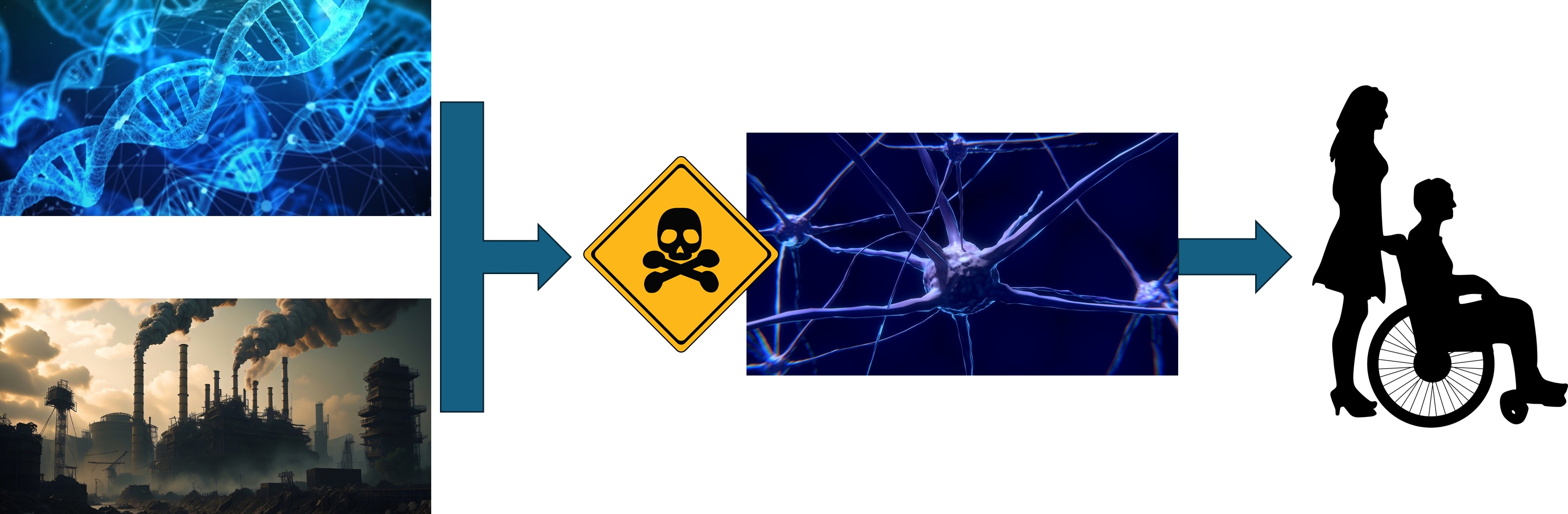
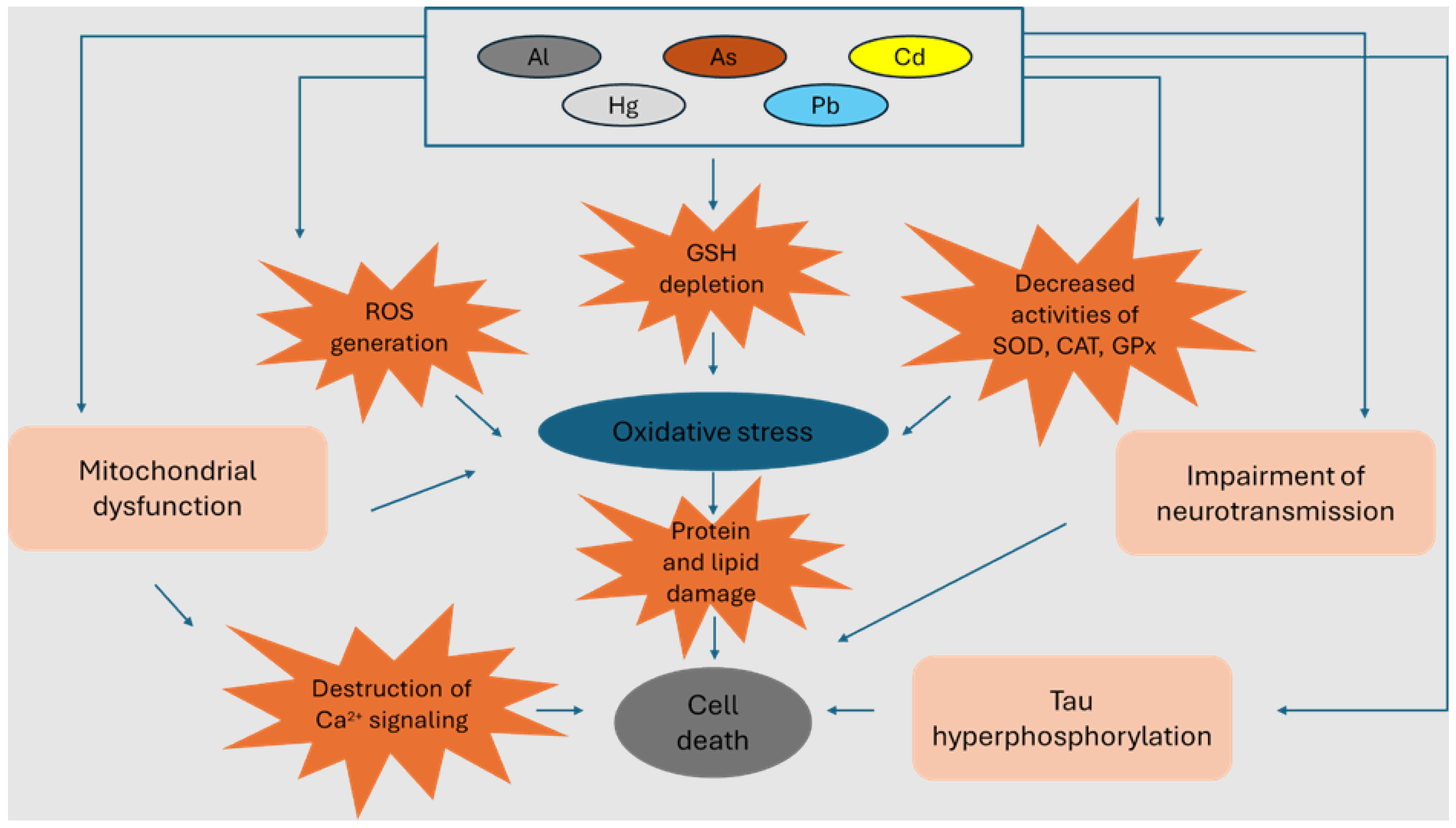
Frontotemporal dementia (FTD) includes a number of neurodegenerative diseases, often with early onset (before 65 years old), characterized by progressive, irreversible deficits in behavioral, linguistic, and executive functions, which are often difficult to diagnose due to their similar phenotypic characteristics to other dementias and psychiatric disorders. The genetic contribution is of utmost importance, although environmental risk factors also play a role in its pathophysiology. In fact, some metals are known to produce free radicals, which, accumulating in the brain over time, can induce oxidative stress, inflammation, and protein misfolding, all of these being key features of FTD and similar conditions. Therefore, the present review aims to summarize the current evidence about the environmental contribution to FTD―mainly dealing with toxic metal exposure―since the identification of such potential environmental risk factors can lead to its early diagnosis and the promotion of policies and interventions. This would allow us, by reducing exposure to these pollutants, to potentially affect society at large in a positive manner, decreasing the burden of FTD and similar conditions on affected individuals and society overall. Future perspectives, including the application of Artificial Intelligence principles to the field, with related evidence found so far, are also introduced.
Keywords: artificial intelligence; environmental pollution; frontotemporal dementia; FTD; toxic metals; machine learning; neurodegeneration; neurotoxicity; oxidative stress; toxicity artificial intelligence; environmental pollution; frontotemporal dementia; FTD; toxic metals; machine learning; neurodegeneration; neurotoxicity; oxidative stress; toxicity
Graphical Abstract