Article

HNO Protects the Myocardium against Reperfusion Injury, Inhibiting the mPTP Opening via PKCε Activation


1
Department of Clinical and Biological Sciences, University of Torino, 1043 Torino, Italy
2
Laboratory of Cancer Immunometabolism, National Cancer Institute, NIH, Frederick, MD 20892, USA
3
Cardio-Oncology Unit, Center for Basic and Clinical Immunology (CISI), Interdepartmental Center of Clinical and Translational Sciences (CIRCET), Interdepartmental Hypertension Research Center (CIRI-APA), Department of Translational Medical Sciences, Federico II University, 80131 Napoli, Italy
4
Department of Chemistry, University of Arizona, Tucson, AZ 85721, USA
5
Laboratory of Cardiovascular Science, National Institute on Aging, NIH, Baltimore, MD 21224, USA
6
Division of Cardiology, The Johns Medical Institutions, Baltimore, MD 21287, USA
7
Department of Biomedical Sciences, University of Padova, 35131 Padova, Italy
*
Authors to whom correspondence should be addressed.
Antioxidants 2022, 11(2), 382; https://doi.org/10.3390/antiox11020382

Submission received: 23 November 2021 / Revised: 5 January 2022 / Accepted: 7 February 2022 / Published: 14 February 2022
(This article belongs to the Special Issue NOS/NO System and Heart)

Abstract

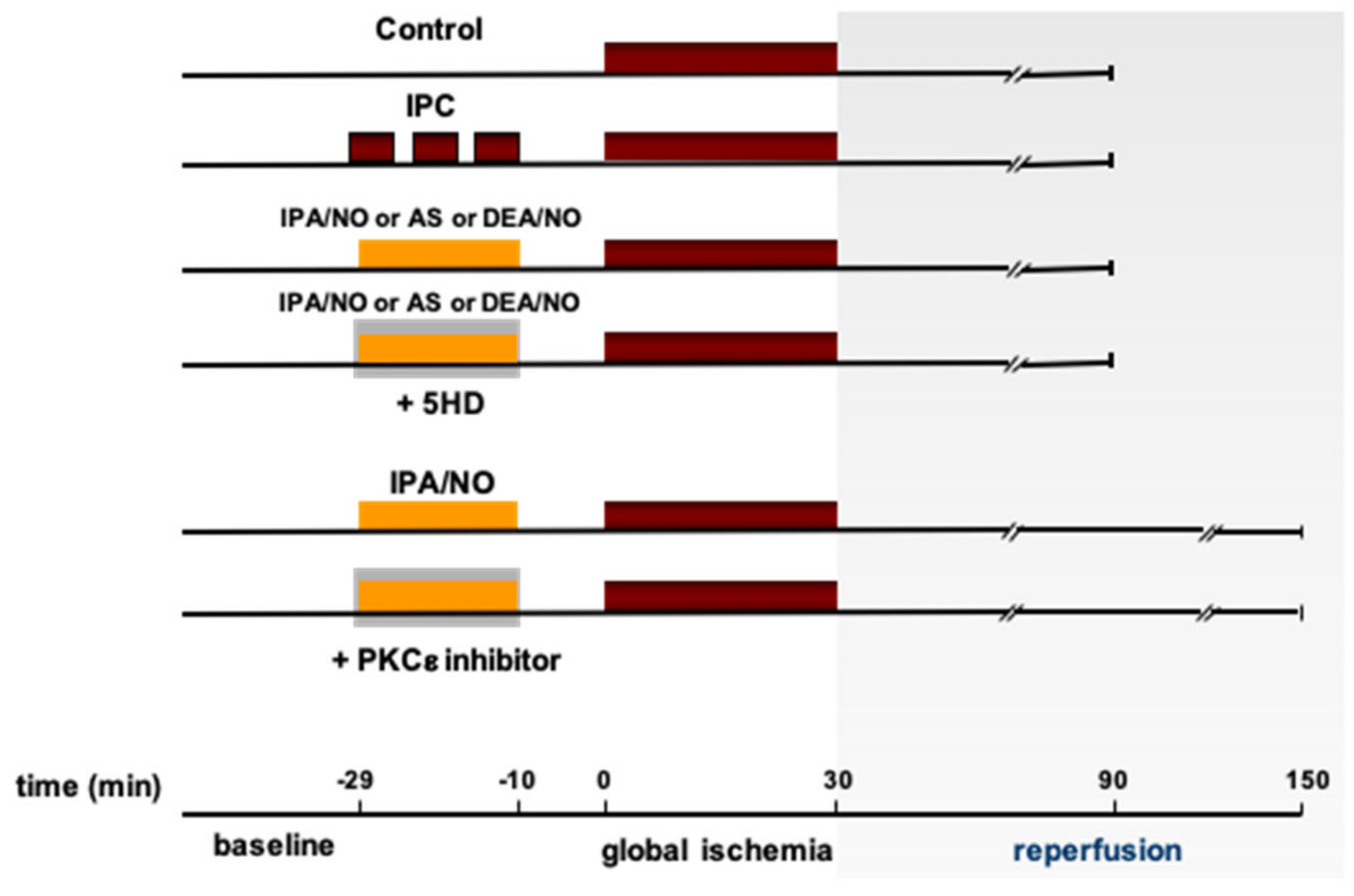
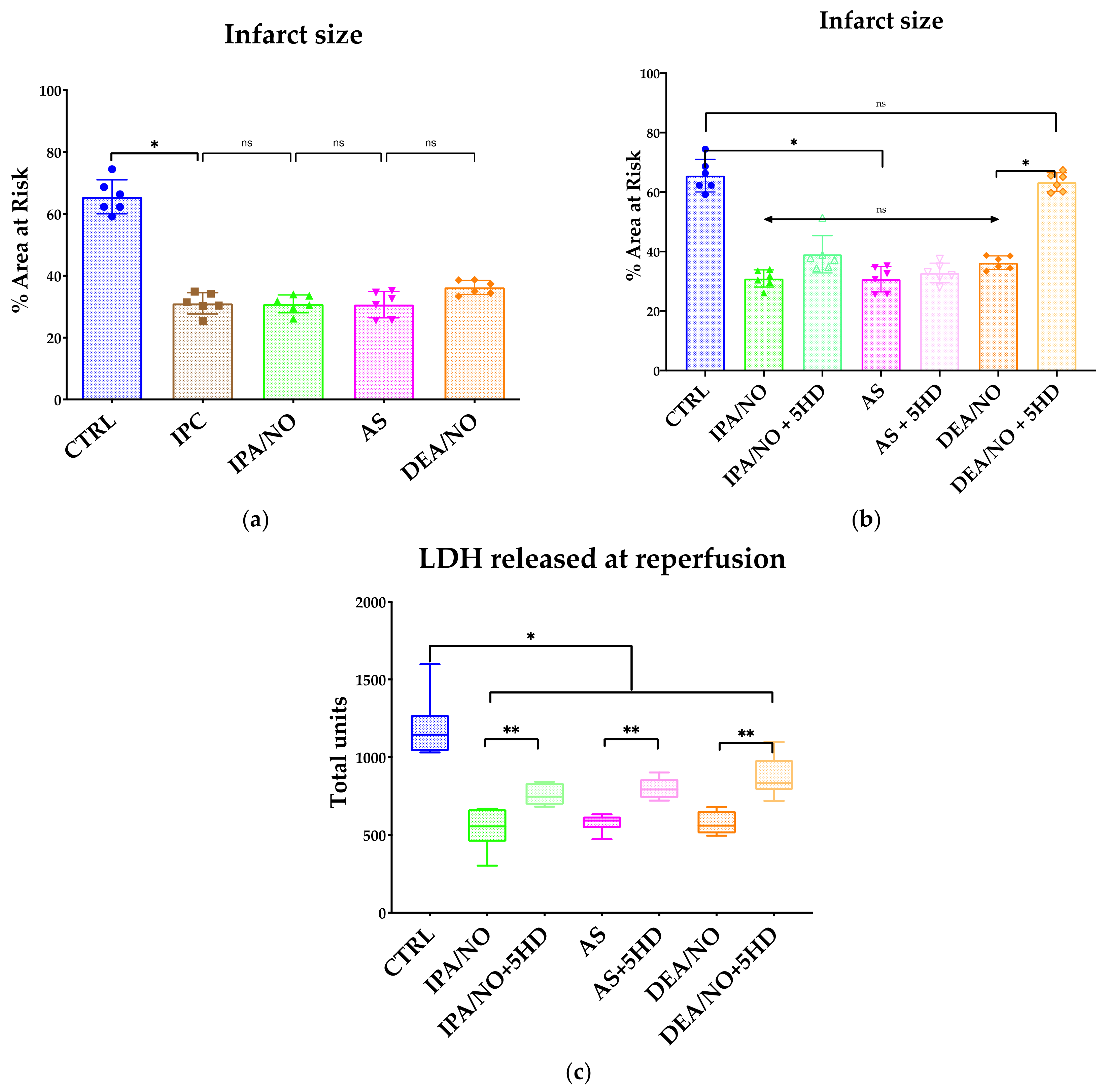
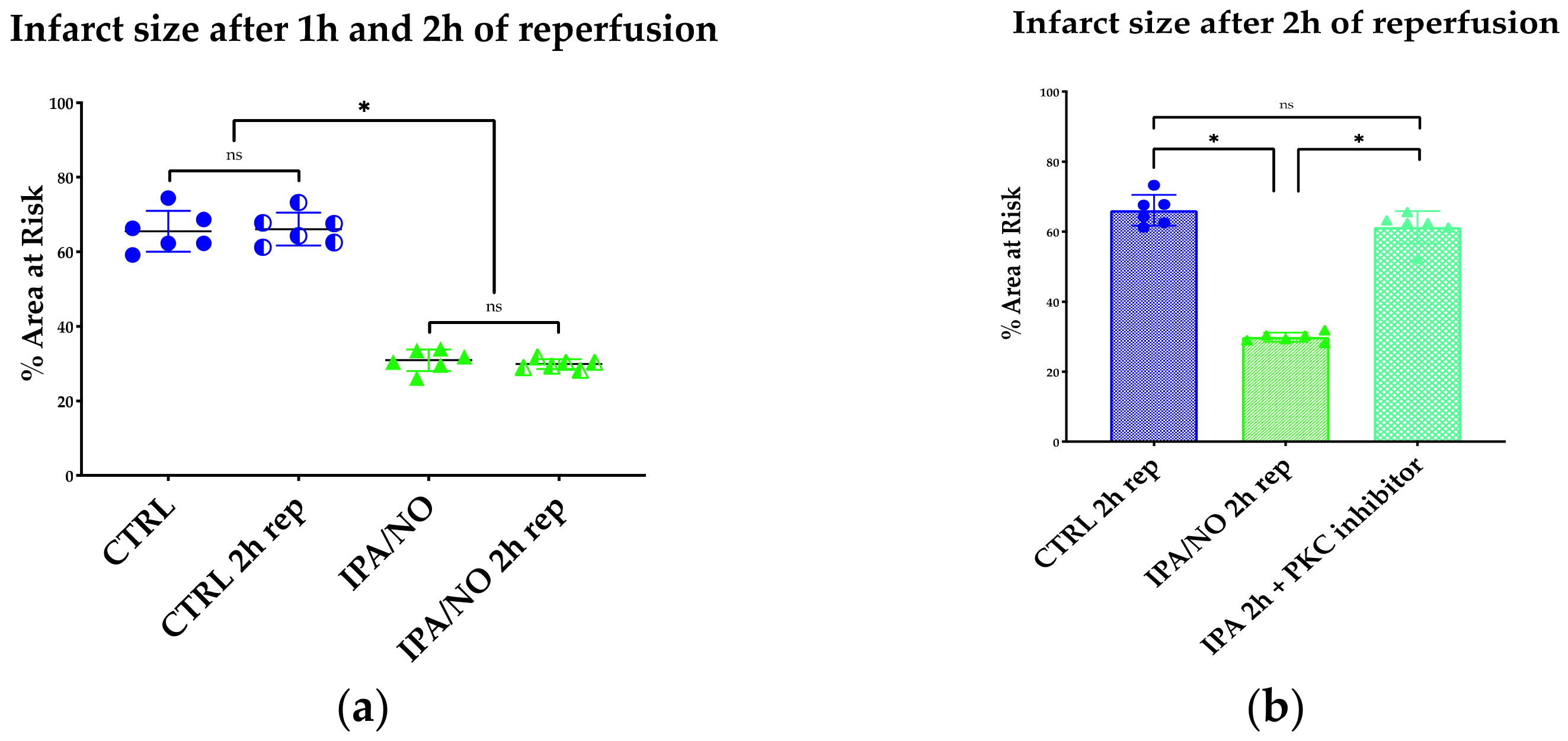
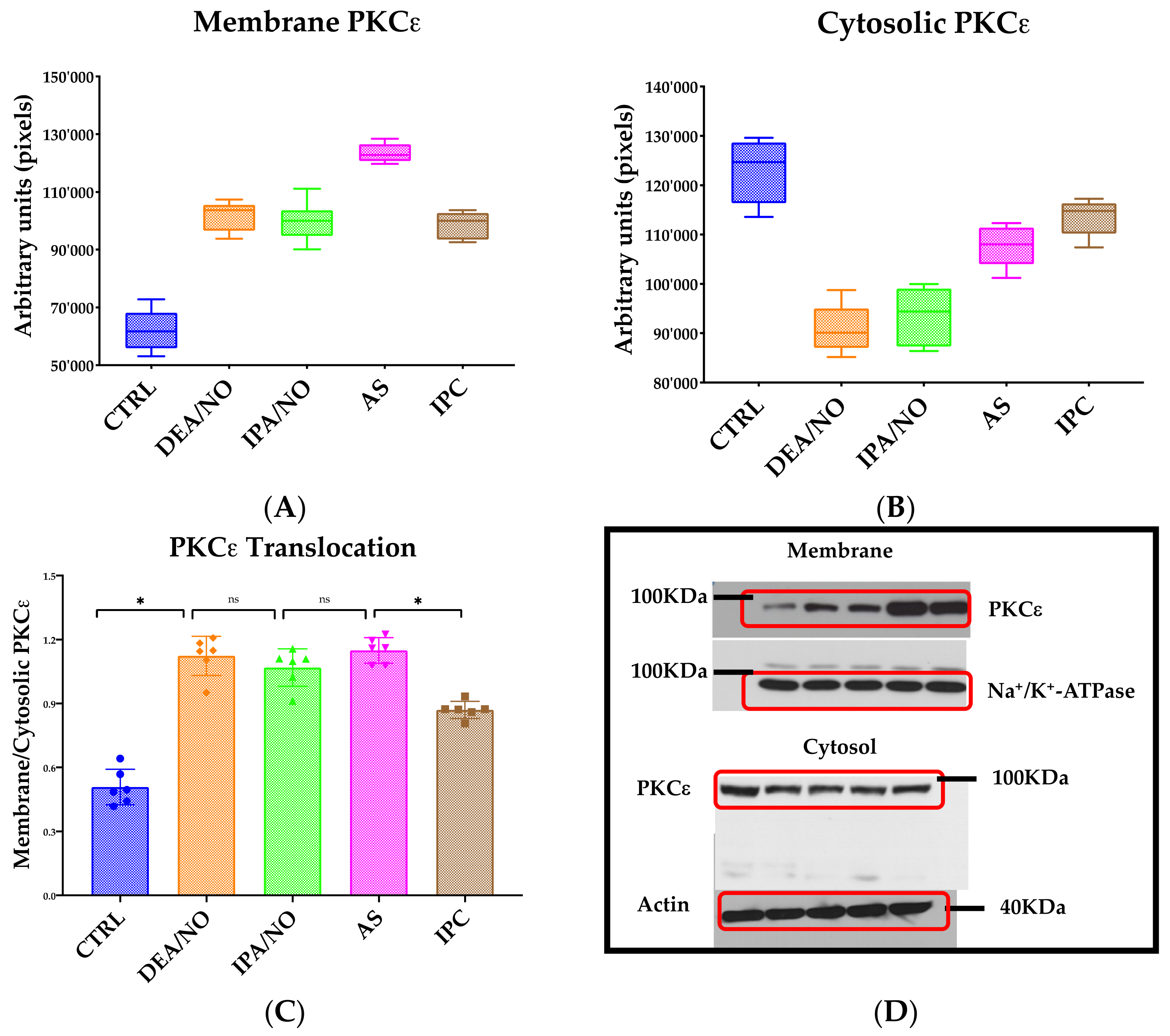
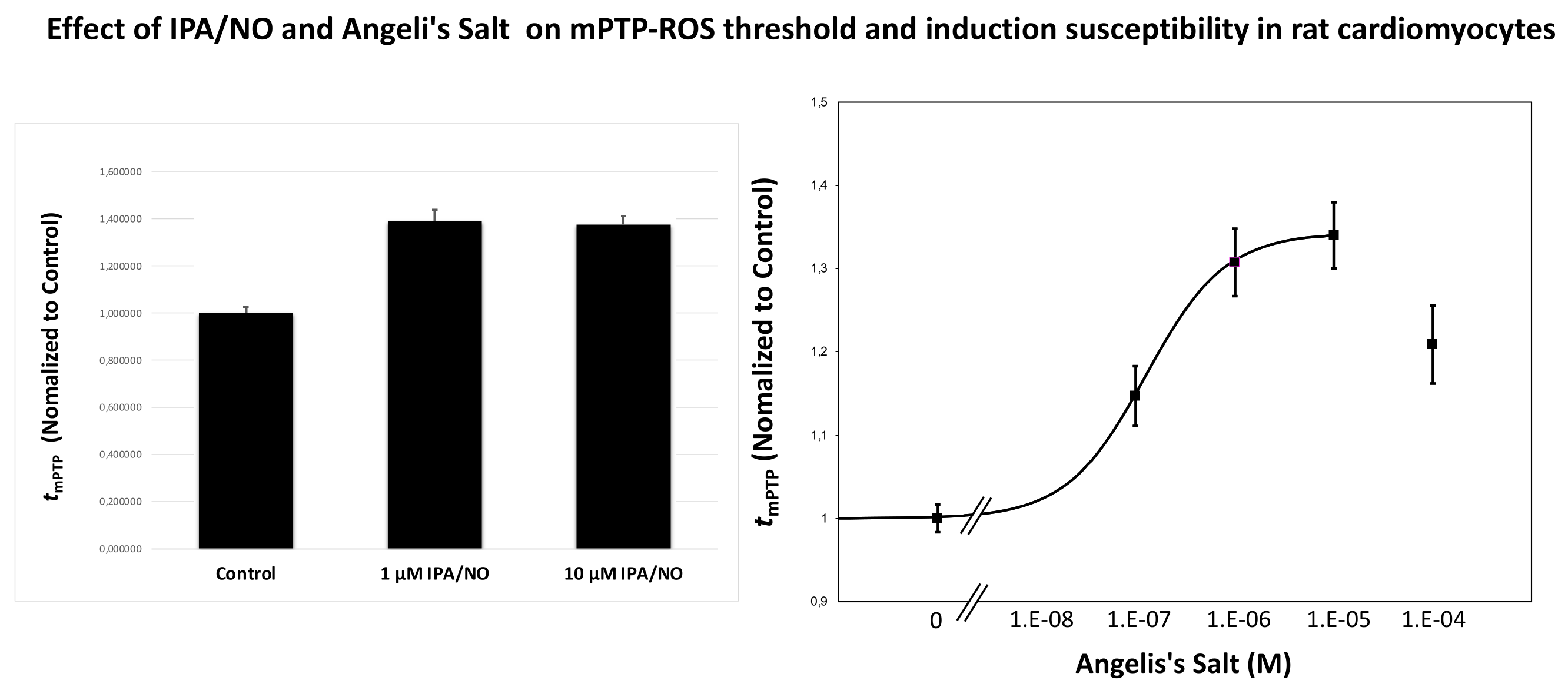
Donors of nitroxyl (HNO), the one electron-reduction product of nitric oxide (NO.), positively modulate cardiac contractility/relaxation while limiting ischemia-reperfusion (I/R) injury. The mechanisms underpinning HNO anti-ischemic effects remain poorly understood. Using isolated perfused rat hearts subjected to 30 min global ischemia/1 or 2 h reperfusion, here we tested whether, in analogy to NO., HNO protection requires PKCε translocation to mitochondria and KATP channels activation. To this end, we compared the benefits afforded by ischemic preconditioning (IPC; 3 cycles of I/R) with those eventually granted by the NO. donor, diethylamine/NO, DEA/NO, and two chemically unrelated HNO donors: Angeli’s salt (AS, a prototypic donor) and isopropylamine/NO (IPA/NO, a new HNO releaser). All donors were given for 19 min before I/R injury. In control I/R hearts (1 h reperfusion), infarct size (IS) measured via tetrazolium salt staining was 66 ± 5.5% of the area at risk. Both AS and IPA/NO were as effective as IPC in reducing IS [30.7 ± 2.2 (AS), 31 ± 2.9 (IPA/NO), and 31 ± 0.8 (IPC), respectively)], whereas DEA/NO was significantly less so (36.2 ± 2.6%, p < 0.001 vs. AS, IPA/NO, or IPC). IPA/NO protection was still present after 120 min of reperfusion, and the co-infusion with the PKCε inhibitor (PKCV1-2500 nM) prevented it (IS = 30 ± 0.5 vs. 61 ± 1.8% with IPA/NO alone, p < 0.01). Irrespective of the donor, HNO anti-ischemic effects were insensitive to the KATP channel inhibitor, 5-OH decanoate (5HD, 100 μM), that, in contrast, abrogated DEA/NO protection. Finally, both HNO donors markedly enhanced the mitochondrial permeability transition pore (mPTP) ROS threshold over control levels (≅35–40%), an action again insensitive to 5HD. Our study shows that HNO donors inhibit mPTP opening, thus limiting myocyte loss at reperfusion, a beneficial effect that requires PKCε translocation to the mitochondria but not mitochondrial K+ channels activation.
Keywords: myocardial reperfusion injury; nitroxyl (HNO); nitric oxide (NO.); PKCε; mitochondrial permeability transition pore (mPTP); KATP channels myocardial reperfusion injury; nitroxyl (HNO); nitric oxide (NO.); PKCε; mitochondrial permeability transition pore (mPTP); KATP channels