Article

Quantifying the Multidimensionality of Abstract Concepts: An Italian Database

by
Virginia Maria Borsa
1,
Maria Arioli
2,
Riccardo Verni
1,
Nicola Canessa
1,3,
Stefano F. Cappa
1 and
Eleonora Catricalà
1,*
1
IUSS Cognitive Neuroscience (ICoN) Center, Scuola Universitaria Superiore IUSS, 27100 Pavia, Italy
2
Department of Human and Social Sciences, University of Bergamo, 24129 Bergamo, Italy
3
Cognitive Neuroscience Laboratory of Pavia, Istituti Clinici Scientifici Maugeri IRCCS, 27100 Pavia, Italy
*
Author to whom correspondence should be addressed.
Brain Sci. 2025, 15(3), 222; https://doi.org/10.3390/brainsci15030222

Submission received: 5 December 2024 / Revised: 10 February 2025 / Accepted: 18 February 2025 / Published: 21 February 2025
(This article belongs to the Section Sensory and Motor Neuroscience)

Abstract

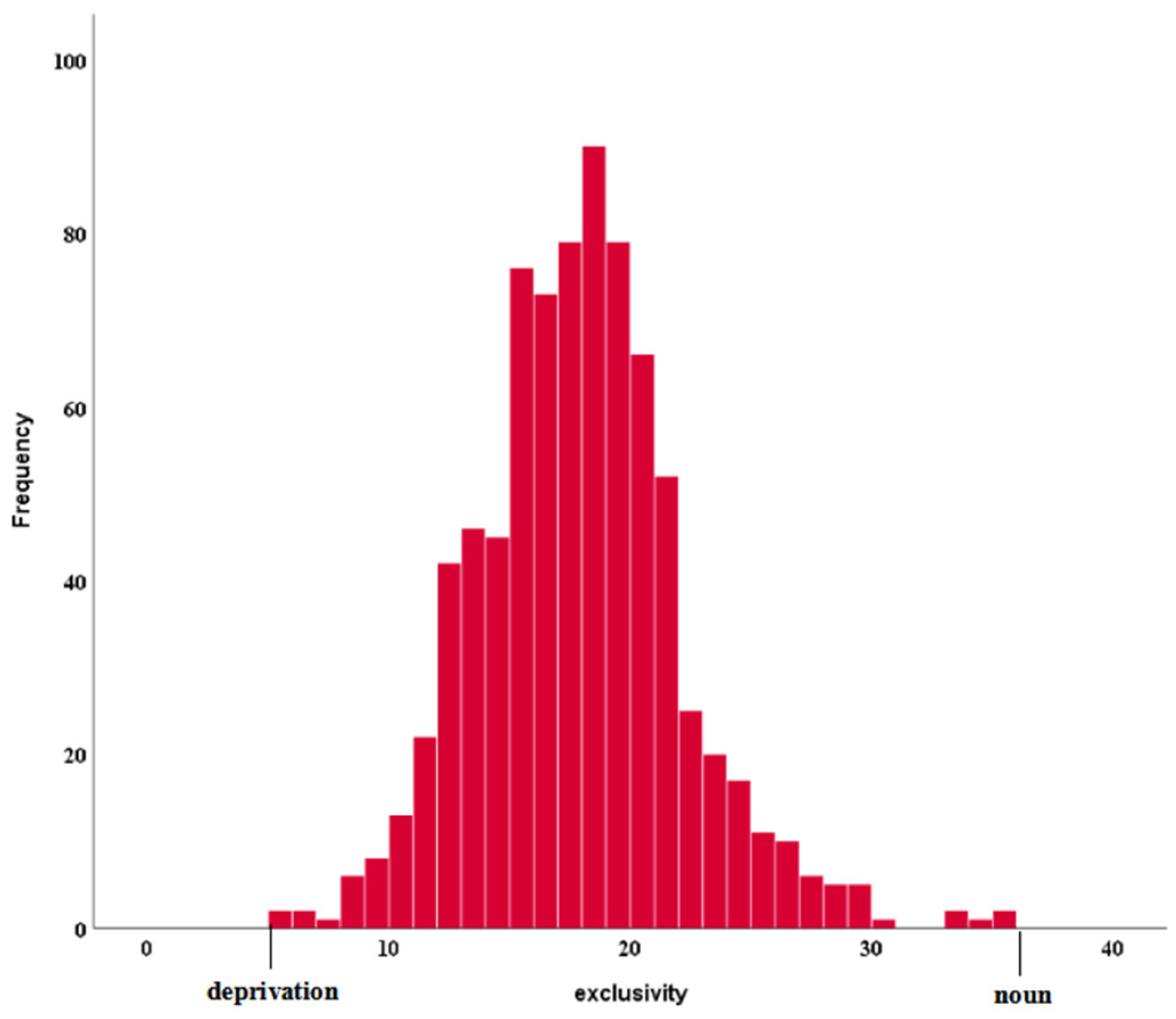
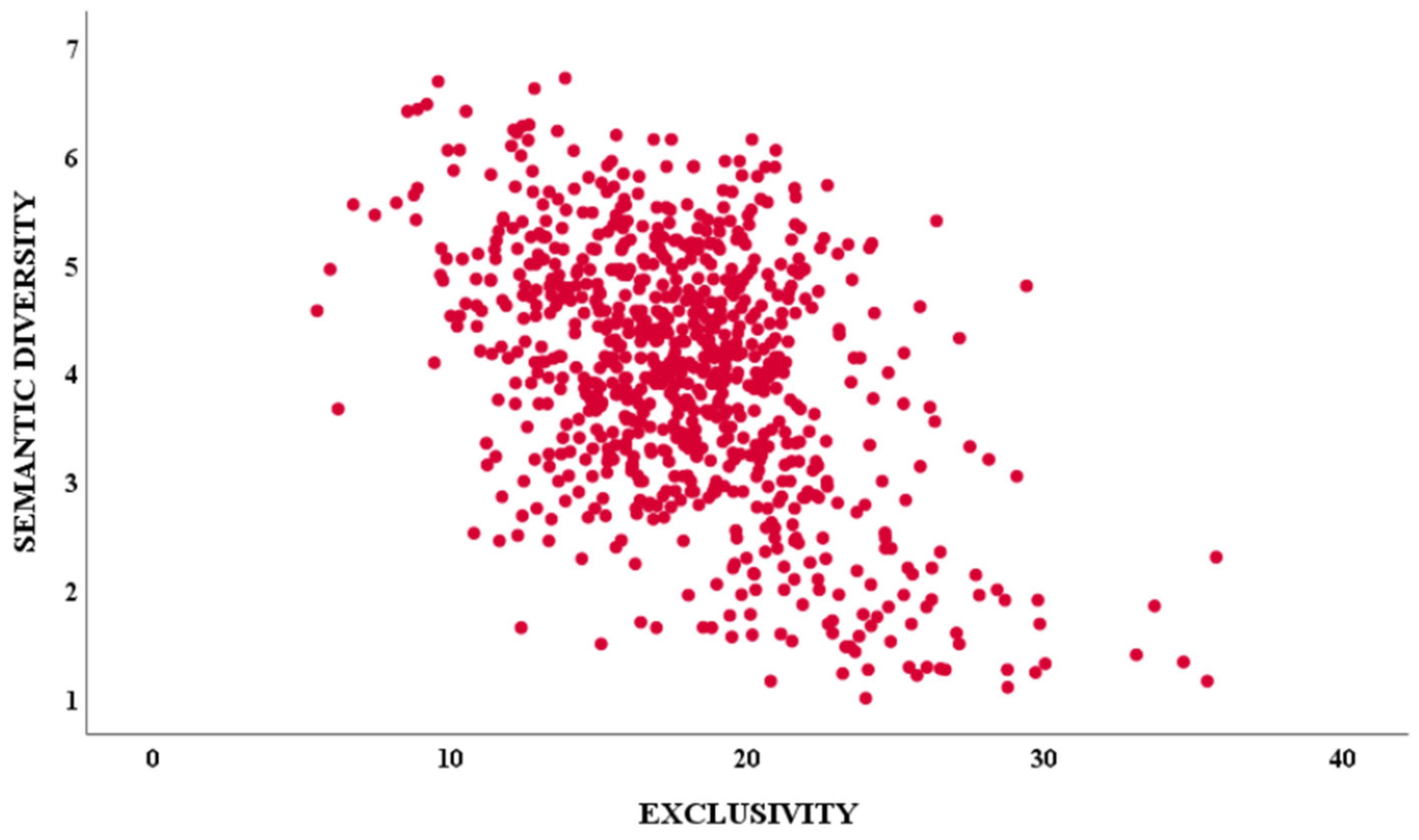
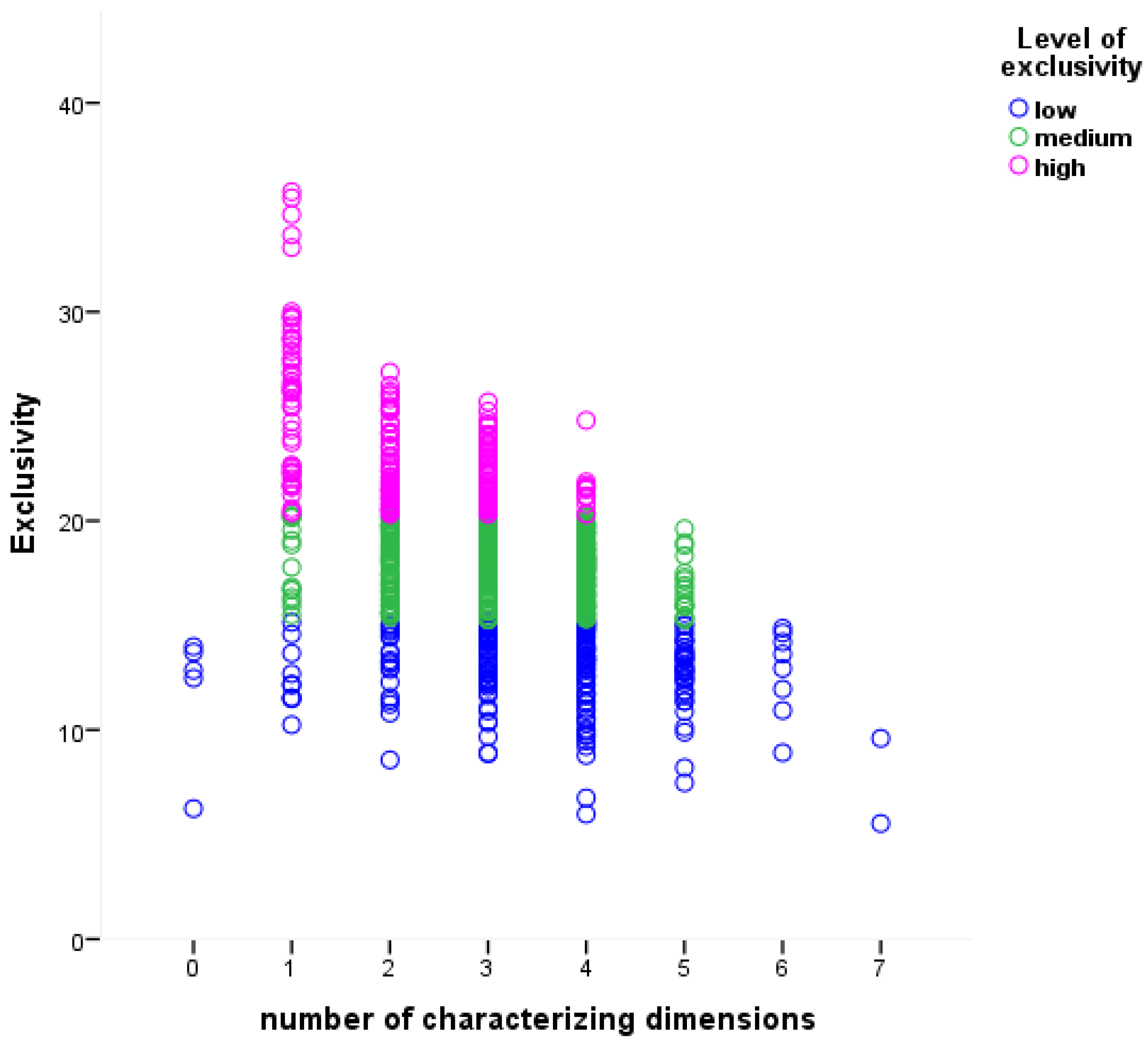
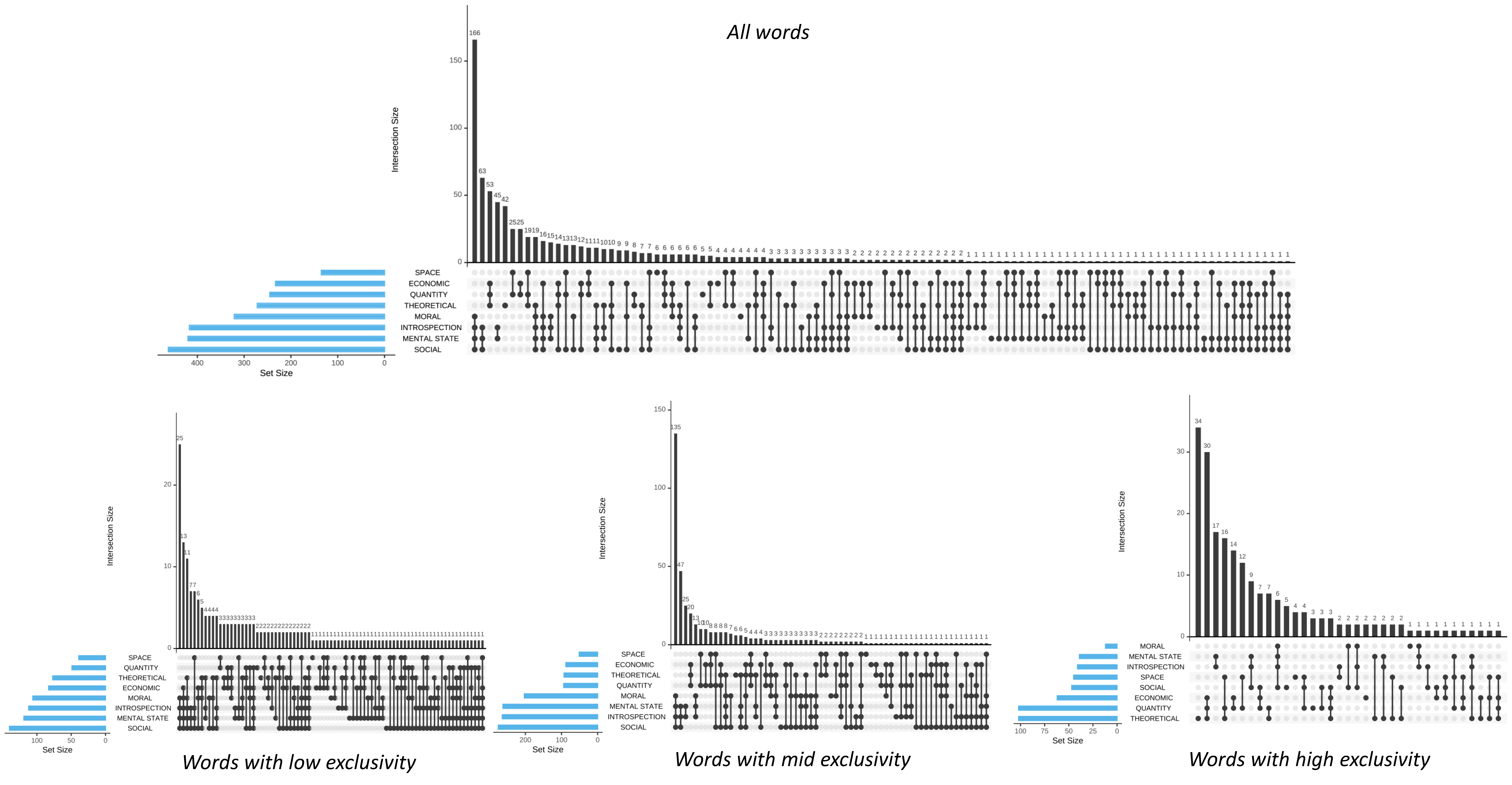
Background: The embodied cognition approach, as applied to concrete knowledge, is centred on the role of the perceptual and motor aspects of experience. To extend the embodied framework to abstract knowledge, some studies have suggested that further dimensions, such as affective or social experiences, are relevant for the semantic representations of abstract concepts. The objective of this study is to develop a measure that can quantitatively capture the multidimensional nature of abstract concepts. Methods: We used dimension-rating methods, known to be suitable, to account for the semantic representations of abstract concepts, to develop a new database of 964 Italian words, rated by 542 participants. Besides classical psycholinguistic variables (i.e., concreteness, imageability, familiarity, age of acquisition, semantic diversity) and affective norms (i.e., valence, arousal), we collected ratings on selected dimensions characterizing the semantic representations of abstract concepts, i.e., introspective, mental state, quantitative, spatial, social, moral, theoretical, and economic dimensions. The measure of exclusivity was incorporated to quantify the number of dimensions, and the respective relevance, for each concept. Concepts with a high value of exclusivity rely on only one/a few dimension/s with high value on the respective rating scale. Results: A multidimensional representation characterized most abstract concepts, with two robust major clusters. The first was characterized by dense intersections among introspective, mental state, social, and moral dimensions; the second, less interconnected, cluster revolved around quantitative, spatial, theoretical, and economic dimensions. Quantitative, theoretical, and economic concepts obtained higher exclusivity values. Conclusions: The present study contributes to the investigation of the semantic organization of abstract words and supports a controlled selection and definition of stimuli for clinical and research settings.
Keywords: exclusivity; abstract concepts; dimension rating exclusivity; abstract concepts; dimension rating