Systematic Review

Apolipoprotein E and Alzheimer’s Disease in Italian Population: Systematic Review and Meta-Analysis


by
Diana Marisol Abrego-Guandique
1,*,
Giorgia Francesca Saraceno
2,
Roberto Cannataro
3,4,
Marilyn Manzzo de Burnside
5,
Maria Cristina Caroleo
1,3,* and
Erika Cione
2,3
1
Department of Health Sciences, University of Magna Graecia Catanzaro, 88100 Catanzaro, Italy
2
Department of Pharmacy, Health and Nutrition Sciences, University of Calabria, 87036 Rende, Italy
3
Galascreen Laboratories, University of Calabria, 87036 Rende, Italy
4
Research Division, Dynamical Business & Science Society–DBSS International SAS, Bogotá 110311, Colombia
5
Department of Psychiatry, The Panama Clinic, Pacific Center, Panama City 0831, Panama
*
Authors to whom correspondence should be addressed.
Brain Sci. 2024, 14(9), 908; https://doi.org/10.3390/brainsci14090908

Submission received: 13 August 2024 / Revised: 3 September 2024 / Accepted: 6 September 2024 / Published: 7 September 2024
(This article belongs to the Section Neurodegenerative Diseases)

Abstract

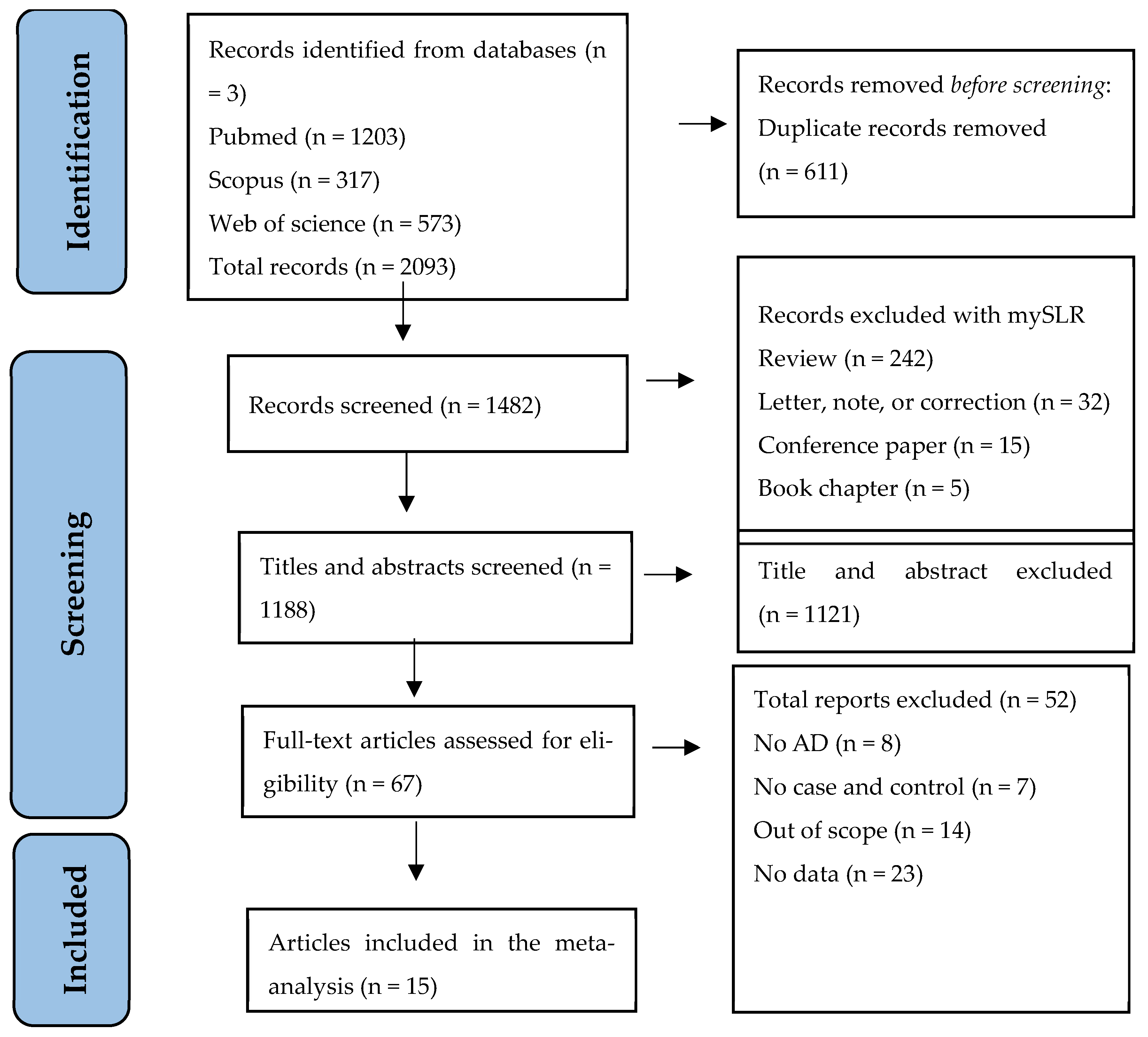
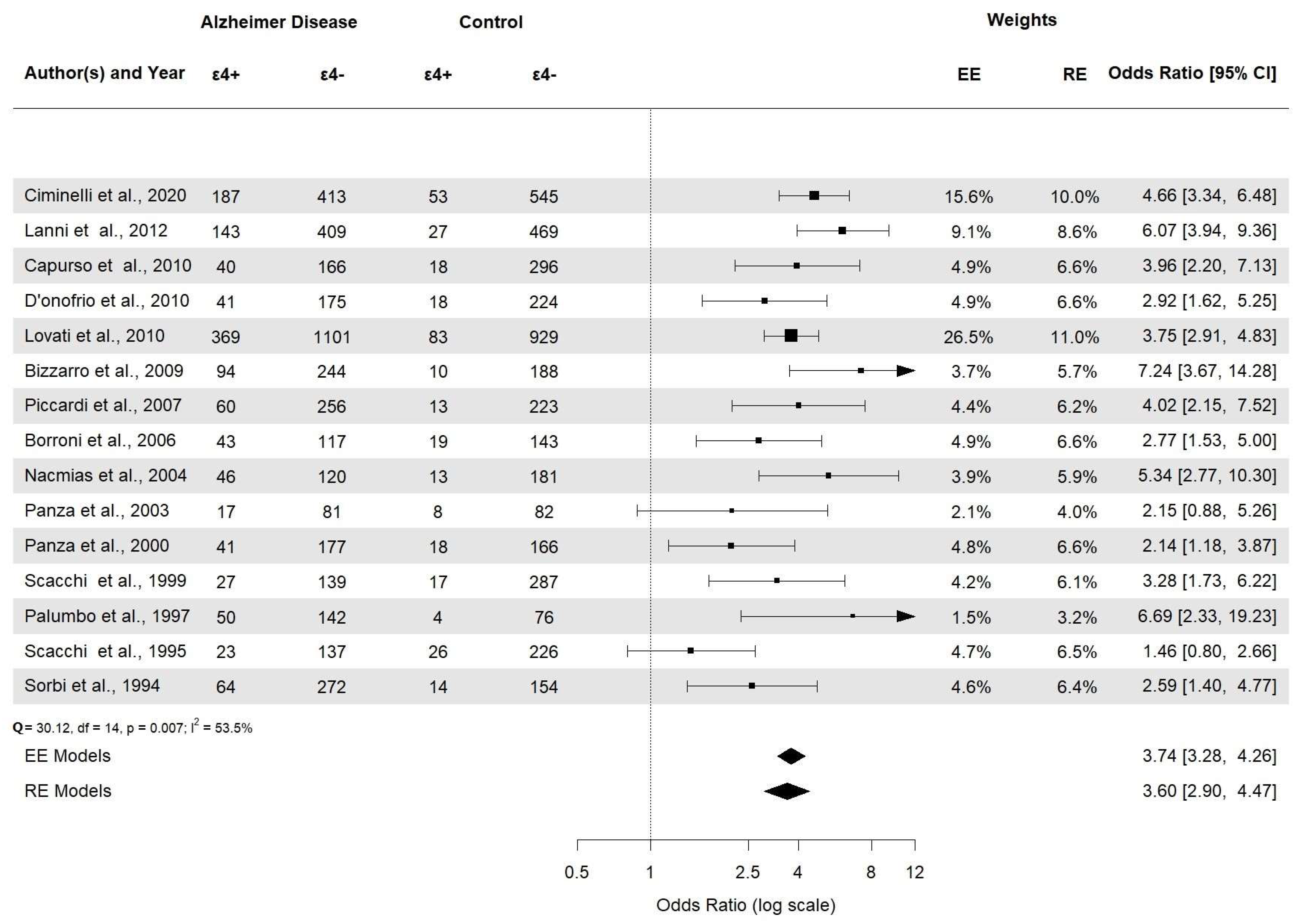
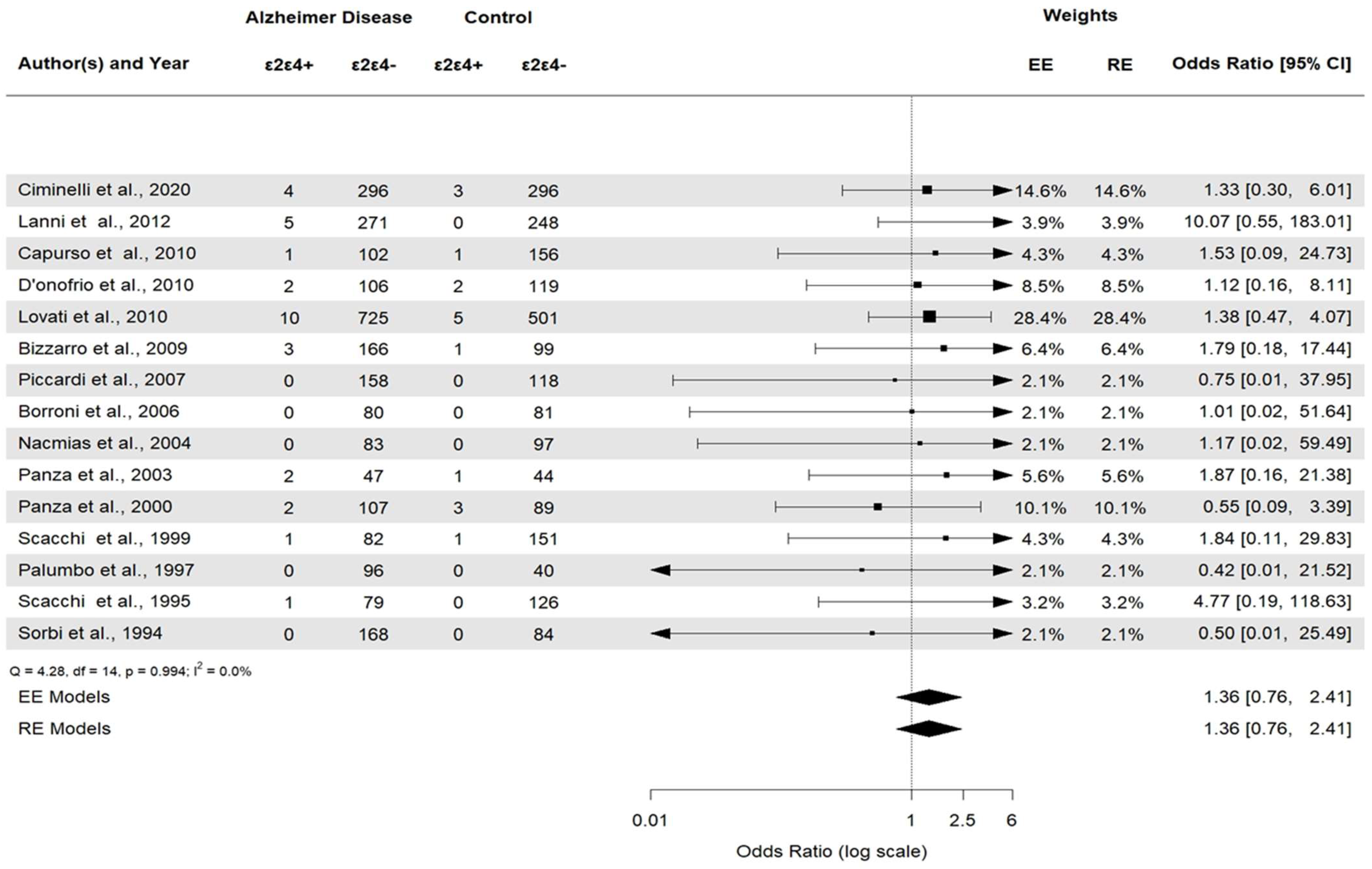
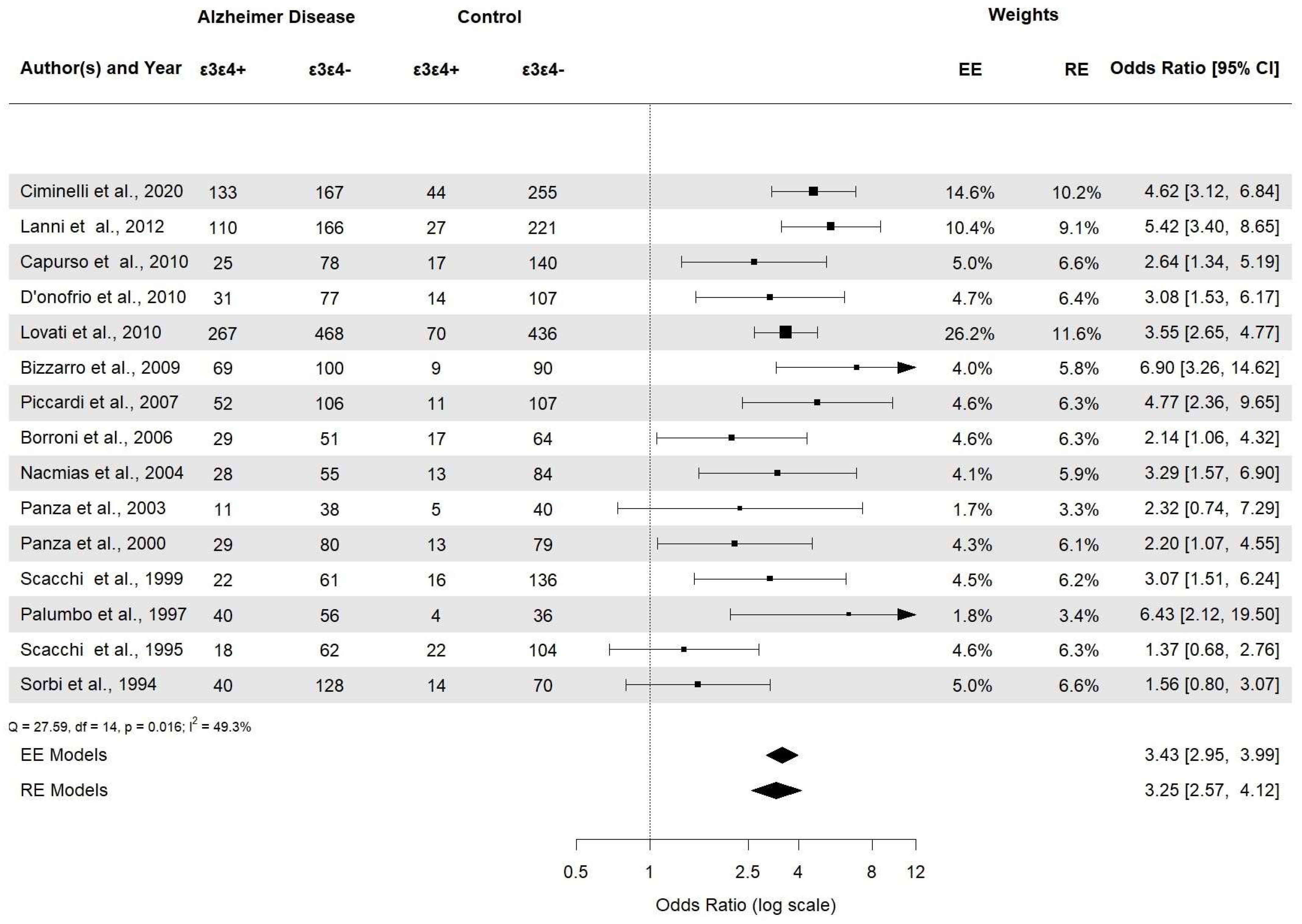
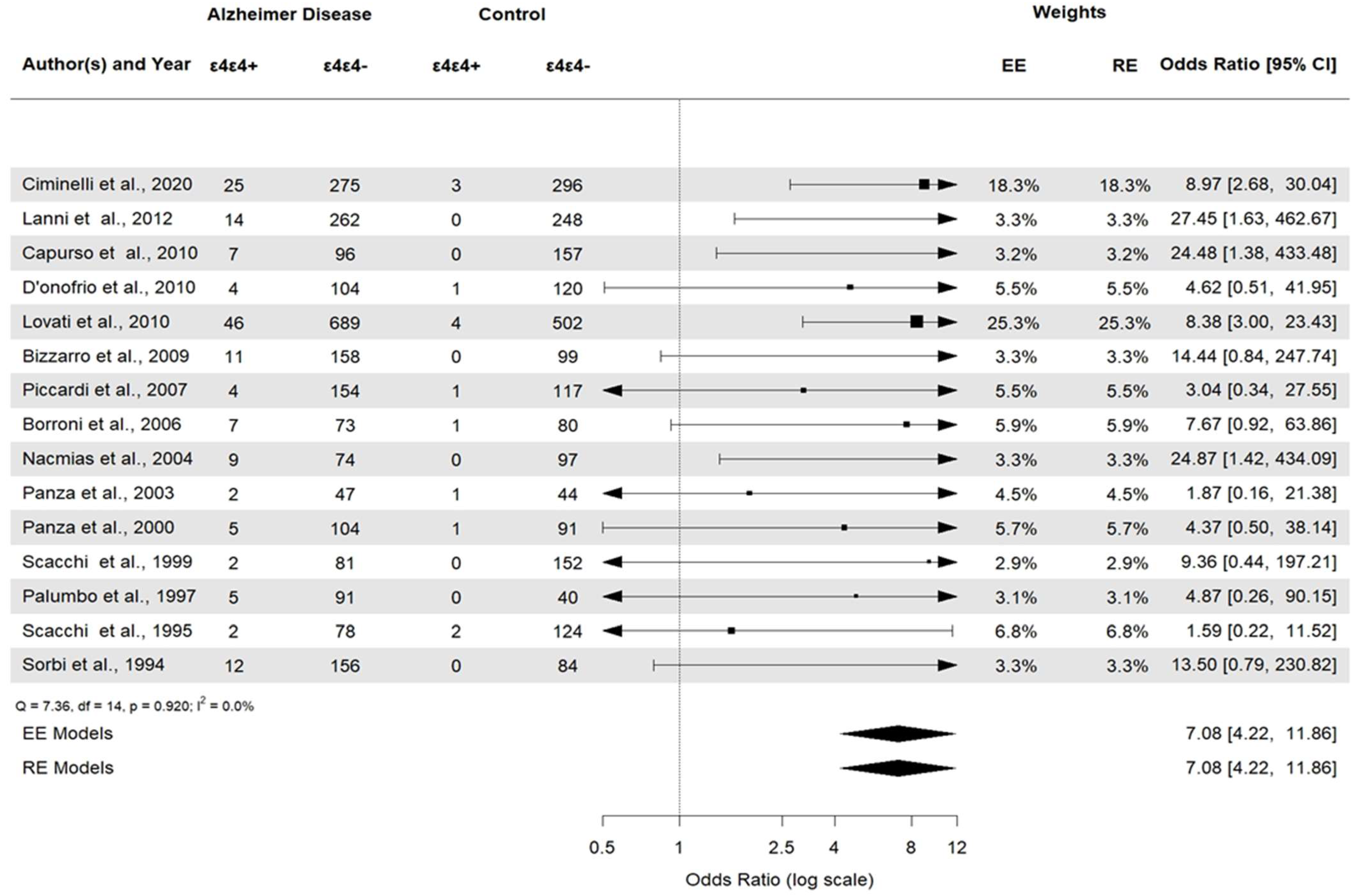
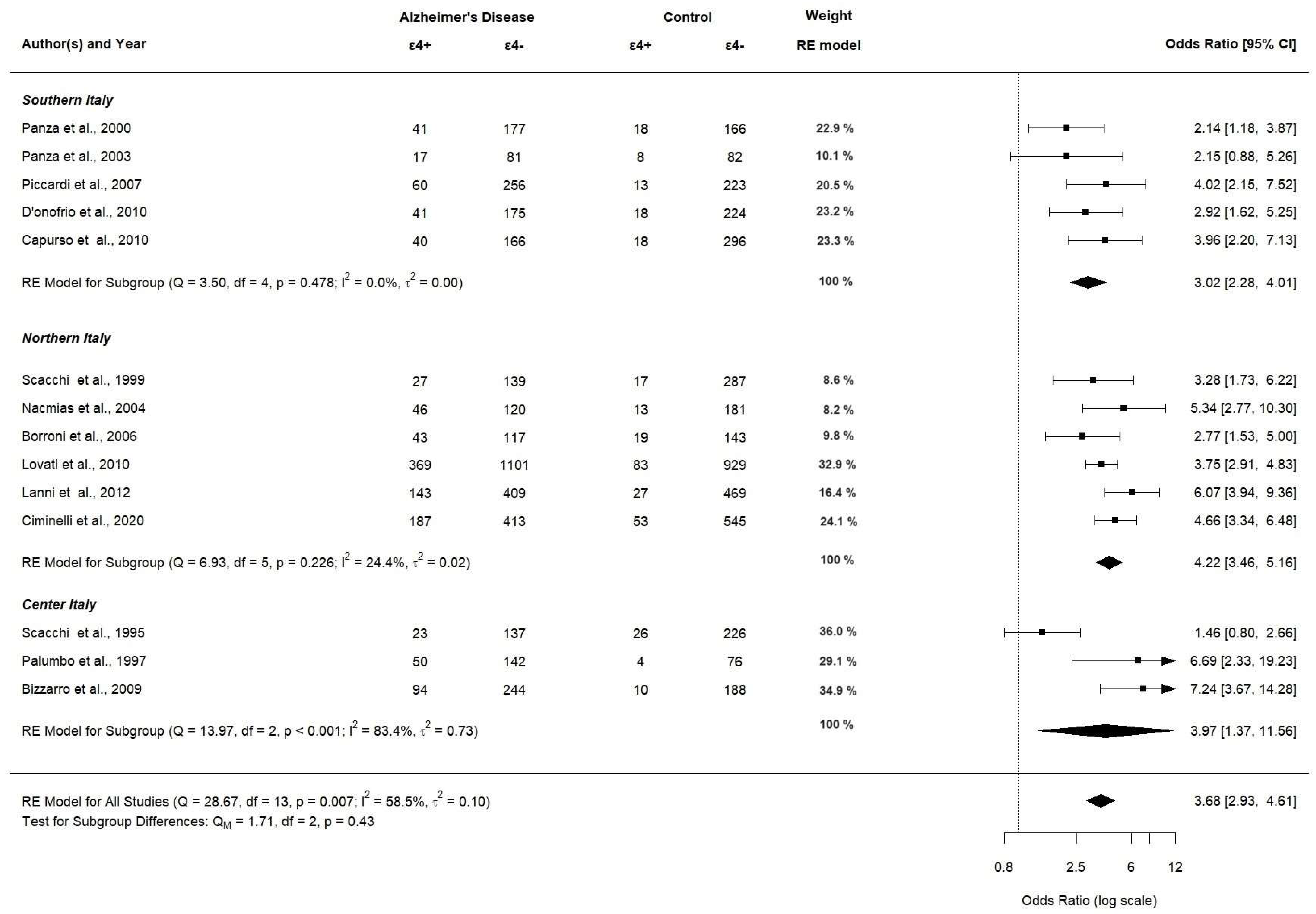
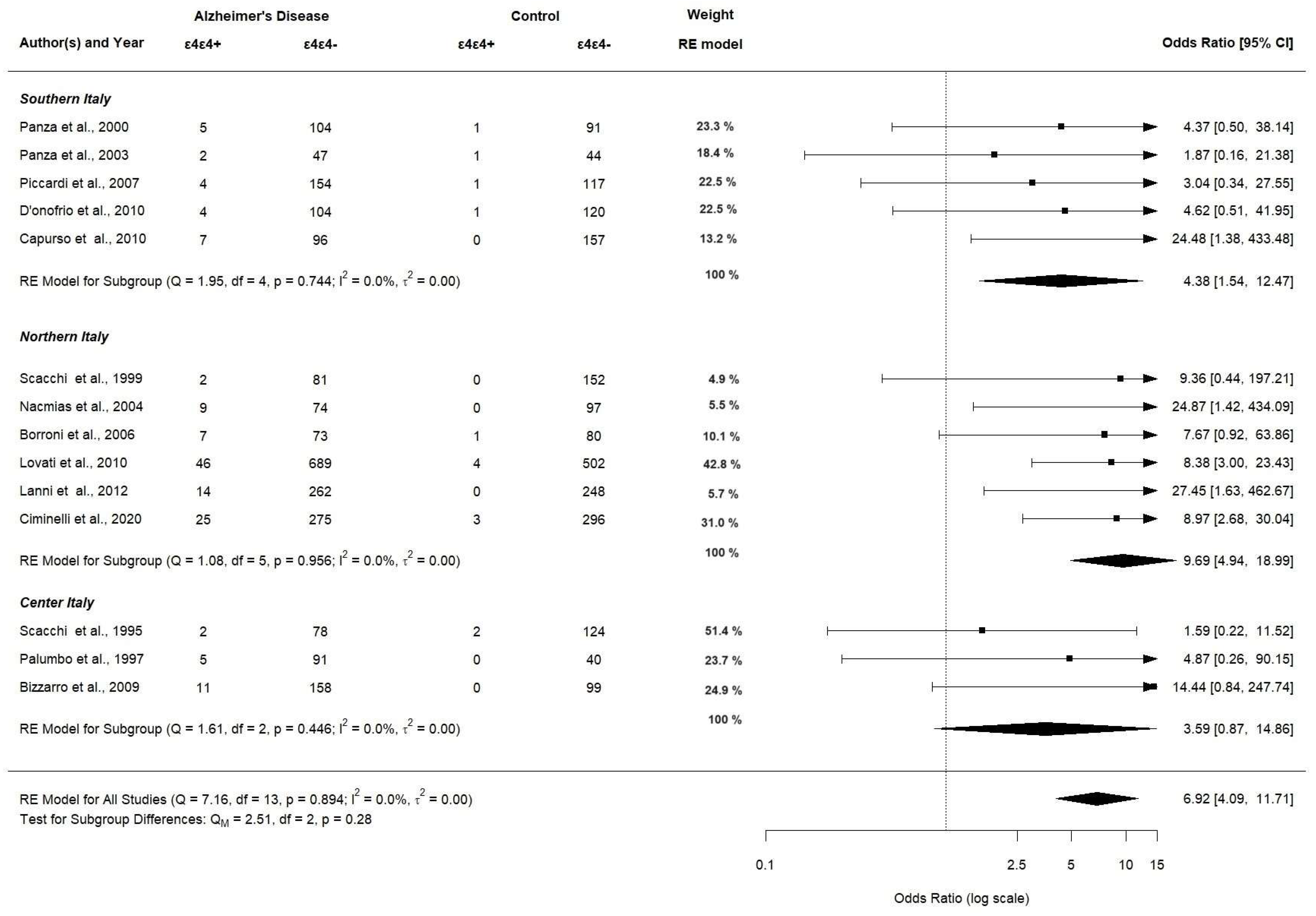
Objective: This meta-analysis with a systematic review was undertaken to assess the association between APOE allelic genotypes and the risk of Alzheimer’s disease (AD) in the Italian population. Methods: The Web of Science, PubMed, and Scopus databases were searched until 15 November 2023. The odds ratio (OR) with a 95% confidence interval (CI) was calculated using fixed and random effect models, depending on the I2 statistic value. The systematic review and meta-analysis were conducted in agreement with the PRISMA guideline and registered with PROSPERO (CRD42023492580). Results: Our meta-analysis based on 15 studies revealed a higher risk of AD among Italian individuals carrying the APOE ε4 allele (OR = 3.60, 95% CI [2.90–4.47], p < 0.0001). The association of AD genotype APOE ε2ε4 (OR = 1.36, 95% CI [0.76–2.41], p = 0.29) was not statistically significant, while APOE ε3ε4 (OR = 3.43, 95% CI [2.95–3.99], p < 0.0001) has a high risk of AD development; the risk is more notably in the APOE ε4ε4 genotype (OR = 7.08, 95% CI [4.22–11.86], p < 0.0001). The APOE ε2 allele has a protective effect (APOE ε2 (OR = 0.47, 95% CI [0.29–0.74], p = 0.0013)), and similar results were achieved by APOE ε3 (OR  =  0.49, 95% CI [0.37–0.65], p < 0.0001). Subgroup analysis of three areas of Italy (southern, northern, and center) revealed that that APOE ε4 allele was a risk factor with a higher OR in northern Italy (OR 4.22; 95% CI [3.46–5.16], p < 0.0001) compared to southern and center Italy (OR 3.02; 95% CI [2.28–4.01], p < 0.0001 and OR 3.97; 95% CI [1.37–11.56], p < 0.0001, respectively). As well, APOE ε4ε4 genotype carriers had a significantly higher OR in northern Italy (OR 9.69; 95% CI [4.94–18.99], p < 0.0001) compared to in southern and center Italy (OR 4.38; 95% CI [1.54–12.47], p < 0.0001 and OR 3.59; 95% CI [0.87–14.86], p < 0.0001, respectively). Conclusions: This systematic review with a meta-analysis of the Italian population on APOE alleles, genotyping, and AD incidence, highlights that individuals harboring APOE ε4 have a higher risk of developing AD compared to those with other alleles. It also supports the protective effect of the APOE ε2 allele against the progress of AD. The qualitative analysis on the complex genetic interactions influencing Alzheimer risk emphasizes the need for further research on genetic and environmental factors for effective prevention strategies.
Keywords: Alzheimer’s disease; APOE; Italy Alzheimer’s disease; APOE; Italy