Article

Solitonic Windkessel Model for Intracranial Aneurysm
1
Department of Neurosurgery, Kamagaya General Hospital, Chiba 273-0121, Japan
2
Ujiie Neurosurgical and Medical Clinic, Chiyoda-ku, Tokyo 102-0094, Japan
3
Faculty of Chemistry, Materials and Bioengineering, Kansai University, Osaka 564-8680, Japan
*
Author to whom correspondence should be addressed.
Brain Sci. 2022, 12(8), 1016; https://doi.org/10.3390/brainsci12081016

Submission received: 27 February 2022 / Revised: 5 June 2022 / Accepted: 8 June 2022 / Published: 31 July 2022
(This article belongs to the Section Neurosurgery and Neuroanatomy)

Abstract

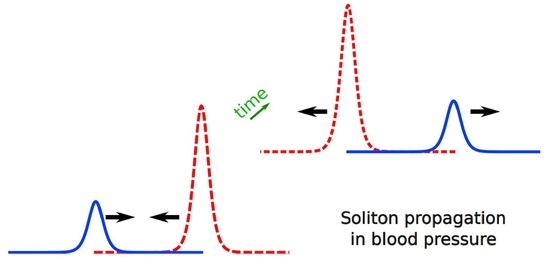
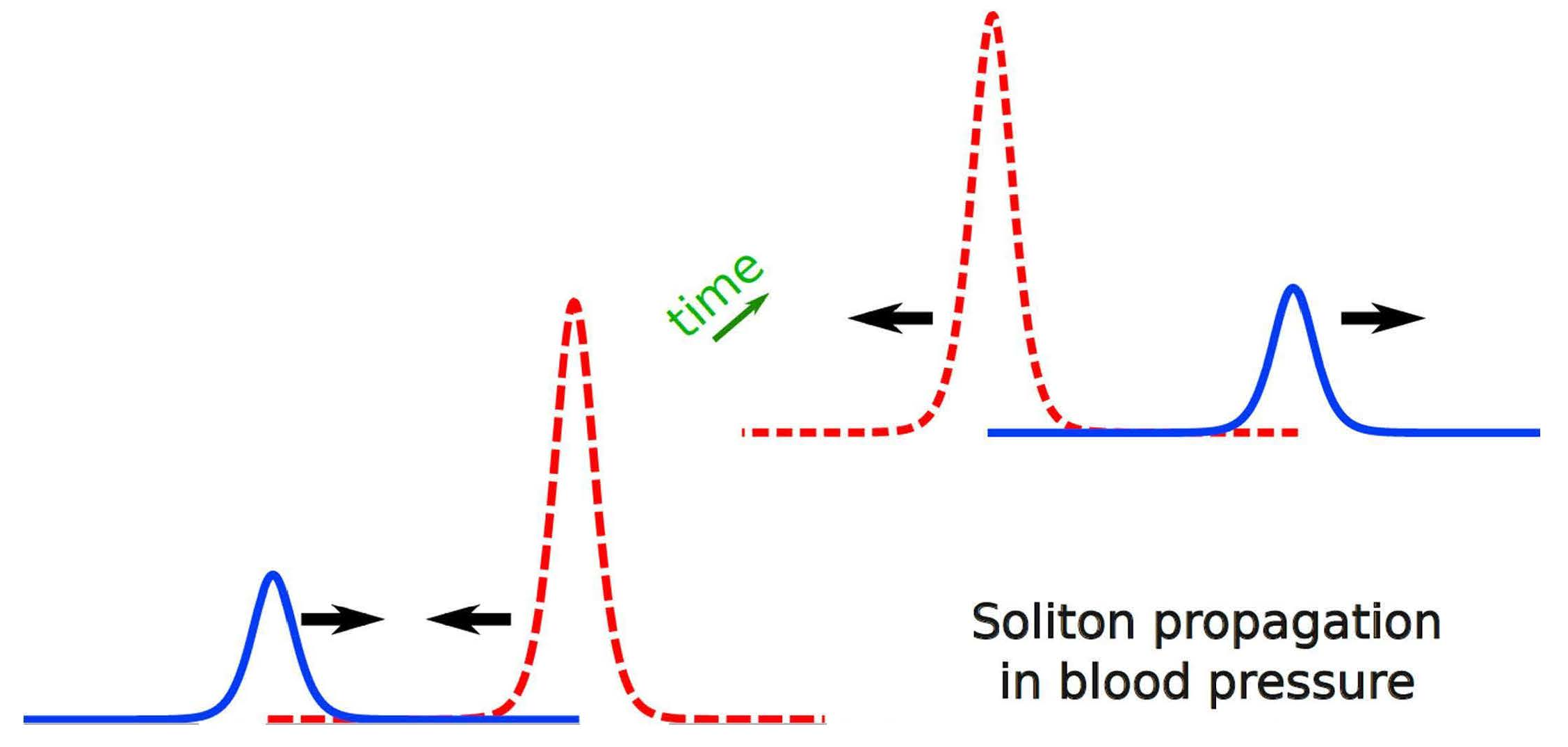
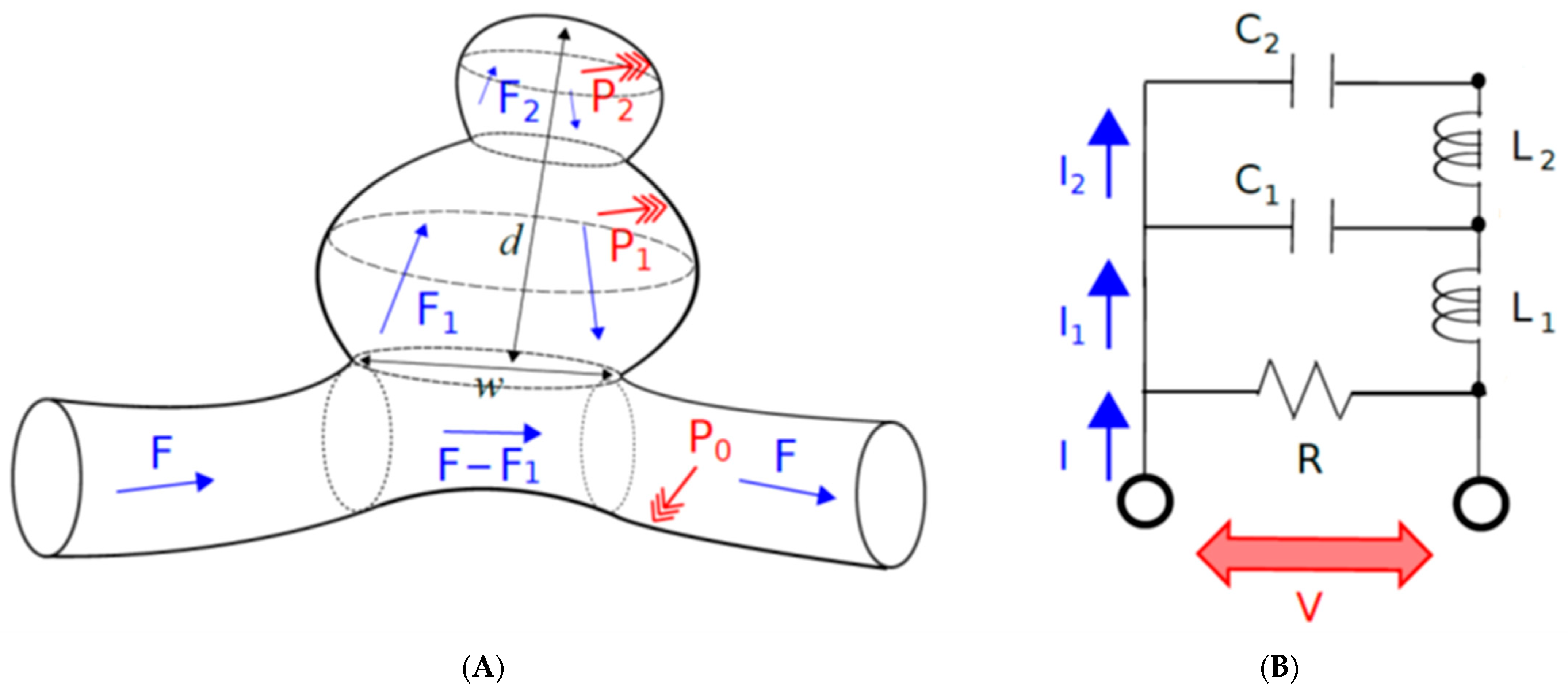
The Windkessel model, which is known as a successful model for explaining the hemodynamic circulation, is a mathematical model with a direct correspondence with the electric circuit. We propose a theoretical model for the intracranial aneurysm based on the Windkessel-type steady blood flow. Intracranial aneurysms are well known vascular lesions, which cause subarachnoid hemorrhages. Since an aneurysm is an end-sack formed on the blood vessel, it functions as an unusual blood path that has characteristic features such as a reservoir and bottle neck orifice. We simulate an aneurysm by an electric circuit consisting of three different impedances, resistance, capacitance and inductance. A dumbbell-shaped aneurysm is the most dangerous aneurysm to easily rupture. Our aneurysmal model is created as a two-story aneurysm model for this point, thus namely the five-element Windkessel. Then, the mathematical formula was solved in numerical simulations by changing the size of the aneurysm and the elasticity of the aneurysm wall. An analysis of this model provided that the presence of the daughter aneurysm and the thinning of the aneurysm wall are positively correlated with a sharp increase in blood pressure in the aneurysm dome. Our mathematic aneurysm model proposes a good analogue to the real aneurysm and proved that this model includes soliton that is a non-decreasing wave propagation.
Keywords: Windkessel model; intracranial aneurysm; subarachnoid hemorrhage; soliton Windkessel model; intracranial aneurysm; subarachnoid hemorrhage; soliton
Graphical Abstract