Article

Design of Hybrid Phase Sliding Mode Control Scheme for Lower Extremity Exoskeleton


1
School of Artificial Intelligence, Hebei University of Technology, Tianjin 300130, China
2
Engineering Research Center of Intelligent Rehabilitation, Ministry of Education, Tianjin 300130, China
*
Author to whom correspondence should be addressed.
Appl. Sci. 2019, 9(18), 3754; https://doi.org/10.3390/app9183754
Submission received: 28 June 2019 / Revised: 1 September 2019 / Accepted: 4 September 2019 / Published: 8 September 2019
(This article belongs to the Section Computing and Artificial Intelligence)

Abstract

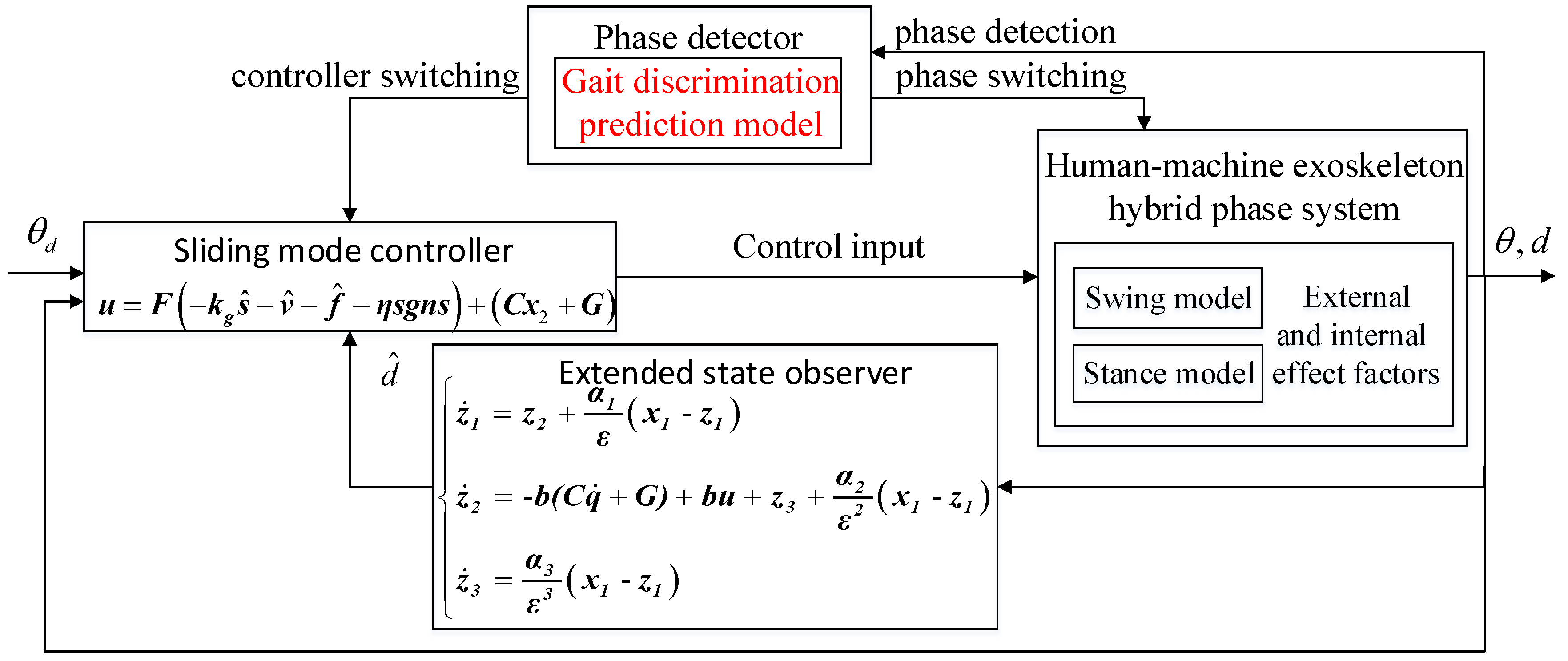
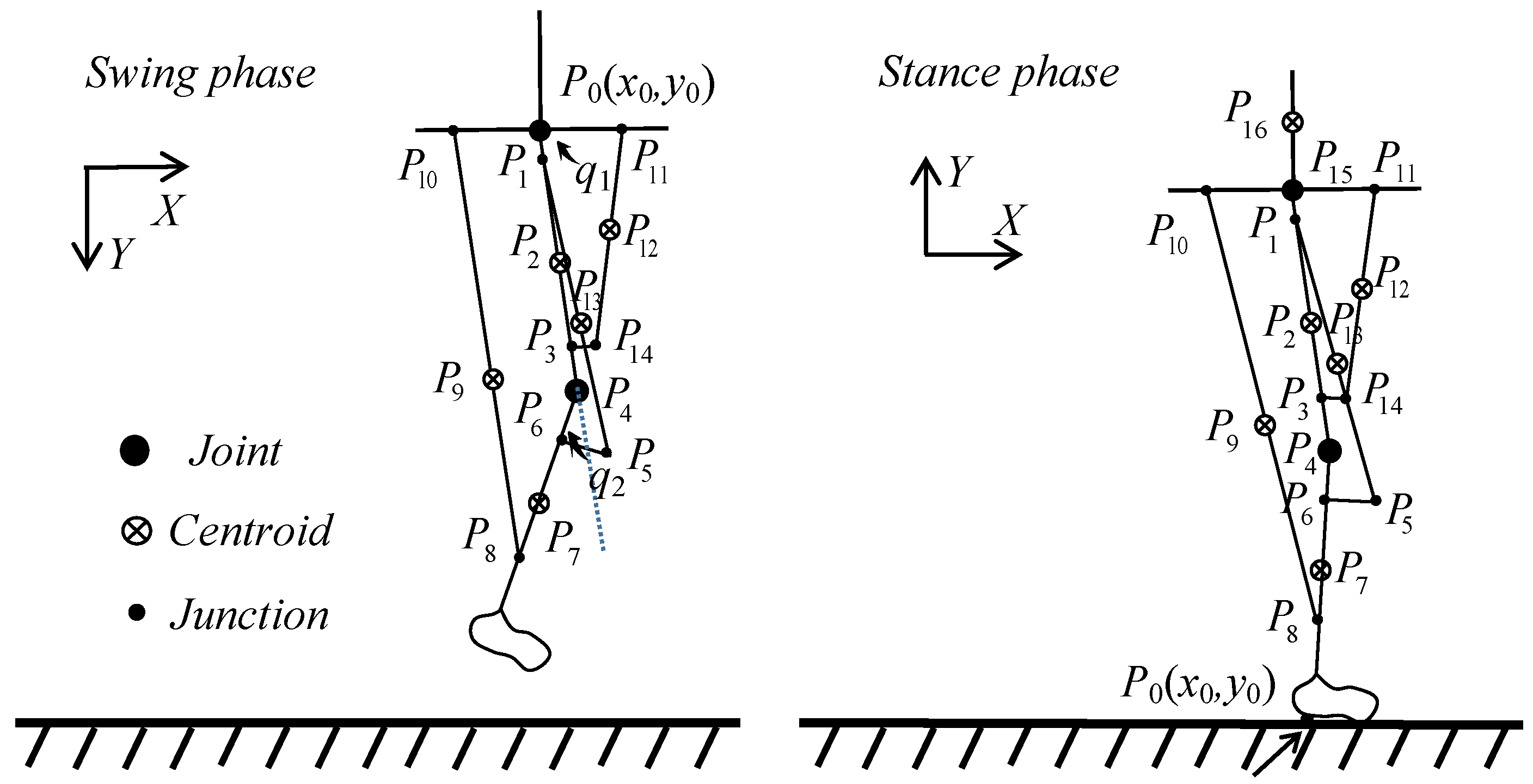
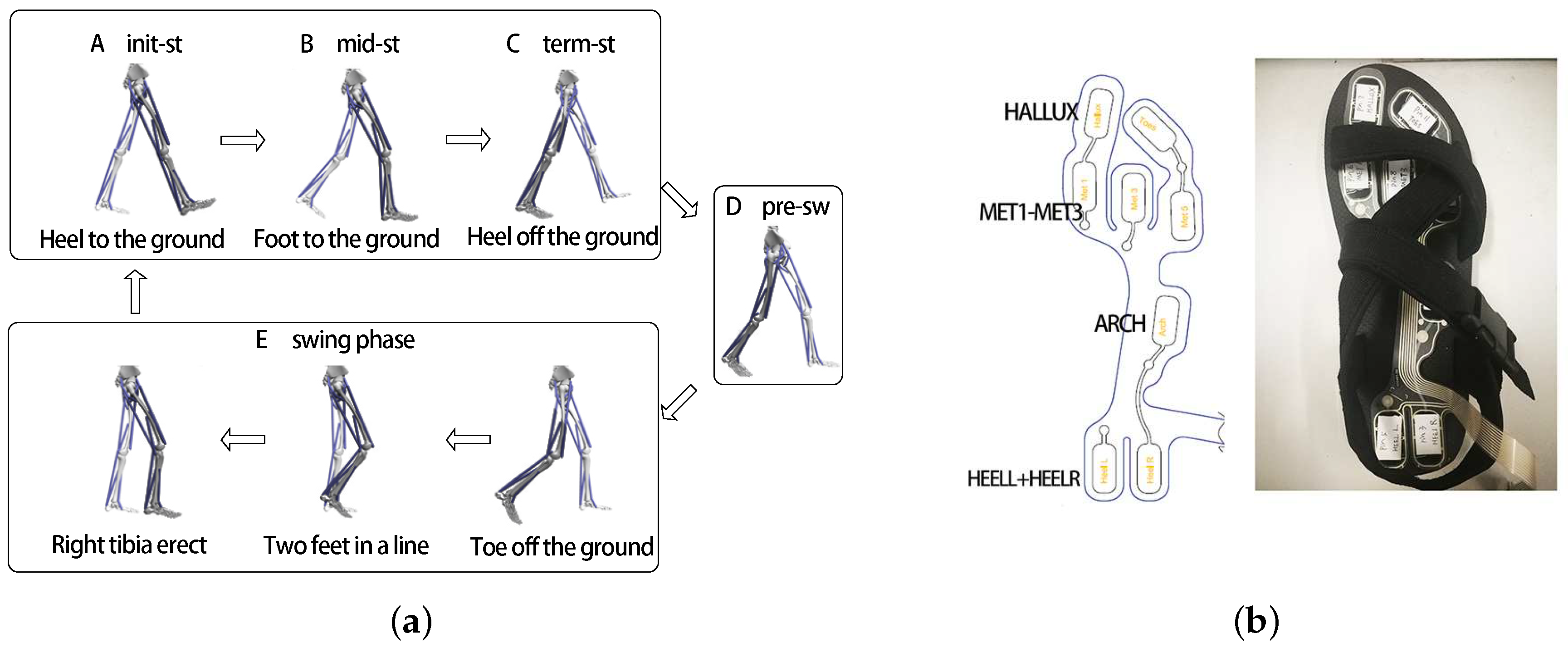
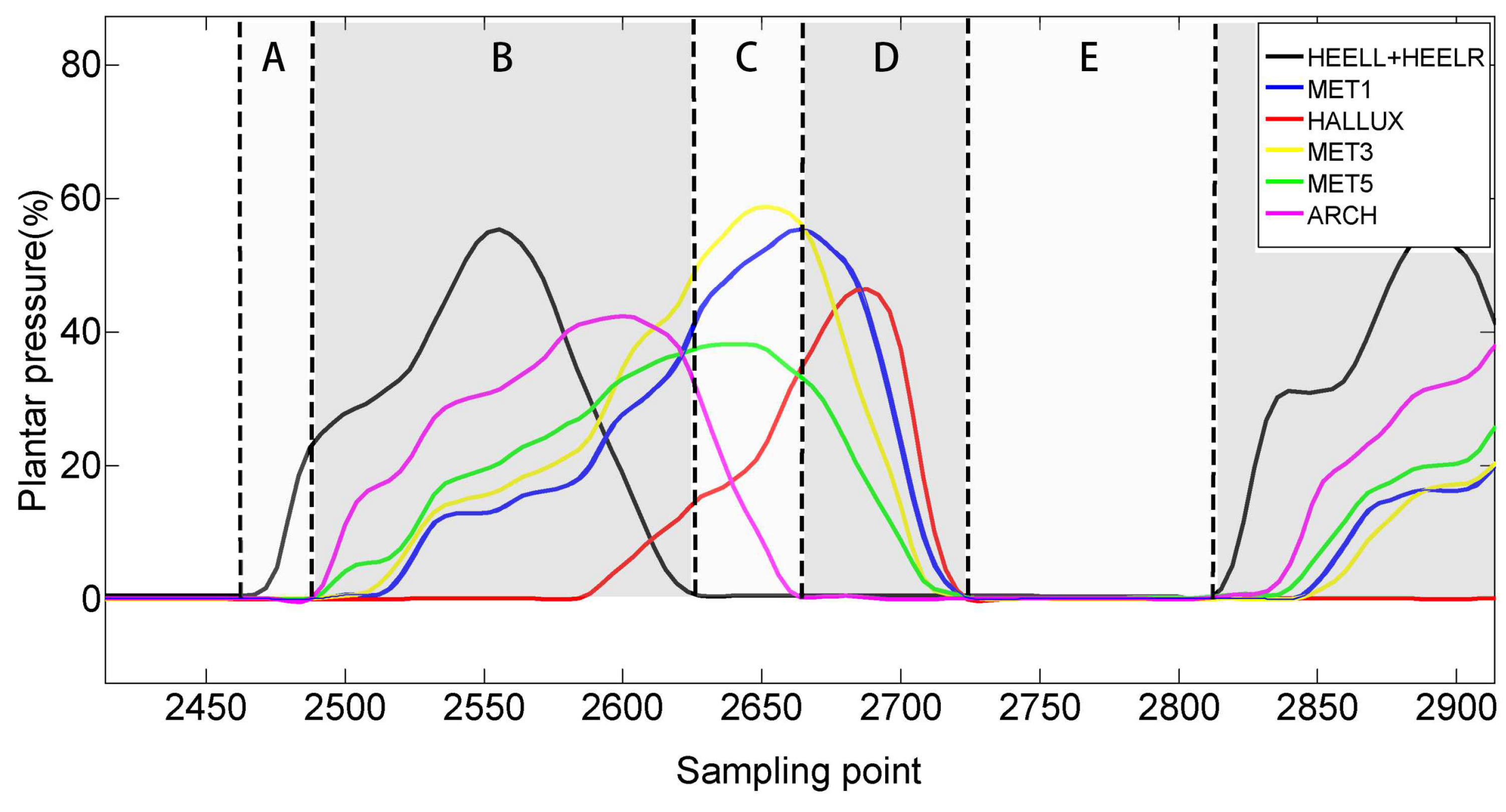
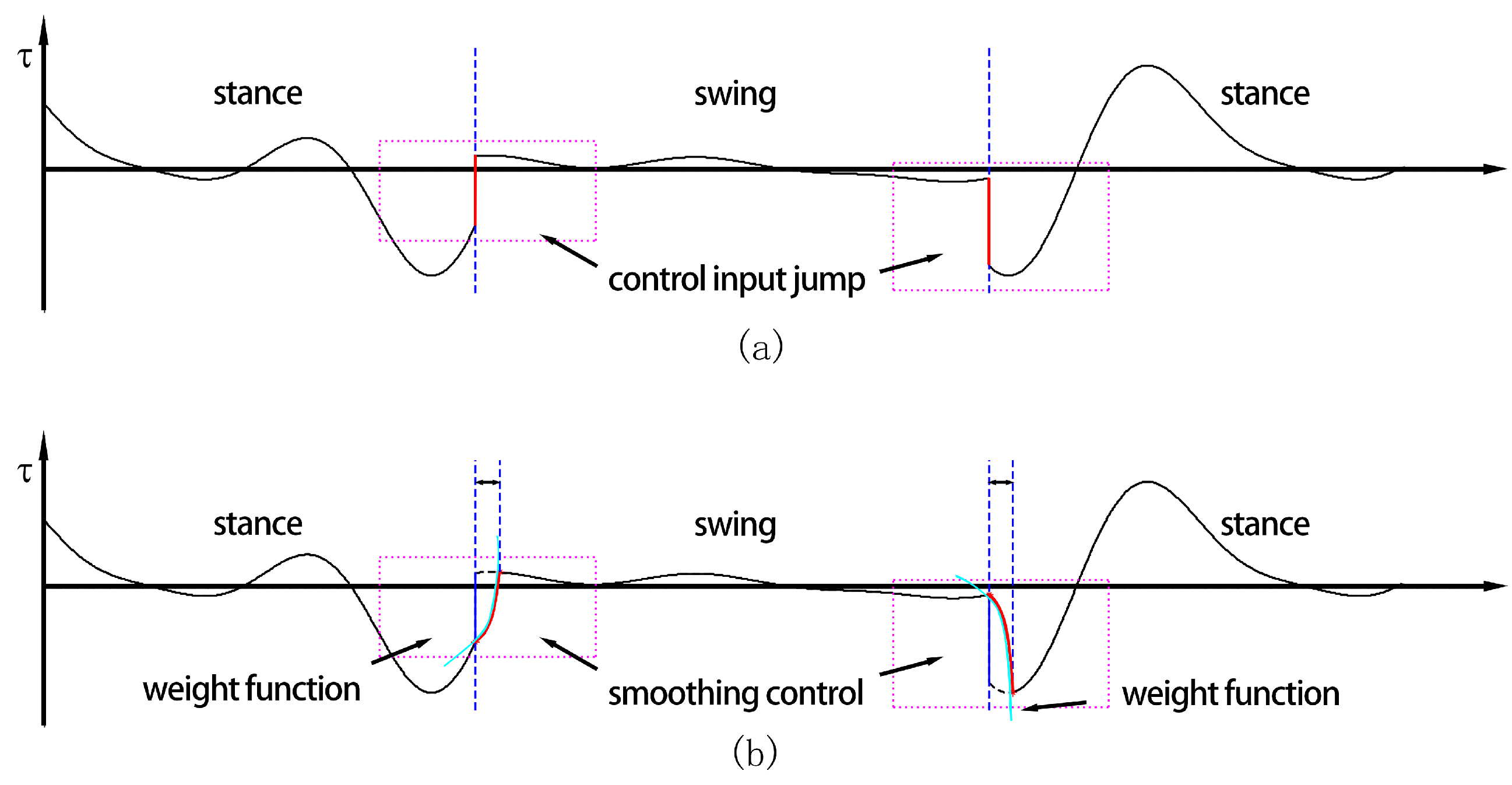
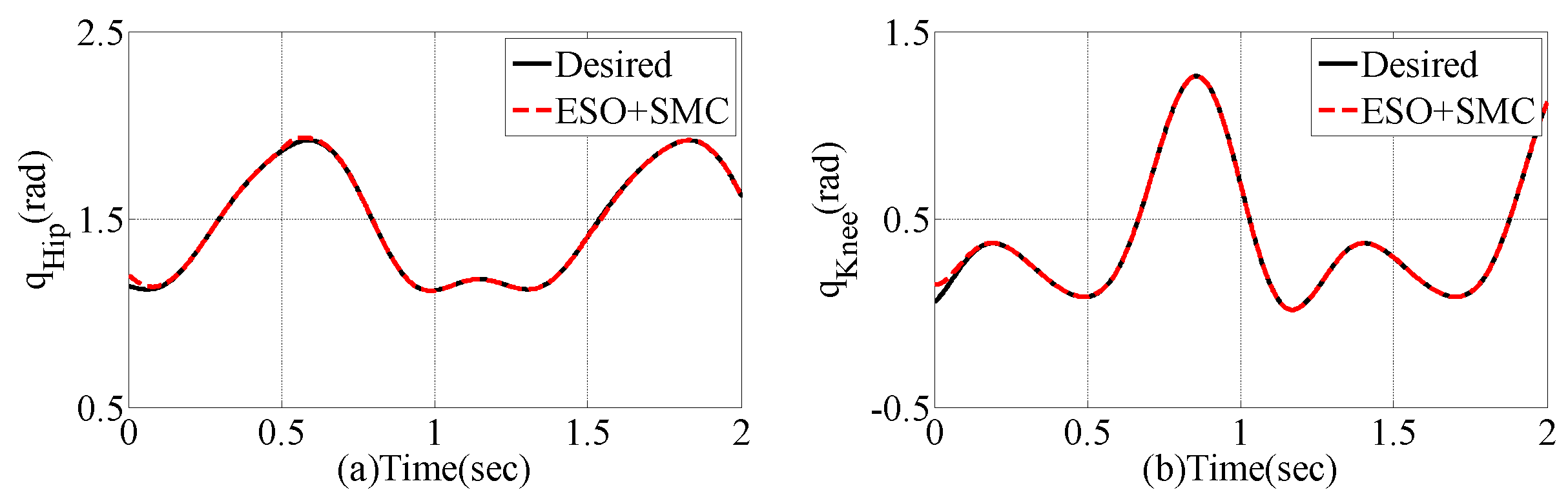
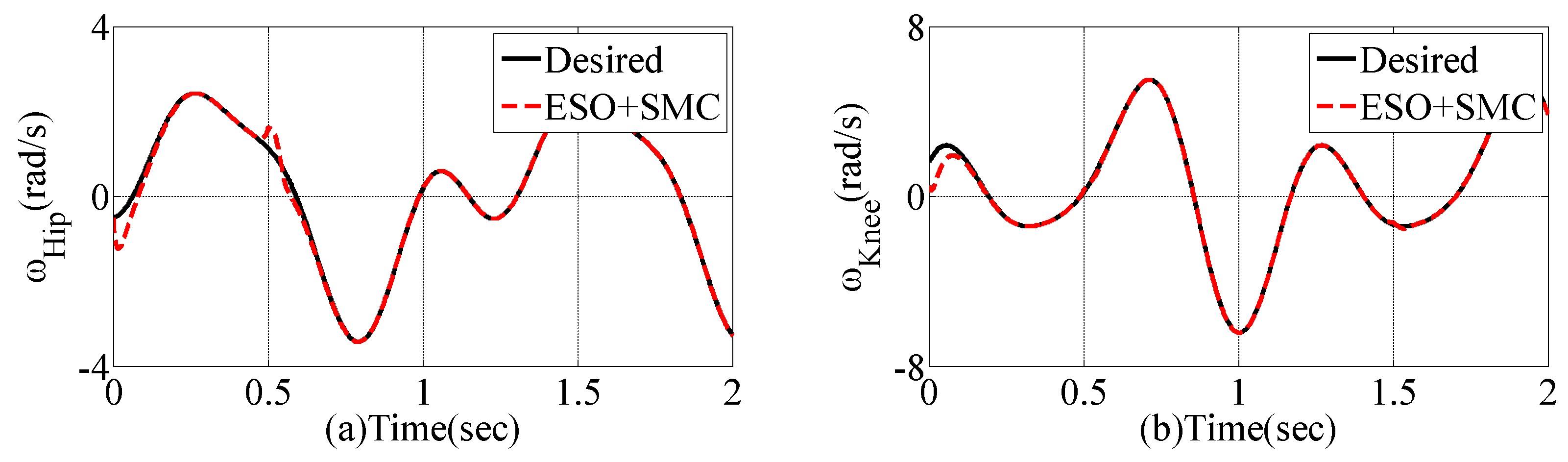
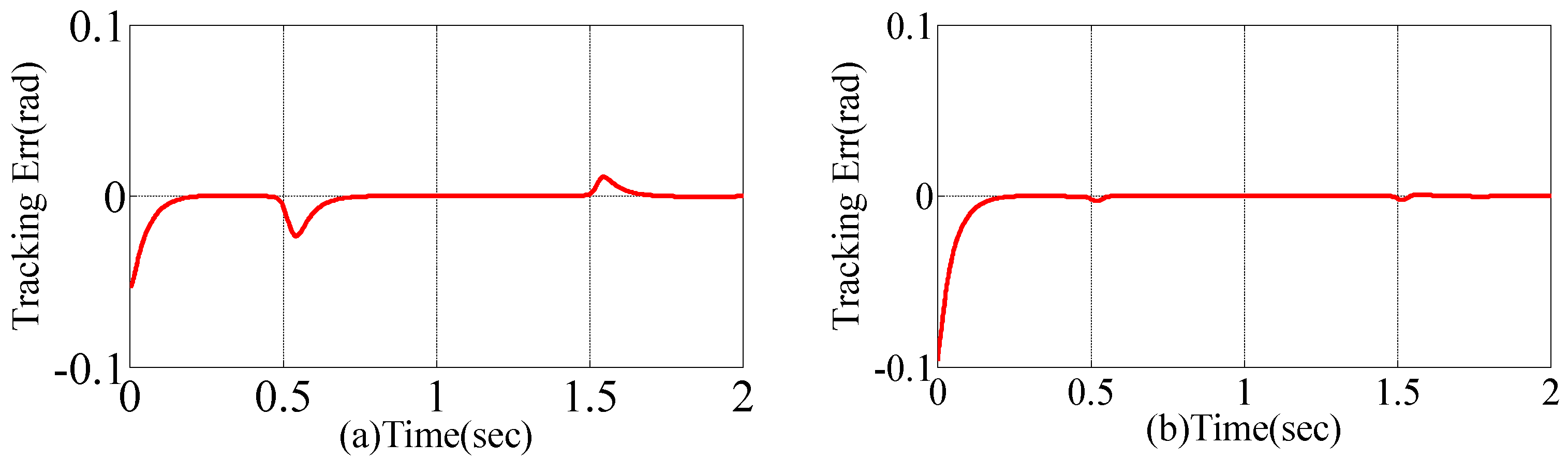
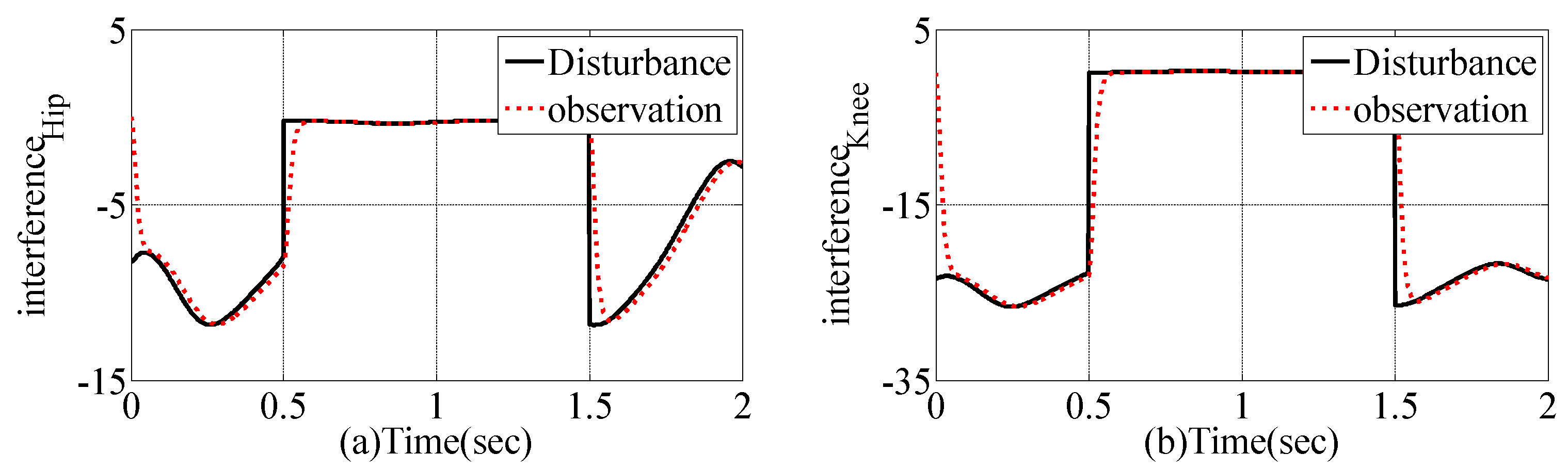
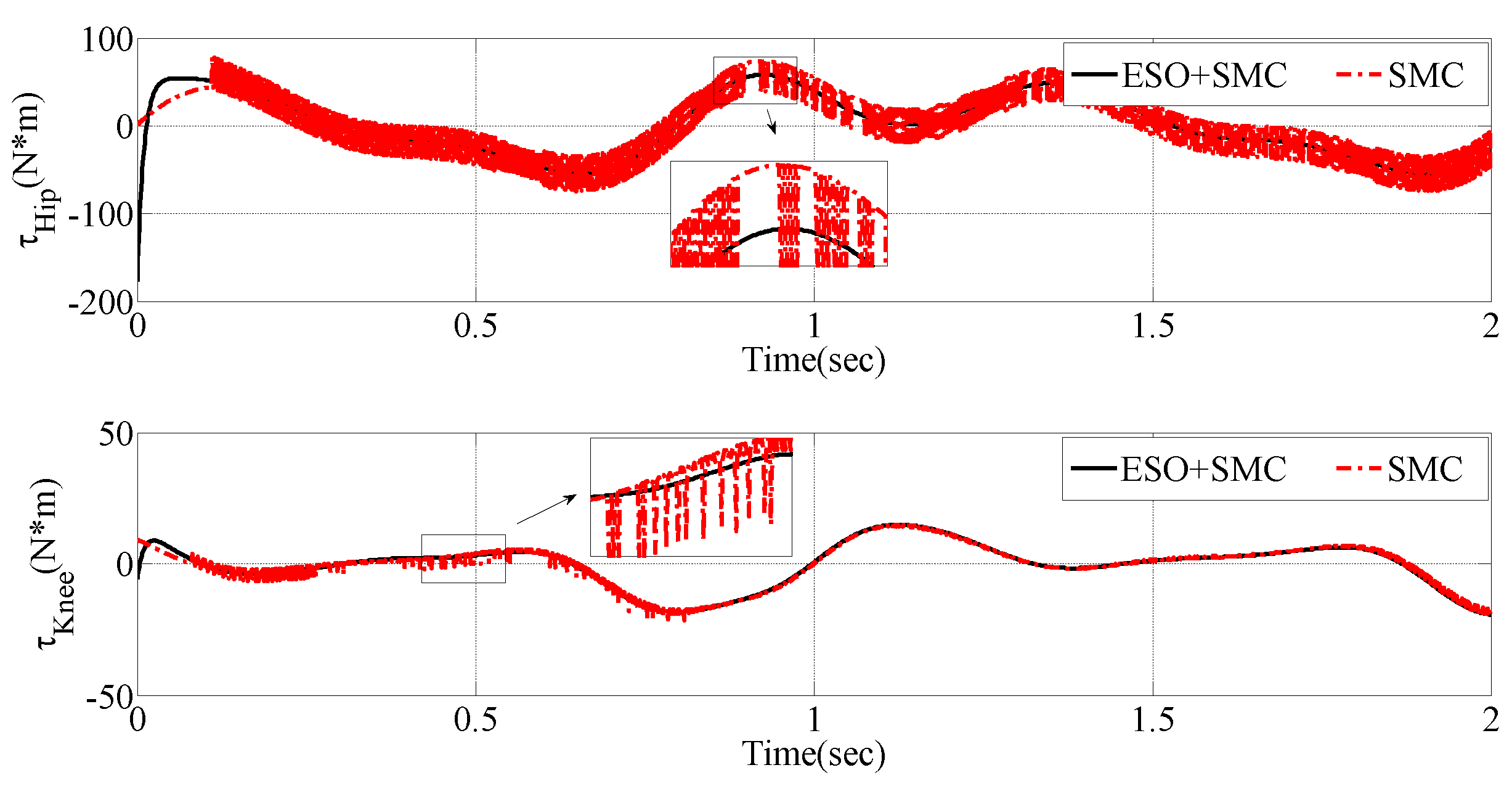
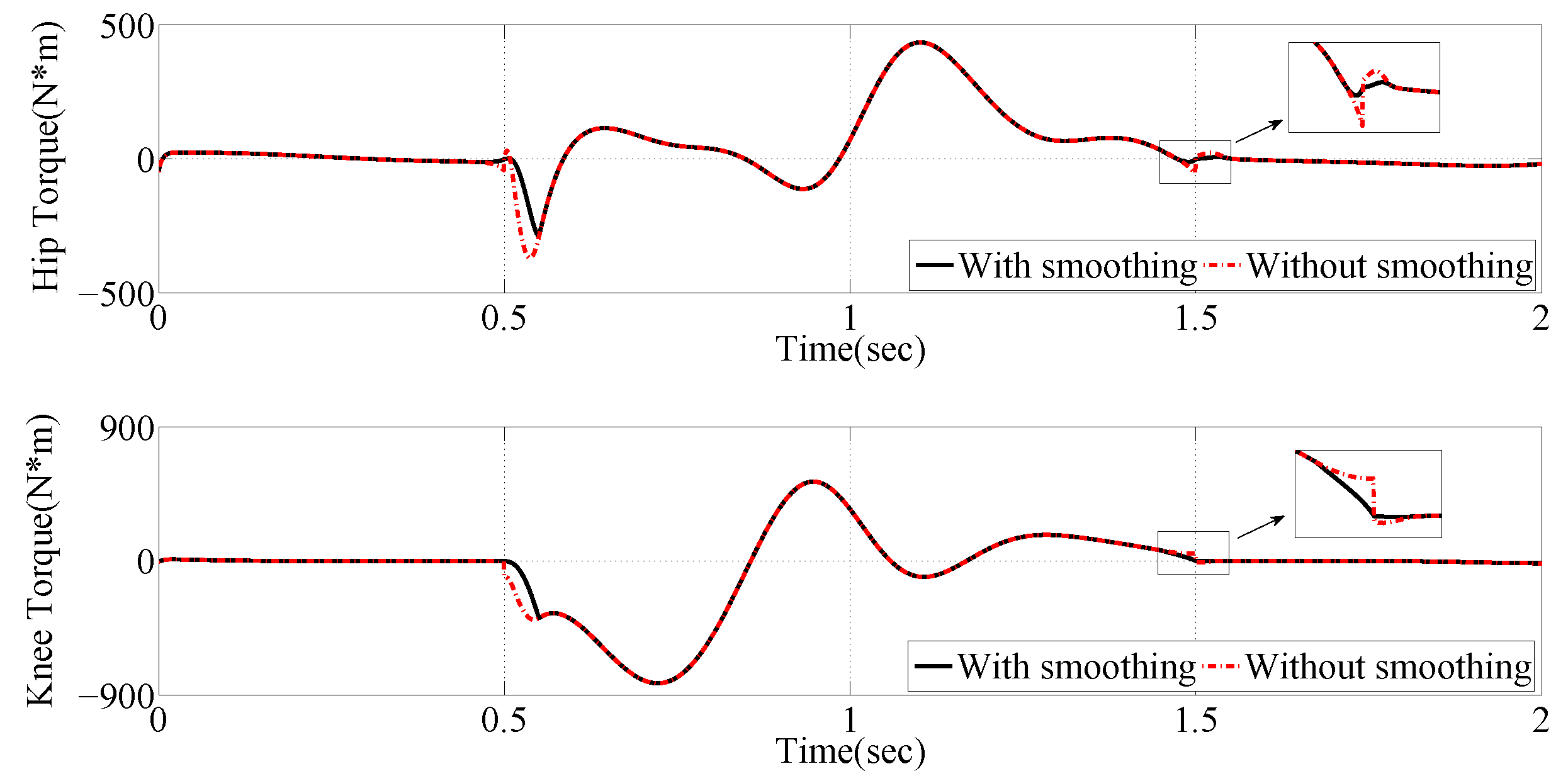
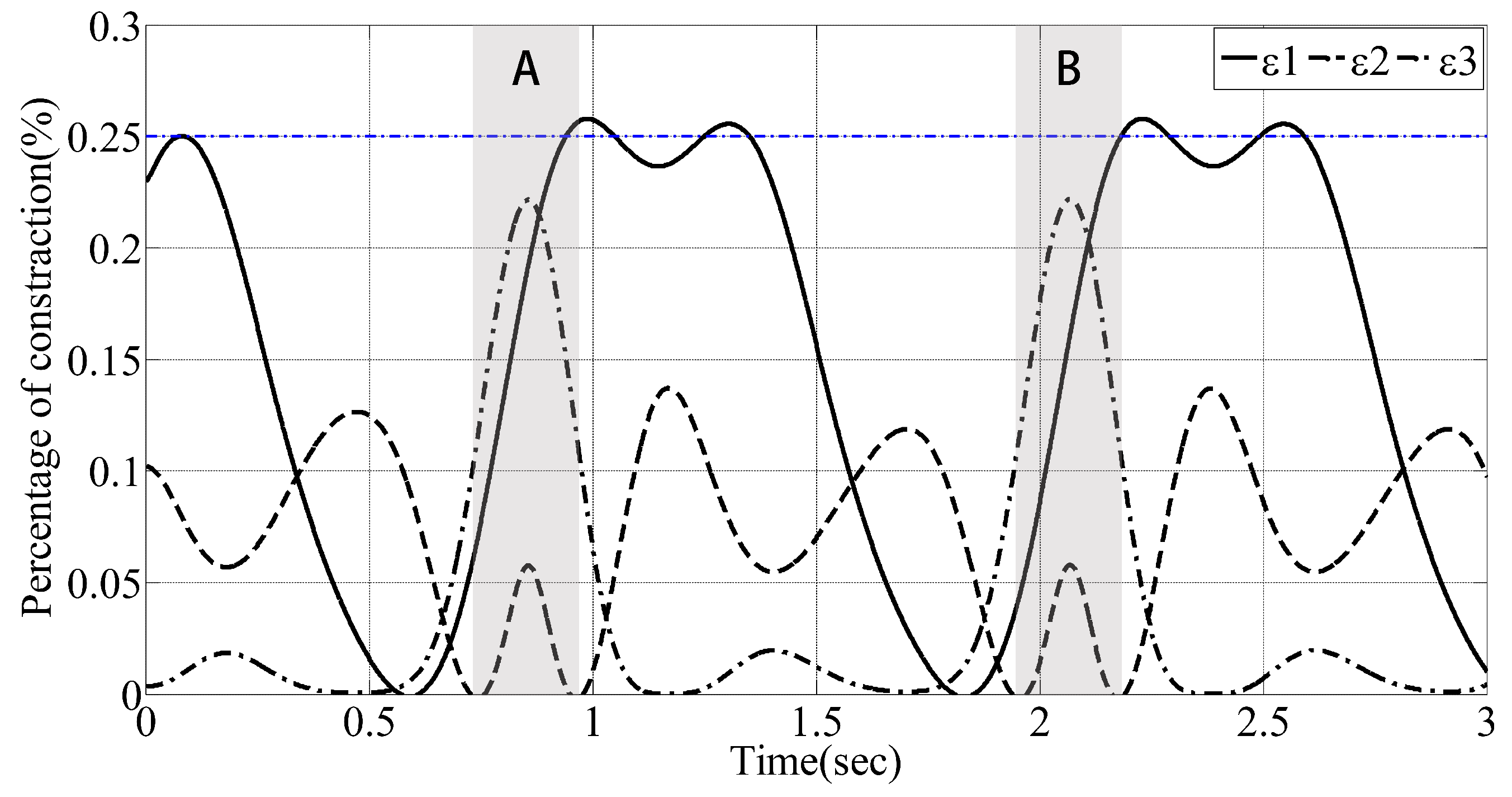
Aiming at a pneumatic artificial muscle (PAM) lower extremity exoskeleton, a control mechanism based on hybrid phase sliding mode control (SMC) is proposed. First of all, the human gait cycle is mainly divided into the swing phase and stance phase, and the lower extremity exoskeleton phase models are established by the Euler–Lagrange method, respectively. Secondly, the lower limb exoskeleton is inevitably affected in the diverse working environment, and the exoskeleton model has nonlinear and strong coupling characteristics, which both increase the control difficulty. In this situations, a robust sliding mode control method is designed based on an Extended State Observer (ESO). Thirdly, the pneumatic muscle takes time to contract and relax, and then the joint input torque cannot jump when the gait phase changes, hence, the smoothing switching of the assistive control scheme is introduced to solve it. The smoothing switching time is detected by a phase detector, and the phase detector is designed by the plantar pressure information. Finally the comparative simulation shows that this control strategy has the advantages of fast time, high control precision and no jump during control torque switching. Pneumatic artificial muscle contraction rate curve shows that the pneumatic muscles’ motion range meets the control requirement of the exoskeleton.
Keywords: lower extremity exoskeleton; pneumatic artificial muscle; gait switching; extended state observer; sliding mode control lower extremity exoskeleton; pneumatic artificial muscle; gait switching; extended state observer; sliding mode control