Article

Classification of Inter-Floor Noise Type/Position Via Convolutional Neural Network-Based Supervised Learning †

1
Department of Naval Architecture and Ocean Engineering, Seoul National University, Seoul 08826, Korea
2
Research Institute of Marine Systems Engineering, Seoul National University, Seoul 08826, Korea
*
Author to whom correspondence should be addressed.
This article is a re-written and extended version of “Classification of noise between floors in a building using pre-trained deep convolutional neural networks” presented at 16th International Workshop on Acoustic Signal Enhancement (IWAENC 2018), Tokyo, Japan on 20 September 2018.
Appl. Sci. 2019, 9(18), 3735; https://doi.org/10.3390/app9183735

Submission received: 9 August 2019 / Revised: 4 September 2019 / Accepted: 4 September 2019 / Published: 7 September 2019
(This article belongs to the Section Acoustics and Vibrations)

Abstract

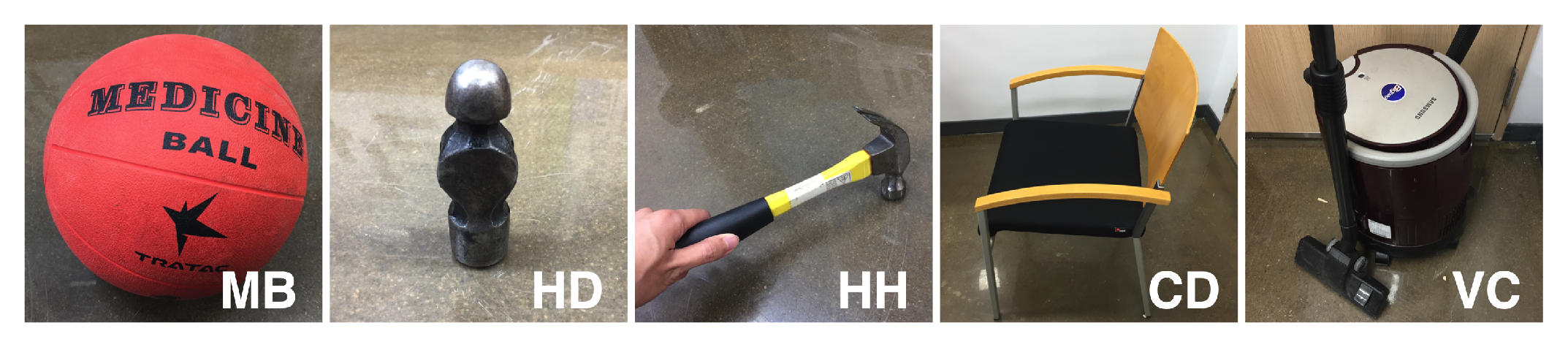
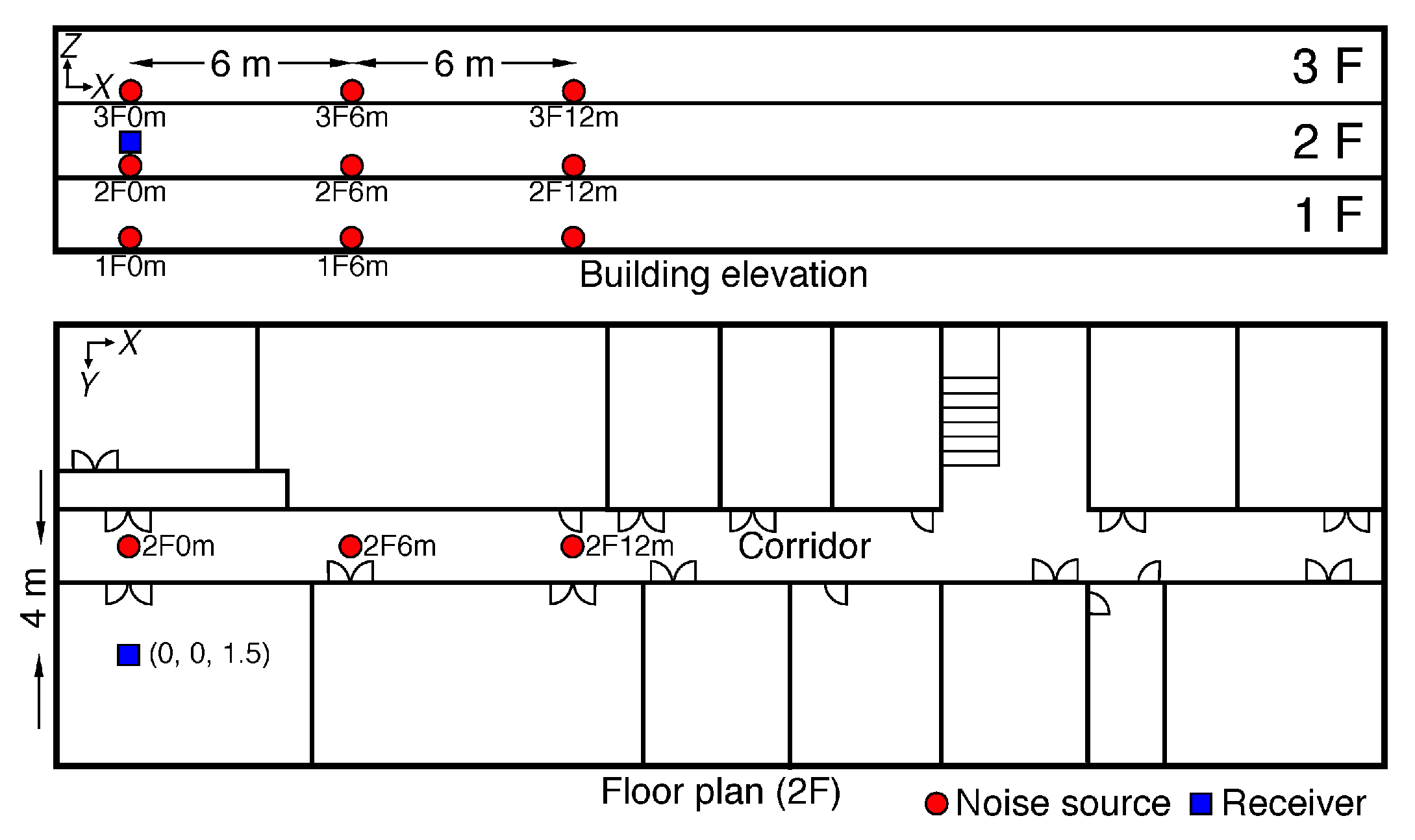
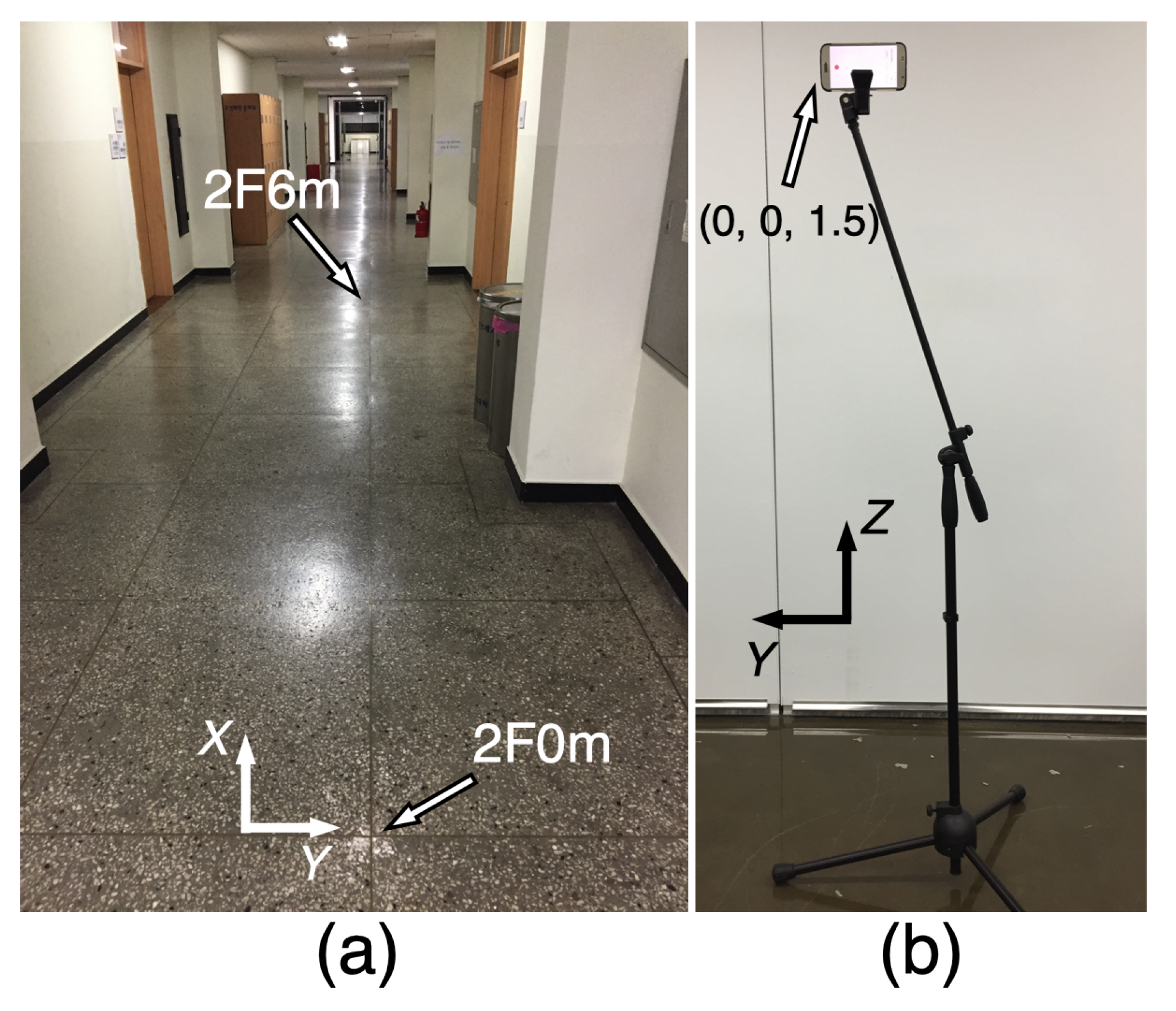
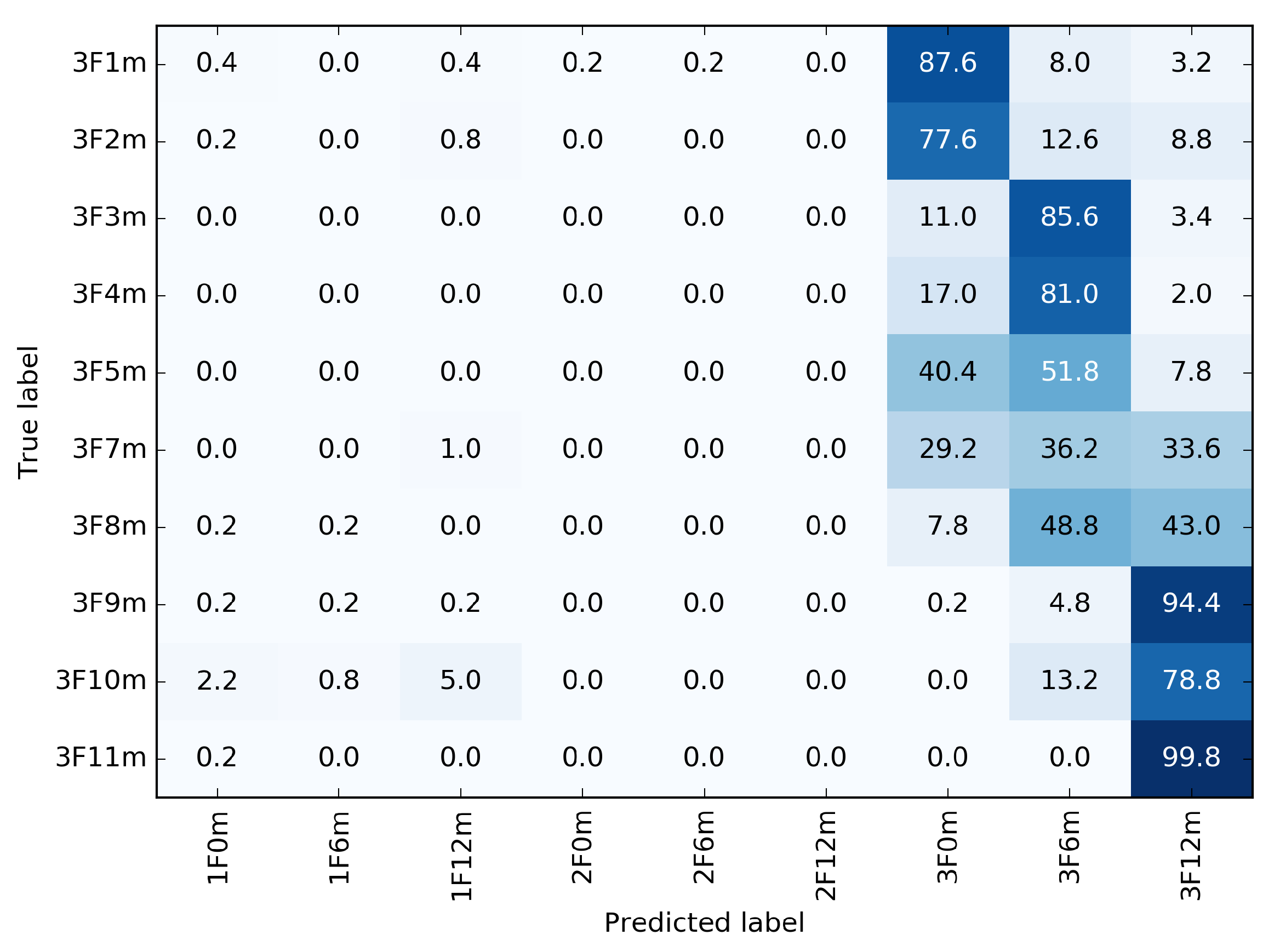
Inter-floor noise, i.e., noise transmitted from one floor to another floor through walls or ceilings in an apartment building or an office of a multi-layered structure, causes serious social problems in South Korea. Notably, inaccurate identification of the noise type and position by human hearing intensifies the conflicts between residents of apartment buildings. In this study, we propose a robust approach using deep convolutional neural networks (CNNs) to learn and identify the type and position of inter-floor noise. Using a single mobile device, we collected nearly 2000 inter-floor noise events that contain 5 types of inter-floor noises generated at 9 different positions on three floors in a Seoul National University campus building. Based on pre-trained CNN models designed and evaluated separately for type and position classification, we achieved type and position classification accuracy of 99.5% and 95.3%, respectively in validation datasets. In addition, the robustness of noise type classification with the model was checked against a new test dataset. This new dataset was generated in the building and contains 2 types of inter-floor noises at 10 new positions. The approximate positions of inter-floor noises in the new dataset with respect to the learned positions are presented.
Keywords: inter-floor noise; supervised learning; single sensor acoustic feature; convolutional neural network; acoustic scene classification inter-floor noise; supervised learning; single sensor acoustic feature; convolutional neural network; acoustic scene classification