Review

Technology-Facilitated Diagnosis and Treatment of Individuals with Autism Spectrum Disorder: An Engineering Perspective


1
Department of Curriculum and Foundations, Cleveland State University, Cleveland, OH 44115, USA
2
Department of Electrical Engineering and Computer Science, Cleveland State University, Cleveland, OH 44115, USA
3
School of Computer and Communication Engineering, University of Science and Technology Beijing, Beijing 100083, China
*
Author to whom correspondence should be addressed.
Appl. Sci. 2017, 7(10), 1051; https://doi.org/10.3390/app7101051
Submission received: 8 July 2017 / Revised: 2 October 2017 / Accepted: 11 October 2017 / Published: 13 October 2017
(This article belongs to the Special Issue Smart Healthcare)

Abstract

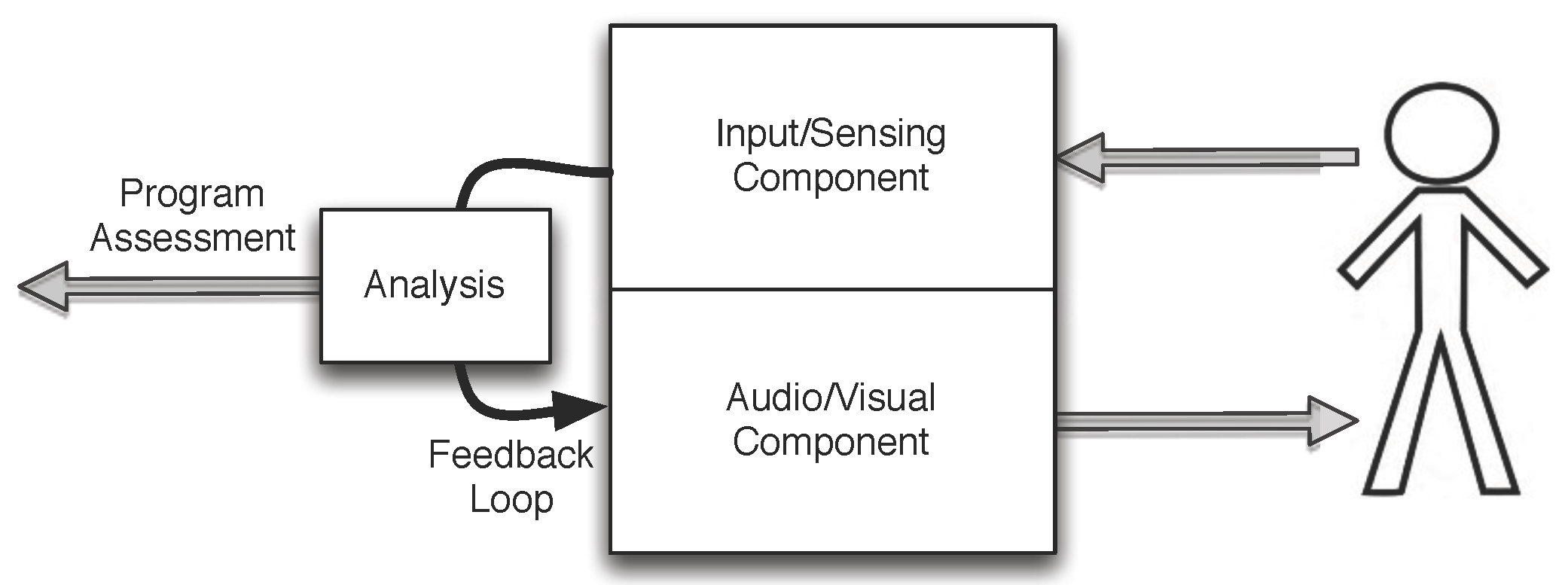
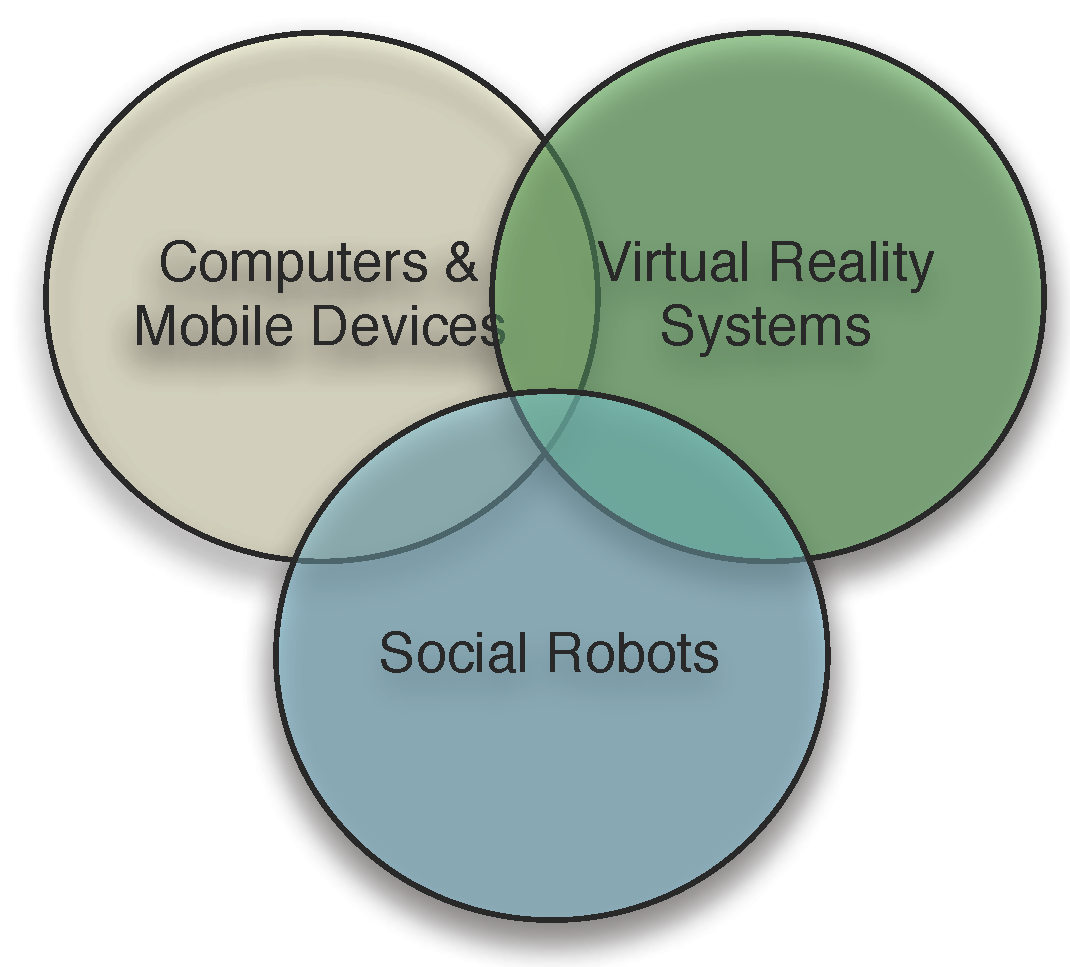
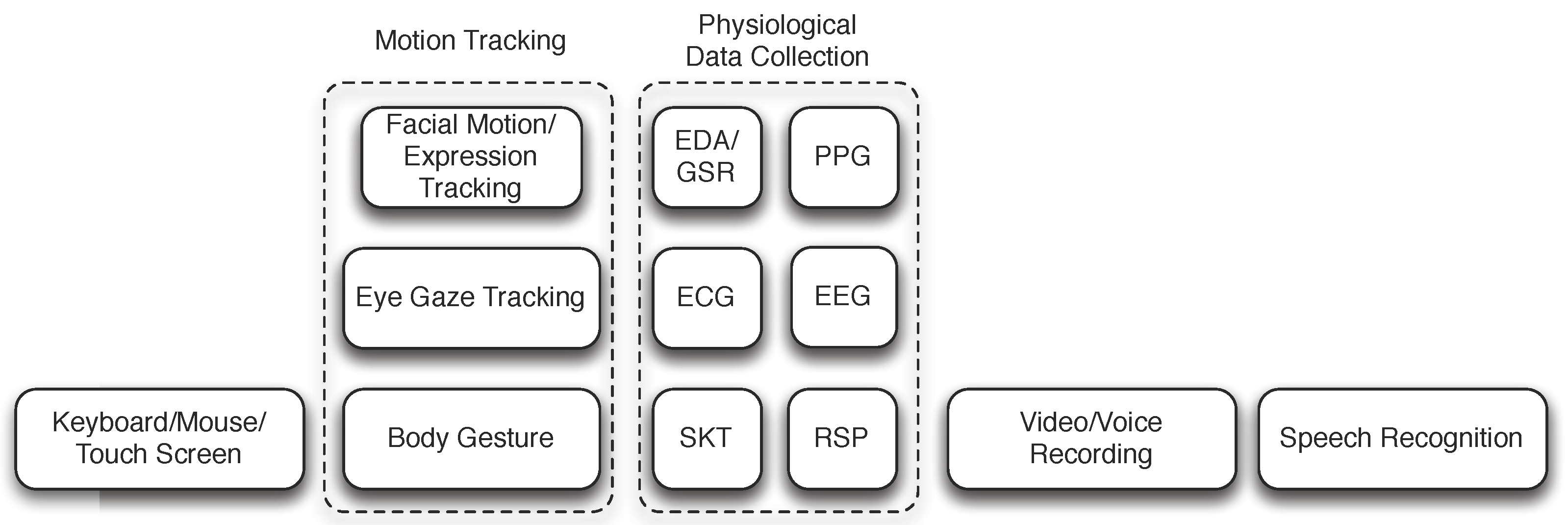
The rapid development of computer and robotic technologies in the last decade is giving hope to perform earlier and more accurate diagnoses of the Autism Spectrum Disorder (ASD), and more effective, consistent, and cost-conscious treatment. Besides the reduced cost, the main benefit of using technology to facilitate treatment is that stimuli produced during each session of the treatment can be controlled, which not only guarantees consistency across different sessions, but also makes it possible to focus on a single phenomenon, which is difficult even for a trained professional to perform, and deliver the stimuli according to the treatment plan. In this article, we provide a comprehensive review of research on recent technology-facilitated diagnosis and treat of children and adults with ASD. Different from existing reviews on this topic, which predominantly concern clinical issues, we focus on the engineering perspective of autism studies. All technology facilitated systems used for autism studies can be modeled as human machine interactive systems where one or more participants would constitute as the human component, and a computer-based or a robotic-based system would be the machine component. Based on this model, we organize our review with the following questions: (1) What are presented to the participants in the studies and how are the content and delivery methods enabled by technologies? (2) How are the reactions/inputs collected from the participants in response to the stimuli in the studies? (3) Are the experimental procedure and programs presented to participants dynamically adjustable based on the responses from the participants, and if so, how? and (4) How are the programs assessed?
Keywords: autism spectrum disorder; virtual reality; avatars; social robots; depth sensors; affective computing; emotion recognition; joint attention autism spectrum disorder; virtual reality; avatars; social robots; depth sensors; affective computing; emotion recognition; joint attention