1. Introduction
Gondola lifts have gained much popularity in recent times due to their speed and sustainability in areas with geographical constraints and difficult terrain, such as mountains [
1]. These lifts are mainly used for passenger transport, e.g., in the ski industry, a multi-billion-dollar industry that attracts a large number of people every year [
2,
3]. The gondola lifts are often installed on the mountains at higher altitudes, where atmospheric ice accretion is a potentially serious hazard. Ice accretion depends significantly on the liquid water content in the cold air. A higher liquid water content may be present even at relatively “low” altitudes of ~900 m due to the presence of droplet clouds [
4].
Gondola support towers are critical components of gondola infrastructure. They support the gondola’s cables and help the gondola cabins move between stations. The main structure and design of these towers are the same as the support towers used in the power transmission and telecommunication industries. These towers have two types: (1) monopole tower, and (2) lattice tower. The selection of the tower is a trade-off between the structural integrity, availability of space, time of installation, and cost [
5,
6].
Due to the presence of gondola lifts in cold-climate, high-altitude regions, towers are prone to ice accretion. In 2026, Hamza et al., [
7] reviewed a history of incidents of various gondola infrastructures culminating in structural failure and collapse due to ice accretion on gondola towers. Due to the scarcity of literature on icing-related issues for gondola infrastructure, literature from similar applications was also used. In 1998, Mulherin [
8] presented an extensive review in which he stated that atmospheric ice accretion was the reason behind the collapse of 140 towers across the United States of America from 1959 to 1994. In 2012, Xie and Sun [
9] stated that ice storms of Montreal, Canada, and Southern China brought hundreds of power transmission towers down in 1998 and 2008, respectively.
Ice accretion on towers has three major impacts that cause structure failure. First, it adds additional static loads in the form of increased mass. Second, it changes the geometry of the tower, which alters the aerodynamic behavior of the tower, which ultimately results in increased wind loads [
10]. Last, the ice jacking phenomenon, where water permeates into the structure of the tower, freezing and expanding, which exerts additional force, causing the failure of the tower [
11].
In this study, the focus is on prediction and the potential mitigation of the atmospheric ice accretion on monopole gondola towers. This is because monopole towers are the preferred installation among many gondola installation companies due to their ability to occupy less space in urban settlements and low cost in case the tower height is low [
5].
Monopole towers can be approximated, geometrically, as a circular cylinder for ice accretion analysis. This simplification allows the use of a circular cylinder as a reference object to study the physics of the ice accretion process on the monopole tower structures [
12].
Many researchers in the past have conducted ice accretion studies on cylinders of different sizes, at different angles, and under different operating conditions [
13,
14,
15]. However, most of these studies are based on cylinders with smaller diameters. Very few studies have examined ice accretion on cylinders with larger diameters, and most rely on experimental setups similar to those presented in the study by Koss et al. [
16]. The resultant ice accretion is significantly dependent on the cylinder diameter. For example, the analytical model ISO 12494 [
17] is commonly used to calculate ice loads on structures, which geometries can be approximated as circular cylinders, however, the model has some limitations, especially when it comes to cylinders with larger diameters. This is primarily due to the model’s dependence on the droplet inertia parameter
K, which in turn depends on the cylinder diameter. When the value of
K decreases below
K < 0.25 (experimentally verified lower limit), which is common for larger cylinders, the model fails to predict correct collision efficiency, thus providing an unreliable solution [
18].
Therefore, there is a need for another computational approach that can model atmospheric ice accretion on large-diameter circular cylinders, which are an approximation of monopole gondola towers.
Numerical simulations using a multiphase CFD approach can be an effective and attractive tool for simulating a large set of operating conditions to predict ice loads on the towers. Numerical solvers, specifically ANSYS FENSAP-ICE 2025 R2 has been used to conduct ice accretion analysis in different industries such as aerospace [
19,
20], UAVs [
21], and wind energy [
22].
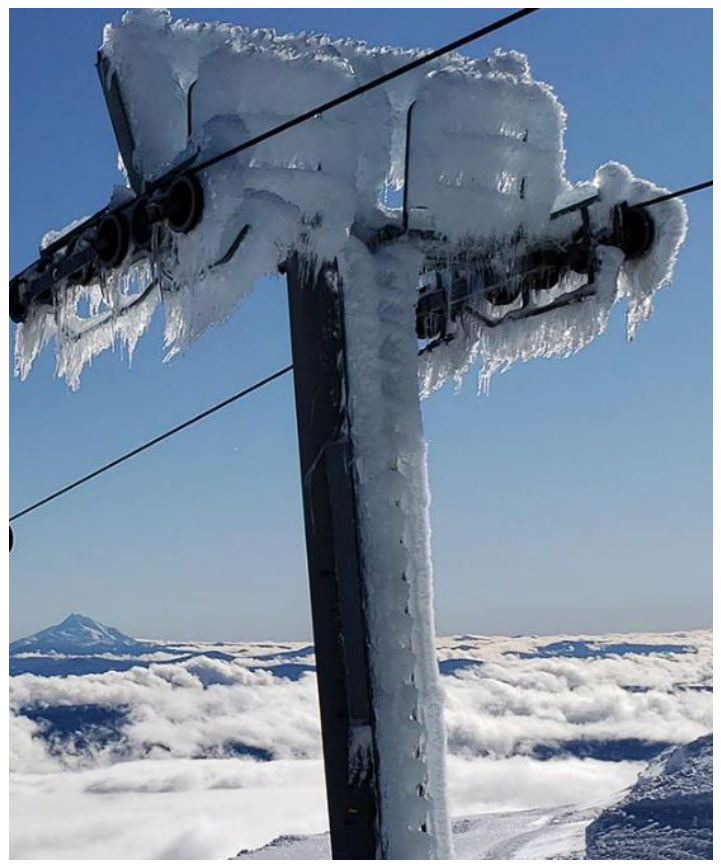
The problem of ice accretion is not limited to the tower alone, as, alongside the tower, other important structures, for example, access ladders, are also prone to atmospheric icing. This ladder is composed of small rectangular bars and a side rung. The ladder provides maintenance personnel with access to the top of the tower for maintenance and installation. These smaller structural components, such as ladder steps, can experience substantial ice growth themselves, making the ladder even more susceptible to icing than the tower itself (due to the differences in the droplet inertia parameter
K between the large tower and the smaller ladder). For example, on-site observations reported by Mount Hood Meadows (A Ski resort in the USA) in ref. [
23], as shown in
Figure 1, visually demonstrate the intensity of ice accretion on both the tower and the connected ladder.
2. Materials and Methods
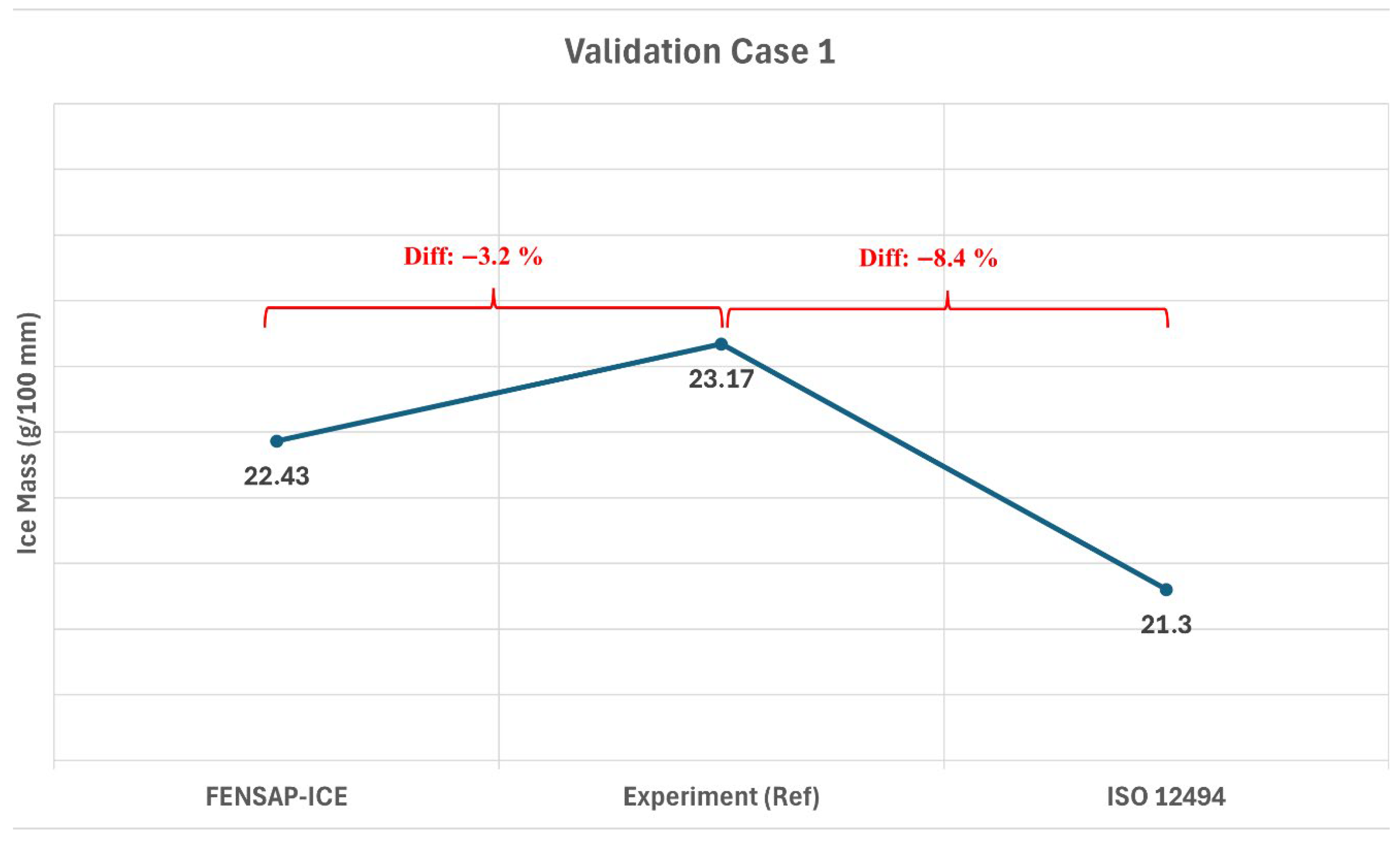
To analyze the physical process of ice accretion on the tower and ladder, validation is carried out against published experimental data using both numerical simulations and analytical ISO 12494 [
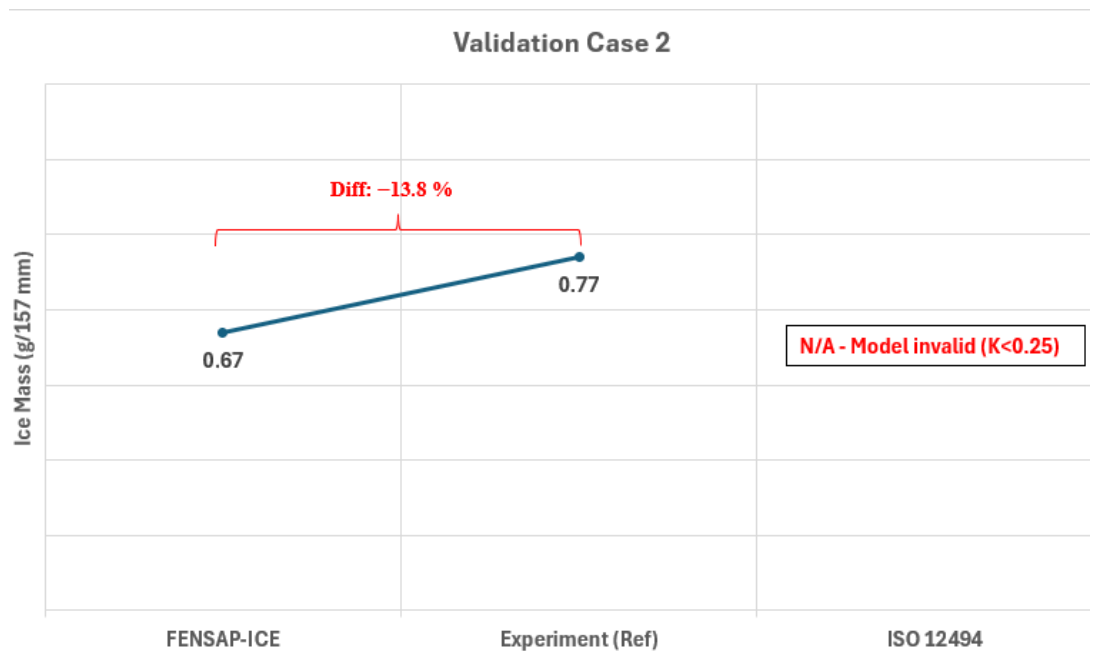
17] calculations (used as a reference). Validation is performed for circular cylinders with smaller and larger diameters. This validation also serves to verify the limitation of the ISO 12494 model in calculating ice loads on cylinders with larger diameters.
Afterward, ANSYS FENSAP-ICE is used to investigate atmospheric icing on the gondola tower and ladder with realistic dimensions. In one of the conducted simulation cases in this study, a passive structural-based design approach is tested to reduce ice accretion on the tower and ladder.
The details of analytical modeling and numerical modeling used in this study are provided as follows.
2.1. Analytical Modeling
This model determines the icing rate per unit area based on the water droplet flux density. The flux density results from the product of mass concentration, which is also called liquid water content (w), and the velocity of water droplets relative to the object (v).
As a result, the icing rate is derived from the following equation [
17],
In the above-written equation from the cited analytical model (ISO 12494), A is the projection area of the object’s cross-section on the windward side, is the collision efficiency, is the sticking efficiency, and is the accretion efficiency of the incoming water droplets. All these efficiency values may vary between 0 and 1 depending on certain conditions and must be determined to obtain the accretion rate of icing. The details of each efficiency term in the analytical model are provided below.
2.1.1. Collision Efficiency
Theoretical calculation of a cylinder’s collision efficiency uses this formula [
17],
where terms
A,
B, and
C are, respectively:
and,
in which
Re is the droplet’s Reynolds number:
where
and
are water and air densities respectively,
is the free stream air velocity,
d is the water droplet diameter,
is the circular cylinder diameter, and µ is the dynamic viscosity of air [
18].
2.1.2. Sticking Efficiency
According to ISO 12494, the sticking efficiency of water droplets is assumed to be maximum, i.e., = 1.
2.1.3. Accretion Efficiency
For dry ice growth, the accretion efficiency is maximum, i.e.,
= 1. In wet ice growth, the freezing rate depends on how quickly the latent heat generated during freezing is transferred away from the surface. Water that cannot freeze because of heat transfer limits flows off the surface due to gravity or wind drag. The heat balance on the icing surface for wet growth icing can be shown by the thermodynamic model presented by Messinger (1953) [
24].
where,
represents the latent heat released during freezing,
accounts for the frictional (viscous) heating of air,
denotes the kinetic energy of incoming water droplets,
is the heat released while cooling,
signifies the sensible heat lost to the air.
describes the heat loss (or gain) involved in warming (or cooling) water to the freezing point.
measures the heat lost through radiation.
indicates the heat transferred into the ice via conduction.
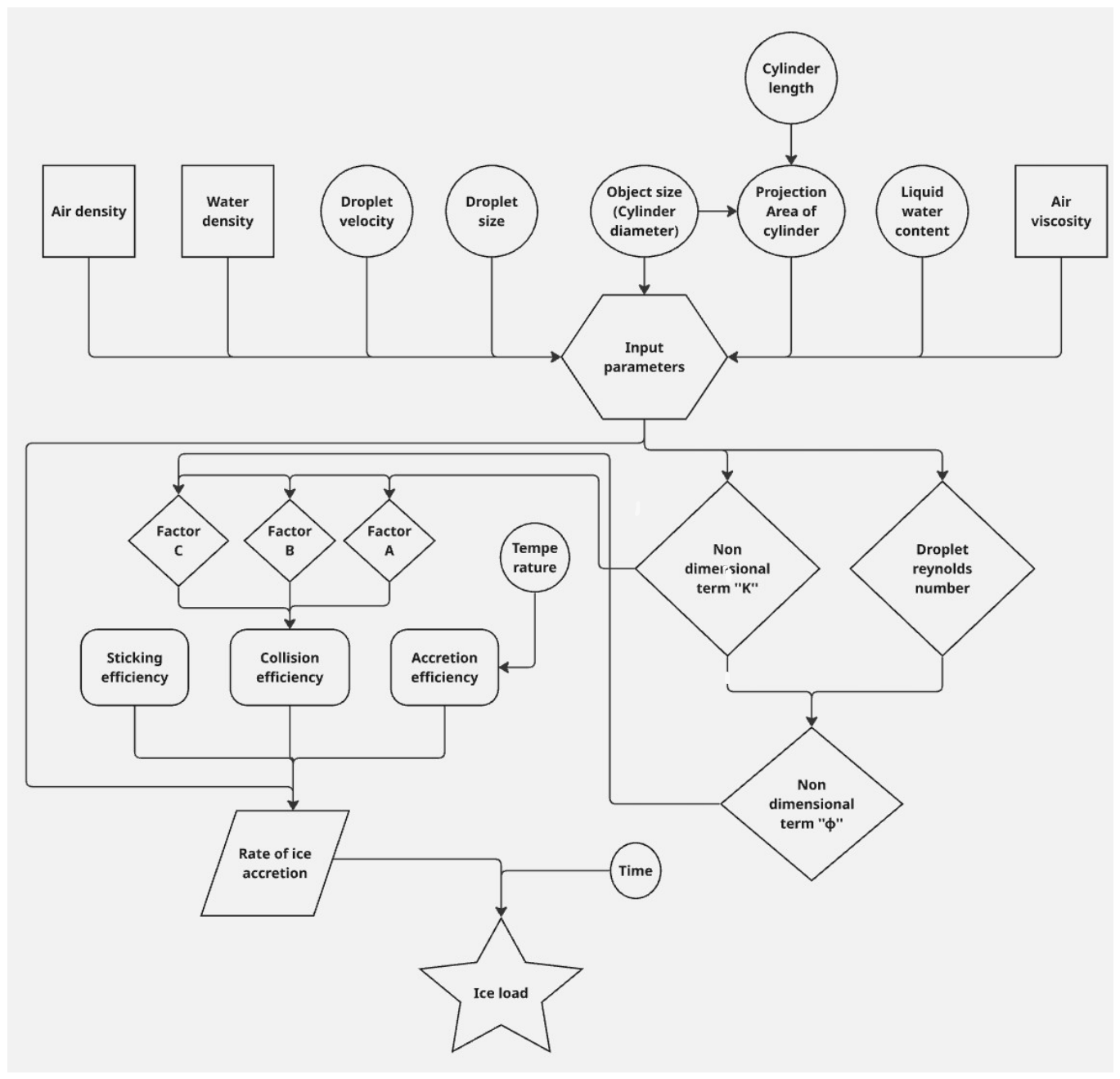
In this study, the analytical model is created in MATLAB R2023b using the mathematical equations mentioned in ISO 12494 [
17]. The code is represented by the flowchart in
Figure 2.
2.2. Numerical Modeling
Numerical modeling of ice buildup is a complex physical problem. It requires coupling several physical processes. These include fluid dynamics, droplet trajectories, surface thermodynamics, and the freezing phase change. The numerical analysis in this study is performed using ANSYS FENSAP-ICE. The conducted simulation uses a combination of an unstructured and a structured numerical grid. To accurately capture boundary-layer details, such as shear stress and heat flux, the
k–ω shear stress transport (SST) turbulence model is used. The simulation of the two-phase flow involving air and water is carried out using an Eulerian–Eulerian methodology. This approach assumes the supercooled water droplets are spherical. The airflow was simulated through solving nonlinear partial differential equations for the conservation of mass, momentum, and energy,
where
is the density of air,
v is the velocity vector, subscript α denotes the air solution,
T refers to the air static temperature in Kelvin, σ
ij is the stress tensor, and
E and
H are the total initial energy and enthalpy, respectively [
25]. These equations are the conservation of mass, momentum, and energy equations, respectively. The stress tensor σ
ij is given as:
the Drop 3D solver in ANSYS FENSAP-ICE uses the Eulerian model to calculate the collection efficiency of droplets on the surface. This approach is different than the Lagrangian method, which was used by Langmuir, Blodgett, and Finstad in their studies to estimate droplet collision efficiencies [
18]. The Lagrangian method treats droplets as individual particles. It tracks the specific path of every single drop to see where it goes. On the other hand, the Eulerian method tracks the water phase as a continuous “mist” or fluid, rather than individual droplets. It calculates the flow within control volumes.
To fully describe the physics, specific equations for the droplets are added. These additional governing equations account for both droplet continuity and momentum [
25].
where α is the water volume fraction,
Vd is the droplet velocity,
CD is the drag coefficient of the droplet,
Fr is the Froude number,
Red is the droplet Reynolds number, and
K is the droplet inertia parameter.
Finally, the ICE3D solves a system comprising two partial differential equations defined across all solid surfaces. The first equation expresses mass conservation:
The three terms on the right-hand side correspond to, respectively, the mass transfer caused by water droplet impingement (the source for the film), evaporation, and ice accretion (the sinks for the film). The second partial differential equation represents the conservation of energy.
The first three terms on the right-hand side represent heat transfer from impinging supercooled water droplets, evaporation, and ice accretion. The last three terms correspond to radiative, convective, and 1D conductive heat fluxes [
25].
The coefficients
,
,
, σ, ε,
ks,
Levap,
Lfusion are fluid and solid physical properties. The reference conditions
T∞,
V∞,
LWC are airflow and droplet parameters. The airflow solver supplies local wall shear stress and convective heat flux, while DROP3D provides local values of collection efficiency β and droplet impact velocity
Vd. The evaporative mass flux
mevap is determined based on convective heat flux [
25].
4. Results & Discussion
The goal of this section is to provide insights into the following research questions:
To use modern numerical (CFD) simulation software to estimate the correct mass of accreted ice on large cylinders.
Prediction of the intensity of ice load for the gondola support tower.
Comparison of ice growth on small (ladder) vs large components (tower).
To assess the ability of a passive ice-mitigation method in reducing ice accretion on the tower and ladder.
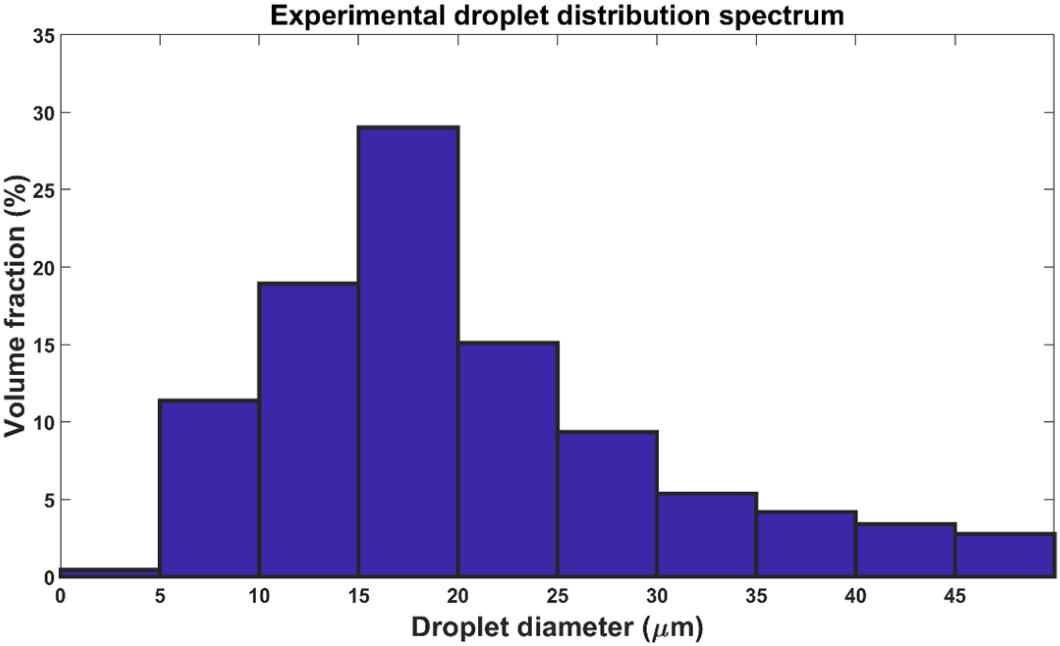
This study is based on operational field conditions. A gondola operating company in Northern Norway provided structural dimensions for the tower and ladder components. Meteorological data used as boundary conditions for the numerical simulations were sourced from monitoring stations located adjacent to the site. This data was collected over a period of approximately 10 years. These conditions were chosen to evaluate the system’s performance under severe but realistic icing scenarios. A Langmuir D droplet distribution was selected for all cases, as it closely aligns with measurements recorded at the station. Also, the Langmuir D distribution yields results in CFD modeling that match experimental and analytical results best in the low-
K regime [
27] and this droplet distribution has been widely used in the literature [
28,
29,
30]. The operating conditions from the field weather monitoring stations are shown in
Table 3.
To address the above-mentioned research questions, the study is divided into three different sections.
4.1. The Reference Tower
The numerical analysis in section A is carried out under both average (typical meteorological conditions) and extreme winter weather conditions to estimate the difference in ice loads between a normal/typical day and extreme icing events.
As stated above, this study reflects the realistic scenarios; the reference gondola tower is situated almost 1000 m above sea level. This tower has three different cylindrical parts with different diameters. In this study, only the top part of the tower is considered, as it is most prone to ice accretion due to its higher terrain elevation. Only a small differential section from this part is numerically modeled in the ANSYS FENSAP-ICE. The length of this part is 25 mm. Thus, all simulation results in this study yield ice mass values for this part (25 mm).
Design properties of this small section of the top-most part of the tower are 762 (diameter) × 25 (length) mm. A quasi-3D mesh is generated using single-cell extrusion in Pointwise to accurately represent the flow domain and capture boundary-layer and close-wall effects. The computational domain is discretized using a structured mesh with 86,753 cells. The mesh is selected after conducting a grid independence test with a primary focus on achieving an appropriate y+ value. Since accurate prediction of droplet impingement and ice accretion depends on resolving the near-wall region, a target y+ value close to 1 was considered suitable. A coarser grid (around 8000 elements) resulted in relatively higher y+ values, indicating insufficient near-wall resolution. On the other hand, a very fine grid (up to approximately 400,000 elements) produced sufficiently low y+ values, however without significant improvement in the key output parameters. Based on this analysis, a grid with intermediate refinement was selected, which yielded a y+ value close to 1 and ensured reliable results at a reasonable computational cost. In this computational grid, the initial wall cell height was set to 1 × 10
−5 m, with a growth rate of 1.2, to expand the mesh away from the wall smoothly. This mesh design ensures good resolution near the solid wall while maintaining computational efficiency.
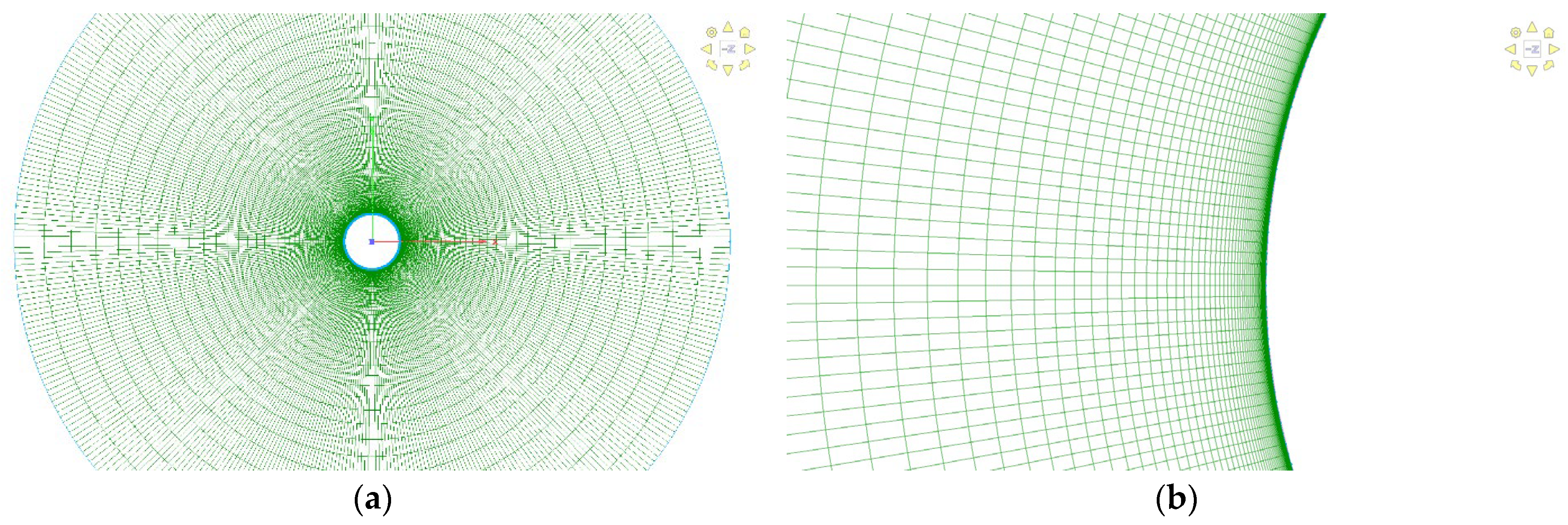
Figure 6 shows the computational grid used for the numerical simulation of the reference tower, with the green lines denoting the structured mesh. This mesh defines the boundaries of individual cells. The white area represents the cylindrical tower in 2D. The high density of green lines near the tower indicates a refined mesh designed to capture boundary layer effects.
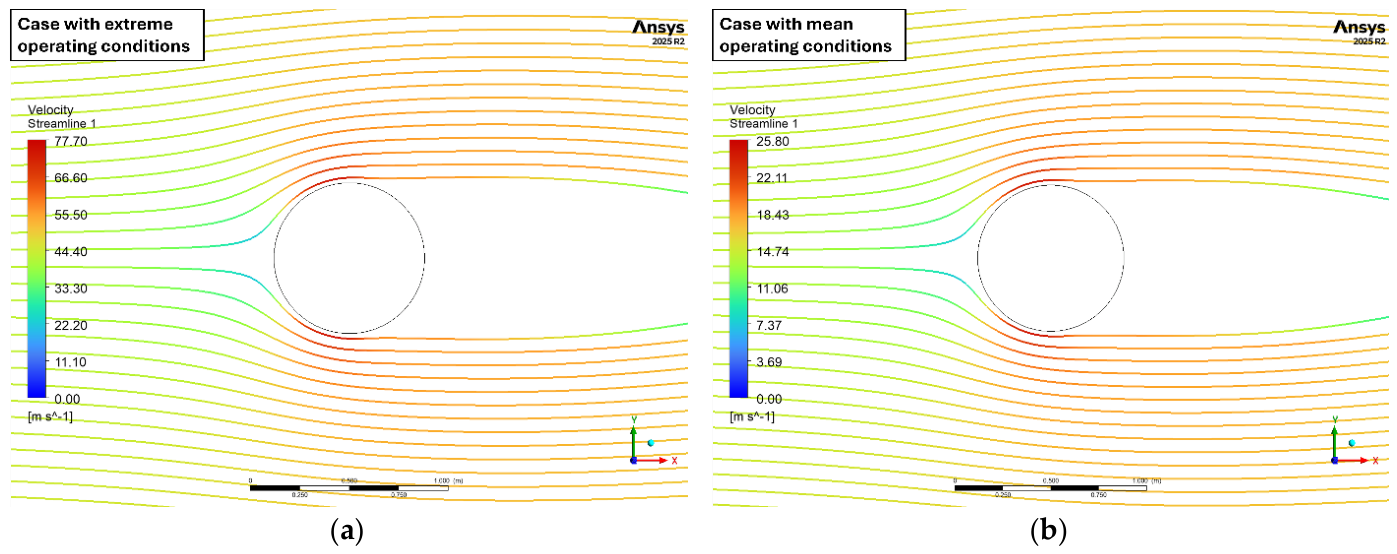
Figure 7 shows the classic airflow velocity field across the monopole tower under both extreme and average (typical) weather conditions from a gondola site in Northern Norway. The airflow pattern in both cases is similar, but the quantitative velocity magnitudes differ.
In both cases, the velocity-magnitude contours exhibit symmetric behavior upstream and downstream of the body. The velocity is lowest at the stagnation point, which coincides with the highest value of pressure. The air velocity is highest in the acceleration regions, both upper and lower halves of the tower. The velocity gradient around these areas is very steep, indicating that shear stresses are maximum in these regions. A specific low-pressure area called a wake zone also forms downstream, representing a region of flow separation and reduced pressure.
The highest recorded velocities under both extreme and average operating conditions are 77.7 m/s and 25.8 m/s, respectively.
A droplet’s path is influenced by its inertia and aerodynamic drag. When inertial forces are minimal, drag forces dominate, causing droplets to follow airflow patterns. These inertial forces depend on factors such as the droplet size, wind speed, and tower diameter, as specified in this case [
7].
The collision efficiency of a cylinder decreases as the cylinder diameter grows because of a smaller inertial force, but increases with an increase in wind speed and droplet size [
31].
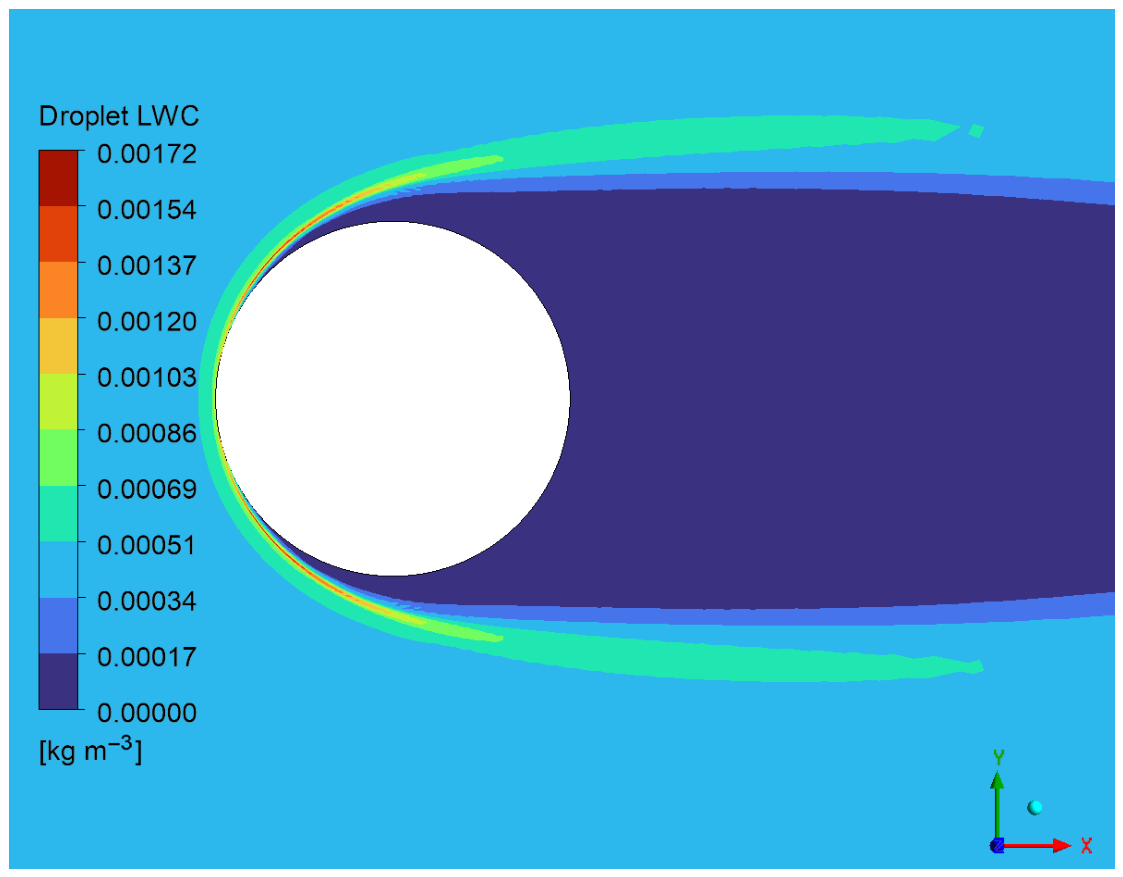
The simulation results from both extreme and average cases indicate that, after the interaction between water droplets and the tower surface, most droplets are deflected from the surface and follow air streamlines, due to the dominance of drag forces over inertial forces. This airflow forms a boundary layer around the tower, where flow separation occurs, and carries droplets forward. This happens because the tower’s diameter is too large for most droplets to collide and remain on the surface. This phenomenon is clearly visible in
Figure 8.
The only major difference between the droplet solver results in ANSYS FENSAP-ICE in both cases is the collection efficiency values. Under extreme operating conditions, collision efficiencies are significantly higher than in a typical case. This is due to differences in droplet size and higher wind speeds in the extreme case. Larger droplets have higher inertia, and increasing wind speed further increases the Stokes number, making droplets less able to follow the airflow. As a result, more droplets deviate from the streamlines and impact the surface, leading to higher collision efficiency. The location of the maximum collection efficiency in both cases is located on the stagnation point.
The ICE3D solver in ANSYS FENSAP-ICE is used to determine the mass of ice formed on the tower surface. The results from both cases reveal a strong correlation between the droplet collection efficiency and ice accretion. In both cases, ice accumulates on the windward side, near the stagnation region.
Table 4 shows the maximum collection efficiency and the total ice buildup over a 4-h icing event for both cases.
Figure 9 shows the shape of accreted ice in both extreme and average cases from the conducted numerical simulations. It is also evident from the figure that more ice accumulates under extreme operating conditions.
4.2. The Tower and Ladder
Realistically, the tower is not purely a cylindrical structure, but it also has some additional components, such as an access ladder. The ladder is made up of smaller cylindrical or rectangular components. The ladder provides a way for maintenance personnel to perform maintenance activities, including de-icing the entire tower structure and the sheave assembly. It can also be used for installation purposes.
When the ladder is installed in such a way that it is on the windward side of the tower, it is prone to ice accretion as well. If ice is present on the ladder components, attempting to access the tower may become hazardous. The presence of significant ice buildup on the smaller ladder components may result in the failure of the ladder structure as well.
To estimate the ice loads on the ladder components, an ANSYS FENSAP-ICE-based numerical simulation is conducted using extreme operating conditions. The authors of this paper gathered the dimensions of the ladder from a local gondola tower present in Northern Norway.
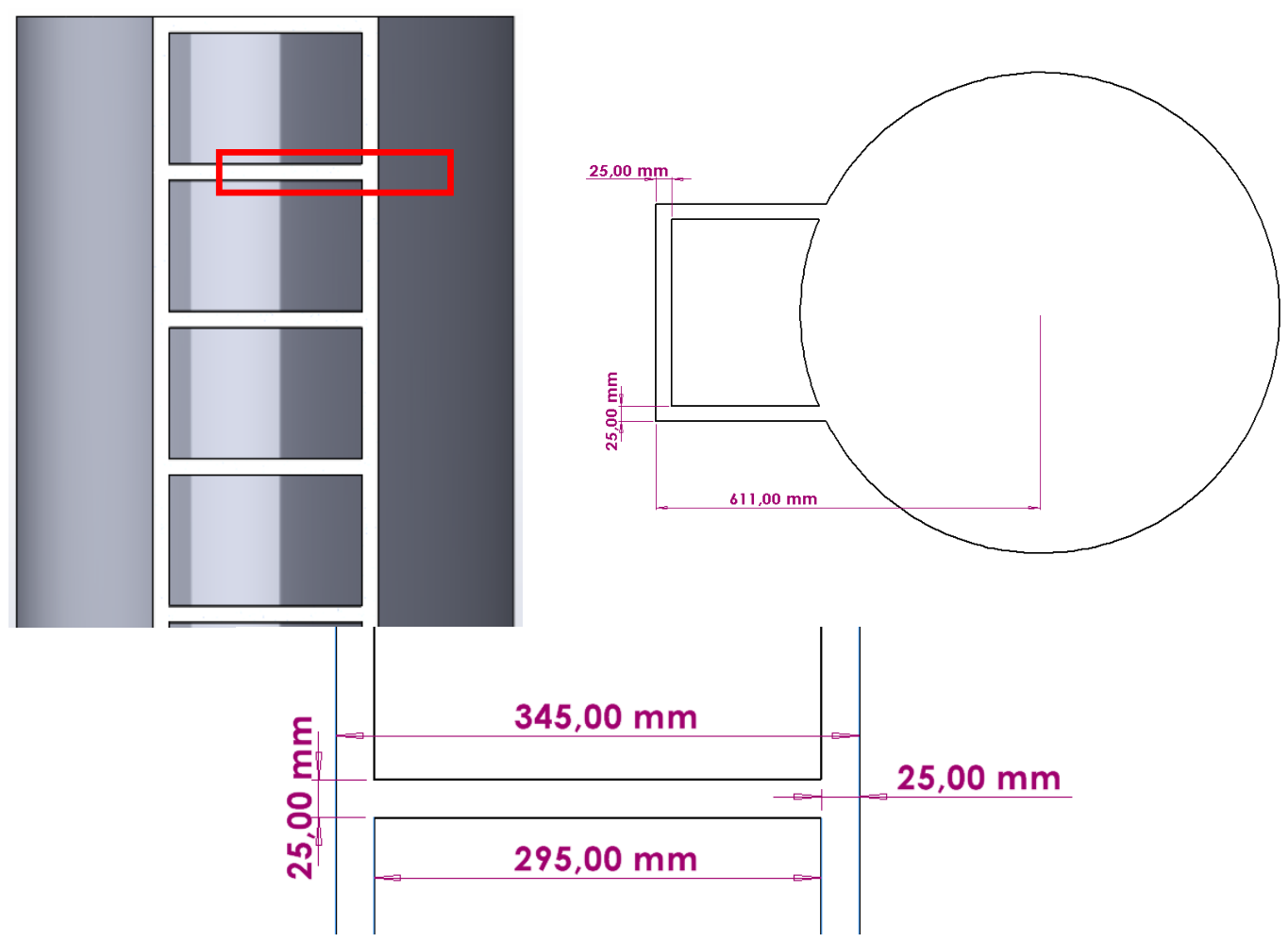
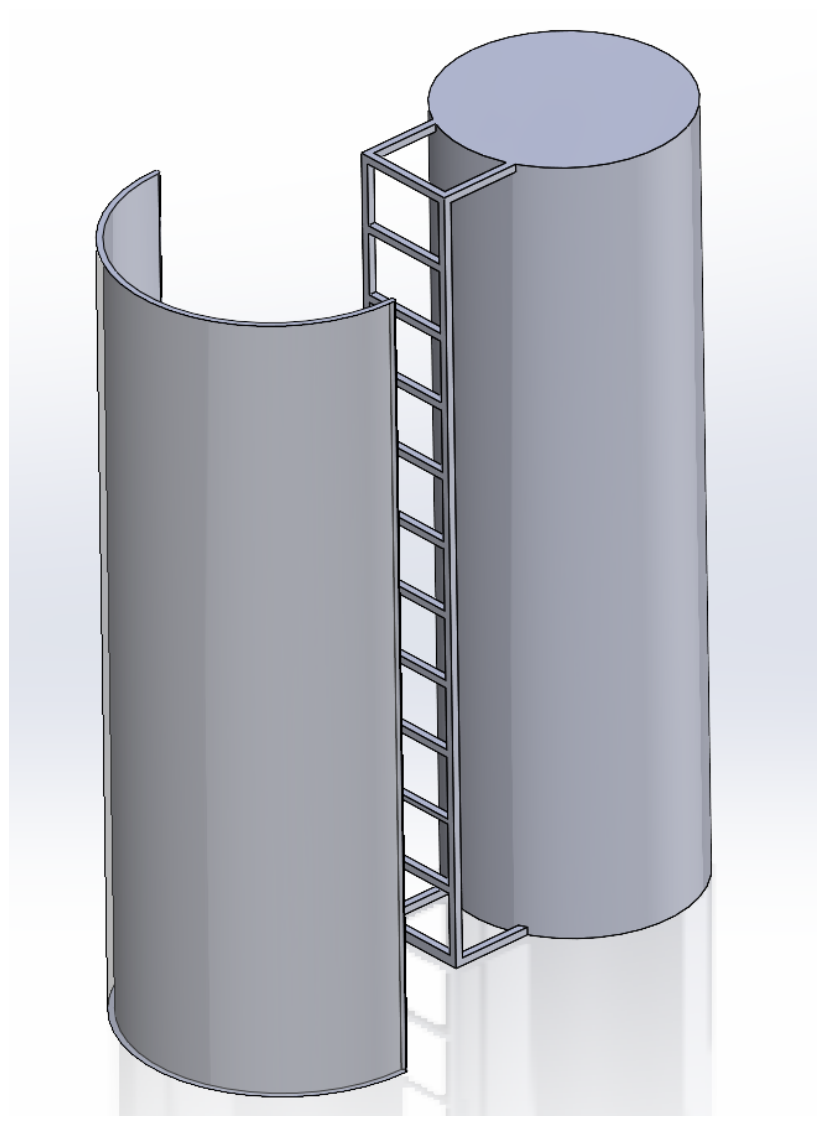
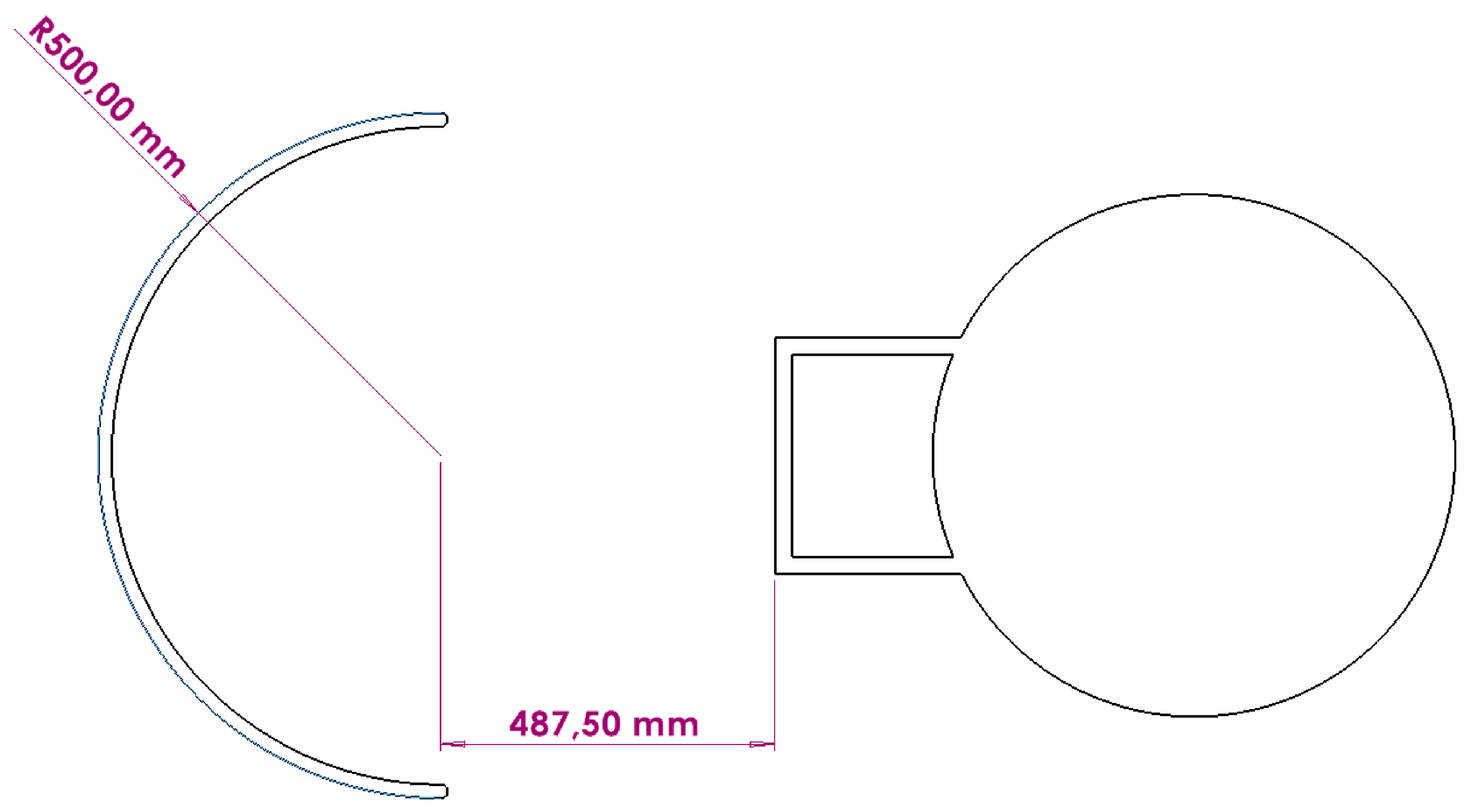
For numerical modeling, a single step of the ladder is modeled. The width of the tower’s side rails is also included in the total length of the ladder step in the numerical model. The ladder’s design details are shown in
Figure 10.
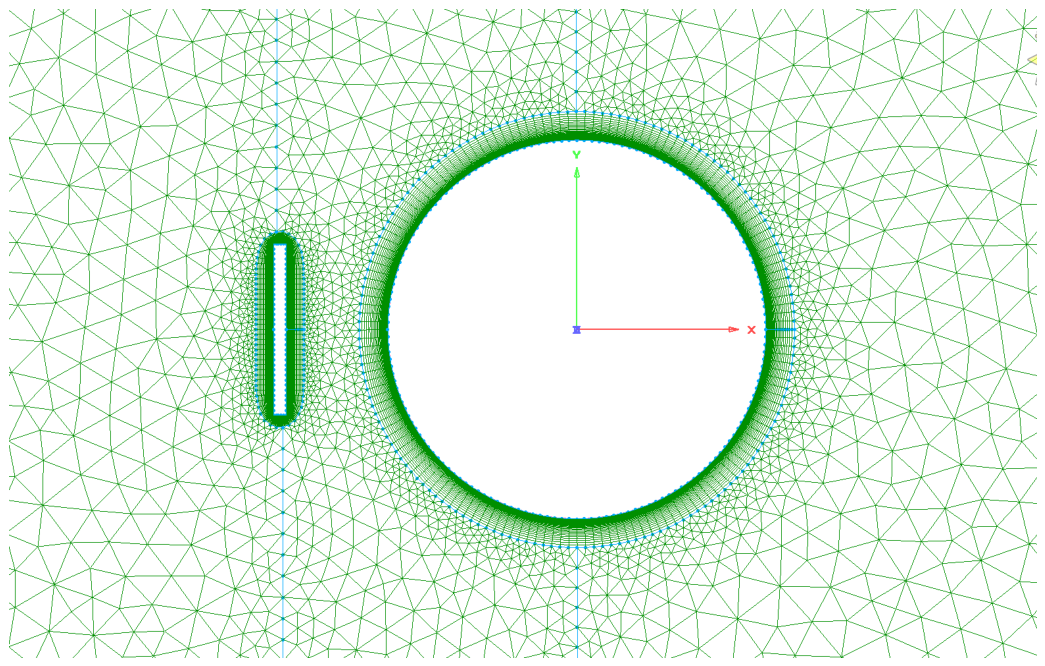
Figure 11 shows the computational grid used for the numerical simulation of the tower and ladder. The densely packed green blocks represent the structured grid. The white area represents the cylindrical tower and ladder stepin 2D. The computational domain comprises both structured and unstructured grids, with a total of 146,656 cells. The structured grid is created near the walls of both the ladder component and the tower, with an initial cell height of 1 × 10
−5 m and a growth rate of 1.2, to accurately capture boundary-layer effects near the walls. The rest of the domain consists of a green colored triangular unstructured mesh. A single-cell extrusion is applied across the entire domain to make it quasi-3D and match the ladder step height of 25 mm. The red colored x-axis shows the direction of flow from the inlet boundary condition.
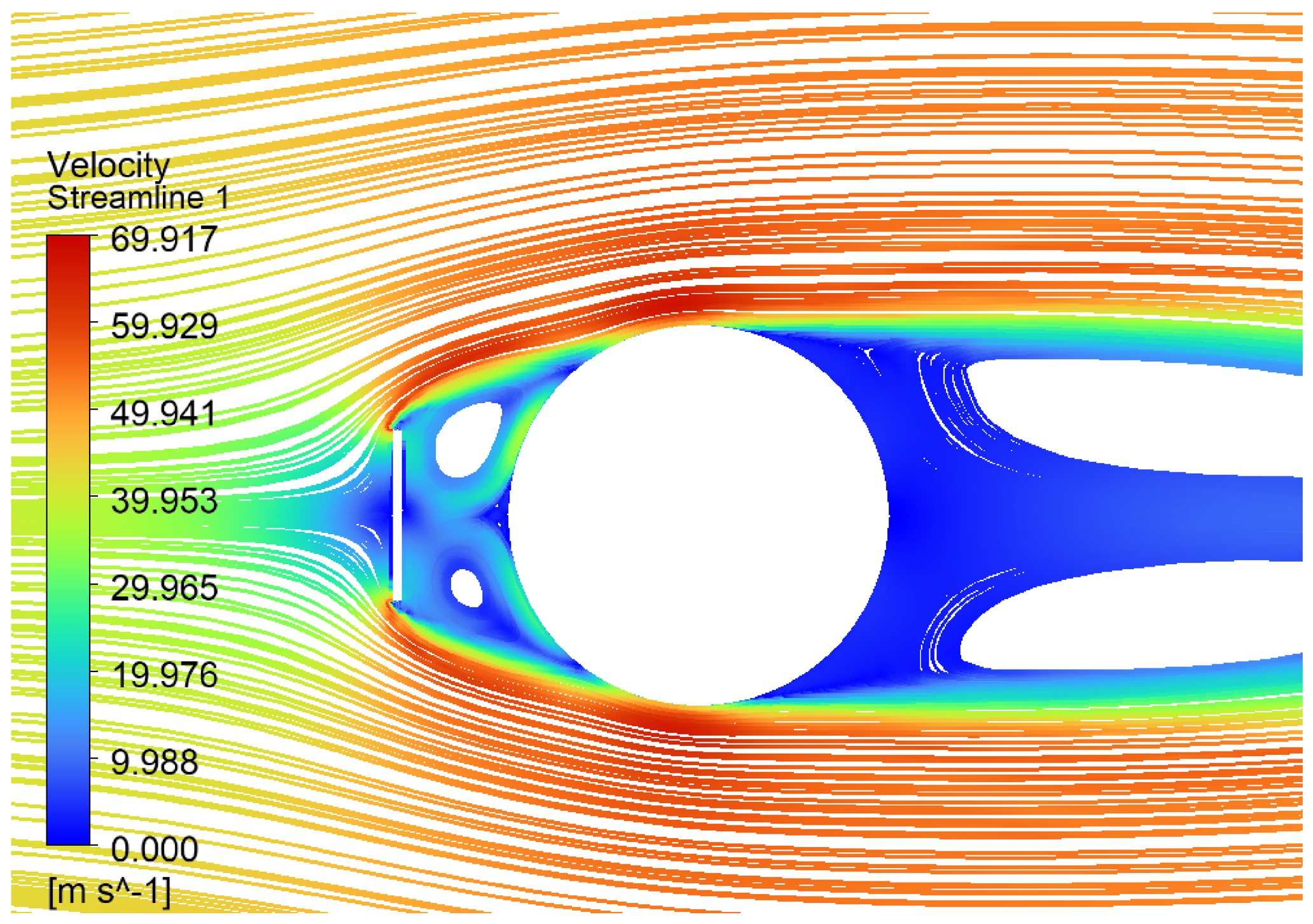
Figure 12 shows the aerodynamic behavior of air with the ladder step and trailing tower. The air flow encounters the ladder first, producing a stagnation region on the windward side. In this region, the velocity is at a minimum, and the pressure is at a maximum. On the sides of the ladder (top and bottom), a visible flow separation can be seen, which is creating a shielding effect for the tower. This separation generates shear layers on both sides of the ladder step and creates a recirculation zone in the gap between the ladder step and the tower. As the flow accelerates around the curved surface of the tower, a thin, high-gradient boundary layer develops. The highest recorded air velocity in this case is 69.92 m/s under extreme operating conditions. This analysis accounts only for 2D airflow behavior and does not consider the vertical movement of air around the geometry.
Therefore, whenever the ladder step is on the windward side of the tower, it creates a shielding effect for the tower, whereas between two ladder steps, the airflow pattern remains almost the same as discussed in section A.
The simulation results show that the droplets follow the airflow pattern, and the maximum number of droplets is collected on the windward side of the ladder. In the downstream, droplets follow the flow separation and accelerate through the boundary layer above the curved surface of the tower.
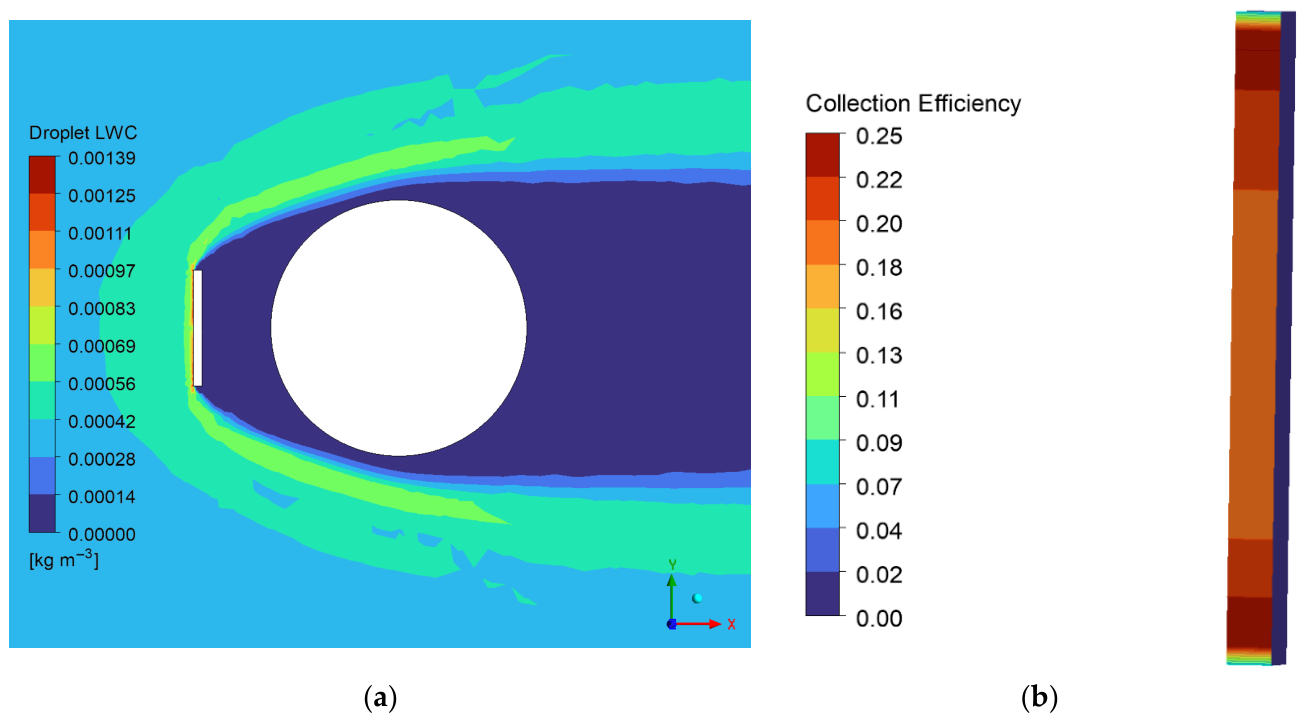
As the incoming flow forces the droplets to move sideways from the surface of the ladder step, most of the droplets are collected at a small distance from the center/stagnation point on the frontal wall of the ladder step. This trend is shown in
Figure 13 below.
The maximum collection efficiency under extreme operating conditions is 0.24, and its location is shown on the right side of
Figure 13.
All the simulations are conducted on the Lang D distribution, which means that different sizes of droplets are used in the simulation. Inertial forces are dominant in larger droplets. This means that they carry their own momentum and do not follow the air streamlines and hit the object. In contrast, droplets with smaller sizes carry less momentum and inertia (smaller Stokes number). So, they follow the airflow and do not collide with the object. In this case, both phenomena occur where large numbers of droplets freeze on impact with the ladder step, while many droplets diverge and follow the air streamlines. This creates a shadowing effect, and the ladder component accretes a large amount of ice. The ice mass on the small ladder component is substantial because the component itself is not very large and may be prone to structural failure. This large buildup of ice on the smaller ladder components makes it difficult for maintenance personnel to reach the top of the tower to conduct maintenance.
The comparison of ice masses between the ladder component and the tower is given in
Table 5.
This table confirms that when the ladder component faces the air and water droplets in front of the tower, it reduces ice accretion on the tower surface by almost 99%.
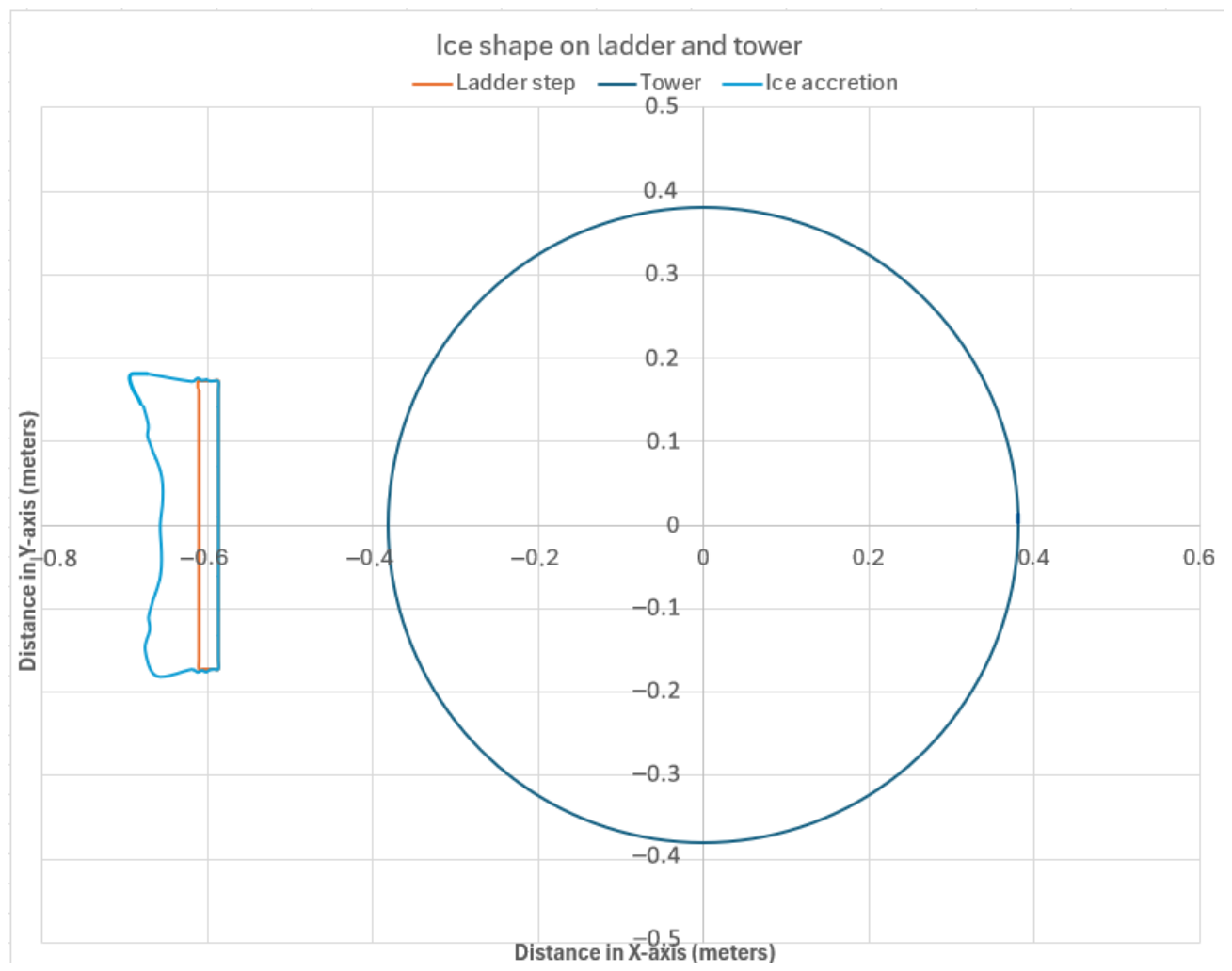
Figure 14 shows the shape of the ice on the ladder component. This figure, which complements
Figure 13 above, shows that most droplets are collected on the leading wall of the ladder component.
4.3. The Shield
From the above sections, it is obvious that ice growth is higher on the ladder component than on the tower, even though the tower has a greater surface area. When significant ice accumulates on a relatively small component, it alters and increases the structure’s surface area. This means that the ice imposes a significant additional load on the tower, and, in addition, due to its larger and altered surface area, the intensity of wind loads is increased as well.
To reduce ice accretion on the ladder, a proof-of-concept, passive structural design approach is being used, in which a semi-circular shield with a larger radius of curvature is placed just before the ladder on the windward side of the tower. The shield may act as an additional layer of safety for the maintenance personnel who use this ladder to reach the top of the tower. The shield is placed at a distance from the ladder, where a person can easily pass through.
This design is based on the hypothesis in section A, which states that collision efficiency decreases with increasing cylinder diameter. We intentionally increased the shield radius to reduce ice accumulation on the ladder and the tower. However, this design approach also involves certain trade-offs. A larger shield may lead to increased structural load, higher material and installation costs, and greater wind resistance. These factors must be carefully considered in practical applications.
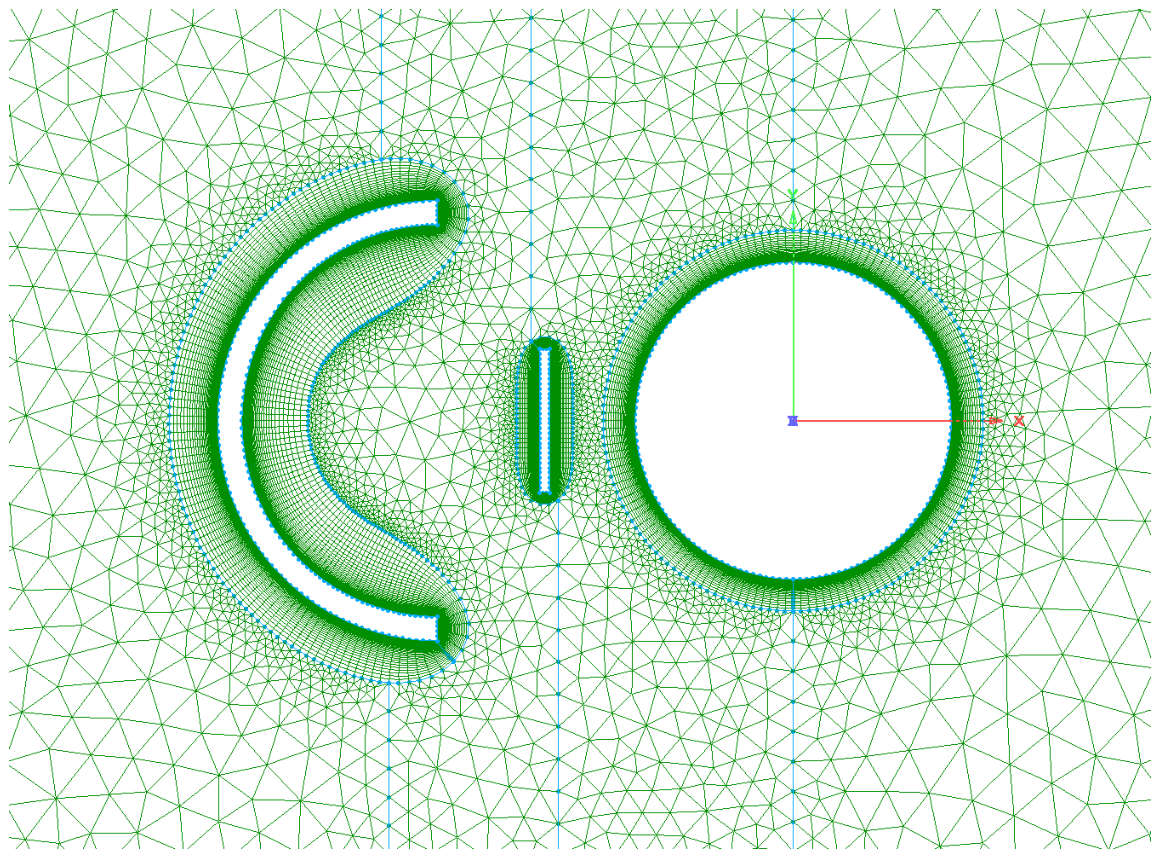
The simulation is conducted using a numerical modeling strategy similar to that described in Section B. The quasi-3D mesh is generated using a single-cell extrusion with a height of 25 mm. A combination of structured and unstructured meshes is used, similar to the computational domain in section B, as shown in
Figure 17.
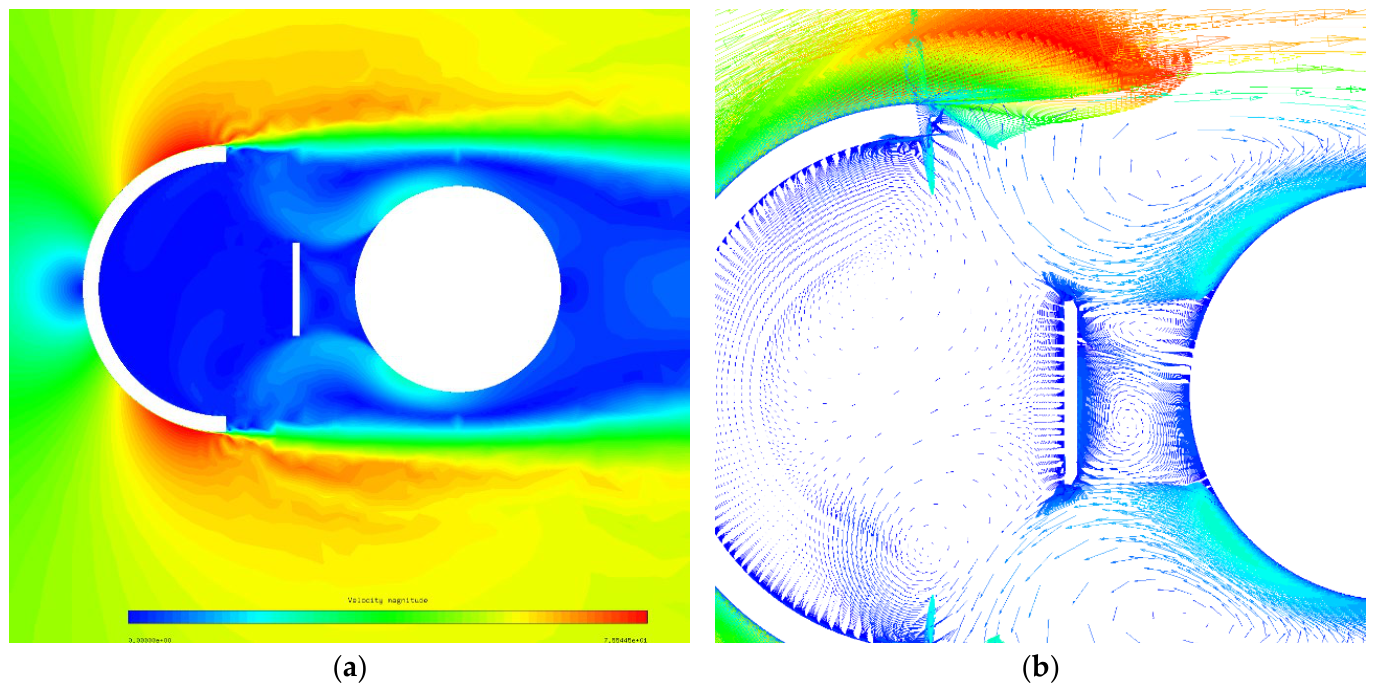
The velocity field depicts a stagnation region, an acceleration zone, and a boundary layer on the windward side, similar to the airflow pattern on the tower as shown in section A. A recirculation zone is visible between the shield and the tower on both sides. This recirculation zone forces a small amount of flow to travel downward first and then upward again just after passing through the trailing edges of the shield. Due to this low-velocity zone, a very small amount of air and droplets interact with the surface of the tower as well. This recirculation zone is more visible in the image, which shows the velocity vectors on the right side of
Figure 18.
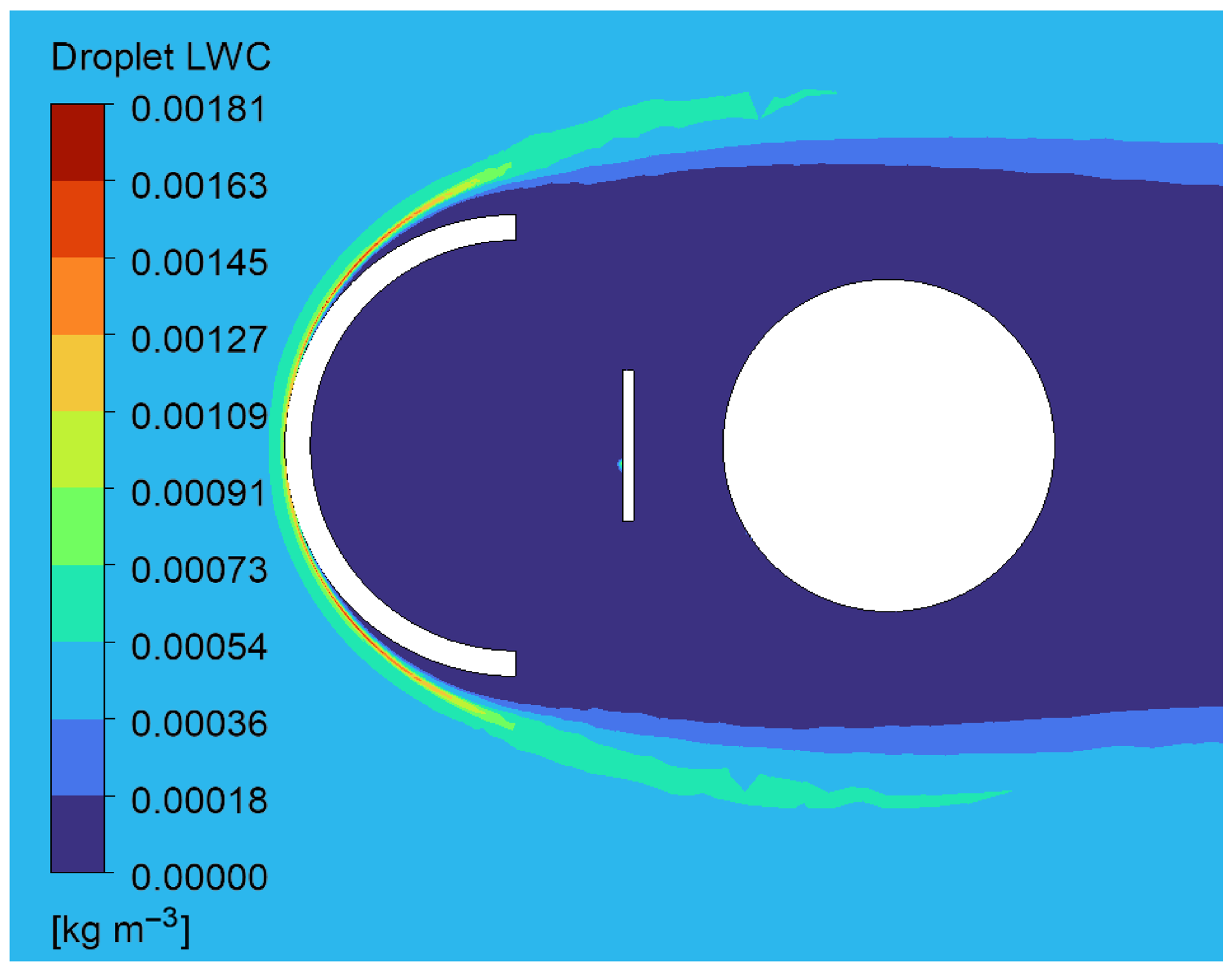
The inclusion of the shield results in a huge reduction in droplet flux reaching both the ladder component and the tower. Most droplets follow the air streamlines due to the dominant drag forces and the droplets’ low inertia. This reduction in droplet volume fraction can be represented by the liquid water content contour for this section, shown in
Figure 19.
The maximum local collection efficiency is 0.16, which is lower than the maximum local collection efficiencies in both cases from sections A and B.
Due to the formation of the boundary layer, the shield generates a shadowing effect on both the ladder and the tower. This is why most of the ice in this case is accreted on the shield as compared to the ladder and the tower. The results from the ice accretion simulation confirm the hypothesis given by Jones in 1990 [
31]. This means that, under the same operating conditions (extreme case) and icing duration as in sections A and B, the shield accretes less ice than in sections A and B. The ice mass values on the shield, the ladder component, and the tower are shown in
Table 6 below.
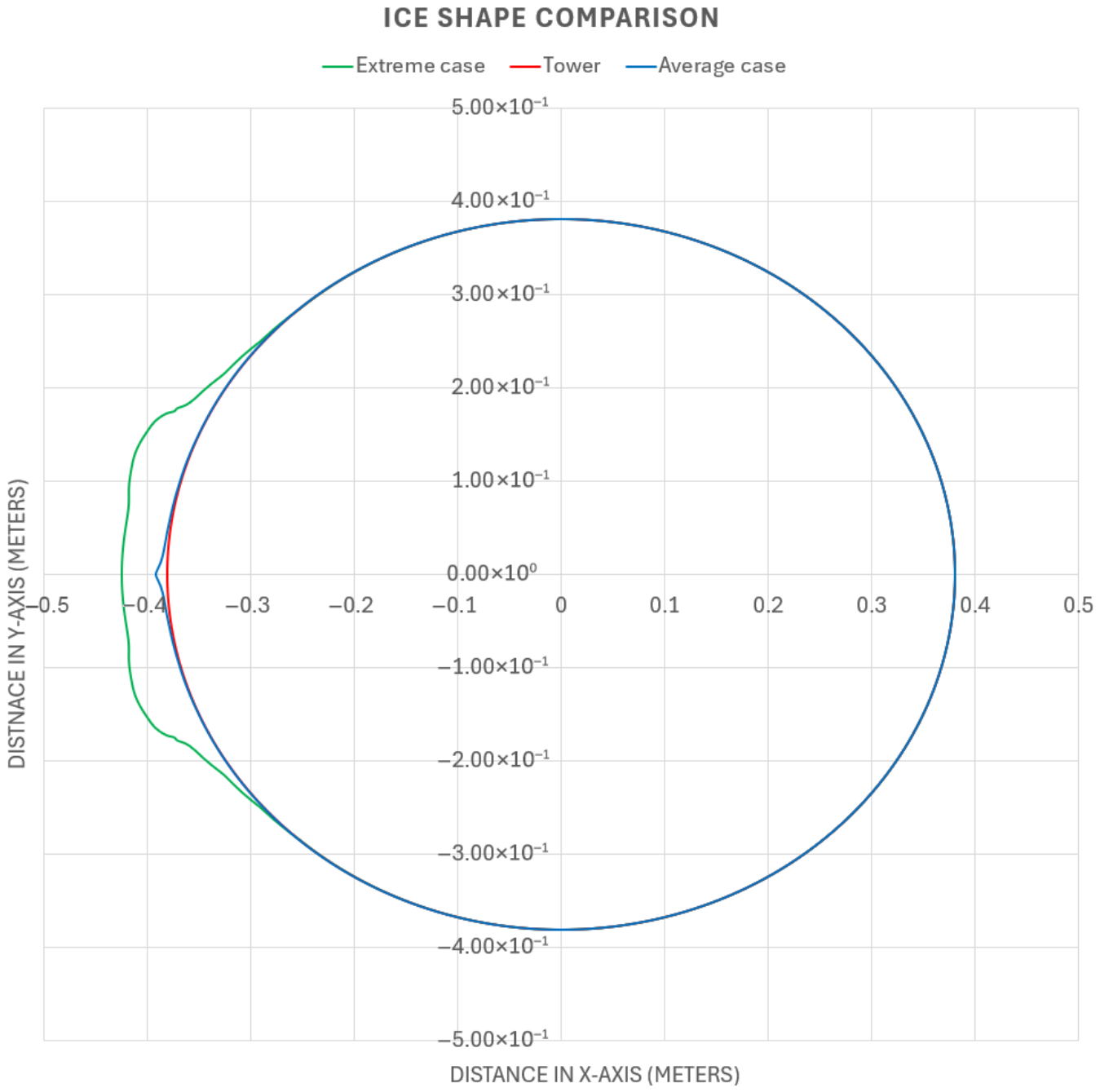
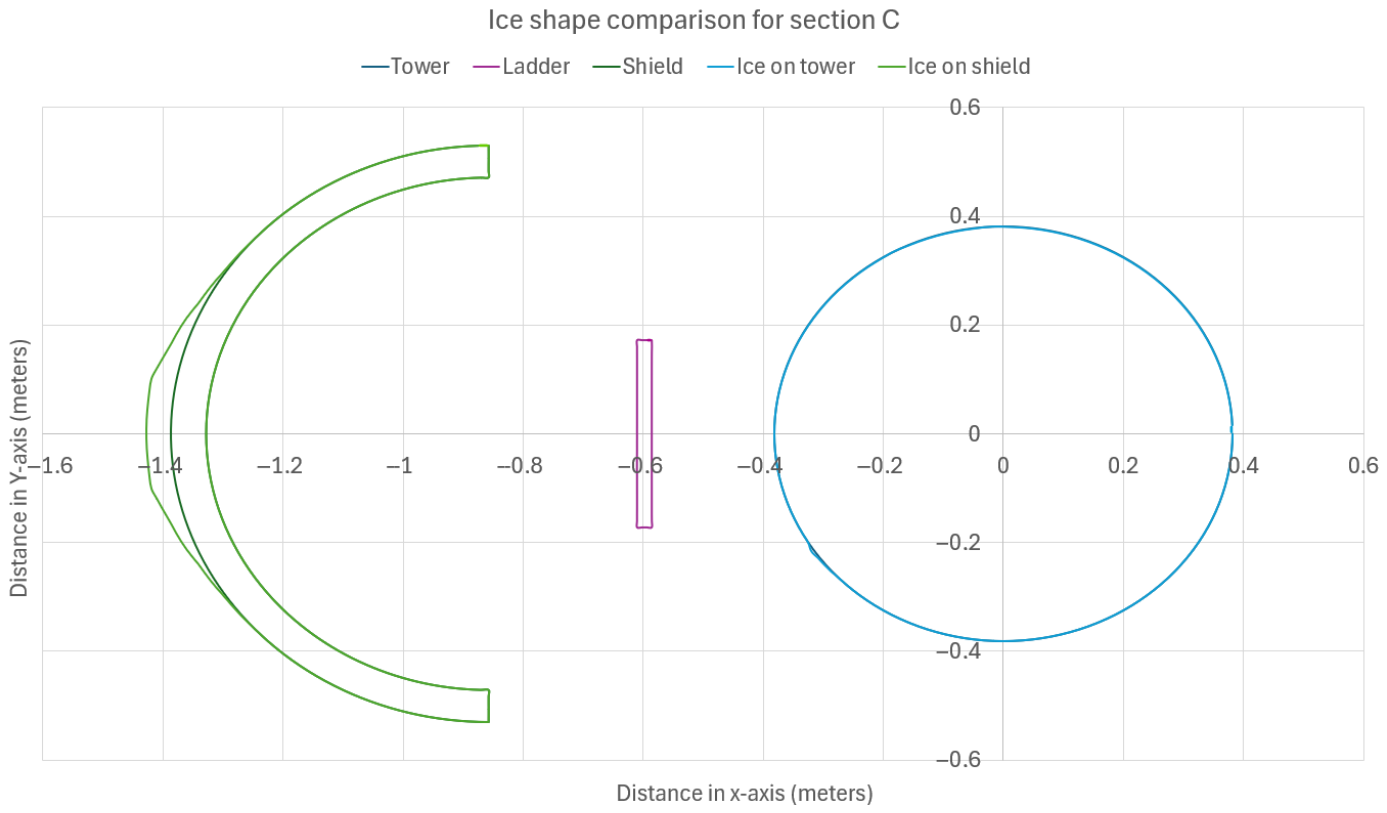
The ice shape comparison is given in
Figure 20. This figure shows that most of the ice accretion occurs on the shield in this case, and only a very small amount accumulates on the surfaces of the ladder component and the tower, which is ignorable.
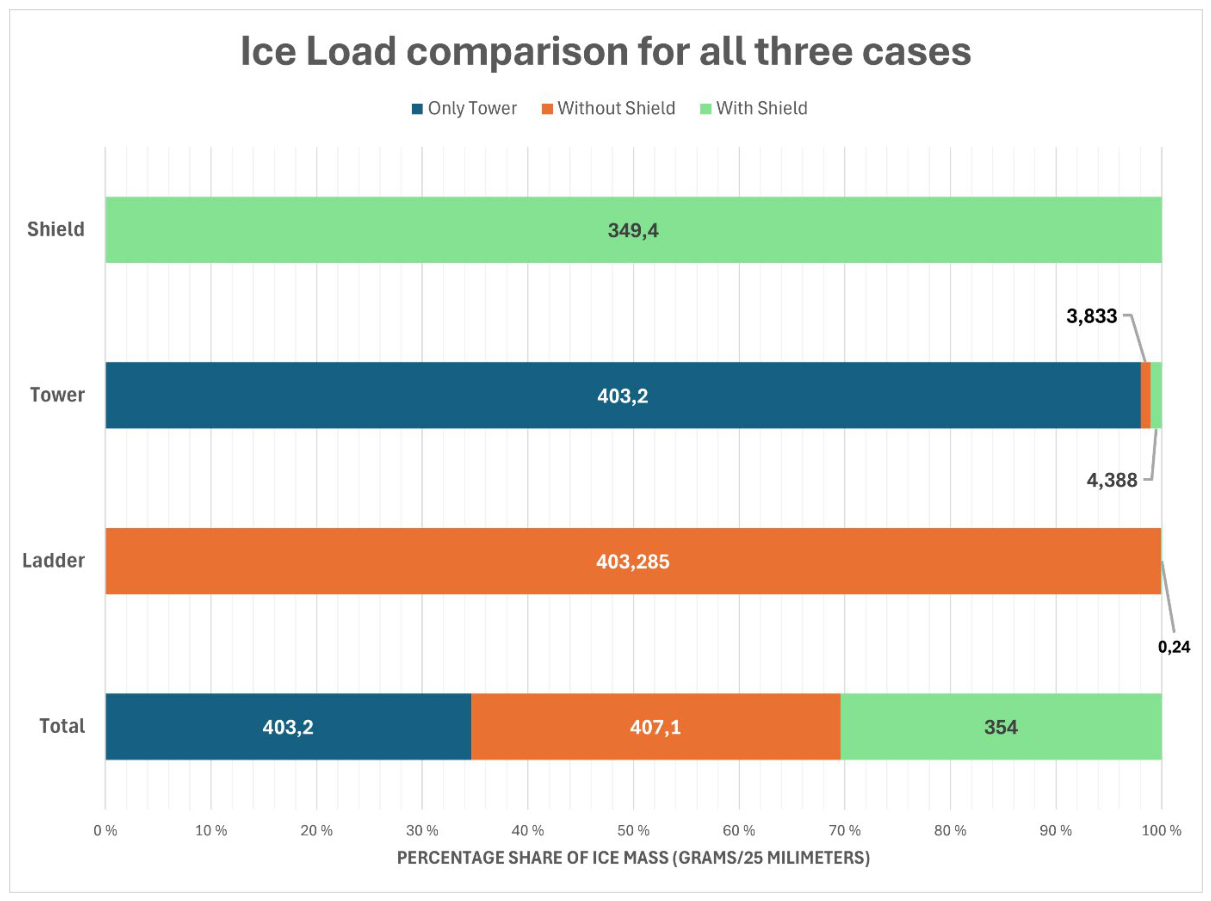
Figure 21 illustrates the overall comparative distribution of ice mass (measured in g/25 mm) across all three cases/sections. The data show that, in the case “Without shield” (Section B), ice is accreted only on the surface of the tower, mainly on the ladder component (403.285 g/25 mm). However, the addition of the shield demonstrates a significant protective effect by intercepting a major amount of ice on its surface, reducing ice load on the trailing components. This figure also illustrates the importance of increasing the shield diameter, which ultimately helps reduce overall ice accretion.
This numerical study concludes that the tower and the shield are less sensitive to ice than the ladder components. The results show that if we use a shield with an even larger radius of curvature (larger than the current one), it will be more efficient in terms of reducing the ice loads on the trailing components, such as the tower and the ladder, and it will also exhibit lower ice accretion on its own structure. The suggested solution enhances personnel safety. It increases the person’s ability to access a tower ladder immediately during or after the storm without needing to remove ice from the ladder.
The material of the shield can be anything as long as it can sustain the weight of its structure, wind, and ice loads. Selecting the best size and the design of the shield is an iterative design process, and it is a trade-off between its efficiency in reducing the ice mass and the material, installation, and transportation costs. It should be noted that selecting an optimal shield size is beyond the scope of the present study. The main objective of this work is to investigate whether this concept can be used as a passive structural design approach to reduce ice accretion on critical components of the gondola tower.