Social Modulation of Imitation in Children with Autism Spectrum Disorder: Evidence from EEG and Reciprocal Imitation Training

Abstract
1. Introduction
2. Literature Review
2.1. Imitation, Autism, and Imitation Deficits
2.2. The Relationship Between Imitative Behavior and Sociality
2.3. Research on RIT Based on NDBI
3. Methodology
3.1. Ethics Statement
3.2. Study 1a: EEG Experiment (RQ1)
3.2.1. Participants
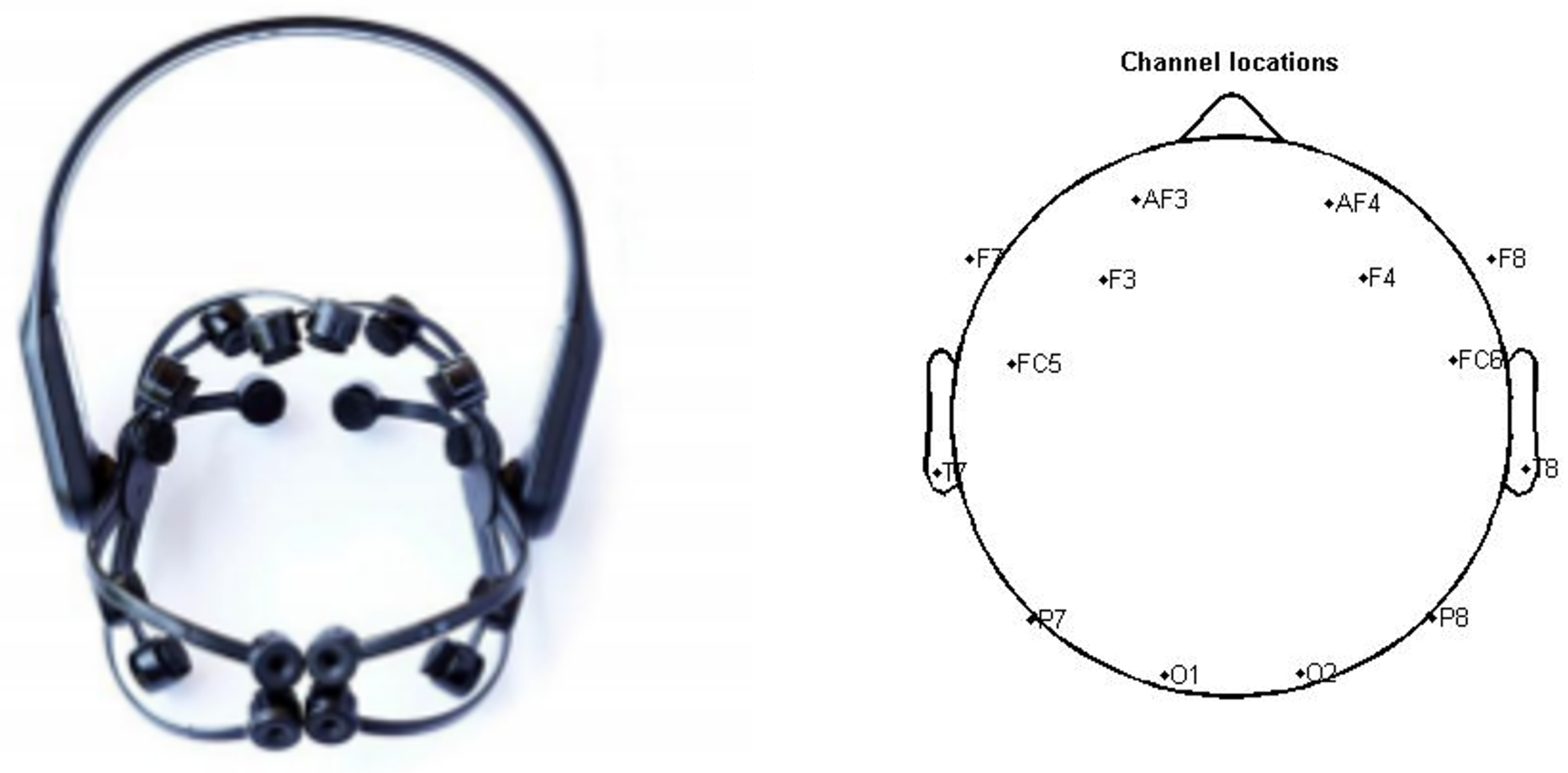
3.2.2. EEG Instruments and Recording
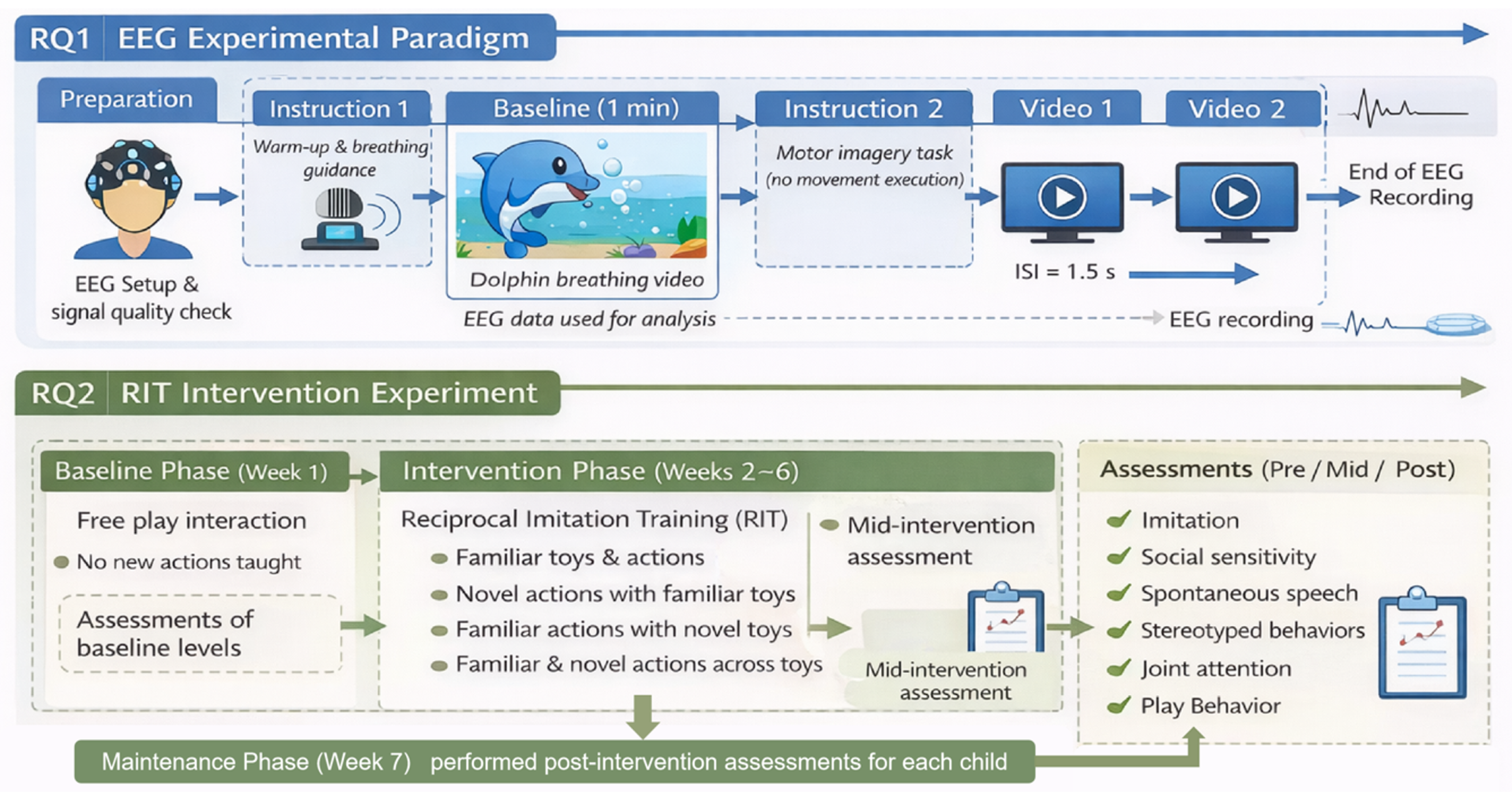
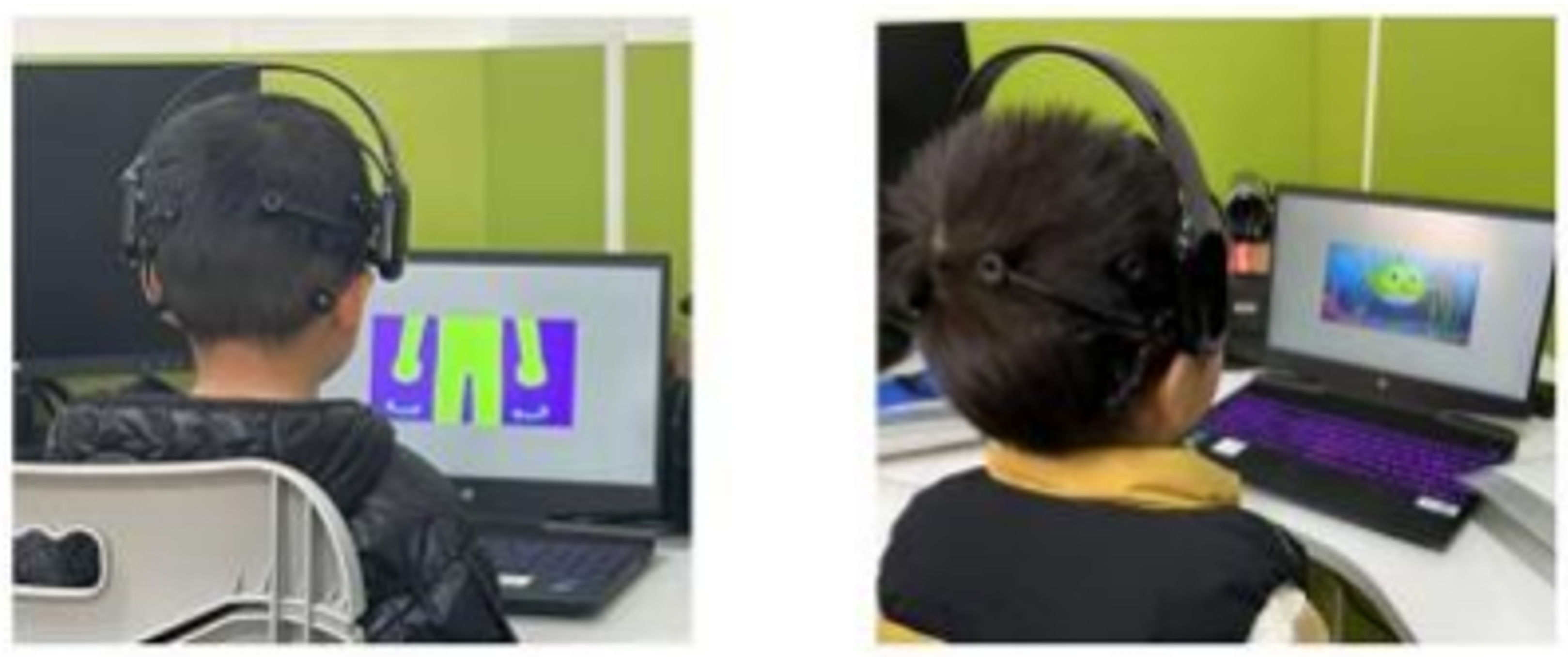
3.2.3. Experimental Design and Procedure
3.2.4. EEG Preprocessing and Artifact Control
3.3. Study 1b: RIT Intervention Study (RQ2)
3.3.1. Participants
3.3.2. Intervention Design and Procedure
3.3.3. Outcome Measures and Behavioral Coding
3.4. Data Analysis
4. Data Analysis and Results
4.1. EEG Experiment on Psychological Imitation in Children with Autism Under High/Low Sociality Styles (RQ1)
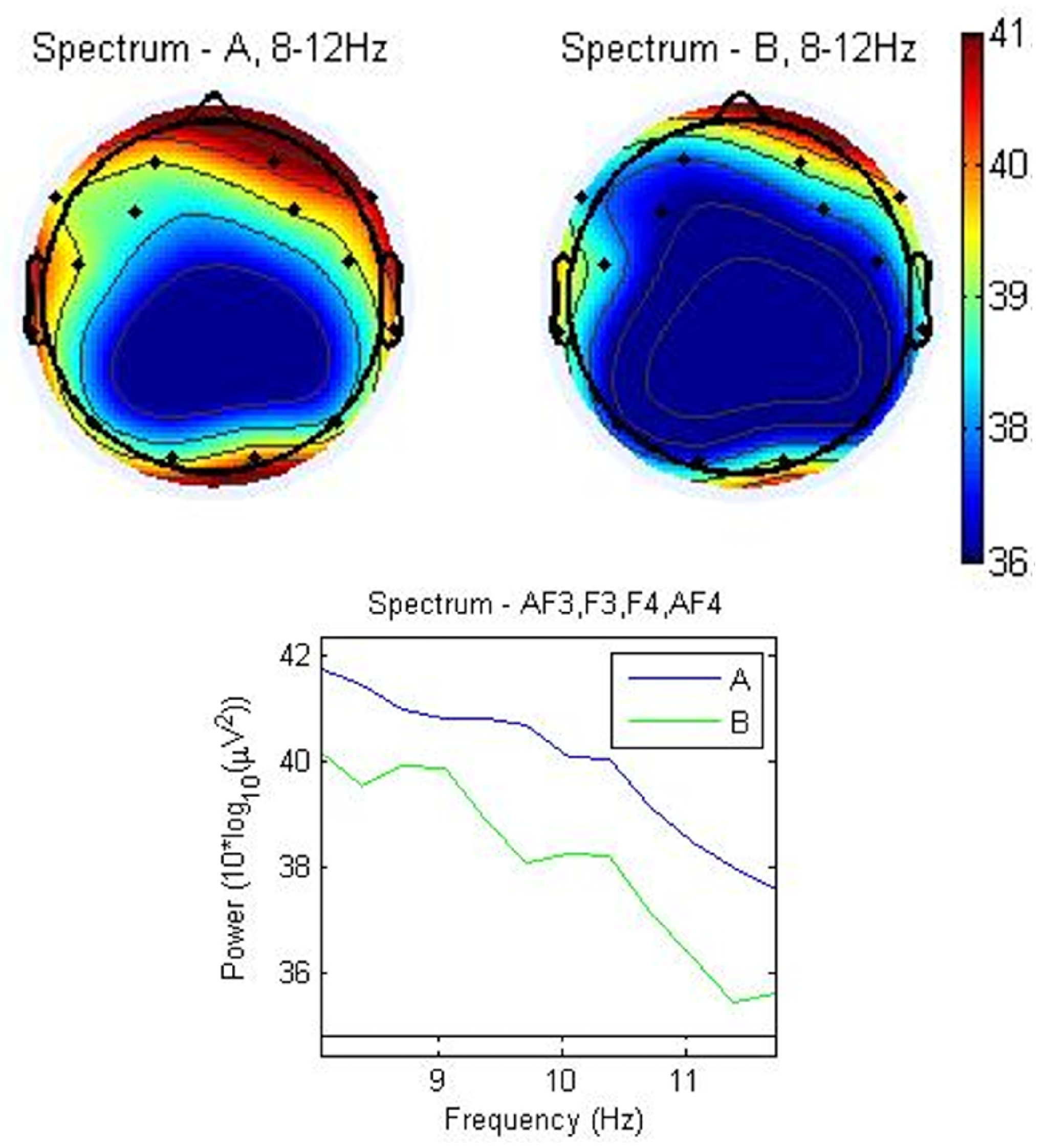
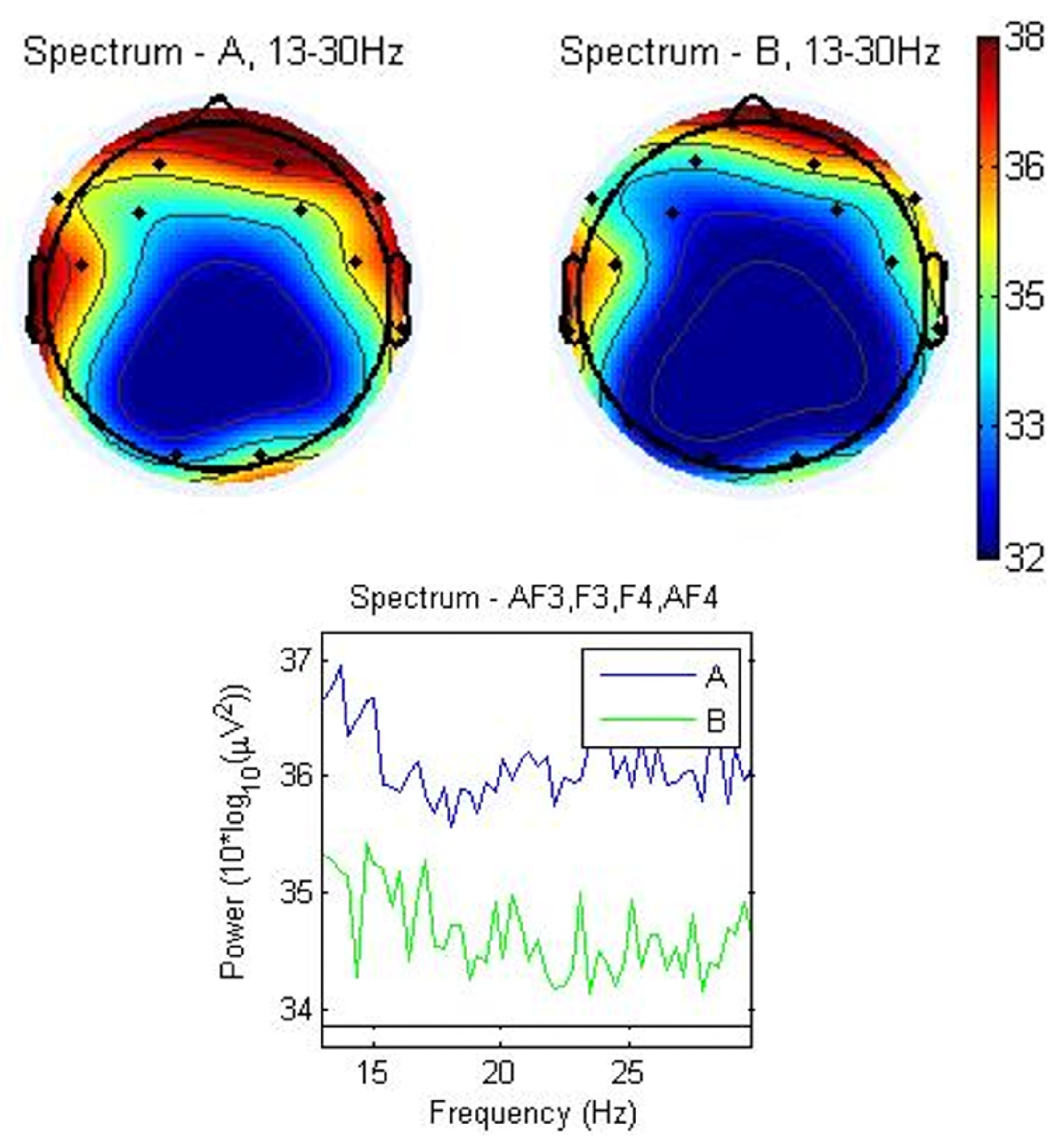
4.1.1. Frequency-Domain Analysis
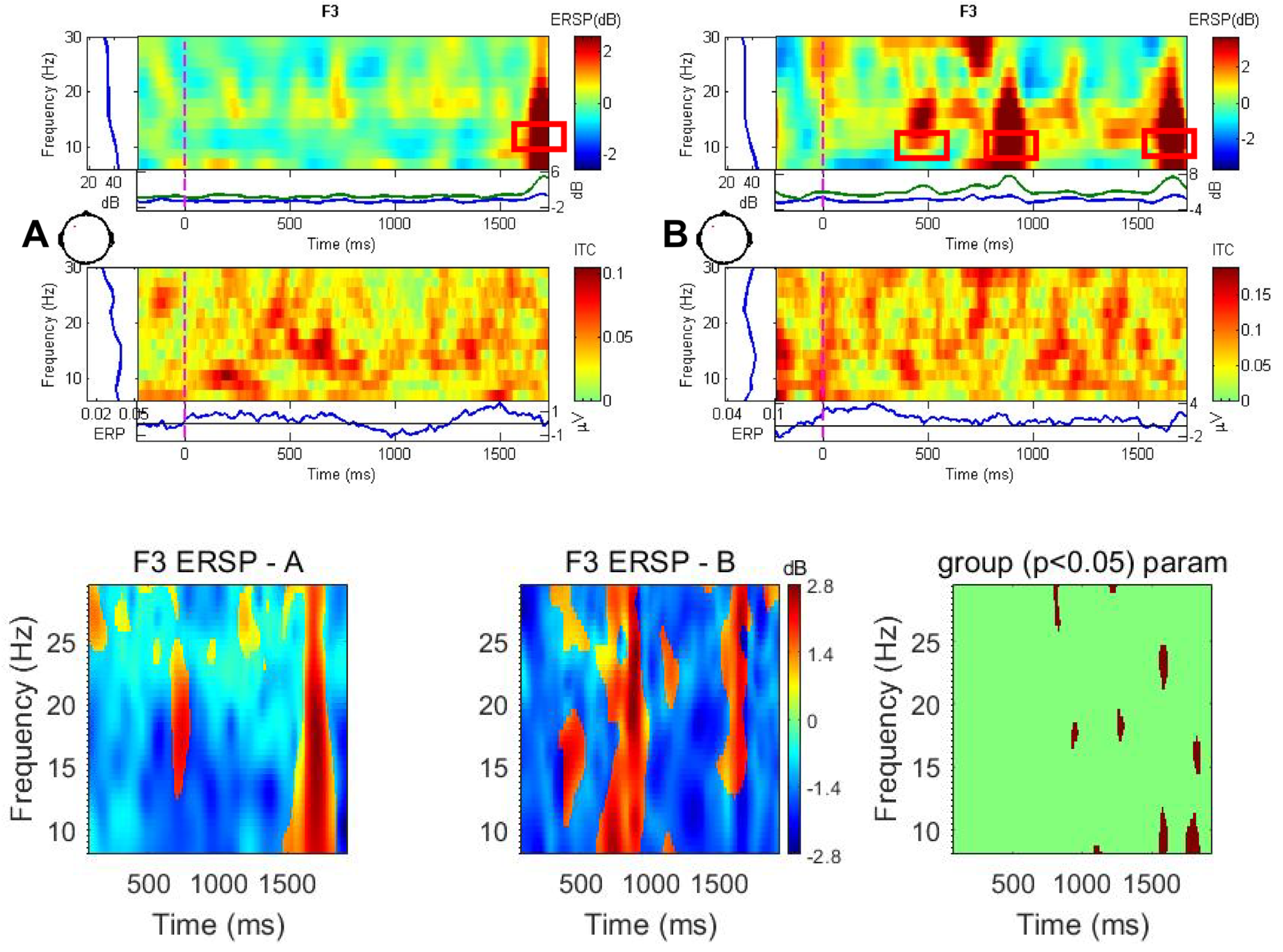
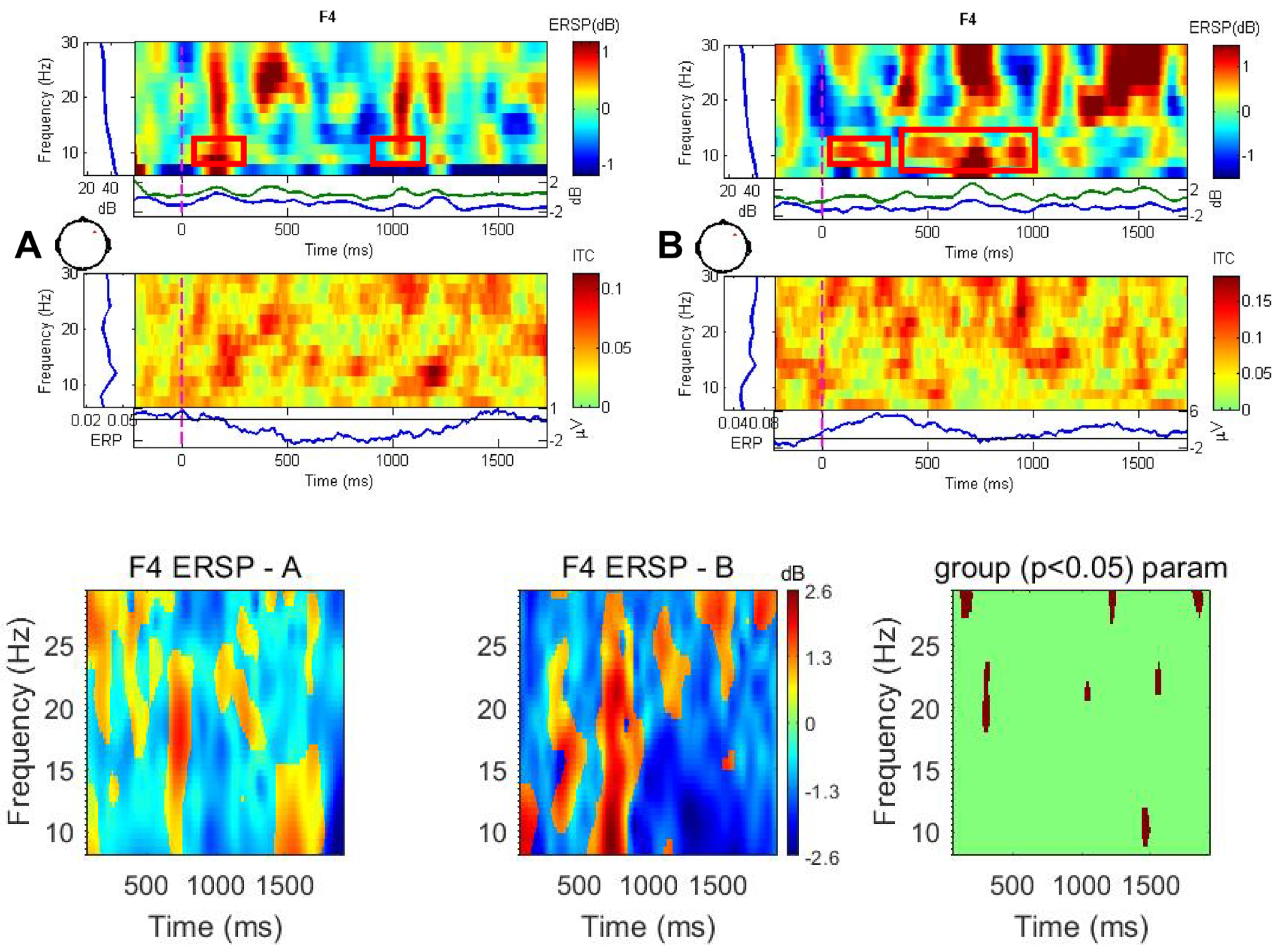
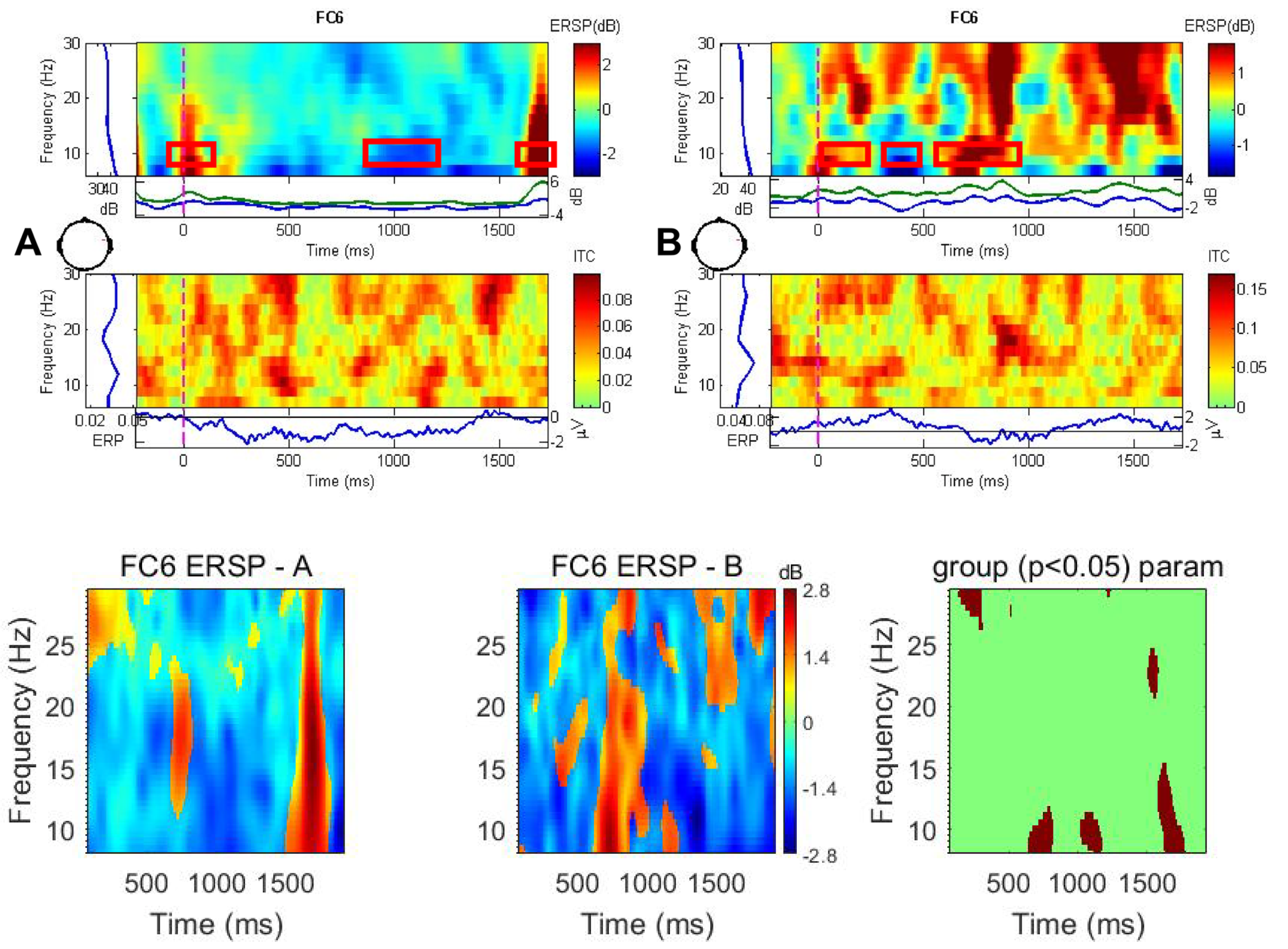
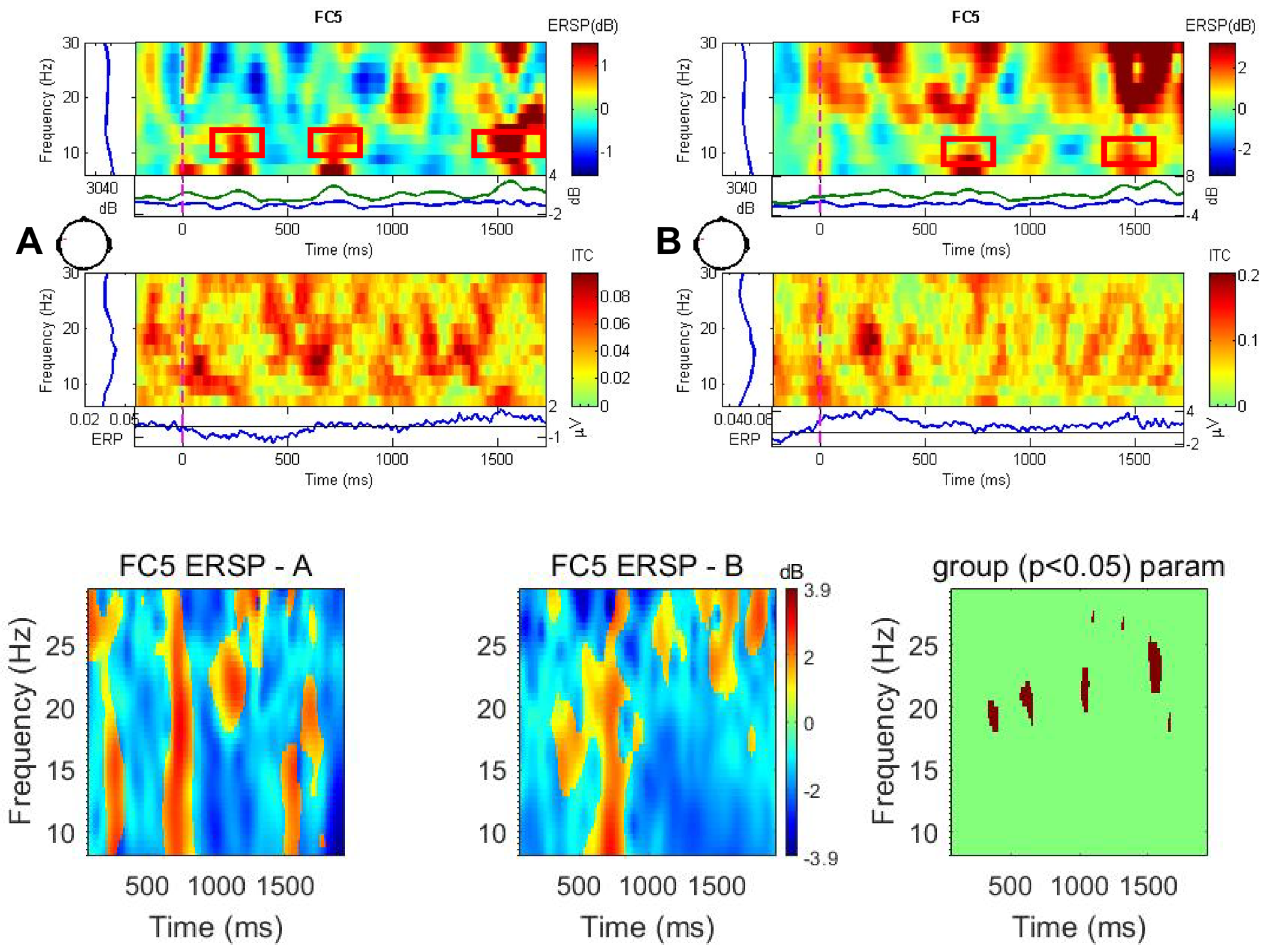
4.1.2. Time-Frequency Analysis
4.2. Intervention Study on Social Imitation Skills in Autism Through Reciprocal Imitation Training (RQ2)
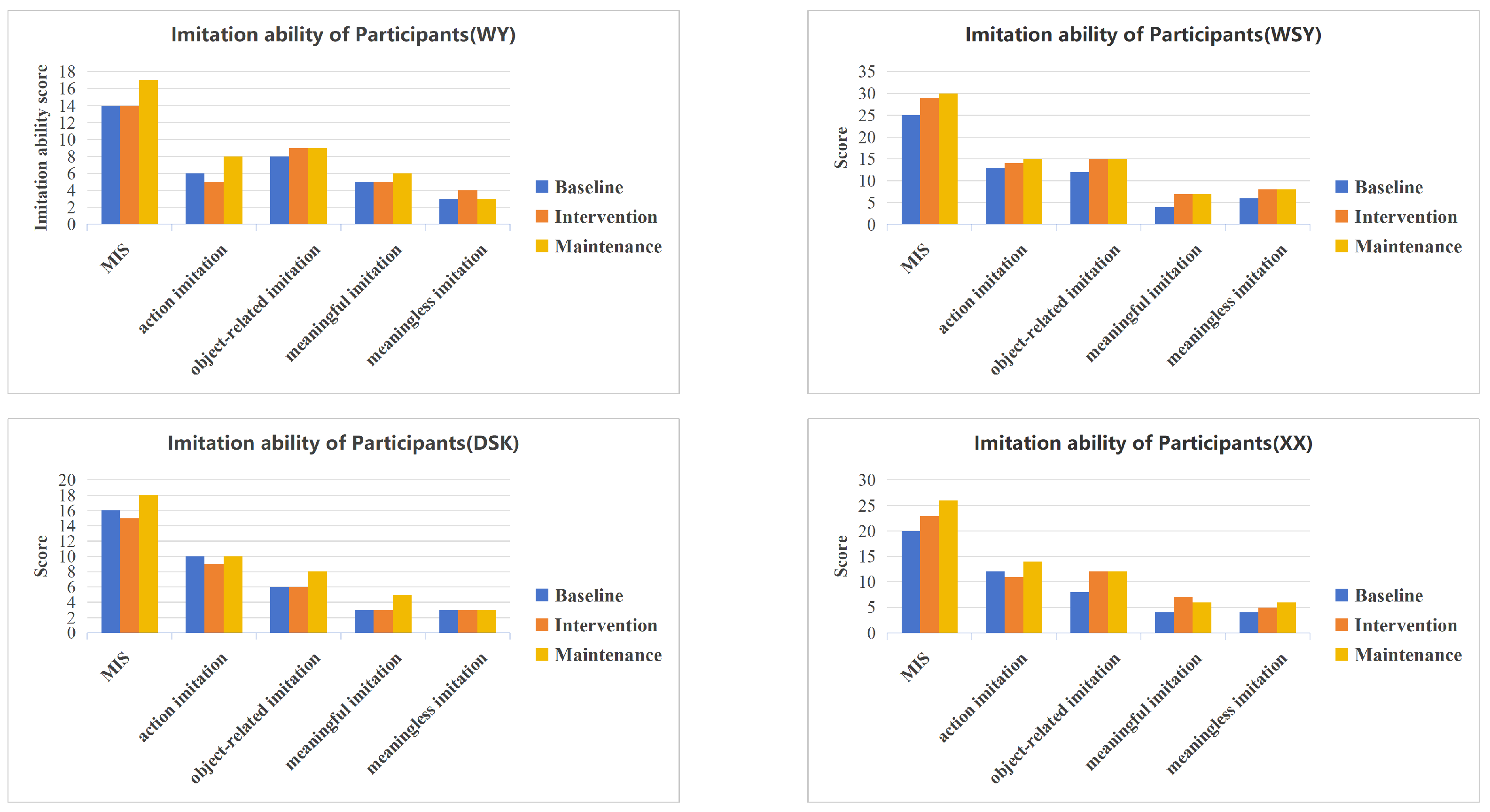
4.2.1. Imitation Skills (MIS)
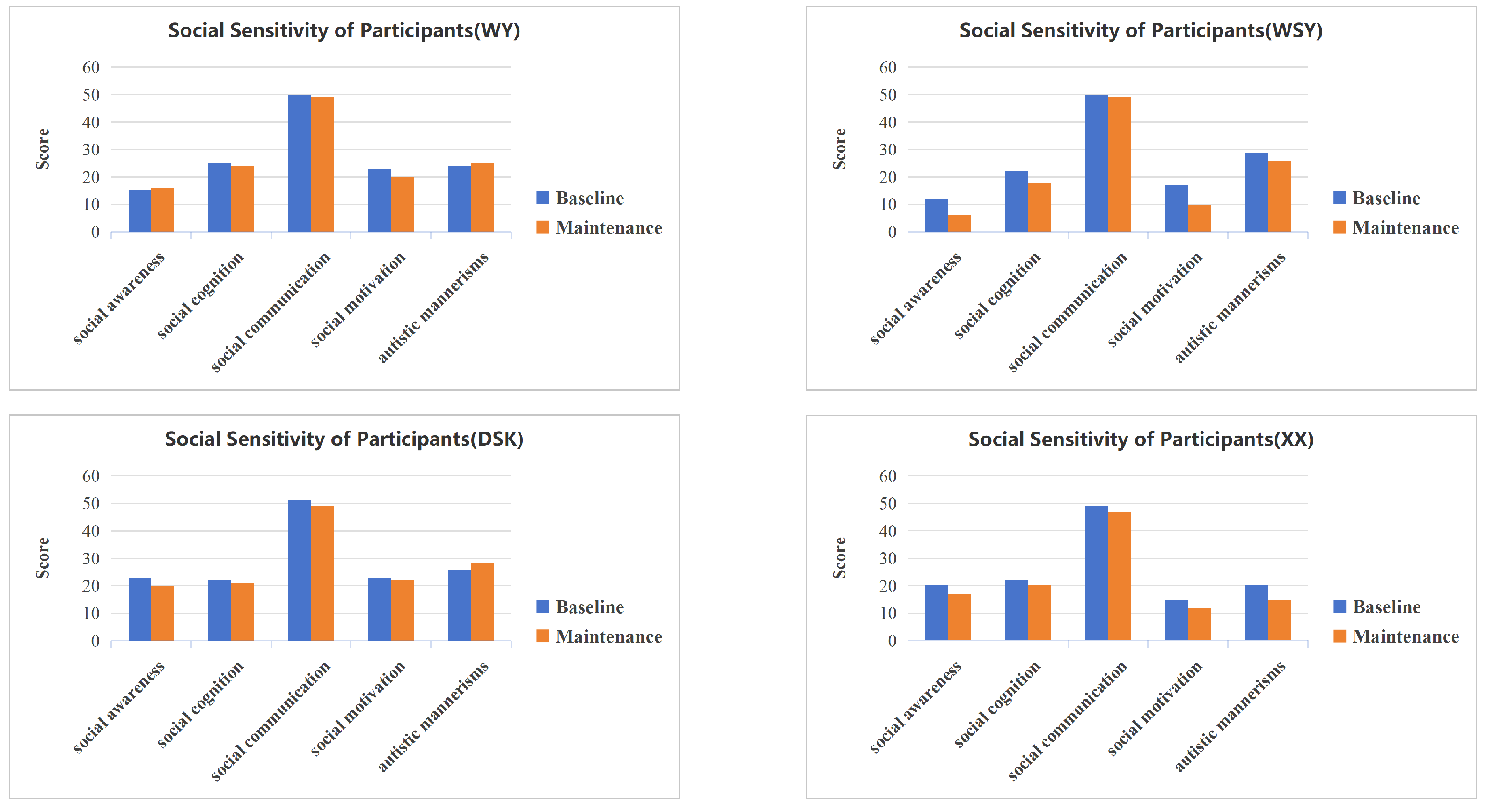
4.2.2. Social Sensitivity
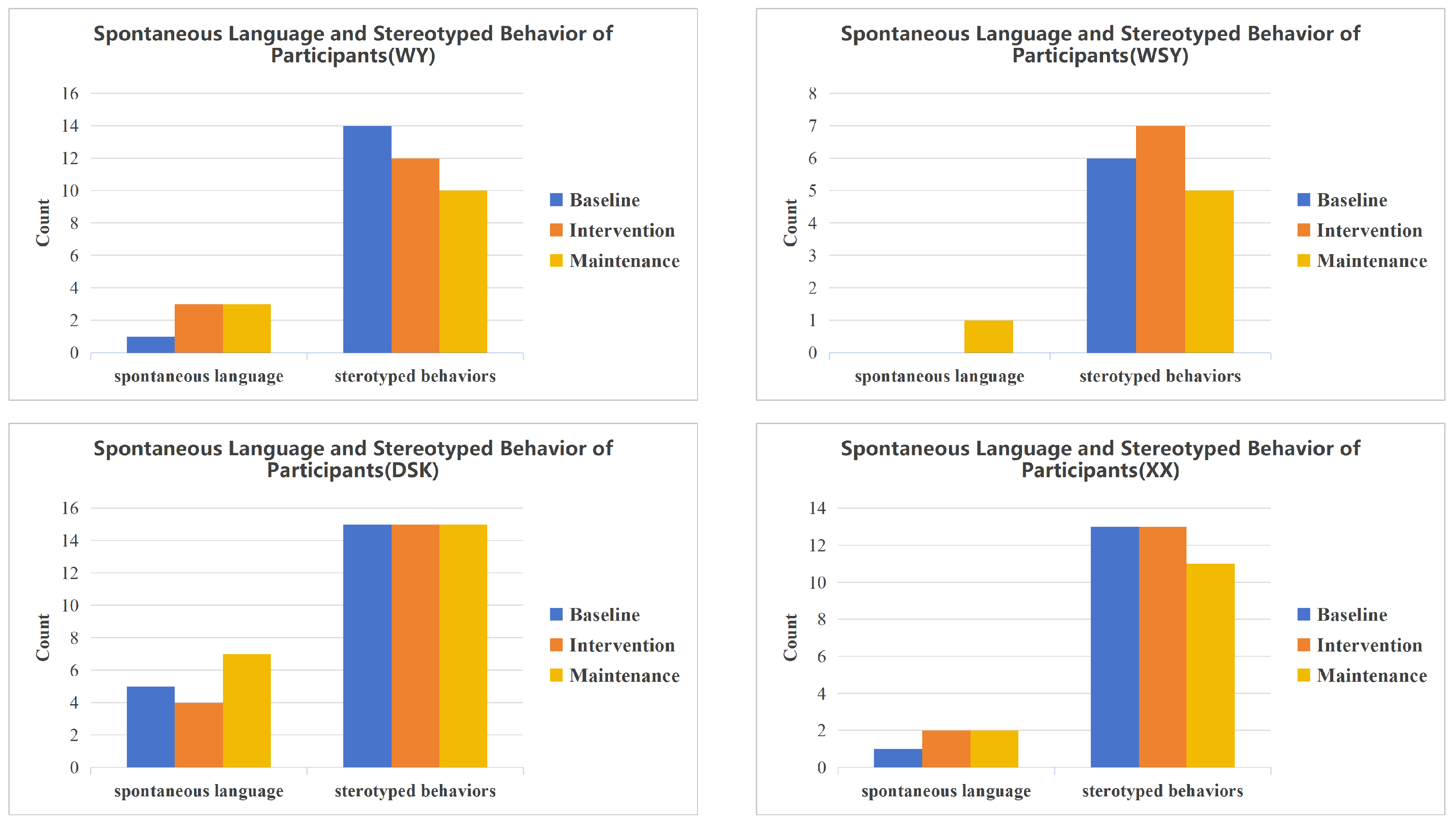
4.2.3. Spontaneous Language and Stereotyped Behaviors
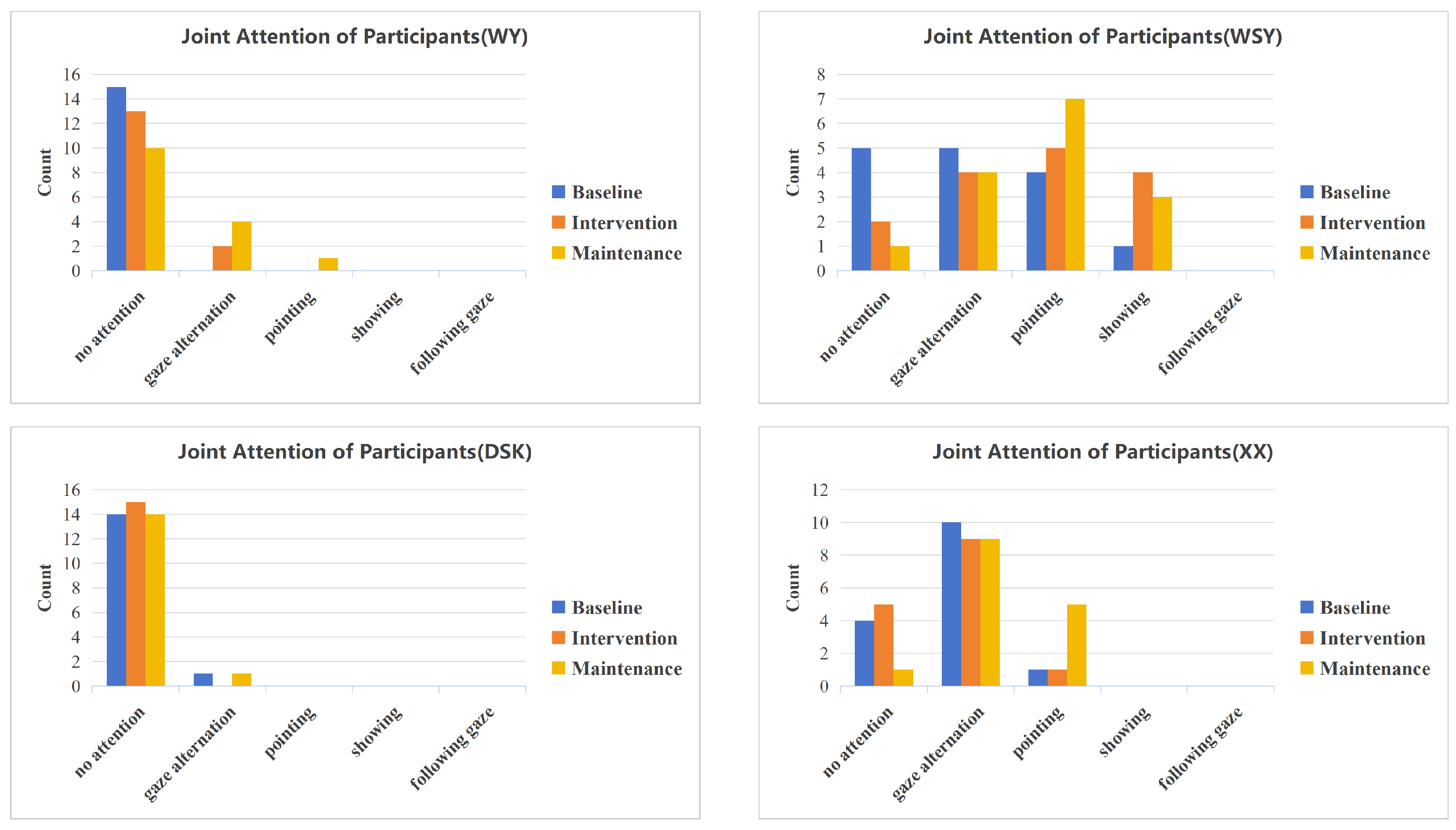
4.2.4. Joint Attention
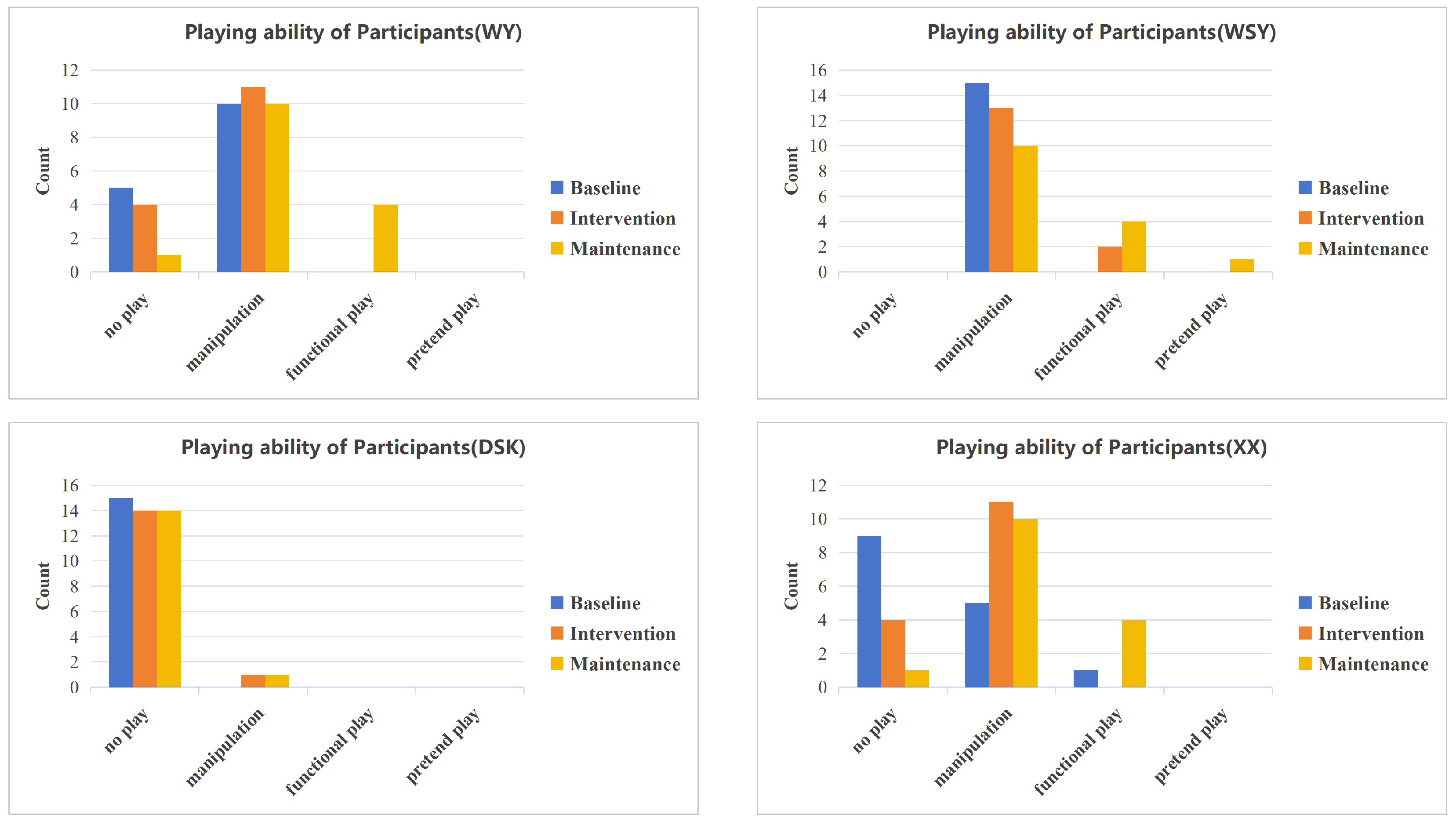
4.2.5. Play Skills
5. Discussion
5.1. (RQ1) EEG Experiment on Psychological Imitation in Children with Autism Under High/Low Sociality Styles
5.1.1. Frequency-Domain Differences Under Different Sociality Styles
5.1.2. Time-Frequency Differences Under Different Sociality Styles
5.2. (RQ2) Intervention Study on Social Imitation Skills in Autism Through Reciprocal Imitation Training
5.2.1. Effects of RIT on Imitation Skills
5.2.2. Effects of RIT on Social Sensitivity
5.2.3. Effects of RIT on Spontaneous Language and Stereotyped Behaviors
5.2.4. Effects of RIT on Joint Attention
5.2.5. Effects of RIT on Play Skills
6. Conclusions, Implications and Prospects
6.1. Implications
6.2. Limitations and Future Research
6.3. Conclusions
Author Contributions
Funding
Data Availability Statement
Conflicts of Interest
References
- Pittet, I.; Kojovic, N.; Franchini, M.; Schaer, M. Trajectories of imitation skills in preschoolers with autism spectrum disorders. J. Neurodev. Disord. 2022, 14, 2. [Google Scholar] [CrossRef]
- Xiao, S.; Li, J. Impact of imitation abilities on social communication in autistic children: Evidence from an Early Start Denver Model intervention study. Mol. Autism 2025, 16, 23. [Google Scholar] [CrossRef]
- Kanner, L. Autistic disturbances of affective contact. Nerv. Child 1943, 2, 217–250. [Google Scholar]
- Rutter, M.; Bartak, L. Causes of infantile autism: Some considerations from recent research. J. Autism Child. Schizophr. 1971, 1, 20–32. [Google Scholar] [CrossRef]
- Lotter, V. Epidemiology of autistic conditions in young children: 1. Prevalence. Soc. Psychiatry 1966, 1, 124–135. [Google Scholar] [CrossRef]
- Ritvo, S.; Provence, S. Form Perception and Imitation in Some Autistic Children: Diagnostic Findings and Their Contextual Interpretation. Psychoanal. Study Child 1953, 8, 155–161. [Google Scholar] [CrossRef]
- Rogers, S.J.; Hepburn, S.L.; Stackhouse, T.; Wehner, E. Imitation performance in toddlers with autism and those with other developmental disorders. J. Child Psychol. Psychiatry 2003, 44, 763–781. [Google Scholar] [CrossRef] [PubMed]
- Morgan, S.B.; Cutrer, P.S.; Coplin, J.W.; Rodrigue, J.R. Do Autistic Children Differ from Retarded and Normal Children in Piagetian Sensorimotor Functioning? J. Child Psychol. Psychiatry 1989, 30, 857–864. [Google Scholar] [CrossRef] [PubMed]
- Smith, I.M.; Bryson, S.E. Imitation and action in autism: A critical review. Psychol. Bull. 1994, 116, 259. [Google Scholar] [CrossRef]
- Chevallier, C.; Kohls, G.; Troiani, V.; Brodkin, E.S.; Schultz, R.T. The social motivation theory of autism. Trends Cogn. Sci. 2012, 16, 231–239. [Google Scholar] [CrossRef]
- Bravo, A.; Schwartz, I. Behavior technician implementation of Reciprocal Imitation Teaching. Eur. J. Behav. Anal. 2025, 26, 1–29. [Google Scholar] [CrossRef]
- Wainer, A.L.; Edmunds, S.R.; Carter, A.S.; Stone, W.L.; Sheldrick, R.C.; Broder-Fingert, S.; Stern, Y.S.; Harrington, E.; Ibanez, L.V.; Ingersoll, B. A hybrid type I randomized effectiveness-implementation trial of a Naturalistic Developmental Behavioral Intervention in the Part C early intervention system: Study protocol. BMC Pediatr. 2025, 25, 263. [Google Scholar] [CrossRef]
- Santarone, M.E.; Zambrano, S.; Zanotta, N.; Mani, E.; Minghetti, S.; Pozzi, M.; Villa, L.; Molteni, M.; Zucca, C. EEG Features in Autism Spectrum Disorder: A Retrospective Analysis in a Cohort of Preschool Children. Brain Sci. 2023, 13, 345. [Google Scholar] [CrossRef]
- Ruffini, R.; Brinciotti, M.; Giovannone, F.; Pisani, F.; Tofani, M.; Sogos, C. Correlations between EEG abnormalities and clinical phenotypes in a population of children with autism spectrum disorder. Res. Autism 2025, 123, 202536. [Google Scholar] [CrossRef]
- Thorpe, W.H. Learning and Instinct in Animals; Harvard University Press: Cambridge, MA, USA, 1956. [Google Scholar]
- Call, J.; Carpenter, M. Three sources of information in social learning. In Imitation in Animals and Artifacts; Boston Critic, Inc.: Boston, MA, USA, 2002. [Google Scholar]
- Galli, J.; Dusi, L.; Garofalo, G.; Brizzi, A.; Gritti, M.; Polo, F.; Fazzi, E.; Buccino, G. Children with autistic spectrum disorder can imagine actions—What can this reveal about the Broken Mirror Hypothesis? Front. Neurol. 2025, 16, 445. [Google Scholar] [CrossRef]
- Edwards, L.A. A Meta-Analysis of Imitation Abilities in Individuals with Autism Spectrum Disorders. Autism Res. 2014, 7, 363–380. [Google Scholar] [CrossRef]
- Williams, J.H.G.; Whiten, A.; Singh, T. A Systematic Review of Action Imitation in Autistic Spectrum Disorder. J. Autism Dev. Disord. 2004, 34, 285–299. [Google Scholar] [CrossRef]
- Xu, H.; Wang, T. Social motivation deficits in individuals with autism spectrum disorders. Adv. Psychol. Sci. 2022, 30, 1050. [Google Scholar] [CrossRef]
- Avikainen, S.; Wohlschläger, A.; Liuhanen, S.; Hänninen, R.; Hari, R. Impaired mirror-image imitation in Asperger and high- functioning autistic subjects. Curr. Biol. 2003, 13, 339–341. [Google Scholar] [CrossRef]
- Akin-Bulbul, I.; Ozdemir, S. Imitation Performance in Children with Autism and the Role of Visual Attention in Imitation. J. Autism Dev. Disord. 2023, 53, 4604–4617. [Google Scholar] [CrossRef]
- Smith, I.M. Gesture Imitation In Autism I: Nonsymbolic Postures and Sequences. Cogn. Neuropsychol. 1998, 15, 747–770. [Google Scholar] [CrossRef] [PubMed]
- Pellegrino, D.; Fadiga, L.; Fogassi, L.; Gallese, V.; Rizzolatti, G. Understanding motor events: A neurophysiological study. Exp. Brain Res. 1992, 91, 176–180. [Google Scholar] [CrossRef]
- Umilta, M.A.; Kohler, E.; Gallese, V.; Fogassi, L.; Fadiga, L.; Keysers, C.; Rizzolatti, G. I know what you are doing: A neurophysiological study. Neuron 2001, 31, 155–165. [Google Scholar] [CrossRef]
- Williams, J.; Whiten, A.; Suddendorf, T.; Perrett, D. Imitation, mirror neurons and autism. Neurosci. Biobehav. Rev. 2001, 25, 287–295. [Google Scholar] [CrossRef]
- Martineau, J.; Cochin, S.; Magne, R.; Barthelemy, C. Impaired cortical activation in autistic children: Is the mirror neuron system involved? Int. J. Psychophysiol. 2008, 68, 35–40. [Google Scholar] [CrossRef] [PubMed]
- Dapretto, M.; Davies, M.S.; Pfeifer, J.H.; Scott, A.A.; Sigman, M.; Bookheimer, S.Y.; Iacoboni, M. Understanding emotions in others: Mirror neuron dysfunction in children with autism spectrum disorders. Nat. Neurosci. 2006, 9, 28–30. [Google Scholar] [CrossRef]
- Hamilton, A.F.d.C. Research review: Goals, intentions and mental states: Challenges for theories of autism. J. Child Psychol. Psychiatry 2009, 50, 881–892. [Google Scholar] [CrossRef]
- Bird, G.; Leighton, J.; Press, C.; Heyes, C. Intact automatic imitation of human and robot actions in autism spectrum disorders. Proc. R. Soc. Biol. Sci. 2007, 274, 3027–3031. [Google Scholar] [CrossRef]
- Hickok, G. The Myth of Mirror Neurons: The Real Neuroscience of Communication and Cognition; WW Norton & Company: New York, NY, USA, 2014. [Google Scholar]
- Lamm, C.; Batson, C.D.; Decety, J. The Neural Substrate of Human Empathy: Effects of Perspective-taking and Cognitive Appraisal. J. Cogn. Neurosci. 2007, 19, 42–58. [Google Scholar] [CrossRef]
- Elsabbagh, M.; Mercure, E.; Hudry, K.; Chandler, S.; Pasco, G.; Charman, T.; Pickles, A.; Baron-Cohen, S.; Bolton, P.; Johnson, M.H. Infant neural sensitivity to dynamic eye gaze is associated with later emerging autism. Curr. Biol. 2012, 22, 338–342. [Google Scholar] [CrossRef] [PubMed]
- Kohls, G.; Antezana, L.; Mosner, M.G.; Schultz, R.T.; Yerys, B.E. Altered reward system reactivity for personalized circumscribed interests in autism. Mol. Autism 2018, 9, 9. [Google Scholar] [CrossRef] [PubMed]
- Van Etten, H.M.; Carver, L.J. Does Impaired Social Motivation Drive Imitation Deficits in Children with Autism Spectrum Disorder? Rev. J. Autism Dev. Disord. 2015, 2, 310–319. [Google Scholar] [CrossRef]
- Ingersoll, B.; Schreibman, L.; Tran, Q.H. Effect of Sensory Feedback on Immediate Object Imitation in Children with Autism. J. Autism Dev. Disord. 2003, 33, 673–683. [Google Scholar] [CrossRef]
- Nejati, V.; Peyvandi, A.; Nazari, N.; Abadi, F. The effectiveness of social training in individuals with autism spectrum disorder (ASD): A systematic review and transfer analysis. Sci. Rep. 2024, 14, 32131. [Google Scholar] [CrossRef]
- Dumas, G.; Soussignan, R.; Hugueville, L.; Martinerie, J.; Nadel, J. Revisiting mu suppression in autism spectrum disorder. Brain Res. 2014, 1585, 108–119. [Google Scholar] [CrossRef]
- Filippi, C.A.; Cannon, E.N.; Fox, N.A.; Thorpe, S.G.; Ferrari, P.F.; Woodward, A.L. Motor System Activation Predicts Goal Imitation in 7-Month-Old Infants. Psychol. Sci. 2016, 27, 675–684. [Google Scholar] [CrossRef] [PubMed]
- Ronconi, L.; Vitale, A.; Federici, A.; Pini, E.; Molteni, M.; Casartelli, L. Altered neural oscillations and connectivity in the beta band underlie detail-oriented visual processing in autism. Neuroimage Clin. 2020, 28, 102484. [Google Scholar] [CrossRef]
- Tomescu, M.I.; Papasteri, C.C.; Sofonea, A.; Boldasu, R.; Kebets, V.; Pistol, C.A.D.; Poalelungi, C.; Benescu, V.; Podina, I.R.; Nedelcea, C.I.; et al. Spontaneous thought and microstate activity modulation by social imitation. NeuroImage 2022, 249, 118878. [Google Scholar] [CrossRef]
- Bochet, A.; Sperdin, H.F.; Rihs, T.A.; Kojovic, N.; Franchini, M.; Jan, R.K.; Michel, C.M.; Schaer, M. Early alterations of large-scale brain networks temporal dynamics in young children with autism. Commun. Biol. 2021, 4, 968. [Google Scholar] [CrossRef]
- Said, H.; Mahar, K.; Sorour, S.E.; Elsheshai, A.; Shaaban, R.; Hesham, M.; Khadr, M.; Mehanna, Y.A.; Basha, A.; Maghraby, F.A. IMITASD: Imitation Assessment Model for Children with Autism Based on Human Pose Estimation. Mathematics 2024, 12, 3438. [Google Scholar] [CrossRef]
- Nielsen, M.; Slaughter, V.; Dissanayake, C. Object-Directed Imitation in Children with High-Functioning Autism: Testing the Social Motivation Hypothesis. Autism Res. 2012, 6, 23–32. [Google Scholar] [CrossRef] [PubMed]
- Whiten, A.; Allan, G.; Devlin, S.; Kseib, N.; Raw, N.; McGuigan, N. Social Learning in the Real-World: ‘Over-Imitation’ Occurs in Both Children and Adults Unaware of Participation in an Experiment and Independently of Social Interaction. PLoS ONE 2016, 11, e0159920. [Google Scholar] [CrossRef]
- Vivanti, G.; Hocking, D.R.; Fanning, P.; Dissanayake, C. The social nature of overimitation: Insights from Autism and Williams syndrome. Cognition 2017, 161, 10–18. [Google Scholar] [CrossRef]
- Yi, J.; Kim, W.; Lee, J. Effectiveness of the SCERTS Model–Based Interventions for Autistic Children: A Systematic Review. J. Speech Lang. Hear. Res. 2022, 65, 2662–2676. [Google Scholar] [CrossRef]
- Schreibman, L.; Koegel, R.L. Training for parents of children with autism: Pivotal responses, generalization, and individualization of interventions. In Psychosocial Treatments for Child and Adolescent Disorders: Empirically Based Strategies for Clinical Practice; Boston Critic, Inc.: Boston, MA, USA, 2005. [Google Scholar]
- Sandbank, M.; Bottema-Beutel, K.; Crowley, S.; Cassidy, M.; Dunham, K.; Feldman, J.I.; Crank, J.; Albarran, S.A.; Raj, S.; Mahbub, P. Project AIM: Autism intervention meta-analysis for studies of young children. Psychol. Bull. 2020, 146, 1–29. [Google Scholar] [CrossRef]
- Tiede, G.; Walton, K.M. Meta-analysis of naturalistic developmental behavioral interventions for young children with autism spectrum disorder. Autism 2019, 23, 136236131983637. [Google Scholar] [CrossRef]
- Crank, J.E.; Sandbank, M.; Dunham, K.; Crowley, S.; Bottema-Beutel, K.; Feldman, J.; Woynaroski, T.G. Understanding the Effects of Naturalistic Developmental Behavioral Interventions: A Project AIM Meta-analysis. Autism Res. 2021, 14, 817–834. [Google Scholar] [CrossRef]
- Ingersoll, B. Brief Report: Pilot Randomized Controlled Trial of Reciprocal Imitation Training for Teaching Elicited and Spontaneous Imitation to Children with Autism. J. Autism Dev. Disord. 2010, 40, 1154–1160. [Google Scholar] [CrossRef] [PubMed]
- Penney, A.; Schwartz, I. Effects of coaching on the fidelity of parent implementation of reciprocal imitation training. Autism 2018, 23, 1497–1507. [Google Scholar] [CrossRef] [PubMed]
- Mundy, P.; Sigman, M.; Kasari, C. A longitudinal study of joint attention and language development in autistic children. J. Autism Dev. Disord. 1990, 20, 115–128. [Google Scholar] [CrossRef]
- Bernier, R.; Dawson, G.; Webb, S.; Murias, M. EEG mu rhythm and imitation impairments in individuals with autism spectrum disorder. Brain Cogn. 2007, 64, 228–237. [Google Scholar] [CrossRef] [PubMed]
- Paula, C.A.R.; Reategui, C.; Costa, B.K.d.S.; Fonseca, C.Q.d.; Silva, L.d.; Morya, E.; Brasil, F.L. High-Frequency EEG Variations in Children with Autism Spectrum Disorder during Human Faces Visualization. BioMed Res. Int. 2017, 2017, 3591914. [Google Scholar] [CrossRef]
- Liu, T.; Martinez-Torres, K.; Mazzone, J.; Camarata, S.; Lense, M. Brief Report: Telehealth Music-Enhanced Reciprocal Imitation Training in Autism: A Single-Subject Feasibility Study of a Virtual Parent Coaching Intervention. J. Autism Dev. Disord. 2025, 55, 2950–2962. [Google Scholar] [CrossRef]
- Ingersoll, B.R.; Wainer, A.L. Pilot study of a school-based parent training program for preschoolers with ASD. Autism 2013, 17, 434–448. [Google Scholar] [CrossRef]
- Wang, J.; Li, Y.; Chen, X.; Wang, C. Before and After: How Did the Pandemic Reshape Virtual Laboratory Research? SAGE Open 2025, 15, 39961. [Google Scholar] [CrossRef]
- Wang, C.; Chen, X.; Yu, T.; Liu, Y.; Jing, Y. Education reform and change driven by digital technology: A bibliometric study from a global perspective. Humanit. Soc. Sci. Commun. 2024, 11, 256. [Google Scholar] [CrossRef]





| Participant | Age (Years) | CARS | MIS (Motor Imitation Scale) | SRS (Social Responsiveness Scale) |
|---|---|---|---|---|
| WY | 5 | 44 | 14 | 137 |
| WSY | 3.5 | 37 | 25 | 130 |
| DSK | 4 | 46 | 16 | 145 |
| XX | 5 | 38 | 20 | 126 |
| Outcome (MIS) | Median (Pre) | Median (Post) | Z | p | Effect Size (r) | Median Change (95% CI) |
|---|---|---|---|---|---|---|
| Total MIS score | 18 | 22 | −1.826 | 0.068 | 0.91 | 5 [2, 6] |
| Outcome (SRS) | Mean (Pre) | Mean (Post) | Median (Pre) | Median (Post) | Z | p | Effect Size (r) | Median Change (95% CI) |
|---|---|---|---|---|---|---|---|---|
| Total SRS score | 134.5 | 123.5 | 133 | 122 | −1.826 | 0.068 | 0.91 | −10 [−21, −3] |
Disclaimer/Publisher’s Note: The statements, opinions and data contained in all publications are solely those of the individual author(s) and contributor(s) and not of MDPI and/or the editor(s). MDPI and/or the editor(s) disclaim responsibility for any injury to people or property resulting from any ideas, methods, instructions or products referred to in the content. |
© 2026 by the authors. Licensee MDPI, Basel, Switzerland. This article is an open access article distributed under the terms and conditions of the Creative Commons Attribution (CC BY) license.
Share and Cite
Wang, Y.; Wang, Z.; Li, G.; Jin, Z. Social Modulation of Imitation in Children with Autism Spectrum Disorder: Evidence from EEG and Reciprocal Imitation Training. Appl. Sci. 2026, 16, 4297. https://doi.org/10.3390/app16094297
Wang Y, Wang Z, Li G, Jin Z. Social Modulation of Imitation in Children with Autism Spectrum Disorder: Evidence from EEG and Reciprocal Imitation Training. Applied Sciences. 2026; 16(9):4297. https://doi.org/10.3390/app16094297
Chicago/Turabian StyleWang, Yonggu, Zihan Wang, Guohao Li, and Zhou Jin. 2026. "Social Modulation of Imitation in Children with Autism Spectrum Disorder: Evidence from EEG and Reciprocal Imitation Training" Applied Sciences 16, no. 9: 4297. https://doi.org/10.3390/app16094297
APA StyleWang, Y., Wang, Z., Li, G., & Jin, Z. (2026). Social Modulation of Imitation in Children with Autism Spectrum Disorder: Evidence from EEG and Reciprocal Imitation Training. Applied Sciences, 16(9), 4297. https://doi.org/10.3390/app16094297