Article

Design and Implementation of an Underwater Cleaning System for Ship Maintenance via a Robotic Arm


Naval University of Engineering, Wuhan 430072, China
*
Authors to whom correspondence should be addressed.
Appl. Sci. 2026, 16(7), 3222; https://doi.org/10.3390/app16073222
Submission received: 9 March 2026 / Revised: 23 March 2026 / Accepted: 24 March 2026 / Published: 26 March 2026
(This article belongs to the Section Robotics and Automation)

Abstract

To better address the operational requirements for emergency underwater ship maintenance, this study proposes the use of an underwater robotic arm instead of divers for cleaning submerged hull sections. Experimental analyses are conducted to validate the stability and feasibility of the constructed underwater robotic arm cleaning system. Initially, hydrodynamic analysis of the robotic arm was performed using the Morison equation. Through fluent dynamic simulations, the hydrodynamic moments on each robotic arm during cleaning operations were obtained, confirming that stress under typical seawater flow velocities remained within the rated limits. Subsequently, dynamic simulations were carried out to determine the joint driving torques in a fluid environment, quantify the influence of the hydrodynamic resistance on the joint torque, and verify the accuracy of the fluid dynamics model. Finally, motion control and underwater cleaning experiments were implemented on the system. Experimental results further corroborated the correctness of the fluid model and operational environment analysis, demonstrating the expected cleaning performance and providing both data and experimental support for practical underwater maintenance during long-distance ship voyages.

1. Introduction

During long-distance voyages, the submerged hull sections of ships are prone to accumulate significant marine fouling, including sediments like silt and sand as well as biological organisms such as algae, barnacles, and mussels [1]. This biofouling process is progressive and persistent, leading to several detrimental effects. Primarily, it increases the hydrodynamic drag, which substantially increases the fuel consumption and reduces the overall sailing efficiency. Concurrently, the accumulated biomass and trapped moisture accelerate the electrochemical corrosion of hull’s protective coatings and the underlying steel structure. In severe and prolonged cases, localized corrosion and the physical pressure exerted by dense fouling can compromise the integrity of critical components, posing potential threats to vessel’s operational safety and structural longevity [2,3]. Therefore, to maintain the optimal sailing performance, minimize the environmental impact through reduced emissions, and ensure the maritime safety, real-time monitoring and timely removal of hull fouling through underwater cleaning are imperative [4].
Currently, the predominant method for underwater hull cleaning relies on human divers. This approach, however, is fraught with limitations and risks. Moreover, divers’ operational effectiveness and safety are highly susceptible to volatile environmental conditions, including strong currents, poor underwater visibility, extreme water temperatures, and adverse surface weather. The manual operation of specialized cleaning equipment in such challenging environments is physically demanding and technically difficult, often resulting in inconsistent cleaning quality, low operational efficiency, and extended downtime. Furthermore, diver-based operations entail significant safety hazards and high associated costs, including diver training, support vessels, and insurance [5]. Consequently, there is a pressing industry shift towards employing robotic systems to automate underwater maintenance tasks. Autonomous or remotely operated underwater robots are emerging as a safer, more efficient, and increasingly reliable alternative, representing the definitive future trend in ship hull maintenance [6].
Diverse architectural approaches have been proposed for advancing robotic systems for hull cleaning. A common design is the crawler-type robotic platform [7]. These robots typically utilize magnetic adhesion (often via the use of permanent magnets integrated into tracks) to secure themselves to vertical or inverted steel hull surfaces. This design enables stable locomotion, steering, and climbing on complex hull geometries. Despite their robustness in adhesion, crawler-type robots generally exhibit relatively low traversal speeds and cleaning efficiency because of friction and the continuous need for precise track-to-surface engagement.
In the past decades, alternative locomotion methods have been explored. Nassiraei et al. developed a submersible robot that used thrusters for both propulsion and downward force generation to press the robot against the hull surface. Cleaning was accomplished via a suction-based device that adhered locally to the hull to remove fouling [8]. Another innovative concept, ARMROV, proposed by Saber Hachicha et al., integrates dual robotic arms onto a standard remotely operated vehicle (ROV) platform. Their research focused on analyzing the dynamic stability of such a system during cleaning operations using a dynamic equivalence approach [9]. In addition, ultrasonic cleaning offers a non-contact solution. Lais et al. discussed the design and ‘marinization’ of an optimized ultrasonic transducer array. Their work included testing the impedance and wave propagation characteristics of fouled carbon steel pipeline samples to assess their efficacy [10]. For mechanical brushing, Lin et al. designed a laboratory-scale automated underwater cleaning system (AUCS) equipped with a digital force sensor. This system enabled real-time force monitoring during cleaning, and calibration tests were performed to evaluate the performance of different brush types (sponge, nylon, and rubber) based on cleaning force metrics [11].
High-pressure water jet (HPWJ) technology is widely used for cleaning metallic structures and removing tenacious marine fouling because of its effectiveness and versatility [12]. Advancing this technology, Chen et al. developed a hybrid robot that combined thruster and crawler-belt propulsion for adaptability to various hull shapes [13]. A key innovation in their design was the use of cavitating water jets instead of conventional HPWJs. Cavitation jets increase cleaning efficiency by generating micro-implosions that help break the adhesive bonds of fouling. Furthermore, to ensure precise operational path tracking, they proposed an adaptive controller that compensated for kinematic inconsistencies between the two crawler belts without requiring direct depth measurement, thereby enabling accurate boustrophedon (lawnmower-pattern) path coverage. Collectively, laboratory research and prototype development in underwater cleaning robotics, coupled with the formulation of sophisticated cleaning strategies, provide critical insights and actionable guidelines for effective hull fouling removal [14,15,16,17]. These advancements directly contribute to enhancing vessel operational efficiency, reducing greenhouse gas emissions, and improving overall maritime navigation safety [18,19].
Overall, ARMROV is advantageous owing to its transportability and cleaning efficiency when combined with an ROV with dual robotic arms, enabling access to complex hull geometries. However, its major limitation is dynamic stability challenges caused by coupling forces between the arms and central body of the robot, which can lead to perturbations during operation [20]. An ultrasonic transducer array provides a non-contact cleaning method that is effective for pipeline applications, but its performance is highly dependent on impedance matching and wave propagation characteristics, which can be affected by environmental factors [21]. An AUCS excels in providing systematic, force-monitored cleaning for evaluating coatings, but its laboratory-scale nature limits its direct applicability to full-scale, real-world ship hulls where hydrodynamic forces and visibility are significant constraints. HPWJ technology offers effective, versatile, and non-abrasive cleaning resulting in the removal of tenacious fouling while minimizing damage to hull coatings.
In this study, a method for precisely locating and effectively removing adhered marine fouling is proposed. It uses a high-pressure water jet cleaning device mounted on the end effector of a subsea robotic arm. The custom-designed subsea robotic arm, constructed from stainless steel, features six degrees of freedom. Each joint is sealed with a closed-type water seal ring to mitigate corrosion and prevent fluid leakage in harsh underwater environments, thereby ensuring the safe and efficient execution of subsea cleaning tasks. To validate the operational stability of the proposed system and simulate subsea cleaning scenarios, a subsea robotic arm-based cleaning system is developed. A water tank is utilized to replicate the underwater environment encountered during a ship’s long-distance voyage, with the robotic arm installed centrally on tank’s frame acting as the carrier for the high-pressure water jet device. The robotic arm is controlled via a dedicated software to perform targeted movement and execute underwater cleaning operations.
Unlike existing approaches utilizing remotely operated vehicles (ROVs) and crawler-type propulsion systems, the robotic arm platform proposed in this study achieves more stable cleaning operation under extreme flow velocity conditions of up to 2 m/s. Furthermore, this study establishes a full-chain validation methodology integrating computational fluid dynamics (CFD) simulation, real-time joint torque monitoring, and cleaning performance quantification. The proposed validation framework provides a standardized experimental foundation for the subsequent optimization of underwater cleaning robotic systems.

2. Establishment of Underwater Robotic Arm Cleaning System

2.1. Calculation of Hydraulic Resistance of Robotic Arm

To evaluate the hydrodynamic performance of the underwater robotic arm in the fluid environment, we established a precise calculation method for the fluid resistance acting on the arm. As shown in Figure 1, the robotic arm is modelled by fixing Joint 1 at the top of the structure, allowing the entire arm assembly to be driven solely by Joint 2 to perform the cleaning motion through the fluid. This configuration isolates the primary dynamic load to one joint, simplifying the initial analysis of fluid–structure interactions.
More specifically, the entire housing of the robotic arm is fabricated from aluminum alloy to ensure corrosion resistance and structural strength. Each joint is actuated by a brushless DC servo motor equipped with a high-resolution encoder for precise position feedback. The electronic control system utilizes a distributed architecture to manage motor drivers and sensor data acquisition. The key performance parameters of the manipulator are summarized in Table 1.
The force per unit length experienced by the arm moving through the fluid is decomposed into four primary components as follows:
F = F d + F l + F m + F f
where Fd is the water resistance, Fm is the additional mass force, Fl is the lift, and Ff is the buoyancy.
Focusing primarily on water resistance and added mass force, Morison proposed the Morison equation in 1950. This equation is particularly suitable for slender cylindrical structures under unsteady flow. The complete vector form of the force equation for a segment of the arm is expressed as Equation (2).
d F = 1 2 ρ C d D v v d l + ρ C m A v ˙ d l
where dF is the incremental hydrodynamic force on an arm segment of length dl, ρ is the density of seawater, D is the characteristic diameter of the arm segment, v is the relative velocity vector of the fluid, v ˙ is the relative acceleration vector, A is cross-sectional area of the arm segment, Cm is the empirical value used in the hydrodynamic analysis and calculation, and Cm = 2 serves as the inertial force coefficient. In addition, Cd is the hydrodynamic drag coefficient, which is not constant but varies with factors such as the flow velocity and arm geometry and orientation relative to the flow. The accurate determination of Cd for the specific arm geometry under different operational scenarios is essential for predicting loads and is therefore obtained through dedicated computational fluid dynamics simulations using the ANSYS Fluent 2020R1 software.

2.2. Establishment of the Simulation Model of Robotic Arm

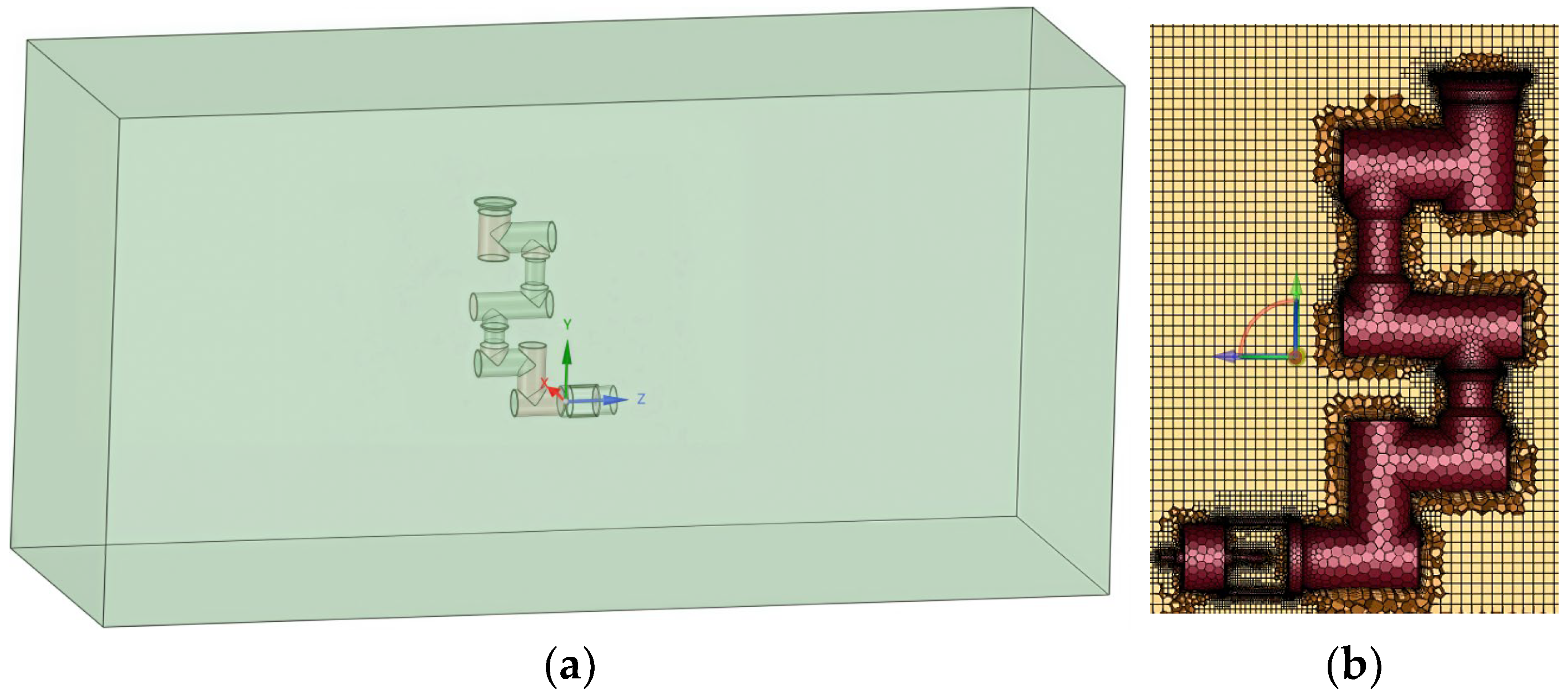
Prior to conducting detailed fluid dynamics simulations, the physical model of the robotic arm is simplified and prepared for computational analysis. Key assumptions are made to define the simulation scope: the working fluid (seawater) is treated as incompressible, and analysis focuses on steady-state conditions by considering only the speed and direction of the uniform water flow acting on the arm. Based on the dimensions of the hydrodynamic analysis model, a three-dimensional computational fluid domain is constructed. As depicted in Figure 2a, this domain is a rectangular cuboid measuring 4 × 3 × 1 m (length × width × height). The robotic arm model is positioned within this domain, with Joint 1 being fixed at a designated top point, accurately corresponding to its mounting position in the experimental water tank setup. This configuration allows simulation to replicate the boundary conditions of the physical experiment. For the numerical simulation setup, tetrahedral grids are adopted to discretize the flow field computational domain and the boundary layer around the robotic arm, while pentahedral grids are used to mesh the main structure of the robotic arm. Considering that the flow generated by the laboratory flume is laminar, the constant-velocity laminar flow obtained through pre-calculation is set as the velocity-inlet boundary condition. The surface of the robotic arm is defined as an ideal smooth no-slip wall to eliminate additional flow interference caused by surface roughness, and the remaining boundary conditions follow the default settings of the Fluent software. When the residual parameters decrease to below 10−3, the numerical simulation is judged to have reached a converged state. A detailed view of the mesh is shown in Figure 2b, highlighting the refined boundary layer mesh generated around the arm surfaces. This boundary layer mesh is crucial for accurately resolving the velocity gradients and shear stress in the region closest to the arm, which directly influences the calculation of the drag force Fd and consequently the drag coefficient Cd.
Subsequently, boundary conditions are applied in the Fluent software to simulate the flow. A uniform velocity inlet condition is set on one face of the domain to represent the oncoming seawater flow, while a pressure outlet condition is defined on the opposite face. The remaining faces are designated as symmetry or wall boundaries, and the surfaces of the robotic arm are defined as no-slip walls. This setup models the arm as subjected to a constant-velocity cross-flow, allowing for the simulation of hydrodynamic loads at specified flow velocities. The critical load considered in the simulation stems from the operation of the high-pressure water jet itself. The release of the water jet from the end effector generates a significant recoil force acting back on the robotic arm structure. The magnitude of this recoil force is directly related to the operational parameters of the water jet. This force magnitude is calculated using an empirical formula from experimental data and is given as Equation (3):
F = 0.745 q p
where q is the volumetric flow rate at the outlet and p is the working pressure of the pump. This force vector, acting in the direction opposite to the water jet discharge, is applied as a static point load at the nozzle location on the end effector in the subsequent fluid–structure interaction simulations. The incorporation of this force is vital for comprehensive stress analysis, as it represents a significant internal load superimposed on the external hydrodynamic drag.

2.3. Design of High-Pressure Water Jet Cleaning Mechanism

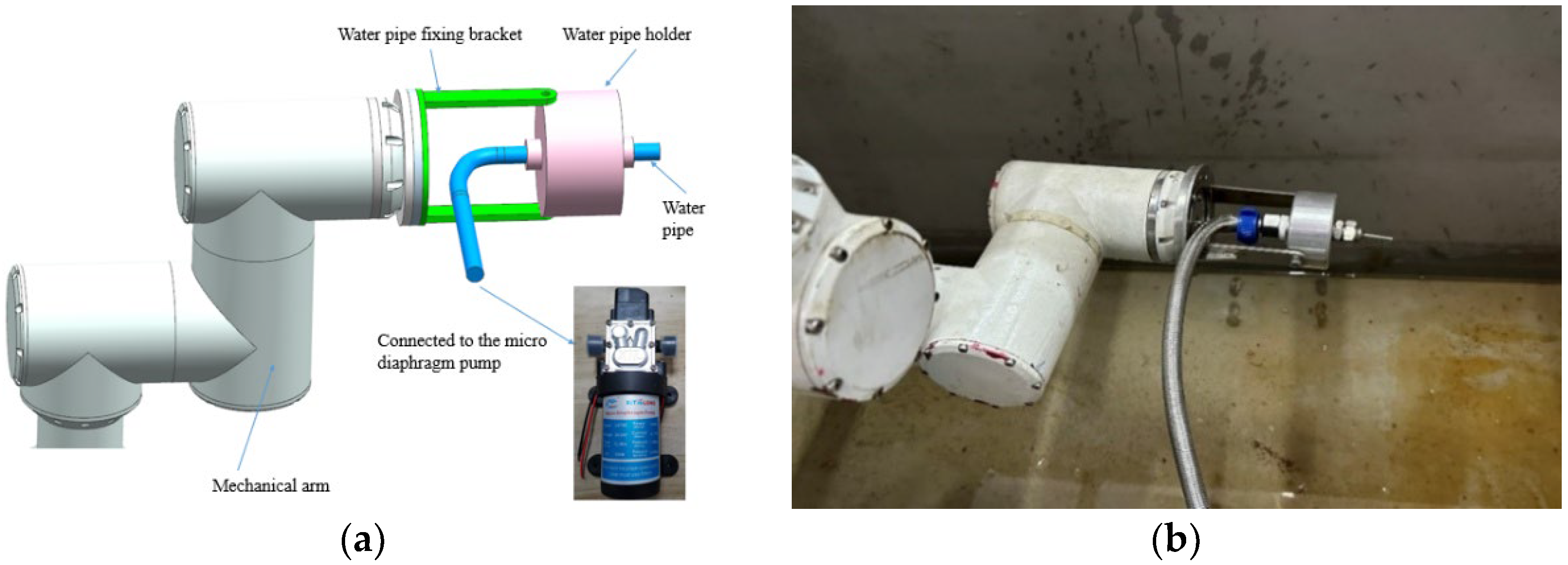
The performance of an HPWJ cleaning system is primarily governed by the operating pressure of the booster pump and the diameter of the nozzle, as these parameters directly determine the impact force and cleaning efficacy at the outlet. As illustrated in Figure 3, the proposed system is powered by a 100 W booster pump. The pump is designed to directly draw water from the surrounding environment, pressurize it, and eject it through a specifically designed nozzle, thereby creating a focused, high-velocity jet for fouling removal.
Empirical data from preliminary experiments confirm that a smaller nozzle diameter, coupled with a higher outlet pressure, results in a more significant relative impact force on the target surface. To optimize this relationship, the water jet nozzle in this study is designed as a circular orifice with a diameter of 4 mm and a length of 30 mm. This configuration ensures concentrated jet stream with high kinetic energy, maximizing the shear stress applied to the fouling layer. Furthermore, the integrated pipeline system serves critical dual function: it acts as a pressure buffer, dampening potential pressure surges from the pump, and protects the structure of the robotic arm from instantaneous high recoil forces generated during operation. This design consideration is vital for ensuring the long-term mechanical integrity and operational stability of the system. The complete specifications and operational parameters of the high-pressure water spray gun are summarized in Table 2. Notably, the combination of these carefully selected parameters, particularly the 4 mm nozzle at 12 MPa, forms the core of an efficient and mechanically sustainable cleaning mechanism for the underwater robotic system.

3. Result Analysis

3.1. Simulation Result Analysis

Considering that the average surface flow velocity during oceanic navigation is approximately 2 m/s, hydrodynamic simulations of the underwater robotic arm were conducted at various flow velocities to systematically evaluate its operational stability. The simulation methodology incorporates the hydrodynamic load resulting from high-pressure water jet recoil, calculated as 18.065 N using Equation (3). This load is applied as an external force boundary condition (p = 12 MPa and q = 7 L/min). Three discrete flow velocities in the 0–2 m/s range were selected for detailed investigation, with each simulation being iterated 1000 times to ensure numerical convergence and result reliability. A curve-fitting approach was subsequently employed to analyze trends exhibited by the hydrodynamic parameters.
The key outcomes of these simulations are presented in Table 3, demonstrating relationships among the flow velocity, drag coefficient CD, and resultant hydrodynamic resistance force. The data reveal a pronounced non-linear increase in both the CD and resistance with increasing flow velocity. Specifically, CD increases from 0.48 at 0.4 m/s to 13.44 at 2 m/s, while the corresponding hydrodynamic resistance increases from 2.66 to 65.62 N. This trend underscores the significant amplification of fluid dynamic loads under higher flow conditions, which is critical for assessing the torque requirements of the robotic arm joints during cleaning maneuvers.
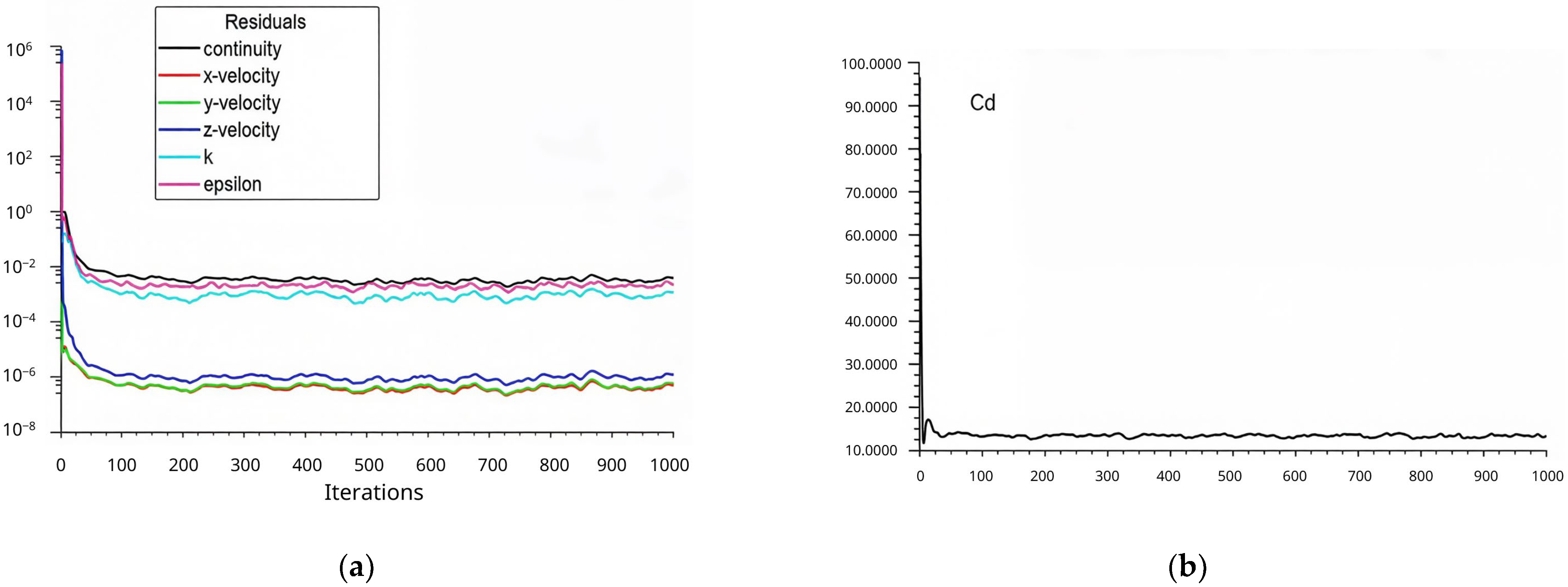
The convergence and stability of the drag coefficient under the design condition of 2 m/s are further illustrated in Figure 4. The plotted CD curve demonstrates an initial transient period followed by a clear stabilization plateau as simulation progresses. This plateau confirms that the calculated CD value of 13.44 is a reliable steady-state result, thereby validating the accuracy of the computational fluid dynamics setup and suitability of the Morison equation-based model for capturing the dominant hydrodynamic effects on the arm structure.
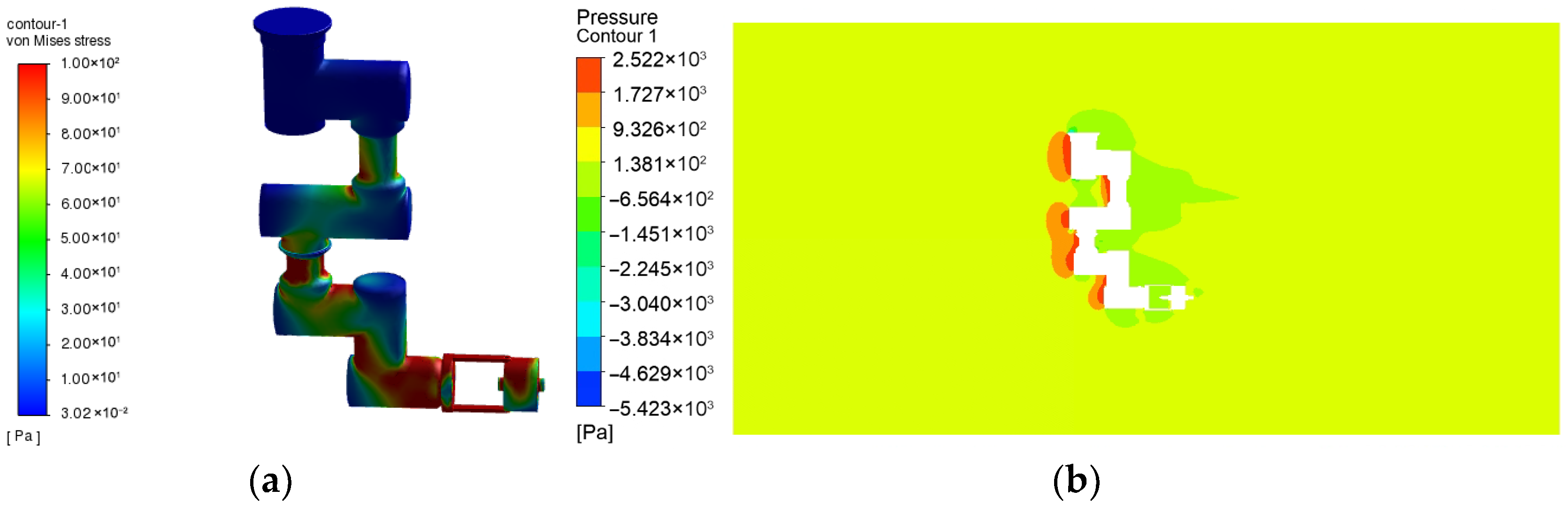
To evaluate structural integrity under combined loading, one-way fluid–structure interaction analysis is performed. Figure 5a displays the resulting Von Mises stress distribution across the robotic arm. The analysis identifies localized stress concentration near the interface connecting the end effector (housing the high-pressure water jet) and pump mounting structure, with a peak value of 81,600 Pa. This maximum stress is directly attributable to the recoil force from water jet operation. Importantly, stress in all other structural components is significantly lower, confirming that the design successfully contains the peak mechanical loads within a specific region and that the overall arm structure operates well within its elastic limits under the simulated conditions.
Concurrently, Figure 5b presents the hydrodynamic pressure distribution on the arm surface when subjected to 2 m/s cross-flow. The plot clearly indicates that the predominant pressure load acts on surfaces oriented perpendicular to the flow direction, with the pressure magnitude directly correlating with the local flow velocity. This pattern aligns perfectly with fundamental fluid dynamics principles and provides visual confirmation of the load distribution assumptions used in the analytical model. By integrating the simulated CD values into hydrodynamic moment calculation (Equation (2)), the hydrodynamic resistance torque acting on the robotic arm is derived for various flow velocities, particularly about the axis of Joint 2, which enables the primary cleaning motion. The results are compiled in Table 4. The torque sharply increases from 0.459 N·m at 0.2 m/s to 8.523 N·m at 1.0 m/s and finally to 32.467 N·m at the design flow of 2 m/s.
An analysis of the results in Table 4 reveals that when the robotic arm is driven by Joint 2 and is performing cleaning tasks in a fluid environment with a flow velocity of 2 m/s, the theoretical fluid resistance it experiences is less than the designed driving torque of Joint 2 (33 N·m). This finding verifies the stability of the designed robotic arm cleaning system under the average flow velocity of the seawater surface. The critical finding from this analysis is that at the maximum anticipated operational flow velocity of 2 m/s, the theoretical hydrodynamic resistance torque (32.467 N·m) remains marginally below the designed maximum driving torque capacity of Joint 2, which is 33 N·m. This provides a narrow but positive safety margin. This result conclusively verifies the operational stability and feasibility of the proposed robotic arm cleaning system. This finding demonstrates that the arm can perform the required cleaning motions against hydrodynamic loads prevalent under average oceanic surface current conditions without exceeding the mechanical limits of its primary drive joint, thereby ensuring both reliability and performance during underwater maintenance tasks.

3.2. Experimental Result Analysis

To validate the accuracy of the established fluid dynamics model and operational feasibility of the system under realistic marine conditions, a comprehensive set of experiments is conducted in a controlled water tank environment. This setup is designed to closely mimic the hydrodynamic conditions encountered by a vessel during long-distance navigation. A steel plate measuring 40 cm × 30 cm is used to represent a section of ship’s hull, and its surface is uniformly coated with acrylic paint to simulate adhered marine fouling—a common and challenging type of biofilm-like contamination. It is important to acknowledge the limitations of using acrylic paint as a fouling substitute. Natural marine biofouling constitutes a complex, multi-layered biological community with distinct structural gradients. In contrast, the uniform composition of acrylic paint cannot fully replicate this biological complexity and structural gradient. However, this substitute allows for controlled and repeatable quantification of cleaning efficiency in a laboratory setting, serving as a standardized baseline for system validation. The robotic arm is mounted, with Joint 1 being fixed at a point above the water tank, while cleaning motion is executed solely through the actuation of Joint 2 along a pre-defined linear trajectory between two marked points.
As shown in Table 4, under the extreme flow velocity of 2 m/s, the calculated hydrodynamic resistance torque almost reaches the maximum driving torque of the joint (33 N·m). In the experimental setup, a more stable flow generation system is employed to avoid sudden surges or sharp fluctuations in flow velocity. Meanwhile, the real-time monitoring module for joint torque and motor current is integrated into the control system during the test: if the detected torque continuously approaches or reaches the upper limit, the flow velocity will be reduced rapidly to prevent overload damage to the robotic arm hardware.
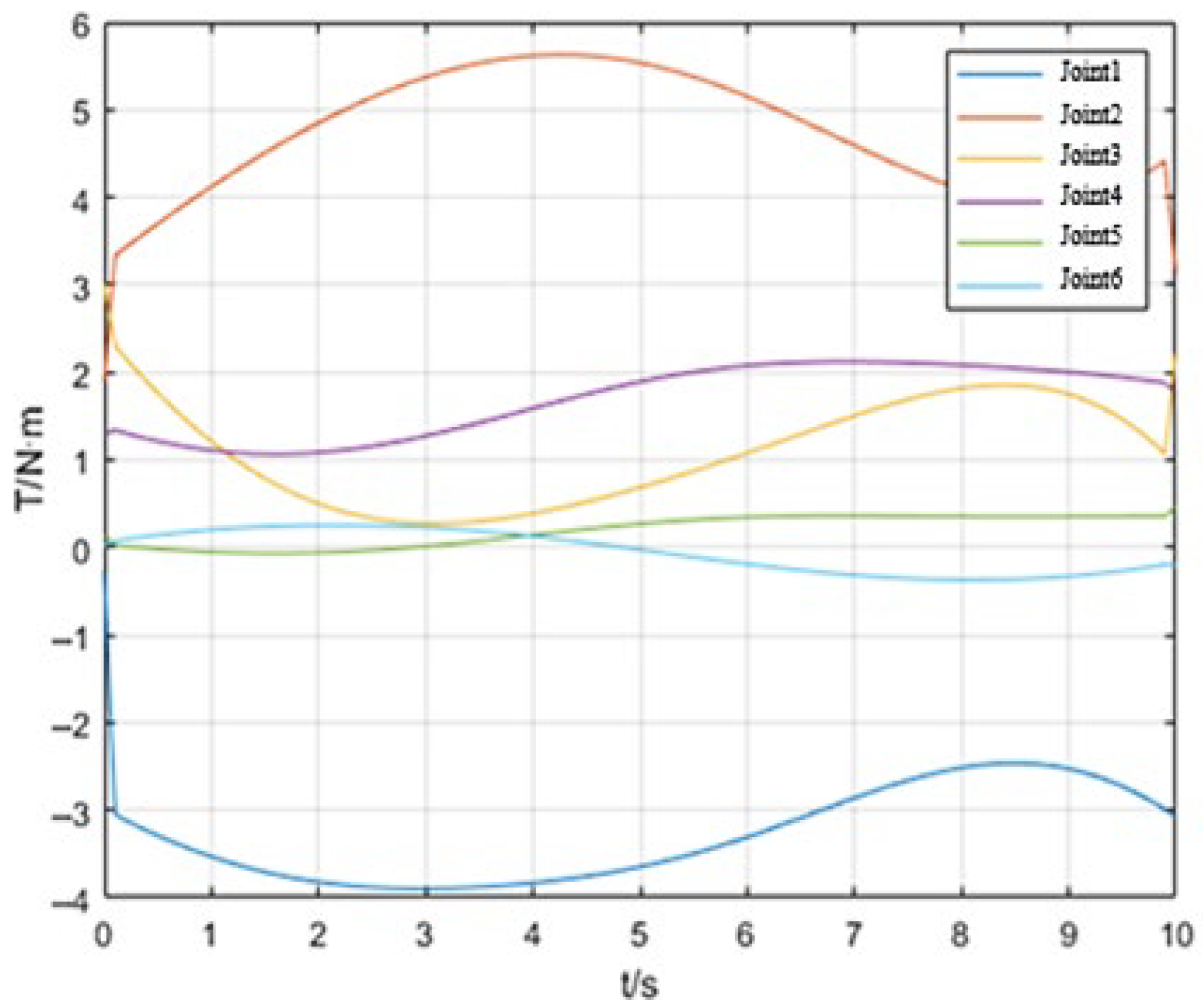
During the motion experiment under a simulated steady-state flow of 2.0 m/s, the high-pressure water jet system is activated. The pump, drawing water directly from the tank, pressurized it to 12 MPa and ejected it through a 4 mm diameter nozzle. Figure 6 presents the recorded joint torque signals during this reciprocating cleaning cycle. The data clearly demonstrate that Joint 2 exhibits the most pronounced torque fluctuations and highest absolute torque magnitude throughout the operation. As the shoulder joint (major arm joint) of the manipulator, Joint 2 bears the primary load of the entire arm span and the end effector. Under the combined action of flow impact and the reaction force generated by the high-pressure water jet at the end, it needs to output a larger torque to maintain the desired motion posture, thus becoming the joint with the highest load during operation. During the reciprocating cleaning operation under the 2.0 m/s steady-state flow with the 12 MPa high-pressure water jet activated, the torque of all joints exhibits a sinusoid-like fluctuation pattern. Taking Joint 2 as an example, its torque reaches three peaks at approximately 0 s, 4 s, and 10 s, respectively. This phenomenon occurs because the rotation direction of Joint 2 reverses at these three time points, where the hydrodynamic drag and inertial effects reach their maximum values simultaneously. The recorded peak torque values remain consistently below the joint design limit of 33 N·m, which corroborates the simulation result that the hydrodynamic resistance torque at 2 m/s is within the safe operational margin.
Notably, common fouling types found in actual marine environments, such as silt, algae, and light biofilms, possess a substantially lower adhesion strength than the acrylic paint used in this experiment. Therefore, system’s performance under these simulated, more demanding conditions strongly suggests that it will achieve even higher cleaning efficiency and reliability in real-world hull-cleaning scenarios. Furthermore, the experimental setup allows for manual overriding and real-time adjustment of the position of the end effector via a control software. This capability highlights system’s operational flexibility, enabling an operator to target localized or particularly tenacious fouling patches that may not be fully removed in a single automated pass. Such adaptability is crucial for practical deployment, where fouling distribution is often non-uniform.
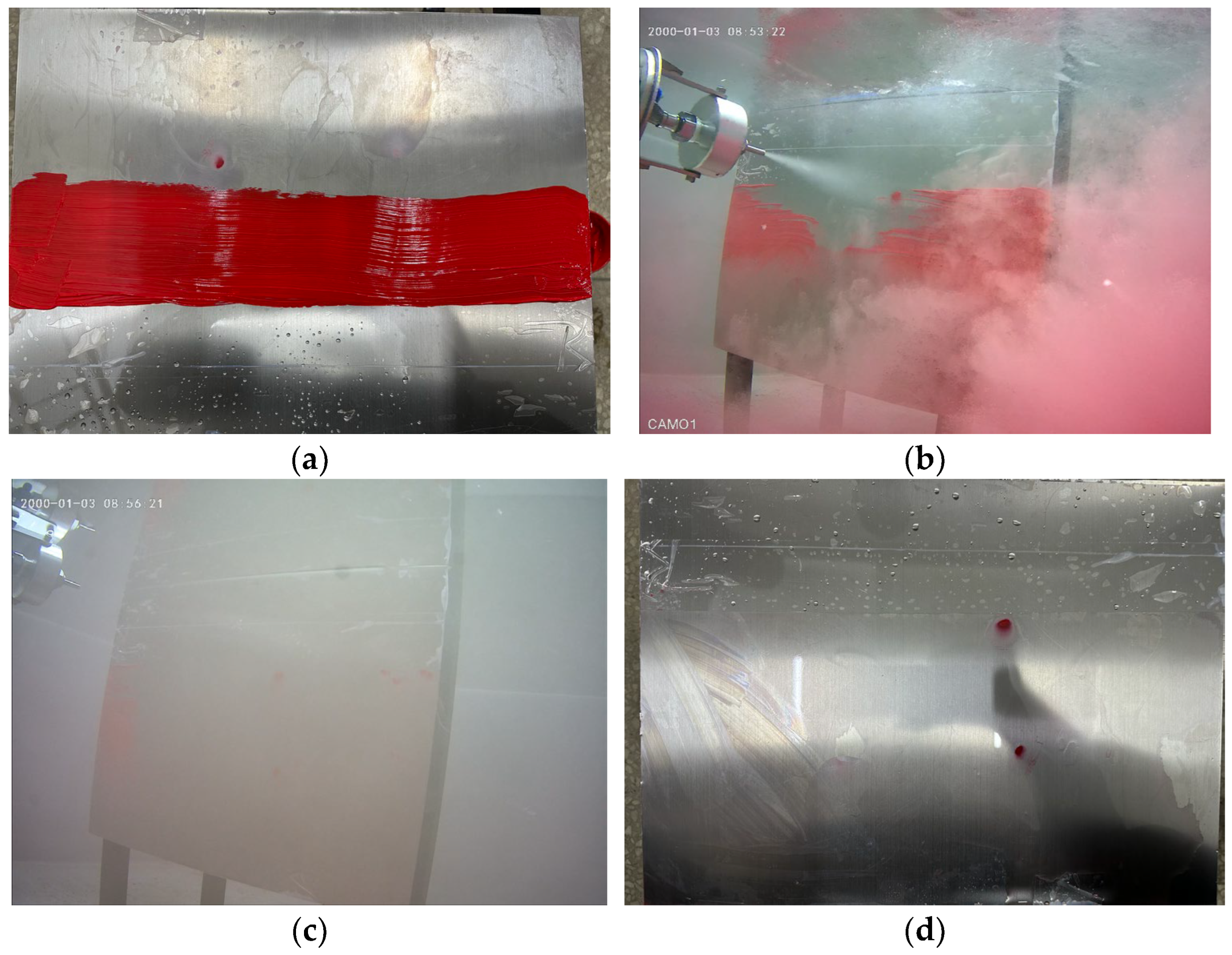
In summary, the experimental results comprehensively validate both the analytical models and practical functionality of the proposed robotic cleaning system. The torque feedback data confirm the accuracy of hydrodynamic simulations and structural adequacy of the design under the expected flow conditions. Successful paint removal demonstrates the effectiveness of the high-pressure water jet cleaning mechanism and precision of the motion-control strategy. Figure 7 illustrates the complete procedure of the cleaning experiment. Collectively, these findings substantiate that the system can operate stably and efficiently under conditions representative of average oceanic currents, providing a viable, safer, and more controllable alternative to diver-dependent hull maintenance during ship voyages. The experimental evidence thus strongly supports the feasibility of deploying such a robotic arm–based system for real-world underwater cleaning tasks.

4. Conclusions

In this study, a comprehensive underwater robotic arm cleaning system for ship hull maintenance is designed and experimentally validated. By establishing a hydrodynamic model based on the Morison equation and conducting fluent dynamic simulations, we confirm that the robotic arm operates within its rated stress limits under average seawater flow velocities, ensuring structural stability. Joint driving torques in fluid environments are successfully analyzed, with the results indicating that Joint 2 bears the primary load, and the calculated factors influencing the hydrodynamic resistance align closely with the simulation predictions. Physical experiments in a simulated underwater environment demonstrate system’s ability to effectively remove acrylic paint, mimicking fouling, on a steel plate using a high-pressure water jet end effector following a controlled trajectory. The cleaning performance is satisfactory, with the feedback torque data collected during motion corroborating the accuracy of the established fluid dynamics model. These findings verify system’s operational feasibility and stability under realistic sailing conditions, providing a promising, efficient, and safer robotic alternative to diver-based hull cleaning and offering valuable insights for the future development of underwater maintenance technologies.
It worth mentioning that the water flow was set to steady laminar flow in the simulation, which differs significantly from the complex, turbulent flow conditions in real marine environments. To address this limitation, full-scale sea trials will be conducted in subsequent research to further validate the accuracy of the dynamic modeling method proposed in this paper.

Author Contributions

Writing—original draft preparation, C.C.; methodology and software, J.F. and W.G.; project administration and funding acquisition, J.H. and X.L. All authors have read and agreed to the published version of the manuscript.

Funding

This work was Supported by the Hubei Provincial Natural Science Foundation of China (Grant No. JCZRQNB202600030).

Institutional Review Board Statement

Not applicable.

Informed Consent Statement

Not applicable.

Data Availability Statement

The data sets used and/or analyzed during the current study are available from the corresponding authors upon reasonable request.

Acknowledgments

We acknowledge the support provided to this study by the Naval University of Engineering in the form of time and facilities.

Conflicts of Interest

The authors declare no conflicts of interest.

References

  1. Zhao, W.; Han, F.; Qiu, X.; Peng, X.; Zhao, Y.; Zhang, J. Research on the identification and distribution of biofouling using underwater cleaning robot based on deep learning. Ocean Eng. 2023, 273, 113909. [Google Scholar] [CrossRef]
  2. Alshabib, M.; Baig, U.; Dastageer, M.A. Super-hydrophilic and underwater super-oleophobic membranes with photocatalytic self-cleaning properties for highly efficient oil-water separation: A review. Desalination 2024, 591, 118019. [Google Scholar] [CrossRef]
  3. Long, J.; Tian, Y.; Chen, W.; Leng, J.; Wang, Y. Locating, trajectory planning and control of an underwater propeller cleaning manipulator. Ocean Eng. 2022, 243, 110262. [Google Scholar] [CrossRef]
  4. Song, C.; Cui, W. Review of underwater ship hull cleaning technologies. J. Mar. Sci. Appl. 2020, 19, 415–429. [Google Scholar] [CrossRef]
  5. Kim, J.; Kim, T.; Song, S.; Sung, M.; Yu, S.C. Parent-child underwater robot-based manipulation system for underwater structure maintenance. Control Eng. Pract. 2023, 134, 105459. [Google Scholar] [CrossRef]
  6. Wei, K.; Zhang, Z.; Zhou, Z. Design of a new composite underwater hull cleaning robot. J. Sea Res. 2024, 198, 102488. [Google Scholar] [CrossRef]
  7. Yoon, S.M.; Hong, S.; Park, S.J.; Choi, J.S.; Kim, H.W.; Yeu, T.K. Track velocity control of crawler type underwater mining robot through shallow-water test. J. Mech. Sci. Technol. 2012, 26, 3291–3298. [Google Scholar] [CrossRef]
  8. Nassiraei, A.A.F.; Masakado, S.; Matsuo, T.; Sonoda, T.; Takahira, I.; Fukushima, H.; Murata, M.; Ichikawa, K.; Ishii, K.; Miki, T. Development of an Artistic Robot “Jumping Joe”. In Proceedings of the 2006 IEEE/RSJ International Conference on Intelligent Robots and Systems, Beijing, China, 9–15 October 2006; IEEE: New York, NY, USA, 2006; pp. 1720–1725. [Google Scholar] [CrossRef]
  9. Hachicha, S.; Zaoui, C. Innovative design of an underwater cleaning robot with a two arm manipulator for hull cleaning. Ocean Eng. 2019, 181, 303–313. [Google Scholar] [CrossRef]
  10. Lais, H.; Lowe, P.S.; Wrobel, L.C.; Gan, T.H. Ultrasonic transducer array performance for improved cleaning of pipelines in marine and freshwater applications. Appl. Sci. 2019, 9, 4353. [Google Scholar] [CrossRef]
  11. Lin, S.; Bi, H.; Weinell, C.E.; Azizaddini, S.; Dam-Johansen, K. Systematic cleaning and evaluation of exposed fouling control coating systems using a novel laboratory scale automated underwater cleaning system. Prog. Org. Coat. 2023, 182, 107712. [Google Scholar] [CrossRef]
  12. Albitar, H.; Dandan, K.; Ananiev, A.; Kalaykov, I. Underwater robotics: Surface cleaning technics, adhesion and locomotion systems. Int. J. Adv. Robot. Syst. 2016, 13, 7. [Google Scholar] [CrossRef]
  13. Chen, L.; Cui, R.; Yan, W.; Xu, H.; Zhao, H.; Li, H. Design and climbing control of an underwater robot for ship hull cleaning. Ocean Eng. 2023, 274, 114024. [Google Scholar] [CrossRef]
  14. Weinstein, T.; Gilon, H.; Filc, O.; Sammartino, C.; Pinchasik, B.E. Automated manipulation of miniature objects underwater using air capillary bridges: Pick-and-place, surface cleaning, and underwater origami. ACS Appl. Mater. Interfaces 2022, 14, 9855–9863. [Google Scholar] [CrossRef]
  15. Mao, J.; Zhou, J.; Xie, F.; Liu, Y.; Song, G.; Song, A. UTC-RS: An underwater tracked cleaning robot system for hydraulic structures. IEEE Robot. Autom. Lett. 2025, 10, 2311–2318. [Google Scholar] [CrossRef]
  16. Nihad, A.; Isaac, T.; Zhang, W. Finite-time extended state observer based nonsingular fast terminal sliding mode control of autonomous underwater vehicles. Ocean Eng. 2020, 218, 108179. [Google Scholar] [CrossRef]
  17. Park, D.; Han, J.-B.; Yeu, T.; Cho, S.-g.; Kim, S.; Kim, H.; Lee, Y. Development of an Autonomous Cleaning Robot with a Hydraulic Manipulator Arm for the Cleaning of Niche Areas of a Ship Hull. J. Mar. Sci. Eng. 2023, 11, 973. [Google Scholar] [CrossRef]
  18. Yu, Y. Research status and future prospects of intelligent underwater vehicle technology. Electron. Prod. 2019, 24–25+55. [Google Scholar]
  19. Spandonidis, C.; Tzioridis, Z.; Petsa, A.; Charanas, N. Maritime Operational Intelligence: AR-IoT Synergies for Energy Efficiency and Emissions Control. Sustainability 2025, 17, 7982. [Google Scholar] [CrossRef]
  20. Ma, Y.; Wu, Y.; Li, Q.; Zhou, Y.; Yu, D. ROV-based binocular vision system for underwater structure crack detection and width measurement. Multimed. Tools Appl. 2023, 82, 20899–20923. [Google Scholar] [CrossRef]
  21. Li, Z.; Zhu, X.; Li, J.; Suo, Y.; Kong, H. Design and performance investigation of a novel spherically-capped ultrasonic focusing transducer. Appl. Acoust. 2025, 240, 110891. [Google Scholar] [CrossRef]
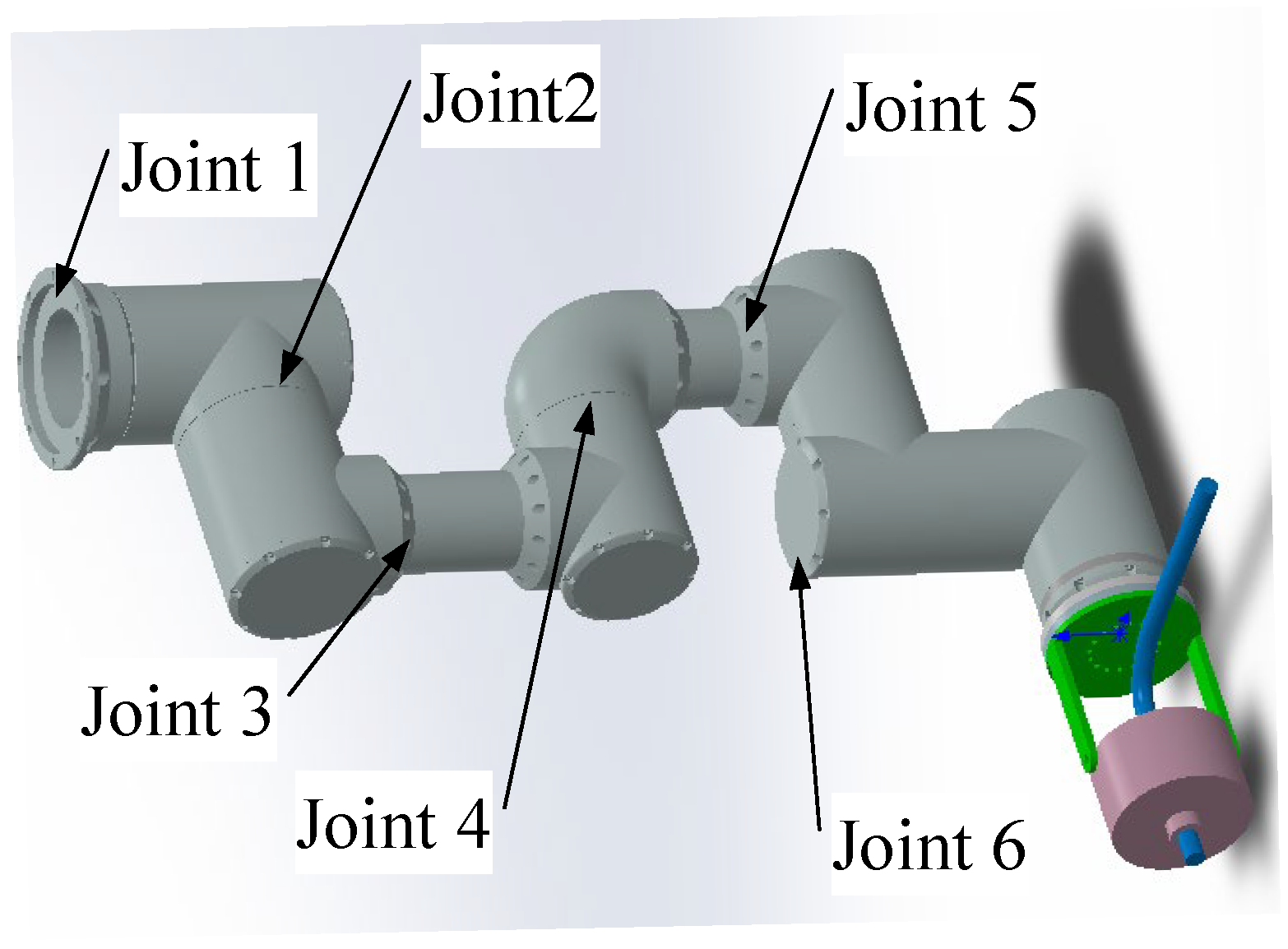
Figure 1. Structure of the underwater robotic arm.
Applsci 16 03222 g001
Figure 2. Simulation model of the underwater robotic arm. (a) Computational domain. (b) Boundary layer.
Applsci 16 03222 g002
Figure 3. Modelling and installation of the water gun at the end of the mechanical arm. (a) 3D model of the water gun. (b) Products of the water gun.
Applsci 16 03222 g003
Figure 4. Drag coefficient. (a) Residual curve during simulation. (b) Drag coefficient curve.
Applsci 16 03222 g004
Figure 5. Simulation results of the robotic arm. (a) Stress distribution. (b) Pressure distribution.
Applsci 16 03222 g005
Figure 6. Driving torque of each joint in water.
Applsci 16 03222 g006
Figure 7. Experimental cleaning process. (a) Initial state. (b) Cleaning. (c) Cleaning complete. (d) Post-processing.
Applsci 16 03222 g007
Table 1. Underwater manipulator technical parameters.
ParametersValue
Weight (kg)17
Working radius (mm)≤650
Operating depth (m)≤20
Control accuracy (mm)±0.05
Maximum payload (kg)5
Rated torque of Joint 1 (N·m)33
Rated torque of Joint 2 (N·m)33
Rated torque of Joint 3 (N·m)15
Rated torque of Joint 4 (N·m)15
Rated torque of Joint 5 (N·m)15
Rated torque of Joint 6 (N·m)15
Table 2. Parameters of spray gun.
ParametersValue
Greatest pressure (MPa)20
Work pressure (MPa)12
Rated power (W)100
Rated voltage (V)24
Pump suction (m)1.5
Open flow (L/min)7
Pump head (m)100
Pump weight (kg)0.65
Table 3. Relationship between flow velocity and water resistance.
Velocity/(m/s)CDWater Resistance/(N)
0.40.482.66
1.03.7716.47
2.013.4465.62
Table 4. Relationship between flow velocity and water resistance torque.
Velocity of Flow/(m/s)Water Resistance Torque/(N·m)
0.20.459
1.08.523
2.032.467
Disclaimer/Publisher’s Note: The statements, opinions and data contained in all publications are solely those of the individual author(s) and contributor(s) and not of MDPI and/or the editor(s). MDPI and/or the editor(s) disclaim responsibility for any injury to people or property resulting from any ideas, methods, instructions or products referred to in the content.