Article

From Lagoons to Biostimulants: Chaetomorpha linum Extracts Enhance Germination Dynamics and Early Seedling Development

1
Department of Biotechnology, Chemistry and Pharmacy, University of Siena, Via A. Moro 2, 53100 Siena, Italy
2
SienabioACTIVE, Via A. Moro 2, 53100 Siena, Italy
3
ARTES 4.0, Viale Rinaldo Piaggio 34, 56025 Pontedera, Italy
*
Author to whom correspondence should be addressed.
These authors contributed equally to this work.
Appl. Sci. 2026, 16(6), 2931; https://doi.org/10.3390/app16062931
Submission received: 15 January 2026 / Revised: 6 March 2026 / Accepted: 18 March 2026 / Published: 18 March 2026
(This article belongs to the Special Issue Analysis of Antioxidant and Bioactive Compounds in Agriculture)

Abstract

Macroalgal biomass accumulation in eutrophic coastal lagoons represents both an environmental challenge and an underexploited bioresource. This study evaluates the biostimulant potential of Chaetomorpha linum (C. linum) harvested in the Orbetello Lagoon (Italy) on tomato (Solanum lycopersicum) seed germination and early seedling development. Four extraction strategies were investigated: a phytohormone-enriched fraction (PO), a hydroethanolic reflux extract (CLE), a room-temperature aqueous maceration extract (CLWM), and a mild-water-bath aqueous extract (CLWB). Bioactivity was assessed through controlled laboratory germination assays, comparing germination performance, seedling growth traits, and vigor index against an untreated control and a commercial fertilizer. Across the tested conditions, aqueous formulations exhibited the strongest overall effects, with CLWB providing the most balanced response and increasing seedling vigor by approximately 20–30% relative to the control. Collectively, these results support the valorization of eutrophic C. linum biomass into natural, low-input biostimulants for seed priming applications within sustainable agriculture and circular economy frameworks.

1. Introduction

Modern agriculture is increasingly required to reconcile high productivity with environmental sustainability. The extensive use of synthetic fertilizers and chemical inputs has contributed to soil degradation, nutrient leaching, and long-term ecological imbalance, accelerating the need for strategies that maintain crop performance while reducing environmental impact [1]. In this context, plant biostimulants have gained prominence as inputs that enhance plant performance by stimulating endogenous physiological processes rather than acting solely as nutrient sources [2]. Biostimulants are commonly defined as substances or microorganisms that, when applied to plants or seeds, improve nutrient use efficiency, stress tolerance, and crop quality independently of their nutrient content [3]. Their effects are typically linked to modulation of hormone signaling, root architecture, enzymatic activity, and antioxidant responses [4]. Biostimulants are also formally recognized within regulatory frameworks, including European Union Regulation 2019/1009 [5]. Among natural sources of biostimulants, marine macroalgae are particularly attractive due to their biochemical diversity and renewable nature [6]. Seaweed-derived products contain a wide range of bioactive constituents, including polysaccharides, amino acids, phenolic compounds, betaines, and hormone-like substances, which can influence plant growth and development [7,8]. To date, most commercial seaweed-based biostimulants are derived from brown macroalgae, such as Ascophyllum, Ecklonia, and Sargassum, and have been associated with improved germination, root development, shoot growth, and tolerance to abiotic stress [9,10,11]. By contrast, green macroalgae remain comparatively underexplored as biostimulant resources despite their abundance and potentially favorable biochemical profiles, largely because research efforts and commercial development have historically focused on brown macroalgae, which dominate the current seaweed-based biostimulant market. In addition, green macroalgae often display a high biochemical variability driven by environmental conditions, which has limited standardization and large-scale exploitation. As a result, biomasses originating from green macroalgal blooms, particularly in eutrophic coastal systems, are frequently treated as waste rather than as functional bioresources. Nevertheless, green macroalgae possess potentially favorable biochemical profiles, characterized by high contents of water-soluble polysaccharides, amino acids, and hormone-like compounds, which support their emerging relevance as sustainable and low-input biostimulant sources. This gap becomes particularly relevant in eutrophic coastal environments, where excessive nutrient loads drive recurrent macroalgal blooms that generate large quantities of biomass often treated as waste [12]. Such systems represent both a persistent environmental challenge and an opportunity for biomass valorization within circular economy frameworks. The Orbetello Lagoon in Central Italy is a representative eutrophic coastal lagoon characterized by limited water exchange and chronic nutrient enrichment. Seasonal macroalgal blooms produce large quantities of biomass, requiring continuous mechanical removal to prevent dystrophic events. Most harvested biomass is currently disposed of, creating economic and logistical burdens. Reframing eutrophic macroalgal proliferation as a renewable bioresource rather than an ecological liability is therefore a strategic priority for sustainable lagoon management [13,14]. Among dominant taxa proliferating in the Orbetello Lagoon, C. linum is particularly abundant [15]. This filamentous green macroalga has a complex biochemical composition that includes lipids, amino acids, polysaccharides, and secondary metabolites with potential biological activity [16]. Seed germination and early seedling establishment are critical developmental phases that strongly influence crop uniformity, vigor, and yield potential. Enhancing these early stages through seed priming strategies is therefore of considerable agronomic interest [17]. Controlled laboratory germination assays provide a reproducible platform to screen candidate biostimulants prior to greenhouse and field testing [18]. Tomato (S. lycopersicum) was selected here as a model crop due to its agronomic relevance, well-characterized germination physiology, and sensitivity to exogenous treatments [19]. Accordingly, this study investigates the biostimulant potential of distinct C. linum extracts on tomato seed germination and early seedling development. Multiple extraction strategies were applied to generate formulations expected to differ in their bioactive composition, including aqueous and hydroethanolic extracts and a phytohormone-enriched fraction. The results indicate that C. linum-derived formulations enhance germination performance and seedling vigor under controlled conditions, with aqueous extracts showing the most consistent overall responses relative to both the untreated control and a commercial fertilizer. These findings highlight the relevance of extraction strategy for functional efficacy and support the valorization of eutrophic macroalgal biomass as a sustainable input for seed priming applications. Overall, the innovation of this study lies in the integrated evaluation of eutrophic C. linum biomass as a functional biostimulant resource rather than as an environmental burden. Unlike most previous studies focused on commercially exploited brown macroalgae or on chemically intensive extraction procedures, this study systematically compares multiple low-input extraction strategies applied to green macroalgal biomass originating from eutrophic blooms. Furthermore, the biostimulant activity is assessed through a comprehensive set of germination and early seedling development parameters, allowing discrimination between effects on germination dynamics and post-germination growth. By coupling biological efficacy with a circular economy perspective, this study provides a novel and sustainable framework for the valorization of green macroalgal waste into seed-priming biostimulant formulations.

2. Materials and Methods

2.1. Experimental Procedures, Laboratory Instruments, and Reagents

All experimental procedures were carried out using standard laboratory equipment. Biomass drying was performed using a laboratory dryer (KW Scientific Devices, Siena, Italy), and dried samples were milled with a high-speed multifunction grinder. Centrifugation steps were conducted using Thermo Scientific centrifuges (Waltham, MA, USA). Freeze-drying was performed with a Lyovapor L-200 lyophilizer (Büchi, Flawil, Switzerland). Reflux extractions were carried out using Pyrex glassware placed on a thermostatic heating mantle (Electro Mantle MA, Electrothermal Engineering Ltd., Rochford, UK) connected to a water-cooled condenser. Solvent removal was performed using a rotary evaporator. High-purity water was obtained from a Millipore Progard 2 Milli-Q water purification system (Sigma-Aldrich, St. Louis, MO, USA). Unless otherwise specified, all reagents and solvents were supplied by Sigma-Aldrich. All aqueous solutions were prepared using Milli-Q grade purified and deionized water.

2.2. Biomass Collection and Sample Preparation

C. linum biomass was collected from the Orbetello Lagoon (Tuscany, Italy) at the end of May 2021, during a period of intense macroalgal proliferation. Fresh biomass was thoroughly washed with distilled water to remove sand, salts, and surface impurities. The cleaned samples were dried in a ventilated desiccator at 50–55 °C until constant weight was achieved. Dried biomass was subsequently milled using a high-speed multifunction grinder to obtain a fine and homogeneous powder suitable for extraction. The powdered material was stored in airtight containers at room temperature until use.

2.3. Extraction Procedures

The four extraction strategies were intentionally selected to generate formulations differing in solvent polarity, extraction energy input, and expected chemical selectivity, thereby enabling a functional comparison of extraction-driven bioactivity profiles.

2.3.1. Phytohormone-Enriched Extract (PO)

To evaluate the contribution of seaweed-derived phytohormones to germination responses and to obtain a fraction enriched in phytohormone-related compounds, both free and bound forms of indole-3-acetic acid, gibberellic acid (GA3), abscisic acid, and zeatin were extracted using a modified protocol reported in a previous study [20]. Briefly, 5 g of dried and powdered C. linum biomass were homogenized with 300 mL of a methanol:chloroform:2 N ammonium hydroxide mixture (12:5:3, v/v/v). After the addition of 125 mL distilled water, the extract was subjected to liquid–liquid partitioning, and the chloroform phase was discarded. Methanol was removed from the methanol–water phase by rotary evaporation. The remaining aqueous phase was sequentially adjusted to pH 2.5, 7.0, and 11.0 using 1 N HCl or 1 N NaOH. After each pH adjustment, extraction with ethyl acetate was performed. Only the corresponding organic phases were collected at each step. The sequential pH adjustments were introduced to favor recovery of compounds differing in acid–base properties and ionization behavior, thereby increasing the likelihood of extracting phytohormone-related molecules with different physicochemical characteristics. The organic fractions obtained at the three pH conditions were combined and evaporated under reduced pressure at 45–50 °C. The resulting residue was used in germination assays. This procedure was designed to maximize recovery of hormone-like compounds for biological evaluation rather than to obtain analytically distinct hormone subclasses. Therefore, the term “phytohormone-enriched” refers to a phytohormone-rich extract, which represents a functional fraction for bioactivity screening.

2.3.2. Hydroethanolic Extract (CLE)

The hydroethanolic extract was obtained by reflux extraction. Ten grams of dried C. linum powder were mixed with 100 mL of an ethanol:water solution (70:30, v/v) in a 200 mL Pyrex round-bottom flask, corresponding to a solid–liquid ratio of 1:10 (w/v). This solid–liquid ratio was selected to ensure efficient extraction under reflux conditions and to obtain sufficient dry extract for subsequent biological assays. Aqueous extractions were performed using different biomass amounts according to their respective protocols; however, all treatments were standardized on a dry extract basis prior to germination experiments. The mixture was refluxed at 80 °C for 3 h under continuous stirring. After extraction, the mixture was transferred to centrifuge tubes and centrifuged at 4000 rpm for 30 min. The supernatant was filtered using a cellulose-based membrane filter with a pore size of 0.45 µm to remove residual particulate material prior to storage, and the solvent was removed by rotary evaporation. The remaining aqueous phase was freeze-dried to obtain the dry extract. The dried CLE was weighed and used to prepare stock solutions for germination assays; applied concentrations are expressed on a dry extract mass basis. Each extraction was performed in duplicate. Aliquots were stored at −32 °C until use.

2.3.3. Water-Maceration Extract (CLWM)

Five grams of dried C. linum powder were suspended in 100 mL of Milli-Q water and gently agitated at room temperature for 48 h to extract water-soluble compounds. The mixture was centrifuged at 3200 rpm for 30 min, and the supernatant was filtered to remove residual particulates. The clarified aqueous extract was stored at −20 °C until further use.

2.3.4. Water-Bath-Assisted Extract (CLWB)

Five grams of dried C. linum powder were mixed with 100 mL of Milli-Q water and incubated in a thermostatically controlled water bath at 40 °C for 30 min under continuous agitation. Following extraction, the mixture was centrifuged at 3200 rpm for 30 min and filtered as described above. The resulting aqueous extract was stored at −20 °C until analysis.

2.4. Laboratory-Scale Germination Assay

The effects of C. linum extracts on seed germination and early seedling development were evaluated using S. lycopersicum seeds under controlled laboratory conditions. Prior to the experiments, seed lot reliability was verified by a standard germination pre-test conducted according to the International Rules for Seed Testing (ISTA). Randomly selected seeds from the same commercial lot were germinated under optimal conditions, and only seed lots showing high germination percentage and normal seedling development were used for subsequent assays. For each treatment, 30 healthy seeds were selected based on uniform size, color, and weight. Seeds were placed in 6-well plates lined with sterile filter paper and a pre-weighed cotton layer (0.420 ± 0.002 g). Each well was initially moistened with 2 mL of Milli-Q water to ensure uniform hydration. For CLE and PO, working solutions were prepared by diluting stock solutions made from dried extracts; concentrations are reported as µg of dry extract per mL of treatment solution (µg/mL). For CLWM and CLWB, working solutions were prepared as percentage dilutions of the corresponding aqueous extract stocks. For all formulations, treatment intensity is expressed as concentration of dry extract (µg/mL) or percentage dilution of extract stock in the final germination medium; doses do not refer to algal biomass equivalents. Therefore, all reported doses refer to extract concentration in the applied treatment solution, not to the initial algal biomass used for extraction. In detail, for treated groups, the different extract concentrations were prepared by dilution in Milli-Q water, and the treatment solutions were directly applied to the wells (2 mL per well) in place of water at the beginning of the assay. Control wells received the same volume of Milli-Q water only.

2.5. Experimental Design and Optimization of Treatment Conditions

A preliminary screening experiment was conducted to identify the most effective extract concentrations. Seeds were divided into 16 treatment groups, including different concentrations of C. linum extracts, a commercial fertilizer used as a positive control, and distilled water as a negative control. Germination assays were performed using sterile filter paper and pre-weighed sterile cotton layers, and the short incubation time was adopted to minimize microbial contamination; seeds were not surface-sterilized to avoid introducing additional stress factors that could interfere with germination responses. Plates were incubated in a controlled growth chamber at 26 ± 2 °C under dark conditions, and germination was monitored daily (24 h) for five days. A seed was considered germinated when radicle length reached at least 2 mm. Total germination percentage (TG) was calculated as TG (%) = (number of germinated seeds/total number of seeds) × 100. While, the vigor index (VI) was calculated as the product of total germination percentage and total seedling length (VI = TG × TSL), providing an integrated measure of germination performance and early seedling growth. During the screening phase, total germination percentage, mean root length, mean shoot length, and total seedling length were recorded. Based on the combined evaluation of these parameters, one representative concentration per extract was selected for subsequent experiments.

2.6. Follow-Up Experiments

Two additional experiments were performed using the selected concentrations to confirm reproducibility of the observed effects. In these experiments, additional germination parameters were recorded, including daily (24 h) germination percentage and germination rate. Each experimental condition consisted of 30 seeds per replicate, and all experiments were performed in duplicate.

2.7. Statistical Analysis

All experiments were conducted in duplicate. Data are expressed as mean ± standard deviation. Statistical analyses were performed using GraphPad Prism 9.0 software (GraphPad Software, San Diego, CA, USA). Differences among treatments were assessed using unpaired t-tests or one-way analysis of variance followed by Tukey’s post hoc test. Differences were considered statistically significant at p ≤ 0.05; very small p-values generated by the statistical software are reported as p < 0.0001, indicating values well below this threshold. Values are expressed relative to the untreated control (set to 100%); values above 100% indicate improved germination compared with the control.

3. Results

Four extracts obtained from C. linum biomass using different extraction methodologies were employed throughout subsequent biological assays. These included a phytohormone-enriched fraction (PO), a hydroethanolic reflux extract (CLE), a room-temperature aqueous maceration extract (CLWM), and a mild-water-bath aqueous extract (CLWB). Since extraction strategy can influence the functional profile of the resulting formulation, these preparations were evaluated to determine how extract type and concentration affect seed germination and early seedling development under controlled laboratory conditions.

3.1. Total Germination Percentage (TG) of S. lycopersicum Seeds

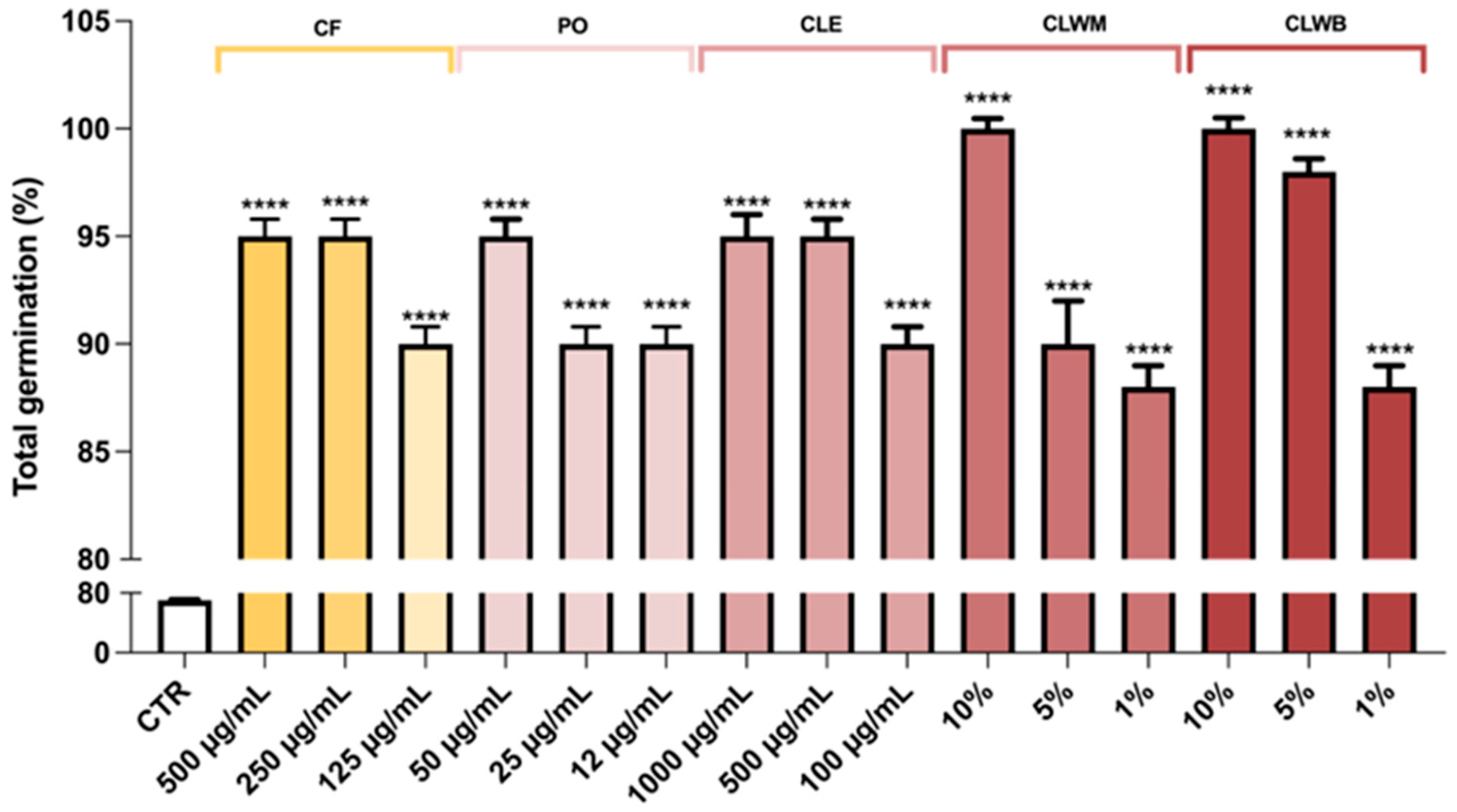
Total germination percentage (TG) was used to quantify the final germination outcome of S. lycopersicum seeds treated with C. linum-derived formulations (Figure 1). Application of the commercial fertilizer (CF) resulted in TG values between 90% and 95% at concentrations of 125, 250, and 500 µg/mL, corresponding to increases of up to 35.7% relative to the control. The highest CF-induced germination was observed at 250 and 500 µg/mL, both reaching 95% TG. Treatment with the phytohormone-enriched fraction (PO) produced comparable improvements, with TG reaching 95% at 50 µg/mL and remaining around 90% at 25 and 12.5 µg/mL, indicating a stable response across the tested range. The hydroethanolic extract (CLE) also increased TG, yielding values between 90% and 95% across 100–1000 µg/mL, with 500 and 1000 µg/mL reaching 95%. The strongest effects were observed for aqueous extracts: both CLWM and CLWB at 10% achieved complete germination (100%), while CLWB at 5% reached 98%. At lower concentrations, CLWM 1% and CLWB 1% resulted in TG values of approximately 88%, which remained markedly higher than the control.

3.2. Total Seedling Length (TSL) of S. lycopersicum Seeds

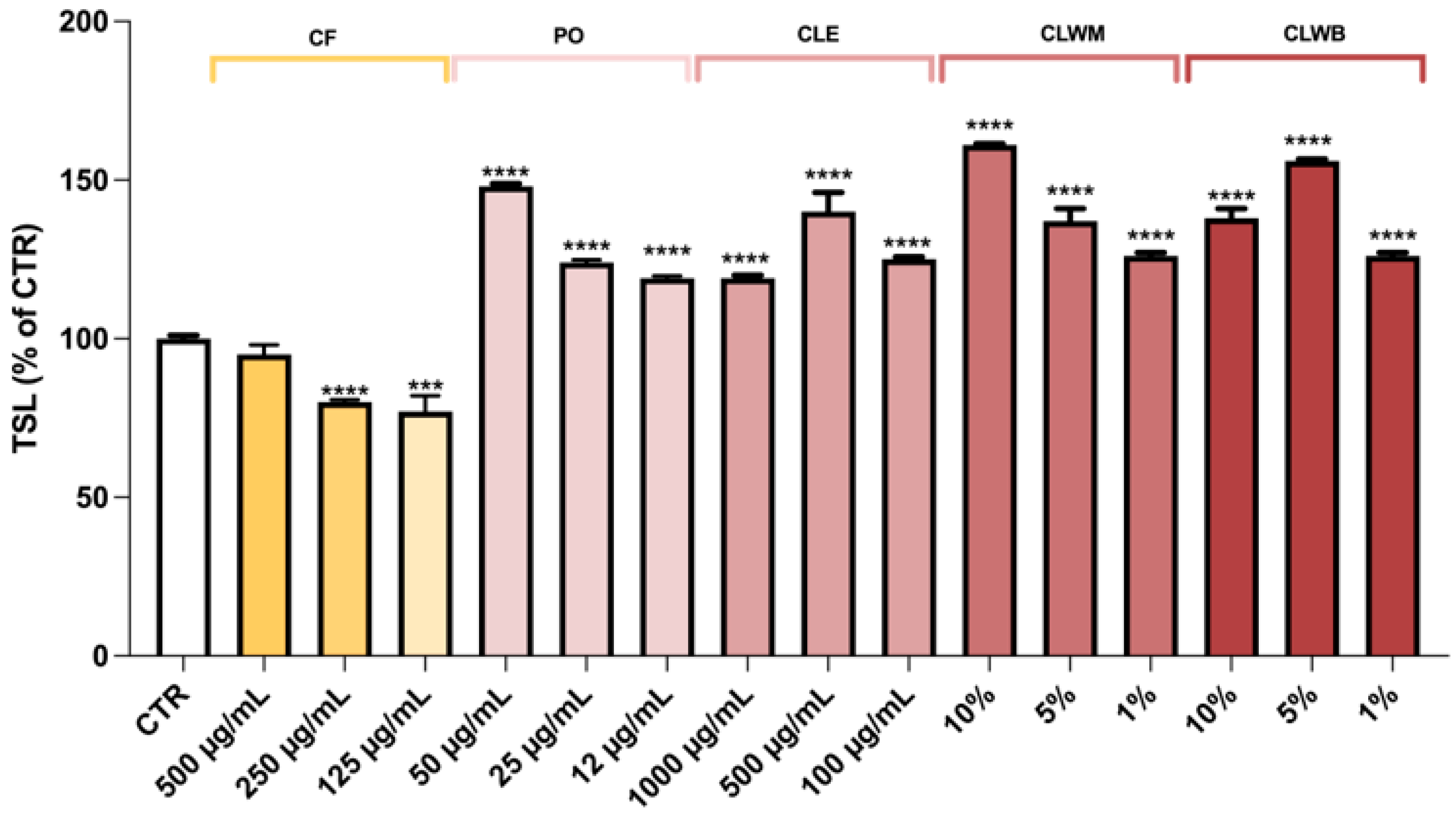
Total seedling length (TSL) was evaluated as an integrated indicator of early seedling development, capturing the combined contribution of shoot and root elongation (Figure 2). Aqueous formulations produced the strongest effects on seedling elongation. CLWM at 10% yielded the highest TSL (161% relative to the control). CLWB also showed marked activity, with 5% reaching 156%, slightly exceeding the 10% treatment (138%). Across aqueous extracts, the 5–10% range therefore emerged as the most effective for enhancing early seedling growth. In addition, PO and CLE substantially increased TSL, with PO 50 µg/mL reaching 148% and CLE 500 µg/mL reaching 140%. Other concentrations, including PO 25 µg/mL (124%), CLE 100 µg/mL (125%), and CLE 1000 µg/mL (119%), also improved elongation, although to a lesser extent. Lower aqueous concentrations, such as CLWM 1% and CLWB 1%, maintained notable increases (both 126%). In contrast, CF produced only moderate effects, ranging from 77% to 95%, with the highest response at 500 µg/mL (95%), substantially lower than several seaweed-derived treatments.

3.3. Shoot Length (SL) of S. lycopersicum Seeds

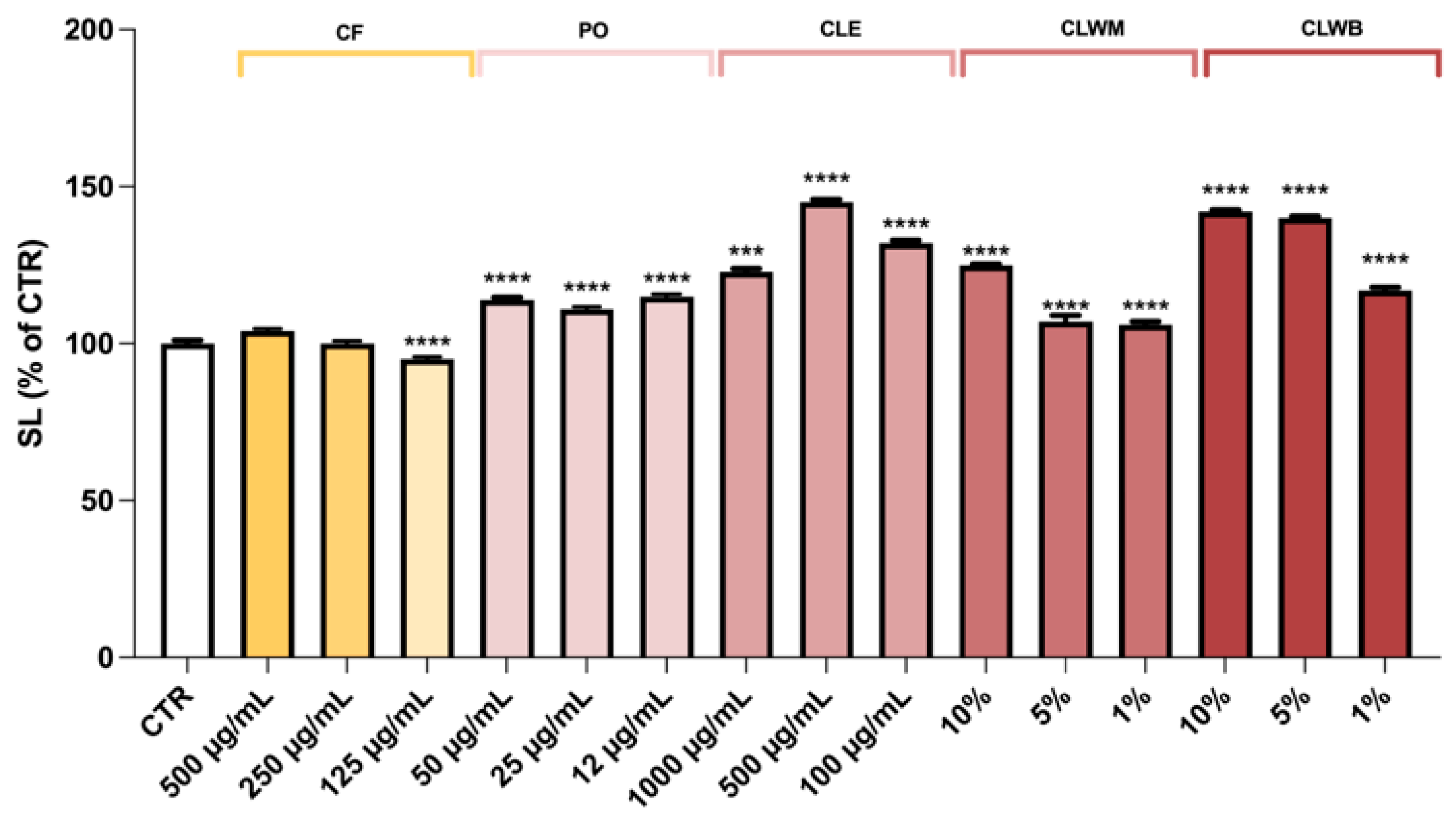
To quantify shoot development, relative shoot length (SL) was measured across treatments (Figure 3). The strongest stimulation of shoot elongation was observed for CLE, with CLE 500 µg/mL reaching 145% relative to the control. Aqueous extracts also enhanced SL, with CLWB 10% and 5% reaching 142% and 140%, respectively. CLE 100 µg/mL remained effective (132%). PO induced moderate increases (111–115%), with PO 12.5 µg/mL slightly outperforming higher doses. By comparison, CF treatments showed marginal effects, with a maximum SL of 104% at 500 µg/mL and values close to or below the control at other concentrations. Notably, CLWM 10% showed exceptional performance in TSL while exhibiting a lower SL (125%), indicating that the total elongation response was not primarily driven by shoot growth.

3.4. Root Length (RL) of S. lycopersicum Seeds

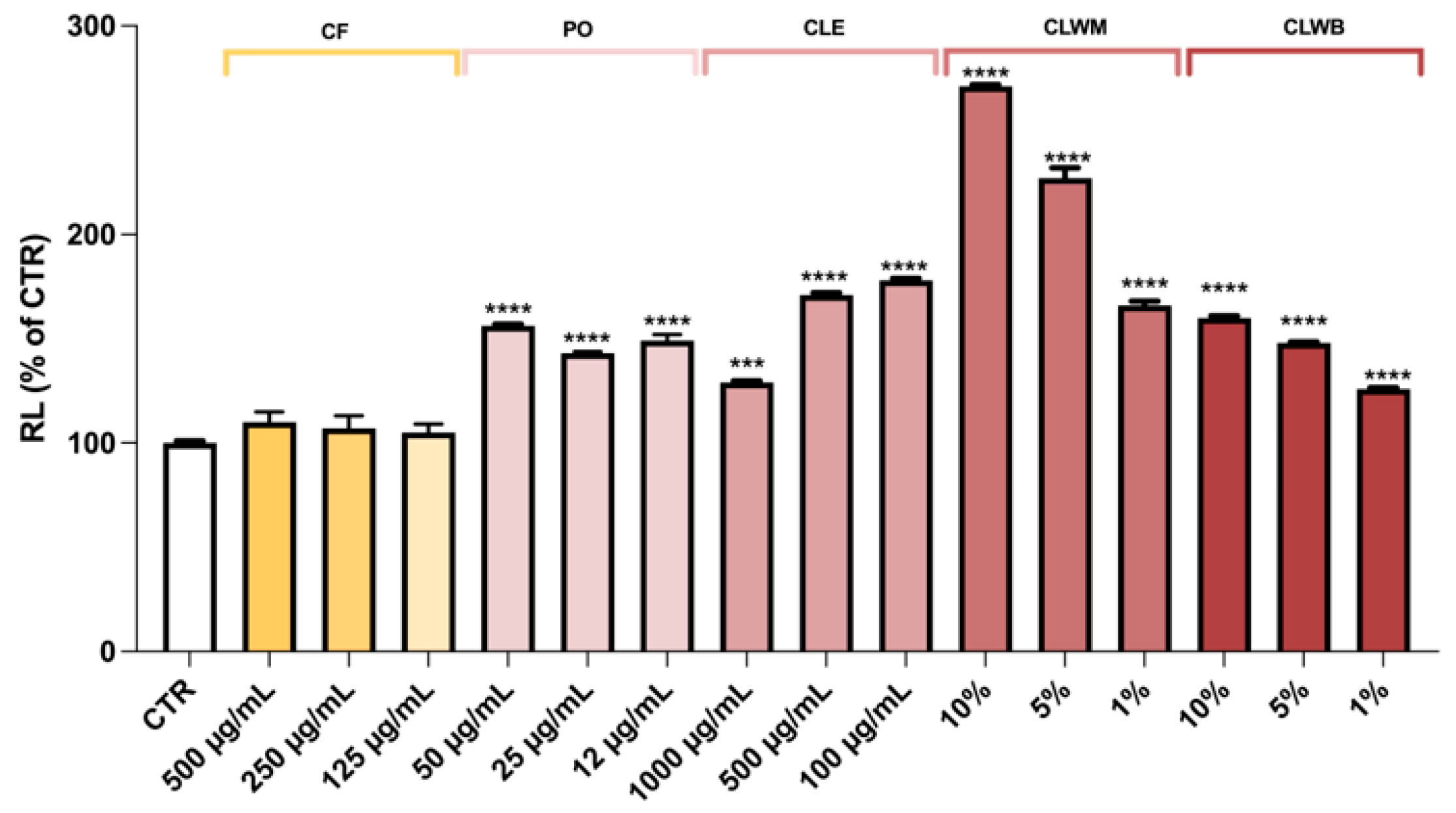
Root length (RL) was measured to assess the effect of C. linum formulations on early root system development (Figure 4). CLWM at 10% produced the most pronounced response, reaching 271% relative to the control. Strong root promoting effects were also maintained at lower CLWM concentrations, with 5% and 1% reaching 227% and 166%, respectively, consistent with a robust concentration-dependent response. CLWB also promoted root elongation, with 10% and 5% reaching 160% and 148%. CLE showed consistent activity across concentrations, with 100 and 500 µg/mL reaching 178% and 171%, and 1000 µg/mL also producing a marked increase. PO treatments resulted in RL values between 143% and 156%. In contrast, CF produced only modest improvements (105–110%), indicating limited effects on root elongation compared with seaweed-derived formulations.

3.5. Evaluation of Germination and Early Seedling Development

Following the screening phase, one representative concentration for each formulation was selected for deeper evaluation of germination dynamics and early seedling development. Selection was based on the combined assessment of TG, GR, and growth-related parameters (SL, RL, and TSL). CLWM at 10% provided the strongest overall performance, combining the highest RL (271%) with robust SL (125%) and the highest TSL (161%). CLE at 500 µg/mL showed a well-balanced stimulatory profile, yielding SL of 145% and RL of 171%, with TSL reaching 140%. PO at 50 µg/mL enhanced vigor primarily through root stimulation (RL of 156%), resulting in TSL of 148%. CLWB at 10% produced consistent improvements across parameters (SL of 140%, RL of 148%, TSL of 140%), supporting its selection as a stable candidate. In contrast, CF at 250 µg/mL was included because it performed strongly for TG (90%) during screening, although it did not improve elongation traits relative to seaweed formulations; its inclusion enables a direct comparison between standard commercial input and natural algal based treatments. Using these selected concentrations, subsequent experiments focused on germination dynamics (TG, GR, GP) and seedling growth traits (SL, RL, TSL) and derived vigor index metrics.

3.6. Total Germination Percentage and Extract Potency

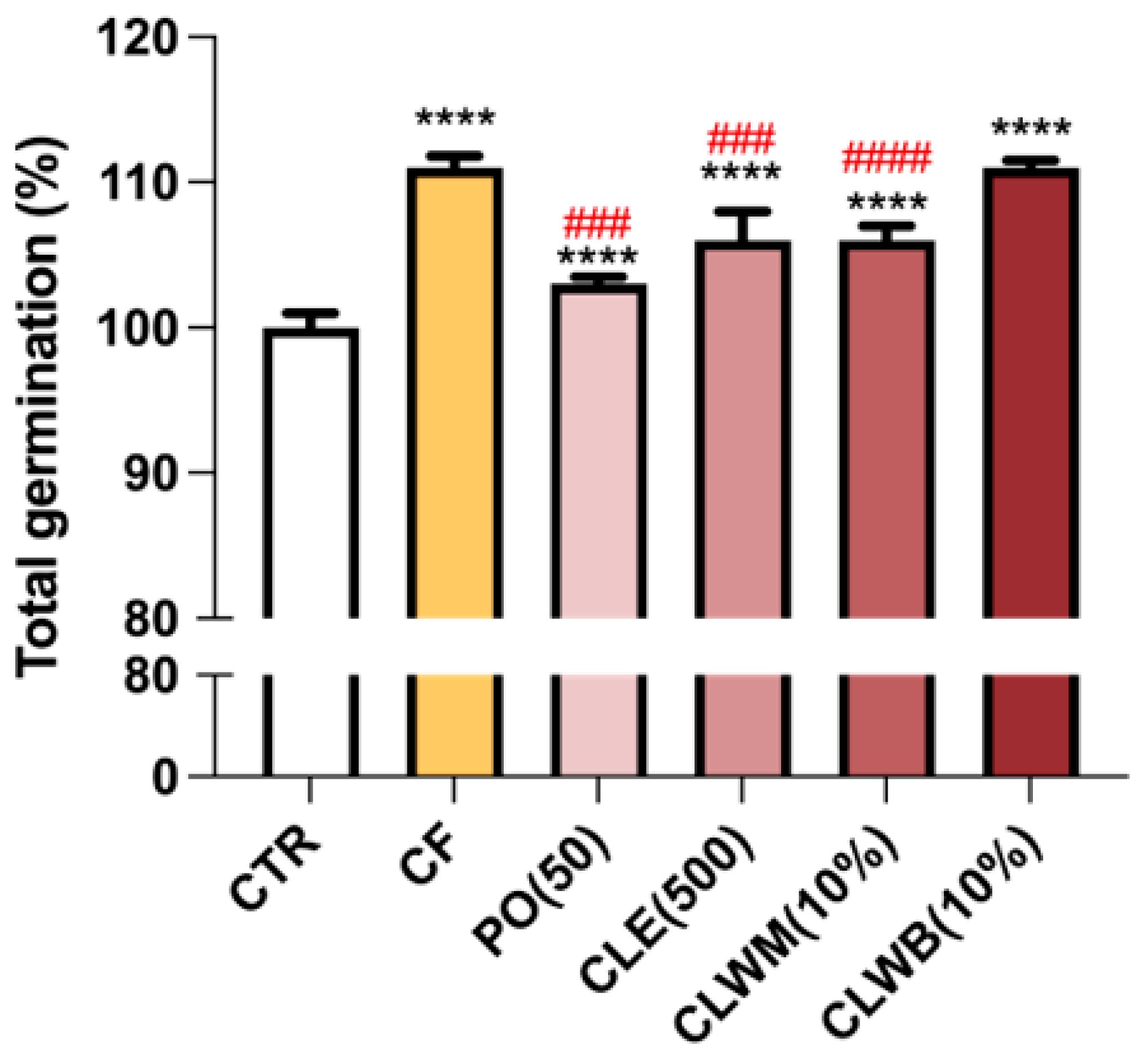
Once representative concentrations were selected, TG was re-evaluated to quantify extract potency under the follow-up conditions (Figure 5). CLWB 10% and CF produced the highest TG values, both exceeding 110% relative to the untreated control. PO 50 µg/mL, CLE 500 µg/mL, and CLWM 10% also significantly increased TG compared with the control, although to a slightly lower extent. Overall, all selected C. linum formulations enhanced final germination performance relative to the untreated control.

3.7. Germination Rate

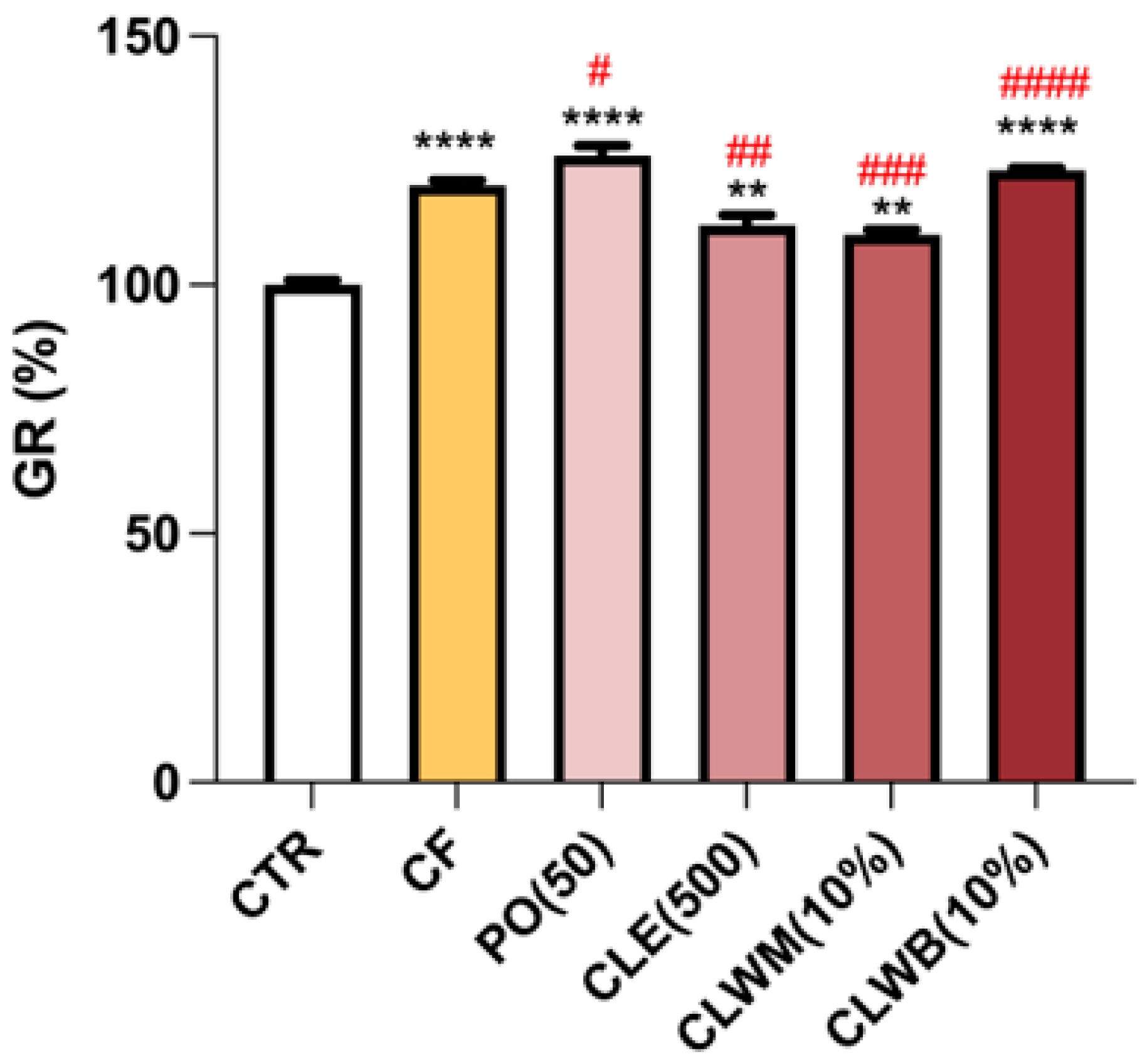
Germination rate (GR) was analyzed to assess germination speed and uniformity (Figure 6). The highest GR values were achieved by PO 50 µg/mL (126%) and CLWB 10% (123%), followed by CLE 500 µg/mL (112%) and CLWM 10% (110%). CF reached 120%. Notably, PO and CLWB exceeded the positive control, indicating a stronger effect on accelerating and synchronizing germination. Since GR did not necessarily mirror TG across all treatments, these results highlight the value of multi-parameter germination assessment for discriminating treatment specific effects.

3.8. Germination Percentage over Time (GP)

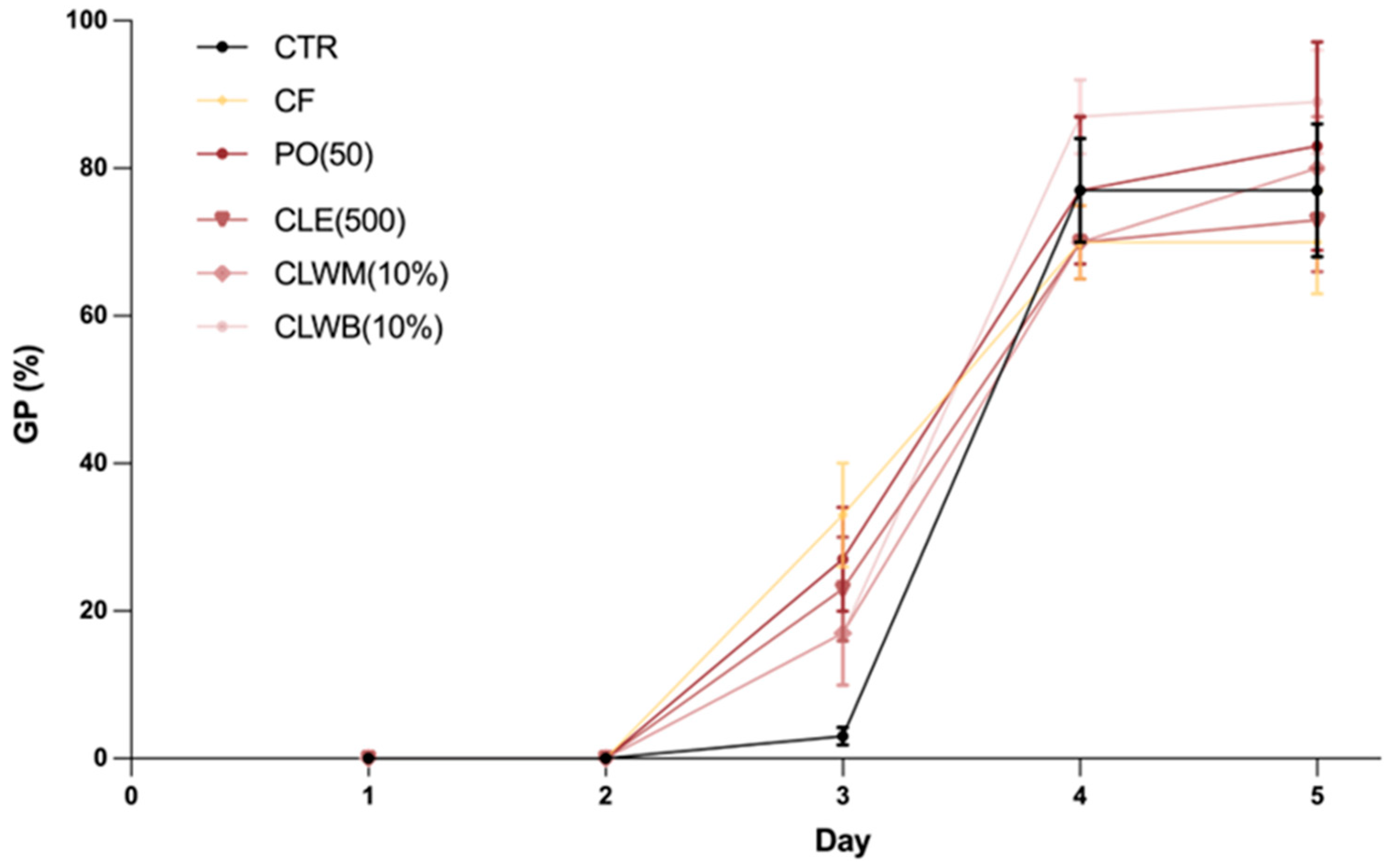
Daily germination progression (GP) was monitored to capture differences in germination timing and trajectory among treatments (Figure 7). Germination remained minimal across all groups during Days 0–2. By Day 3, CF induced the earliest increase, reaching approximately 30–35%, while all C. linum formulations also showed a rapid rise; the control remained low at this time point. By Day 4, CLWB 10% reached the highest GP (approximately 85%), while PO 50 µg/mL, CLE 500 µg/mL, and CLWM 10% ranged between 75% and 80%. The control and CF remained lower (approximately 70–75%). At Day 5, CLWB 10%, PO 50 µg/mL, and CLWM 10% achieved the highest final GP values, followed closely by CLE 500 µg/mL. In contrast, CF, despite promoting earlier germination, reached a final GP comparable to or slightly lower than the control, indicating that its primary effect was on timing rather than overall germination success.

3.9. Total Seedling Length (TSL)

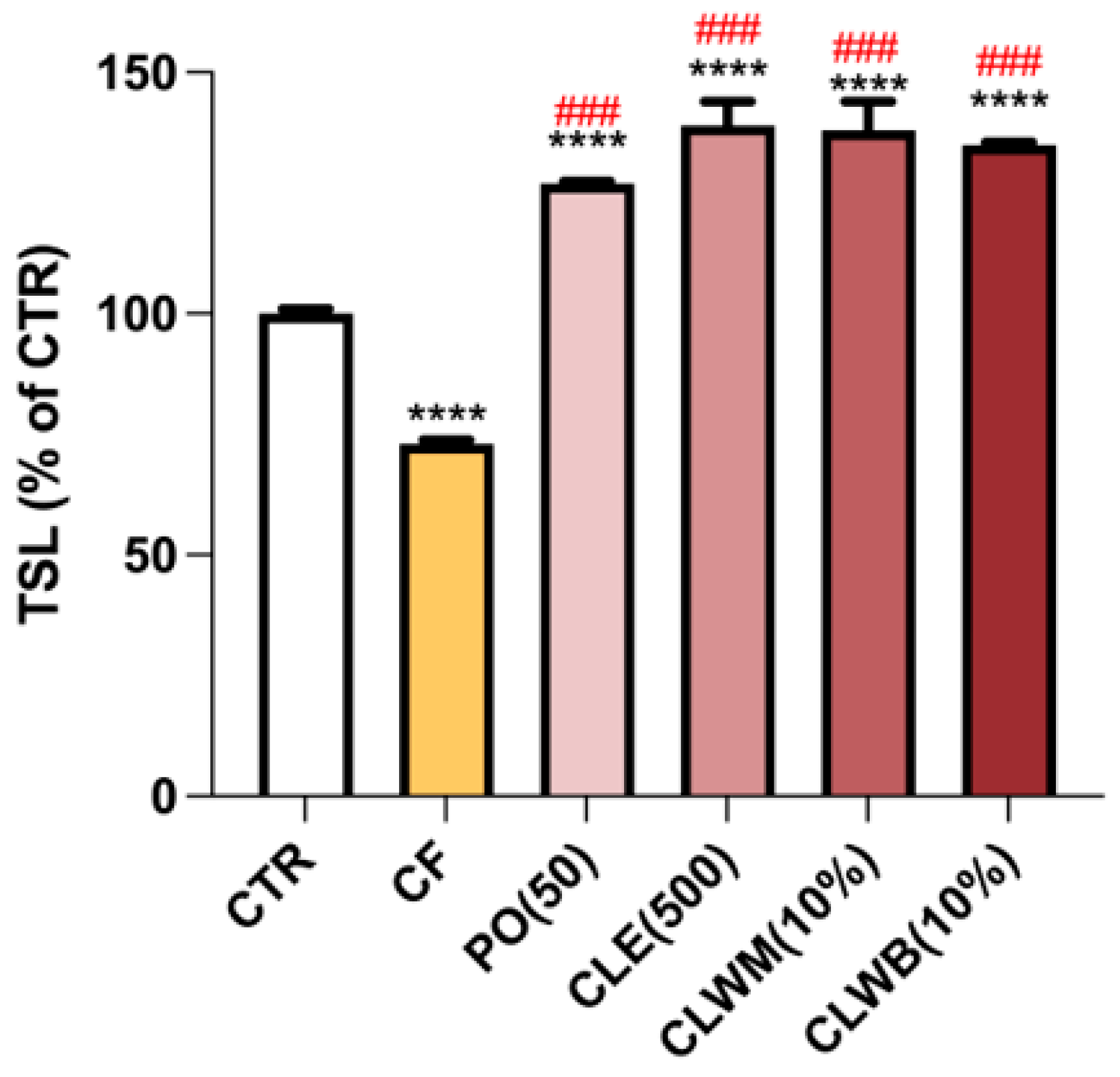
Seedling elongation under the selected conditions was quantified using total seedling length (TSL) (Figure 8). All C. linum extracts increased TSL relative to the untreated control, reaching approximately 130–140% across PO 50 µg/mL, CLE 500 µg/mL, CLWM 10%, and CLWB 10%. In clear contrast, CF produced the lowest elongation response, with mean TSL values around 70% of the control. These results indicate that, unlike the commercial fertilizer, C. linum formulations support sustained post-germination growth in addition to influencing germination dynamics.

3.10. Shoot and Root Development

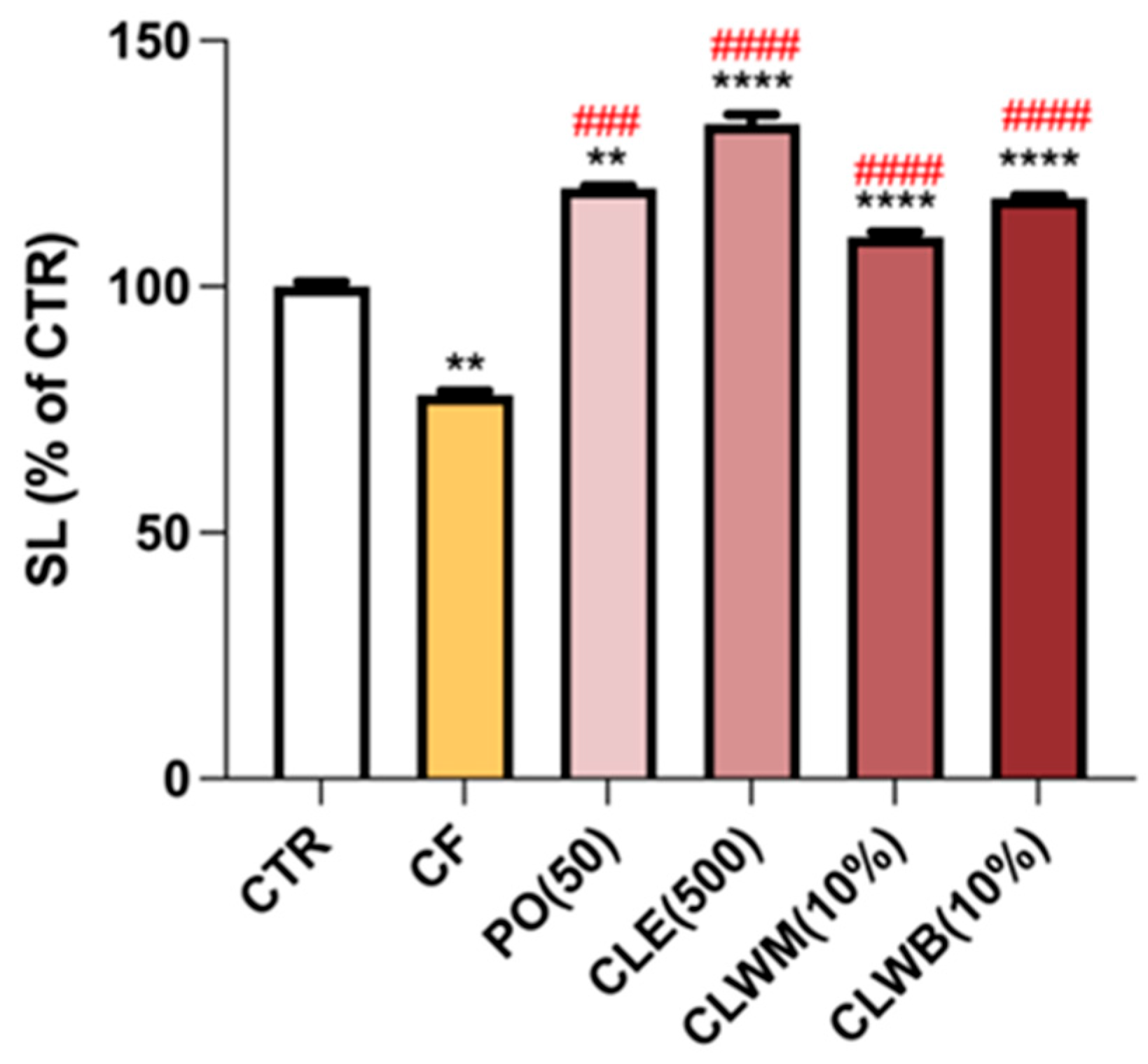
To dissect the contribution of above- and below-ground growth, shoot length (SL) and root length (RL) were evaluated separately. For SL, CLE 500 µg/mL produced the largest increase (approximately 145%), while CLWB 10% and PO 50 µg/mL also performed strongly (approximately 140% and 120%); CLWM 10% remained effective but slightly lower. CF induced only modest changes relative to the control (Figure 9).
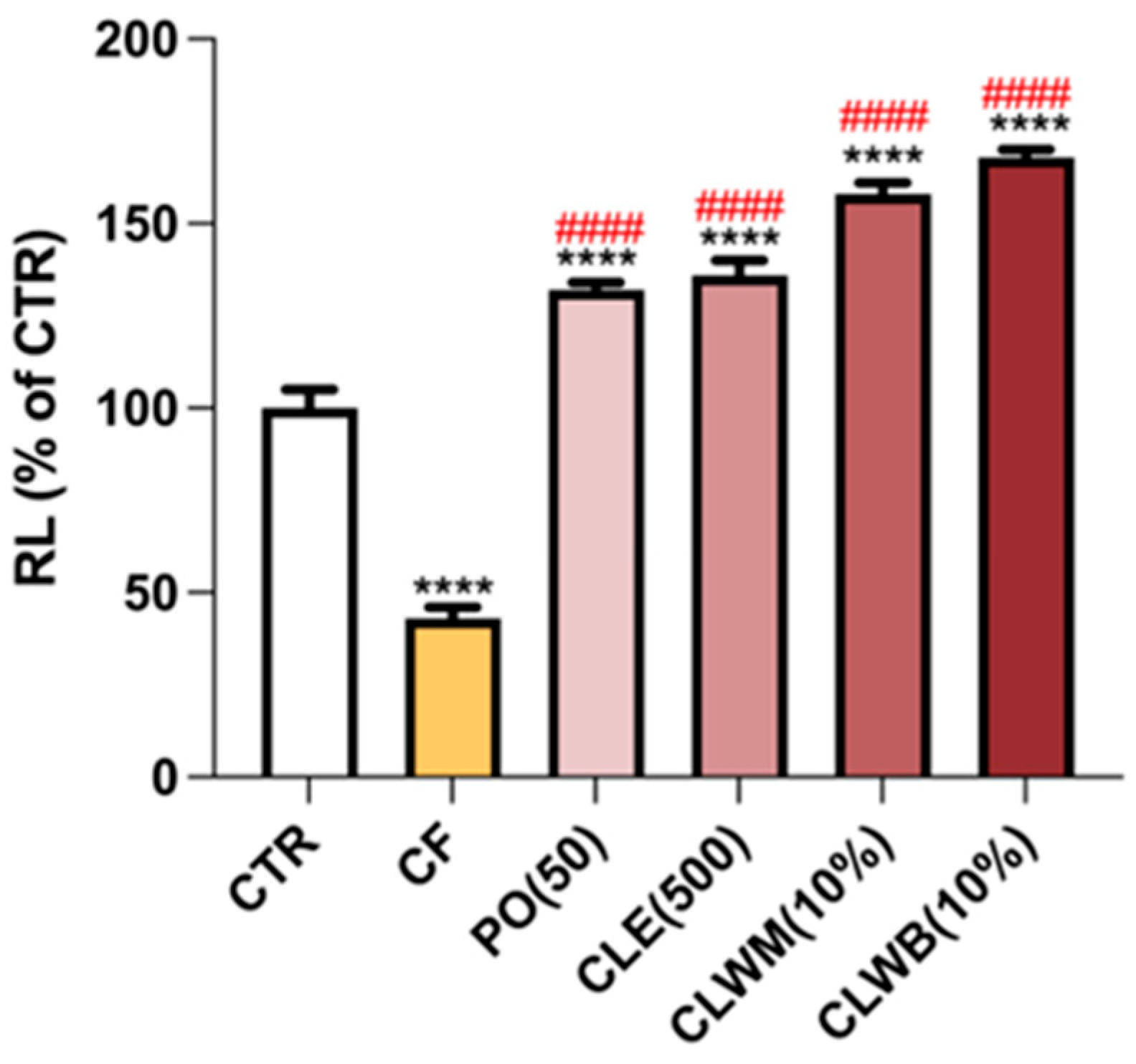
Root elongation was consistently promoted by C. linum extracts, with the strongest effects observed for CLWM 10% and CLWB 10% (approximately 155–165%). PO 50 µg/mL and CLE 500 µg/mL also increased RL (exceeding 130%). CF did not meaningfully improve RL, confirming limited effects on root system development relative to seaweed-derived treatments (Figure 10).

3.11. Vigor Index (VI) of S. lycopersicum Seeds

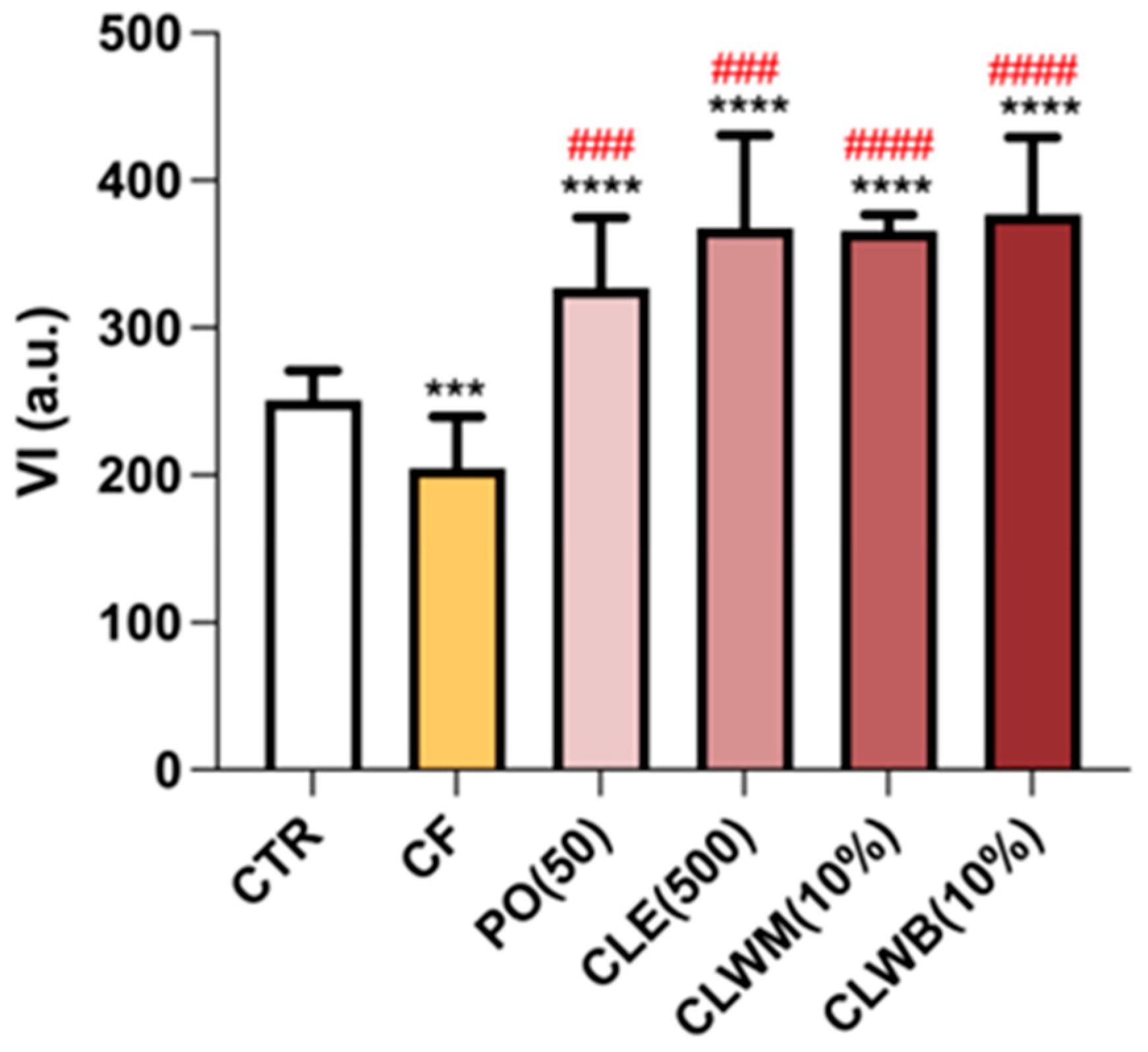
Vigor index (VI) was calculated as a composite metric integrating TG and TSL to capture overall seedling robustness and establishment potential (Figure 11). All C. linum extracts increased VI relative to both the untreated control and the commercial fertilizer. CLWB 10% produced the highest VI, followed by CLE 500 µg/mL and CLWM 10%, with PO 50 µg/mL also remaining strongly effective. CF showed the lowest VI among treated groups, reflecting limited contribution to post-germination growth despite effects on germination timing.

4. Discussion

The present study provides a focused biological evaluation of the biostimulant potential of C. linum extracts on seed germination and early seedling development of S. lycopersicum. The experimental framework was intentionally conceived as a first-stage, proof-of-concept investigation aimed at determining whether extracts obtained from eutrophic C. linum biomass commonly regarded as an environmental burden are capable of eliciting consistent and biologically meaningful effects during the earliest phases of plant establishment. In the present design, the commercial fertilizer was included as a practical agronomic reference rather than as a mechanistic positive control for biostimulant activity. Therefore, this study does not allow a strict discrimination between nutritional effects and regulatory or hormone-like mechanisms. The results should be interpreted as evidence of biological efficacy under controlled conditions rather than as definitive proof of specific biostimulant modes of action. The present study was designed as a functional bioactivity screening based on extract concentration in the germination medium. Comparisons among extracts were conducted at defined exposure concentrations in the germination medium rather than on a biomass-equivalent basis. This approach was intentionally adopted to evaluate functional potency of each formulation as applied, independent of extraction yield. Therefore, this study assesses biological efficacy per unit of administered extract, not extraction efficiency per unit of algal biomass. Differences in extraction yield among methods were not used for dose normalization, as the objective was to compare biological responses to defined exposure concentrations rather than biomass-equivalent inputs. Within this context, this study prioritizes functional biological responses over mechanistic or compositional details, establishing a rational basis for subsequent targeted analyses. By integrating multiple complementary germination and growth parameters, including final germination percentage, germination rate, temporal germination dynamics, shoot and root elongation, total seedling length, and vigor index, this study captures both the timing and quality of early developmental responses [21]. Such multidimensional approaches are widely recognized as necessary in biostimulant screening, as reliance on single germination metrics may fail to capture treatment-specific effects on post-germination development [22]. In this context, the results clearly demonstrate a functional separation between treatments that primarily influence germination kinetics and those that support sustained seedling growth. The commercial fertilizer used as a reference treatment promoted earlier germination onset and increased germination rate; however, these effects were not accompanied by enhanced shoot or root development. Similar dissociations between rapid germination and subsequent biomass accumulation have been reported when conventional inputs are applied during early developmental stages [23]. Consequently, seedlings exposed to the fertilizer exhibited comparatively low total seedling length and vigor index values, indicating limited support for early biomass accumulation. This observation highlights a known limitation of nutrient-driven approaches when evaluated beyond initial emergence [24]. In contrast, C. linum extracts consistently improved both germination dynamics and post-germination growth, suggesting a broader and more integrated bio-phytostimulant action. Seaweed-derived formulations have been widely reported to influence multiple stages of early plant development through low-dose bioactive compounds rather than direct nutrient supply [25,26]. Although the extraction strategies applied in this study were designed to favor the recovery of hormone-related compounds, no targeted analytical quantification of phytohormones was performed. Therefore, any reference to hormone-like activity should be interpreted as a functional hypothesis based on biological response patterns rather than as direct chemical evidence. In the present study, aqueous extracts displayed particularly strong and reproducible effects, demonstrating that simple, low-energy extraction strategies are sufficient to recover biologically active components from eutrophic C. linum biomass. Among the tested formulations, CLWB emerged as the most balanced treatment, simultaneously enhancing germination percentage, germination rate, shoot elongation, and root development. Coordinated improvements across multiple parameters are commonly associated with effective biostimulant activity during early plant establishment. Temporal analysis further revealed that CLWB sustained elevated germination levels throughout the experimental period, suggesting a persistent stimulatory effect rather than a transient acceleration of emergence. In contrast, CLWM exhibited a distinct functional profile characterized by the pronounced stimulation of root elongation. Early root system expansion is a critical determinant of seedling establishment, as it enhances water uptake, nutrient acquisition, and anchorage [27]. The preferential promotion of below-ground development observed for CLWM suggests that the extraction methodology can selectively bias developmental outcomes, an aspect increasingly recognized as relevant for tailoring biostimulant formulations toward specific agronomic objectives [28]. The hydroethanolic extract CLE displayed a broad and well-balanced stimulatory effect across germination and growth parameters, consistently enhancing shoot length, root length, and total seedling length. Hydroethanolic extraction is known to recover a wider spectrum of bioactive compounds, potentially enabling synergistic effects on multiple physiological processes governing early plant development [29]. Conversely, the phytohormone-enriched fraction (PO) primarily influenced germination rate and root elongation, suggesting activity compatible with hormone-related effects, although no direct analytical confirmation of phytohormone content was performed in the present study. Such response patterns are consistent with previously reported phenotypic responses associated with the early developmental regulation of germination speed and root initiation [30]. Integration of germination and growth parameters into the vigor index provided a useful synthetic indicator of overall treatment performance. Composite indices combining germination efficiency and seedling growth are widely employed to assess early establishment potential in biostimulant studies. Treatments combining efficient germination with sustained shoot and root elongation consistently achieved the highest vigor index values, while the comparatively low vigor index associated with the commercial fertilizer confirms that rapid germination alone is insufficient to support robust early seedling establishment [31]. From an applied perspective, these findings demonstrate that biologically active extracts can be obtained from eutrophic C. linum biomass using simple extraction procedures, supporting the feasibility of low-cost and environmentally compatible biostimulant production. The extraction-dependent functional diversity observed among treatments further indicates that C. linum biomass can be valorized into differentiated formulations tailored to specific agronomic needs, including enhanced emergence, improved root development, or balanced early growth. The present study was not intended to provide detailed chemical characterization of the extracts, enzymatic profiling, or mechanistic elucidation of the observed responses. Establishing biological efficacy prior to compositional or molecular investigation is a widely adopted strategy in early-stage biostimulant research. Chemical characterization, standardization, and validation under greenhouse and field conditions represent essential next steps to assess agronomic relevance and scalability. Several limitations of the present study should be explicitly acknowledged. First, no targeted chemical characterization or quantitative profiling of phytohormones, polysaccharides, or other bioactive constituents was performed. Consequently, the mechanistic interpretation of the observed biological effects remains inferential and based on functional response patterns rather than direct compositional evidence. Second, extraction yields were not used to normalize treatments on a biomass-equivalent basis; comparisons were performed at defined exposure concentrations in the germination medium. Third, although experiments were conducted in duplicate and included 30 seeds per replicate, the replication design remains limited to controlled laboratory conditions and does not capture environmental variability. Therefore, extrapolation to greenhouse or field performance must be considered preliminary. Future investigations will be necessary to fully substantiate agronomic applicability. Overall, the consistency of the responses across multiple independent parameters provides robust experimental evidence, within a controlled laboratory framework, supporting the use of C. linum extracts as effective natural biostimulants for seed priming applications. Future investigations should include a direct comparison with established commercial biostimulant formulations and incorporate targeted chemical and physiological analyses to clarify the specific mechanisms underlying the observed effects. By demonstrating that eutrophic C. linum biomass can be transformed from an environmental burden into a functional agricultural input, this study contributes to the development of sustainable and circular approaches to early crop establishment.

5. Conclusions

This study demonstrates that extracts derived from eutrophic C. linum biomass exhibit strong and consistent biostimulant activity on seed germination and early seedling development of S. lycopersicum. Through the integrated analysis of germination dynamics, shoot and root elongation, total seedling length, and vigor index, this study provides a comprehensive and robust evaluation of early plant establishment responses. Across all evaluated parameters, C. linum-derived formulations outperformed both the untreated control and the commercial fertilizer. Aqueous extracts showed the highest overall efficacy, with CLWB emerging as the most balanced formulation, simultaneously enhancing germination efficiency, synchronization, and seedling growth. CLWM displayed a distinct functional profile characterized by exceptionally strong stimulation of root elongation, highlighting its potential relevance for improving early nutrient acquisition and stress resilience. The hydroethanolic extract CLE provided a broad and well-balanced enhancement of germination and growth parameters, while the phytohormone-enriched fraction PO primarily accelerated germination rate and promoted early root development. In contrast, the commercial fertilizer mainly affected germination timing and showed limited capacity to support post-germination growth, resulting in lower overall seedling vigor. This comparison underscores the advantage of seaweed-based biostimulants in supporting multiple stages of early plant development rather than acting on a single physiological process. Overall, these findings establish eutrophic C. linum biomass as a valuable and sustainable source of natural biostimulants for seed priming applications. The strong performance of simple aqueous extracts further supports their practical relevance within low-input agricultural systems and circular economy frameworks. This study provides a solid experimental foundation for the development of environmentally compatible biostimulant products derived from macroalgal biomass traditionally considered as waste.

Author Contributions

Conceptualization, L.F.; methodology, L.F. and P.B.; validation, L.F., P.B., M.G. and A.T.; formal analysis, L.F. and P.B.; investigation, L.F., P.B. and M.G.; resources, A.S.; data curation, L.F., P.B., M.G. and A.T.; writing—original draft preparation, A.T.; writing—review and editing, A.T.; visualization, A.T., M.G., S.L. and A.S.; supervision, M.G. and A.S.; project administration, A.S.; funding acquisition, A.S. All authors have read and agreed to the published version of the manuscript.

Funding

This research received no external funding.

Institutional Review Board Statement

Not applicable.

Informed Consent Statement

Not applicable.

Data Availability Statement

The original contributions presented in this study are included in the article, and further inquiries can be directed to the corresponding author.

Acknowledgments

The authors thank PRIN: PROGETTI DI RICERCA DI RILEVANTE INTERESSE NAZIONALE—Bando2022 Prot. 2022LW54KC; PRIN: PROGETTI DI RICERCA DI RILEVANTE INTERESSE NAZIONALE—Bando2022PNRRProt. P2022RYR5W; F-Cur funds to M.G.; UE—FSE REACT-EU, PONRicerca e Innovazione 2014–2020; Progetto ERICA ARTES 4.0, E87G23000100001 Agenzia Coesione Territoriale; Progetto “Bioeconomia circolare di Posidonia oceanica spiaggiata” Prot. NS0000021; and Progetto OMNIALGAE—Ministero dell’Ambiente e della Tutela del Territorio e del Mare (MATTM).

Conflicts of Interest

Authors Stefania Lamponi, Michela Geminiani and Annalisa Santucci were employed by the company SienabioACTIVE. The remaining authors declare that the research was conducted in the absence of any commercial or financial relationships that could be construed as a potential conflict of interest.

Abbreviations

The following abbreviations are used in this manuscript:
ABAAbscisic acid
CFCommercial fertilizer
CLEHydroethanolic Chaetomorpha linum extract
CLWBWater-bath-assisted Chaetomorpha linum extract
CLWMWater-maceration Chaetomorpha linum extract
CTRUntreated control
EUEuropean Union
GA3Gibberellic acid
GPGermination percentage over time
GRGermination rate
IAAIndole-3-acetic acid
POPhytohormone-enriched Chaetomorpha linum extract
RLRoot length
SLShoot length
TGTotal germination percentage
TSLTotal seedling length
VIVigor index

References

  1. Chen, X. The Role of Modern Agricultural Technologies in Improving Agricultural Productivity and Land Use Efficiency. Front. Plant Sci. 2025, 16, 1675657. [Google Scholar] [CrossRef]
  2. Colla, G.; Hoagland, L.; Ruzzi, M.; Cardarelli, M.; Bonini, P.; Canaguier, R.; Rouphael, Y. Biostimulant Action of Protein Hydrolysates: Unraveling Their Effects on Plant Physiology and Microbiome. Front. Plant Sci. 2017, 8, 2202. [Google Scholar] [CrossRef]
  3. Sible, C.N.; Seebauer, J.R.; Below, F.E. Biostimulant or Biological? The Complexity of Defining, Categorizing, and Regulating Microbial Inoculants. Agric. Environ. Lett. 2025, 10, e70027. [Google Scholar] [CrossRef]
  4. Gonçalves, B.; Santos, M.; Silva, V.; Rodrigues, A.; Oliveira, I.; Lopes, T.; Sujeeth, N.; Guinan, K.J. Biostimulants in Fruit Crop Production: Impacts on Growth, Yield, and Fruit Quality. Horticulturae 2025, 11, 1452. [Google Scholar] [CrossRef]
  5. du Jardin, P.; Brown, P.H.; DeJong, T.M.; Cassán, F.; Ferrante, A.; Fotopoulos, V.; Manganaris, G.A.; Carillo, P. Unlocking the Black Box of Plant Biostimulants. Sci. Hortic. 2025, 350, 114281. [Google Scholar] [CrossRef]
  6. Monroy-García, I.N.; Torres-Romero, S.; Castro-Ochoa, L.D.; Mendoza-Acosta, A.; Viveros-Valdez, E.; Ayala-Zavala, F. Bioactive Compounds from Marine Macroalgae: A Natural Defense Against Oxidative Stress-Related Diseases. Stresses 2025, 5, 22. [Google Scholar] [CrossRef]
  7. Kumar, G.; Nanda, S.; Singh, S.K.; Kumar, S.; Singh, D.; Singh, B.N.; Mukherjee, A. Seaweed Extracts: Enhancing Plant Resilience to Biotic and Abiotic Stresses. Front. Mar. Sci. 2024, 11, 1457500. [Google Scholar] [CrossRef]
  8. Frusciante, L.; Geminiani, M.; Trezza, A.; Olmastroni, T.; Mastroeni, P.; Salvini, L.; Lamponi, S.; Bernini, A.; Grasso, D.; Dreassi, E.; et al. Phytochemical Composition, Anti-Inflammatory Property, and Anti-Atopic Effect of Chaetomorpha linum Extract. Mar. Drugs 2024, 22, 226. [Google Scholar] [CrossRef] [PubMed]
  9. Shukla, P.S.; Mantin, E.G.; Adil, M.; Bajpai, S.; Critchley, A.T.; Prithiviraj, B. Ascophyllum nodosum-Based Biostimulants: Sustainable Applications in Agriculture for the Stimulation of Plant Growth, Stress Tolerance, and Disease Management. Front. Plant Sci. 2019, 10, 655. [Google Scholar] [CrossRef]
  10. Rabhi, M.L.; Derbak, L.; Bendif, H.; Boufahja, F.; Abu-Elsaoud, A.M.; Garzoli, S. Seaweed-Derived Biostimulants for Sustainable Crop Production: A Review. J. Biotechnol. 2025, 408, 201–216. [Google Scholar] [CrossRef]
  11. Raja, B.; Vidya, R. Application of Seaweed Extracts to Mitigate Biotic and Abiotic Stresses in Plants. Physiol. Mol. Biol. Plants 2023, 29, 641–652. [Google Scholar] [CrossRef]
  12. Moreira, A.; Cruz, S.; Marques, R.; Cartaxana, P. The Underexplored Potential of Green Macroalgae in Aquaculture. Rev. Aquac. 2022, 14, 5–26. [Google Scholar] [CrossRef]
  13. Grazioli, E.; Anselmi, S.; Biagiotti, I.; Mancini, E.; Persiano, M.L.; Di Dio, S.; Gentiloni, P.; Cerioni, S.; Renzi, M. Ecosystem Services in the Orbetello Lagoon: Estimate of Value and Possible Effects Due to Global Change. Oceans 2025, 6, 14. [Google Scholar] [CrossRef]
  14. Lubello, C.; Simonetti, I.; Cocchi, G.; Ducci, I.; Salaorni, T.; Cappietti, L. Calibration of an Ecological Model of a Eutrophic Coastal Lagoon and Assessment of the Effect of Management Strategies on Dissolved Oxygen. Mar. Pollut. Bull. 2025, 214, 117760. [Google Scholar] [CrossRef]
  15. Barletta, R.; Trezza, A.; Geminiani, M.; Frusciante, L.; Olmastroni, T.; Sannio, F.; Docquier, J.D.; Santucci, A. Chaetomorpha linum Extract as a Source of Antimicrobial Compounds: A Circular Bioeconomy Approach. Mar. Drugs 2024, 22, 511. [Google Scholar] [CrossRef]
  16. Stabili, L.; Acquaviva, M.I.; Angilé, F.; Cavallo, R.A.; Cecere, E.; Del Coco, L.; Fanizzi, F.P.; Gerardi, C.; Narracci, M.; Petrocelli, A. Screening of Chaetomorpha linum Lipidic Extract as a New Potential Source of Bioactive Compounds. Mar. Drugs 2019, 17, 313. [Google Scholar] [CrossRef]
  17. Fu, Y.; Ma, L.; Li, J.; Hou, D.; Zeng, B.; Zhang, L.; Liu, C.; Bi, Q.; Tan, J.; Yu, X.; et al. Factors Influencing Seed Dormancy and Germination and Advances in Seed Priming Technology. Plants 2024, 13, 1319. [Google Scholar] [CrossRef]
  18. Kim, T.H.; Vangenechten, B.; Bernaerts, T.; Schoeters, F.; Van Miert, S.; De Coninck, B.; Ceusters, J. A High-Throughput Screening Platform to Evaluate Biostimulant Activity of Five Microalgae in Arabidopsis thaliana. Phycology 2026, 6, 1. [Google Scholar] [CrossRef]
  19. Liu, W.; Liu, K.; Chen, D.; Zhang, Z.; Li, B.; El-Mogy, M.M.; Tian, S.; Chen, T. Solanum lycopersicum, a Model Plant for Studies in Developmental Biology, Stress Biology and Food Science. Foods 2022, 11, 2402. [Google Scholar] [CrossRef] [PubMed]
  20. Ergün, N.; Topcuoğlu, Ş.F.; Yildiz, A. Auxin (Indole-3-Acetic Acid), Gibberellic Acid (GA3), Abscisic Acid (ABA) and Cytokinin (Zeatin) Production by Some Species of Mosses and Lichens. Turk. J. Bot. 2002, 26, 13–18. [Google Scholar]
  21. Kader, M.A. A Comparison of Seed Germination Calculation Formulae and the Associated Interpretation of Resulting Data. J. Appl. Sci. Res. 2005, 1, 65–75. [Google Scholar] [CrossRef]
  22. Spagnuolo, D.; Jamal, A.; Prisa, D. Comparative Evaluation of Marine Algae-Based Biostimulants for Enhancing Growth, Physiological Performance, and Essential Oil Yield in Lavender (Lavandula angustifolia) Under Greenhouse Conditions. Phycology 2025, 5, 41. [Google Scholar] [CrossRef]
  23. Zhang, S.; Yang, J.; Ouyang, L.; Chen, S. Effect of Soaking Root Fertilizer on Promoting Early Seedling Growth and Root Development of Eucalyptus urograndis. Forests 2023, 14, 2013. [Google Scholar] [CrossRef]
  24. Abeli, T.; Brancaleoni, L.; Marchesini, R.; Orsenigo, S.; Rossi, G.; Gerdol, R. Fertiliser Application Positively Affects Plant Performance but Reduces Seed Viability in Seashore Mallow (Kosteletzkya pentacarpos). Ann. Appl. Biol. 2017, 170, 263–272. [Google Scholar] [CrossRef]
  25. Lomartire, S.; Gonçalves, A.M.M. An Overview of Potential Seaweed-Derived Bioactive Compounds for Pharmaceutical Applications. Mar. Drugs 2022, 20, 141. [Google Scholar] [CrossRef] [PubMed]
  26. Mughunth, R.J.; Velmurugan, S.; Mohanalakshmi, M.; Vanitha, K. A Review of Seaweed Extract’s Potential as a Biostimulant to Enhance Growth and Mitigate Stress in Horticulture Crops. Sci. Hortic. 2024, 334, 113312. [Google Scholar] [CrossRef]
  27. Osku, M.; Roozban, M.R.; Sarikhani, S.; Lawson, S.; Arab, M.M.; Sadeghi-Majd, R.; Vahdati, K. Improved Root Architecture and Seedling Performance in Pistachio (Pistacia vera L.) via Radicle-Tip Excision. BMC Plant Biol. 2025, 25, 1020. [Google Scholar] [CrossRef]
  28. Han, M.; Kasim, S.; Yang, Z.; Deng, X.; Saidi, N.B.; Uddin, M.K.; Shuib, E.M. Plant Extracts as Biostimulant Agents: A Promising Strategy for Managing Environmental Stress in Sustainable Agriculture. Phyton-Int. J. Exp. Bot. 2024, 93, 2149–2166. [Google Scholar] [CrossRef]
  29. Ferreira-Santos, P.; Miranda, S.M.; Belo, I.; Spigno, G.; Teixeira, J.A.; Rocha, C.M.R. Sequential Multi-Stage Extraction of Biocompounds from Spirulina platensis: Combined Effect of Ohmic Heating and Enzymatic Treatment. Innov. Food Sci. Emerg. Technol. 2021, 71, 102707. [Google Scholar] [CrossRef]
  30. Wu, H.; Huang, H.; Wang, X.; Dai, H.; Zhang, Y.; Wang, Y.; Zhang, Y.; Zhu, D.; Chen, H.; Xiang, J. Progress of Research on Phytohormone Interaction in Germination of Direct-Seeded Rice under Submergence. Agronomy 2022, 12, 2454. [Google Scholar] [CrossRef]
  31. Gupta, S.; Doležal, K.; Kulkarni, M.G.; Balázs, E.; Van Staden, J. Role of Non-Microbial Biostimulants in Regulation of Seed Germination and Seedling Establishment. Plant Growth Regul. 2022, 97, 271–313. [Google Scholar] [CrossRef]
Figure 1. Total germination (TG) percentages of S. lycopersicum seeds treated with different concentrations of C. linum extracts and a commercial fertilizer (CF), compared to an untreated control (CTR). PO: phytohormones extract; CLE: ethanolic extract; CLWM: water-maceration extract; CLWB: water-bath extract. Bars represent average germination percentages after 5 days of incubation. Data are expressed as mean ± SD from two independent experiments. Statistically significant differences are indicated by **** p < 0.0001 (vs. CTR). p-values were calculated using one-way ANOVA with Tukey’s post hoc test.
Applsci 16 02931 g001
Figure 2. Total seedling length (TSL) percentages of S. lycopersicum seeds treated with different concentrations of C. linum extracts and a commercial fertilizer (CF), compared to an untreated control (CTR). PO: phytohormones extract; CLE: ethanolic extract; CLWM: water-maceration extract; CLWB: water-bath extract. Bars represent average TSL percentages after 5 days of incubation. Data are expressed as mean ± SD from two independent experiments. Statistically significant differences are indicated by *** p = 0.032 or **** p < 0.0001 (vs. CTR). p-values were calculated using one-way ANOVA with Tukey’s post hoc test.
Applsci 16 02931 g002
Figure 3. Shoot length (SL) percentages of S. lycopersicum seeds treated with different concentrations of C. linum extracts and a commercial fertilizer (CF), compared to an untreated control (CTR). PO: phytohormones extract; CLE: ethanolic extract; CLWM: water-maceration extract; CLWB: water-bath extract. Bars represent average SL percentages after 5 days of incubation. Data are expressed as mean ± SD from two independent experiments. Statistically significant differences are indicated by *** p = 0.025 and **** p < 0.0001 (vs. CTR). p-values were calculated using one-way ANOVA with Tukey’s post hoc test.
Applsci 16 02931 g003
Figure 4. Root length (RL) percentages of S. lycopersicum seeds treated with different concentrations of C. linum extracts and a commercial fertilizer (CF), compared to an untreated control (CTR). PO: phytohormones extract; CLE: ethanolic extract; CLWM: water-maceration extract; CLWB: water-bath extract. Bars represent average RL percentages after 5 days of incubation. Data are expressed as mean ± SD from two independent experiments. Statistically significant differences are indicated by *** p = 0.038 and **** p < 0.0001 (vs. CTR). p-values were calculated using one-way ANOVA with Tukey’s post hoc test.
Applsci 16 02931 g004
Figure 5. Total germination (TG) percentages of S. lycopersicum seeds treated with different C. linum extracts and a commercial fertilizer (CF), compared to an untreated control (CTR). PO: phytohormones extract; CLE: ethanolic extract; CLWM: water-maceration extract; CLWB: water-bath extract. Bars represent average germination percentages after 5 days of incubation. Data are expressed as mean ± SD from two independent experiments. Statistically significant differences are indicated by **** p < 0.0001 (vs. CTR); ### p ≤ 0.0029 and #### p < 0.0001 (vs. CF). p-values were calculated using one-way ANOVA with Tukey’s post hoc test.
Applsci 16 02931 g005
Figure 6. Germination rate (GR) percentages of S. lycopersicum seeds treated with different C. linum extracts and a commercial fertilizer (CF), compared to an untreated control (CTR). PO: phytohormones extract; CLE: ethanolic extract; CLWM: water-maceration extract; CLWB: water-bath extract. Bars represent average GR percentages after 5 days of incubation. Data are expressed as mean ± SD from two independent experiments. Statistically significant differences are indicated by ** p ≤ 0.0243 and **** p < 0.0001 (vs. CTR); # p = 0.031, ## p = 0.0253, ### p = 0.0048 and #### p < 0.0001 (vs. CF). p-values were calculated using one-way ANOVA with Tukey’s post hoc test.
Applsci 16 02931 g006
Figure 7. Germination percentage (GP) of S. lycopersicum seeds treated with different C. linum extracts and a commercial fertilizer (CF), compared to an untreated control (CTR). PO: phytohormones extract; CLE: ethanolic extract; CLWM: water-maceration extract; CLWB: water-bath extract. Data are expressed as mean ± SD from two independent experiments.
Applsci 16 02931 g007
Figure 8. Total seedling length (TSL) percentages of S. lycopersicum seeds treated with different concentrations of C. linum extracts and a commercial fertilizer (CF), compared to an untreated control (CTR). PO: phytohormones extract; CLE: ethanolic extract; CLWM: water-maceration extract; CLWB: water-bath extract. Bars represent average TSL percentages after 5 days of incubation. Data are expressed as mean ± SD from two independent experiments. Statistically significant differences are indicated by **** p < 0.0001 (vs. CTR); ### p ≤ 0.0077 (vs. CF). p-values were calculated using one-way ANOVA with Tukey’s post hoc test.
Applsci 16 02931 g008
Figure 9. Shoot length (SL) percentages of S. lycopersicum seeds treated with different concentrations of C. linum extracts and a commercial fertilizer (CF), compared to an untreated control (CTR). PO: phytohormones extract; CLE: ethanolic extract; CLWM: water-maceration extract; CLWB: water-bath extract. Bars represent average percentages after 5 days of incubation. Data are expressed as mean ± SD from two independent experiments. Statistically significant differences are indicated by ** p ≤ 0.0052 and **** p < 0.0001 (vs. CTR); ### p = 0.0015 and #### p < 0.0001 (vs. CF). p-values were calculated using one-way ANOVA with Tukey’s post hoc test.
Applsci 16 02931 g009
Figure 10. Root length (RL) percentages of S. lycopersicum seeds treated with different concentrations of C. linum extracts and a commercial fertilizer (CF), compared to an untreated control (CTR). PO: phytohormones extract; CLE: ethanolic extract; CLWM: water-maceration extract; CLWB: water-bath extract. Bars represent average percentages after 5 days of incubation. Data are expressed as mean ± SD from two independent experiments. Statistically significant differences are indicated by **** p < 0.0001 (vs. CTR); #### p < 0.0001 (vs. CF). p-values were calculated using one-way ANOVA with Tukey’s post hoc test.
Applsci 16 02931 g010
Figure 11. Vigor index (VI) of S. lycopersicum seeds treated with different concentrations of C. linum extracts and a commercial fertilizer (CF), compared to an untreated control (CTR). PO: phytohormones extract; CLE: ethanolic extract; CLWM: water-maceration extract; CLWB: water-bath extract. Data are expressed as mean ± SD from two independent experiments. Statistically significant differences are indicated by *** p = 0.0024 and **** p < 0.0001 (vs. CTR); ### p ≤ 0.0219 and #### p < 0.0001 (vs. CF). p-values were calculated using one-way ANOVA with Tukey’s post hoc test.
Applsci 16 02931 g011
Disclaimer/Publisher’s Note: The statements, opinions and data contained in all publications are solely those of the individual author(s) and contributor(s) and not of MDPI and/or the editor(s). MDPI and/or the editor(s) disclaim responsibility for any injury to people or property resulting from any ideas, methods, instructions or products referred to in the content.