Article

Research on Creep Characteristics of Dredged Fill Soil in Humen Port Considering the Effect of Temperature


College of Civil Engineering, Hunan University of Science and Technology, Xiangtan 411201, China
*
Author to whom correspondence should be addressed.
Appl. Sci. 2026, 16(6), 2820; https://doi.org/10.3390/app16062820
Submission received: 2 February 2026 / Revised: 12 March 2026 / Accepted: 13 March 2026 / Published: 15 March 2026
(This article belongs to the Special Issue Effects of Temperature on Geotechnical Engineering)

Abstract

Dredged Fill Soil, as a primary foundation material in reclamation projects, exhibits complex physical and mechanical properties, characterized by a high plasticity index, high water content, low density, high compressibility, large void ratio, and low bearing capacity. Its creep behavior is highly sensitive to temperature changes. This study systematically investigates the temperature-dependent creep behavior of reclaimed soil from Humen Port through laboratory experiments, theoretical modeling, and experimental validation. Triaxial creep tests conducted at different temperatures (5 °C, 15 °C, 25 °C, 35 °C) show that increasing temperature significantly exacerbates creep deformation: under undrained conditions, creep strain at 35 °C is nearly 300% higher than at 5 °C, while drainage reduces the strain by approximately 29.3%. Based on these results, a Burgers-type creep constitutive model considering temperature effects is developed, incorporating the impact of temperature on viscosity and elastic modulus. The model’s predictions show good agreement with the experimental results (15 °C: R2 = 0.9788; 35 °C: R2 = 0.9890), confirming the model’s validity. The research findings provide theoretical and practical references for the long-term stability evaluation and engineering design of reclaimed foundations in complex marine environments.

1. Introduction

As a major maritime country, China possesses approximately 3 million km2 of maritime territory and a coastline extending approximately 14,500 km [1]. With the rapid advancement of coastal infrastructure construction under the “Maritime Silk Road” initiative, land reclamation has become a widely adopted engineering method. In reclamation areas such as Humen Port, dredged marine sediments are widely used as primary foundation fill materials. These dredged fills are typically characterized by high water content, large void ratio, high compressibility, low shear strength, and pronounced time-dependent deformation behavior. Under long-term service loading, creep deformation becomes a governing factor controlling post-construction settlement and foundation stability, posing significant challenges to the long-term durability and safety.
Extensive research has been conducted on the creep behavior of marine soft soils. One-dimensional consolidation and triaxial creep tests have demonstrated that soft clays generally exhibit attenuation and steady-state creep stages, with rheological behavior strongly dependent on stress level and drainage condition [2,3,4,5,6]. Lei et al. [6] reported distinct nonlinear transitions under varying stress ratios, while Yang et al. [7] revealed that particle rearrangement and pore structure evolution play critical roles in long-term deformation. Combined experimental and numerical investigations further clarified the coupling mechanism between consolidation pressure and creep settlement [8,9], and cyclic loading tests confirmed progressive creep accumulation and stiffness degradation [10]. More recent triaxial and direct shear creep tests on Hangzhou Bay and Qianhai soft soils indicated that creep modulus is significantly influenced by confining pressure and deviator stress, and that Burgers and modified Singh–Mitchell models can effectively capture multi-stage creep characteristics [11]. Collectively, these studies indicate that creep behavior is governed by stress state, soil structure, and loading path, with microstructural evolution serving as the intrinsic mechanism.
Constitutive modeling has gradually evolved from empirical formulations toward viscoelastic–viscoplastic and fractional derivative frameworks. Classical models such as Singh–Mitchell, Merchant, and Burgers provide simplified rheological descriptions but often lack long-term predictive robustness under complex stress paths [3,11,12]. Fractional derivative and fractal-based creep models have shown improved capability in characterizing long-term attenuation behavior of silty clays [13]. Experimental research on consolidation creep and microstructure evolution further established the linkage between macroscopic creep deformation and pore collapse mechanisms [14]. In addition, one-dimensional compression creep tests considering temperature and suction effects revealed significant hydro-thermal coupling influences on creep evolution [15], and analytical solutions for three-dimensional consolidation and creep processes of layered fractional viscoelastic soils incorporating temperature effects have provided theoretical support for multi-field coupling problems [16].
Temperature is a critical environmental factor affecting soil mechanical behavior, particularly in coastal reclamation areas subject to seasonal variations and artificial thermal disturbances [17]. Experimental studies have shown that increasing temperature accelerates creep strain accumulation and reduces creep modulus [18], while investigations on Hong Kong marine deposits demonstrated enhanced secondary compression and long-term settlement under elevated temperatures [19]. Thermodynamic-based constitutive theories and thermo-elastic viscoplastic (TEVP) models have incorporated temperature variables into consolidation–creep formulations [20,21,22]. Although significant progress has been achieved in understanding thermo-mechanical coupling in conventional soft clays and frozen soils [23,24], systematic investigations on temperature-dependent triaxial creep behavior of dredged reclamation fills under realistic stress conditions remain limited. Therefore, based on the Humen Port reclamation project, this study conducts temperature-controlled triaxial creep tests on dredged fill materials and develops a thermo-mechanical coupled constitutive model. The aim is to clarify the temperature–stress–time interaction mechanism and to provide theoretical support for long-term stability evaluation and design optimization of coastal reclamation foundations.

2. Experimental Overview

2.1. Preparation of Soil Samples

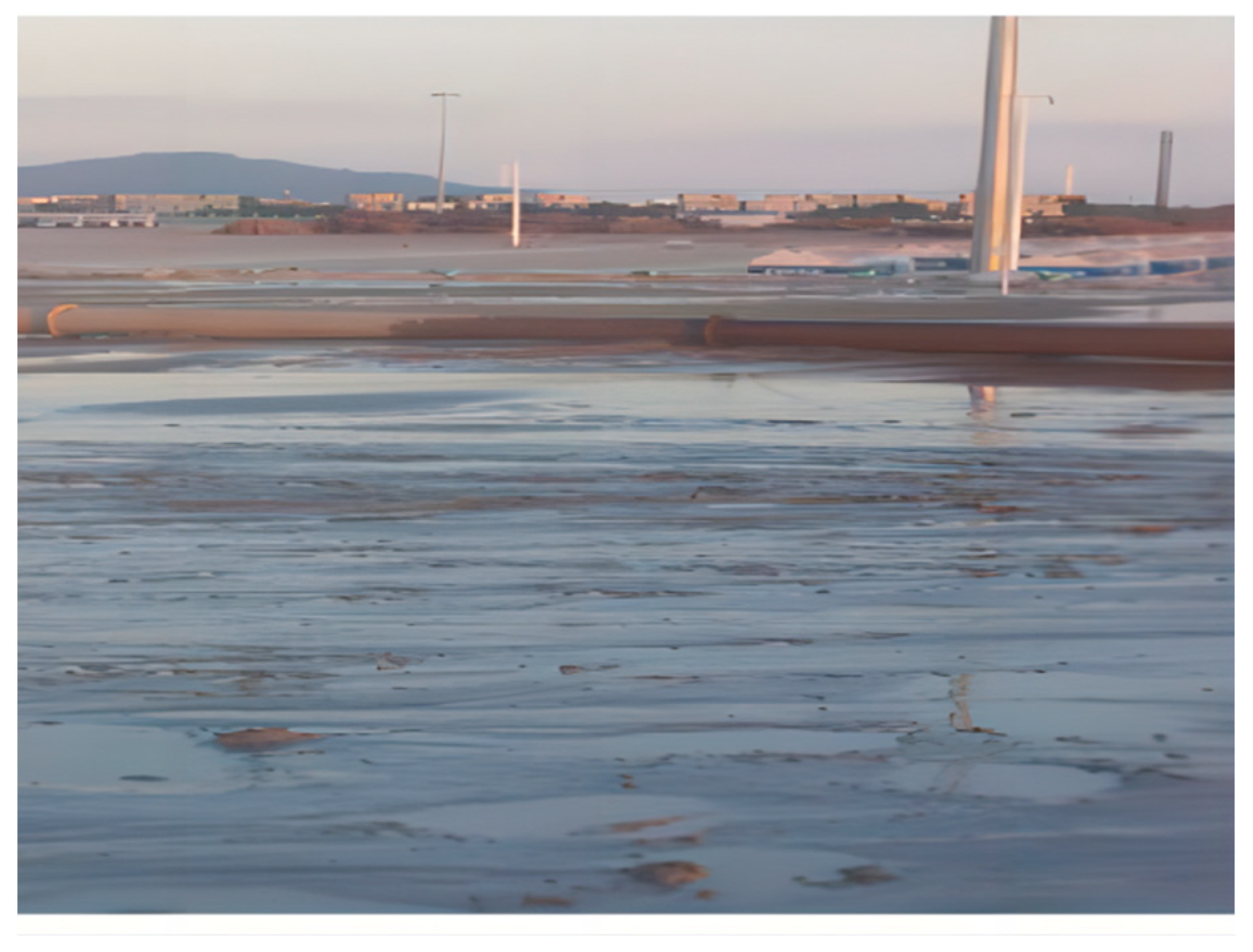
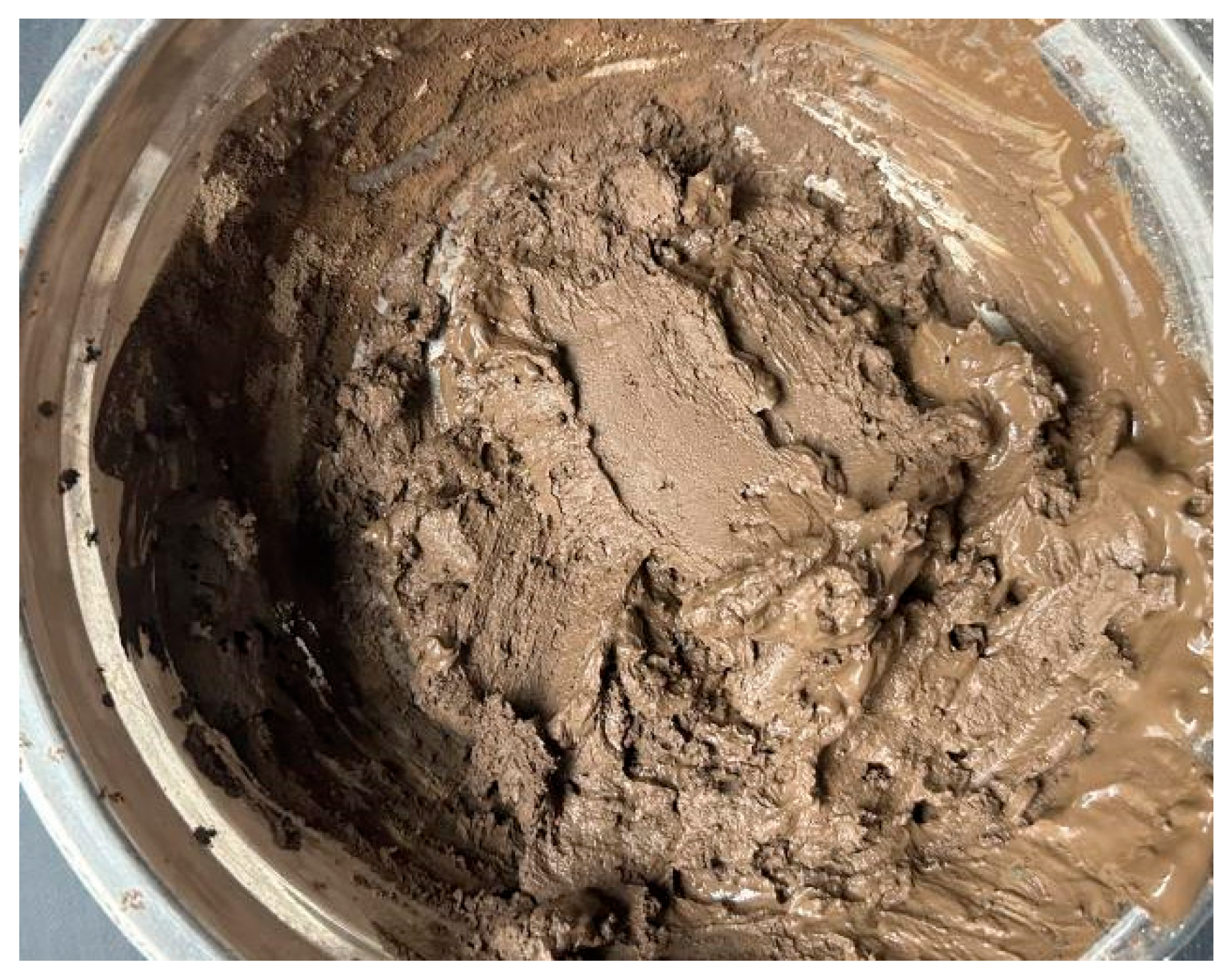
The soil samples used in this study were collected from a land reclamation project at a wharf in Humen Port, Dongguan City, Guangdong Province. The sampling location and surrounding conditions are shown in Figure 1 and Figure 2. The physical and mechanical properties of the soils were determined through laboratory geotechnical testing, with the results presented in Table 1.
The soil is classified as dredged fill, a typical marine deposit commonly encountered in coastal reclamation areas. It exhibits the following engineering characteristics: high liquid and plastic limits, indicating strong water affinity and plasticity; high natural water content, often exceeding the liquid limit; high compressibility, making it susceptible to significant consolidation settlement; low shear strength in its undisturbed state, which poses challenges for immediate load-bearing applications; and low permeability, resulting in slow drainage and prolonged consolidation periods.
In engineering practice, this type of soil is primarily intended for use as wharf foundation ground after appropriate ground improvement and consolidation treatments. The long-term performance of such foundations is critically dependent on the creep behavior of the underlying dredged fill, as excessive time-dependent deformation can compromise the serviceability and stability of wharf structures. Understanding the creep characteristics of this material under various thermal and drainage conditions is therefore essential for predicting post-construction settlements and ensuring the safe operation of port infrastructure.

2.2. Experimental Apparatus

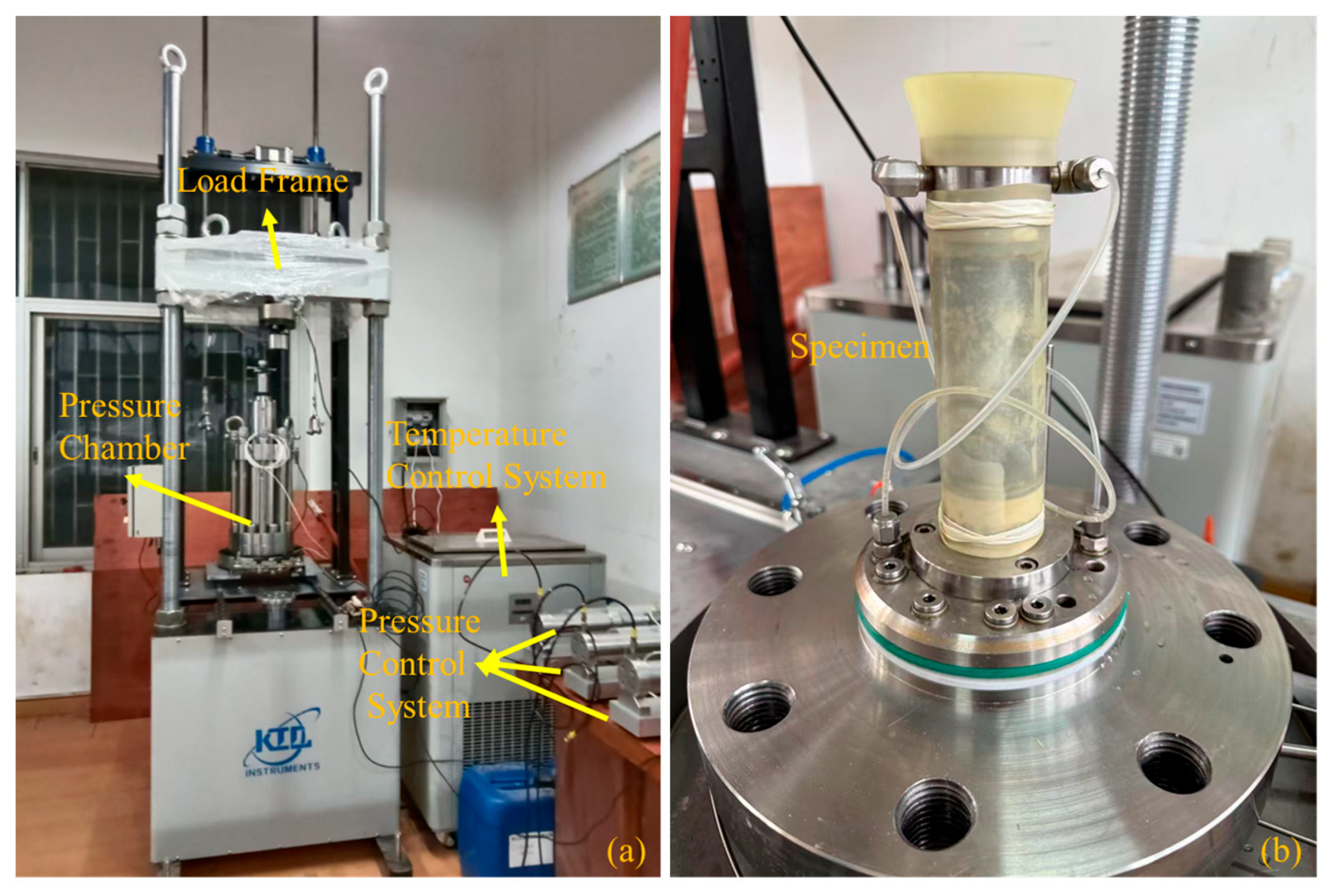
The primary equipment used in the experiments included a low-temperature, high-pressure soil creep triaxial testing machine manufactured by Xi’an Kangtuoli Instrument Equipment Co., Ltd (Xi’an, China). This soil creep triaxial testing machine is equipped with an automatic data acquisition system, enabling real-time acquisition and storage of experimental data. Figure 3 shows the configuration of the low-temperature high-pressure triaxial creep testing system. The main technical parameters of this equipment are as follows: maximum triaxial load of 256 kN, maximum confining pressure of 30 MPa, maximum back pressure of 20 MPa, axial displacement range of 100 mm, and temperature control range from −30 °C to 100 °C.

2.3. Experimental Research Plan

This study investigates the fill soil from Humen Port in Dongguan, conducting triaxial consolidated undrained creep tests and triaxial consolidated drained creep tests. Cylindrical remolded soil specimens (38 mm diameter, 76 mm height) were used. Test conditions were determined based on the original depth of the dredged fill material (0–15 m), with consolidation conducted at a confining pressure of 200 kPa followed by triaxial creep testing. This study aimed to investigate the influence of temperature on the long-term creep behavior of the dredged material. Based on test results obtained under ambient temperature conditions, test plan incorporating temperature gradients (5 °C, 15 °C, 25 °C (ambient), 35 °C) was designed. Triaxial drained (CD) and undrained (CU) creep tests were subsequently conducted at different temperatures. Throughout the tests, confining pressure was maintained at 200 kPa, and deviatoric stress was incrementally applied in 50 kPa steps. The cumulative variation in creep strain was recorded. Detailed test procedures are presented in Table 2. A total of twelve cylindrical specimens were prepared following a standard test method [25]: the soil was air-dried, oven-dried at 105 °C for 24 h, ground, sieved through a 0.025 mm mesh, mixed with distilled water to target water content, sealed for 18 h, compacted in five layers with interlayer scarification, and vacuum-saturated at –0.1 MPa for 12 h. Eight specimens were used for creep tests under various drainage and temperature conditions, and four were kept as backups.

3. Results and Discussion

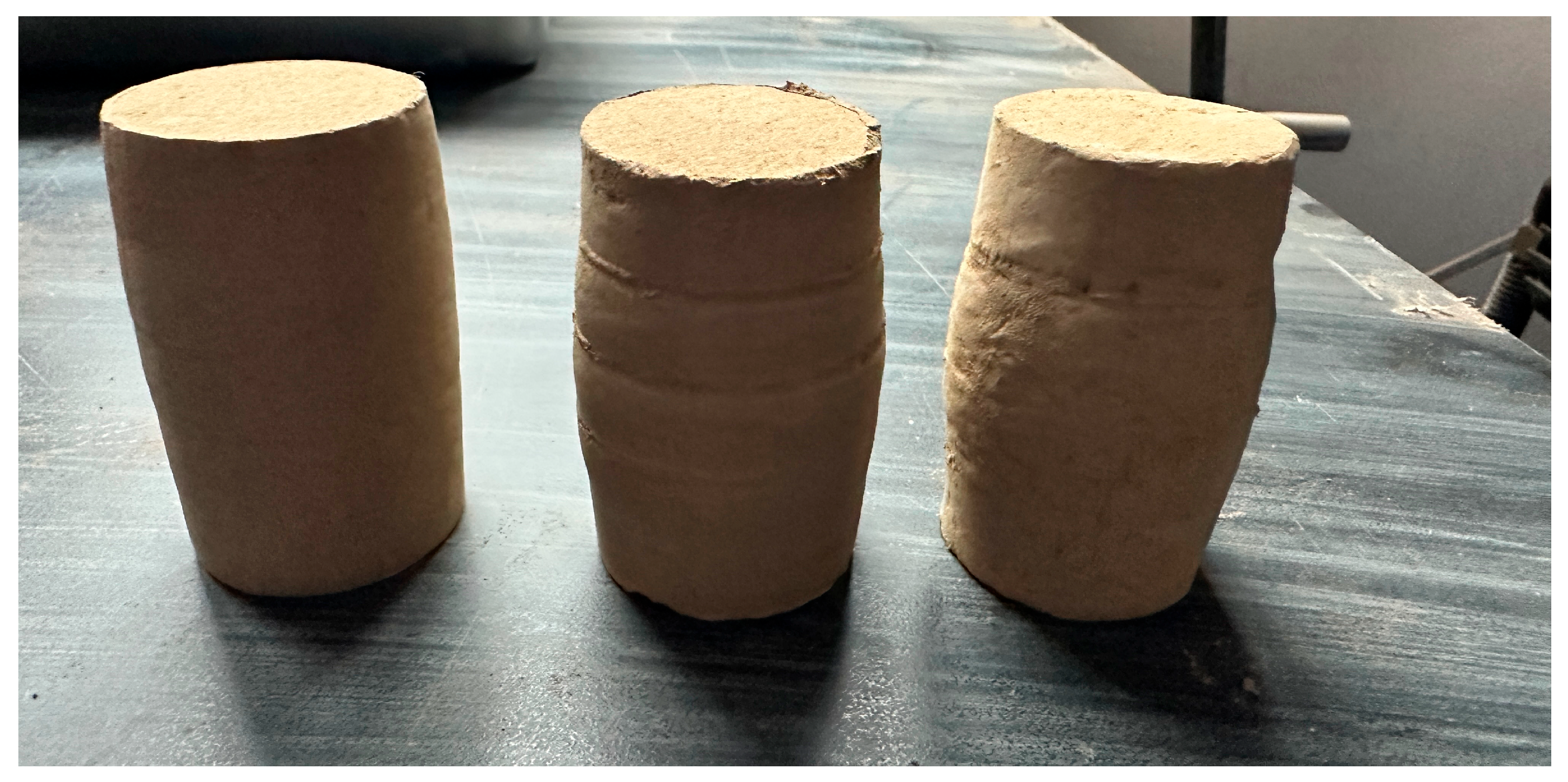
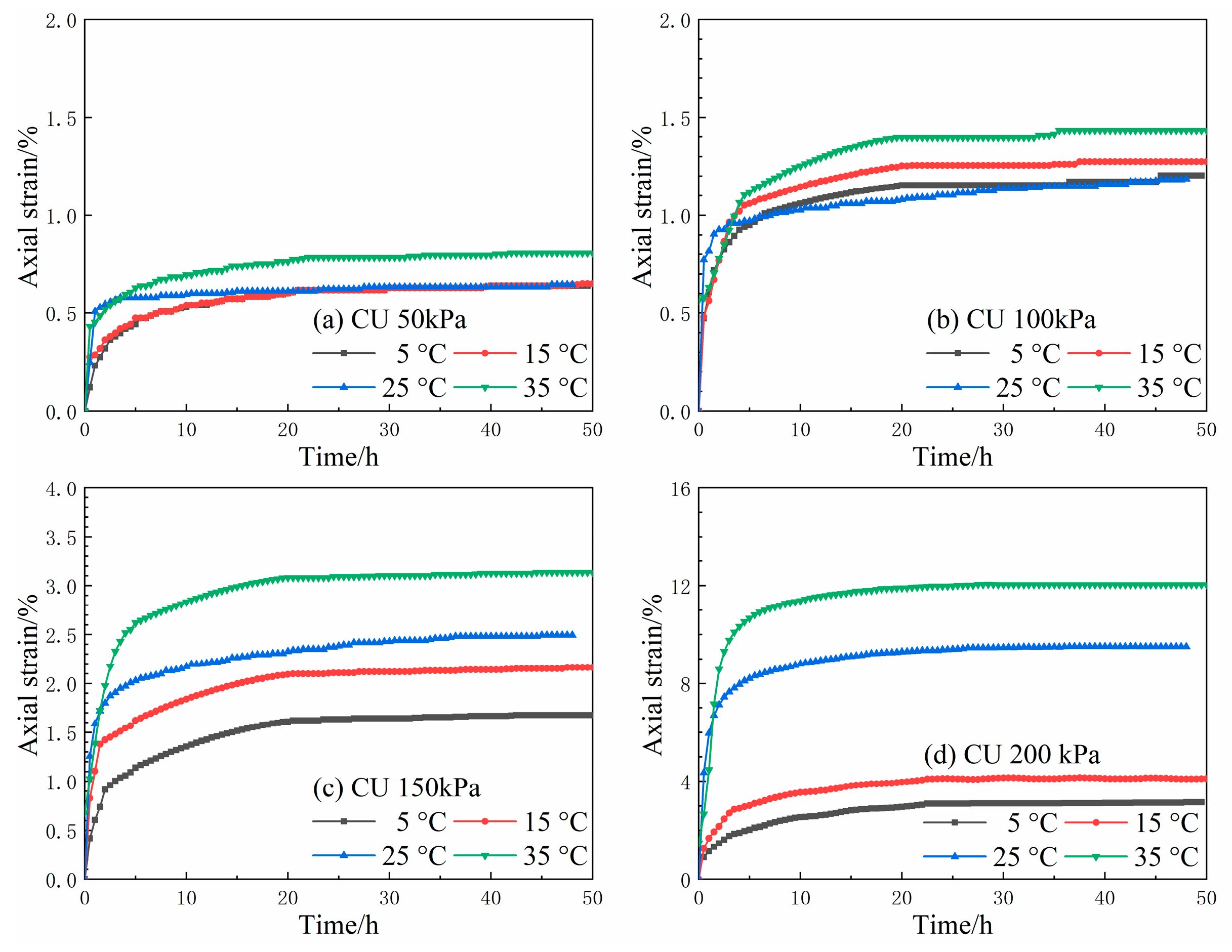
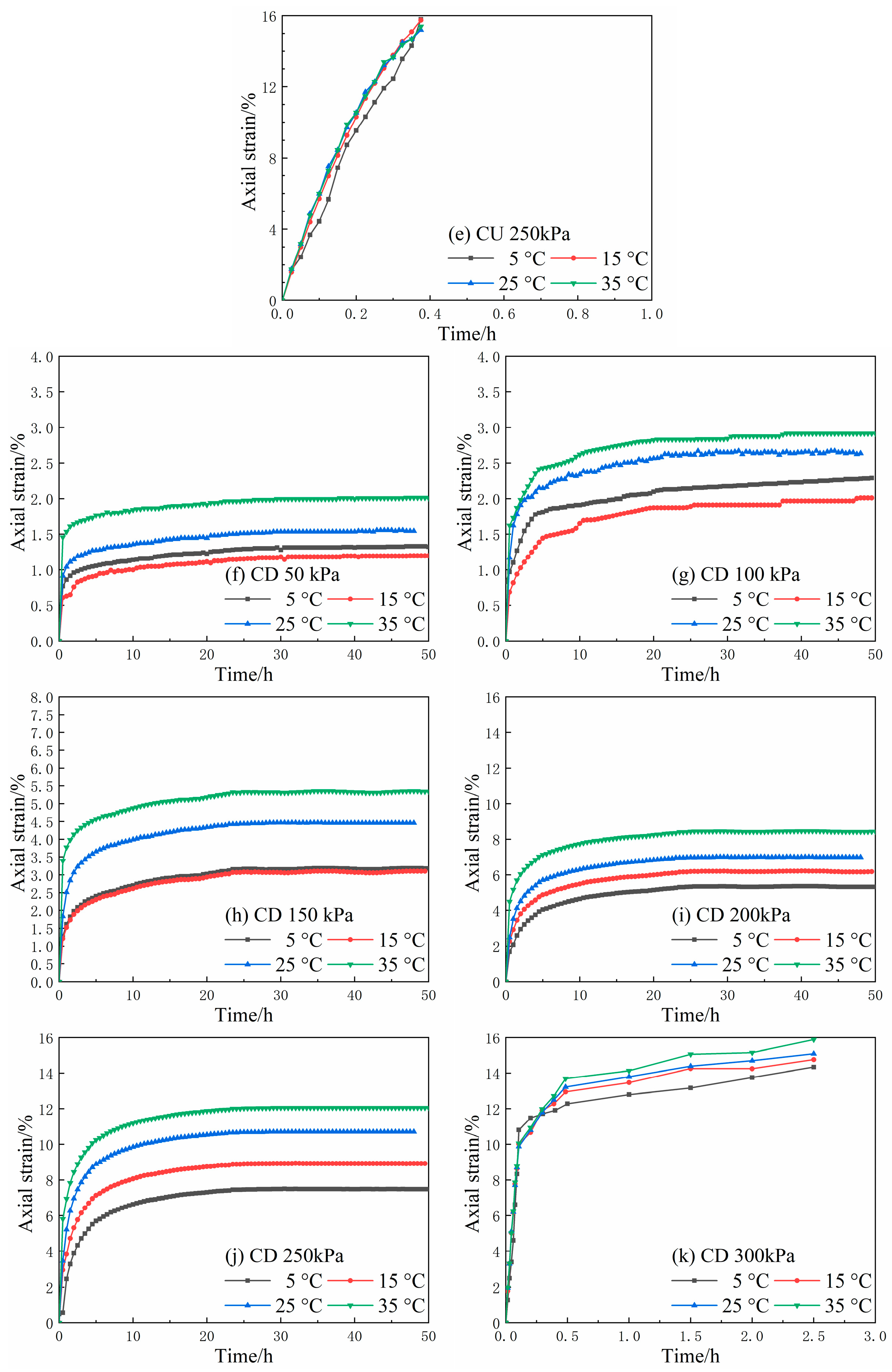
Representative photographs of selected test specimens and experimental observations are shown in Figure 4. The corresponding strain–time relationship curves of the Humen Port dredged fill material processed using the “Chen Method” under different conditions are presented in Figure 5.
To comprehensively present the long-term creep behavior characteristics of dredged fill under varying temperature conditions, this study details the creep properties of dredged fill under both undrained and drained conditions in Table 3 and Table 4, respectively.
  • Mechanism by which temperature influences creep behavior
Temperature exerts a pronounced regulatory effect on the creep behavior of dredged fill under both undrained and drained conditions, a phenomenon clearly observed in the experimental results. Taking the undrained condition as an example, when the uniaxial stress was maintained at 200 kPa, an increase in temperature from 5 °C to 35 °C resulted in an increase in instantaneous strain from 1.20% to 3.52%, representing a rise of 193.3% (Table 3). This change stems from the reduction in inter-particle friction resistance within the soil caused by elevated temperatures, coupled with enhanced activity of clay minerals, which accelerates the initial deformation response. The sensitivity of long-term creep strain to temperature is even more pronounced: under identical unconfined stress, the creep strain at 35 °C reached 12.02%, representing an increase of nearly 300% compared to 3.02% at 5 °C. This indicates that elevated temperatures significantly enhance the soil’s viscous flow characteristics. By contrast, drainage conditions markedly suppressed creep development at elevated temperatures. For instance, under 200 kPa uniaxial stress at 35 °C, the creep strain during drainage amounted to 8.50% (Table 4), representing a reduction of approximately 29.3% compared to undrained conditions at the same temperature. This indicates that introducing drainage substantially mitigates the temperature-induced intensification of creep behavior. This phenomenon is mainly attributed to the dissipation of excess pore water pressure, which partially counteracts the viscoplastic deformation induced by temperature.
2.
Nonlinear driving of deformation evolution by shear stress
Building upon the temperature effect, the level of uniaxial stress plays a decisive role in the accumulation of creep strain, a phenomenon further validated through data analysis. Taking the undrained conditions at 25 °C at an example, as the uniaxial stress progressively increased from 50 kPa to 200 kPa (i.e., 50, 100, 150, and 200 kPa), the creep strain surged sharply from 0.61% to 9.55% (Table 3), exhibiting a pronounced exponential growth trend. This pattern indicates a critical stress level likely occurs between 150 kPa and 200 kPa, beyond which a distinct shift in behavior is observed: the damage rate within the soil structure accelerates significantly. This is accompanied by the progressive failure of inter-particle connections, with the development of shear bands emerging as the primary controlling mechanism. Although similar trends were observed under drained conditions, the strain increase was somewhat suppressed. For instance, at 25 °C and a deviatoric stress of 200 kPa, the creep strain was 7.01% (Table 4), approximately 26.6% lower than under undrained conditions. This indicates that the drainage process, through adjustments to effective stress, mitigates the rapid progression of plastic deformation.
3.
Deformation Suppression Effect of Drainage Conditions
Comparative analysis shows that drainage mitigates the combined influence of temperature and stress. At 35 °C and 200 kPa, creep strain decreased from 12.02% (undrained) to 8.50% (drained), a 29.3% reduction. Temperature sensitivity further confirms this trend: creep strain increased by approximately 0.35%/°C under undrained conditions but only 0.25%/°C under drained conditions. Thus, drainage effectively delays temperature-sensitive deformation by controlling pore pressure evolution, supporting long-term stability design of coastal reclamation foundations.

4. Establishment of Creep Constitutive Model

4.1. Selection and Construction of Creep Model

The Burgers model comprises a series connection of a Maxwell body (spring and dashpot in series) and a Kelvin body (spring and dashpot in parallel). Its advantage lies in simultaneously describing both transient creep (initial rapid deformation) and steady-state creep (deformation at a constant rate) in soil materials, rendering it suitable for characterizing soil behavior under complex stress histories.
Maxwell’s strain equations:
ε 1 = σ E 1 + σ η 1 t
In the equation: σ denotes the applied stress; E1 denotes the elastic modulus; η1 denotes the viscosity.
Kelvin strain equation:
ε 2 = σ E 2 ( 1 e E 2 η 2 t )
In the equation: E2 denotes the elastic modulus; η2 denotes the viscosity.
The total strain expression is given by the superposition of Maxwell and Kelvin body strains:
ε = ε 1 + ε 2
From (3), the strain-time relationship for the Burgers model (under constant stress σ0) is obtained:
ε ( t ) = σ 0 E 1 + σ 0 η 1 t + σ 0 E 2 ( 1 e E 2 η 2 t )

4.2. Three-Dimensional Stress Decomposition and Extension of the Model

Stress tensor decomposition: Triaxial stresses (σ1 being the axial stress, σ2 being the confining pressure) may be decomposed as follows:
Mean stress (hydrostatic pressure):
p = 1 3 ( σ 1 + 2 σ 3 )
Shear stress:
q = σ 1 σ 3
Strain decomposition and assumptions: The total strain is divided into volumetric strain (εv caused by spherical stress) and shear strain εs (caused by oblique stress):
ε = ε v + ε s
Volume strain hypothesis:
ε v = p K
Shear strain: Under constant shear stress q, the time response of shear strain is:
ε q ( t ) = q G 1 + q G 2 ( 1 e G 2 η 2 t ) + q η 1 t
Under confining pressure conditions, the axial strain ε is jointly determined by the volumetric strain εv and the shear strain εs:
ε = ε v + 2 3 ε s
Substitute the expressions for volumetric strain and shear strain:
ε ( t ) = p K Volume   strain + 2 3 [ q G 1 Instantaneous   shear +   q G 2 ( 1 e G 2 η 2 t )   Delayed   shear   + q η 1 t Viscous   flow   ]
Relationship between shear modulus G1, G2 and Young’s modulus E1, E2:
G = E 2 ( 1 + ν )
Relationship between the bulk modulus K and E1:
K = E 1 3 ( 1 2 ν )

4.3. The Effect of Temperature on Model Parameters

The elastic moduli (E1, E2) and viscosity coefficients (η1, η2) in the Burgers model are both temperature-dependent. The effect of temperature on the viscosity coefficient is as follows: the viscosity coefficient η decreases with increasing temperature, following the Arrhenius equation:
η ( T ) = η 0 e Q R ( 1 T 1 T 0 )

4.4. Derivation of Temperature-Dependent Creep Equation

Equation (15) comprehensively describes the evolution of total strain in materials subjected to complex thermal cycling environments by coupling multistage deformation mechanisms with temperature effects. The total strain expression is:
ε 1 ( t , T ) = p K ( T ) + 2 3 [ q G 1 ( T ) + q G 2 ( T ) ( 1 e G 2 ( T ) η 2 ( T ) t ) + q η 1 ( T ) t ] + α ( T T 0 )
Equation (15) comprehensively describes the total strain evolution of materials under complex thermal cycling conditions by coupling multistage deformation mechanisms with temperature effects. Its mathematical expression decomposes into four distinct components, each corresponding to the physical essence of the creep process: (1) Instantaneous elastic strain: This term characterizes the reversible elastic deformation occurring at the instant of loading, whose magnitude is jointly determined by the deviatoric stress level q and the temperature-dependent bulk modulus K(T); (2) Delayed elastic strain: This term describes the time-dependent elastic response under constant stress. As E2(T) decreases and η2(T) diminishes, delayed deformation progresses more rapidly, with the steady-state value σ0/E2 increasing; (3) Steady-state viscous flow: This term quantifies the irreversible viscoplastic deformation after the material enters the steady-state creep phase; (4) Thermal expansion strain: This term reflects purely thermally induced deformation due to temperature variations.
In the creep model for offshore reclamation soils, the thermal expansion effect is negligible in magnitude. Therefore, the thermal expansion strain term is omitted to simplify the model and avoid excessive parameters. The total strain expression is:
ε 1 ( t , T ) = p K ( T ) + 2 3 [ q G 1 ( T ) + q G 2 ( T ) ( 1 e G 2 ( T ) η 2 ( T ) t ) + q η 1 ( T ) t ]

4.5. Validation of Creep Constitutive Model Considering Temperature Effects

Based on Table 3, the instantaneous strain and creep strain data for CU at different temperatures (5 °C, 15 °C, 25 °C, 35 °C) and partial stresses (50 kPa, 100 kPa, 150 kPa, 200 kPa) are organized. We derived and calculated the parameters for the fill soil creep test model under varying temperatures and uniaxial stress conditions based on the triaxial creep constitutive model under temperature effects, as shown in Table 5.
Analysis results indicate that temperature and uniaxial stress exert significant and opposing effects on the rheological parameters of dredged fill material. With increasing temperature, both the transient and steady-state viscosity coefficients (η1, η2) and elastic moduli (G1, G2) exhibit a gradual decrease. This demonstrates that under elevated temperature conditions, the elastic and viscous constraints within the soil diminish, enhancing its deformation capacity and accentuating its creep characteristics. In contrast, increasing uniaxial stress causes η1, η2, G1 and G2 to progressively increase. This indicates that at high stress levels, the soil requires greater intrinsic resistance to withstand sustained strain, thereby exhibiting enhanced viscous and elastic properties. Overall, elevated temperatures promote soil rheological behavior, while uniaxial stress enhances its deformation resistance. The coupled interaction of these factors jointly governs the creep evolution patterns of reclaimed fill soils.
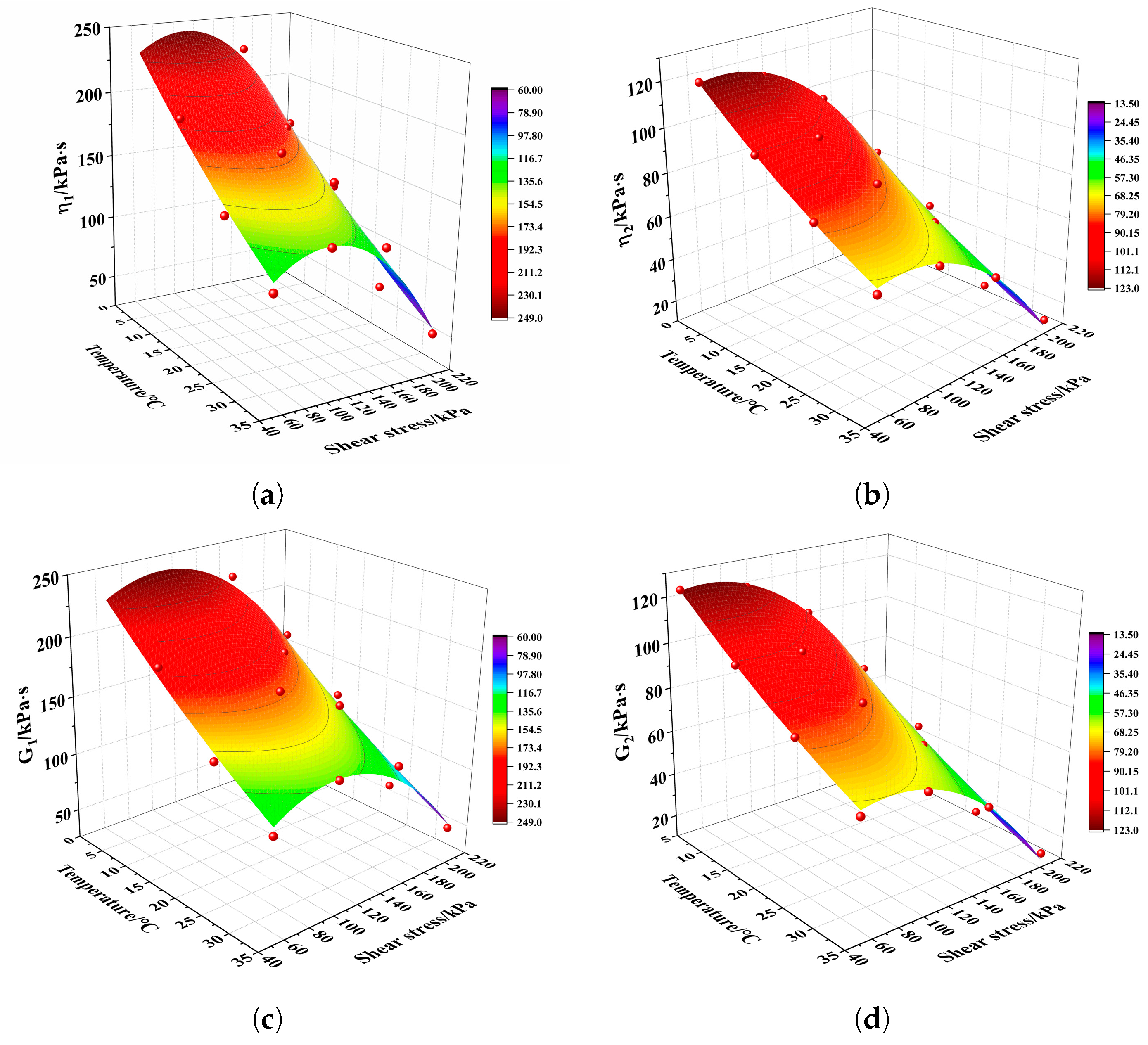
The variation in model parameters (η1, η2, G1, G2) under different temperatures and different shear stress conditions is fitted to a surface as shown in Figure 6.
Figure 6 demonstrates that temperature and deviatoric stress exert a significant influence on the long-term creep behavior of dredged fill under drained conditions. The variation trends of parameters η1, η2, G1 and G2 under different environmental conditions reveal the rheological behavior of the soil when subjected to changing external conditions. Here, η1 and η2 represent the viscous resistance of the soil, while G1 and G2 reflect the shear stiffness. Changes in these parameters directly influence the soil’s deformation characteristics and bearing capacity. Results indicate that η1 and η2 decrease with increasing deviatoric stress, suggesting that heightened external loading diminishes the soil’s resistance to deformation, rendering it more susceptible to long-term creep. Furthermore, elevated temperatures similarly cause η1 and η2 to decline. In high-temperature environments, this intensifies relative slip between soil particles, thereby accelerating rheological effects and compromising long-term stability.
The variation trends of shear moduli G1 and G2 are analogous to those of viscous resistance parameters, both decreasing with increasing deviatoric stress. Higher deviatoric stresses cause the internal structure of the soil to loosen, weakening the inter-particle constraints and consequently reducing shear resistance. Furthermore, elevated temperatures further diminish the soil’s stiffness, rendering it more susceptible to deformation under prolonged loading. Under elevated temperatures, the structural stability of soil diminishes, increasing susceptibility to settlement or shear failure.
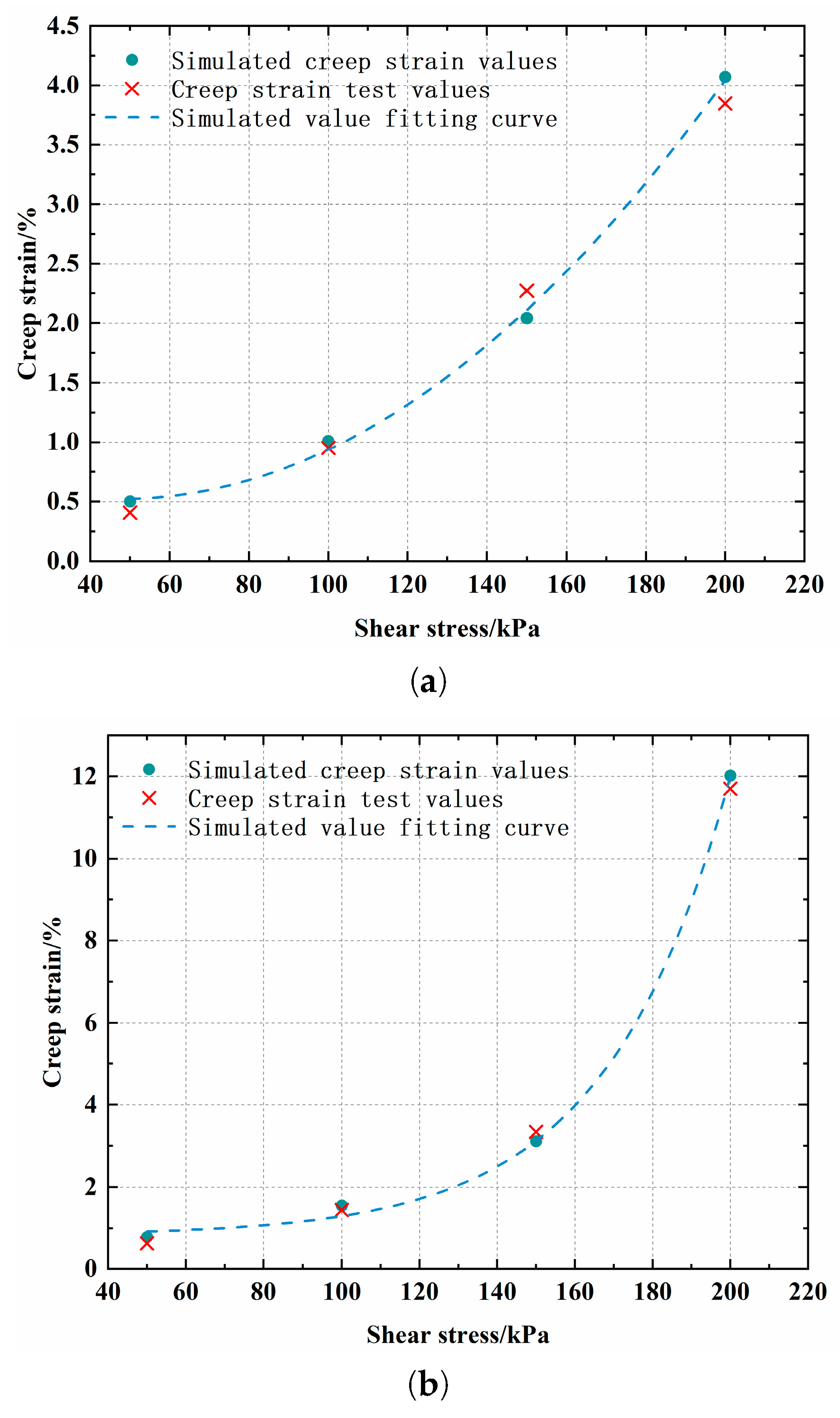
By comparing the predicted curves from the creep theoretical model with experimental data at both 15 °C and 35 °C operating conditions (Figure 7), it was found that both exhibited high consistency during both the steady-state and accelerated creep phases (15 °C: R2 = 0.9788; 35 °C: R2 = 0.9890), validating the temperature effect-blowfill soil creep constitutive model.

5. Numerical Simulation and Engineering Applications

5.1. Numerical Simulation of Triaxial Creep Testing

To perform the engineering numerical simulation, a numerical reproduction of the triaxial creep tests was first conducted. In this section, numerical simulations of consolidated drained (CD) and consolidated undrained (CU) triaxial creep tests were carried out under a confining pressure of 0.2 MPa. In order to investigate the influence of temperature on creep behavior, two temperature conditions were considered, namely, 25 °C and 35 °C. Accordingly, the simulations were divided into four groups: 25 °C–CU, 25 °C–CD, 35 °C–CU, and 35 °C–CD.
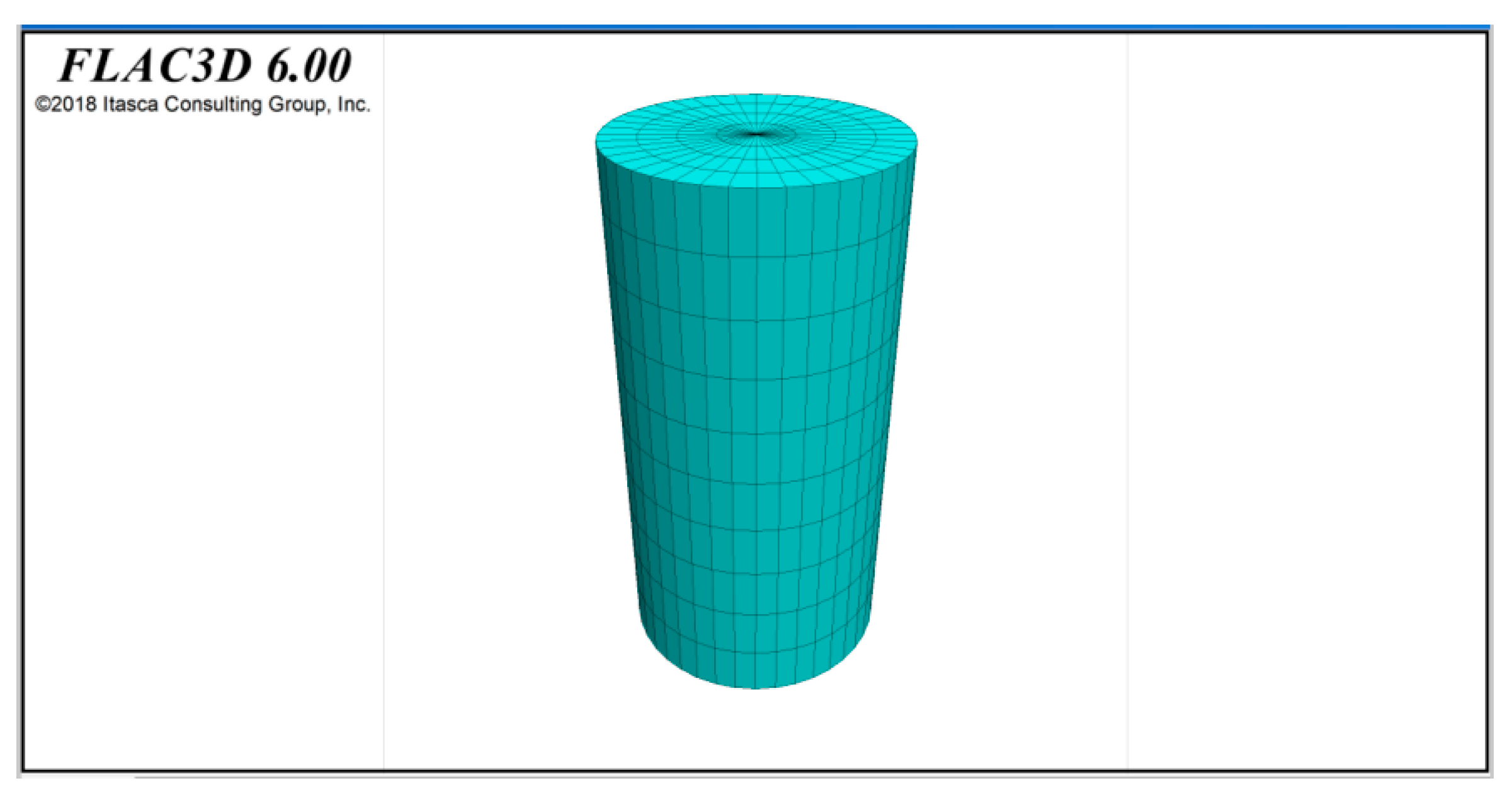
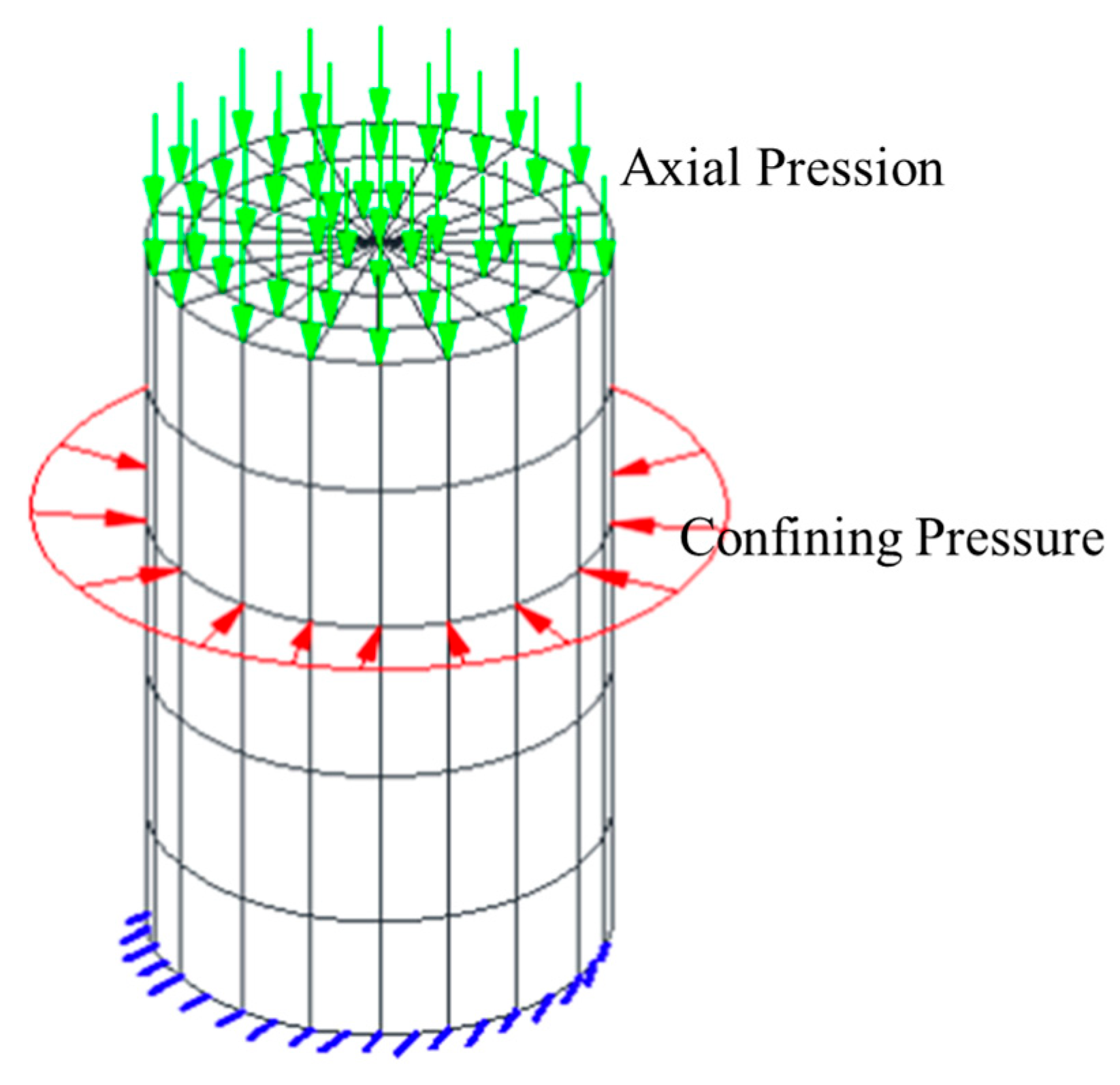
In the model design, a cylindrical specimen with a diameter of 38 mm and a height of 76 mm was adopted as the geometric model for the consolidation creep simulation. The mesh discretization of the model is illustrated in Figure 8. The bottom surface of the cylinder was constrained in displacement, while the lateral surface was subjected to a confining pressure identical to that applied in the laboratory triaxial compression creep tests, set to 0.2 MPa.
At the top surface, a uniform axial load was applied in a stepwise loading manner along the negative y-direction, ensuring that the magnitude of the applied load was consistent with the axial loading conditions used in the laboratory tests. The numerical loading scheme implemented in the model is presented in Figure 9.

5.2. Numerical Simulation Results of Triaxial Creep Tests

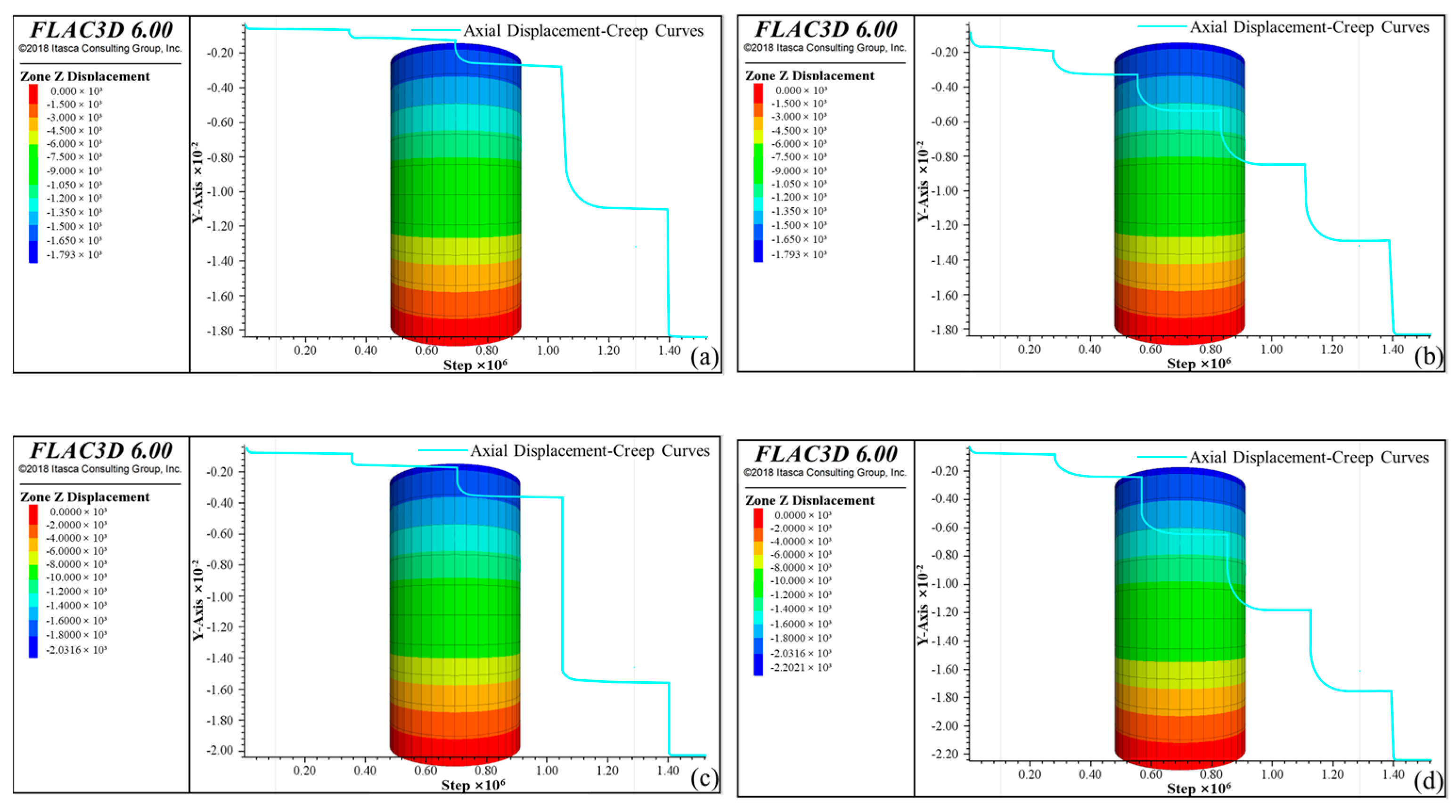
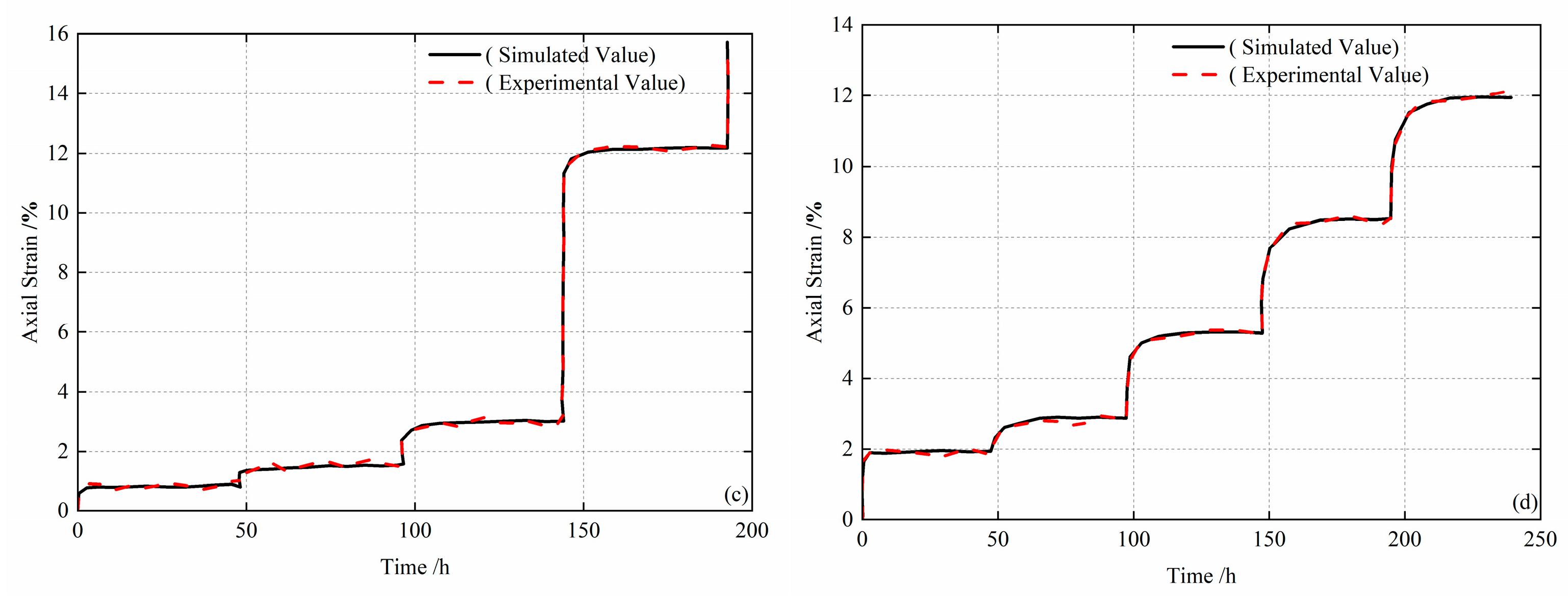
Figure 10 presents the numerical simulation results of the triaxial step-loading creep tests for the dredged fill soil. Based on the numerical model established according to the laboratory testing conditions, the time-dependent deformation behavior of the soil specimen under staged loading was simulated. The numerical results successfully reproduce the main characteristics of the creep process, including the instantaneous deformation occurring immediately after loading and the subsequent gradual development of creep strain with time.
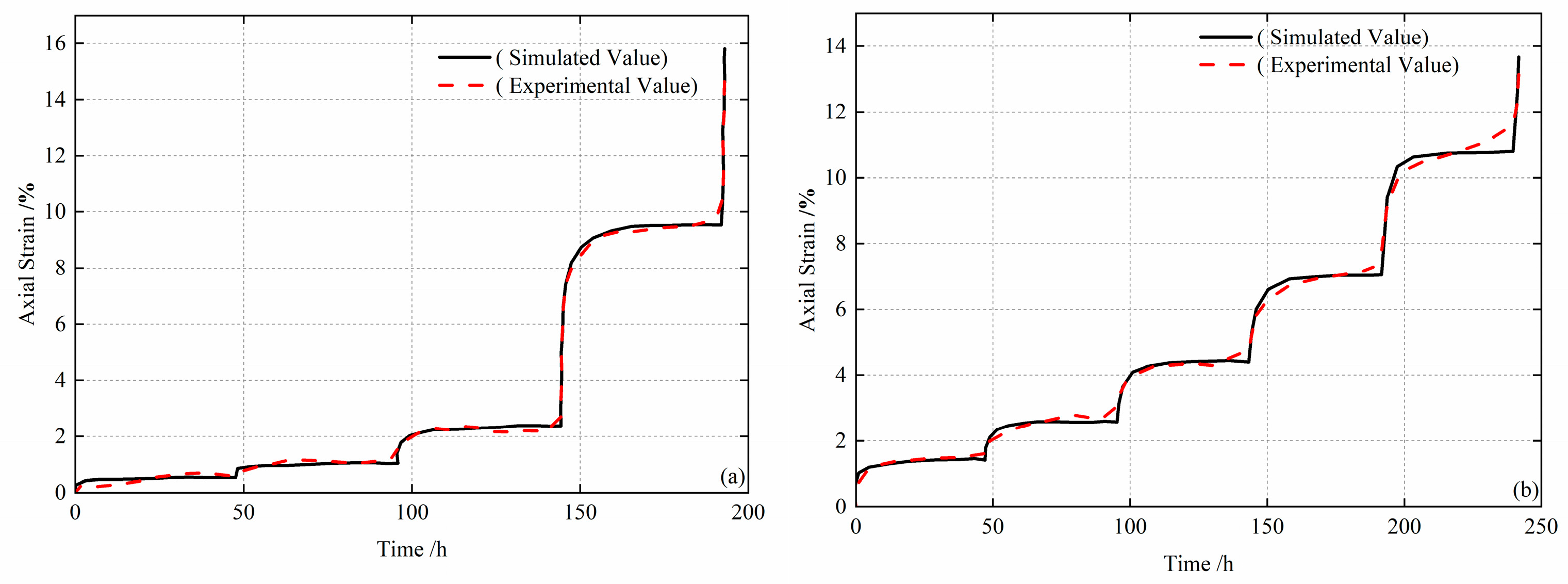
To further evaluate the reliability of the numerical model, the simulation results were compared with the experimental data obtained from laboratory triaxial creep tests, as illustrated in Figure 11. The comparison indicates that the numerical curves generally follow the same evolution trend as the experimental curves, and the strain development under different loading stages shows a good level of agreement. Although minor deviations can be observed at certain time intervals, the overall consistency between the numerical simulation and experimental results is satisfactory.
These results suggest that the adopted model parameters are capable of reasonably representing the creep behavior of dredged fill soil under triaxial loading conditions. Therefore, the proposed numerical model provides a reliable basis for further engineering simulations and settlement prediction of dredged fill foundations.

5.3. Computational Models

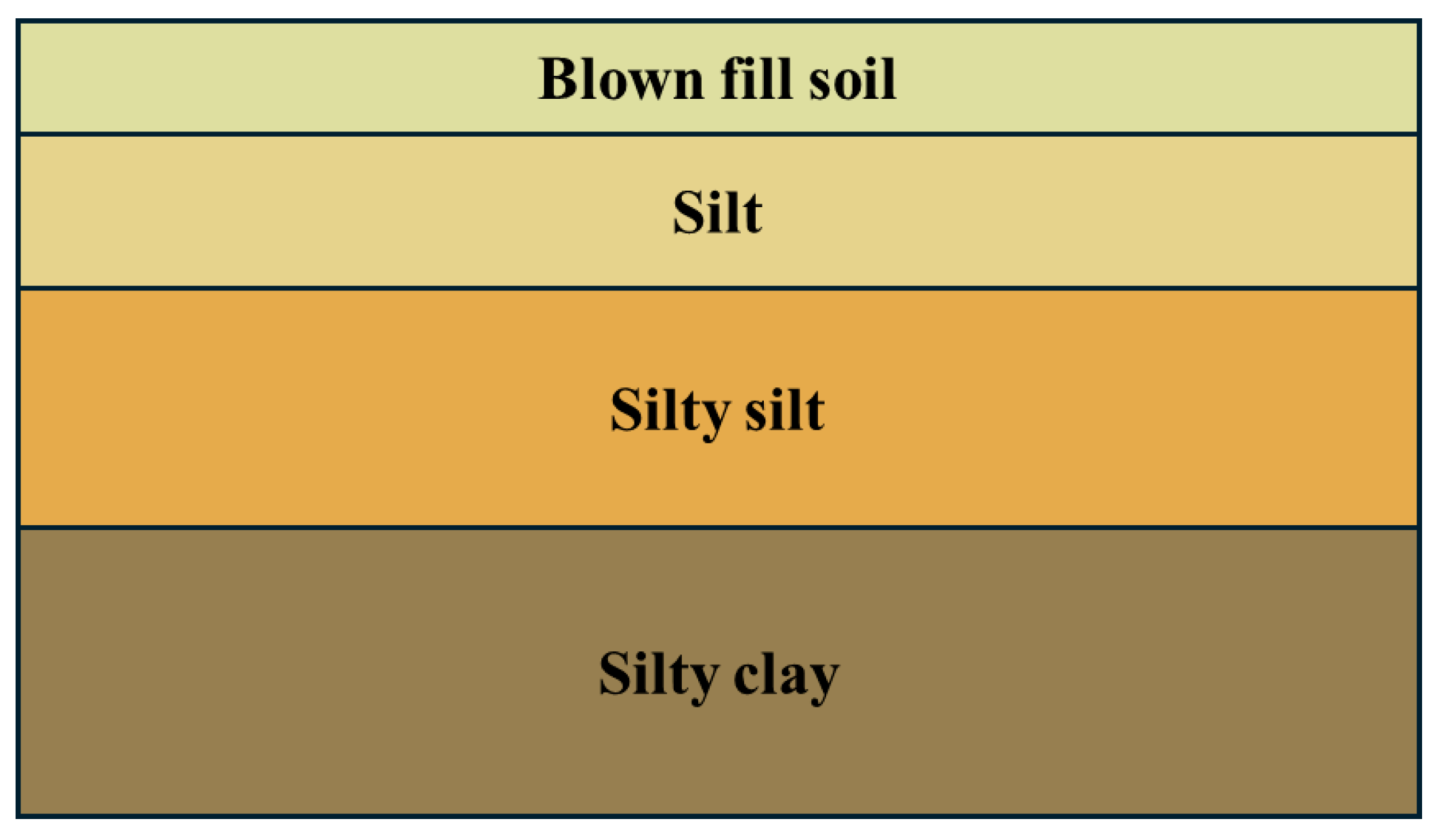
Taking the reclamation foundation project at Humen Port in Dongguan City, Guangdong Province as the subject of study, and incorporating previous research on reclaimed soil, finite difference simulation settlement analysis was conducted using soil layer calculation parameters as per Table 6. The simulation process was divided into two stages. In the first stage, conducted at ambient temperature (25 °C), the focus was on the initial phase—specifically, soil settlement under preloading without considering soil rheological effects. This stage simulation lasted 100 days. The accuracy of the model was validated by comparing simulation results with measured in situ settlement values.
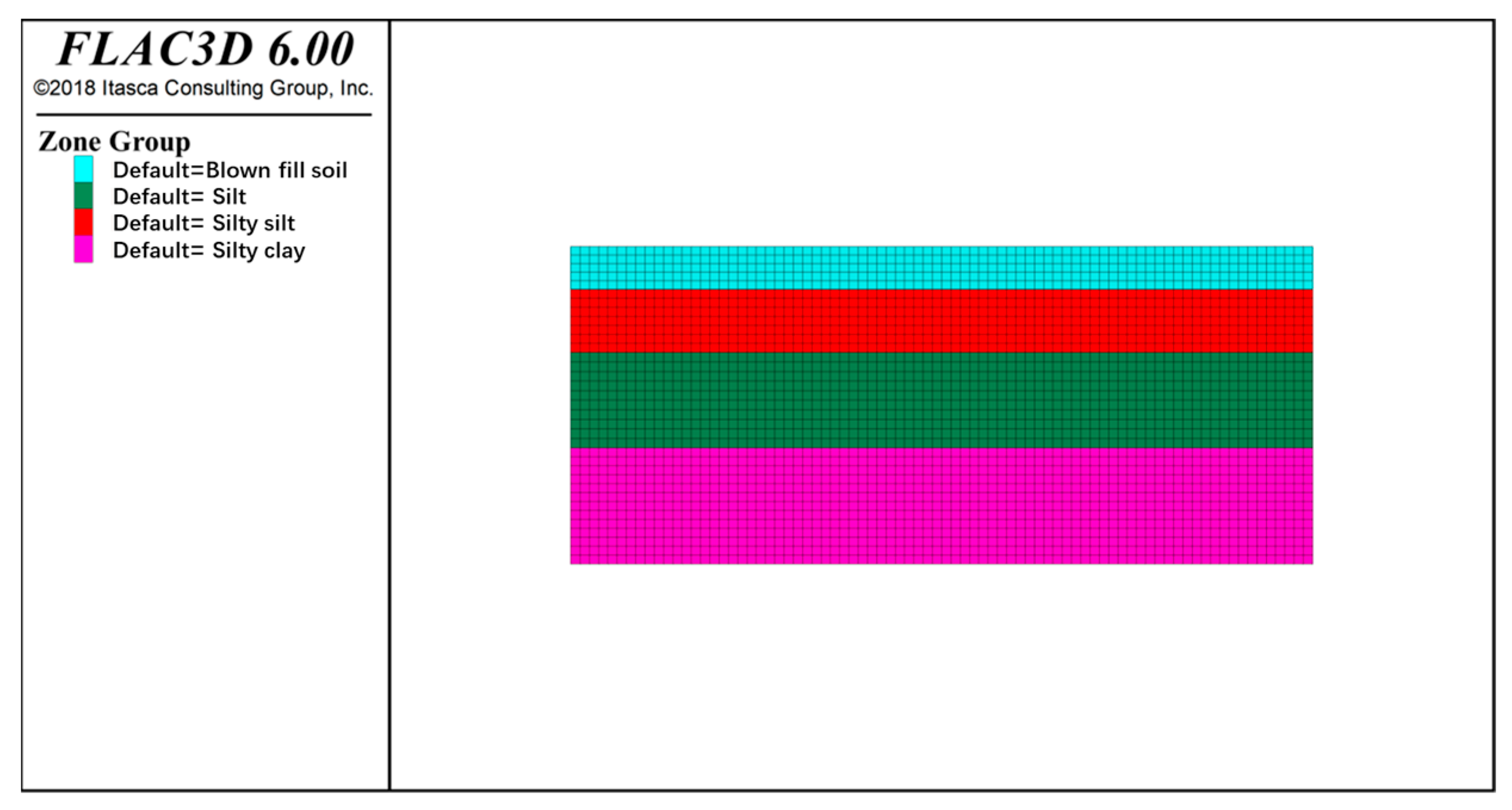
In the second stage, the preloading effect was removed and soil rheological properties were incorporated. This stage simulated conditions at 35 °C during summer, aiming to predict the influence of creep parameters on long-term settlement. To more accurately model soil creep behavior, the constitutive creep model incorporating temperature effects from Section 3 was employed. The numerical calculations considered the effects of removing preloading after its conclusion and analyzed the long-term impact of soil rheological properties on settlement. Through this stage of simulation, axial settlement was predicted for the six months following construction, and corresponding creep curves were plotted to further investigate the creep characteristics during the settlement process. Additionally, preloading consolidation tests were conducted on the reclaimed land foundation in the Humen Port area, with the test section width reaching 30 m. In model construction, the foundation’s computational width was set at 100 m to ensure simulation results align with actual test conditions. The schematic diagram of the model is shown in Figure 12, and the model mesh division is shown in Figure 13.

5.4. Soil Settlement Under Preloading

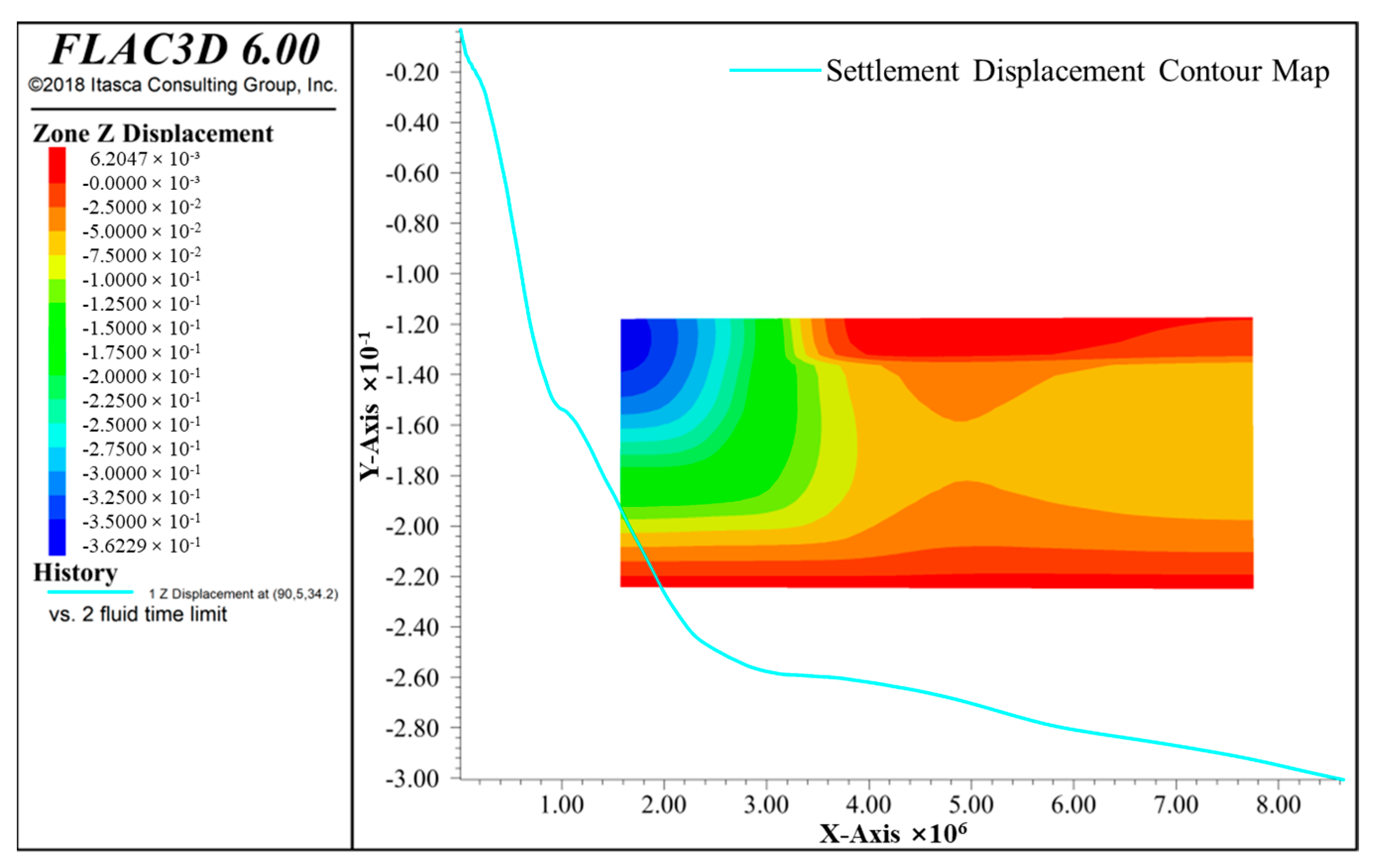
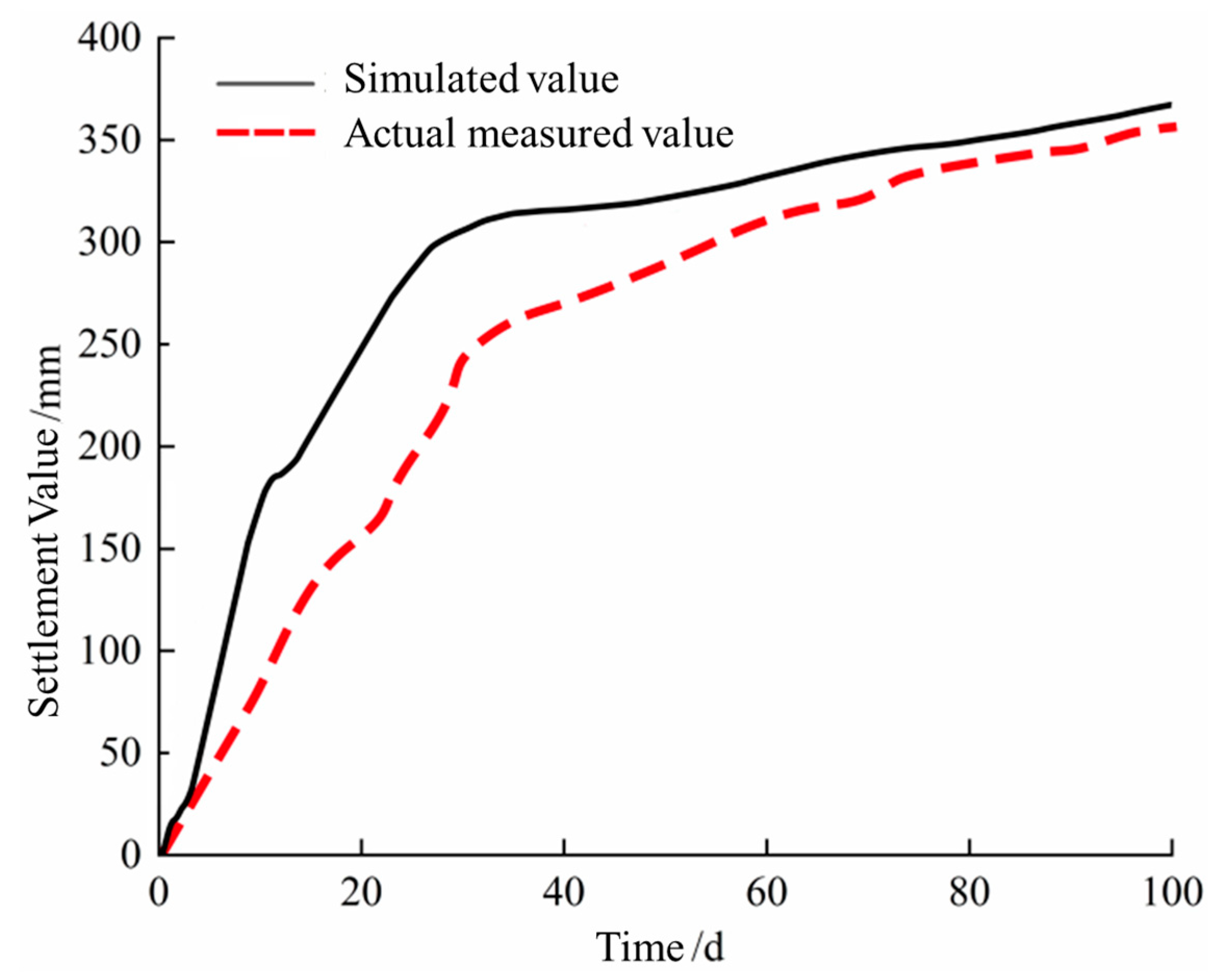
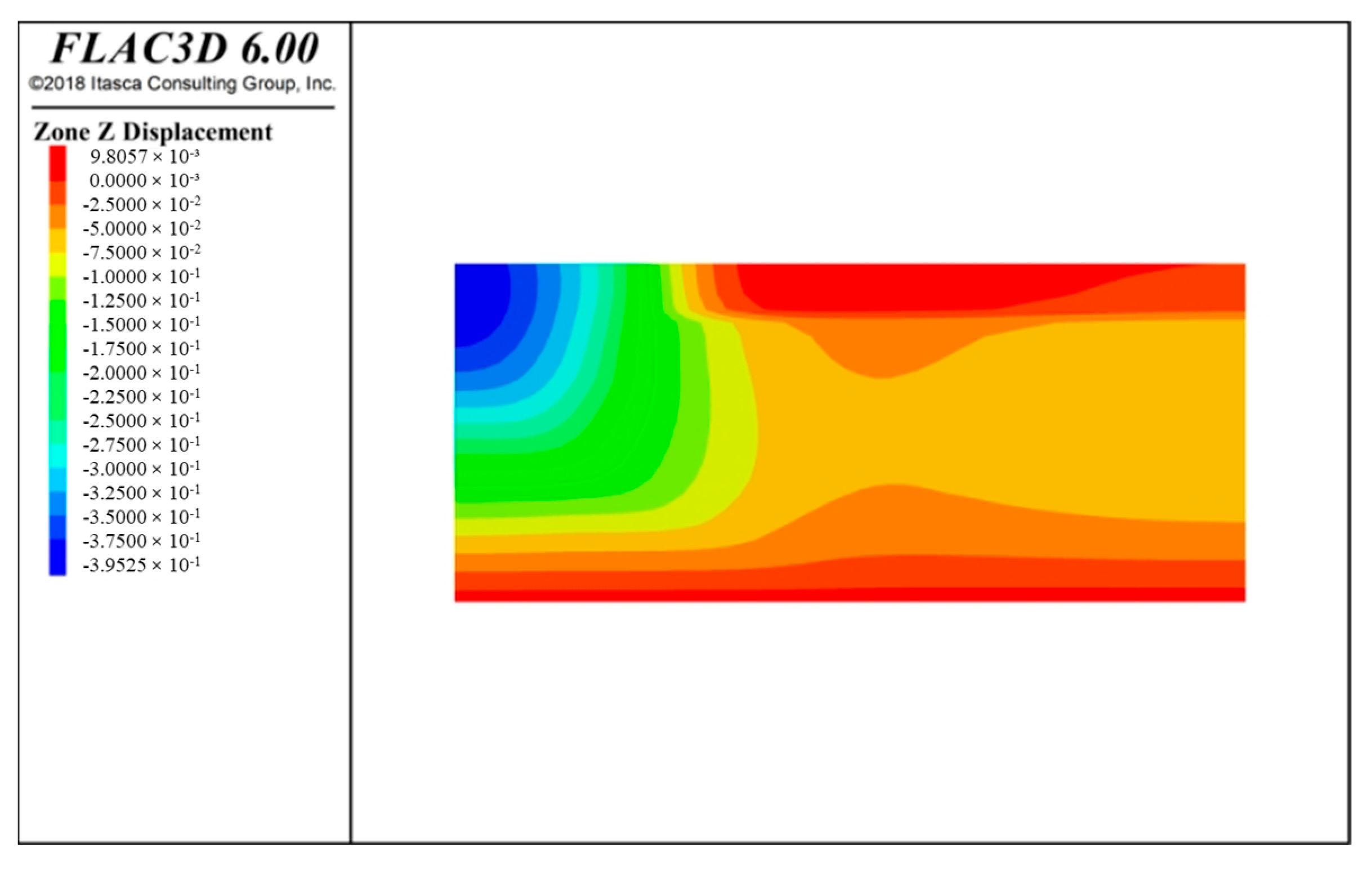
At ambient temperature of 25 °C, the numerical calculation for preloading at 100 kPa includes monitoring soil settlement during the initial stage under preloading conditions, sustained for 100 days. This is compared with actual measured settlement values as shown in Figure 14.
Calculated settlement curve for the center surface of the reinforced zone:
As shown in Figure 15, although the computational model employed in this study exhibits certain discrepancies from actual conditions, the general patterns remain consistent. Furthermore, the simulated results are largely comparable to the measured values. The simulated ground settlement in this instance amounts to approximately 36.2 cm, with the model’s calculated value differing only marginally from the actual measured value.

5.5. Prediction of Ground Subsidence Depth

The summer temperature value of 35 °C was calculated to predict the impact of soil rheological properties on long-term settlement after lifting preloading. To account for creep parameters, axial settlement was forecasted for the six months post-construction using a derived constitutive creep model incorporating temperature effects. Figure 16 presents the predicted axial settlement and creep curve for the six-month post-construction period. The figure indicates a settlement of approximately 39.5 cm at this stage, which is approximately 3.3 cm greater than the settlement value during the preloading phase.

6. Conclusions

This study systematically investigates the influence of temperature effects on the creep behavior of dredged fill material from Humen Port, Dongguan City, Guangdong Province, through a series of triaxial creep tests. A creep constitutive model incorporating temperature effects was developed, yielding the following principal conclusions:
1.
Temperature elevation markedly intensifies creep deformation in the fill material, with heightened temperature sensitivity under undrained conditions; drainage effectively suppresses creep progression. Shear stress exerts a nonlinear driving effect on creep strain, accelerating structural damage and approaching instability beyond a critical threshold (approximately 150 kPa).
2.
Temperature and deviatoric stress exert opposing effects on rheological parameters: elevated temperatures reduce η1, η2, G1, and G2, enhancing soil fluidity; increased deviatoric stress, conversely, elevates these parameters, improving soil resistance.
3.
The temperature-dependent creep constitutive equation derived from the Burgers model accurately describes the creep behavior of reclaimed fill soil under varying temperature and stress conditions (R2 > 0.97). This provides a theoretical foundation for long-term foundation stability analysis and engineering design.

Author Contributions

Conceptualization, Q.C. and X.X.; methodology, Q.C.; software, C.Z.; validation, Q.C., X.X. and C.Z.; formal analysis, X.X.; investigation, X.X.; resources, C.Z.; data curation, C.Z.; writing—original draft preparation, X.X.; writing—review and editing, X.X.; visualization, C.Z.; supervision, Q.C.; project administration, Q.C.; funding acquisition, Q.C. All authors have read and agreed to the published version of the manuscript.

Funding

Qiunan Chen discloses support for the research of this work from National Natural Science Foundation of China [grant number 52478341] and Key Project of the Hunan Provincial Natural Science Foundation [grant number 2025JJ30022]. Xiaodi Xu discloses support for publication of this work from Hunan Province Postgraduate Research Innovation Programme [grant number CX20231018].

Data Availability Statement

The data utilized in this study were collected and processed by the authors themselves and have not been publicly released. However, the authors are willing to share these data with other researchers within reasonable limits to facilitate academic exchange and collaboration. Interested readers are invited to contact [Xiaodi Xu and 22300201004@mail.hnust.edu.cn].

Conflicts of Interest

The authors declare no conflicts of interest.

References

  1. Yang, S.; Yang, A.; Lang, R. Research on Creep Characteristics of Blow-filled Cured Lightweight Soils under the Action of Wet-dry Cycles. J. Disaster Prev. Mitig. Eng. 2024, 44, 478–487. [Google Scholar] [CrossRef]
  2. Yu, X.; Liu, S.; Miao, L. Creep Properties of Lianyungang Soft Clay and Its Engineering Application. Rock Soil Mech. 2003, 6, 1001–1006. [Google Scholar] [CrossRef]
  3. Zhu, H.; Chen, X.; Cheng, X.; Zhang, B. Study on creep characteristics and model of soft soil considering drainage condition. Rock Soil Mech. 2006, 5, 694–698. [Google Scholar] [CrossRef]
  4. Liu, W.; Cao, D.; Li, H.; Zhao, C. Experimental Study on Creep Behavior of Marine Clay in Shenzhen. Ind. Constr. 2011, 41, 74–77+81. [Google Scholar] [CrossRef]
  5. Xie, X.; Li, J.; Wang, W.; Liu, K.; Zhu, X. Rheological Test and Empirical Model of Ningbo Soft Soil. J. Zhejiang Univ. Eng. Sci. 2012, 46, 64–71. [Google Scholar] [CrossRef]
  6. Lei, H.; Jia, Y.; Li, X. Experimental Study of Nonlinear Creep Property of Soft Soil in Littoral Area. Chin. J. Rock Mech. Eng. 2013, 32, 2806–2816. [Google Scholar]
  7. Yang, A.; Kong, L.; Zhang, X. Analysis of evolution of particles and pores in creep process of dredger fill soft soil. Rock Soil Mech. 2014, 35, 1634–1640. [Google Scholar] [CrossRef]
  8. Luo, Q.; Chen, X. Experimental Research on Creep Characteristics of Nansha Soft Soil. Sci. World J. 2014, 2014, 968738. [Google Scholar] [CrossRef]
  9. Tan, R.; Jiao, Y.; Xu, W. Tests on the Creep Parameters of the Soft Soil in Tianjin Coastal Region and Analysis on the Effect of Subgrade Settlement Deformation. Hydrogeol. Eng. Geol. 2015, 42, 67–73. [Google Scholar] [CrossRef]
  10. Liu, P.; Jia, J.; Du, Y. Experimental Study on Creep Behavior of Marine Soft Clay Under Low Frequency Cyclic Loading. Chin. J. Undergr. Space Eng. 2015, 11, 1193–1198. [Google Scholar] [CrossRef]
  11. Deng, H.; Dai, G.; Qiu, G.; Chen, Z.; Lin, X. Drained creep test and component creep model of soft silty clay in Hangzhou Bay. J. Southeast Univ. Nat. Sci. Ed. 2021, 51, 318–324. [Google Scholar] [CrossRef]
  12. Liang, R.; Zhang, Q.; Zhang, C.; Li, D.; Su, D.; Li, Q. Creep characteristics and model parameters of Qianhai soft soil. Chin. J. Geotech. Eng. 2021, 43, 133–136. [Google Scholar] [CrossRef]
  13. Yin, Q.; Dai, J.; Dai, G.; Gong, W.; Zhang, F.; Zhu, M. Study on Creep Behavior of Silty Clay Based on Fractal Derivative. Appl. Sci. 2022, 12, 8327. [Google Scholar] [CrossRef]
  14. Yuan, J.; Gan, Y.; Chen, J.; Tan, S.; Zhao, J. Experimental Research on Consolidation Creep Characteristics and Microstructure Evolution of Soft Soil. Front. Mater. 2023, 10, 1137324. [Google Scholar] [CrossRef]
  15. Dahhaoui, H.; Belayachi, N.; Zadjaoui, A.; Nishimura, T. One-Dimensional Compression Creep Change under Temperature and Suction Effects. Int. J. Geotech. Eng. 2022, 16, 670–681. [Google Scholar] [CrossRef]
  16. Wang, L. An Analytical Model for 3D Consolidation and Creep Process of Layered Fractional Viscoelastic Soils Considering Temperature Effect. Soils Found. 2022, 62, 101124. [Google Scholar] [CrossRef]
  17. Campanella, R.G.; Mitchell, J.K. Influence of Temperature Variations on Soil Behavior. J. Soil Mech. Found. Div. 1968, 94, 709–734. [Google Scholar] [CrossRef]
  18. Chen, Z.; Zhao, R.; Chen, W.; Wu, P.; Yin, J.; Feng, W. Effects of Temperature on the Time-Dependent Compression and Shear Behavior of a Soft Marine Clayey Soil. Eng. Geol. 2023, 314, 107005. [Google Scholar] [CrossRef]
  19. Li, A.; Chen, Z.-J.; Feng, W.-Q.; Yin, J.-H. The Effects of Temperature on One-Dimensional Consolidation and Creep Behaviors of Hong Kong Marine Deposits. Int. J. Geomech. 2023, 23, 04023215. [Google Scholar] [CrossRef]
  20. Chen, Z.; Cheng, X. Thermodynamic constitutive theory and analysis of consolidation compression and creep of saturated soils. Chin. J. Geotech. Eng. 2014, 36, 489–498. [Google Scholar] [CrossRef]
  21. Deng, Y.; Mao, W.; Yu, L.; Zhu, Y.; Xie, K. Consolidation and Creep Coupling Model for Soft Soil Considering Temperature Effect. Eng. Mech. 2022, 39, 103–113. [Google Scholar] [CrossRef]
  22. Chen, Z.; Yin, J. A New One-Dimensional Thermal Elastic-Viscoplastic Model for the Thermal Creep of Saturated Clayey Soils. J. Geotech. Geoenviron. Eng. 2023, 149, 04023010. [Google Scholar] [CrossRef]
  23. Yao, Z.; Zhang, W.; Guo, M. An Internal-variable Creep Model for Frozen Clay in Consideration of Temperature Effect. J. Yangtze River Sci. Res. Inst. 2020, 37, 81–85+91. [Google Scholar] [CrossRef]
  24. Luo, F.; Zhang, Y.; Zhu, Z.; Zhang, D.; He, J. A Creep constitutive model for frozen sand of Qinghai-Tibet Plateau. J. Harbin Inst. Technol. 2020, 52, 26–32. [Google Scholar] [CrossRef]
  25. JTG 3430-2020; Standard Test Methods of Soils for Highway Engineering. Ministry of Transport of the People’s Republic of China, China Communications Press: Beijing, China, 2020.
Figure 1. Photograph of the soil sampling area.
Applsci 16 02820 g001
Figure 2. Collected Soil Samples.
Applsci 16 02820 g002
Figure 3. Low-Temperature High-Pressure Triaxial Creep Testing System: (a) Experimental Apparatus; (b) Soil Specimen Installed in the Triaxial Cell.
Applsci 16 02820 g003
Figure 4. Representative Post-Test Morphology of Remolded Dredged Fill Soil Specimens After Triaxial Creep Tests.
Applsci 16 02820 g004
Figure 5. Stress–Strain Curves of Remolded Soil at Different Temperatures Obtained from Triaxial Tests: (ae) CU tests with axial stresses of 50, 100, 150, 200, and 250 kPa; (fk) CD tests with axial stresses of 50, 100, 150, 200, 250, and 300 kPa.
Applsci 16 02820 g005aApplsci 16 02820 g005b
Figure 6. Fitted surface of model parameters for temperature versus in-plane stress: (a) η1; (b) η2; (c) G1; (d) G2.
Applsci 16 02820 g006
Figure 7. Comparison of Creep Fitting Curves with Experimental Results under Consolidated Undrained (CU) Conditions: (a) 15 °C; (b) 35 °C.
Applsci 16 02820 g007
Figure 8. Finite Element Mesh of the Triaxial Creep Specimen Model.
Applsci 16 02820 g008
Figure 9. Stepwise Axial Loading Scheme Applied in the Numerical Simulation.
Applsci 16 02820 g009
Figure 10. Axial Displacement-Creep Curves of Dredged Fill Soil under a Confining Pressure of 0.2 MPa at Different Temperatures and Drainage Conditions: (a) CU, 25 °C, (b) CD, 25 °C, (c) CU, 35 °C, (d) CD, 35 °C. (Unit: m).
Applsci 16 02820 g010
Figure 11. Comparison Between Numerical Simulation Results and Triaxial Creep Test Curves: (a) CU, 25 °C, (b) CD, 25 °C, (c) CU, 35 °C, (d) CD, 35 °C.
Applsci 16 02820 g011aApplsci 16 02820 g011b
Figure 12. Schematic Diagram of the Model.
Applsci 16 02820 g012
Figure 13. Model Mesh Partitioning.
Applsci 16 02820 g013
Figure 14. Settlement Displacement Contour Map for the Preloading Stage (Unit: m).
Applsci 16 02820 g014
Figure 15. Surface Settlement Diagram for the Preloading Stage.
Applsci 16 02820 g015
Figure 16. Axial Settlement Prediction at 35 °C Six Months Post-Construction (Unit: m).
Applsci 16 02820 g016
Table 1. Basic Physical Properties of Dredged Fill Soil at Humen Port Area.
Soil SampleMoisture
Content
W
/%
Wet
Density
ρ0
/g·cm−3
Pore
Ratio
e
Dry
Density
ρd
/g·cm−3
Specific
Gravity
ρs
Liquid
Limit
WL
/%
Plastic
Limit
WP
/%
Plasticity
Index
IP
Liquidity
Index
IL
Dredged Fill Soil78.161.841.521.342.7157.7529.8727.81.21
Table 2. Design of Triaxial Creep Tests for Reclaimed Soil.
Test No.σ1
/kPa
σ2
/kPa
σ3
/kPa
TemperatureIncremental Shear Stress
Δqs
/kPa
Drainage Condition
CU012002002005 °C50Undrained
CU0215 °CUndrained
CU0325 °C (Ambient)Undrained
CU0435 °CUndrained
CD012002002005 °C50Drained
CD0215 °CDrained
CD0325 °C (Ambient)Drained
CD0435 °CDrained
Table 3. Creep Characteristics of Consolidated Undrained Dredged Fill Soil at Different Temperatures Under a Confining Pressure of 200 kPa.
Temperature
/°C
Shear Stress
/kPa
Instantaneous Strain/%Creep Strain
/%
5500.200.41
1000.450.85
1500.651.50
2001.203.02
15500.250.50
1000.531.01
1500.822.04
2001.534.07
25 (ordinary temperatures)500.340.61
1000.541.13
1500.952.43
2002.869.55
35500.440.78
1000.731.55
1501.163.11
2003.5212.02
Table 4. Creep Characteristics of Consolidated Drained Dredged Fill Soil at Different Temperatures Under a Confining Pressure of 200 kPa.
Temperature
/°C
Shear Stress
/kPa
Instantaneous Strain/%Creep Strain
/%
5500.531.22
1000.602.03
1500.753.01
2001.035.04
2501.337.52
15500.551.50
1000.652.31
1500.843.50
2001.126.02
2501.529.02
25 (ordinary temperatures)500.651.51
1000.712.63
1500.954.41
2001.287.01
2501.7410.70
35500.812.00
1000.933.02
1501.155.51
2001.608.50
2502.1012.03
Table 5. Model Parameters of Creep Tests for Dredged Fill Soil under Different Temperatures and Axial Stress Conditions at a Confining Pressure of 200 kPa.
Temperature
/°C
Shear Stress
/kPa
Model ParametersR2
η 1
/kPa·s
η 2
/kPa·s
G 1
/kPa
G 2
/kPa
550250.12121.95250.43121.950.951
100222.22117.65222.22117.650.977
150230.77100230.771000.963
200166.6766.23166.6766.230.938
15502001002001000.965
100188.6899.01188.6899.010.972
150182.9373.53182.9373.530.959
200130.7249.14130.7249.140.936
25 (ambient temperature)50147.0681.97147.0681.970.932
100185.1988.5185.1988.50.941
150157.8961.73157.8961.730.954
20069.9320.9469.9320.940.967
3550113.6464.1113.6464.10.979
100136.9964.52136.9964.520.968
150129.3148.23129.3148.230.986
20056.8216.6456.8216.640.978
Table 6. Soil Calculation Parameters.
No.Soil LayerThickness
H
/m
Saturated Unit Weight
γsat
/kN·m−3
Poisson’s Ratio
ν
Cohesion
c/kPa
Friction Angle
Φ
Initial
Porosity
eo
Modulus of Deformation
Es
/MPa
Horizontal Permeability
kh
/m·s−1
Vertical Permeability
kv
/m·s−1
1Dredged fill soil5.618.40.3310.49.401.4382.531.82 × 10−95.12 × 10⁻⁹
2Silt6.817.80.409.812.991.2201.951.41 × 10−83.28 × 10⁻⁹
3Silty silt10.319.30.3511.758.571.7123.042.76 × 10−81.04 × 10⁻¹⁰
4Silty clay12.518.70.389.777.781.7752.159.64 × 10−102.12 × 10⁻¹⁰
Disclaimer/Publisher’s Note: The statements, opinions and data contained in all publications are solely those of the individual author(s) and contributor(s) and not of MDPI and/or the editor(s). MDPI and/or the editor(s) disclaim responsibility for any injury to people or property resulting from any ideas, methods, instructions or products referred to in the content.