


Abstract
Chronic wounds pose a significant therapeutic challenge due to their complex etiology, long patient treatment time and high treatment costs. Wound healing is hindered by the presence of necrotic tissue, elevated pH, and biofilm formation. The key therapeutic approach involves regular wound debridement combined with appropriate antimicrobial agents. Due to increasing bacterial resistance and biofilm forming, there is an urgent need for effective therapies that eliminate biofilm and support the healing process. Here we discuss innovative approaches for treating infected chronic wounds, including the use of hydrogels, photodynamic therapy, probiotics, and phage therapy. Advances in these methods, such as chemical modifications and nanotechnology applications, open up new possibilities for effective wound treatment. The greatest potential for clinical application lies in strategies based on advanced hydrogels and antibacterial dressings, as well as photodynamic therapy.
1. Introduction
Chronic wounds are wounds that persist for at least 4–6 weeks and become stalled in one of the of the phases of healing, showing little or no improvement. The treatment of chronic wounds presents a significant challenge due to the multifactorial etiology of their development as well as economic factors. Wound contamination with microorganisms may occur exogenously, for example from the hospital environment as a result of inadequate hand hygiene, coughing, sneezing, or endogenously, mainly through the transfer of bacteria from the surrounding skin (Staphylococcus epidermidis) [1,2,3].
Chronic wounds are characterized by the presence of necrotic tissue, an elevated pH, and high levels of metalloproteases. These factors impair the healing process while promoting microorganism colonization and development of infection. Infection progresses through several phases, influenced by factors related to both the external environment and host/patient-related conditions, as shown in Figure 1. These stages include contamination, colonization, critical colonization, local infection, spreading infection, and systemic infection. A key stage is critical colonization, during which a significant increase in microbial proliferation and biofilm formation is observed (Figure 1). The bed of an infected chronic wound harbors a large number and diversity of microorganisms, which change over time [4,5].
Figure 1.
Factors influencing the development of infection in the wound, and stages of infection development. The outer circle shows environmental and host/patient factors influencing the development of infection in the wound, while the inner circle shows the subsequent stages of its development. There are six stages of infection development, from contamination, local colonization (bacteria start to multiply), through critical colonization, to local infection (when bacteria start to form a biofilm), then spreading infection, and systemic infection.
The aerobic bacteria most commonly isolated from wounds include species of Staphylococcus (predominantly Staphylococcus aureus), Corynebacterium, Pseudomonas (predominantly Pseudomonas aeruginosa), Streptococcus, Escherichia, Klebsiella, Enterobacter, and Proteus genera. Among anaerobic bacteria Peptostreptococcus spp., Bacteroides spp., Clostridium spp., and Prevotella spp. are the most prevalent. Fungal wound infections are mainly caused by yeasts of the Candida genus, with Candida albicans being the most common species, followed by Candida glabrata and Candida tropicalis [6,7].
Both local and systemic infections require therapeutic intervention. During the local infection phase, microorganisms within biofilms are embedded in extracellular polymeric substances (EPS). Biofilms are common and highly complex microbial structures present in various ecosystems, and the difficulty of their eradication is a major cause of therapeutic failure. It is assumed that biofilms may be present in up to 90% of infected wounds [4,8,9,10]. Furthermore, only approximately 61% of chronic wounds are estimated to heal, as many fail to respond to standard care [11]. A modern, comprehensive, and multidisciplinary approach to wound management is the TIMERS strategy, which encompasses several key areas: removal of necrotic tissue, control of infection, maintenance of optimal wound moisture, stimulation of wound edges to promote healing, support of tissue regeneration, and close cooperation between the patient and the physician. Due to the highly complex pathophysiology of chronic wounds, this strategy integrates various treatment methods to create an optimal healing environment, accelerate the healing process, and reduce patient suffering [1]. The removal of necrotic tissue through mechanical debridement of the wound bed is the primary method for preventing infection and biofilm formation. Multiple debridement techniques are available, including surgical, mechanical, and biological debridement (autolytic, enzymatic, honey and maggot therapies), as well as adjunctive modalities such as hydrosurgery, ultrasound, and negative pressure wound therapy [12,13]. However, none of these methods ensure complete eradication of microorganisms, and biofilms can regenerate from persisting cells within as little as 72 h. Therefore, the effectiveness of wound cleansing relies heavily on the repeatability of the procedure. Optimal outcomes are achieved when debridement is combined with the use of appropriate antimicrobial agents. It should also be noted that systemic antibiotic therapy is initiated only in the presence of signs of systemic infection, such as fever or leukocytosis. Topical antibiotics are not recommended, as only a small fraction of the administered dose (approximately 5%) reaches the wound bed, which may also contribute to the development of antimicrobial resistance among wound-associated microorganisms [14]. Due to the significant challenges associated with drug penetration into the deeper layers of the wound, as well as the increasing resistance of bacteria to antibiotics and their persistence in biofilm form, there is a growing need for effective therapies that can rapidly eliminate microorganisms, particularly those existing within biofilms. The conditions within a wound are favorable for bacterial development; therefore, wound dressings should serve not only as a barrier against external influences but also actively contribute to healing by limiting microbial growth.
Accordingly, this review focuses on the latest therapeutic strategies for chronic wound infections, with particular emphasis on infections caused by antibiotic-resistant microorganisms residing in biofilms.
2. The Use of Hydrogels in the Treatment of Infected Chronic Wounds
In recent years, gel dressings have been increasingly used in wound management as easy-to-use products that support the healing process. Importantly, hydrogel dressings can be loaded with various antimicrobial agents, ensuring faster and more effective treatment of infected chronic wounds. Hydrogel-based dressings maintain moisture within the wound, absorb exudate, do not adhere to subcutaneous tissue (making dressing changes easier compared to dry dressings), and reduce pain through their cooling effect [15]. These dressings exhibit physical properties similar to living tissue, featuring a three-dimensional porous structure, high hygroscopicity, good biodegradability, and biocompatibility [16,17]. The polymer chains forming the hydrogel network can be connected via chemical bonds or maintained through molecular interactions, including ionic forces, hydrogen bonds, or hydrophobic interactions. By modifying the molecular weight of the polymer between cross-links within the hydrogel network, it is possible to create a material that functions as a selective molecular sieve. This structure can serve as a barrier for large molecules, such as immunoglobulins, while allowing the diffusion of smaller molecules, such as glucose [18,19,20,21]. The high-water content in hydrogels protects tissues from dehydration, absorbs exudate, facilitates autolytic wound debridement, and prevents bacteria from penetrating the wound bed [22,23,24,25]. This leads to reduced inflammation and faster wound healing. Also, enriching hydrogels with antimicrobial substances (e.g., Zn, Fe, Ag, Cu) allows their use in the treatment of infected chronic wounds (Table 1) [20,26,27,28,29].
One example of such an advanced wound dressing is a silk fibroin-based hydrogel functionalized with silver and glycyrrhizic acid. Silver exhibits broad-spectrum antibacterial activity, whereas glycyrrhizic acid is characterized by antiviral and anti-inflammatory properties [29]. Experimental studies have demonstrated that wounds treated with this type of hydrogel heal more rapidly, which is attributed to enhanced cellular migration and proliferation. Furthermore, effective inhibition of both Gram-positive bacteria (S. aureus) and Gram-negative bacteria (P. aeruginosa) at levels sufficient to prevent infection during the wound healing process has been reported [29]. Another silk fibroin-based hydrogel with broad-spectrum antibacterial efficacy incorporates hemoglobin and gallium. Application of this hydrogel significantly reduced the wound healing time to 15 days [20].
The antimicrobial properties of hydrogels based on gelatin methacrylate and dopamine methacrylate with zinc additives against wound infections caused by E. coli and S. aureus have been proven. Zinc promotes keratinocyte migration, suppresses the inflammatory response, and improves vascularization, which positively influences the self-regenerative properties of skin cells during the wound healing process [28]. By generating reactive oxygen species and increasing bacterial membrane permeability, zinc leads to the leakage of intracellular compounds (proteins, ATP), exhibiting strong antimicrobial activity against both Gram-negative and Gram-positive bacteria.
Another dressing, epigallocatechin-3-gallate enriched with copper ions, has anti-inflammatory, antiaging, antioxidant, anticancer and antibacterial properties. This hydrogel demonstrated antibacterial activity against E. coli and S. aureus strains [30].
It has been reported that a multifunctional hydrogel based on hydroxypropyl chitosan chelated with iron ions exhibits pronounced antibacterial activity in the treatment of infected wounds [31].
Another notable strategy for the development of hydrogel dressings involves the combination of hyaluronic acid and carboxymethyl chitosan with gold (Au) and platinum (Pt) nanoparticles. The synergistic interaction between the hydrogel matrix and Au–Pt alloy nanoparticles endowed the resulting dressing with antibacterial activity, the ability to modulate the wound microenvironment, and the capacity to accelerate the healing of chronic wounds infected with S. aureus and P. aeruginosa [29].
Examples of antiseptic agents added to hydrogels include octenidine and hydroxyethyl cellulose. Octenidine dihydrochloride acts on microbial cell membranes of Gram-positive, Gram-negative, MRSA, and fungi, exhibiting a broad-spectrum antimicrobial effect, without causing systemic side effects [32]. Compared to dressings tailored to the wound healing phase, hydrogel dressings with octenidine and hydroxyethyl cellulose accelerate healing by up to 15 times. It has been found that octenidine does not alter the epidermal structure but accelerates the healing process by reducing cytokine and metalloproteinase levels [33].
Table 1.
Types of hydrogels, their activity, and spectrum of action.
Therefore, biocompatible and biodegradable hydrogels, due to their high-water content, absence of allergic reactions, and suitable physicochemical properties, accelerate the wound healing process. Moreover, the three-dimensional cross-linking of hydrogels allows for the incorporation of various chemical compounds with antimicrobial properties, making them a potential alternative therapeutic agent against antibiotic-resistant microorganisms present in wounds. However, damaged skin and tissues exhibit increased permeability, which facilitates the translocation of metal ions into the lymphatic system and the bloodstream, followed by their distribution to internal organs where they may accumulate. Elevated concentrations of metals may exert cytotoxic effects on mammalian cells, including inhibition of cell migration and proliferation essential for tissue regeneration, induction of localized inflammatory responses, tissue necrosis, hepatotoxicity and nephrotoxicity, gastrointestinal disturbances, and neurotoxic effects.
3. Antimicrobial Photodynamic Therapy, Photosensitizers and Clinical Applications
An intensively developing and promising method of treating chronic wounds is antimicrobial Photodynamic Therapy (aPDT), which utilizes a light-absorbing substance (Photosensitizer, PS), molecular oxygen, and light of a specific wavelength to destroy microbial cells by generating reactive oxygen species (ROS). A significant advantage of aPDT is its action on various target sites within microbial cells, which limits the development or increase of resistance. The effectiveness of aPDT depends on the photophysical and photochemical properties of the applied PS, its uptake, and intracellular localization (Figure 2) [52,53,54].
Figure 2.
Photosensitizers used in antimicrobial photodynamic therapy and their mechanism of action. The figure shows successive generations of photosensitizers (PSs) and possible routes of their administration to the patient. It also presents a schematic diagram of the mechanism of antimicrobial photodynamic therapy. The figure was prepared in Canva, based on references [53,54].
Microbial susceptibility to aPDT is strongly influenced by the cell wall’s structural organization. Gram-negative bacteria and yeasts generally exhibit less susceptibility to commonly used photosensitizers than Gram-positive bacteria. To enhance the effectiveness of aPDT against Gram-negative microorganisms, several strategies have been developed, including: (i) the introduction of cationic charges into PS molecules, (ii) conjugation of PSs with cationic carriers such as polycationic polymers, and (iii) encapsulation of PSs within positively charged liposomes. The presence of positively charged functional groups in PSs allows for their faster binding to microorganisms than to mammalian cell surfaces, which improves selectivity toward pathogens. In addition, the antimicrobial activity of aPDT may be modulated by PS molecular size, lipophilicity, and the presence of a central metal ion, particularly zinc (Zn2+) [55,56,57,58].
It is important to note that bacteria have evolved multiple defense mechanisms to avoid oxidative stress. These include enzymatic antioxidant systems such as superoxide dismutase, glutathione peroxidase, and catalase, which play a central role in neutralizing ROS. Upon exposure to oxidative stress generated during aPDT, bacteria may alter the expression of genes encoding these enzymes as part of an adaptive stress response.
Photosensitizers employed in aPDT are commonly classified into three broad groups (Figure 2). First-generation photosensitizers primarily comprise hematoporphyrin and its derivatives with Photofrin® as the primary representative of this group. Photofrin® was the first photosensitizer approved for clinical use in both the United States and Europe, initially for oncological applications. Second-generation photosensitizers are characterized by improved tissue penetration, enhanced selectivity for target tissues, and faster metabolic clearance. This group includes 5-aminolevulinic acid (ALA) and its derivatives, chlorins, phthalocyanines, and selected synthetic dyes (e.g., methylene blue, toluidine blue, rose Bengal). Third-generation photosensitizers were developed to improve photodynamic efficacy by combining first- and second-generation PSs with delivery systems such as liposomes or nanoparticles. The incorporation of nanocarriers enables higher local PS concentrations and increased ROS generation at the target site. Currently, most nanoparticle-based systems remain under preclinical evaluation and are rarely used in wound treatment [54,56,59,60].
5-Aminolevulinic acid is a metabolic precursor of protoporphyrin IX, a compound functioning as a photosensitizer [61,62]. This FDA-approved agent (Levulan®) is commonly applied in dermatological oncology [63]. Studies indicate that high ALA concentrations (20%) exhibit pronounced antimicrobial activity, leading to reduced bacterial burden, smaller wound size, and faster healing [62,64,65]. In a clinical study conducted by Lei et al., the efficacy of aPDT using 5-ALA and red light (630 nm, 80 J/cm2) was evaluated in patients with chronic lower-limb ulcers infected with P. aeruginosa. Compared with the control group receiving light irradiation alone, ALA-mediated aPDT resulted in a markedly greater reduction in bacterial colonization (reduction from 11.85 ± 6.83 to 7.8 ± 4.9 CFU/cm2 vs. 12.72 ± 8.58 to 3.4 ± 3.4 CFU/cm2, p < 0.01) [64]. However, high ALA concentrations (0.1–10 mM) were associated with adverse effects, most notably treatment-related pain [64,65,66]. Although reducing ALA concentration alleviated discomfort, it also necessitated further evaluation of therapeutic efficacy [62,67]. To minimize the side effects of ALA, a methyl ester of ALA (MAL; Metvix®-Europe/Metvixia®-USA, Galderma, Paris, France) was developed, demonstrating improved therapeutic efficacy with reduced side effects [68,69,70]. Liu and co-authors studied the effects of 5-ALA and MAL (in concentrations 0.1–10 mM) in the presence of white light on Klebsiella pneumoniae, in both planktonic and biofilm forms. Molecular studies showed that both ALA- and MAL-mediated aPDT induced bacterial DNA damage, cytoplasmic denaturation, and ribosomal aggregation. Photodynamic therapy applied to biofilm-associated bacteria resulted in the detachment of aggregated bacteria and cell damage [69].
Synthetic dyes, such as methylene blue (MB) and indocyanine green (ICG), are also used as PSs. Owing to their positive charge, these compounds exhibit strong affinity for both Gram-positive and Gram-negative bacterial cells [71,72]. MB-mediated aPDT has been successfully applied to treat various skin lesions and chronic ulcers. The efficacy of MB has been demonstrated in vitro studies by reducing biofilms formed by P. aeruginosa, including multidrug-resistant isolates [73,74]. Clinical investigations have confirmed that MB (10 mg/mL) combined with red-light irradiation effectively reduces wound size and improves clinical indicators of infection (including odor, exudate, and abscess presence) without causing significant adverse effects [71,75].
Indocyanine green, which has been used in various fields of medicine for many years, has recently attracted increasing interest as a photosensitizer for wound-related aPDT. Its antimicrobial efficacy has been demonstrated against multidrug-resistant P. aeruginosa and methicillin-resistant Staphylococcus aureus (MRSA) strains [76,77,78,79].
Another promising compound is chlorin e6 (Ce6), whose photodynamic activity has been evaluated against multidrug-resistant S. aureus (MDR-SA). The bacteria were incubated with the photosensitizer at a concentration of ≥128 µM for 30 min in the dark, followed by irradiation at a wavelength of 670 nm (18.6 J/cm2). A five-log reduction in viable bacterial counts was found [80].
Antimicrobial photodynamic potential of various phthalocyanines has been confirmed in numerous studies [81,82,83,84,85,86]. The photocytotoxic effect of cationic phthalocyanine with 2-(4-N-methylmorpholin-4-ium-4-yl)ethoxy substituents was assessed against both planktonic and biofilm forms of various reference and clinical bacterial and fungal strains, including P. aeruginosa isolated from the lower respiratory tract and chronic wounds [81,85]. The studied cationic phthalocyanine, at a concentration of 1.0 × 10⁻⁴ M, upon light activation, exhibited a significant reduction in P. aeruginosa cell count, ranging from nearly 4 to 6 logs. An increase in photoinactivation efficiency against P. aeruginosa biofilms was achieved through repeated short-duration exposures. After the third irradiation step, the reduction in bacterial cells ranged from 4.6 to 6.4 log [85]. Notably, repeated short irradiation cycles significantly enhanced the photoinactivation of bacterial biofilms. After the third irradiation step, the reduction in bacterial cells ranged from 4.6 to 6.4 log [85].
Recently, there has been growing interest in developing nanoparticles as carriers for photoactive chemical substances. Nanocarrier-based systems, including silica- and polymer-coated formulations, allow for the achievement of increased drug concentration at the target site and enhance the production of ROS [87]. Encapsulation of PSs (e.g., ALA) in nanocarriers such as liposomes or polymeric nanoparticles significantly enhances their bioavailability. This enables clinical efficacy to be achieved at much lower concentrations, thereby directly reducing pain intensity compared with conventional high-concentration formulations [87].
Silica (SiO2) nanoparticles are particularly attractive due to their biocompatibility, chemical stability, optical transparency, tunable pore size, and ease of surface functionalization. Moreover, the silica layer can more easily carry other functional groups, such as –SH, –NH2, and –COOH [65]. Studies involving free curcumin and silica–curcumin nanoparticles as PSs for aPDT against planktonic and biofilm forms of P. aeruginosa and S. aureus demonstrated reductions in bacterial planktonic cells and decreased biofilm production [88]. It was shown that the use of silica–curcumin nanoparticles improved curcumin’s activity through both enhanced absorption and controlled release. Additionally, the absence of cytotoxicity toward human fibroblasts and a beneficial effect on wound healing were observed [88]. Similar outcomes were reported for hypericin encapsulated in poly(lactic-co-glycolic acid), which additionally promoted epithelial regeneration and keratinization [89].
In response to the growing challenge of antimicrobial resistance and biofilm-associated infection, increasing emphasis has been placed on combination therapies. The integration of conventional antibiotics with aPDT has demonstrated pronounced synergistic effects against resistant and biofilm-forming microorganisms [90,91,92]. For instance, Ronqui et al. investigated the effects of MB-mediated aPDT combined with ciprofloxacin on reference strains of S. aureus and E. coli in both biofilm and planktonic forms. Combining MB-mediated aPDT with ciprofloxacin leads to enhanced bacterial reduction (5.4 log for S. aureus biofilms and approx. 7 log for E. coli biofilms) compared to the aPDT with MB alone [92]. The synergistic bactericidal effects of toluidine blue (TB)-mediated aPDT and gentamicin were evaluated both in vitro and in vivo by Liu and co-workers. The combination treatment effectively inhibited the growth of S. aureus (including MDR S. aureus) for up to 15 h, disrupting the bacterial cell envelope and biofilm structure. Additionally, gentamicin-aPDT cotreatment significantly promoted wound healing in burn-infected mice by decreasing bacterial colonization, reducing inflammatory factors, and enhancing growth factor expression [91].
Promising results have also been obtained by Qiu et al. They synthesized nanocomposites, composed of an antibacterial photodynamic peptide and PEG-stabilized AuNPs, that exhibited potent synergistic antibacterial effects against S. aureus and E. coli upon light irradiation. The combination of AP-AuNPs with light significantly inhibited bacterial growth and biofilm formation in vitro, with S. aureus showing greater sensitivity than E. coli and promoted near-complete healing of infected wounds in murine models [93].
Summarizing, aPDT is effective therapy in destroying Gram-positive and Gram-negative microorganisms in planktonic and biofilm forms as well as multidrug-resistant microorganisms [61,82,86]. However, the effectiveness of aPDT depends on adequate illumination and oxygen availability in the treated tissue, which can be challenging to achieve in deeply localized or poorly vascularized areas. Additionally, the application of an inappropriate PS may increase tissue sensitivity to light, posing a risk of photodamage to the skin. Therefore, efforts should be made to standardize therapeutic protocols, which would minimize potential side effects of this therapy.
4. Application of Probiotics in the Treatment of Chronic Wounds
Recently, there has been a significant increase in interest in the topical and oral use of probiotic products for the treatment and prevention of wound infections. Probiotic bacteria have a beneficial effect on the human body by producing exopolysaccharides, which stimulate immune cells such as macrophages and lymphocytes [94]. Probiotics regulate the production of antimicrobial peptides, which influence the skin/intestine/human functional systems’ microbiota composition, cell proliferation, and angiogenesis [95,96]. Moreover, probiotics prevent the colonization of pathogenic microorganisms by competing with them for adhesion sites on tissues. Additionally, by producing lactic acid, they acidify the environment, which ultimately prevents the growth of pathogenic bacteria (Figure 3). Probiotic bacteria can enhance wound healing by suppressing the growth of both Gram-positive and Gram-negative pathogens. They also reduce biofilm formation by producing molecules that interfere with bacterial quorum sensing and prevent adhesion to epithelial tissues [5,97,98,99].
Figure 3.
Probiotic effects on the wound healing process. Probiotics support the immune system by stimulating cells such as macrophages and lymphocytes, regulating the production of antimicrobial peptides, and influencing cell proliferation and angiogenesis. By competing with pathogens for tissue binding sites and acidifying the environment, probiotics limit the growth of pathogenic bacteria.
The beneficial role of probiotics in wound healing and burn treatment has been confirmed through in vitro and in vivo animal studies, as well as human clinical trials [5,99]. Topical administration of probiotics has been extensively studied in in vitro models, animal experiments, and clinical trials. Strains such as L. plantarum, L. acidophilus, and L. reuteri have demonstrated antagonistic activity against common wound pathogens [5,99,100]. Animal studies have confirmed that L. plantarum reduces pathogen load in burn wounds. In both rat and mouse burn models, L. plantarum significantly reduced the levels of P. aeruginosa in damaged skin tissue. Moreover, Sürmeli et al. reported that topical application of L. plantarum inhibited the growth of methicillin-resistant MRSA in rat wounds [101,102,103]. Clinical applications of L. plantarum ATCC 10241 in chronic infected ulcers have been associated with decreased bacterial burden, enhanced wound cleansing, increased granulation, and reduced IL-8 production [104]. In comparative studies, this strain performed as well as or better than silver sulfadiazine in second- and third-degree burn wounds infected with P. aeruginosa [105]. Multi-strain probiotic formulations have also been successfully used to treat chronic foot ulcers, showing accelerated healing and reduced microbial load within one to two weeks [106]. Oral probiotic supplementation has likewise been reported to support wound healing, reduce the incidence of postoperative surgical site infections, improve intestinal motility, and mitigate postoperative complications through immunomodulatory mechanisms [107,108]. In a randomized clinical trial involving 103 surgical patients, Thoma et al. demonstrated that oral administration of probiotics (L. plantarum UBLP-40, L. acidophilus LA-5, Saccharomyces boulardii Unique-28, and Bifidobacterium animalis subsp. lactis BB-12) significantly reduced the incidence of surgical site infections and positively influenced wound healing outcomes [108]. One of the major challenges in probiotic therapy is the effective delivery and survival of live microorganisms at the wound site. Recent research has focused on advanced delivery systems, including bioactive wound dressings and hydrogels based on polymers such as collagen, alginate, chitosan, pectin, and hyaluronic acid [109,110,111,112]. Immobilization of probiotics within hydrogel matrices, such as methacrylate-modified hyaluronic acid containing L. reuteri, protects bacterial cells while enabling localized antimicrobial activity through lactic acid production, pH reduction, and reuterin synthesis, thereby inhibiting pathogenic bacteria and accelerating wound healing [17]. Farahani et al. investigated the therapeutic potential of microencapsulated probiotics L. plantarum combined with prebiotics incorporated into a polymer-based matrix composed of chitosan, pectin, sodium alginate, and calcium chloride. The activity of these formulations was evaluated against reference strains of P. aeruginosa and S. aureus, using a rat model of infected burn wounds. The study involved 48 rats, and wound dressings containing L. plantarum were administered daily over a three-week period. The results demonstrated a beneficial effect of the developed dressings on wound healing, confirmed by microbiological, histological, and clinical assessments. Moreover, the formulations enhanced antibacterial activity and exhibited considerable promise for the prevention and treatment of infected wounds [113]. Despite promising results, the use of probiotics in chronic wound treatment raises important safety considerations. Although probiotics are generally regarded as safe, there is a potential risk of opportunistic infections, particularly in immunocompromised patients, individuals with prolonged hospitalization, or those with multiple comorbidities. Furthermore, most available evidence is derived from in vitro studies, animal models, and small-scale clinical trials. Long-term, large-scale randomized clinical trials are needed to establish standardized protocols, optimal strains, dosages, and treatment durations.
5. Phage Therapy in the Treatment of Chronic Wounds
Phage therapy was introduced to medicine shortly after the independent discovery of bacteriophages by Frederick Twort in 1915 and by Félix d’Hérelle in 1917, but gave way to antibiotics after the invention of penicillin in 1928 [114,115]. Phages are viruses capable of infecting and subsequently killing bacteria. Lytic bacteriophages are used in therapy because, unlike lysogenic phages, destroy the host cell [116,117]. Bacterial cell lysis causes the sudden release of significant amounts of endotoxin, a potent inducer of the inflammatory response in infections caused by Gram-negative bacteria. The effects of endotoxin release during lysis are inconclusive. Symptoms experienced by patients during studies involving phage therapy could have been caused by both the release of bacterial endotoxins and an exacerbation of the underlying disease [118]. Phage therapy was discontinued in a 2-year-old boy with DiGeorge syndrome and P. aeruginosa bacteremia due to decompensation associated with anaphylaxis. This condition was initially attributed to circulatory failure associated with the boy’s complex congenital heart disease, but the differential diagnosis should also include the possible adverse effect of bacterial endotoxin release [119].
Due to the increasing resistance to antibiotics and, consequently, the increasing involvement of MDR pathogens in infections, solutions using phage therapy are being actively sought as an alternative treatment option [114,117,120]. Great interest in phages is a response to the list of priority pathogens published by WHO, covering bacteria resistant to previously used antibiotics, including those most often isolated from chronic wounds, such as P. aeruginosa strains resistant to carbapenems and methicillin-resistant S. aureus (MRSA) [115,121]. It is necessary to carry out cytotoxicity tests for each newly isolated phage that could potentially be used in medicine [122]. In the context of wound treatment, local administration of bacteriophages is of the greatest importance, due to the possibility of obtaining a sufficiently high concentration of phages directly at the infected site in order to eliminate the infection [18,123]. Research is currently underway into various methods of locally administering phages to infected wounds. Several options are available, including gels, creams, and ointments [115]. Oral phage therapy (OPT) would be theoretically suitable for gastrointestinal infections, and alternatively used to treat extraintestinal infections if their exhaustive characterization is ensured by adequate bioavailability and are absorbed into the systemic circulation [123]. Both pharmacokinetics and pharmacodynamics of bacteriophages in vivo are complex and still a subject of research [124,125]. However, it is crucial to assess the safety of OPT, especially the risk of developing potential renal and hepatic toxicity during the course of treatment as well as the risk of adverse gastrointestinal or systemic symptoms [123]. Next, the challenge with local administration may be a biofilm, which may constitute a barrier to phage adsorption, but the impact of EPS on the effectiveness of bacteriophage therapy is still under discussion [126]. Little knowledge on these subjects limits the clinical use of bacteriophages [124,125,127].
Certainly, the pharmacokinetics of phages in humans and animals differ significantly from those observed in the case of chemical compounds such as antimicrobial drugs. This state is the cause of the altered ability of bacteriophages to overcome the body’s barriers in comparison with classical medicines used to treat infections [126]. It is expected that the mentioned pharmacokinetics of bacteriophages will be changed in infected people due to the ability of phages to replicate independently inside bacterial cells [125]. For this reason, it is difficult to determine minimum inhibitor concentrations (MICs) for bacteriophages, which is an indicator of the sensitivity or resistance of a microorganism to a specific antibiotic. Furthermore, the pharmacokinetics of phages can be altered by their encapsulation during in vivo administration [126].
The use of siphovirus vB_EfaS-Zip (Zip) and podovirus vB_EfaP-Max (Max) against E. faecium and E. faecalis in an in vitro biofilm wound model resulted in the killing of bacteria [122]. The best effects of phage therapy were achieved when the treatment was administered a few hours after infection. However, after 24 h of phage therapy, no significant differences were observed in the number of bacteria forming the tested biofilm to the number of bacteria forming the control biofilm. This situation may be the result of the intensive development of bacterial defense mechanisms against bacteriophages, hence the need to include an additional treatment method in phage therapy, such as antibiotic therapy or mechanical wound cleansing [122]. Ineffectiveness of phage therapy may be related to activation of the CRISPR-Cas system, which neutralizes phage DNA, or mutations in genes encoding microbial surface receptors, which constitute a capture point for bacteriophages [18,126]. For this reason, the use of a mixture of different phages directed against the same bacterial host but with different receptors may be of key importance in limiting the development of bacterial resistance to phage therapy [18,122]. Additionally, customized phage preparations, in which bacteriophages are individually selected against specific bacteria isolated from patients, may be more effective than fixed cocktails, especially in the case of severe infections or those caused by multidrug-resistant bacteria. Fixed cocktails, on the other hand, may be more appropriate for acute infections because they can be administered quickly and, in addition, their production costs are lower than those of customized preparations [128].
Bacteriophages also effectively eliminated MRSA strains and methicillin-sensitive S. aureus (MSSA) in vivo in mouse models. The AB-SA01 phage cocktail may be more effective in infections caused by MRSA strains than vancomycin, which is the recommended drug in this case [129]. Zhvania et al. described a case where the implementation of appropriate phage therapy was the only solution for a 16-year-old boy with Netherton syndrome and chronic skin infection caused by S. aureus [127]. The multidrug resistance of this bacterium and the patient’s hypersensitivity to drugs prevented effective therapy. Administration of two phages to the patient: Pyobacteriophage, which targets Staphylococcus spp., Streptococcus spp., E. coli, P. aeruginosa, and Proteus spp., and Staphylococcus bacteriophage containing the Sb1 phage, resulted in clinical improvement within seven days [127].
A cocktail of three bacteriophages was used in a study by Gupta et al. to treat non-healing wounds of chronic patients in whom antibiotic therapy and local wound debridement were ineffective [120]. The authors did not provide detailed characteristics of the phages; they stated that the bacteriophages were selected from 20 others isolated from different water sources (ponds, river, and sewer), and whose activity against E. coli, P. aeruginosa, and S. aureus was the highest. The study included 20 patients: five infected with S. aureus, six with E. coli, and nine with P. aeruginosa. A preparation at a concentration of 109 PFU/mL was applied topically at a dose of 0.1 mL/cm2 every other day, until a sterile wound culture was obtained. Complete healing after 21 days of therapy was observed in 35% of patients, while the remaining patients noted significant wound smoothing and improvement in inflammatory parameters [120]. Similar results were reported by Patel et al. in a study conducted on a group of 48 patients with lower limb wounds, 27.1% of whom had mixed infections [130]. In all of these patients, previous treatment methods proved ineffective. Therapeutic efficacy was demonstrated both with local application of monophage and with a phage cocktail specific for two or more bacteria (the authors did not provide characteristics of the phages used). Phages were isolated from various aquatic environments, including hospital sewage, river Ganga, water reservoirs, and municipal sewers. Within three months of treatment, 81.2% of patients were cured, allowing them to avoid lower limb amputation. Slower healing was observed in infections caused by K. pneumoniae, while the best therapeutic results were achieved in wounds infected with P. aeruginosa. Healing time was longer in patients with diabetes compared to those without diabetes, but this difference did not reach statistical significance, indicating the potential efficacy of phage therapy regardless of the underlying metabolic disease [130]. Also, a study of the effectiveness of a bacteriophage cocktail infusion (PP1493, PP1815 and PP1957) against MSSA causing the development of diabetic foot in BALB/c mice was performed [131]. Better therapeutic effects were obtained for treatment with phages compared to the antibiotic therapy with linezolid. Interestingly, there was no synergistic effect of linezolid and phage administered simultaneously, although combining different types of therapy is being postulated. No clinical symptoms of toxicity were observed during the study and the phage cocktail itself has entered the clinical trial phase [131].
Much better effectiveness in the treatment of infected wounds can be achieved by combining bacteriophages with the hydrogels already discussed, as such a combination constitutes an efficient carrier delivering phages to the site of infection [18,132]. The potential of this combined therapy method resulted in the improvement of E. faecalis-infected wound healing in male BALB/c mice already on the first day of treatment [18]. Complete wound healing with this therapy lasted up to 14 days, which is a much shorter period compared to the control group, which was not treated with phages, or to the group of mice treated only with bacteriophages without hydrogel [18].
Side effects observed during the phage treatment the most often are the result of chemical contamination generated during the production of bacteriophage preparations [118]. The source of contamination may be the phage purification process, in which three strategies are applied. The first one involves the use of cesium chloride (CsCl), which is being removed from the drug formula before it is administered to the patient because it is toxic to eukaryotic cells in high concentrations. A safer substance used for the same purpose is polyethylene glycol (PEG); its use is associated with a lower risk of poisoning because it is easily cleared by the kidneys. An alternative to the above methods is filtration, however, it is not suitable for a large-scale production [118].
Despite the increasing resistance of bacteria to antibiotics and scientific reports indicating the safety of phage therapy, this method has not yet been widely used in clinical practice [126]. The first Phase I/II clinical trial, conducted in accordance with good manufacturing practice (GMP) and good clinical practice (GCP), involved Biophage-PA, a cocktail of six bacteriophages (BC-BP-01 to BC-BP-06) approved by the UK Medicines and Healthcare products Regulatory Agency (MHRA). This study confirmed both the efficacy and safety of phage therapy. It included 24 patients with otitis media caused by antibiotic-resistant strains of P. aeruginosa. Patients who received the liquid phage cocktail directly into the ear via syringe demonstrated a reduction in P. aeruginosa counts and significant clinical improvement compared to baseline, which was not observed in the placebo group. No adverse effects or signs of local or systemic toxicity were reported [133,134]. Different results were obtained in a randomized phase I/II clinical trial conducted in 2014 in patients with confirmed burn wound infection caused by P. aeruginosa [135]. In this case, standard topical treatment with 1% silver sulfadiazine cream proved significantly more effective than therapy with a cocktail of 12 natural lytic anti-P. aeruginosa bacteriophages (PP1131), administered in a similar manner. The failure of phage therapy was due to insufficient concentration of the preparation—stability problems led to the administration of a dose of active phages 1000 to 10,000 times lower than planned. Supplementary studies also showed that bacterial strains isolated from patients in whom PP1131 therapy was ineffective showed resistance to low doses of phages [135]. This study was registered in the European Clinical Trials Database under number 2014-000714-65 and in the ClinicalTrials.gov registry under number NCT02116010 [135]. This trial is registered with the European Clinical Trials database, number 2014-000714-65, and ClinicalTrials.gov, number NCT02116010. It began in 2015, but was interrupted on 20 March 2017, due to the instability of the phage cocktail and therefore the inability to obtain the desired concentration and a high risk of endangering patients’ health. Premature termination of the clinical trial resulted in a reduction of the study population and, consequently, a reduction in the power of the statistical analysis. Further studies with higher concentrations of bacteriophages are justified in this case [135]. In another clinical trial, PhagoPied (ClinicalTrials registration number: NCT02664740), the treatment of diabetic foot ulcers infected with MRSA or MSSA with a cocktail of antistaphylococcal bacteriophages applied topically with a standard treatment and placebo were compared. The measure of efficacy of phage therapy was the assessment of reduction in wound area after 12 weeks, but the results of the study are not yet published [133,136].
In the coming years, a further increase in the number of clinical trials of phage therapy can be expected, including phase I trials and their gradual transition to phases II and III. Parallel to the development of clinical trials, the process of implementing phage therapy into clinical practice could be accelerated by compassionate use cases [133]. Patients infected with MDR bacteria, in whom antibiotic treatment has proven ineffective, may be eligible for therapy under an emergency expanded access programs for Investigational New Drugs (INDs), approved by the U.S. FDA and EMA [114]. The possibility of using phage therapy to save human health or life, in the absence of any other treatment method, is also assumed in Article 37 of the Declaration of Helsinki [137]. The advantage of this approach is the ability to immediately use the phage preparation as a fully-fledged therapeutic option and to obtain data that can be used in further research. However, it should be emphasized that the results obtained under expanded access refer to individual clinical cases, making them difficult to reproduce and not providing a direct basis for formal approval of the therapy [133]. For phage therapy to become clinical practice, standard operating procedures for phage preparations, as well as procedures for their transport and storage, are absolutely essential. It is also crucial to create a publicly available phage library, which would include phages targeted against multidrug-resistant bacteria, most often isolated from infected patients [138].
Additional challenges of phage therapy include the potential development of bacterial resistance to phages during treatment and inactivation of bacteriophages by the patient’s immune system [130]. The ability of bacteriophages to mediate horizontal gene transfer, including antibiotic resistance genes, between bacteria also remains a significant threat. Evaluating its occurrence during phage therapy requires extensive research [114]. Also, there is a lack of research assessing the impact of this type of treatment on pregnant women as well as human growth and development [118]. An additional reason why bacteriophages are not routinely used in medicine is the lack of an appropriately designed production process in the pharmaceutical and biotechnology industries. The stability of phage cocktails is still a subject of discussion. It turns out that it may decrease several times from the moment of preparation to the moment of administering it to the patient, which took place during the clinical trial described above in this article [116,135]. Phage dose-response studies in animals suggest that a 1-log drop in titer during storage may result in failure of phage therapy [139]. Bacteriophage concentration may decline during storage or in vivo, for example due to enzymatic activity. Phage formulation must be carefully considered to increase titer stability. Importantly, each type of bacteriophage in the cocktail may require individually tailored formulations [139]. There is an urgent need to develop special treatment protocols, but it should be remembered that for all phage therapy preparations to become a common form of treatment equivalent to drugs, they must, like other drugs, meet the requirements of the US Food and Drug Administration (FDA) and the European Medicines Agency (EMA), i.e., they must be produced in accordance with GMP standards. In addition, phages as biological agents must be governed by the guidelines for the Biological Medicinal Products for European trials and the guidelines of the Division of Vaccines and Related Products Application in the USA [114]. The process of implementing medicinal preparations in accordance with the procedures developed by the above-mentioned organizations is time-consuming and cost-intensive, and results in delays in the implementation of bacteriophage therapy [116,118].
In Table 2 we present the advantages and disadvantages of each of the discussed therapies for the treatment of chronic wounds.
Table 2.
Advantages and disadvantages of chronic wounds therapy.
6. Conclusions
Hydrogels, photodynamic therapy, probiotics, and phage therapy show great potential in the treatment of chronic infected wounds. Development of the mentioned therapies, including chemical modifications and the use of the latest achievements in nanotechnology, opens up new possibilities for effective wound treatment.
Hydrogels, due to their properties, absorb exudate, accelerate autolytic wound cleansing, and limit bacterial penetration, leading to reduced inflammation and faster healing. Additionally, the newest hydrogels are enriched with antibacterial substances such as silver, zinc, copper, or iron, which exhibit antimicrobial and anti-inflammatory effects. An intensively developing method for treating chronic infected wounds is photodynamic therapy. Growing interest surrounds the use of nanomaterials as carriers for photosensitizers, which allows for increased concentrations at the target site and improved production of reactive oxygen species. Then, probiotics prevent wound infections and accelerate healing by inhibiting the growth of pathogenic bacteria, acidifying the environment, and modulating the immune system. In vitro and in vivo studies have confirmed the effectiveness of probiotics in reducing bacterial biofilm. Phage therapy also represents a promising method for treating wound infections. Clinical and experimental studies suggest the effectiveness of phages, especially in combination with other methods such as antibiotic therapy and/or wound debridement. However, numerous challenges remain to be solved, including the presence of bacterial biofilm, which hinders phage activity. Although successful clinical trials of phage therapy have been conducted, its widespread use in medicine is limited due to incomplete data regarding the safety and pharmacokinetics and pharmacodynamics of phages, among more narrowed aspects.
7. Future Directions
Future research on infected chronic wounds should focus on translating promising alternative therapies into standardized clinical practice Hydrogel dressings, particularly those containing antimicrobial agents, should be used as first-line therapy for infected wounds. In contrast, PDT, as an adjunct to standard treatment, is primarily recommended for wounds infected with microorganisms resistant to antiseptics, in the presence of bacterial biofilms, and in situations where the administration of antibiotics to the patient is to be avoided. Biological therapies should be implemented as a last-line option, when other therapeutic approaches have failed to produce positive outcomes.
Further development of hydrogels should emphasize multifunctional and stimuli-responsive systems enabling controlled antimicrobial release and improved biofilm penetration, supported by long-term in vivo studies. For aPDT, optimization of photosensitizers, light delivery, and oxygen availability—particularly in poorly vascularized tissues—is essential, along with standardized treatment protocols and clinical validation. Probiotic-based therapies require large-scale, long-term clinical trials to confirm safety and efficacy, especially in immunocompromised patients, and to identify the most effective strains and formulations. The advancement of phage therapy depends on overcoming challenges related to phage stability, bacterial resistance, immune interactions, and regulatory approval, with combination therapies offering a particularly promising approach.
Overall, future directions should prioritize multimodal and personalized treatment strategies supported by well-designed clinical trials to confirm safety, effectiveness, and clinical applicability in chronic wound management.
Author Contributions
Conceptualization, M.R. and D.K.; writing—original draft preparation, M.R., D.K., W.N. and J.D.; writing—review and editing, M.G., M.R. and J.D.; supervision, M.G. and J.D. All authors have read and agreed to the published version of the manuscript.
Funding
This research received no external funding.
Institutional Review Board Statement
Not applicable.
Informed Consent Statement
Not applicable.
Data Availability Statement
No new data were created or analyzed in this study. Data sharing is not applicable to this article.
Conflicts of Interest
The authors declare no conflicts of interest.
References
- Bowers, S.; Franco, E. Chronic Wounds: Evaluation and Management. Am. Fam. Physician 2020, 101, 159–166. [Google Scholar] [PubMed]
- Hampton, J.; Sharpe, A.; McCluskey, P.; Styche, T.; Hughes, J.; Woodmansey, E. Diagnosis and treatment of infected wounds: A multi-centre audit of current clinical practice across the UK, Ireland and Scandinavia. J. Clin. Nurs. 2023, 32, 4730–4740. [Google Scholar] [CrossRef] [Scilit]
- Piranaghl, H.; Golmohammadzadeh, S.; Soheili, V.; Noghabi, Z.S.; Memar, B.; Jalali, S.M.; Taherzadeh, Z.; Bazzaz, B.S.F. The potential therapeutic impact of a topical bacteriophage preparation in treating Pseudomonas aeruginosa-infected burn wounds in mice. Heliyon 2023, 9, e18246. [Google Scholar] [CrossRef] [Scilit]
- Diban, F.; Di Lodovico, S.; Di Fermo, P.; D’Ercole, S.; D’Arcangelo, S.; Di Giulio, M.; Cellini, L. Biofilms in Chronic Wound Infections: Innovative Antimicrobial Approaches Using the In Vitro Lubbock Chronic Wound Biofilm Model. Int. J. Mol. Sci. 2023, 24, 1004. [Google Scholar] [CrossRef] [Scilit]
- Maitz, J.; Merlino, J.; Rizzo, S.; McKew, G.; Maitz, P. Burn wound infections microbiome and novel approaches using therapeutic microorganisms in burn wound infection control. Adv. Drug Deliv. Rev. 2023, 196, 114769. [Google Scholar] [CrossRef] [Scilit]
- Durand, B.A.R.N.; Pouget, C.; Magnan, C.; Molle, V.; Lavigne, J.P.; Dunyach-Remy, C. Bacterial Interactions in the Context of Chronic Wound Biofilm: A Review. Microorganisms 2022, 10, 1500. [Google Scholar] [CrossRef] [Scilit] [PubMed]
- Verbanic, S.; Shen, Y.; Lee, J.; Deacon, J.M.; Chen, I.A. Microbial predictors of healing and short-term effect of debridement on the microbiome of chronic wounds. npj Biofilm. Microbiomes 2020, 6, 21. Available online: https://www.nature.com/articles/s41522-020-0130-5 (accessed on 8 July 2025). [CrossRef] [Scilit] [PubMed]
- Choudhury, M.; Downie, F. A biofilm based wound care pathway in the community setting: A review. Wounds UK 2022, 18, 14–20. [Google Scholar]
- Li, S.; Renick, P.; Senkowsky, J.; Nair, A.; Tang, L. Diagnostics for Wound Infections. Adv. Wound Care 2021, 10, 317–327. [Google Scholar] [CrossRef] [Scilit]
- Sen, C.K.; Roy, S.; Mathew-Steiner, S.S.; Gordillo, G.M. Biofilm Management in Wound Care. Plast. Reconstr. Surg. 2021, 148, 275e–288e. [Google Scholar] [CrossRef] [Scilit]
- Sen, C.K. Human Wound and Its Burden: Updated 2020 Compendium of Estimates. Adv. Wound Care 2021, 10, 281–292. [Google Scholar] [CrossRef] [Scilit] [PubMed]
- Bobkiewicz, A.; Francuzik, W.; Martinkosky, A.; Borejsza-Wysocki, M.; Ledwosinski, W.; Szmyt, K.; Banasiewicz, T.; Krokowicz, L. Negative Pressure Level and Effects on Bacterial Growth Kinetics in an in vitro Wound Model. Pol. J. Microbiol. 2024, 73, 199–206. [Google Scholar] [CrossRef] [Scilit]
- Ratajczak, M.; Kaminska, D.; Matuszewska, E.; Hołderna-Kedzia, E.; Rogacki, J.; Matysiak, J. Promising Antimicrobial Properties of Bioactive Compounds from Different Honeybee Products. Molecules 2021, 26, 4007. [Google Scholar] [CrossRef] [Scilit] [PubMed]
- Lipsky, B.A.; Dryden, M.; Gottrup, F.; Nathwani, D.; Seaton, R.A.; Stryja, J. Antimicrobial stewardship in wound care: A Position Paper from the British Society for Antimicrobial Chemotherapy and European Wound Management Association. J. Antimicrob. Chemother. 2016, 71, 3026–3035. [Google Scholar] [CrossRef] [Scilit]
- Koehler, J.; Brandl, F.P.; Goepferich, A.M. Hydrogel wound dressings for bioactive treatment of acute and chronic wounds. Eur. Polym. J. 2018, 100, 1–11. [Google Scholar] [CrossRef] [Scilit]
- Alven, S.; Aderibigbe, B.A. Chitosan and Cellulose-Based Hydrogels for Wound Management. IJMS 2020, 21, 9656. [Google Scholar] [CrossRef] [Scilit]
- Ming, Z.; Han, L.; Bao, M.; Zhu, H.; Qiang, S.; Xue, S.; Liu, W. Living Bacterial Hydrogels for Accelerated Infected Wound Healing. Adv. Sci. 2021, 8, 2102545. Available online: https://onlinelibrary.wiley.com/doi/10.1002/advs.202102545 (accessed on 8 July 2025). [CrossRef] [Scilit]
- Abed, S.; Beig, M.; Barzi, S.M.; Shafiei, M.; Hashemi Shahraki, A.; Sadeghi, S.; Sohrabi, A. Development of phage-containing hydrogel for treating Enterococcus faecalis-infected wounds. PLoS ONE 2024, 19, e0312469. [Google Scholar] [CrossRef] [Scilit]
- Arabpour, Z.; Abedi, F.; Salehi, M.; Baharnoori, S.M.; Soleimani, M.; Djalilian, A.R. Hydrogel-Based Skin Regeneration. Int. J. Mol. Sci. 2024, 25, 1982. [Google Scholar] [CrossRef] [Scilit]
- Qian, Y.; Xu, C.; Xiong, W.; Jiang, N.; Zheng, Y.; He, X.; Ding, F.; Lu, X.; Shen, J. Dual cross-linked organic-inorganic hybrid hydrogels accelerate diabetic skin wound healing. Chem. Eng. J. 2021, 417, 129335. [Google Scholar] [CrossRef] [Scilit]
- Carayon, I.; Szarlej, P.; Gnatowski, P.; Piłat, E.; Sienkiewicz, M.; Glinka, M.; Karczewski, J.; Kucińska-Lipka, J. Polyurethane based hybrid ciprofloxacin-releasing wound dressings designed for skin engineering purpose. Adv. Med. Sci. 2022, 67, 269–282. [Google Scholar] [CrossRef] [Scilit] [PubMed]
- Chen, Y.; Wang, X.; Tao, S.; Wang, Q.; Ma, P.Q.; Li, Z.B.; Wu, Y.L.; Li, D.W. Research advances in smart responsive-hydrogel dressings with potential clinical diabetic wound healing properties. Mil. Med Res. 2023, 10, 37. Available online: https://mmrjournal.biomedcentral.com/articles/10.1186/s40779-023-00473-9 (accessed on 8 July 2025). [CrossRef] [Scilit]
- Goh, M.; Du, M.; Peng, W.R.; Saw, P.E.; Chen, Z. Advancing burn wound treatment: Exploring hydrogel as a transdermal drug delivery system. Drug Deliv. 2024, 31, 2300945. [Google Scholar] [CrossRef] [Scilit]
- Nasra, S.; Patel, M.; Shukla, H.; Bhatt, M.; Kumar, A. Functional hydrogel-based wound dressings: A review on biocompatibility and therapeutic efficacy. Life Sci. 2023, 334, 122232. [Google Scholar] [CrossRef] [Scilit]
- Qi, L.; Zhang, C.; Wang, B.; Yin, J.; Yan, S. Progress in Hydrogels for Skin Wound Repair. Macromol. Biosci. 2022, 22, e2100475. Available online: https://onlinelibrary.wiley.com/doi/10.1002/mabi.202100475 (accessed on 8 July 2025). [CrossRef] [Scilit]
- Fan, M.; Si, J.; Xu, X.; Chen, L.; Chen, J.; Yang, C.; Zhu, J.; Wu, L.; Tian, J.; Chen, X.; et al. A versatile chitosan nanogel capable of generating AgNPs in-situ and long-acting slow-release of Ag+ for highly efficient antibacterial. Carbohydr. Polym. 2021, 257, 117636. [Google Scholar] [CrossRef] [Scilit] [PubMed]
- Feng, L.; Liu, Y.; Chen, Y.; Xiang, Q.; Huang, Y.; Liu, Z.; Xue, W.; Guo, R. Injectable Antibacterial Hydrogel with Asiaticoside-Loaded Liposomes and Ultrafine Silver Nanosilver Particles Promotes Healing of Burn-Infected Wounds. Adv. Healthc. Mater. 2023, 12, e2203201. Available online: https://onlinelibrary.wiley.com/doi/10.1002/adhm.202203201 (accessed on 8 July 2025). [CrossRef] [Scilit]
- Tao, B.; Lin, C.; Qin, X.; Yu, Y.; Guo, A.; Li, K.; Tian, H.; Yi, W.; Lei, D.; Chen, Y.; et al. Fabrication of gelatin-based and Zn2+-incorporated composite hydrogel for accelerated infected wound healing. Mater. Today Bio 2022, 13, 100216. [Google Scholar] [CrossRef] [Scilit]
- Zhang, B.; Lv, Y.; Yu, C.; Zhang, W.; Song, S.; Li, Y.; Chong, Y.; Huang, J.; Zhang, Z. Au–Pt nanozyme-based multifunctional hydrogel dressing for diabetic wound healing. Biomater. Adv. 2022, 137, 212869. [Google Scholar] [CrossRef] [Scilit] [PubMed]
- Liu, N.; Zhu, S.; Deng, Y.; Xie, M.; Zhao, M.; Sun, T.; Yu, C.; Zhong, Y.; Guo, R.; Cheng, K. Construction of multifunctional hydrogel with metal-polyphenol capsules for infected full-thickness skin wound healing. Bioact. Mater. 2023, 24, 69–80. [Google Scholar] [CrossRef] [Scilit]
- Ma, M.; Zhong, Y.; Jiang, X. An injectable photothermally active antibacterial composite hydroxypropyl chitin hydrogel for promoting the wound healing process through photobiomodulation. J. Mater. Chem. B 2021, 9, 4567–4576. [Google Scholar] [CrossRef] [Scilit]
- Jia, B.; Li, G.; Cao, E.; Luo, J.; Zhao, X.; Huang, H. Recent progress of antibacterial hydrogels in wound dressings. Mater. Today Bio 2023, 19, 100582. [Google Scholar] [CrossRef] [Scilit]
- Sopata, M.; Jawień, A.; Mrozikiewicz-Rakowska, B.; Augusewicz, Z.; Bakowska, M.; Samson, I.; Gabriel, M.; Grzela, T.; Karpiński, T.M.; Kuberka, I.; et al. Wytyczne postępowania miejscowego w ranach niezakażonych, zagrożonych infekcją oraz zakażonych—przegląd dostępnych substancji przeciwdrobnoustrojowych stosowanych w leczeniu ran. Zalecenia Polskiego Towarzystwa Leczenia Ran. Leczenie Ran 2020, 17, 1–21. [Google Scholar]
- Chen, J.; He, J.; Yang, Y.; Qiao, L.; Hu, J.; Zhang, J.; Guo, B. Antibacterial adhesive self-healing hydrogels to promote diabetic wound healing. Acta Biomater. 2022, 146, 119–130. [Google Scholar] [CrossRef] [Scilit]
- Wang, T.; Wang, J.; Wang, R.; Yuan, P.; Fan, Z.; Yang, S. Preparation and properties of ZnO/sodium alginate bi-layered hydrogel films as novel wound dressings. New J. Chem. 2019, 43, 8684–8693. [Google Scholar] [CrossRef] [Scilit]
- Zhou, Q.; Kang, H.; Bielec, M.; Wu, X.; Cheng, Q.; Wei, W.; Dai, H. Influence of different divalent ions cross-linking sodium alginate-polyacrylamide hydrogels on antibacterial properties and wound healing. Carbohydr. Polym. 2018, 197, 292–304. [Google Scholar] [CrossRef] [Scilit] [PubMed]
- Shi, M.; Zhang, H.; Song, T.; Liu, X.; Gao, Y.; Zhou, J.; Li, J. Sustainable Dual Release of Antibiotic and Growth Factor from pH-Responsive Uniform Alginate Composite Microparticles to Enhance Wound Healing. ACS Appl. Mater. Interfaces 2019, 11, 22730–22744. [Google Scholar] [CrossRef] [Scilit] [PubMed]
- Liang, Y.; Xu, H.; Li, Z.; Zhangji, A.; Guo, B. Bioinspired Injectable Self-Healing Hydrogel Sealant with Fault-Tolerant and Repeated Thermo-Responsive Adhesion for Sutureless Post-Wound-Closure and Wound Healing. Nano-Micro Lett. 2022, 14, 185. Available online: https://link.springer.com/10.1007/s40820-022-00928-z (accessed on 8 July 2025). [CrossRef] [Scilit] [PubMed]
- Jiang, Y.; Huang, J.; Wu, X.; Ren, Y.; Li, Z.; Ren, J. Controlled release of silver ions from AgNPs using a hydrogel based on konjac glucomannan and chitosan for infected wounds. Int. J. Biol. Macromol. 2020, 149, 148–157. [Google Scholar] [CrossRef] [Scilit]
- Wang, M.; Muhammad, T.; Gao, H.; Liu, J.; Liang, H. Targeted pH-responsive chitosan nanogels with Tanshinone IIA for enhancing the antibacterial/anti-biofilm efficacy. Int. J. Biol. Macromol. 2023, 237, 124177. [Google Scholar] [CrossRef] [Scilit]
- Palaniraj, S.; Murugesan, R.; Narayan, S. Chlorogenic acid- loaded calcium phosphate chitosan nanogel as biofilm degradative materials. Int. J. Biochem. Cell Biol. 2019, 114, 105566. [Google Scholar] [CrossRef] [Scilit]
- Akbari, S.; Bayat, M.; Roudbarmohammadi, S.; Hashemi, J. Chitosan Nanogel Design on Gymnema sylvestre Essential Oils to Inhibit Growth of Candida albicans Biofilm and Investigation of Gene Expression ALS1, ALS3. Period. Polytech. Chem. Eng. 2019, 63, 569–581. [Google Scholar] [CrossRef] [Scilit]
- Gharaghie, T.P.; Beiranvand, S.; Shirin, N.J.; Elahianfar, Y.; Ghahari, S.; Ghahari, S. Thymol-based Chitosan Nanogels Have Strong Antibacterial and Anti-biofilm Effects on Multidrug-resistant Pathogens. Res. Sq. 2021. preprint. Available online: https://www.researchsquare.com/article/rs-128664/v3 (accessed on 8 July 2025).
- Rastegari, A.; Hasanshakir, F.; Mohammadi, Z.; Saadatpour, F.; Faghihi, H.; Moraffah, F. A chitosan-based hydrogel containing zinc oxide nanoparticles as a carrier for improving antibacterial activity and controlling the release of antibiotics. Micro Nano Lett. 2023, 18, 12172. Available online: https://ietresearch.onlinelibrary.wiley.com/doi/10.1049/mna2.12172 (accessed on 8 July 2025). [CrossRef] [Scilit]
- El-Kased, R.F.; Amer, R.I.; Attia, D.; Elmazar, M.M. Honey-based hydrogel: In vitro and comparative In vivo evaluation for burn wound healing. Sci. Rep. 2017, 7, 9692. Available online: https://www.nature.com/articles/s41598-017-08771-8 (accessed on 8 July 2025). [CrossRef] [Scilit] [PubMed]
- Pan, F.; Zhang, S.; Altenried, S.; Zuber, F.; Chen, Q.; Ren, Q. Advanced antifouling and antibacterial hydrogels enabled by controlled thermo-responses of a biocompatible polymer composite. Biomater. Sci. 2022, 10, 6146–6159. [Google Scholar] [CrossRef] [Scilit] [PubMed]
- Chopra, H.; Bibi, S.; Kumar, S.; Khan, M.S.; Kumar, P.; Singh, I. Preparation and Evaluation of Chitosan/PVA Based Hydrogel Films Loaded with Honey for Wound Healing Application. Gels 2022, 8, 111. [Google Scholar] [CrossRef] [Scilit]
- Abou Zekry, S.S.; Abdellatif, A.; Azzazy, H.M.E. Fabrication of pomegranate/honey nanofibers for use as antibacterial wound dressings. Wound Med. 2020, 28, 100181. [Google Scholar] [CrossRef] [Scilit]
- Gopal, R.; Lo, A.Z.K.; Masrol, M.; Lai, C.H.; Muhamad Zain, N.; Saidin, S. Susceptibility of Stingless Bee, Giant Bee and Asian Bee Honeys Incorporated Cellulose Hydrogels in Treating Wound Infection. Malays. J. Fundam. Appl. Sci. 2021, 17, 242–252. [Google Scholar] [CrossRef] [Scilit]
- Lo, A.Z.K.; Lukman, S.K.; Lai, C.H.; Zain, N.M.; Saidin, S. Stingless Bee Honey Incorporated Cellulose Hydrogel/Poly(Lactic-Co-Glycolic Acid) Patch as an Alternative Treatment for Aphthous Stomatitis. Cellul. Chem. Technol. 2021, 55, 539–603. [Google Scholar] [CrossRef] [Scilit]
- Yang, X.; Fan, L.; Ma, L.; Wang, Y.; Lin, S.; Yu, F.; Pan, X.; Luo, G.; Zhang, D.; Wang, H. Green electrospun Manuka honey/silk fibroin fibrous matrices as potential wound dressing. Mater. Des. 2017, 119, 76–84. [Google Scholar] [CrossRef] [Scilit]
- Chin, J.D.; Zhao, L.; Mayberry, T.G.; Cowan, B.C.; Wakefield, M.R.; Fang, Y. Photodynamic Therapy, Probiotics, Acetic Acid, and Essential Oil in the Treatment of Chronic Wounds Infected with Pseudomonas aeruginosa. Pharmaceutics 2023, 15, 1721. [Google Scholar] [CrossRef] [Scilit] [PubMed]
- Cieplik, F.; Deng, D.; Crielaard, W.; Buchalla, W.; Hellwig, E.; Al-Ahmad, A.; Maisch, T. Antimicrobial photodynamic therapy—what we know and what we don’t. Crit. Rev. Microbiol. 2018, 44, 571–589. [Google Scholar] [CrossRef] [Scilit] [PubMed]
- Nesi-Reis, V.; Lera-Nonose, D.S.S.L.; Oyama, J.; Silva-Lalucci, M.P.P.; Demarchi, I.G.; Aristides, S.M.A.; Teixeira, J.J.V.; Silveira, T.G.V.; Lonardoni, M.V.C. Contribution of photodynamic therapy in wound healing: A systematic review. Photodiagn. Photodyn. Ther. 2018, 21, 294–305. [Google Scholar] [CrossRef] [Scilit] [PubMed]
- Dąbrowski, J.M.; Pucelik, B.; Regiel-Futyra, A.; Brindell, M.; Mazuryk, O.; Kyzioł, A.; Stochel, G.; Macyk, W.; Arnaut, L.G. Engineering of relevant photodynamic processes through structural modifications of metallotetrapyrrolic photosensitizers. Coord. Chem. Rev. 2016, 325, 67–101. [Google Scholar] [CrossRef] [Scilit]
- Kawczyk-Krupka, A.; Pucelik, B.; Międzybrodzka, A.; Sieroń, A.R.; Dąbrowski, J.M. Photodynamic therapy as an alternative to antibiotic therapy for the treatment of infected leg ulcers. Photodiagn. Photodyn. Ther. 2018, 23, 132–143. [Google Scholar] [CrossRef] [Scilit]
- Maisch, T. Resistance in antimicrobial photodynamic inactivation of bacteria. Photochem. Photobiol. Sci. 2015, 14, 1518–1526. [Google Scholar] [CrossRef] [Scilit]
- Porolnik, W.; Ratajczak, M.; Mackowiak, A.; Murias, M.; Kucinska, M.; Piskorz, J. Liposomal Formulations of Novel BODIPY Dimers as Promising Photosensitizers for Antibacterial and Anticancer Treatment. Molecules 2024, 29, 5304. [Google Scholar] [CrossRef] [Scilit]
- El-Khordagui, L.; El-Sayed, N.; Galal, S.; El-Gowelli, H.; Omar, H.; Mohamed, M. Photosensitizer-eluting nanofibers for enhanced photodynamic therapy of wounds: A preclinical study in immunocompromized rats. Int. J. Pharm. 2017, 520, 139–148. [Google Scholar] [CrossRef] [Scilit]
- Jamil, B.; Imran, M. Factors pivotal for designing of nanoantimicrobials: An exposition. Crit. Rev. Microbiol. 2018, 44, 79–94. [Google Scholar] [CrossRef] [Scilit]
- Guo, N.; Chen, J.; Kong, F.; Gao, Y.; Bian, J.; Liu, T.; Hong, G.; Zhao, Z. 5-aminolevulinic acid photodynamic therapy for chronic wound infection in rats with diabetes. Biomed. Pharmacother. 2024, 178, 117132. [Google Scholar] [CrossRef] [Scilit]
- Lin, M.H.; Lee, J.Y.Y.; Pan, S.C.; Wong, T.W. Enhancing wound healing in recalcitrant leg ulcers with aminolevulinic acid-mediated antimicrobial photodynamic therapy. Photodiagn. Photodyn. Ther. 2021, 33, 102149. [Google Scholar] [CrossRef] [Scilit]
- Algorri, J.F.; López-Higuera, J.M.; Rodríguez-Cobo, L.; Cobo, A. Advanced Light Source Technologies for Photodynamic Therapy of Skin Cancer Lesions. Pharmaceutics 2023, 15, 2075. [Google Scholar] [CrossRef] [Scilit] [PubMed]
- Lei, X.; Liu, B.; Huang, Z.; Wu, J. A clinical study of photodynamic therapy for chronic skin ulcers in lower limbs infected with Pseudomonas aeruginosa. Arch. Dermatol. Res. 2015, 307, 49–55. [Google Scholar] [CrossRef] [Scilit] [PubMed]
- Li, X.; Kou, H.; Zhao, C.; Zhu, F.; Yang, Y.; Lu, Y. Efficacy and safety of ALA-PDT in treatment of diabetic foot ulcer with infection. Photodiagn. Photodyn. Ther. 2022, 38, 102822. [Google Scholar] [CrossRef] [Scilit]
- Grandi, V.; Bacci, S.; Corsi, A.; Sessa, M.; Puliti, E.; Murciano, N.; Scavone, F.; Cappugi, P.; Pimpinelli, N. ALA-PDT exerts beneficial effects on chronic venous ulcers by inducing changes in inflammatory microenvironment, especially through increased TGF-beta release: A pilot clinical and translational study. Photodiagn. Photodyn. Ther. 2018, 21, 252–256. [Google Scholar] [CrossRef] [Scilit]
- Shiratori, M.; Ozawa, T.; Ito, N.; Awazu, K.; Tsuruta, D. Open study of photodynamic therapy for skin ulcers infected with MRSA and Pseudomonas aeruginosa. Photodiagn. Photodyn. Ther. 2021, 36, 102484. [Google Scholar] [CrossRef] [Scilit]
- Inoue, K. 5-Aminolevulinic acid-mediated photodynamic therapy for bladder cancer. Int. J. Urol. 2017, 24, 97–101. [Google Scholar] [CrossRef] [Scilit] [PubMed]
- Liu, C.; Zhou, Y.; Wang, L.; Han, L.; Lei, J.; Ishaq, H.M.; Nair, S.P.; Xu, J. Photodynamic inactivation of Klebsiella pneumoniae biofilms and planktonic cells by 5-aminolevulinic acid and 5-aminolevulinic acid methyl ester. Lasers Med. Sci. 2016, 31, 557–565. [Google Scholar] [CrossRef] [Scilit]
- Lv, T.; Zhang, J.-C.; Miao, F.; Wang, H.-W. Aminoleveulinate photodynamic therapy (ALA-PDT) for Bowen’s disease in a SLE patient: Case report and literature review. Photodiagn. Photodyn. Ther. 2017, 18, 20–23. [Google Scholar] [CrossRef] [Scilit]
- Cesar, G.B.; Winyk, A.P.; Sluchensci Dos Santos, F.; Queiroz, E.F.; Soares, K.C.N.; Caetano, W.; Tominaga, T.T. Treatment of chronic wounds with methylene blue photodynamic therapy: A case report. Photodiagn. Photodyn. Ther. 2022, 39, 103016. [Google Scholar] [CrossRef] [Scilit]
- Maisch, T. A New Strategy to Destroy Antibiotic Resistant Microorganisms: Antimicrobial Photodynamic Treatment. Mini Rev. Med. Chem. 2009, 9, 974–983. [Google Scholar] [CrossRef] [Scilit]
- Alves, E.; Costa, L.; Carvalho, C.M.; Tomé, J.P.; Faustino, M.A.; Neves, M.G.; Tomé, A.C.; Cavaleiro, J.A.; Cunha, A.; Almeida, A. Charge effect on the photoinactivation of Gram-negative and Gram-positive bacteria by cationic meso-substituted porphyrins. BMC Microbiol. 2009, 9, 70. Available online: https://bmcmicrobiol.biomedcentral.com/articles/10.1186/1471-2180-9-70 (accessed on 8 July 2025). [CrossRef] [Scilit]
- Bombelli, C.; Bordi, F.; Ferro, S.; Giansanti, L.; Jori, G.; Mancini, G.; Mazzuca, C.; Monti, D.; Ricchelli, F.; Sennato, S. New Cationic Liposomes as Vehicles of m-Tetrahydroxyphenylchlorin in Photodynamic Therapy of Infectious Diseases. Mol. Pharm. 2008, 5, 672–679. [Google Scholar] [CrossRef] [Scilit]
- Shen, X.; Dong, L.; He, X.; Zhao, C.; Zhang, W.; Li, X.; Lu, Y. Treatment of infected wounds with methylene blue photodynamic therapy: An effective and safe treatment method. Photodiagn. Photodyn. Ther. 2020, 32, 102051. [Google Scholar] [CrossRef] [Scilit]
- Fu, X.-J.; Fang, Y.; Yao, M. Antimicrobial Photodynamic Therapy for Methicillin-Resistant Staphylococcus aureus Infection. BioMed Res. Int. 2013, 2013, 159157. [Google Scholar] [CrossRef] [Scilit]
- Grinholc, M.; Nakonieczna, J.; Fila, G.; Taraszkiewicz, A.; Kawiak, A.; Szewczyk, G.; Sarna, T.; Lilge, L.; Bielawski, K.P. Antimicrobial photodynamic therapy with fulleropyrrolidine: Photoinactivation mechanism of Staphylococcus aureus, in vitro and in vivo studies. Appl. Microbiol. Biotechnol. 2015, 99, 4031–4043. [Google Scholar] [CrossRef] [Scilit] [PubMed]
- Omar, G.S.; Wilson, M.; Nair, S.P. Lethal photosensitization of wound-associated microbes using indocyanine green and near-infrared light. BMC Microbiol. 2008, 8, 111. Available online: https://bmcmicrobiol.biomedcentral.com/articles/10.1186/1471-2180-8-111 (accessed on 8 July 2025). [CrossRef] [Scilit] [PubMed]
- Torabi, S.; Joharchi, K.; Kalhori, K.A.M.; Sohrabi, M.; Fekrazad, R. Evaluation of antimicrobial photodynamic therapy on wounds infected by Staphylococcus aureus in animal models. Photodiagn. Photodyn. Ther. 2021, 33, 102092. [Google Scholar] [CrossRef] [Scilit]
- Winkler, K.; Simon, C.; Finke, M.; Bleses, K.; Birke, M.; Szentmáry, N.; Hüttenberger, D.; Eppig, T.; Stachon, T.; Langenbucher, A. Photodynamic inactivation of multidrug-resistant Staphylococcus aureus by chlorin e6 and red light (λ = 670 nm). J. Photochem. Photobiol. B Biol. 2016, 162, 340–347. [Google Scholar] [CrossRef] [Scilit]
- Dlugaszewska, J.; Szczolko, W.; Koczorowski, T.; Skupin-Mrugalska, P.; Teubert, A.; Konopka, K.; Kucinska, M.; Murias, M.; Düzgüneş, N.; Mielcarek, J.; et al. Antimicrobial and anticancer photodynamic activity of a phthalocyanine photosensitizer with N -methyl morpholiniumethoxy substituents in non-peripheral positions. J. Inorg. Biochem. 2017, 172, 67–79. [Google Scholar] [CrossRef] [Scilit] [PubMed]
- Domínguez, A.B.; Ziental, D.; Dlugaszewska, J.; Sobotta, L.; Torres, T.; Rodríguez-Morgade, M.S. Multicationic ruthenium phthalocyanines as photosensitizers for photodynamic inactivation of multiresistant microbes. Eur. J. Med. Chem. 2025, 285, 117214. [Google Scholar] [CrossRef] [Scilit] [PubMed]
- Ribeiro, C.P.S.; Lourenço, L.M.O. Overview of cationic phthalocyanines for effective photoinactivation of pathogenic microorganisms. J. Photochem. Photobiol. C Photochem. Rev. 2021, 48, 100422. [Google Scholar] [CrossRef] [Scilit]
- Ruiz-González, R.; Setaro, F.; Gulías, Ò.; Agut, M.; Hahn, U.; Torres, T.; Nonell, S. Correction: Cationic phthalocyanine dendrimers as potential antimicrobial photosensitisers. Org. Biomol. Chem. 2018, 16, 1037. [Google Scholar] [CrossRef] [Scilit] [PubMed]
- Szczolko, W.; Ratajczak, M.; Koczorowski, T.; Kaminska, D.; Goslinski, T.; Dlugaszewska, J. Promising Photocytotoxicity of Water-Soluble Phtalocyanine against Planktonic and Biofilm Pseudomonas aeruginosa Isolates from Lower Respiratory Tract and Chronic Wounds. Appl. Sci. 2022, 12, 3707. [Google Scholar] [CrossRef] [Scilit]
- Ziental, D.; Mlynarczyk, D.T.; Kolasinski, E.; Güzel, E.; Dlugaszewska, J.; Popenda, Ł.; Jurga, S.; Goslinski, T.; Sobotta, L. Zinc(II), Palladium(II), and Metal-Free Phthalocyanines Bearing Nipagin-Functionalized Substituents against Candida auris and Selected Multidrug-Resistant Microbes. Pharmaceutics 2022, 14, 1686. [Google Scholar] [CrossRef] [Scilit]
- Lv, H.; Liu, J.; Wang, Y.; Xia, X.; Li, Y.; Hou, W.; Li, F.; Guo, L.; Li, X. Upconversion nanoparticles and its based photodynamic therapy for antibacterial applications: A state-of-the-art review. Front. Chem. 2022, 10, 996264. Available online: https://www.frontiersin.org/articles/10.3389/fchem.2022.996264/full (accessed on 8 July 2025). [CrossRef] [Scilit]
- Mirzahosseinipour, M.; Khorsandi, K.; Hosseinzadeh, R.; Ghazaeian, M.; Shahidi, F.K. Antimicrobial photodynamic and wound healing activity of curcumin encapsulated in silica nanoparticles. Photodiagn. Photodyn. Ther. 2020, 29, 101639. [Google Scholar] [CrossRef] [Scilit]
- Nafee, N.; Youssef, A.; El-Gowelli, H.; Asem, H.; Kandil, S. Antibiotic-free nanotherapeutics: Hypericin nanoparticles thereof for improved in vitro and in vivo antimicrobial photodynamic therapy and wound healing. Int. J. Pharm. 2013, 454, 249–258. [Google Scholar] [CrossRef] [Scilit]
- Li, X.; Huang, W.; Zheng, X.; Chang, S.; Liu, C.; Cheng, Q.; Zhu, S. Synergistic in vitro effects of indocyanine green and ethylenediamine tetraacetate-mediated antimicrobial photodynamic therapy combined with antibiotics for resistant bacterial biofilms in diabetic foot infection. Photodiagn. Photodyn. Ther. 2019, 25, 300–308. [Google Scholar] [CrossRef] [Scilit] [PubMed]
- Liu, X.; Liu, S.; Mai, B.; Su, X.; Guo, X.; Chang, Y.; Dong, W.; Wang, W.; Feng, X. Synergistic gentamicin-photodynamic therapy against resistant bacteria in burn wound infections. Photodiagn. Photodyn. Ther. 2022, 39, 103034. [Google Scholar] [CrossRef] [Scilit]
- Ronqui, M.R.; De Aguiar Coletti, T.M.S.F.; De Freitas, L.M.; Miranda, E.T.; Fontana, C.R. Synergistic antimicrobial effect of photodynamic therapy and ciprofloxacin. J. Photochem. Photobiol. B Biol. 2016, 158, 122–129. [Google Scholar] [CrossRef] [Scilit]
- Qiu, L.; Wang, C.; Lan, M.; Guo, Q.; Du, X.; Zhou, S.; Cui, P.; Hong, T.; Jiang, P.; Wang, J. Antibacterial Photodynamic Gold Nanoparticles for Skin Infection. ACS Appl. Bio Mater. 2021, 4, 3124–3132. [Google Scholar] [CrossRef] [Scilit]
- Knackstedt, R.; Knackstedt, T.; Gatherwright, J. The role of topical probiotics on wound healing: A review of animal and human studies. Int. Wound J. 2020, 17, 1687–1694. [Google Scholar] [CrossRef] [Scilit]
- Herman, A.; Herman, A.P. Antimicrobial peptides activity in the skin. Ski. Res. Technol. 2019, 25, 111–117. [Google Scholar] [CrossRef] [Scilit]
- Otvos, L.; Ostorhazi, E. Therapeutic utility of antibacterial peptides in wound healing. Expert Rev. Anti-Infect. Ther. 2015, 13, 871–881. [Google Scholar] [CrossRef] [Scilit] [PubMed]
- Malic, S.; Hill, K.E.; Playle, R.; Thomas, D.W.; Williams, D.W. In vitro interaction of chronic wound bacteria in biofilms. J. Wound Care 2011, 20, 569–577. [Google Scholar] [CrossRef] [Scilit] [PubMed]
- Percival, S.L.; Emanuel, C.; Cutting, K.F.; Williams, D.W. Microbiology of the skin and the role of biofilms in infection. Int. Wound J. 2012, 9, 14–32. [Google Scholar] [CrossRef] [Scilit] [PubMed]
- Bădăluță, V.A.; Curuțiu, C.; Dițu, L.M.; Holban, A.M.; Lazăr, V. Probiotics in Wound Healing. Int. J. Mol. Sci. 2024, 25, 5723. [Google Scholar] [CrossRef] [Scilit]
- Fijan, S.; Frauwallner, A.; Langerholc, T.; Krebs, B.; Ter Haar Née Younes, J.A.; Heschl, A.; Turk, D.M.; Rogelj, I. Efficacy of Using Probiotics with Antagonistic Activity against Pathogens of Wound Infections: An Integrative Review of Literature. BioMed Res. Int. 2019, 2019, 7585486. [Google Scholar] [CrossRef] [Scilit]
- Abootaleb, M.; Mohammadi Bandari, N.; Arbab Soleimani, N. Interference of Lactiplantibacillus plantarum with Pseudomonas aeruginosa on the Infected Burns in Wistar Rats. J. Burn. Care Res. 2022, 43, 951–956. [Google Scholar] [CrossRef] [Scilit]
- Dubey, A.K.; Sharma, M.; Parul Raut, S.; Gupta, P.; Khatri, N. Healing wounds, defeating biofilms: Lactiplantibacillus plantarum in tackling MRSA infections. Front. Microbiol. 2023, 14, 1284195. Available online: https://www.frontiersin.org/articles/10.3389/fmicb.2023.1284195/full (accessed on 8 July 2025). [CrossRef] [Scilit]
- Sürmeli, M.; Maçin, S.; Akyön, Y.; Kayikçioğlu, A.U. The protective effect of Lactobacillus plantarum against meticillin-resistant Staphylococcus aureus infections: An experimental animal model. J. Wound Care 2019, 28, s29–s34. [Google Scholar] [CrossRef] [Scilit]
- Peral, M.C.; Rachid, M.M.; Gobbato, N.M.; Martinez, M.A.H.; Valdez, J.C. Interleukin-8 production by polymorphonuclear leukocytes from patients with chronic infected leg ulcers treated with Lactobacillus plantarum. Clin. Microbiol. Infect. 2010, 16, 281–286. [Google Scholar] [CrossRef] [Scilit]
- Peral, M.C.; Huaman Martinez, M.A.; Valdez, J.C. Bacteriotherapy with Lactobacillus plantarum in burns. Int. Wound J. 2009, 6, 73–81. [Google Scholar] [CrossRef] [Scilit]
- Venosi, S.; Ceccarelli, G.; De Angelis, M.; Laghi, L.; Bianchi, L.; Martinelli, O.; Maruca, D.; Cavallari, E.N.; Toscanella, F.; Vassalini, P.; et al. Infected chronic ischemic wound topically treated with a multi-strain probiotic formulation: A novel tailored treatment strategy. J. Transl. Med. 2019, 17, 364. Available online: https://translational-medicine.biomedcentral.com/articles/10.1186/s12967-019-2111-0 (accessed on 8 July 2025). [CrossRef] [Scilit]
- Kotzampassi, K. Why Give My Surgical Patients Probiotics. Nutrients 2022, 14, 4389. [Google Scholar] [CrossRef] [Scilit] [PubMed]
- Thoma, G.; Stavrou, G.; Malliou, P.; Giamarellos-Bourboulis, E.; Kotzampassi, K. OR06: The Use of Probiotics as a Preventative Measure Against Surgical Site Infections in Multiple Trauma ICU Patients: A Preliminary Study. Clin. Nutr. 2019, 38, S6. [Google Scholar] [CrossRef] [Scilit]
- Kim, J.S.; Yu, H.; Woo, M.R.; Kim, D.W.; Kim, J.O.; Ku, S.K.; Jin, S.G.; Choi, H.G. Influence of hydrophilic polymers on mechanical property and wound recovery of hybrid bilayer wound dressing system for delivering thermally unstable probiotic. Biomater. Adv. 2022, 135, 112696. [Google Scholar] [CrossRef] [Scilit]
- Kurczewska, J.; Pecyna, P.; Ratajczak, M.; Gajęcka, M.; Schroeder, G. Halloysite nanotubes as carriers of vancomycin in alginate-based wound dressing. Saudi Pharm. J. 2017, 25, 911–920. [Google Scholar] [CrossRef] [Scilit]
- Li, Z.; Behrens, A.M.; Ginat, N.; Tzeng, S.Y.; Lu, X.; Sivan, S.; Langer, R.; Jaklenec, A. Biofilm-Inspired Encapsulation of Probiotics for the Treatment of Complex Infections. Adv. Mater. 2018, 30, e1803925. Available online: https://onlinelibrary.wiley.com/doi/10.1002/adma.201803925 (accessed on 9 July 2025). [CrossRef] [Scilit] [PubMed]
- Nezamdoost-Sani, N.; Khaledabad, M.A.; Amiri, S.; Mousavi Khaneghah, A. Alginate and derivatives hydrogels in encapsulation of probiotic bacteria: An updated review. Food Biosci. 2023, 52, 102433. [Google Scholar] [CrossRef] [Scilit]
- Hassaninejad Farahani, F.; Moraffah, F.; Samadi, N.; Sharifzadeh, M.; Motasadizadeh, H.; Vatanara, A. Improved infectious burn wound healing by applying lyophilized particles containing probiotics and prebiotics. Int. J. Pharm. 2023, 636, 122800. [Google Scholar] [CrossRef] [Scilit]
- Zalewska-Piątek, B.; Nagórka, M. Phages as potential life-saving therapeutic option in the treatment of multidrug-resistant urinary tract infections. Acta Biochim. Pol. 2025, 72, 14264. [Google Scholar] [CrossRef] [Scilit] [PubMed]
- Zyman, A.; Górski, A.; Międzybrodzki, R. Phage therapy of wound-associated infections. Folia Microbiol. 2022, 67, 193–201. [Google Scholar] [CrossRef] [Scilit]
- Walter, N.; Mirzaei, M.; Deng, L.; Willy, C.; Alt, V.; Rupp, M. The Potential of Bacteriophage Therapy as an Alternative Treatment Approach for Antibiotic-Resistant Infections. Med. Princ. Pract. 2024, 33, 1–9. [Google Scholar] [CrossRef] [Scilit]
- Mehrholz, D.; Domagała, P.; Zielińska, E.; Barańska-Rybak, W. Innovative methods of biofilm treatment in chronic wounds. Dermatol. Rev. 2016, 4, 295–302. [Google Scholar] [CrossRef] [Scilit]
- Liu, D.; Van Belleghem, J.D.; De Vries, C.R.; Burgener, E.; Chen, Q.; Manasherob, R.; Aronson, J.R.; Amanatullah, D.F.; Tamma, P.D.; Suh, G.A. The Safety and Toxicity of Phage Therapy: A Review of Animal and Clinical Studies. Viruses 2021, 13, 1268. [Google Scholar] [CrossRef] [Scilit] [PubMed]
- Duplessis, C.; Biswas, B.; Hanisch, B.; Perkins, M.; Henry, M.; Quinones, J.; Wolfe, D.; Estrella, L.; Hamilton, T. Refractory Pseudomonas Bacteremia in a 2-Year-Old Sterilized by Bacteriophage Therapy. J. Pediatr. Infect. Dis. Soc. 2018, 7, 253–256. [Google Scholar] [CrossRef] [Scilit]
- Gupta, P.; Singh, H.S.; Shukla, V.K.; Nath, G.; Bhartiya, S.K. Bacteriophage Therapy of Chronic Nonhealing Wound: Clinical Study. Int. J. Low. Extrem. Wounds 2019, 18, 171–175. [Google Scholar] [CrossRef] [Scilit] [PubMed]
- WHO Bacterial Priority Pathogens List 2024: Bacterial Pathogens of Public Health Importance, to Guide Research, Development, and Strategies to Prevent and Control Antimicrobial Resistance, 1st ed.; World Health Organization: Geneva, Switzerland, 2024; 1p.
- Melo, L.D.R.; Ferreira, R.; Costa, A.R.; Oliveira, H.; Azeredo, J. Efficacy and safety assessment of two enterococci phages in an in vitro biofilm wound model. Sci. Rep. 2019, 9, 6643. [Google Scholar] [CrossRef] [Scilit]
- Zelasko, S.; Gorski, A.; Dabrowska, K. Delivering phage therapy per os: Benefits and barriers. Expert Rev. Anti-Infect. Ther. 2017, 15, 167–179. [Google Scholar] [CrossRef] [Scilit]
- Echterhof, A.; Dharmaraj, T.; Khosravi, A.; McBride, R.; Miesel, L.; Chia, J.H.; Blankenberg, P.M.; Lin, K.Y.; Shen, C.C.; Lee, Y.L.; et al. The contribution of neutrophils to bacteriophage clearance and pharmacokinetics In Vivo. JCI Insight 2024, 9, e181309. [Google Scholar] [CrossRef] [Scilit] [PubMed]
- Lin, Y.W.; Chang, R.Y.; Rao, G.G.; Jermain, B.; Han, M.L.; Zhao, J.X.; Chen, K.; Wang, J.P.; Barr, J.J.; Schooley, R.T.; et al. Pharmacokinetics/pharmacodynamics of antipseudomonal bacteriophage therapy in rats: A proof-of-concept study. Clin. Microbiol. Infect. 2020, 26, 1229–1235. [Google Scholar] [CrossRef] [Scilit]
- Dąbrowska, K.; Abedon, S.T. Pharmacologically Aware Phage Therapy: Pharmacodynamic and Pharmacokinetic Obstacles to Phage Antibacterial Action in Animal and Human Bodies. Microbiol. Mol. Biol. Rev. 2019, 83, e00012-19. [Google Scholar] [CrossRef] [Scilit]
- Zhvania, P.; Hoyle, N.S.; Nadareishvili, L.; Nizharadze, D.; Kutateladze, M. Phage Therapy in a 16-Year-Old Boy with Netherton Syndrome. Front. Med. 2017, 4, 94. [Google Scholar] [CrossRef] [Scilit] [PubMed]
- Kaneko, T.; Nakatsuka, K.; Tsuneda, S. Phage cocktails: State-of-the-art technologies and strategies for effective design. FEMS Microbiol. Rev. 2026, 50, fuaf061. [Google Scholar] [CrossRef] [Scilit]
- Plumet, L.; Ahmad-Mansour, N.; Dunyach-Remy, C.; Kissa, K.; Sotto, A.; Lavigne, J.P.; Costechareyre, D.; Molle, V. Bacteriophage Therapy for Staphylococcus Aureus Infections: A Review of Animal Models, Treatments, and Clinical Trials. Front. Cell. Infect. Microbiol. 2022, 12, 907314. [Google Scholar] [CrossRef] [Scilit]
- Patel, D.R.; Bhartiya, S.K.; Kumar, R.; Shukla, V.K.; Nath, G. Use of Customized Bacteriophages in the Treatment of Chronic Nonhealing Wounds: A Prospective Study. Int. J. Low. Extrem. Wounds 2021, 20, 37–46. [Google Scholar] [CrossRef] [Scilit] [PubMed]
- Albac, S.; Medina, M.; Labrousse, D.; Hayez, D.; Bonnot, D.; Anzala, N.; Laurent, F.; Ferry, T.; Dublanchet, A.; Chavanet, P.; et al. Efficacy of Bacteriophages in a Staphylococcus aureus Nondiabetic or Diabetic Foot Infection Murine Model. Antimicrob. Agents Chemother. 2020, 64, e01870-19. [Google Scholar] [CrossRef] [Scilit]
- Vacek, L.; Polaštík Kleknerová, D.; Lipový, B.; Holoubek, J.; Matysková, D.; Černá, E.; Brtníková, J.; Jeklová, E.; Kobzová, Š.; Janda, L.; et al. Phage therapy combined with Gum Karaya injectable hydrogels for treatment of methicillin-resistant Staphylococcus aureus deep wound infection in a porcine model. Int. J. Pharm. 2024, 660, 124348. [Google Scholar] [CrossRef] [Scilit]
- Gordillo Altamirano, F.L.; Barr, J.J. Phage Therapy in the Postantibiotic Era. Clin. Microbiol. Rev. 2019, 32, e00066-18. [Google Scholar] [CrossRef] [Scilit]
- Wright, A.; Hawkins, C.H.; Änggård, E.E.; Harper, D.R. A controlled clinical trial of a therapeutic bacteriophage preparation in chronic otitis due to antibiotic-resistant Pseudomonas aeruginosa; a preliminary report of efficacy. Clin. Otolaryngol. 2009, 34, 349–357. [Google Scholar] [CrossRef] [Scilit]
- Jault, P.; Leclerc, T.; Jennes, S.; Pirnay, J.P.; Que, Y.A.; Resch, G.; Rousseau, A.F.; Ravat, F.; Carsin, H.; Le Floch, R.; et al. Efficacy and tolerability of a cocktail of bacteriophages to treat burn wounds infected by Pseudomonas aeruginosa (PhagoBurn): A randomised, controlled, double-blind phase 1/2 trial. Lancet Infect. Dis. 2019, 19, 35–45. [Google Scholar] [CrossRef] [Scilit] [PubMed]
- Centre Hospitalier Universitaire de Nīmes. Comparison of the Efficacy of Standard Treatment Associated with Phage Therapy Versus Standard Treatment Plus Placebo for Diabetic Foot Ulcers Monoinfected by Staphylococcus Aureus: A Randomized, Multi-Centre, Controlled, 2-Parallel-Group, Double-Blind, Superiority Trial [Internet]. Clinicaltrials.gov. 2022. Report No.: NCT02664740. Available online: https://clinicaltrials.gov/study/NCT02664740 (accessed on 31 January 2025).
- Zurabov, F.; Petrova, M.; Zurabov, A.; Gurkova, M.; Polyakov, P.; Cheboksarov, D.; Chernevskaya, E.; Yuryev, M.; Popova, V.; Kuzovlev, A.; et al. Adaptive Phage Therapy for the Prevention of Recurrent Nosocomial Pneumonia: Novel Protocol Description and Case Series. Antibiotics 2023, 12, 1734. [Google Scholar] [CrossRef] [Scilit] [PubMed]
- Cui, Z.; Guo, X.; Feng, T.; Li, L. Exploring the whole standard operating procedure for phage therapy in clinical practice. J. Transl. Med. 2019, 17, 373. [Google Scholar] [CrossRef] [Scilit]
- Malik, D.J.; Sokolov, I.J.; Vinner, G.K.; Mancuso, F.; Cinquerrui, S.; Vladisavljevic, G.T.; Clokie, M.R.J.; Garton, N.J.; Stapley, A.G.F.; Kirpichnikova, A. Formulation, stabilisation and encapsulation of bacteriophage for phage therapy. Adv. Colloid Interface Sci. 2017, 249, 100–133. [Google Scholar] [CrossRef] [Scilit]
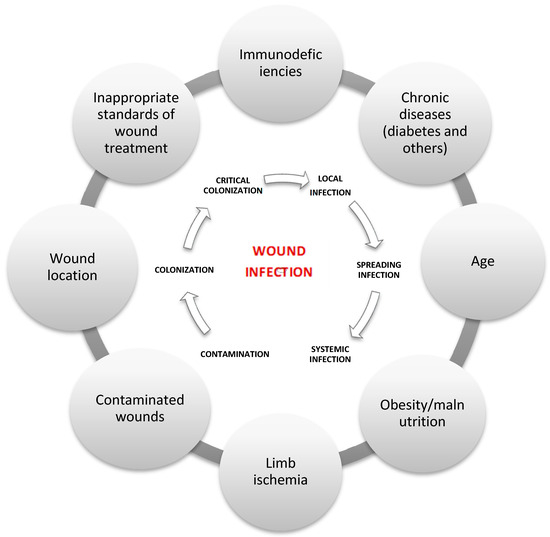
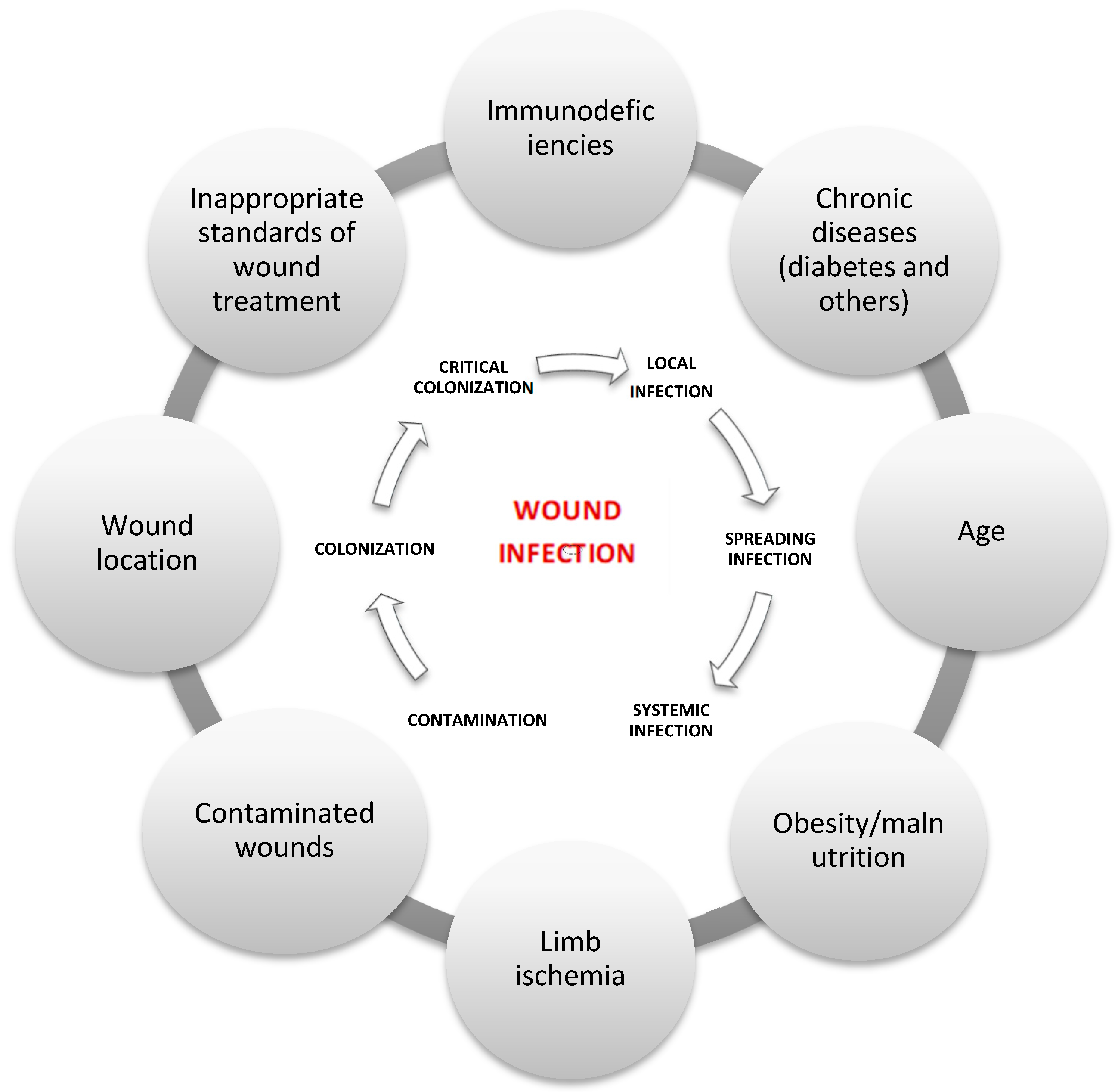
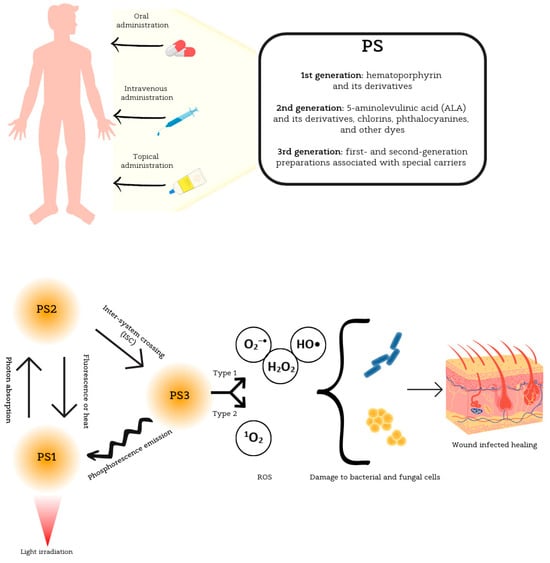
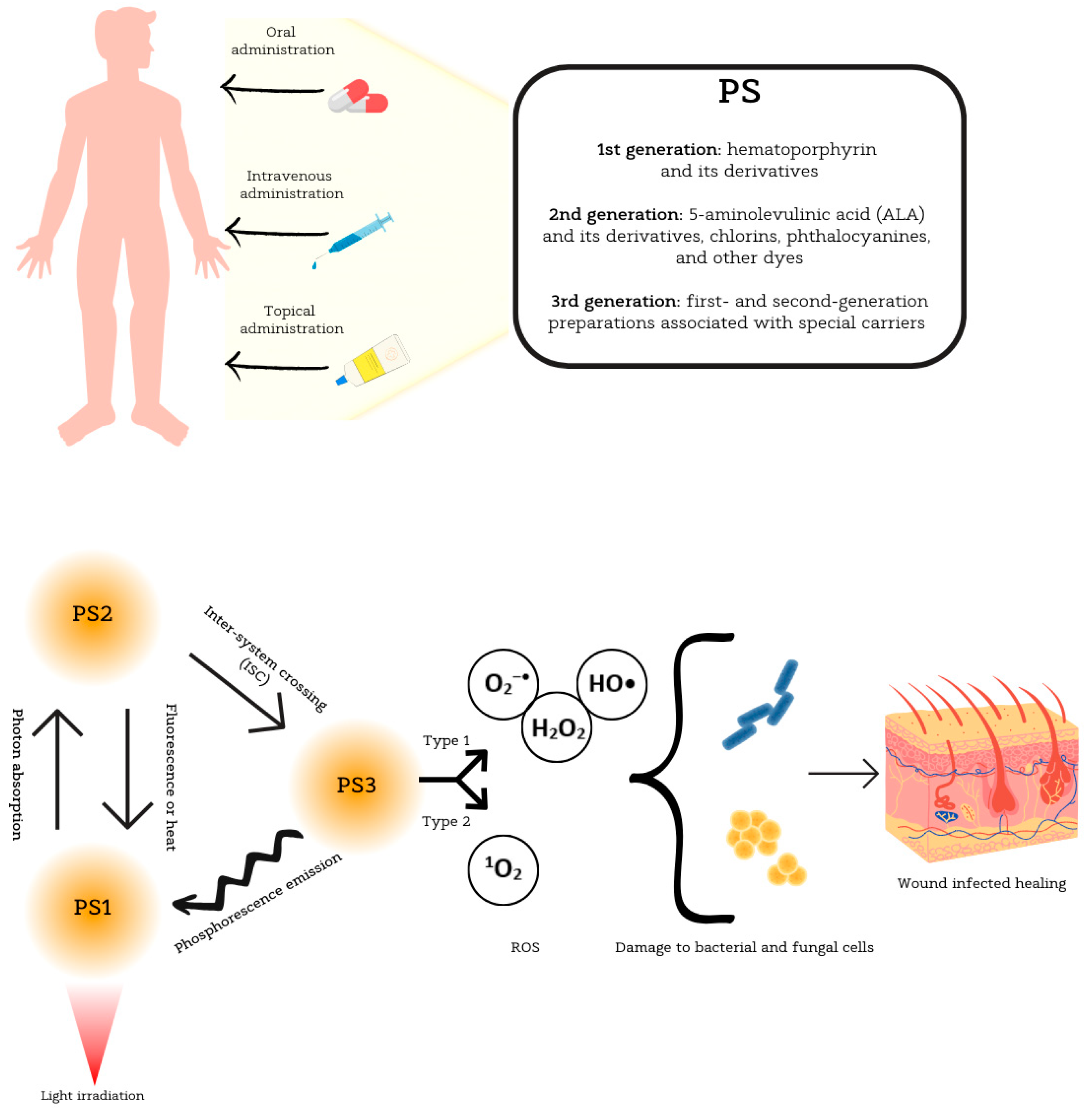
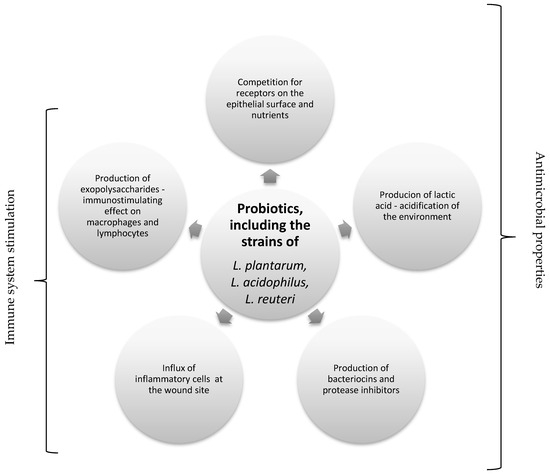
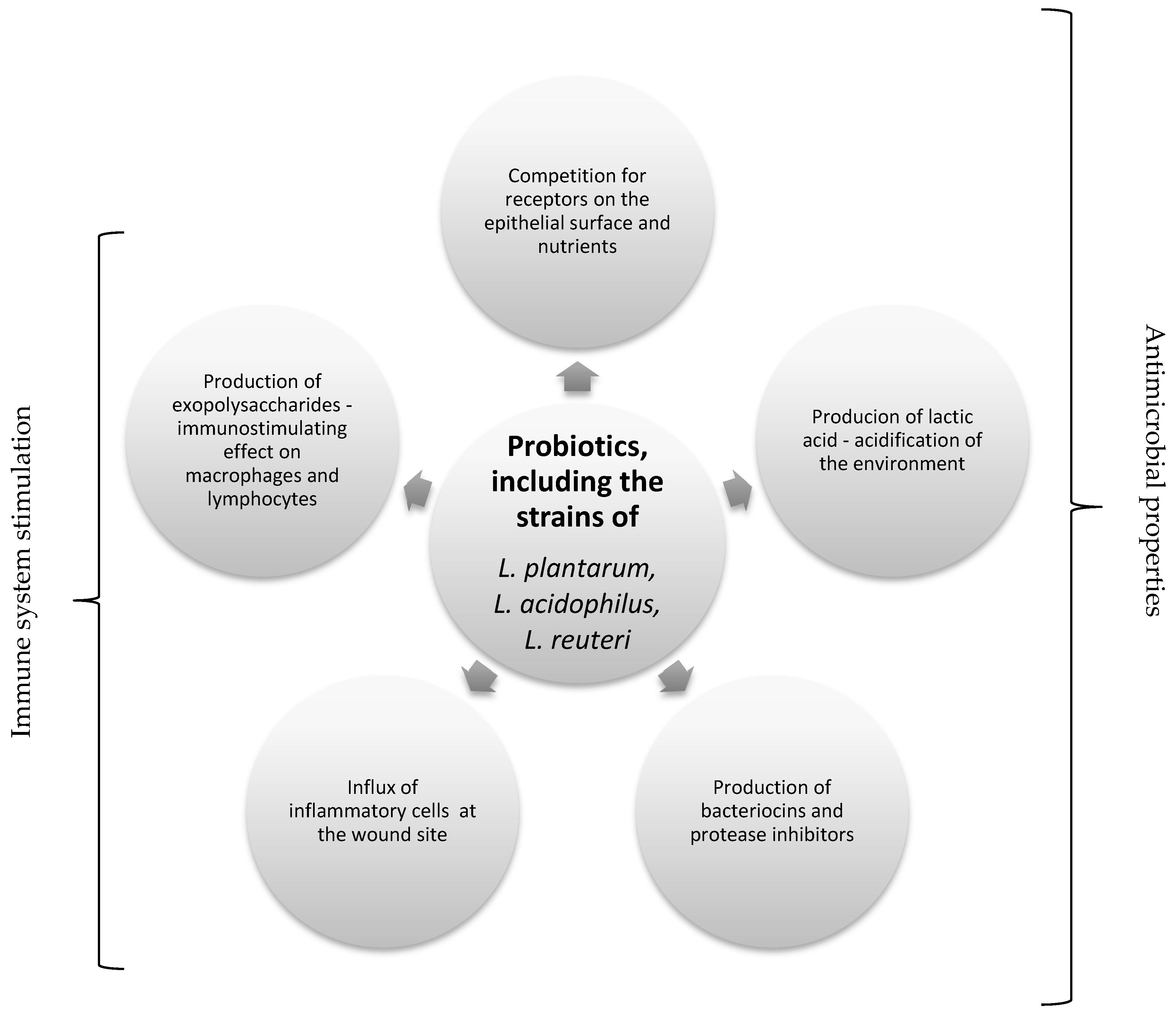

Disclaimer/Publisher’s Note: The statements, opinions and data contained in all publications are solely those of the individual author(s) and contributor(s) and not of MDPI and/or the editor(s). MDPI and/or the editor(s) disclaim responsibility for any injury to people or property resulting from any ideas, methods, instructions or products referred to in the content. |
© 2026 by the authors. Licensee MDPI, Basel, Switzerland. This article is an open access article distributed under the terms and conditions of the Creative Commons Attribution (CC BY) license.