Article

New Insights into Surgical Techniques and Anatomical Landmarks for Tubular Scaffold Implantation in the Sciatic Nerve of Rats


by
Daniel Vargas-Chávez
1,2,
Carlos Veuthey
3,
Brandon Gutiérrez
4,
María Eugenia González-Quijón
5,
Josefa Alarcón-Apablaza
1,6,
Luiz Gustavo de Sousa
7,
Mariano del Sol
3 and
Fernando José Dias
8,9,*
1
Doctoral Program in Morphological Sciences, Medical School, Universidad de La Frontera, Temuco 4780000, Chile
2
Facultad de Medicina y Ciencias de la Salud, Escuela Medicina Veterinaria, Universidad Mayor, Temuco 4780000, Chile
3
Centro de Excelencia en Estudios Morfológicos y Quirúrgicos (CEMyQ), Universidad de La Frontera, Temuco 4780000, Chile
4
Master Program in Dentistry, Dental School, Universidad de La Frontera, Temuco 4780000, Chile
5
Department of Chemical Engineering, Universidad de La Frontera, Temuco 4780000, Chile
6
Research Centre in Dental Sciences (CICO-UFRO), Dental School, Facultad de Odontología, Universidad de La Frontera, Temuco 4780000, Chile
7
Department of Basic and Oral Biology, Ribeirao Preto School of Dentistry, University of São Paulo—USP, Ribeirão Preto 14040-904, Brazil
8
Oral Biology Research Centre (CIBO-UFRO), Dental School, Facultad de Odontología, Universidad de La Frontera, Temuco 4780000, Chile
9
Department of Integral Adults Dentistry, Dental School, Facultad de Odontología, Universidad de La Frontera, Temuco 4780000, Chile
*
Author to whom correspondence should be addressed.
Appl. Sci. 2026, 16(3), 1296; https://doi.org/10.3390/app16031296
Submission received: 1 December 2025 / Revised: 19 January 2026 / Accepted: 22 January 2026 / Published: 27 January 2026
(This article belongs to the Special Issue Novel Techniques for Neurosurgery)

Featured Application

This ex vivo study provides a standardized, anatomically validated surgical protocol for implanting tubular nerve scaffolds into the rat sciatic nerve. Its primary application is to offer researchers a reproducible, low-variance model for evaluating biomaterials, nerve guidance conduits (NGCs), cellular therapies, and regenerative strategies under controlled experimental conditions. By identifying a precise 7 mm anatomically safe segment for neurotmesis and establishing consistent surgical landmarks and suture techniques, the method reduces procedural variability and the risk of iatrogenic injury. This standardized approach can be directly applied in preclinical testing of novel scaffolds, drug-eluting conduits, stem-cell-based therapies, and bioengineered materials, improving the reliability of translational research in peripheral nerve regeneration.

Abstract

Peripheral nerve injuries, especially neurotmesis, require precise repair strategies due to their severity and limited capacity for spontaneous regeneration. Nerve guidance conduits (NGCs) offer a promising alternative to autografts; however, consistent surgical techniques and anatomical references in rodent models could be enhanced. This ex vivo study focuses on describing and establishing a standardized, reproducible anatomical and technical protocol for implanting an NGC in the sciatic nerve of Wistar rats, identifying a 7 mm segment free of collateral branches as a safe site for neurotmesis. Thirty cadaveric hind limbs were positioned in lateral decubitus, and anatomical landmarks such as the greater trochanter, ischial bone, and femoral condyle guided the incision. A 1 cm scaffold was inserted and secured with 8-0 absorbable sutures, while muscle and skin were closed with 5-0 and non-absorbable sutures. The technique enabled safe access to the nerve, minimized risk to adjacent structures, and ensured proper scaffold positioning without tension. This standardized approach improves surgical reproducibility and supports anatomical integrity; however, because the study used ex vivo cadaveric samples, its capacity to facilitate functional nerve regeneration remains theoretical. While the protocol emphasizes the importance of surgical planning and suture patterns, it cannot account for active biological processes such as angiogenesis, inflammatory response, or axonal growth, which are critical for successful repair. Ultimately, this study provides a reliable anatomical platform for NGC evaluation under controlled experimental conditions, serving as a necessary precursor to in vivo validation of safety and functional outcomes.

1. Introduction

Peripheral nerve injuries (PNIs) represent a significant public health burden, leading to substantial costs for individuals and society [1,2]. These injuries often result in muscle atrophy and chronic neuropathic pain, severely impacting patients’ quality of life [3]. PNI can arise from trauma, underlying medical conditions, or surgical procedures, and typically causes a loss of motor function and sensation in the affected areas. Spontaneous healing is rare in such cases, necessitating medical intervention [4]. Epidemiologically, PNI occurs in approximately 2–5% of patients who experience physical trauma, such as traffic accidents, joint dislocations, or surgeries [5]. In the USA, about 20 million people suffer from PNI each year, contributing to an estimated USD 150 billion in annual healthcare costs [6]. In the UK, a 2023 analysis of hospital records reported an incidence rate of 11.2 cases per 100,000 people per year over the past 15 years. Beyond its clinical impact, PNI is associated with high societal costs, including lost productivity, long-term disability, and patient-related expenses such as time off work and income loss. This burden is especially relevant given that PNI predominantly affects individuals of working age, with a higher prevalence among males [2].
The use of nerve guide conduits (NGCs) represents a promising alternative to autologous nerve grafts in the repair of peripheral nerve injuries, offering several clinical and technical advantages. Unlike autografts, which require harvesting a donor nerve (typically the sural nerve), leading to donor site morbidity and increased surgical time, conduits avoid these issues by being readily available, sterile, and easy to handle intraoperatively [7,8]. In addition, synthetic or biocompatible conduits eliminate the risk of immune rejection associated with allogeneic or xenogeneic grafts [9]. Another key advantage is the potential for bioengineering, as conduits can be functionalized with stem cells, growth factors, or bioactive materials to enhance nerve regeneration [10]. Studies also suggest that conduits may reduce the formation of painful neuromas when properly matched to the injured nerve’s diameter [11]. However, despite these benefits, current conduits perform best in nerve defects of up to 3 cm in length and show inferior outcomes compared to autografts in mixed nerves or large-gap injuries [12].
Despite technological advances and refinements in microsurgical nerve repair, complete functional recovery is not always achieved. The success of nerve regeneration is influenced by several factors, including the distance between the injury site and the target organ, the nature of the injury, the time elapsed before surgical intervention, the patient’s age, existing comorbidities, and the surgical approach employed. These variables significantly increase the complexity of achieving consistent and successful outcomes in nerve repair procedures [13,14,15].
The sciatic nerve injury model in rats is widely used in preclinical research on peripheral nerve regeneration due to several methodological, anatomical, and translational advantages. First, the rat sciatic nerve has a relatively large diameter and well-defined anatomy, which facilitates surgical access, standardized lesion creation, and the application of conduits, grafts, or cell therapies [16]. In addition, this model allows for the induction of various types of injuries (neurotmesis, axonotmesis, crush), making it adaptable to experimental goals and reflective of different clinical severities [17]. Another major advantage is the ease of postoperative functional assessment, particularly through the Sciatic Functional Index (SFI), which provides a quantitative measure of motor recovery based on footprint analysis [18]. Furthermore, the model supports histological, immunohistochemical, electrophysiological, and morphometric analyses of regenerating fibers, offering a comprehensive approach to evaluating regeneration [19]. Studies using rats are the most common, as they favor reproducibility, are lower in cost than those with large animals, and allow analysis of larger lesions than the mouse model [20]. Finally, although there are anatomical and physiological differences between rodents and humans, the model shows good translational relevance for early-stage investigations in nerve regeneration before progressing to larger animal models or clinical trials [21].
This ex vivo study focuses on the anatomical and technical protocols involved in implanting tubular scaffolds into the sciatic nerve of adult Wistar rats. Each surgical step is described with precision, emphasizing key morphological features and providing anatomical justification for the chosen implantation site to minimize damage to nearby motor branches. The preparation of surgical materials and the operative field is also addressed, underscoring the importance of maintaining strict ethical standards. The proposed surgical protocol innovates by standardizing NGC implantation with high anatomical precision and a less invasive approach, minimizing iatrogenic damage to motor branches. This refined methodological approach allows for isolating the effectiveness of regenerative materials, overcoming inconsistencies in previous techniques, and offering a robust preclinical model for the development of more effective translational therapies in restoring neuromuscular function.

2. Materials and Methods

2.1. Animals and Ethical Approval

This research animal protocol was approved by the Scientific Ethics Committee of the Universidad de La Frontera (CEC-UFRO), Approval No. 137_24, obtained on 23 October 2024, in accordance with the ethical principles of international animal experimentation, and Law 20380, which regulates animal protection and experimentation in Chile. Following the recommendations of the ARRIVE animal model study guides, all experimental protocols were performed between November 2024 and March 2025.
Cadaveric samples were obtained from 30 adult male Wistar rats (Rattus norvegicus), aged 3 to 4 months and weighing between 250 and 350 g. Only specimens with no prior interventions affecting the sciatic nerve were included. A total of 30 pelvic limbs (hind legs), each from a different animal, were used. These samples were originally discarded from other studies but retained intact sciatic nerves. The sample size was determined using G*Power 3.1 software, based on a one-sample t-test, with an alpha level of 0.05, statistical power (1-β) of 0.9, and an effect size of 0.55.

2.2. NGC Fabrication and Scanning Electron Microscopy

The NGC used was prepared by our research group with cellulose acetate (CA, 5.1% WT) (~50 g/mol, Sigma-Aldrich, Saint Louis, MO, USA) and functionalized with soy protein acid hydrolysate (SPAH, 13.6% WT) (58.08 g/mol, Sigma-Aldrich, Saint Louis, MO, USA) as described previously [22]. The prepared NGC will be analyzed using a Hitachi variable pressure scanning electron microscope (VP-SEM) (SU3500, Tokyo, Japan) at a voltage of 10 kV.

2.3. Anatomical and Surgical Protocol

To perform the present study, guided incisions were made in each of the rats to precisely approach the sciatic nerve. The rat cadaveric specimens are positioned in lateral decubitus without performing hyperextension of the pelvic limb so as not to generate differences in tension on the structures.
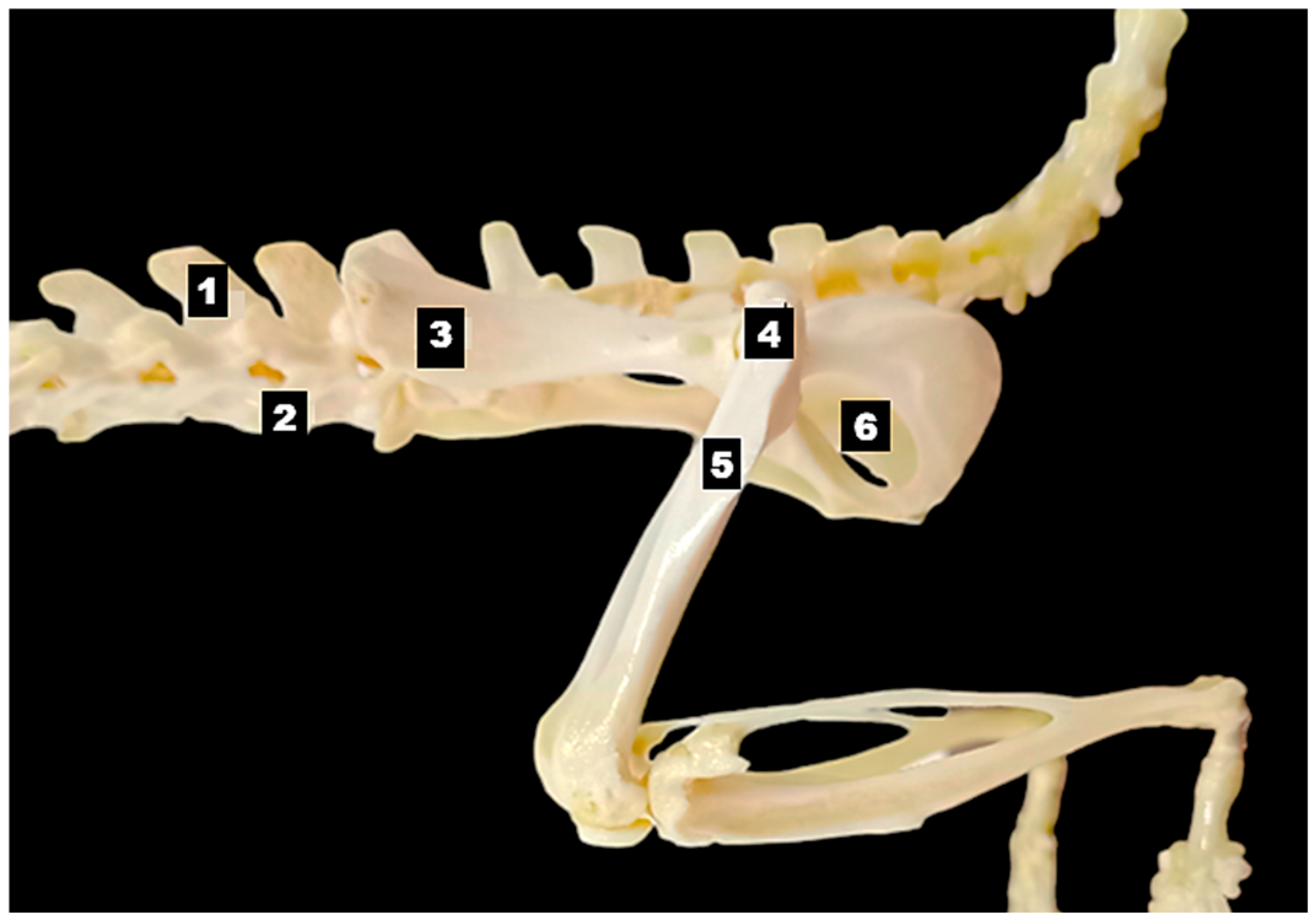
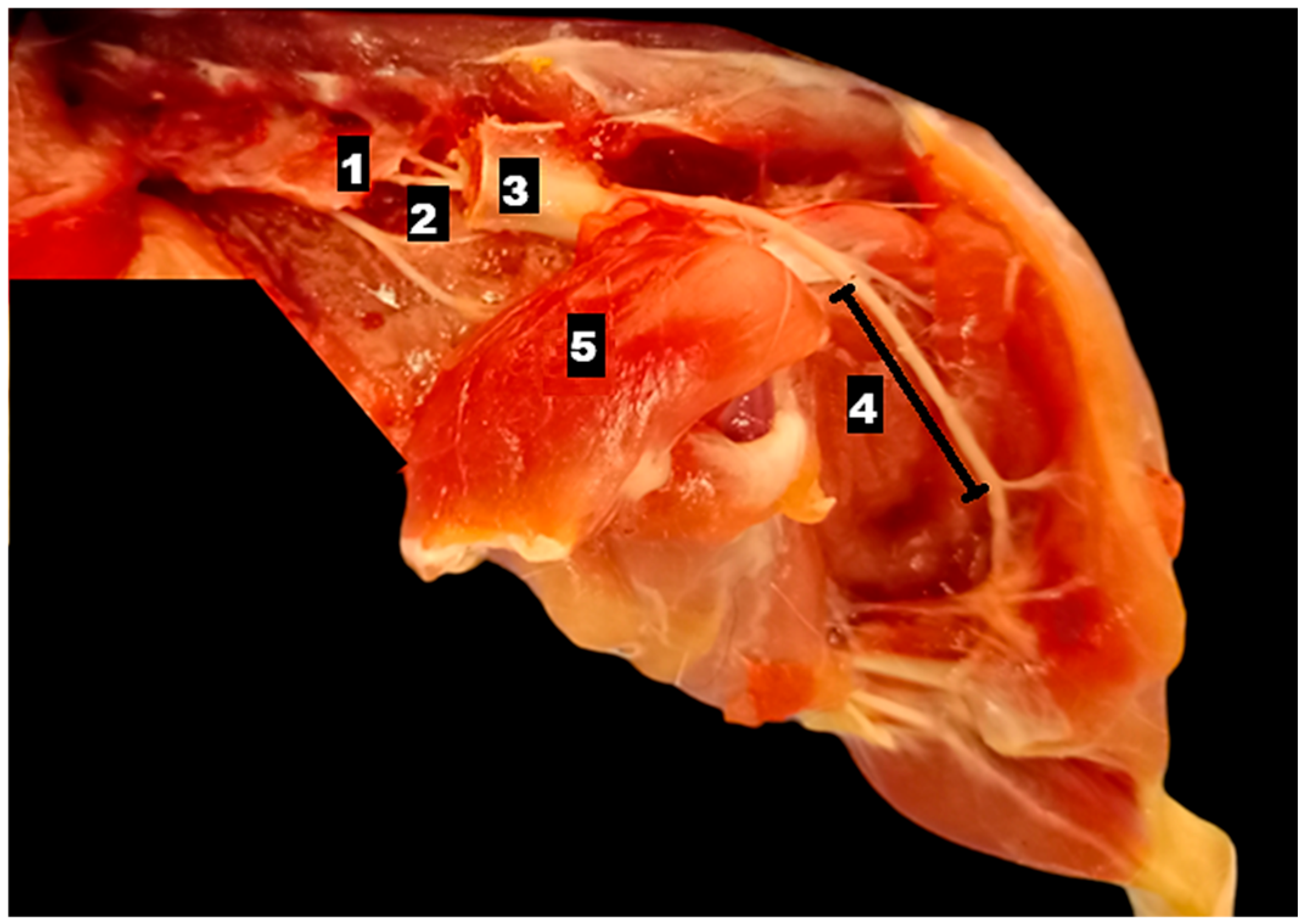
The bone limits considered to be able to guide the route of the incision were the major trochanter, large ileum, patellar femoral joint, and lateral condyle of the femur (Figure 1), as well as the location of cranial, caudal, lateral, and medial muscle groups of the muscle (Figure 2).
The surgical site was initially prepared by mechanical clipping with a Golden A5 (Oster, Boca Raton, FL, USA) trichotomy device fitted with a #10 blade, resulting in an approximate hair length of 1.0 mm. Subsequently, antiseptic washing with 0.1% chlorhexidine was performed, followed by the placement of sterile surgical drapes on each treated limb.
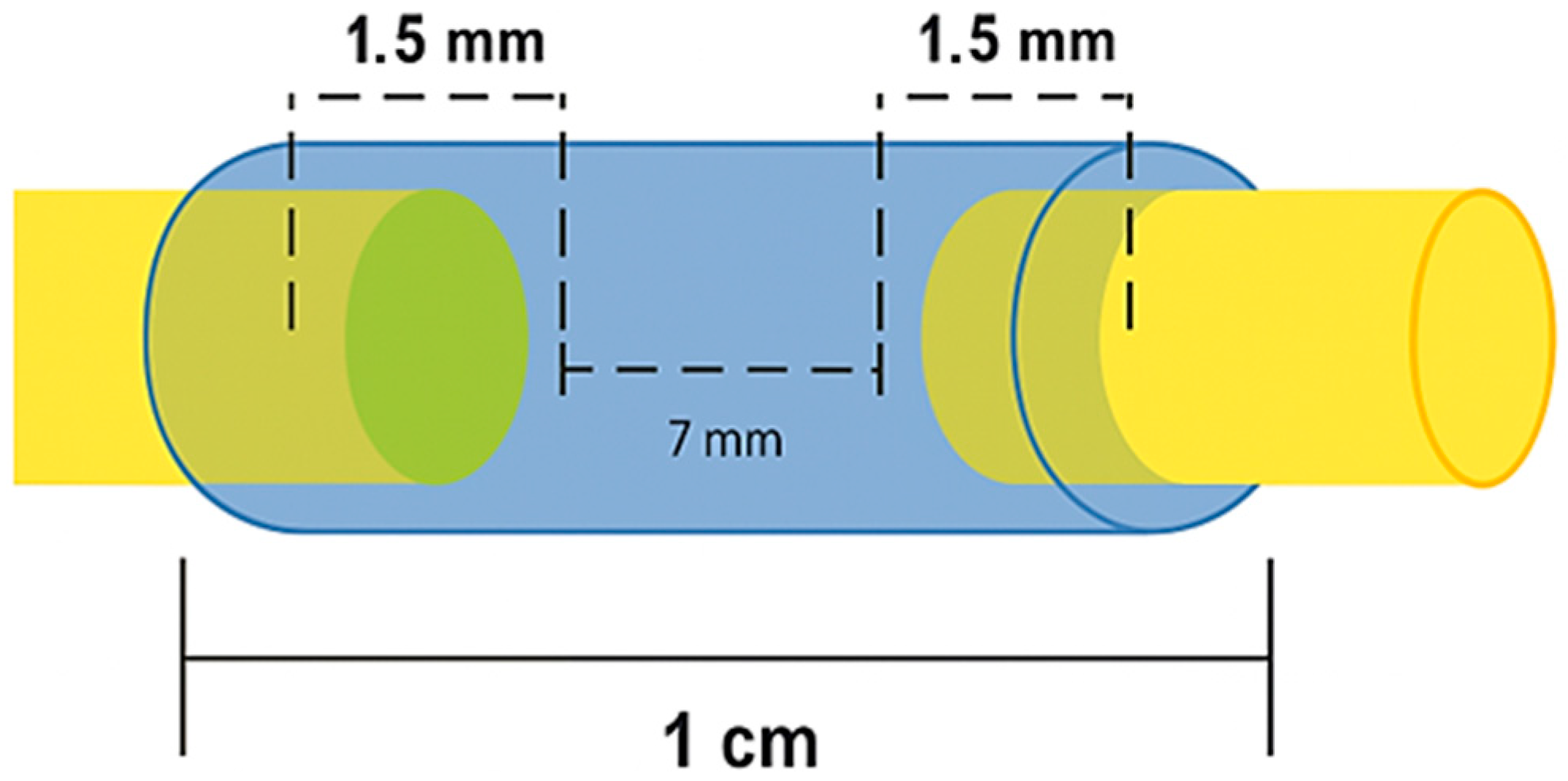
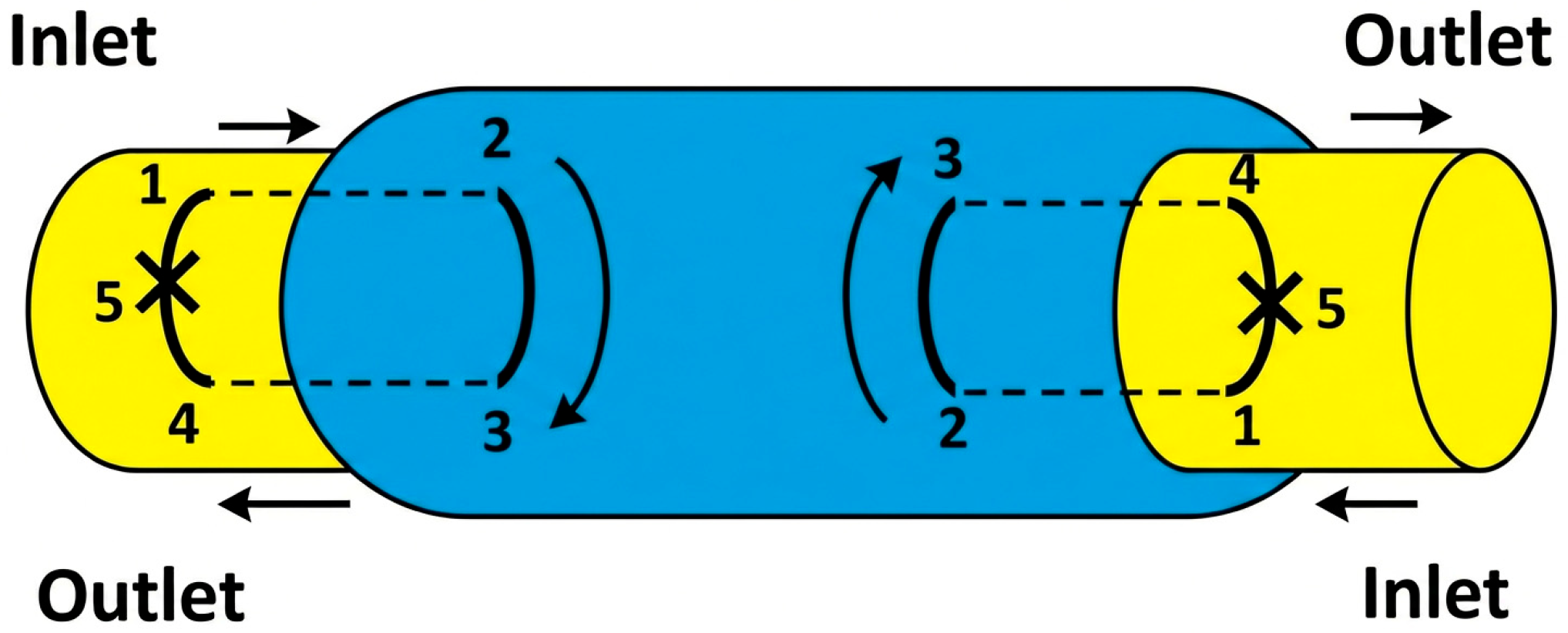
The implantation of the NGC was carried out in the area indicated in Figure 3, avoiding the accessory/motor nerve branch damage as shown in Figure 4.
The suturing method used for the implantation of the tubular scaffold on the sciatic nerve was performed as shown in Figure 4.

2.4. Statistical Analysis

The measurements related to the anatomical–surgical protocols performed were tabulated in a spreadsheet. Subsequently, the normality of the data was analyzed using the Shapiro–Wilk test. For a normal distribution, the data are shown as a histogram; for a non-normal distribution, the data are shown as a boxplot.

3. Results

3.1. Scanning Electron Microscopy—NGC of Prepared CA/SPAH

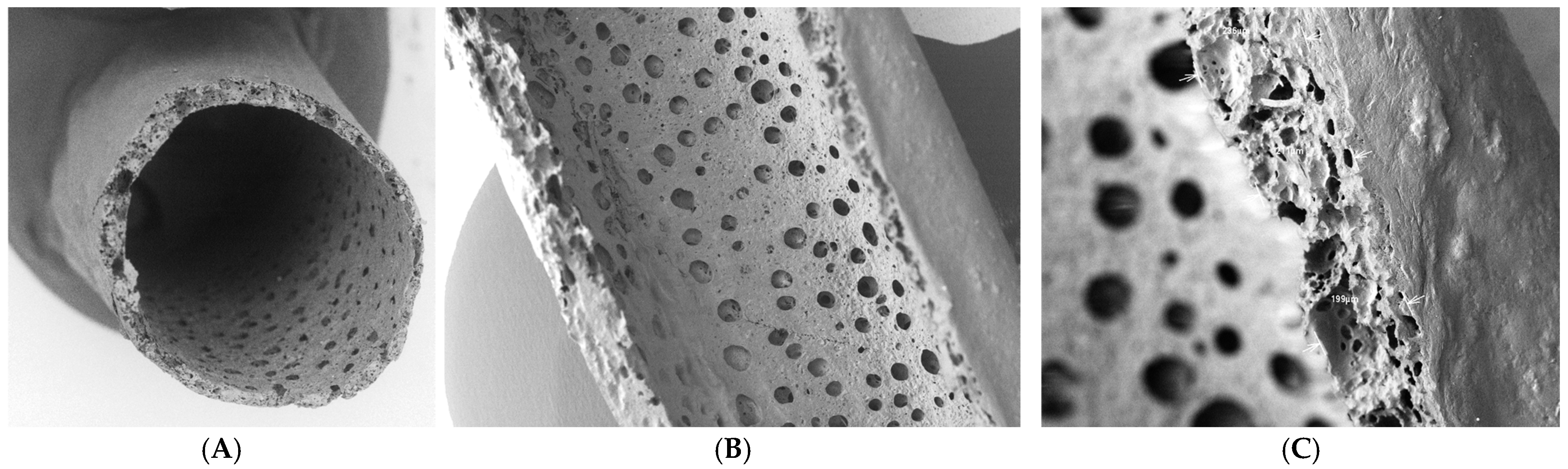
Figure 5 reveals the characteristics of the CA/SPAH NGC observed by scanning electron microscopy. The uniformity of the NGC wall thickness is noticeable, as is the porosity of the inner wall, while the outer wall has a smoother appearance. Finally, in greater detail, it is possible to observe that the NGC wall does not appear to be compact.

3.2. Standardization of the Access Method to the Sciatic Nerve

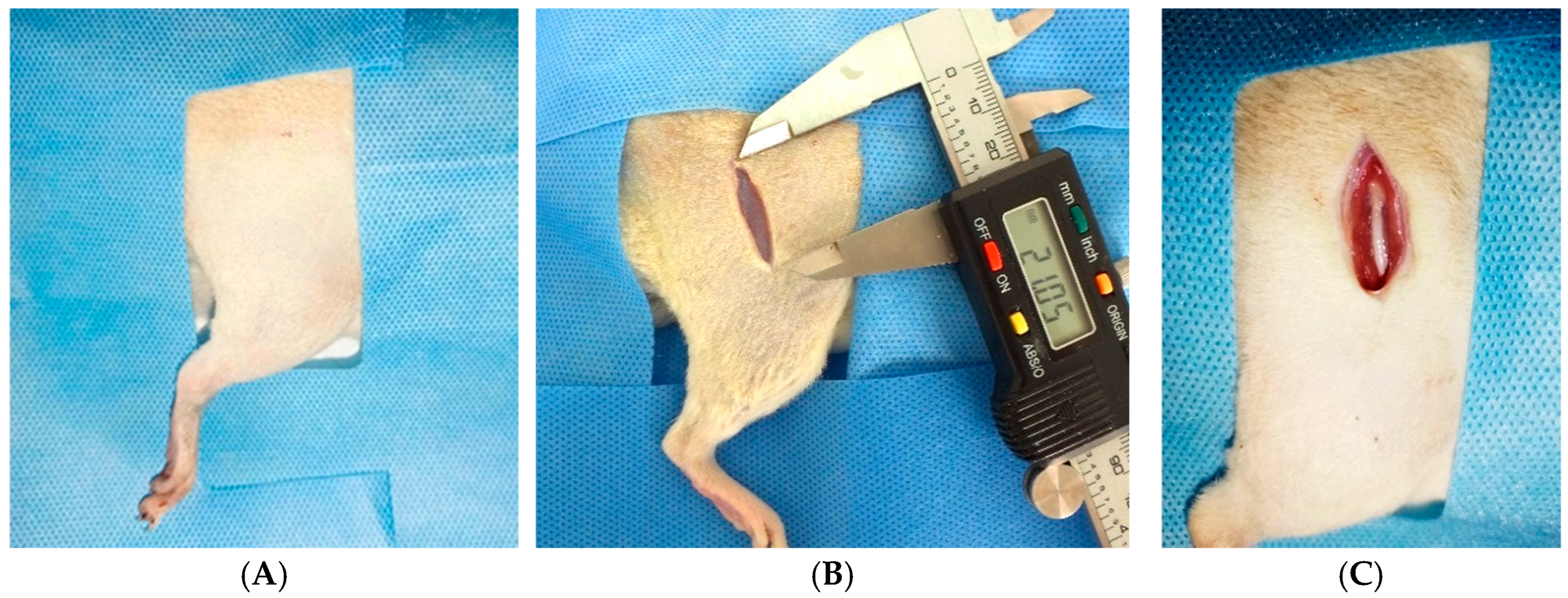
All measurements were taken with a digital caliper (Mitutoyo, Kawasaki, Japan). Initially, the greater trochanter was located through direct palpation, and an incision was made in the skin of ~2.1 cm, parallel to the caudal edge of the femur at 0.3 cm caudoventral from the greater trochanter. Once the lateral musculature of the muscle is exposed, a longitudinal incision is carried out over the biceps femoris muscle at a depth of 0.5 cm, and a Roman dissection is performed, exposing the sciatic nerve in the nerve segment that is free of motor points, which becomes evident in the dissection (Figure 6), and is proximal to the bifurcation of the distal branches of the sciatic nerve.
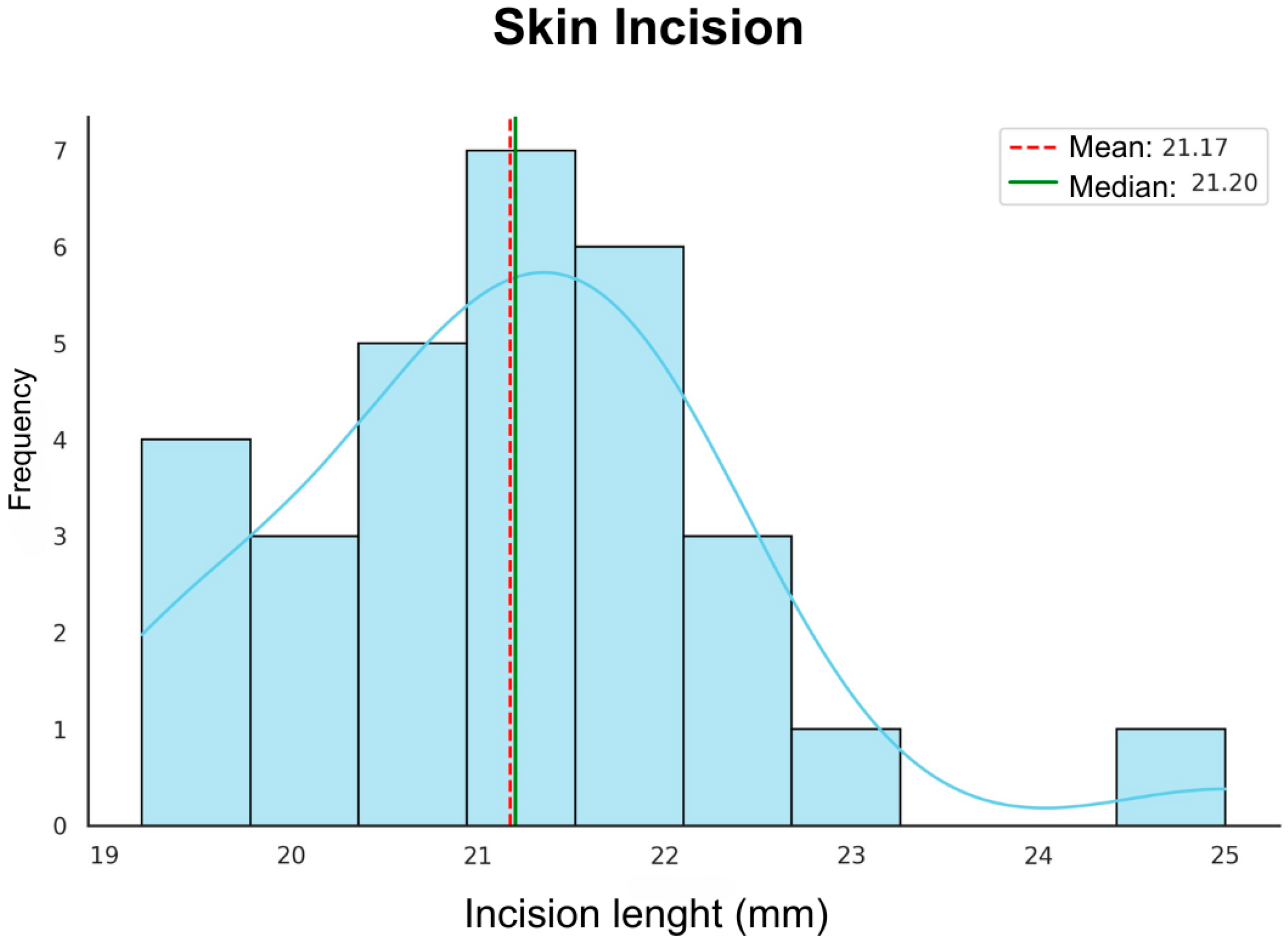
Since the distribution of the incision length data was normal, the data were presented as a histogram (Figure 7). The mean skin incision length was 21.17 mm (SD ± 1.21 mm), with a range of 19.2 to 25 mm.
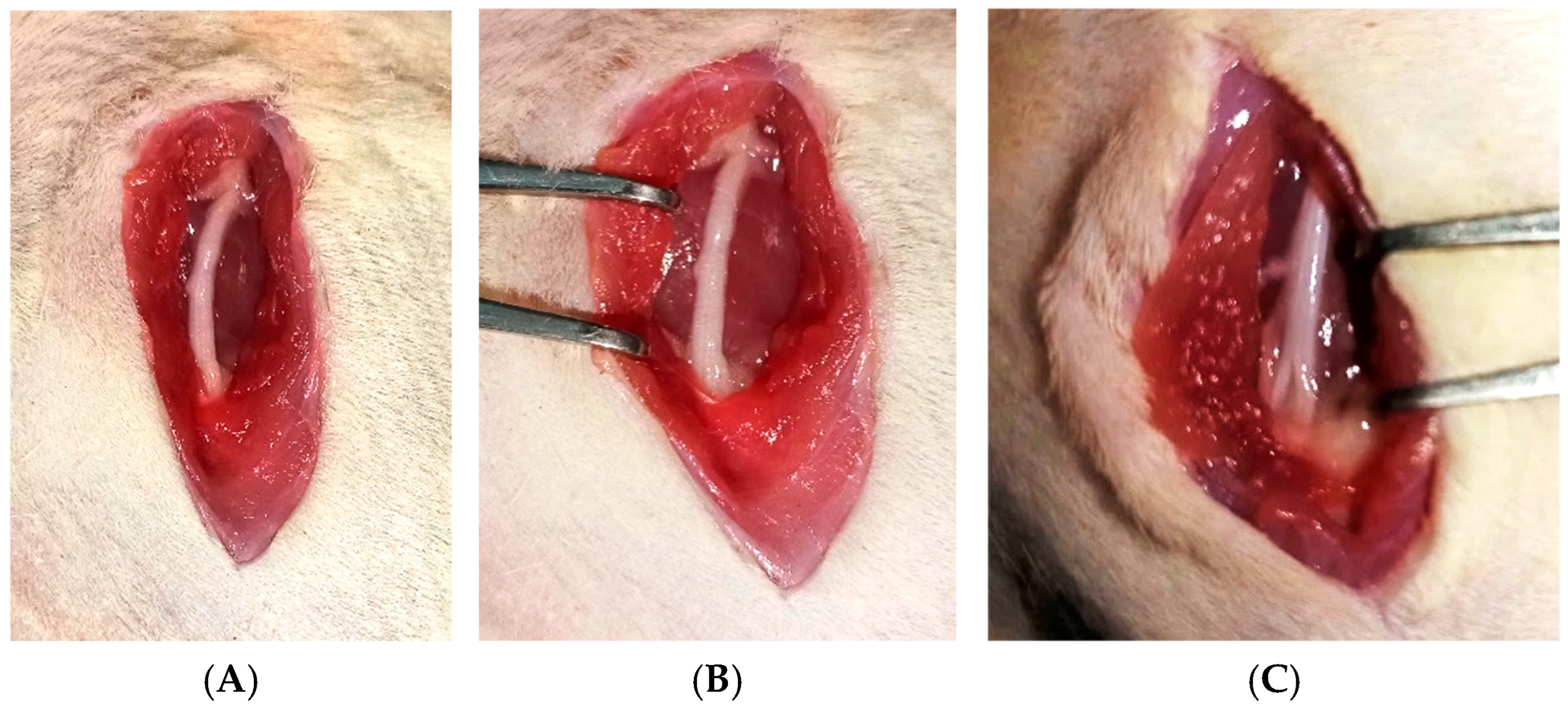
It is necessary to consider the markings of the anatomical structures described above, because if these guidelines are not followed, there may be a lack of safety in the exposed region of the nerve that may include nerve branches that do not need to be damaged or injured (Figure 8).

3.3. Standardization of Nerve Recession Injury (Neurotmesis) and Implantation of the Tubular Scaffold

Once the sciatic nerve was exposed, the free segment of the sciatic nerve was obtained by making transversal incisions on the latter, generating a free fragment of ~7 mm. The proximal end and the distal end were not clamped so as not to generate mechanical damage, and the position of the pelvic limb did not change, so as not to alter any biomechanical element prior to the implantation of the scaffold.
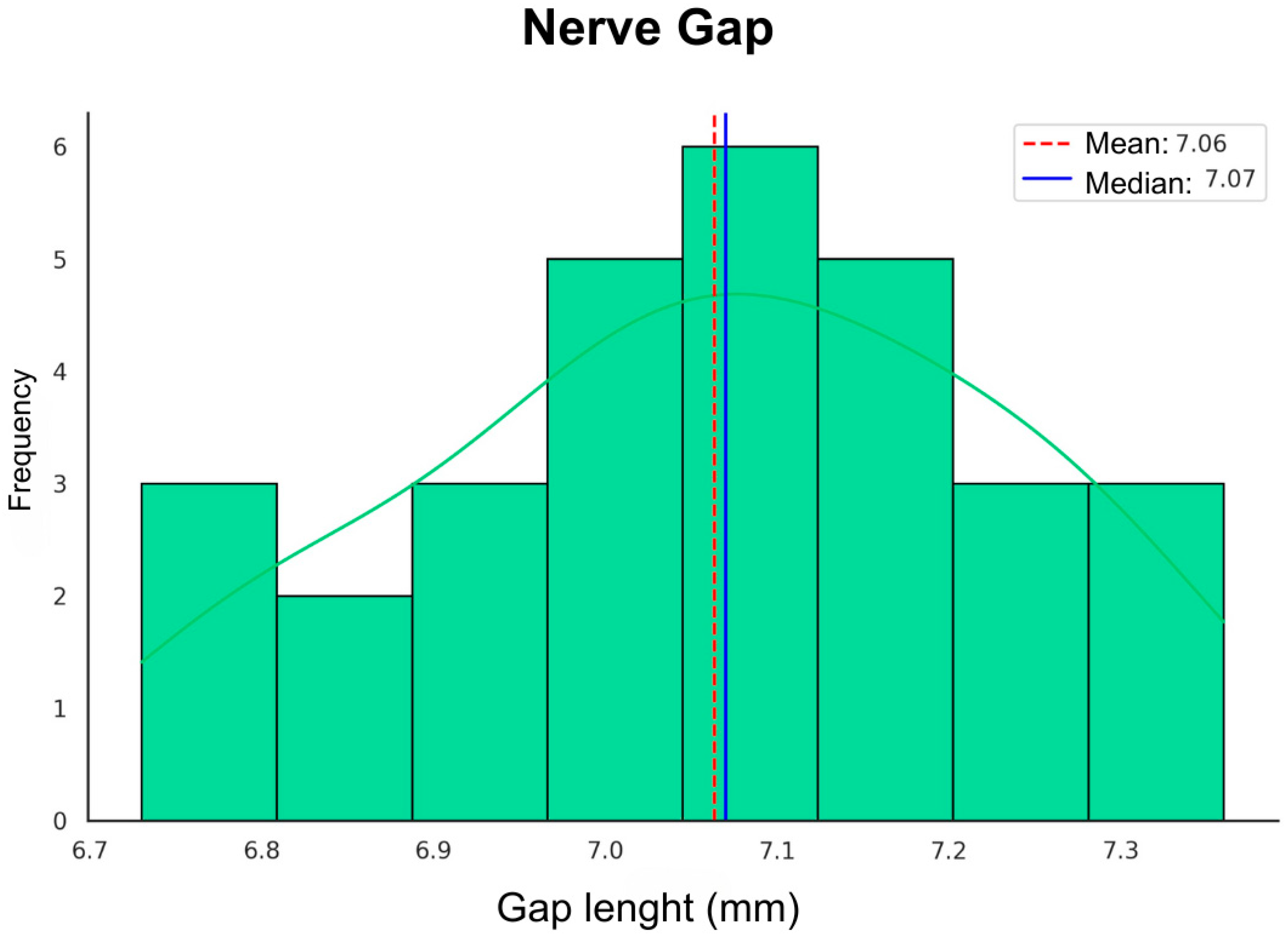
The mean of the nerve gap was 7.06 mm (SD ± 0.17 mm), with data ranging from 6.73 to 7.36 mm. The distribution of the gap nerve length data also showed a normal distribution. For this reason, the data were presented in the form of a histogram (Figure 9).
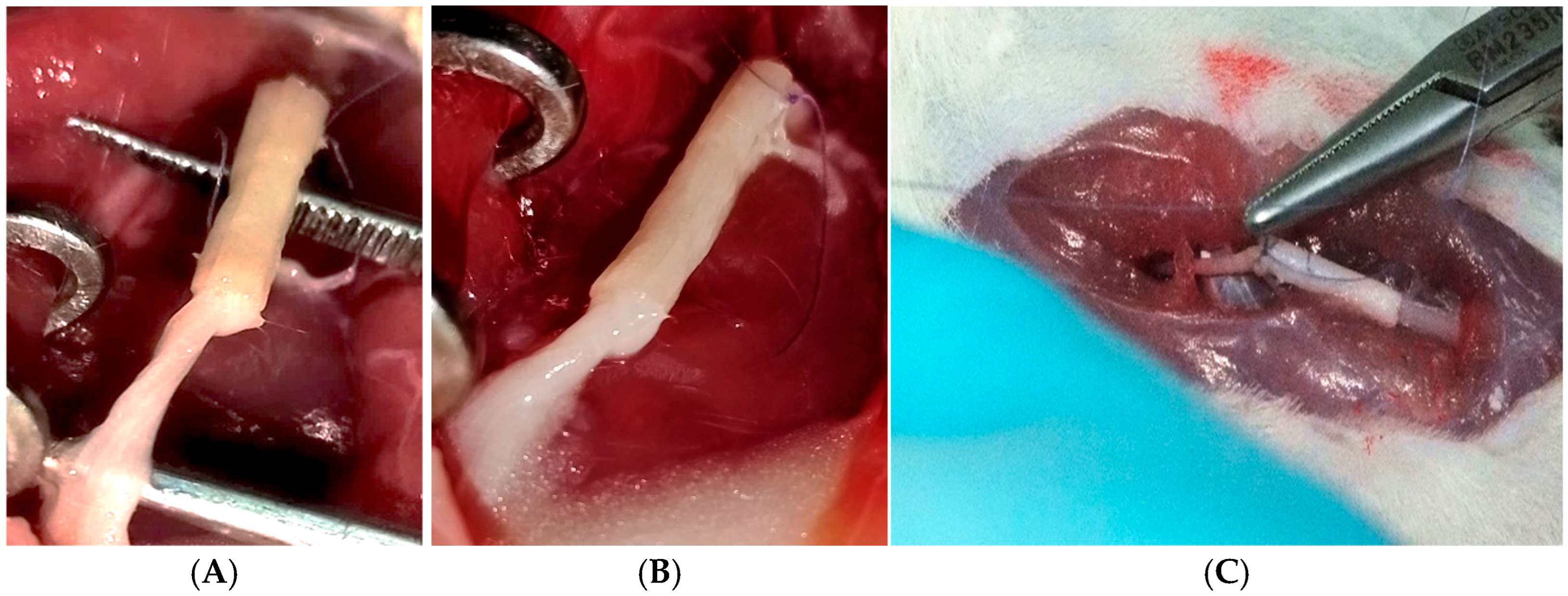
At the ends, the 1 cm long scaffold is positioned at the proximal end, introducing 1.5 mm to the same as the distal end (Figure 10), leaving a 7 mm segment of separation between the ends, as shown in Figure 3 and Figure 4, and it is not possible to leave excess free space between the epineurium and the internal diameter of the scaffold, and therefore, entry into this area should not be difficult.
After the tubular scaffold was positioned, suture pads were placed using 8-0 polyglycolic acid suture (Glicosorb, Tagum, Lima, Peru), uniting the perineum with the scaffold. At this point it is important to highlight that the strength of tension applied to the entire suture should not be excessive, otherwise it would damage the floor and affect the success of the implant, and this is where an important element is based, involving the final design of the tube, with appropriate materials and clear protocols, as well as elements that are not subject to discussion in this article. Also, once both sutures are completed, the muscle ends are brought together and sutured with three stitches in “X” form with 5-0 polyglycolic acid suture (Glicosorb, Tagum, Lima, Peru) (Figure 10) and finally the skin is sutured with three stitches in a discontinuous horizontal U 4 mm from the margin of the incision, which allows for better resistance to the mechanical tension that the animal will exert in the postoperative period, without generating excessive skin evasion.
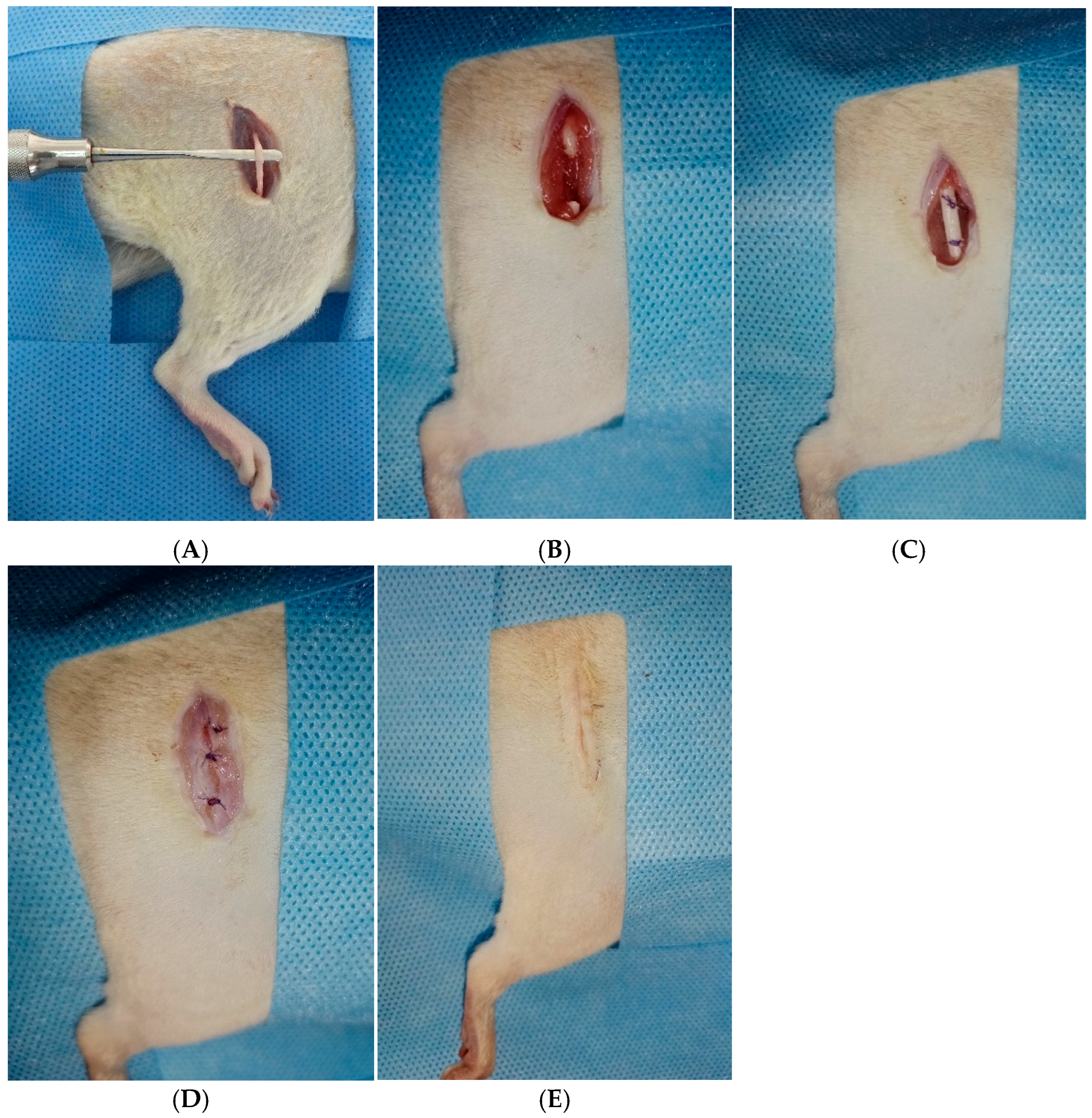
In Figure 11, it is possible to observe all the steps of the proposed standardization of the exposure of the sciatic nerve, the subsequent realization of the nerve recession injury (neurotmesis), and the aspect after the implantation of the NGC with the proposed suture method. And finally, the associated muscles are sutured using the X pattern, and the skin is sutured in a U pattern.

4. Discussion

Research focused on neurotmesis has significantly advanced tissue engineering and regenerative neuroscience, particularly through the use of biomaterials, such as NGC, to promote functional recovery [12]. Based on these advancements, research on neurotmesis remains crucial to improving clinical outcomes in patients with severe nerve injuries [23].
In addition, synthetic or biocompatible conduits eliminate the risk of immune rejection associated with allogeneic or xenogeneic grafts [24]. Another key advantage is the potential for bioengineering, as conduits can be functionalized with stem cells, growth factors, or bioactive materials to enhance nerve regeneration [25]. Studies also suggest that conduits may reduce the formation of painful neuromas when properly matched to the diameter of the injured nerve [11]. However, despite these benefits, current conduits perform best in nerve defects of up to 3 cm in length and show inferior outcomes compared to autografts in mixed nerves or large-gap injuries [12].
An ideal NGC must replicate the morphological, structural, and biochemical characteristics of native peripheral nerve tissue to support regeneration. It should possess mechanical properties that are compatible with the native nerve. This allows the NGC to endure surgical manipulation, like suturing, and resist physiological loads without collapsing after implantation. Beyond maintaining structural integrity, NGC should mimic the extracellular matrix (ECM) through biomimetic architectures and topographies. This approach emulates the epineurial tubular structure and incorporates internal fibrous components that simulate the native ECM. Additionally, these scaffolds must provide biochemical cues such as immobilized growth factors or bioactive molecules to stimulate axonal growth and cellular signaling essential for regeneration. Understanding peripheral nerve anatomy provides a foundation for designing NGC with the topographical, chemical, electrical, and mechanical properties needed for effective nerve repair [14,15,26,27].
The sciatic nerve injury model in rats is widely used in preclinical research on peripheral nerve regeneration due to several methodological, anatomical, and translational advantages. First, the rat sciatic nerve has a relatively large diameter and well-defined anatomy. This facilitates surgical access, standardized lesion creation, and the application of conduits, grafts, or cell therapies [16]. In addition, this model allows for the induction of various types of nerve injuries (neurotmesis, axonotmesis, crush), making it adaptable to experimental goals and reflective of different clinical severities [17]. Another major advantage is the ease of postoperative functional assessment, particularly through the Sciatic Functional Index (SFI). The SFI provides a quantitative measure of motor recovery based on footprint analysis [18]. Furthermore, the model supports histological, immunohistochemical, electrophysiological, and morphometric analyses of regenerating fibers. This offers a comprehensive approach to evaluating regeneration [19]. The rat sciatic nerve model is widely used to study synthetic scaffolds due to its low cost, ease of handling, and suitability for large groups. It enables thorough evaluation of nerve regeneration but is mostly limited to short nerve gaps, typically 10 mm or less [28]. Finally, although there are anatomical and physiological differences between rodents and humans, the model shows good translational relevance for early-stage investigations in nerve regeneration before progressing to larger animal models or clinical trials [21].
Accurate assessment of nerve gap dimensions is vital because marked physiological and anatomical disparities between animal models and humans significantly influence the translation of experimental findings [19,29]. While preclinical studies, predominantly in rodents, typically evaluate millimeter-scale gaps (often 10 mm) characterized by a robust regenerative capacity and rapid end-organ reinnervation, human clinical cases frequently present extensive defects exceeding several centimeters [29]. These larger gaps are often complicated by severe tissue loss, intraneural fibrosis, and a diminished regenerative potential, which can render primary repair obsolete and necessitate more complex bioengineering strategies [30]. Furthermore, the reliance on short-gap rodent models may fail to account for the chronic denervation and muscle atrophy typically seen in the prolonged recovery timelines of human patients, thereby complicating the predictive value of animal-to-human translation [19,29].
The appropriate NGC implantation, guided by anatomical structures that aim to minimize unwanted side effects in the rat sciatic neurotmesis model, enables us to evaluate the effectiveness of these devices as regeneration guides to overcome nerve injuries and promote functional recovery. By standardizing the surgical technique for NGC implantation, we sought to establish a robust, reproducible surgical procedure that would provide a foundation for future nerve regeneration research.
The key steps for the implantation of tubular scaffolds were explored, with consideration of the ethical and practical elements necessary for preclinical research. In addition, the implications and potential applications of this technique were discussed, along with possible contributions to nerve regeneration and clinical rehabilitation.
Among the key elements when surgically implanting an NGC in the sciatic nerve is the position the animal will be in on the surgical table, which is usually the lateral decubitus position. This position provides adequate access to the pelvic limb and the sciatic nerve, facilitating surgery. The limb to be operated on must be extended and kept relaxed; this facilitates manipulation of the nerve. It is important to ensure that the patient is safely and stably in the indicated position and that the pelvic limb is adequately accessible for surgery, using soft, stable restraints.
A critical aspect of sciatic nerve repair involves the secure fixation of the scaffold to the proximal and distal nerve stumps. Absorbable sutures, such as polyglycolic acid (PGA), are commonly chosen for their mechanical strength and low tissue reactivity, helping to maintain the guide tube in position throughout the regenerative process. A simple interrupted suture pattern is typically employed, carefully adapted to avoid damaging the conduit while providing stable fixation without exerting pressure on the nerve. For muscle closure, absorbable materials like PGA or polylactic acid (PLLA) are used with continuous or anchored suture techniques to ensure proper tissue alignment and preserve local blood flow. In contrast, skin closure generally involves non-absorbable sutures such as nylon or silk, using a simple continuous or horizontal U-shaped pattern. This approach maintains appropriate wound tension while minimizing tissue strangulation, with knots tied securely to prevent suture loosening during the healing period.
Unlike direct suturing, which can introduce tension and compromise regeneration, NGCs provide a tension-free bridge that guides axonal growth, limits fibrous tissue infiltration, and promotes the localized diffusion of neurotrophic factors [31]. These properties enhance axonal alignment and prevent axonal escape at suture sites. Recent studies [32] show that PBS nanofiber nerve conduits lead to higher fiber counts and density, and better electromyographic recovery, with muscle function improving by 20–45% compared to conventional suturing. Additionally, the scaffold-treated group exhibited no signs of inflammation or degeneration, indicating excellent biocompatibility. While epineural sutures remain the standard for small, tension-free lesions, their effectiveness declines in larger gaps. In such cases, conduits offer both structural support and biological advantages, emerging as superior alternatives for enhancing peripheral nerve regeneration [32,33].
In both scenarios, adherence to aseptic technique is imperative to minimize the risk of postoperative infection and maintain surgical integrity. Furthermore, non-absorbable sutures must be removed in accordance with standardized protocols and within the appropriate timeframe to facilitate optimal tissue healing and recovery. It is essential to emphasize that such surgical procedures are conducted within a controlled research environment and must be executed by personnel with expertise in experimental microsurgery. All procedures must comply with institutional and international ethical guidelines governing the care and use of laboratory animals. Ensuring animal welfare is a fundamental ethical and scientific requirement in any preclinical model involving live subjects [34,35].
Peripheral nerve regeneration is inherently a slow and complex biological process, with outcomes influenced by the extent of nerve damage, anatomical location, and individual variability. The selection of a suitable repair strategy must be guided by the type and severity of the lesion. Current research continues to explore and refine novel therapeutic approaches, including biomaterials, bioactive molecules, and regenerative techniques, to enhance functional recovery after peripheral nerve injury.
One of the central findings highlighted in this study is the detailed anatomical analysis of the rat sciatic nerve pathway. Our dissection revealed that only a segment of approximately 7 mm could be identified without the emergence of significant collateral branches. This anatomical constraint suggests that using nerve segments exceeding this length or disregarding the identified spatial boundaries may result in unintended functional alterations, potentially confounding experimental outcomes and limiting reproducibility.
A review of existing literature employing the rat sciatic nerve model indicates that few studies involving neurotmesis-type lesions and NGC implantation have focused on nerve gaps smaller than 7 mm [36,37]. The majority of experimental models utilize gaps of 10 mm [38,39,40,41,42,43,44,45,46,47,48,49,50], with some extending to 20 mm [50] and even 30 mm [51]. This trend is likely influenced by the prevailing assumption that nerve gaps exceeding 10 mm [5], and particularly those over 15 mm [4], are considered critical in size and are unlikely to regenerate spontaneously without functional impairment.
Nevertheless, our findings underscore the importance of considering the precise anatomical constraints of the sciatic nerve and its branches when designing experimental models. Studies employing nerve gaps greater than 7 mm, as defined by the anatomical landmarks described herein, should rigorously assess the potential for iatrogenic injury to adjacent neural structures.
The proposed surgical protocol aims to standardize the implantation of tubular scaffolds into the sciatic nerve of Wistar rats. This less invasive technique increases anatomical precision. Improved technical accuracy, based on surgical and anatomical standards, is a step forward for experimental reproducibility. Still, clinical use of this method requires thorough evaluation of its biological and functional effects.
The choice of the sciatic nerve model in rats is widely supported by the literature as the preclinical gold standard due to its well-defined anatomy and ease of surgical access [28]. The proposed protocol innovates by detailing morphological steps to minimize damage to motor branches, which are crucial determinants of axonal regeneration [52]. However, the effectiveness of any scaffold depends not only on the insertion technique but also on the complex biological interactions among the material, Schwann cells, and the regenerative microenvironment.
A key limitation is the type of technical validation applied. If the protocol is tested only on cadavers, it is useful only for practicing surgical skills and checking size compatibility.
Cadaveric or ex vivo models have limited physiological relevance for the study of nerve repair, since the absence of an active biological system prevents the evaluation of vital processes such as early angiogenesis, essential to avoid central scaffold necrosis, and the immune response mediated by macrophages and Schwann cells, fundamental for Wallerian degeneration and axonal growth [30,53]. Consequently, the true effectiveness of these interventions, which depends on the preservation of target organs and the recovery of motor and sensory function, can be objectively validated only in in vivo models that replicate the regenerative dynamics of a living organism [28,53].
Therefore, although the protocol provides a solid technical basis, it remains at a purely descriptive stage. The claim that the method contributes to the restoration of neuromuscular function is an extrapolation that requires rigorous in vivo validation using functional indices, electrophysiological measures, and long-term histomorphometry to demonstrate the device’s biological safety and tissue integration.

5. Conclusions

This study presents a standardized and anatomically validated surgical technique for implanting tubular scaffolds into the sciatic nerve of adult Wistar rats. The protocol identifies a reproducible 7 mm segment devoid of motor branches, facilitating precise neurotmesis and scaffold placement while minimizing collateral damage to adjacent structures. While this minimally invasive method may enhance experimental reproducibility and ethical compliance, the present findings are based on ex vivo cadaveric samples. Consequently, biological safety and functional efficacy cannot be assessed within these models, as they lack active vasculature, immune responses, and the dynamic processes of axonal regeneration and end-organ reinnervation. Therefore, although the technique provides an anatomical basis for preclinical research, further in vivo studies are necessary to determine long-term tissue integration and functional recovery associated with this surgical approach.

Author Contributions

Conceptualization, D.V.-C., L.G.d.S. and F.J.D.; data curation, D.V.-C., C.V. and M.d.S.; formal analysis, D.V.-C., B.G., M.E.G.-Q., J.A.-A., M.d.S. and F.J.D.; funding acquisition, F.J.D.; investigation, D.V.-C., B.G., M.E.G.-Q. and L.G.d.S.; methodology, D.V.-C., C.V., B.G., M.E.G.-Q., J.A.-A. and L.G.d.S.; project administration, F.J.D.; resources, F.J.D.; writing—original draft, D.V.-C., J.A.-A. and F.J.D. All authors have read and agreed to the published version of the manuscript.

Funding

Research Project Regular DIUFRO [DI25-0005]—Dirección de Investigación, Universidad de La Frontera.

Institutional Review Board Statement

The animal study protocol was approved by the Scientific Ethics Committee of Universidad de La Frontera (CEC-UFRO), under protocol number 137_24 (23 October 2024), in accordance with the ethical principles in international animal experimentation.

Informed Consent Statement

Not applicable.

Data Availability Statement

The original contributions presented in this study are included in the article. Further inquiries can be directed to the corresponding author (F.J.D.).

Acknowledgments

The authors would like to thank Karina Godoy from BIOREN-UFRO for providing support with the scanning electron microscopy analyses of the NGC.

Conflicts of Interest

The authors declare no conflicts of interest. The funders had no role in the design of the study; in the collection, analyses, or interpretation of data; in the writing of the manuscript; or in the decision to publish the results.

References

  1. Thomson, S.E.; Ng, N.Y.; Riehle, M.O.; Kingham, P.J.; Dahlin, L.B.; Wiberg, M.; Hart, A.M. Bioengineered nerve conduits and wraps for peripheral nerve repair of the upper limb. Cochrane Database Syst. Rev. 2022, 12, CD012574. [Google Scholar] [CrossRef]
  2. Cook, H.; Sugand, K.; Nasser, L.; Zaghloul, A.; Wiberg, A.; Panagiotidou, A.; Quick, T.; Sinisi, M.; Fox, M.; PARESIS Group. Does prophylactic decompression of distal nerves following nerve repair improve functional recovery? A systematic review. J. Plast. Reconstr. Aesthet. Surg. 2024, 91, 200–206. [Google Scholar] [CrossRef]
  3. Yu, B.; Bai, J.; Guan, Y.; Huang, X.; Liang, L.; Ren, Z.; Song, X.; Zhang, T.; Yang, C.; Dai, F.; et al. Fully biodegradable and self-powered nerve guidance conduit based on zinc-molybdenum batteries for peripheral nerve repair. Biosens. Bioelectron. 2024, 263, 116578. [Google Scholar] [CrossRef]
  4. Azapagic, A.; Agarwal, J.; Gale, B.; Shea, J.; Wojtalewicz, S.; Sant, H. A tacrolimus-eluting nerve guidance conduit enhances regeneration in a critical-sized peripheral nerve injury rat model. Biomed. Microdevices 2024, 26, 34. [Google Scholar] [CrossRef]
  5. Mankavi, F.; Ibrahim, R.; Wang, H. Advances in Biomimetic Nerve Guidance Conduits for Peripheral Nerve Regeneration. Nanomaterials 2023, 13, 2528. [Google Scholar] [CrossRef] [PubMed]
  6. Drewry, M.D.; Shi, D.; Dailey, M.T.; Rothermund, K.; Trbojevic, S.; Almarza, A.J.; Cui, X.T.; Syed-Picard, F.N. Enhancing facial nerve regeneration with scaffold-free conduits engineered using dental pulp stem cells and their endogenous, aligned extracellular matrix. J. Neural Eng. 2024, 21, 056015. [Google Scholar] [CrossRef] [PubMed]
  7. Faroni, A.; Mobasseri, S.A.; Kingham, P.J.; Reid, A.J. Peripheral nerve regeneration: Experimental strategies and future perspectives. Adv. Drug Deliv. Rev. 2015, 82–83, 160–167. [Google Scholar] [CrossRef] [PubMed]
  8. Gu, X.; Ding, F.; Williams, D.F. Neural tissue engineering options for peripheral nerve regeneration. Biomaterials 2014, 35, 6143–6156. [Google Scholar] [CrossRef]
  9. Parker, B.J.; Rhodes, D.I.; O’Brien, C.M.; Rodda, A.E.; Cameron, N.R. Nerve guidance conduit development for primary treatment of peripheral nerve transection injuries: A commercial perspective. Acta Biomater. 2021, 135, 64–86. [Google Scholar] [CrossRef]
  10. De la Rosa, M.B.; Kozik, E.M.; Sakaguchi, D.S. Adult Stem Cell-Based Strategies for Peripheral Nerve Regeneration. Adv. Exp. Med. Biol. 2018, 1119, 41–71. [Google Scholar] [CrossRef]
  11. Cattin, A.L.; Burden, J.J.; Van Emmenis, L.; Mackenzie, F.E.; Hoving, J.J.; Garcia Calavia, N.; Guo, Y.; McLaughlin, M.; Rosenberg, L.H.; Quereda, V.; et al. Macrophage-Induced Blood Vessels Guide Schwann Cell-Mediated Regeneration of Peripheral Nerves. Cell 2015, 162, 1127–1139. [Google Scholar] [CrossRef]
  12. Kehoe, S.; Zhang, X.F.; Boyd, D. FDA approved guidance conduits and wraps for peripheral nerve injury: A review of materials and efficacy. Injury 2012, 43, 553–572. [Google Scholar] [CrossRef] [PubMed]
  13. He, B.; Zhu, Z.; Zhu, Q.; Zhou, X.; Zheng, C.; Li, P.; Zhu, S.; Liu, X.; Zhu, J. Factors predicting sensory and motor recovery after the repair of upper limb peripheral nerve injuries. Neural Regen. Res. 2014, 9, 661–672. [Google Scholar] [CrossRef] [PubMed]
  14. Apablaza, J.A.; Lezcano, M.F.; Lopez Marquez, A.; Godoy Sánchez, K.; Oporto, G.H.; Dias, F.J. Main Morphological Characteristics of Tubular Polymeric Scaffolds to Promote Peripheral Nerve Regeneration—A Scoping Review. Polymers 2021, 13, 2563. [Google Scholar] [CrossRef]
  15. Alarcón Apablaza, J.; Lezcano, M.F.; Godoy Sánchez, K.; Oporto, G.H.; Dias, F.J. Optimal Morphometric Characteristics of a Tubular Polymeric Scaffold to Promote Peripheral Nerve Regeneration: A Scoping Review. Polymers 2022, 14, 397. [Google Scholar] [CrossRef] [PubMed]
  16. Geuna, S. The sciatic nerve injury model in pre-clinical research. J. Neurosci. Methods 2015, 243, 39–46. [Google Scholar] [CrossRef]
  17. Varejão, A.S.; Meek, M.F.; Ferreira, A.J.; Patrício, J.A.; Cabrita, A.M. Functional evaluation of peripheral nerve regeneration in the rat: Walking track analysis. J. Neurosci. Methods 2001, 108, 1–9. [Google Scholar] [CrossRef]
  18. Inserra, M.M.; Bloch, D.A.; Terris, D.J. Functional indices for sciatic, peroneal, and posterior tibial nerve lesions in the mouse. Microsurgery 1998, 18, 119–124. [Google Scholar] [CrossRef]
  19. Kaplan, H.M.; Mishra, P.; Kohn, J. The overwhelming use of rat models in nerve regeneration research may compromise designs of nerve guidance conduits for humans. J. Mater. Sci. Mater. Med. 2015, 26, 226. [Google Scholar] [CrossRef]
  20. Fornasari, B.E.; Carta, G.; Gambarotta, G.; Raimondo, S. Natural-Based Biomaterials for Peripheral Nerve Injury Repair. Front. Bioeng. Biotechnol. 2020, 8, 554257. [Google Scholar] [CrossRef]
  21. Gordon, T. The role of neurotrophic factors in nerve regeneration. Neurosurg. Focus. 2009, 26, E3. [Google Scholar] [CrossRef]
  22. Gutiérrez, B.; González-Quijón, M.E.; Martínez-Rodríguez, P.; Alarcón-Apablaza, J.; Godoy, K.; Cury, D.P.; Lezcano, M.F.; Vargas-Chávez, D.; Dias, F.J. Comprehensive Development of a Cellulose Acetate and Soy Protein-Based Scaffold for Nerve Regeneration. Polymers 2024, 16, 216. [Google Scholar] [CrossRef]
  23. Isaacs, J. Major peripheral nerve injuries. Hand Clin. 2013, 29, 371–382. [Google Scholar] [CrossRef]
  24. Dai, W.; Yang, Y.; Yang, Y.; Liu, W. Material advancement in tissue-engineered nerve conduit. Nanotechnol. Rev. 2021, 10, 488–503. [Google Scholar] [CrossRef]
  25. Rodríguez-Sánchez, D.N.; Pinto, G.B.A.; Cartarozzi, L.P.; de Oliveira, A.L.R.; Bovolato, A.L.C.; de Carvalho, M.; da Silva, J.V.L.; Dernowsek, J.A.; Golim, M.; Barraviera, B.; et al. 3D-printed nerve guidance conduits multi-functionalized with canine multipotent mesenchymal stromal cells promote neuroregeneration after sciatic nerve injury in rats. Stem Cell Res. Ther. 2021, 12, 303. [Google Scholar] [CrossRef] [PubMed]
  26. Stewart, C.E.; Kan, C.F.K.; Stewart, B.R.; Sanicola, H.W., III; Jung, J.P.; Sulaiman, O.A.R.; Wang, D. Machine intelligence for nerve conduit design and production. J. Biol. Eng. 2020, 14, 25. [Google Scholar] [CrossRef] [PubMed]
  27. Lee, H.S.; Jeon, E.Y.; Nam, J.J.; Park, J.H.; Choi, I.C.; Kim, S.H.; Chung, J.J.; Lee, K.; Park, J.W.; Jung, Y. Development of a regenerative porous PLCL nerve guidance conduit with swellable hydrogel-based microgrooved surface pattern via 3D printing. Acta Biomater. 2022, 141, 219–232. [Google Scholar] [CrossRef] [PubMed]
  28. Angius, D.; Wang, H.; Spinner, R.J.; Gutierrez-Cotto, Y.; Yaszemski, M.J.; Windebank, A.J. A systematic review of animal models used to study nerve regeneration in tissue-engineered scaffolds. Biomaterials 2012, 33, 8034–8039. [Google Scholar] [CrossRef]
  29. Marsh, E.B.; Snyder-Warwick, A.K.; Mackinnon, S.E.; Wood, M.D. Interpretation of Data from Translational Rodent Nerve Injury and Repair Models. Hand Clin. 2024, 40, 429–440. [Google Scholar] [CrossRef]
  30. Supra, R.; Agrawal, D.K. Peripheral Nerve Regeneration: Opportunities and Challenges. J. Spine Res. Surg. 2023, 5, 10–18. [Google Scholar] [CrossRef]
  31. Carbone, L. Pain in laboratory animals: The ethical and regulatory imperatives. PLoS ONE 2011, 6, e21578. [Google Scholar] [CrossRef]
  32. National Research Council (US); Committee for the Update of the Guide for the Care and Use of Laboratory Animals. Guide for the Care and Use of Laboratory Animals, 8th ed.; National Academies Press: Washington, DC, USA, 2011. [Google Scholar]
  33. Taras, J.S.; Nanavati, V.; Steelman, P. Nerve conduits. J. Hand Ther. 2005, 18, 191–197. [Google Scholar] [CrossRef]
  34. Cicero, L.; Puleio, R.; Cassata, G.; Cirincione, R.; Camarda, L.; Caracappa, D.; D’Itri, L.; Licciardi, M.; Vigni, G.E. Peripheral Nerve Regeneration at 1 Year: Biodegradable Polybutylene Succinate Artificial Scaffold vs. Conventional Epineurial Sutures. Polymers 2023, 15, 3398. [Google Scholar] [CrossRef]
  35. Yi, S.; Xu, L.; Gu, X. Scaffolds for peripheral nerve repair and reconstruction. Exp. Neurol. 2019, 319, 112761. [Google Scholar] [CrossRef]
  36. Liu, D.; Mi, D.; Zhang, T.; Zhang, Y.; Yan, J.; Wang, Y.; Tan, X.; Yuan, Y.; Yang, Y.; Gu, X.; et al. Tubulation repair mitigates misdirection of regenerating motor axons across a sciatic nerve gap in rats. Sci. Rep. 2018, 8, 3443. [Google Scholar] [CrossRef] [PubMed]
  37. Ando, M.; Ikeguchi, R.; Aoyama, T.; Tanaka, M.; Noguchi, T.; Miyazaki, Y.; Akieda, S.; Nakayama, K.; Matsuda, S. Long-Term Outcome of Sciatic Nerve Regeneration Using Bio3D Conduit Fabricated from Human Fibroblasts in a Rat Sciatic Nerve Model. Cell Transpl. 2021, 30, 9636897211021357. [Google Scholar] [CrossRef]
  38. Rutkowski, G.E.; Miller, C.A.; Jeftinija, S.; Mallapragada, S.K. Synergistic effects of micropatterned biodegradable conduits and Schwann cells on sciatic nerve regeneration. J. Neural Eng. 2004, 1, 151–157. [Google Scholar] [CrossRef]
  39. Gámez, E.; Goto, Y.; Nagata, K.; Iwaki, T.; Sasaki, T.; Matsuda, T. Photofabricated gelatin-based nerve conduits: Nerve tissue regeneration potentials. Cell Transpl. 2004, 13, 549–564. [Google Scholar] [CrossRef]
  40. Chen, Y.S.; Chang, J.Y.; Cheng, C.Y.; Tsai, F.J.; Yao, C.H.; Liu, B.S. An in vivo evaluation of a biodegradable genipin-cross-linked gelatin peripheral nerve guide conduit material. Biomaterials 2005, 26, 3911–3918. [Google Scholar] [CrossRef] [PubMed]
  41. Liu, B.S. Fabrication and evaluation of a biodegradable proanthocyanidin-crosslinked gelatin conduit in peripheral nerve repair. J. Biomed. Mater. Res. A 2008, 87, 1092–1102. [Google Scholar] [CrossRef]
  42. Erba, P.; Mantovani, C.; Kalbermatten, D.F.; Pierer, G.; Terenghi, G.; Kingham, P.J. Regeneration potential and survival of transplanted undifferentiated adipose tissue-derived stem cells in peripheral nerve conduits. J. Plast. Reconstr. Aesthet. Surg. 2010, 63, e811–e817. [Google Scholar] [CrossRef] [PubMed]
  43. Liu, J.J.; Wang, C.Y.; Wang, J.G.; Ruan, H.J.; Fan, C.Y. Peripheral nerve regeneration using composite poly(lactic acid-caprolactone)/nerve growth factor conduits prepared by coaxial electrospinning. J. Biomed. Mater. Res. A 2011, 96, 13–20. [Google Scholar] [CrossRef] [PubMed]
  44. Biazar, E.; Keshel, S.H. Chitosan-cross-linked nanofibrous PHBV nerve guide for rat sciatic nerve regeneration across a defect bridge. ASAIO J. 2013, 59, 651–659. [Google Scholar] [CrossRef] [PubMed]
  45. Xu, H.; Holzwarth, J.M.; Yan, Y.; Xu, P.; Zheng, H.; Yin, Y.; Li, S.; Ma, P.X. Conductive PPY/PDLLA conduit for peripheral nerve regeneration. Biomaterials 2014, 35, 225–235. [Google Scholar] [CrossRef]
  46. Arslantunali, D.; Dursun, T.; Yucel, D.; Hasirci, N.; Hasirci, V. Peripheral nerve conduits: Technology update. Med. Devices 2014, 7, 405–424. [Google Scholar] [CrossRef]
  47. Chang, W.; Shah, M.B.; Lee, P.; Yu, X. Tissue-engineered spiral nerve guidance conduit for peripheral nerve regeneration. Acta Biomater. 2018, 73, 302–311. [Google Scholar] [CrossRef]
  48. Semmler, L.; Naghilou, A.; Millesi, F.; Wolf, S.; Mann, A.; Stadlmayr, S.; Mero, S.; Ploszczanski, L.; Greutter, L.; Woehrer, A.; et al. Silk-in-Silk Nerve Guidance Conduits Enhance Regeneration in a Rat Sciatic Nerve Injury Model. Adv. Healthc. Mater. 2023, 12, e2203237. [Google Scholar] [CrossRef]
  49. Wong, G.C.; Chung, K.C. Bioengineered Nerve Conduits and Wraps. Hand Clin. 2024, 40, 379–387. [Google Scholar] [CrossRef]
  50. Kakinoki, R.; Hara, Y.; Yoshimoto, K.; Kaizawa, Y.; Hashimoto, K.; Tanaka, H.; Kobayashi, T.; Ohtani, K.; Noguchi, T.; Ikeguchi, R.; et al. Fabrication of Artificial Nerve Conduits Used in a Long Nerve Gap: Current Reviews and Future Studies. Bioengineering 2024, 11, 409. [Google Scholar] [CrossRef]
  51. Karimi, M.; Biazar, E.; Keshel, S.H.; Ronaghi, A.; Doostmohamadpour, J.; Janfada, A.; Montazeri, A. Rat sciatic nerve reconstruction across a 30 mm defect bridged by an oriented porous PHBV tube with Schwann cell as artificial nerve graft. ASAIO J. 2014, 60, 224–233. [Google Scholar] [CrossRef]
  52. Grosu-Bularda, A.; Vancea, C.V.; Hodea, F.V.; Cretu, A.; Bordeanu-Diaconescu, E.M.; Dumitru, C.S.; Ratoiu, V.A.; Teodoreanu, R.N.; Lascar, I.; Hariga, C.S. Optimizing Peripheral Nerve Regeneration: Surgical Techniques, Biomolecular and Regenerative Strategies-A Narrative Review. Int. J. Mol. Sci. 2025, 26, 3895. [Google Scholar] [CrossRef] [PubMed]
  53. Li, A.; Pereira, C.; Hill, E.E.; Vukcevich, O.; Wang, A. In Vitro, In Vivo and Ex Vivo Models for Peripheral Nerve Injury and Regeneration. Curr. Neuropharmacol. 2022, 20, 344–361. [Google Scholar] [CrossRef] [PubMed]
Figure 1. Lateral osteology of the pelvic limb and lumbosacral area in the Wistar rat. Osteological references of importance for surgical approach in Wistar rats: 1—spinous process of the lumbar vertebra, 2—transverse process of the lumbar vertebra, 3—wing of the ilium bone, 4—greater trochanter of the left femur, 5—left femur, and 6—obturator foramen.
Applsci 16 01296 g001
Figure 2. Wistar rat pelvic limb lateral dissection. Sciatic nerve route in the left pelvic limb of the rat: 1—Transverse process of the lumbar vertebra, 2—nerve branches of origin of the sciatic nerve, 3—ilium bone with cross section in its cranial portion, 4—tubular scaffold implantation area, and 5—biceps femoris muscle.
Applsci 16 01296 g002
Figure 3. Schematic representation of the exact placement of the proximal and distal ends of the sciatic nerve within the tubular scaffold. Image enhanced by artificial intelligence.
Applsci 16 01296 g003
Figure 4. Dorsal view of the schematic representation of the suture pattern used to place the tubular scaffold. 1. entry suture at the proximal end, through the perineurium and entering through the inner side of the scaffold, 2. exit of the needle and its path to re-enter through the surface of the scaffold, 3. place of entry of the needle to return through the interior of the scaffold, 4. needle outlet by epineurium, 5. knot place with the free end of entry. Image enhanced by artificial intelligence.
Applsci 16 01296 g004
Figure 5. NGC prepared in this study observed by VP-SEM. (A) Cross-sectional view of NGC, Mag: ×30. (B) View of the longitudinal section revealing the porous inner wall. Mag: ×30. (C) Detail of the external wall of the NGC and the internal structure of the wall. Mag: ×100.
Applsci 16 01296 g005
Figure 6. (A) Surgical region prepared for intervention. (B,C) A 2.105 cm longitudinal incision on the skin and incision on the biceps femoris muscle.
Applsci 16 01296 g006
Figure 7. Histogram of the distribution of skin incision length to access the sciatic nerve (n = 30). The adjusted distribution line is represented by the blue line.
Applsci 16 01296 g007
Figure 8. Sciatic nerve exposure, considering incision distance. (A,B) are considered optimal, without considering risks of peripheral involvement, while (C) is a distal incision that does not provide security given the proximity to the divergence of the nerve branches.
Applsci 16 01296 g008
Figure 9. Histogram of nerve gap length distribution measurement (n = 30). The adjusted distribution line is represented by the green line.
Applsci 16 01296 g009
Figure 10. (A) Exposure of the distal end of the sciatic nerve with 8-0 absorbable suture. (B,C) Fixation of the proximal end of the sciatic nerve with 8-0 absorbable suture to the tubular scaffold.
Applsci 16 01296 g010
Figure 11. (A) Debridement and exposure of the sciatic nerve. (B) Extraction of a 0.7 cm long nerve segment leaving the proximal and distal poles separated. (C) Implantation of the tubular scaffold according to the proposed technique. (D) Suture around the “x” inside the muscular tissue. (E) Horizontal U-shaped suture to approximate the skin.
Applsci 16 01296 g011
Disclaimer/Publisher’s Note: The statements, opinions and data contained in all publications are solely those of the individual author(s) and contributor(s) and not of MDPI and/or the editor(s). MDPI and/or the editor(s) disclaim responsibility for any injury to people or property resulting from any ideas, methods, instructions or products referred to in the content.