


Abstract
This study systematically investigates the kinematic characteristics and static stability of a spatial under-constrained four-cable-driven parallel mechanism, specifically designed for supporting aircraft models in wind tunnel tests. Addressing the inherent strong coupling between kinematics and statics in such systems, an integrated solution framework is proposed. Firstly, a hybrid intelligent algorithm integrating genetic algorithm, chaos optimization, and particle swarm optimization is introduced to efficiently solve the direct and inverse geometric-statics problems, ensuring the identification of physically feasible equilibrium configurations under constraints such as cable tension limits and mechanical interference. Subsequently, a stability evaluation method based on the eigenvalue analysis of the system’s total stiffness matrix is employed, establishing a criterion (minimum eigenvalue λmin > 0) to identify statically stable equilibrium points. Finally, the static feasible workspace and the static stable workspace are systematically analyzed and quantified, providing practical operational limits for mechanism design and trajectory planning. The effectiveness of the proposed solution framework is validated through numerical computations, simulations, and experimental tests, demonstrating its superiority over benchmark methods. This study provides theoretical support for the design, analysis, and control of under-constrained four-cable-driven parallel mechanisms.
1. Introduction
Cable-driven parallel mechanisms (CDPMs) are a class of robotic manipulators based on parallel architectures, which utilize flexible cables to drive the end-effector along predefined spatial trajectories. These systems are characterized by their structural simplicity, high payload capacity, large workspace, superior stiffness, dynamic performance, and cost-effectiveness. In recent years, CDPMs have garnered significant attention from both researchers and industries, with emerging applications in diverse fields such as large-space three-dimensional (3D) printing [1], material handling [2], medical rehabilitation [3], radio telescopes [4], and wind tunnel tests of aircraft [5].
Generally, CDPMs can be classified into three configurations based on the relationship between the number of cables (δ) and the degrees of freedom (n) of the end-effector: under-constrained (δ < n + 1), fully constrained (δ = n + 1), and redundantly constrained (δ > n + 1). In addition, cable-driven suspension mechanisms with δ = n are also a type of fully constrained case, where gravity is often considered as an additional, constant force (analogous to an extra cable) acting downwards on the end-effector, effectively making the system behave like a fully constrained one (δ = n + 1) under certain conditions. There have been extensive studies on the redundantly and fully constrained cases. They cover topics ranging from geometric, kinematic, and static analysis, dynamics and control to other different architectures and applications [6]. Comparatively, less attention has been dedicated to the under-constrained cable-driven parallel mechanism, which employs fewer cables than the number of DOFs, thus allowing only a limited number of DOFs to be actively controlled. The motion of the end-effector becomes uncertain in the presence of external disturbances while the cable lengths remain unchanged. This offers a unique advantage for some special applications, such as active rehabilitation tasks and rescue operations, which benefit from lower dexterity and potentially simpler motion patterns (due to fewer actively controlled DOFs), allowing for reduced complexity, cost, and set-up time, etc. [7]. In recent years, under-constrained CDPMs have attracted attention due to their combination of under-constrained systems and cable robots [8,9].
The most challenging aspect for the study of the under-constrained CDPMs comes from the kinematic coupling of its geometry and statics, which makes it difficult to determine the effective equilibrium points and their stability. Several scholars and groups have already conducted some research on the questions mentioned above. For example, Carricato and Merlet expounded on the key problems of the under-constrained CDPMs’ kinematics and pointed out that the end-effector still preserved some certain DOFs even when the actuators were locked and the cable lengths were assigned. To tackle the direct and inverse geometric-static problems, a hybrid elimination procedure based on Groebner bases and Sylvester’s dialytic method was proposed to solve the high-degree polynomials (derived by eliminating cable tensions from the equilibrium equations), yielding all complex solutions [10]. However, the upper bound on the number of real roots was yet unknown, and it was further investigated using numerical approaches including Dietmaier’s algorithm and evolutionary techniques [11]. The methods aimed to maximize the number of equilibrium configurations but ignored cable tension feasibility and static stability requirements. The algorithms of interval analysis [12] and artificial neural network [13] were also utilized for the direct kinematic problem to search for real solutions with non-negative cable tensions, but constructing the training sets for the under-constrained cable-driven parallel mechanisms is rather difficult.
Kinematic workspace is also an important reference for the design of the under-constrained cable-driven parallel mechanisms. An analytical method for generating the boundaries of the wrench-feasible workspace for cable robots was presented in reference [14]. The method applies to both under-constrained and fully constrained cable-driven parallel mechanisms; complete analytical expressions for the boundaries are detailed for a planar and a spatial point-mass cable robot. When it relates to the spatial 6-DOF robot, the analytical method becomes quite complicated, and the expressions describing workspace boundaries cannot be obtained in closed forms for the under-constrained case. Duan et al. [15] proposed a consistent solution strategy for the static feasible workspace of different types of the under-constrained cable-driven parallel mechanisms and planar hybrid robots. Considering the constraint conditions of cable forces and taking the least squares error of the static equilibrium equations as the objective, the convex optimization was carried out to obtain the static feasible workspace of the under-constrained system. Jibi et al. [16] investigated the workspace of a four-cable under-constrained cable-driven parallel mechanism used in architectural applications, where the platform is not required to be in perfect static equilibrium. Instead, moments about two horizontal axes are constrained within predefined bounds to accommodate practical design requirements. Wang et al. [17] proposed to construct the wrench space of an under-constrained system by using the method of virtual cables. The workspace was calculated based on the generalized inverse matrix theory, which provides the optimal solution of the cable tensions that satisfies the motion requirements of the system. However, the effect of errors must be analyzed, especially at the boundaries of the calculated workspace.
Besides the kinematics study of the under-constrained CDPMs, the equilibrium stability assessment is another crucial issue. Bosscher et al. [18] introduced a slope-based measure of the stability of a pose of an under-constrained cable robot. Although this stability measure is physically meaningful, it is inefficient to calculate the overall stability in the task space. Behzadipour et al. [19] studied the stiffness of cable-based robots using an equivalent four-spring model, which was further used as the stability criterion to derive sufficient conditions for stability. In reference [20], an energetic approach by minimizing potential energy subject to complex algebraic constraints is applied, but the impact of cable tension constraints is ignored. Carricato et al. [21] investigated the stability of CDPMs under spatial constraints by proposing an efficient algorithm, which is rooted in the principle of virtual work and standard linear algebraic routines. This approach evaluates stability through the positive definiteness analysis of the Hessian matrix. Similarly, Surdilovic et al. [22] developed a method for calculating the eigenvalues of the Hessian matrix while incorporating pulley dynamic effects, thereby extending the applicability of this evaluation framework. Both approaches do not explore the sufficient conditions for the Hessian matrix to be positive definite, which are very meaningful and instructive for stability analysis. Zhu et al. [23] proposed a three-degree of freedom wire-driven parallel robot and used differential evolution algorithm to optimize the spring parameters installed on the telescopic rod by comprehensively considering acceleration and cable force. The minimum initial acceleration of the moving platform is used to characterize the dynamic stability of the robot, and dynamic stability analysis under impulsive disturbances is performed according to the Gauss principle of least constraint. Other research on the under-constrained CDPMs relates to the natural oscillations, tension optimization, oscillation reduction, and control [24,25,26]. From the aforementioned literature, it is evident that existing studies seldom provide comprehensive investigations into the kinematics/workspace and equilibrium stability of under-constrained systems, despite their critical importance for practical applications. In addressing the direct geometric-static problem of the under-constrained CDPMs, it is typically treated by eliminating cable tensions from equilibrium equations, and then solved by using the pseudo-inverse or least square solution method. For the stability analysis of a cable-based manipulator, it is deemed to be stable at a given pose when the manipulator is kinematically non-singular and the active stiffness matrix in the absence of any external load is positive definite [19].
In operational practice, the inverse kinematics problem with assigned platform poses and incorporating constraints on the cable tensions is of more concern. How to obtain feasible equilibrium solutions more efficiently when considering the constraints, and how to determine the stable workspace of the under-constrained CDPMs, are all problems that motivate us to carry out the research. Unlike the pursuit of general-purpose algorithms in most studies, the innovation of this paper is characterized as an “application-oriented integrated innovation.” Guided by the need to solve the specific problem of soft support for a full-scale aircraft model in wind tunnel flutter tests, this work, for the first time, systematically integrates the kinematic solving, static stability criterion, mechanical interference constraints, and workspace analysis for under-constrained CDPMs into a unified analytical framework. The ultimate goal of this framework is not to propose a universally applicable theory, but rather to provide a closed-loop solution directly applicable to experimental design. This ensures that the designed support system is not only kinematically feasible but also statically stable and safe. The specific methodological improvements described below are all organic components supporting this complete solution. The contributions presented in this paper are summarized as follows:
(1) An improved intelligent algorithm is proposed to deal with the geometric-static coupling problem and the constraints on cable tension, and equilibrium poses can be determined for the design of the under-constrained CDPMs.
(2) Based on the dynamic equations of the under-constrained CDPMs, the first Lyapunov method from nonlinear system stability theory is employed to assess the equilibrium stability of the system using the eigenvalues of the system stiffness matrix, and sufficient stability conditions are derived.
(3) Taking the wind tunnel aeroelastic testing of a model (end-effector) suspension system as the engineering context, a comprehensive analysis is conducted to evaluate the under-constrained CDPMs in terms of their static feasible workspace and statically stable workspace.
The structure of the paper is as follows: Section 2 describes the geometric-static model of the under-constrained CDPMs. Section 3 introduces the improved algorithm for kinematics solving. Section 4 elaborates on the derivation of the system stiffness matrix and the stability evaluation method. Section 5 presents numerical simulation and analysis. Finally, Section 6 summarizes the main achievements of the paper. For clarity, the nomenclature is provided in Abbreviations.
2. Geometric-Static Model
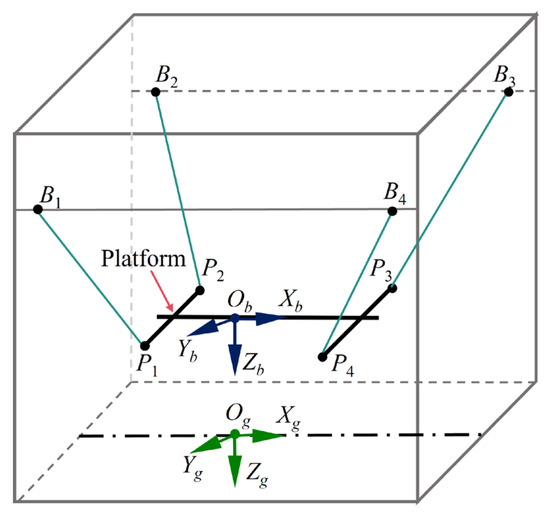
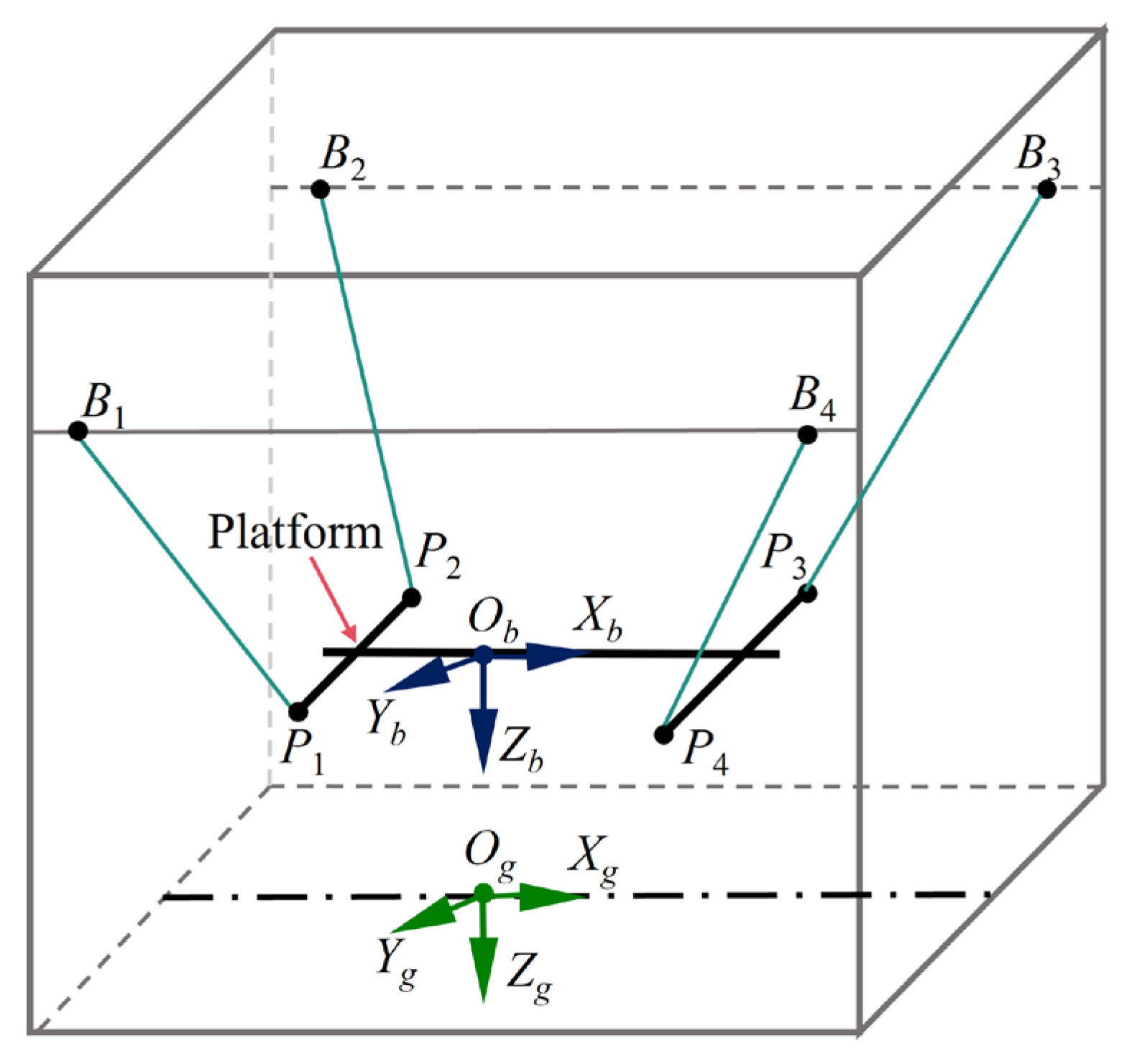
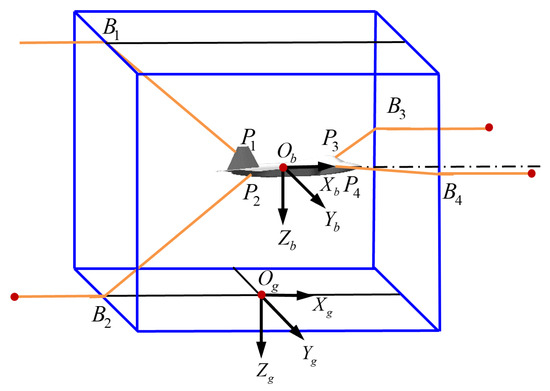
A cable-driven parallel mechanism with δ cables (δ < 6) is typically categorized as under-constrained. In the context of flutter testing, this study employs a four-cable CDPM to suspend an aircraft model, as illustrated in Figure 1. Each cable i (where i = 1, 2, …, δ) extends from an anchor point on the fixed base frame to an attachment point on the end-effector (an aircraft model). The pose of the end-effector is controlled by adjusting the lengths of the cables. To simplify the kinematic modeling of the suspension system, the pulleys mounted on the fixed frame are idealized as frictionless revolute joints in a static reference frame, and their physical diameters are neglected. Furthermore, following the assumption commonly adopted in geometric statics analyses of CDPMs [23], the cables are modeled as massless and inextensible. This approximation is justified for systems with short cable spans and high elastic moduli, where elastic deformation has negligible impact on pose accuracy.
Figure 1.
Schematic diagram of the four-cable under-constrained CDPM.
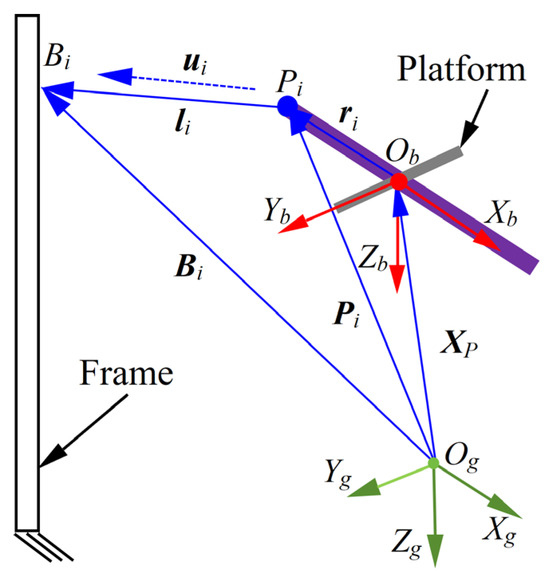
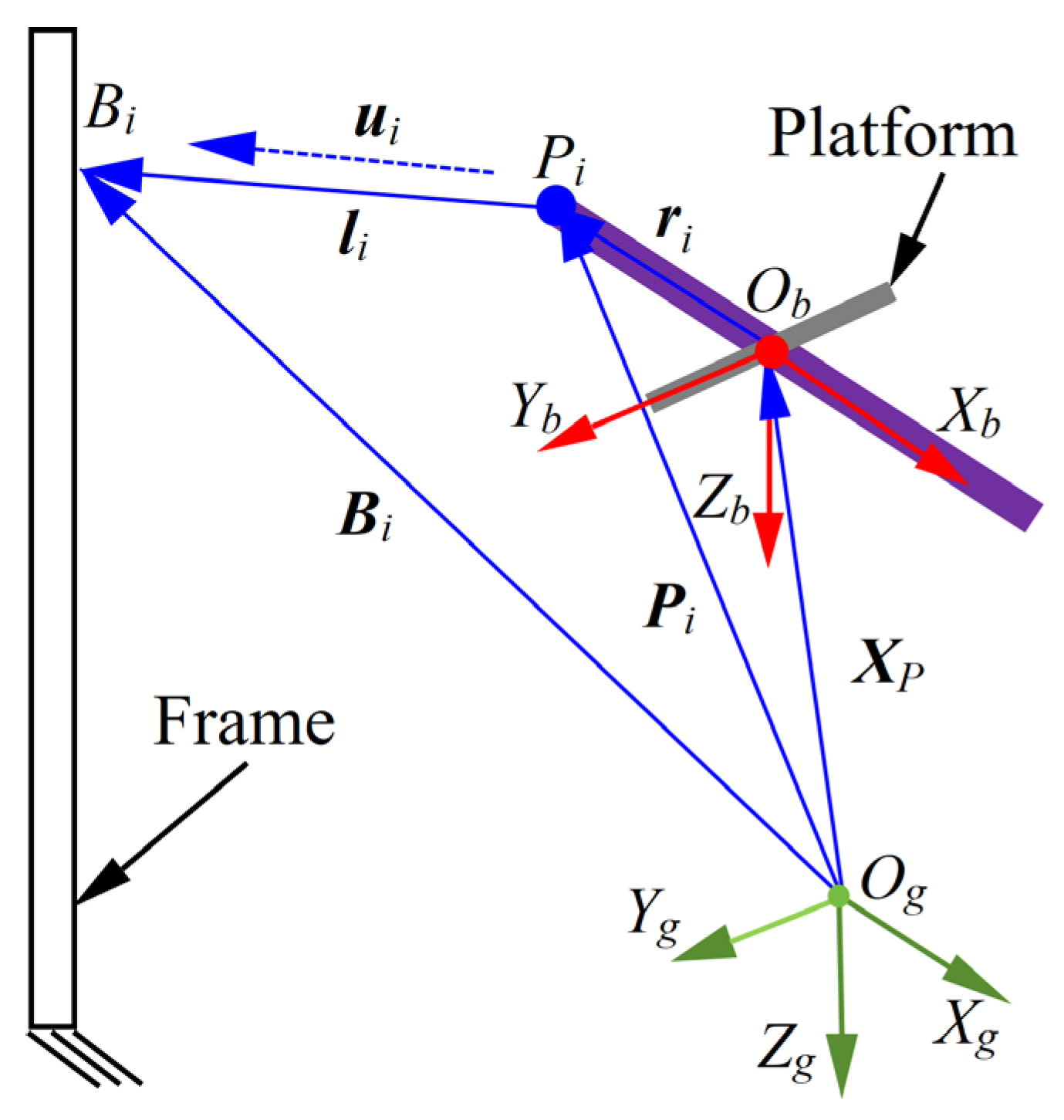
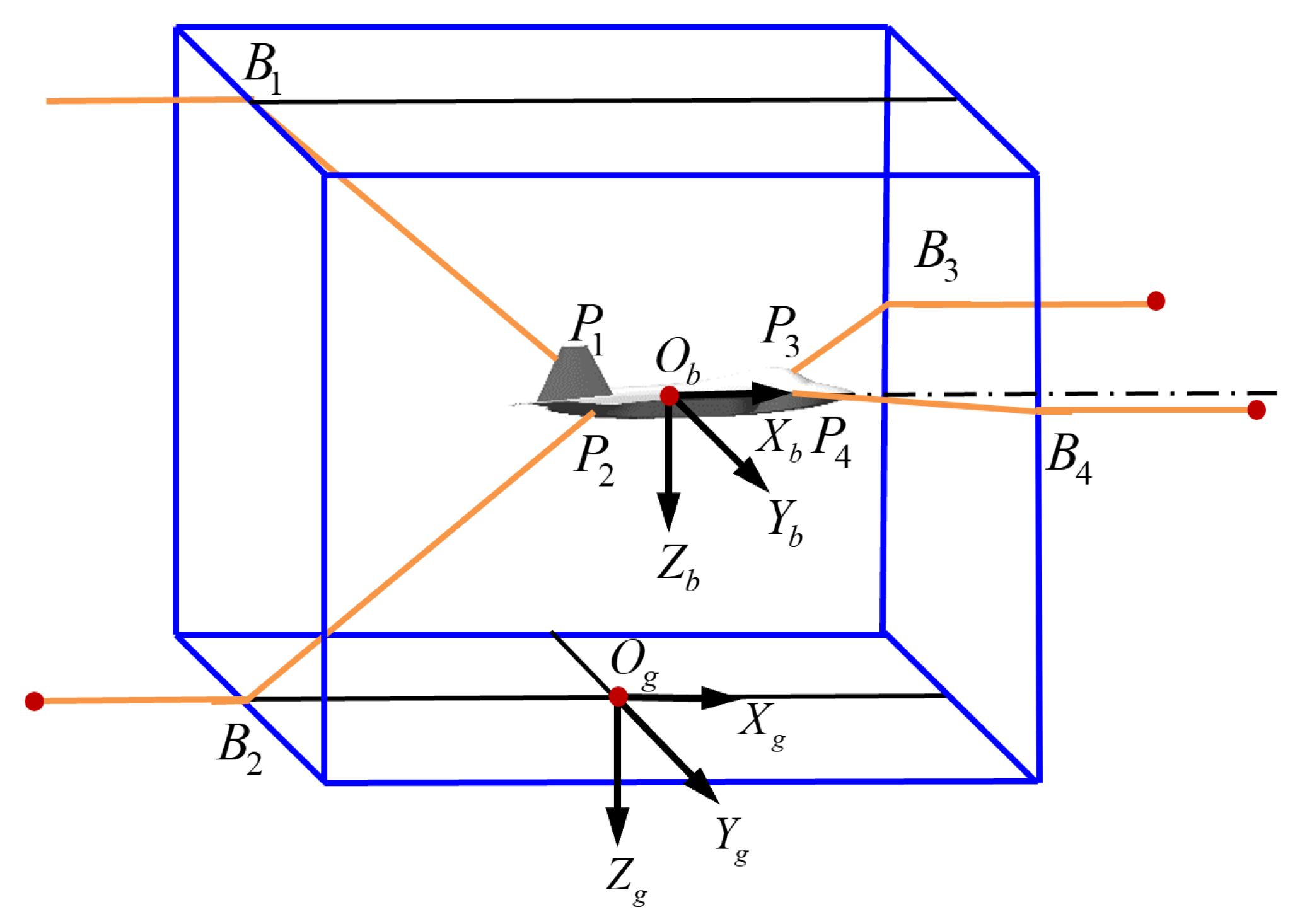
As shown in Figure 2, a fixed coordinate system is defined with respect to the base frame, and a body-fixed coordinate system is attached to the platform (aircraft model), thus enabling the establishment of the kinematic model of the system.
Figure 2.
Geometric model of the under-constrained CDPM.
The cable length vector is:
Here, represents the coordinates of point in the fixed coordinate system, is the coordinates of origin of the body-fixed coordinate system in the fixed coordinate system, represents the coordinates of the point in the body-fixed coordinate system, is the rotation transformation matrix for coordinate conversion. Then the calculation of the i-th cable length can be expressed as Equation (2).
Let be the scalar length of the i-th cable.
Since the platform has 6-DOF, its posture is ultimately determined by the equilibrium laws, namely:
Here is the mechanism’s Jacobian matrix, , is the cable tension vector, is the i-th unit vector along the cable pointing toward the fixed base, and is the position vector of anchor point on the end-effector with respect to the center point , is denoted as an external wrench, and in static equilibrium, only gravity exists.
Generally, the cable is only subjected to tension, and the tension on the cable is only effective when it is positive.
Here and are, respectively, the minimum and maximum tension values of the cable. The configuration change of the under-constrained CDPMs due to slack cable is not considered.
It is well-established that the kinematics of the under-constrained CDPMs is inherently coupled. Specifically, even when the cable lengths are prescribed, the end-effector may still undergo displacements induced by external forces or moments. Therefore, as shown in Equations (5) and (6), the posture of the moving platform is determined by both geometric and static relationships, given the prescribed cable lengths. Equations (5) and (6) amount to a total of (δ + 6) scalar relations that involve (2δ + 6) variables, namely, six components of the moving platform pose , the cable lengths and the cable tensions , where , , and represent roll angle, pitch angle, and yaw angle, respectively. For the direct geometric-static problem, once δ variables concerning the cable lengths are assigned, the cable tensions and the platform pose could be solved. Similarly, as to the inverse geometric-static problem, δ variables concerning the platform pose need to be assigned to solve the cable lengths and tensions.
3. Intelligent Algorithm for Solving the Geometric-Static Problem
The kinematics problem of the under-constrained CDPMs involves dealing with the relationships among platform pose, cable lengths, and cable tensions, which must always be maintained in tension. Given the coupling of geometric-static equations, they need to be solved simultaneously. In essence, it is a problem of solving nonlinear multivariable algebraic equations with constraints.
As described in Section 1, most methods used in the literature focus on finding all possible kinematics solutions. Methods are further needed to identify the unique actual pose of the platform among all the real solutions. Numerical iterative methods are usually sensitive to the choice of initial values and the nature of constraint equations. Intelligent algorithms have the capabilities of global optimization and strong versatility, and they have been proposed to address the direct kinematics of parallel mechanisms. Particle swarm optimization (PSO) [27], a swarm intelligence-based global optimization algorithm, was first proposed by Kennedy and Eberhart in 1995. In this algorithm, the position of each particle represents a potential solution in the solution space, and particles gradually approach the global optimum by dynamically adjusting their velocities. With this in mind, and to avoid falling into a local optimum, an improved PSO algorithm is used here to solve the direct and inverse kinematics problems of the mechanism. On the one hand, the algorithm incorporates mechanisms inspired by the natural evolutionary process (e.g., from genetic algorithms (GA)) to enhance the search for the optimal individual (personal best). On the other hand, an improved method for calculating the inertia weight is proposed based on the current fitness.
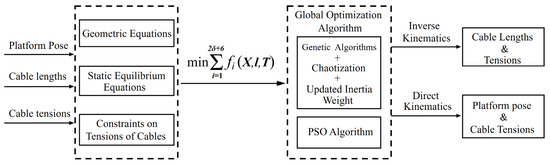
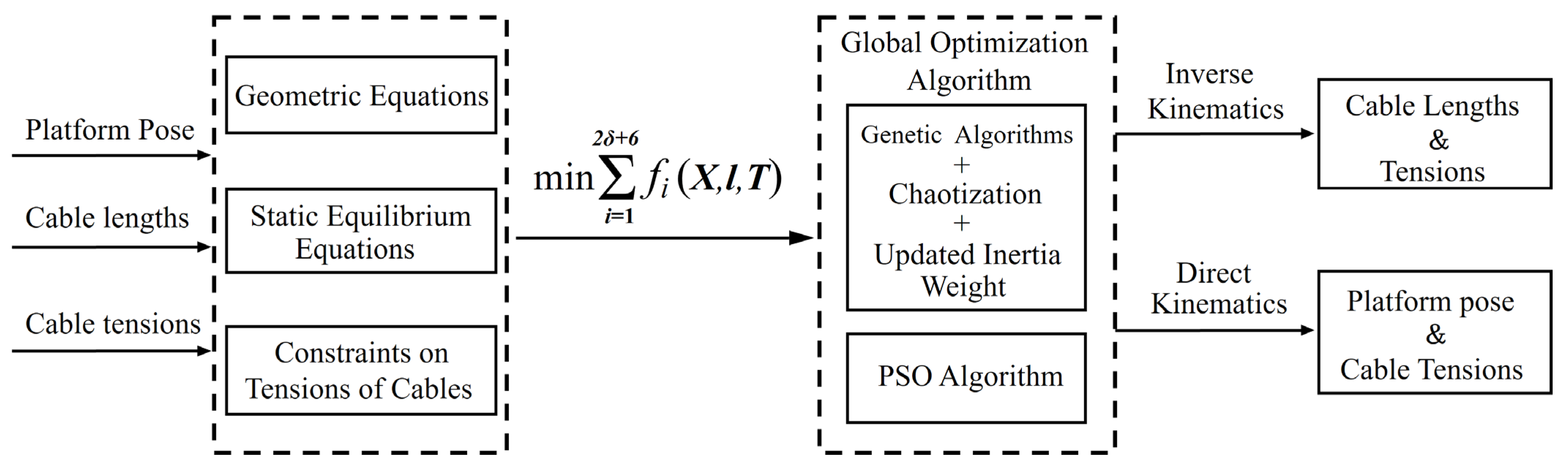
When using the aforementioned intelligent optimization algorithms to solve the geometric-static equations, a transformation is required. Specifically, the cable length Equation (2) and the static equilibrium Equation (3) are, respectively, transformed into Equations (5) and (6).
Here all coefficients , , and , , are functions of . We define the fitness function as Equation (7).
Here, is the maximum cable length, is the platform’s weight, is a Lagrange factor, , and represent the weight coefficients for each part, used to adjust the importance of various types of errors. When meets the requirement of residual error, the optimal solution is obtained.
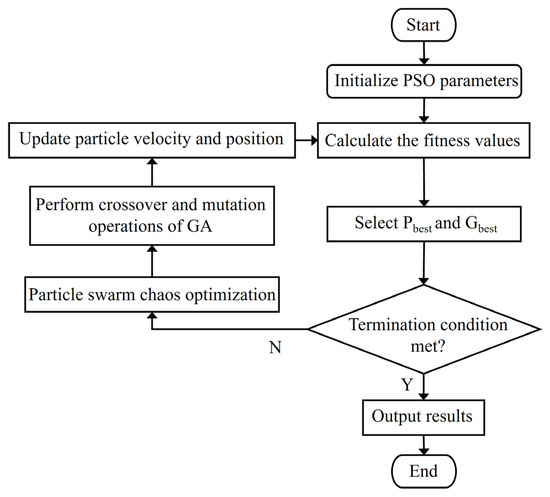
Figure 3 shows the flowchart of geometric-static problems solving, and the key is to transform it into an optimization problem.
Figure 3.
Flowchart for solving geometric-static problems.
In an N-dimension space, the swarm is represented as with particles, where and are, respectively, recorded as the position and velocity of the η-th particle. The best solution found by the current particle is denoted as , and the global best solution found by the entire swarm is denoted as . For each generation, the velocity and the position of η-th particle will be updated by the following equations:
Here, represents the velocity of the η-th particle at generation , and are random numbers in the interval (0, 1), and represents the position of the η-th particle at generation . On the right-hand side of Equation (8), the first part represents the momentum term, where is the inertia weight coefficient, indicating the extent to which the previous velocity of the particle affects its current velocity. The second part represents the cognitive component, reflecting the particle’s self-cognition, with being the self-learning factor that determines the difference between the individual best position and the current position to guide the direction of particle movement. The third part represents the social component, where is the social-learning factor, indicating that particles move towards the global best position through information sharing among them. Typically, and take values between 0 and 2.
For the velocity update formula in Equation (8), a large leads to strong global optimization ability, while a small leads to strong local search capability. Thus, the inertia weight coefficients become the key parameters to balance global and local search in the PSO algorithm. The nonlinear dynamic inertia weight coefficients used are expressed in Equation (10).
Here, and are the maximum and minimum values of , respectively; is the fitness value of the function, represents its minimum value, and represents the average fitness value.
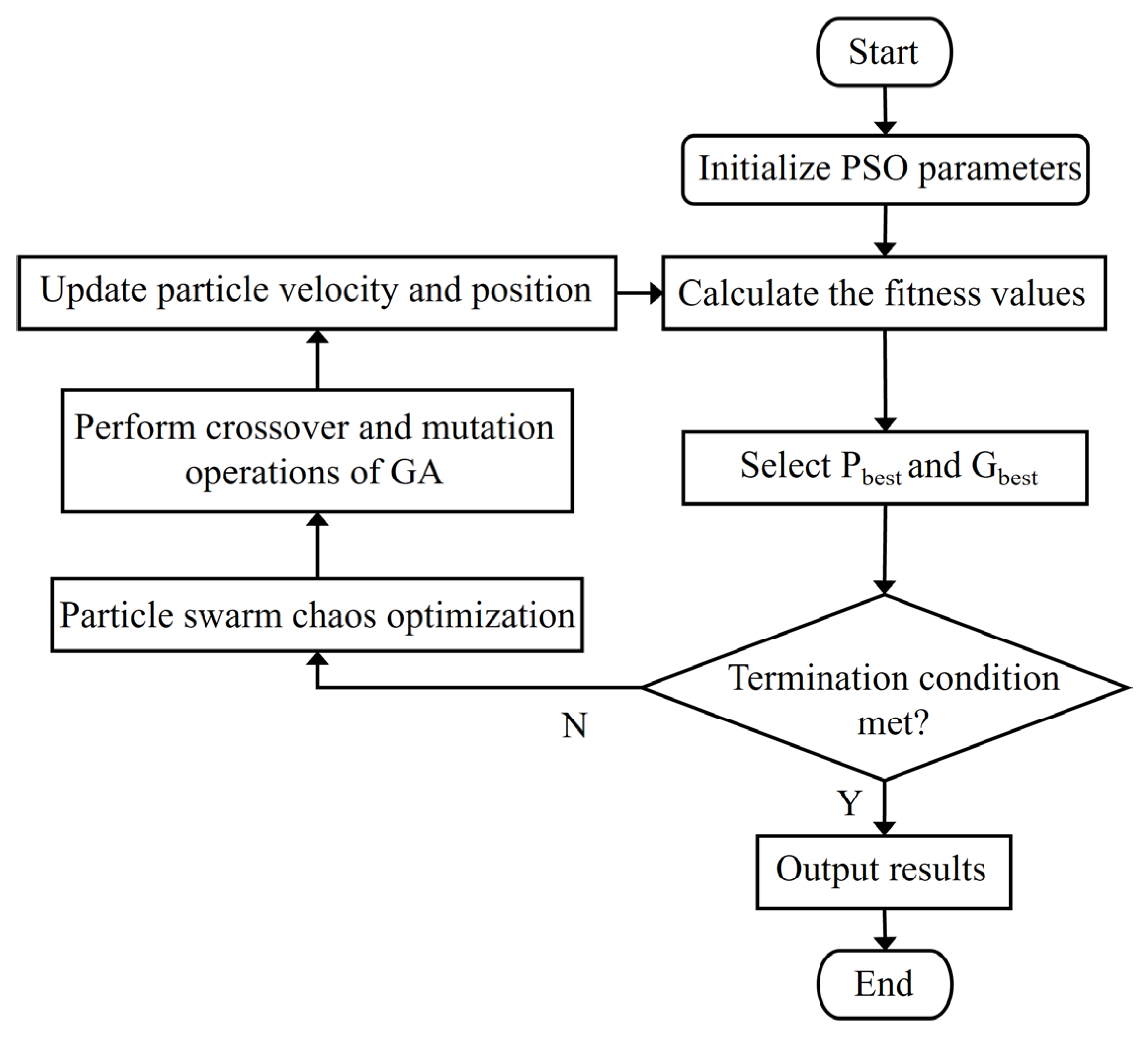
To enhance the randomness and flexibility of the described algorithm and to overcome local optima, a combination of chaotic behavior and GA crossover mutation is introduced into the PSO algorithm after each iteration. The chaotic process of the particle swarm is implemented using the Tent equation [28]. This involves normalizing the global best position to the domain [0, 1] of the Tent equation, then generating chaotic sequences for each particle’s position independently. These chaotic sequences are subsequently mapped back to the original solution space to obtain the post-chaos particle positions, and the fitness of these particles is calculated. Finally, the best particle after chaos is randomly selected to replace one of the particles in the original swarm, introducing chaotic factors into the particle swarm and increasing the diversity of the search within the solution space. The normalization formula and the Tent equation are shown in Equations (11) and (12), where represents the breakpoint.
Here, represents the original data points, and are the minimum and maximum values in the dataset, respectively, and is the normalized data point, denotes the normalized coordinates of the particle.
The flowchart of the improved algorithm is shown in Figure 4.
Figure 4.
Flowchart of the improved algorithm.
4. Equilibrium Stability Analysis
For stability evaluation, it is essential to determine the equilibrium configurations corresponding to known cable lengths and static external wrenches, which aligns with the solutions to the direct geometric-static problem. Since the under-constrained CDPMs are more easily disturbed than the redundant case, whether the equilibrium is stable or has the tendency to return to the original pose when subjected to external disturbances needs to be further discussed in detail. Therefore, it is of great importance to address the stability analysis to avoid undesirable situations. To this end, a stability measure based on Lyapunov theory is proposed for the under-constrained CDPMs, and the sufficient conditions will also be presented in the following section.
The equilibrium stability analyzed above is actually static stability, which is concerned with the system’s behavior at the equilibrium point when disturbed, and whether the system automatically produces forces and moments which tend to reduce the disturbance.
The dynamic equations for the under-constrained CDPMs can be expressed in matrix form based on the Newton-Euler method.
Here, represents the mass matrix of the end-effector, which is assumed to be constant in this analysis. denotes the nonlinear Coriolis and centrifugal force vector, is the gravity vector of the end-effector, and represents the external wrench applied to the end-effector. is the set of poses of the end-effector, let , . Then, the state-space equations can be expressed as Equation (14).
Here, and , is the identity matrix. has the general form , where represents the angular velocity, and is the inertia matrix.
Then, the nonlinear system’s Jacobian matrix could be expressed as Equation (15).
The term of could be further divided into two parts:
Here, , , are always zero matrix at the equilibrium state, and the derivative of external forces and are not considered, the nonlinear system’s Jacobian matrix becomes .
This study analyzes the stability of the flying model (moving platform) under the assumption of zero pose and symmetric mechanism configuration. Under these conditions, the body-fixed coordinate frame aligns with the principal axes of inertia of the platform, resulting in a diagonal inertia matrix. The time derivative of the angular momentum, expressed as , where , , and denote the moments of inertia about the ObXb-axis, ObYb-axis, and ObZb-axis, respectively, is obviously positive-definite at the equilibrium state (.) According to the first Lyapunov method of stability theory for the nonlinear system, the system is stable if and only if the real parts of the eigenvalues of matrix are negative. This condition implies that the system stiffness matrix must be positive-definite. This conclusion is consistent with the definiteness requirements on the matrix in reference [21], that is, the stability of the under-constrained CDPM requires the system stiffness matrix to be a positive definite matrix [19]. It is known that can be written in the form of Equation (19).
Here, the first term is the passive stiffness, which is always a positive definite matrix, where denotes the cable stiffness; the second term is the active stiffness . Further clarification is as follows [19]:
Here, , where is the unit stiffness of the cable and is the length of the i-th cable. The skew-symmetric matrices and denote the cross-product operators associated with vectors and , respectively. The first term is symmetric and positive definite if all the cable tensions are taut. Generally, if external loads are applied to the end-effector, the second term becomes asymmetric, and its eigenvalues cannot be determined. However, is symmetric only when the external torque acting on the end-effector (platform) is zero, since , and:
If the stiffness matrix is asymmetric, the judgment of the equilibrium stability can be based on its eigenvalues, which can be easily calculated.
It is worth mentioning that when the external wrench is nonzero, and are both asymmetric; the only criterion for determining stability is then based on the eigenvalues of the complete stiffness matrix.
5. Numerical Examples and Analysis
For the kinematic solution and stability analysis of the workspace, a special spatial under-constrained CDPM with four cables is considered, as shown in Figure 5. An aircraft model serves as the moving platform. This mechanism could be used to support the aircraft model for wind tunnel tests, such as the full-model flutter test, which needs a soft suspension with the natural frequency as small as possible to determine the model’s critical flutter velocity. The geometric parameters of the mechanism are given in Table 1. In the base frame, the initial position of the aircraft model is (0, 0, −0.685) m.
Figure 5.
Model of a spatial under-constrained CDPM for wind tunnel tests.
Table 1.
Coordinates of cable connections.
5.1. Geometric-Static Solution and Analysis
In order to validate the effectiveness of the proposed method, both inverse and direct kinematics problems were solved. An example of a four-cable mechanism is presented below.
To satisfy the compatibility between the number of equations and unknown parameters, four of the variables were specified, including the pitch angle and three coordinates of the center of mass, so that the corresponding equilibrium points could be found. In solving an inverse geometric-static problem, the initial orientation of the moving platform was set to (0°, 0°, 0°), and the coordinates of the center of mass were set to (0, 0, −0.685) m. A continuous motion solution was then obtained for the pitch direction ranging from 1° to 10°. Subsequently, using the improved PSO algorithm, the position parameters along the other two coordinate axes, the lengths of the four cables, and the cable tensions were calculated. The relevant parameters were as follows: the mass of the moving platform was 1.06 kg, with its center of mass located at the origin of the body-fixed coordinate system; the principal moments of inertia were Ix = 0.000684 kg·m2, Iy = 0.000852 kg·m2 and Iz = 0.000846 kg·m2; the learning factors and were both set to 2; the numbers of particles and iterations were 500 and 2000, respectively; and the inertial weights were and . As shown in Table 2, the inverse kinematics solutions of 10 different equilibrium configurations were listed, all of which satisfied x = y = 0 m and had sufficiently small fitness values, thus demonstrating the feasibility of the proposed algorithm.
Table 2.
Solutions for inverse kinematic problem.
After determining the cable lengths, the proposed optimization method can also be employed to solve the direct geometric-static problem. Table 3 shows the results of the direct kinematics problem using the cable lengths from Table 2. As shown in Table 3, the results are in good agreement with the given initial parameters in inverse kinematic problem.
Table 3.
Solutions for direct kinematic problem.
The results in each row of Table 3 correspond to the cable length inputs listed in the same row of Table 2, and the pitch angle is consistent with the preset equilibrium configuration, verifying the correctness of the solver.
It is worth noting that the cable tension constraints have a major impact on the solutions to the direct and inverse kinematics problems. For the cases shown above, the cable tensions are all constrained to be positive (), but when they are confined to the range , the number of feasible solutions decreases due to the strong constraints. Furthermore, if the range of the cable tension constraints is too restrictive (e.g., the upper limit is too low or the lower limit is too high relative to the required forces), there will be no feasible solution.
To quantitatively evaluate the effectiveness of the proposed hybrid GA + PSO + CHAOs algorithm, a comparative study was conducted against the standard PSO algorithm [27]. All parameter settings relevant to the inverse kinematics solution were kept identical between the two approaches, except that the inertia weight in the standard PSO was fixed at a constant value. For each algorithm, independent runs were performed using randomly initialized populations. The fitness value Q was adopted as the metric to assess solution accuracy. As shown in Table 4, the results demonstrate that the hybrid GA + PSO + CHAOs algorithm exhibits superior robustness and global search capability when addressing the highly nonlinear and constraint-coupled geometric-static problems inherent in under-constrained cable-driven parallel manipulators. This provides a research foundation for optimizing complex, high-dimensional, and dynamic research objects, such as redundant constraint models, in the future.
Table 4.
Performance Comparison of the Algorithm.
Furthermore, to further validate the superiority of the proposed hybrid GA-PSO-CHAOs algorithm in solving such strongly coupled, multi-constrained geometric-static problems, a quantitative comparison with a currently advanced metaheuristic algorithm, the gray wolf optimizer (GWO) [29], has been added. Under identical parameter settings (population size, number of iterations, objective function), independent solutions were sought for the 10 pitch angle equilibrium configurations listed in Table 2. The statistical results indicate that, when converging to the same accuracy (Q < 1.0 × 10⁻⁵), the average number of iterations required by the algorithm presented in this paper is reduced by approximately 33% compared to GWO. Moreover, the proportion of successful feasible solutions found within 20 independent runs reached 98%, whereas the GWO algorithm has an approximate 17% probability of getting trapped in local optima. This quantitative comparison demonstrates that the algorithm presented in this paper is superior to the referenced advanced algorithm in terms of convergence speed, solution accuracy, and robustness, making it particularly suitable for the complex solution space search associated with under-constrained cable-driven parallel mechanisms.
5.2. Workspace and Static Stability Analysis
In this subsection, we perform workspace simulations and system static stability analysis for a special spatial under-constrained support configuration with four cables (CDPM-4). The wrench feasible workspace (WFW) is the most fundamental workspace for cable-driven parallel mechanisms, defined as a set of poses of the end-effector, where the mechanism can apply any external wrench while keeping the cables taut and avoiding interference between the cables and the end-effector. The static feasible workspace (SFW) is a special subset of the WFW, in which the wrench induced solely by the weight of the end-effector must be balanced by the counteracting wrenches generated by the cable tensions.
5.2.1. Set Initial Conditions
The support layout and model parameters were designed according to the experimental requirements, with the following specific parameter settings: The aircraft model (see Figure 5) has a mass of 1.06 kg, a wing reference area of 0.0199 m2, an average aerodynamic chord length of 0.092 m, and moments of inertia about the center of mass of [0.000684, 0.000852, 0.000846] kg·m2. According to Table 1, the initial cable lengths are [0.6594, 0.6594, 0.7766, 0.7766] m, and the initial pretension forces are [108.4802, 84.5109, 111.2222, 111.2222] N.
According to reference [30], after the aircraft model in a four-cable suspension system is subjected to aerodynamic forces, the displacement changes in the three translational directions are small. In contrast, the changes in the attitude angles are significant. Therefore, it is crucial to analyze the adjustment range of the support system’s attitude angle workspace. For the attitude angle workspace, the necessary condition for the cable tensions to have a solution must first be satisfied, i.e., when rank (J) = rank ([J W]), there exists a unique positive solution for the cable tensions. However, for the under-constrained parallel support mechanism shown in Figure 5, most poses do not meet this condition. Considering that active motion control of the aircraft model is not required during flutter testing, only the constraint that the cable tensions must be greater than zero needs to be satisfied. Thus, simulations are conducted based on the coordinates of points and in Table 1.
5.2.2. Interference Analysis
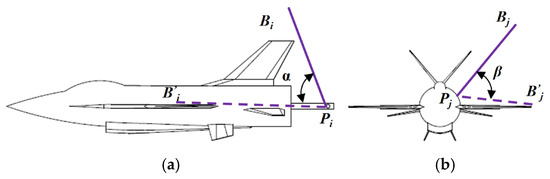
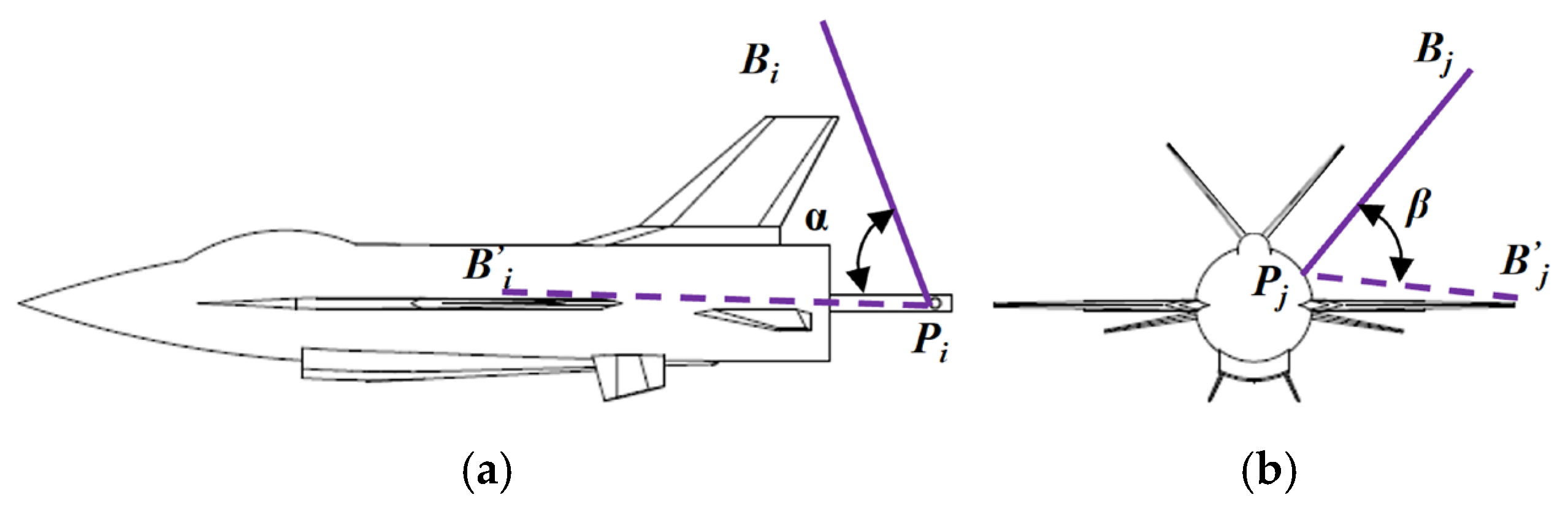
The workspace of the cable-driven parallel support mechanism is constrained by potential interferences among cables, between cables and the aircraft model, and between cables and the surrounding support structures, which limits the expansion of the workspace. Based on the mechanism configuration shown in Figure 5 and the cable anchor point coordinates listed in Table 1, interferences among cables and between cables and the surrounding support structures can be neglected. Therefore, the primary focus is on analyzing the potential interference between the cables and the aircraft model itself. Considering the external shape of the aircraft model used in this paper and the distribution of the cables, the interference between the cables and the aircraft model can be categorized into two main types: interference between the rear cables and the wings (as illustrated in Figure 6a), and interference between the front cables and the wings (as illustrated in Figure 6b).
Figure 6.
Schematic diagram of cable-aircraft model interference: (a) Interference between rear cables and wings; (b) Interference between Front cables and wings.
The interference between the cable and the wing requires evaluating the angle between the cable and the plane in which the wing resides. This can be approximated by the angle α between the cable and the fuselage axis. Taking the rear cable as an example, when interference occurs between the cable and the wing, the cable will move to a new position . At this moment, as shown in Figure 6a, the angle α between the vectors and , representing the cable length, becomes zero. The mathematical expression for this condition is given by:
Similarly, when interference occurs between the front cable and the wing, as illustrated in Figure 6b, the angle β between the vectors and , representing the cable length, also becomes zero. This condition is expressed as:
This method can be employed to determine whether interference occurs at certain extreme positions within the workspace. By converting the interference judgment criterion into a computational algorithm and analyzing whether the sign of the positional relationship between the cable and the wing plane changes before and after an attitude variation, it can be determined whether the given attitude belongs to the feasible workspace of the mechanism.
5.2.3. ADAMS Workspace Simulation Analysis
Based on the initial conditions set above, the four-cable support system configuration shown in Figure 5 and the coordinate values of points and listed in Table 1, an ADAMS simulation model was created. When the aircraft model is subjected to aerodynamic forces, the displacements in the three translational directions are relatively small, while the displacements in the three rotational directions are larger (than those in the translational directions), indicating a significant change in attitude angles. Therefore, this section focuses on analyzing the adjustment range of the aircraft model’s attitude angles. According to the kinematic solution method presented in Section 2, the relationship between the required cable lengths and the attitude angles was calculated based on the static feasible workspace for attitude angles, resulting in curve functions (e.g., ). These functions were then imported into ADAMS for motion control simulation.
Here, is the angular velocity vector, which has the following relationship with the attitude angular velocity vector :
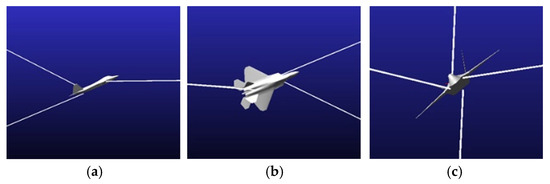
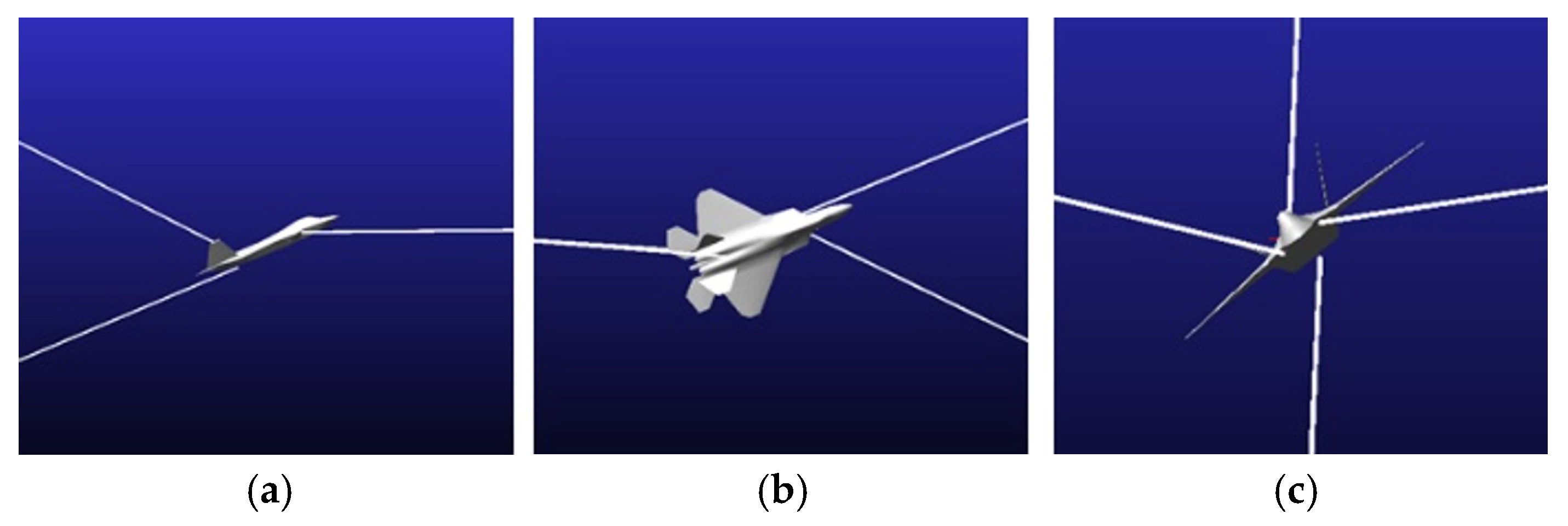
The simulation results illustrating the adjustment of the support system’s attitude angles are shown in Figure 7. Based on the geometric relationships and the calculated cable lengths, the results indicate that the four-cable suspension system designed in this study can achieve a maximum pitch angle of 23°, a maximum yaw angle of 22°, and a roll angle adjustment range exceeding 49°. Given the application of flutter testing, this attitude angle adjustment range can meet the attitude angle requirements for wind tunnel testing of special under constrained support models for space applications.
Figure 7.
Range of attitude angles for CDPM-4: (a) Pitch angle ; (b) Yaw angle ; (c) Roll angle .
5.2.4. Static Feasible Workspace Analysis
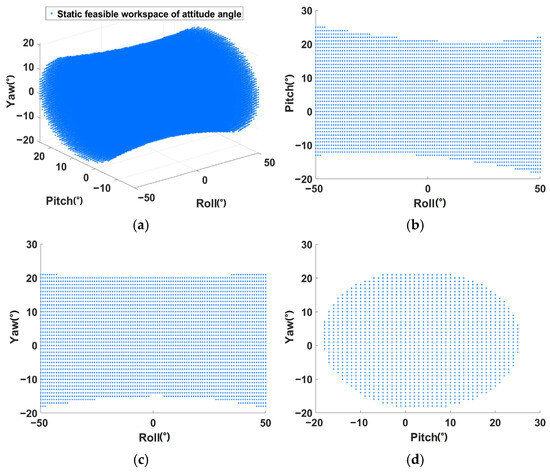
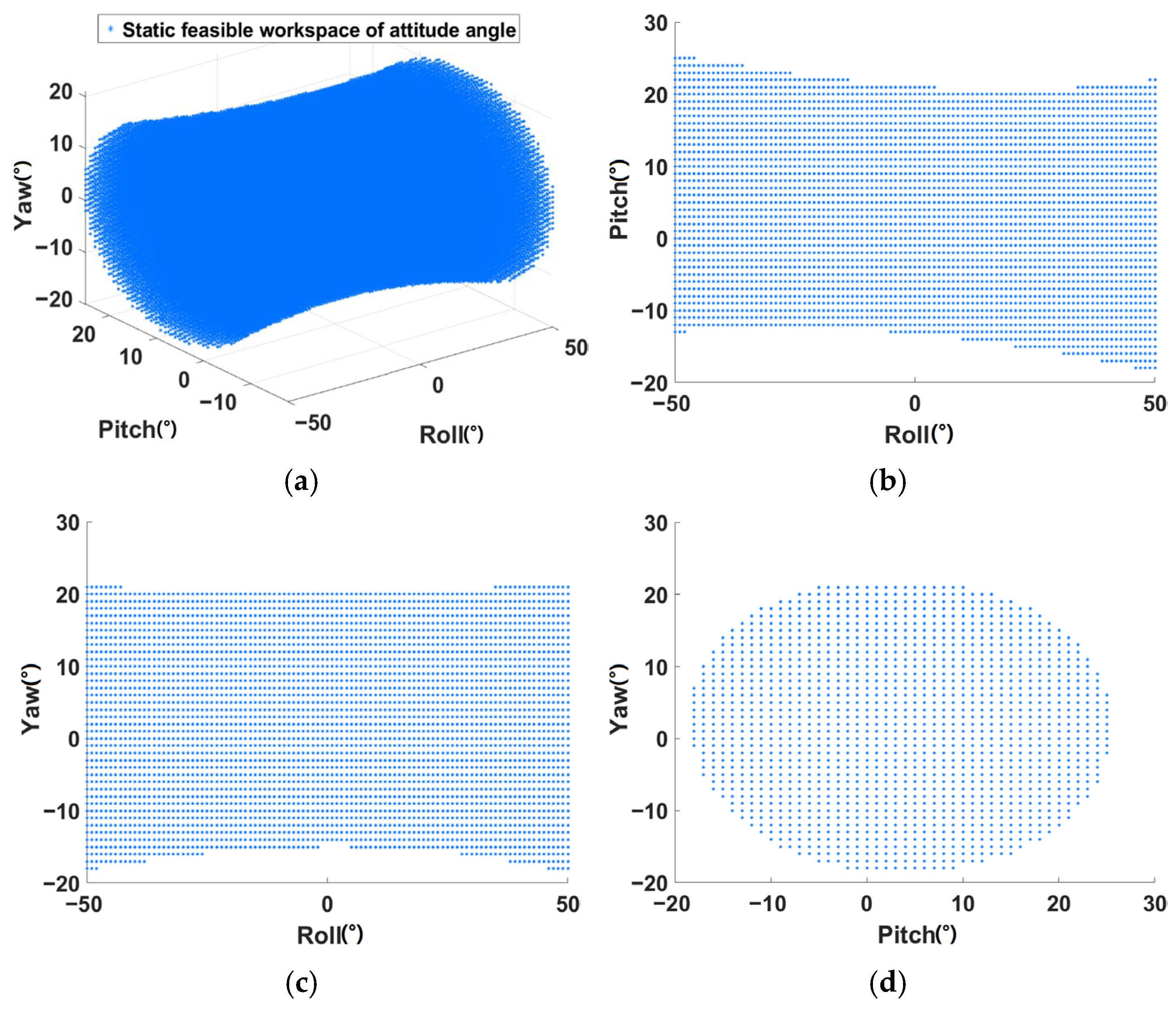
Considering the experimental requirement for the mechanism to have a certain degree of attitude angle adjustment capability while avoiding interference between the cables and the aircraft model structure, the search range for attitude angles is set to [−50°, 50°]. Additionally, the cable tensions serve to balance external loads. To prevent excessive external loads that could cause cable breakage, deformation, or damage to the aircraft model, upper and lower limits for cable tensions are specified by setting the tension range to (0, 200) N, which maintains cable tension and prevents excessive loads. By performing exhaustive calculations on the discrete points with a step size of 1°, the attitude adjustment range is determined. The static feasible workspace for the attitude angles is obtained by substituting all parameters into the MATLAB R2024b program (which includes the interference judgment method from Section 5.2.2) for simulation analysis, as shown in Figure 8.
Figure 8.
Static feasible attitude angle workspace: (a) 3D view of workspace; (b) Roll-Pitch projection; (c) Roll-Yaw projection; (d) Pitch-Yaw projection.
From the static reachable workspace shown in Figure 8 (defined by its boundary point coordinates), it can be seen that, under conditions avoiding structural component interference or excessive cable tension, the roll angle of the aircraft model can be safely adjusted within the range of [−50°, 50°], while the pitch and yaw angles have adjustable ranges of [−18°, 25°] and [−18°, 21°], respectively. This indicates that although the roll attitude shows a larger operational range, its rotational authority—defined as the ability to generate controlled moments about the roll axis—is limited due to the symmetric cable configuration and the absence of dedicated moment arms in the roll direction. As a result, fine control over roll motion may require higher precision in cable length adjustments, which could affect dynamic responsiveness. The mechanism layout is physically constrained in pitch and yaw directions, limiting their operational space. However, by adjusting key design parameters (e.g., the position of anchor point ), a broader adjustment range for the aircraft model’s attitude angles can be achieved. These findings are consistent with the ADAMS simulation results.
5.2.5. System Stiffness and Eigenvalue Analysis
The stable workspace is defined as the set of discrete points that can balance all external loads applied to the aircraft model under the given constraints of cable tension, while also satisfying the stability conditions at the current position and attitude. Based on the system equilibrium stability analysis in Section 4, the eigenvalues of the system’s total stiffness matrix are calculated according to the eigenvalue-based stability criterion. That is, when all eigenvalues of the stiffness matrix are positive, the system has no negative stiffness modes and can resist small disturbances, and is therefore considered stable. According to Equation (3), the initial pretension forces of the four cables in the initial equilibrium state are as follows:
To obtain the total stiffness matrix of the system, the cable tension values calculated from the aforementioned conditions are substituted into the corresponding equations in Equation (20) to solve for and . These are then substituted into Equation (19) to yield the total stiffness matrix , as follows:
The six elements on the main diagonal of the stiffness matrix represent the translational stiffness of the aircraft model along the OgXg, OgYg, and OgZg axes in the fixed coordinate system (measured in N/m), and the rotational stiffness around the OgXg, OgYg, and OgZg axes (measured in N·m/rad). The off-diagonal elements form the coupling stiffness submatrices. For the convenience of discussion in the rest of this work, the six values on the main diagonal are selected to form a diagonal matrix:
In this section, simulations are conducted for a special spatial under-constrained CDPM-4 configuration with four cables. The pitch angle range is set from −25° to 25°, and calculations are performed at intervals of 5°. The system stiffness values resulting from these calculations are summarized in Table 5.
Table 5.
Simulation results of total stiffness of the CDPM-4 system under varying pitch angles.
Based on the above simulation results, it can be seen that for the CDPM-4, the translational stiffness of the aircraft model along the OgXg axis is clearly one order of magnitude higher than that along the other two axes (OgYg and OgZg). The rotational stiffness about the OgXg axis is relatively weak because the cables providing this stiffness are located close to the fuselage axis, resulting in a minimum absolute value of rotational stiffness about the OgXg axis of 0 N·m/rad. This is consistent with the experimental requirement for the support configuration to constrain the model’s motion degrees of freedom, specifically, the configuration is designed to constrain five degrees of freedom of the model except for the incoming flow direction (opposite to the positive ObXb axis), while ensuring high translational stiffness along the OgXg axis to maintain the stability of the aircraft model during testing. The results are consistent with the ADAMS simulation results.
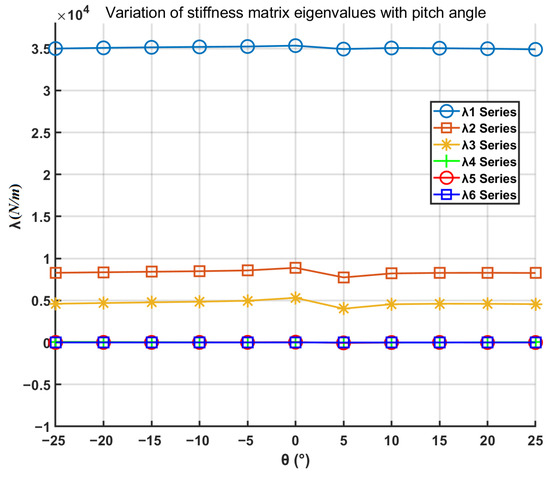
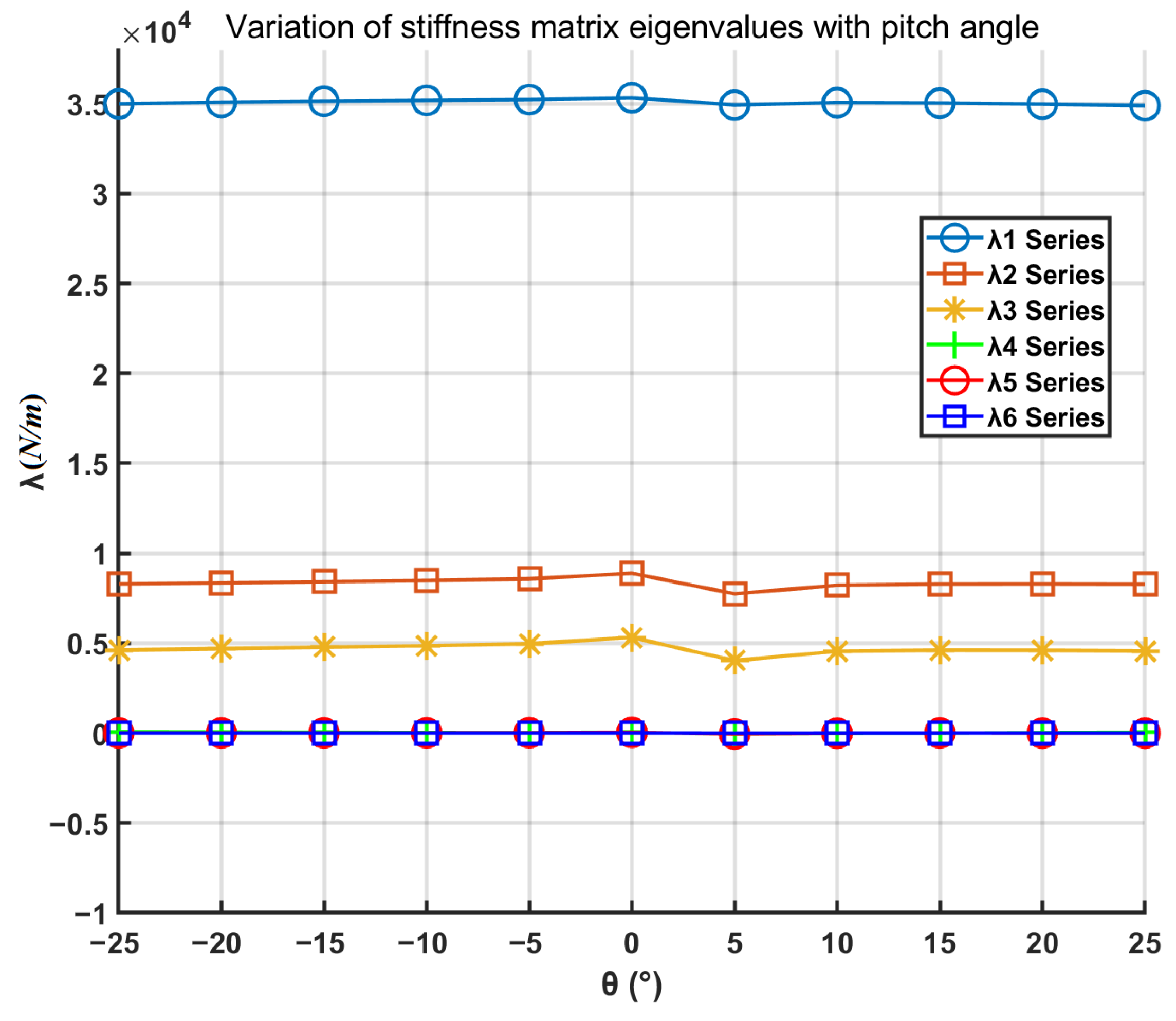
Furthermore, the values of the eigenvalue of the system’s total stiffness matrix can be obtained as it varies with the pitch angle , as shown in Figure 9. From the trend of the curve, it can be seen that within the pitch angle range of −10° to 10°, the value of first increases, then decreases, and increases again. This is due to the aircraft model transitioning from a nonzero attitude back to a zero attitude and then moving away from it. Meanwhile, the traction cables go through cycles of slackening and tightening, causing continuous changes in the direction of the tensile force applied by the cables. As analyzed in Section 4 regarding the composition of the system’s total stiffness (Equation (20)), changes in the tensile force of the cables lead to fluctuations in the overall system stiffness. This is considered a normal phenomenon and conforms to the basic laws of motion.
Figure 9.
Eigenvalues of the stiffness total matrix of CDPM-4 with pitch angle variation.
In fact, the positive definiteness of the system’s total stiffness matrix indicates that the system is stable. However, for a better qualitative analysis and considering that active motion control of the aircraft model is not required during flutter testing, we select the eigenvalues at a pitch angle of 0° for detailed analysis. The eigenvalues are: , with the smallest eigenvalue being . This means that the eigenvalues of the total stiffness matrix of the system are all greater than zero, and it can be concluded that the system’s total stiffness matrix is positive-definite, indicating that the system is stable. Therefore, the specific spatial under-constrained support configuration CDPM-4 with four traction cables considered in this paper meets the stability requirements.
To evaluate the numerical robustness of the system, we compute the condition number of the total stiffness matrix . Based on the provided matrix and eigenvalue analysis, the maximum eigenvalue is λmax = 35,331 N/m and the minimum eigenvalue is λmin = 5 N/m, yielding a condition number ≈ 7.1 × 10³. The results indicate that is less than 104 in most regions, indicating good numerical conditions.
5.2.6. Geometric Parameter Sensitivity and Robustness Analysis
The descriptions and analyses provided in the preceding subsections were based on ideal geometric parameters. To evaluate the impact of manufacturing and installation errors on the stability of the system’s equilibrium pose, i.e., the system’s robustness, a preliminary geometric error sensitivity analysis was performed.
Based on the Monte Carlo principle [31], random perturbations were applied to key geometric parameters, and the changes in system outputs (e.g., pose, tension) were statistically analyzed. The anchor points and (coordinate values given in Table 1), which are most sensitive to the system’s statics, were selected as the sources of error. It is assumed that the error in each coordinate component is an independent and identically distributed random variable, following a normal distribution with a mean of zero and a standard deviation of σ = 1 mm (ΔBi,x, ΔBi,y, … ~ N(0, σ2)). N = 100 sets of geometric parameter samples with random errors were generated. For each error sample, the actual equilibrium poses and cable tensions of the platform were obtained by solving the static equations (Equations (5) and (6)) using the hybrid intelligent algorithm described in Section 3, under the initial equilibrium pose (zero pose).
The distributions of pose errors () and relative tension changes () were statistically analyzed. The analysis reveals that the maximum values of the attitude angle errors for the platform’s equilibrium pose do not exceed 0.3°, the maximum relative change in cable tension is less than 5%, and the system’s total stiffness matrix remains positive definite for all sample sets. This indicates that the four-cable support system designed in this paper is insensitive to geometric errors and exhibits good robustness in terms of its static equilibrium pose.
5.2.7. Analysis of Stable Workspace
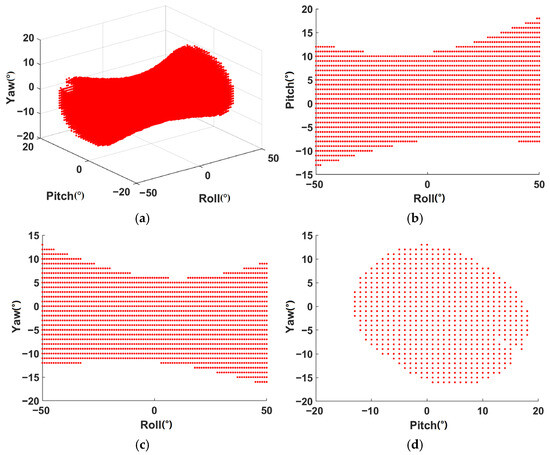
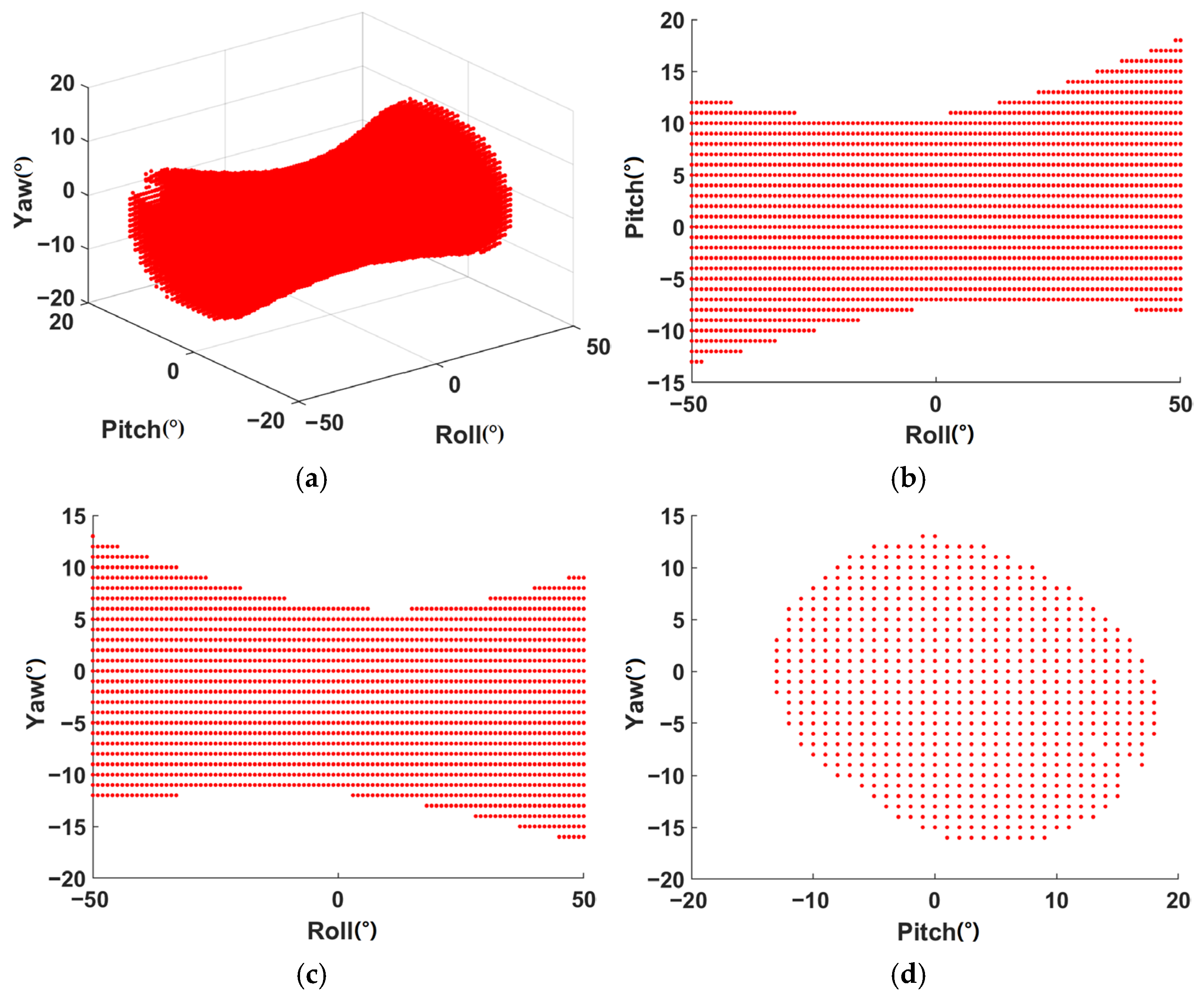
To better demonstrate that the specific spatial under-constrained support structure using four cables considered in this paper can meet specific experimental balance stability requirements, additional conditions for judging system balance stability were added based on the settings for analyzing the static feasible attitude workspace. The simulation of the static stable attitude workspace was performed using MATLAB software, with the results shown in Figure 10.
Figure 10.
Attitude angle static stable workspace: (a) 3D view of workspace; (b) Roll-Pitch projection; (c) Roll-Yaw projection; (d) Pitch-Yaw projection.
Clearly, based on the system equilibrium stability conditions, the static stable orientation workspace boundary shrinks to varying degrees compared to the static feasible orientation workspace. The achievable ranges of roll, pitch, and yaw angles are [−50°, 50°], [−13°, 18°], and [−16°, 13°], respectively. Among them, the pitch and yaw angles show moderate shrinkage, while the roll angle remains unchanged. This is because, as shown in the mechanism configuration in Figure 5, even with the added stability constraints, the control and constraint capability for the aircraft model’s rolling motion remains relatively weak, whereas the constraints on pitch and yaw motions are further enhanced. As can be seen from Figure 10, the closer the aircraft model is to its zero-pose state, the stronger the mechanism’s capability to control lateral tilt and deviation becomes. This result is consistent with the analysis of static stability based on the system’s total stiffness matrix. Since active motion control of the aircraft model is not required during flutter testing, the above analysis of the static stable orientation workspace indicates that the specially designed spatial under-constrained support configuration with four cable-driven actuators satisfies the stability requirements and meets experimental needs, specifically, when the aircraft model experiences oscillations due to incoming airflow, the system possesses the capability to restore the model to the desired equilibrium state required by the test.
The comprehensive analysis presented above demonstrates that the system’s stability is determined by the positive definiteness of the total stiffness matrix . To gain a deeper understanding of the stability behavior at the workspace boundaries, we further clarify that the criterion for the loss of system stability is the result of the combined effect of cable tensions approaching their prescribed minimum value (Ti → Tmin) and the stiffness matrix approaching singularity (minimum eigenvalue λmin → 0). In the boundary regions of the workspace, this often corresponds to the tension in one or more cables approaching its lower limit Tmin. At this point, as indicated by Equation (20), the tension term providing the active stiffness is significantly reduced, leading to the minimum eigenvalue λmin of the system’s total stiffness matrix approaching zero, placing the system in a “quasi-singular” state. In this state, the mechanism’s ability to resist disturbances in specific directions deteriorates sharply, defining the stability boundary. Therefore, the static stable workspace depicted in this paper (as shown in Figure 10) is precisely defined by the two conditions “Ti > Tmin “and “λmin > 0” acting together. This analysis links tension feasibility with the singularity of the stiffness matrix, deepening the understanding of the stability mechanism of under-constrained cable-driven parallel mechanisms and providing a more complete theoretical basis for accurately defining their workspace.
5.2.8. Discussion
This paper proposes an integrated solution framework specifically for the “under-constrained cable-driven mechanism” paradigm and the particular scenario of “wind tunnel model support.” Its innovation lies in the systematic integration of kinematic solving, a static stability criterion based on the eigenvalues of the stiffness matrix (serving as an effective tool for singularity/stability discrimination), mechanical interference constraints, and static stable workspace analysis. This framework complements modern research methodologies, such as reachable set computation based on interval analysis [12] and singularity discrimination based on Lie algebra derivatives [32]. Unlike works primarily focusing on fully constrained or redundantly constrained systems, this framework specifically addresses the core issues of under-constrained systems near their equilibrium points: their “weak stability” and the close relationship between the workspace boundaries and both the lower limit of cable tension and stiffness matrix singularity. It thus provides a more targeted design and analysis tool for the safe and stable operation of such mechanisms.
6. Experimental Verification
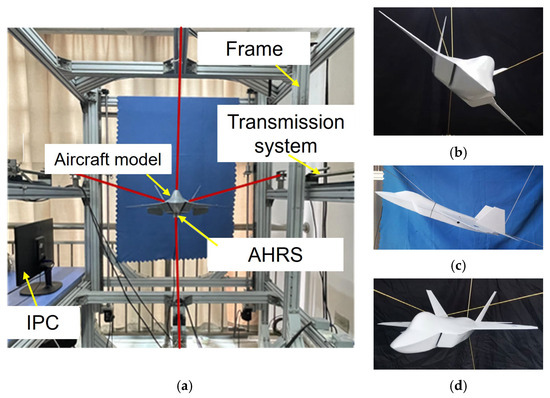
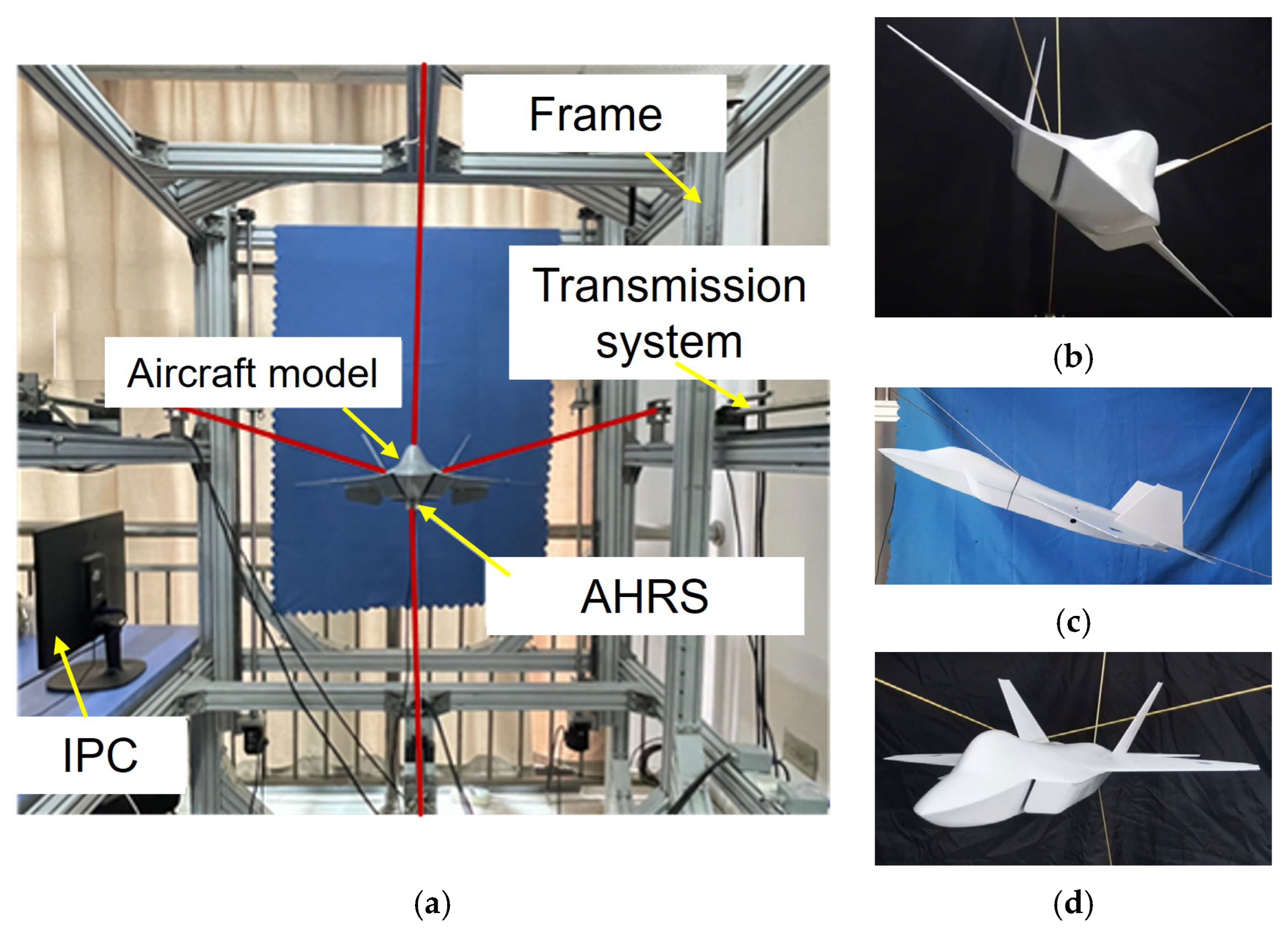
To validate the effectiveness of the workspace predicted by our theoretical calculations and simulations, we constructed a CDPM-4 prototype, which includes a support frame, transmission systems, an Attitude and Heading Reference System (AHRS), an industrial computer, and an aircraft model, as shown in Figure 11a. Experiments were conducted to determine the reachable attitude workspace of the aircraft model under physical structure limitations and potential interferences between the cables and the aircraft model. The positive limit values for each attitude angle were determined: roll angle (Figure 11b), pitch angle (Figure 11c), and yaw angle (Figure 11d). These results are largely consistent with those from theoretical calculations, ADAMS simulations, and MATLAB simulations. This indicates that the proposed special spatial under-constrained support configuration driven by four cables is feasible and can meet experimental requirements.
Figure 11.
Workspace test of CDPM-4: (a) Initial posture; (b) Roll angle ; (c) Pitch angle ; (d) Yaw angle .
7. Conclusions
This paper investigates a special spatial under-constrained cable-driven parallel mechanism (UCDPM) with four cables, presenting a systematic study on its kinematic modeling and stability analysis. To address the strong coupling between kinematics and statics inherent in such systems, a collaborative solution framework is proposed.
First, the governing force and moment equilibrium equations are formulated. A hybrid intelligent optimization algorithm—integrating genetic algorithm, chaos optimization, and particle swarm optimization—is employed to efficiently solve both forward and inverse kinematic problems, enabling the identification of physically feasible equilibrium configurations that satisfy all system constraints.
Second, the static stability of these equilibrium configurations is evaluated through eigenvalue analysis of the system’s total stiffness matrix. A stability criterion based on the minimum eigenvalue (λmin > 0) is established to delineate stable regions within the workspace.
Third, two distinct workspace definitions are introduced: the statically feasible workspace, which accounts for tension limits and interference constraints, and the statically stable workspace, which further incorporates the aforementioned stability criterion. These definitions provide more practical and reliable boundaries for mechanism layout design and trajectory planning.
The effectiveness of the proposed framework is validated through numerical case studies, demonstrating superior performance compared to benchmark algorithms. However, the current work focuses primarily on static equilibrium. Future research will extend the analysis to dynamic behavior and include comprehensive experimental validation using a physical prototype to confirm the applicability and robustness of the proposed framework.
Author Contributions
F.Z.: methodology, software, validation, writing—original draft preparation, writing—review and editing, X.W.: Conceptualization, methodology, project administration, funding acquisition, supervision. All authors have read and agreed to the published version of the manuscript.
Funding
This research was funded by the Research Fund of the National Key Laboratory of Aerospace Physics in Fluids, Grant No. 2024-APF-KFMS-03.
Institutional Review Board Statement
Not applicable.
Informed Consent Statement
Not applicable.
Data Availability Statement
The original contributions presented in this study are included in the article material. Further inquiries can be directed to the corresponding author.
Conflicts of Interest
The authors declare no conflicts of interest.
Abbreviations
The following abbreviations are used in this manuscript:
| CDPMs | Cable-Driven Parallel Mechanisms |
| CDPM-4 | Cable-Driven Parallel Mechanism with Four cables |
| DOF | Degree Of Freedom |
| PSO | Particle Swarm Optimization |
| GA | Genetic Algorithm |
| WFW | Wrench Feasible Workspace |
| SFW | Static Feasible Workspace |
| ADAMS | Automatic Dynamic Analysis of Mechanical Systems |
| MATLAB | Matrix Laboratory |
| CHAOs | CHAOs optimization |
| AHRS | Attitude and Heading Reference System |
| Jacobian matrix of the under-constrained CDPM | |
| Transformation matrix | |
| Wrench vector acting on model | |
| The vector length of the i-th cable | |
| Unit vector of cable | |
| Vector in body coordinate system | |
| Pose vector of the aircraft model | |
| Stiffness vector of system | |
| Mass matrix of the aircraft model | |
| Nonlinear Coriolis centrifugal force vector | |
| Aircraft model pose | |
| Tension vector of cable | |
| Hinge point on the robot base | |
| Anchor point on the aircraft model | |
| Global coordinate system | |
| Body coordinate system | |
| The scalar length of the i-th cable | |
| Lagrange factor | |
| Fitness value of the function | |
| Inertia weight coefficient | |
| Roll angle, degrees | |
| Pitch angle, degrees | |
| Yaw angle, degrees | |
| Velocity of i-th particle |
References
- Qian, S.; Jiang, X.; Qian, P.F.; Zi, B.; Zhu, W.D. Calibration of Static Errors and Compensation of Dynamic Errors for Cable-driven Parallel 3D Printer. J. Intell. Robot. Syst. 2024, 110, 31. [Google Scholar] [CrossRef] [Scilit]
- Jin, X.; Zhang, H.F.; Wang, L.Q.; Li, Q.C. Review on Control Strategies for Cable-Driven Parallel Robots with Model Uncertainties. Chin. J. Mech. Eng. 2024, 37, 26–42. [Google Scholar] [CrossRef] [Scilit]
- Ennaiem, F.; Chaker, A.; Sandoval, J.; Bennour, S.; Mlika, A.; Romdhane, L.; Zeghloul, S.; Laribi, M.A. Cable-Driven Parallel Robot Workspace Identification and Optimal Design Based on the Upper Limb Functional Rehabilitation. J. Bionic Eng. 2022, 19, 390–402. [Google Scholar] [CrossRef] [Scilit]
- Tang, X.Q.; Shao, Z.F. Trajectory generation and tracking control of a multi-level hybrid support manipulator in FAST. Mechatronics 2013, 23, 1113–1122. [Google Scholar] [CrossRef] [Scilit]
- Han, D.B.; Wang, X.G.; Dong, W.Z.; Zheng, F.J.; Weng, C.; Lin, Q. Aerodynamic Characteristics of Aircraft Model with Cable Suspension System under Rotary Motion. J. Aircr. 2025, 62, 1018–1029. [Google Scholar] [CrossRef] [Scilit]
- Gosselin, C. Cable-driven parallel mechanisms: State of the art and perspectives. Mech. Eng. Rev. 2014, 1, DSM0004. [Google Scholar] [CrossRef] [Scilit]
- Barbazza, L.; Zanotto, D.; Rosati, G.; Agrawal, S.K. Design and optimal control of an underactuated cable-driven micro-macro robot. IEEE Robot. Autom. Lett. 2017, 2, 896–903. [Google Scholar] [CrossRef] [Scilit]
- Harandi, M.R.J.; Hassani, A.; Hosseini, M.I. Adaptive Position Feedback Control of Parallel Robots in the Presence of Kinematics and Dynamics Uncertainties. IEEE Trans. Autom. Sci. Eng. 2024, 21, 989–999. [Google Scholar] [CrossRef] [Scilit]
- Garrido, J.; Vales, J.; Silva-Muñiz, D. Adaptive Gaussian Mixture Models-Based Anomaly Detection for Under-Constrained Cable-Driven Parallel Robots. Robotics 2025, 14, 164. [Google Scholar] [CrossRef] [Scilit]
- Abbasnejad, G.; Carricato, M. Direct geometrico-static problem of underconstrained cable-driven parallel robots with n cables. IEEE Trans. Robot. 2015, 31, 468–478. [Google Scholar] [CrossRef] [Scilit]
- Abbasnejad, G.; Carricato, M. Real solutions of the direct geometrico-static problem of under-constrained cable-driven parallel robots with 3 cables: A numerical investigation. Mecc. J. Ital. Assoc. Theor. Appl. Mech. 2012, 47, 1761–1773. [Google Scholar] [CrossRef] [Scilit]
- Berti, A.; Merlet, J.P.; Carricato, M. Solving the direct geometrico-static problem of underconstrained cable-driven parallel robots by interval analysis. Int. J. Robot. Res. 2016, 35, 723–739. [Google Scholar] [CrossRef] [Scilit]
- Mishra, U.A.; Caro, S. Forward Kinematics for Suspended Under-Actuated Cable-Driven Parallel Robots with Elastic Cables: A Neural Network Approach. J. Mech. Robot. 2022, 14, 041008. [Google Scholar] [CrossRef] [Scilit]
- Bosscher, P.; Riechel, A.T.; Ebert-Uphoff, I. Wrench-feasible workspace generation for cable-driven robots (Article). IEEE Trans. Robot. 2006, 22, 890–902. [Google Scholar] [CrossRef] [Scilit]
- Duan, Q.J.; Zhao, Q.L.; Wang, T.L. Consistent solution strategy for static equilibrium workspace and trajectory planning of under-constrained cable-driven parallel and planar hybrid robots. Machines 2022, 10, 920. [Google Scholar] [CrossRef] [Scilit]
- Job, J.; Ponnan, R.J.; Chandran, V.J.; Biju, N. Workspace analysis of an underconstrained cable-driven parallel robot with four cables. Constr. Robot. 2022, 6, 109–119. [Google Scholar] [CrossRef] [Scilit]
- Wang, Y.L.; Zhao, Z.G.; Su, C.; Li, J.S.; Ji, G. Analysis of the workspace and dynamic stability of a multi-robot collaboratively towing system. J. Vib. Shock 2017, 36, 44–50. [Google Scholar] [CrossRef]
- Bosscher, P.; Ebert-Uphoff, I. A stability measure for underconstrained cable-driven robots. IEEE Int. Conf. Robot. Autom. 2004, 5, 4943–4949. [Google Scholar] [CrossRef] [Scilit]
- Behzadipour, S.; Khajepour, A. Stiffness of cable-based parallel manipulators with application to stability analysis. J. Mech. Des. 2006, 128, 303–310. [Google Scholar] [CrossRef] [Scilit]
- Collard, J.F.; Cardou, P. Computing the lowest equilibrium pose of a cable-suspended rigid body. Optim. Eng. 2013, 14, 457–476. [Google Scholar] [CrossRef] [Scilit]
- Carricato, M.; Merlet, J.P. Stability analysis of underconstrained cable-driven parallel robots. IEEE Trans. Robot. 2013, 29, 288–296. [Google Scholar] [CrossRef] [Scilit]
- Surdilovic, D.; Radojicic, J. Practical Stability of under-constrained cable-suspended parallel robots. Cable-Driven Parallel Robot. 2019, 74, 85–98. [Google Scholar] [CrossRef] [Scilit]
- Zhu, W.; Liu, J.H.; Shi, K.X.; Qi, F.; Shen, H.P.; Xu, Z.; Ma, Z.L. Optimization design and dynamic stability analysis of 3-DOF cable-driven parallel robot with an elastic telescopic rod. J. Mech. Sci. Technol. 2022, 36, 4735–4746. [Google Scholar] [CrossRef] [Scilit]
- Idà, E.; Briot, S.; Carricato, M. Natural oscillations of underactuated cable-driven parallel robots. IEEE Access 2021, 9, 71660–71672. [Google Scholar] [CrossRef] [Scilit]
- Piva, G.; Richiedei, D.; Trevisani, A. Model inversion for trajectory control of reconfigurable underactuated cable-driven parallel robots. Nonlinear Dyn. 2025, 113, 8697–8712. [Google Scholar] [CrossRef] [Scilit]
- Song, D.; Lu, M.; Zhao, L.; Sun, Z.C.; Wang, H.C.; Zhang, L.X. A novel real-time tension distribution method for cable-driven parallel robots. Robotica 2024, 42, 3692–3708. [Google Scholar] [CrossRef] [Scilit]
- Kennedy, J.; Eberhart, R. Particle swarm optimization. Proc. IEEE Int. Conf. Neural Netw. 1995, 4, 1942–1948. [Google Scholar] [CrossRef] [Scilit]
- Li, Y.C.; Han, M.X.; Guo, Q.L. Modified whale optimization algorithm based on tent chaotic mapping and its application in structural optimization. KSCE J. Civ. Eng. 2020, 24, 3703–3713. [Google Scholar] [CrossRef] [Scilit]
- Sheng, L.; Wu, S.; Lv, Z.Y. Modified grey wolf optimizer and application in parameter optimization of PI controller. Appl. Sci. 2025, 15, 4530. [Google Scholar] [CrossRef] [Scilit]
- Jiang, H.L.; Wang, X.G.; Wang, J.J.; Liu, T.; Lin, Q. Kinematic characteristics and stability analysis of four-cable suspension system for full-model flutter wind tunnel test. J. Tsinghua Univ. (Sci. Technol.) 2023, 63, 1856–1867. [Google Scholar] [CrossRef]
- Fichthorn, K.A.; Weinberg, W.H. Theoretical foundations of dynamical Monte Carlo simulations. J. Chem. Phys. 1991, 95, 1090. [Google Scholar] [CrossRef] [Scilit]
- Gritsenko, K.V. Determination of Local Mobility in Parallel Manipulators with Higher and Lower Order Constraints with Singular Configurations. In Proceedings of the 2024 International Russian Automation Conference (RusAutoCon), Sochi, Russia, 10–16 September 2024. [Google Scholar]

Disclaimer/Publisher’s Note: The statements, opinions and data contained in all publications are solely those of the individual author(s) and contributor(s) and not of MDPI and/or the editor(s). MDPI and/or the editor(s) disclaim responsibility for any injury to people or property resulting from any ideas, methods, instructions or products referred to in the content. |
© 2026 by the authors. Licensee MDPI, Basel, Switzerland. This article is an open access article distributed under the terms and conditions of the Creative Commons Attribution (CC BY) license.