Article

Receptive-Field-Aware Adaptive Fusion for Multiscale Insulator Defect Detection in Transmission-Line Images


1
Department of Mechanical Engineering, North China Electric Power University, Baoding 071003, China
2
Yanzhao Electric Power Laboratory, North China Electric Power University, Baoding 071003, China
3
The State Key Laboratory of Digital Steel, Northeastern University, Shenyang 110819, China
4
School of Mechanical Engineering, Shenyang Jianzhu University, Shenyang 110168, China
*
Author to whom correspondence should be addressed.
Appl. Sci. 2026, 16(18), 9342; https://doi.org/10.3390/app16189342 (registering DOI)
Submission received: 18 August 2026 / Revised: 9 September 2026 / Accepted: 16 September 2026 / Published: 20 September 2026
(This article belongs to the Section Computing and Artificial Intelligence)

Abstract

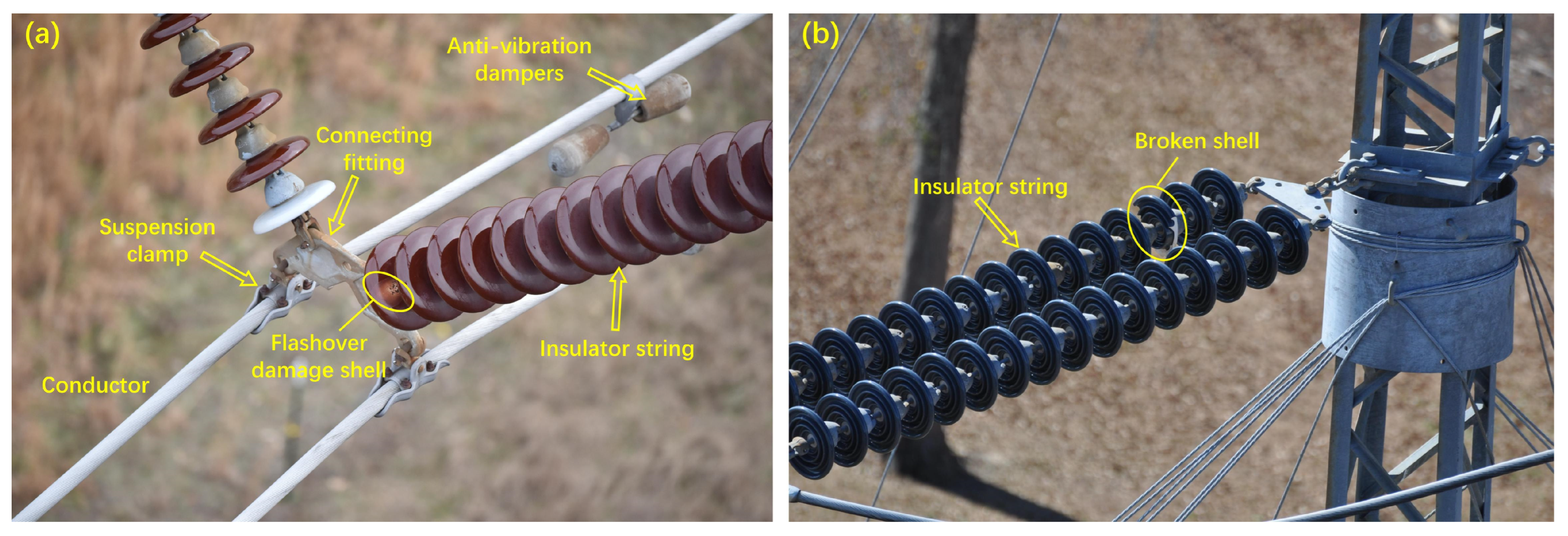
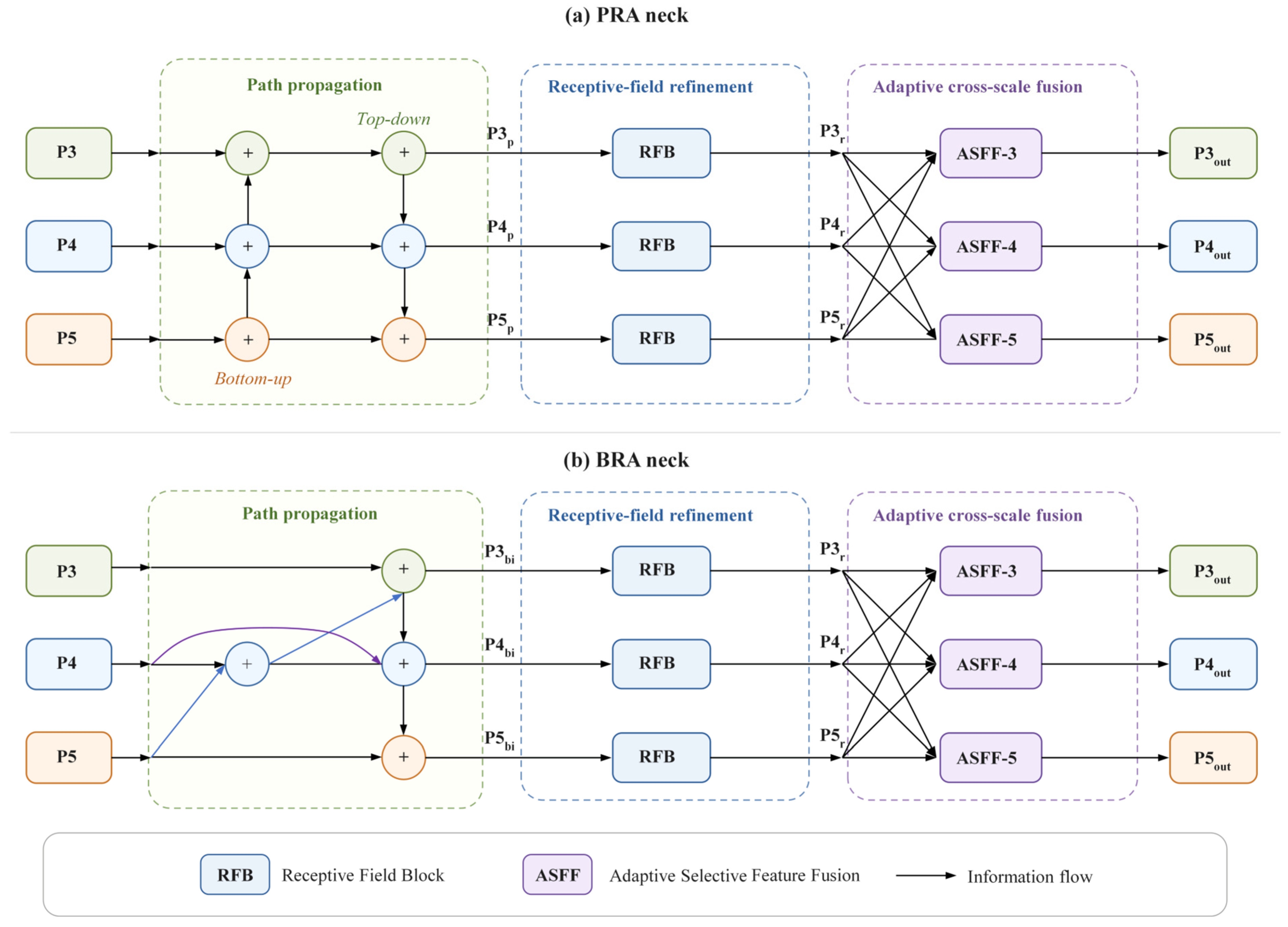
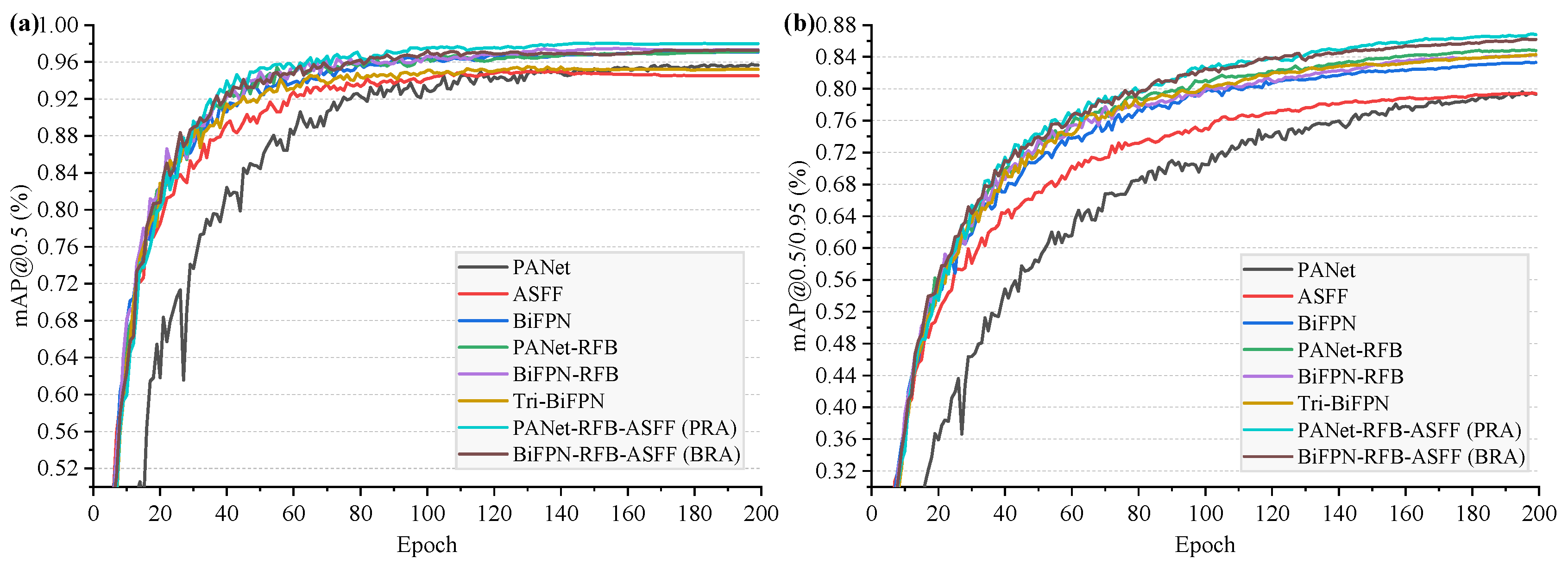
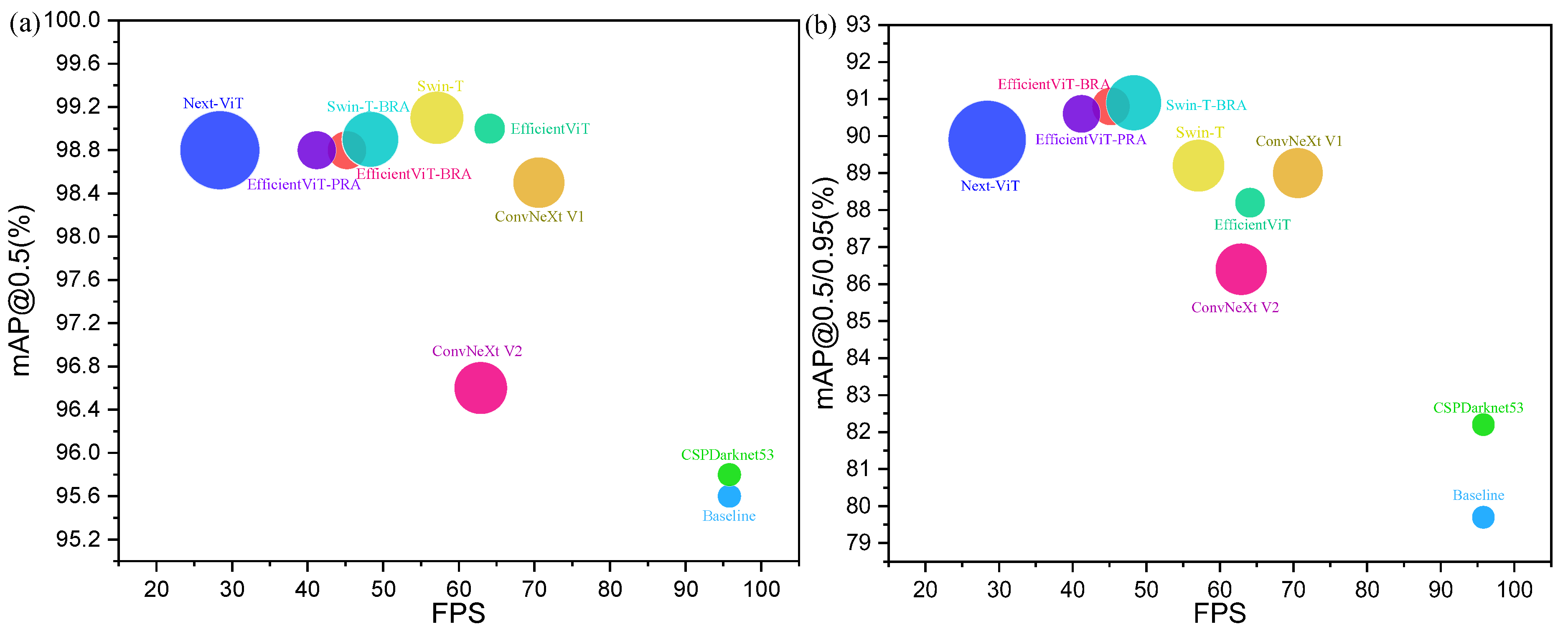
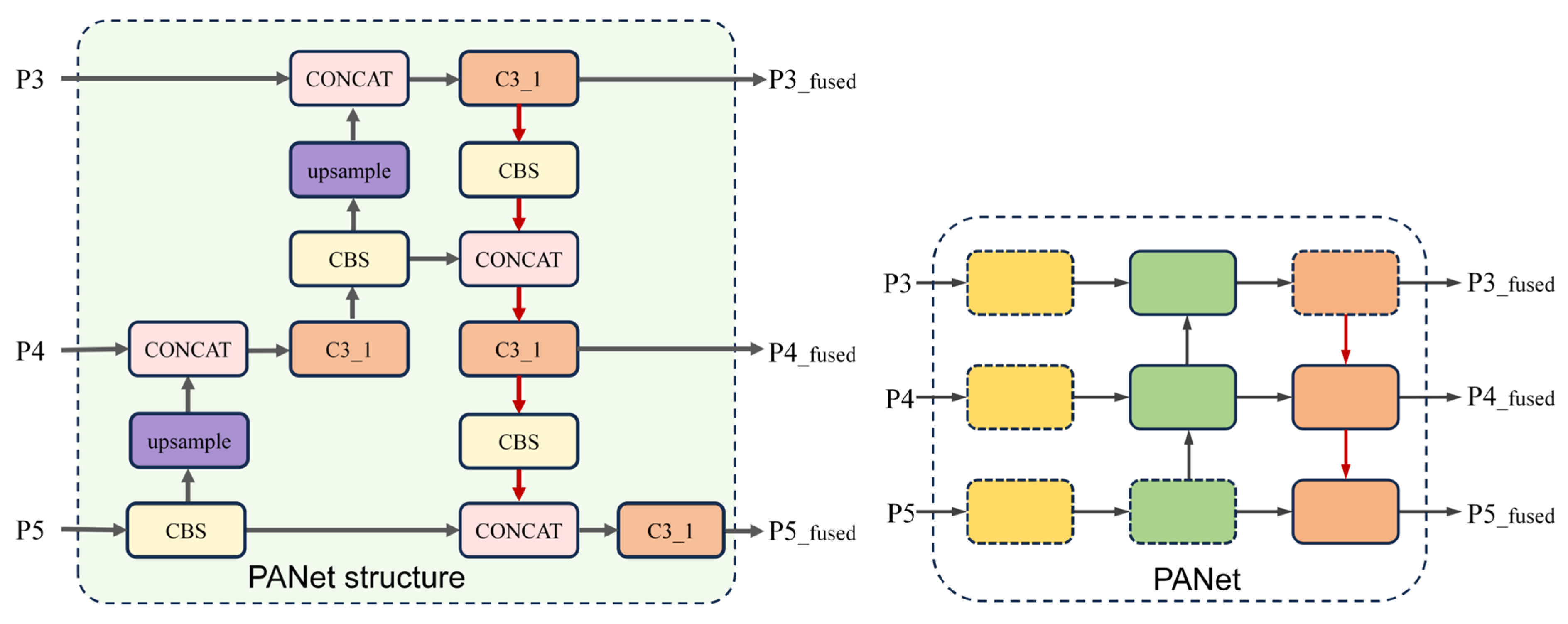
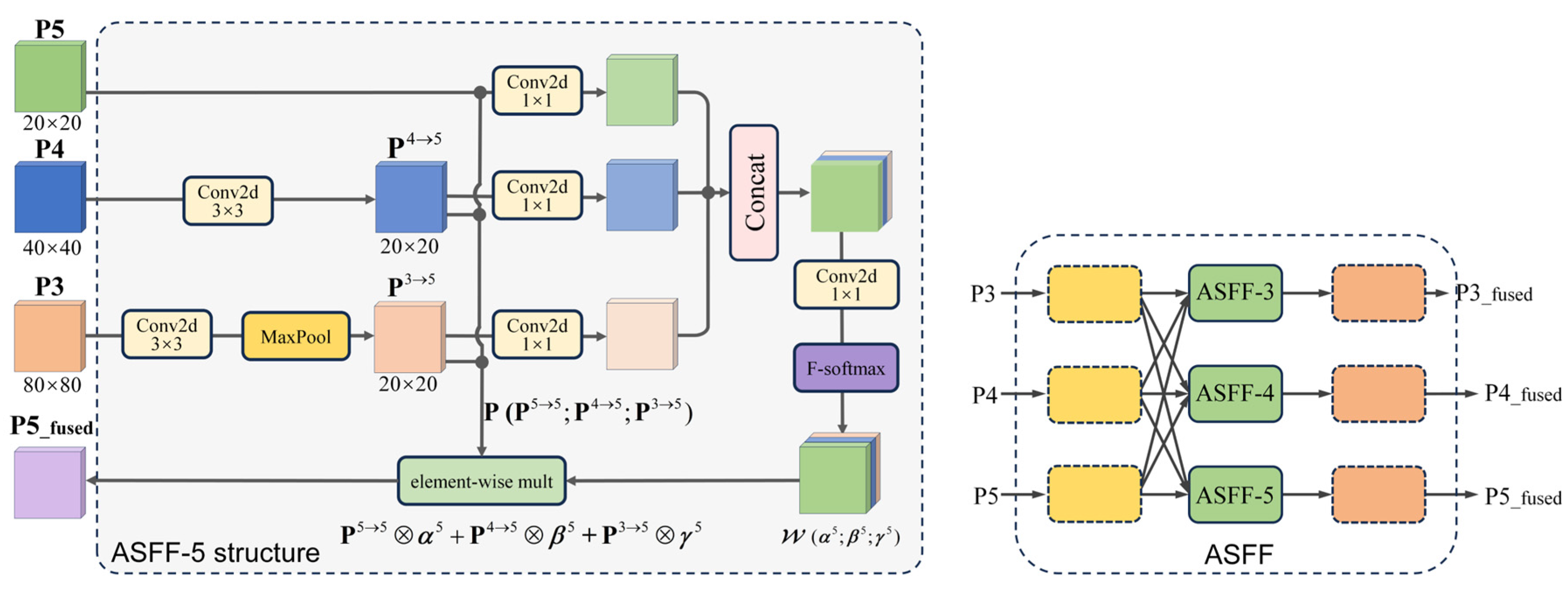
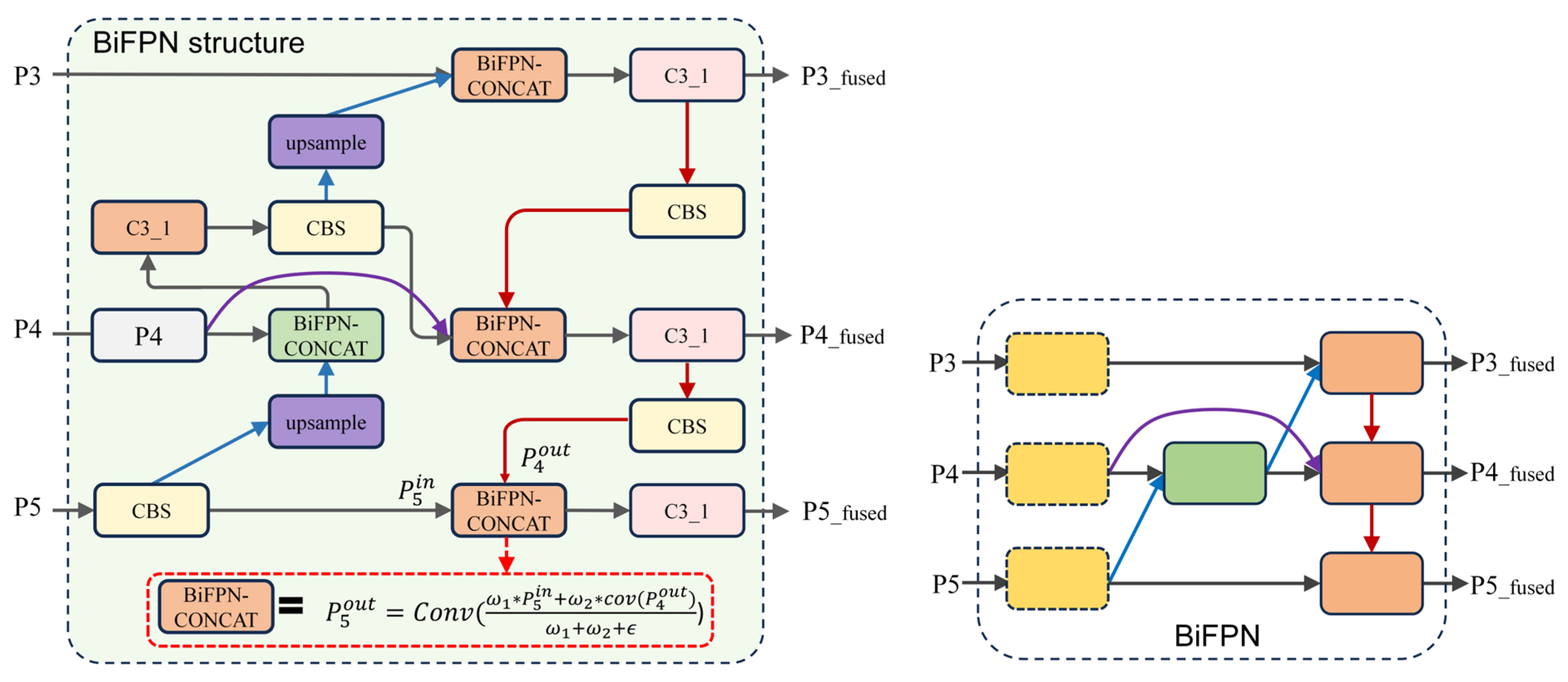
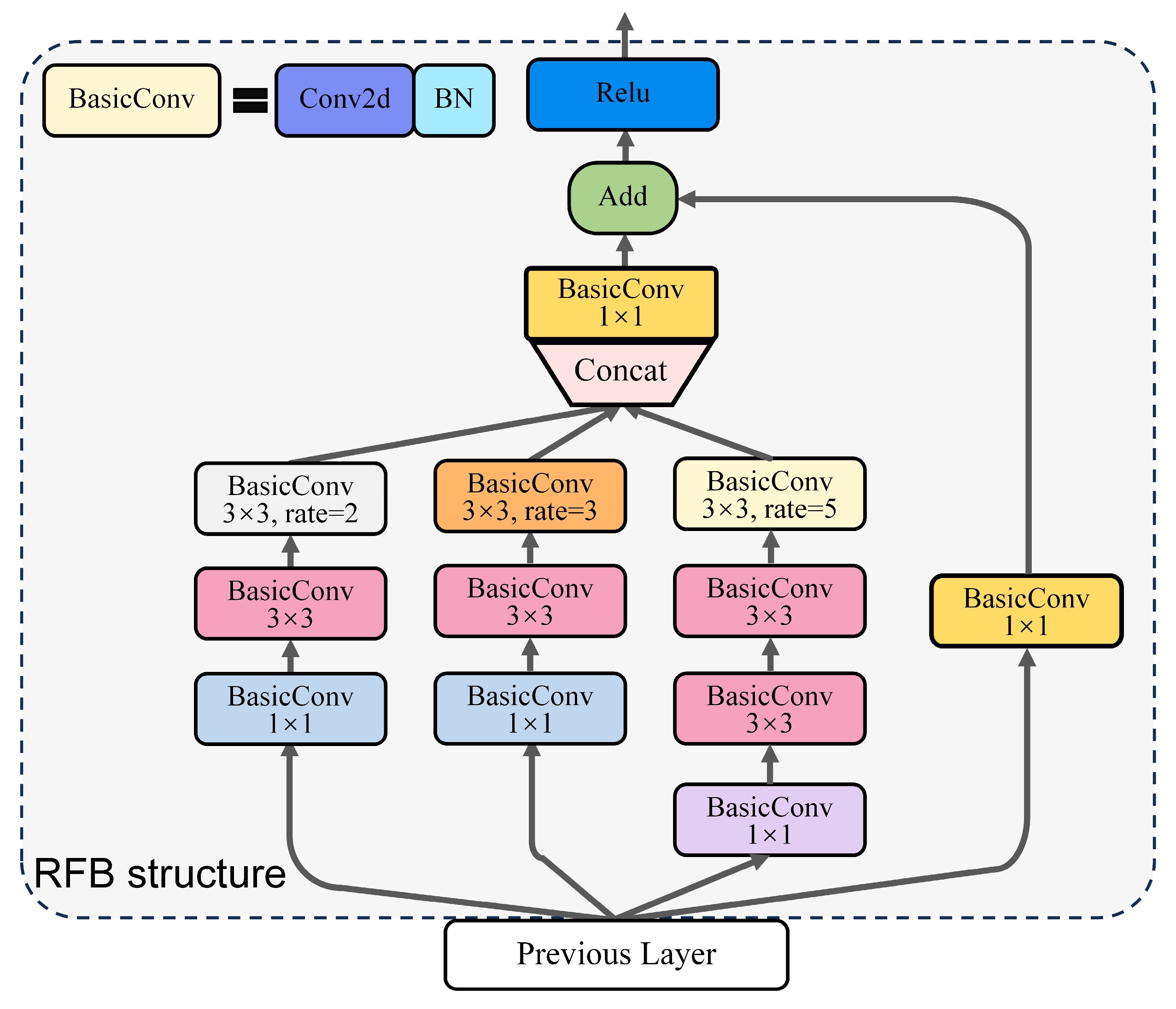
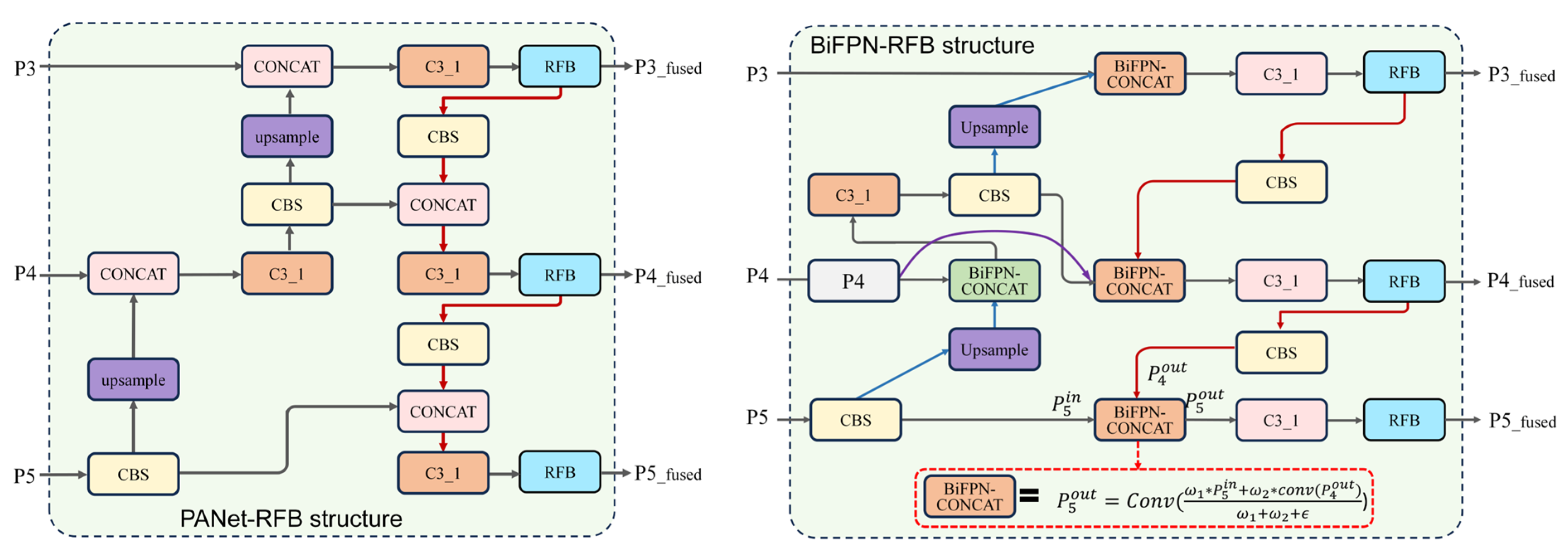
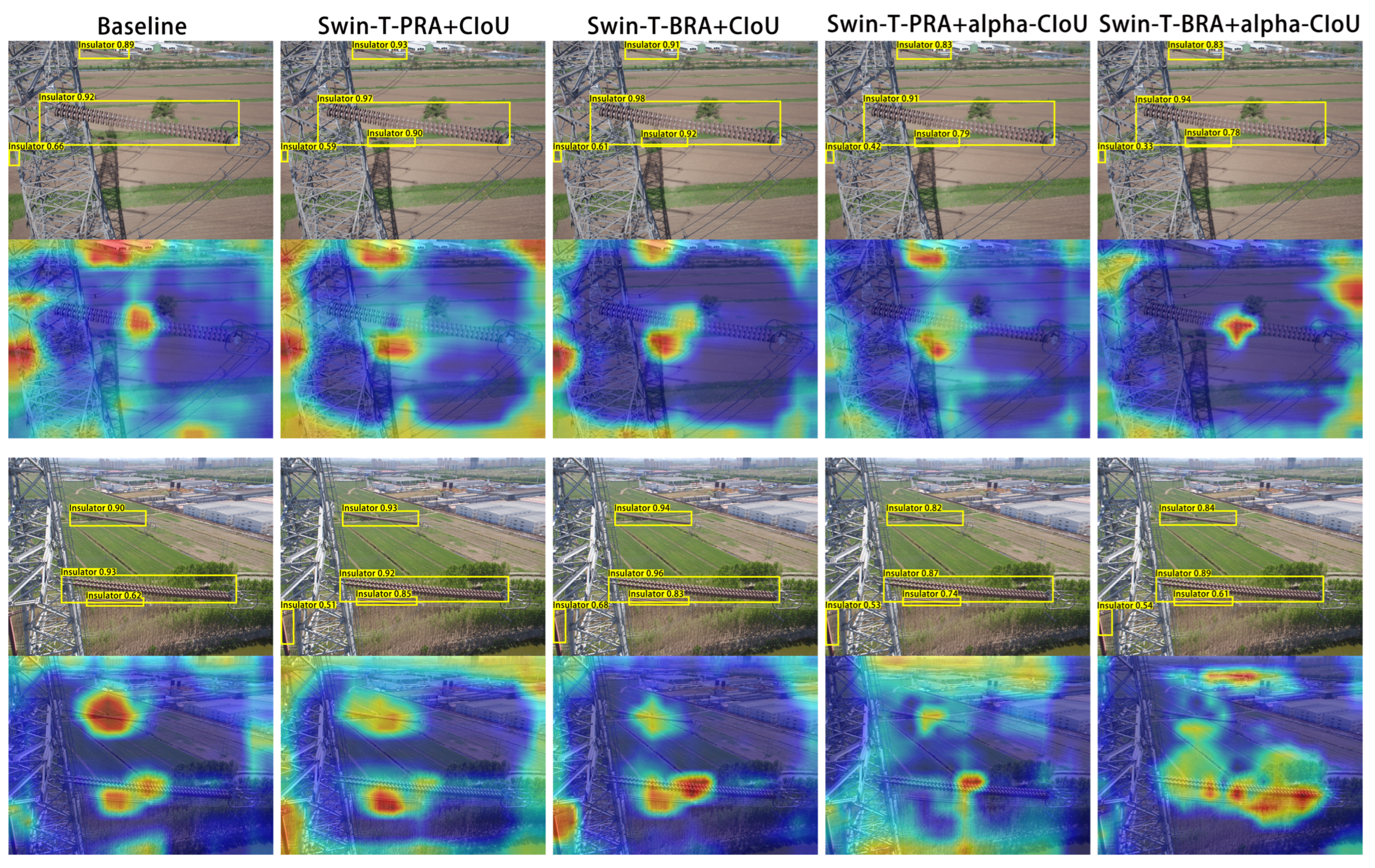
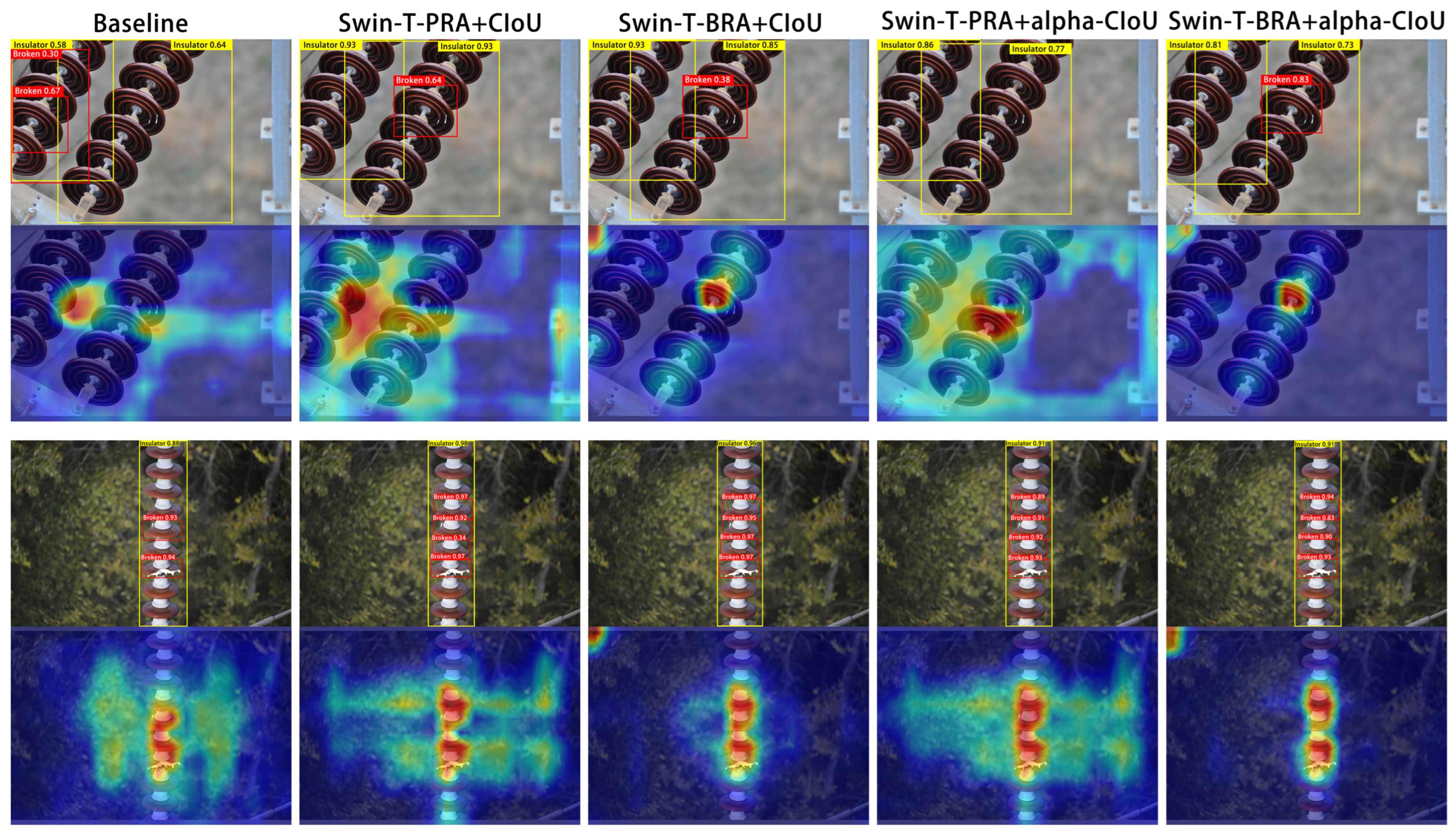
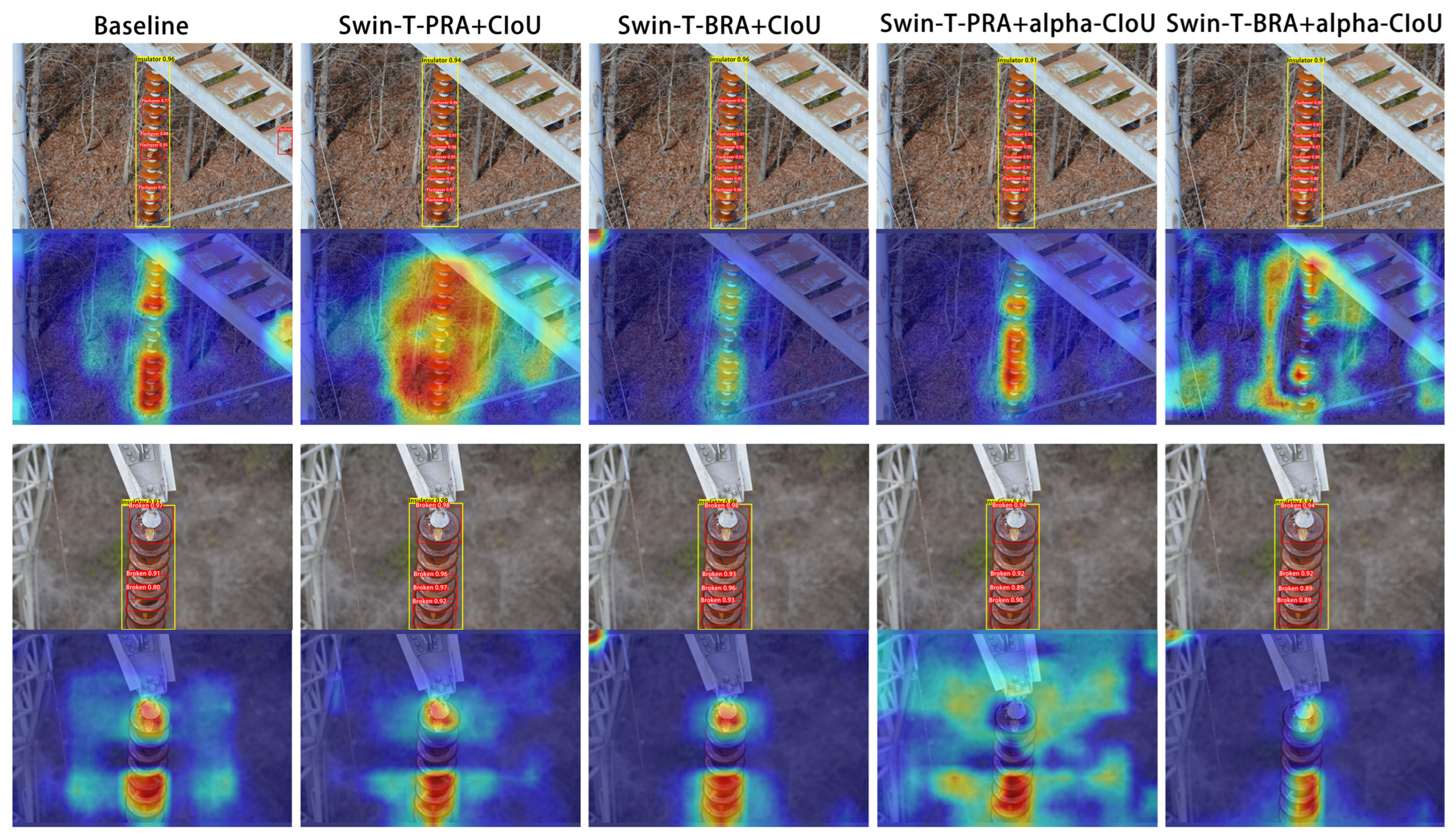
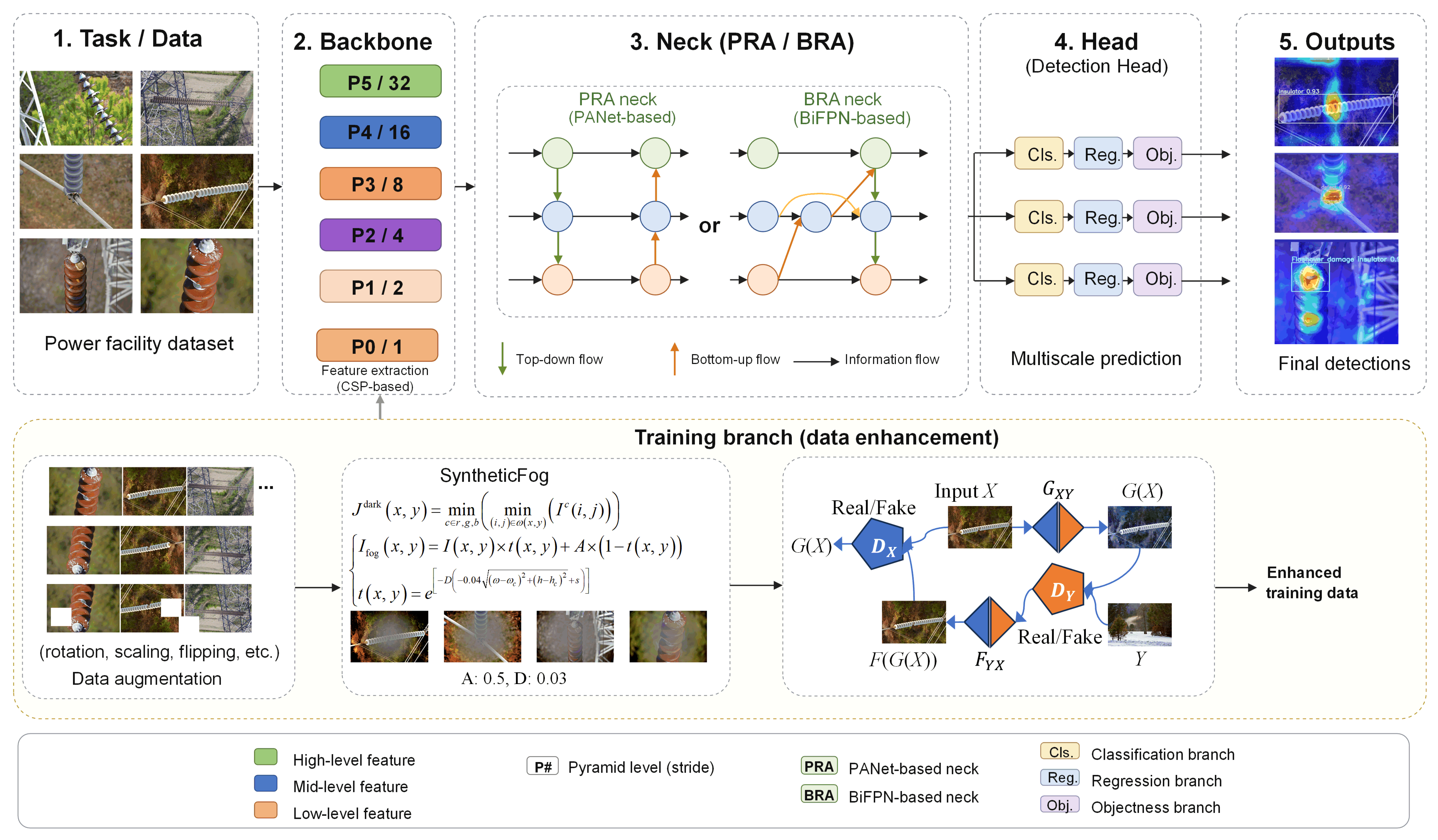
Transmission-line inspection requires a single detector to localize complete insulator strings together with much smaller broken-shell and flashover-damaged regions. These targets differ in spatial extent and in their dependence on local detail and surrounding context, which complicates cross-scale feature fusion when accurate bounding boxes are required. This study develops receptive-field-aware path aggregation (PRA) and bidirectional receptive-field-aware aggregation (BRA), combining path aggregation with receptive-field expansion and adaptive scale weighting. Compared with the path aggregation network (PANet), PRA increases mean average precision (mAP) at an intersection-over-union (IoU) threshold of 0.5 (mAP@0.5) by 2.2 percentage points and mAP averaged over IoU thresholds from 0.5 to 0.95 (mAP@0.5: 0.95) by 4.6 points; BRA produces gains of 1.5 and 4.0 points, respectively. The highest mAP@0.5:0.95 of 91.3% is jointly achieved by Swin-T-PRA + Alpha-CIoU and Swin-T-BRA + Alpha-CIoU, with corresponding mAP@0.5 values of 98.6% and 98.5% and model-only inference speeds of 48.5 and 48.3 FPS on an RTX 3080 Ti, respectively. The larger gains across stricter IoU thresholds indicate that PRA/BRA provide greater benefits when more stringent box-overlap criteria are imposed, although the present evaluation does not independently isolate the bounding-box regression mechanism.
Keywords: object detection; insulator defect detection; cross-scale feature fusion; receptive field; bounding-box localization; transmission-line inspection object detection; insulator defect detection; cross-scale feature fusion; receptive field; bounding-box localization; transmission-line inspection