Article

Physically Constrained and Location-Aware Machine Learning for Joint Prediction of Clay Compression and Recompression Indices


1
Department of Hydraulic, Faculty of Sciences and Applied Sciences, University of Oum El Bouaghi, Oum El Bouaghi 04000, Algeria
2
Sustainable Development and Environmental Protection Laboratory (SDEPL), University of Oum El Bouaghi, Oum El Bouaghi 04000, Algeria
3
Engineering Department, La Trobe University, Melbourne, VIC 3086, Australia
4
Department of Civil Engineering, Faculty of Sciences and Applied Sciences, University of Oum El Bouaghi, Oum El Bouaghi 04000, Algeria
5
Civil Engineering Research Laboratory (LRGC), Civil Engineering Department, University of Biskra, Biskra 07000, Algeria
6
Department of Civil Engineering, Shahid Rajaee Teacher Training University, Tehran 16788-15811, Iran
7
Department of Civil Engineering, University of Business and Technology, Jeddah 21448, Saudi Arabia
*
Author to whom correspondence should be addressed.
Appl. Sci. 2026, 16(14), 7068; https://doi.org/10.3390/app16147068
Submission received: 23 May 2026 / Revised: 9 July 2026 / Accepted: 10 July 2026 / Published: 14 July 2026

Abstract

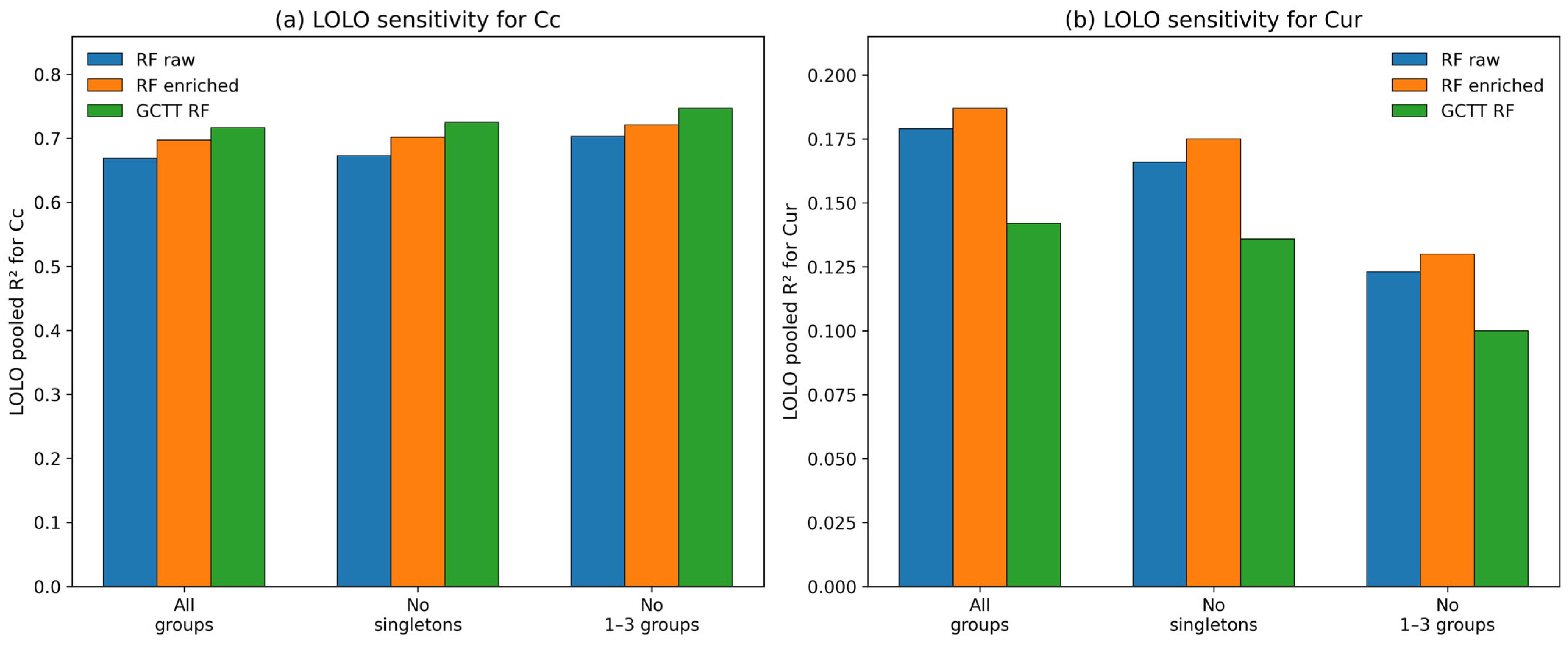
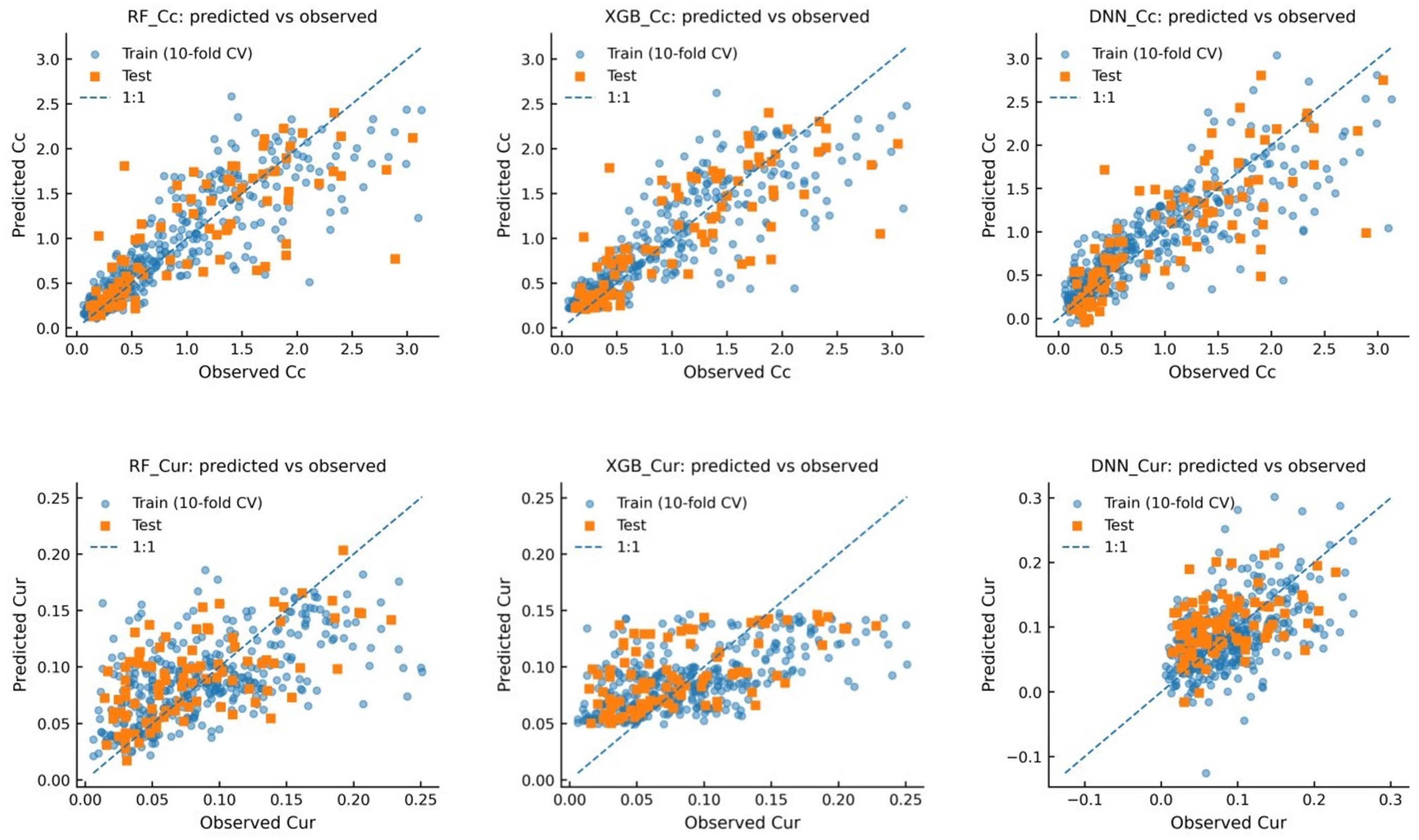
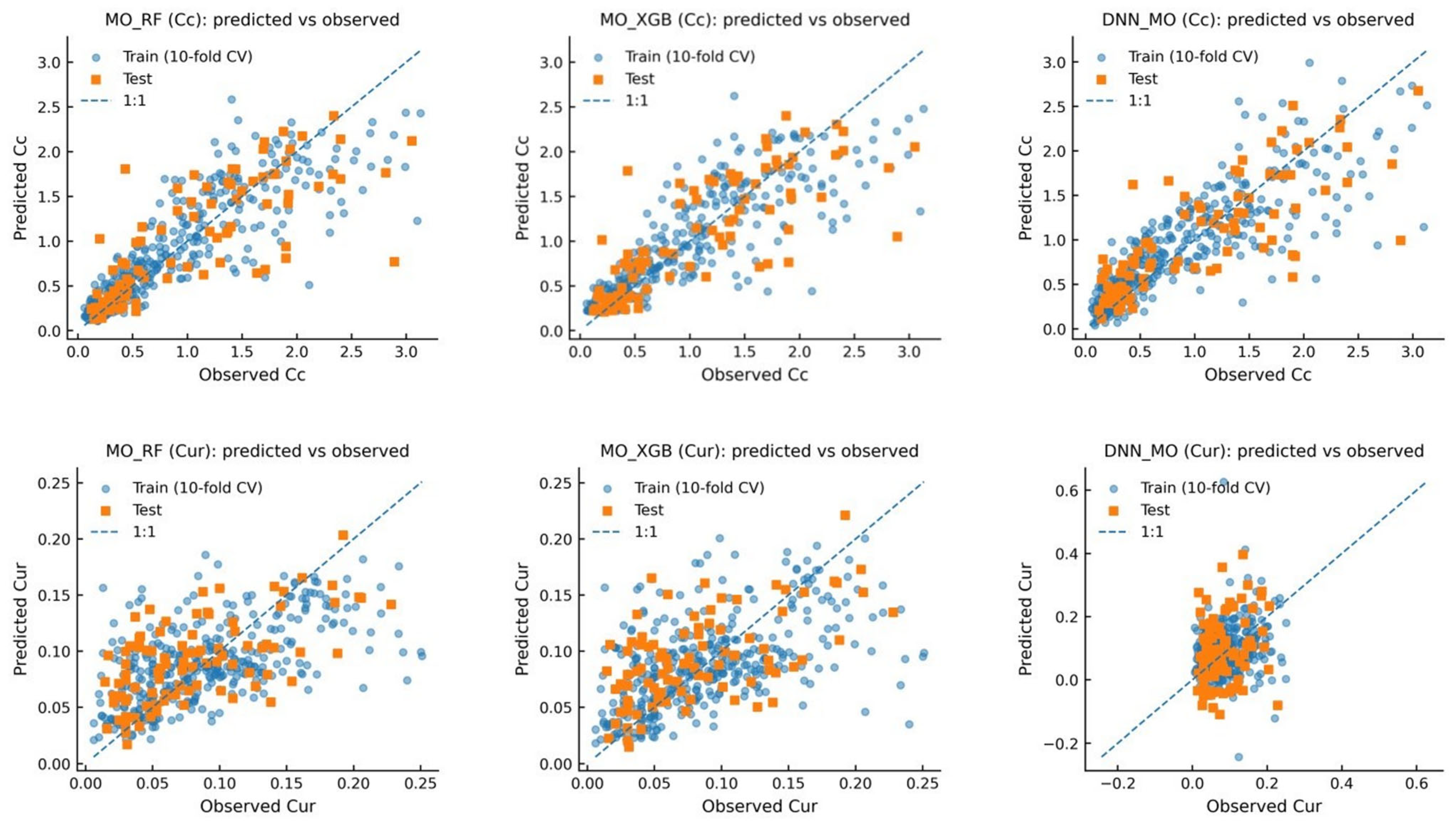
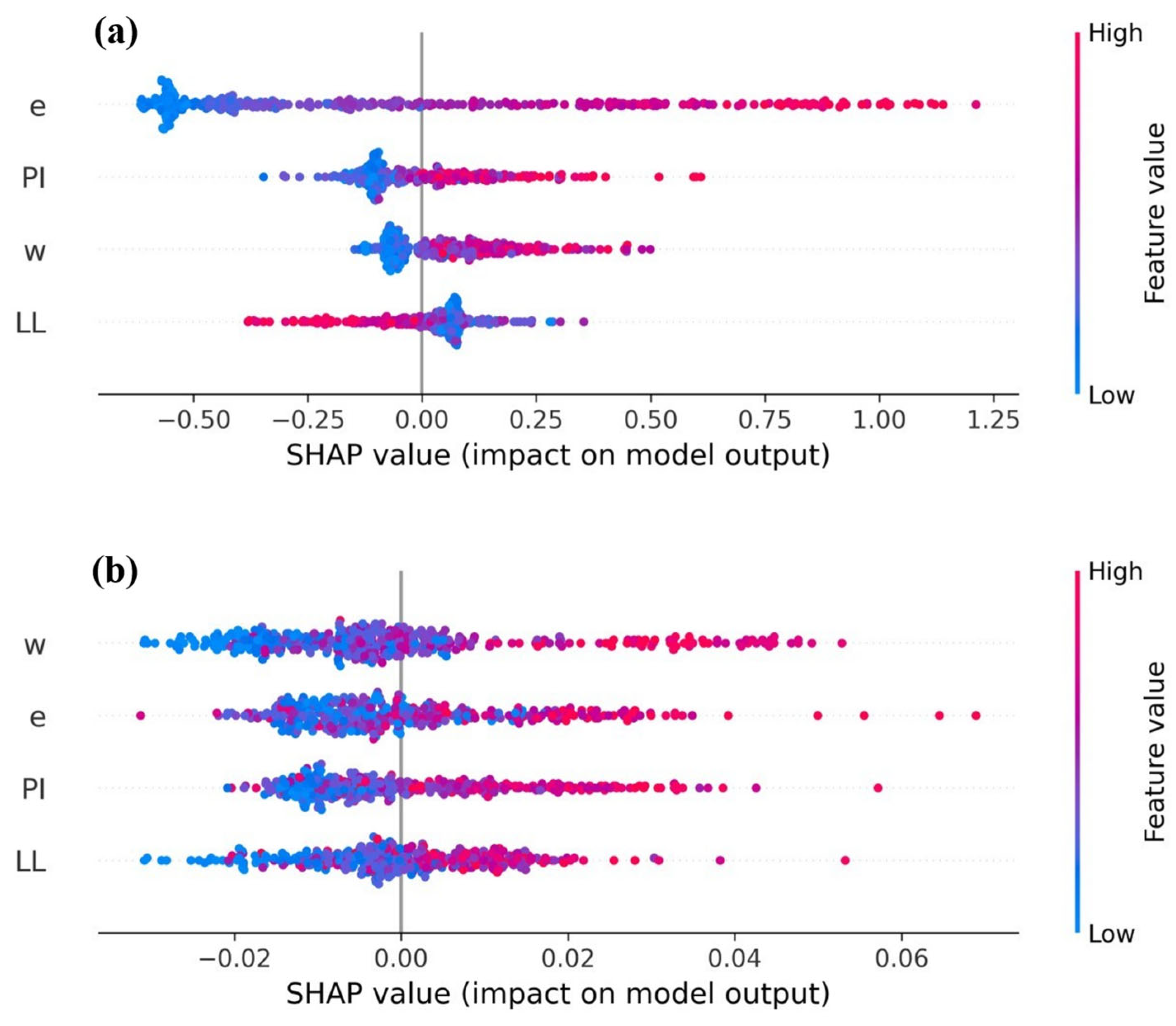
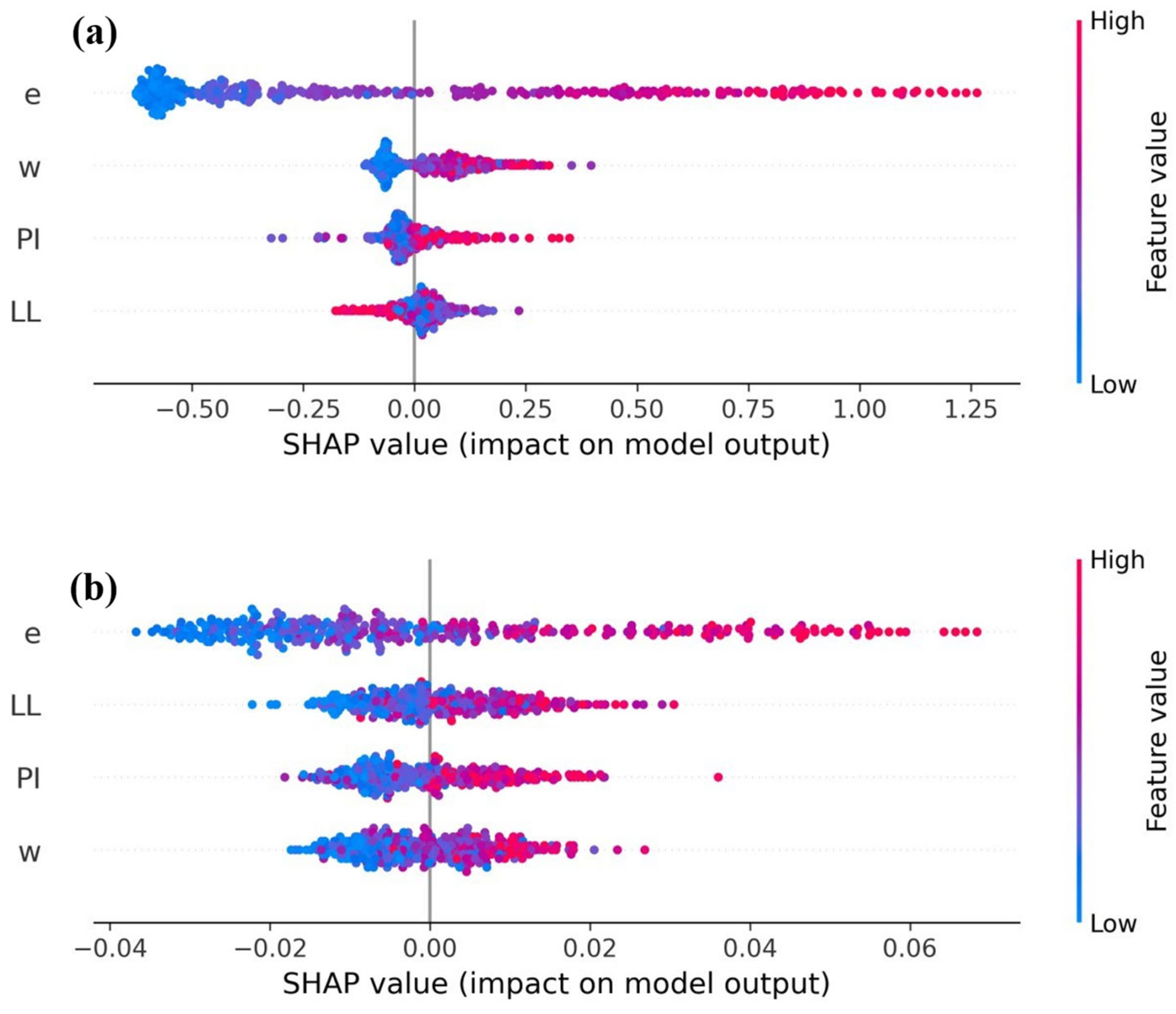
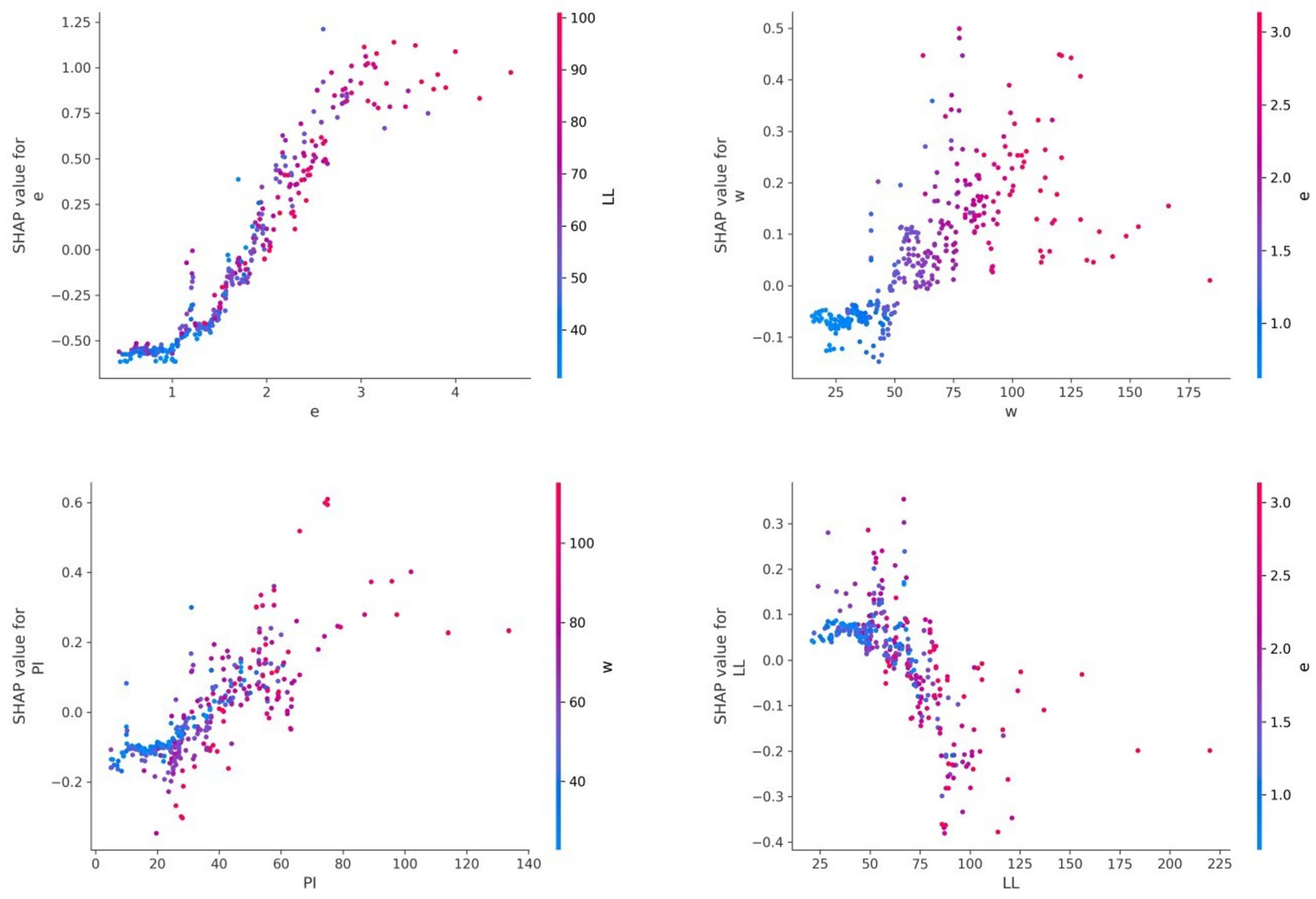
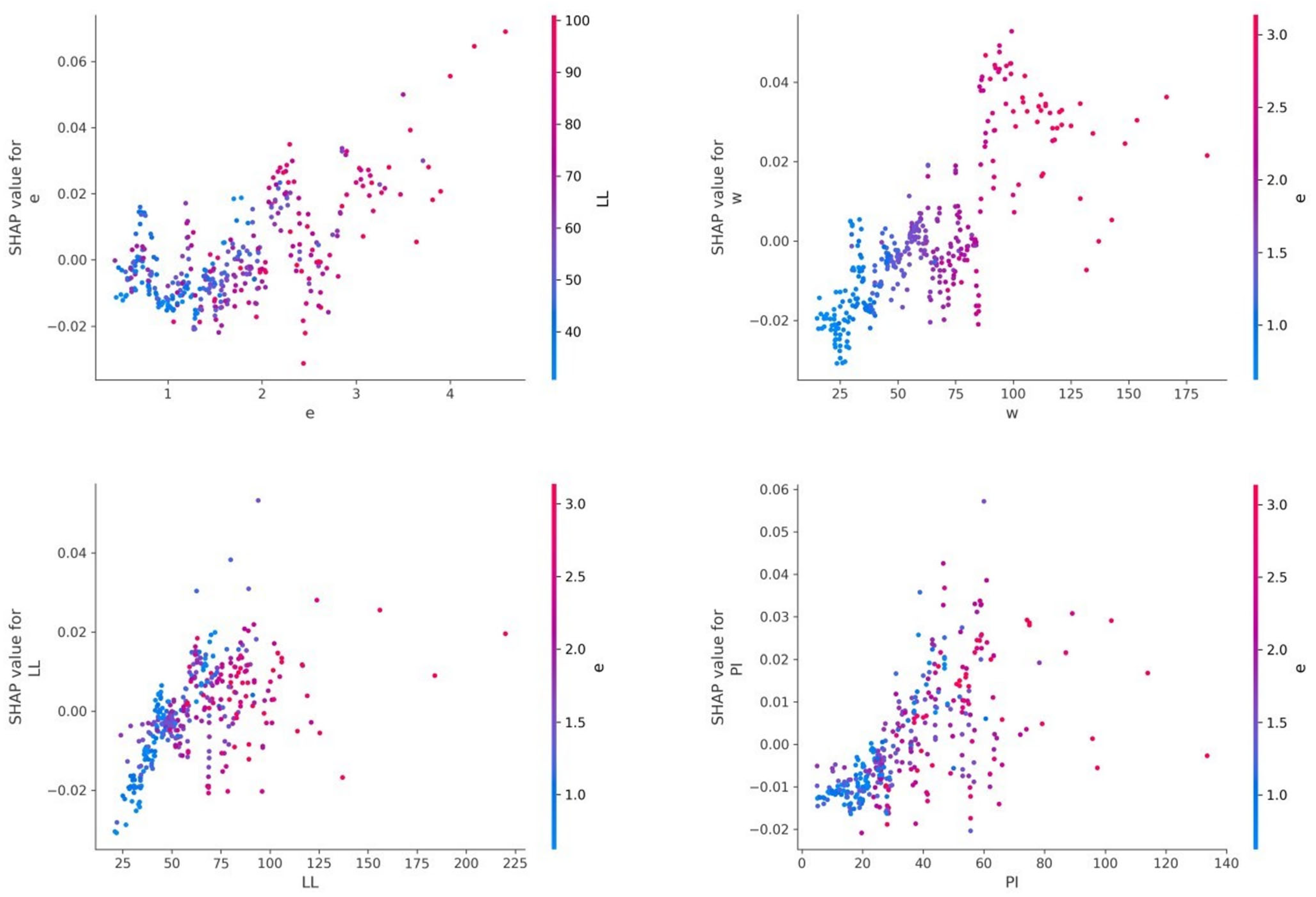
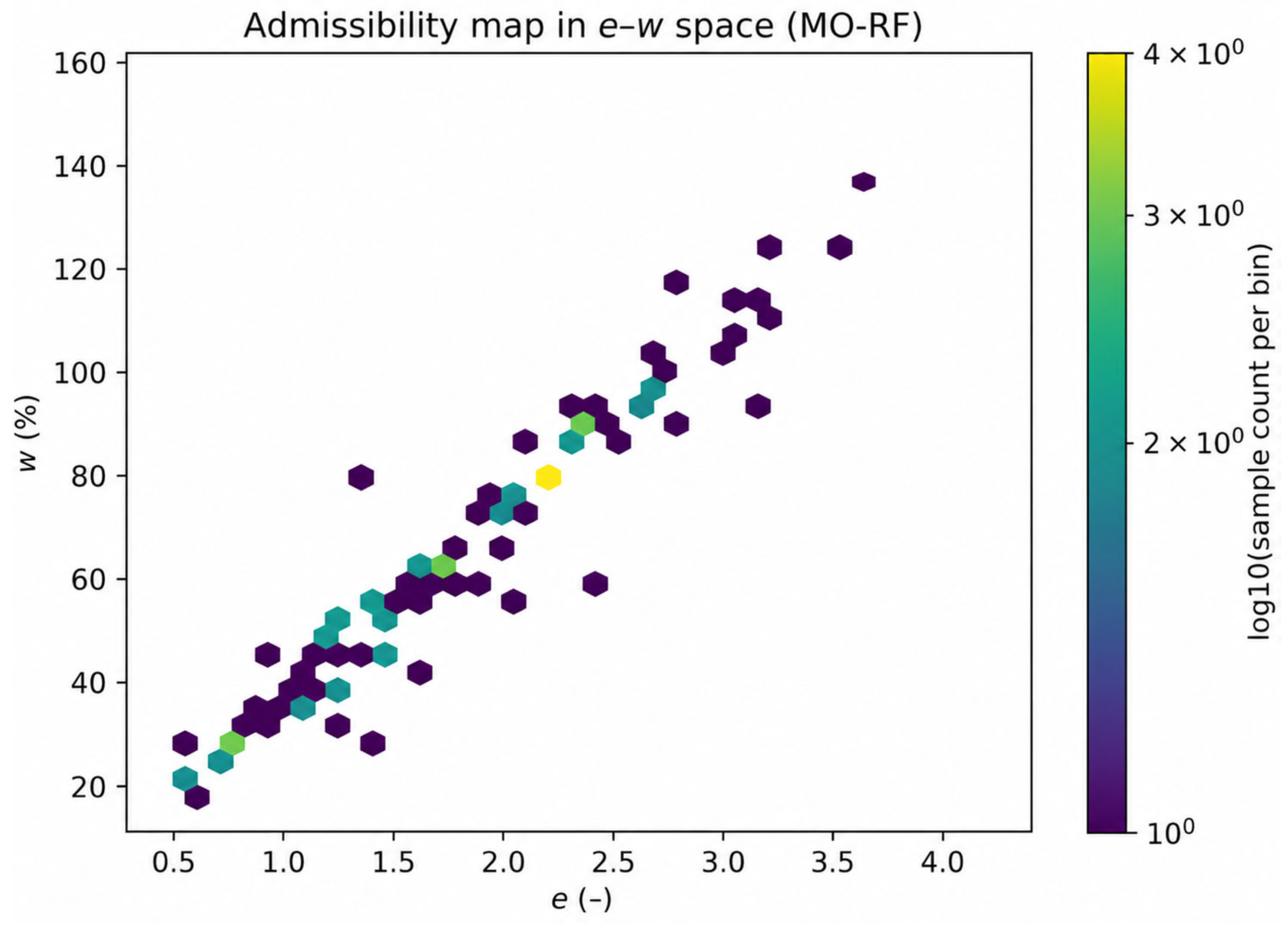
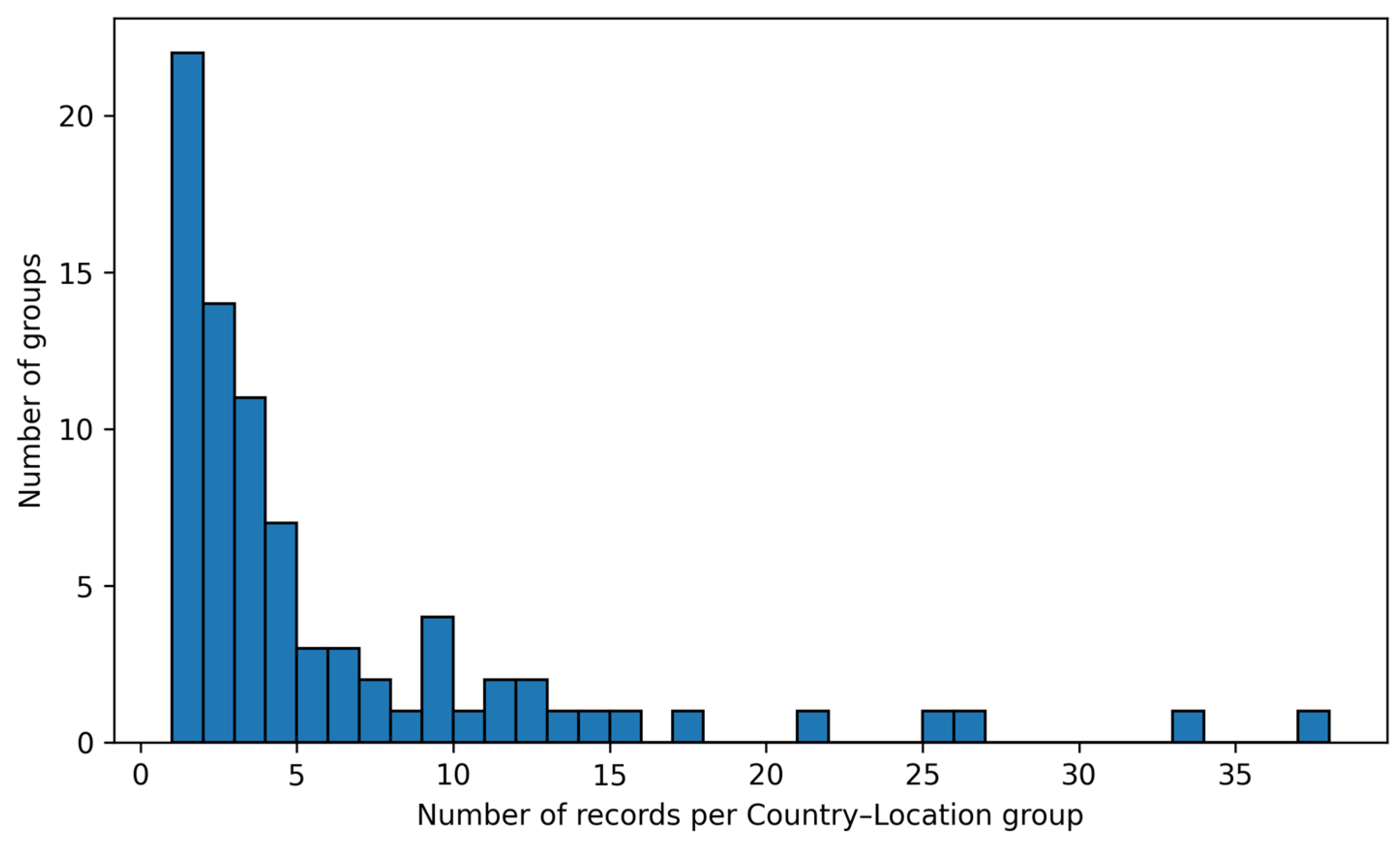
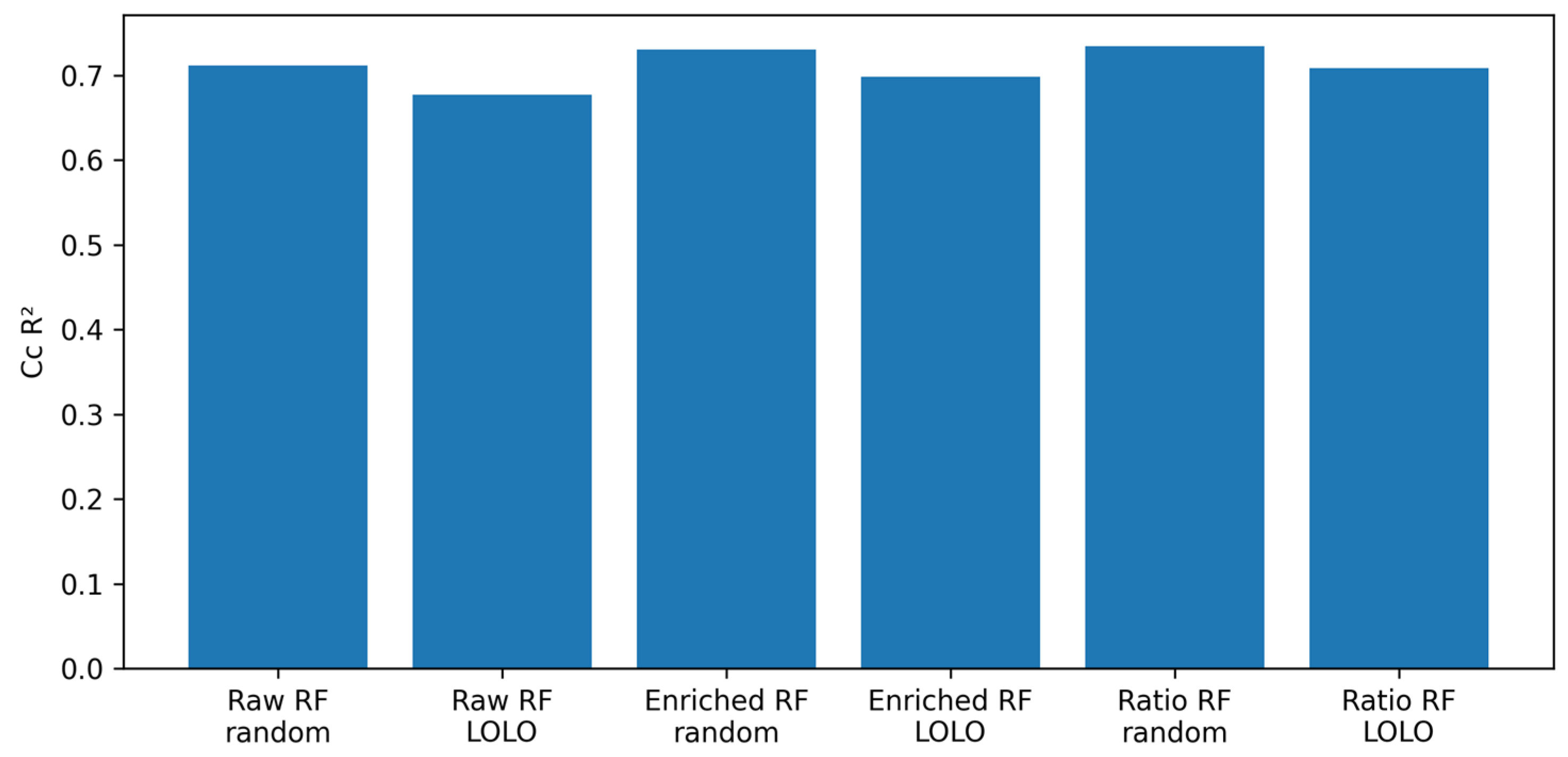
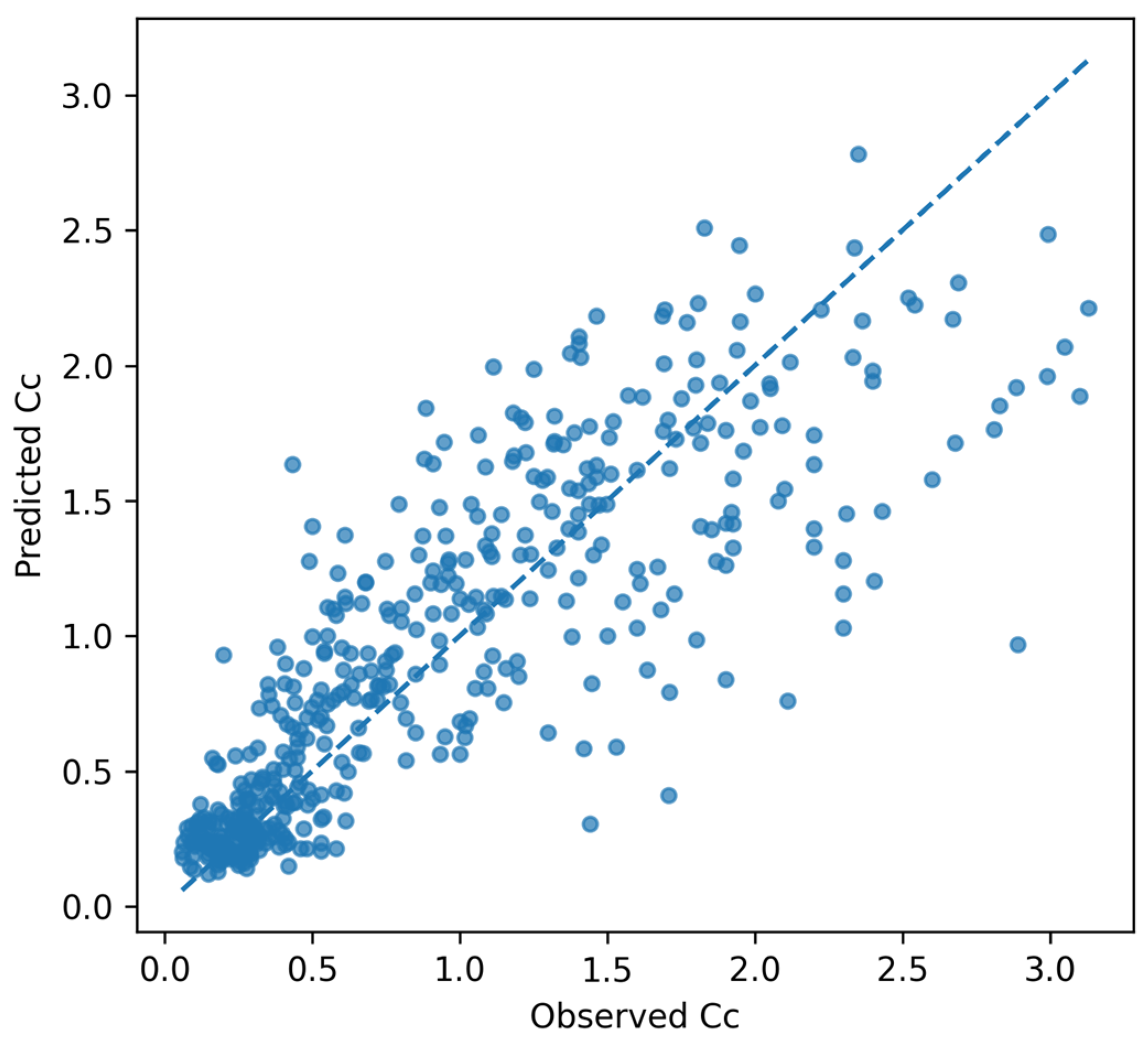
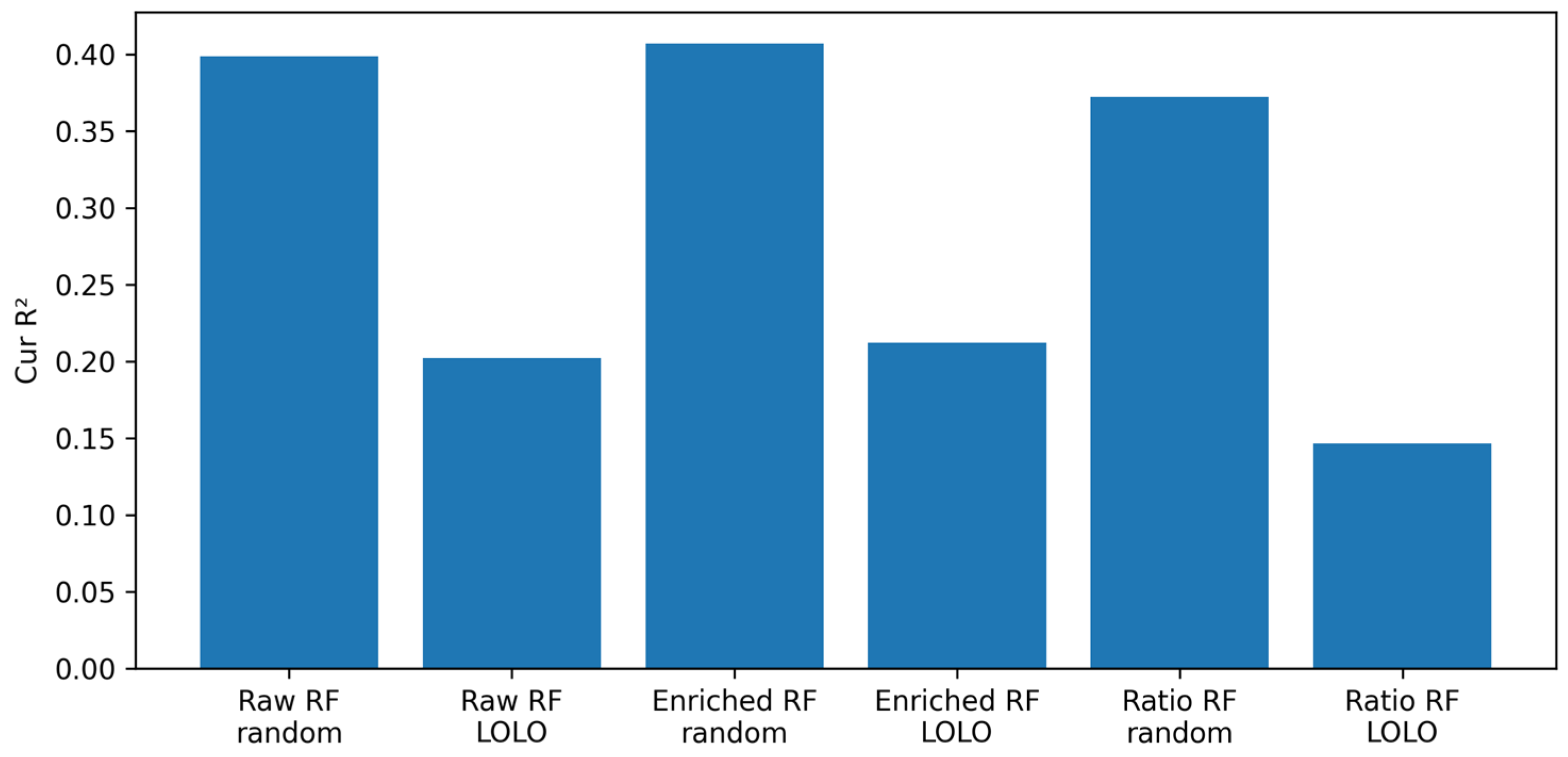
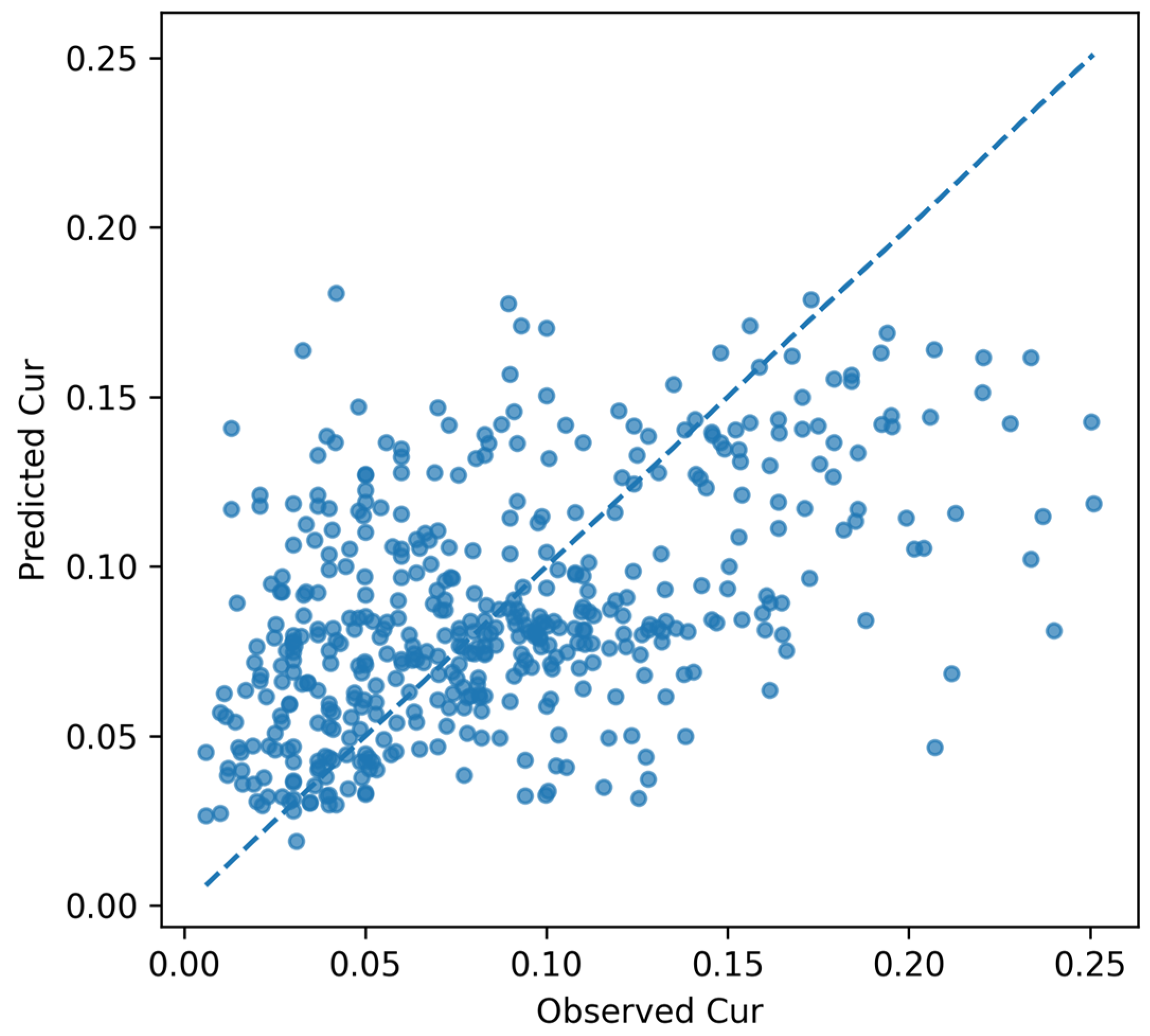
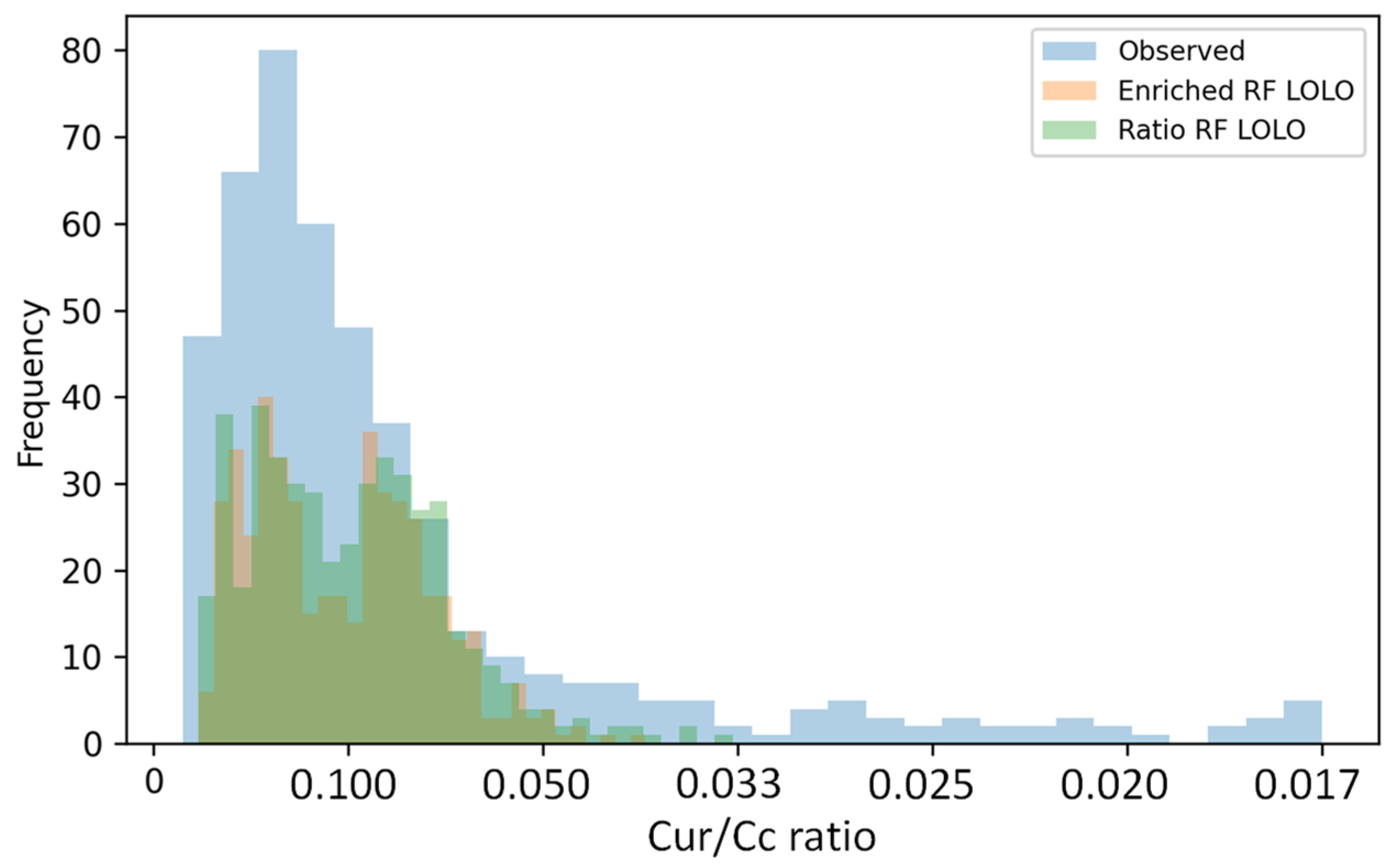
Compression index (Cc) and recompression index (Cur) are essential parameters in one-dimensional consolidation and settlement analysis, yet their direct determination from oedometer testing is time-consuming, costly, and often limited by sparse recompression data. This study develops an interpretable and physically constrained machine-learning framework for the joint prediction of Cc and Cur from four routinely measured index properties: liquid limit (LL), plasticity index (PI), initial void ratio (e), and natural water content (w). A curated subset of 459 natural clay records from the global CLAY/Cc/6/6203 database was used to benchmark single-output and multi-output Random Forest, gradient-boosted tree, and deep neural network models. In addition to conventional random train–test and cross-validation protocols, a leave-one-location-out validation was introduced to evaluate transferability across 81 Country–Location groups. Under the random-split setting, Cc was predicted with moderate-to-good accuracy, with baseline models achieving test R2 values of approximately 0.61–0.70 and a geotechnically enriched Random Forest model increasing the test R2 to 0.777. Cur was more difficult to predict. Although feature enrichment improved its test R2 to 0.507, location-aware validation reduced Cur performance substantially, confirming its stronger dependence on site-specific stress history, fabric, and geological structure. SHAP interpretation identified e and w as the dominant controls on Cc, while Cur exhibited weaker and more diffuse dependence on the available index properties. A physically constrained target transformation based on the bounded ratio of Cur/Cc guaranteed mechanically admissible predictions with Cur < Cc, but did not fully recover the missing information needed for accurate Cur estimation. The proposed constraint is not a governing-equation-based physics-informed model. Rather, it is a mechanically constrained target transformation that preserves the admissible relationship Cur < Cc. The results show that routine index properties can support the useful preliminary prediction of Cc, whereas Cur should be treated as a screening-level estimate unless explicit stress history descriptors are available.
Keywords: compression index; recompression index; physics-guided machine learning; leave-one-location-out validation; multi-output regression; SHAP interpretability compression index; recompression index; physics-guided machine learning; leave-one-location-out validation; multi-output regression; SHAP interpretability