1. Introduction
Problematic soils remain a major challenge in geotechnical engineering due to their unfavorable engineering behavior and susceptibility to environmental changes. Depending on their mineralogical composition, moisture condition, and stress history, soils may exhibit excessive compressibility, swelling, shrinkage, collapse, or dispersive characteristics that adversely affect the performance of civil engineering structures. Among these, expansive soils, collapsible soils, and dispersive soils are considered the most common problematic soil types encountered in practice [
1]. High-plasticity clays are particularly critical because they may simultaneously exhibit expansive and dispersive behavior, resulting in excessive volume change, reduction in strength, and long-term instability [
2,
3,
4]. Structures founded on clayey soils, including highways, embankments, pavements, and low-rise buildings, frequently experience engineering problems such as differential settlement, cracking, loss of bearing capacity, and slope instability [
5].
The engineering performance of clay soils is further influenced by environmental and climatic conditions. Seasonal fluctuations in temperature and precipitation subject soils to repeated wetting and drying (WD) cycles, which significantly alter their microstructure and mechanical properties [
6,
7]. During wetting, clay particles absorb water and expand, while drying induces shrinkage and the formation of desiccation cracks. Repeated WD cycles can progressively deteriorate the integrity of the soil matrix, reduce stiffness and strength, and increase susceptibility to erosion and disintegration. Such degradation is especially critical in tropical and subtropical regions where alternating rainfall and prolonged heat exposure are common. Consequently, improving the durability of stabilized soils under cyclic environmental loading has become an important consideration in geotechnical engineering design.
To mitigate the adverse behavior of problematic soils, various ground improvement techniques have been developed, among which soil stabilization is one of the most widely adopted methods [
8]. Soil stabilization aims to improve the engineering properties of soil through mechanical, chemical, or physicochemical modification. Among these approaches, chemical stabilization is the most extensively utilized due to its effectiveness in improving strength, reducing plasticity, minimizing compressibility, and enhancing durability. This method involves mixing soils with stabilizing agents such as lime, ordinary Portland cement (OPC), fly ash, and other additives to induce physicochemical reactions within the soil matrix. Compared to complete soil replacement using engineered fill materials, chemical stabilization is generally considered more economical and practical for large-scale projects [
9].
Despite its widespread use and effectiveness, the production of ordinary Portland cement is associated with significant environmental impacts. OPC manufacturing is energy-intensive and contributes substantially to global greenhouse gas emissions, particularly carbon dioxide (CO
2), due to limestone calcination and fuel combustion during clinker production [
10]. Increasing environmental awareness and global efforts toward sustainable construction have therefore encouraged the development of alternative stabilizing materials with lower carbon footprints. In recent years, geopolymers have emerged as promising sustainable binders because of their ability to utilize aluminosilicate-rich industrial byproducts and wastes while achieving mechanical properties comparable to conventional cementitious materials [
11].
Geopolymers are inorganic aluminosilicate materials produced through alkaline activation of aluminosilicate precursor materials. Common geopolymer precursors include fly ash, slag, metakaolin, and various industrial wastes. The geopolymerization process forms a three-dimensional aluminosilicate network capable of providing high strength, chemical resistance, and long-term durability. Aside from reducing dependence on OPC, geopolymer also addresses environmental concerns related to industrial waste disposal and resource utilization. One potential precursor material is quarry dust, a byproduct generated during crushing and operational processing in sand and gravel production plants. Quarry dust has been widely investigated as a mechanical stabilizer and filler material in soil improvement applications. However, studies focusing on its use as a geopolymeric precursor for chemical stabilization remain limited.
Among the important performance parameters of stabilized soils is durability under environmental exposure. Durability can be defined as the ability of a material to maintain its intended engineering performance throughout its service life despite exposure to deteriorating conditions [
12]. In geotechnical applications, WD cycles are commonly used to simulate field environmental conditions caused by alternating rainfall and heat exposure [
13]. Previous studies have shown that geopolymer stabilization can improve the resistance of soils against strength loss, cracking, and erosion during repeated WD cycles [
14,
15,
16]. These findings suggest that geopolymeric binders may serve as viable alternatives to OPC in sustainable ground improvement applications. Nevertheless, despite the growing body of research on geopolymer-stabilized soils, no study has comprehensively investigated the durability behavior of clay soils stabilized using quarry dust-based geopolymer under WD conditions.
Furthermore, previous investigations on geopolymer-stabilized soils have commonly employed low to moderate geopolymer contents, wherein the soil remains the dominant component and the binder primarily functions as a stabilizing agent. Although such mixtures generally exhibit improvements in strength and durability, it was reported that several issues such as curing conditions, efficacy of using high percentage geopolymer, and the function of the soil used remain uncertain [
17]. In addition, clays are naturally hydrophilic, which can cause the alkaline activator to be absorbed by the clay minerals therefore reducing its availability to allow complete geopolymerization. To better understand the upper limits of geopolymer stabilization, Tan et al. [
17] explored mixtures containing substantially higher geopolymer proportions, including composites consisting of approximately 70% geopolymer and 30% soil. These systems allow the formation of a more continuous geopolymeric matrix and allows the evaluation of its maximum strength [
17].
In contrast to conventional soil stabilization approaches, this study adopts a mixture containing 70% quarry dust-based geopolymer and 30% clay, thereby enabling the material to be examined as a soil–geopolymer composite rather than merely a stabilized soil. The selected proportion was intended to maximize the contribution of the geopolymer matrix and establish a baseline reference for the durability performance achievable using quarry dust as a geopolymer precursor. Such baseline data are important for future studies aimed at optimizing geopolymer percentage while maintaining acceptable engineering and durability characteristics.
Therefore, this study investigates the effectiveness of quarry dust-based geopolymer as a sustainable chemical stabilizer for clay soils, with particular emphasis on durability performance under repeated WD cycles. This study aims to evaluate the changes in engineering properties and resistance to deterioration of the clay-geopolymer composite, containing 70% geopolymer and 30% clay, and assess the feasibility of utilizing quarry dust geopolymer as an alternative to conventional OPC-based stabilization.
2. Materials and Methods
2.1. Materials
The clay soil used in this study was collected from Meycauayan, Bulacan, Philippines, an area known to contain fine-grained soils commonly encountered in infrastructure and construction projects. Bulk disturbed samples were obtained from the site and stored in sealed containers prior to laboratory testing to minimize changes in moisture condition. The quarry dust used as geopolymeric precursor was sourced from a quarrying facility in Zamboanga del Norte, Philippines. The material was collected in slurry form directly from the processing plant. Prior to utilization, the quarry dust slurry was initially air-dried for 24 h to reduce excess moisture content and facilitate handling. The material was then oven-dried at 105 °C until a constant mass was achieved. After drying, the hardened particles were pulverized and passed through crushing procedures until a fine powder suitable for geopolymerization was obtained.
The alkaline activator solution used for geopolymer synthesis consisted of sodium hydroxide (NaOH) and sodium silicate (Na2SiO3), both procured from Dalkem Corporation, a local chemical supplier in Manila City, Philippines. Sodium hydroxide solution with a concentration of 10 M was prepared by gradually dissolving 400 g of NaOH pellets into approximately 700 mL of distilled water. Due to the exothermic nature of dissolution, the solution was allowed to cool before additional distilled water was added to obtain a final volume of 1000 mL. The prepared NaOH solution was stored at room temperature for stabilization prior to mixing. Subsequently, the NaOH solution was combined with sodium silicate solution at a Na2SiO3-to-NaOH ratio of 2.5:1.0 to form the alkaline activator. The activator solution was prepared at least 24 h before use to ensure adequate homogenization and temperature equilibration prior to geopolymerization.
The mix proportions adopted in this study were based on previous investigations that reported optimum strength performance for geopolymer-stabilized clay soils [
18,
19,
20,
21]. A constant geopolymeric precursor-to-alkaline activator ratio of 65:35 was maintained throughout the study. Furthermore, the soil-to-geopolymer ratio was fixed at 30:70 based on prior studies that yielded the highest values of unconfined compressive strength (UCS) and undrained shear strength. These proportions were selected to maximize the stabilizing effect of the quarry dust-based geopolymer while maintaining workable consistency during specimen preparation.
2.2. Index Tests
To determine the engineering characteristics and classification of the collected soil, a series of laboratory index tests were conducted in accordance with American Society for Testing and Materials (ASTM) standard procedures. The soil was classified using the Unified Soil Classification System (USCS) following ASTM D2487-06 and ASTM D2488-09. The classification process involved determining the physical and index properties of the soil, including specific gravity, particle size distribution, and Atterberg limits.
Specific gravity testing was conducted to determine the relative density of soil solids and provide input parameters for subsequent analyses. Atterberg limits were obtained to evaluate the liquid limit, plastic limit, and plasticity index of the soil, which serves as important indicators of clay behavior and compressibility. Particle size distribution analysis was conducted through sieve and hydrometer testing to determine the gradation characteristics of the soil. In addition, modified Proctor tests were carried out to determine the optimum moisture content (OMC) and maximum dry density (MDD) of the soil mixtures, considering modern and heavier loads as compared to the standard Proctor tests. The results served as the basis for specimen preparation and compaction requirements.
All laboratory tests were performed in triplicate to ensure repeatability and minimize experimental variability. The summary of the index tests conducted, and their corresponding ASTM standards are presented in
Table 1.
2.3. Mixture Preparation
The preparation of the soil–geopolymer mixtures (SGMs) was carried out in accordance with ASTM D558-96 for soil–cement mixtures, with modifications applied to the compaction effort to match the energy corresponding to the modified Proctor test. Prior to mixing, the oven-dried soil and processed quarry dust powder were thoroughly blended in dry conditions to achieve uniform distribution of the geopolymeric precursor within the soil matrix.
After dry mixing, the prepared alkaline activator solution was gradually introduced into the mixture while continuously mixing to ensure homogeneity and adequate wetting of all particles. The resulting mixture was prepared at moisture conditions corresponding to 95% relative compaction based on the results of the modified Proctor test. The target compaction level was selected to simulate field compaction conditions commonly employed in stabilized earthworks and pavement subgrades.
The prepared mixtures were compacted into cylindrical molds using modified compaction energy. Care was taken to ensure uniform compaction and minimize entrapped air within the specimens. After molding, the specimens were sealed and left undisturbed for 24 h prior to demolding to allow initial geopolymerization and setting reactions to occur. Following demolding, all specimens were cured under ambient laboratory conditions for 28 days. The curing period was adopted to allow sufficient development of geopolymeric bonds and strength gain prior to durability testing.
2.4. Durability Tests
The durability performance of the stabilized specimens was evaluated through repeated WD cycles in accordance with ASTM D559-15. After the 28-day curing period, all specimens were first subjected to drying inside a desiccator maintained at a temperature range of 105–115 °C for 12 h. This initial drying stage ensured that the specimens reached a consistent moisture condition prior to cyclic exposure. The initial mass and dimensions of each specimen were measured and recorded to establish baseline values for monitoring deterioration throughout the test duration.
Following the initial drying stage and cooling under ambient laboratory conditions, the specimens were submerged in tap water for 5 h to simulate wetting conditions. After wetting, the specimens were transferred to a desiccator and dried at a temperature range of 68–74 °C for 42 h. The combination of the wetting and drying stages constituted one complete WD cycle.
At the end of each cycle, one specimen was subjected to brushing using a wire brush to simulate surface abrasion and erosion. Two firm brush strokes were applied on each side of the specimen using a force corresponding to approximately 13 N. A total of 18–20 brush strokes were applied along the curved surface, while four strokes were applied on each end surface. After brushing, the specimens were cleaned of loose particles and subsequently measured for changes in mass and dimensions.
The wetting, drying, brushing, and measurement procedures were repeated for a total of twelve (12) cycles in accordance with ASTM D559-15. The durability performance of the stabilized specimens was assessed based on cumulative mass loss, dimensional changes, and visual observations of deterioration such as cracking, surface erosion, and disintegration throughout the cyclic exposure period.
2.5. Microstructure
Scanning electron microscopy (SEM) coupled with energy dispersive X-ray spectroscopy (EDX), using Phenom XL benchtop SEM from Thermo Fisher Scientific, Quezon City, Philippines, was employed to investigate the microstructural characteristics and elemental composition of the materials used in this study. Analyses were performed on the high-plasticity clay, quarry dust, and SGM12. SEM was utilized to examine particle morphology, surface texture, pore structure, and the degree of interparticle bonding, while EDX was used to determine the elemental composition and distribution of the constituent materials.
Representative samples of each material were collected and prepared for SEM-EDX analysis. Prior to testing, the specimens were dried to remove residual moisture and ensure image clarity during microscopic examination. The micrographs obtained from SEM were used to evaluate changes in the soil fabric resulting from geopolymer stabilization, including the formation of binding phases, particle agglomeration, and pore filling. Corresponding EDX spectra were analyzed to identify the major elements present within the samples, particularly silicon (Si), aluminum (Al), calcium (Ca), sodium (Na), and other constituents associated with geopolymerization reactions.
The combined SEM-EDX characterization provided insights into the microstructural and chemical mechanisms responsible for the observed engineering behavior of the geopolymer-soil composite and served to support the interpretation of the mechanical and durability test results.
3. Results and Discussion
3.1. Index Properties
The results of the index property tests indicate that the collected soil specimen possesses characteristics associated with highly plastic fine-grained soils. The specific gravity of the soil was determined to be 2.70, which falls within the typical range for inorganic clays and silty soils as reported by Bowles [
22]. This value suggests the predominance of mineral constituents commonly associated with clayey soils and indicates relatively normal soil mineral composition without the presence of unusually heavy or organic materials.
The Atterberg limits test showed that the soil has a plastic limit (PL) of 26% and a liquid limit (LL) of 52%, resulting in a plasticity index (PI) of 26. The relatively high liquid limit and plasticity index indicate that the soil possesses high compressibility and significant volume change potential when subjected to variations in moisture content. Soils with high plasticity generally exhibit greater shrink–swell behavior and reduced stability under changing environmental conditions, making them problematic for engineering applications.
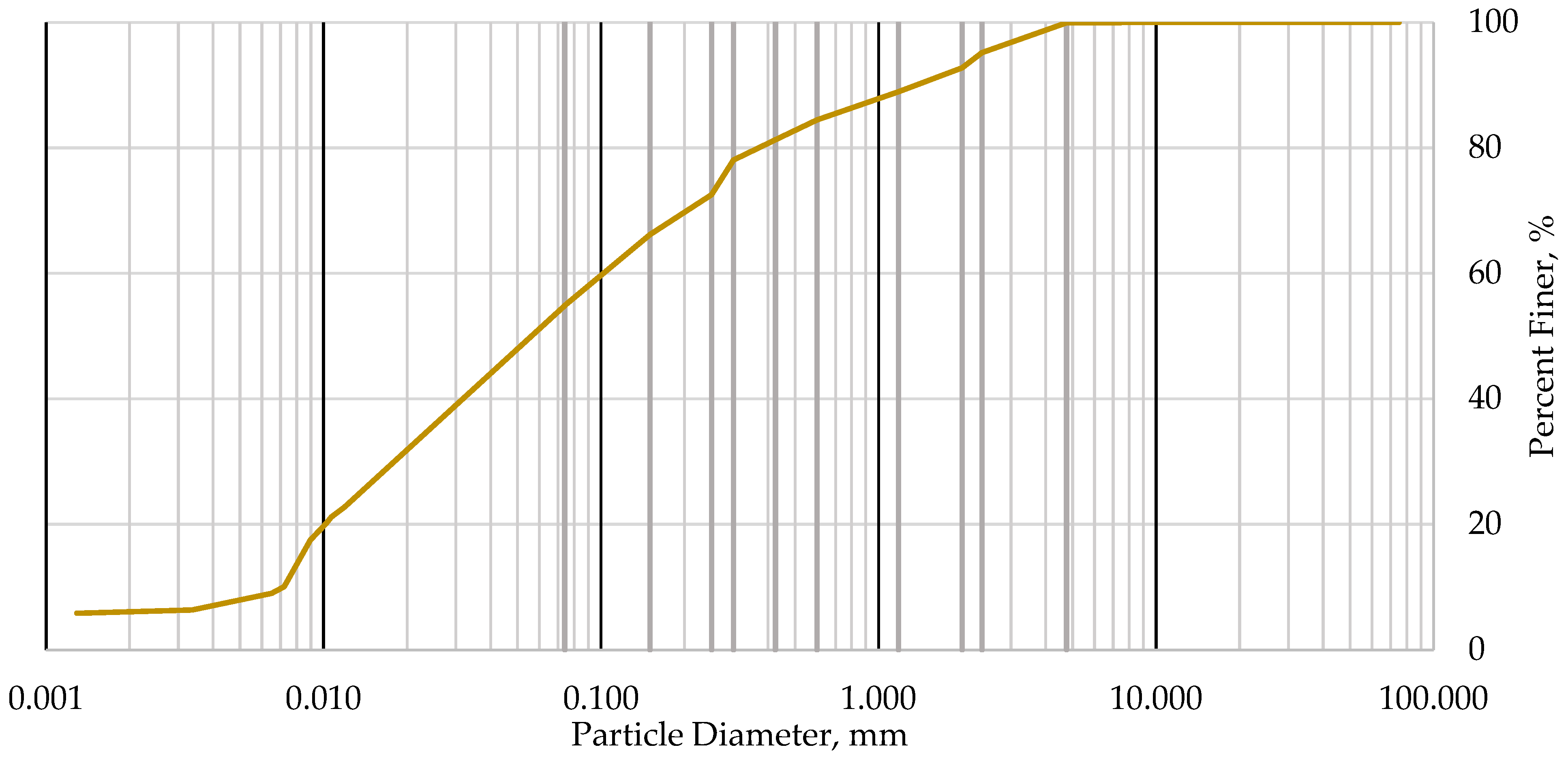
The particle size distribution of the soil is presented in
Figure 1. The gradation curve indicates that the soil contains a high percentage of fine particles, which further supports the observed plastic behavior obtained from the consistency limit tests. Based on the Unified Soil Classification System (USCS), the soil was classified as high-plasticity clay (CH). Additional qualitative observations during testing revealed that the soil exhibited high dry strength and toughness with no apparent dilatancy. These characteristics are consistent with highly plastic cohesive soils and confirm the dominance of clay-sized particles within the soil matrix.
The classification of the soil as CH indicates that the untreated material is susceptible to engineering problems such as excessive settlement, shrinkage, swelling, and low durability when exposed to environmental changes. Such behavior makes stabilization necessary prior to its utilization in construction applications. The obtained results, therefore, validate the selection of the soil specimen for evaluating the effectiveness of quarry dust-based geopolymer stabilization.
3.2. Moisture—Density Relationship of Untreated Clay and Soil–Geopolymer Mixture
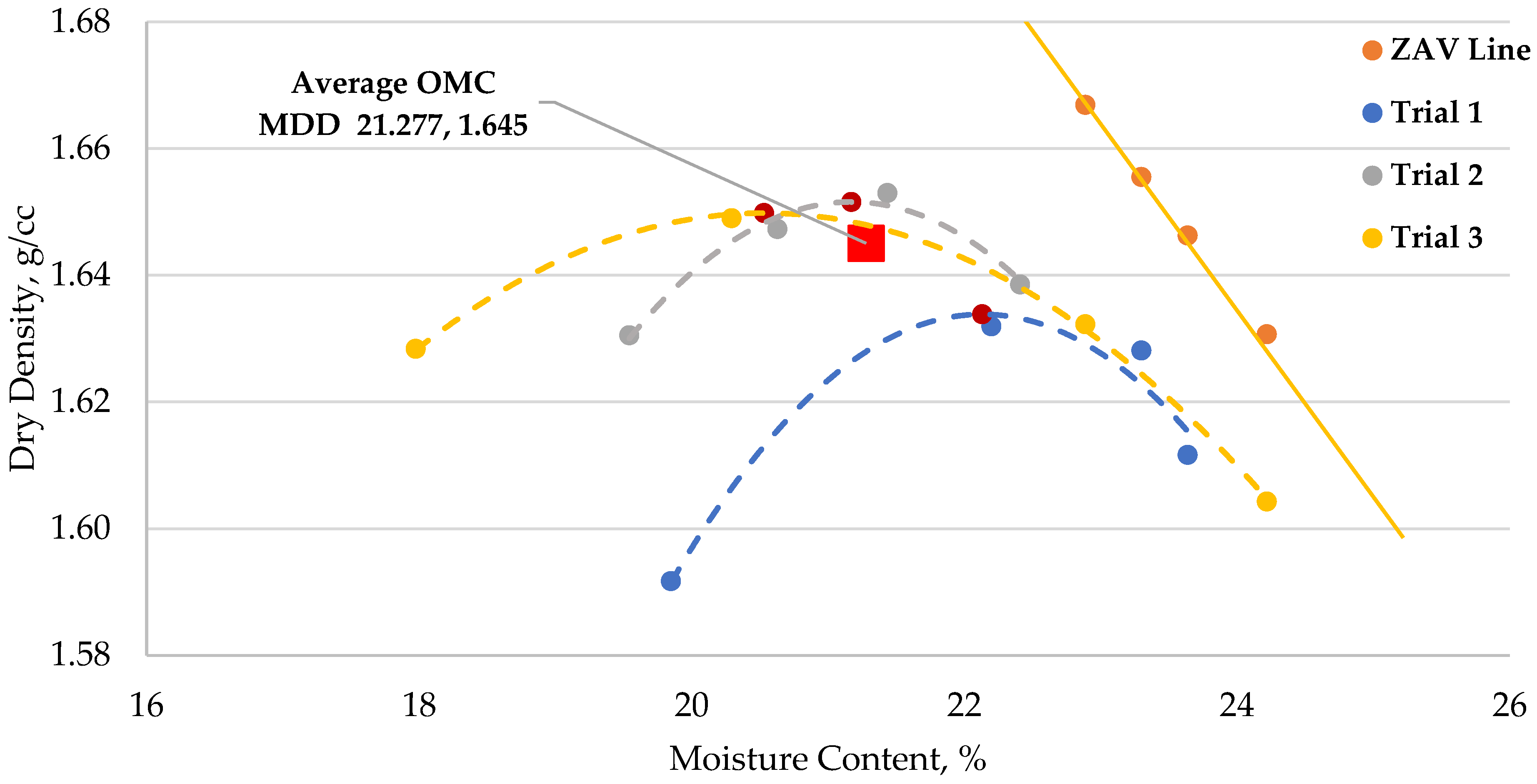
The compaction curve obtained from the modified Proctor test conducted on the clay specimen is presented in
Figure 2. The test results showed that the MDD and OMC of the clay were 1.645 g/cc and 21.28%, respectively. The relatively high OMC is attributed to the high plasticity and large surface area of clay particles, which require greater amounts of water to achieve adequate lubrication and compaction during densification.
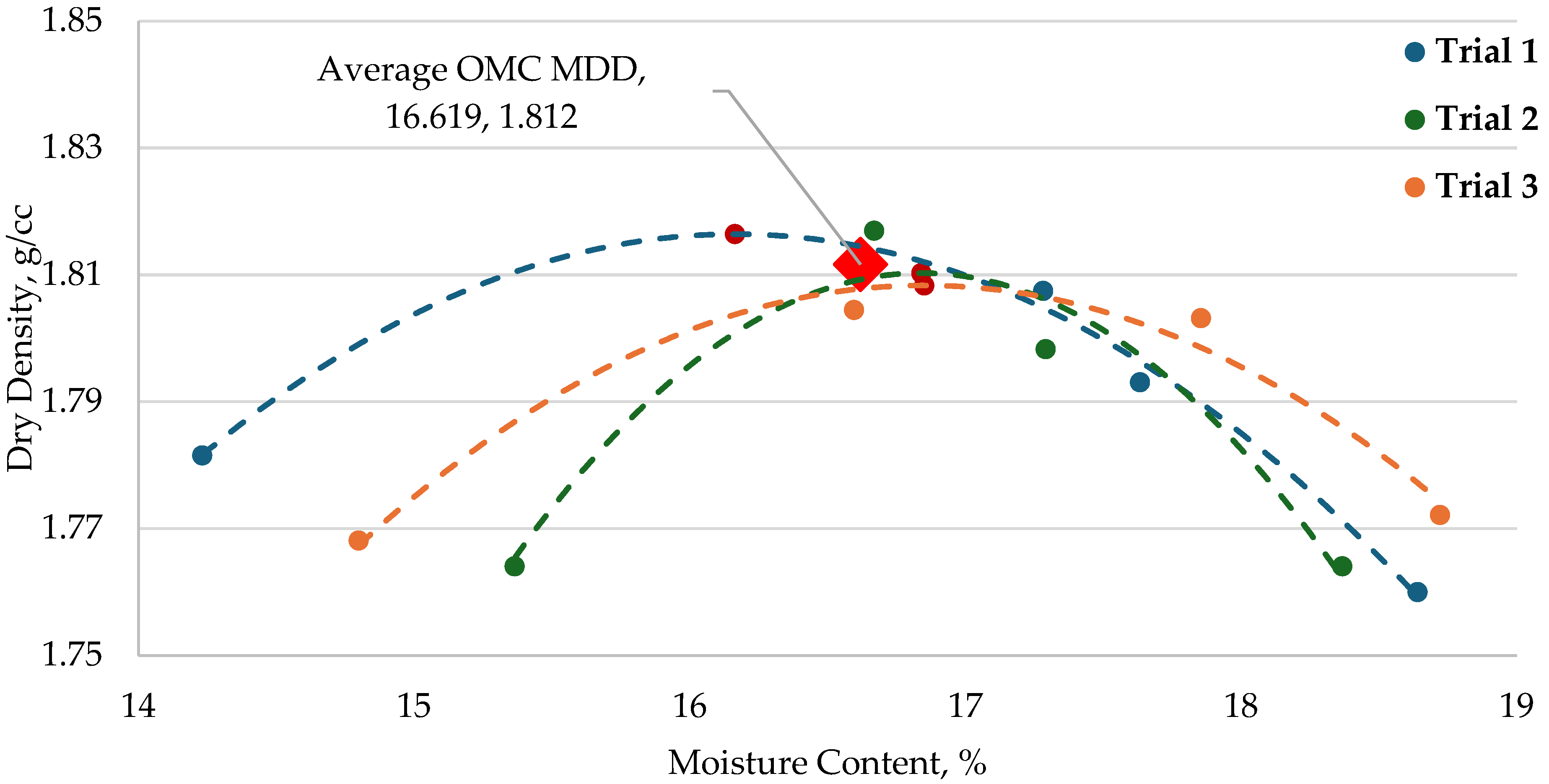
The modified mixture preparation procedure based on ASTM D558-96 produced the compaction characteristics shown in
Figure 3. The stabilized soil–geopolymer mixture (SGM) exhibited an MDD of 1.812 g/cc and an OMC of 16.62%. Compared with the untreated soil, the addition of quarry dust-based geopolymer resulted in a significant increase in maximum dry density and a corresponding reduction in optimum moisture content.
The increase in MDD indicates improvement in compaction behavior of the soil. Higher dry density values generally correspond to improved engineering performance, including enhanced strength and reduced compressibility, making the stabilized soil more suitable for construction purposes [
23]. The increase in density may be attributed to the filling of void spaces by finer geopolymeric particles and the formation of cementitious products that bind soil particles together into a denser matrix. Similar trends have also been reported in previous studies involving geopolymer stabilization of high-plasticity clays [
23,
24,
25].
Meanwhile, the reduction in OMC indicates that less water is required to achieve optimum compaction after stabilization. This behavior can be attributed to cation exchange reactions occurring between the clay particles and the alkaline geopolymer system. The exchange of cations reduces the thickness of the diffuse double layer surrounding clay particles, thereby decreasing water affinity, and promoting particle flocculation and agglomeration. The resulting flocculated soil structure requires lower moisture content for effective compaction. The reduction in OMC is advantageous in field applications because it minimizes the amount of water required during construction and facilitates easier moisture control during compaction operations.
The obtained compaction characteristics were subsequently used in determining the mixture proportions for specimen preparation at 95% relative compaction. The resulting proportions used for the soil–geopolymer mixtures are summarized in
Table 2.
3.3. Durability Against Wetting and Drying Cycles
3.3.1. Durability of Pure Soil
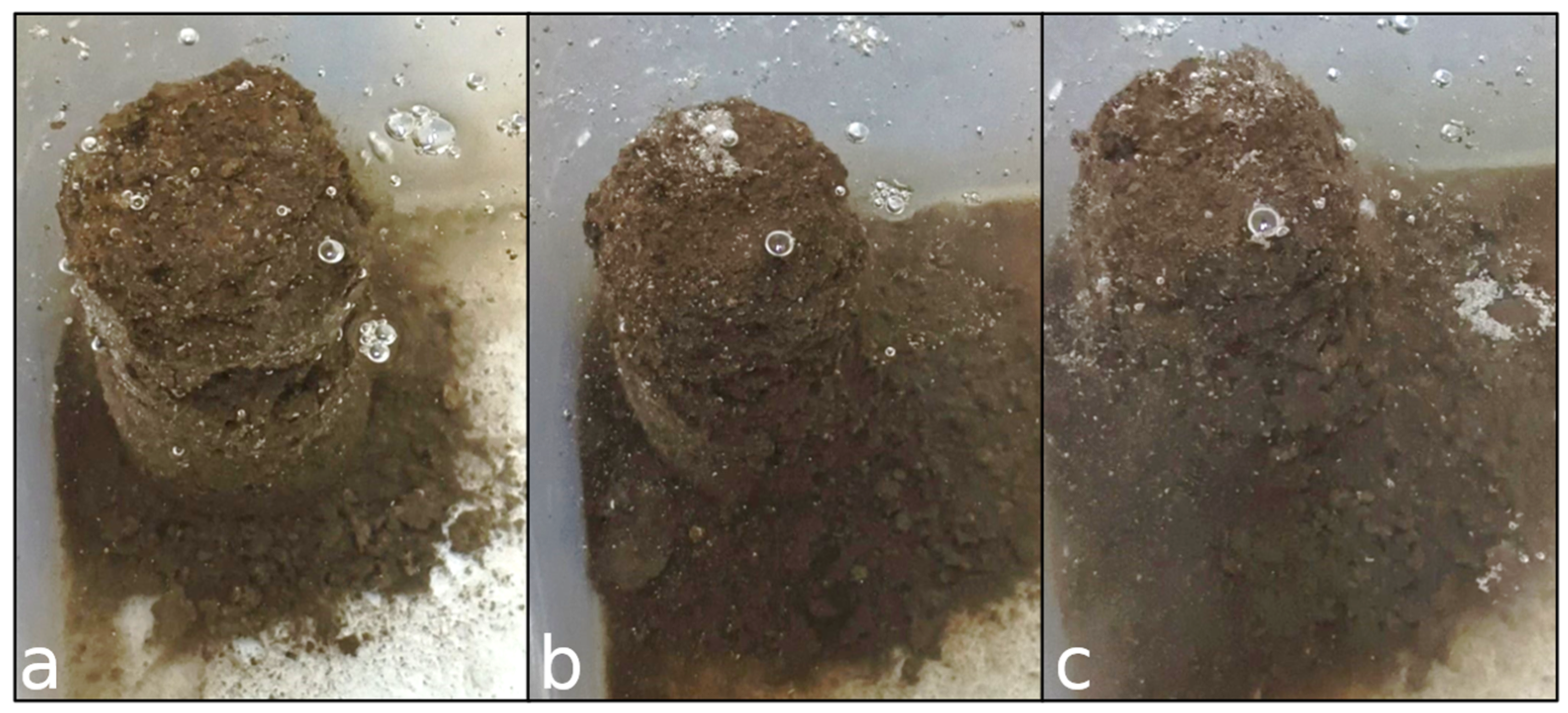
The untreated soil specimen exhibited extremely poor durability performance during the wetting stage of the test. Upon immersion in tap water, the pure soil specimen rapidly collapsed and degraded within the first five minutes, as shown in
Figure 4. Similar observations have been reported in previous studies involving untreated high-plasticity clays subjected to wetting conditions [
26,
27,
28]. The immediate disintegration of the specimen demonstrates the high susceptibility of the natural clay soil to moisture-induced deterioration and indicates its inability to maintain structural integrity under cyclic environmental exposure.
The collapse behavior of the untreated soil can be attributed to several mechanisms associated with the interaction between water and clay particles. When submerged, water infiltrates the soil structure and weakens the interparticle bonds responsible for maintaining cohesion within the clay matrix. The ingress of water also causes swelling of clay minerals and softening of the soil fabric, which progressively reduces the shear resistance of the specimen. As the bonding between particles weakens, structural failure initiates and rapidly propagates throughout the specimen [
27]. In addition, the absence of confining pressure during immersion further accelerated the breakdown of the soil structure, leading to complete collapse.
The rapid degradation of the untreated specimen highlights the vulnerability of high-plasticity clays when exposed to alternating wet and dry environmental conditions commonly encountered in the field. In practical applications, such behavior may lead to severe engineering problems including loss of bearing capacity, erosion, cracking, differential settlement, and shortened service life of structures founded on untreated clay soils. These findings emphasize the necessity of stabilization to improve the durability and long-term performance of problematic clayey soils subjected to environmental exposure.
3.3.2. Durability of SGM
In contrast to the untreated soil specimens, the stabilized soil–geopolymer mixtures (SGMs) remained intact throughout the WD test duration, indicating substantial improvement in durability performance. In addition to the quantitative measurements prescribed by ASTM D559-15, visual inspection of the specimens was conducted after every cycle to monitor changes in texture, crack development, surface deterioration, and overall structural integrity.
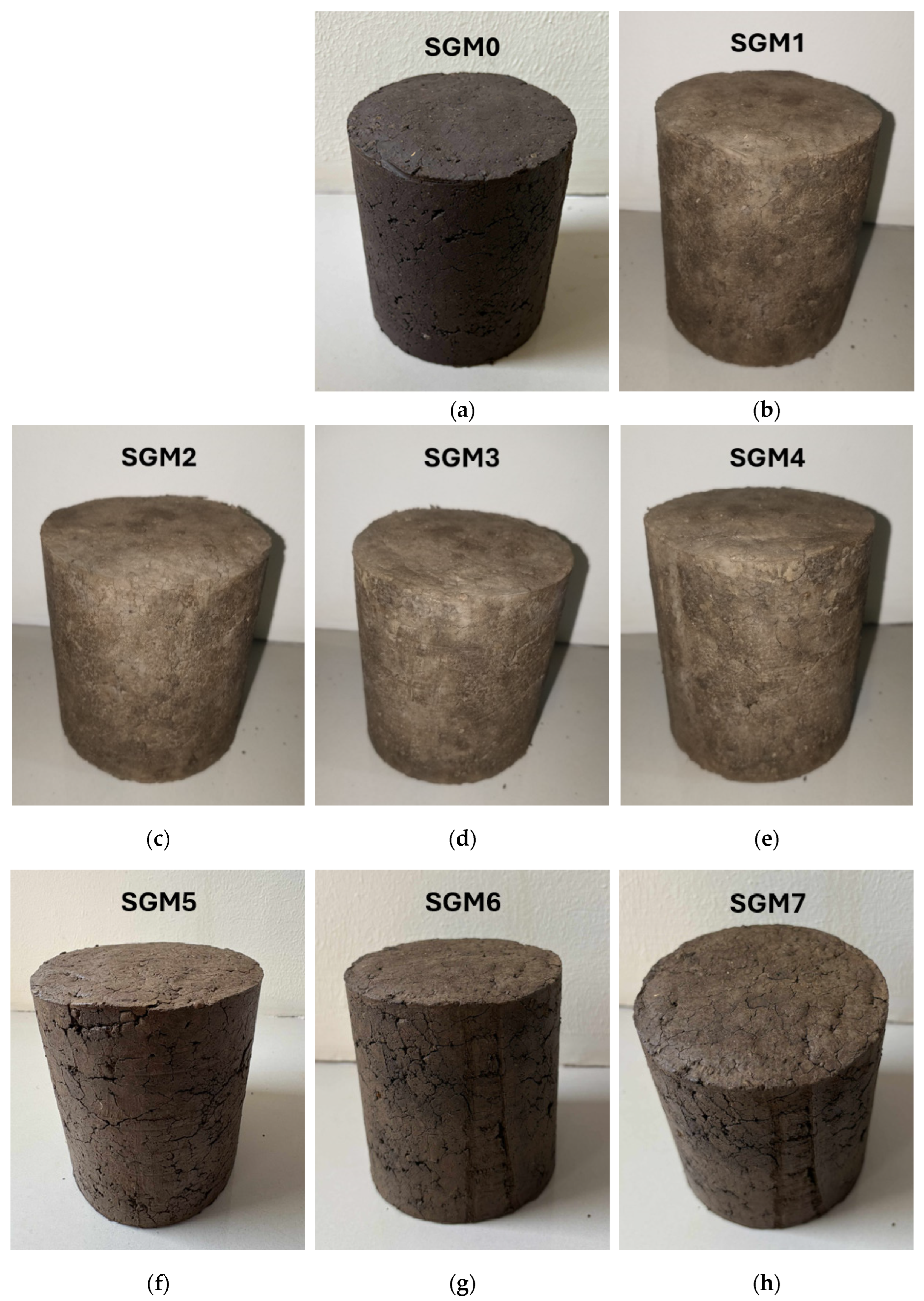
Immediately after demolding, the SGM specimen exhibited a very dark coloration with a moist appearance and relatively soft surface texture, as shown in
Figure 5a. This appearance may be associated with the retained moisture and the ongoing geopolymerization reactions within the specimen matrix. After the first WD cycle, the specimen surface began to lighten in color and appeared noticeably stiffer and more stable, as shown in
Figure 5b. Minor surface cracks also started to develop, which were likely caused by shrinkage during the drying phase of the cycle.
Between the second and fourth WD cycles, only minimal visible deterioration occurred. However, small cracks that initially formed on the surface gradually propagated and interconnected with neighboring cracks, as shown in
Figure 5c–e. The gradual connection of cracks indicates the accumulation of tensile stresses caused by repeated moisture fluctuations within the stabilized matrix.
During the fifth and sixth cycles, the interconnected cracks became wider and more pronounced, particularly along the sides of the specimen, as shown in
Figure 5f,g. This behavior suggests progressive weakening of localized portions of the geopolymer-stabilized matrix due to repeated expansion and contraction during cyclic WD. The repeated ingress and evaporation of water may have induced internal stresses that facilitated crack widening and propagation.
By the seventh cycle, noticeable edge deterioration and gradual particle detachment were observed, as shown in
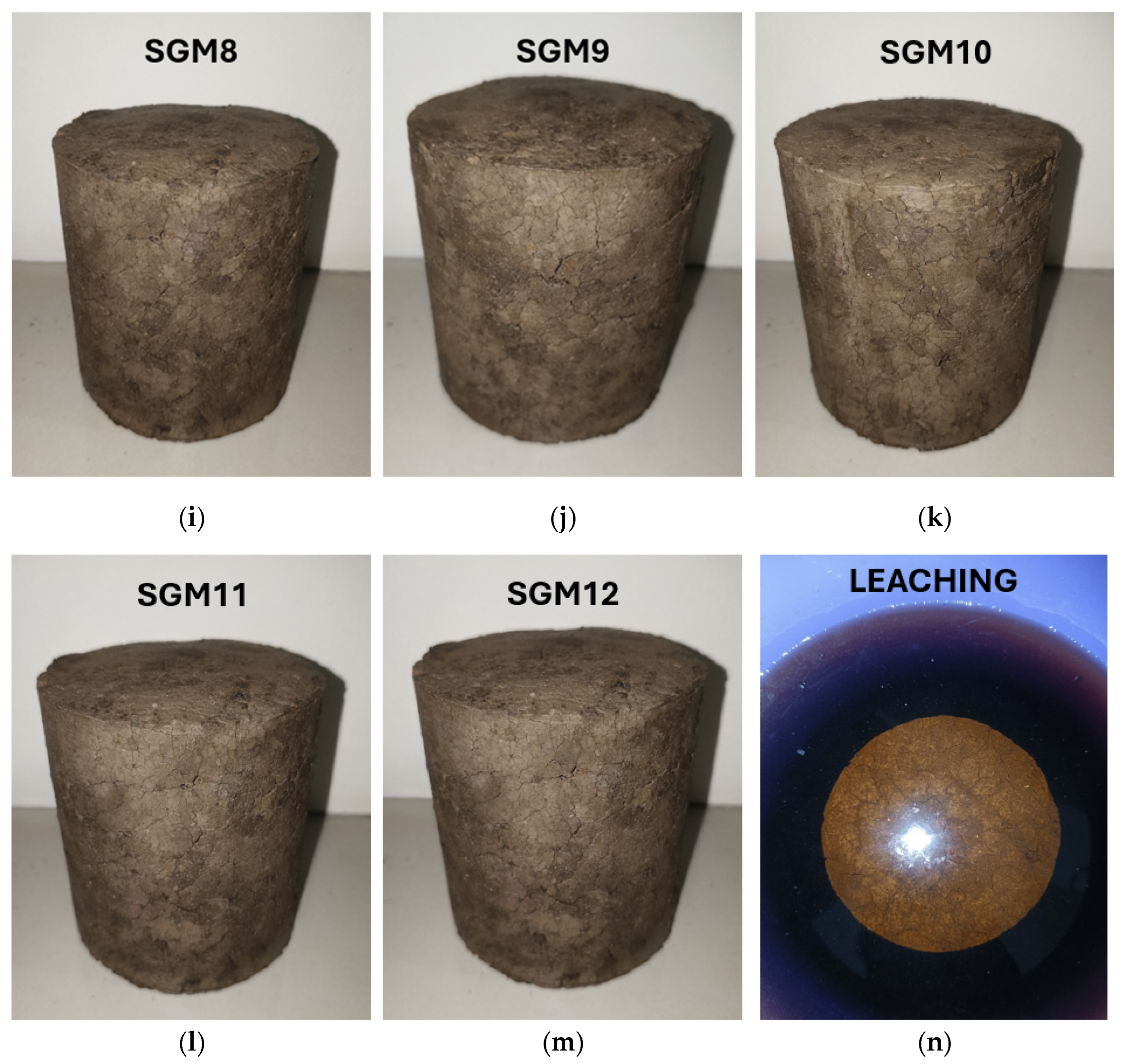
Figure 5h. The specimen edges appeared duller and more worn due to continuous crack development and localized surface erosion. From the eighth until the twelfth cycle, steady crack propagation and progressive surface degradation continued to occur, as shown in
Figure 5i–m. Although the specimens gradually transitioned into a visibly damaged state at higher cycle numbers, they remained structurally intact throughout all twelve WD cycles. This behavior demonstrates the effectiveness of the quarry dust-based geopolymer in enhancing the resistance of the clay soil against moisture-induced deterioration.
Leaching of the alkaline activator during the wetting stage was also observed, as shown in
Figure 5n. Although leaching in geopolymeric systems has been less documented compared with OPC composites [
29], it can be considered a critical aspect considering long-term durability due to the potential dissolution of aluminosilicate gels and free alkali ions [
30]. In addition, since geopolymers are usually synthesized using industrial byproducts, it may raise environmental considerations related to potential release of heavy metals although studies have shown that leaching levels of geopolymers are generally lower than those of OPC-based systems [
31,
32,
33].
However, in the present study, the leaching became less pronounced in the later cycles compared to the earlier stages of testing, indicating that the geopolymeric matrix had already undergone substantial stabilization and hardening. Despite the presence of eroded particles at the end of the testing period, the stabilized specimens maintained their integrity and resisted complete collapse unlike the untreated soil specimens.
It was expected that the SGM specimens would experience losses in both volume and mass due to repeated immersion in water and brushing during the durability test. For all specimens, the recorded mass loss increased progressively as the number of WD cycles increased. The losses were determined by comparing the remaining volume and mass after each cycle with the initial values prior to testing. The corresponding calculations were performed using the following equations:
where A is the oven-dried mass after drying at 100 °C, B is the percentage by mass of water of hydration retained in specimen plus 100, C is the original calculated oven-dried mass minus the final corrected oven-dried mass, and D is the original calculated oven-dried mass.
Summarized in
Table 3 are the volume and mass loss calculated after twelve WD cycles were conducted for the SGM specimen. Cumulative percentage of losses were also calculated to show the progression of damage brought upon by the WD cycles.
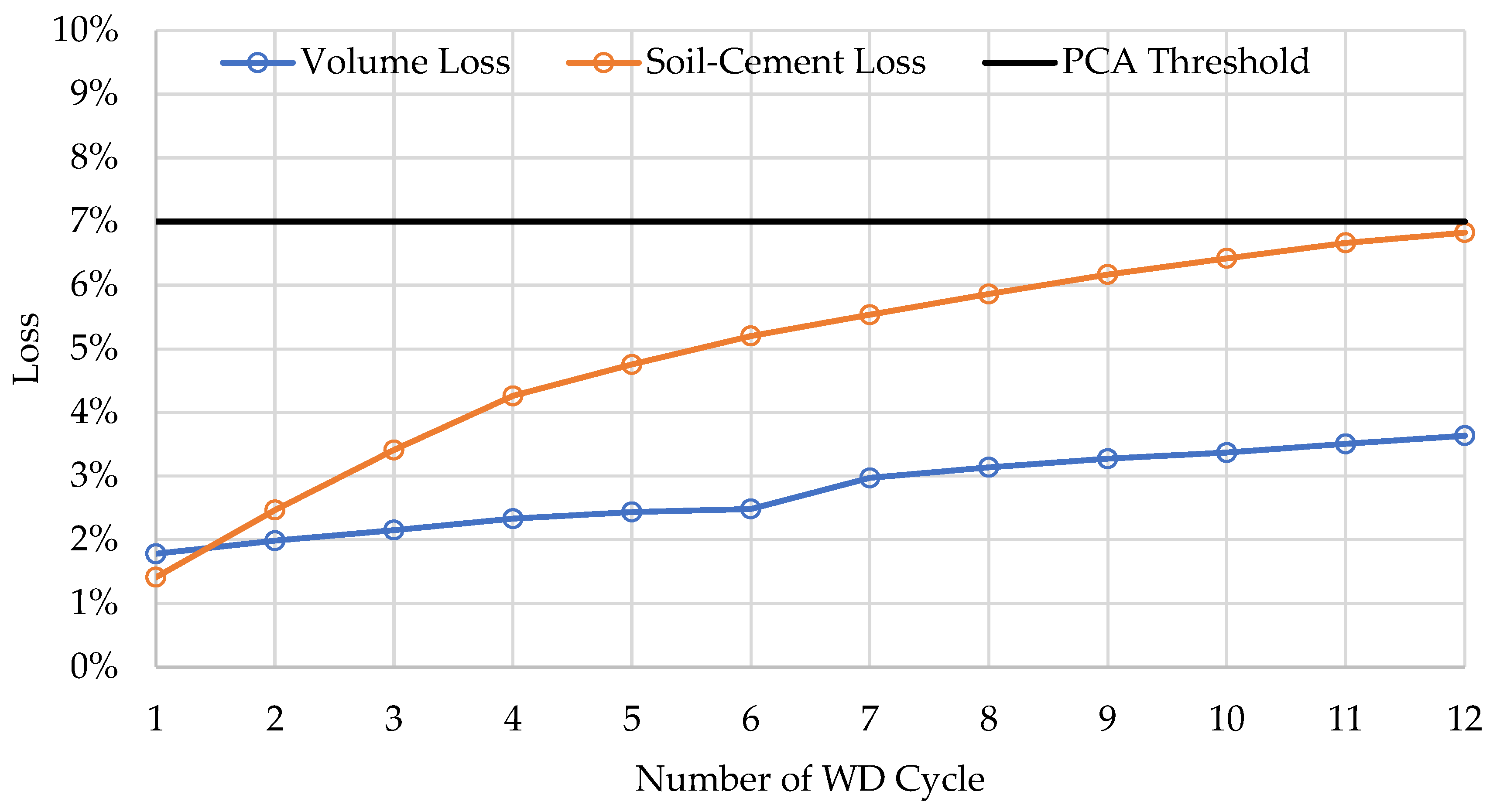
The cumulative volume loss recorded after twelve WD cycles was 3.64%, which falls within the range reported in previous studies involving stabilized soils subjected to similar durability testing conditions [
34,
35,
36]. The relatively low volume loss indicates that the geopolymer-stabilized matrix was able to maintain dimensional stability despite repeated environmental exposure.
Similarly, the cumulative mass loss approached but remained within the allowable threshold established by the Portland Cement Association (PCA), which specifies a maximum mass loss of 7% for clay soils and 14% for sandy soils for a material to be considered acceptable as a chemical stabilizer [
37]. The cumulative volume loss and mass loss after each WD cycle are presented in
Figure 6.
The improved durability performance of the SGM specimens demonstrates the beneficial effect of geopolymer stabilization on high-plasticity clays. The geopolymeric binder provided cementation between soil particles, forming a more stable and interconnected matrix capable of resisting cyclic environmental loading. This stabilization mechanism enabled the specimens to survive all twelve WD cycles, unlike the untreated clay specimens which completely collapsed during the initial immersion stage.
Despite the improved performance, progressive microcrack formation and propagation were still observed throughout the test duration. As previously discussed, the ingress of water into existing microcracks weakens the cementitious bonds within the geopolymeric matrix. According to [
38], water penetration within microcracks can reduce the effectiveness of cementation and accelerate deterioration of the stabilized structure. As the specimens are subjected to repeated WD cycles, the microcracks progressively expand and connect, resulting in gradual surface degradation and material loss. Nevertheless, the overall resistance of the stabilized specimens against complete structural failure indicates that quarry dust-based geopolymer stabilization can significantly improve the durability behavior of high-plasticity clay soils exposed to cyclic environmental conditions.
3.4. Scanning Electron Microscopy and Energy Dispersive X-Ray Spectroscopy
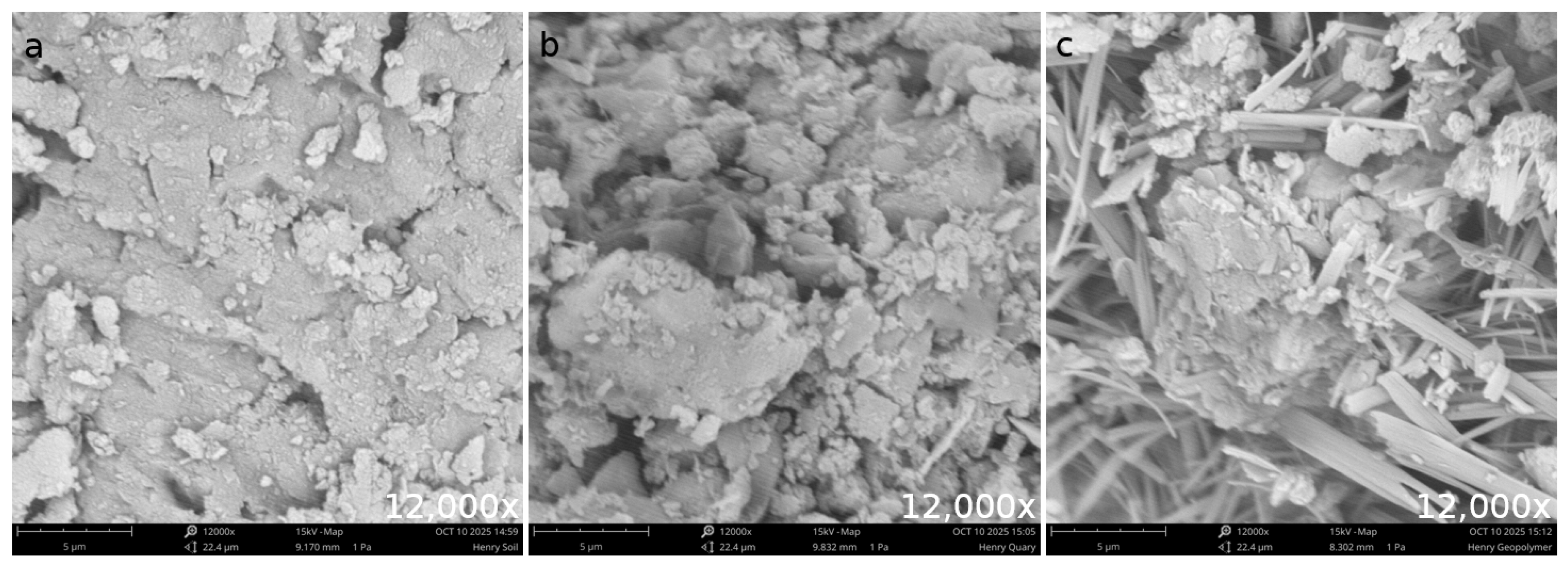
Based on the scanning electron microscopy (SEM) micrographs presented in
Figure 7a, the untreated clay soil exhibits predominantly smooth and rounded particles with moderate degrees of agglomeration. Noticeable interparticle and intraparticle voids are also observed within the soil fabric, appearing as dark regions in the micrographs. These voids indicate a relatively loose microstructure, which may contribute to lower interparticle bonding and reduced mechanical stability under loading conditions.
In contrast, the quarry dust precursor also displays generally smooth and rounded particle morphology, as seen in
Figure 7b. However, a higher degree of particle agglomeration is evident compared to the untreated soil. The particle size distribution of the quarry dust ranges from approximately five (5) micrometers to less than one (1) micrometer, indicating a fine particulate structure. The presence of such fine and densely packed particles has been reported in the literature to enhance stiffness and improve the mechanical response of soil–binder systems due to its filler-like behavior and contribution to particle interlocking [
39,
40].
The microstructural features of the SGM, as shown in
Figure 7c, reveal substantial alterations in comparison with the raw materials, indicating the occurrence of extensive geopolymerization reactions. The micrograph shows the presence of dense reaction products characterized by needle-like crystals, which are commonly associated with geopolymeric binding phases. These reaction products appear to encapsulate soil particles and quarry dust, leading to the formation of a more continuous and compact matrix structure. The resulting microstructure exhibits reduced void spaces and enhanced particle bonding, which collectively contribute to the improved mechanical integrity and stiffness of the stabilized composite.
Energy dispersive X-ray spectroscopy (EDX) analysis was also performed on the untreated clay soil, quarry dust, and SGM to determine their elemental composition. The corresponding elemental distributions are summarized in
Table 4,
Table 5 and
Table 6. The untreated soil is predominantly composed of Al and Si, which are key aluminosilicate constituents and serve as potential reactive sites for geopolymerization. The presence of these elements suggests that the soil may actively participate in geopolymeric reactions, contributing to the development of bonding within the stabilized matrix.
The quarry dust precursor exhibits a high Si content with minor amounts of Ca. The abundance of Si, combined with the presence of Ca, indicates its suitability as a geopolymer precursor and potential source for the formation of calcium-bearing aluminosilicate hydration products. Such compositions are known to facilitate the development of binding phases such as calcium–aluminosilicate–hydrate (C–A–S–H) and sodium–calcium–aluminosilicate–hydrate (N–C–A–S–H) gels, which contribute to the strength and durability of geopolymer-based systems. In addition, trace quantities of other elements were detected by EDX analysis, which may be associated with the natural mineralogical variability of the dredged sand and gravel from which the quarry dust was derived. These minor constituents are not expected to play a significant role in the geopolymerization process or alter the overall chemical behavior of the precursor.
For the stabilized geopolymer-soil mixture (SGM), the EDX results indicate a composition dominated by Na, Al, and Si, confirming the formation of sodium–aluminosilicate–hydrate (N–A–S–H) gels, which are widely recognized as the primary binding phase in geopolymer systems. The presence of these reaction products confirms the successful geopolymerization process and the interaction between the quarry dust-based binder and the clay soil matrix. These newly formed gels are responsible for the development of a dense and cohesive microstructure, which governs the improved mechanical performance and enhanced stability of the composite material.