Review

Biotechnology Applied to Forensic Sciences

1
LAQV-REQUIMTE, Department of Chemistry, University of Aveiro, 3810-193 Aveiro, Portugal
2
Department of Chemistry, University of Aveiro, 3810-193 Aveiro, Portugal
*
Author to whom correspondence should be addressed.
Appl. Sci. 2026, 16(12), 5899; https://doi.org/10.3390/app16125899
Submission received: 5 March 2026 / Revised: 31 May 2026 / Accepted: 9 June 2026 / Published: 11 June 2026
(This article belongs to the Section Applied Biosciences and Bioengineering)

Abstract

Forensic biotechnology is a rapidly evolving interdisciplinary field integrating molecular biology, genomics, and data science to address complex investigative challenges. Its applications span diverse domains, including criminalistics, food authentication, environmental monitoring, and bioterrorism preparedness. Advanced technologies such as Next-Generation Sequencing (NGS), CRISPR-Cas biosensors, and Artificial Intelligence (AI) play pivotal roles in modern diagnostics. NGS and eDNA revolutionize genetic profiling and ecological tracking, while microbiome analysis provides crucial insights into post-mortem intervals, cause of death, and geolocation. Simultaneously, CRISPR-based methods enable ultra-rapid pathogen detection, nanobiotechnology facilitates portable Lab-on-a-Chip (LOC) DNA analysis, and AI-driven algorithms optimize the interpretation of complex genomic mixtures and epigenetic age estimation. Despite these breakthroughs, significant challenges persist, including the strict legal admissibility of novel methodologies, the “black-box” dilemma in AI, ethical concerns regarding genetic privacy, and the critical need for global standardization. This review critically examines current biotechnological progress and future prospects, emphasizing the necessity of interdisciplinary collaboration to ensure reliable, accurate, and ethically sound forensic practices.

1. Background on Forensic Sciences

Forensic science has long underpinned the legal system, offering scientifically validated methods for reconstructing crimes and identifying perpetrators. The pivotal discovery of DNA fingerprinting in the 1980s, coupled with the advent of Polymerase Chain Reaction (PCR) technology, marked a watershed moment that bridged classical criminalistics with molecular biology [1]. As this field has evolved, forensic biotechnology has emerged as a powerful interdisciplinary branch that leverages biological knowledge and molecular tools to expand forensic capabilities [2].
Unlike traditional forensic methods, which largely relied on physical evidence and chemical analysis, forensic biotechnology integrates molecular biology, genomics, microbiology, nanotechnology and data science/bioinformatics to extract information from biological traces that were previously inaccessible or considered too degraded. Applications now extend far beyond standard human DNA profiling [2]. Innovations such as Next-Generation Sequencing (NGS) allow for the simultaneous analysis of complex DNA mixtures and highly compromised samples. Furthermore, Forensic DNA Phenotyping and epigenetic analysis enable investigators to predict a suspect’s physical appearance, biogeographical ancestry, and even chronological age [3]. The rise of Forensic Genetic Genealogy (FGG) has further revolutionized the field, offering unprecedented avenues for solving cold cases by linking crime scene DNA to commercial genealogical databases [4]. Beyond human genomics, advanced microbial source tracking and the study of the post-mortem microbiome are proving invaluable for accurately estimating the Post-Mortem Interval (PMI) and linking evidence to specific geographical environments, alongside RNA-based body fluid identification and species determination in food forensics [5].
Moreover, the integration of technological innovations such as artificial intelligence (AI) and Machine Learning (ML) has radically transformed how forensic data is acquired, processed, and interpreted. Tools like portable DNA sequencers (e.g., MinION), AI-assisted image recognition, and 3D modeling enhance both the speed and reliability of forensic workflows, while also allowing remote or in situ analysis [6]. However, the extreme sensitivity of these modern molecular techniques introduces new practical challenges. The ability to detect trace amounts of “touch DNA” raises critical questions regarding secondary DNA transfer and the risk of contamination, necessitating increasingly rigorous standards for evidence interpretation [7].
Beyond technical innovation, forensic biotechnology also reflects a broader shift toward multidisciplinary collaboration, linking life sciences, informatics, and engineering in the service of justice. Its relevance now extends far beyond criminalistics, reaching into domains such as environmental law, food authentication, and bioterrorism preparedness [2].
Furthermore, as these hyper-sensitive technologies advance, there is a growing imperative to align forensic methodologies with sustainable, eco-friendly practices, giving rise to the paradigm of “green forensics”. Traditional forensic analyses and chemical synthesis routes frequently rely on expensive, highly toxic reagents and solvents that not only pose severe occupational health risks to the forensic personnel handling them but also contribute to long-term environmental bioaccumulation [8,9]. In response, the field is increasingly adopting green chemistry principles, such as utilizing plant extracts and microbial agents for the bio-based synthesis of diagnostic nanoparticles and striving to eliminate toxic DNA extraction solvents in favor of biodegradable sensors. However, while the transition toward sustainable forensic workflows is a necessary objective to minimize the discipline’s ecological footprint, it currently presents significant operational challenges. Bio-based forensic reagents often exhibit variable long-term stability and performance compared to their traditional, chemically synthesized counterparts [8]. Consequently, extensive research is still required to optimize these green alternatives, ensuring they can achieve sustainability without compromising the absolute analytical accuracy, inter-laboratory reproducibility, and reliability demanded by the criminal justice system [8,10].
This review offers a structured analysis of how biotechnological advances are shaping modern forensic science, highlighting the profound impact of these tools across investigative domains and emphasizing the importance of ethical, legal, and procedural oversight navigating this new era of hyper-sensitive and data-rich forensics.

2. Forensic Biotechnology Applications

2.1. Criminalistic Forensics

Forensic biotechnology plays a pivotal role in criminal investigations by integrating molecular biology, genomics, and advanced data science to analyze biological evidence left at crime scenes. One of its most transformative applications is FGG, which links trace crime scene DNA to commercial genealogical databases, providing unprecedented avenues for generating investigative leads and solving cold cases [11,12]. Furthermore, the analysis of Single-Nucleotide Polymorphisms (SNPs) has enabled Forensic DNA Phenotyping, allowing investigators to predict a suspect’s physical appearance, such as eye, hair, and skin color, as well as their biogeographical ancestry from trace evidence [12].
Despite these next-generation advancements, traditional human DNA profiling continues to rely heavily on Short Tandem Repeats (STRs) [13]. STRs are the global gold standard because of their highly polymorphic nature and short amplicon lengths, which make them particularly suitable for analyzing degraded DNA samples commonly found at crime scenes [12,13,14]. In complex sexual assault cases, targeted STR profiling of the male-specific Y chromosome is frequently utilized [13]. While highly effective at isolating a male genetic profile within a high-background female sample, Y-STR analysis is paternally inherited and cannot differentiate between male relatives, thereby slightly reducing its statistical discriminatory power compared to autosomal STRs [15]. Additionally, conventional STR typing relying on capillary electrophoresis faces inherent limitations when attempting to resolve highly degraded samples or complex, multi-contributor DNA mixtures [12,13].
To overcome the limitations of conventional biochemical fluid identification, which often relies on unreliable enzymatic reactions and struggles with mixed samples, forensic biotechnology has expanded into advanced transcriptome analysis. By profiling messenger RNA (mRNA) and non-coding regulatory RNAs, specifically microRNAs (miRNAs), investigators can definitively identify the precise cellular origin of a biological stain, accurately differentiating fluids even in highly complex genetic mixtures [2]. This molecular differentiation allows analysts to accurately distinguish between blood, semen, saliva, vaginal secretions, and epithelial skin cells [16]. Crucially, this provides activity-level information that elucidates exactly how the biological material was deposited, helping to distinguish, for example, a casual touch from a sexual assault [17,18]. Moreover, the use of Circular RNAs (circRNAs) is proving particularly valuable in modern diagnostics. Because circRNAs form a covalently closed continuous loop, they lack the free ends targeted by exoribonucleases, making them highly resistant to the rapid degradation typical of harsh crime scene environments. This unique structural stability allows circRNAs to persist in aging bloodstains and serve as robust molecular clocks, enabling the precise chronological age estimation of an unknown suspect or victim from fragmented evidence [19].

2.2. Environmental Forensics

The environmental field represents a crucial branch of forensic biotechnology, applying rigorous scientific and legal frameworks to criminal cases involving non-human biological evidence [20]. Today, environmental crimes, encompassing the illegal wildlife trade, unauthorized deforestation, poaching, the introduction of invasive species, and ecological pollution, constitute the third-largest sector in global criminal activity [21,22,23].
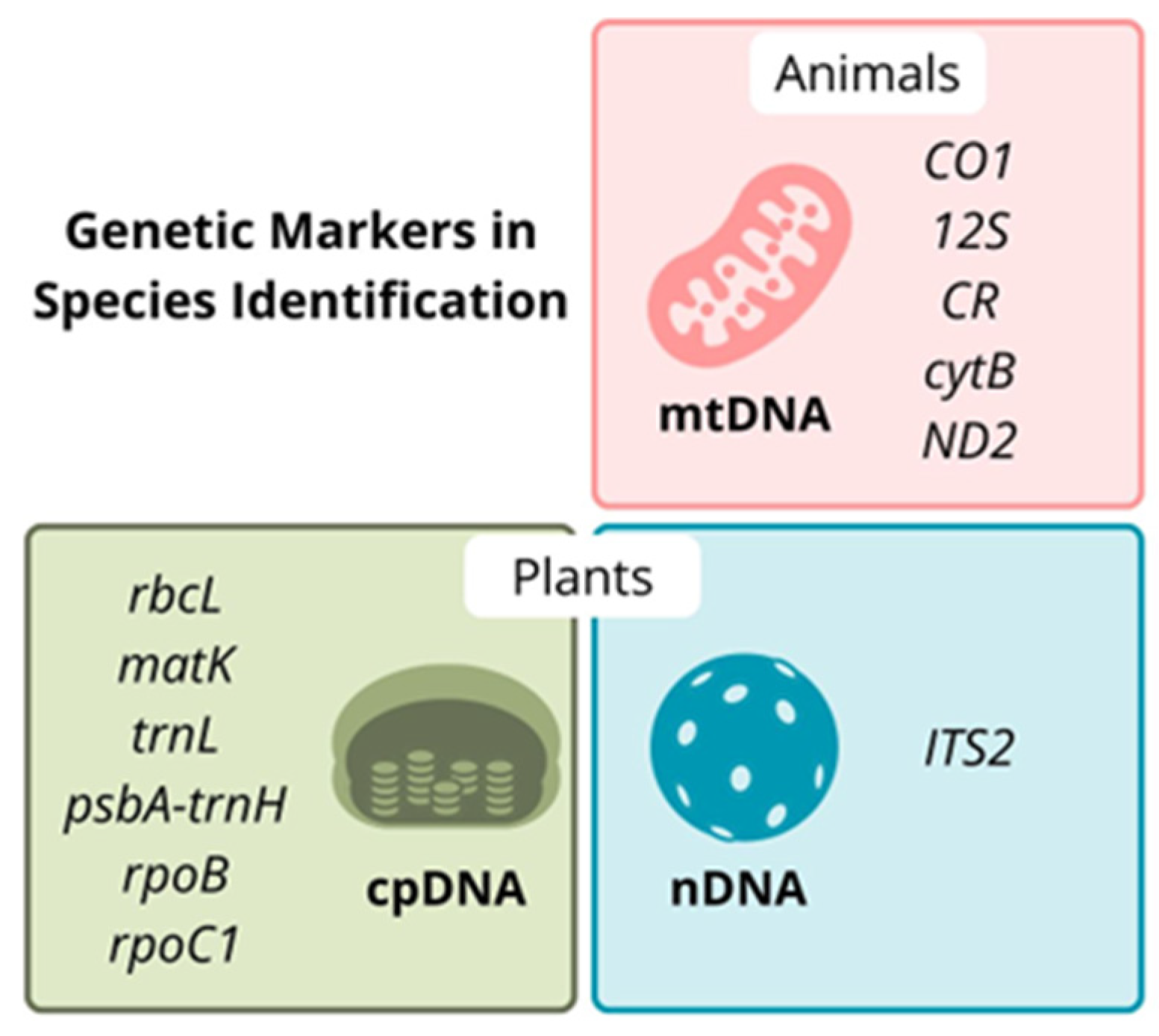
To combat these ecological crimes, molecular taxonomy through DNA sequencing plays a critical role in species identification, particularly for animal and plant derivatives seized in illegal trading [24]. In animals, sequencing mitochondrial DNA (mtDNA) remains the principal method of tracking because it is haploid, maternally inherited, and exhibits rapid evolutionary changes with non-uniform mutation rates. Regions with a lower mutation rate, such as cytochrome c oxidase subunit 1 (CO1) and 12S ribosomal RNA (12S), are particularly useful for distinguishing highly divergent taxa, whereas regions characterized by a greater mutation rate, including the control region, cytochrome b (cytB), and NADH dehydrogenase subunit 2 (ND2), are more effective for species-level identification within closely related taxa [24,25] (Figure 1). Conversely, because plant mitochondrial genomes evolve at a relatively slow rate, rendering them generally unsuitable for DNA-based taxonomic identification, botanical forensics relies heavily on a variety of markers from the chloroplast genome, including Ribulose bisphosphate carboxylase large chain (rbcL), Maturase K (matK), trnL, and psbA-trnH, and the nuclear genome, particularly internal transcribed spacer subunit 2 (ITS2), to investigate unauthorized deforestation and timber smuggling [24,25,26] (Figure 1). Crucially, the illegal trafficking of these flora and fauna not only disrupts ecosystems but also significantly elevates the risk of zoonotic spillover events and the transmission of infectious diseases [21,27].
Furthermore, within the framework of environmental biotechnology, proteomics and Matrix-Assisted Laser Desorption/Ionization Time-of-Flight Mass Spectrometry (MALDI-TOF MS) are increasingly used for the rapid, high-throughput taxonomic identification of animal tissues [28,29,30,31]. By analyzing complex protein signatures, such as keratin and collagen fingerprinting in luxury goods or smuggled derivatives, proteomics enables precise species identification even when DNA evidence is heavily degraded or compromised, thereby complementing genomic methods to significantly strengthen the forensic evidence base against ecological crimes [30,31]. A summary of various biotechnological techniques applied in environmental forensics is presented in Table 1.

2.3. Food Forensics

Food forensics encompasses the scientific methods used to verify the authenticity, safety, and provenance of food products. This investigative testing is conducted to determine whether the characteristics of the final product match those of the claimed raw materials. Several factors, such as geographic origin, genetic variety, and production methods, must be rigorously evaluated to ensure product authenticity and protect consumers [38].
Forensic biotechnology is extensively deployed to combat food fraud, which includes the adulteration of meat, seafood, and plant-based products (both medicinal and food-related), species substitution, and the inspection of potentially smuggled or expired goods. To address these issues, various molecular species identification techniques have been developed over the years. While traditional food forensics often relied on chemical profiling, modern biotechnological approaches prioritize DNA barcoding, Real-Time PCR (qPCR), and MS-based proteomics to authenticate biological components at the molecular level [38,39].
Advancements in molecular diagnostics and regulatory strategies have significantly enhanced food monitoring and safety protocols [38,39]. However, substantial challenges persist, driven by the immense physical and chemical diversity of food products. The efficiency of genetic material extraction is highly dependent on the specific food matrix, and isolating viable DNA from lipid-rich oils, acidic environments, or polysaccharide-heavy baked goods requires customized protocols to overcome severe PCR inhibitors. Furthermore, there is a notable lack of universal genetic markers applicable across the entire food sector. Evaluating complex, multi-ingredient products requires multiplexed approaches, as no single barcode can simultaneously identify the animal, plant, and fungal DNA present in a single mixture [40,41,42]. Compounding these matrix effects, harsh industrial processing, such as chemical, thermal, or enzymatic treatments, often leads to severe DNA degradation. To overcome the limitations of fragmented DNA, forensic biotechnologists are increasingly turning to the targeted amplification of ultra-short DNA fragments (mini-barcodes) and the use of peptidomics to identify heat-stable, species-specific proteins, ensuring that even the most complex and heavily altered foods can be accurately authenticated [38].

2.4. Bioterrorism and Microbial Forensics

Interpol defines bioterrorism as the deliberate release of biological agents or toxins to injure or kill people, animals, or plants, with the intent to threaten or coerce a government or civilian populace to achieve political or social goals [43]. The microorganisms used for these objectives can be naturally occurring or genetically engineered to augment their virulence, transmissibility, or resistance to medical countermeasures, making them significantly more difficult to detect and control [44].
The primary objective when investigating a suspicious infectious disease outbreak is determining whether it is of natural origin or the result of a deliberate biological attack, a field of investigation known as microbial forensics. To achieve this, Whole Genome Sequencing (WGS) serves as the paramount biotechnological tool. Unlike traditional targeted diagnostic methods, WGS provides a comprehensive map of a pathogen’s entire genetic code, identifying signatures of genetic engineering, allowing scientists to detect artificial modifications such as the deliberate insertion of antibiotic resistance genes, enhanced virulence factors, or genetic alterations designed to evade existing vaccines [45,46,47].
Furthermore, WGS is applied for precise phylogenetic tracking and source attribution. By analyzing SNPs, investigators can trace the evolutionary history of a biothreat to determine whether the strain is endemic to the geographic location of the outbreak or if it matches a specific, foreign laboratory isolate [48,49]. A landmark example of this application is the retrospective genomic study of the mysterious 1979 anthrax (Bacillus anthracis) outbreak in Sverdlovsk, former USSR. WGS was applied to pinpoint specific genomic variations that conclusively proved the pathogen’s laboratory origins, ruling out a natural epidemiological event [50].
Once WGS successfully characterizes the specific biothreat, rapid molecular diagnostics, such as qPCR, can be developed and deployed to facilitate environmental monitoring and the early detection of subsequent attacks (such as secondary or repeated deliberate releases of biological agents by terrorists), thereby mitigating widespread damage before it occurs [44].

3. Technological Advances and New Approaches

3.1. Next-Generation Sequencing

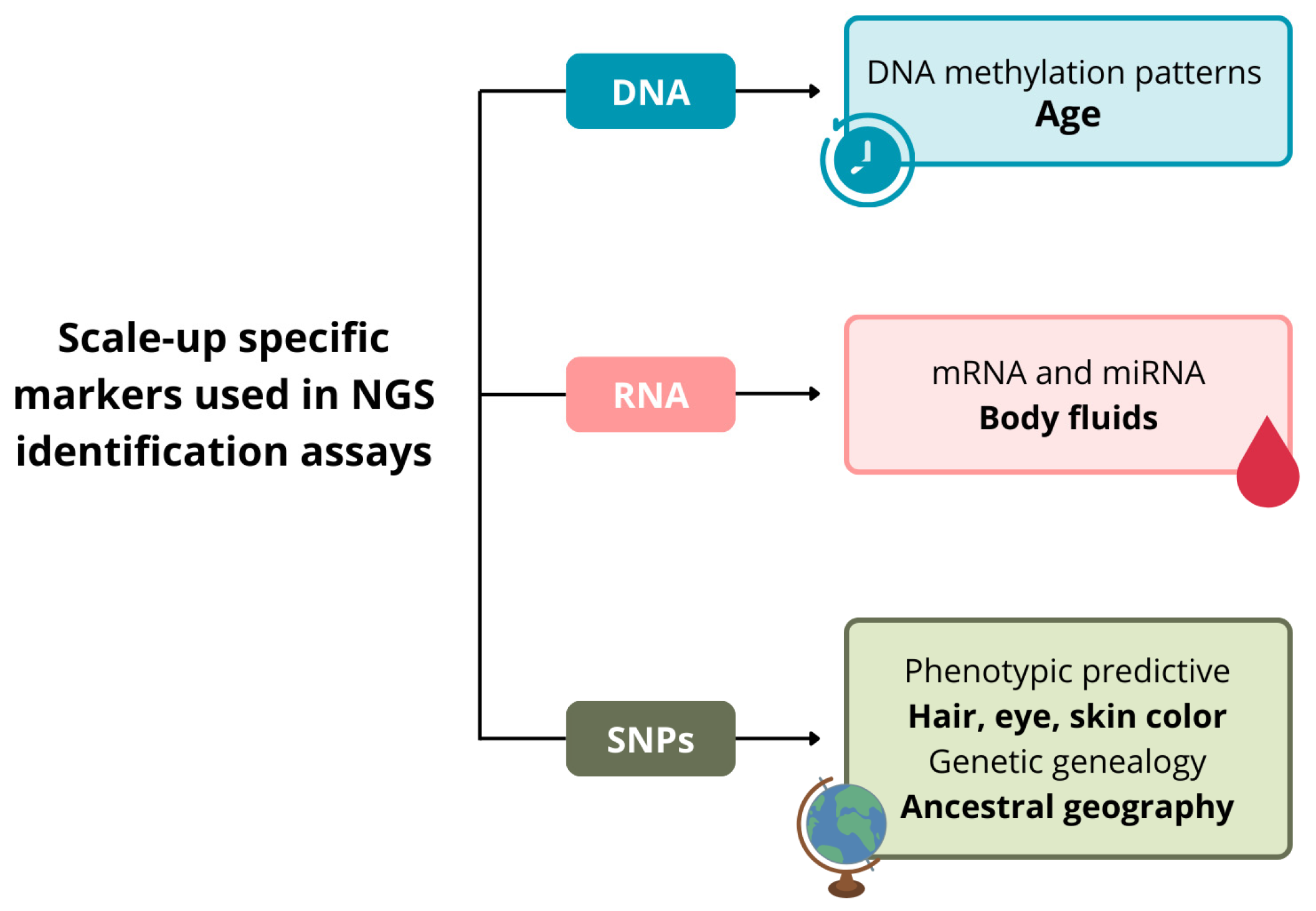
Traditionally, forensic laboratories commonly employ a well-accepted protocol in DNA analysis based on established STR markers, with this information being the core of international databases [51]. However, with the exponential rise of data, the pursuit of a more efficient, fast, low-cost, and accurate sequencing platform appeared. Massive parallel sequencing (MPS), hereafter referred to interchangeably as next-generation sequencing (NGS), was developed, allowing for sequencing of 100’s–1000’s of various types of DNA and RNA markers from multiple samples in parallel [52]. NGS has improved the analysis of additional larger scale-up specific markers, to predict individuals’ characteristics such as hair, eye and skin color (phenotypic predictive SNP assays), age (DNA methylation patterns), ancestral geography (genetic genealogy SNP assays), mtDNA genomes, and identify body fluids through mRNA and miRNA targets [51,52]. Identification of wildlife fauna and flora, as well as microorganisms, is also possible through these techniques (Figure 2) [51].
Currently, Illumina’s MiSeq FGx, ThermoFisher’s Ion Torrent PGM, and Ion S5 are the few NGS sequencers employed in forensic assays [53]. The MiSeq FGx platform is based on sequencing by synthesis principle, with bridge amplification and fluorescence detection, while ThermoFisher sequencers depend on semi-conductor sequencing using PCR and detect release protons. Both these technologies are high-throughput sequencing; however, they only produce short reads (50–600 bp), since longer contiguous fragments may generate gaps in the genome sequence obtained. On the other hand, newer approaches capable of sequencing long reads of single molecules in real time without amplification include single-molecule real-time (SMRT) sequencing by Pacific Biosciences and the nanopore-based MinION sequencer by Oxford Nanopore Technologies [51].

3.1.1. Portable NGS

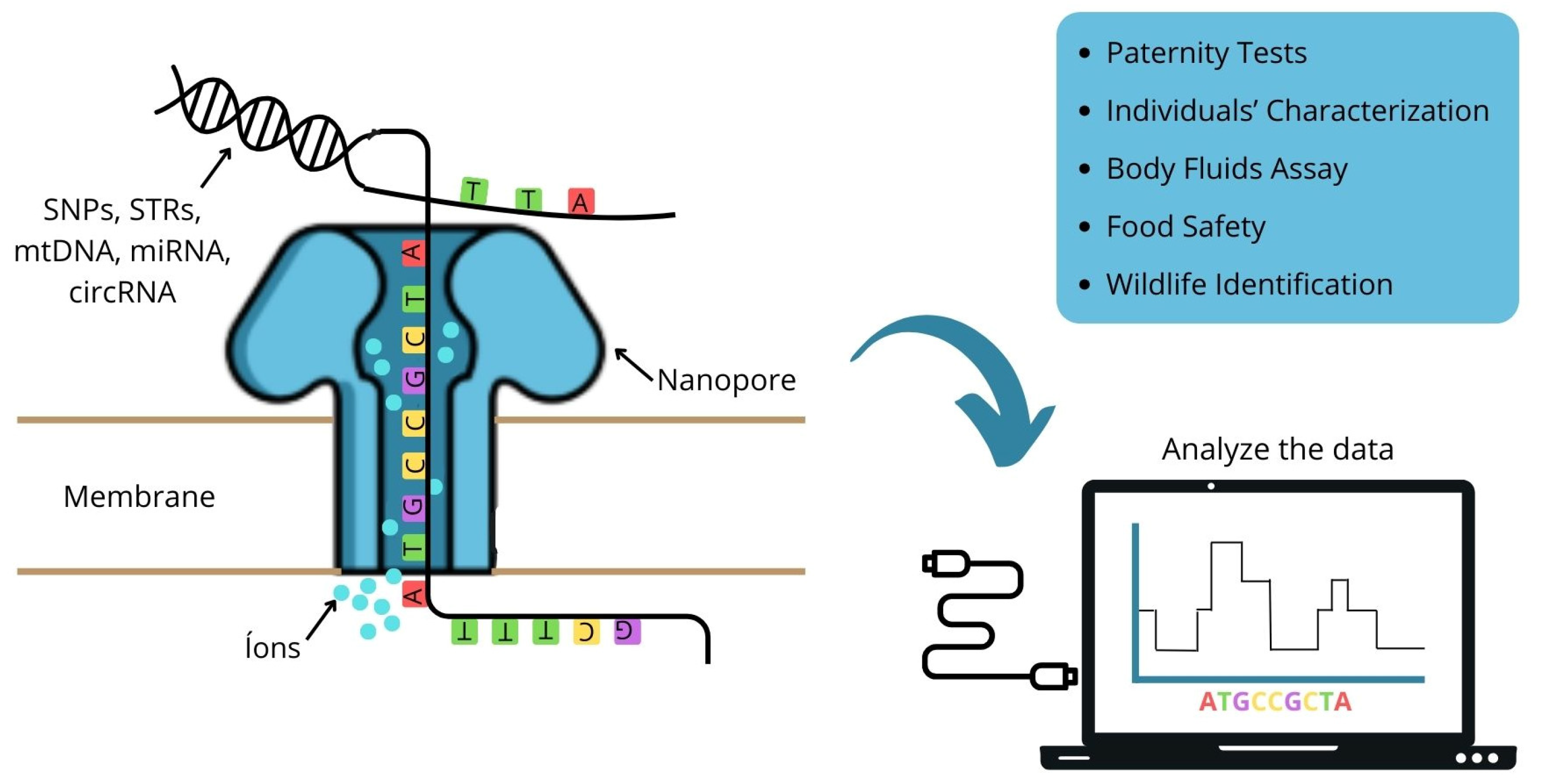
The MinION device is the smallest portable sequencer currently in the market with 10 × 3 × 2 cm and 87 g, it requires a laptop with a USB3.0 port, 1 T of storage, 16 G of RAM, and a 4 core CPU [51]. The sequencing does not need enzymes or a secondary emitted signal, since it is conducted on a flow cell inserted in the device before each run. This technology offers numerous advantages, including low cost and on-site sample processing, since the MinION is not confined to a laboratory setting [54].
The MinION consists of a nanopore embedded in a membrane, immersed in an ionic solution, with voltage applied. Ionic current passes through the pore and when a specific base traverses it, the generated disrupted current is measured and plotted. Different bases generate different characteristic signals, being possible to determine the sequence of nucleotides (Figure 3) [51].

3.1.2. Microbial Forensics and Metagenomics

While microbial forensics is essential for investigating deliberate biological attacks (as discussed in Section 2.4), its scope extends far beyond bioterrorism into general criminalistics. Historically limited by the lack of robust sequencing techniques, this broader application has undergone a dramatic transformation due to advances in NGS and metagenomics, which enable the comprehensive genomic analysis of all microbial communities present within a single complex sample [55].
The Human Microbiome and the “Sexome”
Beyond human genomics and transcriptomics, forensic biotechnology is increasingly leveraging microbiome-based identification methods, as human bacterial composition exhibits extreme spatial heterogeneity and remarkable specificity between individuals and anatomical sites [56,57]. By analyzing bacterial signatures, such as through targeted sequencing panels like hidSkinPlex, which examines the 16S rRNA V4-V5 regions, investigators can accurately deduce the physiological origins of trace biological stains and distinguish between complex body fluids, including saliva, semen, and “female intimate samples” (vaginal and menstrual secretions), with nearly 90% accuracy [2].
This site-specific microbial profiling is particularly promising for criminalistics, notably in sexual assault cases where traditional human DNA typing may struggle to resolve complex genetic mixtures [2,15]. Recent investigations into the sexual microbiome, or the “sexome,” have demonstrated that unique amplicon sequence variants actively transfer between partners during sexual intercourse, rendering their microbial profiles significantly more similar post-coitus [20].
While early pilot studies of the sexome relied primarily on short-read sequencing of specific hypervariable regions (such as V3-V4), this approach inherently limits taxonomic identification to the genus level, which lacks the absolute discriminatory power needed for robust forensic individualization. However, the advent of advanced sequencing technologies, such as Pacific Biosciences (PacBio) SMRT and HiFi sequencing, now enables highly accurate, full-length 16S ribosomal RNA (16S rRNA) gene sequencing. As this sequencing biotechnology continues to advance, providing precise species, subspecies, and serovar-level resolution, microbial transfer is poised to become a vital, independent tool for proving physical contact in criminal investigations [20].
Environmental Forensics and Microbial Source Tracking
Beyond traditional single-species genomics, the deployment of targeted metabarcoding and eDNA analysis has fundamentally transformed ecological crime scene investigations [33,34,58]. eDNA allows investigators to detect the presence of endangered, trafficked, or invasive species simply by analyzing trace genetic material shed into complex matrices such as cargo holds, ballast water, soil, or air, effectively bypassing the need to physically locate the organism [33,34]. To transition these analyses from centralized laboratories to remote geographic locations, eDNA workflows are increasingly being integrated with highly programmable Clustered Regularly Interspaced Short Palindromic Repeats and CRISPR-associated proteins (CRISPR-Cas) biosensors [21,59]. By coupling CRISPR enzymes with isothermal amplification techniques like Recombinase Polymerase Amplification (RPA), field-ready designs parallelize reactions for immediate on-site plant and animal testing [59,60]. This empowers field agents to conduct ultra-rapid taxonomic assessments, monitor the genetic diversity of habitats, and track endangered species or agricultural pests in real-time directly at the point of need [21,59].
Concurrently, the integration of nanotechnology is providing highly sensitive, environmentally sustainable solutions for monitoring ecosystems. Bio-based gold nanoparticles (AuNPs), synthesized using eco-friendly plant extracts or microbial agents, offer a highly stable, biocompatible, and cost-effective analytical tool for environmental forensics. Owing to their exceptional localized surface plasmon resonance (LSPR) properties, these bio-based AuNPs serve as robust colorimetric sensors to track trace environmental contaminants, monitor ecological pollution, and conduct ultrasensitive biological assays in the field with minimal environmental disruption [8,61,62].
The Thanatomicrobiome and Post-Mortem Interval
The precise estimation of the PMI and the characterization of decomposition stages have been revolutionized by the integration of metagenomics, proteomics, and nanobiotechnology. Following death, the human microbiome acts as an invaluable biological clock, undergoing a highly predictable ecological succession. Initially, endogenous aerobic bacteria exhaust the residual oxygen within tissues, rapidly creating a hypoxic microenvironment. This critical physiological shift facilitates the rapid proliferation of anaerobic bacteria from the gut, particularly Clostridium species, which ultimately drive the putrefaction process. By utilizing advanced NGS to profile epinecrotic (surface) communities and surrounding soil microbiomes, investigators can observe precise chronological taxonomic shifts, such as a late-stage surge in the phylum Firmicutes, to accurately pinpoint how long the individual has been dead. However, this metagenomic approach requires careful calibration, as seasonal shifts and environmental variations significantly perturb soil microbial dynamics [63,64,65,66].
Furthermore, the metagenomic profiling of the thanatomicrobiome (the internal microbial communities that colonize organs after death) aids in personal identification when traditional human DNA is severely degraded [64,67]. Interestingly, post-mortem microbial colonization exhibits profound sex-specific patterns, likely dictated by lingering physiological and hormonal differences that govern tissue-specific microenvironments at the cellular level [64,67,68]. For example, studies on the cardiac thanatomicrobiome have demonstrated that male corpses typically exhibit a higher prevalence of Streptococcus, whereas female corpses exhibit significantly elevated levels of Pseudomonas [67]. Capturing these highly specific taxonomic discrepancies adds an unprecedented layer of biometric intelligence to modern forensic pathology.
To complement these microbial ecological clocks, forensic biotechnology simultaneously leverages multi-omics and nanotechnology to analyze alternative chronological biomarkers. The vitreous humor is exceptionally valuable for PMI estimation due to its isolated, stable nature, which renders it highly resistant to environmental contamination [2,9]. Over the initial 96 h post-mortem, metabolic alterations in the VH result in a predictable, linear accumulation of amino acids such as cysteine, which can now be rapidly quantified using portable Lab-on-a-Chip (LOC) microfluidic devices [9,69]. Additionally, advanced DNA-stabilized silver nanoclusters integrated with fluorescent aptamer-based biosensors enable the precise detection of post-mortem potassium ion fluxes within the VH, while Nuclear Magnetic Resonance (NMR) technology is utilized to map and validate broader metabolic shifts [2,9].
Finally, the chronological degradation of macromolecules and cells provides critical supplementary timelines. Flow cytometry is increasingly utilized to measure the precise rate of DNA degradation in protected tissues, such as the brain and spleen, while liquid chromatography-tandem mass spectrometry (LC-MS/MS) facilitates the bottom-up proteomic analysis of degrading post-mortem skeletal muscle [2,9]. At the nanocellular level, Atomic Force Microscopy (AFM) offers unprecedented topographical resolution to evaluate the morphological deformation, viscosity, and surface elasticity of red blood cells (RBCs) in post-mortem bloodstains, providing forensic pathologists with real-time, ultra-sensitive chronometric data without destroying the underlying biological evidence [9,69].
Cause of Death and AI-Assisted Drowning Site Prediction
Finally, microbial signatures can provide crucial insights into the underlying cause and manner of death, aiding forensic pathologists in distinguishing between natural fatalities and traumatic homicides. Because the physiological state of the body at the time of death directly dictates the starting point of microbial succession, investigators can observe distinct colonization profiles. In cases of violent homicide involving physical trauma (e.g., gunshot or stab wounds), physical barriers such as the skin and mucous membranes are abruptly breached, instantly introducing exogenous environmental or epithelial bacteria deep into typically sterile internal cavities. Conversely, in natural deaths, such as a sudden myocardial infarction, external barriers remain intact, and microbial proliferation originates primarily from endogenous gut flora spreading through the vascular network. Furthermore, individuals suffering from fatal chronic conditions often exhibit pre-existing dysbiosis; for example, specific microbial communities linked to cardiovascular disease can be detected in the cardiac thanatomicrobiome, further corroborating a natural cause of death [64,68,70,71].
Metagenomics can also resolve highly complex scenarios, such as determining whether a victim truly drowned or was submerged post-mortem to conceal a homicide. This is achieved by screening deep tissues for specific aquatic-associated bacterial species, such as Aeromonas, which definitively indicate active water aspiration [72]. In this context, AI and ML demonstrate extraordinary potential when combined with environmental metagenomics. Determining the exact site of a drowning poses significant challenges in forensic pathology, as traditional investigations rely heavily on circumstantial evidence. However, researchers have successfully combined 16S rDNA microbial profiling of water samples with ML to pinpoint exact drowning locations. By sampling aquatic bacterial communities across eight distinct geographic points in a river and comparing them to the microbial signatures recovered from the lung tissues of drowned animal models, these ML algorithms achieved an astonishing 95.07% accuracy in predicting the exact drowning site using day-1 lung samples. While post-mortem processes and ecological shifts within the decomposing lung naturally decrease the model’s accuracy over time (as seen on days 4 and 7), this approach represents a paradigm shift in trace evidence analysis. Moving forward, transitioning from targeted 16S rDNA amplicon sequencing to whole-genome metagenomics could provide these AI models with even deeper insights. By capturing strain-level microbial differences and functional metabolic pathways, investigators can further refine the sensitivity and geographic accuracy of drowning site predictions in forensic pathology [73].

3.2. CRISPR-Cas

CRISPR-Cas-based technologies have been rapidly emerging since their discovery. Originating from the adaptive immune system of bacteria, comprising Clustered Regularly Interspaced Short Palindromic Repeats (CRISPR) and CRISPR-associated (Cas) proteins, this system is capable of highly specific nucleic acid targeting and modification [21].

3.2.1. Functional Principles

The CRISPR-Cas system relies on two primary components: a highly programmable guide RNA (gRNA) and a Cas endonuclease. The gRNA contains a sequence complementary to the target DNA or RNA, directing the Cas protein to induce precise cleavage. In forensic investigations, this mechanism has revolutionized targeted DNA analysis. For conventional Cas9 enzymes, target recognition strictly requires the presence of a Protospacer Adjacent Motif (PAM) sequence. Upon binding, Cas9 utilizes its HNH and RuvC nuclease domains to perform precise cis-cleavage, generating double-strand breaks at the target site [21,59]. In forensics, this precision is harnessed in target enrichment strategies (e.g., STR-Seq) and in advanced techniques like CRISDA (CRISPR-Cas9-triggered nicking endonuclease-mediated Strand Displacement Amplification). By utilizing a mutated Cas9 nickase (Cas9n) alongside isothermal amplification, CRISDA facilitates the reconstruction of highly fragmented DNA, enabling the ultra-sensitive profiling of degraded samples at sub-attomolar concentrations [21].
Furthermore, specific Cas proteins exhibit robust collateral trans-cleavage activity upon target recognition, which has been utilized to develop ultra-sensitive biosensors. For example, the Cas12a enzyme exhibits collateral single-stranded DNA cleavage, while Cas13a uniquely targets and indiscriminately cleaves surrounding single-stranded RNA (ssRNA) without the need for prior reverse transcription [59]. When integrated with isothermal amplification techniques like Recombinase Polymerase Amplification (RPA), these systems form the basis of the DETECTR and SHERLOCK platforms, respectively. In food and environmental forensics, these diagnostics can detect trace amounts of pathogen DNA or viral RNA directly in the field. Upon recognizing the target sequence, the Cas enzyme indiscriminately cleaves surrounding fluorescent reporter molecules, generating a visible signal in under an hour without the need for complex laboratory equipment [21,74]. Additionally, the emergence of miniature, PAM-free nucleases like Cas14a, which demonstrate extreme sensitivity to single-nucleotide mismatches, promises unprecedented flexibility for precise SNP detection in complex forensic mixtures [59].

3.2.2. Validation Status and Legal Admissibility

Despite the immense potential of CRISPR-Cas biosensors for ultra-sensitive diagnostics, their application in real casework currently faces significant validation and legal admissibility challenges. The technology is still navigating the transition from laboratory research to applied forensic workflows, which demands extensive validation and the strict standardization of protocols [21].
A critical technical barrier to widespread legal acceptance is the susceptibility of CRISPR systems to “off-target” cleavage. Even with careful guide RNA design, Cas enzymes can tolerate certain nucleotide mismatches and occasionally bind to or cleave non-target sequences). This is particularly problematic when analyzing highly degraded samples or complex genetic mixtures commonly found at crime scenes. In the criminal justice system, where absolute precision is required to avoid wrongful convictions, these off-target effects can generate devastating false-positive results [21,59].
Furthermore, the extreme editing precision of CRISPR introduces a novel forensic threat: the malicious generation of artificially modified “ghost DNA” profiles. Criminals, or unregulated “biohackers” utilizing accessible DIY genetic kits, could potentially exploit this technology to alter genetic material and plant fabricated DNA at crime scenes, actively misleading investigations and incriminating innocent individuals. To counter this sophisticated tampering, forensic analysts must implement secondary verification techniques. Because completely artificial DNA lacks the natural epigenetic modifications found in human cells, analysts can identify ghost DNA by examining DNA methylation patterns, as fabricated DNA is entirely unmethylated. Supplementing this with the analysis of non-CODIS markers, mitochondrial DNA, and X/Y-chromosomal STRs can further expose fabricated profiles [12,75,76].
Because forensic evidence is subject to rigorous legal scrutiny, these methodologies must comply with strict regulatory standards to ensure their validity in court. Policymakers and forensic scientists must mitigate the risks of off-target false positives and malicious DNA tampering by establishing global standardization protocols, while ensuring that overly restrictive regulations do not stifle the beneficial development of these powerful diagnostic tools [21].

3.3. Nanotechnology in Forensic Detection

Nanotechnology represents a rapidly evolving discipline that focuses on the manipulation and characterization of matter at the 1–100 nm scale [69]. When merged with molecular biology, this gives rise to forensic nanobiotechnology, a field dedicated to manipulating biological and chemical interactions at the nanoscale to drastically enhance the sensitivity, speed, and portability of molecular detection. Moving beyond traditional chemical toxicology, forensic nanobiotechnology utilizes advanced nanostructures, such as magnetic nanoparticles (MNPs), quantum dots (QDs), carbon nanotubes, and metal nanoclusters, for the ultra-sensitive, on-site detection of DNA, illicit drugs, trace explosives, and biological toxins [69,77].

3.3.1. Nanoparticles-Based Biosensors

Nanoparticles (NPs) are nanoscale materials synthesized through either top-down physical breakdown or bottom-up processes. Recently, bio-based AuNPs, synthesized using eco-friendly plant extracts or microbial enzymes instead of toxic chemical precursors, represent a highly promising and sustainable tool for “green forensics” [8]. AuNPs possess exceptional LSPR properties, rendering them highly sensitive to minute changes in their immediate dielectric environment [8,77]. AuNPs are frequently functionalized with single-stranded DNA probes or highly specific target-binding antibodies (aptamers). When these modified AuNPs encounter their complementary target, such as a specific DNA sequence, an illicit drug, or a biotoxin, they undergo rapid, electrostatic-driven aggregation [77]. This aggregation reduces the interparticle distance and triggers a distinct redshift in the SPR absorption band, resulting in an immediate colorimetric shift (typically from red to blue or purple) that provides investigators with rapid, on-site biological assays without the need for complex laboratory equipment [8,61,62,78,79].
This principle has been extensively expanded to detect trace evidence directly at the crime scene. For example, curcumin-functionalized silver or gold nanoparticles exhibit strong pi-donor-acceptor interactions with explosive residues like trinitrotoluene, causing rapid nanoparticle aggregation and a visible yellow-to-red colorimetric shift at picomolar concentrations [9,69]. Similarly, QDs are increasingly utilized as fluorescent nanoprobes. By exploiting Fluorescence Resonance Energy Transfer (FRET), QDs functionalized with specific aptamers can detect trace narcotics, generating robust signal-on/signal-off optical outputs that can even be quantified in real-time using smartphone-based Red, Green, Blue image analysis [10,77].

3.3.2. DNA Nanochips

In criminal investigations, minimizing the time between evidence collection and suspect identification is critical. Traditionally, human DNA profiling requires transporting samples to a centralized laboratory, taking days to process. To address this, forensic nanobiotechnology has driven the development of LOC and highly integrated microfluidic devices for point-of-care applications [78,80].
These sophisticated nanochips miniaturize and automate the entire DNA workflow, which includes extraction, amplification (Micro-PCR), and capillary electrophoresis, onto a single, portable cartridge. DNA extraction within these micro-devices is frequently optimized using MNPs or silica-coated nanobeads, which efficiently isolate nucleic acids from complex biological matrices while minimizing sample loss. By manipulating nanoliter volumes of biological fluids within micro-channels, LOC devices significantly reduce reagent consumption [69,81,82]. Crucially, because the thermal mass of these nanoliter droplets is extremely low, heating and cooling rates during Micro-PCR are drastically accelerated. Consequently, rapid DNA instruments utilizing microfluidic chips can generate a complete human STR profile from a buccal swab or a blood stain at the crime scene in under 90 min, providing law enforcement with actionable, real-time genetic intelligence [78,81].

3.3.3. Validation Status and Field Limitations

While nanoparticle-based biosensors and DNA nanochips offer unprecedented speed and portability, their transition from controlled laboratory environments to active casework presents significant validation and operational challenges [10,77]. A primary operational concern for the implementation of these tools is their environmental stability and susceptibility to matrix effects. The biochemical reagents and functionalized nanomaterials utilized in nanobiotechnology, particularly within LOC devices and nanoparticle assays, often exhibit variable performance and low resilience when exposed to the fluctuating and sometimes extreme conditions, such as severe temperatures, UV radiation, or high humidity, typically encountered at crime scenes. Furthermore, complex biological matrices frequently contain endogenous compounds that can actively interfere with nanosensor performance, thereby compromising the reliability of field-based trace analyses [10].
Beyond environmental stability, the integration of nanomaterials introduces novel health, safety, and economic hurdles. There are increasing concerns regarding the toxicological profile and environmental fate of engineered nanoparticles, particularly regarding their potential for bioaccumulation in living organisms, which poses direct safety risks to the forensic personnel handling these materials at crime scenes [8,69]. Additionally, the high costs associated with the development, manufacturing, and maintenance of specialized nanoscale equipment currently limit their accessibility, often restricting these technologies to well-funded, centralized laboratories rather than allowing for routine, widespread field deployment [10,69,83].
Finally, because these point-of-care technologies are still transitioning from the research phase to applied forensics, they critically lack strict global standardization, standard operating procedures, and inter-laboratory reproducibility. For evidence processed by nanodevices to achieve routine legal admissibility in court, these methodologies must face rigorous legal scrutiny under established evidentiary frameworks, such as the Daubert or Frye criteria. Forensic laboratories must extensively validate these miniaturized systems to establish known error rates, mitigate matrix interferences, and conclusively prove that field-based, rapid testing does not compromise the absolute accuracy, reliability, and contamination-control standards demanded by the criminal justice system [10].

3.4. Artificial Intelligence and Machine Learning

AI and ML offer innovative solutions to modern forensic challenges by automating complex data analysis, identifying hidden molecular patterns, and significantly improving diagnostic efficiency and accuracy. While traditional forensic biology relied heavily on manual interpretation, the exponential influx of massive datasets generated by NGS and multi-omics approaches necessitates advanced computational workflows. AI involves the development of computer systems capable of sophisticated pattern recognition, whereas ML focuses on training algorithms to iteratively learn from data to make high-probability predictions [2,11].
In forensic genetics, these computational tools are invaluable when dealing with highly degraded or complex genetic samples. Traditional analysis often fails when interpreting complex DNA mixtures, such as “touch DNA” containing genetic material from three or more contributors. ML algorithms can now successfully deconvolve these mixed samples, identifying individual contributors, quantifying the proportion of DNA from each source, and calculating likelihood ratios with a precision that far surpasses human analytical capabilities. Furthermore, ML models analyze massive datasets of SNPs for Forensic DNA Phenotyping, predicting an unknown suspect’s physical appearance and biogeographical ancestry to generate vital investigative leads [2,11].
Beyond DNA mixtures, AI has revolutionized the field of forensic epigenetics, particularly in age estimation. While traditional methods rely on the morphological assessment of skeletal remains, these are often subjective and limited by the completeness of the skeleton. To address this, forensic biotechnologists now utilize ML algorithms trained on DNA methylation data. These AI-driven “epigenetic clocks” analyze the methylation status of specific cytosine–phosphate–guanine sites across the genome to predict an individual’s chronological age directly from a trace blood or saliva stain with remarkable accuracy, often with a margin of error of just a few years [11].
AI is also increasingly integrated with portable hardware, such as microfluidic point-of-care (POC) devices and CRISPR-Cas biosensors. ML algorithms, particularly Convolutional Neural Networks, are now deployed on smartphone-based platforms to automate image analysis, accurately interpreting complex fluorescence signals and eliminating user subjectivity in the field [59,82]. Concurrently, within CRISPR diagnostics, AI algorithms are utilized to optimize gRNA design, enhancing target specificity and mitigating the risk of off-target cleavage [59].

The “Black-Box” Dilemma and Legal Challenges

Despite these extraordinary breakthroughs, the integration of computational tools introduces the legal “black-box” dilemma. Because complex deep learning algorithms cannot easily explain their predictive reasoning or how they arrived at a specific conclusion, their results are exceptionally difficult to cross-examine in a courtroom setting, directly challenging established standards of legal admissibility. Additionally, AI models trained on limited or unrepresentative genomic datasets are highly susceptible to algorithmic bias, raising significant ethical concerns that AI-driven predictions could inadvertently reinforce racial or ethnic biases in criminal investigations. Consequently, the transition of these AI tools into routine casework requires the rigorous validation of transparent, “explainable AI” algorithms and the establishment of strict regulatory frameworks to ensure that forensic evidence remains unbiased, reliable, and legally sound [2,84].

3.5. Rapid and Point-of-Care Molecular Diagnostics

While NGS provides exhaustive, high-throughput genomic data, it fundamentally relies on centralized laboratory infrastructure, which inherently delays the acquisition of investigative leads. However, the first hours of a criminal investigation, often referred to as the “golden hours”, are of utmost importance, requiring immediate, actionable intelligence to develop case scenarios or prevent the loss of critical evidence [81]. To address the urgent need for decentralized testing at crime scenes, border customs, and disaster sites, forensic biotechnology has driven the development of portable POC platforms. By eliminating the need for bulky, energy-consuming thermal cyclers and lengthy DNA purification steps, rapid isothermal amplification and advanced nano-immunoassay biosensors have become highly impactful tools, offering unprecedented speed and on-site diagnostic capabilities [59,81].

3.5.1. Isothermal DNA Amplification

DNA-based techniques are highly valuable for forensic authentication due to their strong resistance to environmental degradation and exceptional specificity. However, traditional PCR is limited by the rate of thermal cycling and its susceptibility to matrix inhibitors. Recently, isothermal amplification methods have revolutionized on-site forensics by utilizing specialized enzymes with strand-displacement activity, thereby completely eliminating the need for complex, high-temperature thermal cycling for DNA denaturation. Because these reactions proceed at a constant temperature, the limiting factor becomes the rate of enzyme activity rather than thermal mass, allowing micro-devices to achieve exponential amplification with drastically reduced energy consumption and simplified hardware [81] (Table 2).
Forensic applications primarily leverage two highly efficient isothermal techniques: Loop-Mediated Isothermal Amplification (LAMP) and Recombinase Polymerase Amplification (RPA). LAMP operates at a constant 60–65 °C utilizing Bst polymerase, which possesses high strand-displacement activity. LAMP is highly specific, utilizing multiple primer sets to rapidly generate up to 109 copies of DNA in under an hour [81]. In forensic casework, LAMP assays have been successfully validated for the rapid detection of male DNA in complex sexual assault scenarios, demonstrating a performance and sensitivity that matches traditional Y-STR profiling [2]. RPA, conversely, operates at near-ambient temperatures (37–42 °C), making it exceptionally well-suited for battery-operated or body-heat-incubated field devices [59].
A critical advantage of these isothermal techniques is their high tolerance to common forensic PCR inhibitors, such as heme in blood, humic acid in soil, or complex polysaccharides in food matrices, allowing them to directly amplify crude lysates without extensive prior DNA purification [81]. Furthermore, these methods can be seamlessly coupled with pH-sensitive dyes or gold nanoparticle-based colorimetric readouts; as the polymerase incorporates nucleotides, the release of hydrogen ions drops the pH, triggering an immediate, naked-eye colorimetric shift that confirms the presence of human DNA, specific pathogens, or bioterrorism agents directly at the point of need [59,81]. When integrated with CRISPR-Cas systems (such as SHERLOCK or DETECTR), isothermal amplification serves as the foundational pre-amplification step, boosting trace nucleic acids to detectable levels to achieve ultra-sensitive, attomolar resolution in the field [59].
Table 2. Overview of the mostly used DNA based techniques in Food Forensics.
DNA-Based TechniquesApplication in ForensicsReferences
Direct PCRHighly sensitive and reproducible; allows for the direct amplification of DNA from various matrices (e.g., bloodstains, meat species) without prior complex DNA extraction steps.[38]
Loop-Mediated Isothermal AmplificationFast and cost-effective; utilizes 4 to 6 specific primers to recognize multiple distinct regions on the target DNA. Results can be visually observed on-site through a pH-sensitive indicator causing a color change.[38]
Recombinase Polymerase Amplification An ultra-rapid isothermal technique that uses recombinase proteins to facilitate primer binding at low temperatures (37–42 °C). Ideal for portable, field-based species identification and pathogen detection in under 20 min.[60]

3.5.2. Immunoassays

Immunoassay techniques play a critical role in rapid forensic screening, particularly for food authentication, bioterrorism detection, and the precise identification of biological fluids. These techniques leverage the highly specific, non-covalent binding affinity between specialized antibodies and target antigens [2]. Driven by advancements in antibody production and bioconjugation, two methods have gained prominence for trace-level forensic applications: Lateral Flow Immunoassays (LFIA) and Enzyme-Linked Immunosorbent Assays (ELISA) [85].
LFIA functions as a highly portable, paper-based biosensor designed for immediate POC intelligence. The underlying mechanism involves the capillary-driven flow of a liquid sample across a porous nitrocellulose membrane containing immobilized capture antibodies. When the target analyte, such as a specific human blood/semen protein, an illicit drug, or a biothreat agent, binds to these antibodies, it typically triggers the aggregation of bio-conjugated AuNPs. This aggregation induces a rapid LSPR shift, producing an immediate, naked-eye colorimetric signal (typically a red-to-blue shift) without requiring complex laboratory instrumentation [79]. In criminalistics, LFIA (often termed immunochromatographic testing) has been successfully utilized to detect blood and semen residues on various fabrics up to 90 days post-deposition [2]. Furthermore, in food forensics, LFIAs conjugated with AuNPs achieve ultra-sensitive detection of fungal mycotoxins, such as Aflatoxin B1 and Zearalenone, at concentrations as low as 0.15 ng/mL [79].
ELISA, while predominantly utilized in centralized forensic laboratories, offers rigorous, high-throughput quantitative data. It relies on an enzyme-linked antibody that, upon interaction with a specific substrate, catalyzes a highly quantifiable colorimetric or fluorometric signal. Recent biotechnological advancements have facilitated the development of multiplex ELISA platforms, enabling investigators to simultaneously detect multiple antigens or species-specific proteins from a single trace sample in one run [2]. Moving beyond standard chemical toxicology, forensic biotechnology utilizes ELISA heavily in biological fraud and safety investigations. Specific applications include detecting undeclared pork (Sus scrofa) proteins in Halal-certified beef products or tracing lethal staphylococcal enterotoxins in complex, contaminated food matrices [38].
Despite their operational speed, immunoassays face critical validation challenges when deployed in chaotic field environments or highly processed matrices. The extreme chemical and physical complexity of food products often introduces severe matrix effects that actively interfere with antibody–antigen binding. Specifically, paper-based analytical devices, such as rapid LFIAs, frequently suffer from antibody cross-reactivity and short commercial shelf-lives. These vulnerabilities can generate devastating false-positive interpretations during critical food fraud inspections or criminal investigations [86]. Consequently, while immunoassays serve as excellent, highly sensitive preliminary screening tools, positive field results typically mandate secondary confirmation via highly specific mass spectrometry or molecular methodologies [79].

4. Summary of Molecular Techniques Applied to Forensic Analysis

Modern forensic biotechnology relies on a diverse arsenal of molecular tools, each possessing unique operational strengths and inherent limitations. Selecting the appropriate methodology is highly dependent on the condition of the biological evidence, the complexity of the sample, and the specific investigative question at hand. Table 3 provides a comprehensive comparative overview of the core molecular techniques that define the modern justice system.

5. Conclusions and Future Directions

This review has explored the rapid proliferation of novel biotechnologies shaping the future of environmental, criminal, food, and microbial forensics. From the extreme sensitivity of NGS and CRISPR-Cas biosensors to the predictive power of AI and eDNA, these tools offer unprecedented investigative capabilities. However, integrating these cutting-edge innovations into routine forensic workflows poses significant technical, ethical, and legal challenges that must be addressed [21,69,83,84,88]. One of the most universal barriers to adopting these molecular technologies is the lack of strict standardization. Because many of these methodologies are still transitioning from the research phase to applied forensics, they often face rigorous scrutiny regarding legal admissibility in court. Additionally, the high implementation costs of specialized instruments, the necessity for highly trained bioinformatics personnel, and the pervasive risk of sample contamination, particularly with hyper-sensitive techniques, remain major logistical hurdles [83].
To guarantee undisputed admissibility in the justice system under rigorous evidentiary frameworks, establishing strict global standardization, inter-laboratory reproducibility, and known error rates is paramount as these tools become increasingly decentralized [10]. Forensic biotechnology has fundamentally shifted from traditional chemical profiling to hyper-sensitive, multi-omics molecular analyses driven by NGS [2], CRISPR-Cas systems [21], and nanobiotechnology [10].
Beyond general limitations, specific operational and ethical challenges arise depending on the molecular approach. In the realm of genomics, while NGS provides unparalleled data resolution, it raises profound ethical concerns regarding “incidental findings”. Biomarkers utilized for forensic identification or phenotyping may simultaneously reveal highly sensitive medical information, such as genetic predispositions to diseases, sparking intense debate regarding the boundaries of genetic surveillance and data misuse [83]. Similarly, although CRISPR-Cas biosensors are highly specific, they can occasionally suffer from off-target cleavage in highly degraded or complex multiplexed mixtures. In forensic applications, where absolute precision is required to avoid wrongful convictions, these false positives represent a critical hurdle that must be overcome before widespread legal acceptance [21].
When transitioning these technologies from controlled laboratory environments to chaotic field applications, environmental stability becomes a primary concern. Advancements must prioritize improving the environmental resilience of portable POC diagnostic devices and mitigating chemical matrix interferences from complex biological samples to ensure their reliability at crime scenes [10,69]. Nanobiotechnology, such as nanoparticle-based assays and LOC devices, faces stability issues as their biochemical reagents often exhibit low resilience when exposed to fluctuating conditions at crime scenes, such as extreme temperatures or humidity [69]. Furthermore, the interpretation of molecular biometrics, including the thanatomicrobiome or eDNA, is heavily influenced by external variables like diet, weather, and geographical location. This variability necessitates massive, globally standardized reference databases that do not yet exist, while the collection of eDNA from public spaces amplifies ethical concerns regarding non-consensual genetic tracking [89].
The integration of computational and genomic tools introduces the legal “black-box” dilemma and must be approached with critical legal and ethical caution. Because deep learning algorithms cannot easily explain their predictive reasoning, their conclusions are exceptionally difficult to cross-examine in a courtroom setting, directly challenging their legal admissibility [84]. To satisfy legal scrutiny and preserve the right to cross-examination, developers must prioritize fully transparent, “explainable AI” algorithms that resolve this dilemma [2]. Additionally, AI models trained on limited or unrepresentative genomic datasets are highly susceptible to algorithmic bias, which could lead to discriminatory errors or misidentifications [84]. The reliance on expensive cloud infrastructure and potential cybersecurity vulnerabilities regarding sensitive DNA databases further complicate their integration.
Practical analytical challenges persist in specific subfields such as food forensics, where the extreme complexity of highly processed matrices, laden with PCR inhibitors, complicates molecular extraction [86]. Parallel to these analytical hurdles is the push for sustainable, “green forensics”. While eliminating toxic DNA extraction solvents or utilizing biodegradable sensors is a noble objective, bio-based reagents often exhibit shorter shelf-lives and lower immediate diagnostic efficiency compared to traditional chemicals. Overcoming the skepticism of legal practitioners regarding the reliability of these eco-friendly alternatives remains an ongoing battle [88].
To overcome these roadblocks, policymakers and forensic scientists must collaboratively navigate the “dual-use dilemma” of advanced gene-editing tools by establishing robust secondary verification protocols to detect maliciously fabricated “ghost DNA”, ensuring that the criminal justice system is not misled by highly sophisticated tampering [12,21]. Fostering cross-disciplinary collaboration among molecular biologists, bioinformaticians, toxicologists, ethicists, and legal professionals is essential to drive the transition toward “green forensics,” prioritizing the replacement of highly toxic chemical reagents with sustainable, bio-based diagnostic alternatives, such as eco-friendly nanoparticles, to minimize occupational health risks and long-term ecological bioaccumulation [8].
By prioritizing these rigorous, transparent, ethical, and sustainable practices, we can ensure that the future of forensic science is not only technologically advanced but also environmentally responsible and fundamentally just.

Author Contributions

Conceptualization, N.M., D.F., J.F., H.L., N.S.; writing—original draft preparation, N.M., D.F., J.F., H.L., N.S.; writing—review and editing, N.M., D.F., J.F., H.L., N.S., C.A.P.; supervision, J.S.; funding acquisition, J.S. All authors have read and agreed to the published version of the manuscript.

Funding

This research was funded by Fundação para a Ciência e a Tecnologia (FCT/MCTES, Portugal) through national funds to the LAQV-REQUIMTE Research Unit (Ref. UIDB/50006/2020 and UIDP/50006/2020, DOI 10.54499/UID/50006/2025), and by the PhD grant awarded to Nicole Moreira (Ref. 2024.05593.BDANA).

Institutional Review Board Statement

Not applicable.

Informed Consent Statement

Not applicable.

Data Availability Statement

No new data were created or analyzed in this study. Data sharing is not applicable to this article.

Acknowledgments

During the preparation of this work, the authors used ChatGPT-5.5 (OpenAI, San Francisco, CA, USA), Gemini Pro (Google, Mountain View, CA, USA) 3.5 Flash and Notebook LM Pro (Google) Powered by Gemini Flash (specifically the Gemini 2.5 or Gemini 3 Flash models), to assist in refining language, improving readability and summarizing complex information. After using this tool, the authors carefully reviewed and edited the content as needed and take full responsibility for the accuracy and integrity of the published article. The free version of Canva (https://www.canva.com/, Canva Pty Ltd., Sydney, Australia) was used to create Figures according to the available literature and data and Notebook LM Pro (Google) was used to create Graphical Abstract.

Conflicts of Interest

The authors declare no conflicts of interest. The funders had no role in the design of the review; in the collection and selection of literature; in the writing of the manuscript; or in the decision to publish the results.

Abbreviations

The following abbreviations are used in this manuscript:
12S12S ribosomal RNA
16S rRNA16S ribosomal RNA
AFMAtomic Force Microscopy
AIArtificial Intelligence
AuNPsGold Nanoparticles
circRNAsCircular RNAs
CO1Cytochrome c oxidase subunit 1
CRISDACRISPR-Cas9-triggered nicking endonuclease-mediated Strand Displacement Amplification
CRISPRClustered Regularly Interspaced Short Palindromic Repeats
cytBCytochrome b
eDNAEnvironmental DNA
ELISAEnzyme-Linked Immunosorbent Assay
FGGForensic Genetic Genealogy
FRETFluorescence Resonance Energy Transfer
gRNAGuide RNA
ITS2Internal transcribed spacer subunit 2
LAMPLoop-Mediated Isothermal Amplification
LC-MS/MSLiquid chromatography-tandem mass spectrometry
LFIALateral Flow Immunoassay
LOCLab-on-a-Chip
LSPRLocalized surface plasmon resonance
MALDI-TOFMatrix-Assisted Laser Desorption/Ionization Time-of-Flight Mass Spectrometry
matKMaturase K
miRNAMicroRNA
MLMachine Learning
MNPsMagnetic nanoparticles
MPSMassively Parallel Sequencing
mRNAMessenger RNA
MSTMicrobial Source Tracking
mtDNAMitochondrial DNA
ND2NADH dehydrogenase subunit 2
NGSNext-Generation Sequencing
NMRNuclear Magnetic Resonance
PacBioPacific Biosciences
PCRPolymerase Chain Reaction
PMIPost-Mortem Interval
POCPoint of Care
QDsQuantum Dots
qPCRReal-Time PCR
rbcLRibulose bisphosphate carboxylase large chain
RPARecombinase Polymerase Amplification
SMRTSingle-Molecule Real-Time
SNPSingle-Nucleotide Polymorphism
STRShort Tandem Repeat
WGSWhole Genome Sequencing

References

  1. McDonald, C.; Taylor, D.; Linacre, A. PCR in Forensic Science: A Critical Review. Genes 2024, 15, 438. [Google Scholar] [CrossRef]
  2. Antil, S.; Joon, V. Biotechnology in Forensic Science: Advancements and Applications. J. Forensic Sci. Res. 2025, 9, 007–014. [Google Scholar] [CrossRef]
  3. Beentjes, I.; Haagmans, M.A.; de Bruin, D.D.S.H.; Permana, A.; Pośpiech, E.; Branicki, W.; M’charek, A.A.; van der Gaag, K.J.; Sijen, T.; Henneman, P. DNA Methylation-Based Forensic Framework for Age Prediction and Body Fluid Identification Using Nanopore Sequencing. Forensic Sci. Int. Genet. 2026, 81, 103370. [Google Scholar] [CrossRef]
  4. Glynn, C.L. Bridging Disciplines to Form a New One: The Emergence of Forensic Genetic Genealogy. Genes 2022, 13, 1381. [Google Scholar] [CrossRef]
  5. Tozzo, P.; Amico, I.; Delicati, A.; Toselli, F.; Caenazzo, L. Post-Mortem Interval and Microbiome Analysis through 16S RRNA Analysis: A Systematic Review. Diagnostics 2022, 12, 2641. [Google Scholar] [CrossRef]
  6. Chango, X.; Flor-Unda, O.; Gil-Jiménez, P.; Gómez-Moreno, H. Technology in Forensic Sciences: Innovation and Precision. Technologies 2024, 12, 120. [Google Scholar] [CrossRef]
  7. van Oorschot, R.A.H.; Meakin, G.E.; Kokshoorn, B.; Goray, M.; Szkuta, B. DNA Transfer in Forensic Science: Recent Progress towards Meeting Challenges. Genes 2021, 12, 1766. [Google Scholar] [CrossRef]
  8. El-Deen, A.K.; Hussain, C.M. Bio-Based Gold Nanoparticles for Environmental and Forensic Samples: State of the Art with a Sustainable Way Forward. TrAC-Trends Anal. Chem. 2025, 183, 118113. [Google Scholar] [CrossRef]
  9. Podder, A.; Girigoswami, A.; Girigoswami, K. Innovative Applications Of Nanotechnology in Enhancing Forensic Science Investigations. Forensic Toxicol. 2025, 44, 19–36. [Google Scholar] [CrossRef]
  10. Nayal, K.S.; Hajra, K.; Tripathi, D.; Maity, D. Forensic Nanotechnology: Innovations, Challenges, and Legal Considerations. Charact. Appl. Nanomater. 2026, 9, 1. [Google Scholar] [CrossRef]
  11. Khalif Alketbi, S. Emerging Technologies in Forensic DNA Analysis. Perspect. Leg. Forensic Sci. 2024, 1, 10007. [Google Scholar] [CrossRef]
  12. Dash, H.R.; Arora, M. CRISPR-CasB Technology in Forensic DNA Analysis: Challenges and Solutions. Appl. Microbiol. Biotechnol. 2022, 106, 4367–4374. [Google Scholar] [CrossRef]
  13. Abebe, B.; Mitiku, T.; Birhane, N. Advancements in Forensic DNA Analysis: Challenges and Future Directions in Molecular Biology. Biomed. Sci. 2024, 10, 51–61. [Google Scholar] [CrossRef]
  14. Jusic, B.; Pilav, A.; Dzehverovic, M.; Cakar, J. Analysis of Aborted Fetal Material Using Autosomal STR Markers in Forensic Cases of Sexual Assault. J. Forensic Leg. Med. 2023, 94, 102468. [Google Scholar] [CrossRef]
  15. Vuichard, S.; Borer, U.; Bottinelli, M.; Cossu, C.; Malik, N.; Meier, V.; Gehrig, C.; Sulzer, A.; Morerod, M.L.; Castella, V. Differential DNA Extraction of Challenging Simulated Sexual-Assault Samples: A Swiss Collaborative Study. Investig. Genet. 2011, 2, 11. [Google Scholar] [CrossRef]
  16. Chen, X.; Xu, H.; Zhu, B. Forensic Validation of a Combined Analysis of MRNA and MiRNA Markers for Precise Tissue Origin Inferences of Five Kinds of Body Fluids by RT-QPCR. Electrophoresis 2023, 44, 1714–1724. [Google Scholar] [CrossRef]
  17. Lynch, C.; Fleming, R. RNA-based Approaches for Body Fluid Identification in Forensic Science. WIREs Forensic Sci. 2021, 3, e1407. [Google Scholar] [CrossRef]
  18. Liu, Z.; Wang, J.; Li, Z.; Zhang, G. MRNA for Body Fluid and Individual Identification. Electrophoresis 2025, 46, 44–55. [Google Scholar] [CrossRef]
  19. Wang, J.; Wang, C.; Wei, Y.; Zhao, Y.; Wang, C.; Lu, C.; Feng, J.; Li, S.; Cong, B. Circular RNA as a Potential Biomarker for Forensic Age Prediction. Front. Genet. 2022, 13, 825443. [Google Scholar] [CrossRef]
  20. Dixon, R.; Egan, S.; Payne, M.; Mullally, C.; Chapman, B. Bacterial Transfer during Sexual Intercourse as a Tool for Forensic Detection. iScience 2025, 28, 111861. [Google Scholar] [CrossRef]
  21. Sobral, A.F.; Dinis-Oliveira, R.J.; Barbosa, D.J. CRISPR-Cas Technology in Forensic Investigations: Principles, Applications, and Ethical Considerations. Forensic Sci. Int. Genet. 2025, 74, 103163. [Google Scholar] [CrossRef]
  22. Megson, D.; Reiner, E.J.; Jobst, K.J.; Dorman, F.L.; Robson, M.; Focant, J.F. A Review of the Determination of Persistent Organic Pollutants for Environmental Forensics Investigations. Anal. Chim. Acta 2016, 941, 10–25. [Google Scholar] [CrossRef]
  23. Mäkelä, T.; Huhtala, S.; Lindqvist, M.A.; Bucht, R. The Current Status of Environmental Forensic Science in the Member Institutes of the European Network of Forensic Science Institutes (ENFSI). Forensic Sci. Int. 2023, 348, 111593. [Google Scholar] [CrossRef]
  24. Meiklejohn, K.A.; Burnham-Curtis, M.K.; Straughan, D.J.; Giles, J.; Moore, M.K. Current Methods, Future Directions and Considerations of DNA-Based Taxonomic Identification in Wildlife Forensics. Forensic Sci. Int. Anim. Environ. 2021, 1, 100030. [Google Scholar] [CrossRef]
  25. Stettinius, A.; Holmes, H.; Mehochko, I.; Griggs, A.; Zhang, Q.; Winters, M.; Maxwell, A.; Holliday, J.; Vlaisavljevich, E. Timber DNA Release Using Focused Ultrasound Extraction (FUSE) for Genetic Species Identification. Forensic Sci. Int. Genet. 2024, 73, 103094. [Google Scholar] [CrossRef]
  26. Verzeletti, A.; Cortellini, V.; Cisana, S.; Pretto, S.; Cerri, N.; De Ferrari, F. Genetic Approach for Species Identification: Forensic Application of DNA Barcoding. Forensic Sci. Int. Genet. Suppl. Ser. 2015, 5, e576–e578. [Google Scholar] [CrossRef]
  27. Joseph, A.; Bishnoi, M.M. Forensic Science Interventions in Wildlife Mediated Zoonotic Outbreaks: A Systematic Review. J. Commun. Dis. 2020, 52, 88–96. [Google Scholar] [CrossRef]
  28. Raj T, A.; Aravind, G.B.; Arun, M.; Aneesh, E.M. Mass Spectrometry-Based Proteomics in Forensic Investigations: A Focused Review of LC-MS Applications. Egypt. J. Forensic Sci. 2025, 15, 75. [Google Scholar] [CrossRef]
  29. Jackson, G.P.; Barkett, M.A. Forensic Mass Spectrometry: Scientific and Legal Precedents. J. Am. Soc. Mass Spectrom. 2023, 34, 1210–1224. [Google Scholar] [CrossRef]
  30. Izuchi, Y.; Tokuhara, M.; Takashima, T.; Kuramoto, K. Peptide Profiling Using Matrix-Assisted Laser Desorption/Ionization-Time-of-Flight Mass Spectrometry for Identification of Animal Fibers. Mass Spectrom. 2013, 2, A0023. [Google Scholar] [CrossRef]
  31. Solazzo, C. Characterizing Historical Textiles and Clothing with Proteomics. Conserv. Patrim. 2019, 31, 97–114. [Google Scholar] [CrossRef]
  32. Triadó-Margarit, X.; Cáliz, J.; Casamayor, E.O. A Long-Term Atmospheric Baseline for Intercontinental Exchange of Airborne Pathogens. Environ. Int. 2022, 158, 106916. [Google Scholar] [CrossRef]
  33. Moloney, G.K.; Brien, G.G.; Shute, N.M.; Khabiri, A.; Moloney, J.; Delcheva, I.; MacGregor, M.; Chaber, A.L. Assessing the Viability of Airborne Environmental DNA Detection for Identifying Trafficked Lion Pelts (Panthera leo) in a Containerised Environment. Front. Conserv. Sci. 2025, 6, 1671488. [Google Scholar] [CrossRef]
  34. Fernandez, C.; Stewart, K.A. Investigating an Implementation Gap: Uncovering the Potential of EDNA in Combating Illegal Wildlife Trade. Biodivers. Conserv. 2025, 34, 3377–3397. [Google Scholar] [CrossRef]
  35. Barbosa, M.I.; Silva, G.; Ribeiro, P.; Vieira, E.; Perrotta, A.; Moreira, P.; Rodrigues, P.M. Unraveling the Microbiome–Environmental Change Nexus to Contribute to a More Sustainable World: A Comprehensive Review of Artificial Intelligence Approaches. Sustainability 2025, 17, 7209. [Google Scholar] [CrossRef]
  36. Bucci, A.; Ehlers, M.M.; Monaco, P. Editorial: Microbial Source Tracking (MST) Tools to Identify the Origins of Fecal Pollution in Environmental Water Resources and the Impact of Microbial Contaminants on Human Health. Front. Water 2026, 8, 1787607. [Google Scholar] [CrossRef]
  37. Urrea, V.; Páez-Triana, L.; Velásquez-Ortiz, N.; Camargo, M.; Patiño, L.H.; Vega, L.; Ballesteros, N.; Hidalgo-Troya, A.; Galeano, L.A.; Ramírez, J.D.; et al. Metagenomic Analysis of Surface Waters and Wastewater in the Colombian Andean Highlands: Implications for Health and Disease. Curr. Microbiol. 2025, 82, 162. [Google Scholar] [CrossRef]
  38. Saadat, S.; Pandya, H.; Dey, A.; Rawtani, D. Food Forensics: Techniques for Authenticity Determination of Food Products. Forensic Sci. Int. 2022, 333, 111243. [Google Scholar] [CrossRef]
  39. Dawan, J.; Ahn, J. Application of DNA Barcoding for Ensuring Food Safety and Quality. Food Sci. Biotechnol. 2022, 31, 1355–1364. [Google Scholar] [CrossRef]
  40. Sajali, N.; Wong, S.C.; Hanapi, U.K.; Abu Bakar @ Jamaluddin, S.; Tasrip, N.A.; Mohd Desa, M.N. The Challenges of DNA Extraction in Different Assorted Food Matrices: A Review. J. Food Sci. 2018, 83, 2409–2414. [Google Scholar] [CrossRef]
  41. Piskata, Z.; Servusova, E.; Babak, V.; Nesvadbova, M.; Borilova, G. The Quality of DNA Isolated from Processed Food and Feed via Different Extraction Procedures. Molecules 2019, 24, 1188. [Google Scholar] [CrossRef]
  42. Singh, M.; Sodhi, K.K.; Paliwal, A.; Sharma, S.; Randhawa, G. Efficient DNA Extraction Procedures for Processed Food Derivatives—A Critical Step to Ensure Quality for GMO Analysis. Food Anal. Methods 2021, 14, 2249–2261. [Google Scholar] [CrossRef]
  43. INTERPOL Bioterrorism. Available online: https://www.interpol.int/Crimes/Terrorism/Bioterrorism (accessed on 2 March 2026).
  44. González, A.A.; Rivera-Pérez, J.I.; Toranzos, G.A. Forensic Approaches to Detect Possible Agents of Bioterror. Microbiol. Spectr. 2017, 5, 10–1128. [Google Scholar] [CrossRef]
  45. Quainoo, S.; Coolen, J.P.M.; van Hijum, S.A.F.T.; Huynen, M.A.; Melchers, W.J.G.; van Schaik, W.; Wertheim, H.F.L. Whole-Genome Sequencing of Bacterial Pathogens: The Future of Nosocomial Outbreak Analysis. Clin. Microbiol. Rev. 2017, 30, 1015–1063. [Google Scholar] [CrossRef]
  46. Gargis, A.S.; Cherney, B.; Conley, A.B.; McLaughlin, H.P.; Sue, D. Rapid Detection of Genetic Engineering, Structural Variation, and Antimicrobial Resistance Markers in Bacterial Biothreat Pathogens by Nanopore Sequencing. Sci. Rep. 2019, 9, 13501. [Google Scholar] [CrossRef] [PubMed]
  47. Bagger, F.O.; Borgwardt, L.; Jespersen, A.S.; Hansen, A.R.; Bertelsen, B.; Kodama, M.; Nielsen, F.C. Whole Genome Sequencing in Clinical Practice. BMC Med. Genom. 2024, 17, 39. [Google Scholar] [CrossRef]
  48. Baert, L.; McClure, P.; Winkler, A.; Karn, J.; Bouwknegt, M.; Klijn, A. Guidance Document on the Use of Whole Genome Sequencing (WGS) for Source Tracking from a Food Industry Perspective. Food Control 2021, 130, 108148. [Google Scholar] [CrossRef]
  49. Barretto, C.; Rincón, C.; Portmann, A.C.; Ngom-Bru, C. Whole Genome Sequencing Applied to Pathogen Source Tracking in Food Industry: Key Considerations for Robust Bioinformatics Data Analysis and Reliable Results Interpretation. Genes 2021, 12, 275. [Google Scholar] [CrossRef]
  50. Sahl, J.W.; Pearson, T.; Okinaka, R.; Schupp, J.M.; Gillece, J.D.; Heaton, H.; Birdsell, D.; Hepp, C.; Fofanov, V.; Noseda, R.; et al. A Bacillus Anthracis Genome Sequence from the Sverdlovsk 1979 Autopsy Specimens. mBio 2016, 7, 10–1128. [Google Scholar] [CrossRef]
  51. Plesivkova, D.; Richards, R.; Harbison, S. A Review of the Potential of the MinIONTM Single-molecule Sequencing System for Forensic Applications. WIREs Forensic Sci. 2019, 1, e1323. [Google Scholar] [CrossRef]
  52. Foley, M.M.; Oldoni, F. A Global Snapshot of Current Opinions of Next-Generation Sequencing Technologies Usage in Forensics. Forensic Sci. Int. Genet. 2023, 63, 102819. [Google Scholar] [CrossRef]
  53. Ballard, D.; Winkler-Galicki, J.; Wesoły, J. Massive Parallel Sequencing in Forensics: Advantages, Issues, Technicalities, and Prospects. Int. J. Leg. Med. 2020, 134, 1291–1303. [Google Scholar] [CrossRef]
  54. Hall, C.L.; Kesharwani, R.K.; Phillips, N.R.; Planz, J.V.; Sedlazeck, F.J.; Zascavage, R.R. Accurate Profiling of Forensic Autosomal STRs Using the Oxford Nanopore Technologies MinION Device. Forensic Sci. Int. Genet. 2022, 56, 102629. [Google Scholar] [CrossRef]
  55. Robinson, J.M.; Pasternak, Z.; Mason, C.E.; Elhaik, E. Forensic Applications of Microbiomics: A Review. Front. Microbiol. 2021, 11, 608101. [Google Scholar] [CrossRef]
  56. Dobay, A.; Haas, C.; Fucile, G.; Downey, N.; Morrison, H.G.; Kratzer, A.; Arora, N. Microbiome-Based Body Fluid Identification of Samples Exposed to Indoor Conditions. Forensic Sci. Int. Genet. 2019, 40, 105–113. [Google Scholar] [CrossRef]
  57. Tozzo, P.; D’angiolella, G.; Brun, P.; Castagliuolo, I.; Gino, S.; Caenazzo, L. Skin Microbiome Analysis for Forensic Human Identification: What Do We Know so Far? Microorganisms 2020, 8, 873. [Google Scholar] [CrossRef]
  58. Lewis, M.; Lainé, K.; Dawnay, L.; Lamont, D.; Scott, K.; Mariani, S.; Hӓnfling, B.; Dawnay, N. The Forensic Potential of Environmental DNA (EDNA) in Freshwater Wildlife Crime Investigations: From Research to Application. Sci. Justice 2024, 64, 443–454. [Google Scholar] [CrossRef]
  59. Zhou, Z.; Cho, I.H.; Kadam, U.S. CRISPR-Cas-Based Diagnostics in Biomedicine: Principles, Applications, and Future Trajectories. Biosensors 2025, 15, 660. [Google Scholar] [CrossRef]
  60. Lobato, I.M.; O’Sullivan, C.K. Recombinase Polymerase Amplification: Basics, Applications and Recent Advances. TrAC-Trends Anal. Chem. 2018, 98, 19–35. [Google Scholar] [CrossRef]
  61. Ma, X.; Li, X.; Luo, G.; Jiao, J. DNA-Functionalized Gold Nanoparticles: Modification, Characterization, and Biomedical Applications. Front. Chem. 2022, 10, 1095488. [Google Scholar] [CrossRef]
  62. Yano-Ozawa, Y.; Lobsiger, N.; Muto, Y.; Mori, T.; Yoshimura, K.; Yano, Y.; Stark, W.J.; Maeda, M.; Asahi, T.; Ogawa, A.; et al. Molecular Detection Using Aptamer-Modified Gold Nanoparticles with an Immobilized DNA Brush for the Prevention of Non-Specific Aggregation. RSC Adv. 2021, 11, 11984–11991. [Google Scholar] [CrossRef]
  63. Bolhofner, K.L.; Sweat, K.G.; Buss, K.; Mata Salinas, J.; Marshall, P.A. The Forensic Footprint: Elemental and Microbial Evidence in Relocated Remains. J. Forensic Sci. 2025, 70, 1928–1938. [Google Scholar] [CrossRef]
  64. Gouello, A.; Dunyach-Remy, C.; Siatka, C.; Lavigne, J.P. Analysis of Microbial Communities: An Emerging Tool in Forensic Sciences. Diagnostics 2022, 12, 1. [Google Scholar] [CrossRef]
  65. Adserias-Garriga, J.; Hernández, M.; Quijada, N.M.; Rodríguez Lázaro, D.; Steadman, D.; Garcia-Gil, J. Daily Thanatomicrobiome Changes in Soil as an Approach of Postmortem Interval Estimation: An Ecological Perspective. Forensic Sci. Int. 2017, 278, 388–395. [Google Scholar] [CrossRef]
  66. Zeng, B.; Zhao, J.; Guo, W.; Zhang, S.; Hua, Y.; Tang, J.; Kong, F.; Yang, X.; Fu, L.; Liao, K.; et al. High-Altitude Living Shapes the Skin Microbiome in Humans and Pigs. Front. Microbiol. 2017, 8, 1929. [Google Scholar] [CrossRef]
  67. Bell, C.R.; Wilkinson, J.E.; Robertson, B.K.; Javan, G.T. Sex-Related Differences in the Thanatomicrobiome in Postmortem Heart Samples Using Bacterial Gene Regions V1-2 and V4. Lett. Appl. Microbiol. 2018, 67, 144–153. [Google Scholar] [CrossRef]
  68. Kumari, P.; Prakash, P.; Yadav, S.; Saran, V. Microbiome Analysis: An Emerging Forensic Investigative Tool. Forensic Sci. Int. 2022, 340, 111462. [Google Scholar] [CrossRef]
  69. Ullah, M.F.; Khan, Y.; Khan, M.I.; Abdullaeva, B.S.; Waqas, M. Exploring Nanotechnology in Forensic Investigations: Techniques, Innovations, and Future Prospects. Sens. Biosens. Res. 2024, 45, 100674. [Google Scholar] [CrossRef]
  70. Roy, D.; Tomo, S.; Purohit, P.; Setia, P. Microbiome in Death and Beyond: Current Vistas and Future Trends. Front. Ecol. Evol. 2021, 9, 630397. [Google Scholar] [CrossRef]
  71. Camatti, J.; Bonasoni, M.P.; Santunione, A.L.; Cecchi, R.; Radheshi, E.; Carretto, E. Postmortem Microbiology in Forensic Diagnostics: Interpretation of Infectious Causes of Death and Emerging Applications. Diagnostics 2026, 16, 325. [Google Scholar] [CrossRef]
  72. Voloshynovych, V.M.; Kasala, R.O.; Stambulska, U.Y.; Voloshynovych, M.S. Determination the Presence of Amplification Products of 16s RRNA Microcystis aeruginosa as a Biomarker of Drowning. Rom. J. Leg. Med. 2019, 27, 16–21. [Google Scholar] [CrossRef]
  73. Su, Q.; Zhang, X.; Chen, X.; Yu, Z.; Wu, W.; Xiang, Q.; Yang, C.; Zhao, J.; Chen, L.; Xu, Q.; et al. Integrating Microbial Profiling and Machine Learning for Inference of Drowning Sites: A Forensic Investigation in the Northwest River. Microbiol. Spectr. 2025, 13, e01321-24. [Google Scholar] [CrossRef]
  74. Zhou, Y.; Cui, Y.; Qu, X. Exopolysaccharides of Lactic Acid Bacteria: Structure, Bioactivity and Associations: A Review. Carbohydr. Polym. 2019, 207, 317–332. [Google Scholar] [CrossRef]
  75. Elgabry, M.; Nesbeth, D.; Johnson, S.D. A Systematic Review of the Criminogenic Potential of Synthetic Biology and Routes to Future Crime Prevention. Front. Bioeng. Biotechnol. 2020, 8, 571672. [Google Scholar] [CrossRef]
  76. Elgabry, M.; Nesbeth, D.; Johnson, S. The Future of Biotechnology Crime: A Parallel Delphi Study with Non-Traditional Experts. Futures 2022, 141, 102970. [Google Scholar] [CrossRef]
  77. Lad, A.N.; Pandya, A.; Agrawal, Y.K. Overview of Nano-Enabled Screening of Drug-Facilitated Crime: A Promising Tool in Forensic Investigation. TrAC-Trends Anal. Chem. 2016, 80, 458–470. [Google Scholar] [CrossRef]
  78. Kumar Ganechary, P.; Gupta, T.; Shekhar Yadav, C. Development of Nanomaterial Based Biosensors for Forensic Applications. Mater. Today Proc. 2023, 95, 88–100. [Google Scholar] [CrossRef]
  79. Sharma, V.; Javed, B.; Byrne, H.J.; Tian, F. Mycotoxin Detection through Colorimetric Immunoprobing with Gold Nanoparticle Antibody Conjugates. Biosensors 2024, 14, 491. [Google Scholar] [CrossRef]
  80. Ngo, H.T.; Wang, H.N.; Fales, A.M.; Vo-Dinh, T. Plasmonic SERS Biosensing Nanochips for DNA Detection. Anal. Bioanal. Chem. 2016, 408, 1773–1781. [Google Scholar] [CrossRef]
  81. Bruijns, B.; van Asten, A.; Tiggelaar, R.; Gardeniers, H. Microfluidic Devices for Forensic DNA Analysis: A Review. Biosensors 2016, 6, 41. [Google Scholar] [CrossRef]
  82. Cai, H.; Wang, D.; Zhao, Y.; Yang, C. Recent Advances in Microfluidic Chip Technology for Laboratory Medicine: Innovations and Artificial Intelligence Integration. Biosensors 2026, 16, 104. [Google Scholar] [CrossRef]
  83. Browne, T.N.; Freeman, M. Next Generation Sequencing: Forensic Applications and Policy Considerations. WIREs Forensic Sci. 2024, 6, e1531. [Google Scholar] [CrossRef]
  84. Montasari, R.; Hill, R. Next-Generation Digital Forensics: Challenges and Future Paradigms. In 2019 IEEE 12th International Conference on Global Security, Safety and Sustainability (ICGS3); IEEE: New York, NY, USA, 2013. [Google Scholar] [CrossRef]
  85. Khalil, I.; Hashem, A.; Nath, A.R.; Muhd Julkapli, N.; Yehye, W.A.; Basirun, W.J. DNA/Nano Based Advanced Genetic Detection Tools for Authentication of Species: Strategies, Prospects and Limitations. Mol. Cell. Probes. 2021, 59, 101758. [Google Scholar] [CrossRef] [PubMed]
  86. Ozer, T.; Mcmahon, C.; Henry, C.S. Annual Review of Analytical Chemistry Advances in Paper-Based Analytical Devices. Annu. Rev. Anal. Chem. 2026, 13, 85–109. [Google Scholar] [CrossRef] [PubMed]
  87. Sessa, F.; Salerno, M. Special Issue “Molecular Biology in Forensic Science: Past, Present and Future”. Int. J. Mol. Sci. 2024, 25, 2883. [Google Scholar] [CrossRef] [PubMed]
  88. Ünal, B.K.; Uysal, S.; Uzun, L. Greener Approaches/Materials for Forensic Sciences. Essent. Chem. 2025, 2, 1–21. [Google Scholar] [CrossRef]
  89. Kosmides, A.K.; Kamisoglu, K.; Calvano, S.E.; Corbett, S.A.; Androulakis, I.P. Metabolomic Fingerprinting: Challenges and Opportunities. Crit. Rev. Biomed. Eng. 2013, 41, 205–221. [Google Scholar] [CrossRef]
Figure 1. Schematic overview of genetic markers utilized in forensic DNA sequencing for species identification, constructed based on the data compiled by Meiklejohn et al. [24]. For animal taxa, targeting is concentrated on mitochondrial DNA (mtDNA) markers (CO1, 12S, CR, cytB, ND2). For botanical forensics, identification relies on chloroplast DNA (cpDNA) markers (rbcL, matK, trnL, psbA-trnH, rpoB, rpoC1) and nuclear DNA (nDNA) regions (ITS2). Created with Canva.
Applsci 16 05899 g001
Figure 2. Schematization of large-scale specific molecular markers utilized in Next-Generation Sequencing (NGS) identification assays, constructed using the information presented by Plesivkova et al. [51] and Foley et al. [52]. The framework categorizes NGS targets into three main investigative streams: DNA modification (DNA methylation patterns for age estimation), RNA analysis (mRNA and miRNA targets for body fluid identification), and single-nucleotide polymorphisms (SNPs for predicting phenotypic traits such as hair, eye, and skin color, alongside genetic genealogy for ancestral geography). Created with Canva.
Applsci 16 05899 g002
Figure 3. Visual representation of the MinION device mechanism and its nanopore structure, constructed using the information presented by Plesivkova et al. [51] and baseline parameters from standard application protocols [54]. The diagram illustrates a single-stranded nucleic acid molecule traversing a biological nanopore embedded in a membrane under an applied voltage. The characteristic disruption of the ionic current by specific bases is measured and transmitted via a USB connection to a laptop for real-time sequence analysis. The right panel highlights the diverse down-stream applications of this portable technology, including paternity testing, individual characterization, body fluid assays, food safety, and wildlife identification. Created with Canva.
Applsci 16 05899 g003
Table 1. Review survey of the different classes of environmental crimes and their respective biotechnological techniques employed.
Environmental CrimesTechniques EmployedReferences
Illegal Hunting and Trafficking of Wildlife (species identification)DNA barcoding; PCR with Cytochrome c Oxidase I mitochondrial gene as a marker[26]
Deforestation and Timber TradeInternal transcribed spacer barcoding; sequencing of the matK and rbcL chloroplast genes[25]
Infectious Diseases TransmissionPCR amplification and Illumina MiSeq sequencing (16S and 18S rRNA genes)[32]
Illegal Commercialization of Luxury ProductsProteomics (MALDI-TOF MS) for keratin/collagen fingerprinting[30,31]
Ecosystem Intrusions & Hidden Trafficking (detecting smuggled species in cargo or water)(environmental DNA) eDNA analysis; Metabarcoding of environmental samples[33,34]
Water/Soil Biological Contamination (e.g., illegal sewage dumping, fecal contamination)Microbial Source Tracking (MST); Metagenomics of the environmental microbiome[35,36,37]
Table 3. Overview of the advantages and disadvantages of forensic molecular techniques.
Molecular TechniquesAdvantagesDisadvantagesApplicationsReferences
PCRHighly sensitive (detects trace/degraded DNA); Fast and efficient; Versatile across multiple genetic markers.High risk of contamination amplification; Susceptible to environmental PCR inhibitors found in soil or food matrices.STR profiling, species identification, and rapid diagnostics.[13]
NGSHigh throughput; Can deconvolve complex mixtures; Multifunctional (analyzes STRs, SNPs, mtDNA, and metagenomics simultaneously).Expensive initial and operational costs; Requires advanced computational bioinformatics for data interpretation.Complex DNA mixture deconvolution, whole-genome metagenomics, and epigenetic age estimation.[87]
mtDNA SequencingExcellent for highly degraded samples due to high copy number per cell; Allows tracing of maternal lineages.Lower discriminatory resolution (cannot distinguish maternal relatives); Historically time-consuming to analyze.Analysis of rootless hair shafts, maternal lineage tracing, and mass disaster victim identification.[13]
STR AnalysisExtremely high discriminatory power; The global gold standard for individual identification.Difficult to interpret in complex multi-contributor mixtures; Often fails with severely fragmented DNA.Human individualization, complex sexual assault casework (Y-STR analysis), and paternity/kinship testing.[13]
SNP ProfilingHighly stable markers; Effective with ultra-short degraded DNA fragments; Enables phenotypic and ancestral prediction.Requires multiplexing hundreds of SNPs to match the individual ID power of STRs; Raises ethical privacy concerns.Forensic DNA phenotyping (eye/hair/skin color), biogeographical ancestry prediction, and analysis of ultra-short degraded fragments.[13]
CRISPR-Cas SystemsUltra-sensitive (attomolar range); allows for amplification-free target enrichment; rapid visual detection via portable biosensors.High risk of off-target cleavage (false positives); “dual-use dilemma” with the potential malicious generation of “ghost DNA”Amplification-free target enrichment (STR-Seq), on-site biothreat/pathogen detection (SHERLOCK/DETECTR), and low-copy number profiling.[12,21]
Nanobiotechnology & LOC DevicesUnprecedented speed and portability; miniaturizes and automates the entire DNA workflow; minimal reagent consumption.Low environmental stability in fluctuating crime scene conditions; highly susceptible to chemical matrix interferences; lacks global standardization.On-site microfluidic STR profiling, point-of-care trace explosive detection, and ultrasensitive illicit drug screening.[69,78,81]
Disclaimer/Publisher’s Note: The statements, opinions and data contained in all publications are solely those of the individual author(s) and contributor(s) and not of MDPI and/or the editor(s). MDPI and/or the editor(s) disclaim responsibility for any injury to people or property resulting from any ideas, methods, instructions or products referred to in the content.